Nissan Qashqai Hybrid Owner’s 3-Month Repair Ordeal

Nissan Qashqai Hybrid Owner’s Frustrating Wait
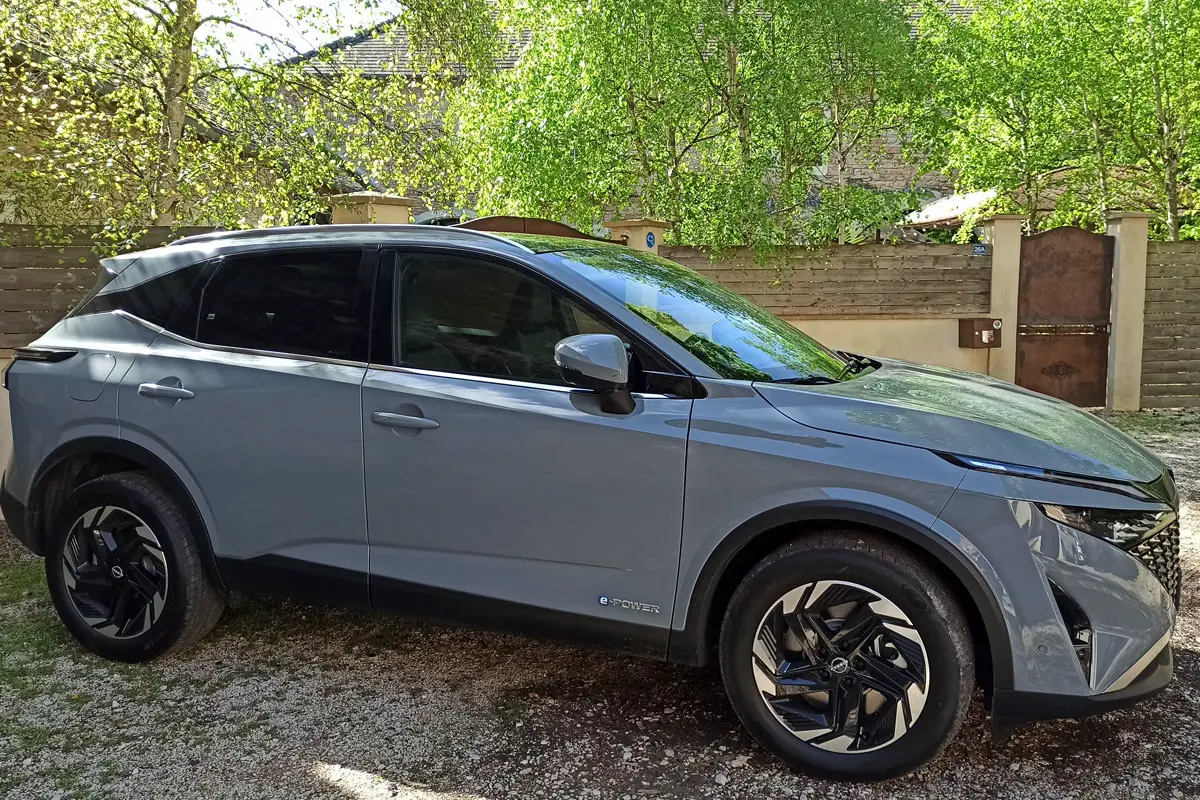
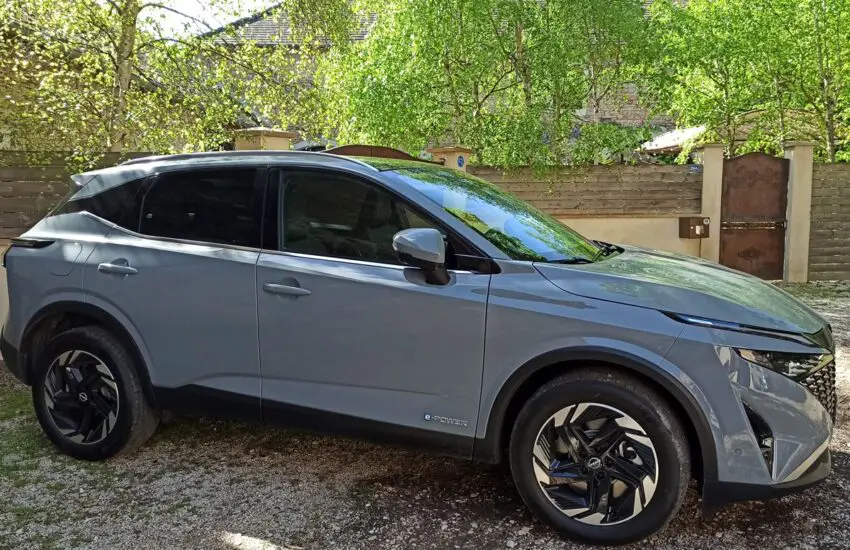
Joël with his malfunctioning Nissan Qashqai e-Power

For three long months, Joel has been waiting for his brand-new Nissan Qashqai hybrid to be repaired, highlighting the significant challenges owners of modern vehicles face when advanced technology fails. This case underscores the growing pains associated with cutting-edge automotive systems and their maintenance.

The Growing Pains of Modern Automotive Technology

As manufacturers race to implement increasingly sophisticated hybrid and electric systems, service networks sometimes struggle to keep pace with repair demands. Specialized training, proprietary diagnostic equipment, and specific replacement parts create complex logistical hurdles that can transform minor technical issues into lengthy repair processes.

Impact on Consumer Confidence

Extended repair timelines for new vehicles can significantly impact owner satisfaction and brand perception. When consumers invest in advanced technology, they reasonably expect reliable performance and efficient service support. Prolonged downtime not only creates inconvenience but also raises questions about long-term ownership costs and vehicle dependability.

Industry-Wide Service Challenges

The automotive industry faces systemic challenges in maintaining service readiness for rapidly evolving technologies. Technical documentation, specialized tool availability, and technician expertise must all align to provide timely repairs. Manufacturers and dealership networks must prioritize service capability development alongside technological innovation to ensure customer support matches product complexity.

This situation serves as a reminder that automotive advancement requires parallel progress in service infrastructure. As vehicles become more technologically sophisticated, the industry must evolve its support systems to maintain customer trust and ensure that innovative features deliver on their promise of enhanced mobility.
Mini Cooper Paul Smith: British Style Limited Edition

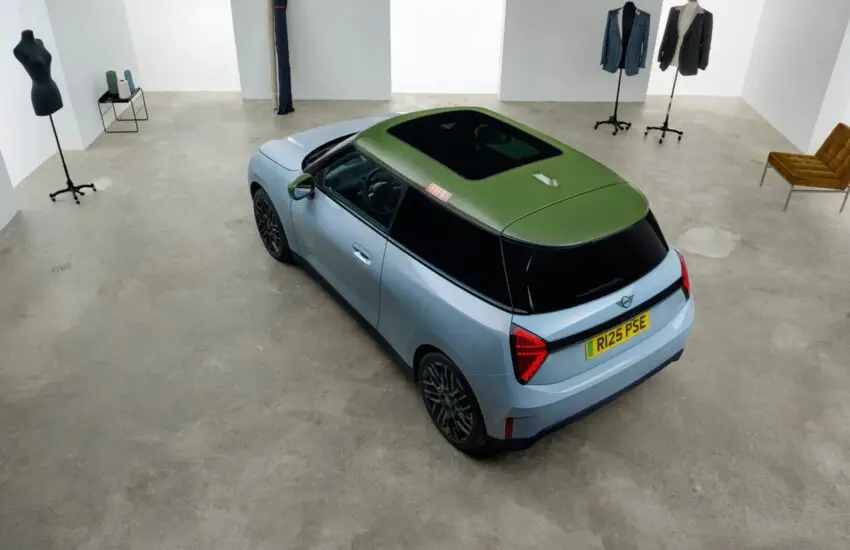
Mini Cooper Paul Smith Limited Edition

Automotive heritage meets high fashion in an exclusive collaboration between Mini and renowned British designer Paul Smith. This limited edition vehicle showcases a perfect fusion of automotive engineering and sartorial elegance, celebrating the best of British design from two iconic brands.

Distinctive Design Elements

The Mini Cooper Paul Smith edition stands out with its carefully curated aesthetic details. The exterior features a unique color palette inspired by Paul Smith’s signature style, combining classic British racing green with vibrant accent colors that reflect the designer’s famous multistripe patterns. Every element has been thoughtfully considered, from the custom wheel designs to the subtle Paul Smith branding integrated throughout the vehicle’s exterior.

Premium Interior Craftsmanship

Inside the cabin, drivers will discover an environment that blends automotive functionality with fashion-forward design. The seats feature premium upholstery with contrasting stitching patterns, while the dashboard incorporates unique trim elements that echo Paul Smith’s textile designs. Attention to detail extends to the smallest components, including custom-designed instrument clusters and specially crafted control interfaces that maintain Mini’s driving-focused layout while incorporating Paul Smith’s distinctive visual language.

Heritage and Innovation

This collaboration represents more than just a special edition vehicle—it’s a celebration of British design heritage meeting contemporary innovation. Both brands share a commitment to quality, attention to detail, and distinctive style that sets them apart in their respective industries. The limited production run ensures each vehicle remains exclusive while maintaining the driving dynamics and character that define the Mini Cooper experience.

The partnership demonstrates how automotive design can successfully incorporate fashion influences while staying true to the core values that make each brand unique. This special edition Mini Cooper offers collectors and enthusiasts a rare opportunity to own a piece of collaborative design history that represents the pinnacle of British creative excellence.

European EV Upgrades Drive Sustainable Mobility

Europe Accelerates Electric Vehicle Modernization

The automotive industry is witnessing a transformative shift as electric vehicle upgrades gain momentum across European markets. This movement focuses on extending vehicle lifespans through systematic enhancements rather than replacement, creating a more sustainable transportation ecosystem. European manufacturers and technology firms are collaborating to develop standardized upgrade protocols that maintain vehicles at peak performance while reducing environmental impact.

Strategic Partnerships Reshaping EV Landscape

Cross-border alliances between German engineering firms, French battery specialists, and Scandinavian software developers are creating comprehensive upgrade ecosystems. These partnerships enable seamless integration of new battery technologies, advanced driver assistance systems, and connectivity features into existing EV platforms. The collaborative approach ensures that vehicles remain technologically relevant without requiring complete replacement.

Innovation in Retrofit Technologies

Breakthroughs in modular battery systems allow for straightforward capacity upgrades in older electric vehicles. New quick-swap battery trays and standardized power management systems enable service centers across Europe to perform comprehensive energy system updates. Simultaneously, software-defined vehicle architectures permit over-the-air performance enhancements and feature activation, fundamentally changing how vehicles age.

Circular Economy Integration

The European upgrade movement incorporates circular economy principles at every level. Remanufactured components meeting original equipment specifications are becoming widely available, while advanced diagnostics help identify which upgrades deliver the greatest environmental and performance benefits. This systematic approach reduces waste while maintaining vehicle safety and reliability standards.

As regulatory frameworks evolve to support vehicle upgrades, European consumers benefit from extended vehicle value and reduced total cost of ownership. The continent’s integrated approach positions it as a global leader in sustainable mobility solutions that balance technological progress with environmental responsibility.

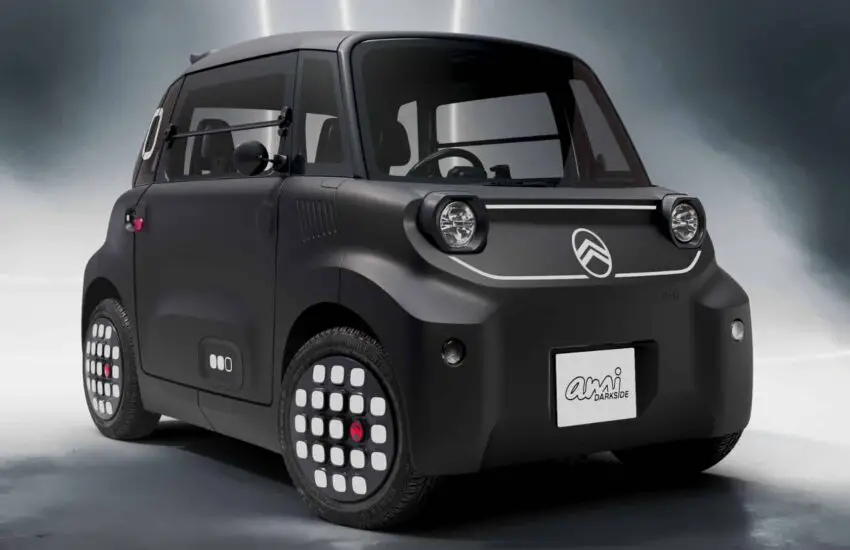
Citroën Ami Dark Side: Halloween’s Exclusive Electric Ride

Citroën Ami Dark Side

Citroën introduces the Ami Dark Side, a special edition crafted for Halloween that redefines the playful essence of its iconic electric vehicle. This limited series immerses the Ami in a mysterious and sophisticated aura, appealing to those who appreciate bold design and nocturnal aesthetics. With its dark-themed makeover, the car stands out as a unique statement on urban streets.

Design and Aesthetic Features

The Ami Dark Side showcases a deep black matte finish that absorbs light, creating an enigmatic presence. Complemented by exclusive dark-tinted windows and custom black wheel covers, this edition enhances privacy and style. Inside, the cabin features subtle orange accents on the dashboard and seats, echoing Halloween’s traditional colors while maintaining an elegant, modern feel. Every detail has been thoughtfully designed to evoke a sense of mystery and exclusivity.

Performance and Urban Mobility

Powered by an electric motor, the Ami Dark Side retains the efficiency and agility that make the standard model ideal for city driving. It offers a smooth, silent ride with zero emissions, supporting eco-friendly transportation. Its compact size ensures easy parking and navigation through crowded areas, making it a practical choice for daily commutes or special occasions. This edition proves that sustainability can seamlessly blend with striking design.

Limited Edition Appeal

As a limited release, the Ami Dark Side adds an element of rarity and collectibility. Each vehicle comes with unique badging and interior finishes that set it apart from the regular lineup. This exclusivity not only attracts car enthusiasts but also those looking to make a fashion-forward statement. By tying the launch to Halloween, Citroën taps into seasonal trends while offering a year-round conversation piece.

Impact on Electric Vehicle Trends

The Ami Dark Side highlights how electric vehicles can transcend functionality to become cultural icons. Its themed approach demonstrates the potential for personalization in the EV market, encouraging broader adoption through creative expression. This model may inspire future editions that cater to niche audiences, pushing the boundaries of what an urban electric car can represent.

Electric Vehicle Sales Shatter Market Records

Electric Cars Achieve Historic Sales Milestone

The automotive industry is witnessing an unprecedented shift as electric vehicle sales reach record-breaking levels. October 2025 marks a pivotal moment in the sector’s energy transition, with market performance exceeding all analyst projections and establishing new benchmarks for sustainable transportation.

Market Transformation Accelerates

Traditional combustion engine vehicles are rapidly losing market share to their electric counterparts. Consumer preferences have evolved significantly, driven by enhanced charging infrastructure, improved battery technology, and growing environmental awareness. The latest sales figures demonstrate a fundamental restructuring of the automotive landscape that experts predict will continue throughout the decade.

Technological Advancements Drive Adoption

Breakthroughs in battery efficiency have addressed previous concerns about range limitations. Modern electric vehicles now offer competitive driving ranges that meet the needs of most consumers. Charging times have decreased substantially while the availability of public charging stations has expanded dramatically across urban and rural areas.

Economic Factors Influence Buyer Decisions

Government incentives combined with decreasing manufacturing costs have made electric vehicles increasingly accessible to mainstream consumers. The total cost of ownership calculations now frequently favor electric models over traditional vehicles, particularly as fuel prices remain volatile. This economic reality has accelerated the transition to electric mobility across all vehicle segments.

Industry Response to Growing Demand

Automakers have responded to this surge in demand by expanding their electric vehicle portfolios and increasing production capacity. New manufacturing facilities dedicated exclusively to electric vehicle production are emerging worldwide, while existing plants are being retrofitted to accommodate the transition. The competitive landscape continues to evolve as established manufacturers and new entrants vie for market position.

The automotive sector’s transformation appears irreversible as electric vehicles cement their position as the future of personal transportation. These record sales figures represent not just a temporary market fluctuation but a fundamental reorientation of consumer behavior and industry priorities.

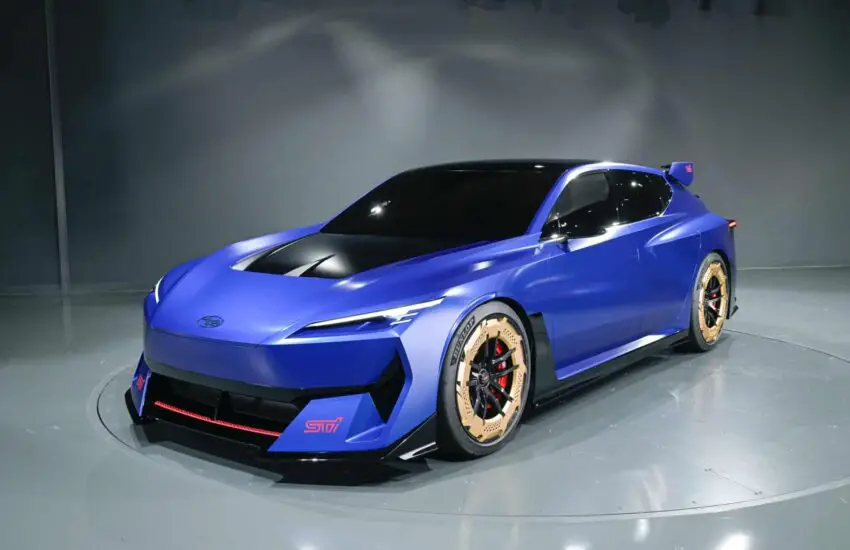
Subaru’s Electric STI Concept Debuts in Tokyo

Subaru’s Electric STI Concept Debuts in Tokyo

At a Tokyo Motor Show dominated by electric vehicle innovations, Subaru made a significant statement with its electric STI concept. Drawing inspiration from the iconic Impreza WRX, this concept showcases Subaru’s commitment to electrification while honoring its performance heritage. The vehicle’s design language maintains the aggressive styling characteristic of STI models, yet incorporates aerodynamic enhancements tailored for electric efficiency.

Design and Performance Features

The electric STI concept features a low-slung profile with widened fenders and a prominent rear spoiler, optimizing downforce at high speeds. Its powertrain utilizes Subaru’s signature symmetrical all-wheel-drive system, now adapted for electric propulsion. While specific power outputs remain undisclosed, engineers hint at instantaneous torque delivery surpassing previous combustion-engine STI models. The cabin integrates sustainable materials with racing-inspired elements, including bolstered sport seats and a driver-focused interface displaying real-time performance data.

Strategic Implications for Subaru

This concept arrives as Subaru navigates the industry’s transition to electrification. Unlike some competitors announcing concrete production timelines, Subaru presents this STI concept as a technological showcase rather than a confirmed production model. This approach reflects the brand’s cautious stance on fully electric performance vehicles, potentially prioritizing hybrid solutions in the near term. The concept demonstrates Subaru’s capability to merge its rally-bred DNA with zero-emission technology, though its commercial viability remains unverified.

Industry observers note that while the electric STI concept generates excitement among enthusiasts, its future depends on market readiness and infrastructure development. Subaru’s deliberate pacing in electric performance segments may allow refinement of technologies that meet both driving dynamics and sustainability standards expected by its loyal customer base.

LG’s B.once App Transforms Used EV Battery Assessment

Revolutionizing Pre-Owned Electric Vehicle Evaluations

The used electric vehicle market has long faced a significant challenge: accurately assessing battery health. Traditional methods often required extensive testing periods and specialized equipment, creating uncertainty for both sellers and buyers. This information gap has been a major barrier to consumer confidence in second-hand EVs.

LG’s Innovative Battery Diagnostic Solution

LG Energy Solution has introduced B.once, a groundbreaking application that rapidly evaluates battery condition in used electric vehicles. This technology represents a substantial advancement in battery assessment methodology, providing detailed insights into battery health within minutes rather than hours. The system analyzes multiple battery parameters to deliver a comprehensive state of health report, giving potential buyers unprecedented transparency about one of an EV’s most critical components.

Impact on the Second-Hand EV Marketplace

This technological breakthrough addresses a fundamental concern for used electric vehicle shoppers. Battery degradation remains a primary consideration when purchasing pre-owned EVs, and the inability to easily verify battery condition has historically suppressed market values and limited transaction volumes. With B.once, both dealerships and private sellers can provide verified battery health reports, potentially increasing resale values and accelerating sales cycles.

Future Implications for EV Ownership Cycle

The availability of reliable battery assessment tools could transform how consumers approach electric vehicle ownership. As verification becomes standardized, the entire ecosystem stands to benefit – from manufacturers designing more durable batteries to consumers making more informed purchasing decisions. This technology may ultimately contribute to longer vehicle lifespans and improved sustainability within the automotive industry by increasing confidence in second-hand electric vehicles.

2026 Mercedes Sprinter Electric Van Teaser Revealed

2026 Mercedes Sprinter Electric Van

Mercedes-Benz is engineering a major shift in the commercial vehicle sector with a complete redesign of its lineup scheduled for 2026. This new generation of vans is being developed from the ground up specifically for electric propulsion, signaling a strategic pivot in the brand’s approach to professional mobility. The iconic Sprinter is slowly stepping into the spotlight, teased by the manufacturer with a mysterious preview that has captured industry attention.

Design and Platform Innovations

The next-generation Sprinter will be built on a dedicated electric vehicle platform, a significant departure from adapting existing combustion engine frames. This allows for a flat load floor, optimized interior space, and improved weight distribution. The teaser hints at a redesigned front fascia, likely featuring a blanked-off grille area and new, sleek lighting signatures that enhance aerodynamics for greater range efficiency.

Expected Performance and Capabilities

Anticipated innovations focus on meeting the rigorous demands of commercial users. Key expectations include a substantial increase in range, targeting figures that alleviate range anxiety for daily urban and regional delivery routes. Rapid charging capabilities are also a priority, aiming to minimize downtime. Furthermore, the integration of advanced driver-assistance systems and connectivity features will position the eSprinter as a smart, connected hub for business operations.

A Strategic Shift for Mercedes-Benz Vans

This comprehensive overhaul underscores Mercedes-Benz’s commitment to a zero-emission future for its commercial vehicle division. By designing the 2026 Sprinter specifically as an electric vehicle, the manufacturer is not just following a trend but is aiming to set a new benchmark for capability, efficiency, and sustainability in the van segment. The full unveiling is expected to provide concrete details on specifications, pricing, and availability as the 2026 launch window approaches.

Tesla’s Electric Revolution Reshapes Auto Industry

The Electric Vehicle Transformation Accelerates

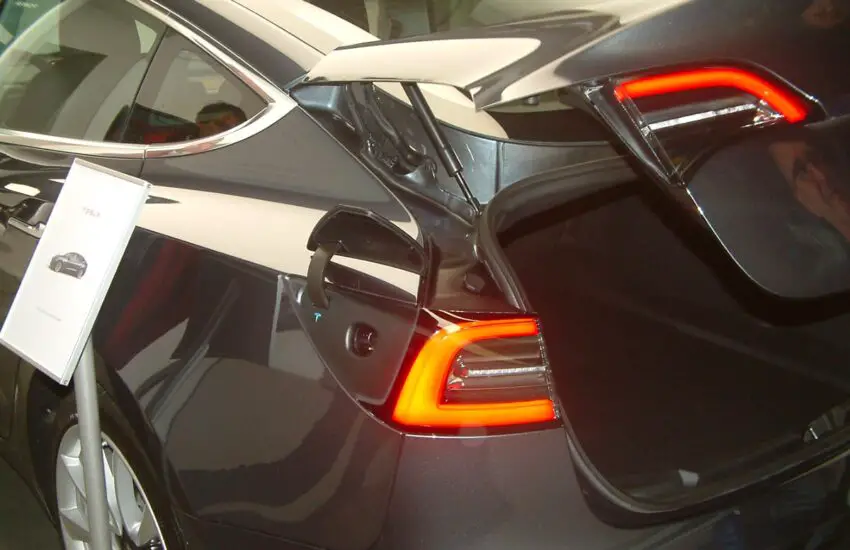
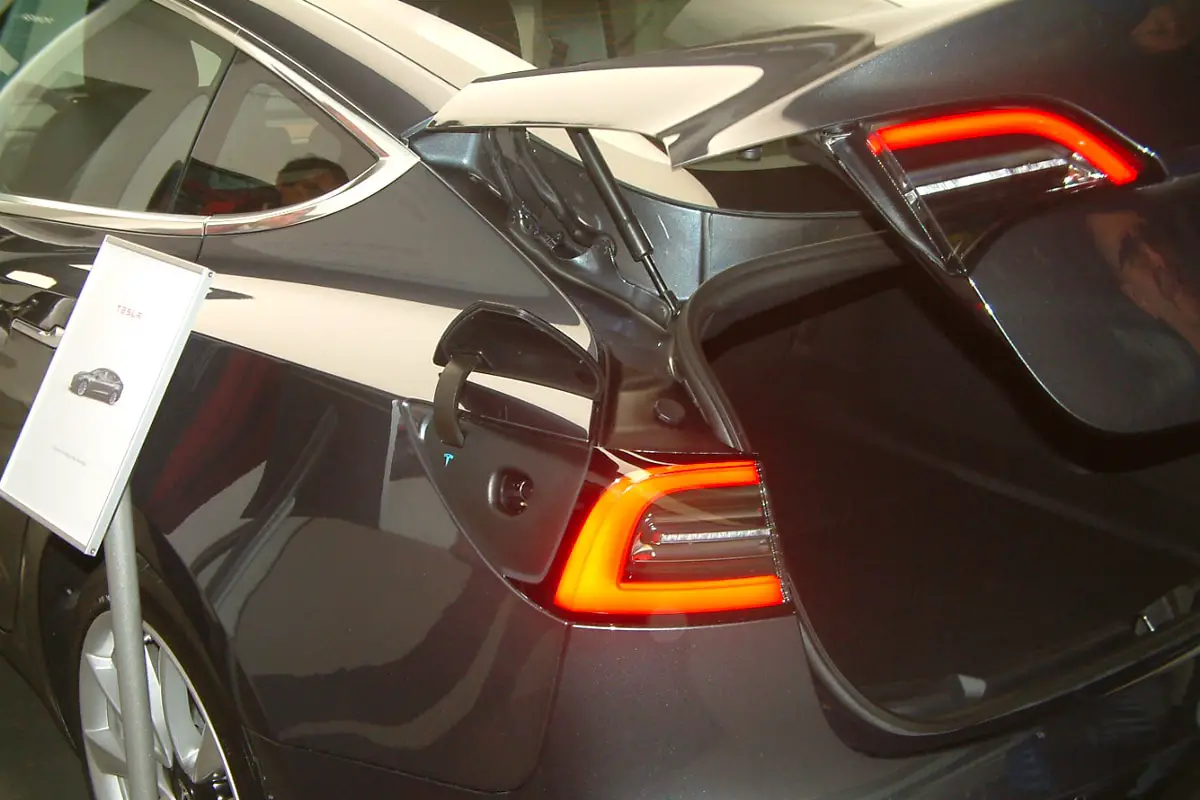
Tesla Model 3

The automotive landscape is undergoing its most significant transformation in a century, with electric vehicles emerging as the undeniable future of transportation. Tesla’s pioneering approach has demonstrated that electric cars can be both desirable and practical, challenging long-held industry assumptions about performance, range, and consumer acceptance.

Technology Driving Market Evolution

Electric vehicles represent more than just a shift in power sources—they embody a complete reimagining of automotive design and functionality. Advanced battery technology continues to improve range capabilities while reducing charging times. Integrated software systems enable over-the-air updates that continuously enhance vehicle performance and features, creating an evolving ownership experience unlike anything in traditional automotive history.

Sustainability Meets Performance

The environmental benefits of electric transportation extend beyond zero tailpipe emissions. When combined with renewable energy sources, EVs offer a pathway to truly sustainable mobility. Simultaneously, electric powertrains deliver instant torque and exceptional acceleration, proving that eco-conscious vehicles don’t require performance compromises. This combination of environmental responsibility and driving excitement has been crucial to changing consumer perceptions.

Industry-Wide Impact and Innovation

Tesla’s success has catalyzed unprecedented investment and innovation across the automotive sector. Traditional manufacturers are accelerating their electric vehicle programs, while new entrants bring fresh perspectives to market. This competitive environment benefits consumers through improved technology, expanded model choices, and more accessible pricing as production scales and battery costs continue to decline.

The electric vehicle revolution represents not merely an alternative to internal combustion engines, but a fundamental improvement in how we think about personal transportation. As infrastructure expands and technology advances, electric vehicles are positioned to become the dominant form of automotive transportation worldwide.

Japanese Kei Car Transforms Electric Vehicle Range

This Compact Hybrid Doubles as a Power Generator

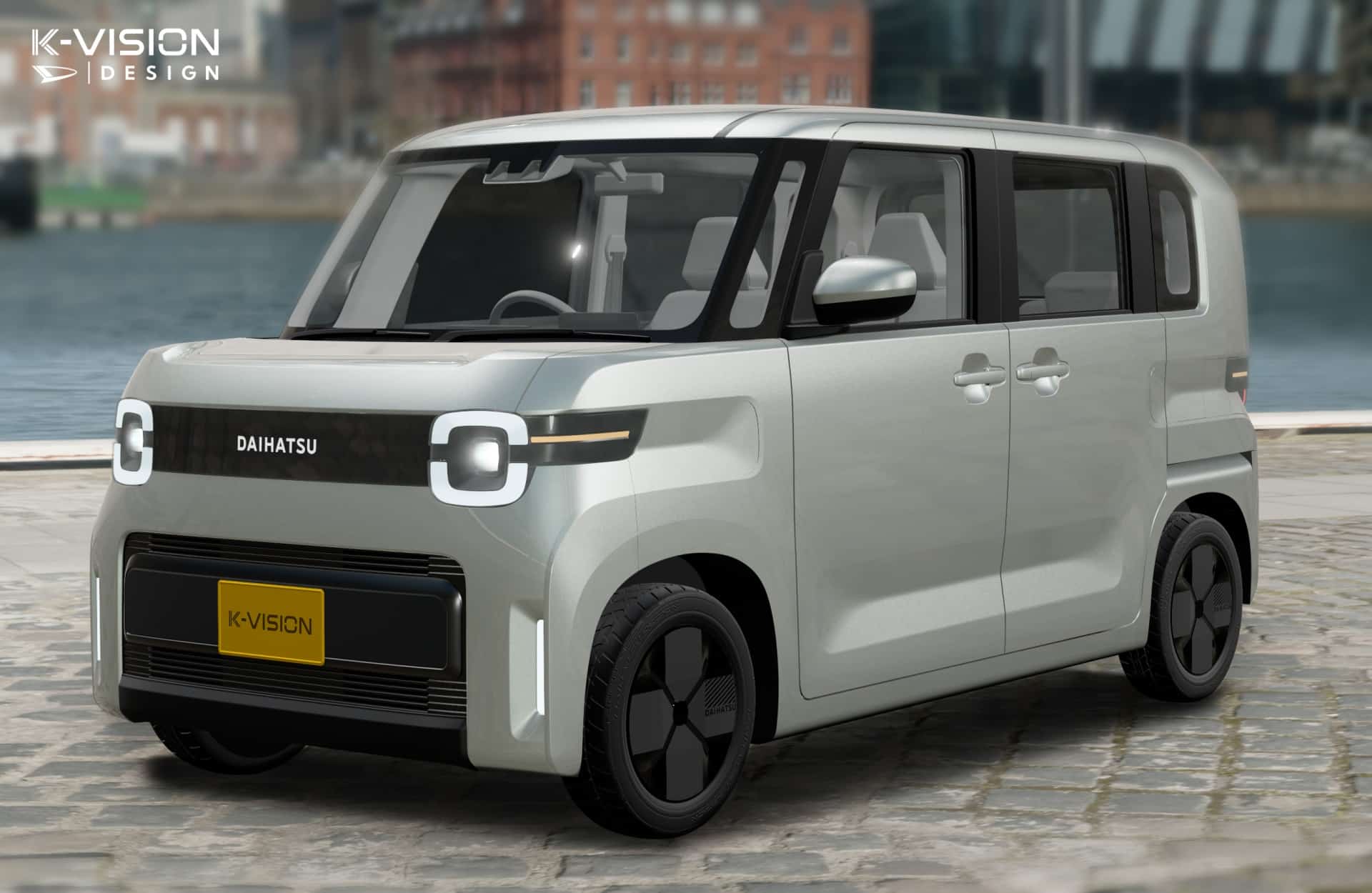
Daihatsu K-Vision

Electrification is making significant strides in Japan’s Kei car segment, with several electric models unveiled at the Tokyo Motor Show. Daihatsu has announced a groundbreaking hybrid model featuring an unprecedented capability that redefines vehicle functionality.

Revolutionary Power Supply Feature

The Daihatsu K-Vision incorporates a hybrid powertrain that serves dual purposes. Beyond efficient transportation, the vehicle can function as a mobile power generator. This innovation allows owners to power electronic devices and small appliances directly from the car, making it ideal for emergencies, outdoor activities, or remote work situations where conventional power sources are unavailable.

Advanced Hybrid Technology

Unlike conventional hybrids, this Kei car utilizes a sophisticated energy management system that optimizes power distribution between propulsion and external power supply. The system intelligently balances battery usage to ensure sufficient range while providing reliable electricity for external needs. This technology represents a significant leap forward in making versatile energy solutions accessible to urban and rural drivers alike.

Impact on Electric Mobility

This development addresses one of the primary concerns in electric vehicle adoption: range anxiety and limited utility. By transforming vehicles into mobile power sources, manufacturers are adding practical value that extends beyond transportation. The technology demonstrates how compact vehicles can provide substantial benefits in energy resilience, particularly important in regions prone to natural disasters or power outages.

Future of Kei Cars

The innovation showcased in the K-Vision signals a new direction for the Kei car segment, traditionally known for its compact dimensions and fuel efficiency. As automotive technology evolves, these small vehicles are positioned to become multifunctional tools that integrate seamlessly into daily life, offering solutions that address both mobility and energy needs in increasingly crowded urban environments.