Lincoln P1506 Code: Idle Air Control System RPM Lower Than Expected

Understanding the Lincoln P1506 Diagnostic Trouble Code

When your Lincoln’s check engine light illuminates and a scan tool reveals code P1506, it indicates a specific fault within the engine’s idle speed control system. Formally defined as “Idle Air Control (IAC) System RPM Lower Than Expected,” this code signals that the vehicle’s Powertrain Control Module (PCM) has detected the actual engine idle speed is consistently below the target RPM it has commanded. Unlike codes for sensor failures, P1506 points to a performance issue—the system is functioning but not achieving the desired result. This code is common across many Ford Motor Company vehicles, including Lincoln models like the Town Car, Navigator, MKZ, and Continental from the late 1990s through the 2000s.

What Does the Idle Air Control (IAC) System Do?

The IAC system is crucial for maintaining a smooth and stable engine idle under varying conditions. It is a valve, typically mounted on or near the throttle body, that bypasses a controlled amount of air around the closed throttle plate. The PCM adjusts the IAC valve position to manage idle speed during:

  • Cold engine startup (high idle)
  • Operation of power accessories (A/C, power steering)
  • Engine load changes (automatic transmission gear engagement)
  • Compensation for engine wear and carbon buildup

Common Symptoms and Causes of P1506 in Lincoln Vehicles

Ignoring a P1506 code can lead to drivability issues and potential stalling. Recognizing the symptoms is the first step in diagnosis.

Primary Symptoms of a P1506 Fault

  • Erratic or Unstable Idle: The engine RPM may surge up and down or hunt for a consistent speed.
  • Stalling: The engine may stall when coming to a stop, when the A/C cycles on, or when shifting into Drive or Reverse.
  • Low Idle Speed: The engine idles noticeably lower than normal, often accompanied by rough running and vibration.
  • Illuminated Check Engine Light: The MIL is on with code P1506 stored, often with pending codes related to idle or airflow.
  • Hard Starting: Difficulty starting, especially when the engine is warm, due to incorrect air/fuel mixture at startup.

Root Causes of Code P1506

The PCM sets P1506 when it cannot raise the idle speed to its target by commanding the IAC valve. The blockage preventing this can be mechanical or electrical.

  • Clogged or Faulty Idle Air Control (IAC) Valve: The most common cause. Carbon and oil vapors from the PCV system can gum up the valve pintle and passage, restricting its movement and airflow.
  • Blocked IAC Air Passage in the Throttle Body: The bypass port in the throttle body itself can become completely clogged with carbon deposits.
  • Vacuum Leaks: Paradoxically, a large unmetered air leak (e.g., cracked vacuum hose, intake manifold gasket) can cause a low, rough idle that the IAC cannot compensate for, triggering the code.
  • Electrical Issues: Problems in the IAC valve circuit, such as damaged wiring, poor connectors, or a blown fuse, can prevent the valve from operating.
  • Throttle Body Issues: Excessive carbon buildup on the throttle plate or a faulty throttle position sensor (TPS) can interfere with baseline airflow calculations.
  • Failing PCM (Rare): In uncommon instances, the engine computer itself may have an internal fault preventing proper IAC control.

Step-by-Step Diagnostic and Repair Guide for P1506

A systematic approach is key to correctly fixing P1506. Always start with the simplest and most common causes before proceeding to complex electrical diagnostics.

Initial Inspection and Basic Checks

Begin with a visual and operational inspection before disassembling components.

  • Check for Vacuum Leaks: Listen for hissing sounds around the intake manifold and vacuum lines. Use carburetor cleaner or propane (with extreme caution) around suspected areas—a change in engine RPM indicates a leak.
  • Scan for Additional Codes: Use your OBD2 scanner to check for codes like P0505 (Idle Control System Malfunction) or P0506 (Idle RPM Lower Than Expected), which can provide additional context.
  • Monitor Live Data: With the engine at operating temperature, observe the IAC valve command (usually a percentage or counts) and engine RPM. A high IAC command (e.g., 40-60%) with low RPM indicates a mechanical restriction.

Cleaning the IAC Valve and Throttle Body

This is the most frequent fix for P1506. You will need a throttle body/intake cleaner, a clean rag, and basic hand tools.

  1. Disconnect the negative battery terminal for safety.
  2. Locate the IAC valve on the throttle body. Disconnect its electrical connector.
  3. Remove the two or three bolts securing the IAC valve. Carefully pull it from the throttle body.
  4. Inspect the valve pintle and the mating air passage in the throttle body for heavy carbon buildup.
  5. Spray throttle body cleaner on the valve pintle and use a rag to wipe it clean. Do not force the pintle in or out.
  6. Spray cleaner into the IAC air passage and the bore of the throttle body, wiping away all carbon from the throttle plate edges and bore.
  7. Allow all components to dry completely. Reinstall the IAC valve with a new gasket if available. Reconnect the electrical connector and battery.
  8. Start the vehicle. The idle may be high initially as the PCM relearns. A 10-15 minute drive cycle often resets adaptation.

Advanced Electrical and Component Testing

If cleaning doesn’t resolve the issue, proceed to electrical diagnostics.

  • Test IAC Valve Resistance: Using a multimeter, measure the resistance across the two terminals of the IAC valve solenoid. Consult a service manual for specifications (typically between 7-13 ohms). An open (infinite) or short (0 ohms) circuit indicates a bad valve.
  • Check for Power and Ground: With the key in the ON position, back-probe the IAC connector. One pin should have battery voltage (12V). The other pin is the PCM-controlled ground. Use a noid light or test light to see if the PCM is pulsing the ground circuit when the engine is started.
  • Inspect Wiring Harness: Look for chafed, burnt, or broken wires from the IAC connector back to the PCM.

Estimated Repair Costs and Professional vs. DIY

The cost to fix P1506 varies dramatically based on the root cause and who performs the repair.

DIY Repair Cost Breakdown

For the handy owner, fixing the most common cause is very affordable.

  • Throttle Body Cleaner: $8 – $15
  • New IAC Valve Gasket: $5 – $10
  • Replacement IAC Valve (if needed): $50 – $150 for a quality OEM or OEM-equivalent part.
  • Tools: Basic socket set, multimeter.
  • Total DIY Range: $15 to $200.

Professional Repair Cost Estimate

At a repair shop or dealership, labor rates add significant cost.

  • Diagnostic Fee: $100 – $150 (often applied to repair).
  • Labor for Cleaning/Replacement: 1.0 to 1.5 hours of labor ($100 – $225).
  • Part Cost (IAC Valve): $100 – $250 (marked up from wholesale).
  • Total Professional Range: $250 to $600+.

Recommendation: For most owners, attempting to clean the IAC valve and throttle body is a low-risk, high-reward first step. If the problem persists or you are uncomfortable with the electrical testing, seeking professional help is advised to prevent misdiagnosis and unnecessary parts replacement.

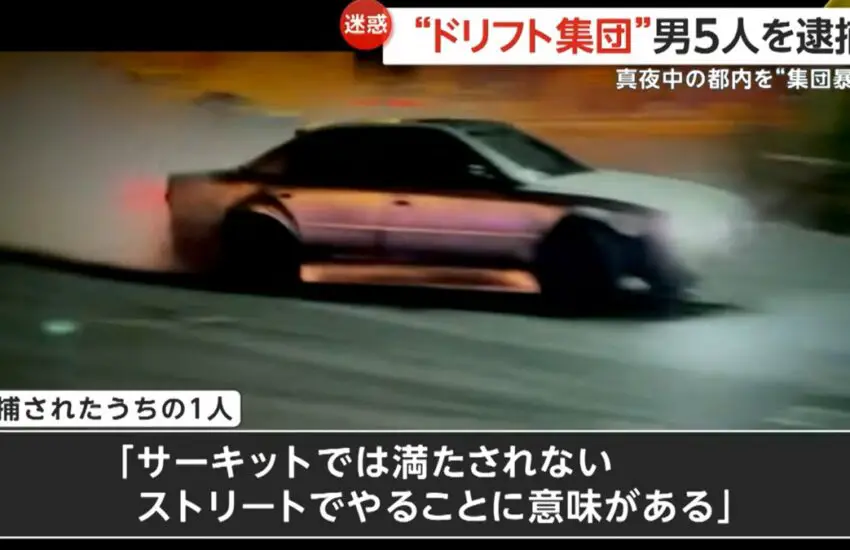
Tokyo Police Crack Down on Illegal Harbor Drifting Crew

Tokyo’s Illegal Drift Scene Hits a Roadblock

While the art of drifting is celebrated on sanctioned circuits worldwide, its illegal counterpart on public streets faces zero tolerance in Japan’s capital. In a recent operation, the Tokyo Metropolitan Police Department dismantled a crew specializing in dangerous public exhibitions, leading to multiple arrests. This action underscores a clear message: the romanticized image of street drifting clashes with the reality of strict law enforcement.

From Social Media Thrills to Legal Consequences

The arrested individuals are accused of orchestrating illegal drift sessions at a Tokyo harbor area. Authorities report that the group utilized a fleet of iconic rear-wheel-drive vehicles, including Toyota and Nissan S-chassis models, to perform smoky slides and maneuvers on the public docks. The police case was significantly strengthened by their own video evidence, captured during surveillance, which documented the dangerous driving.

This evidence moves the incident beyond hearsay, providing concrete proof of violations related to reckless driving and obstructing public roads. The charges carry serious penalties, potentially including heavy fines, license suspension, and imprisonment.

The Global Myth vs. Local Reality

This crackdown highlights the stark contrast between Japan’s global reputation as the birthplace of drifting culture and the daily realities of urban policing. Locations like the legendary mountain passes or industrial areas often depicted in media are either heavily monitored or patrolled. Law enforcement agencies actively monitor online platforms where such groups might share their exploits, using digital footprints as investigative tools.

The arrest serves as a potent reminder that public roads are not racetracks. The risks of illegal drifting extend beyond legal trouble for participants; they endanger unsuspecting drivers, pedestrians, and property. For automotive enthusiasts, the message is clear: the only safe and legal way to enjoy drifting is at professional tracks and organized events designed for this high-skill motorsport.

KIA P1506 Code: Idle Air Control Valve Circuit Malfunction Explained

Understanding the KIA P1506 Diagnostic Trouble Code

The OBD2 trouble code P1506 is a manufacturer-specific code commonly encountered in KIA (and Hyundai) vehicles. It is defined as “Idle Air Control (IAC) Valve Circuit Malfunction.” This code indicates that the vehicle’s Powertrain Control Module (PCM) has detected an electrical or performance issue within the circuit of the Idle Air Control valve. The IAC valve is a critical component of the engine management system, responsible for maintaining a stable and correct engine idle speed under varying loads (like when the A/C compressor kicks on) and temperatures. When P1506 is stored, the PCM has likely detected a voltage signal outside the expected range, an open circuit, or a short circuit in the IAC valve’s control or feedback wiring.

Common Symptoms of a P1506 Code in Your KIA

When the IAC valve circuit malfunctions, the PCM loses precise control over idle speed. The symptoms are directly related to improper air management at idle and can range from mildly annoying to making the vehicle undrivable. It’s crucial to address this code promptly to prevent potential stalling in traffic or excessive wear on other components.

Primary Symptoms of IAC Valve Failure

  • Erratic or Fluctuating Idle: The engine RPM may surge up and down unpredictably while stopped.
  • Stalling: The engine may stall when coming to a stop, when the transmission is shifted into gear, or when accessories like the A/C are engaged.
  • High or Low Idle Speed: The idle may be consistently too high (e.g., 1500 RPM when warm) or too low, causing a rough, shaky feel.
  • Illuminated Check Engine Light (CEL): The P1506 code triggers the CEL. In some cases, the vehicle may also enter a “limp-home” mode, limiting performance.
  • Hard Starting: You may experience difficulty starting the engine, especially when it’s cold, as the IAC valve cannot set the correct air bypass.

Technical Causes and Diagnostic Procedure for P1506

Diagnosing P1506 requires a systematic approach, moving from simple, non-invasive checks to more complex electrical tests. A basic OBD2 scanner is essential to confirm the code and check for related codes (like P0505 or P0507). Always begin with a visual inspection before performing electrical tests.

Step-by-Step Diagnostic Guide

Step 1: Preliminary Checks & Visual Inspection
First, check for any other related codes. Perform a thorough visual inspection of the engine bay. Look for:

  • Disconnected, damaged, or corroded electrical connectors at the IAC valve and PCM.
  • Damaged, chafed, or burnt wiring in the IAC valve harness.
  • Excessive carbon buildup around the throttle body bore where the IAC valve passages are located.
  • Vacuum leaks from cracked hoses or a faulty intake manifold gasket, which can mimic IAC symptoms.

Step 2: Testing the Idle Air Control Valve

The IAC valve is typically a small motorized valve attached to the throttle body. You can perform two key tests:

  • Resistance Test (Ohmmeter): Disconnect the IAC valve connector. Measure the resistance between the specified terminals (refer to a vehicle-specific repair manual for exact values, often between 7-13 ohms at room temperature). An infinite reading indicates an open coil; a very low reading indicates a short.
  • Actuation Test: With the connector disconnected, apply 12 volts from the battery (using fused jumper wires) to the correct terminals. You should hear and feel a distinct “click” as the valve pintle extends or retracts. No movement indicates a faulty valve motor.

Step 3: Checking the Electrical Circuit

If the valve tests good, the fault lies in the wiring or PCM. With the IAC connector still disconnected and the ignition ON (engine OFF), use a digital multimeter to check for:

  • Power Supply: One pin should show battery voltage (typically 12V).
  • Ground Circuit: Check the ground circuit for continuity to a known good ground.
  • Signal/Control Wires: Check for continuity from the IAC connector back to the corresponding pins at the PCM connector. Also check for shorts to power or ground.

Repair Solutions and Prevention for Code P1506

Once the root cause is identified, the repair is generally straightforward. The most common fixes involve cleaning, replacement, or wiring repair.

Most Common Repair Procedures

  • Cleaning the IAC Valve and Throttle Body: If carbon buildup is the issue, carefully remove the IAC valve (if separate) and the throttle body. Use a dedicated throttle body cleaner and a soft brush to clean the IAC passages, valve pintle, and throttle plate. Never force the IAC valve pintle open or closed manually. After reassembly, an idle relearn procedure is often required.
  • Replacing the IAC Valve: If the valve fails the electrical or actuation tests, replacement is necessary. Always use a high-quality OEM or reputable aftermarket part. Ensure the gasket or O-ring is replaced to prevent vacuum leaks.
  • Repairing Wiring Harness: For damaged wires, solder and heat-shrink the repair is the professional standard. Do not use twist-on connectors or electrical tape alone in the engine bay.

Post-Repair Protocol and Idle Relearn

After any repair involving the IAC valve or throttle body, you must clear the P1506 code with your scanner. More importantly, most modern KIAs require an idle relearn procedure. This allows the PCM to recalibrate and “learn” the correct base idle position of the IAC valve. The procedure varies by model year but often involves: ensuring the engine is at operating temperature, turning all accessories off, and letting the vehicle idle in Park or Neutral for 5-10 minutes without touching the throttle. Consult your vehicle’s service information for the exact steps.

Conclusion: Addressing P1506 for Optimal Performance

Code P1506, while specific, points to a manageable fault in your KIA’s idle control system. Ignoring it can lead to poor drivability, increased emissions, and potential safety concerns from stalling. By following a logical diagnostic path—starting with visual inspection, moving to component testing, and finally circuit verification—you can accurately identify whether the issue is a dirty valve, a failed component, or a wiring fault. Performing the correct repair and completing the necessary idle relearn procedure will restore smooth, stable idle operation and ensure your KIA’s engine management system functions as designed.


Hyundai Ioniq 6 Discontinued in US, Only N Performance Model Survives

Hyundai Ioniq 6 US Production Comes to a Halt

The American journey for the Hyundai Ioniq 6 sedan has reached an unexpected and early conclusion. After a brief three-year run, the sleek electric vehicle is being quietly removed from the US market. This strategic shift, first reported by industry analysts and confirmed by Hyundai, leaves only a single variant available: the high-performance Ioniq 6 N. This move signals a significant pivot in Hyundai’s electric vehicle strategy for the region.

A Strategic Pivot Towards Performance

Hyundai’s decision underscores a focused realignment of its EV portfolio. By discontinuing the standard Ioniq 6 trims, the automaker is channeling its efforts into a performance-oriented niche. The surviving Ioniq 6 N is poised to become a halo model, designed to capture enthusiast attention and bolster the brand’s sporting credentials. This approach suggests a calculated response to market demand, where distinctive performance models can create stronger brand appeal than volume-oriented sedans.

Market Dynamics and SUV Dominance

The Ioniq 6’s departure highlights the challenging landscape for electric sedans in the United States. Consumer preference continues to overwhelmingly favor SUVs and crossovers, a trend powerfully demonstrated by the sustained success of the related Ioniq 5 crossover. This market reality makes it difficult for even well-reviewed sedans to achieve sustainable sales volume. The consolidation allows Hyundai to streamline its offerings and concentrate resources on high-demand body styles and its performance sub-brand.

What This Means for the EV Landscape

This discontinuation raises questions about the future of electric sedans in a crossover-dominated market. It indicates that manufacturers are becoming increasingly selective, choosing to compete only in segments with clear demand or with highly specialized, high-margin vehicles. For consumers, the immediate effect is a narrowed choice in the electric sedan segment, but it also points to an industry intensifying its focus on specific, potentially more profitable, niches. The legacy of the standard Ioniq 6 will be one of critical acclaim that ultimately faced formidable market headwinds.

Subaru Confirms Fan Demand for New STI Model

Subaru Acknowledges Enthusiast Calls for a New STI

In a significant move for the automotive community, Subaru has officially confirmed it is listening to the passionate appeals from fans for a new STI model. This acknowledgment comes as a direct response to the persistent and vocal demand from enthusiasts who have been eagerly awaiting the return of the brand’s high-performance icon.

The Legacy and the Pause

The Subaru WRX STI lineage, renowned for its rally-bred all-wheel-drive systems and boxer engine roar, entered a state of uncertainty following the discontinuation of its previous generation. The absence of a dedicated STI variant for the latest WRX platform left a notable void in the performance car segment. Subaru’s recent statement validates that this enthusiast sentiment has not gone unheard within the company’s boardrooms, marking a pivotal shift from silence to engagement.

What Could a New STI Look Like?

While details remain speculative, the confirmation of interest opens the door to numerous possibilities. The automotive industry’s shift towards electrification suggests a future STI could incorporate hybrid technology to boost power and torque while potentially improving efficiency. This would allow Subaru to maintain the model’s core identity—sharp handling and symmetrical all-wheel drive—while adapting to new environmental standards. The key challenge will be balancing modern innovation with the raw, mechanical driving feel that defined the STI badge.

The Road Ahead for Subaru Performance

This official recognition is more than just corporate messaging; it is a crucial signal to the market. It demonstrates that Subaru values its dedicated fanbase and understands the importance of the STI nameplate to its brand identity. The development timeline for a new performance model is long, but this confirmation is the essential first step. Enthusiasts can now realistically hope that the distinct rumble of a high-performance Subaru boxer engine, possibly augmented by electric power, will once again grace the roads.

Jaguar P1506 Code: Idle Air Control System Fault Diagnosis & Repair

Understanding the Jaguar P1506 Diagnostic Trouble Code

The OBD2 trouble code P1506 is a manufacturer-specific code for Jaguar (and some other Ford-era vehicles) that indicates a fault within the Idle Air Control (IAC) system. In simpler terms, the vehicle’s Engine Control Module (ECM) or Powertrain Control Module (PCM) has detected that the actual engine idle speed does not match the commanded or expected idle speed, and the IAC system is unable to correct the discrepancy. This system is crucial for maintaining a smooth, stable idle under various engine loads from accessories like the A/C compressor, power steering, and alternator.

Technical Definition of P1506

Formally, P1506 is defined as “Idle Air Control System – Underspeed Error” or sometimes “Idle Speed Control – Lower Limit Exceeded.” The ECM/PCM uses the IAC valve (or in newer models, an electronic throttle body) to regulate bypass air around the closed throttle plate. If the commanded adjustments fail to bring the idle RPM within a specified range, the code is set. It’s a “Type B” code, typically illuminating the Check Engine Light after failing two consecutive drive cycles.

Primary Function of the Idle Air Control System

The IAC system’s core job is to manage engine idle speed independently of throttle pedal input. Key responsibilities include:

  • Stabilizing Cold Start Idle: Providing a higher idle (fast idle) to ensure smooth operation and rapid catalyst warm-up.
  • Compensating for Engine Load: Increasing idle RPM when the A/C clutch engages, power steering is at full lock, or the alternator is under high demand.
  • Preventing Stall: Making immediate adjustments to air intake to prevent the engine from dying when a load is suddenly applied or removed.

Common Symptoms of a P1506 Fault in Your Jaguar

Ignoring a P1506 code can lead to drivability issues and potential damage. Drivers typically report one or more of the following symptoms, which may be intermittent at first.

Erratic and Unstable Engine Idle

This is the most telltale sign. You may experience:

  • Rough Idle: The engine shakes or vibrates excessively while stationary.
  • Idle Surging: RPMs fluctuate up and down (e.g., from 500 to 1200 RPM) without driver input.
  • Excessively Low or High Idle: Idle speed consistently sits below 500 RPM (nearly stalling) or above 1000 RPM when warm.

Stalling and Driveability Issues

As the fault progresses, it affects driving:

  • Stalling at Stops: The engine may die when coming to a halt or when idling in gear.
  • Hard Starting: Difficulty starting, especially when the engine is warm.
  • Poor Performance: Hesitation or stumbling during initial acceleration from a stop.

Diagnosing the Root Causes of P1506

A P1506 code points to a system failure, not a single component. A methodical diagnosis is required. The causes range from simple carbon buildup to complex electrical faults.

Mechanical and Maintenance-Related Causes

These are often the first and most common areas to inspect.

  • Clogged or Faulty IAC Valve: Carbon and oil vapor buildup can seize the valve pintle or restrict its movement. The valve’s internal motor can also fail.
  • Dirty Throttle Body: Heavy carbon deposits around the throttle plate and bypass air passages disrupt airflow, fooling the ECM.
  • Vacuum Leaks: Unmetered air entering the intake manifold after the Mass Air Flow (MAF) sensor lowers idle speed. Common leak points include cracked hoses, intake gaskets, and the brake booster line.

Electrical and Sensor-Related Causes

Modern IAC systems rely on precise signals and power.

  • Faulty IAC Valve Connector/Wiring: Broken wires, corrosion, or poor contact in the connector can interrupt control signals.
  • Failed Throttle Position Sensor (TPS): The ECM uses TPS data to confirm the throttle is closed at idle. A faulty TPS signal can trigger P1506.
  • Issues with Related Sensors: Faulty readings from the Engine Coolant Temperature (ECT) or Manifold Absolute Pressure (MAP) sensors can cause incorrect idle speed commands.
  • Rare ECM/PCM Failure: A malfunction within the control module itself is possible but less common; always rule out wiring and power first.

Step-by-Step Diagnostic and Repair Guide

Warning: Always disconnect the battery before working on electrical components. Have a professional OBD2 scanner capable of reading live data and performing actuator tests.

Initial Inspection and Basic Tests

Start with a visual and basic functional check.

  • Scan for Additional Codes: Retrieve all codes. Codes like P0505, P0506, or P0507 often accompany P1506 and provide more context.
  • Visual Inspection: Check all vacuum lines, intake ducting, and the IAC valve electrical connector for obvious damage or disconnections.
  • Listen for Vacuum Leaks: Use a mechanic’s stethoscope or carefully spray carburetor cleaner around suspected areas. A change in idle indicates a leak.

Testing the IAC Valve and Circuit

This requires a multimeter and potentially a scanner with bidirectional controls.

  • Resistance Test: Unplug the IAC valve. Measure resistance across its terminals. Consult a service manual for specifications (typically between 7-13 ohms). An open or short circuit indicates a bad valve.
  • Actuator Test: Use your scanner’s “IAC Valve Test” function to command the valve open and closed. You should hear a distinct clicking or humming sound from the valve.
  • Voltage and Signal Test: With the key on, engine off, check for reference voltage (usually 12V) and ground at the IAC connector using a multimeter.

Cleaning and Replacement Procedures

If the valve or throttle body is dirty, cleaning is a cost-effective first repair.

  • Cleaning the IAC Valve: Remove the valve (often two bolts). Use a dedicated throttle body and intake cleaner—never carburetor cleaner—on the pintle and passages. Allow it to dry completely.
  • Cleaning the Throttle Body: With the intake hose removed, spray cleaner on a cloth and wipe the bore and throttle plate. Do not force the plate open.
  • Replacement: If cleaning fails or resistance tests are bad, replace the IAC valve with a high-quality OEM or OEM-equivalent part. After any repair, reset the ECU’s adaptive memory by disconnecting the battery for 15 minutes or using a scanner. A subsequent idle relearn drive cycle is often necessary.

When to Seek Professional Jaguar Specialist Help

While P1506 can sometimes be resolved by an experienced DIYer, the complexity of modern Jaguar engine management systems often warrants professional diagnosis.

Complex Electrical Diagnostics

If basic tests don’t reveal the issue, tracing wiring faults or diagnosing a failing PCM requires advanced tools, wiring diagrams, and expertise that most shops lack. A Jaguar specialist will have the specific diagnostic software (like SDD or JLR-approved tools) to perform precise module programming and adaptations after repair, which is critical for a lasting fix.

Can a Facelift Revive the Maserati GranTurismo and GranCabrio?

A Crucial Update for Maserati’s Flagship Coupe and Convertible

Maserati finds itself at a pivotal moment. The iconic GranTurismo and its open-top sibling, the GranCabrio, have long been symbols of Italian grand touring luxury. However, in an increasingly competitive market dominated by electrification and rapid technological advances, even legends require renewal. Recent spy shots and industry reports confirm that a comprehensive facelift for both models is underway, representing a critical effort to rejuvenate the brand’s core offerings.

More Than Just a New Look

The upcoming update is expected to go beyond mere cosmetic tweaks. While the prototypes spotted testing feature camouflage, hints of revised front and rear fascias, updated lighting signatures, and new wheel designs are evident. The interior will likely receive significant attention, with a focus on upgrading the infotainment system, materials, and digital interfaces to meet contemporary luxury standards. This holistic refresh aims to address criticisms of the current generation’s aging technology while preserving the models’ dramatic styling and emotional appeal.

The Stakes for the Trident Brand

This facelift is not a routine model-year update; it is a strategic necessity. Maserati’s lineup is in transition, with the Grecale SUV and the all-electric Folgore variants carrying much of the growth expectations. The GranTurismo and GranCabrio remain the heart and soul of the brand’s performance heritage. A successful update must therefore strike a delicate balance: honoring their legacy while making them compelling against rivals like the Porsche 911 and Aston Martin Vantage. Their ability to attract buyers will be a key indicator of Maserati’s overall health and direction.

Ultimately, the success of this refresh will depend on the depth of the changes. If Maserati delivers meaningful enhancements in performance, technology, and daily usability wrapped in captivating new aesthetics, the GranTurismo and GranCabrio could well reclaim their spotlight. If the changes are perceived as too superficial, they may struggle to alter the market’s perception. The coming months will reveal if this update is the catalyst Maserati needs.

Forza Horizon 6 Tokyo Gameplay: A Stunning Yet Empty Metropolis

A Visual Masterpiece in the Heart of Japan

The first pure gameplay footage for Forza Horizon 6 has arrived, offering a breathtaking preview of its Japanese setting. The showcase focuses on the sprawling urban landscape of Tokyo, captured during a vibrant spring or summer season. True to the franchise’s legacy, the visual presentation is nothing short of spectacular. The city’s iconic skyline, detailed neon-lit districts, and meticulously crafted architecture create a stunning backdrop for high-speed antics. The surrounding natural areas, from cherry blossom-lined roads to coastal routes, continue the series’ tradition of breathtaking environmental design.

The Glaring Issue of a Vacant City

However, this initial deep dive reveals a significant and puzzling shortcoming: Tokyo feels eerily empty. While the environment is visually rich, it lacks the bustling life expected of the world’s most populous metropolis. The streets appear devoid of pedestrian crowds and the dense, chaotic traffic that defines Tokyo. This absence strips the city of its authentic energy and character, reducing it to a beautiful but hollow playground. The silence is deafening compared to the vibrant, living worlds seen in other modern open-world racing titles.

Gameplay Implications and Future Potential

This emptiness has direct consequences for the gameplay experience. Races and exploration risk feeling sterile, missing the dynamic challenge and unpredictability that civilian traffic and crowds provide. The sense of thrilling evasion or navigating through urban chaos is notably absent. While the core driving mechanics appear polished and the car list is anticipated to be extensive, the world itself may fail to engage players beyond its visual appeal. The hope remains that this build is not representative of the final product, and that Playground Games will inject the necessary life into Tokyo before launch. The foundation for a fantastic Horizon festival location is clearly there, but it urgently needs a soul.

P1506 Hyundai Code: Idle Air Control System RPM Lower Than Expected

Understanding the Hyundai P1506 OBD2 Diagnostic Trouble Code

The OBD2 diagnostic trouble code P1506 is a manufacturer-specific code for Hyundai (and often Kia) vehicles. Its generic definition is “Idle Air Control System RPM Lower Than Expected.” This code indicates that the vehicle’s Engine Control Module (ECM) has detected that the actual engine idle speed is significantly lower than the target idle speed commanded by the computer, and the Idle Air Control (IAC) system is unable to correct it.

In simpler terms, the ECM is trying to raise the idle RPM by opening the IAC valve to allow more air into the engine, but the RPM remains too low. This points to a fault in the idle air control system, which is critical for stable engine operation when the throttle is closed. Ignoring this code can lead to poor driveability, stalling, and increased emissions.

Core Function of the Idle Air Control (IAC) System

The IAC system is an actuator controlled by the ECM. Its primary job is to manage engine idle speed by bypassing air around the closed throttle plate. The ECM adjusts the IAC valve’s pintle position based on inputs like:

  • Engine Temperature: Commands a higher “fast idle” when cold.
  • Electrical Load: Compensates for load from A/C, headlights, etc.
  • Transmission Engagement: Adjusts RPM when shifting into Drive or Reverse.
  • Power Steering Load: Prevents stalling during turns.

When the ECM commands a change and the engine RPM doesn’t respond accordingly, it sets code P1506.

Common Symptoms and Causes of P1506 in Hyundai Vehicles

Recognizing the symptoms is the first step in diagnosis. A Hyundai with a stored P1506 code will often exhibit one or more of the following driveability issues.

Primary Symptoms of Code P1506

  • Low or Fluctuating Idle: Idle RPM consistently below specification (e.g., 500 RPM instead of 750) or surging up and down.
  • Engine Stalling: Frequent stalling when coming to a stop, when the A/C cycles on, or when shifting into gear.
  • Illuminated Check Engine Light (CEL): The CEL is always on with this code. There may be no noticeable symptoms in early stages.
  • Hard Starting: The engine may crank longer than normal before starting, especially when warm.
  • Poor Air Conditioning Performance: The A/C may blow warm at idle due to low engine speed.

Root Causes of P1506 “RPM Lower Than Expected”

The causes range from simple maintenance oversights to component failures. A systematic approach is key.

  • Faulty or Clogged Idle Air Control (IAC) Valve: The most common cause. Carbon buildup can jam the valve pintle, or the internal motor can fail.
  • Vacuum Leaks (Post-Throttle Body): While large vacuum leaks often cause high idle, certain leaks downstream of the IAC valve can disrupt its control.
  • Clogged or Dirty Throttle Body: Heavy carbon deposits around the throttle plate and IAC bypass passages restrict airflow.
  • Electrical Issues: Problems in the IAC valve circuit, such as damaged wiring, poor connectors, or a blown fuse.
  • Failed IAC Valve Driver in the ECM: A rare but possible cause where the ECM’s internal circuit that controls the IAC valve is defective.
  • Throttle Position Sensor (TPS) Misalignment/Issue: An incorrect TPS signal can confuse the ECM about throttle position, affecting idle control.
  • Severely Dirty or Failed Mass Air Flow (MAF) Sensor: Provides incorrect air mass data, leading to poor fuel and idle control.

Step-by-Step Diagnostic and Repair Procedure

Follow this technical diagnostic sequence to efficiently pinpoint and resolve the P1506 code. Always begin with a visual inspection and the simplest, most common fixes.

Step 1: Preliminary Checks and Data Verification

Connect a professional OBD2 scan tool (not just a code reader).

  • Record freeze frame data associated with the P1506 code.
  • Clear the code and perform an Idle Relearn Procedure (see Step 4). Drive the vehicle to see if the code returns.
  • With the engine running, monitor live data: Engine RPM, Desired Idle RPM, IAC Valve Position/Duty Cycle, Engine Coolant Temp (ECT), and MAF sensor readings. Compare actual RPM to desired RPM.

Step 2: Inspect and Clean the Throttle Body & IAC Valve

This resolves over 50% of P1506 cases. Remove the air intake hose to access the throttle body.

  • Inspect the throttle bore and plate for heavy carbon varnish.
  • Locate the IAC valve (typically attached to the throttle body). On many Hyundais, it’s a separate cylindrical unit with a 2 or 3-wire connector.
  • Use a throttle body cleaner specifically labeled as safe for coated throttle bodies and sensors. Do not use carburetor cleaner.
  • Spray cleaner on a clean rag and wipe the throttle bore and plate. Avoid forcing the throttle plate open.
  • If the IAC valve is removable, clean its tip and passages thoroughly. Ensure the pintle moves freely.

Step 3: Electrical and Component Testing

If cleaning doesn’t work, proceed to electrical diagnostics. You will need a digital multimeter (DMM).

  • Check IAC Valve Resistance: Disconnect the IAC valve connector. Measure resistance between the two terminals. Consult a service manual for specs (typically between 7-15 ohms at room temperature). An open (infinite) or short (0 ohms) circuit indicates a bad valve.
  • Check for Power and Ground: With the key ON, engine OFF, check for battery voltage at one pin of the vehicle harness connector. Check for a good ground at the other pin.
  • Inspect Wiring and Connectors: Look for chafed wires, corrosion, or bent pins in the IAC valve circuit back to the ECM.
  • Check for Vacuum Leaks: Use a smoke machine or carefully spray carburetor cleaner around intake gaskets, vacuum hoses, and the brake booster. A change in idle indicates a leak.

Step 4: The Critical Idle Relearn/Reset Procedure

After any repair involving the IAC valve, throttle body cleaning, or battery disconnect, you MUST perform an idle relearn. The ECM needs to recalibrate the IAC valve’s home position. A common Hyundai procedure is:

  1. Ensure the engine is at normal operating temperature (coolant fan cycles at least once).
  2. Turn off all electrical loads (A/C, lights, rear defogger).
  3. With the scan tool, clear all DTCs.
  4. Turn the ignition OFF for at least 10 seconds.
  5. Start the engine and let it idle in Park or Neutral for 3 to 5 minutes until the idle stabilizes. Do not touch the accelerator.
  6. Turn the A/C on for 1 minute, then off. Idle should stabilize again.
  7. Test drive the vehicle, ensuring it comes to a stop multiple times. The idle should now be smooth and within spec.

Note: Some models may require a proprietary scan tool for a formal “Idle Air Volume Learn” procedure.

Conclusion and Final Recommendations

Code P1506 on your Hyundai is a direct message from the ECM that it cannot control the engine’s idle speed properly. While it can cause significant annoyance and stalling, the diagnosis is typically straightforward. Always start with a thorough cleaning of the throttle body and IAC valve passages, followed by a proper idle relearn procedure. This non-invasive fix resolves the majority of cases. If the problem persists, methodical electrical testing for power, ground, and component resistance will guide you to the faulty part, whether it’s the IAC valve itself, a wiring issue, or a related sensor. Addressing P1506 promptly restores smooth idle operation, prevents unsafe stalling, and ensures your Hyundai runs as engineered.

The Illustrated Guide to (Not) Buying Your First Car

Avoiding the Pitfalls of First-Time Car Buying

Purchasing your first car is a milestone filled with excitement and, often, significant risk. Many new drivers, armed with enthusiasm but little experience, walk onto a dealership lot unprepared for the complex dance of negotiation and evaluation that awaits. The journey from a reliable family hand-me-down to an independent purchase can be fraught with costly mistakes, from overpaying for flashy aesthetics to overlooking critical mechanical flaws.

Emotion vs. Inspection

The most common trap for beginners is letting emotion override logic. You fall in love with a car’s sleek lines or sporty reputation, just like the infamous allure of a vintage performance model, and suddenly red flags seem less important. A thorough, independent mechanical inspection is non-negotiable. Never skip this step, even if the seller seems trustworthy or the car looks pristine. What’s hidden underneath can save you thousands in unexpected repairs.

Navigating the Negotiation

Sales environments are designed to maximize profit, often through add-ons and financing packages. Walk in with pre-approved financing from your bank to understand your real budget. Focus the discussion on the “out-the-door” total price, not the monthly payment, which can be manipulated to hide a higher cost. Be prepared to walk away; it is your most powerful tool.

Research is Your Best Defense

Knowledge dispels pressure. Before visiting any seller, research fair market values for your desired model, its common reliability issues, and ownership costs. Set a firm budget that includes insurance, taxes, and registration. This preparation transforms you from a susceptible target into an informed buyer, capable of making a decision based on facts, not feelings.