2024 EV Bonus Expands: Two New Models Qualify for Top Incentives

Electric Vehicle Incentives Get a Boost for 2024

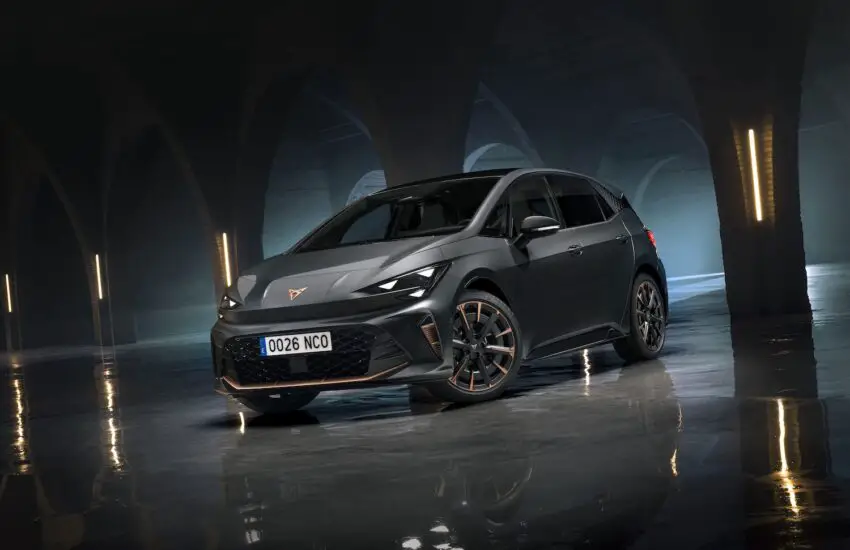
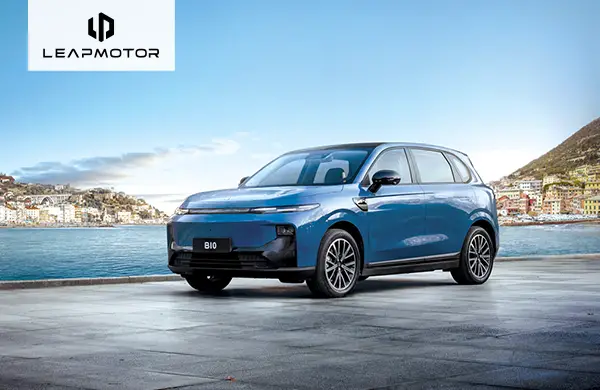
The landscape for government incentives on clean vehicles is constantly evolving. A significant update for the 2024 ecological bonus scheme has been confirmed, broadening options for consumers. Two new fully electric vehicle models have been added to the official list qualifying for the maximum financial aid, providing more choice for drivers committed to making the energy transition.

Expanding Access to Affordable Electric Mobility

This update is part of a continuous effort to make electric vehicles (EVs) more accessible to a wider audience. The “bonus écologique,” or ecological bonus, is a key French policy tool designed to offset the higher initial purchase price of EVs compared to traditional internal combustion engine vehicles. By extending the list of eligible models, authorities aim to stimulate market growth and accelerate the adoption of zero-emission transport.

The inclusion of these two new vehicles specifically targets the segment eligible for the highest grant amount. This tier is typically reserved for the most affordable and environmentally efficient models, ensuring public funds directly support consumers making the most impactful choices. The exact models and their specifications are published on official government platforms.

What This Means for Potential Buyers

For buyers currently considering an electric car, this expansion is timely news. It introduces fresh competition and potentially more attractive options within the budget EV segment. Prospective owners are advised to consult the latest official lists before finalizing any purchase to confirm eligibility, as criteria and model qualifications can be subject to periodic review and adjustment based on market and policy goals.

This move signals a continued commitment to supporting the electric vehicle market. As battery technology improves and production scales, such incentives play a crucial role in bridging the cost gap, making sustainable transportation a practical reality for more households and contributing directly to national carbon reduction targets.

Alpine A390 Review: Electric SUV or Sports Car in Disguise?

Alpine A390 First Drive Impressions

Alpine’s ambitious expansion continues with the A390, a model tasked with a seemingly impossible mission. It must deliver the practicality of a five-seat family SUV while retaining the agile, thrilling soul of a classic sports coupe. This electric newcomer steps into a fiercely competitive arena, aiming to challenge established benchmarks. Can one vehicle truly master two distinct disciplines?

Blending Performance with Practicality

The A390’s design philosophy is immediately apparent. It features a lower, more aggressive stance than typical SUVs, with pronounced wheel arches and Alpine’s signature lighting signatures. The interior prioritizes the driver’s environment with a sport-focused cockpit, yet does not compromise on rear passenger space or cargo volume. This careful balancing act is the A390’s core proposition, offering daily usability without diluting the brand’s performance DNA.

Electric Powertrain and Driving Dynamics

Equipped with a dual-motor all-wheel-drive system, the A390 delivers instant electric torque and formidable power. Early driving impressions highlight a chassis tuned for engagement, with precise steering and a suspension that manages to curb body roll effectively. The driving experience is notably more connected and responsive than many electric SUVs, suggesting Alpine’s engineers prioritized dynamic feel alongside outright acceleration. Regenerative braking is strong and configurable, allowing for one-pedal driving in urban environments.

A New Contender in the EV Arena

The A390 enters a market dominated by vehicles like the Tesla Model Y Performance. Its potential advantage lies in its dedicated sports car heritage, offering a distinct character for drivers seeking excitement beyond straight-line speed. The cabin’s material quality and driver-centric layout also present a compelling alternative to the minimalist tech-lounge approach of some rivals. The ultimate question remains whether its blend of attributes will resonate strongly enough to carve out a significant niche.

France’s 2035 Combustion Engine Ban Faces Potential Reversal

Is France Backtracking on the 2035 Engine Ban?

The French government’s recent high-stakes meeting with automotive industry leaders has cast significant doubt on the nation’s commitment to the European Union’s 2035 ban on new internal combustion engine vehicles. This consultation, aimed at forging a unified national position, has instead highlighted the immense practical and economic challenges of the impending deadline, suggesting a major policy shift may be underway.

Mounting Pressure and Economic Realities

Industry representatives presented a stark picture of the transition’s hurdles. Key concerns include the high upfront cost of electric vehicles for consumers, the uneven deployment of charging infrastructure—particularly in rural areas—and the strategic reliance on battery technologies and raw materials sourced outside Europe. This domestic pressure coincides with a broader European context where several member states are advocating for a review of the 2035 target, citing similar economic and social concerns.

The Hybrid Technology Compromise

A central point of discussion is the potential role of hybrid vehicles as a transitional technology beyond 2035. Proponents argue that advanced hybrids, especially plug-in models, could serve as a pragmatic bridge, reducing emissions significantly while alleviating range anxiety and infrastructure strain. This approach is seen as a way to maintain industrial competitiveness and protect jobs within the traditional automotive sector during a more gradual shift.

Implications for the European Green Deal

France’s hesitation carries weight far beyond its borders. As a major automotive producer and a central player in the EU, any formal French push to amend the 2035 regulation could galvanize other skeptical nations and potentially unravel a cornerstone of the European Green Deal. The outcome of this national debate will signal whether Europe pursues a strict, disruptive timeline or adopts a more flexible, technology-neutral path to decarbonizing transport.

The coming months will be critical as France defines its formal negotiating stance in Brussels. The possibility of a “reversal” reflects a deepening conflict between ambitious climate targets and the tangible realities of industrial policy, consumer adoption, and energy sovereignty.

The BYD Dolphin’s Global Surge: A Compact EV Phenomenon

The BYD Dolphin’s Remarkable Global Journey

The BYD Dolphin has cemented its status as a global electric vehicle phenomenon, surpassing one million units sold internationally in just four years. This milestone is a testament to BYD’s strategic vision and the model’s broad appeal, marking it as a cornerstone of the Chinese automaker’s successful expansion beyond its domestic market. The Dolphin’s rapid ascent highlights a significant shift in the global automotive landscape, where affordable and well-equipped EVs are driving widespread adoption.

Key Factors Behind the Dolphin’s Success

Several strategic elements converge to explain the Dolphin’s impressive performance. Firstly, its competitive pricing, made possible by BYD’s vertical integration and expertise in battery technology, places it firmly in the accessible EV segment. Secondly, it offers a compelling package of modern features, ample interior space for its category, and a practical driving range suitable for urban and suburban use. This combination of value and capability has resonated powerfully with cost-conscious consumers seeking to transition to electric mobility without premium brand price tags.

Reception in the European and French Markets

In Europe, and particularly in France, the BYD Dolphin has been received as a serious contender in the competitive B-segment. Its arrival has been noted for intensifying pressure on established European automakers, prompting a faster acceleration of their own affordable EV programs. For French consumers, the Dolphin presents an attractive alternative, often boasting more standard technology and a comparable or longer range than some regional rivals at a similar price point. Its success is reshaping expectations for what an entry-level electric vehicle can and should offer.

Implications for the Global EV Landscape

The million-unit milestone for the BYD Dolphin is more than a corporate achievement; it signals a new phase of global EV competition. It demonstrates that high-volume, globally appealing electric cars can originate from manufacturers outside the traditional automotive hubs. The Dolphin’s journey underscores the critical importance of scalability, supply chain control, and direct value proposition in winning over the mass market, setting a new benchmark for the industry worldwide.

Trump’s Fuel Rule Reversal: A Setback for US EV Transition?

A Policy Reversal on Vehicle Emissions

In a significant policy announcement, former President Donald Trump has pledged to roll back stringent fuel economy and CO2 emission standards for automobiles. This move directly challenges the current administration’s accelerated push toward electric vehicle (EV) adoption, signaling a potential strategic pivot in American energy and automotive policy. The proposal aims to bolster the traditional internal combustion engine industry and fossil fuel sectors, reigniting a contentious national debate on climate goals and economic priorities.

Implications for the Electric Vehicle Market

This regulatory shift could substantially alter the trajectory of the U.S. auto industry. By easing compliance pressures on car manufacturers, the policy may slow down the planned phase-out of gasoline and diesel vehicles. Automakers who have invested heavily in electrification may face conflicting signals, potentially leading to delayed EV model launches and reduced investment in domestic battery production infrastructure. Consumer incentives for purchasing electric cars could also be deprioritized, affecting demand.

Broader Energy and Environmental Impact

The decision extends beyond the showroom, influencing broader energy independence and environmental targets. A sustained reliance on gasoline-powered vehicles would likely maintain high domestic oil consumption, impacting geopolitical energy strategies. Environmental groups warn that loosening emission rules will result in increased greenhouse gas outputs, making federally mandated climate targets more difficult to achieve. This policy direction underscores a fundamental disagreement on balancing industrial competitiveness with ecological responsibility.

As the political landscape evolves, the long-term impact on technology innovation and the United States’ position in the global clean energy race remains uncertain. The automotive industry now faces a period of regulatory ambiguity, with its strategic planning contingent on upcoming electoral outcomes and subsequent policy directions.

Kia EV8: Bridging Concept and Reality in Electric Sedans

The Future of Electric Sedans Takes Shape

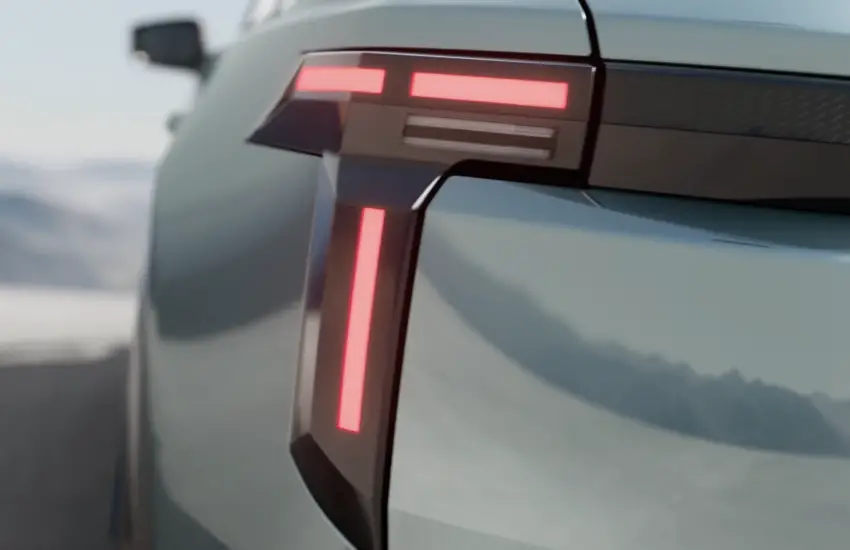
The automotive world is buzzing with anticipation as Kia prepares to unveil its latest all-electric sedan, expected to be named the EV8. This model represents a pivotal step in the brand’s ambitious electrification strategy, promising to blend a radical, concept-car aesthetic with tangible production reality. Early teasers suggest a vehicle designed to disrupt the conventional sedan segment with its progressive philosophy.

A Design Departure from Convention

Moving beyond the familiar silhouettes of traditional sedans, the Kia EV8 is poised to introduce a dramatically sculpted exterior. Leaked sketches and official hints point to a fastback-like profile, sharp character lines, and the brand’s signature “Digital Tiger Face” lighting signature, evolved for a new era. The focus appears to be on creating a strong emotional connection through design, while optimizing aerodynamics for maximum range efficiency. This approach signifies Kia’s confidence in pushing boundaries for production vehicles.

Expected Performance and Platform Technology

While official specifications remain under wraps, industry analysis strongly suggests the EV8 will utilize Hyundai Motor Group’s advanced E-GMP platform. This architecture, foundational to models like the EV6 and EV9, enables ultra-fast charging, long driving ranges, and high-performance variants. The EV8 will likely offer multiple powertrain configurations, potentially including a dual-motor, all-wheel-drive GT model capable of exceptional acceleration. The interior is anticipated to follow the brand’s trend of using sustainable materials and integrating expansive, curved digital displays.

Positioning in a Competitive Market

The arrival of the Kia EV8 will place it in direct conversation with established electric sedans, challenging competitors with its combination of daring design, cutting-edge technology, and the brand’s growing reputation for value. It aims to offer a compelling alternative for buyers seeking a vehicle that stands out visually without compromising on the practical benefits of modern EV engineering. As the line between visionary concept and production car continues to blur, the EV8 stands as a testament to the rapid and exciting evolution of the electric vehicle landscape.

France Aims for 70,000 Shared Cars by 2031

France’s National Plan to Boost Car-Sharing Services

Illustration of car-sharing vehicles in a city

The French government has unveiled a concrete roadmap to significantly expand car-sharing across the country. The central goal is to deploy 70,000 shared vehicles in free-floating or station-based services by the year 2031. This initiative represents a major policy push to make shared mobility a more accessible and widespread alternative to private car ownership.

Structuring a Growing Market

This national plan is designed to structure and accelerate a market that has seen organic growth in major cities but lacks a cohesive national framework. The government aims to create favorable conditions for operators, encouraging investment and service expansion into medium-sized cities and suburban areas. By setting a clear numerical target, the plan provides a benchmark for progress and underscores a long-term commitment to sustainable mobility.

Benefits for Urban Mobility and the Environment

The expansion of car-sharing services is expected to deliver multiple benefits. Primarily, it can reduce the number of private vehicles in urban centers, alleviating congestion and freeing up public space often used for parking. Furthermore, by providing convenient access to a vehicle without the costs and responsibilities of ownership, it complements public transport networks. Environmentally, the fleet is anticipated to consist increasingly of low-emission and electric vehicles, contributing to improved air quality and lower carbon emissions in cities.

Challenges and Implementation

Achieving this ambitious target will require addressing several challenges. Key among them is ensuring equitable access across different regions, not just in dense metropolitan hubs. Collaboration between local authorities and private operators will be crucial to designate dedicated parking spots and establish clear regulations. Success will also depend on public adoption, requiring continued awareness of the economic and practical advantages of sharing over owning a car for occasional use.

The Slip Angle Secret: How Tires Generate Ultimate Grip

The Physics of Speed: What Happens to Your Tires

Many drivers believe the fastest way through a corner is in a perfectly straight line, fighting the steering wheel for control. This common misconception misses the true secret of performance driving. Ultimate speed isn’t about brute force, but about maintaining momentum from corner entry to exit, dancing at the very limit of your tires’ adhesion. The key lies in a precise, controlled slip.

Understanding the Magic Window of Traction

A tire’s maximum grip does not occur when it’s rolling perfectly straight. It happens when there is a slight difference between the direction the tire is pointed and the direction it is actually traveling. This difference is called the slip angle. In this state, the tire’s tread blocks deform slightly, generating immense mechanical grip as they claw at the asphalt. You hear this as the tire’s signature squeal or hum—the sound of performance.

Balancing on the Edge of Control

Mastering slip angle is the art of balancing on a knife’s edge. Too little slip, and you’re not using the tire’s full potential. Too much, and you cross into a skid or understeer, losing speed and control. The goal is to smoothly steer, brake, and accelerate to keep each tire operating within this optimal slip angle window throughout the entire corner. This technique preserves momentum and allows for earlier, harder acceleration onto the next straight.

This principle is why racing drivers appear to drift slightly through high-speed bends. They are not out of control; they are meticulously managing slip angle to carry more speed. For any driver, understanding this concept transforms the approach to cornering, emphasizing smooth inputs and vehicle balance over aggressive steering.

From Grandma’s Garage to JDM Legend: The 240SX Transformation

The Unlikely Beginning of a Build

Finding a pristine, unmodified Nissan 240SX in today’s market feels like uncovering buried treasure. For one enthusiast, that dream became reality in the form of an Aztec Red coupe, complete with a dual-overhead-cam engine, a manual transmission, and a crack-free dashboard. Its most remarkable feature was its history: a single owner, a retiree, who had preserved it as reliable transportation for years. This was not a car found on a forum, but a genuine time capsule hiding in plain sight, representing the perfect blank canvas for a transformation.

The Vision for a Japanese Thoroughbred

The goal was never to create a wild drift missile, but to respectfully evolve the 240SX into the capable Japanese sports car it was always meant to be. The plan focused on enhancing performance, handling, and aesthetics while maintaining a clean, functional ethos. The first step was addressing the suspension. The original, worn components were swapped for a quality set of coilovers, immediately sharpening turn-in and reducing body roll. This was paired with lightweight alloy wheels and modern performance tires, transforming the car’s footprint and grip.

Breathing New Life Under the Hood

While the stock KA24DE engine is robust, more power was essential for the intended driving experience. The build centered on reliable, naturally-aspirated gains. A cold air intake, a performance exhaust header, and a tuned ECU extract were installed to improve throttle response and horsepower. The interior received subtle upgrades—a classic Nardi steering wheel and refreshed shift knob—to improve driver connection without sacrificing the car’s original character.

The Reward of a Purposeful Project

The completed car is a testament to thoughtful modification. It retains its identity as a 240SX but now delivers a sharper, more engaging drive. The transformation from a “grandma’s car” to a purist’s JDM sports car proves that with the right vision, even the most humble examples can be reborn as thrilling drivers’ cars. It stands as a reminder of the model’s fantastic chassis and the enduring appeal of the Japanese sports coupe.

Auto Industry Braces for Tough Q4 2025 Finish

A Quiet Conclusion to the Automotive Year

The final quarter of 2025 is shaping up to be a challenging period for the global automotive industry. As the year draws to a close, dealerships and manufacturers are confronting a complex mix of economic headwinds that threaten to dampen traditional year-end sales momentum. Early indicators suggest the quarter may end not with a bang, but with a cautious whisper from consumers.

Mounting Pressure on Consumer Spending

The primary challenge stems from sustained pressure on household budgets. Persistent inflation, though moderating in some sectors, continues to impact disposable income, while higher interest rates have made financing a new vehicle significantly more expensive. This economic uncertainty is causing many potential buyers to postpone large purchases, opting to maintain their current vehicles longer. The cumulative effect is a market characterized by hesitation rather than robust demand.

A Diverging Performance Landscape

Not all automakers are facing the same degree of difficulty. A select few brands reporting monthly figures have managed to post relatively positive news, often tied to strong demand for specific hybrid or updated mainstream models. However, these bright spots appear to be the exception rather than the rule. The broader market is experiencing a pullback, with inventory levels beginning to rise on many lots as sales velocity slows.

Strategic Shifts in a Cooling Market

In response, manufacturers and dealers are recalibrating their strategies. Aggressive incentive packages, which had become rare in recent years, are slowly reappearing as a tool to stimulate demand. Marketing efforts are increasingly focused on value propositions and long-term ownership cost, rather than pure performance or luxury. The industry is navigating a delicate balance between protecting profitability and moving metal before the year-end.

The Road Ahead into 2026

The outcome of this difficult fourth quarter will set the tone for the automotive sector’s entry into 2026. Industry analysts are closely watching inventory adjustments and consumer sentiment signals. A softer-than-expected finish will likely lead to more conservative production plans and a continued emphasis on operational efficiency in the new year. The period serves as a stark reminder of the market’s cyclical nature and its sensitivity to broader economic conditions.