Comparison between Single-Mass and Dual-Mass Flywheel: Which is the Better Choice?

The flywheel is a key component in a vehicle’s transmission system. It serves to regulate kinetic energy and absorb vibrations generated by the engine, ensuring smoother driving and better interaction between the engine and the gearbox. Depending on the type of engine, driving preferences, and performance needs, there are mainly two types of flywheels: the single-mass flywheel and the dual-mass flywheel. Each has its specificities, advantages, and disadvantages. In this article, we will detail the differences between these two types of flywheels.
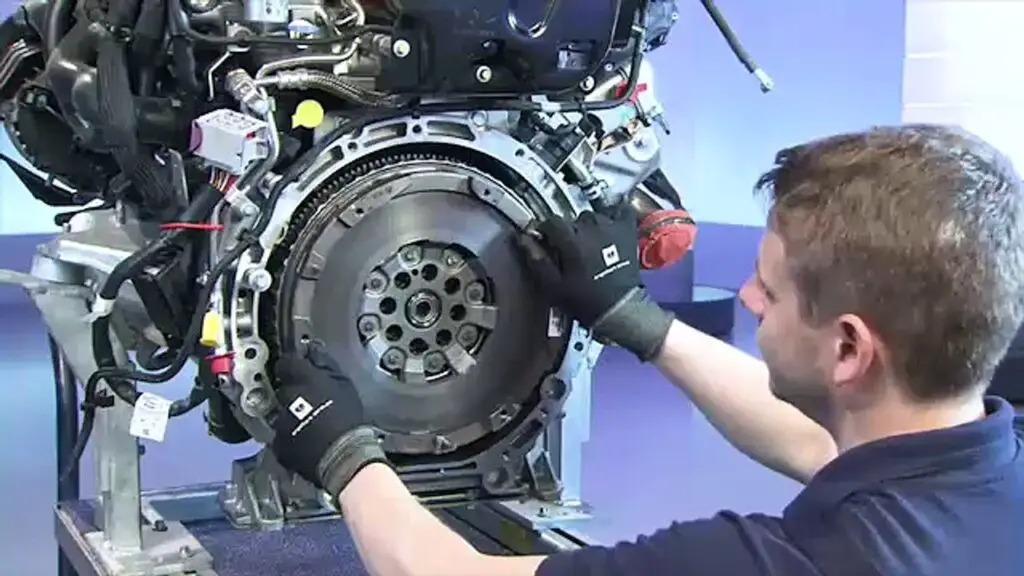
The Dual-Mass Flywheel: Comfort and Protection

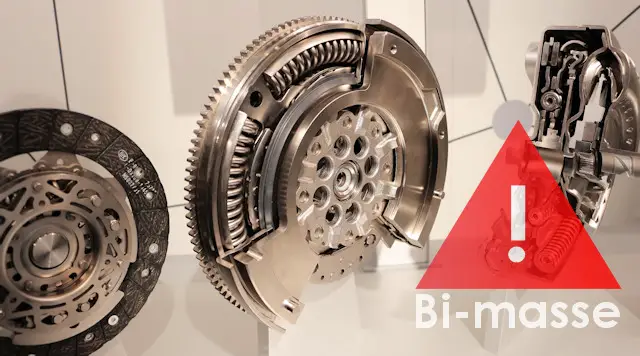
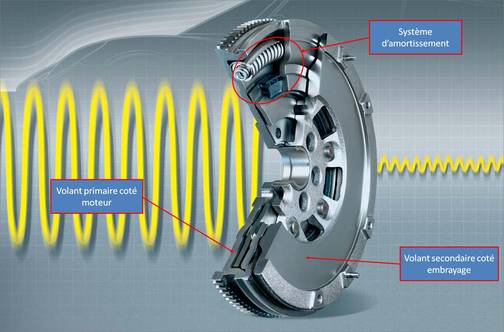
The dual-mass flywheel (or double-mass flywheel) is a sophisticated component made up of two main parts, each acting independently. It typically consists of two masses separated by springs or dampers. This system is designed to dampen engine vibrations and protect transmission components, especially in modern high-torque engines.

Advantages of the Dual-Mass Flywheel:

  1. Vibration Reduction: The main advantage of the dual-mass flywheel is its ability to reduce vibrations transmitted from the engine to the transmission. This improves driving comfort, especially in high-torque engines (such as diesel engines), where vibrations can be more pronounced.
  2. Superior Comfort: Due to its damping system, the dual-mass flywheel offers a smoother ride. It better absorbs shocks and jolts generated by engine speed variations, making driving more pleasant, especially on long trips or at low speeds.
  3. Transmission Protection: The dual-mass flywheel protects the transmission and other engine components by cushioning shocks. This reduces premature wear on clutch discs and gearbox gears, thereby extending the lifespan of these expensive parts.

Disadvantages of the Dual-Mass Flywheel:

  1. High Cost: The dual-mass flywheel is generally more expensive to purchase due to its complex design. It also requires more costly maintenance, as the springs or dampers can wear out over time, necessitating repairs or replacement.
  2. Spring Wear: The internal springs of the dual-mass flywheel can deteriorate, especially in older vehicles or after many kilometers. This can lead to rattling noises or unpleasant vibrations.
  3. Additional Weight: Due to its dual mass and damping mechanism, the dual-mass flywheel is heavier than the single-mass one. This can slightly affect engine responsiveness, particularly during rapid acceleration or engine speed changes.

The Single-Mass Flywheel: Simplicity and Responsiveness

The single-mass flywheel is a simpler component that consists of a single piece. Unlike the dual-mass flywheel, it does not have a damping system, meaning it directly transmits the engine’s kinetic energy to the transmission without filtering or reducing vibrations.
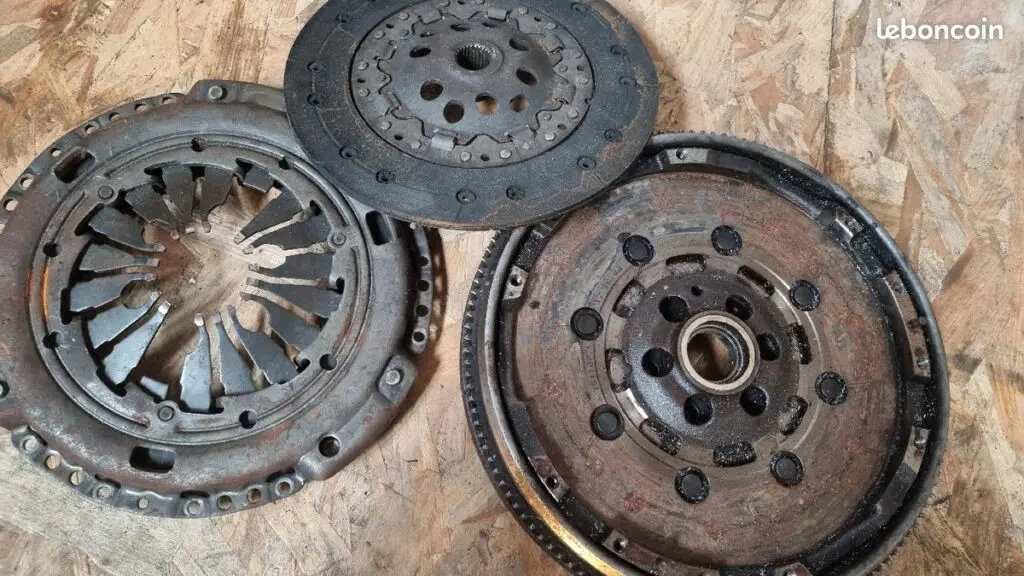
Advantages of the Single-Mass Flywheel:

  1. Less Expensive: The single-mass flywheel is generally more affordable, both in purchase and maintenance. It is often more economical because it has a simpler design, without springs or dampers.
  2. Increased Responsiveness: The absence of a secondary mass allows for a faster response to engine speed changes. This can be an advantage for drivers looking to improve their vehicle’s responsiveness, especially in smaller engines or performance vehicles.
  3. Fewer Moving Parts: Since the single-mass flywheel is made of a single piece, it has fewer components that can wear out. Therefore, there is less risk of mechanical failure related to spring or damping component wear.

Disadvantages of the Single-Mass Flywheel:

  1. More Vibrations: The main disadvantage of the single-mass flywheel is that it does not reduce vibrations. Consequently, it can lead to jolts and a less comfortable ride, especially in high-torque engines like diesel engines or engines with significant imbalance.
  2. Less Comfort: The direct transmission of vibrations can make the ride harsher, which may be perceived as uncomfortable, especially during long trips.
  3. Increased Stress on the Transmission: The lack of damping means there is more stress on the clutch and gearbox. In the long term, this can lead to premature wear of these components, which can be costly to repair.

Detailed Comparison of the Two Types of Flywheels

Criterion Dual-mass flywheel Single-mass flywheel
Driving comfort Very good, vibration reduction Less comfortable, more vibrations
Purchase cost More expensive (due to complexity) Less expensive (simpler design)
Weight Heavier Lighter
Durability Less durable (spring wear) More durable (fewer moving parts)
Engine responsiveness Less responsive (additional weight) More responsive (lightness)
Transmission protection Better protection (reduces stress) More stress on the transmission

Conclusion: Choosing Between a Single-Mass or Dual-Mass Flywheel

The choice between a single-mass flywheel and a dual-mass flywheel depends on several factors, including the type of vehicle, the driver’s priorities, and the available budget.
  • If you have a modern vehicle with a high-torque engine (such as a diesel engine), or if driving comfort is a priority, a dual-mass flywheel is generally recommended. It offers better vibration reduction and protects transmission components.
  • If you are looking for a less expensive solution, your vehicle has modest power, or you want improved responsiveness, the single-mass flywheel can be an excellent choice. It is simpler, lighter, and will save you money in the long run.
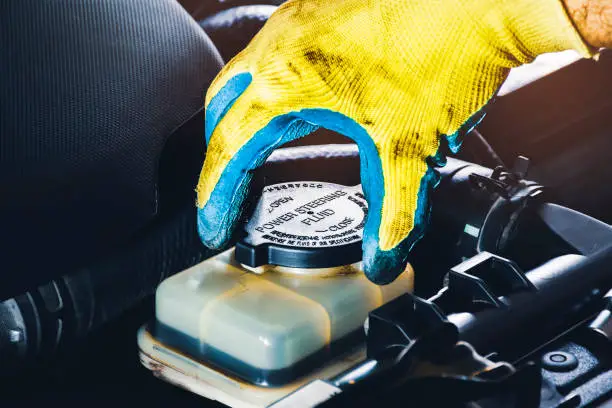
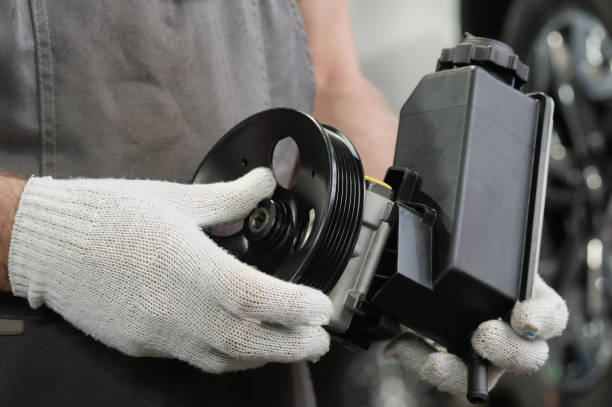
Power Steering Pump Replacement

Most power steering systems use a hydraulic pump and valves to pressurize the hydraulic fluid that helps the driver turn the steering wheel, so this component is considered the heart of the system. But like other automotive parts, the power steering pump can wear out over time, causing many frustrating problems. Replacing the power steering pump is therefore a necessary task that drivers must perform in this situation, but how does the process work? Let’s follow along and find out:

How to Tell if the Power Steering Pump is Faulty

With the exception of the latest vehicle models that use electric power steering, the hydraulic pump is generally used for the power steering system. The pump runs continuously when the engine is on, generating high pressures in the power steering fluid to facilitate turning the steering wheel.

The power steering pump receives power from the engine via a belt, thus creating the necessary oil pressure. When steering, the control valve sends the oil pressure to the cylinder, which causes the piston to push the rack in the direction of the steering wheel’s rotation.

The pressure difference between the two piston heads creates a thrust force that helps reduce the driver’s impact force on the steering wheel. Since the pump receives power from the engine, the hydraulic power steering system only works when the engine is started.

Playing an important role in the power steering system, what will happen if your power steering pump fails?

how to replace power steering pump
How to replace the power steering pump? (Photo: istockphoto.com)

1. Squealing Noise at Startup

This is a typical sign of a loose accessory belt, but it can also be a sign of a failing power steering pump. You may hear strange noises as the power steering pump wears out. The most common complaint is a squeal or whine that becomes more noticeable when you turn the steering wheel.

You may also notice this noise when first starting the engine. The pitch of the sound may increase as the RPM increases. Furthermore, when the serpentine belt that drives the pump becomes loose and weak, it can produce a similar noise.

Additionally, loud noises when you turn the steering wheel usually mean that the vehicle’s power steering system is low on fluid or that the power steering pump is not working properly.

2. Heavy or Stiff Steering

The second symptom you may feel when the power steering pump fails is a hard steering wheel. Since the pump is responsible for increasing the fluid pressure in the system, if it fails, the pressure in the power steering system will be insufficient to make minor adjustments. The steering wheel becomes heavy and steering may become impossible.

3. Fluid Leak

Fluid leakage can come from a crack in the pump housing or in the pump seals. The color of the power steering fluid will be red, but be careful not to confuse it with transmission or coolant fluid. If the fluid level is consistently low, even after topping it off, there may be a leak or the pump may be consuming fluid due to internal damage.

You may encounter these three main symptoms when the power steering pump is faulty. Additionally, there are other signs such as:

  • Metal flakes in the power steering fluid reservoir
  • The power steering symbol on the dashboard
  • Erratic or jerky steering

If you experience any of these symptoms, it’s time to have your power steering pump inspected or replaced. Driving with a faulty power steering pump can be dangerous and cause further damage to your vehicle.

Power Steering Pump Replacement: How to Proceed?

The process will be similar for most vehicles. Replacing the power steering system pump seems like an extremely difficult task at first, but it doesn’t have to be, and you can do it yourself if you have automotive knowledge, as it can be a rewarding and cost-effective DIY project. So, how to replace the power steering pump:

how to remove power steering pump
How to remove the power steering pump (Photo: istockphoto.com)

Step 1: Prepare Your Tools

You will save a lot of time by gathering everything you need before starting:

  • A new power steering pump
  • A socket set, wrenches, screwdrivers
  • Power steering fluid
  • A power steering fluid drain pan and a funnel
  • Jack stands

Note: Safety first: always disconnect the negative terminal of the battery before working on any part of your vehicle’s electrical system.

Step 3: Locate the Power Steering Pump

Do you know where the power steering pump is located in your car? It is located towards the front of the engine and is driven by the serpentine belt, the V-belt, or in most cases, directly by the crankshaft via a belt. On some models, the pump is located at the bottom of the engine, near the firewall, and you need to remove the plastic wheel well liner to access it.

Step 4: Lift Your Car

Depending on your vehicle’s design, the power steering pump may be located in a tight, hard-to-reach spot from underneath. Lifting the car gives you more space to work and see what you are doing.

Step 5: Drain the Power Steering Fluid

Replacing the power steering pump is like getting a new heart for the steering system, so you don’t want to put a new heart into a body filled with old, dirty fluid, do you? Flushing the power steering fluid is like that; it will give the new pump a clean environment to operate in.

To do this, we need to flush the system by disabling the engine start and disconnecting the return line from the pump crank. The engine pushes the old contaminants out through the return line once you see the power steering fluid flowing and reconnect the hose. The system has now been flushed. You can see how essential this flushing process is because the old fluid can accumulate contaminants over time and can damage the internal parts of the new pump.

Step 6: Remove the Old Power Steering Pump

Now that the system is flushed, we can start disassembling the pump. How to remove the power steering pump?

The first thing to do is to relieve the belt tension by loosening the adjustment bolts. Visually inspect it for cracks or other damage. In most cases, you will need to replace the power steering belt.

At this stage, you must ensure there are no connections to the power steering pump, such as a fluid level sensor.

Next, we will remove the pulleys and bolts that connect the pump to your car using the appropriate tools. Once all these steps are completed, you can remove the old pump from the system.

Step 7: Install a New Pump

The necessary thing to do at this step is to compare the new pump to the old one to ensure they are identical by looking at the orifices. If you are replacing the pulley, compare the diameter and count the grooves to ensure they match the old pulley.

Then carefully position the new pump on the engine block, aligning it with the mounting holes. Install the mounting bolts and tighten them to the specified torque.

Step 8: Reconnect the Hoses and Lines

Reconnect the power steering hoses and lines to the new pump, ensuring they are securely fastened. Use new crush washers or O-rings if necessary to prevent leaks.

Step 9: Reinstall the Belts

Route the serpentine belt(s) over the pulleys, including the power steering pump pulley. Use the belt tensioner tool to apply the correct tension.

Step 10: Add Fluid and Test Drive

Remove the cap from the power steering fluid reservoir and fill it with the appropriate type of fluid. Then, take your vehicle for a test drive, paying attention to the feel of the steering.

Now your job is done. Please note that before deciding to replace the power steering pump, you should carefully check the pump, as in some cases you only need to repair the power steering pump instead of replacing it.

Symptoms of a slipping clutch

Is your manual transmission car starting to feel strange when shifting gears? Do you notice the engine RPM is higher than normal before the car moves? A slipping clutch could be the cause, and the situation will only worsen over time.

Knowing how to identify the distinct symptoms of a slipping clutch early on can help you anticipate bigger problems and avoid a breakdown on the road.

What Does a Slipping Clutch Mean?

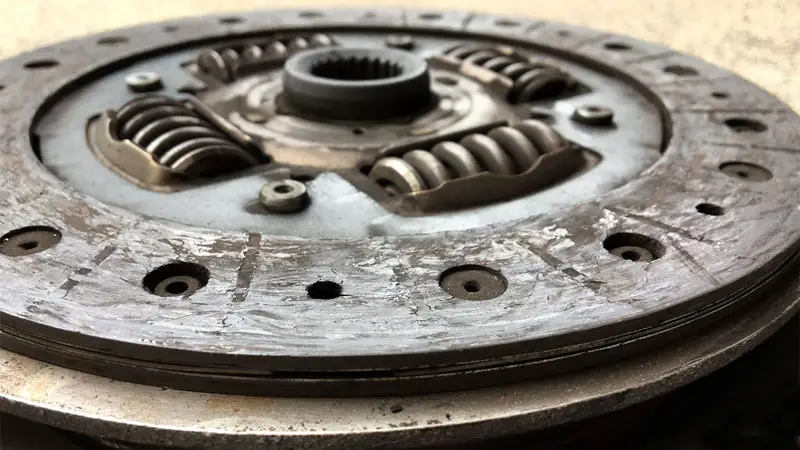
A clutch is designed to hold a certain amount of engine torque, typically measured in foot-pounds (lb-ft) or newton-meters (Nm). A pressure plate is used to hold the clutch against the flywheel, causing the transmission input shaft and the engine to spin at the same speed.

Clutches are designed with friction material on both sides that grips the metal surfaces of the pressure plate and flywheel. As the clutch wears out, it loses this friction material, much like your brake pads would.

At some point, the clutch can no longer hold the same torque as before. When the engine torque exceeds the maximum torque a clutch can hold, it begins to slip intermittently under higher engine loads.

Instead of gripping the flywheel and pressure plate, a worn clutch will allow the engine to spin freely, even when the clutch pedal is fully released. This phenomenon is often more noticeable in an intermediate gear like third or fourth and gradually worsens over time until the clutch is replaced.

In extreme cases, a worn clutch can leave you stranded, as the vehicle will be unable to transfer engine power to the ground.

This condition is often seen in vehicles that frequently drive in heavy traffic, cars with newer drivers, high-performance vehicles that are driven hard, and cars with upgraded engines producing well beyond their factory power level.

If any of these conditions apply to you, don’t be surprised if you experience clutch slipping issues.

The Top 5 Symptoms of a Slipping Clutch

It’s important to notice a slipping clutch before it causes serious problems for you or your vehicle. You wouldn’t want the engine to disengage from the drive wheels while you’re driving at high speed. This could potentially cause an accident.

So, try to recognize the symptoms of this problem so you can adjust your driving habits and address the issue. Here are five common ways to tell if the clutch is slipping.

1) RPM Increases, But Not Speed

slow acceleration

A simple way to check if your clutch is slipping is to take note of the engine RPM. If you press the accelerator pedal to speed up and your engine RPM increases faster than normal while your driving speed doesn’t increase as it should, you likely have a slipping clutch.

For example, you’re driving on the highway and decide to pass a slower vehicle. When you try to accelerate, the engine RPM increases and your engine makes more noise, but your car doesn’t go any faster. A slipping clutch is usually more obvious in higher gears when you try to accelerate.

2) Burning Smell

burning smell

When the clutch slips, a burning smell emanates from the front of the car. This is due to the excess heat generated by the constant disengagement of the engine and the slipping of the clutch.

The more the clutch slips, the worse the burning smell will become. You don’t want to drive with this smell in the cabin as it will make you nauseous. The more the clutch slips, the worse the condition will get.

3) Poor Engine Performance

The ultimate test occurs when you’re pulling a heavy load in or behind your vehicle. Normally, this would require the engine to send a lot of power to the drive wheels.

But if your clutch is slipping, the engine won’t be able to deliver that power. You’ll then have almost no acceleration due to this lack of engine power. You can reduce the load you’re pulling to increase power somewhat, but this won’t be a permanent solution.

4) Clutch Pedal Height Difference

clutch pedal adjustment

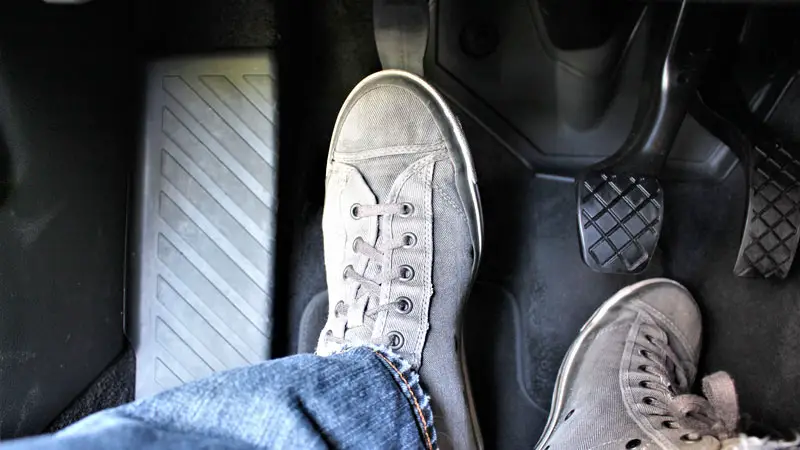
When driving your vehicle, you should get used to the height of the clutch pedal relative to the floor. When you press the pedal and remove your foot, the pedal should always return to the same height as before.

If you notice the height changing, whether the pedal is too high or too low, then there’s a problem with the clutch. In most cases, this is due to the clutch slipping.

You can try adjusting the clutch pedal to see if it helps, as it’s much cheaper and easier than dropping the transmission to replace the clutch.

5) Quick Disengagement

clutch pedal disengagement

The most frequent symptom of a slipping clutch is quick disengagement between the engine and the drive wheels. When the clutch is normal, you need to press the pedal about 1 to 2 inches before the engine disengages.

However, with a slipping clutch, the engine disengages when you lightly press the clutch pedal less than an inch. Sometimes, simply resting your foot on the pedal is enough for the engine to disengage.

How to Fix a Slipping Clutch?

overheated flywheel
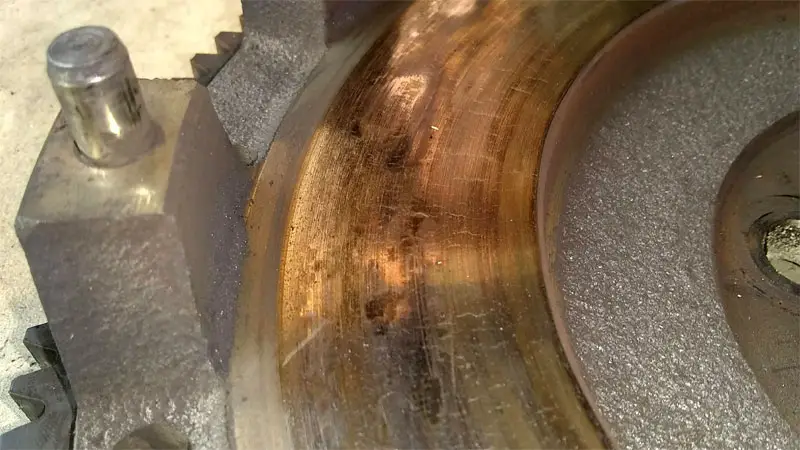
Flywheel surface after driving with a faulty clutch for too many miles.

There is only one solution to fix a slipping clutch: replacing the clutch.

Sometimes, a leaking rear main seal can cause a good clutch to slip (as the clutch can be lubricated with engine oil), but usually, you’ll just replace the clutch while you’re at it; the mechanic has to drop the transmission anyway to replace the rear main seal, and the cost of parts for a clutch job isn’t very high.

You’ll also need to consider resurfacing or replacing the flywheel and pressure plate, as these parts can degrade with use. If the clutch is worn down to the rivets, there’s a good chance that the excessive heat and metal-on-metal contact have damaged the flywheel and require replacement.

What Causes a Clutch to Slip?

Several factors can cause signs of slipping in your clutch, including driving style and shifting habits. Here are the most common causes:

Worn Clutch Disc

Over time, the friction material on the clutch disc can wear out. This reduces the disc’s ability to grip the flywheel and pressure plate, allowing it to slip when torque is applied through the transmission.

Riding the Clutch

While driving, resting your foot on the clutch pedal puts constant pressure on the clutch. This can cause the clutch to overheat and slip. It’s better to press the clutch all the way down when shifting gears, then release it completely.

Weak Clutch Springs

The clutch disc is compressed between the pressure plate and flywheel by springs. If these springs weaken or break, they won’t exert enough force to prevent slipping.

Starting from a Stop

how to do a burnout in an automatic

Quickly releasing the clutch and trying to accelerate aggressively from a stop puts significant stress on the clutch components. This can lead to premature wear and slipping. Of course, burnouts can be fun, but they have consequences.

Low Clutch Fluid Level

Clutches use hydraulic fluid to engage and disengage. If the fluid level is low, the pressure plate may not fully engage with the clutch disc.

Oil Contamination

The presence of oil or grease on the clutch disc can prevent it from gripping properly. A leak at the rear main seal can cause the clutch to be contaminated with oil.

Overheating

Excessive heat buildup, due to heavy loads or riding the clutch, can glaze the clutch disc material and reduce grip. This is commonly referred to as clutch degradation.

Poor Shifting Habits

manual gear shift

Not fully depressing the clutch when shifting, shifting into the wrong gear, or releasing the clutch too quickly can cause the clutch to slip as it tries to match the engine and transmission speeds.

Incorrect Downshifting

When downshifting, the engine RPM should be increased to match the lower gear ratio before releasing the clutch. If the clutch is released before the engine RPM increases, the clutch will slip.

Towing or Carrying Heavy Loads

Using the clutch to start from a stop with a heavy load in the vehicle can lead to overheating and slipping over time. The load puts extra strain on the clutch.

Preventing Future Clutch Slippage

To prevent the clutch from slipping on the road, start by regularly checking the clutch fluid. A level that’s too low can cause slipping, so make sure to top it up with the fluid specified by the manufacturer.

Drive smoothly. Avoid sudden starts or reckless gear changes that can prematurely wear out the clutch. Instead, be gentle with the pedal and perform deliberate gear shifts.

Also, ensure your vehicle is maintained. Have a mechanic inspect the clutch system during routine visits. Early detection of any issues can prevent slipping.

When the time comes, invest in a quality replacement clutch rather than opting for the cheapest option. A robust replacement kit will offer better grip and longevity.

FAQ

Can the Clutch Slip in an Automatic Transmission?

Although automatic transmissions aren’t equipped with a manual clutch, they can still experience slipping issues similar to manual vehicles. Instead of a clutch, automatic transmissions use a torque converter and transmission fluid pressure to shift gears. Issues such as low fluid levels or a faulty torque converter can therefore cause gear slipping.

Just like inspecting the clutch on a manual transmission, it’s important to regularly check the transmission fluid and promptly address any slipping issues on an automatic. With proper maintenance and care, slipping can be avoided in both types of transmission.

Slipping or Riding the Clutch: What’s the Difference?

When you experience clutch slipping, it means the clutch isn’t properly transferring engine power to the transmission. The engine then spins faster than it should, while the car doesn’t go any faster. You’ll typically notice an increase in engine RPM without a corresponding increase in speed, a nauseating burning smell, or a feeling of disconnection between the accelerator pedal and acceleration.

On the other hand, riding the clutch is a bad driving habit that involves constantly keeping your foot on the clutch pedal, even when it’s not necessary. This can lead to faster clutch wear, which can contribute to slipping in the long term. Avoid riding the clutch by releasing the pedal between gear shifts or when you’re not actively using it to preserve the clutch’s integrity.

Why Is My Brand New Clutch Slipping at High RPM?

There are several reasons why your new clutch might be slipping at high RPM. First, the clutch may not have been broken in sufficiently yet. It’s important to allow your new clutch time to wear in properly, which may require 500 to 1,000 miles of easy driving. Avoid aggressive acceleration and high RPMs during this period.

Faulty installation could also be the cause of the problem. In some cases, improper alignment or incorrect torque settings can lead to excessive wear or poor clutch performance.

A close-up of a sensor

Upstream Oxygen Temperature Sensor: A Key Component of the Exhaust System

What is an Upstream Oxygen Temperature Sensor?

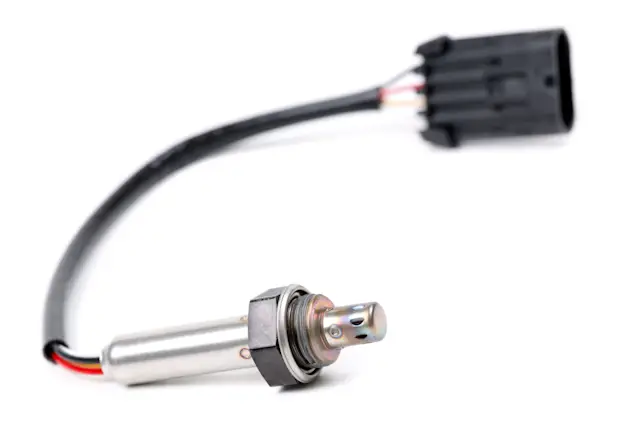
The upstream oxygen temperature sensor, often called a lambda probe, is an essential electronic component in the exhaust system of an internal combustion engine vehicle. It is located upstream of the catalytic converter, meaning before the exhaust gases pass through this pollution-reducing device.

Main Function:

  • Measurement of Oxygen Content in Exhaust Gases: The sensor analyzes in real time the amount of oxygen present in the gases exiting the engine.
  • Regulation of the Air/Fuel Mixture: Based on the information provided by the sensor, the engine control unit adjusts the air/fuel ratio to optimize combustion and reduce pollutant emissions.

How Does It Work?

The upstream oxygen temperature sensor consists of a special ceramic that becomes permeable to oxygen ions when heated. Differences in oxygen concentration between the inside and outside of the ceramic generate an electrical voltage, which is interpreted by the engine control unit.

Simplified Operating Principle:

  1. Hot exhaust gases come into contact with the sensor.
  2. The ceramic heats up and becomes conductive to oxygen ions.
  3. An electrical voltage is generated, proportional to the oxygen concentration.
  4. The control unit analyzes this voltage and adjusts the air/fuel mixture accordingly.

Importance of the Upstream Oxygen Temperature Sensor

  • Reduction of Pollutant Emissions: By optimizing combustion, the sensor helps reduce emissions of carbon monoxide (CO), hydrocarbons (HC), and nitrogen oxides (NOx).
  • Fuel Economy: An optimal air/fuel mixture helps reduce fuel consumption.
  • Catalytic Converter Protection: The sensor helps maintain the catalytic converter at an optimal operating temperature, thereby extending its lifespan.

Consequences of a Faulty Sensor

A faulty upstream oxygen temperature sensor can lead to the following problems:

  • Increased fuel consumption.
  • Decreased engine performance.
  • Illumination of the engine warning light.
  • Excessive pollutant emissions.
  • Damage to the catalytic converter.

When to Replace the Upstream Oxygen Temperature Sensor?

It is recommended to replace the upstream oxygen temperature sensor according to the manufacturer’s recommendations or when it shows signs of failure, such as:

  • Engine warning light on.
  • Excessive fuel consumption.
  • Loss of power.
  • Rotten egg smell from the exhaust (sign of a damaged catalytic converter).

Faulty upstream oxygen sensor

In Conclusion

The upstream oxygen temperature sensor is an essential component of a modern vehicle’s exhaust system. It plays a crucial role in regulating pollutant emissions and optimizing fuel consumption. Proper maintenance of this component is therefore essential to ensure the proper functioning of your vehicle.

Note: This article aims to provide general information about the upstream oxygen temperature sensor. For any work on your vehicle, it is recommended to consult an automotive professional.

Keywords: oxygen sensor, lambda probe, exhaust system, internal combustion engine, pollution, fuel consumption, catalytic converter.

DB45 Renault gearboxes without clutch: Operation, advantages and applications

The clutchless DB45 gearbox, developed by Renault, is a major innovation in the field of automotive transmission. This technology was designed to provide a smoother driving experience and reduce the mechanical stresses associated with traditional systems. Here is an in-depth analysis of its operation, advantages, and applications.


1. Operation of the DB45 Gearbox

The clutchless DB45 gearbox relies on an automated transmission that eliminates the use of a conventional mechanical clutch. This system integrates several advanced technologies:

  • Electromechanical dual-clutch system: Unlike manual systems, the DB45 uses an electronically controlled synchronization system to shift gears without torque interruption.
  • Electronic sensors and actuators: These components detect speed, engine RPM, and load to perform gear shifts optimally.
  • Automatic management: Thanks to an electronic control unit (ECU), gear changes are anticipated and optimized based on driving conditions.

2. Advantages of the Clutchless DB45 Gearbox

The absence of a mechanical clutch in the DB45 gearbox brings several significant advantages:

  • Enhanced driving comfort: Gear shifts are smooth and seamless, improving the driving experience, especially in urban areas or during traffic jams.
  • Reduced mechanical wear: Without a conventional clutch, there is less friction, leading to a longer lifespan for components.
  • Energy efficiency: Electronic management optimizes fuel consumption by adjusting gear shifts to maximize efficiency.
  • Reduced maintenance: The absence of a conventional clutch eliminates the need to replace a worn clutch disc, reducing long-term maintenance costs.

3. Applications and Use Cases

The DB45 gearbox was designed to meet the needs of different types of vehicles and usage conditions:

  • Utility vehicles: Vans and other delivery vehicles benefit from simplified driving in urban environments.
  • Public transport: Buses equipped with the DB45 offer smoother driving, improving passenger comfort.
  • Agricultural sector: On tractors and other agricultural equipment, this technology facilitates gear changes in various working conditions.

4. Comparison with Traditional Systems

Feature Clutchless DB45 Conventional Manual Gearbox
Driving Comfort Very High User-Dependent
Mechanical Wear Reduced High (Clutch Disc)
Energy Efficiency Optimized via Electronics Variable
Maintenance Reduced Frequent

Conclusion

The clutchless DB45 gearbox represents a major technological advancement in the automotive sector. It combines comfort, efficiency, and durability, meeting the expectations of modern drivers. Although its initial cost may be slightly higher than that of traditional systems, its long-term benefits make it an attractive choice for many market segments.

Understanding the Function and Problems of the EGR Valve

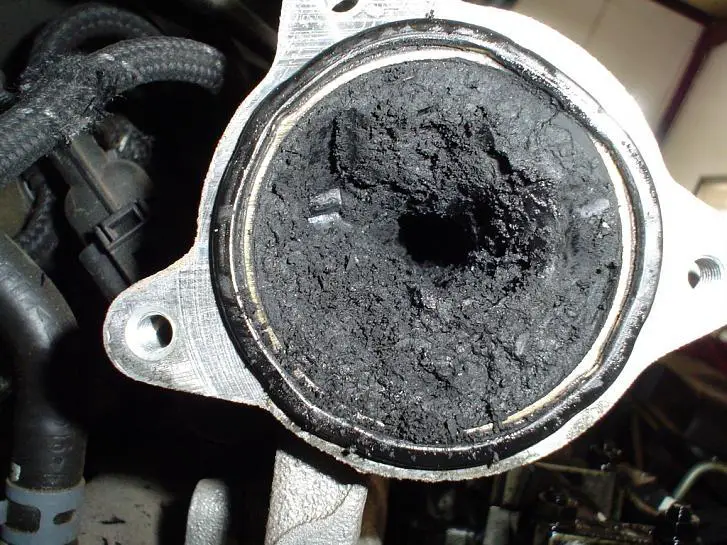
The exhaust gas recirculation (EGR) valve plays a key role in reducing a vehicle’s polluting emissions. It redirects some exhaust gases back into the combustion chamber instead of releasing them into the atmosphere. This process helps reduce the amount of nitrogen oxides (NOx), which are pollutants harmful to the environment.

Why is the EGR system essential?

The EGR system is an essential component in both gasoline and diesel engines. It is designed to lower combustion temperatures, thereby limiting NOx production. This technology complies with environmental regulations that all car manufacturers must follow. By recirculating some exhaust gases, the EGR system creates a diluted air-fuel mixture that slows combustion and reduces engine temperatures by up to 300°F.

Symptoms of a faulty EGR valve

A faulty EGR valve can harm your vehicle’s performance and increase emissions. Here are the main symptoms to watch for:

  1. Decreased engine performance
    A faulty EGR valve can lead to an improper air-fuel ratio, directly affecting engine power. This results in slow acceleration, excessive fuel consumption, and an overall drop in efficiency.
  2. Check engine light on
    The electronic control unit (ECU) detects engine malfunctions, including those related to the EGR valve. When it doesn’t work properly, the check engine light comes on.
  3. Irregular idle
    If the valve is stuck open or closed, the amount of recirculated exhaust gas becomes inappropriate, disrupting the engine’s idle.
  4. Fuel odor
    Inefficient combustion can produce a strong gasoline smell inside the cabin, which is unpleasant and potentially harmful to health.
  5. Failed emissions tests
    A faulty EGR valve increases pollutant emissions, making the vehicle non-compliant with environmental standards. This can lead to failure in mandatory inspections.

Differences based on valve position

  • EGR valve stuck open
    Symptoms include engine stalling, hesitation during acceleration, and irregular idle.
  • EGR valve stuck closed
    This causes increased temperature in the combustion chamber, knocking, and higher NOx emissions.

How to diagnose and fix problems?

Before replacing an EGR valve, it’s advisable to perform tests to confirm the issue. A portable vacuum pump can be used to check a vacuum-operated EGR valve, while a diagnostic tool is needed for electronic models. Consulting a professional ensures proper inspection and maintenance.

EGR valve FAQ

  • Can a faulty EGR valve affect fuel efficiency?
    Yes, it can cause incomplete combustion, increasing fuel consumption.
  • Is it safe to drive with a faulty EGR valve?
    Although possible, it can damage other engine components and increase emissions. It’s best to address the issue promptly.
  • Can a faulty EGR valve cause overheating?
    Yes, because it plays a crucial role in regulating engine temperature.

In conclusion

Identifying and addressing symptoms of a faulty EGR valve is crucial to maintaining your vehicle’s performance and reducing its environmental impact. Regular inspection and prompt action in case of issues ensure optimal operation and extend your engine’s lifespan.

Diagnosing Engine Power Loss: A Step-by-Step Guide

Engine power loss can turn a pleasant drive into a frustrating experience. Identifying the cause of this issue may seem complex, but with a methodical process, you can often detect and resolve the problem yourself or with the help of a professional. Here is a detailed guide to help you diagnose engine power loss.


1. Understanding the Signs and Symptoms

Before starting, note the specific symptoms:

  • The engine lacks responsiveness during acceleration.
  • Fuel consumption increases.
  • Unusual vibrations or strange noises.
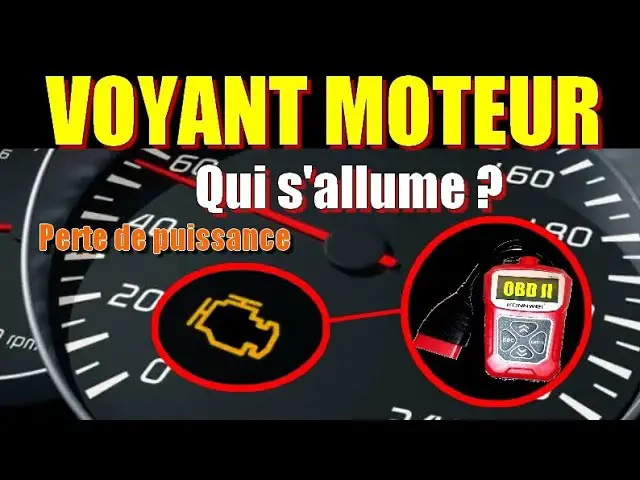
  • The check engine light is on.

2. Checking Basic Mechanical Causes

Start with simple inspections:

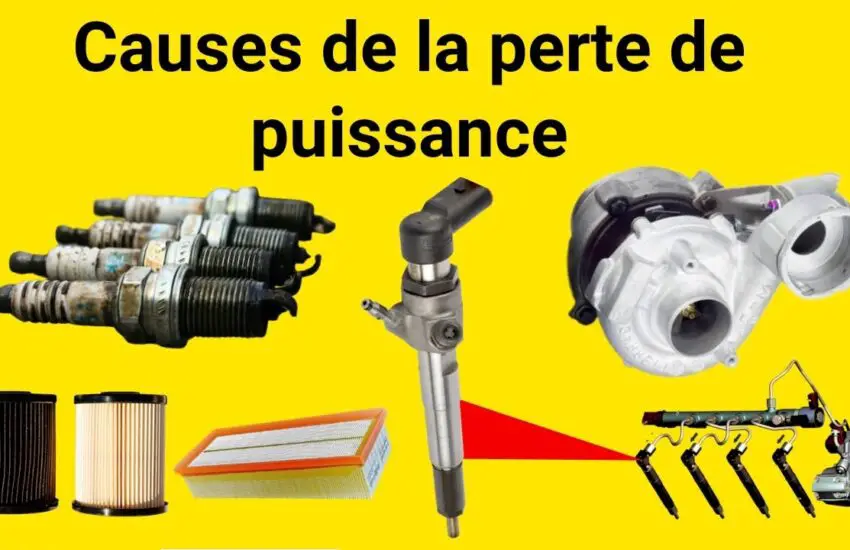
  • Engine oil level: A low oil level can lead to increased friction and reduced performance.
  • Air filter: A dirty filter can restrict air intake, suffocating the engine.
  • Fuel filter: A clogged filter prevents adequate fuel flow to the engine.

3. Using an OBD-II Scanner

Plug in an OBD-II scanner to check for error codes stored in the vehicle’s ECU. Some common codes related to power loss include:

  • P0171/P0174: Air/fuel mixture too lean.
  • P0300: Multiple misfires.
  • P0420: Problem with the catalytic converter.

Analyze these codes to guide your diagnosis.


4. Inspecting Key Engine System Components

Here are the elements to check systematically:

a) Air Intake System

  • Check if the mass air flow (MAF) sensor is dirty or faulty.
  • Ensure there are no leaks in the intake ducts.

b) Fuel System

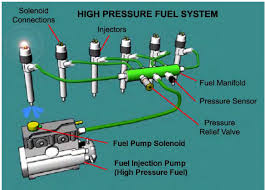
  • Test the fuel pump to ensure it maintains adequate pressure.
  • Make sure the injectors are not clogged or defective.

c) Exhaust System

  • A clogged catalytic converter can cause excessive backpressure and reduce power.
  • Look for signs of leaks in the exhaust system.

d) Ignition System

  • Check the spark plugs and coils for signs of wear or failure.
  • Replace them if necessary.

5. Identifying Electronic Causes

The electronic system plays a crucial role in engine management:

  • The oxygen (O2) sensor may be faulty, affecting the air/fuel mixture.
  • The throttle position sensor (TPS) or crankshaft position sensor could be the cause.

6. Road Testing

Once inspections and repairs are done, perform a road test to assess improvements. If the problem persists, consider a more in-depth analysis with a professional mechanic.


Conclusion

Engine power loss can be caused by a multitude of factors, ranging from simple blockages to more complex electronic issues. By following this guide, you can not only save time and money but also better understand how your vehicle works.

Do you have questions or need help interpreting an OBD code? Leave a comment below, and our experts will respond quickly!

Preventive Maintenance: The 10 Essential Checks Before a Long Trip

Before hitting the road for a long trip, it’s essential to ensure your vehicle is in perfect condition. Here is a list of 10 essential checks to guarantee safety and peace of mind.


1. Check Fluid Levels

  • Engine Oil: Make sure the oil level is correct and the oil is clean. Replace it if necessary.
  • Coolant: Check that it’s at the proper level to prevent overheating.
  • Brake Fluid: Ensure it’s at an adequate level for good braking performance.
  • Windshield Washer Fluid: Refill it for optimal visibility.

2. Check Tire Pressure and Condition

  • Check tire pressure (including the spare tire) according to the manufacturer’s recommendations.
  • Inspect tires for cracks, deformations, or uneven wear.
  • Ensure the tread depth meets standards (minimum 1.6 mm).

3. Test the Brakes

  • Listen for unusual noises like squeaking or grinding.
  • Test the responsiveness of the brake pedal and ensure it doesn’t sink too far.

4. Check Lights and Signals

  • Test all lights: headlights, turn signals, brake lights, and reverse lights.
  • Replace any burnt-out bulbs and clean the lenses for better visibility.

5. Inspect the Battery

  • Check that the terminals are clean and securely connected.
  • Test the battery charge with a multimeter or have a professional do it.

6. Inspect Belts and Hoses

  • Look for signs of wear, cracks, or deterioration on the belts.
  • Check hoses for leaks or signs of brittleness.

7. Ensure the Air Conditioning is Working Properly

  • Test the system to see if it cools or heats correctly.
  • If necessary, have the refrigerant recharged by a professional.

8. Check the Windshield Wipers

  • Test the wipers to ensure they clean properly without leaving streaks.
  • Replace them if the rubber is worn or torn.

9. Prepare an Emergency Kit

  • Make sure you have a warning triangle, a safety vest, a first aid kit, and a flashlight.
  • Add a basic tool kit and jumper cables.

10. Plan Your Route

  • Check road conditions and weather forecasts before leaving.
  • Download offline maps or prepare a functional GPS to avoid getting lost.

Additional Tips

  • Schedule a Professional Check: If you’re unsure about your vehicle’s condition, have it inspected by a mechanic before you leave.
  • Anticipate the Unexpected: Bring water bottles, snacks, and extra clothes just in case.

With these checks, you’ll be ready to enjoy your trip safely and avoid unexpected breakdowns.

How to Solve Starting Problems Related to Crankshaft and Camshaft Sensors

Crankshaft and camshaft sensors play an essential role in starting and operating an engine. When they fail, it can lead to starting difficulties, engine stalling, or even a complete breakdown. Here is a guide to identifying and resolving these issues effectively.


Common Symptoms of a Sensor Problem

  1. Difficulty Starting: The engine cranks but does not start, especially when hot.
  2. Unexpected Stalling: The engine shuts off suddenly while driving.
  3. Irregular Idling: The engine struggles to maintain a stable RPM.
  4. Check Engine Light On: An error code related to the sensor may be detected via an OBD-II scanner.
  5. Loss of Power: The engine lacks responsiveness or operates abnormally.

Possible Causes of Problems

  1. Faulty Sensor: The sensor is damaged or worn out.
  2. Wiring Issues: Cut, poorly connected, or corroded wires.
  3. Weak or Dirty Magnet: Metal particles can disrupt the signal.
  4. Incorrect Position: The sensor is not properly aligned with the crankshaft or camshaft.
  5. ECM Problems: The Engine Control Module (ECM) may misinterpret the signals.

Steps to Diagnose and Resolve the Issue

1. Scan Error Codes
  • Use an OBD-II scanner to read error codes. Codes like P0335 (crankshaft sensor) or P0340 (camshaft sensor) are common indicators.
  • Note the codes and look up specific information for your vehicle model.
2. Visually Inspect the Sensors
  • Locate the crankshaft and camshaft sensors in your engine. They are often found near the crankshaft pulley or on the cylinder head.
  • Check the wires for damage, loose connections, or corrosion.
3. Test the Sensors
  • Use a multimeter to measure the resistance or signal of the sensors. Refer to your vehicle’s manual for specific values.
  • If the sensor does not produce a signal or the values are outside the recommended ranges, it should be replaced.
4. Clean the Sensors
  • If the sensor is covered in dirt or metal particles, gently clean it with a lint-free cloth and an appropriate cleaner.
5. Replace the Faulty Sensor
  • Purchase a sensor compatible with your vehicle model.
  • Disconnect the battery before replacement to avoid short circuits.
  • Install the new sensor following the manufacturer’s instructions and tighten the bolts to the recommended torque.
6. Check Wiring and Connectors
  • Repair or replace any damaged wires or connectors.
  • Ensure all connections are tight and protected from moisture.
7. Reset the ECM Module
  • After completing the repair, clear the error codes with the OBD-II scanner.
  • Restart the engine and perform a test to verify if the issue is resolved.

Tips to Avoid Future Problems

  1. Regular Maintenance: Periodically clean the sensors to prevent dirt buildup.
  2. Use Quality Parts: Invest in sensors from reputable manufacturers.
  3. Check Error Codes Promptly: Do not ignore a check engine light without investigation.

Conclusion

Problems with crankshaft and camshaft sensors can be frustrating, but with the right tools and knowledge, they are relatively simple to resolve. By following these steps, you can effectively diagnose and repair these critical components. If the issue persists after these checks, it is advisable to consult a professional.

Why is my car consuming more fuel than before? Causes and solutions

A sudden or gradual increase in fuel consumption can be frustrating and costly. This can be caused by various mechanical, electronic, or driving style-related factors. Here is a guide to understanding the possible causes and appropriate solutions.


Common Causes of Excessive Fuel Consumption

1. Vehicle Maintenance Issues
  • Clogged Filters: A clogged air filter or fuel filter reduces engine efficiency by limiting the supply of air or fuel.
  • Worn Spark Plugs: Faulty spark plugs lead to incomplete combustion.
  • Inappropriate Engine Oil: Oil that is too viscous or of poor quality increases internal engine friction.

Solutions:

  • Regularly replace the air filter and spark plugs according to the manufacturer’s recommendations.
  • Use appropriate engine oil and change it at the prescribed intervals.

2. Tire Pressure and Condition

Underinflated tires increase rolling resistance, forcing the engine to work harder.

Solutions:

  • Check tire pressure at least once a month and adjust it according to the vehicle’s specifications.
  • Replace worn or deformed tires.

3. Driving Style
  • Aggressive Driving: Sudden acceleration and frequent braking increase consumption.
  • Speeding: Driving at high speeds consumes more fuel due to increased air resistance.
  • Prolonged Idling: Unnecessarily letting the engine run increases consumption.

Solutions:

  • Adopt smooth driving with moderate acceleration and braking.
  • Observe speed limits to optimize energy efficiency.

4. Excessive Load and Accessories
  • Carrying unnecessary loads adds weight to the vehicle.
  • Excessive use of accessories like air conditioning or roof racks increases consumption.

Solutions:

  • Remove unnecessary items from the trunk.
  • Remove roof racks when not in use.
  • Limit the use of air conditioning when not necessary.

5. Electronic Issues
  • Faulty Oxygen Sensor: A defective oxygen sensor can disrupt the air/fuel mixture.
  • Malfunctioning Mass Air Flow (MAF) Sensor: A dirty or faulty MAF sensor can cause a fuel-rich mixture.
  • Clogged Injectors: They may not spray fuel properly.

Solutions:

  • Diagnose electronic components with an OBD-II scanner.
  • Clean or replace injectors and the MAF sensor if necessary.

6. Environmental Factors
  • Weather Conditions: Extreme cold increases consumption as the engine takes longer to reach its optimal temperature.
  • Short Trips: Frequent short trips prevent the engine from operating at maximum efficiency.

Solutions:

  • For short trips, combine multiple errands to reduce cold starts.
  • If possible, park the vehicle in a covered or temperate area.

7. More Serious Mechanical Problems
  • Clogged Catalytic Converter: This can lead to power loss and excessive consumption.
  • Compression Issues: Loss of compression due to worn seals or damaged valves can reduce engine efficiency.

Solutions:

  • Have the exhaust system inspected by a professional.
  • If compression issues are suspected, perform a compression test.

How to Monitor Your Consumption?

  1. Calculate Your Consumption Manually:
    • Fill your tank completely.
    • Note the current mileage.
    • Repeat after several kilometers and divide the amount of fuel used by the number of kilometers traveled.
  2. Use Modern Tools: Some modern vehicles and applications allow real-time tracking of consumption.

Conclusion

An increase in fuel consumption can be related to simple factors, such as tire pressure, or more complex issues, like a faulty oxygen sensor. By following these steps, you can diagnose and resolve most causes of excessive consumption. If the problem persists, do not hesitate to consult a professional for a thorough inspection.