Porsche 718’s Engine U-Turn: A Strategic Pivot

The Porsche 718’s Unexpected Roadmap

In a surprising strategic shift, Porsche has recalibrated the future of its iconic 718 Boxster and Cayman models. Initially slated for a fully electric rebirth following the end of the previous generation’s production, the brand’s entry-level sports cars are now poised for a more complex journey. This decision highlights the intricate balancing act facing performance automakers in an era of rapid electrification.

Revisiting the Combustion Engine

The core of this pivot is the potential revival of internal combustion engines for the 718 series. Instead of a clean-sheet EV, Porsche is reportedly considering an evolution of the preceding 982 generation. This engineering challenge involves updating existing platforms to meet stringent new global emissions regulations without compromising the driving dynamics that define the 718. It suggests a continued, albeit refined, role for hybrid technology and advanced combustion engineering in Porsche’s immediate future.

Balancing Heritage with Innovation

This move is more than a simple delay for the electric 718. It represents a nuanced strategy to cater to a diverse enthusiast base while fulfilling corporate sustainability goals. A hybrid or updated combustion model allows Porsche to preserve the accessible, driver-focused character of the mid-engine Boxster and Cayman for purists, buying crucial development time for its EV technology. The fully electric 718 variant remains in the pipeline, ensuring the line’s long-term viability in a zero-emissions market.

An Engineering and Market Dilemma

Porsche’s hesitation underscores a broader industry dilemma. The development of a compelling electric sports car at an accessible price point presents significant hurdles, from battery weight distribution to charging infrastructure. By extending the life of its thermal engines, Porsche mitigates risk and leverages proven engineering. This dual-path approach ensures the 718 nameplate endures, offering both the familiar symphony of a flat-six and the silent thrust of an EV, depending on the customer’s preference.

Volkswagen P1478 OBD2 Code: Secondary Air Injection System Malfunction

Understanding the Volkswagen P1478 Trouble Code

The OBD2 diagnostic trouble code P1478 is a manufacturer-specific code for Volkswagen, Audi, and other VAG group vehicles. It is defined as “Secondary Air Injection System, Bank 1 – Malfunction.” This system is a critical part of your Volkswagen’s emission control strategy, specifically designed to reduce harmful exhaust emissions during a cold engine start. When the P1478 code is stored, it indicates the vehicle’s Engine Control Module (ECM) has detected a fault in the operation of this system. Ignoring this code can lead to increased tailpipe emissions, potential damage to the catalytic converter, and may cause your vehicle to fail an emissions test.

What is the Secondary Air Injection (AIR) System?

The Secondary Air Injection (AIR) system is an emissions control device. Its sole purpose is to introduce fresh, ambient air into the exhaust stream immediately after a cold engine start. This injection of oxygen occurs upstream of the catalytic converter. When this oxygen-rich air mixes with the unburned hydrocarbons (HC) and carbon monoxide (CO) present in the hot exhaust from a cold, rich-running engine, a secondary combustion occurs. This “afterburn” rapidly increases the temperature of the exhaust gases, which in turn heats up the catalytic converter to its optimal operating temperature much faster. A warm catalyst is far more efficient at converting harmful pollutants into less harmful substances like carbon dioxide and water vapor.

How the VW Secondary Air System Works

The system operates for a very short period, typically between 30 to 90 seconds after a cold start, and only under specific conditions (coolant temperature below a certain threshold, no related fault codes). The process is managed entirely by the ECM. When conditions are met, the ECM activates the system by:

  • Energizing the Secondary Air Pump Relay: This provides power to the electric air pump.
  • Activating the Secondary Air Injection (Combi) Valve: This vacuum or electrically-operated valve opens, allowing the pumped air to flow into the exhaust ports or manifold.

The ECM monitors the system’s performance using pre- and post-catalytic converter oxygen sensors. It expects to see a specific change in the oxygen sensor signals when the air pump is activated. If the expected change is not detected, the ECM will log code P1478 and illuminate the Check Engine Light.

Common Symptoms and Causes of P1478 in Volkswagen

A stored P1478 code will always trigger the Check Engine Light (MIL). However, drivers may notice other symptoms, or in some cases, none at all besides the warning light. The severity of symptoms often correlates with the underlying failure.

Primary Symptoms of a P1478 Fault

  • Illuminated Check Engine Light (MIL): The most common and immediate indicator.
  • Rough Idle or Slight Hesitation on Cold Start: As the emission strategy is altered.
  • Increased Exhaust Emissions: May be noticeable as a stronger exhaust smell, especially on cold mornings.
  • Abnormal Noise from Engine Bay: A failing air pump can whine, screech, or rattle. A loud hissing indicates a vacuum leak in the valve or hoses.
  • No Obvious Symptoms (“Silent” Fault): The system may fail without affecting drivability, only being caught by the MIL or an emissions test.

Root Causes of Volkswagen P1478 Code

Diagnosing P1478 requires a systematic approach, as the fault can lie in several components or their connections.

  • Failed Secondary Air Pump: The electric motor inside the pump burns out, seizes, or becomes clogged with debris, preventing it from generating airflow.
  • Faulty Secondary Air Injection Valve (Combi Valve): This valve can stick closed, stick open, or leak. It can fail mechanically or, if vacuum-operated, the diaphragm can rupture.
  • Blown Fuse or Faulty Relay: The electrical circuit powering the air pump is protected by a fuse and controlled by a relay. A blown fuse or stuck relay will prevent pump operation.
  • Cracked, Disconnected, or Clogged Hoses: The rubber hoses that route air from the pump to the valve and into the engine can deteriorate, become disconnected, or get blocked.
  • Electrical Issues: Corroded connectors, broken wires, or poor grounds in the pump or valve circuit can interrupt the signal or power.
  • Vacuum Supply Problems (for vacuum-operated valves): A leak or blockage in the vacuum line to the valve will prevent it from opening.
  • Rare: Faulty ECM: In very uncommon cases, the control module itself may have an internal fault, though this is a last-resort diagnosis.

Step-by-Step Diagnostic and Repair Guide for P1478

Proper diagnosis is key to an effective and cost-efficient repair. Avoid the common mistake of replacing the air pump immediately without checking the simpler, less expensive components first.

Initial Checks and Visual Inspection

Begin with a thorough visual and auditory inspection. With the engine cold, have an assistant start the vehicle while you listen in the engine bay. You should hear the distinct sound of the air pump running for about a minute. If you hear nothing, the pump isn’t activating. If you hear a screech or grind, the pump is likely failing. Visually inspect:

  • All related hoses for cracks, disconnections, or soft spots.
  • The electrical connectors on the pump and valve for corrosion or damage.
  • The fuse (check your owner’s manual for location and amperage).
  • The air pump intake filter (if equipped) for clogging.

Advanced Electrical and Functional Testing

If visual inspection reveals no obvious issues, proceed with electrical tests using a digital multimeter (DMM) and a scan tool with bidirectional controls.

  • Scan Tool Activation Test: Use your scan tool’s “Output Test” or “Activation” function to command the secondary air pump ON. If you hear and feel it run, the pump, relay, and fuse are likely good, pointing to a valve or hose issue.
  • Power and Ground Test: With the pump commanded on, check for battery voltage (approx. 12V) at the pump’s power supply wire. Check for a good ground.
  • Vacuum Test (if applicable): For vacuum-operated valves, check that vacuum is present at the valve’s vacuum port when the system is activated.
  • Valve Test: Remove the valve and check if it opens freely. Apply vacuum (or 12V for electric valves) to see if it actuates. Listen for air leaks.
  • Live Data Monitoring: Monitor the pre-cat oxygen sensor voltage while activating the air pump. A functioning system should cause the sensor voltage to drop lean (low voltage) when the pump injects fresh air.

Repair Procedures and Cost Considerations

Once the faulty component is identified, replacement is typically straightforward. The air pump and valve are usually mounted on the engine block or firewall and are accessible after removing a few bolts and connectors.

  • Replacing Hoses/Fuses/Relay: This is the most economical fix. Use OEM-quality hoses to ensure heat resistance.
  • Replacing the Secondary Air Injection Valve: A common repair. Ensure the gasket or O-ring is replaced to prevent exhaust leaks.
  • Replacing the Secondary Air Pump: This is often the most expensive part. Aftermarket pumps are available, but ensure compatibility. Consider cleaning the pump’s intake path during installation.

Cost Estimate: Repair costs vary widely. A DIY repair for a valve or relay may cost under $100-$200 for parts. A professional replacement of the air pump at a dealership or independent shop can range from $500 to over $1,000, including parts and labor. Always clear the code with your scan tool after repairs and perform a test drive to ensure the code does not return.

GM’s Native Apple Music: A CarPlay Replacement Strategy?

GM’s Strategic Pivot to Integrated Apple Music

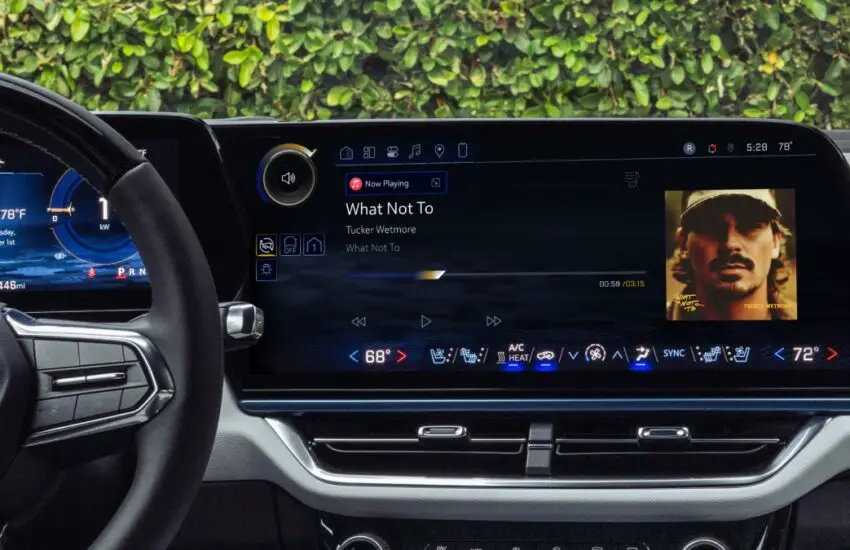
General Motors has initiated a significant shift in its in-car entertainment strategy by rolling out a native Apple Music application across its new vehicle lineup. This move follows the controversial decision to phase out support for Apple CarPlay and Android Auto in future electric vehicles. The native integration is designed to function seamlessly within GM’s proprietary Ultifi software platform, offering a built-in alternative for accessing a vast music library without relying on a smartphone’s mirroring capabilities.

Bridging the Connectivity Gap

For Apple users within the GM ecosystem, this development serves as a practical concession. The native app provides direct access to Apple Music’s catalog, playlists, and radio stations through the vehicle’s own infotainment system. This ensures core audio streaming functionality remains intact, aiming to mitigate frustration over the loss of the familiar CarPlay interface. The experience is tailored for deeper vehicle integration, potentially allowing for better use of onboard microphones and steering wheel controls.

Beyond a Simple Music App

Analysts view this as more than just a feature addition; it’s a foundational step in GM’s broader vision. By controlling the digital experience, GM aims to create a more cohesive and brand-specific user journey. This strategy allows for the collection of valuable user data and opens future revenue streams through integrated subscriptions and services offered directly through the vehicle’s system, reducing reliance on third-party smartphone ecosystems.

The User Experience Trade-Off

While convenient for Apple Music . Users lose the seamless, phone-centric experience of CarPlay, which aggregates multiple apps—including navigation, messaging, and other audio services—into a single, familiar interface. The success of GM’s strategy will ultimately depend on the robustness, intuitiveness, and update cycle of its Ultifi platform compared to the polished, cross-app functionality that smartphone projection provides.

Ford F-150 Lightning EV Production Ends, Hybrid Future Confirmed

Ford Halts Production of F-150 Lightning EV

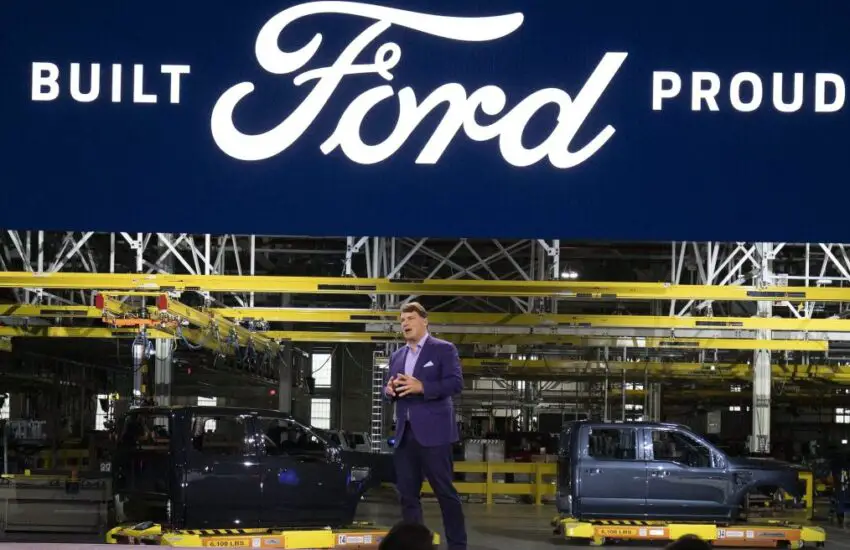
Ford has officially discontinued production of the current-generation F-150 Lightning, marking a significant strategic pivot for its flagship electric pickup truck. This move confirms earlier reports of an extended production pause and signals the end of the battery-electric vehicle (BEV) model as consumers know it. The decision reflects broader challenges in the EV market, including shifting demand and infrastructure considerations.

The Next Generation: A New Powertrain Strategy

While the pure-electric Lightning is being retired, Ford is actively developing its successor. The next-generation model will not be a traditional BEV. Instead, it will utilize a series-hybrid system, often referred to as an electric vehicle with a range extender. This system will primarily be driven by an electric motor, but it will incorporate a gasoline engine that acts solely as a generator to recharge the battery pack, not to drive the wheels directly.

Implications for the Electric Truck Market

This shift underscores the automotive industry’s ongoing recalibration of electrification strategies. A range-extender configuration aims to alleviate consumer concerns over charging availability and long-distance travel, offering the driving experience of an EV with the refueling convenience of a gasoline vehicle. This approach may appeal to truck buyers who need consistent capability without reliance on public charging networks, especially for towing and commercial use.

Ford’s decision highlights the complex balance between regulatory pressures, consumer adoption rates, and practical usability in the pickup truck segment. The move positions the future Lightning as a potential bridge technology, blending electric propulsion with the energy density of liquid fuel.

OBD2 Code P1478 MINI: Comprehensive Guide to Secondary Air Injection System Malfunction

Understanding OBD2 Code P1478 in Your MINI

When the check engine light illuminates in your MINI Cooper, Clubman, or Countryman, and a diagnostic scan reveals the generic OBD2 code P1478, it points directly to a fault within the vehicle’s Secondary Air Injection (SAI) System. This system, also known as the Air Pump System, is a critical component of your MINI’s emission control strategy during cold starts. Code P1478 is specifically defined as “Secondary Air Injection System, Bank 1.” Its primary function is to introduce fresh air into the exhaust manifold immediately after a cold engine start. This extra oxygen helps the catalytic converter “light off” and reach its optimal operating temperature much faster, significantly reducing harmful hydrocarbon (HC) and carbon monoxide (CO) emissions during the critical warm-up phase. A malfunction, indicated by P1478, means the vehicle’s Engine Control Module (DME) has detected that the system is not performing as expected, potentially leading to increased emissions and, over time, damage to the catalytic converter.

Common Causes and Symptoms of P1478

Diagnosing a P1478 code requires a systematic approach, as the fault can originate from several components within the secondary air injection circuit. Understanding the interplay between these parts is key to an efficient repair.

Primary Culprits Behind the P1478 Fault Code

  • Failed Secondary Air Pump: The most common cause. This electric pump, often located near the firewall or in the engine bay, can fail due to worn motor brushes, internal corrosion from moisture, or bearing seizure. You may hear it struggling to run or not hear it at all during the first 90 seconds after a cold start.
  • Faulty Secondary Air Injection Valve (Combi Valve): This valve controls the flow of air from the pump to the exhaust manifold. It can become stuck closed, stuck open, or leak due to carbon buildup, a damaged diaphragm, or a failed solenoid. A stuck-closed valve prevents airflow; a stuck-open valve can allow hot exhaust gases to backflow and destroy the air pump.
  • Compromised Vacuum Lines and Hoses: The combi valve is typically actuated by engine vacuum. Cracked, brittle, or disconnected vacuum lines will prevent the valve from opening, rendering the entire system inoperative. Similarly, the air hoses connecting the pump to the valve and manifold can crack or melt.
  • Electrical Issues: Problems such as a blown fuse, a faulty relay that powers the air pump, damaged wiring harnesses, or poor electrical connections at the pump or valve connector can prevent system operation.
  • Exhaust Leaks: A significant leak upstream of the primary oxygen sensors can alter exhaust gas readings and confuse the DME, potentially setting a P1478 indirectly by making the system’s effect unmeasurable.

Recognizing the Symptoms of a Failing SAI System

  • Illuminated Check Engine Light (MIL): The primary indicator, with code P1478 stored in the DME’s memory.
  • Possible Rough Idle on Cold Start: While not always present, a malfunctioning system can slightly affect the air/fuel ratio during warm-up.
  • Abnormal Noises: A failing air pump may produce loud whining, grinding, or screeching noises when activated. A completely silent engine bay during the first two minutes of a cold start (with the hood open) is also a strong indicator.
  • Increased Emissions: The vehicle may fail an emissions test due to higher HC and CO levels, as the catalytic converter takes longer to become efficient.
  • No Drivability Issues: Crucially, once the engine is warm, you will likely notice no difference in performance, power, or fuel economy. The SAI system is inactive during normal engine operation.

Step-by-Step Diagnostic and Repair Procedure

Fixing a P1478 code involves verifying the system’s operation and testing each component. Always begin with a visual inspection and use a capable OBD2 scanner that can access MINI-specific data and perform active tests.

Phase 1: Preliminary Inspection and Active Testing

Start with the basics. With the engine COLD (ideally sitting overnight), perform a thorough visual inspection. Check all vacuum lines and rubber air hoses for cracks, disconnections, or melting. Inspect the electrical connectors at the air pump and combi valve for corrosion or damage. Next, use your scan tool to command the secondary air pump relay ON (an active test function). You should hear and feel the pump run vigorously for a short period. If it doesn’t, check for power and ground at the pump connector with a multimeter when commanded. If power is present but the pump is silent, the pump is faulty.

Phase 2: Testing the Secondary Air Injection (Combi) Valve

The combi valve is a combination of an electric solenoid and a vacuum-actuated valve. First, check for vacuum at the valve’s vacuum port when the engine is running. Then, using a hand-held vacuum pump, apply vacuum directly to the valve’s nipple. You should hear a distinct “click” as the internal diaphragm moves. With vacuum applied, you should be able to blow air through the valve’s ports (from the pump side to the exhaust manifold side). When vacuum is released, the valve should seal shut. A valve that doesn’t hold vacuum, doesn’t click, or doesn’t allow/block airflow needs replacement.

Phase 3: Addressing Electrical and Control Circuit Faults

If the pump and valve test good, the issue may be in the control circuit. Consult a wiring diagram for your specific MINI model. Use a multimeter to check for continuity in the wiring between the DME and the components. Test the SAI system relay and fuse. A scan tool that can read live data is invaluable here; after a cold start, monitor parameters like “Secondary Air System Status” (should show “ON”) or calculated airflow. The DME may also set related codes that can guide you, such as codes for the pump relay circuit.

Long-Term Implications and Professional Considerations

While a car with a P1478 code will typically run fine, ignoring it is not advisable from both an environmental and mechanical standpoint.

What Happens If You Drive with P1478?

In the short term, the main consequence is higher tailpipe emissions during the first few minutes of operation. Your MINI will not go into “limp mode” for this fault. However, long-term neglect can lead to the premature failure of the catalytic converter. The converter is forced to work harder to clean the exhaust without the SAI system’s assist, causing it to overheat and degrade its internal substrate over thousands of miles, leading to a very expensive repair.

When to Seek Professional MINI Specialist Help

If your diagnostics point to a failed air pump or combi valve, replacement is straightforward for a seasoned DIYer. However, if the problem is intermittent, or if electrical diagnostics point toward the DME itself (rare), the expertise of a specialist with advanced BMW/MINI diagnostic software (like ISTA) is crucial. They can perform more sophisticated tests and component adaptations. Furthermore, after any repair, the fault code must be cleared, and in some cases, the DME may need to relearn adaptation values for the system, which a professional tool can facilitate efficiently.


Ford’s Electric Vehicle Bet Results in Massive $19.5B Charge

Ford’s Electric Vehicle Ambitions Face a Costly Reckoning

In a stark admission of the challenges facing legacy automakers, Ford Motor Company has announced a monumental financial charge of $19.5 billion related to its electric vehicle (EV) investments. This strategic move underscores the significant hurdles in the industry’s pivot from internal combustion engines to battery-powered futures, signaling a major shift in the company’s approach.

A Strategic Pivot with Financial Consequences

The $19.5 billion charge is not a simple quarterly loss but a deliberate accounting decision to restructure Ford’s EV strategy. This substantial figure represents a write-down of investments in next-generation electric vehicle platforms, battery plants, and related technologies that are no longer aligned with a revised, more gradual roadmap. The announcement reflects a broader industry trend of recalibrating ambitious EV targets in the face of cooling consumer demand, high production costs, and intense market competition.

Scaling Back on All-Electric Models

Central to this strategic shift is the scaling back of certain flagship electric models. Notably, the future of the fully electric F-150 Lightning is now in question, with reports indicating a drastic reduction in production scale and investment. Ford is instead pivoting toward a more diversified portfolio, emphasizing hybrid vehicles as a critical transitional technology. This approach aims to meet regulatory demands and consumer preferences while managing financial risk more effectively.

The Broader Impact on the Auto Industry

Ford’s dramatic financial move sends ripples across the global automotive sector. It highlights the immense capital required for the EV transition and the peril of misjudging market adoption rates. Other traditional manufacturers are likely to scrutinize their own electrification plans, potentially leading to more conservative investments and a slower overall industry shift. The focus is now shifting toward profitability and sustainable growth in the EV segment, rather than pure market share at any cost.

The coming years will test whether this recalibration allows Ford to build a more viable and financially sound electric future, or if it represents a critical setback in the race toward electrification.

Toyota’s Hydrogen Vision: From Skeptic to Believer on the Test Track

A Shift in Perspective on Fuel Cell Technology

For years, Toyota’s steadfast commitment to hydrogen fuel cell vehicles (FCEVs) has been met with industry skepticism. Many, including myself, have questioned the logic behind investing in a technology facing infrastructure hurdles while battery-electric vehicles gain rapid adoption. This skepticism was precisely why an invitation to Toyota’s proving grounds in Arizona proved so compelling. It was an opportunity to move beyond theory and experience the technology firsthand.

Experiencing the Engineering Reality

The visit centered on direct, unfiltered experience behind the wheel. Piloting prototypes and production models like the Mirai across demanding tracks revealed aspects data sheets cannot capture. The immediate, linear torque delivery is reminiscent of a powerful electric vehicle, providing smooth and confident acceleration. Notably, the only emission is pure water vapor, a fact underscored during the drive.

More impressive was the refueling process. In a controlled demonstration, filling the hydrogen tanks to full capacity took roughly three to five minutes, mirroring the familiar routine of gasoline refueling and presenting a stark contrast to even the fastest battery charging times. This addresses a core consumer concern: convenience for longer journeys.

Beyond the Passenger Car

Toyota’s vision extends far beyond sedans. The showcase included hydrogen-powered heavy-duty trucks and industrial equipment. Observing a large-capacity fuel cell truck operate silently and without tailpipe emissions highlighted the technology’s potential for decarbonizing sectors where battery weight and charging downtime are significant barriers. This broader application framework suggests Toyota views hydrogen not as an electric vehicle replacement, but as a complementary solution for specific, challenging use cases.

The journey from skeptic to understanding is not about dismissing the very real challenges of hydrogen infrastructure and production costs. Instead, it is about recognizing a multi-pathway strategy to carbon neutrality. Witnessing the technology’s maturity, performance, and strategic application firsthand makes Toyota’s persistent advocacy far more comprehensible.

Classic Car Emissions Testing: A Modern Dilemma

The Debate Over Vintage Vehicle Inspections

The requirement for classic cars to undergo modern emissions testing is a topic of significant debate among enthusiasts, regulators, and environmentalists. As concerns about air quality grow, the relevance of applying contemporary pollution standards to vehicles built with different technology and driven limited miles is increasingly questioned.

The Case for Testing Exemptions

Advocates for exempting classic cars from stringent emissions tests often cite their minimal usage. These vehicles are typically driven fewer than 3,000 miles annually for leisure, contributing a fraction of the total pollution from the transportation sector. Furthermore, mandating the retrofit of modern catalytic converters or fuel injection systems onto historically significant vehicles can be prohibitively expensive and may compromise their originality and value. Many jurisdictions have recognized this by implementing age-based exemptions, commonly for vehicles over 25 or 30 years old.

The Environmental and Regulatory Perspective

From an environmental standpoint, every source of emissions matters in the pursuit of cleaner air. A single older vehicle without pollution controls can emit significantly more hydrocarbons and nitrogen oxides than a modern equivalent. Regulatory bodies in areas with poor air quality often maintain testing to ensure all vehicles on the road meet minimum standards. The goal is to protect public health, even if the collective impact of classic cars is smaller than the daily fleet.

Finding a Balanced Path Forward

A potential middle ground involves tailored regulations. Some regions use a rolling exemption model or a simplified idle test for older vehicles, acknowledging their unique status while maintaining some oversight. The future of this issue may hinge on evolving technologies, such as synthetic fuels or approved modernization kits that reduce emissions without destroying a car’s historical integrity. The core challenge remains balancing preservation with responsibility.

Audi A6 Avant e-tron Winter Test: Cold Weather Verdict

Putting the Audi A6 Avant e-tron to the Ultimate Winter Test

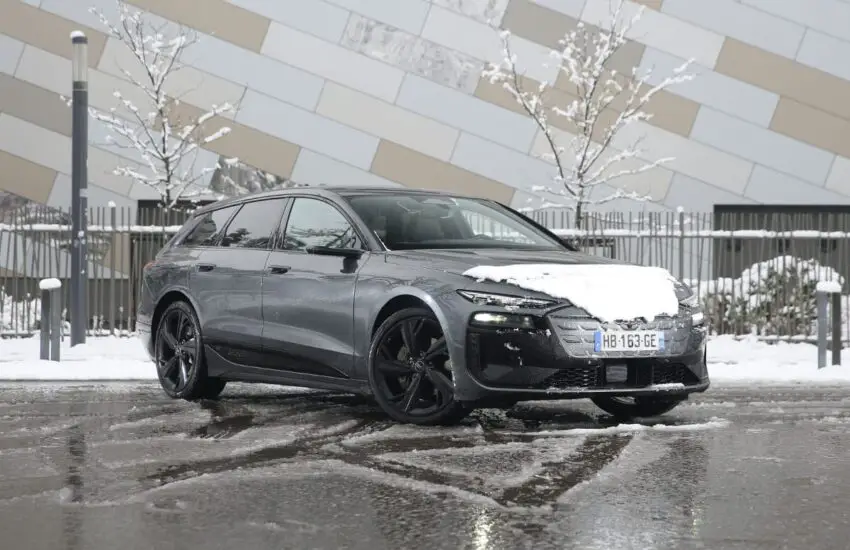
The promise of a premium electric estate is year-round capability. The Audi A6 Avant e-tron aims to deliver just that, combining sleek design with zero-emissions driving. But how does its advanced electric powertrain handle the specific challenges of winter? We subjected it to a rigorous supertest in freezing 0°C conditions to find the truth behind its cold-weather performance.

Real-World Range in Freezing Conditions

Cold weather is the nemesis of EV range, and our test confirmed this universal truth. While the official WLTP figures paint an optimistic picture, the reality at 0°C saw a predictable drop. The heat pump, a crucial piece of equipment for winter efficiency, worked diligently to minimize the impact on the battery. However, drivers planning long winter journeys should factor in a significant reduction from the advertised maximum range, a consideration common to all electric vehicles in low temperatures.

Charging Speed and Road Manners on Ice

Charging performance remained robust despite the chill. The 800-volt architecture allowed for impressively stable fast-charging speeds, meaning shorter stops even on cold days. On the road, the A6 Avant e-tron’s all-wheel-drive system provided confident traction on slippery surfaces. The low center of gravity, courtesy of the floor-mounted battery, gave the large estate a planted and secure feel through corners, even when roads were frosty.

The Final Winter Verdict

The Audi A6 Avant e-tron proves to be a competent and refined winter companion. It manages the cold with more grace than many rivals, thanks to its effective thermal management and surefooted drivetrain. While range inevitably suffers, its charging speed and driving dynamics largely remain intact. For those seeking a spacious, premium EV that doesn’t shy away from the colder months, the A6 Avant e-tron makes a compelling case.

The Road Tax Shift: Why EVs Are Now Paying Per Mile

A Global Move Towards Mileage-Based EV Taxes

As electric vehicle adoption accelerates worldwide, a new fiscal challenge is emerging for governments: how to fairly fund road maintenance. The traditional model, relying heavily on fuel taxes, is becoming obsolete with the rise of EVs. In response, a significant trend is taking hold—the implementation of kilometer-based taxes specifically for electric cars.

Beyond the Fuel Pump: Rethinking Road Funding

For decades, gasoline and diesel taxes have been a primary source of revenue for building and repairing transportation infrastructure. Electric vehicles, which bypass the pump, contribute little to this fund despite using the roads equally. This creates a growing financial shortfall. Per-mile charges, also known as Road User Charges (RUCs), are now being seen as a sustainable solution to ensure all drivers pay their share for wear and tear.

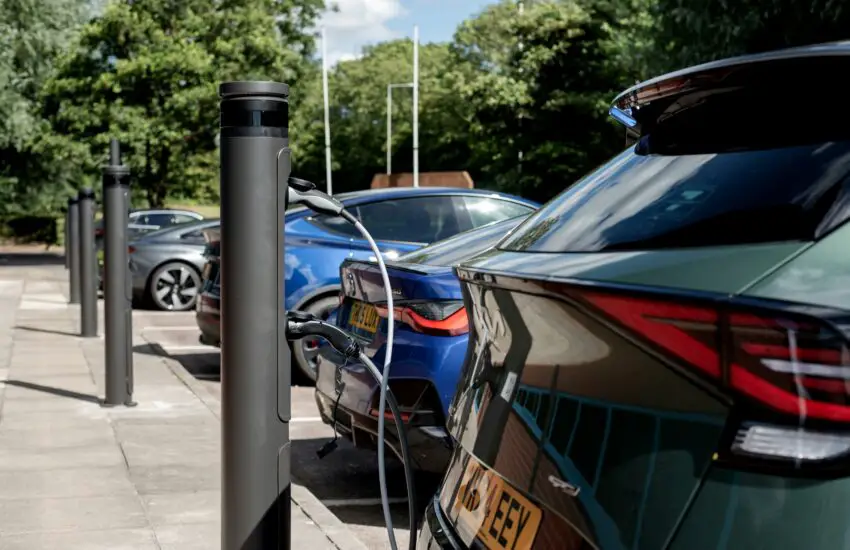
Electric car charging next to a road under construction

Equity and Adoption: The Central Debate

The move is not without controversy. Proponents argue it establishes long-term fairness and a stable revenue stream, preventing a future where infrastructure crumbles. Critics, however, contend that taxing EVs too early could disincentivize their adoption, undermining environmental goals. They suggest that any new tax should be balanced with continued incentives for clean vehicles during the transition period.

From Theory to Practice: Global Examples

This is no longer a theoretical discussion. Several regions are leading the charge. New Zealand has had a RUC system for years. In the United States, states like Oregon and Utah have pilot programs, and California is seriously studying the option. The European Union is also encouraging member states to explore smart road-pricing mechanisms. The common goal is to create a system that is equitable, efficient, and adaptable for a fully electric future.

The journey toward universal EV adoption is entering a new phase of financial pragmatism. While the path forward requires careful calibration to avoid stifling innovation, the kilometer tax represents a pivotal step in building a transportation funding model fit for the 21st century.