Smart #2 Prototype Spotted: Next-Gen City Car Emerges

Smart #2 Development Enters Critical Phase

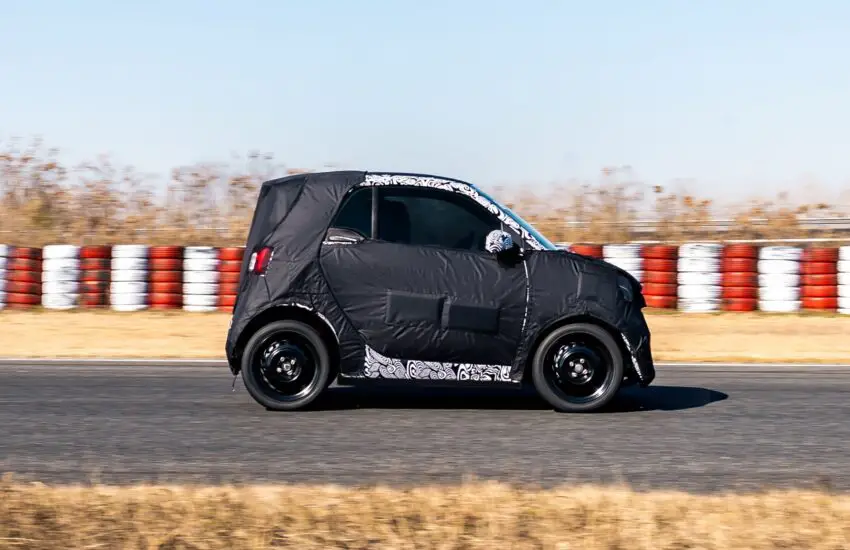
The next chapter in Smart’s urban mobility story is taking shape on public roads. Recently released official images confirm that the Smart #2 prototype, widely anticipated as the spiritual successor to the iconic Fortwo, is deep into its final testing and calibration phase. While wrapped in camouflage, these first glimpses reveal significant design evolution and technical promise for the brand’s upcoming flagship.

A New Design Direction for Urban Mobility

The prototype showcases a more assertive and dynamic silhouette compared to its predecessor. The familiar two-door, ultra-compact footprint appears to be evolving, with the images suggesting slightly larger proportions. Key design elements, like the shape of the headlights and the contour of the rear window, hint at a modern, sleek aesthetic that aligns with contemporary electric vehicle trends while retaining a distinct Smart character. The camouflage strategically hides final details, but the overall profile promises a bold step forward.

Under the Hood: A Focus on Electric Performance

As a fully electric model under the Geely partnership, the Smart #2 is expected to leverage advanced EV architecture. This platform will likely prioritize efficient urban range, rapid charging capability, and the nimble handling for which the brand is known. The intensive testing phase currently underway focuses on refining driving dynamics, software integration, and ensuring the vehicle meets the practical demands of daily city life. The move signifies Smart’s complete transformation into an electric-only marque.

What This Means for the Future of Smart

The unveiling of the #2 prototype is a clear signal of Smart’s ambitious product roadmap. Moving beyond the classic Fortwo formula, the #2 aims to expand the brand’s appeal by offering a blend of iconic compact design with next-generation electric vehicle technology and potentially more space. This model is poised to be a crucial player in the competitive compact EV segment, targeting urban drivers seeking a stylish, zero-emissions vehicle without compromising on personality or functionality.

EU Mandates 25% Recycled Plastic in New Cars by 2035

A Circular Revolution for the Auto Industry

European legislators have finalized a groundbreaking agreement that will fundamentally reshape automotive manufacturing. The new regulation mandates that by 2035, at least 25% of the plastic used in every new car must come from recycled sources. This decisive move places the principles of the circular economy at the core of one of Europe’s largest industrial sectors, aiming to drastically cut its environmental footprint and dependency on virgin materials.

Driving Towards Sustainable Manufacturing

The legislation targets a wide range of plastic components, from interior dashboards and door panels to under-the-hood elements. By setting a clear, legally-binding target, the European Union aims to create a stable and growing market for recycled plastics. This is expected to catalyze significant investment in advanced recycling technologies and collection systems, building a more robust and efficient supply chain for high-quality secondary materials.

Challenges and Opportunities for Automakers

For car manufacturers, this directive presents both a substantial challenge and a powerful catalyst for innovation. Engineering teams must now redesign components to incorporate recycled plastics without compromising on safety, durability, or performance. This will require new material specifications, supplier partnerships, and quality control processes. The shift is also a strategic opportunity to future-proof their operations, reduce exposure to volatile raw material prices, and appeal to increasingly eco-conscious consumers.

This policy is a cornerstone of the EU’s broader strategy to achieve climate neutrality and reduce waste. It signals a clear transition from a linear “take-make-dispose” model to a circular system where materials are kept in use for as long as possible. The automotive industry’s transformation will have a ripple effect, stimulating innovation in recycling and setting a new global benchmark for sustainable manufacturing.

Chrysler P1479 Code: Leak Detection Pump Switch Circuit Explained

Understanding the Chrysler P1479 OBD2 Diagnostic Trouble Code

The P1479 diagnostic trouble code (DTC) is a manufacturer-specific code primarily associated with Chrysler, Dodge, and Jeep vehicles. It is directly related to the vehicle’s Evaporative Emission Control (EVAP) system. In simple terms, this code indicates a fault in the circuit of the Leak Detection Pump (LDP) switch. The EVAP system’s primary function is to capture and store fuel vapors from the fuel tank, preventing them from escaping into the atmosphere, and then purging them into the engine to be burned during normal combustion. The Leak Detection Pump is a critical self-test component within this system.

What is the Leak Detection Pump (LDP)?

The Leak Detection Pump is not a traditional fuel pump. It is an electrically operated pump used by the Powertrain Control Module (PCM) to perform a self-test on the integrity of the EVAP system. During a specific drive cycle, the PCM activates the LDP to pressurize the EVAP system slightly. The LDP contains an internal diaphragm and a switch. The PCM monitors the state of this internal switch to determine if the pump is operating correctly and if the system can hold pressure, indicating no significant leaks.

The Role of the LDP Switch Circuit

The “switch circuit” referenced in code P1479 is the electrical feedback path from the LDP to the PCM. The switch inside the LDP changes state (open/closed) as the pump diaphragm moves. The PCM expects to see this specific change in voltage or resistance on the signal wire when it commands the pump on. Code P1479 is set when the PCM does not see the expected electrical response from the LDP switch during the self-test, signaling a circuit problem.

Common Symptoms and Causes of P1479

A vehicle with a stored P1479 code may exhibit a range of symptoms, or in some cases, no noticeable drivability issues at all. However, a malfunctioning EVAP system can affect fuel efficiency and will cause the vehicle to fail an emissions inspection.

Symptoms of a P1479 Fault

  • Illuminated Check Engine Light (MIL): This is the most common and often the only symptom.
  • Failed Emissions Test: The vehicle will not pass a state or local emissions inspection due to an active EVAP system fault.
  • Possible Fuel Odor: While less common with this specific circuit code, a compromised EVAP system can sometimes lead to a smell of gasoline.
  • Other EVAP Codes: P1479 may appear alongside other EVAP codes like P0442 (small leak) or P0455 (large leak) if the faulty LDP prevents a proper test.

Primary Causes of Code P1479

  • Faulty Leak Detection Pump (LDP): The internal switch mechanism has failed. This is a very common cause.
  • Open or Shorted Wiring: Damaged, corroded, or broken wires in the harness connecting the LDP to the PCM.
  • Poor Electrical Connections: Corrosion or looseness at the LDP electrical connector or PCM connector.
  • Blown Fuse: A fuse supplying power to the LDP or the PCM circuit may be blown.
  • Faulty Powertrain Control Module (PCM): This is rare, but a malfunction within the PCM itself cannot be completely ruled out after all other causes are eliminated.

Step-by-Step Diagnostic and Repair Guide for P1479

Diagnosing P1479 requires a systematic approach, starting with the simplest checks. A professional-grade OBD2 scanner and a digital multimeter (DMM) are essential tools for this job.

Step 1: Preliminary Inspection and Code Verification

Begin by performing a thorough visual inspection. Look for obvious damage to the Leak Detection Pump, which is typically located near the fuel tank or in the rear wheel well. Check the wiring harness for chafing, cuts, or burn marks. Inspect the electrical connector for corrosion, bent pins, or looseness. Clear the code with your scanner, perform a drive cycle, and see if P1479 returns. If it returns immediately, it indicates a hard fault.

Step 2: Electrical Circuit Testing

Consult a vehicle-specific wiring diagram to identify the pinouts for the LDP connector. Typically, you will find pins for power, ground, and the switch signal. Using your multimeter:

  • Check for battery voltage at the power supply wire with the ignition ON.
  • Check the ground circuit for continuity to a known good ground.
  • Test the switch signal wire for continuity to the PCM and check for shorts to power or ground.

Any deviation from specifications indicates a wiring or connector issue that must be repaired.

Step 3: Testing the Leak Detection Pump Itself

If the wiring checks out, the LDP itself is likely faulty. You can perform a bench test. Apply battery voltage and ground to the pump motor terminals; you should hear and feel it run. The internal switch can be tested for continuity/resistance change across its terminals while manually operating the pump diaphragm (if accessible). A pump that doesn’t run or shows no change in switch state is defective.

Step 4: Repair and Clear Codes

Based on your findings:

  • Repair Wiring: Solder and seal any damaged wires. Replace corroded connectors.
  • Replace the LDP: This is the most common fix. Ensure the replacement part is correct for your specific model year.
  • Address Other Issues: Replace any blown fuses.

After repair, clear all codes with your scanner. The PCM will need to complete a full EVAP monitor drive cycle to confirm the fix. A successful test will result in the “EVAP Monitor” showing as “Ready” or “Complete” on your scanner, with no return of the P1479 code.

Importance of Addressing P1479 for Vehicle Health

While a P1479 code may not strand you on the side of the road, it signifies a failure in a critical emissions control system. Ignoring it has consequences beyond just an annoying warning light.

Emissions Compliance and Environmental Impact

The EVAP system is mandated by law to reduce hydrocarbon emissions. A faulty system allows unburned fuel vapors to escape, contributing to air pollution and smog. Your vehicle will be unable to pass mandatory emissions testing, which can lead to registration suspension in many regions.

Preventing Secondary Issues

A malfunctioning Leak Detection Pump can prevent the PCM from accurately testing the rest of the EVAP system. This means a potentially serious fuel vapor leak from a cracked hose or faulty gas cap could go undetected, posing a minor safety risk and negatively impacting fuel economy over time. Diagnosing and repairing P1479 restores the vehicle’s full self-diagnostic capability for the entire EVAP system.

Renault’s Electric Twingo: A Game Changer Under €15,000

The Affordable Electric Revolution Has Arrived

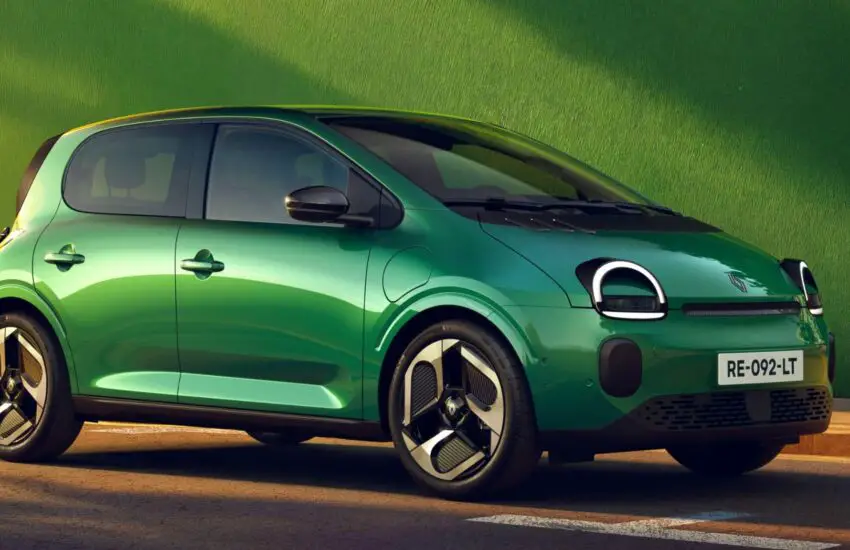
The landscape of urban electric mobility is shifting dramatically. Renault has officially unveiled the pricing for its new electric Twingo, and the figures are causing a significant stir. With a starting price positioned below €20,000, the vehicle makes a strong statement. However, the true headline is its final cost after applicable government incentives, which brings it under the critical €15,000 threshold, redefining accessibility in the EV market.

Redefining Value in City Mobility

This aggressive pricing strategy positions the Renault Twingo electric as a direct challenger to both conventional city cars and more expensive electric vehicles. It is designed to make zero-emission driving a realistic option for a much broader audience, including first-time car buyers, students, and urban dwellers. The focus is on delivering a simple, efficient, and cost-effective solution for daily commuting without compromising on the core benefits of electric propulsion.

Renault Twingo electric car front three-quarter view

Specifications for Everyday Use

While full technical specifications are still being finalized, the new Twingo electric is expected to offer a range suitable for city life and suburban errands. It will likely feature a compact electric motor optimized for efficiency rather than high performance, ensuring low running costs. The design maintains the Twingo’s iconic compact and agile footprint, making it ideal for navigating tight city streets and easy parking.

Impact on the European EV Market

The introduction of a sub-€15,000 electric car is a potential watershed moment for the European automotive industry. It applies considerable pressure on competitors to accelerate their own affordable EV programs. This move by Renault could significantly accelerate the adoption of electric vehicles by removing the primary barrier of high upfront cost, proving that sustainable transport can be both practical and economically viable for the masses.

Electric Vehicle Sales Boom Faces Mounting Headwinds

A Global Surge Meets Emerging Challenges

The global electric vehicle (EV) market continues its remarkable expansion, with sales figures painting a picture of unstoppable momentum. This rapid adoption is widely seen as a cornerstone of the broader transition to sustainable transportation. However, beneath this surface of strong growth, a complex array of economic and infrastructural challenges is beginning to surface, casting doubt on the smoothness of the road ahead.

Warning Signs Behind the Growth Curve

Several key indicators are triggering concern among analysts and industry observers. While overall numbers rise, the pace of growth in some major markets has begun to slow. Consumer anxiety over charging infrastructure, particularly for long-distance travel and in urban areas without dedicated parking, remains a significant barrier to wider adoption. Furthermore, high upfront costs compared to traditional internal combustion engine vehicles continue to deter a large segment of potential buyers, despite lower long-term operating expenses.

Pressure on Supply Chains and Policy

The industry’s reliance on critical raw materials like lithium, cobalt, and nickel presents a substantial risk. Geopolitical tensions and concentrated mining operations can lead to volatile prices and supply bottlenecks, potentially stalling production. This uncertainty puts pressure on automakers’ profitability and challenges the narrative of inevitably declining EV prices. Simultaneously, the evolution of government subsidies and purchase incentives is creating market uncertainty, as policymakers debate the next phase of support for the sector.

Navigating the Road to Sustainable Mobility

The current moment represents a critical inflection point for the electric vehicle revolution. The initial wave of early adopters is being succeeded by a more pragmatic mainstream consumer. Success now hinges on addressing practical concerns with tangible solutions. Accelerating the deployment of reliable, ubiquitous charging networks, fostering innovation in battery technology to reduce costs and material dependencies, and ensuring stable, long-term policy frameworks are no longer optional. The strength of the EV market’s future growth will depend directly on how effectively these headwinds are navigated.

Chevrolet P1479 Code: EVAP Leak Detection Pump Control Circuit Explained

Understanding the P1479 OBD2 Code in Chevrolet Vehicles

The OBD2 diagnostic trouble code P1479 is a manufacturer-specific code primarily associated with General Motors (GM) vehicles, including Chevrolet models like the Silverado, Tahoe, Suburban, and many others. This code directly points to an electrical fault within the Evaporative Emission Control (EVAP) system, specifically the circuit controlling the Leak Detection Pump (LDP) or, in some models, the Evaporative Emission (EVAP) Canister Vent Solenoid. The EVAP system is crucial for capturing fuel vapors from the fuel tank and preventing them from escaping into the atmosphere. A P1479 code indicates that the vehicle’s Powertrain Control Module (PCM) has detected an irregularity—such as an open, short to ground, or short to power—in the electrical control circuit for this component.

Common Symptoms and Causes of P1479

When the PCM logs a P1479 code, it will also illuminate the Check Engine Light (CEL) on your dashboard. Unlike some drivability codes, P1479 may not cause immediate, noticeable performance issues, but it signifies a failure in the emission control system that needs attention.

Primary Symptoms of Code P1479

  • Illuminated Check Engine Light (MIL): The most consistent and immediate symptom.
  • Failed Emissions Test: The vehicle will not pass a state or local emissions inspection.
  • Possible Fuel Odor: In some cases, a faint smell of gasoline may be detected if the EVAP system is not sealing properly.
  • No Drivability Issues: The engine typically runs normally, with no loss of power or rough idle directly attributable to this code.

Root Causes of a P1479 Diagnostic Trouble Code

  • Faulty Leak Detection Pump (LDP) or Vent Solenoid: The internal coil of the pump or solenoid can fail open or shorted.
  • Damaged Wiring or Connectors: Corroded, broken, or frayed wires in the control circuit between the PCM and the LDP.
  • Poor Electrical Connections: A loose or corroded connector at the LDP or the PCM.
  • Blown Fuse: A fuse supplying power to the EVAP system components may be blown.
  • Faulty Powertrain Control Module (PCM): While rare, a malfunction within the PCM itself can cause this code.

Step-by-Step Diagnostic Procedure for P1479

Diagnosing a P1479 code requires a systematic approach, a digital multimeter (DMM), and a reliable OBD2 scanner. Always begin by verifying the code and checking for technical service bulletins (TSBs) for your specific Chevrolet model and year.

Step 1: Preliminary Inspection and Code Verification

Use your OBD2 scanner to confirm the presence of P1479. Clear the code and perform a test drive to see if it returns. This confirms an active fault. Simultaneously, perform a thorough visual inspection of the EVAP system. Locate the Leak Detection Pump (typically near the fuel tank or canister). Check for obvious damage, disconnected hoses, and inspect the wiring harness and electrical connector for corrosion, bent pins, or physical damage.

Step 2: Electrical Circuit Testing

With the vehicle’s ignition OFF, disconnect the electrical connector from the LDP. Using a wiring diagram for your specific model is highly recommended. Set your multimeter to measure resistance (Ohms). Test the resistance across the two terminals of the LDP solenoid. You should typically get a reading between 10 and 30 ohms. A reading of infinite resistance (OL) indicates an open coil, and a reading near zero indicates a shorted coil—both require pump replacement.

Step 3: Power and Ground Circuit Check

Reconnect the connector to the LDP. Back-probe the wires with your multimeter probes (use care to avoid damage). With the ignition ON (engine OFF), one wire should show battery voltage (approx. 12V). This is the power feed, often controlled by a fuse. The other wire is the control wire from the PCM. Using a scan tool with bidirectional controls, command the LDP ON and OFF. You should see the voltage on the control wire change accordingly (e.g., from 12V to near 0V when commanded ON). If there is no change, the issue is in the control circuit or PCM.

Step 4: Continuity and Short Testing

With the ignition OFF and the LDP connector disconnected, test for continuity between the PCM control pin and the corresponding pin at the LDP connector. There should be continuity (low resistance). Also, check for a short to ground or power on this control wire by testing between the control wire and chassis ground (should be no continuity) and between the control wire and the battery positive wire (should be no continuity when disconnected).

Repair Solutions and Prevention

Once the faulty component is identified, the repair is generally straightforward. The complexity often lies in accessing the component, which may require raising the vehicle.

Common Repair Procedures

  • Replacing the Leak Detection Pump/Vent Solenoid: This is the most common fix. Ensure you get the correct OEM or high-quality aftermarket part for your specific model. After replacement, clear codes and perform an EVAP system monitor drive cycle to confirm repair.
  • Repairing Wiring Harness: For damaged wires, solder and seal the connection properly. Use heat-shrink tubing for a professional, weatherproof repair. Never use twist-on connectors in automotive environments.
  • Cleaning Connectors:

    Use electrical contact cleaner and a small brush to remove corrosion from connector pins. Apply a dielectric grease to prevent future corrosion.

  • Replacing Fuses: If a fuse is blown, replace it with one of the identical amperage rating. Investigate why it blew to prevent recurrence.

Preventive Maintenance Tips

While electrical failures can be unpredictable, you can minimize risks. Periodically inspect underbody components for damage, especially if you drive on rough roads. Keep the EVAP system components and their connectors clean from road grime and salt. Address any other EVAP-related codes (like small or large leak codes) promptly, as system pressure issues can sometimes stress electrical components.

Conclusion: Is P1479 a Serious Code?

Code P1479 is not typically an emergency that will strand you on the side of the road, as it does not directly affect engine combustion. However, it is a serious emissions-related fault. Ignoring it will cause your Chevrolet to fail its next emissions test and keeps the Check Engine Light on, which can prevent you from noticing other, more critical codes. Furthermore, a malfunctioning EVAP system can allow fuel vapors to escape, which is harmful to the environment and can, in rare cases, lead to a gasoline odor. Following the structured diagnostic approach outlined above will allow you or your technician to accurately pinpoint and resolve the electrical fault in the EVAP leak detection pump control circuit, restoring your vehicle’s emission system to proper function.

Driverless Tesla Model Y Sparks Autonomy Debate

A Glimpse of the Autonomous Future?

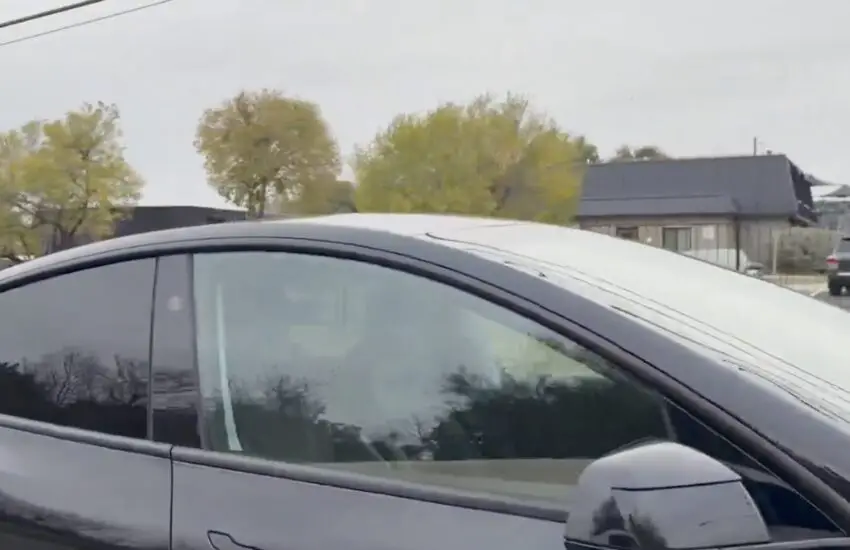
A viral video capturing a Tesla Model Y navigating public roads in Austin, Texas, with no apparent human occupant has ignited widespread discussion. The footage, recorded by a bystander, shows the vehicle in motion with both the driver and passenger seats seemingly empty, pushing the ongoing debate about Tesla’s self-driving capabilities into the spotlight.

Speculation and Scrutiny Intensify

The incident arrives at a critical juncture for Tesla and its CEO, Elon Musk, who has consistently championed a vision of full vehicle autonomy. This visual evidence, while unverified in its specifics, challenges current regulatory classifications and public understanding of what Tesla’s “Full Self-Driving” (FSD) system is legally permitted to do. Authorities have not confirmed if an investigation is underway, but the video alone has prompted serious questions about safety protocols and system limitations.

Broader Implications for the Industry

This event transcends a single viral moment. It acts as a pressure point for the entire autonomous vehicle sector, highlighting the gap between technological demonstrations and approved, safe public use. Industry observers note that such incidents can significantly impact public trust, which is a crucial component for the widespread adoption of driverless technology. The reaction from regulators and Tesla’s official response will be closely monitored as a bellwether for the near-term trajectory of autonomous driving regulations.

While the capabilities of advanced driver-assistance systems continue to evolve, this video serves as a potent reminder of the complex ethical, legal, and technical hurdles that remain. The path to fully autonomous vehicles is paved with incremental advances, intense scrutiny, and moments that capture the public’s imagination and concern in equal measure.

Understanding and Fixing OBD2 Code P1479 on Cadillac Vehicles

What is OBD2 Code P1479 on a Cadillac?

When your Cadillac’s check engine light illuminates and a scan tool reveals Diagnostic Trouble Code (DTC) P1479, you are dealing with a specific fault within the Evaporative Emission Control (EVAP) system. In technical terms, P1479 is defined as “EVAP Leak Detection Pump Pressure Switch High” or sometimes “Leak Detection Pump (LDP) Circuit High.” This code is prevalent in many General Motors vehicles, including various Cadillac models like the CTS, STS, SRX, Escalade, and DTS from the early 2000s to the 2010s.

The EVAP system’s primary function is to capture fuel vapors from the gas tank and feed them into the engine to be burned, preventing hydrocarbon emissions. The Leak Detection Pump is a critical component that actively pressurizes the system to check for leaks. Code P1479 specifically indicates that the Powertrain Control Module (PCM) has detected an abnormally high voltage or an implausible signal from the pressure switch inside the LDP, suggesting the switch is stuck in the “closed” or “high” position when it should be open, or vice-versa.

Common Symptoms and Causes of P1479

Unlike some engine codes that cause drivability issues, P1479 is primarily an emissions-related fault. The symptoms are often subtle, but ignoring them can lead to a failed emissions test and potential damage to other EVAP components.

Key Symptoms of a P1479 Fault

  • Illuminated Check Engine Light (MIL): This is the most common and often the only noticeable symptom.
  • Failed Emissions/Smog Test: The vehicle will not pass inspection with an active EVAP system code.
  • Possible Fuel Odor: In rare cases, if related to a larger EVAP fault, you might smell gasoline vapors.
  • No Drivability Issues: The car will typically run, start, and drive normally. Performance and fuel economy are usually unaffected.

Primary Causes of Cadillac P1479

  • Faulty Leak Detection Pump (LDP): The internal pressure switch has failed or is stuck. This is the most frequent culprit.
  • Damaged Wiring or Connectors: Corroded, broken, or shorted wires in the LDP circuit can send an incorrect signal to the PCM.
  • Poor Electrical Connections: A loose or corroded connector at the LDP or PCM can cause high resistance or an open circuit.
  • Failed or Stuck EVAP Purge Valve: While less common, a purge valve stuck open can create a constant vacuum leak, confusing the LDP test.
  • Faulty PCM: This is very rare, but a malfunctioning engine computer cannot properly interpret the LDP signal.

Step-by-Step Diagnostic Procedure for P1479

A systematic approach is crucial to correctly diagnose P1479 and avoid replacing good parts. You will need a quality OBD2 scan tool and a digital multimeter (DMM).

Step 1: Preliminary Checks and Code Verification

Begin by recording the freeze frame data associated with the P1479 code. Clear the code and perform a drive cycle to see if it returns immediately or only under specific conditions (e.g., after refueling). Visually inspect the EVAP system, especially the LDP (often located near the fuel tank or EVAP canister), its wiring harness, and connectors for obvious damage, corrosion, or disconnections. Check for any other related EVAP codes like P0440-P0457, as they may point to a larger issue.

Step 2: Electrical Testing of the Leak Detection Pump

Consult your Cadillac’s service manual for the specific wiring diagram and pinouts. Typically, the LDP has a multi-wire connector for the pump motor and the pressure switch.

  • Power and Ground: Use your DMM to check for battery voltage and a good ground at the LDP connector with the key in the “ON” position.
  • Pressure Switch Signal: Back-probe the signal wire to the PCM. The switch should change state (from high voltage to low voltage, or vice-versa) when the LDP is activated (often during a key-on engine-off test or with a bidirectional scanner command). A constant high or low reading indicates a faulty switch or circuit.
  • Pump Motor Resistance: Measure the resistance across the pump motor terminals. Compare it to the manufacturer’s specification (often between 10-30 ohms). An open (infinite resistance) or shorted (near 0 ohms) reading confirms a bad pump motor.

Step 3: Testing Related EVAP Components

If the LDP tests good, the problem may lie elsewhere in the EVAP system. Test the EVAP purge valve solenoid for proper operation and resistance. Check the EVAP vent valve (if equipped) for sticking or blockage. Use a smoke machine to pressurize the EVAP system and check for any external leaks that could be causing an abnormal pressure reading, confusing the LDP logic.

Repair Solutions and Prevention Tips

Once the root cause is identified, the repair can be straightforward. Always disconnect the battery before performing electrical work.

Common Repairs for Code P1479

  • Replacing the Leak Detection Pump: This is the most common fix. Ensure you get an OEM or high-quality aftermarket part. Installation typically involves removing a few bolts and disconnecting/connecting the electrical and vacuum hoses.
  • Repairing Wiring Harness: Solder and heat-shrink any broken wires. Replace severely damaged sections of the harness. Clean all electrical contacts with electrical cleaner.
  • Replacing the EVAP Purge Valve: If testing confirms it’s faulty, replace it. It’s usually located on or near the engine intake manifold.
  • PCM Reflash or Replacement: As a last resort, a dealership may reflash the PCM with updated software. Hardware replacement is extremely rare.

Post-Repair Procedure and Prevention

After completing the repair, clear all codes with your scan tool. Perform a complete EVAP system monitor drive cycle to ensure the PCM runs its self-test and reports “Ready” or “Complete.” This often involves driving the car under specific speed, load, and fuel level conditions. To prevent recurrence, avoid over-tightening the gas cap and have your vehicle’s EVAP system inspected as part of routine maintenance, especially if you frequently drive on rough roads that can vibrate components and connectors loose.

Diagnosing and fixing P1479 on your Cadillac requires patience and a methodical approach. By understanding the role of the Leak Detection Pump and following a structured diagnostic path, you can resolve this emissions code efficiently, restore your vehicle’s environmental compliance, and extinguish that check engine light for good.

Ford Shifts Electric Vehicle Strategy Amid Billions in Losses

A Strategic Pivot Under Financial Pressure

Ford Motor Company is undertaking a significant recalibration of its electric vehicle ambitions. This strategic shift comes as a direct response to substantial financial losses, reported to be in the billions of dollars, stemming from its EV division. The move highlights the complex and costly challenges legacy automakers face in transitioning from internal combustion engines to electric powertrains, balancing ambitious future goals with present-day economic realities.

Reassessing the Road to Electrification

Previously, Ford had announced aggressive targets and massive investments for its electric future, including the creation of dedicated EV platforms like the TE1. However, the market’s slower-than-expected adoption rate for electric vehicles, coupled with intense price competition and high costs for raw materials and new manufacturing capacity, has led to a sobering reassessment. The company is now moderating its near-term production targets, delaying certain investments, and focusing on achieving profitability in its EV segment rather than pursuing volume at any cost.

Focusing on Hybrid Technology as a Bridge

A key component of Ford’s revised plan is an increased emphasis on hybrid vehicles. The company now sees hybrids not merely as a transitional technology but as a critical and sustainable part of the automotive landscape for years to come. By expanding its hybrid offerings, particularly in high-volume segments like trucks and SUVs, Ford aims to meet stringent emissions regulations while catering to customer demand for more efficient vehicles without the concerns associated with full battery-electric adoption, such as charging infrastructure and range.

Implications for the Auto Industry

Ford’s strategic pivot sends a clear signal to the entire automotive sector. It underscores that the journey to an all-electric future may be longer, more capital-intensive, and more nuanced than initially projected. Other traditional manufacturers are likely watching closely, as they grapple with similar financial pressures. The industry is entering a new phase where financial sustainability and market demand are becoming as crucial as technological innovation in shaping the pace of the electric transition.

Volkswagen Powers Up Spanish Battery Plant for New Electric Era

Volkswagen Group Launches Strategic Battery Facility in Spain

The Volkswagen Group has officially inaugurated a new battery production plant, marking a pivotal step in its European electric vehicle strategy. Located within the existing SEAT facility in Martorell, Catalonia, this industrial site is designed to be a cornerstone for the group’s upcoming generation of affordable electric cars.

A Hub for Affordable Electric Mobility

This new facility is not just a production line; it is a specialized center for assembling battery systems. It will focus on producing unified battery cells for compact electric vehicles. The strategic placement within one of Europe’s major automotive hubs underscores Volkswagen’s commitment to localizing its electric value chain and reducing production complexities.

Driving the Future of European EV Production

The plant’s initial capacity is significant, with the potential to power hundreds of thousands of electric vehicles annually. This investment is a direct response to the growing demand for accessible electric mobility in Europe. By manufacturing key components locally, Volkswagen aims to secure its supply chain, increase efficiency, and accelerate the time-to-market for its new models.

The inauguration of this battery plant is a clear signal of the automotive industry’s rapid transformation. It represents a major industrial shift towards electrification, with Volkswagen positioning its Spanish operations at the heart of this change. The move is expected to bolster the regional economy and reinforce the technical expertise within the European automotive sector.

Foundation for Next-Generation Models

This battery production hub is crucial for the rollout of Volkswagen’s forthcoming small electric cars. These future models, promised to be both practical and price-competitive, rely on the efficient and scalable battery systems produced at this very site. The plant’s success is therefore intrinsically linked to the group’s ambition of making electric vehicles accessible to a broader audience.