Do diesel cars require daily driving?

Diesel cars tend to offer better fuel economy, and we all know that. That’s what every driver is looking for, right? But the question today is: do diesel cars need to be driven daily to stay in good shape? Well, people have made different statements when asked this question. This leaves many of us confused about what is true. For those who still don’t have an answer as to why diesel cars require daily operation, here it is. The answer is no.

Here’s a better explanation!

Do Diesel Cars Require Daily Driving? Here’s the Answer!

Every driver is curious about this. If this question had been asked years ago, the answer would have been yes, or let’s say a big yes. Now, the scenario has changed. Let’s see what has changed it over the years.

The Truth About Whether Diesel Cars Require Daily Operation

Development of CRDI Engines

It was after the development of CRDI engines that it became unnecessary to operate diesel cars daily. Before that, the issue occurred when starting the cold engine. The engine took time to warm up the fuel. This energy consumed to heat the fuel took time, making it difficult to start diesel cars on time. Now, with CRDI engines, there is practically no need to run diesel cars daily. CRDI stands for Common Rail Direct Injection. This allows direct injection of fuel into the engine via a single common line. That’s why it’s no longer necessary to run your diesel car regularly these days. Now, no one will wonder whether diesel cars require daily operation or not.

Rigid Steel Lines

There was a problem with diesel cars in the past. Back then, fuel lines were prone to air ingress, which could immobilize the vehicle. If the cars weren’t driven for more than ten days, they would simply stop or create a potential error when starting the car. Nowadays, diesel cars have more rigid steel lines, meaning your diesel car won’t stop no matter how many days it sits idle in the garage.

Daily Starting Is Not Necessary

Vehicles and their engines have evolved tremendously in recent years. There was a time when daily starting was necessary to maintain the car’s good condition. Now, there are only a few things to do with the vehicle. Even experts believe this is one of the most common misconceptions that needs to be broken now.

Get the Most Out of Diesel Cars That Require Daily Operation

Modern diesel vehicles do not require constant attention. Use it when you want and keep it in the garage when you don’t need it. Just let your vehicle enjoy parking mode, and it won’t be affected, as most of us think. Surely, it won’t get stuck! Just keep in mind some expert maintenance tips that you can also read online.

Conclusion

Our official answer on this is that diesel cars do not require daily use, but they benefit from regular use. Diesel engines are known for their robustness and durability, and they are often preferred by drivers who travel long distances or have high mileage requirements. Unlike gasoline engines, diesel engines do not have spark plugs that can foul or require regular maintenance. However, there are a few benefits to driving a diesel car regularly:

Battery Maintenance

Like any vehicle, diesel cars have a 12-volt battery that powers various electrical systems. If a diesel car remains unused for an extended period, the battery may discharge, making it difficult to start the engine. Regular use ensures the battery stays charged.

Fuel Quality

Diesel fuel can degrade over time, especially if it sits in the fuel tank for a long time. Regular use helps keep the fuel fresh by consuming and replenishing it regularly.

DPF Regeneration

Most modern diesel cars are equipped with a Diesel Particulate Filter (DPF) to reduce emissions. The DPF traps and burns harmful particles, but this process requires the car to reach and maintain certain driving conditions, typically achieved during regular highway driving or at higher speeds. If a diesel car is only used for short trips or remains inactive for too long, the DPF may not regenerate properly, leading to potential issues.


The power steering suddenly stopped working

Power steering problems can sometimes be frustrating. The luxurious interior, expensive tires, and high performance are meaningless if the power steering doesn’t work well. Have you ever been stuck in a situation where the power steering suddenly stopped working?

Well, you’re not alone because many people face this issue at least once in their lifetime.

Here’s the simple solution you can implement when the power steering isn’t working. So read on!

What to Do When Power Steering Suddenly Stops Working?

Unresponsive power steering doesn’t necessarily mean you’re going to have an accident, but yes, it’s still dangerous. This makes dealing with power steering issues even more crucial. To this end, we’ve listed effective steps to resolve this problem.

1. Warn Other Drivers Near You

On highways, it’s common to drive at high speeds. It’s natural to panic in a situation where the power steering suddenly stops working. Alert nearby motorists about the loss of power steering while driving.

This will ensure everyone’s safety and prevent an accident. You can honk or turn on your hazard lights so they understand you’re experiencing a sudden car problem. Every other vehicle should make way for you so you can handle the situation effectively.

Know the steps to take if power steering has stopped working suddenly (Photo source: iStockphoto)

2. Carefully Move to the Side

After warning everyone nearby, pull your car over to the side. You need to be careful when doing this because it would be difficult to control the vehicle without power steering. Check if there are any vehicles coming from behind or ahead.

3. Gradually Stop the Car

Now that you’re on the side of the road, don’t slam on the brakes as this could cause the car to skid. If engine freeze is causing the steering to lock up, the power brakes might become stiff.

Use the friction from guardrails in a wide space or from a divider. This will ease the brakes and allow you to stop the car slowly.

4. DIY Solution

You can fix this issue yourself using one of the best maintenance tips. All you need is sea foam, a medium-sized container, and a dropper. Usually, power steering stops working due to a clog that can be cleaned in no time.

Now, go to the reservoir and remove the cap. Use a non-leaking juice dropper to extract some of the fluid. Put all the fluid in the container and pour the sea foam into the reservoir.

Pour up to 8 ounces of transmission fluid. Put everything back together and close the hood. Start the engine and try to move the steering.

Some tricks when power steering suddenly stops working (Photo source: Repair shop)

FAQ

  1. How can I check if the power steering fluid level is the issue?

You can check the power steering fluid level by locating the reservoir under the hood and inspecting the fluid level. If it’s significantly below the recommended level, adding power steering fluid might solve the problem.

  1. What should I do if my power steering belt is broken or loose?

If the power steering belt is broken or loose, it needs to be replaced or properly tensioned. A loose or damaged belt can prevent the power steering pump from functioning correctly.

  1. What are the signs of a faulty power steering pump?

Signs of a faulty power steering pump may include a whining noise when turning the steering wheel, difficulty turning the wheel, or sudden loss of power steering. If you suspect the pump is the issue, it should be inspected and replaced if necessary.

  1. Can electrical problems cause sudden power steering failure?

Yes, electrical issues, such as a faulty control module or power steering sensor, can lead to sudden power steering failure. If you suspect an electrical problem, it’s best to have it diagnosed by a mechanic with the proper diagnostic tools.

  1. Is it safe to drive a vehicle with sudden power steering loss?

Driving a vehicle with sudden power steering loss can be challenging and potentially dangerous, especially at low speeds or when parking.

It’s advisable to have the issue inspected and repaired as soon as possible to ensure safe driving.

  1. Can I fix the power steering issue myself or should I leave it to a professional mechanic?

The complexity of fixing a sudden power steering issue can vary depending on the underlying cause.

While some simple issues like low fluid levels can be resolved by adding fluid, more complex problems may require the expertise of a professional mechanic to properly diagnose and repair.

  1. How much does it typically cost to repair sudden power steering failure?

The cost to repair sudden power steering failure can vary significantly depending on the specific problem, your vehicle’s make and model, and your location. It’s best to get quotes from reputable mechanics for an accurate estimate.

  1. Can regular maintenance help prevent sudden power steering failures?

Yes, regular maintenance can help prevent power steering issues. It’s essential to follow the manufacturer’s recommended maintenance intervals, including checking and maintaining power steering fluid levels and inspecting the power steering system for any signs of wear or damage.

  1. What should I do if my power steering suddenly fails while driving?

If your power steering suddenly fails while driving, try to safely pull over to the side of the road, as steering will become much more difficult.

Turn off the engine, check the power steering fluid level (if safe to do so), and consult a mechanic for assistance. Avoid driving the vehicle further until the issue is resolved.

Final Words

This is how you can handle the situation when power steering suddenly stops working. Different cars have different functions, so it’s best to consult experts after using these tips.

Use these clever tricks and don’t wonder what happens when the power steering pump fails. And now, you’re ready to go!

P1336 Isuzu Code – Crankshaft Position Sensor System Variation Not Learned

Possible Causes

NOTE: The listed causes may not be a complete list of all potential issues and there may be other causes.

  • Faulty crankshaft position sensor
  • Crankshaft position sensor harness is open or shorted
  • Poor electrical connection in crankshaft position sensor circuit

Description

The crankshaft position sensor system variation not learned is the generic description for Isuzu code P1336, but the manufacturer may have a different description for your vehicle model and year. Currently, we have no other information about Isuzu OBDII code P1336.

How to Repair

Check the “Possible Causes” listed above. Visually inspect the wiring harness and related connectors. Check for damaged components and look for broken, bent, pushed out, or corroded connector pins.

Possible Symptoms

  • Engine light on (or service engine soon warning light)
  • Lack/loss of power
  • Engine stalling
  • Engine hard to start

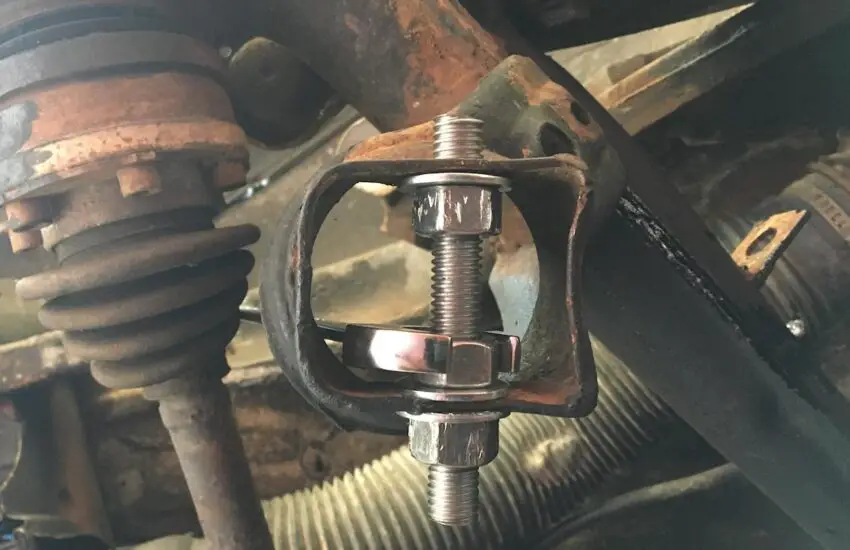
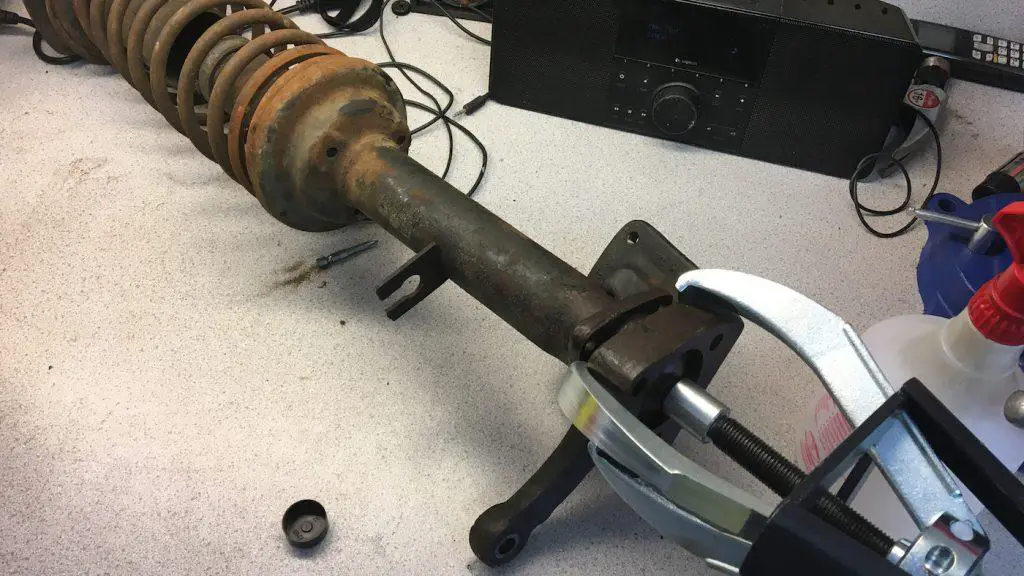
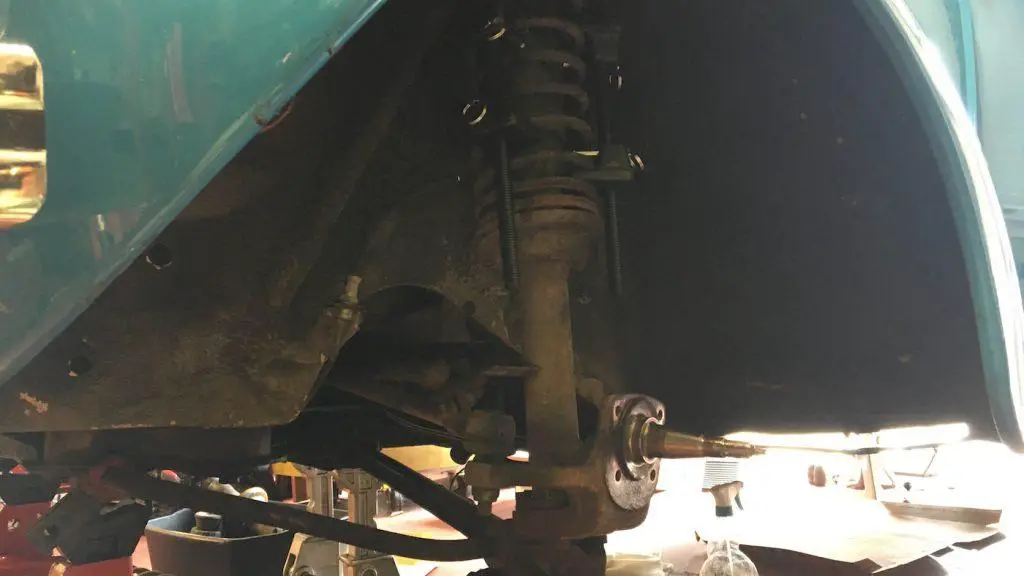
Removing the Stuck Lower Control Arm Bolt: A Practical Guide

Removing the Stuck Lower Control Arm Bolt Those who own or sell cars should have an idea about the control arm. It’s a bar that has a pivot at both ends. Control arms are part of the suspension system, which simply manages the wheel’s movement to synchronize with the car’s body.

Work with bushings that reduce friction and prevent automotive parts from moving. The lower control arm bolt actually bears the pressure of the entire vehicle, which, if it gets stuck, can affect how your vehicle moves on the roads.

So, if you know the right way to handle these lower arm bolts and can fix them yourself, there’s a good chance you can save a handful of money, which otherwise would have been wasted on lower arm bolt repair work.

Removing the Stuck Lower Control Arm Bolt: The Process

The entire process of removing stuck lower control arm bolts can be difficult if you don’t have the right knowledge of how it’s actually done. So, let’s see what the actual process says:

Removing the stuck lower control arm bolt. (Photo: Mechanic)

1. Start by Loosening the Ball Joint

To begin, it’s essential to free the ball joint. Simply take a 20mm to 24mm wrench or a socket to loosen the ball joint after removing the cotter pin. Strike the stud to loosen the tapered fit. 

Hold the lower control arm with a hydraulic jack if the work is being done on a strut suspension with dynamic springs. Remember to keep all those maintenance tips you might have learned from experts one day.

2. Eradicate the Sway Bar Link

The connection of the sway bar to the control arm then breaks by eradicating the sway bar link. 

Use a wrench or socket to remove the nuts. Grasp the sway bar link and remove it from the lower control arm bracket to avoid any disturbance.

3. Remove the Control Arm Mounting Bolts

Horizontal or vertical – Two lower control arm bolts are present in the vehicle. Using a socket, one can easily loosen and remove the bolts. 

To remove all bolts that have nuts at the back, an additional wrench may be needed. Hold the wrench firmly and securely on the bolt head to avoid rounding it off.

Use a universal joint and a socket to remove the stuck lower control arm bolts. This will simply make this task much easier to perform. After removing the bolts, the arm loosens. Thus, keeping a hand on it will become much easier.

Learn more about removing lower control arm bolts. (Photo: MCN)

4. Remove the Lower Control Arm

If the control arm is still in the brackets, simply grasp the arm firmly and pull it outward. Move it up and down to remove it from the brackets.

So, here’s how to remove the lower control arm bolt by simply following a few easy steps. This will surely be helpful in case of a car breakdown or an automotive emergency. 

Why not just try the same thing and work on these stuck bolts yourself at home. Save time and a few dollars with this process today!

FAQ

  1. Why is the lower control arm bolt stuck?

The lower control arm bolt can get stuck due to rust, corrosion, or over-tightening. Exposure to harsh environmental conditions can also lead to seizing.

  1. What tools are needed to remove a stuck lower control arm bolt?

You will typically need a breaker bar, penetrating oil, a socket set, a hammer, and possibly a torch for heating if the bolt is extremely stubborn. Safety equipment such as gloves and safety glasses is essential.

  1. Is it safe to apply heat to the bolt?

Using a torch to heat the bolt can be effective, but it must be done with caution. Ensure there is no flammable material nearby and avoid overheating to prevent damage to surrounding components.

  1. How long should I let the penetrating oil sit before attempting to remove the bolt?

Let the penetrating oil soak for at least 15 to 30 minutes, and longer for heavily rusted bolts. Reapply if necessary.

  1. What happens if the bolt breaks during removal?

If the bolt breaks, you may need to replace it and potentially repair or replace the control arm. This can be a more complex and costly repair.

  1. Can I DIY this task or should I consult a professional?

Removing a stuck lower control arm bolt can be a challenging DIY task, especially if you lack experience or the necessary tools. If in doubt, it is safer to consult a professional mechanic.

Conclusion

Removing a stuck lower control arm bolt can be a challenging but necessary task for vehicle maintenance and repair. 

It requires the right tools, safety precautions, and patience. While many DIYers can successfully accomplish this job, it’s crucial to be aware of potential complications such as bolt breakage and the need for subsequent repairs. 

If you are unsure or uncomfortable with the process, seeking help from a professional mechanic is always a wise choice to ensure your vehicle’s safety and performance. 

Regular maintenance and promptly addressing stuck bolts can extend the life of your vehicle’s suspension components and ensure your safety on the road.

Wheel alignment and balancing: what are the differences?

Many drivers come to the repair shop asking for a wheel alignment when they actually mean wheel balancing, and vice versa. Drivers are often unsure about the difference between wheel alignment and wheel balancing and think they are the same, but they are two distinct conditions requiring different solutions. If you have the same concern, let us help you understand the difference and how each process works.

Wheel Alignment and Wheel Balancing: What Are the Differences?

You’ve probably noticed at times while driving on the road that vibrations run through your car. This is referred to as “wheel balancing,” but it’s sometimes confused with “wheel alignment,” which is a different process. So, what does wheel balancing mean?

What is Wheel Balancing?

What is wheel balancing (Photo: pinterest.com)

The wheel assembly consists of a tire and a rim. A wheel is considered balanced when the weight of the tire and rim is evenly distributed around the axle. However, the tire manufacturing process doesn’t necessarily guarantee this balance is perfect. In particular, frequently driving on poor road surfaces will cause wheel and tire-induced vibrations, leading to an unstable and dangerous driving sensation.

Therefore, the wheel balancing process was developed to solve this problem. Balancing is done by adding small weights to the wheels to distribute the wheel weight evenly in all directions. This method will minimize steering wheel vibrations that affect the driver’s vehicle direction. Wheel balancing is a very important part of your tire’s lifespan because wheels and tires, once balanced, will have greater durability (wear evenly in all positions; don’t wobble; don’t affect other components like bearings, wheel axles, the steering wheel).

What is Wheel Alignment?

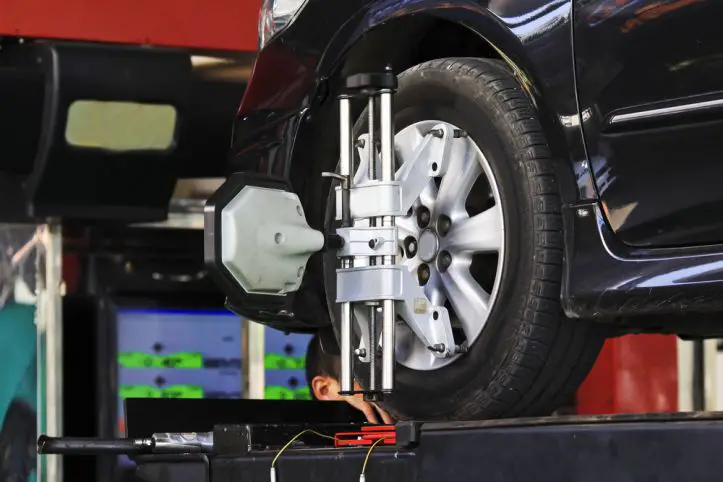
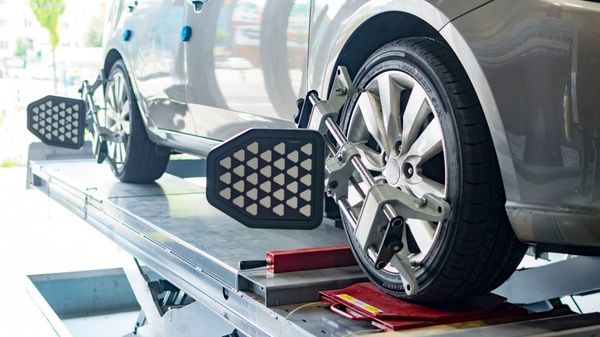
What is wheel alignment (Photo: pinterest.com)

Now let’s look at the alignment process. Wheel alignment involves adjusting the wheels on the axles according to the exact specifications of their particular manufacturer, as wheels can become misaligned at any time due to various factors like accidents, poor road conditions, and bad driving habits. Technicians use specialized equipment to measure and adjust three main angles: camber, toe, and caster:

  • Camber is a measure of the tire’s centerline relative to the road surface. It’s measured in degrees and has a major influence on driving dynamics.
  • Caster is the angular displacement of the steering axis relative to the vertical axis of the wheel, viewed from the side.
  • Toe is the direction the tires are pointed, relative to the vehicle’s axis, viewed from above.

Wheel alignment is essential for maintaining your vehicle’s performance and safe operation. Factors such as fuel efficiency, tire wear, handling, and steerability are all affected by wheel alignment.

From these definitions, we can see that wheel alignment and wheel balancing are completely separate processes. Wheel alignment concerns the angle of your wheels, ensuring they roll straight and make proper contact with the road, while balancing focuses on the weight distribution within the wheel assembly, thus preventing wobbles and vibrations. Most of the time, wheel balancing and alignment will be performed simultaneously during maintenance, but they should not be mistaken for the same thing!

How Do I Know If I Need an Alignment or a Balance?

Wheel balancing and alignment are two of the many extremely important maintenance activities that help you have a better driving experience and increase your car’s lifespan. However, deciding whether you need a wheel alignment or balancing can be tricky because some signs overlap. Don’t worry, the breakdown below will help you solve your problem.

When Do You Need a Wheel Alignment?

When your vehicle is misaligned, three fundamental problems can occur:

  • Uneven tire wear
  • Handling problems
  • A crooked steering wheel

The most obvious sign of misalignment is the car pulling to one side when you let go of the steering wheel. Ignoring pulling signs will also lead to uneven tire wear. Even if the steering wheel is straight and centered and shows no signs of pulling, poor alignment can cause rapid or uneven tire wear. Get into the habit of visually inspecting your car’s tires at least once a week or before starting a long trip. Detecting signs of tire wear early will save you money in the long run.

Vibrations in the wheels or steering wheel are another sign that your alignment needs attention, whether mild or severe. Finally, check the wheel alignment if the steering wheel feels too loose or the response is somewhat imprecise.

It is recommended to align your wheels every 5,000 to 10,000 miles if you own a passenger car or truck. Regular wheel alignment will contribute to your car’s proper functioning and maximize driving comfort, help save fuel, and extend the life of your tires.

When Do You Need Wheel Balancing?

When you’re heading onto the highway and your steering wheel vibrates all the time (disregarding when your car is braking). This will usually be a balancing issue. Here are the obvious symptoms:

  • Excessive Vibrations: When your wheels are unbalanced, vibrations are most often felt. Even though we know vibrations are normal when driving on roads with uneven surfaces, when driving at high speed with unbalanced tires, the vibrations also worsen, and the vehicle’s direction can become difficult to control because of these vibrations.
  • Higher Road Noise: Some vehicles are notorious for their road noise, while others remain quiet. However, all types of vehicles will experience excessive noise if the wheels are not balanced.
  • Increased Fuel Consumption: Your engine has to work a bit harder to keep everything running, which reduces fuel efficiency.
  • Faster Tire Wear: The typical tire lifespan is 3 to 6 years, so there will be excessive wear if the wheels are not balanced.

If you experience any of these symptoms, it is recommended to balance your wheels as soon as possible. Balancing is a relatively inexpensive service that can improve your driving quality, extend tire life, and reduce wear on your suspension components.

Now you should be able to distinguish between these processes. Don’t use these terms interchangeably to ensure the long-term health of your vehicle.

How to Reset the Oil Change Light? The Vehicle-Specific Process

This often happens when you’ve just done an oil change, but the oil change light still appears. Well, there’s no need to worry since this scenario occurs quite commonly. The reason here is that the light needs to be reset manually. 

For this, you need to follow a few instructions, and in the end, you’ll get rid of that oil change reminder light. Let’s see how to reset the oil change light process.

How to Reset the Oil Change Light

The universal process for resetting the engine oil change light remains the same. However, we will describe it in two ways: simple and vehicle-specific.

But wait; do not start the process if you haven’t changed the engine oil recently. This would only damage your engine since you’re using old oil.

The General Engine Oil Light Reset Procedure

To know how to reset the oil change light in general, get the car keys, plug them in, and turn on the car without starting the engine. You can do this by turning the key halfway to power the car but not the engine.

Now, focus your eyes on the dashboard and try to locate the “Reset” button or a stalk. It might be near the speedometer and fuel gauge. 

In some cars, the reset button is under the hood; you can learn more using your car’s manual.

Let’s say you’ve found the button, hold this button down until the “Oil” icon or any other message flashes.

Now, remove your finger from the reset button and also turn off the ignition. Wait a few moments and this time use your car key to start the engine. This simple act of pressing and holding the reset button resets the oil change light.

If you can’t follow the procedure lightly, hand your car over to any mechanic and let them do it for you. It only takes a few minutes and you’re done.

Note: In some cars, the reset button is not found as it’s located in the car’s computer. This would require a specific tool to access the area. A professional repairer comes in handy in this case if you don’t want to handle the damage yourself.

The Vehicle-Specific Procedure

Chevrolet and GMC Models without VIC

These instructions explain how to turn off the oil change light for 2005 and older GMC models delivered without a Vehicle Information Center (VIC).

Get into your vehicle and use the key to put the car in the accessory position. In this position, you can see that the dashboard will light up.

Now, you need to access the accelerator pedal and press it to the floor. This must be done within the first five seconds when you turn the key.

Keep an eye on the oil light during this process, as it must flash before you release the pedal.

Now, remove the key and start your car’s engine; the light should no longer flash. You might not succeed right away; it’s normal to consider repeating the process.

These instructions explain how to turn off the oil change light for 2005 and older GMC models (Photo source: Chevrolet)

Chevrolet and GMC Models with a VIC

Chevrolet GMC models equipped with a VIC or models introduced from 2006 onwards will benefit from the following procedure:

Turn the ignition key to the accessory position.

With the oil message displayed, locate the Enter button on the Driver Information Center. Press and hold the button for one second. The panel will acknowledge your reset, allowing you to move the key to the off position.

Start the vehicle. The oil change light will remain off until it’s time to change your oil again.

Jeep Wrangler

Move your foot to the accelerator pedal and press it three times slowly, which should take you about 10 seconds. (Photo source: jeep)

Move on to the instructions for resetting the engine oil light when it comes to a Wrangler.

Put the key in the ignition and turn it to the position where it says “On”. However, you do not need to start the car’s engine.

Move your foot to the accelerator pedal and press it three times slowly, which should take you about 10 seconds.

This resets the engine oil button and you can now turn off the ignition and also remove the key.

Finally, insert the key and start the engine, and the oil change light should no longer be there. If it is, repeat the process and you’re done.

Honda Accord

Let’s say if you have a Honda Accord. Here’s how you will perform the reset for the same:

Take your key and put it in the ignition, as before, do not start the engine.

Go to your speedometer and locate the “select” stalk. You need to press it to see some kind of sign, like the word “oil” or a key icon.

Press and hold the stalk for 10 seconds, and this will make the icon flash. Then, you can release the stalk and press “select” again for an additional five seconds.

This will make the engine oil light disappear. You may not be an expert at this and might need to repeat the process until you get it right.

Surprise yourself with maintenance tips and keep your car in pristine condition.

Ram Truck

These instructions are for resetting the light on trucks equipped with the “Enter-N-Go™” option.

  • The first step remains the same, where you need to insert the key into the ignition and turn it on without starting the engine.
  • Go to the accelerator pedal and press it three times to the floor.
  • This simple and straightforward technique makes the light icon disappear.
  • Turn off the ignition and you can try to start the engine; the light should not be there.
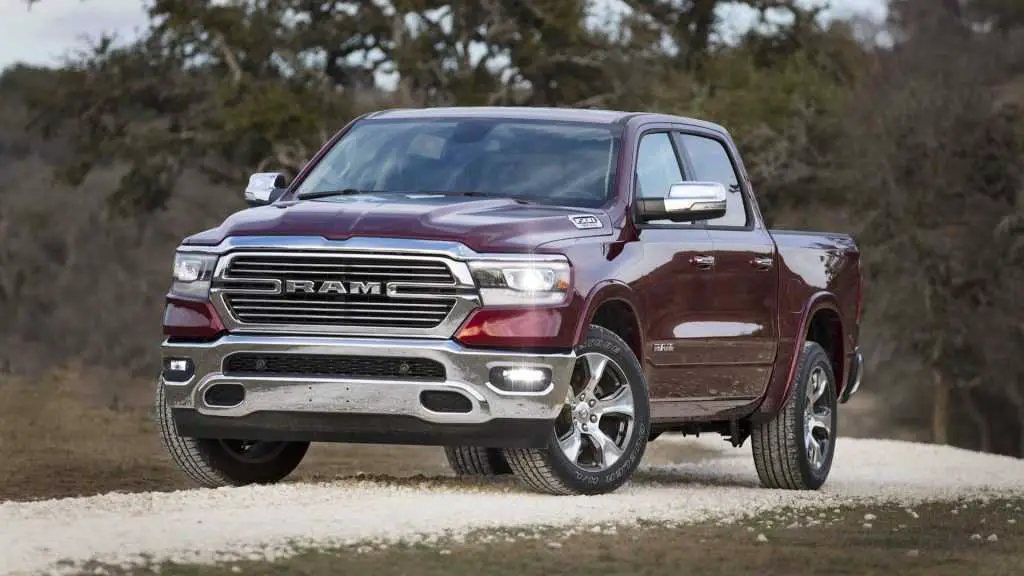
The first step remains the same, where you need to insert the key into the ignition and turn it on without starting the engine. (Photo source: motor1)

Conclusion

Always change the engine oil according to your manual and only reset the engine oil change light after that.

Remember to change the engine oil and read more about how you should determine if the engine oil needs to be changed based on its color. Now, to conclude this article, we hope you understand how to reset the oil change light.

How to Clean Your Car’s Exhaust System Like a Pro

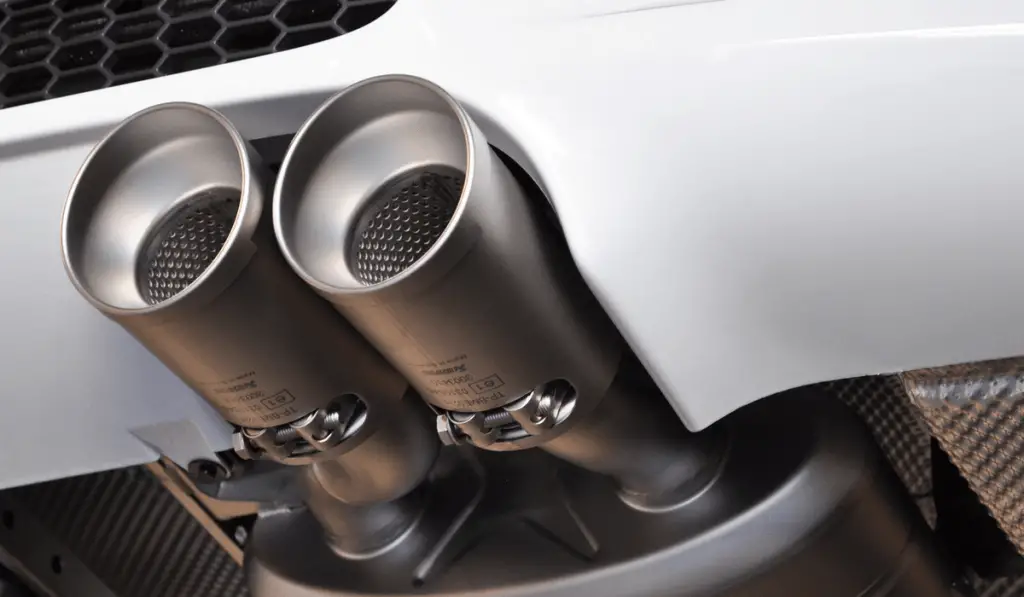
The car’s exhaust system is an essential component of the entire vehicle, yet it receives the least attention. An exhaust system not only removes harmful fumes from the passengers inside the car but also reduces noise.

It is important to maintain the exhaust system to ensure your vehicle functions properly with optimal fuel consumption. You can search online for the best maintenance tips on how to clean the exhaust system of your car.

This blog will provide you with guidelines on how to clean the exhaust system like a pro.

How to Clean the Exhaust System Like a Pro?

The fumes emitted by the exhaust system include carbon dioxide, carbon monoxide, and hydrocarbons.

Some of these fumes combine with the exhaust and turn it dark black. Over time, the buildup of carbon vapors not only makes the exhaust completely black but also interferes with the proper functioning of the car.

However, you will need some essential tools and equipment, including protective gloves, water and soap, a degreaser, metal polish, quality steel wool, a microfiber cloth, and a hard-bristled brush to clean the inside of the exhaust pipe.

Below are the guidelines on how to clean the car’s exhaust system like a pro.

1. How to Clean the Exhaust System with Water and Soap?

The first step to cleaning your car’s exhaust system again is to wash off the dirt with water and soap.

To clean the exhaust tip, use an old cloth with a brush to reach further into the exhaust. This will help you know how to clean the exhaust system and keep it free of dirt.

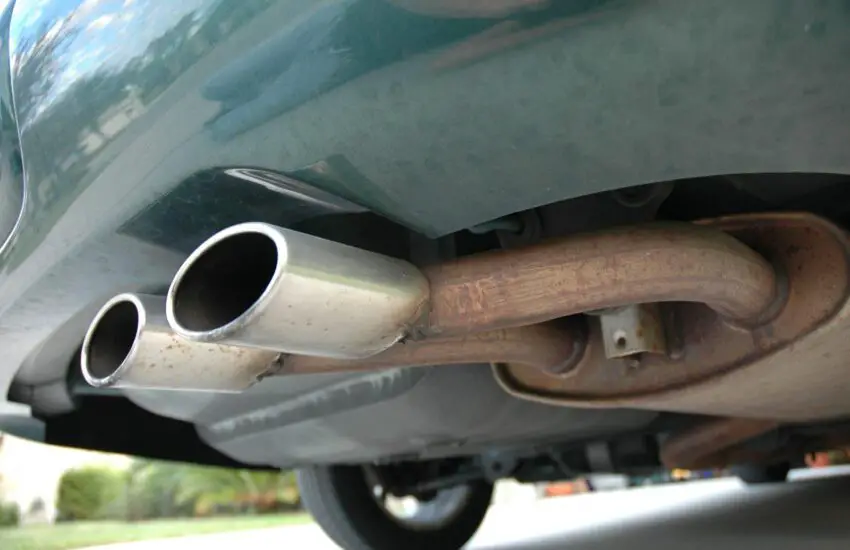
How to clean the exhaust system in different ways. (Photo: Alibaba)

2. How to Clean the Exhaust System Using a Degreaser?

Now, apply the degreaser to the inside and outside of the exhaust tip using the old dry cloth. This will also help loosen carbon deposits and rust.

3. Removing the Degreaser

After letting the car’s exhaust system soak for some time, use the degreaser in small amounts with steel wool. This will help remove any tarnish, carbon buildup, and rust.

If your exhaust has been neglected for a while, you may need to repeat this step to achieve the desired result. This is an essential part of your quest on how to clean your car’s exhaust pipes.

4. Applying the Polish

Wipe the exhaust pipe with a microfiber cloth to remove any moisture and dust. Then, apply the polish to the inside and outside of the exhaust pipe using steel wool.

This is an important step in how to clean exhaust tips, which can make your car’s exhaust pipe look like new.

5. Removing the Polish

After letting the polish soak for some time, remove the polish using the microfiber cloth. It will leave you with an exhaust system that looks like new.

Applying and removing polish are important exhaust maintenance tips to keep your car’s exhaust system looking new.

>> Related article:

Why Does My Car Pull to One Side?

What Are the Different Types of Braking Systems and How Do They Work

FAQ

  1. How often should I clean my car’s exhaust system?

It is recommended to clean the exhaust system every 30,000 to 50,000 miles or when you notice a decrease in performance or an increase in exhaust noise.

  1. What tools and materials do I need to clean the exhaust system?

You will need a jack, jack stands, a set of wrenches or sockets, a wire brush, a degreaser, high-temperature exhaust paint or coating, safety glasses, and gloves.

  1. Can I paint or coat the exhaust system after cleaning?

Applying high-temperature exhaust paint or coating can help prevent future rust and improve the appearance of the exhaust system. Follow the manufacturer’s instructions for best results.

  1. Are there any safety precautions to keep in mind when cleaning the exhaust system?

Wear safety glasses and gloves to protect yourself from debris and chemicals. Work in a well-ventilated area to avoid inhaling fumes.

  1. Can I clean the exhaust system myself, or should I seek professional help?

You can clean the exhaust system yourself if you have the necessary tools and skills. However, if you are unsure or uncomfortable with the process, it is best to consult a professional mechanic for assistance.

  1. Can I clean the catalytic converter as part of exhaust system maintenance?

It is generally not recommended to clean the catalytic converter yourself. If you suspect an issue, consult a professional mechanic for diagnosis and repairs.

  1. Is there a specific degreaser or cleaner I should use for the exhaust system?

Look for a degreaser or cleaner designed for automotive use and safe for high-temperature surfaces. Read product labels and instructions for compatibility.

  1. Is it necessary to clean the entire exhaust system, including the muffler and resonator?

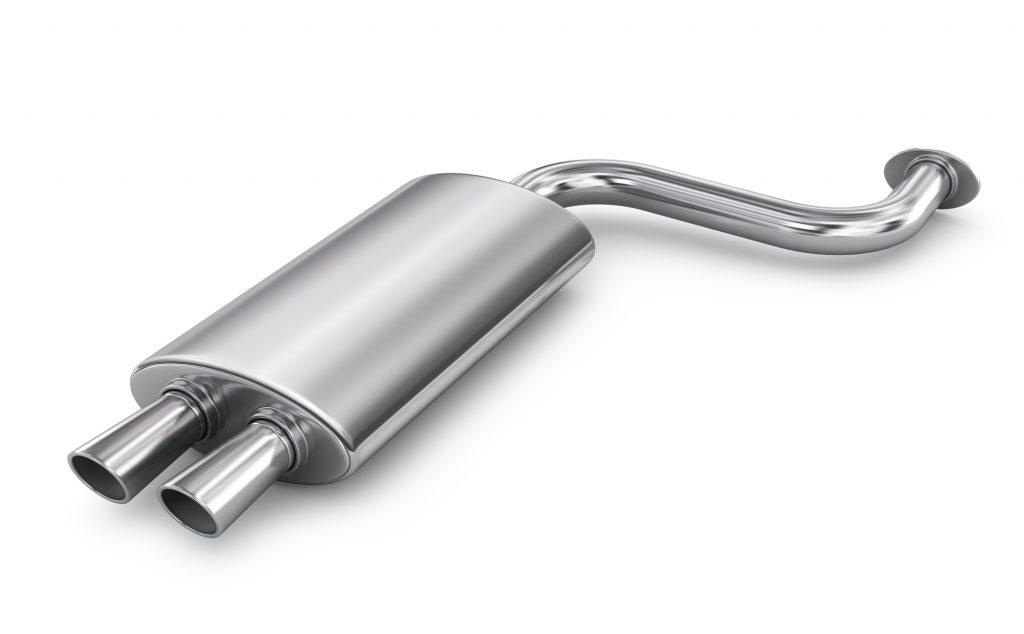
While it is beneficial to clean the entire system, focusing on the pipes and tips can have a significant impact. Cleaning the muffler and resonator may be necessary if they are very dirty or rusty.

  1. Can I prevent future carbon buildup in the exhaust system?

Using high-quality fuel, performing regular maintenance, and avoiding excessive idling can help reduce carbon buildup over time.

  1. Should I check for exhaust leaks while cleaning the system?

Yes, it is good practice to inspect for exhaust leaks during cleaning. Look for cracks, holes, or loose connections, as leaks can affect engine performance and safety.

Summary

So, if you follow the tips mentioned above on how to clean the exhaust system, it will not only give the car’s exhaust pipe a new look but also maintain the car’s performance.

How often to change CVT transmission fluid?

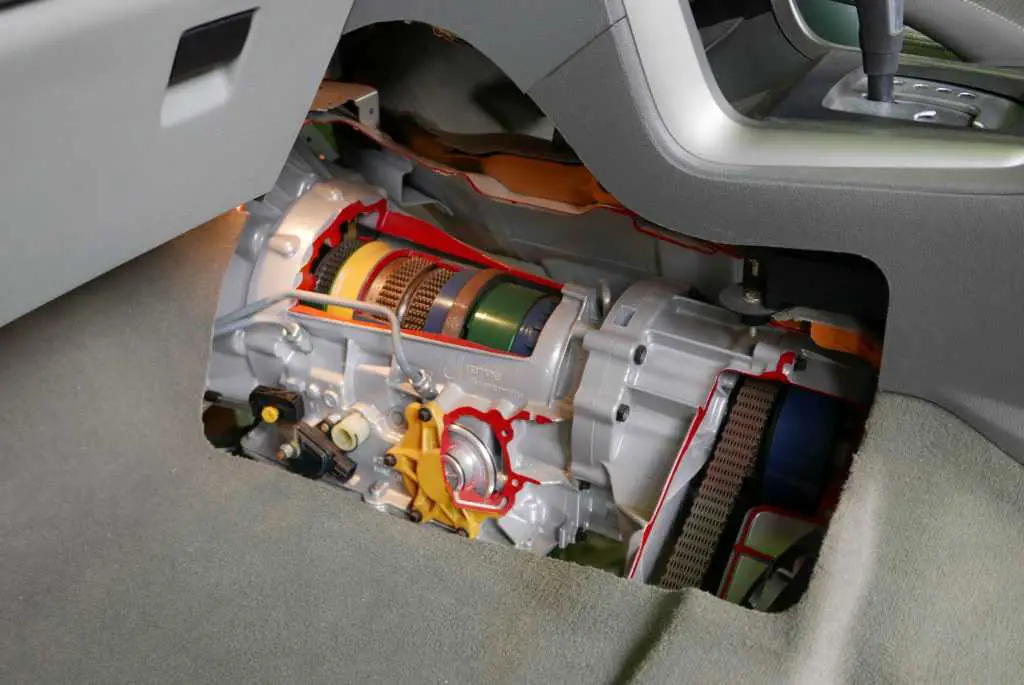
The CVT transmission is not a new technology among today’s advanced technologies. Offering many advantages, CVT is found in many mass-produced Nissan, Honda, or Toyota models. As with other types of transmission, to ensure the proper functioning of your vehicle, it is essential to periodically change the transmission fluid when using a CVT transmission. Is CVT fluid the same as ATF fluid, and how often should you change CVT transmission fluid? Today, we will gather all the information related to this CVT fluid to provide you with a comprehensive answer.

Is CVT Fluid the Same as Transmission Fluid?

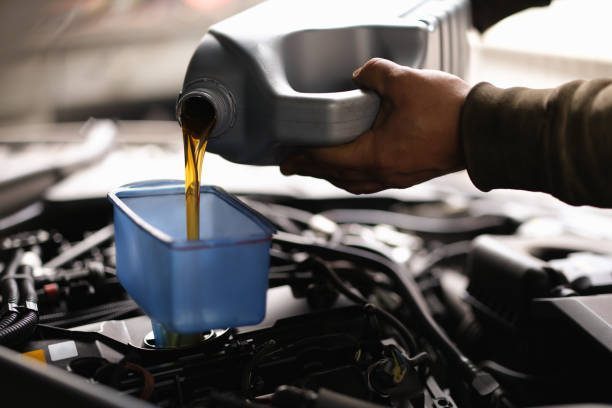
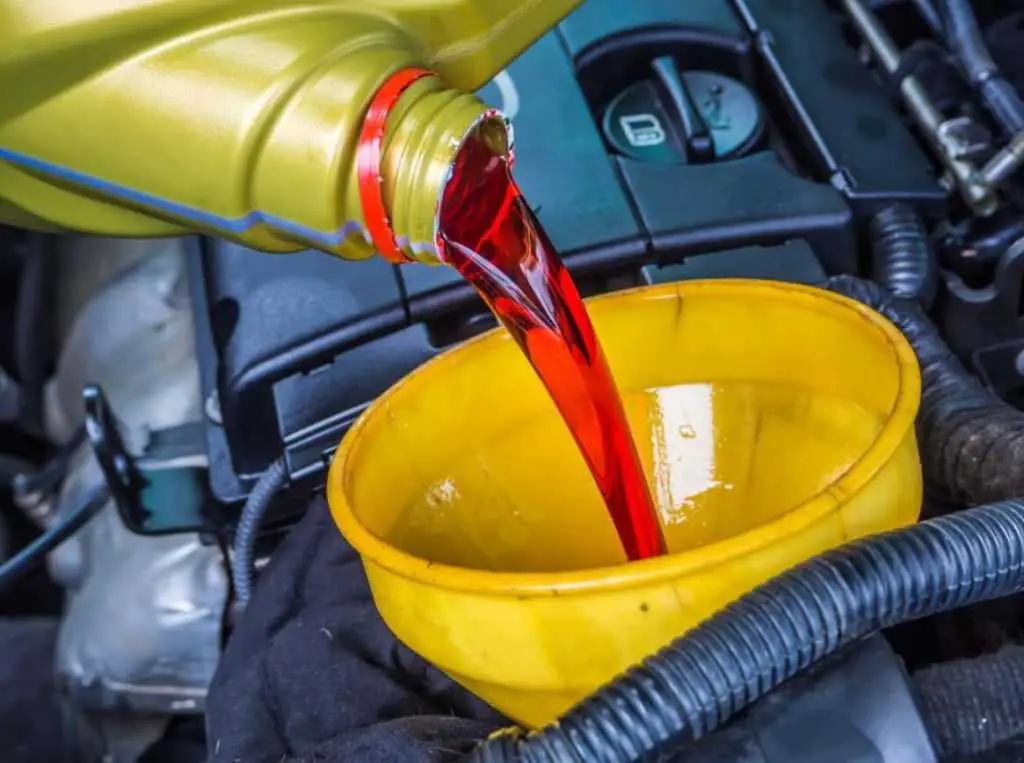
Foreman pours car oil into engine through watering can. Engine oil change intervals concept

Our answer is “No.” CVT transmissions use a special fluid specifically designed for them. Although it serves the same purpose of cooling and lubricating transmission parts, CVT fluid has a different formula to meet the specific requirements of this transmission system. CVT fluid contains different additives, base oils, viscosities, friction coefficients, etc., compared to other transmission fluids. The smell of CVT transmission fluid is similar to sulfur and often contains extreme pressure additives to support stronger transmission effects. CVT oil often has high viscosity to ensure smooth system performance and better protection of the transmission belt.

Instead of minimizing friction between gears for smooth shifting as in automatic transmission, CVT fluid contains more friction modifiers to allow the belt to effectively grip the pulleys while lubricating. According to manufacturers, the CVT transmission requires this special fluid due to the higher pressures used during operation, special metal parts, and the need to prevent belt slippage. For identification purposes, CVT fluid is green in color, and even a small tablespoon of ordinary red ATF fluid will cause serious damage to the CVT transmission.

We conclude that ATF (automatic transmission fluid) and CVT fluid cannot be used interchangeably and are different; each type of fluid will have its properties. Therefore, it is important to consult the owner’s manual or a trusted mechanic to ensure you are using the correct fluid for your car. If you are stuck in the middle of nowhere and have run out of transmission fluid, you can probably pour ATF fluid into the CVT transmission to get your car moving. But when you get to a place where they can put in the correct fluid, you must flush it immediately and have the CVT transmission fluid changed.

How Often to Change CVT Transmission Fluid?

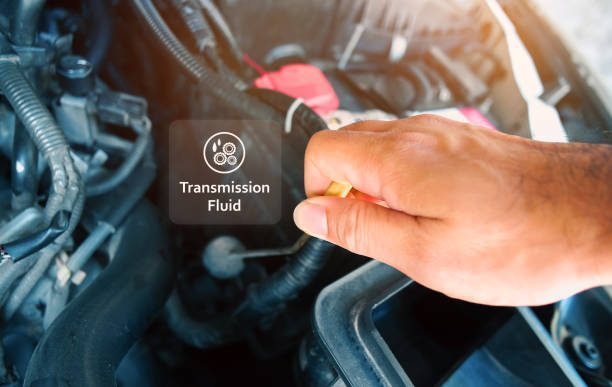
Check the transmission fluid level and gear oil deterioration by a mechanic with transparent gear oil warning symbols on center, auto maintenance service concept

CVT fluid is used for lubrication, plays a role in preventing wear and protecting the parts inside the gearbox, and maintains flow at a temperature within the allowed range, thereby increasing the lifespan of the parts and the vehicle’s transmission. As you know, CVT fluid is very crucial in the CVT transmission system, so you must change the transmission oil if you don’t want your car to have many problems. So when is it necessary to replace the CVT gearbox oil:

Compared to ATF fluid, CVT fluid should have a longer lifespan. But to improve your car’s performance and the longevity of the CVT, we recommend changing the CVT fluid every 30,000 to 60,000 miles depending on many factors. However, this is only a theoretical number. In reality, the CVT fluid change time often fluctuates more or less depending on the vehicle’s driving environment. If your vehicle is driven in extreme weather conditions, in stop-and-go conditions, and in other harsh driving conditions, a fluid replacement will need to be done more frequently.

It is necessary to regularly check and change the CVT oil to ensure the proper functioning of your vehicle, thereby increasing the lifespan of the transmission as well as your vehicle.

If you have mechanic training, you can also change the oil at home. You can go to a reputable distributor to buy oil and change it yourself. Before replacing the new CVT fluid, you must drain all the old oil because the old fluid contains a lot of residue.

How to Check CVT Fluid Color?

Checking the color of the CVT oil is the simplest method that owners can do themselves to check the condition of the CVT transmission fluid. Step by step to check the CVT fluid color:

  • Step 1: Park the car on a flat surface and let the engine run.
  • Step 2: Open the car hood.
  • Step 3: Look for the oil tube leading to the transmission – cars usually have a distinctive sticker. If you don’t see the sticker, you can use the car’s owner’s manual.
  • Step 4: Remove the oil dipstick from the tube and examine the condition and color of the oil on the stick. Or you can use a towel to wipe off the excess oil on the stick. Then, put the stick back into the tube and remove it again to recheck the fluid condition.

Like other transmission fluids, if you see these colors below when checking the CVT fluid, you must replace it immediately:

  • Dirty brown transmission fluid, accompanied by a burnt smell, may be a sign that the vehicle’s CVT transmission fluid has burned and the vehicle needs to be checked immediately.
  • If the oil is milky brown, it is a sign that the transmission oil is dirty because coolant has leaked, flowed, and mixed with the oil, causing a change in the lubricant.
  • If the transmission fluid contains foam or bubbles, it means your oil is too old or you are using the wrong type of oil, causing the engine to clog the transmission hole.

Final Thoughts

Car owners must regularly pay attention to the condition of the CVT oil and change the fluid periodically to ensure that the fluid always maintains its role of lubricating the engine system, thus helping your vehicle operate under the best conditions. Most importantly, when choosing CVT fluid, make sure to consult the car manual before purchasing.

Each type of transmission will have corresponding lubricant types, and each car manufacturer will also have its regulations on strict parameters for the types of oils contained in the gearbox. Having the role of lubricating the details inside the gearbox, CVT oil must have high viscosity, anti-foam properties, etc., to help the gearbox operate at its maximum capacity.

How to Replace a FWD Automatic Transmission

Did you know that a well-maintained front-wheel drive (FWD) automatic transmission lasts longer than the vehicle itself? But if it is not properly maintained, it can cost you a lot of money. If you invest money and effort in its maintenance, there is a good chance it will last almost a few years longer than your car. So the question is how to replace an FWD automatic transmission when it fails.

If you plan to hire professionals to replace the FWD automatic transmission, you just need to pay.

But, if you try to do it yourself, it would be better to read the repair manual and also learn maintenance tips to replace or repair the FWD automatic transmission.

How to replace an FWD automatic transmission?

There are a few steps after which you can replace an FWD automatic transmission. Of course, you can leave it to professionals to handle your vehicle.

But, as a vehicle owner, you should also know the exact process of replacing an FWD automatic transmission.

Here is how to replace an FWD automatic transmission:

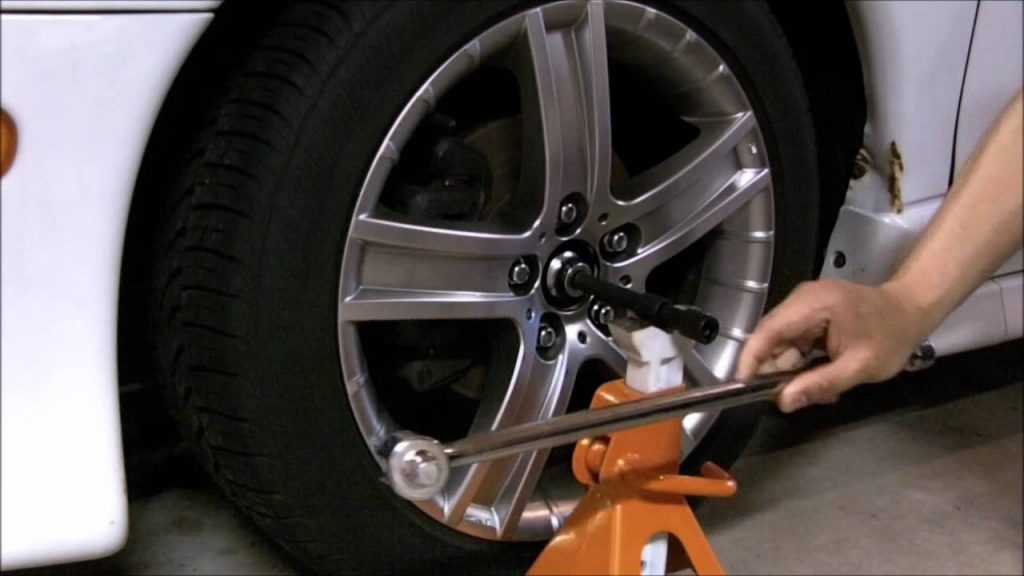
1. Loosen the front axle nuts

The process begins by loosening the two front axle nuts. You can use a spindle nut and a breaker bar to do this. Do not remove the axle nuts, just loosen them.

In addition, also loosen the front wheel nuts. You may even need to place a drain pan under the transmission. The goal is to drain the fluid as mentioned for your car.

How to replace FWD automatic transmission
Do not remove the axle nuts, just loosen them. Source: YouTube

2. Remove the battery

The battery and air intake system might block your access, remove them. Disconnect the battery, even if you still have space around it. So, the second step is to remove the battery from your vehicle.

3. Lift the vehicle

The next step is to block the rear wheel and lift the vehicle using the jack. Now, place the jack stands under the chassis behind the front wheels and lower the car onto the stands.

Now remove the wheels and axle nuts. Place the jack under the transmission to support it before preparing the lifting strap for the job.

4. Remove the starter bolts

Support both the transmission and the engine, remove the starter bolts and even the transmission-to-engine bolts. Use a universal joint socket to reach these bolts.

5. Disconnect the transmission

Now, you will need to disconnect the transmission cooling lines. Let them drain into a container before removing the dipstick, shift lever cable, and other electrical wires connected to the transmission.

How to replace FWD automatic transmission
This step involves removing the front axles, the lower bell housing cover plate, and the torque converter bolts using a screwdriver. Source: OSX / Wikimedia Commons

6. Remove the axles

This step involves removing the front axles, the lower bell housing cover plate, and the torque converter bolts using a screwdriver.

It is best to measure the depth of the torque converter residing inside the transmission case. You might need this later to put things back in place.

7. Attach the lifting strap

All that remains is to attach the lifting strap around the transmission. Now, remove the transmission and engine mounts in addition to the mounting bolts. Disconnect the transmission from the engine.

8. Focus on the new transmission

Now, you will need to focus on the new transmission. Properly place the new torque converter. Keep rotating it while pushing to set it in place.

Now check the depth measurements you took earlier and initially set the transmission. Make sure to place it correctly; once you have done so, compare the old and new transmission.

9. Lift the replacement transmission

The next step is to properly put the replacement transmission back in place. When aligning the transmission to the engine, make sure you have an alignment pin that helps provide the first point of contact before installing the transmission-to-engine bolts. Refer to your repair manual for tightening all bolts.

10. Reinstall the torque converter bolts

Now follow the reverse steps of disassembly. All bolts and nuts will be tightened properly. There should be no loose nuts or bolts.

This is another step to follow when you want to know how to replace an FWD automatic transmission.

11. Install the axle nuts

This step will involve installing the axle nuts. Mount the tires and tighten the wheel nuts. Remember that there must be stable contact with the wheels.

Now, lift the vehicle off the jack stands. Tighten the axle and lower the jack to remove it completely.

12. Fill the transmission with fluid

When you want to know how to replace the FWD automatic transmission, it is best to choose a high-quality fluid for your vehicle. Choose the best quality transmission fluid to fill the transmission.

To find out which fluid is best for your vehicle, you will need to refer to your vehicle’s manual. So, when filling the transmission, start by running the engine and let the transmission warm up.

Change the gears and let it shift through each gear to check that everything is working normally. Check the fluid level and avoid overfilling the transmission. Leaking fluid can cause damage.

How to replace FWD automatic transmission
Refer to the fluid mentioned in the vehicle manual. Source: Shutterstock

FAQ

  1. How much does it cost to replace an FWD automatic transmission?

The cost of replacing the transmission can vary significantly depending on factors such as the make and model of your vehicle, the type of transmission, and labor costs. It can range from several hundred to several thousand dollars.

  1. How long does it take to replace an FWD automatic transmission?

The time required for transmission replacement can vary depending on the vehicle and the mechanic’s expertise, but it generally takes several hours to a full day or more.

  1. Can I rebuild my FWD automatic transmission instead of replacing it?

Yes, rebuilding a transmission is an option if the damage is not too severe. It involves disassembling the transmission, replacing worn parts, and reassembling it. This can be a cost-effective alternative to a full replacement.

  1. How can I prevent transmission problems in my FWD vehicle?

Regular maintenance, including fluid changes, can help extend the life of your transmission. Avoiding aggressive driving and excessive towing can also reduce wear and tear.

  1. What is the warranty on a new or rebuilt FWD automatic transmission?

The warranty can vary depending on the manufacturer or the shop performing the work. It is essential to discuss warranty details with your mechanic or transmission specialist before replacement.

What have we learned?

So, with this guide, we have learned how to replace the FWD automatic transmission. You can either follow these steps and replace the FWD automatic transmission yourself at home, or ask a professional to do it.

Symptoms of a Bad O2 Sensor

Symptoms of a Bad O2 Sensor: Over time, the O2 sensor wears out and becomes unable to detect oxygen. At this stage, replacing an oxygen sensor is mandatory. For this, you need to determine if it’s the right time to buy a new oxygen sensor. Here, we will give you the symptoms of a bad O2 sensor.

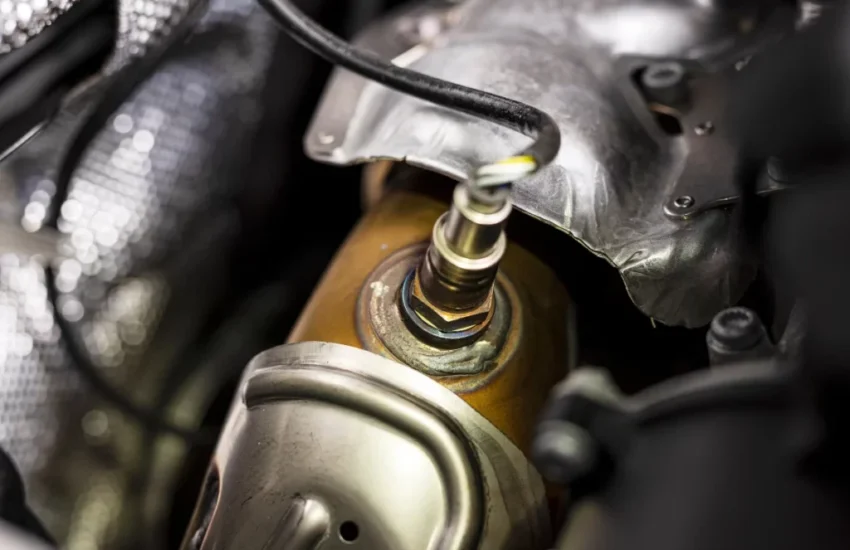
The O2 or oxygen sensor is usually located near the exhaust manifold. As its name suggests, it detects the amount of oxygen present in the gases exiting the exhaust system. It checks the proportion of oxygen relative to other gases or the air/fuel mixture.

The correct proportion is necessary to ensure that certain things work well. A properly functioning oxygen sensor ensures low fuel consumption, low pollution, and other vital factors.

Recognizing the Symptoms of a Bad O2 Sensor

The O2 sensor determines whether the fuel and air mixture is too rich, lacks oxygen, or contains too much oxygen. In such a condition, it sends a signal to the engine control unit so it can be adjusted to normal.

To inform the ECU about the oxygen proportion, a functional O2 sensor must be present.

A faulty O2 sensor always damages the emission system and thus reduces overall performance. Learn about the symptoms that describe a bad O2 sensor so you can take further action.

1. Check the Check Engine Light

Go to the engine management system where the screen lights up in case of malfunction. If the Check Engine light icon flashes, it is one of the symptoms of a bad O2 sensor.

It’s the easiest way to know that you need to consult a professional and have the sensor repaired or replaced.

However, the light comes on for various malfunctions and not just to display the O2 sensor’s status. Still, it’s a sign that it’s necessary to take the car to the repair shop.

So next time you wonder what a car does when the oxygen sensor is faulty, take a look at the Check Engine light.

It’s a sign that it’s necessary to take the car to the repair shop. (Photo source: auto.today)

2. Poor Mileage and Pathetic Smell

You know what an O2 sensor does when it pings the ECU about the fuel/air ratio. Lack of fuel might force you to frequently fill up those gallons of fuel. Therefore, the second sign of a faulty O2 sensor is poor mileage.

If you regularly notice high fuel consumption, the oxygen sensor might be the cause. An improper air/fuel mixture consumes more fuel than usual and affects mileage.

In another case, if you sense an unpleasant smell as if something is rotten, that’s also a sign. Many times, you can see black smoke coming out of the exhaust pipe; consider this a clear sign that the oxygen sensor is not working.

3. Rough Driving Misfires

Due to a bad oxygen sensor, issues such as misfires, power loss, and rough driving can occur.

All these operations describe the functioning of an engine that runs well in the presence of a functional O2 sensor.

Since a faulty sensor interferes with the fuel/air mixture ratio, distractions occur during driving.

This is one of the bad oxygen sensor symptoms: if you notice it, immediately take the car to the repair center before the condition worsens.

Take the car to the repair center before the condition worsens. (Photo source: pixabay)

4. Lifespan of an Oxygen Sensor

Now that you clearly know “what is an O2 sensor“, it’s time to know how long the sensor lasts.

As every part wears out over time, so does the oxygen sensor. As a guideline, you can drive approx. 100,000 miles before feeling the need to replace the O2 sensor.

However, you should always have a professional check whether the sensor is worn out or not. Learn maintenance tips here and solve different car problems.

As with other parts you replace yourself, it’s also possible to DIY an oxygen sensor.

If you have an OBD2 scanner and the right set of tools, the process is simple. To diagnose the problem, you can download the app on your smartphone as an alternative to the OBD2 scanner.

You can order the sensor from a trusted seller or online in this case. Once you have the part, you’ll need one or two wrenches to work with the sensor socket, and in no time, you’ll be done.

The wire transfer should be done one by one rather than all at once. Otherwise, it’s always better to entrust your vehicle to professionals and let them handle it.

There, you can discuss further with them about “how to tell if the O2 sensor is faulty” and how to take care of it.

FAQ

  1. How often should O2 sensors be replaced?

O2 sensors are wear components that deteriorate over time. Most experts recommend replacing them every 60,000 to 100,000 miles, but the interval may vary depending on your vehicle’s make and model.

  1. Are there different types of O2 sensors?

Yes, there are generally two types of O2 sensors: upstream (pre-catalytic converter) and downstream (post-catalytic converter). They serve slightly different purposes, but both are important for proper engine operation.

  1. Is it safe to drive with a faulty O2 sensor?

While it’s generally safe to drive with a faulty O2 sensor for a short period, it’s not recommended long-term.

A faulty sensor can lead to reduced fuel efficiency and increased emissions, potentially damaging other engine components.

  1. How much does it cost to replace an O2 sensor?

The cost of replacing an O2 sensor can vary depending on your vehicle’s make and model, labor costs in your area, and whether you choose an OEM (Original Equipment Manufacturer) sensor or an aftermarket one. It can range from $50 to $200 or more per sensor.

  1. Can cleaning an O2 sensor fix the problem?

Cleaning an O2 sensor is generally not recommended, as it may not solve the underlying issue. If the sensor is malfunctioning, it’s usually better to replace it with a new one for optimal performance.

Conclusion

So here are some of the obvious symptoms of a bad O2 sensor. Recognize any of these signs and opt for repair by a professional or by DIY if you have some experience handling mechanical objects.