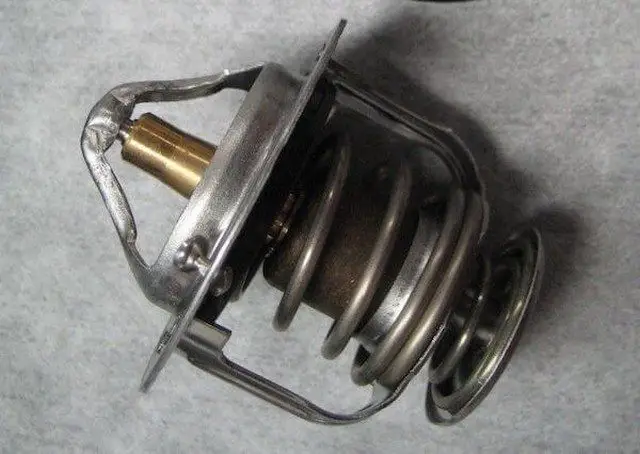
Car thermostat problems occur unexpectedly. Usually, you’ll start to notice your car beginning to overheat shortly after starting the engine, or the temperature gauge on your dashboard stays below its normal temperature point.
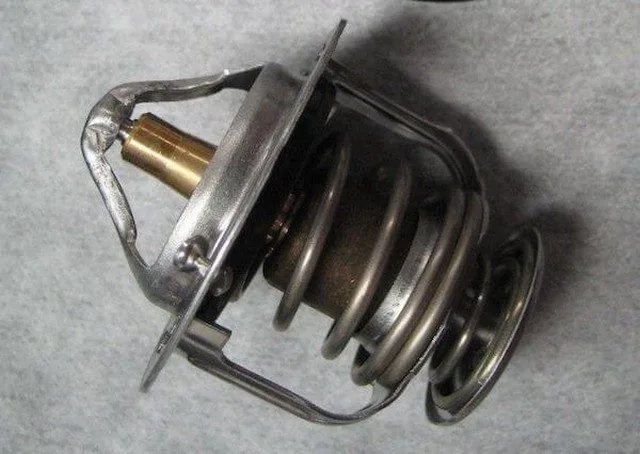
Car thermostat problems occur unexpectedly. Usually, you’ll start to notice your car beginning to overheat shortly after starting the engine, or the temperature gauge on your dashboard stays below its normal temperature point.


The necessity of changing the automatic transmission fluid in your vehicle at regular intervals is often overlooked, especially in regions like the United Kingdom where automatic transmissions are much less common than in the United States, for example. Most people know that their engine oil needs to be changed regularly. When it comes to the transmission, however, they might leave the fluid unchanged until things start to go wrong.
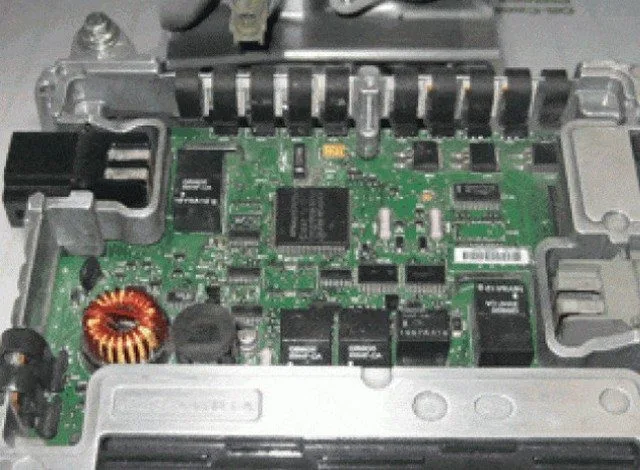

The Engine Control Module (ECM), also known as the Engine Control Unit (ECU), is an essential component that connects your engine to your vehicle’s central computer. The ECM manages most engine functions based on the information it receives from other electronic systems and components in the vehicle.
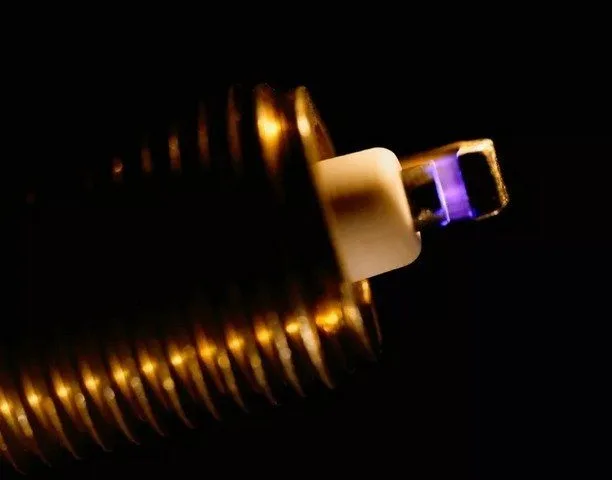

“A candle is just a candle” is a common but incorrect expression. Some candles are more efficient and perform better than others, and each type has a specific use case.
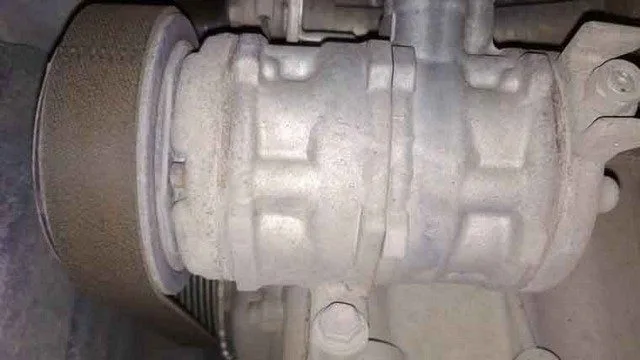

Every vehicle’s air conditioning system relies on a constant flow of refrigerant circulating through it. This refrigerant is what allows the air conditioner to produce the cool air that comes out of the dashboard vents.

When the engine is running but the vehicle isn’t moving, it means the engine is idling. During this time, the revolutions per minute (RPM) inside the engine will change.
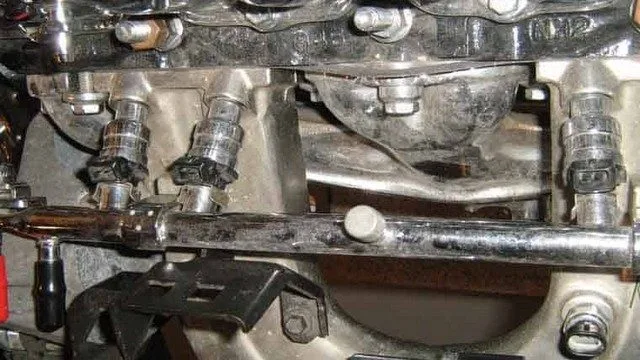
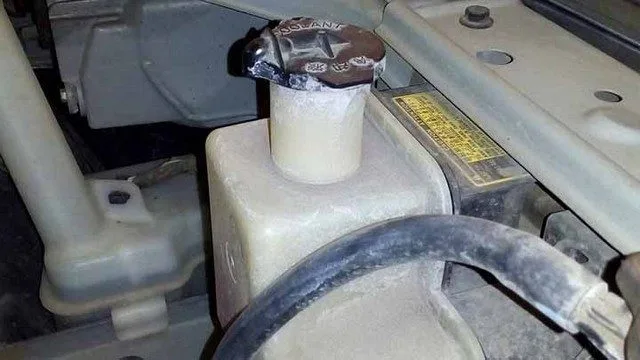
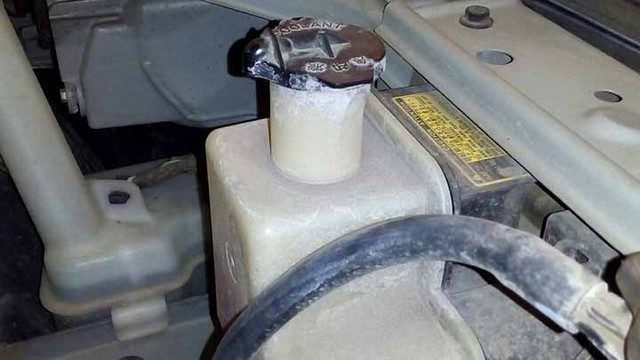
The radiator coolant overflow tank is designed to store excess coolant that is released by the radiator due to pressure buildup from heat. It functions similarly to an expansion tank on a water heater.
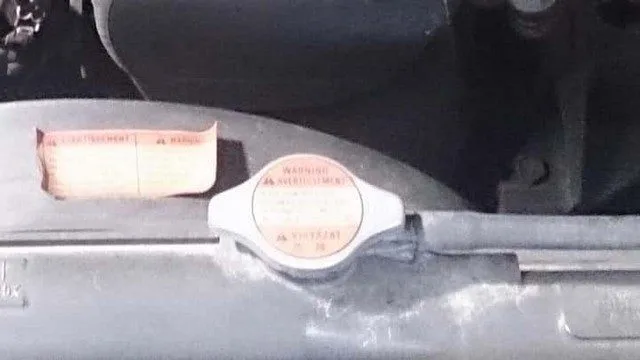

The part of a vehicle known as the “radiator pressure cap” contains 2 valves and its purpose is to store coolant and ensure that the radiator system remains under pressure. The inside of the radiator contains 16 pounds of pressure per square inch.
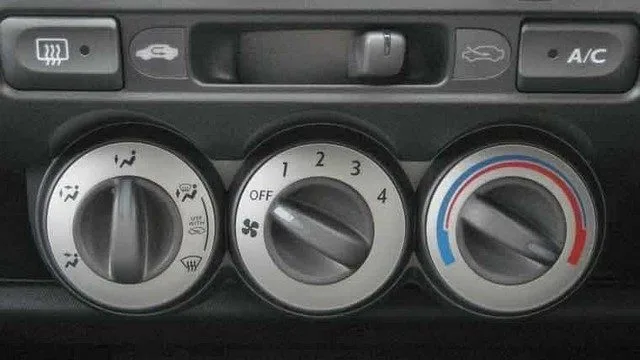
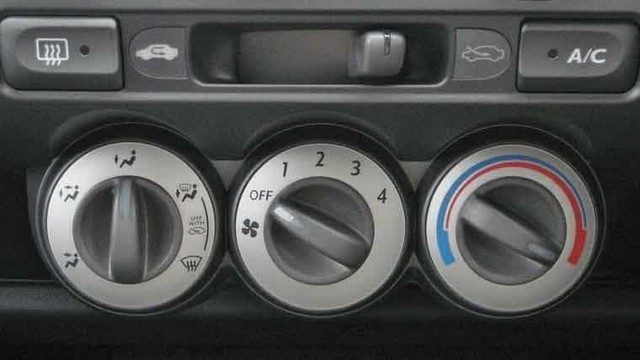
We all rely on our car’s air conditioner to keep us cool on hot summer days. There’s no worse feeling than not having cool air coming from your vents when it’s so hot inside the car.