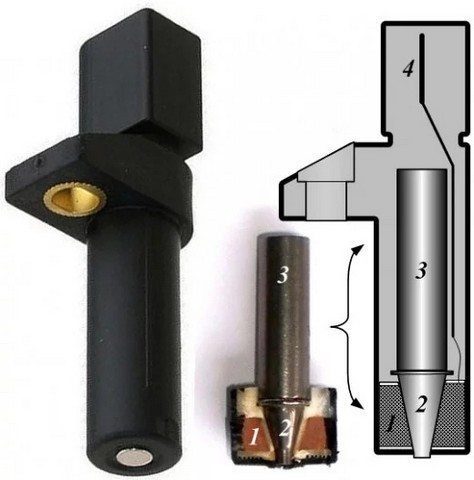
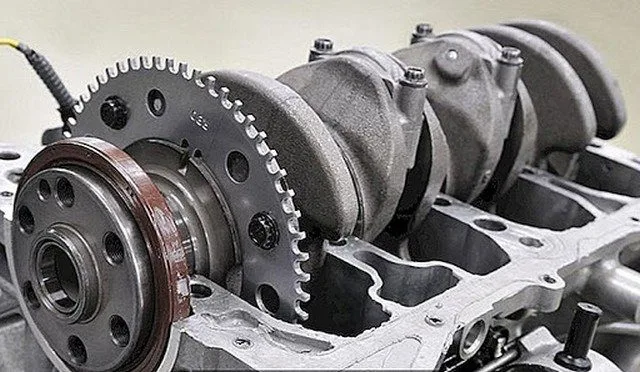
Depending on the make and model of your vehicle, a failing or defective CKP can produce one or more of the following symptoms:
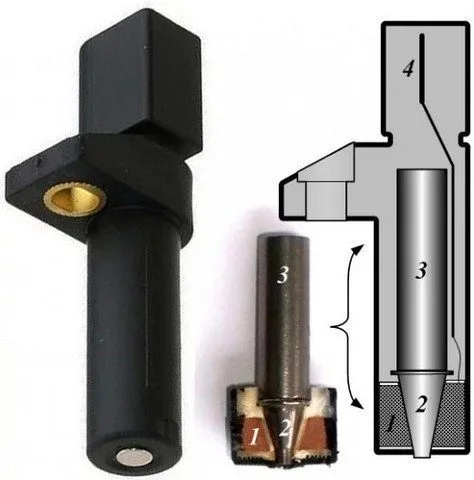
Depending on the make and model of your vehicle, a failing or defective CKP can produce one or more of the following symptoms:
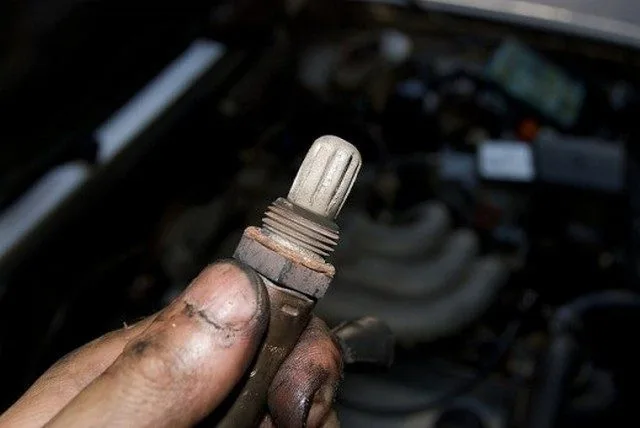

Learn how to check an oxygen sensor
Learning how to check an oxygen (O2) sensor will help you confirm a potential problem with the sensor in your vehicle before spending time and money replacing a unit that might not even need replacement in the first place. Oxygen sensors detect the amount of oxygen in the exhaust stream and convert this information into a voltage signal that your car’s computer uses to control the fuel ratio and emissions.
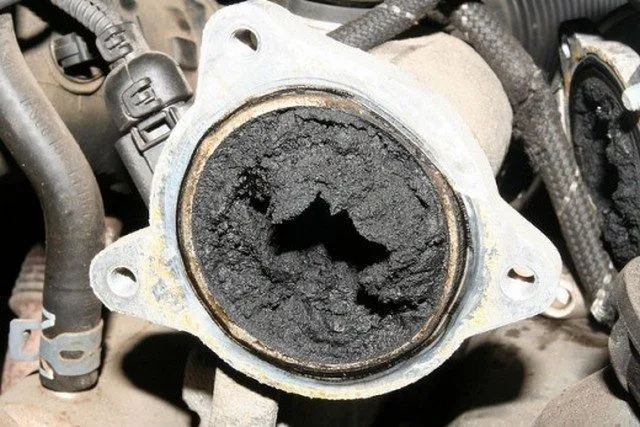

Why Your EGR Valve is Important
An Exhaust Gas Recirculation (EGR) valve, when functioning correctly, recirculates exhaust gases through the engine to reduce nitrogen oxide (NOx) emissions.


When your engine cranks but won’t start or run, it could mean your engine is having trouble producing a spark, getting fuel, or creating compression.
The most common causes are in the ignition (for example, a bad ignition coil) or the fuel system (for example, a clogged fuel filter). However, the source could also be a mechanical fault (for example, a leaking valve) or faulty components in other systems.
symptoms of positive crankcase ventilation (PCV) and how to test the PCV valve yourself
You probably don’t realize how important the PCV system – the positive crankcase ventilation (PCV) valve and its associated components – is to your engine’s well-being.
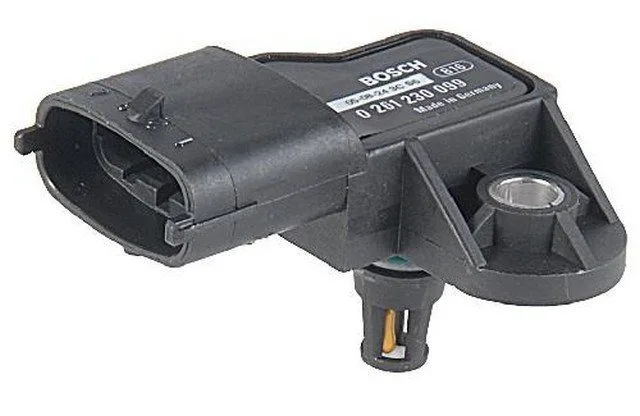
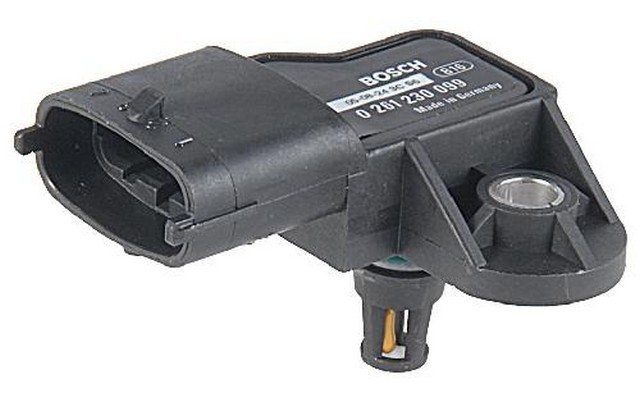
Bad MAP Sensor Symptoms
A faulty Manifold Absolute Pressure (MAP) sensor can disrupt fuel distribution and ignition timing. Depending on your vehicle model, your engine may experience one or more of these performance issues:
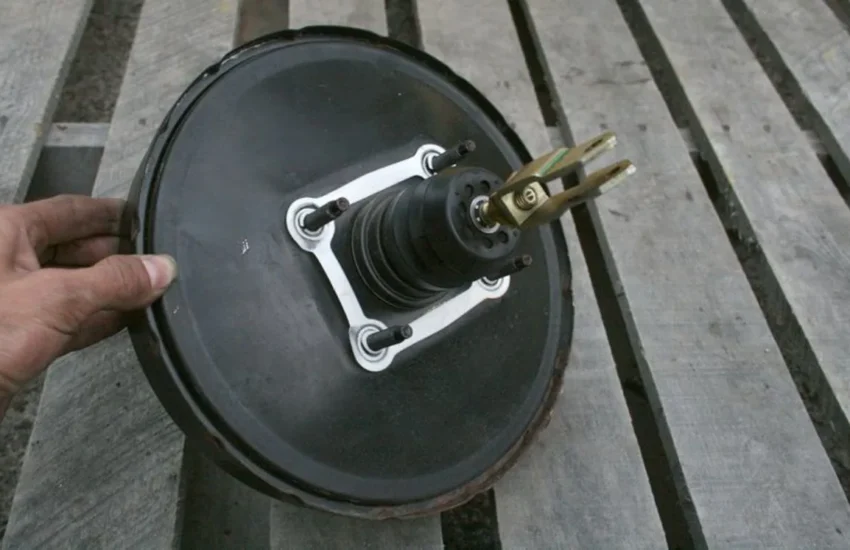
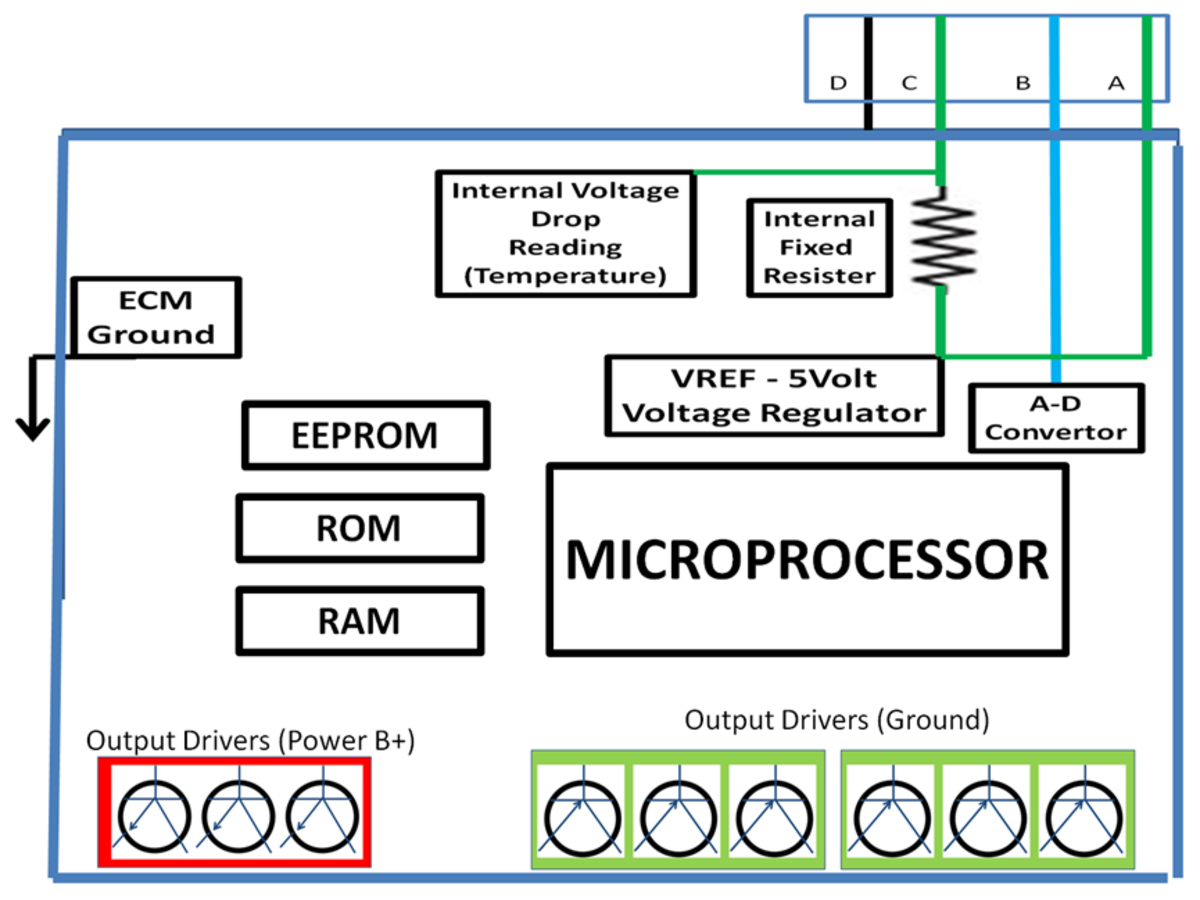
Introduction to the Computer System
Today’s vehicles have computers to monitor or control almost all of the vehicle’s systems. Many computer systems share information from common sensors.
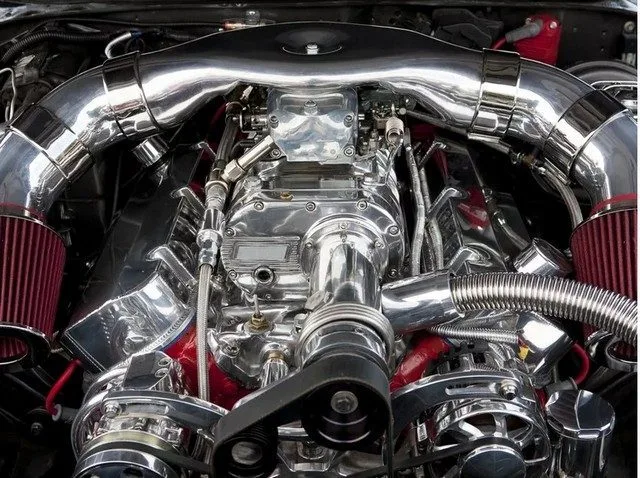

As car manufacturers increasingly turn to smaller engines for better fuel economy and lower emissions, drivers continue to expect at least the same amount of power for basic performance needs. To achieve both goals, forced induction via a turbocharger or supercharger could be the answer.
Tip: Regular oil changes