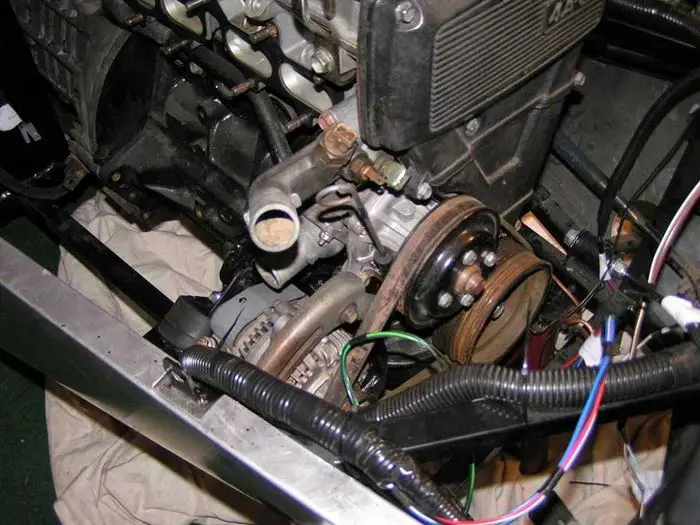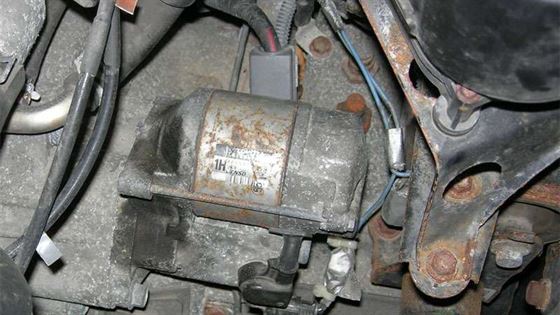
How to Repair a Starter Without Replacing It

If your car won’t start and makes a clicking sound inside, the cause is a faulty starting system. And replacing a starter is advice some mechanics will give you in this situation. However, can the starter be brought back to life without replacing it? This question will be answered in this topic. Let’s see how to repair a starter without replacing it.

What causes a starter to malfunction?

As we all know, the internal combustion engine cannot operate on its own. That’s why the starter was developed and plays an essential role in helping your car start and run. This system works on the principle of converting the chemical energy stored in the battery into electricity and then into mechanical energy in the engine. The structure of the starter consists of 6 parts: battery/car battery, ignition switch, starter relay, starter safety switch, starter motor, and battery cable. Each of these parts performs a different task and, when combined, they form a complete system.
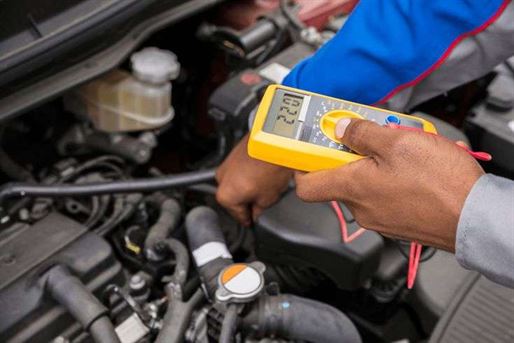
Replacing a starter is a recommended method for a bad starter (Photo: pinterest.com)

Having a key function in the vehicle, so when the starter has issues, you will notice the following symptoms of a bad starter:

  • The car engine does not start
  • Unusual noise (clicks, grinding, or whirring…) when you turn your car key
  • Lights to illuminate the car dashboard
  • Burning smell or smoke under the hood
  • Engine whining without starting

There are a few typical signs of a bad starter that you can easily detect, so what are the culprits of this problem:

The cause of mechanical malfunctions in the starter:

  • The positive battery terminal is oxidized
  • Failure of the flywheel teeth, the freewheel clutch, or other parts of the car’s device.
  • Faulty ignition switch

Causes of electrical failure in the starter:

There are several reasons for a broken starter that can come from your car’s electrical system:

  • Dead battery
  • Malfunctions of the anti-theft system, particularly the immobilizer.
  • Blown fuse
  • Open circuit or short circuit between windings
  • Failure of the keyless start system

Note: If you see the immobilizer and/or check engine lights come on, contact a garage for troubleshooting and repair.

After sorting and diagnosing the reasons, we will find a way to know how to repair a starter in a car without replacing it:

How to repair a starter without replacing it?

You will need to prepare a few tools before starting this process:

  • A power cable
  • Hammer
  • A multimeter

The starter relay

When the car starts, the first thing you need to check is the starter relay. The purpose of this part is to power the electric motor. When the starter relay malfunctions, it shows obvious symptoms, including a slow whining of the engine starter and a clicking noise accompanied by no response from your engine. To fix this issue you can try cleaning the starter relay terminal. If this method does not completely solve the problem, you will need a new relay.

Fixing the fuse and wiring

The starter fuse is always located in the main fuse box, you can find its exact position in the manual guide. If you notice signs of melting, it will indicate that the starter fuse is faulty. In this situation, you need to replace the fuse with a new one.

Another way to test the fuse is to use the multimeter to check the fuse. To do this, set the device to voltmeter mode. Ground the negative probe to the vehicle’s body metal and the positive one first one by one, then the second contact with the fuse. If only one contact shows voltage, it means the part is faulty.

Remove the fuse and test it in resistance mode. If you detect that the resistance is high, it’s a sign that your starter fuse is blown and you need to change it.

Over time, the wiring or contacts can be damaged due to oxidation. So, when you see symptoms of corrosion or mechanical damage on the wiring system, you need to repair it by cleaning it with sandpaper or a soft brush. In some cases, the wire is irreparable, so you will need to cut and strip it to connect the new wire.

Repairing the ignition switch

Can you replace a starter yourself (Photo: pinterest.com)

As an integral part of the starting system and considered the “gateway” to all circuits, the ignition switch functions to distribute current to the necessary places in the car’s starting system. If you turn the key but nothing happens, the culprit may be a faulty ignition switch. A faulty switch can cut power to the control modules. The best way to test the ignition switch is to try wiggling the key back and forth while the car is in park. If your engine does not start, the problem will be from the switch. Replacing the switch is the best method you can use in this situation. It will cost about $135 to $250 (including the part cost and labor cost) to replace this part.

Besides these methods we shared in the parts above, if your engine does not start due to the starting system when starting the car, you can gently tap the faulty starter housing several times with a hammer. The vibration produced can help restore the lost contact between the starter solenoid and the electric motor brush.

Wrap-up

The starter is one of the most important and indispensable parts of the car. However, when this part is faulty, for whatever reason, you don’t need to remove or replace it, you can apply the methods we shared. These methods are not too complicated to perform so you can do them yourself if you have basic mechanical knowledge. Otherwise, we recommend taking your car to the garage for a quick diagnosis. I hope you find this topic useful for the driving process. If you have any concerns, feel free to comment in the box below.

I hear a groaning noise when accelerating

A whining noise during acceleration, like other abnormal car noises, usually indicates a worn part or a mechanical issue.

Common whining noises often come from:

  • Engine accessories
  • Tires
  • Transmission
  • Differential

The following sections guide you through the most common noise sources in a vehicle so you know where to look.

You can use a mechanic’s stethoscope to assist in your diagnosis. The stethoscope amplifies sounds when you touch the probe near or on suspected components.

In this article

1. Use your vehicle’s repair manual
2. Troubleshooting whining noises
3. Tire noise
4. Engine whining noises
5. Transmission noise
6. Ball joints
7. Differential issues
8. U-joint issues
9. Preventing whining noises
10. Explore more car sounds

Have your car’s repair manual handy when diagnosing whining noises.Author’s own work.

1. Use your vehicle’s repair manual

A vehicle repair manual can help you identify the parts involved in abnormal noises.

It tells you how to troubleshoot suspected parts and replace faulty components.

Additionally, you can also use your repair manual for other common projects such as:

  • Inspecting and replacing a starter
  • Checking and changing a worn drive belt
  • Replacing spark plugs and wires
  • Checking and replacing coolant
  • Diagnosing a faulty alternator and system
  • Installing new brake pads
  • Troubleshooting a thermostat
  • Diagnosing, inspecting, and replacing your battery

and other common tasks.

To assist you with your diagnostic and repair projects, the repair manual includes:

  • Photographs
  • Images
  • System descriptions
  • Diagnostic and troubleshooting guides
  • Fastener torque specifications
  • Maintenance schedule
  • Electrical diagrams

You can purchase an inexpensive manual for your vehicle’s make and model via Amazon.

Recommended

Do you hear the whining noise when the engine is cold or hot?Author’s own work.

2. Troubleshooting whining noises

Sometimes, locating the source of whining noises requires skill and know-how.

However, common whining or squealing noises are due to low fluid levels; a leak; or a loose, worn, or damaged belt.

Follow the guidelines below during your diagnosis.

Gather information about the noise:

  • Does it happen at certain speeds?
  • When the engine is hot?
  • When making a turn?
  • Does the noise come from the engine, the rear, or one side of the vehicle?

Perform a visual inspection:

Depending on the part of the vehicle you hear the sound coming from, you may need to inspect the tires, wheels, or under the hood.

  • You may need to lift a tire off the ground to inspect it or remove the tire to inspect the wheel assembly.
  • If the noise comes from the engine, open the hood and look around with the engine idling. If necessary, have an assistant increase the engine speed.
    • Pay close attention to pulleys and belts. Look for wobbling or vibrating components and signs of wear on the belts.

Use a stethoscope:

A mechanic’s stethoscope helps amplify sounds on suspected components. Sometimes, you can also use a section of vacuum hose or a long screwdriver for this.

  • If the noise occurs when increasing engine speed, have an assistant press the accelerator to troubleshoot components under the hood.
  • Touch the stethoscope probe around suspected components to locate the source. If you’re using a hose, place one end against your ear and probe the components with the other end.
  • When the sound becomes loud, you will have located the area or component causing the issue.

Use your vehicle’s repair manual to further troubleshoot components you suspect are causing the noise.

What to look for:

Lack of proper lubrication is the most common cause of abnormal noises.

So be sure to check fluid levels and components that require grease like wheel bearings.

Also be attentive to:

  • Loose accessories
  • Belts without proper tension
  • Pulleys and tensioners that cannot spin freely
  • Cracked parts
  • Loose bolts
  • Part rubbing against a pulley or belt

2.1 Dealing with leaks

If your issue is a small leak, you can fix it yourself. However, if you’re working on a tight budget, you might want to try a temporary solution with a leak-stop product.

Check your local auto parts store or online for a quality product you might want to try.

A tire with low air pressure, poor alignment, or a faulty bearing can cause a whining noise.Author’s own work.

3. Tire noise

Tires can also be a source of all kinds of noises, including whining or squealing.

Often, a tire makes this kind of high-pitched noise during turns.

Check:

  • Low air pressure
  • Poor wheel alignment
  • Excessive load
  • Worn or damaged drive belts are a common source of whining noises.Author’s own work.

    4. Engine whining noises

    Worn or damaged components under the hood can cause whining noises.

    Alternator: Most likely, a worn or damaged bearing. Inspect the alternator with your stethoscope. Over time, a bad bearing can lead to electrical issues. You might notice this when using the air conditioning or starting the vehicle.

    Drive belt or serpentine belt: Inspect the drive belt or serpentine belt. Look for signs like a shiny underside, improper tension, cracks, or missing ribs.

    Water pump: The two most common symptoms of a faulty water pump are leaks and whining or squealing.

    • Use your mechanic’s stethoscope to check the water pump and tensioner. If you need to replace the pump, also change the tensioner and belt.

    Pulleys: A faulty bearing in a pulley can cause a whining noise or make the belt slip and whine.

    • Check the various accessory pulleys around the engine. Even a harmonic balancer, on some models, can cause issues.
    • Consult your vehicle’s repair manual.

    Power steering: Your vehicle’s steering system helps you maneuver and change direction while driving.

    Most vehicles on the road use some form of conventional power assistance in the form of a hydraulic system that uses a special fluid to operate.

    Contaminated or leaking power steering fluid can also cause a whining noise, especially during turns.

    The leak could be from the high-pressure hose or a faulty internal rack seal. Besides a whining noise, you might feel the vehicle is harder to steer.

    • Check the fluid level and condition. If it’s not clear (contaminated) or the level is lower than expected, there might be a leak in the system.

    Additionally, a power steering pump can become noisy due to:

    • Air in the system
    • Worn bearing
    • Loose or glazed belt
    • Loose pulley
    • Faulty or loose belt

    4.1 Radio interference

    Although not as common as before, radio interference or alternator whine can also cause a whining noise.

    During interference, you might hear the whine increase with engine speed.

    The whine comes from voltage fluctuations produced by the alternator on the power line leading to the radio.

    You can eliminate the noise by installing a filter capacitor connected to ground at the alternator’s output.

    Noises under the hood are very common. In the following video, you might get some tips you can use if you’re facing an accessory noise around the engine.

    Diagnostic Tools and Safety

    When using a mechanic’s stethoscope or a similar tool to diagnose noises under the hood, keep your hands and tools away from rotating and hot components.

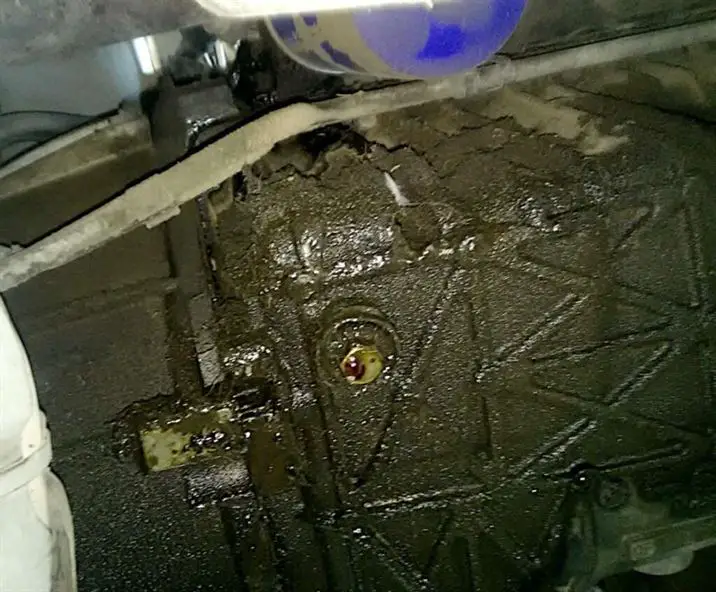
    Transmission oil leaks can lead to whining noises.Author’s own work.

    5. Transmission noise

    Automatic transmission noise is difficult to diagnose.

    However, if you’ve pinpointed a noise coming from the transmission, you might be facing:

    • Worn or low transmission fluid
    • Clogged filter
    • Faulty bearings
    • Faulty pump or torque converter
    • Bad gears

    Additionally, manual transmissions are rich in sounds when one or more components of the assembly malfunction.

    The most common sources of whining noises are due to:

    • Low fluid level
    • Worn or faulty bearings
    • Worn or faulty gears

    If necessary, consult a reliable transmission shop.

    Be sure to watch the next video. It shows you how an automotive technician proceeds to diagnose a whining noise in a transmission.

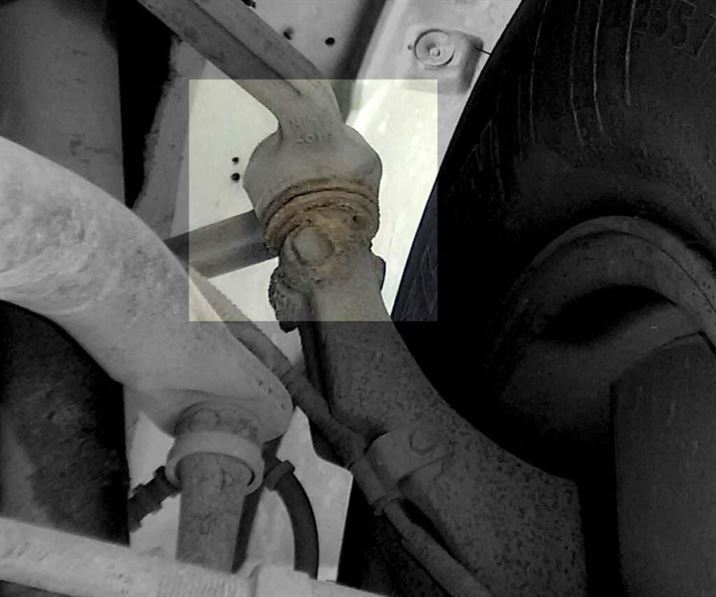
    Check your vehicle’s ball joints for wear or damage using your vehicle’s repair manual.Author’s own work.

    6. Ball joints

    Ball joints can also become noisy when worn or damaged.

    Often, you’ll notice one or more symptoms when this happens:

    • Clicking or whining noise when entering a driveway
    • Too much free play in the steering wheel
    • The vehicle wanders on the road
    • Steering wheel vibration

    If necessary, replace the upper and lower ball joints. Consult your vehicle’s repair manual or take your vehicle to the shop for inspection.

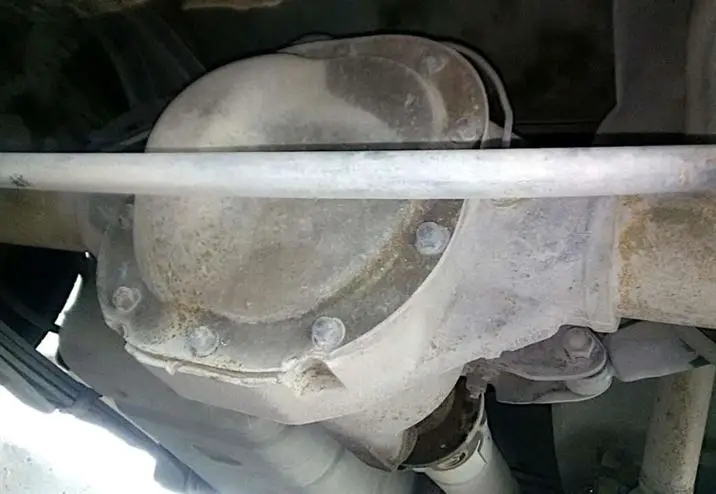
    A leaking differential can cause excessive wear on the assembly.Author’s own work.

    7. Differential issues

    Often, differential symptoms manifest as grinding or whining.

    A grinding noise in a rear differential usually indicates a faulty axle bearing. You’ll hear this noise when turning.

    A whining noise usually indicates faulty drive pinion bearings. You’ll hear this noise when driving on the road.

    Consult your vehicle’s repair manual to troubleshoot the differential.

    Preventing Serious Accidents

    Whenever you need to go under your vehicle, support it with jack stands and chock the wheels remaining on the ground to prevent serious accidents.

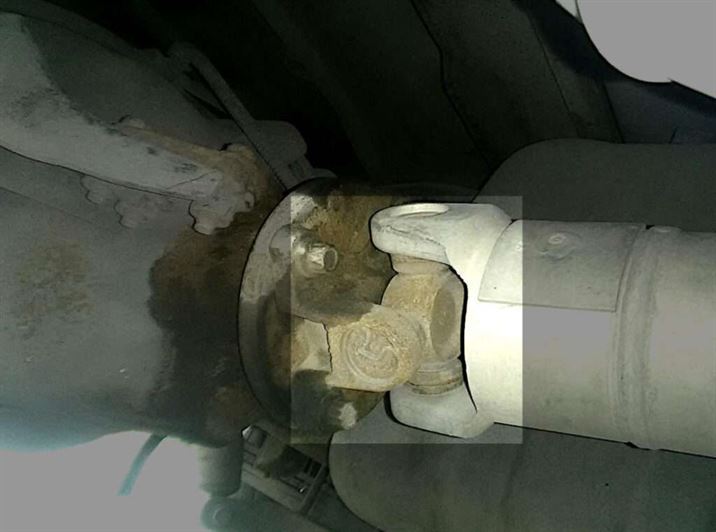
    If the bearings show excessive wear (in the U-joint cross), you might hear a whine when reversing.Author’s own work.

    8. U-joint issues

    Universal joint issues are more common on pickup trucks.

    If you hear a whining or grinding-type noise when driving in reverse and the noise gets louder as you accelerate, you might be dealing with worn universal joints.

    Inspect it and replace it if necessary. Consult your vehicle’s repair manual.

    Regularly check the oil level and condition

How to Repair a Blown Head Gasket Without Replacing It

Imagine you’re driving to work one day and notice your car is sluggish or white smoke is coming from the exhaust pipe. What’s the culprit behind these issues? It’s the classic sign of a blown head gasket. And the question is how to fix a blown head gasket without replacing it. Ready to educate yourself!

What are the symptoms of a blown head gasket?

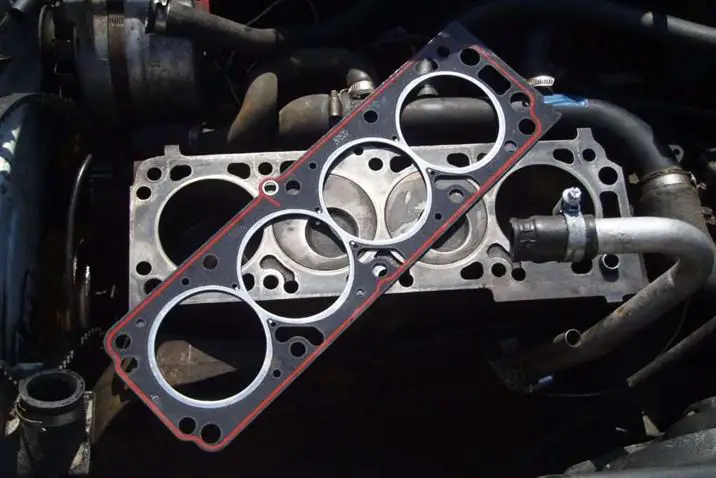
The purpose of the head gasket is to seal the combustion chamber, coolant passages, and engine oil passages. This prevents them from mixing or leaking from the engine. Some might say your engine can’t really run without a head gasket, so you’ll understand the important role this part plays in your car. What would happen if the head gasket blew? Before delving into the warning signs, we need to understand the term “blown head gasket.”

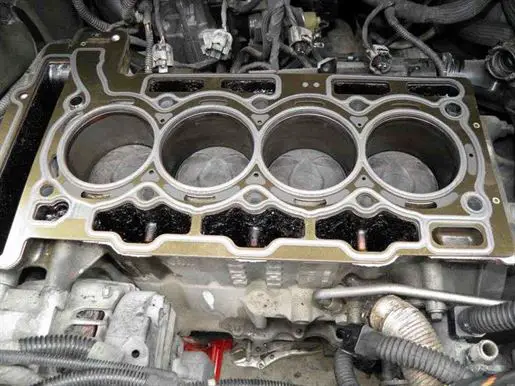
A blown head gasket occurs when the gasket that secures the cylinder head to the engine block is faulty. Coolant, oil, or combustion gases can leak from this bad head gasket. And the consequences can range from a visible oil or coolant leak to a noticeable reduction in performance and handling. We are going to explain 5 unmistakable symptoms of a blown head gasket:

Your engine can’t really run without a head gasket (Photo: pinterest.com)

A mixture of oil and coolant

The first symptom you might experience with your car is a mixture of oil and coolant. You’ll notice the cappuccino color on the dipstick in some situations, and you can see the milky substance when you remove the engine cap. This happens when the head gasket is torn and coolant leaks into the oil passages or vice versa. While this is not conclusive proof of head gasket failure, it’s a sure sign that your engine needs to be disassembled to discover the contamination.

Engine overheating

A faulty head gasket might have been caused by the engine overheating too frequently (due to a clogged radiator, a bad fan, or a coolant leak), but you might not know that a blown head gasket is also responsible for engine overheating. At that point, you’ll notice the temperature gauge rising, and in the worst case, the engine will start smoking. If the head gasket is broken, hot exhaust gases can seep into the cooling system, or coolant can leak into the cylinders and be burned as steam. In any case, the end result is an overheating engine.

Thick white smoke

A bad head gasket most often results in large clouds of white, smelly smoke coming from the exhaust pipe. This is due to antifreeze leaking past the gasket and into the cylinders, where it’s turned into vapor as part of the combustion process. Less common but still possible is a leak from an oil passage to the cylinder, which will cause bluish smoke.

Loss of power (poor performance)

The fourth symptom is a noticeable reduction in engine power. If the head gasket fails in this way, it allows compressed air/fuel to escape, and the compression in that cylinder is reduced. This loss of compression results in a rough-running engine, and your car will be much slower than usual. In some situations, you also get a check engine light with misfire codes. You can read these codes with a scanner. This type of failure is usually accompanied by a noise similar to an exhaust leak.

External leaks

If a head gasket is faulty between the water or oil passage and the outside of the engine, the result can be a simple coolant or oil leak. This is the least disastrous version of a blown head gasket, but still serious. It may not manifest as an immediate problem (other than causing a mess), but if the coolant level drops too low, it can lead to serious engine problems.

What causes a blown head gasket?

The blown gasket problem usually comes from the following reasons:

  • High engine temperature for a long period: The head gasket is primarily made of steel, silicone, or rubber. Therefore, when the vehicle’s engine temperature is too high, the part and the engine hood expand, compressing the engine’s head gasket, damaging this part.
  • Details of the cooling system have problems such as a damaged water pump, a clogged car radiator, and a poor cooling process… This is also the cause of engine failure. The engine heats up, causing the head gasket to blow.
  • Incorrect installation: When the technician installs the gasket in the wrong position or tightens the bolt, the gasket will be pinched and damaged.
  • Detonation problem: This is a phenomenon where the spark plug did not fire, and the fuel in the combustion chamber ignites spontaneously due to the high temperature. This causes the pressures in the engine to clash, putting pressure on the gasket, damaging this part, and reducing its efficiency over time.

How to fix a blown head gasket without replacing it?

If you or your technician suspect a blown head gasket, diagnosis can take a long time, as a number of other faults can also cause similar symptoms. Compression pressure tests, leak-down tests, and cap inspection can determine if the head gasket is the cause or another fault, such as a cracked engine cap, fuel injection, ignition, broken valves, etc.

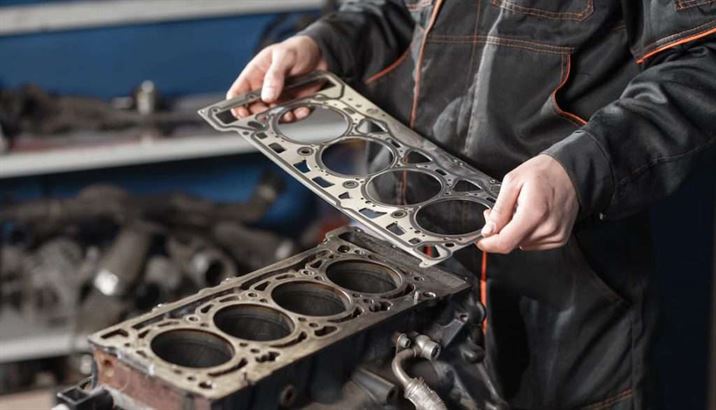
Although a head gasket is inexpensive, the replacement cost can be high because it requires almost a complete disassembly of the engine, including the cylinder head, camshafts, intake, exhaust valves, etc… Instead, they choose to repair this part. And of course, we must consider the case where your head gasket can be repaired. In some cases, the head gasket is irreparable, so replacing the blown head gasket is an unavoidable thing. In this part, we will show you the popular method to fix a blown head gasket without replacing it.

How to replace the blown head (Photo: repairsmith.com)

How to test for a blown head gasket?

Even if replacing a car’s head gasket costs a small fortune, in the case of this Lexus, it’s a large Quad-Cam V8. If you plan on doing head gasket work on this, expect to spend thousands of dollars to do it right. So to be sure you’re making the right decision, we’ll share with you how to test to find out if it’s blown or not.

  • Look for bubbles: You just need to remove the radiator cap and start the engine. If you immediately see coolant and gas bubbling, it means your head gasket is truly blown. Because the engine sucks in air, gasoline burns and explodes inside the cylinders.
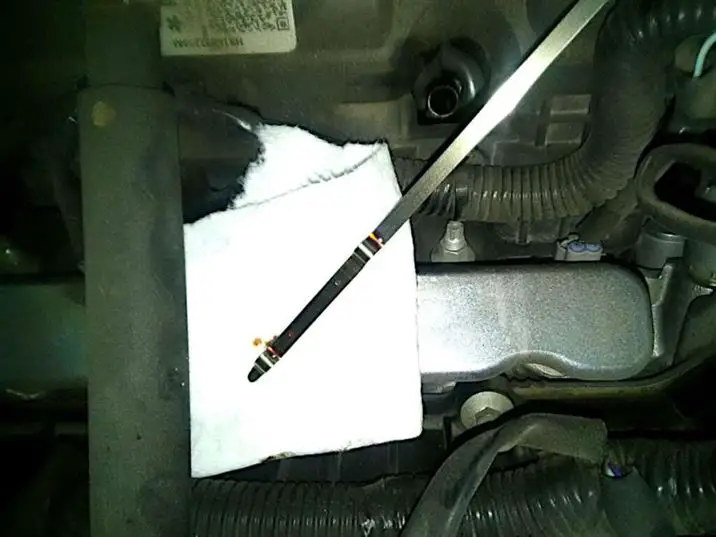
  • Using the dipstick to check the oil: Engine oil is one of the clearest indications of the head gasket’s condition. First, you need to turn off the engine and let it cool down, then open the engine hood and use the dipstick to check the color of the engine oil. If the fluid has a color like a “milkshake,” it can be a sign that the head gasket is blown.
  • Perform a cylinder compression test: Performing this test not only helps you know the condition of your head gasket but also informs you about the health of your engine. The first thing to do is remove the fuel pump relay if you can find it. Another thing that will also work is to disable the coil (the main power supply). At that point, your car has no fuel and no spark. Remember to tag the spark plug wires so you can install them in the correct position. Then you’ll screw the compression tester into the spark plug hole. Crank the car engine 5 to 10 times or until the compression gauge needle stops moving. You need to note the PSI value and move on to the next cylinder. A good cylinder will have compression of about 130 psi or more.

How to fix a blown head gasket with a sealer?

Before discovering the detailed method, we want to affirm that repairing a blown head gasket is still a temporary method because it cannot completely solve the problem. The most effective method is to replace the head gasket with a new one. However, in this topic, we will focus on how to fix a blown head gasket with a sealer to help you apply it in some special or emergency situations.

The most popular question on this topic is, “Can a blown head gasket be fixed with a bottle of head gasket sealer?” Yes, but head gasket sealers are only effective for certain types of damage, and when the head gaskets are not completely blown. Now, there are a dozen sealing products on the market, you need to make sure to choose the right type for your car. Some popular head gasket sealers you can refer to are Blue Devil, Steel Seal, or K Seal…

You need to start this process with a cold engine, and after that, you will remove the radiator cap. Obviously, we won’t remove it when this part is still hot. Then you pour the head gasket sealer into the radiator so that when the engine starts, the fluid flows into the cooling system. As the fluid circulates and heats up, the chemicals in the compound harden and seal the breaks and cracks in the head gasket.

Note: When adding the head gasket sealer, you must ensure there is enough room in the car’s reservoir to add the fluid.

Final thoughts

I hope you find useful information on this topic. To conclude, we want to emphasize that you only repair a blown head gasket when you are stuck somewhere, in an emergency, or unable to reach a mechanic. Replacing the blown head gasket is our recommendation. The best way to fix your blown head gasket is to remove the head gasket and clean it, then install a new head gasket.

By the way, you need to know the cost you have to pay to repair the blown head gasket. In reality, the cost can run into thousands of dollars. The average price will be between $1,000 and $2,000, including labor costs. That’s one of the reasons why many drivers think fixing a blown head gasket is like a nightmare. The main cost of this significant amount doesn’t come from the part cost but from the labor cost required to fix the problem.

It must be said that replacing the head gasket is the most time-consuming job because it requires the removal of many other parts. And the more time the mechanic spends on your problem, the more money you will pay. Our advice is that if you notice suspicious symptoms with the head gasket, you must handle it immediately and diagnose the problem quickly to limit the repair cost.

How to Use Fuel Injector Cleaner

In an internal combustion engine, any issue with a fuel injector can reduce the amount of fuel in the ratio and the efficiency of your vehicle. At that point, fuel injector cleaner can become your lifeline to help clean the fuel injectors and improve engine performance. Knowing information about cleaners as well as how to use fuel injector cleaner will help you solve the problem effectively and give your car better performance.

What is a fuel injector cleaner for?

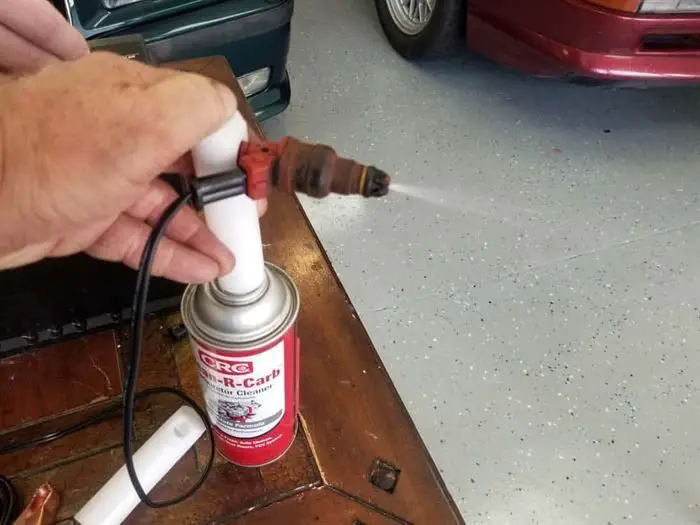
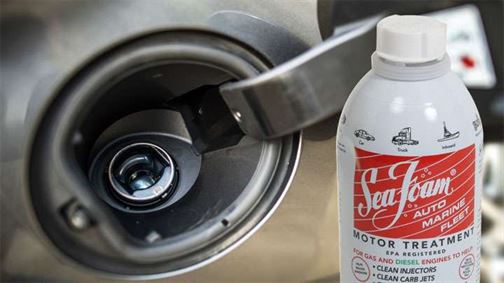
Cleaning the injector with the solution is very simple. Most simply need to pour the liquid directly into the fuel tank (Photo: cartreatments.com)

During combustion, the car’s engine will produce soot (an invisible form of carbon). Over time, soot accumulates and adheres to engine details, including fuel injectors. If fuel injectors are not cleaned regularly, soot can clog the injectors, affecting the fuel supply for combustion and making your vehicle less efficient and unstable. To solve this problem, specialized cleaners have been developed specifically for fuel injectors.

  • The main function of a fuel injector cleaner is to clean your fuel injector nozzles and the engine combustion chamber of troublesome carbon deposits. Furthermore, it will improve the engine’s ability to burn fuel efficiently and it also means your car will have better fuel economy and an overall smoother experience.
  • Keep the fuel system lubricated: Using a suitable cleaner will keep your fuel system properly lubricated, minimize friction, and slow down the rate of carbon buildup in the future.
  • Improve the lifespan of the fuel injector: We are sure every driver also knows how a fuel injector works in your car. The fuel injector is a mechanism that opens and closes to control the flow of fuel into an engine’s cylinder combustion chamber to create ignition. Fuel deposits can not only harm your car’s fuel economy and performance but can also have detrimental consequences on the fuel injection system. Using cleaners correctly is the best way to improve fuel injector performance and lifespan.
  • Helps prevent detonation and cleans the emissions control system.

When to use a fuel injector cleaner?

Correctly adding fuel injector cleaner helps the combustion process of the fuel mixture achieve maximum efficiency. Your car not only runs with more power and smoothness but also saves fuel. How often to use a fuel injector cleaner? According to experts and car manufacturers, it is recommended to add car injector cleaners every 15,000 to 20,000 km of operation or even sooner; this number will depend on the specific model and brand of your vehicle. However, it will be best to refer to the manual before using cleaners and cleaning your fuel injector. Alternatively, if you notice a symptom below, it is also a warning sign telling you that you need to use a car fuel cleaner.

  • Weaker engine: When injectors are clogged, the amount of gasoline/oil introduced into the combustion chamber is affected and the combustion process can be earlier or later. This prevents the engine from running properly. Clogged injectors cause fuel not to enter the chamber sufficiently or at the wrong time, making the combustion of the fuel mixture inefficient. This easily causes problems such as the car being hard to start, the car stalling in the middle of the road, and the car jerking when you press the pedal…
  • More emissions: When injectors are coated with dirt, the fuel injected into the combustion chamber is usually less and later. This prevents the fuel from burning completely and escaping through the exhaust pipe. As a result, the emission will be greater than usual and the color will be black.
  • Consume more fuel: Dirty injectors lead to misalignment of the flow and timing of the fuel injected into the combustion chamber, resulting in incomplete fuel combustion. Therefore, to compensate, the engine will need to consume more fuel than usual.
  • Engine noise: When injectors are clogged, the combustion of the fuel and air mixture has problems, making the engine weaker. Therefore, for your car to reach the appropriate capacity for the driver, the engine will have to work more than usual, resulting in a louder noise.

Although the above signs do not entirely come from dirty or clogged fuel injectors, when you encounter these problems, you should check the injectors and use the appropriate cleaner.

How to use fuel injector cleaner the right way?

It must be said that this process is a very simple step-by-step tutorial and we will outline all the instructions:

Step 1: Locate the fuel injector.

The easiest way to locate the injectors is to consult the owner’s manual. Normally, the injector is mounted on the engine hood and connected to the fuel rail. V6 and V8 engines will have 2 rail pipes located on both sides of the engine.

Step 2: Check the fuel injection system

How often to use a fuel injector cleaner? (Photo: me.caltexlubricants.com)

After positioning the fuel injector, you need to check the condition of this part. Many drivers wonder how many fuel injectors does a car have? Normally, your car has one fuel injector per cylinder; however, if your car has a four-cylinder engine, you will have 4 fuel injectors accordingly. If you detect signs of clogging and dirt, you should immediately clean the fuel injector.

Step 3: Choose the appropriate fuel injector cleaner

There are dozens of fuel injector cleaners on the market; some types are only used for diesel engines and others for gasoline vehicles. Furthermore, some are designed for turbocharged engines and others for older engines. Therefore, it is very important to choose the right cleaning solution for your car. Consult the manufacturer’s manual to ensure your fuel injector is not required to use a specially formulated cleaner.

Not all cleaners are effective for your fuel system, and if not used according to the manufacturer’s recommendations, they could lead to complete fuel injector failure and require their replacement. In addition to referring to the manual, you should carefully read the labels on cleaning products to know the compounds your fuel injector cleaner contains so you can find a good cleaning solution for the fuel injector.

If you are looking for the best fuel injector cleaners, we will recommend a list you can check. We compiled this list based on feature price, quality, durability, and manufacturer reputation:

1 Chevron Techron

This is one of the most popular fuel injector cleaners available on the market today. It comes from a well-known brand. In fact, it is often recommended by car manufacturers as a solution for cleaning the fuel injection system. It works on lighter vehicles of all carburetor or injection engine types. According to the manufacturers, this solution will clean and restore the entire fuel system, including the fuel injector, intake valve, and combustion chamber.

2 Red Line Complete SI-1

Most fuel injector cleaners contain the same basic chemicals, but Redline has patented a formula that puts it ahead of its competitors. It not only cleans your fuel injector and carbon buildup in the engine but also lubricates the cylinder and reduces the need for high-octane gasoline. It can be used on all types of vehicles, including cars, trucks, or SUVs…

3 Liqui Moly 2007 Jectron

The third position is held by Liqui Moly Jectron. It is considered a very powerful additive for cleaning the fuel supply system and removing carbon buildup, especially for older engines. Liqui Moly is one of the fastest solutions on the market, with visible improvements after only a thousand kilometers. It has been tested by the strict German technical inspection association TUV.

This cleaner becomes the safety cleaning product for fuel injectors. The disadvantage is that it can only be used for gasoline engines. Liqui Moly will allow your car to achieve a smoother idle, better throttle response, and cleaner combustion using its Jectron fuel injection cleaner. It also helps eliminate starting problems and stalling.

Besides the 3 brands above, there are still many other types of cleaning solutions on the market like Sea Foam SF, STP Ultra, or Sta-Bil 360 protection…

Step 4: Get the appropriate amount of fuel injector cleaner

Cleaning injectors with a car injector cleaning solution is very convenient because there is no need to remove/install complicated injectors. On the market, there are many products for cleaning injectors in automobile combustion chambers from brands such as Liqui Moly, Bluechem… Car owners can also buy and clean them themselves at home.

Cleaning the injector with the solution is very simple. In most cases, it is simply a matter of pouring the liquid directly into the fuel tank (fuel/oil tank). The cleaning solution will follow the fuel into the injectors. However, each product will have a different mixing ratio. For example, for 1 bottle of 300 ml Liqui Moly cleaning solution, the manufacturer recommends 50 to 70 liters of gasoline.

It is best to read the manual carefully before using the car. If during cleaning you need to remove the fuel injector directly, you will use an appropriate amount of cleaning solution to clean the injector. This method allows for a more thorough cleaning as the injector can be flushed directly. However, the process of disassembling the injector is quite complicated. If you are not careful, it is easy to damage the rubber seal around it.

Note: When purchasing a fuel injector cleaner, it is also important to note the different cleaning solutions for gasoline and diesel injectors. Do not use or mix these two types.

In conclusion

Using cleaning solutions will not only help you solve problems with the fuel system in general and fuel injectors in particular. And using these fuel injector cleaners is not often good for your car; please refer to the owner’s manual before using an additive for the vehicle. In some cases, the fuel injector cannot be cleaned, so you must replace it or find other solutions.

The advantages and disadvantages of straight-cut gears

When discussing gears, there are several types. The most commonly used gears are straight-cut gears and helical gears.

Many people are unsure if straight-cut gears are useful, as helical gears seem to have a more positive image. Today, we will clear up your doubts about straight-cut gears.

Straight-Cut Gears: Advantages and Disadvantages

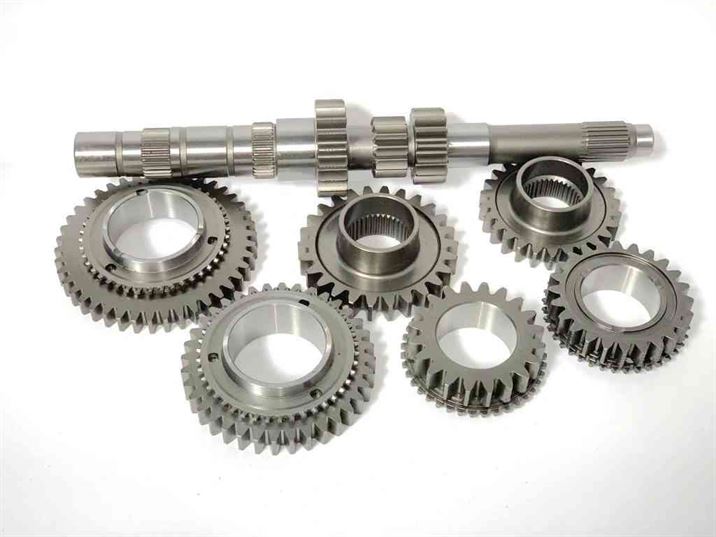
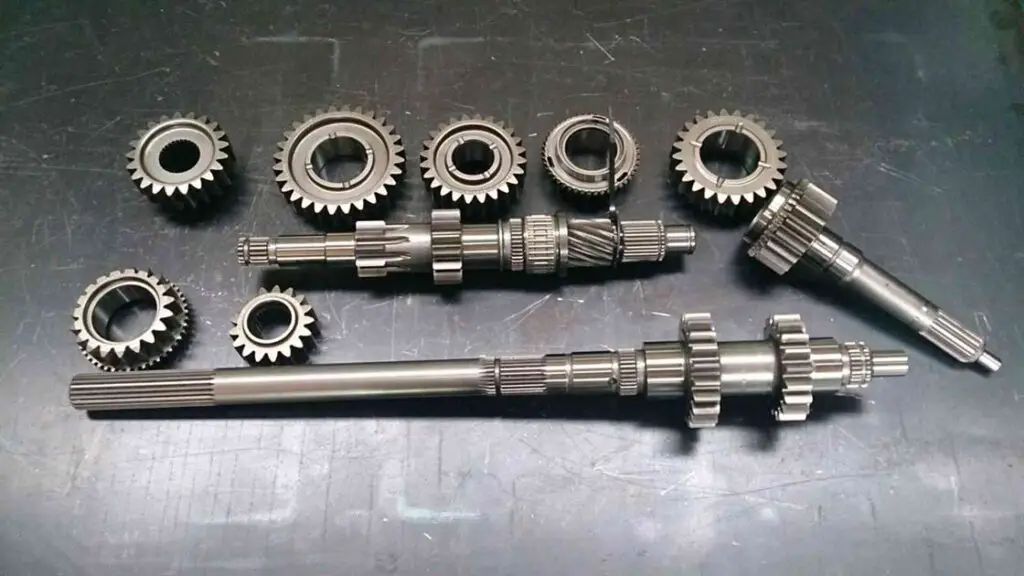
Straight-cut, as the name implies, features teeth cut in a straight shape rather than a helical or spiral form. Straight-cut gears are more widely used in race cars than in ordinary cars.

There are many reasons why straight-cut gears are preferred. Let’s discuss them and understand the advantages and disadvantages.

1. Advantages of Straight-Cut Gears

Straight-cut gears are known for not producing any axial load like helical gears. Since there is no axial load, no restrictions are placed on torque. Therefore, straight-cut gears are used in race cars, as torque is an indispensable aspect in racing.

The elimination of thrust force in straight-cut gears protects output shafts and other bearings from tearing. This way, straight-cut ensures safety as well as torque even under significant force.

A straight-cut transmission does not produce any heat due to the absence of axial load. Axial load is responsible for increased friction and heat, as well as decreased energy that occurs in helical gear systems.

Due to the simple nature of straight-cut gears, they are always easy to assemble. Moreover, since there is no axial load, no bearings or output shafts are needed.

As a result, this reduces overall loads and lightens the engine, which is a huge advantage in race cars. Thanks to their reduced weight, race cars perform efficiently and well every time.

Spur gears or straight-cut gears are also cheaper. This proves beneficial, especially in the reverse gear section where three speeds are needed to perform the reverse action.

Since they are inexpensive, they are used for reverse operation. Straight-cut gears also do not require synchronizers, making them even cheaper.

Straight-cut gears are known for not producing any axial load like helical gears. (Photo: studiosixsound)

Advantages in brief:

  • Straight-cut gears make the drive lightweight
  • They do not produce any axial force
  • They provide more torque
  • Easy to assemble
  • Reduces overall engine space
  • Designed for race cars
  • Cheaper in price

2. Disadvantages of Straight-Cut Gears

Nothing is without drawbacks, and straight-cut gears also have their disadvantages.

Due to their straight cut, they mesh with each other all at once, which creates a lot of noise. Thus, they are not used for ordinary cars as they are not known for quiet operation.

Due to their straight cut, they mesh all at once. (Photo: Peter May Engineering)

When straight gears meet their parts simultaneously, they tap against each other and thus produce a whining sound. They are less smooth and less efficient than helical gears, which come together in small segments and therefore do not produce any instant tapping.

As speed increases, the tapping also increases and the noise continues. So now you know why race cars are so noisy when moving.

Additionally, straight-cut gears are not meant to handle heavy loads that helical gears can effortlessly support.

This happens due to the distributed force from the spiral teeth of the gears. Want to know if you can drive with a bad engine mount?

Disadvantages in brief:

  • Noisy operation
  • Not intended to carry heavy loads
  • Not good for passenger cars
Straight-cut gears are not intended to handle heavy loads. (Photo: innovationdiscoveries.com)

FAQ on Straight-Cut Gears

  1. Why are straight-cut gears used in racing transmissions?

Straight-cut gears are popular in racing transmissions because they can handle the high RPM and torque demands of racing engines. They also allow for faster and more precise gear shifts, essential in racing situations.

  1. Do straight-cut gears make more noise than other types of gears?

Yes, straight-cut gears are known for producing a distinctive whine or hum, especially at high speeds. This noise is due to the way the gear teeth engage and is one of the characteristics of straight-cut gear trains.

  1. Are there any disadvantages to using straight-cut gears?

A notable disadvantage is the increased noise level, which can be undesirable in some applications. Additionally, straight-cut gears may produce more vibrations and are less smooth than helical gears.

  1. Can straight-cut gears be used in everyday vehicles?

While straight-cut gears are excellent for high-performance and racing applications, they are less common in everyday vehicles due to their noise and vibration characteristics. Helical gears are typically used in most passenger cars for smoother and quieter operation.

  1. How do straight-cut gears differ from helical gears?

Straight-cut gears have teeth cut straight across the face of the gear and mesh directly with each other.

Helical gears have teeth cut at an angle or in a spiral shape, resulting in smoother engagement and quieter operation but sacrificing some efficiency and durability compared to straight-cut gears.

  1. Are straight-cut gears more efficient than helical gears?

Straight-cut gears are generally more efficient in terms of power transmission because they have less friction and energy loss during operation. However, their increased noise and vibrations may limit their use in some applications.

  1. Can straight-cut gears be lubricated the same way as helical gears?

Yes, straight-cut gears can be lubricated with the same types of gear oil or lubricants as helical gears. Proper lubrication is essential to minimize wear and extend gear life.

  1. Are there any maintenance considerations for straight-cut gears?

Regular inspection and maintenance are important to ensure the longevity and performance of straight-cut gears. This includes checking for wear, proper lubrication, and addressing any abnormal noise or vibration.

Watch this video by Donut to learn more about helical and straight gears!

Conclusion

More and more sports cars are adopting the concept of helical gears thanks to technological advances so that torque is not compromised.

There are still cars that gracefully use straight-cut gears and allow the driver to finish the race with all their charm. So, as long as the noise during driving doesn’t bother you, straight-cut gears are not such a bad transmission.

Some engine enthusiasts prefer to convert their gear system to a straight-cut gear mechanism to improve efficiency and speed. Ultimately, it all depends on preferences if you want to opt for smooth and quiet driving or for power and noise.

How much do V8 engines cost

Perhaps you’re looking to replace an aging car engine, boost your car’s power, or completely rebuild a project car, and you’re searching for the right engine in terms of both price and power. If you’re looking for a V8 engine and want to learn more about it and its prices, you’re in the right place.

What is a V8 Engine?

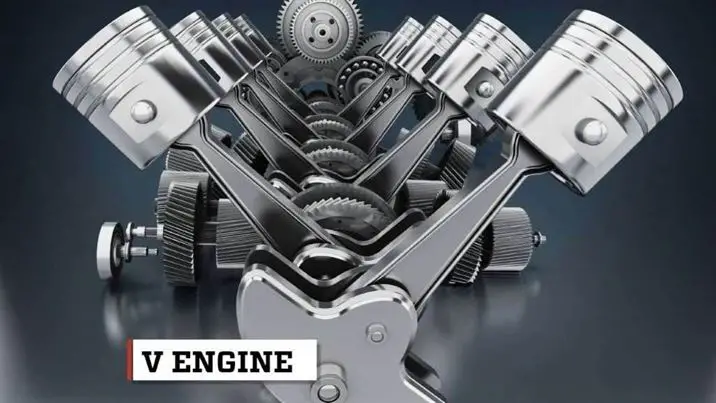
The V8 is true to its name, an automotive powerhouse with eight pistons housed in a single crankshaft. Unlike an inline engine, this eight-cylinder is arranged in two rows of four cylinders in a V configuration, hence the name V8.

Most V8 engines, as their name implies, use this V-angle with a 90-degree split angle. It’s a formation that offers good engine balance which ultimately dampens vibrations. However, it creates an overall larger engine, meaning these engines require specific parameters when installed in the vehicle.

There are other variants of the V8 with smaller angles, like those found in the 1996-1999 production years of the Ford Taurus SHO. These engines have a 60-degree V-angle and are more prone to vibrations due to their smaller angular size.

A balancing shaft and split pins had to be added to compensate for the decreased stability caused by the narrower angle. Over the years, other models have had even tighter angles and have been more or less successful.

How Much Do V8 Engines Cost?

The V8 engine is considered by many to be the Holy Grail of the automotive industry. Unnecessarily large and powerful, these engines are designed for people who see their vehicle as more than just a means of transport. There are no precise figures when it comes to the price of a V8. This is because there are many types of engines and many model-specific variants. The price will depend on which V8 engine you need for your particular project.

Prices for a used V8 start between $1,000 and $2,000, while a rebuilt engine costs around $5,000. Some engines can be rarer and more sought after, and prices can therefore exceed $10,000.

As for new engines, it depends on supply, and while they are not cheap, they are not necessarily more expensive than rebuilt engines.

Some V8 engines can be rarer and more sought after, so prices can exceed $10,000. (Photo: Car Expert)

You need to be sure of the type of engine you need, so if you have any doubts, you should consult an expert before making a purchase. Not all V8s are equal, and you want to make sure the engine you buy will fit and work well in the vehicle you desire.

Factors Affecting the Cost of a V8 Engine

Several factors will affect the cost of a V-type engine. The most important factor may be the vehicle’s make and model. For example, a V-engine for a high-end luxury car will cost more than an economy sedan. Other factors that can affect the price include the type of fuel (gasoline or diesel), the engine size, and whether it is turbocharged.

Vehicle Make and Model

As we mentioned, the vehicle’s make and model are probably the most important factor in determining the cost of a V-type engine. This is because different vehicles have different engine requirements. For example, a high-performance sports car will need a more powerful engine than a family sedan. As a result, you might end up paying more for a V-type engine designed for a high-performance car.

Fuel Type

Another crucial factor to consider is the type of fuel the engine will use. Gasoline engines are generally cheaper than diesel engines. However, diesel engines tend to be more efficient and have better torque. Thus, the price difference between gasoline and diesel engines is not as significant as it once was.

Engine Displacement

The engine size is another factor that can affect the cost. Larger engines tend to be more expensive than smaller ones. This is because they require more materials and have a higher production cost. However, larger engines also tend to be more powerful, so it’s crucial to consider your needs before making a decision.

Turbocharged Engine

Turbocharged engines tend to be more expensive than non-turbocharged engines. This is because they require additional components, such as turbochargers and intercoolers. Turbocharged engines also tend to be more powerful than non-turbocharged engines. Therefore, if you’re looking for a powerful engine, you may need to pay more for a turbocharged one.

V8 Engine FAQ

What is the average cost of a V-type engine?

The average cost of a V-type engine is between $2,000 and $7,000. However, the actual price will depend on the vehicle’s make and model, as well as other factors such as fuel type and turbocharger availability.

Tips for Buying a V8 Engine

When purchasing a V-type engine, it’s important to consider the vehicle’s make and model, as well as the fuel type. Additionally, V-type engines generally require more maintenance than other engine types, so it’s important to keep that in mind when making a purchase.

Is the V8 Engine Worth It?

The V8 engine offers better power and acceleration than other engines. Furthermore, they tend to be more fuel-efficient and have a lower center of gravity. However, V-type engines are more expensive than other types and require more maintenance.

Is a V8 Better Than a V12 Engine?

The V8 engine has a thermal efficiency contrast ratio between 29% and 40%, compared to 50% for the V-12 engine. This means the V-12 is less fuel-efficient. The V-12 is also 50% heavier than the V-8, making it less powerful.

In terms of power-to-weight ratio, the V-12 is also significantly less powerful. However, the V-12 offers better torque. So depending on your needs, choose them carefully.

Are V-Type Engines Better Than Inline Engines?

V-type engines are better in terms of power and acceleration. However, the inline engine is more fuel-efficient and has a lower center of gravity. Furthermore, V-type engines are more expensive than inline engines.

How Powerful is the V8?

The power of the V8 engine is 10,000 horsepower. However, the actual capacity will depend on the vehicle’s make and model.

How Long Does a V8 Last?

The average lifespan of a V8 engine is over 100,000 miles. However, this will depend on the vehicle’s make and model, as well as how it is driven and maintained.

What Are the Disadvantages of V-Type Engines?

They tend to be more expensive than other engine types and require more maintenance. Furthermore, V-type engines often have a higher center of gravity, which can make them less stable. V-type engines tend to be noisier than other engine types.

V8 engines tend to be more expensive than others and require more maintenance. (Photo: The Engine Block)

What Are the Advantages of a V-Type Engine?

They tend to be more powerful than other engine types and provide better torque. Furthermore, V-type engines generally have better energy efficiency and a lower center of gravity.

Does the V8 Engine Have Good Fuel Economy?

No, V-type engines generally do not save gasoline very well. However, this will depend on the vehicle’s make and model, as well as how it is driven and maintained.

Is the V8 Faster?

V-type engines are generally more powerful than other engine types. Furthermore, they provide better torque, which can make them faster. However, this will depend on the vehicle’s make and model, as well as how it is driven and maintained.

Famous V8 Engines in the World

There have been countless variants of the V8 engine over the years, giving rise to truly iconic engines. It has become such an essential part of automotive history that it’s no surprise it has become so popular.

Ford Flathead

Introduced in 1932 by Henry Ford with an advanced crankshaft design and high-pressure lubricants, this monobloc engine block became very popular. It was inexpensive and would be a common engine in most Fords until the 1950s.

It also became a very popular engine among aircraft enthusiasts, who preferred its low operating costs and power. It was the high-end product until the more efficient OHV V8 was finally introduced.

Chevrolet Corvette

Corvette fans interested in the brand will likely know about Chevrolet’s small-block since it powered the first generation of this iconic vehicle. It was in 1955 that the Chevrolet small-block went into service and would soon be integrated into many Chevrolet models.

Chevrolet small-blocks have varied from 4.3 to 6.6 liters over the years and have designs that remained in use until 2003. They are versatile, with some producing up to 390 hp, making them favorites among car builders.

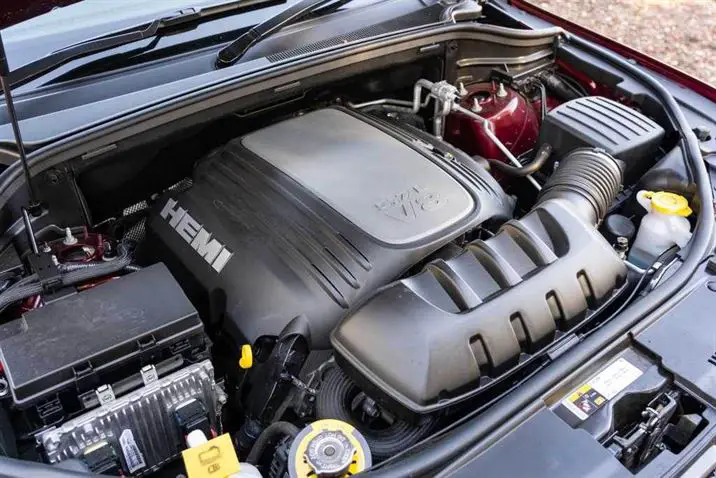
Chrysler Hemi

Launched in 1951, the Chrysler Hemi gets its nickname from its hemispherical combustion chamber. This is not unique to this engine as other manufacturers also use this type of chamber, but the name is still attached to the engine’s fans.

Chrysler Hemis have created several iconic vehicles over the years, including the 1970 Plymouth Barracuda and the Dodge Charger Hellcat. It is known for its power, with some models even reaching 840 hp.

F106 Ferrari

Even the mighty Ferrari has used V8 engines in some models over the years. The F106 V8 first appeared in the Dino 308 in 1973, a model named in honor of Alfredo Ferrari, the late son of Enzo Ferrari, the company’s patriarch.

The 250 hp from the 2.9-liter engine made it impressive for its day, even if the model itself isn’t the most attractive Ferrari ever produced. The F106 would be the configuration for all mid-engine Ferraris until 2005.

Conclusion

The V8 has become iconic and has seen countless variations over the decades. This means prices will vary considerably depending on the type of engine you need for your project. Once you know which engine you need, you can start looking for the best deal. At a minimum, you will probably spend between $1,600 and $2,500 for a V8, but you can pay up to $12,000 for the rarest or most sought-after engines on the market.

How Many Spark Plugs in a V6 Engine

You pop open your car’s hood and find yourself wondering about the spark plugs in the engine? If you own a V6 car engine, a common question is how many spark plugs are in a V6 engine? Don’t worry! You’ve come to the right place. In this article, we will expand your knowledge about V6 engines and their spark plugs.

What You Need to Know About a V6 Engine

how many spark plugs are in a 6-cylinder engine (Photo: mechanicwiz.com)

First, let’s spend some time with us to discover the V6 engine!

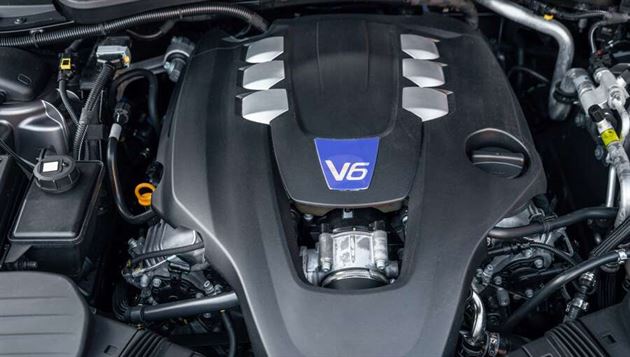
In its early days, the V6 engine was designed with the primary goal of making the engine more compact. Imagine if you put an inline 6-cylinder engine into a narrow engine compartment, what would happen? The V6 engine shares the same V-shaped engine structure with 6 cylinders arranged in 2 rows, and each row has 3 cylinders. It functions like a pair of three-cylinder engines joined together in a V-shape. A V6 engine also boasts all the advantages of V engines, including a robust block design and a symmetrical structure on both sides for good balance. The size of the V6 engine is also moderate and can therefore be used on front-wheel or rear-wheel drive vehicles.

Furthermore, the V6 engine also allows for optimizing the vehicle’s weight distribution (located closer to the center of the vehicle). Meanwhile, the I6 engine concentrates the weight distribution towards the front of the vehicle, causing an imbalance in grip between the wheels.

Due to the reduced number of moving parts, it can limit the risk of V6 engine wear compared to a V8 engine. With the V-shaped engine design, gravity is distributed evenly on both sides of the engine. This minimizes vibrations caused during piston movement. Nowadays, V6 engines still equip luxury automobiles like the Mercedes S450, Lexus LS 500, Audi A8…

How Many Spark Plugs in a V6 Engine – Answer Here

Spark plugs, along with other parts of the ignition system, work together to help ignite the air-fuel mixture in the combustion chamber to create optimal performance for the engine. So you’ve wondered, ‘How many spark plugs are in a 6-cylinder engine?‘. Equipping yourself with this knowledge will help you know the exact number of spark plugs in your V6 engine and will make the maintenance process easier when you need to replace the spark plugs.

As we already know, the V6 engine is a 6-cylinder engine that is divided into two rows and arranged in a V-shape. Corresponding to each cylinder, we will have one spark plug. Traditionally, a V6 engine will have a total of 6 spark plugs, one per cylinder. However, in some special vehicles, there are dual spark plugs, though not often, meaning the number of spark plugs will be much higher than in normal V6 engines. There can be 6 or 12 spark plugs in V6 engines depending on your car model.

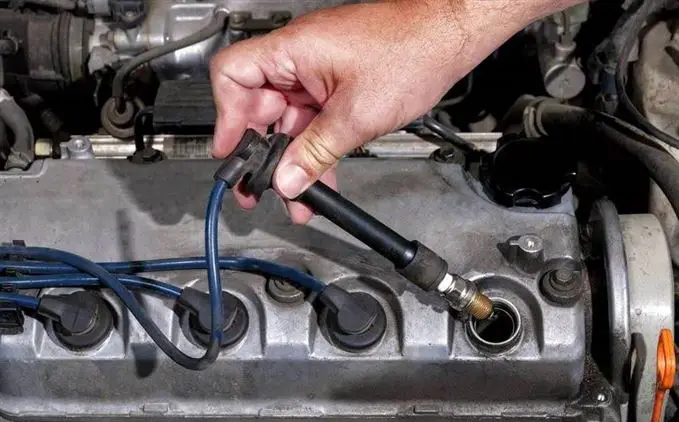
How do I know how many cylinders my car has? When you open the hood, you will see a bundle of 4 to 8 wires leading to different points on the engine. The spark plugs are located on the engine at the end of these wires, under the spark plug cap. On V6 engines, the spark plugs are placed equally on each side. Some cars have engine covers; you will need to remove them to see the spark plug wire. You should use the repair manual to find out the spark plug location, the number of spark plugs on the engine, and the standard spark plug gap. You should also number the spark plug wire corresponding to each cylinder to avoid confusion when replacing new spark plugs.

See more:

FAQ

How many spark plugs are in a diesel engine?

There are no spark plugs in diesel engines. A diesel engine is a type of engine that uses diesel fuel to operate. Diesel engines differ from gasoline engines in that they do not have spark plugs to create sparks, but use fuel injectors to spray fuel into the cylinders. The compression of the air and fuel in the cylinder creates temperatures high enough to trigger combustion. Diesel engines also have higher compression ratios than gasoline engines, so they require robust construction materials and can withstand higher pressure.

How many spark plugs are in a car?

Normally, most gasoline cars have about 4 to 8 spark plugs depending on the number of cylinders in your car. Although multiple spark plugs are more effective, they produce staggered sparks for even combustion and better volumetric efficiency. But with the added complexity and cost, most manufacturers do not use multiple spark plugs per cylinder, except for Bugatti, Lamborghini, Ferrari, and other similar high-performance cars.

Most gasoline cars have about 4 to 8 spark plugs (Photo: lawrencevilleautocenter.com)

How long does it take to change spark plugs on a V6?

After checking and noticing the signs of faulty spark plugs, drivers should replace the spark plug in time to protect the vehicle’s engine. Replacing spark plugs requires support tools such as extension rods, spark plug socket wrenches, tube wrenches, and spark plug gap gauges. Generally, it will take you about an hour to replace them on a four-cylinder engine. Similarly, in V6 engines, the replacement process can take at least an hour or more depending on the engine type and the spark plug access.

Why does an engine need multiple cylinders?

The higher the number of cylinders, the higher the complexity of the car’s engine, which determines the vehicle’s performance. Super luxury cars or sports cars like Aston Martin and Lamborghini… their car engines are usually V12 or W12 series. Using multiple cylinders instead of a single cylinder will help significantly reduce the piston displacement. This not only helps the engine run faster but also helps reduce the piston’s inertia force. Therefore, it helps the engine balance better.

Is engine oil the same as transmission oil

There are too many types of oil circulating in the car that people generally confuse between the types of oil and their use. Questions such as “Is engine oil the same as transmission oil” also come to mind? Is it a question you have been asking for a while now? If so, then you are in the right place. All your confusion will be clarified below.
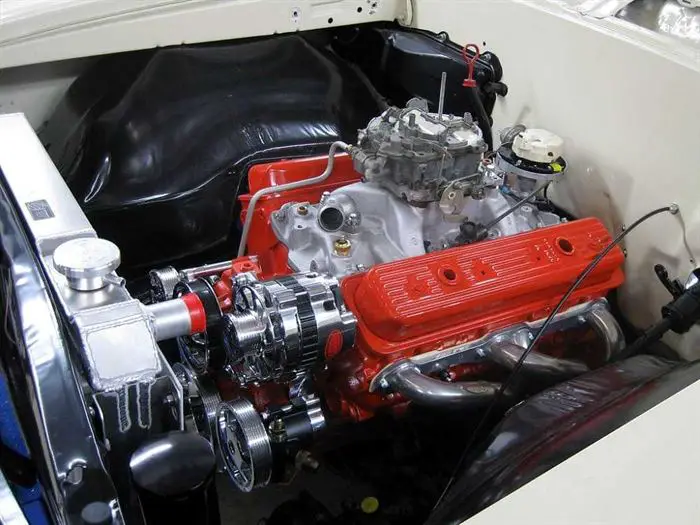
Is Engine Oil the Same as Transmission Oil? Know Here!

Engine oil and transmission oil are not the same thing! Some think it’s the same, but the scenario is quite the opposite. Read below and discover the actual difference between the two.

1. Functions

Engine oil is used to properly lubricate or grease the internal combustion engine. Simply put, engine oil is useful when friction between moving parts needs to be minimized and the engine needs to be free of sludge.

On the other hand, transmission oil is used by the steering system to maintain its proper functioning. Transmission oil is generally used in vehicles with automatic transmissions and maintains the communication of the gear system in the best possible way. This is the major difference that clarifies your doubt “Is engine oil the same as transmission oil“.

First, you need to know their functions to understand “is engine oil the same as transmission oil” (Photo: sanamcorp)

2. Appearance and Other Properties

Engine oil is amber in color, but with use, it can become darker. The cloudy color indicates high heat, the presence of contaminants, and the existence of contaminants. As for transmission oil, its color ranges from red to green. Another major difference lies in the duration of use.

Engine oil must be drained from time to time to remove contaminants that must have collected. The same is not the case for ATF (Automatic Transmission Fluid). The latter is rather a closed system that sees no contaminants and lasts longer.

3. Purpose

Engine oil is appropriate for improving sealing, keeping the engine cool, protecting it from rust and corrosion, keeping the engine free of sludge, and, of course, for lubricating engine parts. On the other hand, when it comes to transmission oil, the role changes a bit.

ATF lubricates transmission parts, cools the transmission, and ensures the proper functioning of hydraulic parts. Apart from that, ATF protects the transmission from rust and corrosion and also provides sealing assistance. Refer to the maintenance tips to learn more about how to check transmission fluid for manual or automatic cars.

These are the purposes that differ between engine oil and transmission oil (Photo: organic dye)

What Happens If You Put Engine Oil in the Transmission System?

Putting engine oil in the transmission system can cause serious damage, ranging from irritating to fatal. Here’s what can happen if engine oil is mistakenly added to the transmission system:

Insufficient Lubrication

Engine oil is specially formulated to lubricate the moving parts of the engine. It has a different viscosity and additives than transmission fluid, which is designed to provide lubrication and hydraulic pressure to transmission components. Engine oil does not have the necessary properties to effectively lubricate transmission components, leading to inadequate lubrication. This can result in increased friction, wear, and potential damage to transmission components.

Clutch Slippage

In a manual transmission, engine oil can cause clutch slippage. The clutch relies on friction to engage and disengage transmission gears. Engine oil, with its different properties, can reduce the required friction, causing the clutch to slip. This results in a loss of power transfer from the engine to the transmission and can lead to poor acceleration, reduced energy efficiency, and potential damage to clutch components.

Damage to Transmission Components

Engine oil is not designed to withstand the high temperatures and pressures encountered by transmission fluid. As a result, transmission components, such as gears, bearings, and seals, may not receive adequate protection. Over time, this can lead to increased wear, overheating, and potential failure of these vital components.

Fluid Contamination

Mixing engine oil with transmission fluid can contaminate the transmission system. This can compromise the integrity of the transmission fluid, thereby reducing its ability to effectively perform its intended functions. Contaminated fluid can lead to poor shifting, increased heat buildup, and potential damage to the transmission system.

How to Flush the AC System After a Compressor Failure

How to Flush the Air Conditioning System After a Compressor Failure? Well, there are several ways to proceed. But is it necessary to do so when you will be replacing the faulty compressor anyway? We will discuss the importance of flushing the system and how to do it.

Why Should You Flush the Air Conditioning Unit?

A compressor failure in your car’s air conditioning system means you need to install a new one. But flushing the system is necessary before installation.

Solid substances can form over time in the refrigerant circuit and damage several components. Moreover, a compressor can send tiny metal fragments into the system if it fails.

These fragments are likely to clog the small passages in the system, which will remain even after changing the compressor. These metal chips can also damage the new compressor.

For these reasons, you should always flush the air conditioning unit to remove metal particles and other solids whenever you replace the faulty compressor.

How to Flush the AC System After a Compressor Failure?

You should flush the AC system’s condenser before replacing the compressor. However, most car manufacturers, including Toyota, recommend replacing the condenser and hoses instead of flushing in case of contamination.

GM and Ford are two car manufacturers that recommend flushing the condenser. GM suggests using only R-134a for the process. They also want you to do it in a recharge machine to reduce refrigerant loss. In contrast, Ford approves the use of VSL338 terpene-based solvent for flushing.

Here are several methods for flushing the air conditioning system after a compressor failure. Remember that you should only flush the condenser, pipes, and evaporator.

Before flushing the system, it is necessary to check the refrigerant using a gas analyzer. The refrigerant is pumped out using a service station.

Use an AC Flushing Equipment.

There are many flushing kits available to perform an open-loop flushing process. The flush includes a tank, a recovery pan, a hose, and adapters. Using such a kit is one of the easiest ways to flush the air conditioning system, and the entire process takes only about 15 minutes. Use a solvent that does not corrode or damage internal components. Once cleaning is complete, let these components air dry.

If you want deep cleaning and to reduce flushing time, purchase an electric flushing kit. It dislodges hardened particles and completes the cleaning quickly. However, such a machine is expensive, costing between $2,000 and $3,000.

Using a kit makes the task easier. (Photo: carcarehunt)

Use Flushing Liquid.

Instead of using a cleaning solvent, you can also use a flushing liquid (such as a chemical-based or water-based liquid). This process works best for R1234yf air conditioning systems and for systems being converted from R12 to R134a.

You need to use nitrogen to dry the components once cleaning is complete. Blow each part and pipe one by one with nitrogen.

This is how to flush the air conditioning system after a compressor failure. Flushing is done to remove not only solid buildups from the air conditioning unit but also residues of dirty liquid and lubricating oil.

Watch more:

After flushing, the system must be filled with the correct amount of freon. Connect the high and low pressure lines and evacuate the system. Then pump the correct amount of freon by setting the parameters at the service station.

How long will a car run without an alternator

Many car parts provide top-notch service without any issues for many years, but you might not be so lucky when it comes to the alternator. On some car models, alternators wear out faster than expected. How long can a car run without an alternator? Knowing this will help you stay prepared for the worst-case scenarios.

Car Alternator: What Is It and How Does It Work?

The alternator is a car part that provides continuous charges to the car’s battery. Thanks to the power it supplies, a car’s electrical systems and computers can operate. Its purpose is to keep the electrical system running.

When the battery starts the engine, the alternator keeps it running. If it becomes faulty, the car’s battery drains faster than usual. So, if your battery is having issues, it’s wise to check the alternator as well.

An alternator powers the battery. (Source: Mitch Barrie / Flickr)

Typically, an alternator lasts about 100,000 to 150,000 miles, or roughly seven years. However, some mechanics claim its lifespan is shorter, around 80,000 miles.

Several factors impact an alternator’s lifespan. Some of them are the quality of car parts, the number of electronic devices powered by the alternator, and the car’s driving conditions.

How Long Will a Car Run Without an Alternator

Once the alternator stops working, the car’s battery is cut off from the electrical supply. It will run on its own for some time until it runs out of charge. How long can a car run without an alternator?

It entirely depends on the car battery’s capacity. If the battery is not fully charged, the vehicle may run for 5 to 30 minutes. The range will increase in the case of a fully charged battery.

Another factor affecting the runtime is the car model. Let’s see how long different car models will survive when the alternator fails:

Old Gasoline Car Model: Driving a gasoline car during the day will consume little battery power. Since there are no headlights, only the spark plug and the car’s computer will drain the battery. If the vehicle model is from around the 1960s, you can drive up to 50 miles with a fully charged battery.

Old Diesel Car Model: If you’re driving a diesel car that isn’t equipped with spark plugs, you can run it further than a gasoline car. If the car model is very old, there’s a chance you can run it until the fuel runs out.

Latest Car Model: If the alternator fails in a car made in the 90s or later, the battery won’t last long. Nowadays, brand-new car models are equipped with computers, sensors, and various electronic displays, which will draw power from the battery. As a result, the battery will last a shorter time.

Cars like the Mini Cooper are equipped with electric power steering that quickly drains the battery. Models with computer-controlled automatic transmissions will also consume more battery and allow you to cover fewer miles without an alternator.

Starting the Car Engine: When you need to start your car without an alternator, a significant amount of battery power is depleted. So, if you must operate your vehicle without an alternator, never turn it off once started.

How to Tell If Your Alternator Is About to Die

Now that you know how long a car will run without an alternator, it’s better to be aware of the warning signs of an alternator whose life is about to end. Detecting these symptoms at an early stage will save you from being stranded on the road with a dead car.

  • Flickering Headlights. At night, the headlights will suddenly switch from dim to bright if the alternator is about to die.
  • Some failing alternators stop working when you use them to charge multiple electronic devices simultaneously.
  • If a burning electrical smell comes from your car’s alternator or battery, the alternator may have reached its end.
  • The alternator warning light or other dashboard lights turning on also indicate a struggling alternator.
  • If there’s a failing alternator in your car, the radio or other electrical components will sometimes stop working. It may also cause a squealing noise in the engine.
An alternator can stop working for various reasons. (Photo: dave_7 / Flickr)

All good brands offer a decent warranty on car alternators, ranging from one to three years. You can prevent premature wear on your alternator by following these tips.

  • Do not jump-start your car incorrectly.
  • Do not overload your vehicle by installing additional electrical accessories.
  • Check for a tight belt or fluid leaks. Both can damage the alternator bearing.

FAQ on Cars Running Without an Alternator

  1. What happens if you drive a car without an alternator for an extended period?

Driving without an alternator for an extended period can lead to battery drain and cause the car to stall. It may also damage the battery and other electrical components if the vehicle relies solely on battery power.

  1. Can you jump-start a car with a dead alternator?

You can jump-start a car with a dead alternator, but it’s a temporary solution. The car will run using power from the jumper cables and the donor vehicle’s alternator. Once the engine is cut off, the car with the dead alternator may stall.

  1. Can you charge the battery separately if the alternator fails?

Yes, you can charge the battery separately using an external battery charger. This can provide enough power to start the vehicle and drive it to a repair shop if the alternator fails. However, this is a temporary fix and does not solve the underlying alternator issue.

  1. Can extreme weather conditions, such as extreme heat or cold, affect alternator performance?

Extreme weather conditions can affect alternator performance. Extreme heat can lead to overheating and damage, while extreme cold can increase strain on the alternator and electrical system.

Proper maintenance and protecting the alternator from extreme conditions are advised.

  1. Can you replace the alternator yourself, or is it a job for a mechanic?

Replacing the alternator is a complex task that usually requires mechanical knowledge and tools. While some experienced individuals may attempt it, it’s generally recommended to have a qualified mechanic handle alternator replacement to ensure it’s done correctly.

Conclusion

An alternator is an essential component of a car. Without it, your battery won’t receive the power it needs.

A dead alternator will also disrupt your car’s overall operation. When you have a good idea of how long a car will run without an alternator, you can make it to the nearest service station and get it replaced.