Can you add oil to a hot engine

To protect your car’s engine and reduce fuel waste, it is essential to change the oil periodically. However, incorrect oil changes can damage your car. Regarding these issues, one of the frequently asked questions by drivers is: can you add oil to a hot engine or should you let it cool down? If you have the same concern, this article is for you:

Can You Add Oil to a Hot Engine? Answer Here

Changing the oil when the engine is hot or cold is one of the recurring questions that many drivers endlessly debate. So who is right, who is wrong? And is it acceptable to add oil to a hot engine? We will explain everything in this section. Our answer is “Yes,” adding oil to a hot engine can be acceptable if you are in a hurry or have urgent cases. Changing the oil when the engine is hot also has advantages. When the engine is still warm, the car’s oil is in a liquid state. When changing the oil, it will drain faster, saving a lot of time.

However, it does reveal some drawbacks. When the engine has just stopped and you drain the oil, there is still a quantity of oil above the parts that have not returned in time, so the old oil will not all drain out immediately, and when you replace it with new oil, it will not be as effective, and the new oil will quickly change color. Draining the oil will also be more difficult because the engine is still hot, and the car parts, including the engine oil, have high temperatures, easily causing burns.
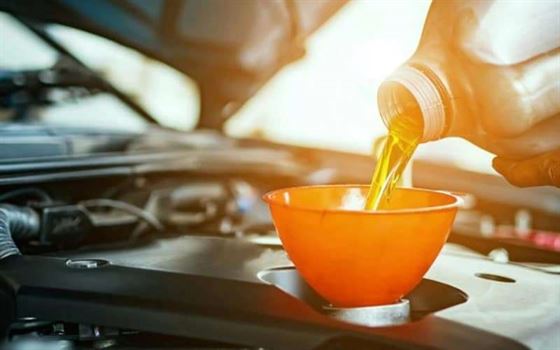
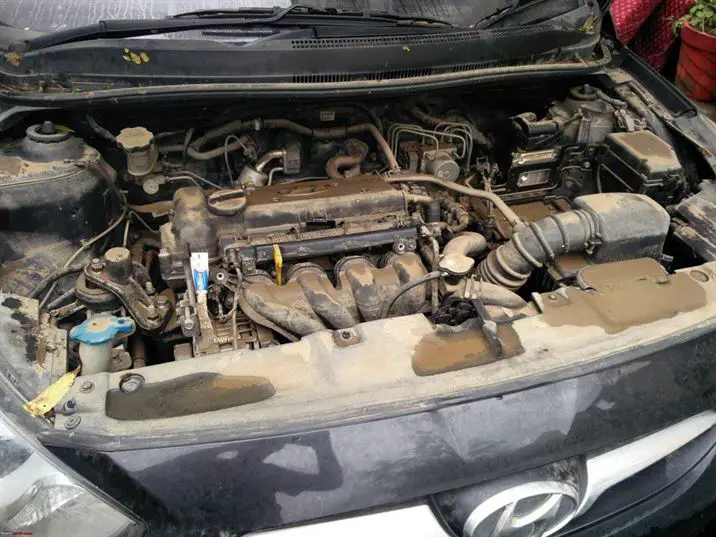
What Happens If You Put Oil in a Hot Engine (Photo: tireer.com)

Should You Add Oil to a Hot or Cold Engine?

There is no clear answer to this question. Automotive experts state that there are no specific standards indicating whether you should change the oil when the engine is still hot or cold, as each person will have their own way of applying it. For some models like the Acura TSX or Toyota RAV4, manufacturers recommend in the manual to check the engine oil when the engine is hot. That is why it is important to pay attention to your owner’s manual so that the answer for your car is found in that manual.

By letting the engine cool down and then changing the oil, all the old oil will be drained, but the limitation is that the residue will settle at the bottom of the engine block and cannot drain completely, once dirt and iron film remain. Too much remains in your engine, which will lead to faster engine wear, which is very dangerous.

What Is the Best Way to Change Engine Oil?

What is the correct way to proceed? You need to stop the engine, let it sit for several minutes, then check the oil level on the dipstick and change or add more oil if necessary. In our opinion, if you let it sit for about 10 to 15 minutes, almost all the used oil from the engine parts can drain out. At that point, when draining the oil, all the buildup will flow out. The oil should be left in place for a while so that the remaining oil on the engine parts has enough time to drain. If your engine is cold, you should first warm it up, then check and change the oil after 5 to 10 minutes. Oil burns are a very dangerous accident, so you should wear protective equipment to ensure safety when changing the oil.

Things You Need to Know When Changing Engine Oil

1. Change the Engine Oil Even If Your Car Hasn’t Been Driven for a Long Time

Many additives in the oil perform different functions such as cleaning, anti-wear, anti-rust, anti-oxidation, and anti-foam; while performing these functions, these additives are gradually consumed, causing the oil to degrade and need replacement.

Therefore, even if your car is not driven frequently, the oil stored in the engine for a long time will degrade over time. The manufacturer also specifies the oil’s service life, which is usually 1 year; if after 1 year the vehicle has not reached the specified mileage, the engine oil should still be changed.

2. Oil Change Intervals Depend on Usage Conditions

There are concepts that oil should be changed after about 3,000 km, 5,000 km, or 10,000 km. All of these may be true, in a way. Oil change intervals often depend on many factors such as the vehicle model and age, road and climate conditions, as well as driver habits.

For older vehicles or those driven daily, the oil should be changed earlier. Cars driven in the city with continuous start/stop mode should also change oil more often than cars driven on the road at constant speed.
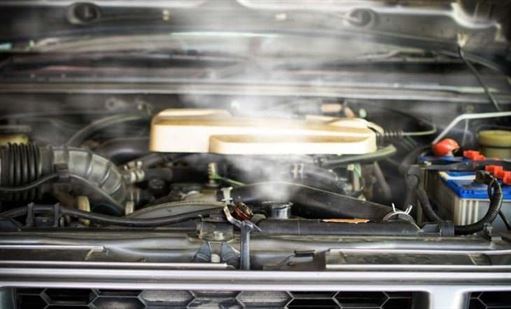
Is It Okay to Add Oil to a Hot Engine (Photo: motoroomph.com)

3. Replace Engine Oil with the Appropriate Viscosity and Quality Type

To evaluate and choose oil, there are two standards that drivers should pay attention to: API and SAE. API indicates whether this type of oil has all the necessary ingredients to perform functions like cooling, cleaning, lubrication, etc., or not. SAE ensures both engine lubrication and helps the vehicle start in difficult conditions.

4. It Is Not True That Thicker Oil Is Better

Some drivers thought that the thicker the oil, the better its lubricating ability. However, this is single-grade oil, ensuring only sufficient viscosity at high temperatures to lubricate the engine. Current oil is a multi-grade type that not only ensures lubricating viscosity at high temperatures but also helps the car start easily at low temperatures because it is not too thick.

5. Consider Choosing Between Synthetic Oil and Conventional Oil

If they use conventional engine oil, drivers must remember to change the oil on time. Synthetic oil has some notable advantages: it contains special additives that prevent sedimentation; oil viscosity and flow are better in cold weather (mountainous areas, snow and ice); maintains stable viscosity even at high temperatures (areas with hot climates or sandy deserts).

Incorrect oil changes lead to many effects on the engine, the vehicle’s lifespan, and many potential dangers for the driver. Therefore, car owners should be proactive in changing the oil periodically and correctly to ensure optimal efficiency.
Symptoms of a Bad Turn Signal Relay

The turn signal relay is the simplest system in your car to analyze and troubleshoot when there’s a problem. Unless your turn signal is working, it will be difficult for you to maneuver the car tightly. But the good news is that troubleshooting your bad turn signal relay symptoms isn’t too difficult.

What is the Turn Signal Relay?

We call the electrical device that controls the turn signals a turn signal relay or hazard relay. The majority of turn signals in road vehicles are controlled by a flasher, also called a relay, which is an electrical component that allows the lights to flash. 

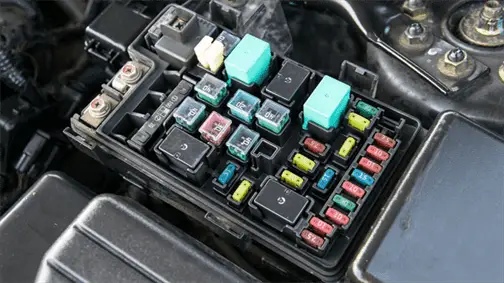
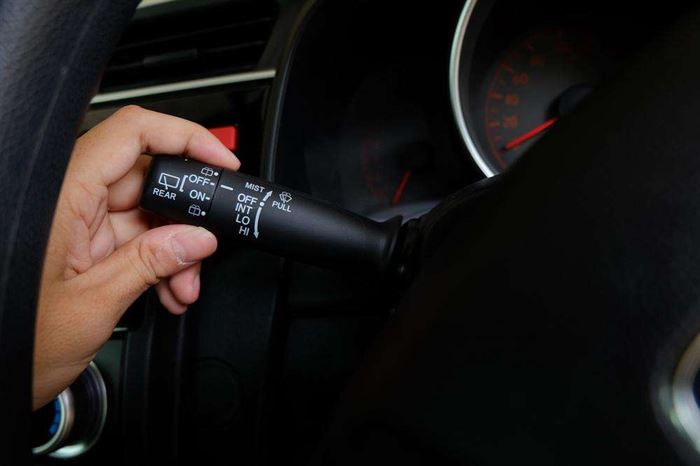
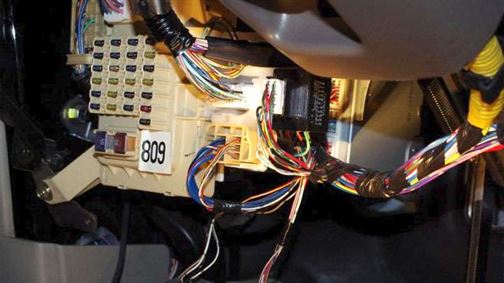
The turn signal relay is typically a small box-shaped device located in or near the fuse box or under the dashboard. It is connected to the vehicle’s electrical system and receives input from the turn signal switch, which is usually located on the steering column. When the driver activates the turn signal by moving the switch up or down, the turn signal relay receives an electrical signal, causing it to open and close a circuit, resulting in the turn signals flashing.

The relay’s timing mechanism ensures that the turn signals flash at a constant rate, typically about 60 to 120 times per minute, depending on the vehicle and regional regulations. This flashing pattern alerts other drivers and pedestrians of the driver’s intention to change lanes or turn, thus enhancing overall road safety.

If the turn signals are not working or are flashing at an irregular rate, it may indicate a faulty turn signal relay. In such cases, replacing the faulty relay is usually the solution. However, it is important to note that the exact location and design of the turn signal relay can vary between vehicle makes and models. It is recommended to consult the vehicle’s owner’s manual or seek professional assistance for accurate identification and replacement of the turn signal relay.

There are many symptoms of a bad turn signal relay problem (Photo : cartreatments.com)

Symptoms of a Bad Turn Signal Relay

A turn signal problem mainly stems from a burnt-out bulb or a faulty turn signal relay. There are many symptoms of a bad turn signal relay problem. Usually, faulty turn signals exhibit certain symptoms below that can alert the driver to a potential issue.

The Turn Signal Relay Does Not Work

A broken turn signal is the most common symptom of a faulty turn signal relay. The lights may not work when you press the hazard light button. Although this problem may not cause serious engine performance issues, it is very dangerous when your turn signals are not working.

If the turn signal blinks very fast, the bulb may be dead. You can easily replace a turn signal bulb like any other broken bulb. It’s easy to change and doesn’t cost much.

If the bulbs are not the cause, you definitely need to change the turn signal relay.

Before changing the turn signal relay, make sure to check the turn signal relays for the turn signals or hazard lights, as they are separate in some cars.

First, of course, buy yourself a new turn signal switch. Look for the location of your relay cluster. Most of the vehicle owner’s manual provided with your specific model will indicate exactly where it is. And for 100% of cars, it’s an assembly of different electrical components. Then, remove the old turn signal relay and add the new one. And that’s the only way to insert the relay. Don’t worry about incorrect installation; it will only go in the right way. Also read our maintenance tips given by experts to learn more about other car problems.

The main result of this problem is electrical issues (Photo: apogeeweb.net)

The Turn Signal Relay Stays On

Another symptom of a faulty turn signal relay is that it stays on instead of flashing. Although they are on, they won’t appear in other situations when the driver wants to turn left/right or in other circumstances. The main result of this problem is electrical issues. Therefore, it is necessary to check the vehicle regularly.

Other Lights Do Not Work

In some cases, additional lights such as headlights, parking lights, or brake lights may also not work with your turn signal relay. The reason is that these lights may be connected through or with your hazard lights in some cars. So sometimes, unless your turn signals are faulty, it causes other lights not to work.

Additional Troubleshooting

If your turn signals still don’t work after replacing your faulty turn signal relay and verifying that the bulbs are working, you will need to check the electricity.

Sometimes, the only thing to do is check the connections. You need to access the back of the turn signal housings to replace your bulbs. At that point, disconnect the connection between your taillights, front turn signals, and the car’s electrical system, then reconnect them one by one. In some cases, this action can help you solve the problem.

In another case, you should think about random fuses when your turn signal relay symptom appears. A faulty circuit that doesn’t seem to affect the turn signals or brake lights can somehow cause them to fail.

How to Bleed Car Brakes Step by Step

Sometimes you may experience a spongy or soft feeling when braking. This happens when the brake fluid level in the master cylinder drops too low and air bubbles get trapped in the lines. Brake bleeding is the process of removing air bubbles from the brake system and flushing out old fluid and contaminants. Knowing how to bleed brakes will save drivers both hassle and money.

The Reason Behind Brake Bleeding

When you press your vehicle’s brake pedal, it’s the brake fluid that causes the action. Your foot’s movement displaces the brake master cylinder piston, whose role is to pump brake fluid through the brake lines and to the brakes. The fluid then creates pressure on the brake pads, which then compress your car’s brake rotors and slow everything down.

Brake fluid is designed to work properly for several years before needing replacement. It needs to be replaced because, over time, brake fluid loses its moisture resistance and starts absorbing small amounts of water. This not only reduces brake performance but can also corrode key components of the system. Replacing the fluid after each appropriate interval is an effective and inexpensive way to ensure your vehicle is safe enough. You can avoid having to pay for costly brake repairs later.

For this reason, we understand why bleeding is so important

An essential part of replacing brake fluid is bleeding the system. The job simply involves removing trapped air from the brake system and also flushing out some of the old fluid.

Step-by-Step Guide on How to Bleed Brakes:

You will need a few tools and to follow the correct procedure to bleed your vehicle’s brakes before learning how to bleed brakes. Let’s take a look:

Tools Needed for Brake Bleeding

  • A brake bleeder wrench
  • A clean glass jar
  • A can of brake fluid
  • An assistant

Brake Bleeding Procedures

Follow the step-by-step brake bleeding procedure to know how to bleed brakes on your car the right way:

Step 1: Prepare Before Taking Action

Consult the owner’s manual to find out what specific type of brake fluid your vehicle needs, as well as how often the fluid inside should be replaced. There are many different types of brake fluid and they don’t mix well. Go to the auto parts store or the dealership parts department to buy the appropriate fluid before starting the bleeding job. Good quality brake fluid is easily affordable; you might need two or three 12-ounce cans to know how to bleed brake lines.

Step 2: Prepare Your Car for the Job

Using jacks and jack stands, you can first lift your vehicle on a flat, solid surface. This should be a garage floor or driveway surface. You then support the car with four jack stands placed at the lift points indicated in the owner’s manual. It must be securely and firmly on a solid base when in the air. Remember that the brake bleeding process will sometimes have you partially under the car, so this should be safe for you. Finally, you remove all four wheels to begin.

Step 3: Locate the Brake Bleed Screw

To proceed, the bleed screw must be removed

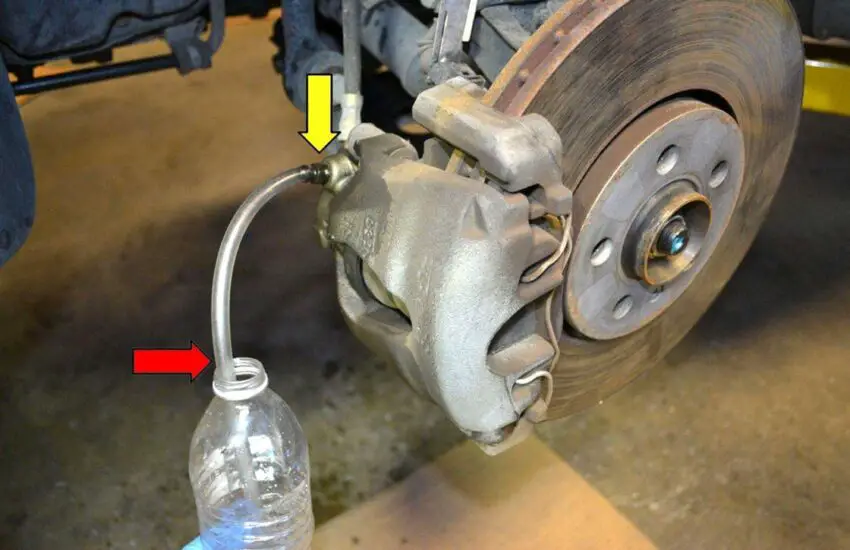
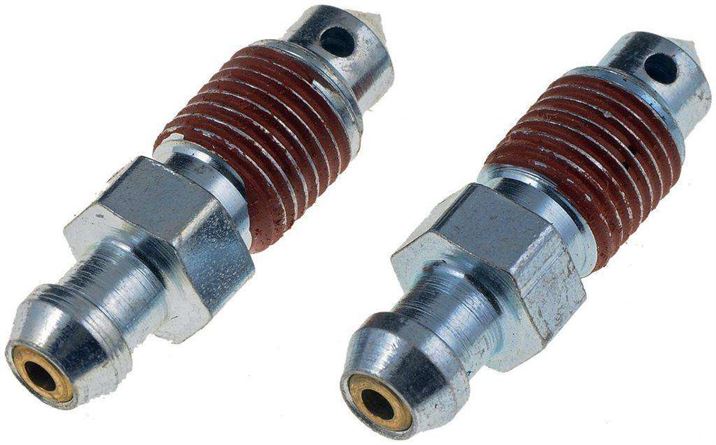
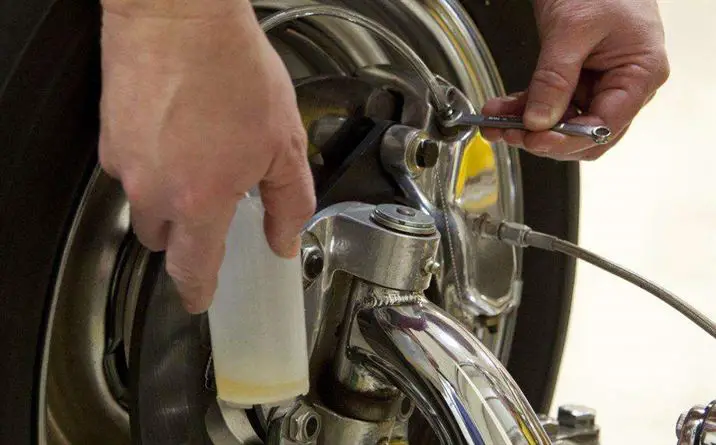
The first step is to lift your car and crawl underneath. To do this, locate the brake bleed screw located behind each of your brakes. The driver can then use the wrench to loosen the screw, but not remove it. If it’s stuck, spraying penetrating oil around it will make the job easier.

Step 4:

Step 4: Connect and Fill

Let it flow and fill the jar

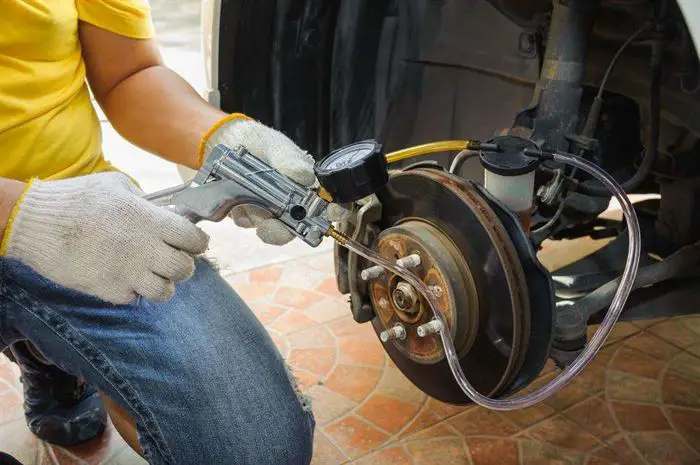
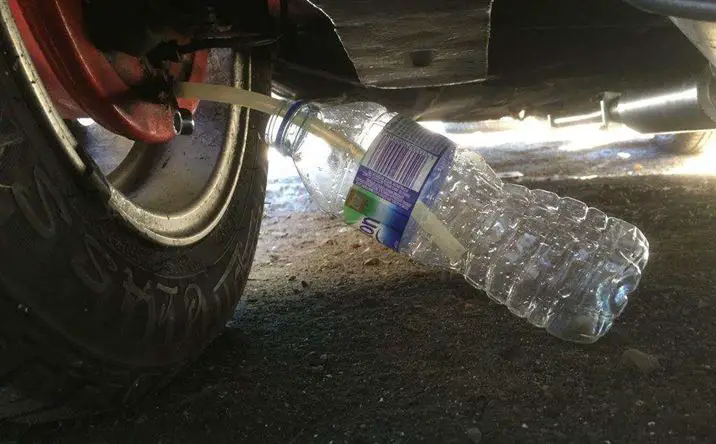
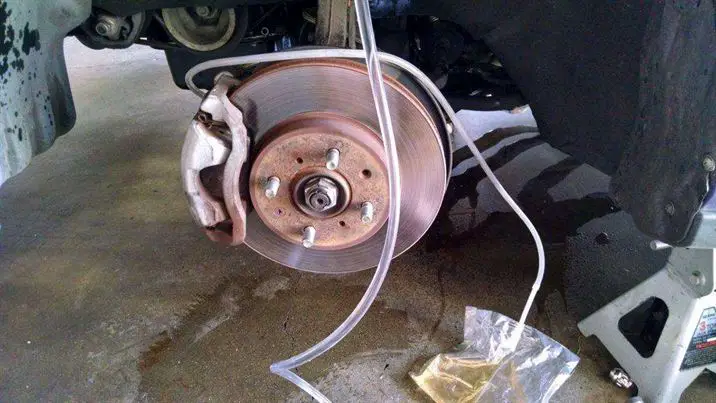
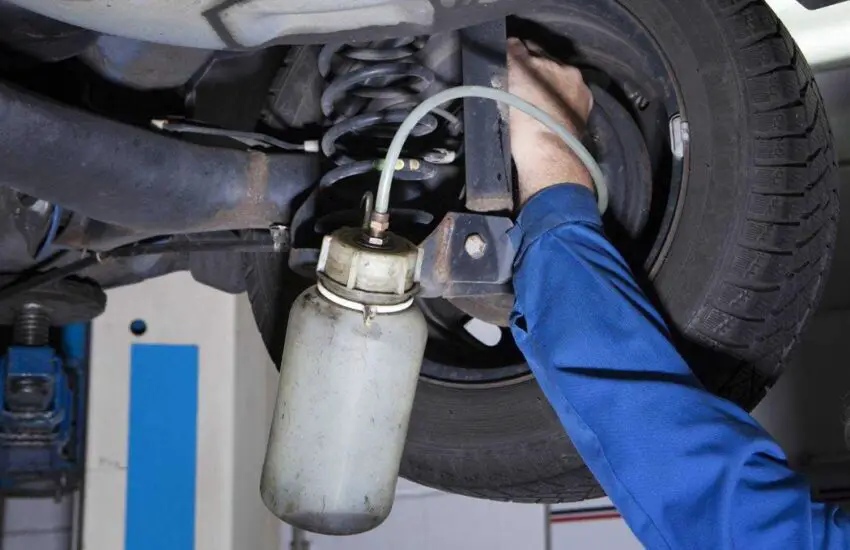
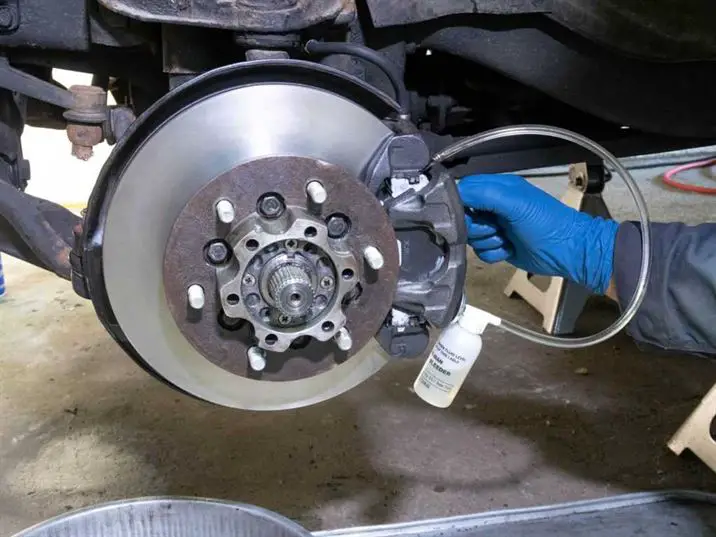
Connecting and filling the jar is an important step for drivers to know how to bleed brakes. Insert one end of a hose into the end of the screw, then place the other end in the glass jar or a bottle. Fill the jar with brake fluid to a level where the end of the hose is submerged. If you can’t find a flexible hose, keep the jar close to the nozzle so it can catch the fluid spurting from the nozzle.

Step 5: Test the Brake Fluid

You might need a friend to make this easier

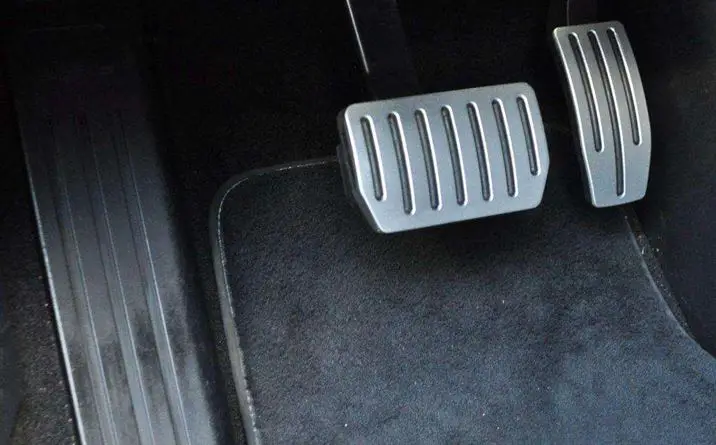
Ask the assistant (this could be a friend or someone else) to sit in the driver’s seat and press the brake pedal several times. After that, open the bleed screw while asking the assistant to hold the pedal down. Brake fluid will come out of the nozzle and you will clearly see the bubbles (if any). This is a crucial step in brake bleeding.

Step 6: Remove the Bubble

It’s time to remove the bubbles

Now, tighten the screw while the assistant is still holding the pedal down. Then, tell them to release the pedal and repeat this process of loosening and tightening the screw until the fluid no longer contains bubbles. How to bleed brakes is not something they need to understand, they just need to help with the pedal. Tell the assistant to shout “Down” when they press the pedal and “Up” when they release it.

Step 7: Bleed the Brakes

It is important to fill the cylinder with fluid

To master brake bleeding, you need to bleed each of the brakes by repeating the same process. However, it is necessary to top up the brake fluid in the master cylinder before bleeding each of the brakes. If you don’t do this, the cylinder will be emptied of fluid and will draw air into the lines. In this case, it is necessary to bleed the master cylinder as well.

Step 8: Checking the Master Cylinder

After bleeding all four brakes, you ask your assistant to apply all their force to the brake pedal, followed by a sudden release. Watch the fluid movement in the master cylinder reservoir carefully. If there is a significant eruption of fluid, air bubbles would still be trapped in the system. In this case, you need to repeat the bleeding procedure to remove that air.

Step 9: Tighten the Screw

Reconnect the part before jumping into the driver’s seat

After bleeding one last time and filling the master cylinder to the maximum level, tighten the final bleed screw. Check again until all bleed screws are tightened. This time again, apply strong pressure but not all your force to tighten them – otherwise you risk breaking them – before reinstalling the car’s wheels. Drive the car for a while to see if the brakes feel correct when you press the pedal.

Congratulations, it’s all done!

Learning how to bleed brakes is not a complicated task. However, you will need patience and perseverance to complete the project.

Tips for Successful Brake Bleeding

Knowing and following the instructions on how to bleed brakes is one thing. However, a successful and effective brake bleed is another story. But don’t worry, we will help you by providing our best brake bleeding tips to eliminate air bubbles from the brake system.

1# Call Your Friend

Call for backup to make things easier

In most cases, having an extra hand is always more helpful. When it comes to bleeding brakes, a friend or two will certainly reduce the processing time and effort for car owners. Remember, one person needs to press the pedal.

Not only that, it can also save you from disaster. So a little help doesn’t seem too bad, does it?

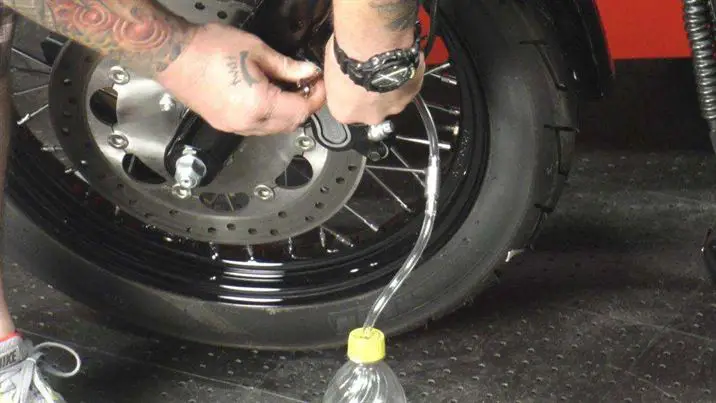
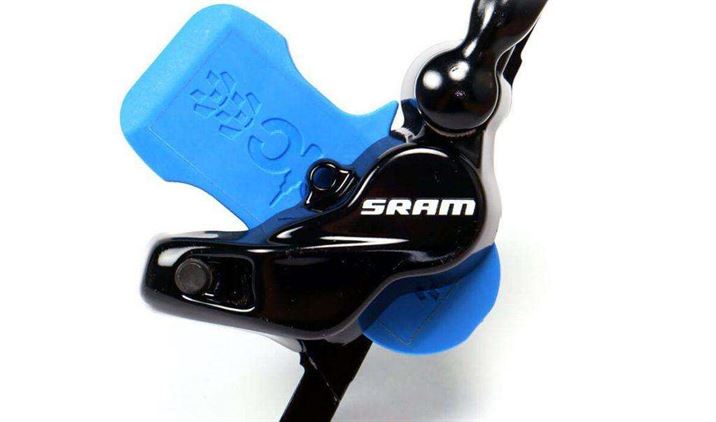
2# Ignore the Bleed Block

How Much Brake Fluid Do I Need for a Flush

Indeed, most drivers do not think about brake maintenance. All customers come to repair their brakes only when the brake is broken or not functioning. Even if you take care of the brake pad and replace it frequently, you still need a brake fluid flush. So, do you know how much brake fluid to flush? If you don’t know, don’t worry, we are here to help you.

But first, do you know what a brake fluid flush is?

What is a brake fluid flush?

As you know, the brake is not just a brake; it consists of many functional parts. Typically, a car is equipped with disc brakes at the front and disc or drum brakes at the rear. Everything is connected by a system of hoses and tubes that connect the brake at each wheel to the master cylinder. The parking brake, brake booster, and anti-lock system are also part of the overall braking system.

When you need to press the brake pedal, the piston pushes against the master cylinder. Through the connected tube, the master cylinder forces brake fluid to the brake at each wheel. At disc brakes, the fluid is forced into a caliper. The caliper presses the fluid against a piston that squeezes the brake pads against the disc and forces the wheel to slow down or stop. At drum brakes, the fluid is forced into the wheel cylinder and then pushes the brake shoes against the drum to stop at the wheel.

So you know the function of brake fluid; it is important to contribute to the smooth running of the braking process. But as the components of the braking system deteriorate over time, rust, dust, or other flaking debris can land in your brake fluid, making your brake less functional. This happens, and you know you need to flush the brake fluid.

A brake fluid flush involves removing all the old, dirty brake fluid from your system and replacing it with fresh, clean fluid. This process is important for every car to ensure its proper functioning. So now you know what brake fluid flushing is, let’s move on to how much brake fluid to flush!

A brake fluid flush involves removing all the old, dirty brake fluid from your system and replacing it with fresh, clean fluid. (Photo: gforgame)

A brake fluid flush involves removing all the old, dirty brake fluid from your system and replacing it with fresh, clean fluid. This process is important for every car to ensure its proper functioning. So now you know what brake fluid flushing is, let’s move on to how much brake fluid to flush!

How much brake fluid to flush?

No one expects to face a car with broken brakes. But when it happens, you need to know what to do. Someone came to us and asked how much brake fluid did I need to flush. Indeed, you need to know how much brake fluid to flush. Thanks to this, you can change the situation.

It is believed that the answer to the question of how much brake fluid to flush is 500 ml. For the normal car whose fluid is closer to the Min but still contains a lot, 500 ml is enough to perform a flush on a set of bicycle brakes (front and rear). And this is only true in the case where the brake fluid is not contaminated. If the old brake fluid is particularly dirty or discolored, we recommend completely flushing the old fluid and replacing it with new. In this case, you may need additional fluid, usually close to 1 liter. A good rule of thumb is to flush your brakes approximately every 30,000 miles (48,280 kilometers).

It is believed that the answer to the question of how much brake fluid to flush is 500 ml. (Photo: pixels)

When replacing brake pads, it is very important that the old fluid is removed and does not contaminate the system. The correct procedure is to open the purge valve and allow the old, dirty fluid to escape before inserting the new pads. Once the new pads are in place, the reservoir should be filled, then the new pads should be set by pumping the pedal, ensuring the reservoir remains full at all times.

It all depends on how much brake fluid to flush. Keep in mind that it is important to use the correct amount of fluid. Now let’s talk about the importance of brake fluid flushing.

Is brake fluid flushing really necessary?

As we usually talk to customers, don’t think about your brakes until they stop working, but you must take good care of them. You will replace the pads and resurface the rotors if necessary. Yet, when your mechanic recommends flushing your brake system, do you think you should do it or save money?

As we mentioned above, by that time, the brake has deteriorated, and the brake fluid has done the same. The rubber of the master cylinder valves, calipers, and wheel cylinders deteriorates. Apart from that, moisture can also enter the system. This leads to rust, which leads to more unpleasant particles in your brake fluid. Moreover, the fluid itself can age and wear out. All this adds up to a braking system whose efficiency is compromised and braking power is reduced.

When the brake fluid is contaminated with impurities, you put the entire engine at risk. Therefore, brake fluid flushing is very important to ensure the proper functioning of your car. Do not hesitate when you need to replace new fluid; otherwise, you give the car a chance to wear out as quickly as possible.

To learn more about the brake fluid flushing process, watch this video:

How often do you need a brake fluid flush?

Do you know that every 16,000 to 25,000 km, the car will have to brake more than 75,000 times? This shows that the frequency of brake use in vehicles is very high. Therefore, you must periodically check, flush, and replace the brake fluid.

Many car manufacturers recommend that brake fluid flushing and changing be done approximately every 2 years. If you often drive your car long distances, in harsh conditions, you may change the oil earlier. Currently, many new cars are equipped with brake fluid sensors. If the brake fluid level is too low, the car will automatically alert the driver.

Summarize

You can answer the question of how much brake fluid to flush. What you need to do is frequently check your car’s brakes to ensure they are working well. Otherwise, entrust your car to a trusted mechanic; the specialist will help you diagnose the problem. Check out other maintenance tips to better understand your car problem and know what to do when needed.

Battery life of a car

Car battery lifespan is influenced by many factors, including weather conditions, driving habits,… This article will present these reasons and how to extend car battery life.

Car batteries play an important role in car operation. The car battery’s function is to transform chemical energy into electrical form.

It provides a significant amount of current on demand to power onboard electrical devices, lights, and to start the engine.

Normal Lifespan of a Car Battery

Depending on the weather where you live, your driving habits, and the condition of your charging system, a car battery’s lifespan is nearly 3 to 5 years under normal conditions.

However, “normal” here is simply not normal. It is determined by many factors mentioned in theory but is rarely achieved.

To be precise, “normal” in this case means the battery is fully charged and connected to a reliable and consistent charging system.

Furthermore, it does not undergo extremely high temperatures and powers a large number of accessories. In fact, these accessories such as GPS receivers, MP3 players,… or vibrations, extreme temperatures really put a strain on the battery.

Before delving deeper into the subject, know that a car’s battery lifespan is fixed and you cannot extend it beyond this lifespan.

Nevertheless, you can certainly prevent batteries from dying prematurely by knowing the factors that have negative effects on car battery life and by following simple car battery maintenance tips.

Factors That Can Impact Battery Lifespan

Lack of Maintenance

It is clear that if a lead-acid car battery is not regularly maintained, the average lifespan of a car battery will be significantly reduced.

There are plates of materials such as lead and lead dioxide inside the plastic case, which are suspended in a mixture of water and sulfuric acid creating an electrolyte solution.

This mixture allows electrons to flow between the plates, which essentially constitutes electricity. A series of factors can impact this chemical reaction.

Vibrations from rough travel or a poorly secured battery can loosen or damage the plates. Additionally, if the temperature is too high, it can accelerate the chemical reaction and reduce battery life.

This is the reason why some batteries are covered with an insulating sleeve to control extreme temperatures.

Bad Driving Habit

One of the main factors negatively impacting car battery lifespan is driving style. Starting the car wastes a huge amount of electricity, so the charging system must step in to replenish the battery.

If you take many short trips, the battery is never fully charged. This constant state of undercharge causes acid stratification. Inside the battery, the electrolyte solution has the top half of the solution as light acid and the other half as heavy acid.

The light acid layer corrodes the plates while the heavy layer will compensate for the car’s electrical needs, which reduces battery life, even if the battery seems to function during routine tests.

If you take many short trips, the battery is never fully charged. (Photo: Auto Electrician)

Extreme Temperature

Another factor that obviously impacts a car battery’s lifespan is weather conditions. The ideal temperature for batteries to perform at their best is between 19 and 32 degrees Celsius.

Even though extremely high temperatures can lead to a considerable decrease in the battery’s usage cycle, extremely low temperatures also lead to a reduction in the battery’s overall capacity.

Therefore, you should try to maintain optimal operating temperatures to extend vehicle battery life.

Charge Rate and Voltage

The charging speed of a car battery is not stable. Thus, a charge controller is used when recharging car batteries to help regulate the charge rate and voltage.

Furthermore, there will be an ultimate failure if the VRLA battery is excessively overcharged. Make sure that if you own a Gel battery, a fully charged state should be between 13.8 and 14.1 volts.

For an AGM battery, consider 14.4 to 14.6 volts. And your battery is already fully discharged if your voltmeter reads between 11.8 and 12.0 volts.

Signs of a Car Battery Problem and Time to Change

Symptoms of a Faulty Car Battery

A dead battery is the clearest sign of a car battery problem. You can test a battery with electronic testers available at most auto shops and even at a few auto parts stores.

A mechanic will check the condition of the car battery and advise you whether it needs to be replaced or not. You should have the technician check your car battery’s condition whenever you perform an oil change and routine vehicle maintenance.

Another sign of a car battery problem is the battery itself. Take a look. You probably have a leak if there is corrosion or spots.

If your battery is covered with a case or an insulating sleeve, remove it from time to time to see what’s happening underneath. You need to pay attention to your car’s battery and perform a few small tests to minimize the risk of being stranded on your way.

Time to Change

A slow start or onboard electronic components acting erratically, such as flickering headlights, are the warning that you need to change your battery.

You should check the battery every six months for swelling or a strange smell like rotten eggs, which means there is something wrong inside and it needs to be changed.

Furthermore, some vehicles are equipped with a dashboard warning light to alert you to what is wrong.

Car Battery Life: How to Make It Last Longer

Routine Inspection, At Least Once a Month

Terminals corrode over time, leading to the destruction of the connection between the battery and the vehicle. You cannot stop it, but regular maintenance will keep them clean of any buildup. Acidic or alkaline properties dissolve this corrosion.

Thus, you can scrub the areas with an anti-seize lubricant, a mixture of baking soda and water, or cola to remove the corrosion. Then, rinse with water and dry with a piece of cloth. Rub a little petroleum jelly on the affected areas to prevent future erosion.

Regularly cleaning corrosion will extend battery life. (Photo: Wikihow)

Do Not Turn On Accessories at Idle

The battery is designed to provide sudden power for ignition, not to supply energy to electronic devices and other equipment for an extended period.

Furthermore, the alternator generates electricity and charges the battery when the engine is running.

Thus, headlights, radio, and other electronic devices when the car is idling put unnecessary strain on the battery and damage it in the long term.

Avoid Short Trips as Much as Possible

Power cells take a minimum amount of time to be fully charged and operate at full power. Operating them when they are not fully functional will only affect battery performance. You must drive the vehicle often and for longer periods. Shorter trips will ultimately lead to a decrease in car battery lifespan.

Proper Storage is Essential for Prolonged Non-Use

Prolonged periods of inactivity are not good for either the automobile’s health or the battery. You must drive the car regularly so that the electrical cells retain adequate charge.

If your precious Mercedes-Benz is only contributing to the garage’s aesthetics most of the time, store the battery in a temperature-controlled room. Put it on a maintenance charger from time to time to keep it operational.

If you drive little, store the battery for extended life (Photo: Car News Cafe)

Use a Charger

It is common to find a flat car battery upon returning from vacation. This happens because accessories continue to consume power even when the car is not running. You can use a solar or ordinary charger that will power the electronic devices.

Thus, the fully charged state will extend your car battery’s life, whether you take the car for frequent short trips or leave it unused for weeks.

How long does it take to replace a transmission

Regular transmission maintenance is key to an efficient transmission system. But you’ll run into trouble if it doesn’t work properly. So let’s find the answer: how long does it take to replace a transmission question!

An automobile cannot move without a high-performing transmission system. It’s not possible to drive a vehicle without a properly functioning transmission system. And yes, most of us generally neglect car repairs and maintenance.

But that’s when you’re calling for serious trouble. Transmission repair can cost a lot of money and time. And keeping it in good condition is always necessary.

How long does it take to replace a transmission?

Three to four days. It usually takes three to four days to replace or repair the entire transmission system. But it depends on the vehicle models and transmission types.

It may take a bit longer if other transmission parts also need to be repaired. Or the whole system needs to be replaced. Other vehicle parts may wear out if repairs and maintenance are not done on time.

The technician will detect if there is a transmission malfunction problem.

Replacement time varies depending on rear-wheel or front-wheel transmission types. It may take a few hours or just a single day if the damage is not significant.

Let’s discuss the replacement time in different transmission variants.

Transmission repairs can cost enough time and money.
It is not possible to move a vehicle without a precisely functioning transmission system. (Photo: Pixabay)

Rear-wheel drive transmission system

The rear-wheel drive transmission system is much easier to repair or replace. This is because there’s no need to first remove the engine or other major components.

So, while thinking about how long it takes to replace a transmission, make sure to also add the engine unbolting time.

Replacing or repairing the rear-wheel drive system will only take a few hours. It may take a bit longer depending on the level of damage. Some professional technicians complete the entire replacement task in two or three hours.

Front-wheel drive transmission system

According to expert maintenance advice, unbolting the engine and motor is a tedious task when it comes to front-wheel drive. It’s necessary to unbolt the engine beforehand to drop the transmission system.

Replacement tasks on front-wheel drive vehicles take much more time than on rear-wheel drive ones.

It may cost you a full day, or even more. Even for front-wheel drive vehicles, the replacement cost is higher depending on the damage level. You also need to get rid of the wheel axles before unbolting the engine.

Rear-wheel drive transmission takes less time to replace or repair. (Photo: Pixabay)

FAQ on Transmission Replacement

  1. What factors can affect the time needed for transmission replacement?

Several factors can influence the time needed for transmission replacement, including the availability of spare parts, the type of transmission (manual or automatic), the vehicle’s make and model, and the skill level of the mechanic performing the work.

  1. Does replacing an automatic transmission take longer than a manual transmission?

Replacing an automatic transmission generally takes longer and is more complex than replacing a manual transmission. Automatic transmissions have more components and require additional steps for removal and installation.

  1. Can transmission replacement be done in a single day?

In some cases, transmission replacement can be done in a single day, especially for simpler tasks like replacing a manual transmission in a relatively simple vehicle.

However, for more complex automatic transmission replacements or cases where additional repairs are needed, it may take longer.

  1. Are there cases where transmission replacement can take more than a week?

Yes, there are cases where transmission replacement can take more than a week. This can happen if specialized or rare transmission parts need to be ordered, if the vehicle requires significant repairs beyond transmission replacement, or if the repair shop has a backlog of work.

  1. Can a qualified mechanic perform a transmission replacement faster?

A qualified and experienced mechanic can often perform a transmission replacement more efficiently than a less experienced person. Their familiarity with the process and attention to detail can speed up the work.

  1. Should I expect additional time for testing and adjustments after transmission replacement?

Yes, after transmission replacement, it’s essential to allocate additional time for testing and adjustments. This includes checking transmission performance, fluid levels, and ensuring the vehicle operates correctly.

  1. How can I get a more accurate estimate of the time needed for my specific transmission replacement?

To get a more accurate estimate of the time needed for your specific transmission replacement, consult a reputable mechanic or transmission specialist.

They can assess your vehicle, identify any additional repair needs, and provide a more precise timeline based on your unique situation.

  1. Are there measures I can take to speed up the transmission replacement process?

While you cannot perform the replacement yourself, you can help speed up the process by ensuring the repair shop has all necessary information about your vehicle and promptly authorizing any required repairs.

Additionally, choosing a reliable mechanic or repair shop can contribute to a smoother and more efficient process.

  1. Is there a rule of thumb for estimating transmission replacement time for planning purposes?

While it’s difficult to establish a precise rule of thumb due to the variability of transmission replacements, you can generally plan for a few days to a week for the process. However, it’s best to get an accurate schedule from your chosen repair center based on your vehicle’s needs.

Watch this video by ChrisFix to learn how to remove a transmission so you can replace your clutch or flywheel more easily at home!

https://youtube.com/watch?v=al08aGQTkFk%3Ffeature%3Doembed

Final Words

I hope you now have the answer about how long it takes to replace a transmission. Remember to always take your vehicle to a professional service station.

This is about reducing the risks of transmission failure. The risks of transmission malfunction are greater if repair and maintenance are not done properly.

Professional tips on how to start a flooded engine

We all have a friend who has experienced flat tires and a smoking car engine right under the sun, stuck in the middle of nowhere. On a sunny day, when you decide to take a long drive on the highway and suddenly the car breaks down in the middle of the road. We recommend browsing online to learn about the issue of starting a flooded engine.

Sooner or later, every driver has faced this problem when the car refused to start due to a flooded engine. It’s a wise decision to know the engine maintenance tips to avoid such a situation in the future.

In this article, we will share with you the perfect solution to fix a flooded engine and keep your car’s engine in perfect condition.

The Process for Starting a Flooded Engine

1. What is a Flooded Engine?

An engine is flooded when fuel exceeds the car’s engine. This happens due to a poor mixture of fuel and air, which occurs when the driver presses hard on the accelerator pedal. When the driver turns the ignition and the vehicle does not start; it’s a reliable indicator that the engine might be flooded.

A flooded engine occurs when:

  • Due to the carburetor: The carburetor provides the engine with a richer explosive mixture in gasoline than prescribed, perhaps because the ink tank overflows with fuel, the main turbine has a larger number than the standard, or the air flap is stuck in the closed position as the carburetor has set the excess fuel.
  • When the engine starts (pedal or starter) several times but does not ignite, gasoline accumulates in the combustion chamber, causing fuel suffocation. This can also be due to a weak spark that cannot burn the air mixture, or it may also be due to low compression (weak piston ring or leaking valve), wet spark plug (engine oil leak). In these cases, if the engine does not start, the more you try to pedal (or start the engine), the more fuel will leak and the engine will not start.

2. How to Identify a Flooded Engine?

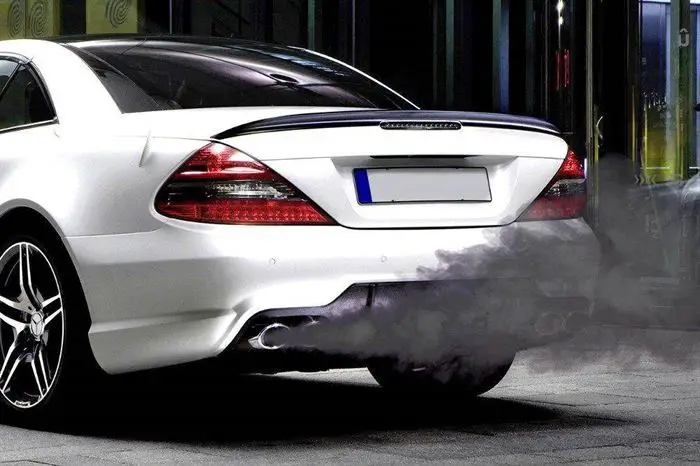
If the driver does not hear the engine starting; it’s likely that the engine is already flooded. The second indicator is that there would be black smoke coming from the vehicle’s exhaust system. Professionals recommend not starting the car’s engine if any of the above events occur. It’s an essential point to understand how to start a flooded engine to avoid this problem.

How to properly start a flooded engine (Photo: oldcarsremoved)

3. How to Start a Flooded Engine?

The best solution for a flooded car engine is time. You can open the car’s hood and let the excess fuel evaporate. After about 20 minutes, try restarting your car without pressing the accelerator pedal. If the vehicle does not start, you may need to check the spark plugs.

When excess fuel has flooded the engine, it can soak the spark plugs, making them unable to create enough spark to start the car’s engine. If the car’s engine floods from time to time, you will need to check the fuel injectors and use fuel injector cleaner.

Ways to know how to start a flooded engine (Photo: fastnlow)

Remember that the ultimate goal is to restore the fuel/air ratio in your vehicle. The other thing to remember is to keep the accelerator pedal to the floor and restart the engine. Do not pump the accelerator pedal, as this will only introduce more air into the engine to balance the excess fuel.

If you have performed these steps and your engine still does not start, you need to remove the spark plug and clean it with gasoline, or clean it by blowing to dry the gasoline. It’s better to replace it with another spark plug if available.

Turn off the switch, use a finger to lightly tap the spark plug hole at the top of the cylinder, and start or crank the engine continuously about 5 to 10 times to let the gasoline vapor in the combustion chamber escape. Insert the spark plug and start as usual.

Summary

Overall, in case your car’s engine does not start, the aforementioned solution would help you eliminate the engine from the unbalanced air/fuel ratio. It’s the best choice for issues such as starting a flooded engine in your vehicle.

Taillight vs brake light: are they the same lights

Understanding the differences between tail light vs brake light is important to grasp their functions and roles in automotive safety. When it comes to automotive lighting, some people use the terms ‘brake light’ and ‘tail light’ interchangeably.

Are tail lights and brake lights the same bulb? Well, no. Exchanging the terms is a mistake. They are separate lights and serve different functions.

Both of these lights are located at the rear of a vehicle. To understand their differences, it’s important to know how they work.

Tail Light vs Brake Light: The Differences

You might sometimes notice that your car’s tail lights are working, but the brake lights are not, and vice versa.

This wouldn’t happen if they were the same lights. Here are their definitions and functions so you understand how different they are.

Brake Lights

The braking system activates the brake lights. They illuminate whenever you apply the brakes.

A pair of functional brake lights is essential for driving and road safety. They give drivers behind you a signal about an imminent speed change.

Imagine driving behind a vehicle that has faulty brake lights. You would have no idea when they are going to change speed. Such misunderstandings can lead to road accidents.

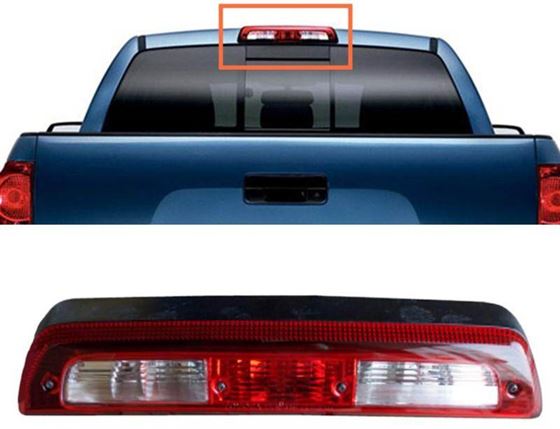
The third brake light. (Photo source: aliexpress)

There are several reasons why brake lights may not work or give delayed responses. Dim bulbs, dirty lenses, and faulty wiring are a few of them. Performing routine maintenance is a great way to avoid these issues.

Like any other car component, brake lights and their associated accessories require occasional repair and replacement.

Regular inspections will help you detect a problem in time. Your timely action can save you from a major accident on the road.

There is another brake light known as the center high-mount stop light.

You might wonder what this light does in a discussion about tail light vs brake light. You are not alone. Many drivers are unaware of the function of this third brake light.

Located between the right and left brake lights but at a higher point, this light is a built-in safety feature in case the brake lights are not visible for any reason.

It warns following drivers of the imminent braking action. Its location is higher than the other two brake lights, so other drivers won’t have any problem seeing it.

Tail Lights

Tail lights illuminate in dark conditions. (Photo: wallpaper access)

The headlights activate the tail lights. When you turn on the headlights only at night or in dark conditions, the red tail lights also remain inactive during the day.

Their brightness is lower than brake lights because they are designed to be on in foggy, misty, and dark conditions. The function of tail lights is to announce the presence of your vehicle to other drivers when visibility is impaired.

Like brake lights, they malfunction due to cracked lenses, broken wiring, faulty bulb filaments, and a few other reasons. Regular checking will help resolve the issue early on. These bulbs are inexpensive, and repairing them is a quick job.

Tail Light vs Brake Light FAQ

  1. Why do tail lights and brake lights have different brightness levels?

The difference in brightness between tail lights and brake lights is a safety feature. Brake lights need to be much brighter to quickly catch the attention of other drivers when a vehicle is slowing down or stopping.

Tail lights, on the other hand, are designed to provide consistent but less intense lighting to indicate the vehicle’s presence and size when the headlights are on.

  1. Do tail lights and brake lights typically use separate bulbs or are they part of the same assembly?

In many vehicles, tail lights and brake lights are part of the same assembly but use different bulbs.

There are usually separate bulbs for tail lights, brake lights, and turn signals within the same housing. This design allows each function to be clearly distinguished by other drivers.

  1. Can a faulty tail light or brake light affect vehicle safety?

A faulty tail light or brake light can impact vehicle safety. A burnt-out brake light can prevent other drivers from realizing you are slowing down or stopping, increasing the risk of a rear-end collision.

Similarly, a non-functioning tail light can reduce your vehicle’s visibility, especially in low-light conditions or bad weather, potentially leading to accidents.

  1. Are tail lights and brake lights required by law?

Tail lights and brake lights are mandatory safety features on all motor vehicles in most regions. They are regulated by traffic laws to ensure that vehicles are visible to others on the road and can signal their intention to slow down or stop effectively.

  1. Can LED lights be used for both tail lights and brake lights?

LED (Light Emitting Diode) lights are commonly used for tail lights and brake lights in modern vehicles. LED lights offer several advantages, including energy efficiency, fast response time, and long lifespan, making them a popular choice for automotive lighting.

  1. Are there additional lights on a vehicle that perform functions similar to tail lights and brake lights?

In addition to tail lights and brake lights, some vehicles may have rear fog lights. Rear fog lights are typically brighter than tail lights but dimmer than brake lights.

They are used in adverse weather conditions, such as thick fog, to enhance the vehicle’s visibility from behind.

  1. Can tail lights or brake lights be legally installed aftermarket on a vehicle?

Tail lights or brake lights can be legally installed aftermarket on a vehicle, but they must comply with specific safety regulations and standards set by local traffic laws.

It is essential to ensure that any aftermarket lighting modifications adhere to these regulations to avoid legal issues and maintain safety on the road.

Final Words

Tail light vs brake light have distinct roles in a vehicle’s lighting system. Tail lights provide constant, dim lighting to enhance visibility at night.

In contrast, brake lights shine brightly and flash when the brakes are applied, indicating the intention to slow down or stop. Both lights are essential for road safety, helping to prevent rear-end collisions and maintain visibility.

What are the normal transmission temperatures

Maintaining normal transmission temperature is essential to keep it functional for a long period. Overheating is such a serious problem that it accounts for nearly 90% of automatic transmission failures.

What triggers overheating? It can be due to several things, but the main culprit is an overworked transmission fluid. It is the lifeblood of the entire gearbox system. Any problem will affect the transmission’s functions and its lifespan.

What are the normal transmission temperatures?

Your car is safe when the transmission fluid temperature ranges between 175 and 225 degrees Fahrenheit. Keeping it below 175°F indicates a healthy state and ensures long mileage. On the contrary, it is alarming when it exceeds 225°F. Every 20 degrees beyond this threshold will cut your transmission’s lifespan in half.

Furthermore, the ideal operating temperature for transmission fluid is 175 degrees. And overheating will occur once the temperature exceeds 200 degrees.

Why does transmission fluid heat up?

The parts of the gearbox rub against each other and the resulting friction creates a large amount of internal heat. The fluid circulates inside the torque converter, gears, bearings, clutch plates, and other parts, and its temperature increases as the car moves.

If all components are functional and you are driving at a normal speed, the ideal transmission temperature is 175°F or less. The fluid will last forever or up to 100,000 miles to be precise if you can always drive at this temperature.

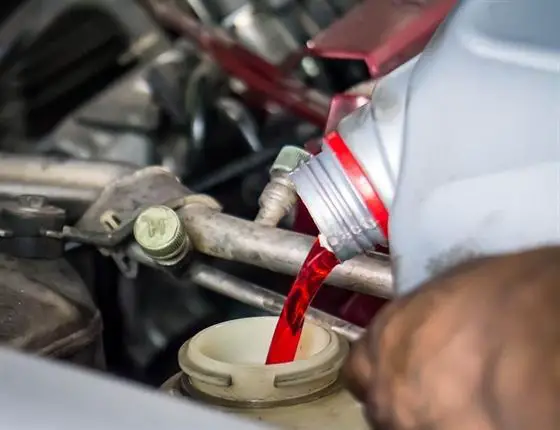
Pure and clean fluid appears red or dark red. (Photo: cartreatments.com)

However, dirt in the fuel or components, lack of regular maintenance, damaged or broken parts, low transmission fluid level, prolonged high-speed driving, and a few other reasons cause the transmission fluid to heat up. The problem is that the fluid’s quality and its lifespan begin to drop once the heat starts to accumulate and exceeds the safety limit.

What happens in case of overheating?

Overheating destroys the fluid’s lubricating qualities and its friction capability. A highly heated state oxidizes it and causes it to form varnish on the internal parts of components like the valve body.

When the temperature exceeds 250°F, it hardens the rubber seals and causes them to crack. As a result, these seals leak both pressure and fluid. When the heat reaches near 290°F, the transmission begins to slip and stops functioning due to the burning of seals and clutches.

Overheated fluid gives off a burnt toast smell and appears brown to dark in color. You should check it regularly to avoid costly transmission repair or replacement work later.

A transmission gauge will be useful for measuring temperature. (Photo: Velcro)

How to avoid overheating?

Regular maintenance and checks are essential to maintain an ideal transmission temperature. Inspect the components to see if they show signs of wear. The fluid should be at the correct level and the right color. Normal fluid appears red or dark red, but it is concerning when it develops a brownish tint or becomes dark. Additionally, you can use a temperature gauge to know the transmission’s temperature. This will help you act at the right time.

Watch more on the topic in this video:

There are a few methods to cool the transmission temperature that you can refer to:

Check the fluid level

Ensure the transmission fluid is at the correct level. Low fluid levels can lead to overheating, so if it is low, top it up according to your vehicle’s specifications.

Inspect for leaks

Look for any signs of leakage in the transmission system, such as puddles or wet spots under your vehicle. Leaks can cause fluid loss, leading to overheating. If you find leaks, have them repaired by a qualified mechanic.

Maintain good engine cooling

The engine cooling system plays a significant role in keeping the transmission fluid cool. Ensure your vehicle’s cooling system is in good working order. Check the coolant level and have the radiator and cooling system inspected regularly to ensure effective cooling.

Avoid extreme driving conditions

Heavy towing, driving in hot weather, or stop-and-go traffic can put extra strain on the transmission and cause the fluid to overheat. If possible, avoid these conditions or take breaks during prolonged driving periods to allow the transmission to cool down.

Install an auxiliary cooler

Consider adding an auxiliary transmission cooler if you frequently engage in demanding driving conditions or perform towing. An auxiliary cooler helps dissipate heat from the transmission fluid more effectively, thus reducing the risk of overheating.

Install a temperature gauge

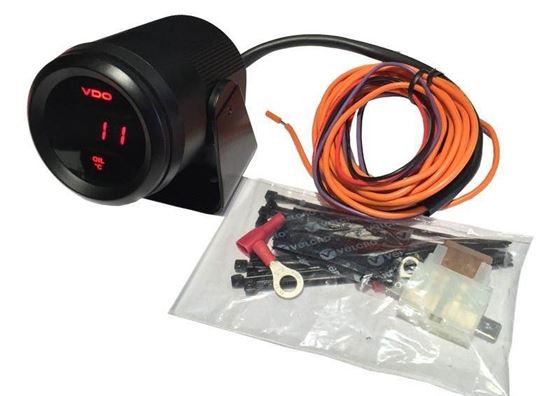
Installing a transmission temperature gauge allows you to accurately monitor the fluid’s temperature. If you notice the temperature is consistently high, it may indicate that the cooling system requires attention.

Maintain the transmission regularly

Regular maintenance, including fluid changes, can help keep the transmission within proper temperature ranges. Follow the manufacturer’s recommended maintenance intervals and use the specified type of transmission fluid.

How to Clean the O2 Sensor

Of course, I can help you organize the article on cleaning the oxygen sensor (O2 sensor) for better understanding. Here is a structured version of the article:

How to Clean the Oxygen Sensor: 6 Simple Steps to Follow

Vehicles showing signs of shaking during acceleration may indicate that it is necessary to clean the oxygen sensor. It is possible to clean this sensor at home by following very simple steps.

  1. Essential Information on O2 Sensors
    • Function of the Oxygen Sensor
    • Location of Oxygen Sensors
    • Operation of an O2 Sensor
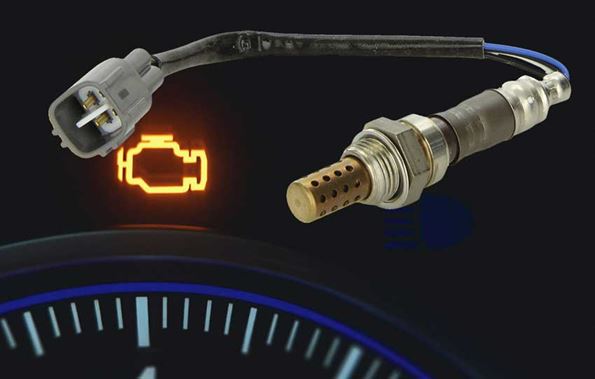
    • Consequences of Oxygen Sensor Failure
  2. Why is it Necessary to Clean the Oxygen Sensor?
  3. How to Clean the O2 Sensor: 6 Simple Steps
    • Step 1: Preparation of Tools
    • Step 2: Locating the Oxygen Sensor
    • Step 3: Removal of the Oxygen Sensor
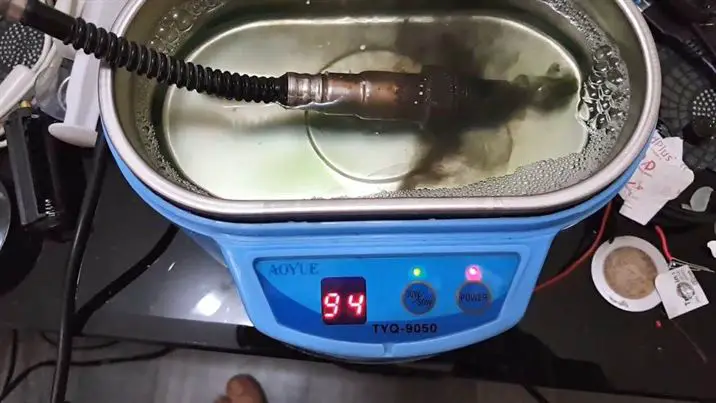
    • Step 4: Cleaning the Sensor with Specialized Products
    • Step 5: Cleaning the Sensor with a Soft Brush
    • Step 6: Drying and Reinstalling the Sensor

1. Essential Information on O2 Sensors

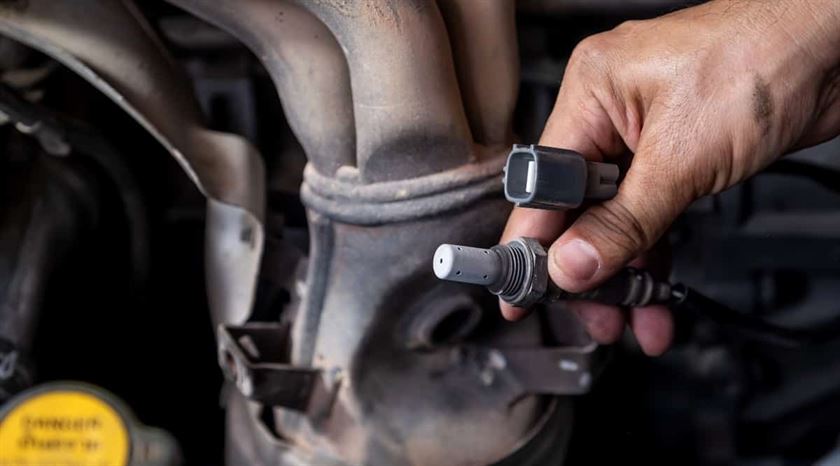
  • Function of the Oxygen Sensor: Also called an emissions sensor, the oxygen sensor is one of the most important components of a car’s engine system. It measures the residual oxygen concentration in the exhaust gases and sends this data to the vehicle’s Electronic Control Unit (ECU). This allows the engine to adjust the air-fuel mixture to ensure optimal performance while meeting emission standards.
  • Location of Oxygen Sensors: Generally, an oxygen sensor is located in a threaded hole just in front of the engine’s catalytic converter. The catalytic converter is usually located near the end of the exhaust manifold, behind the muffler. Vehicles with multiple cylinders may have several sensors installed in the branches of the exhaust system. In some models, an oxygen sensor is also installed at the rear of the exhaust system.
  • Operation of an O2 Sensor: When exhaust gases pass through the oxygen sensor, the contact between the gases and the sensor probe generates an electric current whose voltage is inversely proportional to the oxygen content of the exhaust gases. If the oxygen content is high or if the air-fuel mixture is lean, the voltage generated by the sensor will be about 0.1 V.
  • Consequences of Oxygen Sensor Failure:
    • Increased Fuel Consumption
    • Gasoline Odors in the Exhaust Gases
    • Illumination of the “Check Engine” Light

2. Why is it Necessary to Clean the Oxygen Sensor?

Cleaning the oxygen sensor can extend its lifespan and ensure its proper functioning. A clean sensor ensures accurate measurement of the oxygen content in the exhaust gases, allowing the engine to correctly adjust the air-fuel mixture, thus improving vehicle performance and reducing pollutant emissions.

3. How to Clean the O2 Sensor: 6 Simple Steps

Step 1: Preparation of Tools

The necessary tools for cleaning the oxygen sensor include:

  • Wrench for removing the oxygen sensor.
  • Specialized cleaners such as WD-40, gasoline, or carburetor cleaner to facilitate removal and effective cleaning of the sensor.
  • Soft brush to remove stubborn dirt.
  • Soft cloth to dry the sensor after cleaning.
  • Protective gloves and glasses to avoid any contact with the chemicals used.

Step 2: Locating the Oxygen Sensor

First, place the vehicle in a spacious area with adequate lighting. It may be necessary to lift the car to facilitate access to the oxygen sensor. Depending on the vehicle’s model and brand, the number and location of oxygen sensors may vary. Therefore, it is recommended to consult the user manual to know the exact position of the sensor(s). Note that it is essential to disconnect the power before working on the sensor to avoid any unintentional damage. Generally, vehicles have at least two oxygen sensors: one located before the catalytic converter and the other after.

Step 3: Removal of the Oxygen Sensor

After locating the oxygen sensors, spray WD-40 evenly and wait 10 to 15 minutes. This solution acts as a lubricant, facilitating the removal of the sensors. Then,