Cadillac P147B Code: EVAP Leak Detection Pump Control Circuit Low

Understanding the Cadillac P147B OBD2 Diagnostic Trouble Code

The OBD2 diagnostic trouble code P147B is a manufacturer-specific code for General Motors (GM) vehicles, including Cadillac. It is defined as “EVAP Leak Detection Pump Control Circuit Low.” This code indicates that the vehicle’s Powertrain Control Module (PCM) has detected a voltage signal from the EVAP Leak Detection Pump (LDP) that is lower than the expected or commanded range. Essentially, the PCM sees a short to ground or excessive resistance in the control circuit for the pump. The EVAP (Evaporative Emission Control) system is critical for preventing fuel vapors from escaping into the atmosphere. The Leak Detection Pump is a key component that pressurizes the system to check for leaks. A P147B fault will illuminate the Check Engine Light and can prevent the vehicle from passing an emissions test.

Common Symptoms and Causes of P147B on Cadillac

Unlike codes related to engine misfires, P147B may not cause obvious drivability issues. However, it is a direct command from your Cadillac’s PCM that a vital emissions system is not functioning correctly.

Symptoms of a P147B Code

  • Illuminated Check Engine Light (MIL): This is the primary and most common symptom.
  • Failed Emissions Inspection: The vehicle will not pass a state emissions test with an active EVAP system code.
  • Other EVAP Codes: You may see related codes like P0442 (small leak) or P0455 (large leak) as the system cannot perform its self-test.
  • Possible Fuel Odor: In rare cases, a compromised EVAP system might allow fuel vapors to escape.
  • No Drivability Issues: The car will typically drive, start, and idle normally.

Primary Causes of P147B

  • Faulty Leak Detection Pump (LDP): An internal electrical failure within the pump itself is a frequent culprit.
  • Damaged Wiring or Connectors: Chafed, broken, or corroded wires in the LDP control circuit or its ground circuit.
  • Poor Electrical Connection: A loose, corroded, or damaged connector at the LDP or PCM.
  • Blown Fuse: A fuse supplying power to the LDP or its control circuit may be blown.
  • Faulty Powertrain Control Module (PCM): While less common, a malfunction within the PCM itself can cause this code.

Step-by-Step Diagnostic and Repair Guide for P147B

Diagnosing a P147B code requires a systematic approach, starting with the simplest checks and moving toward more complex components. You will need a quality digital multimeter (DMM) and access to a reliable vehicle service manual for wiring diagrams and specifications for your specific Cadillac model (e.g., Escalade, SRX, CTS).

Step 1: Preliminary Visual Inspection

Begin with a thorough visual inspection. Locate the Leak Detection Pump (often found near the fuel tank or in the engine bay). Carefully inspect:

  • All wiring harnesses connected to the LDP for damage, chafing, or burn marks.
  • The LDP electrical connector for corrosion, bent pins, or signs of moisture.
  • Check the related fuses in the under-hood and interior fuse boxes.

Repair any obvious physical damage before proceeding.

Step 2: Circuit Testing with a Multimeter

This step verifies the integrity of the electrical circuits. You will need to probe the LDP connector (with it disconnected) and possibly the PCM connector.

  • Check for Power: With the ignition ON, check for battery voltage (approx. 12V) at the LDP power supply wire.
  • Check the Ground Circuit: Test the ground wire for continuity to a known good ground. Resistance should be very low (less than 5 ohms).
  • Check the Control Circuit: This is the signal wire from the PCM. Check for continuity between the LDP connector and the corresponding PCM pin. Also check for a short to ground on this wire.

Any reading outside of specifications indicates a wiring fault that must be repaired.

Step 3: Testing the Leak Detection Pump Itself

If the circuits test good, the pump itself is likely faulty. You can perform a basic bench test.

  • Using your multimeter, measure the resistance across the pump’s motor terminals. Refer to service data for the exact specification, but it is typically a low resistance (e.g., 10-30 ohms). An open circuit (infinite resistance) or a short (near 0 ohms) confirms a bad pump.
  • Some technicians apply direct battery voltage (briefly) to the pump terminals to see if it activates. Caution: Only do this if you are confident and know the pump’s correct polarity.

A failed resistance test is a strong indicator for replacement.

Step 4: Addressing PCM Issues

If all wiring is perfect and the LDP tests within specifications, a faulty PCM is a possibility, but it is the last resort. Before condemning the PCM:

  • Ensure all other possible causes are 100% ruled out.
  • Check for technical service bulletins (TSBs) for your specific Cadillac model related to P147B or PCM software updates.
  • Consult with a specialist who can perform bidirectional controls to command the LDP and monitor the PCM’s response directly.

Step 5: Clearing the Code and Verification

After completing the repair (e.g., fixing a wire, replacing the LDP), clear the P147B code with your OBD2 scanner. The Check Engine Light will turn off. To ensure the repair was successful, you must allow the vehicle to complete a full drive cycle. This lets the PCM run its EVAP system self-test. If the code does not return after several days of driving, the repair is confirmed successful.

Conclusion and Professional Recommendation

The Cadillac P147B code is a specific electrical fault within the EVAP leak detection system. While it may not hinder performance, it is a mandatory repair for emissions compliance and proper vehicle function. Diagnosis centers on electrical testing of the pump’s control circuit and the component itself. For most DIY enthusiasts with electrical diagnostic experience, fixing a wiring issue or replacing the Leak Detection Pump is achievable. However, due to the need for precise electrical measurements and the potential location of components (near the fuel tank), if you are unsure at any point, seeking assistance from a qualified automotive technician is strongly recommended. They have the tools, diagrams, and expertise to diagnose and resolve P147B efficiently, ensuring your Cadillac’s emission system operates as designed.

Toyota MR2 with Chinook Helicopter Turbine: A Flaming Marvel

Beyond the Bounds of Automotive Tuning

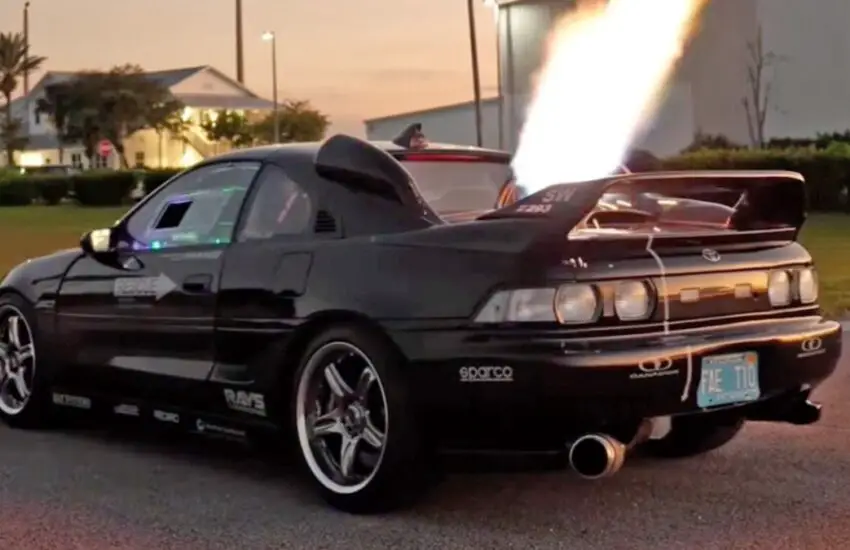
Automotive modification often explores the limits of engine swaps and turbo upgrades. Yet, a singular Toyota MR2 SW20 has shattered all conventions by integrating the very heart of a Chinook helicopter. This build transcends typical tuning, replacing the factory powertrain with the raw, fiery force of aviation technology, creating a mechanical spectacle that literally breathes fire.

The Fusion of Road and Sky

The core of this insane project is a Boeing T62 gas turbine engine, originally designed for auxiliary power in aircraft like the CH-47 Chinook. Fitting this complex machinery into the MR2’s mid-engine layout was a monumental feat of engineering. The turbine operates on a fundamentally different principle than a piston engine, using a continuous combustion process to spin a compressor and power turbine at immense speeds, resulting in a distinctive high-pitched whine and, of course, spectacular flame-throwing exhaust pulses.

Engineering a Controlled Inferno

Harnessing this power for road use required radical modifications. The chassis and drivetrain were heavily reinforced to handle the turbine’s characteristics and tremendous torque. A custom fuel system and intricate management electronics were developed to tame the beast. The most visually arresting feature—the violent flames shooting from the exhaust—is a direct result of unburned fuel igniting in the hot turbine exhaust, a side effect meticulously controlled for dramatic effect.

A Testament to Mechanical Audacity

This Toyota MR2 is not built for practicality, efficiency, or subtlety. It stands as a pure expression of engineering passion and creativity, pushing the boundaries of what defines a car. It represents the pinnacle of extreme hybrid thinking, merging automotive chassis with aerospace propulsion. The build serves as a roaring, flaming reminder that in the world of modification, the only true limit is imagination.

Understanding and Fixing Buick OBD2 Code P147B: EVAP Leak Detection Pump Control Circuit

Decoding Buick OBD-II Trouble Code P147B

When your Buick’s check engine light illuminates and a scan tool reveals the diagnostic trouble code (DTC) P147B, you’re dealing with a specific fault within the vehicle’s Evaporative Emission Control (EVAP) system. This code is manufacturer-specific to General Motors (GM) vehicles, including Buick models like the Enclave, LaCrosse, Regal, and Encore. Technically defined as “Evaporative Emission (EVAP) Leak Detection Pump Control Circuit,” P147B indicates an electrical problem with the circuit controlling the Leak Detection Pump (LDP). This pump is a critical component for the vehicle’s onboard diagnostics to test the integrity of the fuel vapor containment system, ensuring no harmful hydrocarbons are released into the atmosphere.

What is the EVAP Leak Detection Pump (LDP)?

The Leak Detection Pump is an electrically-operated pump, typically controlled by the Powertrain Control Module (PCM). Its primary function is not to pressurize the system for a leak test in the traditional sense, but to create a specific vacuum condition or to monitor pressure decay. During a self-test (usually performed after a cold start under specific driving conditions), the PCM activates the LDP. It monitors the pump’s operation and the circuit’s voltage and current draw to determine if the electrical control path is functioning correctly and if the pump itself is mechanically sound.

Primary Causes of Buick P147B Diagnostic Trouble Code

A code P147B is set when the PCM detects a voltage level on the LDP control circuit that is outside the expected normal operating range. This is a circuit-level fault, meaning the issue lies in the wiring, connectors, or the pump itself, rather than a physical leak in the EVAP hoses or fuel tank.

Common Culprits Behind the P147B Fault

  • Faulty Leak Detection Pump (LDP): The most common cause. The internal electric motor or mechanism within the pump can fail, causing an open circuit, short circuit, or excessive current draw.
  • Damaged Wiring or Connectors: Corrosion, chafing, or rodent damage to the wires leading to or from the LDP can cause an open or short circuit. Loose or corroded pins in the electrical connector are also frequent offenders.
  • Blown Fuse: The LDP circuit is protected by a fuse in the vehicle’s underhood fuse block. A blown fuse will interrupt power to the pump.
  • Faulty Powertrain Control Module (PCM): While less common, a failure within the PCM’s driver circuit that controls the LDP can trigger this code. This should only be considered after all other components and wiring have been thoroughly tested.

Where is the Buick Leak Detection Pump Located?

The LDP’s location varies by model, but it is always part of the EVAP system. Commonly, it is found in one of these locations:

  • Near the fuel tank, attached to the frame rail or underbody.
  • In the engine bay, often mounted on a fender well or near the charcoal canister.
  • Integrated with or near the EVAP purge solenoid.
  • Consult your Buick’s service manual for the precise location, as accessing it may require raising the vehicle.

Symptoms and Diagnostic Procedure for Code P147B

Unlike a driveability code that may cause rough running, the symptoms of P147B are often limited to the illuminated MIL (Malfunction Indicator Lamp). However, it can have secondary effects on vehicle operation and emissions testing.

Recognizing the Symptoms

  • Illuminated Check Engine Light (MIL): This is the primary and often only symptom noticed by the driver.
  • Failed Emissions Inspection: An active EVAP system code will cause an immediate failure in most state and local emissions testing programs.
  • Other EVAP Codes: P147B may be stored alongside other EVAP-related codes, such as P0440, P0442, or P0455, if the faulty LDP prevents a complete system leak test.
  • Possible Fuel Odor: While not directly caused by P147B, if the LDP failure is related to a stuck valve, it could theoretically lead to a fuel vapor smell.

Step-by-Step Diagnostic Approach

A systematic approach is key to correctly diagnosing P147B. You will need a quality digital multimeter (DMM) and possibly a scan tool with bidirectional controls.

  • Step 1: Visual Inspection: Begin with a thorough visual check of the LDP, its wiring harness, and connector. Look for obvious damage, corrosion, or disconnections. Check the relevant fuse.
  • Step 2: Check Power and Ground: With the connector disconnected, use the DMM to verify that the pump has battery voltage (typically via a fuse) and a good chassis ground.
  • Step 3: Test the Pump Motor: You can carefully apply direct battery voltage and ground to the pump motor terminals (consult a wiring diagram). A functioning pump will make a distinct clicking or humming sound. Warning: Do not apply voltage to the wrong pins.
  • Step 4: Check Control Circuit Integrity: With the connector disconnected from the LDP but connected to the PCM, use the DMM to check for continuity and shorts to ground or voltage on the control wire from the PCM to the LDP connector.
  • Step 5: Scan Tool Command Test: If your scan tool has bidirectional controls, command the LDP ON and OFF. Monitor the circuit status PID; it should change state. You can also listen/feel for the pump actuating.

Repair Solutions and Reset Procedures

Once the faulty component is identified, the repair is typically straightforward. Always disconnect the negative battery cable before performing electrical repairs.

Common Repair Procedures

  • Replacing the Leak Detection Pump: This is the most common fix. After disconnecting the electrical connector and any associated vacuum lines, unbolt the old pump and install the new one. Reconnect all lines and the electrical connector.
  • Repairing Wiring: For damaged wires, solder and seal with heat-shrink tubing. Never use twist-on connectors in automotive environments. Replace corroded connectors if necessary.
  • Replacing a Fuse: If a fuse is blown, replace it with one of the correct amperage. If it blows again, there is a short circuit that must be found and repaired.

Clearing the Code and Completing the Drive Cycle

After the repair, clear the DTCs with your scan tool. The check engine light will turn off. However, for the vehicle’s monitors to be “ready” for an emissions test, you must complete a drive cycle. This involves driving the vehicle under specific conditions (cold start, various speeds, idle) to allow the PCM to run its self-tests, including the EVAP leak test. The exact drive cycle varies by model year. A successful test will clear the “pending” status of the monitor.

Importance of Timely Repair

Ignoring a P147B code leaves your Buick’s EVAP system in a non-functional diagnostic state. While it may not affect daily driving performance, it means the vehicle cannot self-check for fuel vapor leaks, potentially increasing hydrocarbon emissions. Furthermore, it will cause you to fail any required emissions inspection, which can lead to registration holds or fines.

EU Shifts Gears on 2035 Combustion Engine Ban

A Strategic Pivot for European Automotive Policy

In a significant policy shift, the European Union has officially stepped back from its plan to implement a complete ban on the sale of new internal combustion engine cars by 2035. This cornerstone of the European Green Deal has been replaced with a new target: a 90% reduction in CO2 emissions from new vehicles by the same deadline. This move marks a substantial recalibration of the bloc’s approach to automotive decarbonization.

From Outright Ban to Emissions Reduction Target

The original 2035 ban was hailed as a definitive step towards a zero-emission transport future. However, it faced growing criticism regarding industrial competitiveness, technological neutrality, and consumer choice. The revised policy framework allows for the continued registration of new vehicles with combustion engines, provided they meet the stringent 90% emissions reduction threshold. This opens the door for advanced synthetic fuels and other technological innovations to play a role in the transition.

Implications for Industry and Consumers

This decision provides the automotive industry with greater flexibility and more time to adapt its manufacturing and supply chains. While the push towards battery electric vehicles remains strong, carmakers can now invest in a broader portfolio of clean technologies. For consumers, it potentially preserves a wider range of vehicle options and could mitigate concerns about charging infrastructure readiness and upfront costs associated with a full shift to electric mobility.

The policy adjustment also reflects a broader debate on energy sovereignty and strategic autonomy. By not mandating a single technology, the EU aims to foster innovation and reduce dependency on specific raw material imports. The success of this revised strategy will hinge on robust regulations to ensure the 90% reduction target is met and that any permitted combustion engines operate on genuinely carbon-neutral fuels.

2027 Chevrolet Silverado Design Leaks in Official Patent Filing

2027 Chevrolet Silverado: A Bold New Face Revealed

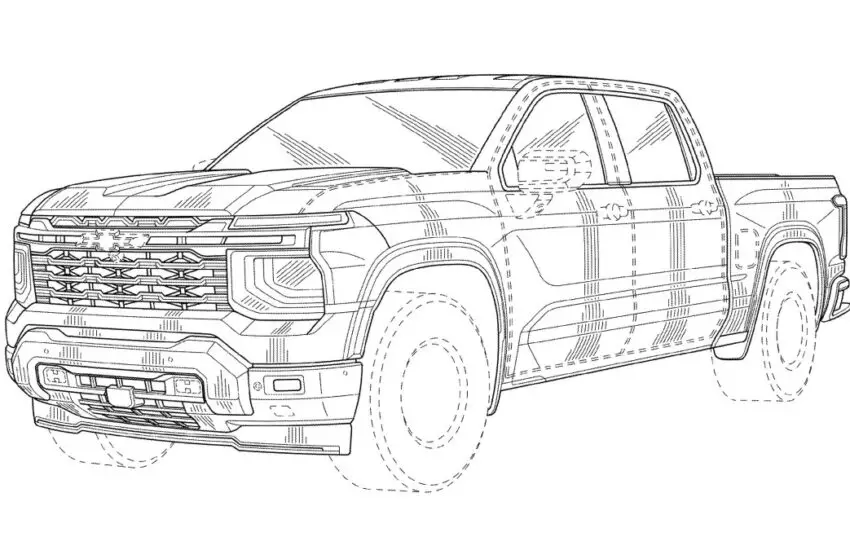
A patent filing with the United States Patent and Trademark Office has inadvertently provided the first official look at the next-generation Chevrolet Silverado. The documents reveal a comprehensive redesign of the pickup truck’s front end, signaling a dramatic departure from the current model’s styling. This leak offers a credible preview of the design direction Chevrolet is taking for its flagship full-size truck, expected for the 2027 model year.

Decoding the Patent Images

The submitted patent drawings highlight a radically new frontal aesthetic. The most striking change is a novel, split-level lighting signature. This design features separate clusters for the primary illumination and daytime running lights, creating a distinctive and technologically advanced look. Complementing this is a more angular and sculpted hood design, which adds a sense of muscular authority and modernizes the truck’s stance. The overall impression is one of sharper lines and a more aggressive posture compared to the relatively rounded front end of the current Silverado.

Strategic Implications of the Leak

Leaks through patent filings are a common, though unofficial, window into the automotive industry’s future. Companies like General Motors file these design patents to protect their intellectual property years before a vehicle’s launch. This particular leak confirms that Chevrolet is not resting on its laurels in the highly competitive full-size truck segment. The bold redesign suggests an effort to better differentiate the Silverado from its key rivals, notably the Ford F-150 and Ram 1500, while also potentially aligning its design language more closely with Chevrolet’s recent electric vehicles like the Silverado EV.

What This Means for the Future Truck

While these patents exclusively reveal design elements, they set the stage for the next chapter of the Silverado. The avant-garde front end hints at a truck that will prioritize a strong visual identity and modern aesthetics. This redesign is likely just one part of a broader update that will eventually encompass new technology, powertrain enhancements, and interior revisions. As the 2027 model year approaches, more details will emerge, but this first glimpse confirms that the next-generation Silverado is being crafted with a bold new vision.

OBD2 Code P147B Explained: Causes, Symptoms, and Fixes for EVAP Leak Detection Pump

Understanding OBD2 Code P147B: A Deep Dive into EVAP System Diagnostics

When your vehicle’s check engine light illuminates and a scan tool reveals the diagnostic trouble code (DTC) P147B, you’re dealing with a specific fault within the Evaporative Emission Control (EVAP) system. Technically defined as “Evaporative Emission (EVAP) Leak Detection Pump Control Circuit/Open,” this code indicates that your car’s Powertrain Control Module (PCM) has detected an electrical malfunction in the circuit controlling the Leak Detection Pump (LDP). The EVAP system is critical for preventing fuel vapors from escaping into the atmosphere, and the LDP is its primary diagnostic tool. A P147B code means the system cannot properly perform its self-checks for leaks, potentially leading to increased emissions and failed inspections.

Primary Causes of the P147B Diagnostic Trouble Code

The root cause of a P147B code is always electrical or mechanical within the leak detection pump circuit. The PCM monitors the pump’s operation for expected voltage, current flow, and signal feedback. A deviation from the expected parameters triggers the code. The following are the most common culprits, ranked from most to least frequent.

Faulty or Failed Leak Detection Pump (LDP)

The most direct cause. The LDP itself, which is a small electric pump that creates a vacuum or pressure in the EVAP system to test for leaks, can fail internally. Motor windings can short or open, internal valves can stick, or the pump can become mechanically seized due to age, heat, or contamination.

Damaged Wiring or Poor Electrical Connections

The wiring harness connecting the LDP to the PCM and vehicle power/ground can suffer from:

  • Chafed or broken wires: Often near connectors or where the harness passes through the body.
  • Corroded connectors: Water intrusion can cause green corrosion on the LDP or PCM connector pins.
  • Poor ground connection: A bad ground for the LDP or PCM can cause erratic voltage readings.

Blown Fuse or Faulty Relay

The LDP circuit is almost always protected by a fuse. A blown fuse will cut power entirely. Some vehicles may use a relay to supply high current to the pump; a stuck or failed relay will prevent operation.

Issues with the Powertrain Control Module (PCM)

While less common, a software glitch or internal fault within the PCM itself could prevent it from properly controlling the LDP circuit. This is typically a last-resort diagnosis after all other components and wiring have been verified.

Symptoms and Diagnostic Procedure for Code P147B

Unlike some engine codes, P147B may not cause obvious drivability issues. Its symptoms are often subtle but centered around the vehicle’s emissions self-test capability.

Common Symptoms Associated with P147B

  • Illuminated Check Engine Light (MIL): The primary and often only symptom.
  • Failed Emissions/Smog Test: The vehicle will not be able to complete the EVAP monitor, resulting in a “not ready” status or direct failure.
  • Other EVAP Codes: You may see related codes like P0442 (small leak) or P0455 (large leak) because the system cannot run the leak test.
  • Possible Fuel Odor: While not directly caused by P147B, a compromised EVAP system due to lack of diagnostics could lead to vapor leaks.

Step-by-Step Diagnostic Approach

A systematic approach is key to efficiently diagnosing a P147B code. Always start with a visual inspection before moving to electrical tests.

  1. Visual Inspection: Locate the Leak Detection Pump (common locations: under the vehicle near the fuel tank, in the engine bay, or integrated into the EVAP canister). Inspect the wiring harness, connectors, and the pump housing for physical damage, corrosion, or disconnection.
  2. Check the Fuse: Consult the vehicle’s fuse diagram to locate the fuse for the EVAP system or LDP. Test it for continuity.
  3. Basic Electrical Tests: With a digital multimeter (DMM), check for battery voltage at the LDP power supply wire with the key ON. Check for a good ground at the LDP ground circuit.
  4. Actuator Test & Signal Check: Using a bidirectional scan tool, command the LDP ON and OFF. Listen/feel for a click or hum from the pump. Simultaneously, back-probe the control circuit with a DMM to see if the PCM is sending a variable signal (usually a pulsed signal).
  5. Component Resistance Test: Disconnect the LDP and measure its internal motor resistance across the terminals. Compare the reading to the manufacturer’s specification (often between 10-30 ohms). An open (infinite resistance) or short (near 0 ohms) indicates a failed pump.

Repair Solutions and Prevention for P147B

Once the faulty component is identified, the repair is typically straightforward. The complexity lies in the diagnosis, not the replacement.

Repairing Wiring and Connector Issues

If the problem is in the wiring, repair it using proper solder and heat-shrink tubing or a weatherproof connector kit. Never use only electrical tape for a permanent repair. Clean corroded connector pins with electrical contact cleaner and a small brush.

Replacing the Leak Detection Pump

Replacement is the standard fix for a failed pump. The process usually involves:

  • Disconnecting the battery negative terminal.
  • Disconnecting the electrical connector and vacuum/pressure lines from the old LDP.
  • Removing mounting bolts or clips.
  • Installing the new pump, reconnecting lines and wiring.
  • Clearing the codes with a scan tool and performing a drive cycle to allow the EVAP monitor to run and complete.

Important: Always use an OEM or high-quality aftermarket pump. Cheap, low-quality parts may fail prematurely or not meet the precise flow/pressure specifications of your vehicle.

Clearing the Code and Verifying the Repair

After the repair, clear the DTCs with your scan tool. The Check Engine Light will turn off. To ensure the fix is complete, you must drive the vehicle through a specific “drive cycle” to allow the PCM to run all its self-tests, including the EVAP monitor. This can take from 30 minutes to several days of mixed driving (city/highway). Use your scan tool to check the I/M Monitor status; a “complete” or “ready” status for the EVAP monitor confirms a successful repair.

Preventive Measures

While LDP failure is often age-related, you can minimize risk by avoiding impact damage (be mindful when driving over high curbs or debris) and keeping the undercarriage clean of excessive mud and road salt, which can accelerate connector corrosion.

Conclusion: Is P147B a Serious Code?

Code P147B is not an emergency that will strand you on the side of the road. Your vehicle will likely drive normally. However, it is a serious emissions-related fault. It means your vehicle’s primary system for detecting fuel vapor leaks is inoperative, which could mask a larger, polluting leak. Furthermore, it will cause you to fail any required emissions inspections. Diagnosis requires basic automotive electrical knowledge and tools. If you are not comfortable performing the electrical tests, seeking a professional technician is the recommended course of action to accurately pinpoint and resolve the issue, ensuring your vehicle is both environmentally compliant and free of underlying fuel system problems.

Simulated Gear Shifts in EVs: Innovation or Irritation?

The Gimmick Dividing Electric Car Drivers

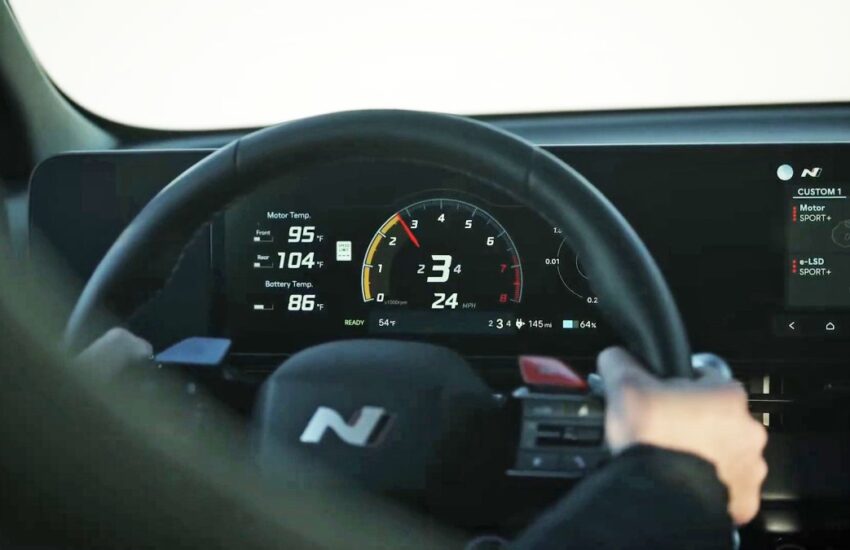
The driving experience of an electric vehicle is defined by seamless, instantaneous power delivery. This inherent smoothness is now being deliberately interrupted by a new feature: simulated gear shifts. Automakers like Genesis, Porsche, and Hyundai are implementing artificial shift points and engine sound effects in their performance EVs, sparking a heated debate among enthusiasts and everyday drivers alike.

Manufacturers’ Rationale for Artificial Shifts

Proponents argue that these simulations cater to drivers transitioning from internal combustion engine (ICE) cars. The familiar sensation of a gear change and accompanying audio cues are intended to provide a comforting bridge to EV technology. For performance models, engineers suggest simulated shifts can create a more engaging and dynamic driving feel, adding a layer of theatricality that some find missing in a silent, linear powertrain. It is marketed as a customizable feature, allowing the driver to choose between pure silence and a more traditional experience.

Why Many Drivers Find Them Frustrating

For a significant number of EV adopters, these simulations fundamentally miss the point. Critics view them as an unnecessary gimmick that undermines the core advantages of electric propulsion. The artificial pauses in power delivery can feel jarring and counterproductive, especially when compared to the relentless thrust of a true single-speed EV. Many drivers purchased an electric car precisely to escape the vibrations, noise, and complexity of gears, making the addition of simulated versions seem like a paradoxical step backward.

The Search for Authentic EV Engagement

The controversy highlights a broader challenge for automakers: how to create an engaging driver experience without relying on legacy ICE sensations. Instead of mimicking the past, some argue the focus should be on amplifying unique EV traits. This could mean enhancing feedback through the steering wheel, developing advanced regenerative braking systems, or using sound design that complements rather than imitates. The ultimate goal is to forge a new, authentic identity for performance electric driving that stands on its own merits.

2026 Ram 1500 Hemi V8: A Roaring Comeback Against the Hurricane

The Hemi’s Thunderous Return

The unmistakable roar of a Hemi V8 cracking to life is an American automotive anthem. For the 2026 model year, Ram answers the calls of purists by reintroducing this iconic powerplant to its 1500 pickup lineup. This move creates a fascinating powertrain dichotomy within the same truck, pitching the raw, auditory drama of the returning V8 against the sophisticated, turbocharged efficiency of the newer Hurricane inline-six.

More Than Just Noise

While the sonic signature is its most immediate characteristic, the 2026 Hemi V8 is more than a nostalgia act. It represents a specific driving philosophy. This engine delivers power with a traditional, naturally aspirated feel, offering linear acceleration that builds with revs. The experience is visceral and mechanical, connecting the driver directly to the combustion process through both sound and seat-of-the-pants feedback. For towing enthusiasts and those who prefer a classic powertrain character, the Hemi provides a proven, muscular foundation.

Hurricane I6: The Modern Counterpoint

The Hurricane engine stands as the technological counterargument. This turbocharged inline-six is engineered for a different set of priorities: superior fuel efficiency, a massive torque band available at low rpm, and a quieter, more refined driving demeanor. In many measurable metrics—particularly fuel economy and likely mid-range torque—the Hurricane is expected to outperform the returning V8. It represents the forward march of powertrain evolution, offering robust capability without the traditional thirst and decibel level.

A Choice of Philosophies

The 2026 Ram 1500 now offers a clear powertrain crossroads. Selecting the Hemi V8 is a conscious choice for sensory engagement and traditional V8 character, accepting trade-offs in efficiency. Opting for the Hurricane I6 prioritizes modern performance, daily drivability, and reduced operating costs. This strategic dual offering allows Ram to cater to both heart and head, ensuring that every truck buyer finds their ideal blend of capability and character in the new model year.

OBD2 Code P1479 Volkswagen: Secondary Air Injection System Malfunction

Understanding the Volkswagen P1479 OBD2 Code

The OBD2 diagnostic trouble code P1479 is specific to Volkswagen, Audi, and other Volkswagen Group (VAG) vehicles. This code is defined as “Secondary Air Injection System, Bank 1: Malfunction.” The secondary air injection (SAI) system is a critical emissions control component designed to reduce hydrocarbon (HC) and carbon monoxide (CO) emissions during a cold engine start. When the engine control module (ECM) detects an irregularity in the airflow, pressure, or electrical operation of this system, it will log code P1479 and illuminate the check engine light.

What is the Secondary Air Injection System?

The SAI system is an emissions device that operates for a short period (typically 30-90 seconds) after a cold start. Its primary function is to inject fresh air from an electric air pump into the exhaust manifold or cylinder head exhaust ports. This additional oxygen helps to rapidly “light off” the catalytic converter, enabling it to reach its optimal operating temperature faster. A faster warm-up means the catalytic converter can begin converting harmful exhaust gases into less harmful substances like carbon dioxide and water vapor much sooner, significantly reducing cold-start emissions.

How the ECM Detects a P1479 Fault

The Engine Control Module monitors the SAI system using one or more sensors, typically a combination valve with an integrated pressure sensor or a separate mass airflow sensor in the air pump circuit. The ECM expects to see a specific change in pressure or airflow when it commands the system ON. If the actual reading does not match the expected parameter—for example, if the airflow is too low, too high, or non-existent—the ECM will set the P1479 code, indicating a malfunction in the system’s performance on Bank 1 (the engine bank containing cylinder #1).

Common Symptoms and Causes of P1479 in Volkswagen

Ignoring a P1479 code can lead to increased emissions, potential damage to the catalytic converter over time, and a failed emissions test. Recognizing the symptoms is the first step toward diagnosis.

Symptoms of a P1479 Code

  • Check Engine Light (MIL): The most common and often the only initial symptom.
  • Rough Idle on Cold Start: May occur if the system is not providing the expected airflow.
  • Increased Emissions: The vehicle will produce higher levels of HC and CO during cold starts.
  • Abnormal Noise: A failing air pump may whine, screech, or rattle loudly when activated.
  • No Obvious Symptoms: In many cases, the car drives normally, with the check engine light being the sole indicator.

Primary Causes of P1479 Volkswagen Code

The P1479 code points to a general malfunction in the SAI system’s circuit or performance. The root cause can be electrical, mechanical, or vacuum-related.

  • Failed Secondary Air Pump: The electric motor inside the pump burns out, seizes, or becomes clogged with debris.
  • Faulty Combination Valve (SAI Valve): This valve directs airflow and can stick open or closed, or its internal diaphragm can rupture.
  • Blocked or Cracked Vacuum Lines: Vacuum lines control the combination valve actuator. Cracks or disconnections prevent proper valve operation.
  • Electrical Issues: This includes a blown fuse, a faulty relay for the air pump, corroded wiring, or bad connectors at the pump or valve.
  • Leaking or Disconnected Air Hoses: The rubber hoses connecting the pump to the valve and the valve to the engine can crack, tear, or come loose.
  • Faulty Pressure Sensor or Mass Airflow Sensor: A sensor providing incorrect data to the ECM can trigger the code even if the system is physically functional.
  • Rare: Faulty Engine Control Module (ECM): While uncommon, a software glitch or hardware failure in the ECM itself can be the cause.

Step-by-Step Diagnosis and Repair for P1479

Diagnosing P1479 requires a systematic approach, starting with the simplest and most common failures. A basic OBD2 scanner and a multimeter are essential tools.

Initial Diagnostic Steps

Begin with a visual and auditory inspection. With a cold engine (coolant below 50°C / 122°F), start the car and listen near the front passenger wheel well or engine bay for the distinct sound of the secondary air pump running for about a minute. No sound is a strong indicator of an electrical or pump failure.

  • Visual Inspection: Check all associated vacuum lines and air hoses for cracks, disconnections, or brittleness.
  • Check Fuses and Relays: Locate the SAI pump fuse and relay in the under-hood fuse box. Swap the relay with an identical one (e.g., horn or fan relay) to test.
  • Scan for Additional Codes: Codes like P0411 (Secondary Air Injection System Incorrect Flow Detected) often accompany P1479 and can help pinpoint the issue.

Testing the Secondary Air Pump and Valve

If the pump doesn’t run, direct testing is needed. First, check for power and ground at the pump’s electrical connector during a cold start using a multimeter or a test light. If power and ground are present but the pump doesn’t run, the pump is faulty. If no power is present, trace the circuit back through the relay and fuse.

To test the combination valve, you can apply vacuum directly to its actuator (using a hand vacuum pump) with the engine off. The valve should hold vacuum and you should be able to hear or feel it actuate. Also, inspect the valve for internal corrosion or carbon buildup that could restrict airflow.

Common Repair Solutions for VW P1479

  • Replacing the Air Pump: A common repair. Use OEM or high-quality aftermarket parts. Ensure the air intake for the pump is clear of debris.
  • Replacing the Combination Valve: Often sold as an assembly. This fixes issues related to stuck valves or failed diaphragms.
  • Replacing Vacuum Lines and Hoses: Use silicone vacuum hose for a durable, long-lasting repair.
  • Cleaning Electrical Connectors: Use electrical contact cleaner and a brush to remove corrosion from the pump and valve connectors.
  • Software Update/ECM Coding: In some cases, a dealership may perform a software update for the ECM to address monitoring strategy issues.

After repairs, clear the DTCs with your scanner and perform a drive cycle, including a cold start, to allow the ECM to re-run its self-test and confirm the fix. If the code does not return, the repair was successful.

Ford Mustang GT3 2026: Precision Upgrades for the Track

Targeted Evolution for the 2026 Season

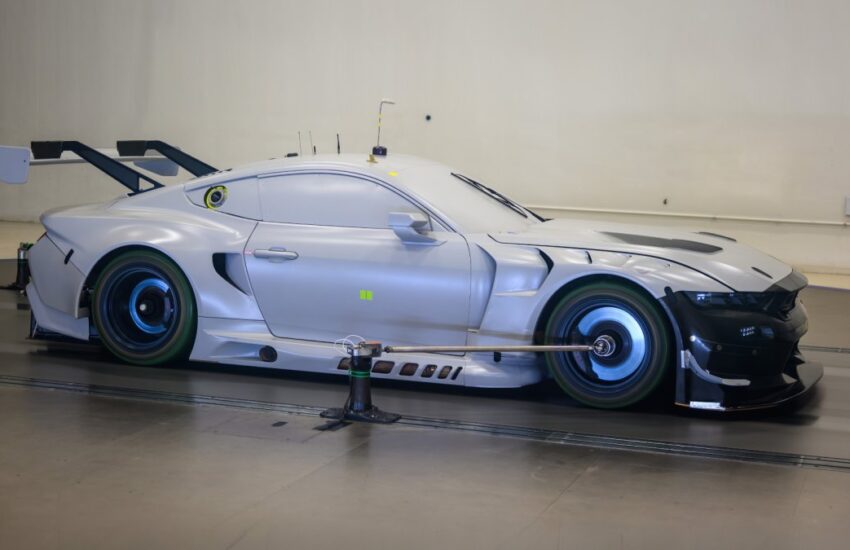
The Ford Mustang GT3 is undergoing a focused technical evolution in preparation for its 2026 competition return. This update is not a ground-up revolution but a strategic refinement, honing the car’s capabilities in three critical performance areas: aerodynamics, kinematics, and braking. Developed through rigorous track testing, these enhancements aim to solidify the Mustang’s position against formidable rivals like the Corvette Z06 GT3.R.

Aerodynamic Refinement for Greater Stability

A primary focus for the 2026 model is aerodynamic efficiency. Engineers are working on revised bodywork elements, including a new front splitter, dive planes, and a rear diffuser. The goal is to increase downforce while managing drag more effectively, providing greater high-speed stability and improved cornering grip. This aerodynamic package is crucial for performance on fast, flowing circuits where balance is key.

Enhanced Dynamics and Stopping Power

Beyond aerodynamics, the chassis kinematics are being recalibrated. This involves fine-tuning the suspension geometry and components to optimize tire contact and dynamic response. The result should be a car that is more predictable and responsive to driver inputs. Complementing this is a brake system upgrade, focusing on improved cooling, consistency, and pedal feel, allowing drivers to brake later and harder with greater confidence lap after lap.

Symbiosis with the Road-Going GTD

The technological flow between race car and road car is a defining strategy. The lessons learned from developing the 2026 Mustang GT3’s aero and dynamic packages are expected to directly influence the extreme, road-legal Mustang GTD. This synergy ensures that the GTD benefits from genuine competition-bred engineering, providing it with the tangible performance credentials needed to compete in the ultra-high-performance segment.

This targeted evolution demonstrates a mature development philosophy. By concentrating on specific, high-impact areas, Ford Performance aims to deliver a more potent and reliable GT3 contender for 2026, while simultaneously elevating its ultimate road-going offering.