Is it safe to refuel a car WITHOUT turning off the engine

Is there a risk associated with refueling a car without turning off the engine? Gas station warnings always ask you to turn off your car when refueling.

But why? What terrible thing will happen to you if you don’t? There are several legitimate reasons for this.

What happens when you refuel a car without turning off the engine?

Everyone says to turn off your engine when at the gas station, but is it really so precarious to leave your car running?

The reason it’s advised to keep our cars off during refueling is that incidents related to static electricity can occur, although they are unusual.

This static electricity spark could ignite gasoline vapors, immobilizing your car and causing the fuel pump to catch fire.

A similar thing could happen when you sit in the car and then return to the fuel pump. Your cell phone could ring and start a fire or trigger an explosion.

Knowing how to refuel a car without turning off the engine. (Photo: Shutterstock)

It is also possible that power sources from phone chargers and lighters are also potential triggers for a fuel fire.

If you put gas in the car while it’s running and rush to the emergency store during refueling, it can create a risk of children inadvertently engaging the drive mechanism and moving the car with the fuel nozzle in the tank.

This could lead to a fatal accident, whether it’s a slip, fall, or burn.

Why is it dangerous to refuel a car without turning off the engine?

Here is our answer on why you should turn off your car when refueling. According to an automotive expert, if you refuel the car with the engine on, it’s possible for the system to ingest liquid fuel, which can completely destroy it.

Leaving your car running while refueling at the gas pump could also increase the chances of you driving off with the hose still attached to your car.

Even though the risks of an accident are slim, it’s still better to take precautions beforehand by referring to some car maintenance tips from automotive experts.

Reasons for refueling a car without turning off the engine. (Photo: FuelCard people)

There are many cases where drivers accidentally move cars during refueling because they are distracted or in a hurry. This situation can lead to a major fuel spill and a fire from the exhaust gases.

Therefore, we are supposed to turn off our engines and disable any ignition sources to minimize the risk of an accident.

Important refueling tips to remember

Avoid getting in the car while refueling

Getting in and out of your car while refueling can be more dangerous than leaving your engine running.

In reality, the Petroleum Equipment Institute (PEI) reviewed 176 gas station fires in which nearly 50% of the incidents occurred when drivers returned to the vehicle during the refueling process and then touched the nozzle after leaving the vehicle.

When we get in and out of the car, we frequently slide on the seats, which can cause static electricity. Our body can transfer the voltage when we touch the metal fuel nozzle, leading to a small spark causing an explosion.

If you must return to your vehicle, ground yourself before reaching the gas nozzle. You can achieve this by touching a metal part of your automobile with your bare hand after exiting, it could be your door or any other metal surface, as long as it’s not near the fuel tank.

If you must return to your vehicle, ground yourself before reaching the gas nozzle. (Photo: Mach1 Services Roadside Assistance)

Unplug charged items

One of the main reasons you turn off your automobile before pumping gas is to reduce the amount of energy flowing through its wiring harness.

However, even when the car is off, some cables, like those connected to cigarette lighters or USB ports, can retain electricity.

Unplug all charging cables or electrical equipment before refueling to be very cautious, especially if they are worn or broken.

Do not smoke near the pump

Gasoline and fire don’t mix well – or more precisely, they mix too well. Smoking at the gas pump, like leaving your engine running, is definitely illegal in your state.

This is due to the International Fire Code, which prohibits “smoking and open flames… in areas where fuel is dispensed” at certain gasoline dispensing facilities.

Refueling doesn’t take long, so be cautious and wait until you are far enough away from the station to light one.

Remember not to “top off” your tank

Topping off refers to the risky habit of continuing to fill one’s tank after the gas pump has indicated it is full.

Although some people believe that topping off your gas tank will save a bit more mileage before the next tank fill-up, it can damage your automobile and pose a fire risk if your tank overflows.

Topping off is a risky habit of continuing to fill one’s tank after the gas pump has indicated it is full. (Photo: Zsolnaï Gergely)

According to the Environmental Protection Agency (EPA), most automobiles manufactured in the early 2000s and later are equipped with Onboard Refueling Vapor Recovery (ORVR) systems.

By preventing vapors from your fuel tank from escaping into the atmosphere during filling, these devices preserve the environment and reduce the risk of fire at gas stations.

Instead, carbon canisters are used to trap the vapors until the engine runs, after which they are drawn into the engine and used as fuel.

Topping off a car can overload the ORVR system, shorten its lifespan, and potentially cause your engine to malfunction.

Do not use a cell phone

You’ve probably seen the signs near gas pumps warning not to use cell phones. Previously, reports revealed that cellular devices could release sparks during use.

However, scientific research has found that using cell phones near gas pumps does not pose a fire risk. These signs are now only used to limit gas station owners’ liability.

So, are you allowed to talk on the phone while refueling? Even though cell phones do not pose a fire threat, they can be a distraction. It is essential to be physically and mentally present when filling your tank, in case something goes wrong.

Reports revealed that cellular devices could release sparks during their use. (Photo: Adobe Stock)

FAQ on safely refueling a car

Is it safe to smoke while refueling?

No, smoking during refueling is extremely dangerous and can cause a fire or explosion. Always avoid smoking at the gas station.

Can I use my phone’s flashlight to refuel at night?

It’s best to avoid using your phone’s flashlight or any other light source near the fuel pump, especially at night, as it can cause sparks and pose a fire risk.

What should I do if I spill fuel on myself or the car?

If you accidentally spill fuel on yourself or your car, inform the gas station attendant immediately. Do not start the engine or use any electrical components until the spilled fuel has been cleaned and the area is safe.

Should I turn off my car’s interior lights while refueling?

Yes, it’s a good practice to turn off all interior lights during refueling to minimize potential ignition sources.

Is it safe to use my car’s rear defroster during refueling?

It’s best to avoid using your car’s rear defroster or any other electrical accessories during refueling to reduce the risk of sparks.

Can I leave the gas cap open during refueling?

Never leave the gas cap open while refueling. It helps maintain proper pressure in the fuel tank and prevent fuel vapor leaks.

What should I do if I smell gasoline during refueling?

If you smell gasoline during refueling, stop the process immediately and inform the gas station attendant. Do not attempt to continue refueling until the issue is resolved.

Watch this video from Smart Easy DIY for more information on how to pump your own gas credit or cash self-service!

https://youtube.com/watch?v=LVxIrPYMeAY%3Ffeature%3Doembed

Can I use my credit card or phone to make a payment during refueling?

It is generally safe to use your credit card or phone to pay at the pump. However, always follow the gas station’s guidelines and avoid using your phone or electronic devices when handling fuel.

Remember that safety should always be a top priority when refueling your car. Follow these guidelines, stay vigilant, and be cautious to ensure a safe and incident-free fueling experience.

Conclusion

The above reasons clearly show that it is dangerous to refuel a car without turning off the engine.

Thus, to prevent your car from catching fire, it’s better to be safe than sorry and not be “fuel greedy.” Make sure to turn off the car’s engine while refueling at the fuel pump.


Xiaomi’s Electric Car Buzz: Fading Momentum?

Xiaomi’s Electric Vehicle Journey: From Launch Frenzy to Market Reality

Xiaomi YU7 Max electric vehicle

When Xiaomi entered the electric vehicle market in March 2024, the technology giant created immediate waves across the automotive industry. Known for dominating the smartphone market with affordable, feature-rich devices, Xiaomi promised to bring the same disruptive approach to electric vehicles. The initial excitement was palpable, with pre-orders breaking records and industry analysts predicting a new era of tech-driven transportation.

The Challenge of Sustaining Electric Vehicle Momentum

Maintaining initial excitement in the competitive EV sector presents significant challenges. While Xiaomi’s entry demonstrated impressive technological capabilities and aggressive pricing, the automotive industry operates on different timelines and customer expectations than consumer electronics. Vehicle reliability, safety standards, and long-term performance concerns have emerged as consumers move beyond the initial novelty phase.

Production Scaling and Market Adaptation

The transition from concept to mass production has tested many technology companies entering the automotive space. Manufacturing vehicles at scale requires sophisticated supply chain management and quality control systems that differ substantially from electronics production. Established automotive manufacturers have decades of experience in these areas, while new entrants must rapidly develop these competencies while meeting market expectations.

Consumer Perspective on Tech Company Vehicles

Early adopters welcomed Xiaomi’s connected features and smart integration, but mainstream consumers appear more cautious about purchasing vehicles from technology companies. The automotive purchase represents a longer-term investment than most electronics, leading buyers to prioritize proven track records in vehicle safety, durability, and resale value over cutting-edge technology features.

As the electric vehicle market continues to evolve, Xiaomi’s ability to address these fundamental concerns will determine whether their automotive venture becomes a sustained success or merely a temporary disruption in an increasingly competitive industry.

Should I replace all ignition coils at the same time

Car ignition coil packs are electronically controlled components used to create sparks for spark plugs. They can malfunction for various reasons, causing a loss of spark in one or more engine cylinders. Should I replace all ignition coils at the same time? — a question many car owners ask themselves.

Replacing distributors, coil packs are a new addition to modern vehicles. Due to the absence of moving parts and a lower risk of catching fire, car ignition coil packs are more reliable than distributors.

They are in every way more efficient than their predecessors by creating more powerful sparks for cleaner combustion.

How does a coil pack work?

A coil pack accumulates the energy needed to create a powerful spark at the spark plug. The fire intended to create a spark must be generated from a high-voltage source to ensure the maximum amount of fuel is burned inside the engine cylinder.

By accumulating about 50,000 to 75,000 volts, a coil pack works much better than a distributor. It releases the spark plug voltage after receiving a signal from the ignition control.

After reaching the spark plug, a spark jumps to ground, triggering an explosion of the air-fuel mixture in the cylinder.

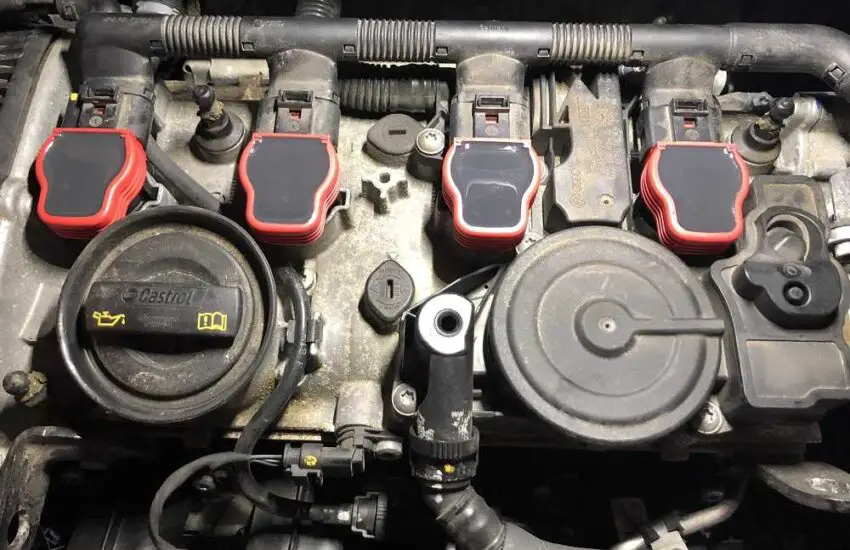
Ignition coils ensure cleaner fuel combustion. (Photo: Jorge Villalba)

Symptoms of a bad coil pack

When to replace coil packs? When they start to malfunction. Faulty coils mean a loss of fire or spark in the affected cylinder, leading to engine misfires.

If you’re wondering when to change coil packs, do so whenever these symptoms appear. Common signs are almost similar to those of a faulty spark plug:

  • Loud engine noise
  • Poor engine performance
  • Crankshaft drag
  • RPM drop during acceleration
  • Vehicle rough idle
  • Intermittent exhaust emission
  • Sporadic check engine light activation
  • Gas warning light comes on (even if fuel level is not low)

Should I replace all ignition coils at the same time?

It’s a valid question since many experts suggest replacing automotive parts in pairs. However, you don’t have to follow this rule for car ignition coils because they don’t come in pairs.

An engine cylinder has one ignition coil, so the condition of one pack does not affect the others.

Can I replace just one ignition coil? Yes, you can. However, you should always keep the following recommendations in mind to decide whether to change one or all.

Replace only the bad ones

Should I replace all ignition coils at the same time? No. A coil pack is intended for two engine cylinders, and you should only change the specific pack that is faulty.

There is no chance that a faulty coil pack will affect the others. Moreover, coil packs either work or they don’t; there’s nothing in between. If you only change the faulty one, there’s less chance that others will follow suit.

In fact, it would be a mistake to replace coil packs that are still in good condition and working without issues. Older functioning coil packs are better and more reliable than new unproven coil packs.

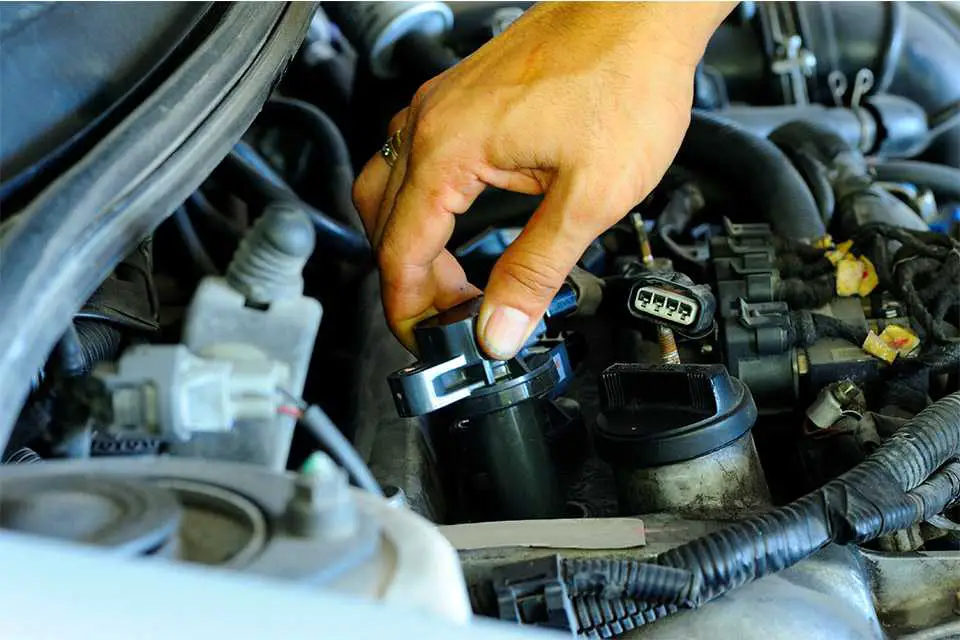
You should only change the faulty pack. (Photo: YMF Car Parts)

Change all after reaching a certain mileage

Coil packs are reliable and will likely last the lifetime of a vehicle. If one goes bad, there’s no need to change them all. However, if a pack starts to malfunction after the odometer has reached about 75,000 miles, you should replace them all.

How often should coil packs be changed? There’s no need to change them as long as they show no symptoms. Most of the time, they require no maintenance before reaching 120,000 to 150,000 miles.

Replace all if access is difficult

Some repair shops may suggest changing all coil packs when one of them becomes faulty. In this case, ask the mechanics for the reasons for changing each one. Follow their advice if it makes sense to you.

If you can’t afford to replace them all, at least change those that are in a cluster or are hard to access. For example, a few coil packs may be located under the air intake plenum, at the back of the engine.

The repair shop may charge higher labor prices to remove these coil packs. In this case, you should change them all if there’s one that’s bad to save on mechanic fees.

Replace all packs if their access is difficult. (Photo: 123RF)

However, coil packs are easily accessible in most vehicles. Sometimes, you’ll find them placed under just a cover that can be quickly removed.

If you can see them, it won’t take more than a few minutes to remove them. In this case, you can change only the faulty one.

FAQ on replacing ignition coils

Do ignition coils have a specific lifespan?

Ignition coils have a limited lifespan, typically between 100,000 and 150,000 miles. However, this can vary depending on driving conditions and maintenance.

Can I replace only the faulty ignition coil?

While it’s possible to replace only the faulty coil, it’s recommended to replace all coils if they are approaching the end of their lifespan. This helps avoid repeated failures and ensures balanced performance.

Does replacing all ignition coils improve engine performance?

Replacing all ignition coils can improve engine performance by providing consistent spark and ignition across all cylinders, leading to smoother operation and better fuel efficiency.

Will the cost of replacing ignition coils be high?

Replacing all ignition coils at the same time may result in a higher initial cost, but it can save money in the long run by avoiding multiple separate repair jobs.

Replacing all ignition coils at the same time may result in a higher initial cost. (Photo: Mechanic Base)

Can I mix different brands of ignition coils in my vehicle?

It is generally not recommended to mix different brands of ignition coils, as they may have varying electrical characteristics and lead to performance imbalance.

Should I opt for OEM (Original Equipment Manufacturer) ignition coils or aftermarket coils?

OEM ignition coils are manufactured by the vehicle’s original manufacturer and are designed to meet specific performance standards. While aftermarket coils may be cheaper, OEM coils often offer better reliability and compatibility.

Is it necessary to replace ignition coils based solely on mileage?

While mileage is a factor, other indicators such as performance issues and the age of the coils should also be considered. Ignition coils in high-performance vehicles or under harsh driving conditions may require earlier replacement.

Can faulty ignition coils damage other engine components?

Yes, damage can occur to both the coil pack, spark plugs, catalytic converter, and oxygen sensors. Replacing them promptly can help avoid further damage and costly repairs.

Can I replace ignition coils myself or should I seek professional help?

While some experienced DIYers can replace ignition coils, it’s recommended to seek professional help for accurate diagnosis and proper installation to avoid potential complications.

Watch this video by EasyAutoFix to learn how to diagnose when to replace your ignition coils and how long ignition coils last!

https://youtube.com/watch?v=X131dSvwrAA%3Ffeature%3Doembed

Final words

Should I replace all ignition coils at the same time? Not necessarily, unless the faulty one is part of a cluster and located in a hard-to-reach place.

Otherwise, there’s virtually no chance that a bad coil pack will affect the condition of the others. You should rely on the proven reliability of the older ignition coils that are still functioning.

Cadillac Optiq Electric SUV Debuts in France

Cadillac Optiq Arrives in the European Market

Cadillac has officially announced the launch of the Optiq in Europe, with France confirmed as a key market. This all-electric SUV marks a significant step in the American automaker’s strategy to expand its footprint across the continent, bringing a blend of luxury and innovation to European drivers.

Design and Performance Highlights

The Cadillac Optiq showcases a sleek, modern design that aligns with the brand’s latest electric vehicle philosophy. Its aerodynamic silhouette not only enhances its visual appeal but also contributes to improved efficiency and range. Inside, the cabin offers a spacious, tech-forward environment with premium materials and advanced connectivity features designed for comfort and convenience.

Electric Powertrain and Capabilities

Equipped with a state-of-the-art electric powertrain, the Optiq delivers responsive acceleration and a smooth, quiet ride. It supports fast-charging technology, allowing for quick battery top-ups on long journeys. While specific range figures are tailored to meet diverse driving needs, the vehicle is engineered to compete strongly in the growing electric SUV segment, emphasizing sustainability without compromising on performance.

Market Positioning and Availability

Positioned as a premium offering, the Cadillac Optiq aims to attract eco-conscious consumers seeking luxury and reliability. Its introduction in France underscores Cadillac’s commitment to the European electric vehicle market, with availability expected through authorized dealerships. Pricing and detailed specifications will be announced closer to the launch date, generating anticipation among potential buyers.

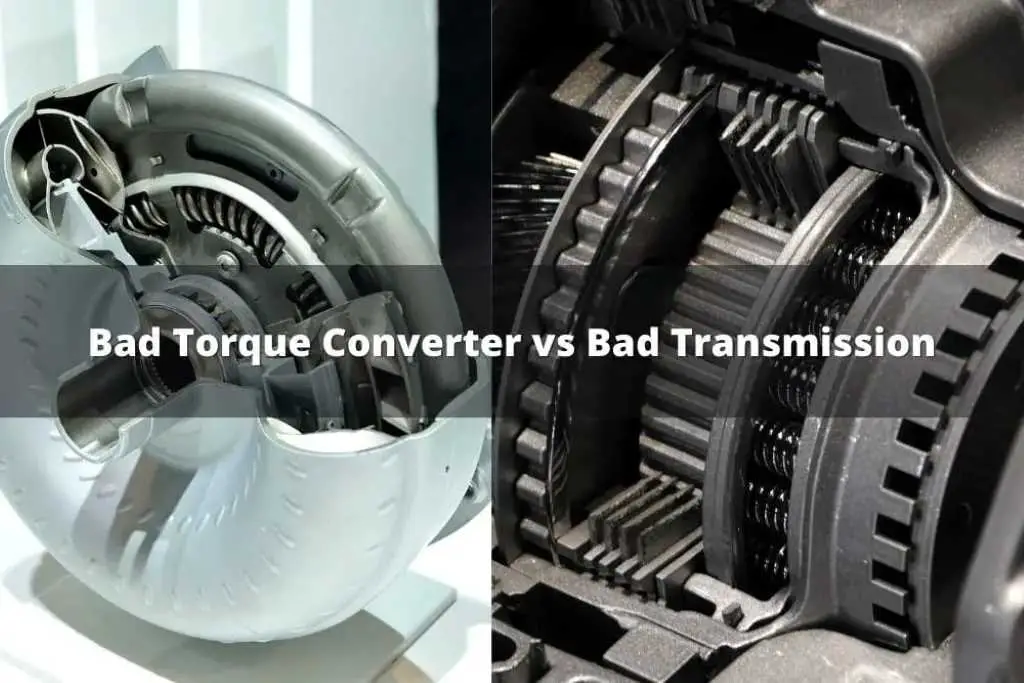
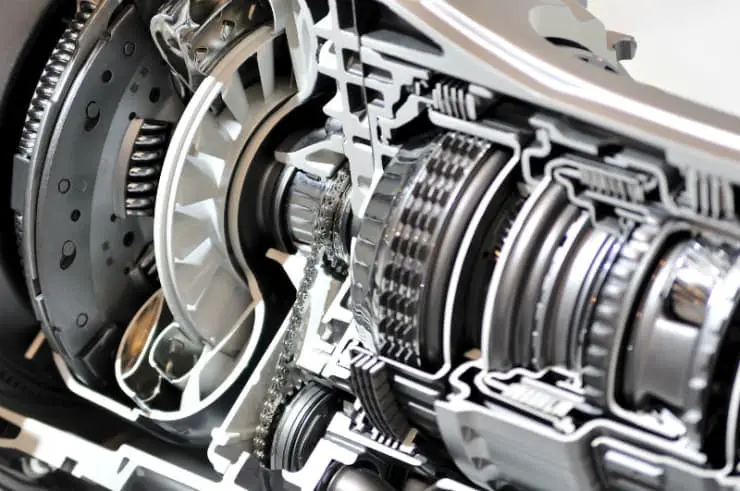
Bad Torque Converter or Bad Transmission: Delve into the Details of Each Problem

Every vehicle owner knows the importance of regular maintenance, but understanding the nuances of your car’s vital components can be a game-changer, particularly the bad torque converter or bad transmission.

In the vast network of machinery that ensures your car runs smoothly, two components play a central role: the torque converter and the transmission.

Both have their unique functions, and when either goes wrong, it can be a nightmare for any car owner. To resolve issues effectively, a deeper understanding is needed. Let’s embark on this informative journey.

What is a Torque Converter?

The torque converter, an often unsung hero, bridges the gap between the engine and the transmission. It’s an essential component that regulates the flow of power from the engine to the transmission, especially when the vehicle is stationary.

Function of a Torque Converter

Imagine a dance duo where one partner must interpret the other’s movements and respond accordingly to produce a beautiful performance.

The torque converter acts similarly, ensuring that the engine and transmission are synchronized. It translates the engine’s power and transfers it to the transmission using hydraulic fluid, ensuring that both can operate independently while remaining connected.

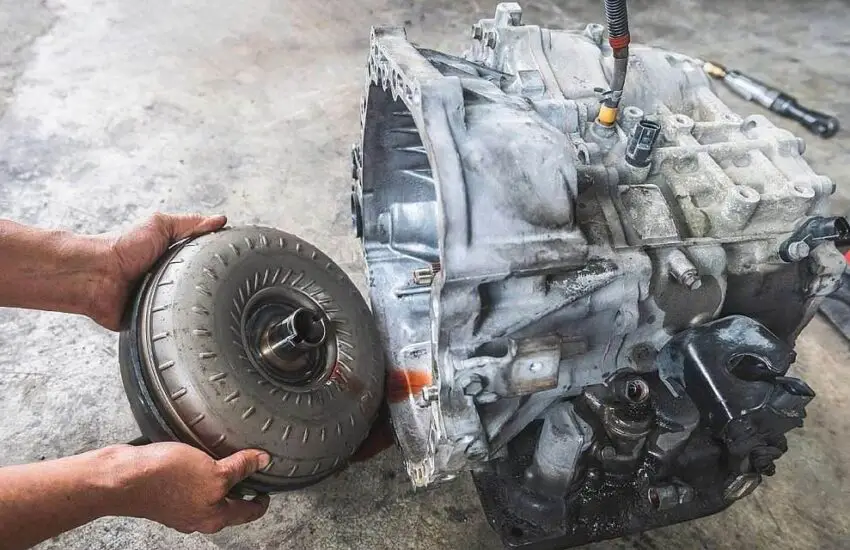
The torque converter ensures the synchronization of the engine and transmission. (Photo: Big Bolt)

What is a Transmission?

The transmission is akin to the brain of your vehicle’s movement. It’s a complex system designed to ensure that the power generated by the engine is used effectively to move the car.

Function of a Transmission

If you’ve ever ridden a bicycle on different terrains, you’ll know the importance of shifting gears.

It ensures efficiency and saves energy. In cars, the transmission takes on this role, adjusting the power output according to the vehicle’s needs, ensuring a smooth drive whether you’re accelerating on a highway or navigating city streets.

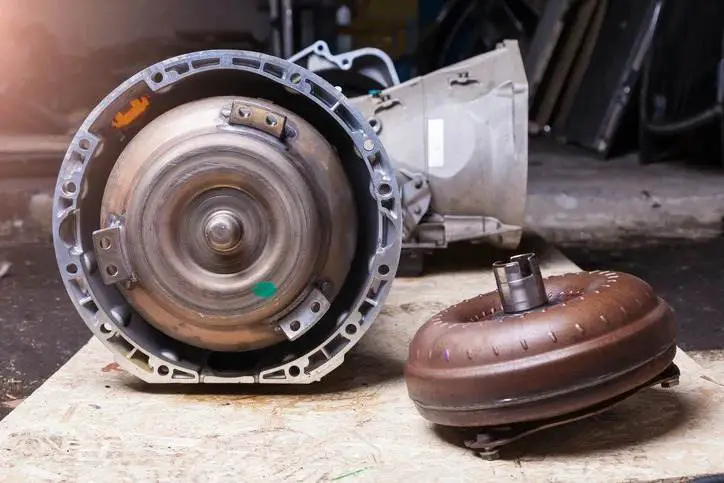
The transmission is akin to the brain of your vehicle’s movement. (Photo: JDPower)

Differences Between a Bad Torque Converter and a Bad Transmission

Signs of a Bad Torque Converter

A faulty torque converter may not always grab attention, but vigilant car owners can spot subtle clues:

Slipping

It’s a troubling feeling when your car, in the middle of a drive, feels like it’s losing its grip, almost like a sudden power outage. This can be attributed to the torque converter failing to maintain the necessary hydraulic pressure.

Overheating

Cars have a way of signaling distress. If your dashboard suddenly flashes with a temperature warning, don’t ignore it. A misbehaving torque converter can cause transmission fluid breakdown, leading to overheating.

Cars have ways of signaling distress, one of which is overheating. (Photo: doucefleur)

Shuddering

Remember those times when you try to start a stubborn lawnmower and it vibrates with resistance? If your car behaves similarly, especially during acceleration, it might indicate torque converter issues.

Signs of a Bad Transmission

If it’s the transmission acting up, the symptoms might be a bit more noticeable:

Delay or No Response

Imagine pressing a button on a remote and eagerly waiting for the TV to respond. Frustrating, right? A similar delay in your car’s movement after acceleration can hint at transmission problems.

Grinding or Strange Noise

A car shouldn’t sound like a morning alarm you wish to hit snooze on. Grinding, humming, or whining noises can be red flags signaling transmission issues.

Fluid Leak

Spotted a mysterious puddle under your car? If it’s a brownish or reddish fluid, it’s time to check for transmission fluid leaks, a clear sign of potential transmission problems.

Check for transmission fluid leaks if there’s a problem with the transmission or torque converter. (Photo: RAC)

The Effects on Your Car and Driving Experience

Imagine a symphony where one instrument is out of tune. It disrupts the entire performance.

Similarly, issues with the torque converter or transmission can unsettle your car’s harmony, leading to reduced efficiency, compromised safety, and an overall frustrating driving experience.

How to Resolve These Issues

How to tell the difference between a bad torque converter and a bad transmission?

It can be challenging to distinguish between these two issues based solely on symptoms. However, a common clue is that torque converter problems often manifest at low speeds or during initial acceleration, while transmission issues can occur at various speeds and gears.

Maintenance Tips

The mantra for a healthy car life is regular check-ups. Just as you’d visit a doctor for a health assessment, your car also needs its routine diagnosis. Periodically check transmission fluid levels and always be on the lookout for early signs of wear.

Repair or Replace?

Not all ailments require drastic measures. Sometimes, a tweak here and there can bring your car back to its prime. However, if the damage is irreparable, it might be time for a replacement.

Always consult a seasoned mechanic for the best advice. (Photo: Vehicle Freak)

FAQ

  1. Is it more expensive to replace a torque converter or a transmission?

Typically, replacing a transmission is more expensive than replacing a torque converter. However, individual cases may vary depending on the damage and the vehicle model.

  1. Can a bad torque converter damage the transmission?

Absolutely. A compromised torque converter can gradually deteriorate the transmission if neglected.

  1. Can routine check-ups prevent these issues?

While regular maintenance can significantly reduce risks, it’s not a magic shield. However, it certainly enhances the car’s longevity and performance.

  1. Can a bad torque converter or bad transmission be repaired, or must they be replaced?

In some cases, minor issues with a torque converter or transmission can be repaired. However, severe damage often requires replacement, which can be a costly repair.

  1. What types of sounds are associated with a faulty torque converter?

A faulty torque converter can produce a range of noises, such as whining, humming, or buzzing. These noises may become more pronounced when the vehicle is in gear and particularly noticeable during acceleration or deceleration.

Additionally, a faulty torque converter can lead to vibrations or jerky movements while driving.

Watch this video by Auto V Fix for more information on the most common signs of a bad torque converter!

https://youtube.com/watch?v=PX1R7hUP-KU%3Ffeature%3Doembed

Conclusion

While a bad torque converter or bad transmission can cause similar symptoms, it’s crucial to understand the distinct signs associated with each issue for accurate diagnosis and effective repair.

If you experience any of these symptoms in your vehicle, it’s advisable to seek the expertise of a qualified mechanic to correctly identify the problem and ensure a safe and prompt resolution.

Ignoring transmission-related issues can lead to more severe and costly damage, so prompt attention is essential for your vehicle’s longevity and reliability.

Causes of power loss in diesel engine cars during acceleration

In this article, we will examine some common causes of diesel power loss during acceleration and explore potential solutions to address it!

A car’s engine generates power by combining air and fuel to initiate combustion. The energy generated by this combustion is then transmitted to the vehicle’s wheels, propelling the car forward.

The engine’s main role is to execute this process consistently with optimal efficiency. Nevertheless, for various reasons, the engine may lose power, leading to decreased performance.

Reasons Why Diesel Cars Lose Power During Acceleration

Faulty Fuel Filter

The fuel filter plays a crucial role in filtering the fuel before it enters the engine. When the fuel filter is clogged, it hinders the fuel flow to the engine, resulting in decreased engine performance. You may notice a lack of power during acceleration and occasional jerking.

To resolve this issue, locate the fuel filter, which is found in the engine compartment or near the fuel tank in your car’s trunk. If you have the necessary skills, replace the clogged fuel filter yourself or take your vehicle to a local mechanic to have it replaced.

Clogged Air Filter

For the proper functioning of the engine, clean air is essential. If dust and other particles infiltrate the combustion chamber, it can damage the engine.

To ensure a continuous flow of clean air to the engine, an air filter is used. However, this filter becomes ineffective after about 15,000 to 30,000 miles, depending on driving conditions.

Neglecting to replace the air filter when needed will lead to a noticeable drop in your car’s performance.

For the proper functioning of the engine, clean air is essential. (Photo: Your Mechanic)

Clogged Exhaust System

The role of the exhaust system is to expel harmful and unnecessary gases from the engine. The faster these gases are expelled, the sooner the engine can initiate combustion, resulting in increased engine power.

Conversely, obstructions such as a restrictive catalytic converter or a clogged exhaust harm engine performance.

Although aftermarket cleaners can resolve clogged catalytic converters, using a quality fuel system additive every 3,000 miles can help reduce the contaminants that lead to clogging in the first place, thus eliminating the need for unclogging.

MAF Sensor Malfunction

The Mass Air Flow (MAF) sensor measures the air intake required for acceleration.

It transmits this measurement to the Engine Control Unit (ECU), which adjusts the throttle accordingly. A faulty MAF that inaccurately measures airflow can lead to significant power loss.

These sensors can deteriorate due to heat and dust buildup. Regularly cleaning them with specialized products can improve their functionality and, consequently, engine efficiency.

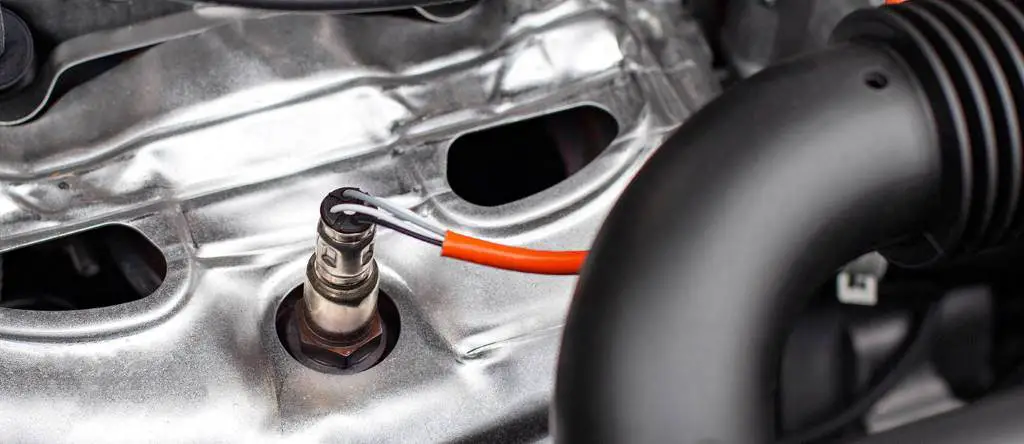
Oxygen Sensor Malfunction

While the MAF measures incoming air, the oxygen sensor measures the gases exiting the engine. It is typically located in the exhaust pipe. When MAF readings align with oxygen sensor readings, it indicates your car is running well.

The oxygen sensor also impacts the fuel injection system, making its proper functioning crucial for your car’s performance.

A faulty oxygen sensor can lead to a rich air-fuel mixture, which harms fuel economy. Fortunately, replacing this sensor is relatively inexpensive and simple.

The oxygen sensor also impacts the fuel injection system. (Photo: Dubizzle)

Carbon Buildup on Fuel Injectors

Fuel injectors play an essential role by introducing fuel into the combustion chamber under high pressure, similar to a spray.

Precise fuel delivery is crucial for proper combustion, as even a slight miscalculation can disrupt the combustion cycle, leading to power loss or, in extreme cases, damaged pistons.

Carbon buildup, often caused by poor-quality fuel, can hinder the injectors’ ability to spray fuel into the cylinders, resulting in decreased performance. This issue can be resolved by using a high-quality fuel system cleaner.

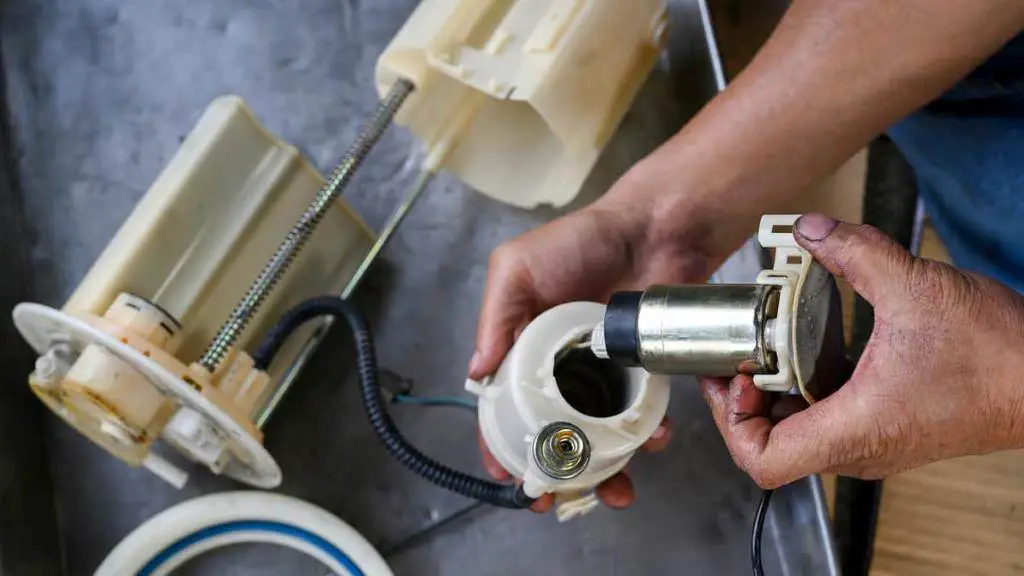
Weak Fuel Pump

The main function of the fuel pump is to supply fuel from the tank to the engine, which requires sufficient pressure. Insufficient pressure can prevent the fuel injectors from delivering the correct amount of fuel to the combustion chamber, leading to diesel power loss during acceleration.

Even if a faulty fuel pump doesn’t cause issues at low speeds, it can hinder rapid acceleration. Fortunately, replacing a fuel pump is a straightforward process.

The main function of the fuel pump is to route fuel from the tank to the engine. (Photo: Mechanical Base)

FAQ

  1. Are there engine-related issues that can cause diesel power loss during acceleration?

Yes, engine problems such as worn piston rings, damaged valves, or a faulty turbocharger can lead to power loss. It is essential to perform a comprehensive engine inspection to identify such issues.

  1. How can I prevent power loss in my diesel engine during acceleration?

Regular maintenance, including changing fuel filters, cleaning or replacing air filters, and adhering to the manufacturer’s recommended service intervals, can help prevent power loss.

Additionally, using high-quality fuel and avoiding overloading the engine can also contribute to better performance.

  1. What role does the turbocharger play in diesel engine power loss during acceleration?

The turbocharger increases the intake air pressure, thereby enhancing engine performance. If the turbocharger is faulty or not functioning properly, it can lead to power loss during acceleration.

  1. How can I identify a faulty turbocharger as a cause of power loss?

Symptoms of a faulty turbocharger can include excessive exhaust smoke, unusual noises (such as whining or grinding), and decreased power. A professional mechanic can perform tests and inspections to diagnose turbocharger issues.

  1. Can a faulty EGR (Exhaust Gas Recirculation) system affect the power of a diesel engine?

Yes, a faulty EGR system can lead to power loss by recirculating excessive exhaust gases, which can reduce the availability of fresh air for combustion. This can result in reduced engine power.

  1. What signs should I look for to determine if the EGR system is causing power loss?

Signs of EGR-related issues can include rough idling, increased exhaust emissions, and a lack of power during acceleration. A diagnostic scan or inspection by a mechanic can confirm EGR system problems.

Watch this video from 8020 Media for more information on the causes and solutions for a vehicle losing power during acceleration in general!

https://youtube.com/watch?v=ipjYLPJgpq8%3Ffeature%3Doembed
  1. Can a dirty or faulty Mass Air Flow (MAF) sensor affect diesel engine power during acceleration?

Yes, a dirty or faulty MAF sensor can provide incorrect data to the Engine Control Unit (ECU), leading to inappropriate air-fuel mixture ratios and reduced power.

  1. What should I do if I suspect a faulty MAF sensor is causing power loss?

Cleaning or replacing the MAF sensor can resolve the issue. Consult your vehicle’s maintenance manual for specific instructions on MAF sensor maintenance.

Kia Triples European EV Production with New Models

Kia’s Strategic Shift in European Electric Vehicle Manufacturing

Kia Corporation is executing a dramatic transformation of its European manufacturing strategy, moving from reliance on Asian imports to establishing substantial local production capacity. This strategic pivot represents one of the most significant industrial developments in the European electric vehicle sector, positioning Kia to compete more effectively against established European manufacturers while reducing delivery times and import-related costs.

Expanding European EV Lineup with EV2, EV3, and EV4

The Korean automaker’s European expansion centers around three new electric models designed specifically for European market preferences. The EV2 will serve as the entry point to Kia’s electric range, offering compact dimensions ideal for urban environments. The EV3 is positioned as a versatile compact crossover combining practical space with efficient electric performance. Completing the trio, the EV4 introduces a sleek sedan design with premium features targeting the executive segment. Each model incorporates Kia’s latest battery technology and charging innovations.

Manufacturing Infrastructure and Economic Impact

Kia’s production tripling initiative involves substantial investment in existing European manufacturing facilities, particularly the company’s extensive operations in Slovakia. This expansion will create thousands of direct and indirect jobs while strengthening the European EV supply chain. Localizing production allows Kia to respond more rapidly to market demands and avoid potential import tariffs, making their electric vehicles more price-competitive. The manufacturing scale-up also supports Europe’s broader transition to sustainable transportation.

Market Positioning and Competitive Landscape

By establishing robust local manufacturing capabilities, Kia aims to capture a significantly larger share of Europe’s rapidly growing electric vehicle market. The company’s strategy addresses two critical consumer concerns: availability and affordability. With production localized within Europe, Kia can reduce waiting times for vehicle delivery while potentially offering more competitive pricing compared to imported alternatives. This approach also demonstrates Kia’s long-term commitment to the European market as regulatory deadlines for combustion engine phase-outs approach.

How much PAG oil to add to the air conditioning system

A car’s air conditioning system requires a specific amount of oil to function, just like the engine. You should have a clear idea of how much PAG oil to add to the air conditioning system to protect it from unexpected failure.

Which AC components require an oil refill?

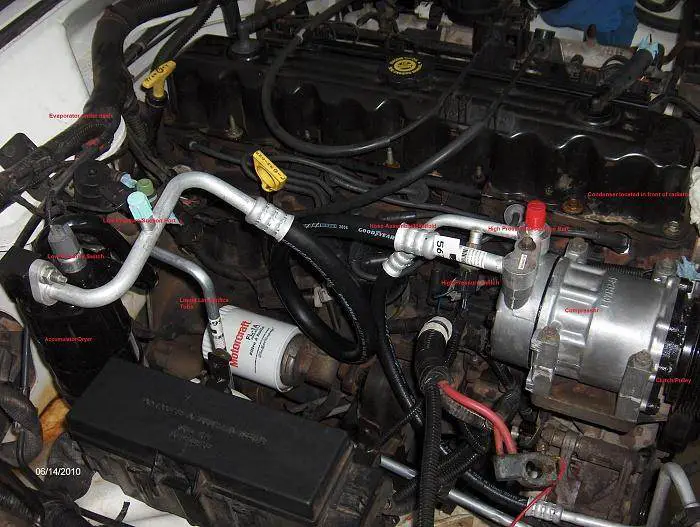
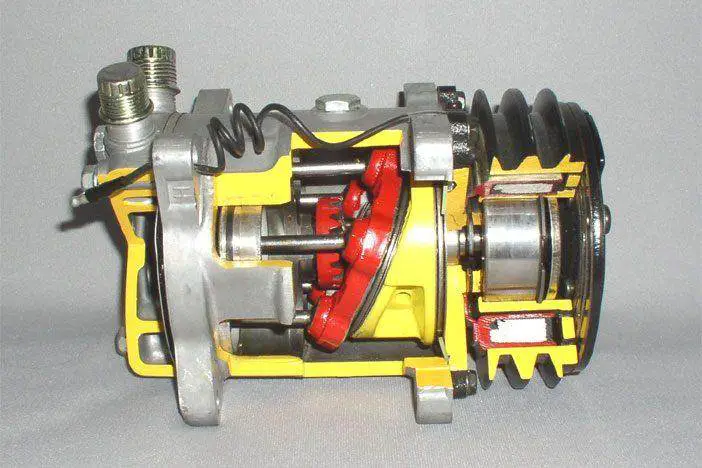
The compressor is the component of the air conditioning unit that needs adequate oil to function properly. The compressor is responsible for compressing the refrigerant and circulating it through the rest of the system. When the refrigerant passes through the compressor, it also carries oil with it, which lubricates the compressor’s moving parts. Normally, it is not necessary to add oil to your vehicle’s existing air conditioning system unless you have changed the compressor or there is a leak, allowing oil to escape from the system.

A compressor requires a sufficient amount of oil for lubrication. It has cylinders to compress the refrigerant gases, which creates heat and friction. The oil present in the system controls this heat and reduces friction by making the parts more slippery.

The other components of the air conditioning system, such as the condenser, evaporator, and expansion valve, do not require lubrication and therefore do not need an oil top-up.

However, it is important to note that if any of these components are replaced due to a malfunction or leak, they must be drained of any remaining refrigerant and oil, and the correct amount of oil must be added to the system when recharging it. This ensures that the system has the appropriate amount of oil for proper lubrication and to avoid damaging the compressor and other components.

If there is a leak in the system, repair it first before adding oil. Otherwise, the system will soon need more oil and could lead to the failure of some parts.

What is PAG oil?

PAG oil, or Polyalkylene Glycol, is specially created for automotive air conditioning compressors. The fully synthetic hygroscopic oil is a compressor lubricant for air conditioning units that use R-134a refrigerant.

PAG is a synthetic oil for AC compressors. (Photo: instructables)

In addition to knowing how much PAG oil to add to the air conditioning system, you must also use an oil with the correct viscosity. Each type of PAG oil has a number such as PAG150 or PAG VC-46. This number refers to the viscosity of the PAG, similar to how a number like 10W30 indicates the viscosity of regular engine oil.

PAG oil is highly hygroscopic, meaning it absorbs moisture from the air. Therefore, it is important to keep it sealed in an airtight container until ready for use. It is also important to use the appropriate type of PAG oil for a particular air conditioning system, as different systems may require different viscosities or additive packages.

PAG oil is often used in automotive air conditioning systems due to its high lubricating power and stability at high temperatures. It is also non-toxic and has a low environmental impact, making it a good choice for use in automotive applications.

You should consult the owner’s manual for the correct viscosity of PAG oil for the air conditioning compressor.

Learn how to add PAG oil to the air conditioning system in this video:

https://youtube.com/watch?v=vGpM8va2XFg%3Ffeature%3Doembed

How much PAG oil should be added to the air conditioning system 

Like engine oil, PAG oil serves as a lubricant for the compressor and circulates the refrigerant throughout the air conditioning system. However, the exact amount of PAG oil to add to the air conditioning system will depend on several factors: the air conditioner’s design, its capacity, and the type of compressor.

Additionally, the air conditioning system’s compressor will likely have specifications regarding the amount of oil to add. You should consult the owner’s manual before adding more oil.

Do not overfill the system. (Photo: accorcars)

The air conditioning system of most modern vehicles needs a total of 4 ounces (120 ml) of oil. Therefore, it is wise to consult the manual to be sure of the exact amount and avoid overfilling or underfilling the system. A low oil level can lead to compressor failure, and overfilling will also harm cooling performance.

So, how much PAG oil to add when recharging the AC? Here is the amount of PAG oil that different AC components need for their proper functioning:

  • Compressor = 1.4 ounces
  • Evaporator = 1.5 ounces
  • Condenser = 1 ounce
  • Accumulator = 1 ounce
  • Hoses = 1 ounce

To ensure that the appropriate amount of PAG oil is added to the air conditioning system, you should refer to the vehicle’s manual and seek assistance from a trusted automotive mechanic.

It is recommended to flush the entire system before adding oil or refrigerant. When replacing a part, such as a compressor or accumulator, you should always add the oil that was lost during the replacement.

However, the total amount of oil added should never exceed the system’s oil capacity. So, when calculating how much PAG oil to add to the air conditioning system, remember to keep the total amount below 4 ounces or whatever your car’s air conditioning system capacity is.

How Manual Transmissions Work: Explained Simply

If you drive a manual transmission car, many questions will come to mind, such as “How does a manual transmission work?”, “What moves inside the manual transmission when you shift the gear lever?”.

In this article, we will answer all questions related to the manual transmission and give you a basic knowledge of every essential component of your car’s transmission. Let’s go!

What is a Manual Transmission? (Gear Shift Lever)

Before discovering the answer to the question “How does a manual transmission work?“, you need to understand what a manual transmission is.

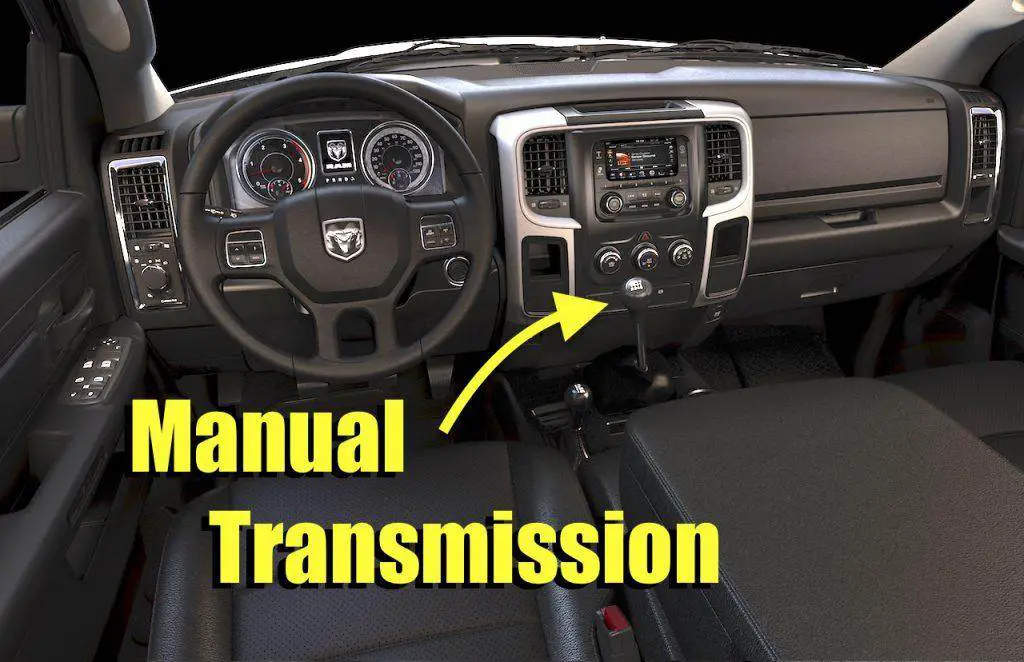
The manual transmission, a gear lever or manual gearbox or standard transmission, is a type of transmission where the driver uses a lever to change gears literally.

In the past, manual cars were often equipped with a gear lever or a steering column mounted on the dashboard, but nowadays, in modern vehicles, the gear lever is mounted vertically in the center console and connected to the transmission via linkage.

Shifting gears requires disengaging the clutch disc (which is located between the transmission and the engine) via a third pedal located to the left of the brake. Then release the clutch, select the desired gear, and engage the clutch again.

When stopped, the disc will wear out prematurely if the driver engages the clutch too slowly. And if the driver engages the clutch too quickly, the engine will stall.

In the past, manual cars were often equipped with a dashboard-mounted gear lever or a steering column. (Photo: HowStuffWorks)

Learning how to drive a manual car takes more time than learning how to drive an automatic car, but it’s more fun and easier than it seems.

When you drive a manual transmission car, you will feel that there is a connection between you and your car that is too difficult to replicate with an automatic transmission car.

And another interesting thing is that if you can use a manual transmission, you will be able to drive any type of vehicle. Normally, a basic vehicle is equipped with a 5-speed manual transmission. In more expensive vehicles, a 6-speed transmission is equipped instead.

Various Parts of the Manual Transmission

These brief descriptions of the parts of a manual transmission will help you understand its complex operation.

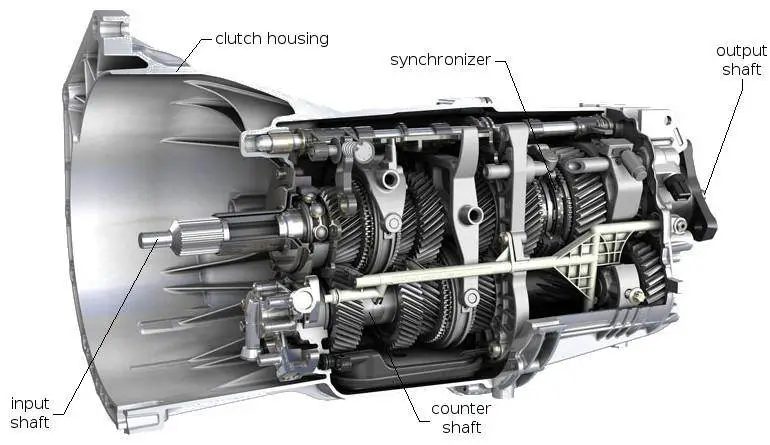
Various components of a manual gearbox. (Photo: ZF)

1. Clutch and Clutch Pedal

Composed of various small components, the clutch transmits engine torque to the transmission. The clutch pedal is a hydraulically operated gear that disengages the clutch when you press it.

2. Flywheel

The circular mass sends engine torque to the clutch disc which interacts with a smooth surface of the wheel.

3. Selector Fork and Collar

This is an arm-shaped gear that helps move the collars along the output shaft. On the other hand, you can select different gears with the collar by locking it onto a particular gear, resulting in the transmission of torque to the output shaft from the countershaft.

4. Synchronizers

These help the gear and the collar to engage with each other and match their speed if there is a difference.

5. Countershaft and Output Shaft

The gears on the countershaft mesh with the gears on the output shaft when the former receives power from the engine.

6. Gears

You will find gears of different sizes in a manual gearbox. The larger ones have more teeth and provide more torque to reduce the car’s speed, while the smaller ones produce less torque so your vehicle can travel at high speed.

The working mechanism of a manual transmission. (Photo: Getty Images)

How Does a Manual Transmission Work?

So, with all your new knowledge, let’s find out what happens when you shift gears in your manual car and see how the manual transmission works.

  • You must press the clutch pedal to disengage before turning the vehicle key to start. This will cut the power between the transmission and the engine’s input shaft. As a result, the engine will be alive without powering the entire vehicle.
  • Move the gear lever to first gear, which is located on the output shaft, so that the shift fork moves forward towards the latter. The first gear is connected to a countershaft gear. The countershaft, meanwhile, is connected to the engine’s input shaft via another gear.
  • There is a synchronizer collar attached to the shift fork. This helps the driving gear carry power to the output shaft and synchronize their speeds if there is a difference. You engage the vehicle when this collar locks with the first gear, which is securely fixed to the output shaft.
  • Now, apply light pressure to the accelerator pedal and remove your foot from the clutch. It will reconnect the engine to the gearbox. Then the vehicle will start moving forward.
  • Shift to second gear after pressing the clutch to go faster. This will disconnect the power between the engine and the gearbox. You just need to repeat this process to change gears in order to slow down or speed up the car.

Watch the video below to better understand how a manual transmission works!

https://youtube.com/watch?v=h50yIRZzPGU%3Fstart%3D14%26feature%3Doembed

Car Manual Transmission System FAQ

  1. How long do manual transmissions last?

You should expect the manual transmission components to last for more than 120,000 miles with good driving, proper use, and maintenance.

You can extend the life of your transmission by monitoring for transmission leaks and operating the clutch and gears correctly.

  1. How often should a manual gearbox be replaced?

Manual transmissions can fail much earlier, especially if basic maintenance is neglected.

If your gearbox has over 80,000 miles, it may be in your financial interest to replace it rather than pay hundreds of dollars in repairs every few months.

  1. What are the disadvantages of a manual transmission?
  • In heavy traffic, a manual can become tiring.
  • The learning curve is really steep.
  • On slopes, careful control is needed to avoid stalling or rolling back.
  • It can be difficult to find a manual for higher trim levels.
  1. Are manuals cheaper to maintain?

Manual transmissions are less expensive to maintain. With all the additional equipment that goes into an automatic gearbox, it can end up costing you a lot just to keep it running properly.

Manual transmission automobiles require extremely less maintenance, and maintenance and repairs are often much less expensive.

  1. Is it cheaper to buy a manual or an automatic?

Due to their basic mechanism, manual transmission automobiles are cheaper initially. It takes more complex technology and parts for an automated car to shift gears by itself.

In conclusion, I hope that through this article, you know the answer to the question “How does a manual transmission work?“.

Hyundai’s Budget Electric SUV Challenges BYD in China

Hyundai’s Strategic Electric Push in the Chinese Market

Hyundai is making a bold move in China’s competitive electric vehicle sector with the introduction of a new SUV priced at approximately 15,000 euros. This aggressive pricing strategy directly targets BYD, a dominant player in the local market, signaling Hyundai’s intent to capture a larger share of budget-conscious consumers. The South Korean automaker’s approach reflects a growing trend among international manufacturers to adapt their offerings to compete with established Chinese brands.

Competitive Pricing and Market Dynamics

The launch of this affordable electric SUV comes at a time when price sensitivity is high among Chinese buyers. By positioning the vehicle at this price point, Hyundai aims to undercut rivals while maintaining quality standards that appeal to urban families and first-time EV owners. This strategy could disrupt the current market hierarchy, where local manufacturers have traditionally held the advantage in the entry-level segment.

Design and Features Tailored for Chinese Consumers

Hyundai has reportedly incorporated design elements and technological features specifically requested by Chinese customers. The SUV boasts a modern exterior with aerodynamic lines, coupled with an interior focused on connectivity and comfort. Battery range and charging capabilities have been optimized for typical usage patterns in Chinese cities, addressing common concerns about electric vehicle practicality.

Manufacturing and Supply Chain Adjustments

To achieve this competitive pricing, Hyundai has localized production and sourcing within China, reducing import costs and tariffs. The company has established partnerships with domestic battery suppliers and component manufacturers, streamlining the supply chain while adhering to China’s stringent regulations for new energy vehicles. This localized approach enables faster response to market demands and reduces production lead times.

As global automakers intensify their efforts in the world’s largest electric vehicle market, Hyundai’s latest offering demonstrates how international brands are evolving their strategies to remain relevant. The success of this budget SUV could influence how other foreign manufacturers approach product development and pricing in China’s rapidly evolving automotive landscape.