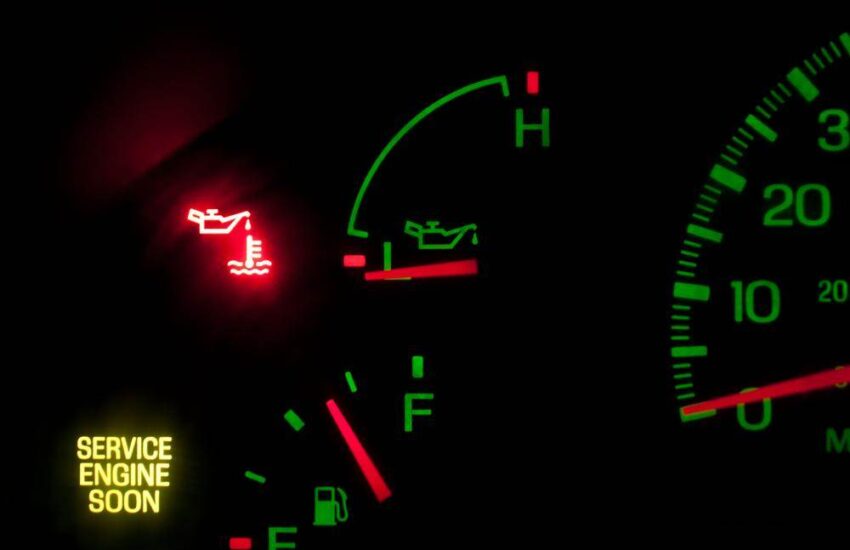
Oil light on after an oil change: the 5 main reasons to pay attention

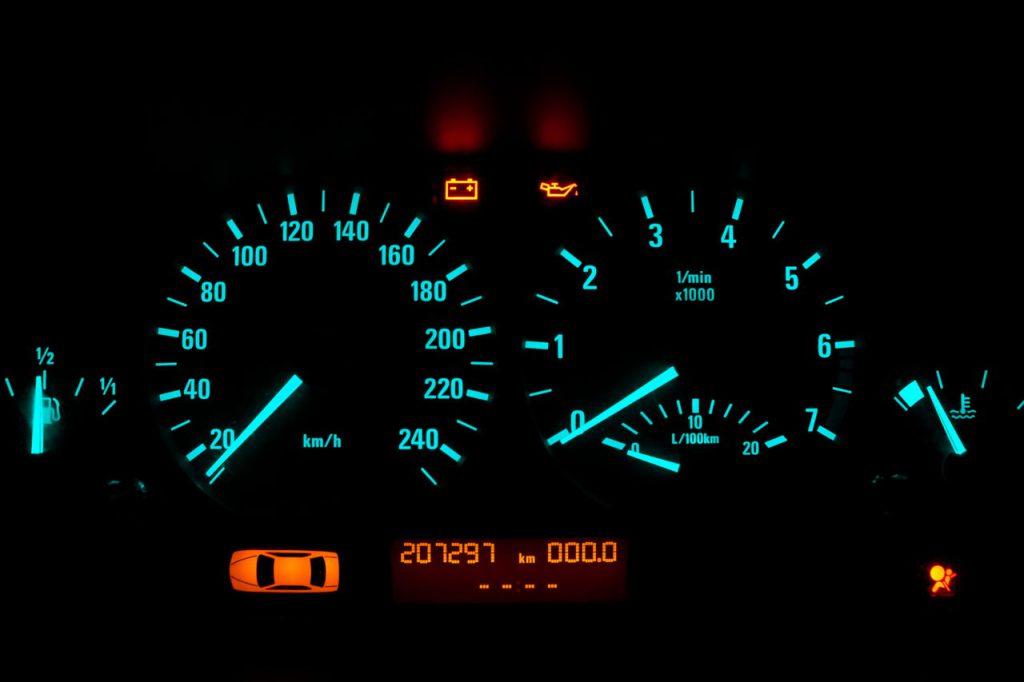
The oil light that comes on after an oil change is a cause for concern. You must understand that the light indicates oil pressure, not the oil level.

If this happens, it is bad for several reasons. Low pressure means that critical seals and friction surfaces of the engine are not sufficiently lubricated, which will lead to serious damage, such as an engine shut down due to low oil pressure.

Oil Light On After Oil Change: The Top 5 Reasons

Although after an oil change, there might still be something that turns on an oil pressure light. If this happens, you must stop the car and turn off the engine as quickly as possible. Let’s discover the reasons causing the problem:

Incorrect Oil Level

If the light comes on after an oil change, the wrong oil level could be the cause. Just like a low oil level, an oil level that is too high can cause oil pressure to be out of range.

You must first check if you used the oil with the correct viscosity grade, as indicated by the car manufacturer or your professional mechanic.

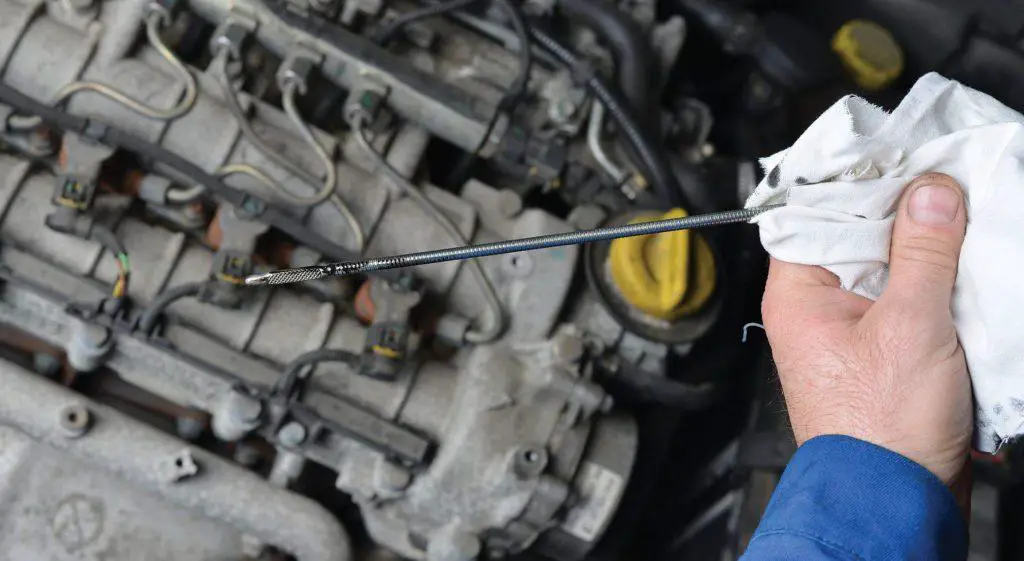
Then, unless you are sure you provided the correct oil, you should proceed to check the oil level.

If the oil level exceeds the line, please decrease it until it falls below the line. Furthermore, in case it slipped under the line, you might consider filling it to bring it to the line level.
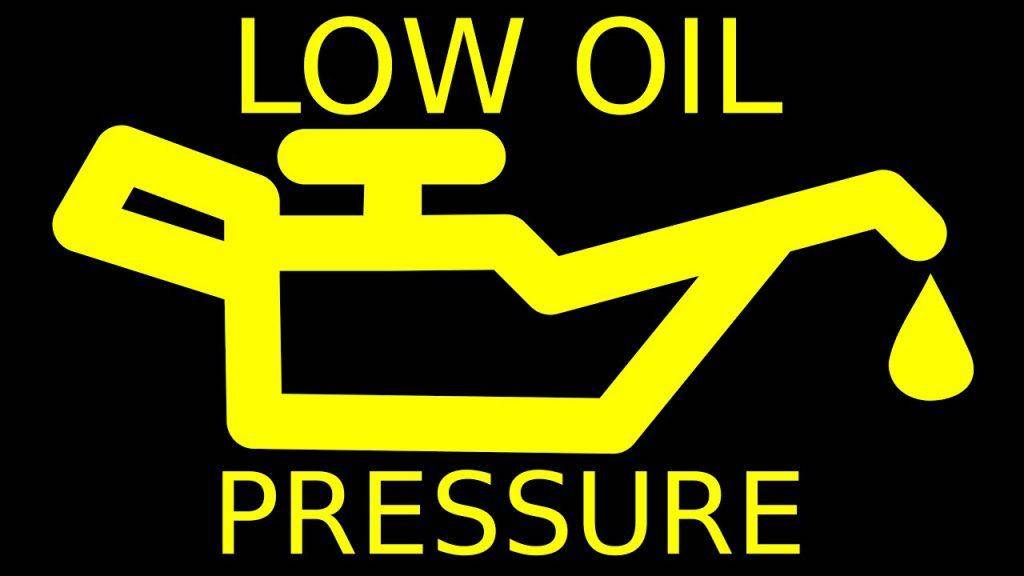
Incorrect oil levels could trigger the light. (Photo: Error Code Guy @ Youtube)

Not Lubricating the Oil Filter

It is standard procedure to put oil in the filter before installing it. The engine oil pressure light may come on when oil pressure drops if you do not lubricate the filter. Do not make the mistake of cranking the engine during this time to pressurize the system.

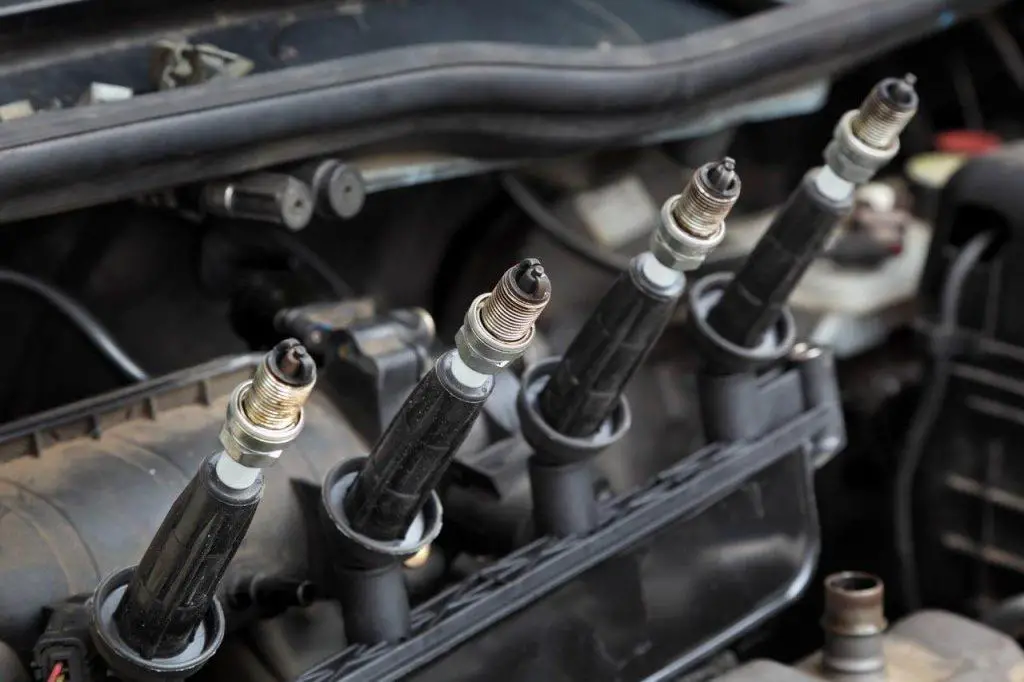
What you should do is crank the starter after removing the spark plugs. When the system gains pressure, reinstall the plugs and start the engine.

Dirty Oil

Not changing the oil on time and poor maintenance can lead to sludge buildup in the engine. It will not wash away even if you simply change the fuel.

The deposit deprives sensitive engine parts of normal oil pressure. As a result, you will see the oil light come on after an oil change.

Dirty oil could accumulate sludge in the engine. (Photo: StockSolutions)

Damaged Pressure Sensor

If the light is still on after doing everything correctly, measure the pressure using a pressure gauge. If it shows that the pressure is good, the problem could be with the sensor and the circuit that activates the light.

The sensor is attached to the engine and has a probe that goes into an oil passage. Sometimes, dirt or any other particle enters the probe and triggers the sensor to turn on the light. The sensor is easy to replace and is inexpensive.

Oil Leak

An oil leak in a car might seem rare, but it is possible when an oil light flashes.

If your oil light is on even though you just filled and changed your oil, you might have an oil leak. To check it, place your car on a flat surface for a few hours and look for puddles underneath.

If there are no puddles but you suspect a leak, try filling your oil up to the maximum mark on your dipstick. Your owner’s manual can explain how to do this for your specific make and model.

When you start the automobile, make sure the oil light is off. Start driving and check if the oil light comes back on. Check your oil levels if it does. If they are low, it’s time to schedule an appointment for an oil leak repair.

Other indicators of oil leaks include a burning smell or smoke coming from the engine. These symptoms, however, may not always be present.

Bringing your car in for a full vehicle check is the best approach to rule out any engine oil issues.

car leaking oil

Faulty Oil Pump

You can also consider a malfunctioning oil pump as a cause for the oil light coming on after an oil change .

A faulty oil pump will circulate oil inefficiently to the moving parts of your engine, causing engine noises and overheating, which can lead to more serious problems. If you suspect your oil pump is faulty, you should immediately stop driving and go to any trusted local auto shop for a full check.

FAQ on Oil Light On After Oil Change

  1. How long does the oil light stay on after an oil change?

Generally, you have about 2 weeks or 500 miles of driving before a flashing oil light becomes a serious problem.

However, once it reaches that point, things can deteriorate quickly, leading to catastrophic mechanical damage. So, try to get your car repaired as soon as possible.

  1. Is it safe to drive with the oil light on?

If your oil light comes on while you are driving, you must pull over immediately and turn off the engine. When you run low on oil, your engine may stall and refuse to start. If your automobile suddenly stops while you are traveling, you could have big problems.

  1. Is it serious when the engine oil light comes on?

When the oil warning light comes on, it indicates that the engine oil pressure has dropped to a dangerous level. An engine with low oil pressure can quickly damage it.

  1. Why is my oil level light on if I don’t need oil?

If the low oil pressure stops the engine but the oil is full and conditions are normal, or even if the engine is running normally, the most likely cause is a worn oil pressure sensor.

You can safely drive in this situation, but you must have the automobile thoroughly checked and the sensor replaced by a qualified mechanic as soon as possible.

  1. Why does my oil light flash when I’m driving?

Other issues that cause the oil light to flash include oil leaks, oil contamination, a faulty oil pump, a damaged oil pressure sensor, low engine oil level in your car, damaged oil pressure sensor cables, and a clogged oil pump or filter.

  1. Why does the oil light come on while I’m idling?

If the oil light flashes when the vehicle is stopped or idling, the oil sensor may be faulty or the pressure is too low. When it’s not moving, the engine must have at least 5 PSI. If the PSI is below 5, the oil light will activate and flash.

Conclusion

The oil light coming on after an oil change is a serious problem without any prior warning. It means that there is no oil flowing inside the engine parts.

If you continue to operate the car in this condition, the entire engine could be damaged. So, when the light is on, tow it to a mechanic to discover the fundamental problem and fix it.

How to Fix Low Compression in a Cylinder?

If there is low compression in a cylinder, you will face many problems, including misfires when starting the car or poor engine performance. So, how to fix low compression in a cylinder?

Compression in the cylinders of an internal combustion (IC) engine occurs when air and fuel mix.

The process is necessary for the movement and operation of the car. If the compression level in a cylinder is not sufficient, problems can occur.

So, how to prevent this from happening? Well, before finding solutions, you need to have basic ideas about the reasons behind the problem.

The 5 Main Causes of Low Compression in a Cylinder

Understanding the causes of the problem will help you identify the source of the issues and repair it.

Learning about these problems will provide insight into how to fix low compression in a cylinder.

Cracked Cylinder Wall

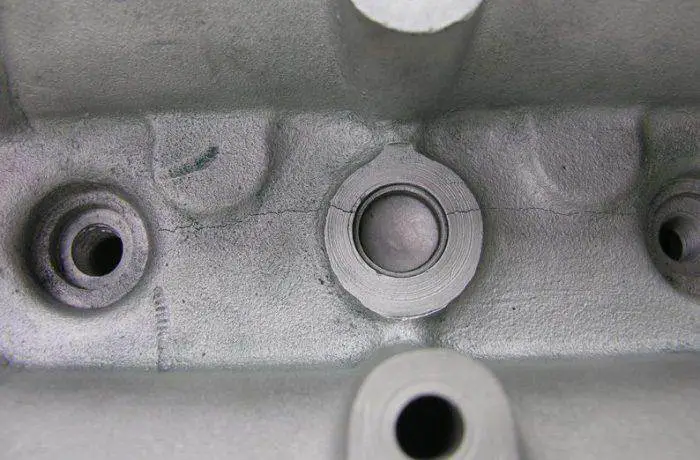
This will trigger poor compression, leading to poor engine performance. To spot the complication, start the engine with the radiator cap open and pay attention if air bubbles come out.

These bubbles are gases from the combustion chamber escaping into the cooling system through the cracked wall.

A crack in the cylinder will cause gases to leak into the radiator. (Photo: lainecg.web.fc2.com)

Gasket Problems

Worn or misaligned gaskets can also cause poor compression. In this case, you can use a pressure tester to identify the problem.

It measures the compression level in the cylinder. If the readings are different, you need to check the gasket to locate the problematic spot.

Worn Timing Belt

This is the bridge between the camshaft and the crankshaft. The camshaft cannot operate when the belt breaks or fails.

As a result, the intake valve does not close and the exhaust valve is sealed. The chain reaction will lead to gases being trapped inside the combustion chamber and cause low compression.

Valve Problems

Learn how to fix low compression in a cylinder with the following circuit with us today!

Start the engine with a compression tester in place of the spark plug to identify any problem with the valve. Pay attention to gas leaks from the air intake manifold or the exhaust pipe.

The leaking noise from either of them will confirm that the valve attached to that respective system is faulty.

Worn Pistons or Piston Rings

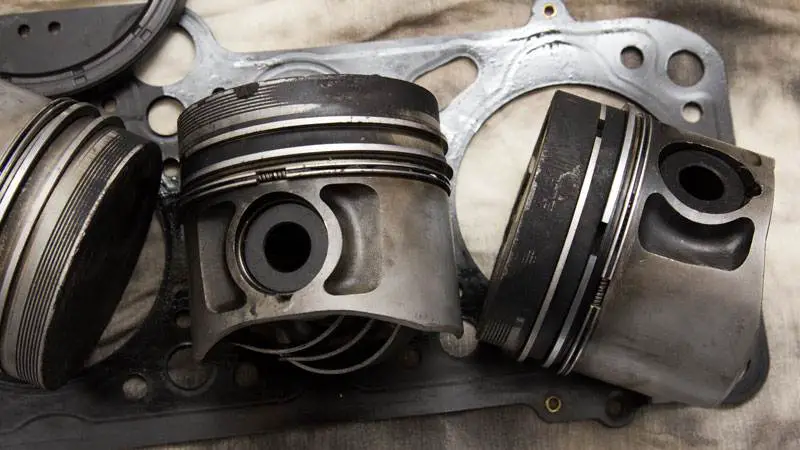
When the pistons or piston rings are worn, the gases from the cylinder enter the engine crankcase through them.

One way to test the problem is to pour viscous oil into the spark plug hole so that it reaches the combustion cylinder.

bad piston ring

Flattened Camshaft

A camshaft lobe is located on each valve. The camshaft lobes can also wear out, preventing the valve from opening.

When the valve is closed, the cylinder cannot receive air or expel exhaust gases. As a result, compression issues occur.

Remove the valve cover and rotate the engine to inspect the valves. Keep an eye on the valve movement. If you encounter a problem, the camshaft must be replaced.

Broken Cylinder Head Gasket

Low compression in a cylinder can occur if your gasket is not properly positioned or is deteriorated. The gas will escape from the cylinder through the small hole or gap between the head and the cylinder. This prevents your engine from running properly.

Measure the compression level in the cylinder using a compression tester. If your readings do not agree, be sure to inspect your gasket.

How to Fix Low Compression in a Cylinder

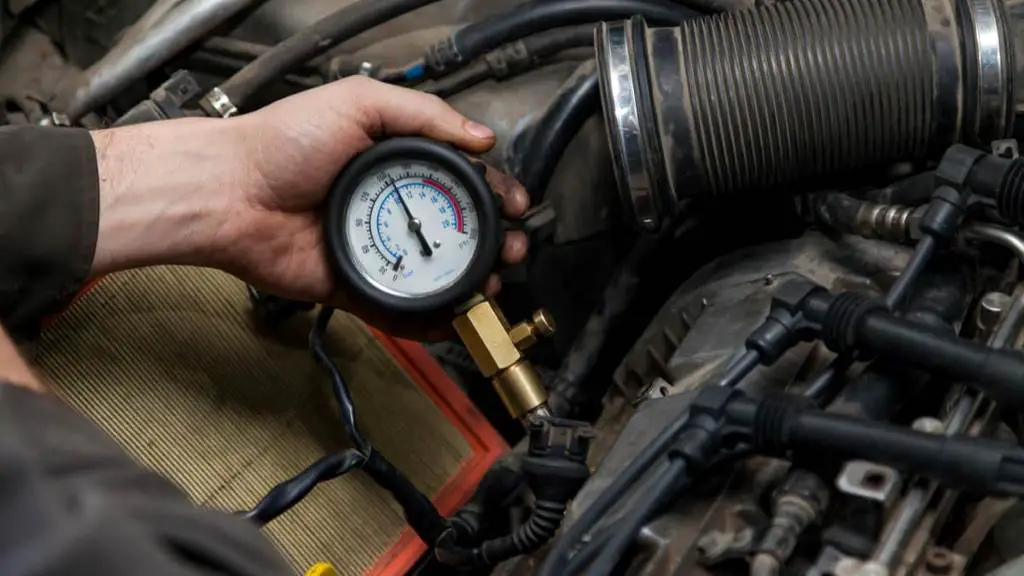
The first step in repair is to ensure that the compression in one of the engine cylinders is low. Use a compression gauge to check the measurement.

If you don’t have one, take the car to an auto repair shop so a mechanic can perform the tests.

If you find low compression, the next step is to check the cylinder, valves, gasket, and piston, as you already know the problem could come from these areas.

If you can detect a crack, damage, or gap, be prepared for a long and costly job of repairing or replacing the engine.

Additionally, how to quickly fix low compression in a cylinder? If one of the cylinders has low compression, pour a teaspoon of oil into the spark plug hole and recheck.

When the compression increases, the rings are likely stuck or worn. The oil acts as a seal, helping to reduce the gap between the rings and the cylinder wall, which leads to loss of cylinder pressure.

fix low compression in one cylinder

FAQ on Low Compression in a Cylinder

  1. Will low compression damage the engine?

If there is no compression, it indicates that a more serious mechanical fault has occurred, preventing your engine from even starting.

When the cylinder does not produce adequate compression, the force is insufficient to drive the piston and crankshaft, leading to your automobile completely breaking down.

  1. Can you still drive a car with low compression on one cylinder?

If you have engine compression problems, your automobile may misfire when you start the engine, run poorly, or not start at all if the compression is low or non-existent in all cylinders. With low compression, you cannot drive your automobile for very long, if at all.

  1. Is it expensive to fix low compression?

There are several probable causes of poor compression, but you can expect to pay between $100 and $200 to fix it. Your expenses at the mechanic include both labor hours and any parts needed to repair your vehicle.

  1. What is a good reading from a compression test?

A good compression measurement for a gasoline engine is between 125 and 175 PSI, while the standard for a diesel engine is between 275 and 400 PSI.

  1. Can a low compression engine use high octane fuel?

When a low compression engine is fueled with higher octane gasoline, the fuel does not burn properly, resulting in less power but maximum emissions.

  1. What is the best fuel for a low compression engine?

In general, engines with compression ratios of 9.3:1 or less can safely run on 87 octane unleaded fuel.

Engines with higher compression ratios typically require higher octane fuels. Many owners of automobiles designed to run on 87 octane fuel report pinging and knocking.

Symptoms of the Transmission Control Module: Discover the Bad Ones

There are several symptoms of a bad transmission control module that warn you something is wrong and the most likely culprit is the module.

When this small device wears out or is damaged, your car struggles with degraded performance and driving becomes a chore rather than a pleasure.

What is a Transmission Control Module?

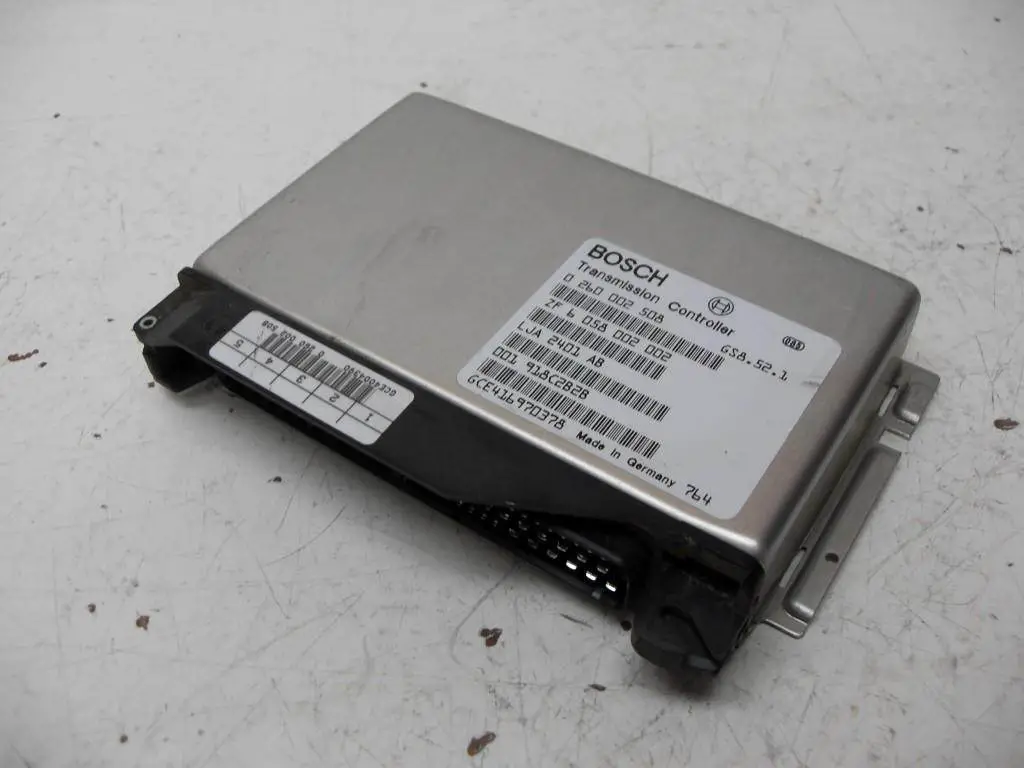
The transmission control module is the driving force behind the mechanism of an automatic transmission. It is a small but necessary component for the efficient operation of the transmission.

The transmission plays the main role in transferring this power, and the module is the component that controls the transmission. You will find this small component on the rear face of the engine.

Based on the information it receives from the engine, the module is key to shifting gears and changing speeds.

What it does is transmit the received signals to the clutch, which then executes the orders by making the necessary adjustments to fuel consumption and power output.

VLUU L200 / Samsung L200

Some computerized modules have internal memory to remember information about your driving habits and apply it to perform the correct gear adjustments.

You need to be aware of several faulty signs of the transmission control module, as a malfunction in any one of them will affect the car’s performance.

Symptoms of a Faulty Transmission Control Module You Need to Be Aware Of

After learning about the transmission control module location and its function, let’s proceed to discover what happens when a transmission control module fails?

The signs of a bad transmission control module are not hard to detect if you know and understand what they are and where they come from.

Here are some transmission control module problems that you should never ignore:

Performance Issues

Does your car experience a lag in acceleration when you press the pedal? Does it no longer accelerate like it used to? This could be one of the bad TCM symptoms warning you that the device is not working properly.

The car must shift through different gears with precise timing to accelerate, and the module is the component primarily responsible for this operation. A lag in acceleration means it has malfunctioned and needs repair.

Gear Shifting Problems

There can be several gear shifting problems, warning you of bad transmission control module symptoms. Some of the most common issues are:

  • Not downshifting properly when the car stops at a traffic light
  • Delayed response when shifting from a lower gear during acceleration
  • Shifting into neutral without warning
  • Not being able to get out of neutral mode
  • Randomly shifting from one gear to another
  • Accelerating slowly or getting stuck on an incline
The gear shifting problem could be dangerous. (Photo: iStockphoto)

These are all symptoms of a bad transmission control module, indicating a problem with the component.

However, you can easily check if the module is the source of the problem in the case of a manual override. There will be no doubt about it if you can manually shift to the correct gear.

Struggling with Energy Efficiency

One of the notable signs of a bad transmission control module is lower fuel economy. A transmission malfunction means the engine has to work harder when traversing rough terrain or climbing a mountain road.

When this happens, the car is likely to consume more fuel than usual. If the frequency of your trips to the gas station increases for no apparent reason, the problem could be with the transmission module.

Nowadays, many automobiles have an information screen showing the current fuel consumption along with other variables. This makes it easier to know if the car is consuming more fuel than necessary.

Cars Stuck in Limp Mode

A notable and aggravating indication of a malfunctioning TCM is your vehicle getting stuck in “limp mode.”

Most cars activate this self-preservation mode when the TCM identifies a major problem with the transmission, provides incorrect data, or simply stops interacting with other control modules inside the vehicle.

Limp mode, in effect, prevents the automobile from shifting into higher gears, thereby limiting your vehicle’s power and speed.

What Causes Bad Transmission Control Module Symptoms?

Here are some reasons why the transmission control module fails.

Wear and Tear

The older your car gets and the more miles you put on it, the more parts wear out and fail. Weather conditions, road conditions, corrosive foreign chemicals, and lack of maintenance all contribute to wear and strain.

car wear and tear

Generated Engine Heat

Since the transmission control module is a computer made up of electronic components, it is susceptible to heat damage.

Heat is never good for electronics, including TCMs. The metal and plastic casing of your TCM is meant to protect it from heat, but it can fail.

Vibrating Ride

Vibrations are also harmful to electronics, and automobiles vibrate a lot. The engine produces vibrations that increase with speed and RPM.

Your vehicle vibrates from road shocks. This research paper explains why vibrations are so detrimental to the TCM and its mount.

What are the Solutions?

A transmission control module is an electronic device, and a burnt circuit is the cause of its failure in most cases.

It could be a faulty resistor or transistor on a printed circuit board. Any qualified technician or experienced auto mechanic can fix the problem. You can even replace the entire module if necessary, but the device is expensive.

The good news is that sometimes the problem is not with the module itself, even if the car exhibits these similar symptoms. Instead, a clogged passage or a faulty valve solenoid in the transmission could be the cause.

The module cannot function properly because it does not receive the correct supply voltage due to problems with these parts. In this case, you can simply replace that problematic device and solve the issue at a lower cost.

Can You Drive with a Faulty Transmission Control Module?

Not at all! A problem with the transmission, especially during gear shifting, means the car might randomly shift to another gear or not shift into the correct gear while you are driving.

Both situations can be dangerous whether you are driving in the city or on the highway.

It is never safe to drive with a transmission problem. (Photo: Pixabay)

Furthermore, driving with a faulty TCM in cars will not solve the problem. On the contrary, it will worsen the condition, and your transmission could end up breaking into pieces.

Transmission Control Module FAQ

1. Can a Bad TCM Cause Transmission Slipping?

Yes, a faulty TCM can lead to transmission slipping. When the TCM fails to regulate gear changes properly, gears may not engage or disengage as they should, resulting in slipping, poor acceleration, and reduced power.

2. How Do I Know If My TCM is Causing Shifting Problems?

If you experience harsh or delayed gear shifts, even under normal driving conditions, your TCM could be the cause. Unusual noises, such as clunking or whining, during gear shifts can also be indicative of TCM issues.

3. Will a Bad TCM Trigger the Check Engine Light?

Yes, a failing TCM can trigger the Check Engine light to illuminate on your vehicle’s dashboard. Modern vehicles are equipped with onboard diagnostics that detect issues related to the TCM and generate error codes.

4. Can a Bad TCM Cause Transmission Overheating?

A faulty TCM can contribute to transmission overheating. Incorrect gear shifts and gear slipping caused by a bad TCM can generate excess heat in the transmission, potentially leading to overheating.

5. Can a Bad Battery Cause TCM Problems?

A weak or faulty battery can impact TCM performance. Voltage fluctuations can disrupt communication between the TCM and other control modules, leading to erratic behavior. It is good practice to ensure your vehicle’s battery is in good condition.

Symptoms of a Faulty Throttle Position Sensor and How to Fix It

The issue with your vehicle’s power window is truly disappointing. Whatever the cause, you’ll certainly be frustrated if the power window doesn’t go up, especially when it’s raining. However, this is a very common problem, but you need to resolve it immediately. So, here are some quick and affordable tips that will help you fix the car window problem without worsening your vehicle’s issue.

The Car Window Doesn’t Roll Up: What Are the Reasons?

The cause of this problem stems from the operating principle of this control system. Some people don’t know that car windows work based on the door’s lift/lower control system. The motor drives the window to rotate, creating an up-and-down motion to open and close the window. Thus, when the motor fails, the gears wear out, and the cables or fuses blow, the window is likely to get stuck or not go up:

  • The gear part operates regularly and supports the weight of the glass, so it’s prone to wear. A faulty gear affects the motor’s ability to transmit motion to raise/lower the window.
  • If the cable breaks or gets stuck in the twisted shaft, a slight sound will appear when you press the button. At this point, the motor is running but the window doesn’t move.
  • Furthermore, the window jamming condition also occurs when the fuse is blown, preventing the motor from controlling the window door.

Ways to Solve the “Car Window Won’t Go Up” Problem

The reasons for your vehicle’s window breaking can be multiple. It’s possible the issue is as simple as a loose connection or as difficult as a faulty switch. Once you’ve identified the problem, you need to fix it with simple and affordable solutions, as mentioned below.

1. Replacing the Blown Fuse

If your car’s power window stops suddenly, the window fuse may have blown. In such a case, you need to change it. You must locate the fuse box and open it. It might be nearby or part of the dashboard. Refer to the owner’s manual for help if you haven’t found it. Now, remove the blown fuse and replace it with a new one having the same amperage. You can refer to some car maintenance tips in case you need assistance.

2. Fixing the Window Seals

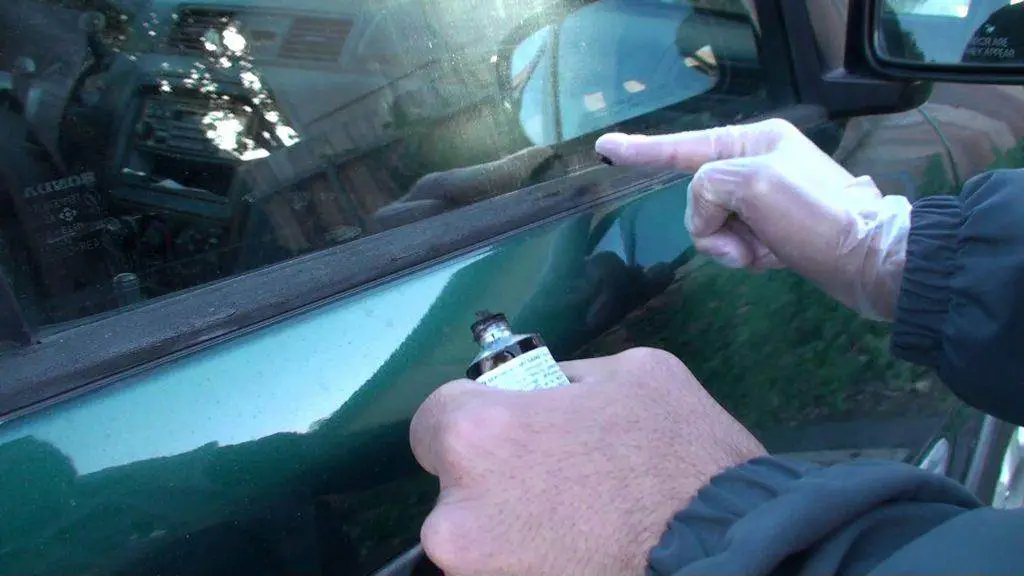
A quick fix for the car window not going up. (Photo: Youtube)

Another reason responsible for the “car window won’t go up” problem could be poor-quality window seals. Grease or dirt can accumulate and prevent the seals from closing properly. So, in this case, you need to clean these seals with acetone. Be careful when applying acetone as it can affect your car’s carpet and paint. Once you’ve cleaned these seals, try moving your window now.

3. Changing the Faulty Switch

A possible reason behind this issue could be a faulty switch. To replace this faulty switch, you need to disassemble the window panel. Disconnect the connectors to ensure they provide the proper 12 volts to the switch. You can use a multimeter to check the connector readings. Now, take another switch and plug it into the wiring connectors. And check if it works or not.

4. Replace the Window Regulator or Motor

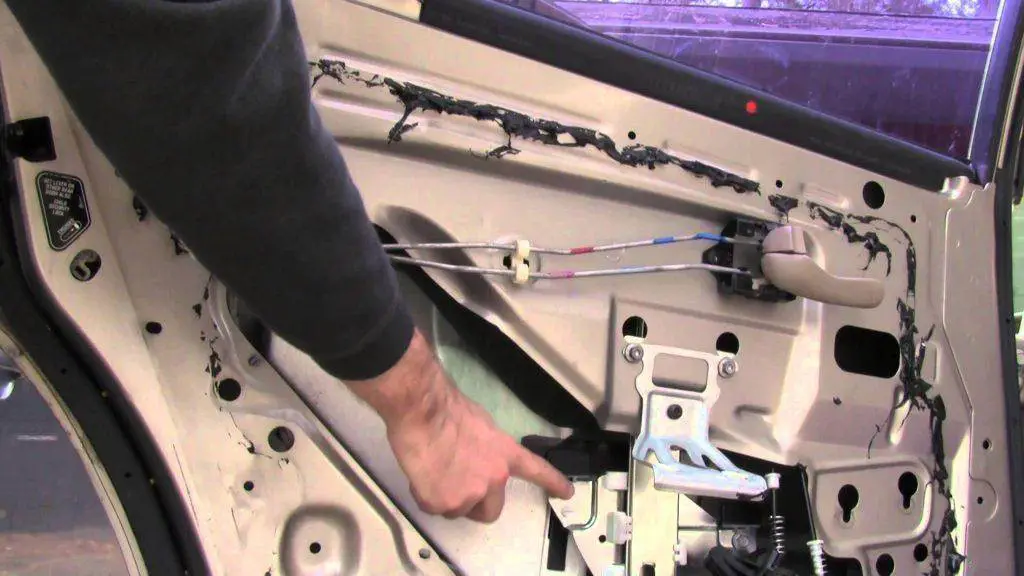
The car window with quick repair guide not going up. (Photo: Youtube)

In such a situation, you need to remove the door panel. You usually need to remove screws to fully take off this panel. Now, check if the motor is receiving the correct reading according to the manual. If the motor is getting the correct value but isn’t working properly, you might need to install a new one. On the other hand, if the motor runs correctly but the window doesn’t respond, you may need to replace the regulator.

Watch the video to learn more about the repair process:

https://youtube.com/watch?v=3kK78HkGUCA%3Ffeature%3Doembed

Detailed Instructions for Fixing the Car Window Not Going Up:

Step 1: Use a screwdriver to remove the screws holding the window body cover in position.

Step 2: Disconnect and remove the window’s rocker arm.

Step 3: Look carefully at the window regulator and identify the cause of the car window jamming. Check if the cable is stuck or not. If it is, adjust the cable to its original position. If the cable is broken, it must be replaced to continue using it.

Step 4: Check the window seal and replace it if damaged.

Step 5: Check the operating condition of the electric motor, fuse, switch, and wire. If the electric motor works intermittently and inefficiently, the car owner must replace it. If the fuse is damaged or blown, it can also affect the operation of the car window going up/down.

Step 6: Reinstall the car door in its original position.

Please note that all these steps should be based on the manufacturer’s guide or trusted mechanics. You shouldn’t repair it yourself if you don’t have basic mechanical knowledge.

Conclusion

We’ve covered 4 reasons and solutions for the “car window not going up” problem. I hope you have a better understanding of this issue and ways to fix it. If you have questions regarding “the automatic window doesn’t open” or want to learn more about “the power window not going up – quick fix“, feel free to leave them in our comments section.

The flashing check engine light and the car shaking – The reasons

There are many types of problems that a car owner experiences with their vehicle throughout its life, and the check engine light flashing and the car shaking are among them.

The check engine light is a sign indicating a malfunction in the engine. The engine light can appear for a minor fault in your engine as well as for a serious problem.

In both cases, you need to pay attention to the cause and have it repaired as soon as possible.

Today, we will learn more about what a flashing check engine light and shaking might mean and what your options are. Let’s get straight to the point!

The Flashing Check Engine Light and Car Shaking: Understanding the Process!

Different sensors and actuators in your car work to detect any malfunction and record this information with your car’s computer system. In the case of a shaking car, the check engine light appears on your dashboard.

When this Check Engine light flashes continuously instead of appearing steadily, it represents a more serious problem rather than one that can be ignored.

Therefore, entrusting the car to a professional is always a wise decision. However, you should always have a clear idea of the causes that are creating a problem with your car.

The Possible Reasons Behind a Shaking Car

The main culprit causing the check engine light to flash and the car to shake is a faulty cylinder.

Each cylinder in your engine is supposed to play its role in moving the fuel-air mixture through the system.

When the cylinder does not function as expected or does not allow fuel and air to pass through each time the crankshaft rotates, it misfires. As a result, the engine runs poorly and the car shakes and the check engine light comes on.

Now, why the cylinder isn’t playing its role can be due to several reasons? The first reason can be worn-out spark plugs.

In most cases, these plugs work well up to 100,000 miles, and if you don’t replace them on time, they are likely to create a problem with the cylinder’s operation.

The second reason can be faulty coils. The coils are responsible for producing the spark the cylinder needs to ignite each time the crankshaft event occurs.

So, you can also have the coil checked by a repairer and proceed with replacement if necessary.

All these reasons can explain why your cylinder isn’t firing when it should (Photo: depositphotos)

A Few More Reasons!

The third reason why the check engine light is on and the car is shaking could be a faulty intake manifold gasket. These gaskets work as a seal, and when the gasket loses its ability, it causes engine overheating.

Besides engine overheating, if you notice a coolant leak, it’s a symptom that there is a problem with the gasket. A broken engine mount also serves as a sufficient reason to produce vibrations while you are driving.

The mount keeps the engine attached to the car’s chassis. And when the mount fails, you experience a shaking car. All these reasons can explain why your cylinder isn’t firing when it should.

This issue needs to be resolved immediately, as driving with the check engine light flashing and the car shaking will further damage the components. As a result, it costs you more money, and that’s something nobody wants.

What Are Your Options Regarding Any of These Issues?

The first, and recommended, option in case of car shaking and the check engine light coming on, is to take the car to a local dealer or a repair center where a particular brand of cars is serviced.

Since the people working here are professionals and they are familiar with a particular brand, this is an advantage.

The second option is to take your car to an independent auto repair center. Usually, the repairers working in these centers work on all vehicles, regardless of their brand.

Furthermore, they charge you less than local dealers. Learn more about how to properly maintain your car here.

As a third option, you can do it yourself if you have good knowledge of reading the code form using an OBD-II scanner and performing the repair accordingly.

There are many websites selling scanners, and they are generally inexpensive devices.

Nevertheless, an inexperienced car owner should not opt for the DIY option. It could cause more damage to your car.

The second option is to take your car to an independent auto repair center (Photo: Toyota)

FAQ on Flashing Check Engine Light and Car Shaking

  1. Is it safe to drive if my car’s engine is shaking?

If you notice continuous shaking in your automobile, it is advisable to address the issue immediately before continuing to drive.

Driving with the car shaking and the check engine light on can lead to more damaged components, damaged tires, and other costly problems that could have been avoided by a quick move to your repair shop.

  1. How far can you drive with a flashing check engine light and a shaking car?

Since the severity of the problem varies, there is no set time limit. However, it is generally not recommended to drive more than a few miles with a flashing check engine light.

To avoid putting yourself or others in danger, have the car towed to a repair shop rather than driving it.

  1. Can low oil level cause a flashing check engine light?

Low oil pressure is a typical reason why the check engine light comes on, and it can significantly harm your vehicle’s performance. If this is the case, your oil light will usually come on as well.

  1. Why does my check engine light flash and then go off during acceleration?

Something is wrong with your engine if the check engine light is flashing. You should stop and turn off your vehicle as soon as you can do so safely.

During acceleration, the check engine light flashes and white exhaust gases come and go, indicating a stuck fuel injector.

  1. When the check engine light is flashing, what is the first thing to inspect?

You should always check your gas cap first. Many cars include a loose gas cap indication, which will activate before the check engine light comes on.

If your gas cap is loose or the seal is not tight, a vapor leak can cause the check engine light to come on.

Conclusion

You now know that faulty spark plugs, worn coils, or a leaking gasket can be the cause of the check engine light flashing and the car shaking.

Regularly observe the dashboard lights and note which symbol appears in which color.

When you see any of the symbols in white, blue, and green lights, there is no need to worry. However, yellow and red lights recommend having your car checked.

Here, the self-diagnostic system can be a great help, but if you do not possess sufficient knowledge, we recommend consulting an automotive maintenance professional.

Coolant shortage in the reservoir without potential leakage

Whether you call it antifreeze, coolant, or even radiator fluid, the purpose is to keep the engine cool. It can happen that the cooling system fails for one reason or another. The mystery arises, however, when, as if by magic, the coolant disappears from the reservoir without any potential signs of a leak. Has this happened with your car as well? Let’s unravel the mystery for you so you don’t scratch your head wondering next time.

What is the purpose of coolant?

Coolant is not only useful in summer but also in winter. In summer, the coolant helps dissipate heat from the car’s engine so that the operating mechanical block stays cool. In winter, the coolant helps lower the freezing point and, consequently, increases the boiling point of the liquid, hence the name “antifreeze.”

Why does coolant secretly disappear from the reservoir?

Low coolant levels or operating with aged coolant are common observable issues in cars. Curiosity arises when the coolant mysteriously disappears from the reservoir and you don’t even notice any leak. How is this possible? It’s a puzzling situation that has much more to do with it than you might imagine. Let’s explore and address the root cause of the current problem.

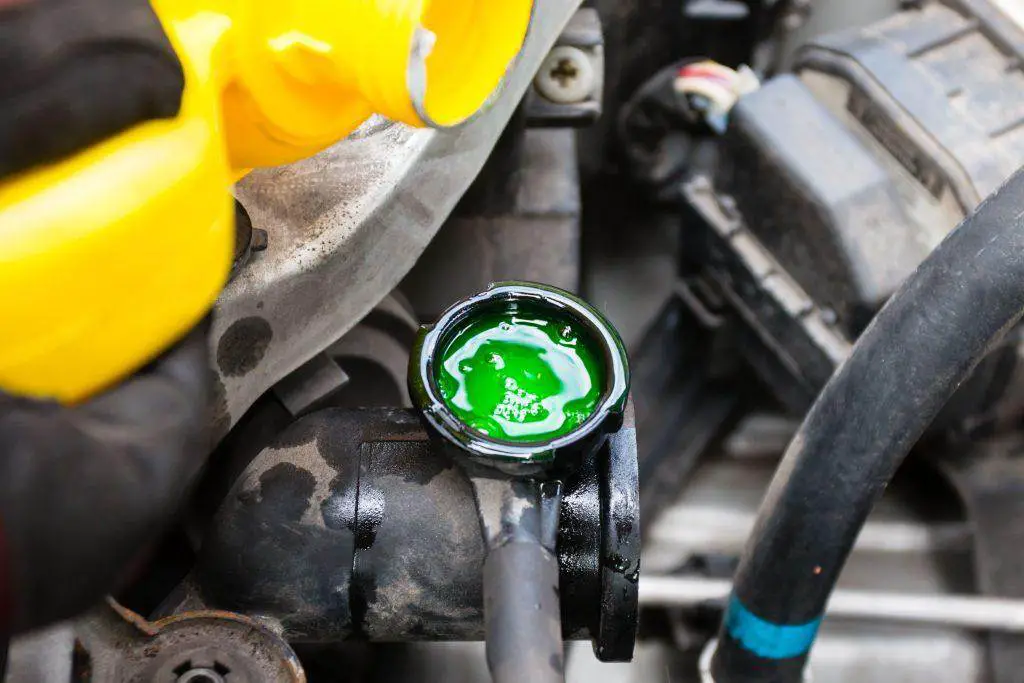
Why coolant disappears from your car’s reservoir. (Photo source: wheels)

The real problem occurs when proper coolant levels are not maintained in the reservoir. Such a decrease in coolant level manifests as leaks or an odor that emerges when the coolant escapes as mist. The real confusion arises when the coolant disappears from the reservoir without any symptoms. What could be the reason for this? Let’s find out!

1. Faulty Reservoir Cap

It can happen that the radiator reservoir cap turns out to be faulty. Even though it seems like a minor issue, it can have disastrous consequences. Under normal circumstances, coolant is expelled from the reservoir’s overflow tube when the engine starts to heat up. This leak is visible and can result from a bad reservoir cap. Refer to maintenance tips to learn about the consequences of an overfilled coolant reservoir.

A reservoir is under pressure under normal circumstances to increase the boiling point of the coolant. If the radiator cap is faulty, the required pressure fails to build up inside the system, leading to overheating. When this happens, the coolant may simply burn off and disappear.

2. Bad Head Gasket

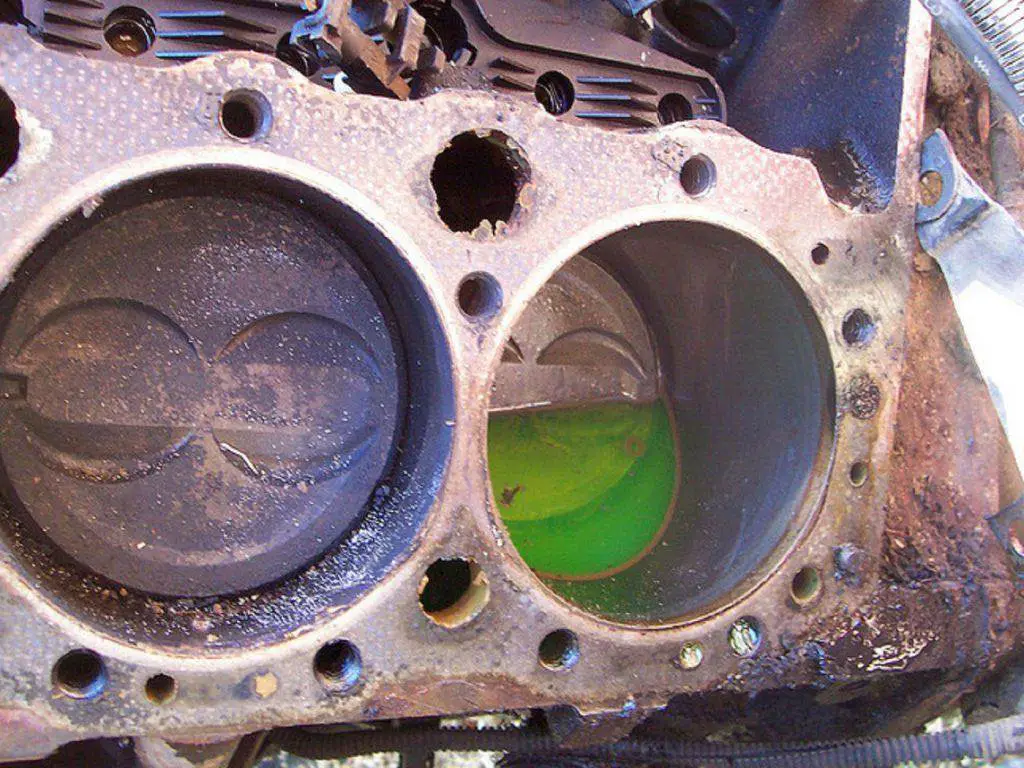
A head gasket is a component sandwiched between the engine block and the cylinder head of the combustion engine. The basic functionality of these gaskets is to seal the cylinders so that coolant does not enter the cylinder.

Solving the mystery of coolant disappearing from the reservoir. (Photo source: Keralapool)

Sometimes, however, the head gasket can turn out to be faulty. Such an issue, in turn, can lead to coolant flowing into the cylinder and evaporating. In the case where the head gasket leak is minor, air is likely to enter the cooling system. The pressure thus formed by the air causes the radiator cap to lift. This, in turn, leads to the evaporation of the coolant along with exhaust gases.

3. Invisible Leak Points

When you don’t know where the coolant is going, applying pressure can help resolve the confusion. You would need an air pump, which, in turn, will help you detect the leak point when nothing is visible to the eye.

Remove the radiator cap and attach the air pump tester hose to the coolant recovery reservoir. Now, you can start pumping air until the air pump gauge reaches the pressure level printed on the radiator. Now that the system is under pressure, leaks would become visible through the leak points, if any.

Wrap Up

These are the causes that could lead to the coolant disappearing from the reservoir without any leak. Remember to never ignore coolant leaks, whether visible or not, as they could damage the car’s engine and driving quality.

Drum Brake to Disc Brake Conversion: 3 Simple Steps!

Whether you’re an automotive tuning enthusiast or want your car to perform better during braking, converting drum brakes to disc brakes is the first upgrade you should consider. Abandoning old-fashioned drum brakes in favor of discs makes perfect sense, as the former cannot provide high braking power and are very sensitive to heat, moisture, and debris. They also require regular maintenance and tuning. But, is the drum brake to disc brake conversion process simple or laborious? Does it cost too much?

Drum Brake to Disc Brake Conversion Process

Drum to disc conversion is a difficult process, and most brake shops don’t even have the necessary expertise and engineering to handle this task. However, you can do it yourself provided you have solid knowledge and hands-on experience with automotive mechanisms.

The first step is to prepare everything, which includes draining half of the brake fluid from the master cylinder and loosening the wheel nuts on the wheel from which you’ll remove the brake drum. Lift the vehicle with a jack and remove the tire.

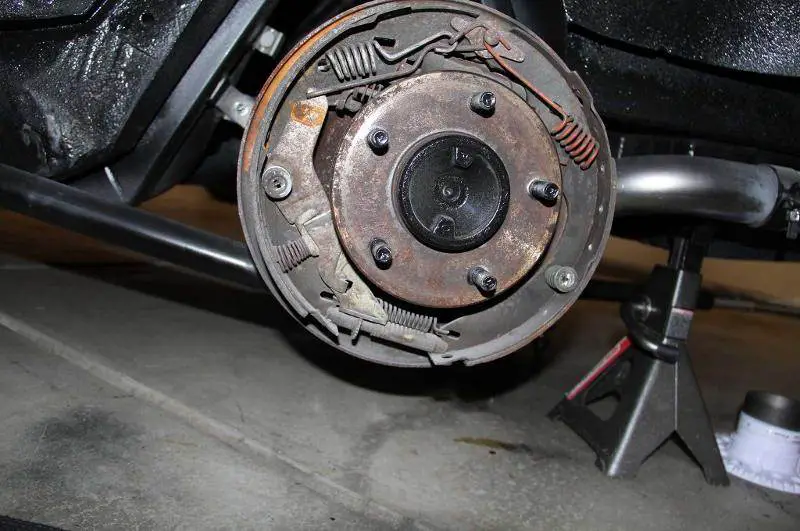
The conversion will increase the car’s performance. (Photo: Pinterest)

When you’re ready to convert drum brakes to disc brakes, follow these steps:

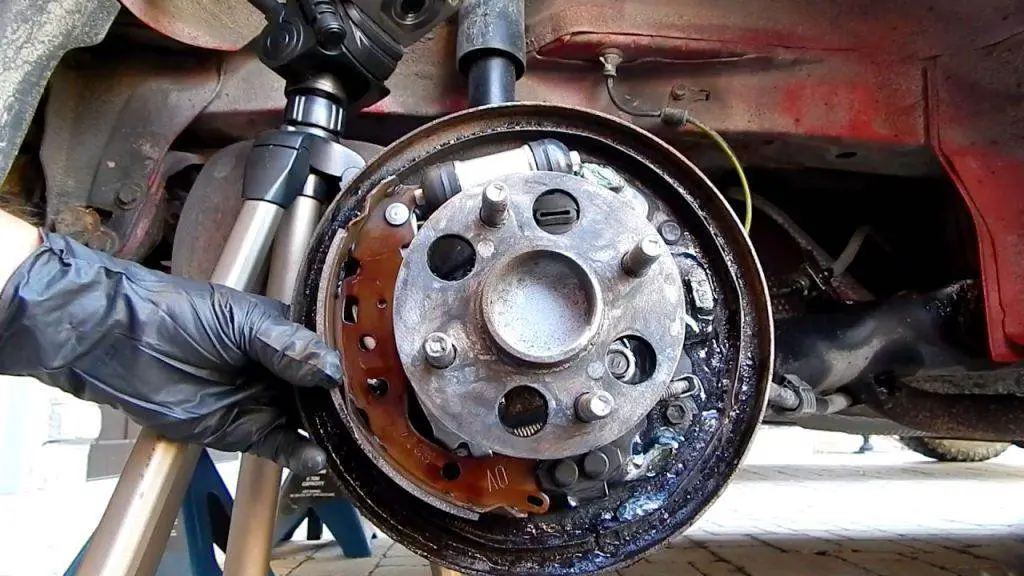
Step 1 – Find a small round clip on the wheel stud if the car is rear-wheel drive and remove it. Turn the adjustment dial inside the access hole, which should be on the backing plate or the brake drum, and loosen the drum. Finally, remove it from its mount.

If the vehicle is front-wheel drive, disassemble the wheel bearings and the bearing cap so you can disconnect the brake drum.

Step 2 – This step in the drum to disc conversion involves disconnecting the brake shoes. After removal, detach all hardware attached to the shoes, including the screw assembly, springs, and retaining rings.

Carefully inspect the condition of the spindle. Clean off dirt and rust or replace it if it’s worn.

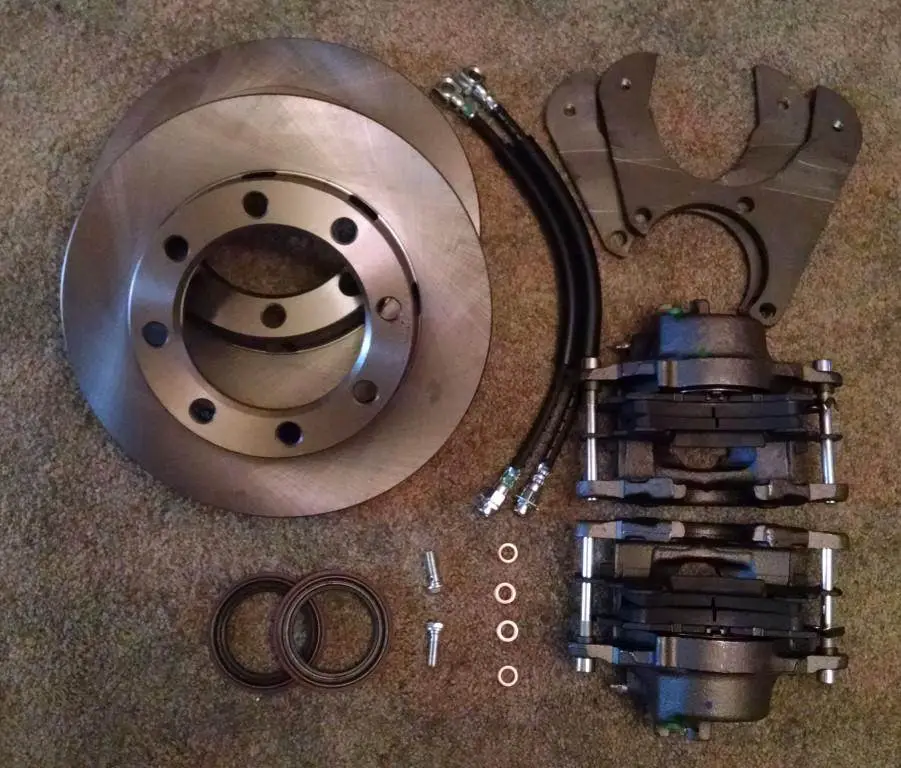
Step 3 – Now it’s time to install the disc brakes. But you must first connect the rotor to the spindle by securing the nuts and bearings. Attach the brake pads by placing the caliper assembly over the rotor and securing the brake lines. Wrap up this step by installing the parking brake cable inside the caliper piston.

When you’ve finished securing every screw and bolt, fill the master cylinder with fresh brake fluid. You’re done with the drum brake to disc brake conversion!

A conversion kit for Ford Sterling. (Photo: lugnut4x4)

Should We Convert Drum Brakes to Disc Brakes?

As we all know, disc brakes have the advantages of simple structure and good braking sensitivity, but due to size limitations, they cannot create a large braking force and the brake pads need to be replaced more often.

On the other hand, drum brakes have the advantage of being able to generate a large braking force and the pads last longer, but they have a more complex structure and are more difficult to maintain.

The choice of braking system mainly depends on your vehicle’s structure, components, and technical calculations. For example, in the Toyota Sienna, if the vehicle is equipped with a VSC (Vehicle Stability Control) system, the front and rear brakes are disc brakes (like the Sienna LE 4WD). For vehicles not equipped with VSC, the rear brake is selected as a drum brake.

If your Toyota Sienna LE is not equipped with VSC, it’s normal to use front disc brakes and rear drum brakes, and you can be completely assured of brake safety.

Converting drum brakes to disc brakes is sometimes a quite complicated process, so you should consult an expert before undertaking this process.

Converting Drum Brakes to Discs – What’s the Cost

It’s easier to perform the conversion on older vehicles, and the obvious candidates are pre-1970 models, as disc brakes only became standard in the 70s.

The cost actually depends on the vehicle’s make and model. The conversion kit for an old Camaro or Mustang costs around $400, but it will be more for a Ford F100 because it has a larger axle.

Watch the video below to see the DIY drum brake to disc conversion:

https://youtube.com/watch?v=3YhUv4cBoiA%3Ffeature%3Doembed

Did you enjoy our article? If you have any questions, feel free to leave us a comment below. Keep reading us to read the latest automotive articles every day written by automotive experts.

Does a new engine reset the odometer? Find the truth

Every vehicle is equipped with an odometer. And people often ask if a new engine resets the odometer, and maybe you do too. Before knowing the answer, let’s delve deeper into this trending topic.

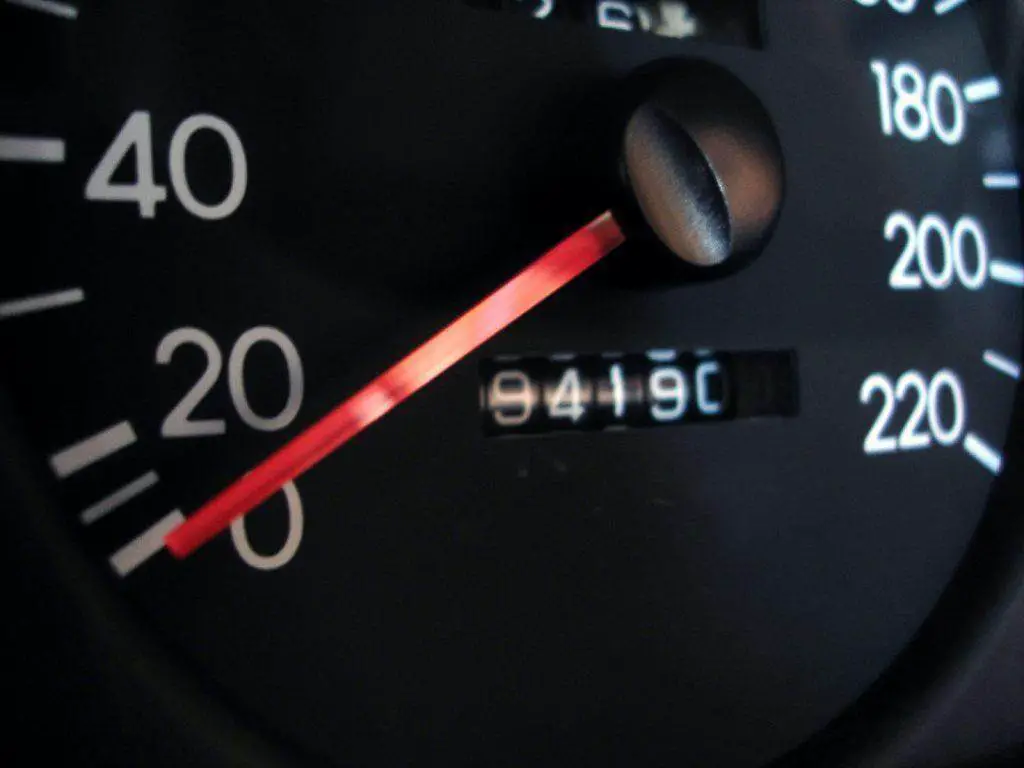
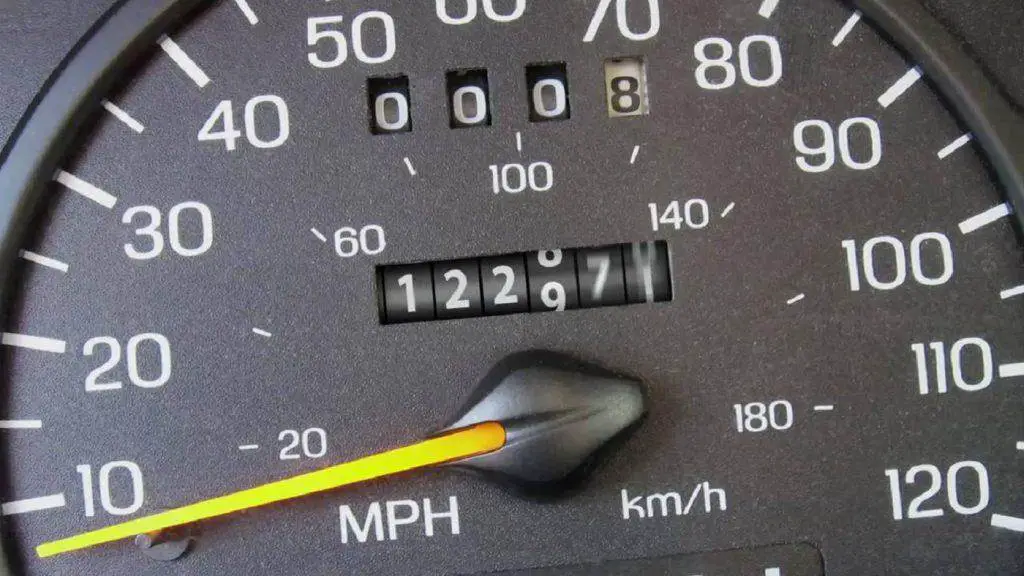
The odometer is a device that measures the total distance your car has traveled so far, usually identified as mileage.

Reading your odometer is important when you need to track the distance traveled due to pending oil changes, regular maintenance, or tire replacements.

But what happens if the readings are reset? It would certainly be nothing less than a nightmare.

Facts About Whether a New Engine Resets the Odometer

The engine and the odometer are two separate entities. The engine helps in the vehicle’s operation, while the odometer reflects the distance traveled on the road.

Many people think that when the engine is replaced for one reason or another, the mileage would reset to zero. Is this true?

1. The Truth Behind Manipulating Odometer Readings

An odometer concerns the distance traveled by your vehicle since you bought it from a dealership. It is not the engine alone that manipulates the odometer readings.

Rather, it is the entire mechanical assembly that does it! In simpler terms, the odometer indicates the mileage of the entire car, not just the engine.

For example, a heart donor is a younger individual. This does not imply that the recipient would become younger; they would remain the same age.

The same applies to the engine and the odometer. So the answer to the question “Does a new engine reset the odometer?” is no, it does not reset the odometer.

Learn more to find out if a new engine resets the odometer. (Photo: autoyas)

If you opt for a manual reset of the odometer, you would face legal prosecution.

Indeed, the status of the engine change must be documented, and the change in mileage must be calculated and presented. If none of this happens, you will have to bear the disastrous consequences.

2. How to Reset the Odometer?

It is legally not permitted to alter odometer readings. There are people who, before reselling their car, think about replacing the engine.

Why is that? This is due to the misconception that replacing the engine would reset the odometer values, which, in turn, would bring a good value to the car. You must understand that this is simply a mistake.

This may surprise you, but if you wish to reset the odometer, you will need to put in extra effort. You would have to rework the entire car construction.

Replacing the engine, transmission, suspension, brakes, alternator, wiring, or anything else you might think of; all of this together helps reset the odometer.

Would you be willing to do all that? In practice, the answer is no! To learn more about trending automotive topics, refer to maintenance tips.

FAQ on Odometer Reset

  1. Can you adjust the miles on your odometer?

Yes, you can reduce the mileage on a digital odometer to make it appear lower than the vehicle’s actual mileage.

Before the early 2000s, one had to physically roll back the numbers on a mechanical odometer designed to record the distance traveled by a vehicle.

  1. What are the consequences of tampering with the odometer?

In the United States, odometer fraud is punishable.

Disconnecting, resetting, or tampering with a motor vehicle’s odometer with the intent to alter the actual mileage is punishable under law 49 USC 32703.

Civil penalties may include fines of up to $10,000 per violation, with each odometer change representing a separate offense.

  1. How to tell if the odometer has been reset?

The simplest approach to determine if the odometer has been rolled back is to compare the miles shown on the odometer to the numbers on inspection documents.

You can also check car history reports. These documents will provide information on any mileage changes.

  1. What happens if you buy a used car with a rolled-back odometer?

Buying a car with a fake odometer may imply that the car’s condition is not as excellent as you think, leading to costly maintenance and repairs that you are not prepared to face.

For more information on how to detect odometer fraud on your used vehicle, watch this video from Denver7!

https://youtube.com/watch?v=2iVz5vEeqDw%3Ffeature%3Doembed
  1. What controls a car’s odometer?

The engine control unit counts all the pulses and calculates the total distance traveled by the vehicle. This implies that if you try to “roll back” the odometer, the value recorded in the ECU will be incorrect.

The figure can be read with a diagnostic computer, available in all car dealership service departments.

  1. What happens if you buy a car with incorrect mileage?

While criminal penalties are the most common recourse for odometer fraud, victims are entitled to civil penalties against the fraudsters, including triple damages or $1,500 (whichever is greater) and actual losses.

  1. How often are odometers reset?

According to this NHTSA report (PDF), about 452,000 used automobiles with incorrect odometer readings are sold each year, representing 3.47% of all used vehicle sales.

This means that if you want to buy a used automobile, you have a 1 in 29 risk of being a victim of odometer rollback fraud.

  1. Can a dealer or dealership reset an odometer?

A car dealer is prohibited from reducing a vehicle’s mileage for any reason. There are odometer laws that protect car buyers if the miles have been reset.

This can lead to the filing of criminal charges against the company or individual involved in the illegal action.

Wrap Up

Knowing the facts about whether a new engine resets the odometer, you clearly understand that the odometer readings will never decrease, no matter what.

Always remember to adhere to standards and never make a decision that could end up spoiling things.

The worst tire brands to avoid buying in 2023

The quality of your vehicle’s tires plays an important role in your road safety and directly affects handling, braking performance, and driving comfort. While there are many criteria for choosing a good set of tires, you can save time in your research by avoiding the worst tire brands to avoid.

Continue reading to discover the notorious tire manufacturers, known for their deadly tires, and know that it’s better not to risk your life just to save money.

The Worst Tire Brands to Avoid at All Costs in 2023

Chinese Tire Manufacturers

Chaoyang

  • A large Chinese rubber company that manufactures a variety of products, but its car tires are disappointing
  • Wears unevenly and quickly
  • Countless reports that tires have burst due to extreme heat
  • Too soft and not durable, punctures too easily

AKS Tires

  • Known for its short lifespan
  • Easy deterioration and failure that can lead to serious accidents
  • Very poor grip on both dry and wet roads.

Geostar

  • Poor grip on both dry and wet roads
  • Poor steering responsiveness
  • Poor driving comfort

Auto Greening

  • Poor grip on dry roads
  • Poor driving comfort, noticeable vibrations at highway speeds
  • Very short lifespan, 10,000 miles at most
  • Uneven tread wear, which further reduces its short lifespan.
chinese tire brands

Non-Chinese Tire Manufacturers

Firestone Destination Tires (USA)

  • Used to manufacture decent car tires, but now, all their tires are made in China, using poor quality materials and reducing testing and quality control to cut manufacturing costs.
  • Tires are too soft and are not made from durable materials, so they puncture easily and road bumps can cause them to bend quickly.
  • Likely to burst at high temperatures.

Carlisle Tires (USA)

  • An American brand but increasingly more products are now made in China. Quality has deteriorated due to excessive cost-cutting.
  • Tires wear out quickly and unevenly
  • May burst in case of extreme heat or very fluctuating temperatures.

Falken Ziex Tires (Japan)

  • Used to manufacture decent tires in an affordable price range, but sacrificed quality to reduce costs.
  • Tires have low traction on dry and wet roads
  • Dreadful performance on wet roads.

Goodyear (USA): G159 model only

  • Goodyear is a prestigious tire brand, but in 2003, its defective G159 model was linked to several accidents and had to cease production.
  • Be aware that some of these tires are still sold at very low prices.

General Tires (USA): Low-end models only

  • A prestigious tire brand, but it manufactured some low-end tires that are a poor attempt to replicate some highly rated tires at a low price.
  • Use of inferior quality materials on some models
  • Customer note: Stay away from those that are significantly cheaper than General Tires’ average price range.
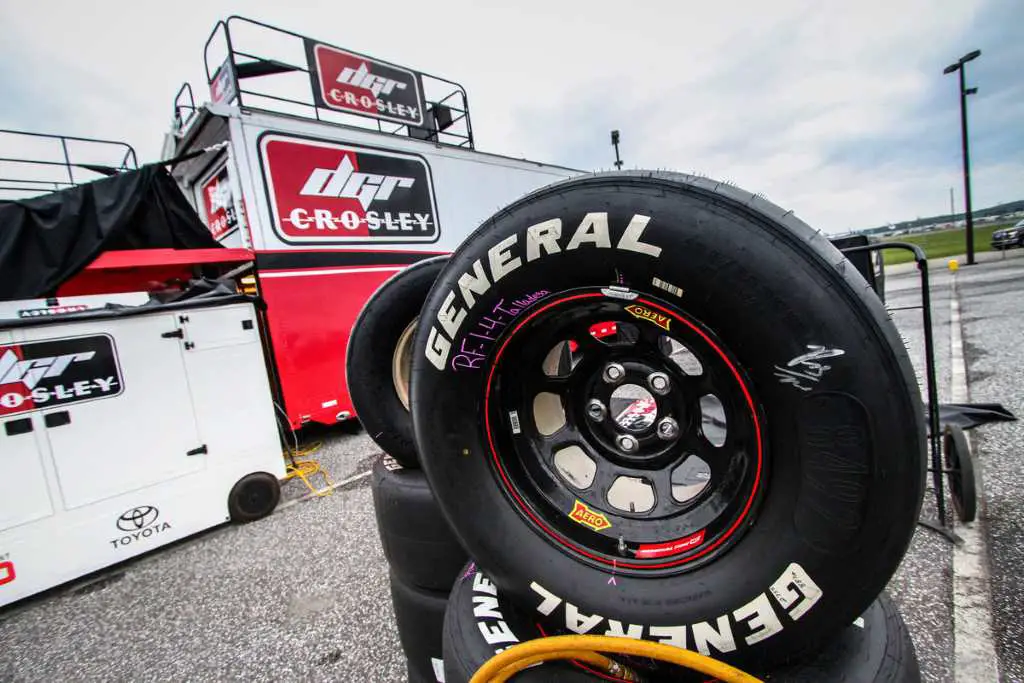
General Tire

As you can see, these tire brands to avoid that we listed above are all Chinese tire brands. And there are a few reasons behind this list.

First, the products from these tire manufacturers lack basic safety measures and quality control. They generally have weaker sidewalls, meaning premature replacement due to sidewall damage.

They also have a shorter lifespan, meaning you will have to replace them more often. And you are not saving money by opting for a cheaper tire, in addition to risking your life on the road due to tire failures.

In reality, well-known but bad tire brands like these would produce tires with below-average grip, meaning a longer braking distance. In an emergency, this bad tire problem can make the difference between life or death.

Worse still, many complaints have been filed stating that their tires even lacked rubber strips, an indispensable component for keeping the steering attached to the tired frame. Furthermore, they lack the marketing oversight and foresight needed to design products that meet international safety standards.

While major manufacturers have all their tires tested before leaving the factory and the test results are publicly documented, many manufacturers wish to cut costs by using inferior quality materials and not testing their tires internally.

It should be known that these somewhat worst tires to buy have frequently appeared on dangerous tire lists after being tested by industry experts and tire technicians.

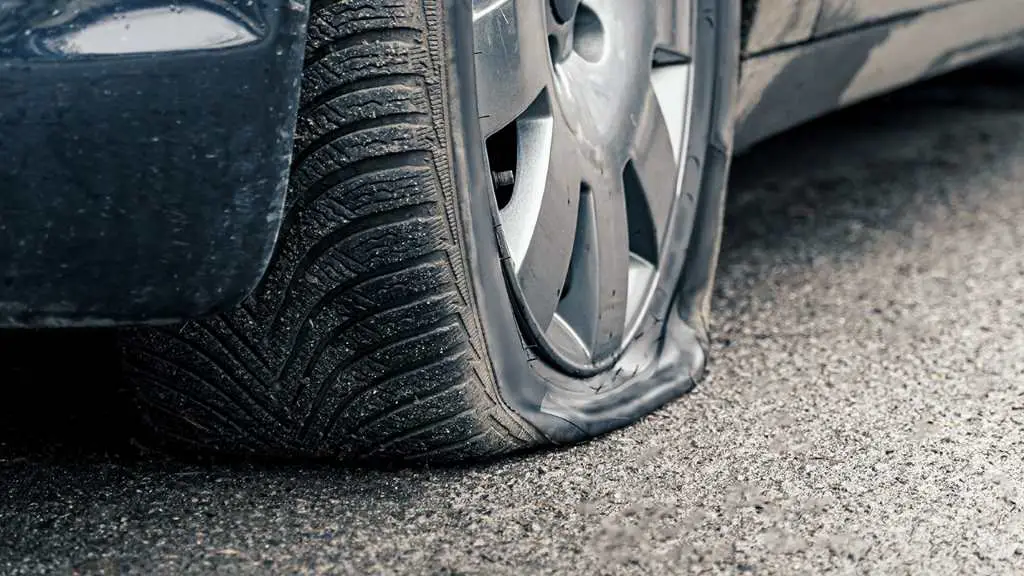
flat tire

Furthermore, disreputable tire manufacturers are subject to various defective product lawsuits, filed by customers who claim that, after purchasing the tires, they are too dangerous to use and have resulted in individual injuries and wrongful deaths.

Many brands, including the 9 brands mentioned above, have either been investigated or recalled. Therefore, not only car owners but also tire technicians and automotive professionals consider these companies the worst tire brands.

Ultimately, there are surely many reliable and high-quality tires made in China or the USA, but you should avoid the brands above because there are many good options to choose from.

If you are looking for tires with exceptional performance and longevity with excellent value for money, take a look at quality manufacturers such as Cooper Tires, Goodyear, BFGoodrich, Bridgestone, Continental, Dunlop, Firestone, Kumho, Michelin, Toyo, Sumitomo, Uniroyal, and Yokohama.

These companies offer high-quality tires at reasonable prices that will serve you well for many years.

Factors That Affect Tire Performance You Should Opt For

After going through the worst tire brands to avoid ending up with their drawbacks, let’s revisit some tire performances you should choose to find the ideal tire for each of your journeys.

There are things drivers should know and understand about tire performance to distinguish the good from the bad, making the purchasing process easier than ever. Here are the factors that contribute to a good tire, regardless of the brand you are aiming for.

  • The grip capability to perform in wet and dry conditions: find out about the tire’s performance on wet surfaces and how it handles water.
  • Braking distance: Without ABS, a good tire will brake quickly. A faulty system will trigger the ABS much more frequently, making you uncomfortable.
  • Mud vs. snow performance: notice the M+S sign on the tire sidewall (essential for winter tires)
  • Wear rate: be careful and wary of brands selling tires that are too soft for cars.

Watch this video from The Engineers Post to understand how different types of tires can affect your driving performance.

https://youtube.com/watch?v=CY-lepLUMx8%3Ffeature%3Doembed

These are the most effective ways to learn the worst brands to avoid among quality ones. However, not all tires are built equally. Some may perform very well in this aspect, but poorly in another.

That’s why you need to delve deeper into each factor by reading or grasping reviews and learn to differentiate them through your experiences and learning.

FAQ on Tire Brands

  1. How important are tire brands?

When it comes to buying tires, the brand name is not the most essential consideration, but it comes close. Although generalizations are impossible given the wide range of tires offered by each manufacturer, the truth is that the more you pay for a tire, the better its performance.

  1. Is tire quality important?

Your automobile may have the greatest tire brand in the world, but if they are not used for what they were designed for, their quality is meaningless. Overall, a high-quality tire has the following characteristics: It enhances your driving safety by making driving more stable.

  1. Is it bad to have tires from different brands?

Specifically, you should avoid mixing different tire manufacturers and different tread models. Although there are a few exceptions for allowed mixed tire setups, manufacturers do not suggest mixing tires in general.

  1. Which tires are the most important to change?

Rear tires provide stability to the vehicle, and if they have insufficient tread, stability is lost. According to experts, even if new front tires disperse water and maintain grip, old rear tires can cause aquaplaning and make the car spin out.

Conclusion

When it comes to the worst tire brands to avoid, you must be aware to avoid those mentioned above that we listed previously. Regardless of the type of brand you choose, whether typical or luxury, it is also important to be able to identify the good and bad sides.

Warning signs of transmission overheating

Just like the engine, due to its high operating frequency, the car’s transmission is prone to overheating. When the transmission overheats, it can disrupt this essential process, leading to decreased performance and potentially costly repairs. That’s why in this topic we will discuss in detail the causes and symptoms of transmission overheating.

What should my transmission temperature be?

Most car transmissions are designed to operate within an ideal temperature range of 175 to 200 degrees Fahrenheit (79 to 93 degrees Celsius). Exceeding this limit by 20 degrees doubles the risk of prematurely decreasing the transmission’s lifespan. When the temperature reaches 240 degrees Fahrenheit (116 degrees Celsius), the organic oil present in the gearbox can turn into varnish, leading to inadequate lubrication of the internal moving components of the transmission.

It should be noted that transmission temperature can fluctuate depending on driving conditions, such as heavy loads, dense traffic, or towing. Some vehicles may also have a transmission temperature gauge or a warning light that can provide real-time information about the transmission temperature, so you can monitor it to act in a timely manner.

When the transmission overheats, it means that at that moment, the transmission fluid temperature exceeded the recommended operating range. This problem can occur for some of the following reasons:

The ideal transmission temperature range of 175 to 200 degrees Fahrenheit (79 to 93 degrees Celsius) (Photo: gearstar.com)

What causes a transmission to overheat?

Transmission overheating can be caused by a lack of fluid, insufficient lubrication, impurities, or poor-quality lubricating oil. Additionally, some mechanical issues such as size discrepancies, friction between parts, and hard bearings will also lead to gearbox overheating. Let’s review each cause for better understanding:

Low transmission fluid level

Transmission fluid is an important catalyst that helps the machine parts inside the gearbox to cool down and operate smoothly and stably. A lack of transmission fluid will lead to transmission overheating and can even cause a fire or explosion due to excessive friction between unlubricated metal parts. Furthermore, low fluid levels or degraded fluid can impair the transmission’s ability to dissipate heat effectively, leading to overheating. That’s why you must regularly check the fluid level and change it according to the manufacturer’s recommendations.

Too much transmission fluid

When there is an excessive amount of transmission fluid, it can lead to increased fluid pressure. This can cause the fluid to foam, which reduces its ability to effectively lubricate and cool the transmission components. Inadequate cooling and lubrication can lead to increased friction and heat buildup, causing overheating.

Furthermore, excess fluid can also put pressure on the transmission seals and cause leaks. Fluid leaks further contribute to a drop in fluid levels and can exacerbate the overheating problem.

Faulty transmission cooler

The transmission cooler is responsible for cooling the transmission fluid. If the cooler is damaged, clogged, or not functioning properly, it will hinder the cooling process and lead to transmission overheating.

Overloading the transmission

Driving conditions that place excessive strain on the transmission, such as towing heavy loads or driving on hilly terrain, can cause the transmission to overheat. These situations require the transmission to work harder, generating more heat than usual.

Faulty or slipping clutch (manual transmission)

In a manual transmission, a friction clutch can generate excessive heat due to the friction between the clutch components. This can lead to transmission overheating.

Watch more:

https://youtube.com/watch?v=xf9JHUCwkI4%3Ffeature%3Doembed

Symptoms of transmission overheating you should not ignore

An overheated transmission can lead to several problems and potential damage. Here are some common signs to watch for:

1. Burning smell

An overheating transmission can often lead to a distinct burning smell when the transmission oil starts to burn, resulting in inefficient transmission operation. This event is commonly observed in vehicles subjected to continuous operation, long-distance trips, or heavy loads. If left unaddressed, the transmission’s overall performance will deteriorate significantly.

This situation can occur due to the driver’s misuse of the clutch or when the transmission fluid is low or degraded, causing overheating and subsequent burning. Therefore, this contributes to the wear and contamination of the clutch pads.

2. Fluid leak

Overheating can cause the degradation or failure of the transmission’s seals and gaskets, leading to fluid leaks. Unlike engine oil, the transmission does not consume oil during its operation. If the transmission fluid leaks, the transmission will operate with low fluid levels, thereby increasing the risk of overheating. This is the quickest way to transmission failure.

If you see a puddle of red fluid under the vehicle, take the vehicle to a service center immediately.

3. Slipping gears

When a transmission overheats, it can lead to a decrease in the viscosity and effectiveness of the transmission fluid. This reduction in fluid viscosity can result in insufficient hydraulic pressure, causing the transmission to struggle to engage and maintain the proper gear.

As a result, you may experience gear slippage, which manifests as a delay in gear engagement, a lack of power, or a feeling of the engine revving without a corresponding increase in vehicle speed. The transmission may also exhibit irregular shifting behavior, such as harsh or delayed gear changes or getting stuck in a specific gear.

4. Warning light

Nowadays, most vehicles are equipped with sensors and warning systems that monitor various aspects of the vehicle’s operation, including transmission temperature.

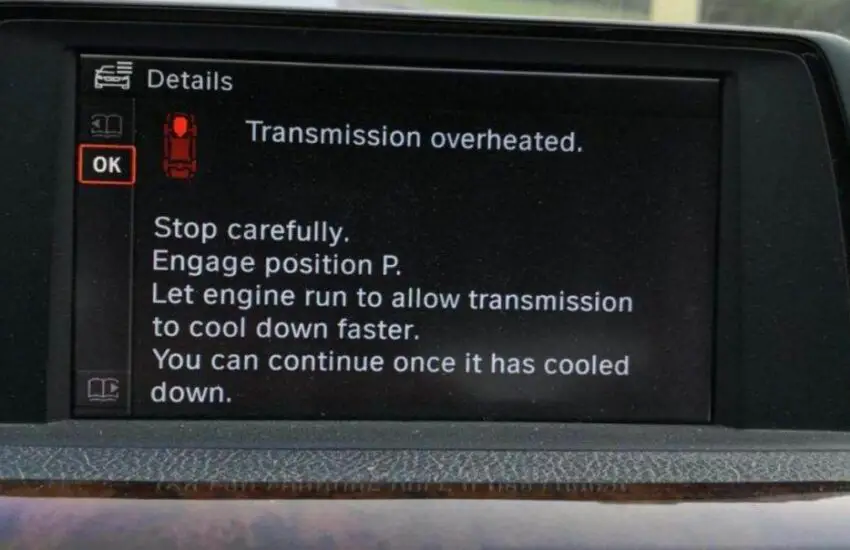
When the transmission temperature exceeds a certain threshold, a dedicated light or an indicator on the dashboard may illuminate to alert the driver of the overheating problem. The specific symbol or wording of the warning light may vary depending on the vehicle’s make and model.

5. Loss of power

Overheating can also damage the torque converter, a component responsible for transferring power from the engine to the transmission. A damaged or faulty torque converter can lead to a loss of power.

6. Strange noise

Although strange noises can indicate transmission problems, they are not usually directly associated with transmission overheating. However, overheating can contribute to other problems within the transmission that can produce unusual sounds. For example, overheating can damage various transmission components, such as clutches, gears, or bearings. If these components wear out or become misaligned due to overheating, they may produce abnormal noises such as grinding, whining, or rattling.

What to do if the transmission overheats?

If you notice signs of transmission overheating, such as a burning smell, fluid leaks, or warning lights on the dashboard, it is important to address the issue promptly. Stop safely, let the transmission cool down, and check the level and condition of the transmission fluid. If the problem persists, it is advisable to have your vehicle inspected by a qualified mechanic to diagnose and repair any underlying issues causing the overheating:

Find a safe place to stop (Photo: pinterest.com)

Stop safely

As soon as you notice signs of transmission overheating, find a safe place to stop. Avoid sudden braking or sharp maneuvers to minimize stress on the transmission.

Turn off the engine

Once the vehicle is parked, turn off the engine. This will help prevent further heat buildup and potential damage to the transmission.

Let the transmission cool down

Give the transmission enough time to cool down before attempting any further action. This can take from 30 minutes to several hours, depending on the severity of the overheating.

Check the transmission fluid level and condition

While waiting for the transmission to cool, you can check the level and condition of the transmission fluid. Ensure the vehicle is on a level surface and follow the manufacturer’s instructions for checking the fluid. If the fluid level is low or appears burnt or contaminated, it may indicate an underlying issue contributing to the overheating.

Address the cause

Once the transmission has cooled and you have checked the fluid, it is important to address the underlying cause of the overheating. Common causes can include low fluid levels, fluid leaks, a faulty cooling system, or driving under heavy loads or in extreme conditions. If you are unable to determine the cause or if the problem persists, it is recommended to seek the assistance of a qualified mechanic.

Avoid driving until the issue is resolved

To prevent further damage, it is best to avoid driving the vehicle until the cause of the transmission overheating has been identified and resolved. Continuing to drive with an overheating transmission can lead to severe damage and complete transmission failure.

Remember that transmission overheating is a serious problem that should not be ignored. Taking prompt action and addressing the underlying cause can help avoid costly repairs and ensure the longevity of your transmission.