Everything You Need to Know About Wheel Bearings

Wheel bearings play an important role in reducing friction, increasing load capacity, and positioning rotating equipment. Moreover, car bearings also help wheels operate smoothly and increase their lifespan. To ensure the proper functioning of wheel bearings, drivers must know all about this part.

Wheel Bearing Standards.

Wheel bearings fulfill the important task of reducing vibrations, decreasing wear, preventing shocks, and evenly distributing the car’s load. Therefore, this component must meet various standards in terms of speed, performance, and lifespan.

Bearings are typically made of steel because this material has high durability and the ability to withstand significant operating loads. The higher the quality and heat resistance of the steel, the longer the bearing’s lifespan. Additionally, manufacturers also focus on designing compact bearings for easy installation while ensuring reliability and rigidity, suitable for many different car models.
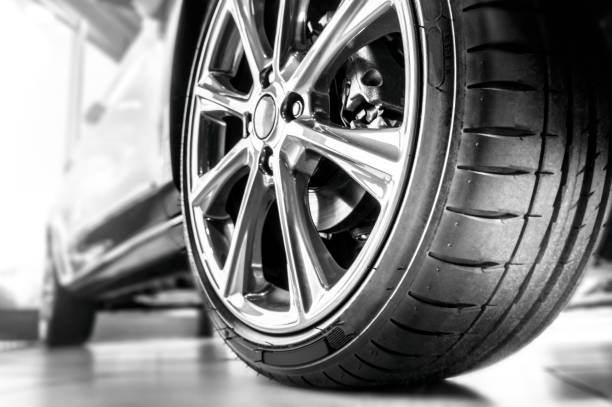
New tire and rim

How many wheel bearings does a car have?

There are 2 commonly used types of car wheel bearings: ball bearings and roller bearings. Each type of bearing has its characteristics, suited to each car to meet load and application requirements.

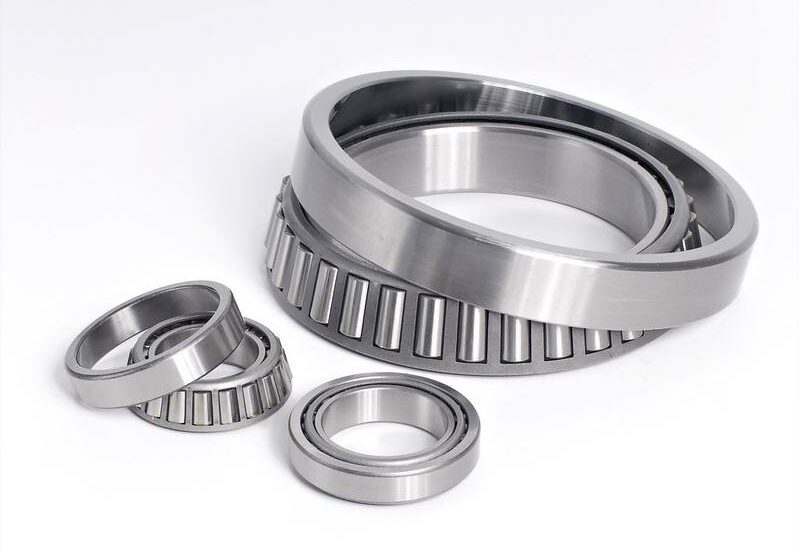
Tapered Roller Bearings

Tapered roller bearings are composed of two main separable parts, an inner ring and an outer ring. During operation, the tapered roller moves around the raceway in the inner and outer rings. The bearings have very high axial and radial load capacity. Therefore, this type of bearing is often used for cars that need to operate under high-pressure conditions and withstand heavy loads such as trucks, dump trucks, vans, etc.

Ball Bearings

Ball bearings are very simple and easy to assemble (Photo: flickr.com)

Wheel ball bearings are commonly used in the market due to their ability to meet many applications, their simplicity, and being easily disassembled when needed.

They have good radial load capacity and can work at high speeds but have low axial loads. Additionally, this bearing also allows for quick and safe use as it is pre-lubricated and sealed with seals on both sides. Ball bearings are a fairly popular choice for many commercial vehicles. The bearings have the disadvantage of being easily damaged, which reduces their lifespan if installed eccentrically or subjected to excessive axial loads.

How long do wheel bearings last?

Like other parts, wheel bearings can be damaged due to daily wear and other factors. Standard wheel bearings can last between 80,000 miles and 150,000 miles depending on several factors. Many aspects can affect the lifespan of bearings, as we will see below:

Bearing Material

There are many options when choosing the material for wheel bearings. But choosing the right one to fit your car is very important. They must be made of good quality materials that can withstand the heat of the situation without suffering too much.

Installation Process

Most of the time, bearing failures are due to incorrect installation. Usually due to excessive force applied and the use of inappropriate assembly tools that reduce performance.

Overload

Drivers should note the case of choosing the wrong bearings, causing an overload of this part and generating a large amount of heat, affecting the engine. Therefore, to avoid damaging the bearings, you must carefully choose bearings suitable for the car’s load. This not only extends the bearing’s lifespan but also protects the engine.

Road Condition

When your car always drives on uneven roads or potholes, it will have a strong impact on the wheel bearings, causing them to wear out or break.
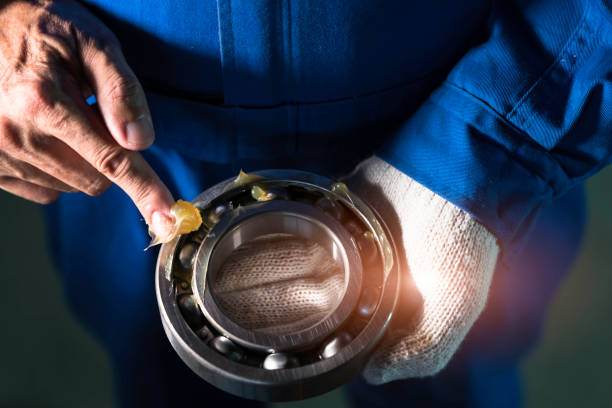
Mechanic is putting yellow grease into the bearing, engineering and industrial concept

Notes when using car wheel bearings

Additionally, to find information about wheel bearings, you should note the following basic elements to ensure the lifespan of this component.

Periodic Maintenance

One of the important notes when using bearings is periodic maintenance. Maintenance will help increase efficiency during operation and also contribute to ensuring the product’s longevity. To maintain bearings, you must choose the right lubricant.

If you don’t have much experience in this area, go to a trusted mechanic. They will help you know which lubricant is suitable for the wheel used.

Know the signs in case of wheel bearing malfunction

Identify the symptoms of a bad bearing for quick repair to avoid serious risks. Bearing failure occurs when the operation is beyond overload or external force… Bearings that are about to be damaged often show the following signs. These signs may not be obvious, so you must be very attentive:

  • The car makes noise
  • The engine temperature has risen abnormally
  • Strange noise
  • High vibrations
  • Uneven tire wear.

Choose the right car wheel bearing.

There are many types of bearings manufactured to fit each car. Each type of bearing is usually specified by the manufacturer on technical parameters like size, speed, capacity… If you understand the bearing parameters, you can compare them with your car’s operating system to choose the most suitable bearings. But if you are not a professional in the field, do not hesitate to ask for expert opinions or manufacturer recommendations. Additionally, you should choose original bearings to make your car more stable.

Conclusion

Cars are one of our important partners. Take good care of our car. So spend a little time taking care of your car and understanding its components more deeply. We hope the article provides you with useful information.

Signs that your car is in bad condition that you should recognize

Your car is a huge investment, and it’s important to take care of it so that it lasts as long as possible. Unfortunately, many people don’t realize their car is in poor condition until it’s too late. In this blog article, you’ll discover 8 signs indicating that your car is in bad shape and needs to be taken to the shop for repair.

The Engine Light

As soon as you see the engine light come on, it’s time to bring it to the shop. On cars equipped with it, the integrated motor assistance light indicates there’s a problem with the hybrid system. This could be a number of things, but it will certainly require the attention of a mechanic.

They can immediately run a diagnostic test on the car to see what the issue is, and if it’s something major, they can give you an estimate for the repairs. In some cases, the IMA light may come on because the battery needs to be replaced.

Difficulty Starting

Once you notice your car is having trouble starting, it’s time to entrust it to a mechanic. This could be a sign of many problems with your car, including the battery, starter, or ignition system. If you ignore this issue, it will only get worse and could leave you stranded somewhere.

Inspect it immediately to see what the problem might be. If it’s something minor, you can fix it yourself. But if it’s something more serious, take it to a mechanic so they can diagnose and solve the problem.

Slow Acceleration

When you notice that your 0 to 60 time is slower than before, it’s a sign that your car is in poor condition. There are various reasons for slow acceleration, but if you notice it happening with your car, it’s time to have it checked.

Most often, slow acceleration is due to a problem with the spark plugs, fuel supply, or air intake. These are all relatively easy and inexpensive issues to fix, so it’s worth having your car checked if you notice this happening.

Another possibility is that your transmission is slipping. This is a more serious problem that will require the help of a mechanic to diagnose and repair.

Fluid Leaks

There are many fluids that go into your car. These include:

  • Oil
  • Brake Fluid
  • Coolant
  • Windshield Washer Fluid
  • Transmission Fluid
  • Power Steering Fluid
  • Differential Fluid
  • Radiator Fluid

If you see any of these fluids leaking, it’s a sign that your car is in poor condition. You should take it to a mechanic as soon as possible to have it checked.

This can be dangerous because fluid leaks can lead to your car overheating or having insufficient braking power.

If you catch the fluid leak early, it will be an easy fix. But if you let it go on for too long, it can cause significant damage to your car that will be costly to repair.

Always make sure to find the reason for a fluid leak. Don’t just assume it’s an easy fix. If you’re not sure, ask a professional mechanic.

Suspicious Noises

As soon as you hear noises like squealing, rattling, or grinding, it’s a suspicious sign and you should have your car checked. These noises usually come from the brakes, engine, or suspension systems, and they can only be ignored at your own risk. If you don’t want to call a tow truck soon, take your car to the mechanic and have it checked as soon as possible.

Another suspicious noise is a buzzing coming from the fuel tank. This means there’s a leak in the fuel line that can easily cause a fire. So if you hear something like that, don’t waste any time and go straight to the garage!

Excessive Smoking

It’s always bad when you see your car smoking, but excessive smoking can be a sign of much worse problems. If you see this coming from your car, it’s time to bring it to a mechanic and have them take a look. It could be something as simple as an oil leak or something more serious, like engine damage. Either way, you don’t want to risk driving your car if it’s smoking excessively.

It’s even dangerous to keep your car running if it’s smoking that much, so make sure to have it towed or drive it yourself to the mechanic. If you’re not sure what’s wrong, they will be able to diagnose the problem and let you know what needs to be done. In some cases, excessive smoking can even be a sign that your car is about to catch fire.

Vibrations

Some people feel vibrations while driving. This is usually caused by a problem with the engine or tires. If you notice vibrations during driving, it’s important to have your car checked as soon as possible.

They can be caused by many different things, so it’s important to have your car checked promptly. If the vibrations are not addressed, they can cause further damage to your car.

Some vibrations are normal, but if you notice a change in how your car drives, or if the vibrations are significant, you should take your car to a mechanic. Often, vibrations can be corrected with a simple tune-up or alignment.

Strange Smells

If you’re driving and start to notice strange smells coming from your car, it’s a sign that you should take it to the mechanic. These can be caused by many things like oil leaks, coolant leaks, or even something as simple as leaves stuck in the engine compartment. If you notice a strange smell, make sure to have your car checked as soon as possible.

These smells can be a warning sign that something is wrong with your car, and if left unchecked, they can lead to costly repairs or the car becoming irreparable. They indicate that you should take it to the mechanic as soon as possible.

A strange smell is a signal indicating a problem with your car (Photo: pixabay.com)

Your car should be maintained at all times, and the first step is knowing what’s wrong. The engine light coming on is a huge indicator of something wrong, as well as difficulty starting or slow acceleration. Fluid leaks should never be ignored, just like strange noises and smoke coming from it. Vibrations can also present a big problem, while strange smells mean you should turn off the engine and seek professional help. By being aware of them, your car will run smoothly and safely!

Adjusting the Brake Pedal Height in Your Car: Why and How

Adjusting the brake pedal height in a car may seem like a daunting task, but with the right tools and a bit of know-how, it’s a piece of cake. We’ll explain how to adjust the height and why it’s necessary to correct it. We’ll also provide you with some helpful tips to make the process go as smoothly as possible. So, whether you have experience with technical know-how or you’re doing this for the first time, read on.

Why is adjusting the brake pedal height necessary?

Isn’t it obvious enough? Without a fully functional brake pedal, driving a car is very risky. A brake pedal with an incorrect height will produce a faster or slower response, which is quite dangerous.

As a driver, you must have full control over the brake pedal. Otherwise, the car won’t stop as quickly as you’d like. When the brakes are set too high, they drag on the ground when you press hard enough. Setting the height below the correct level will make the pedal feel soft.

Incorrect adjustments can cause accidents because drivers don’t anticipate that their brakes won’t work as quickly. It’s also possible for your car to skid uncontrollably in high-speed turns due to this lack of brake responsiveness.

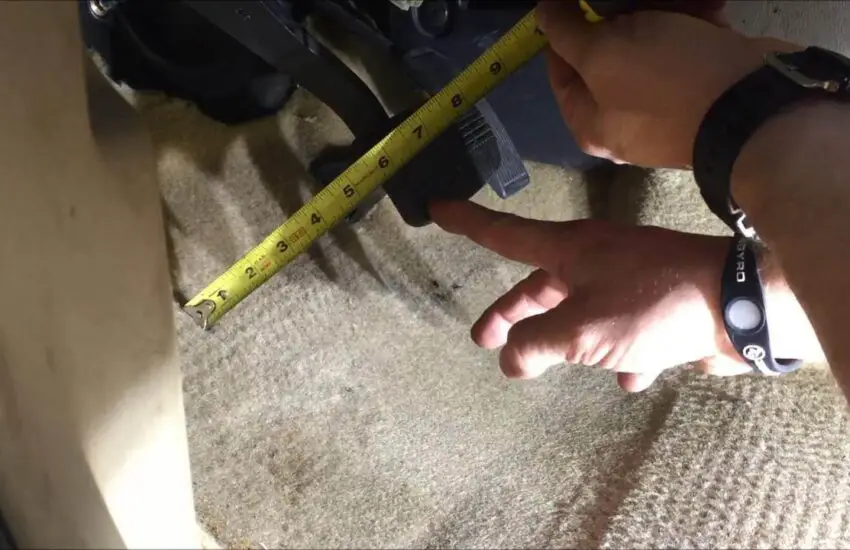
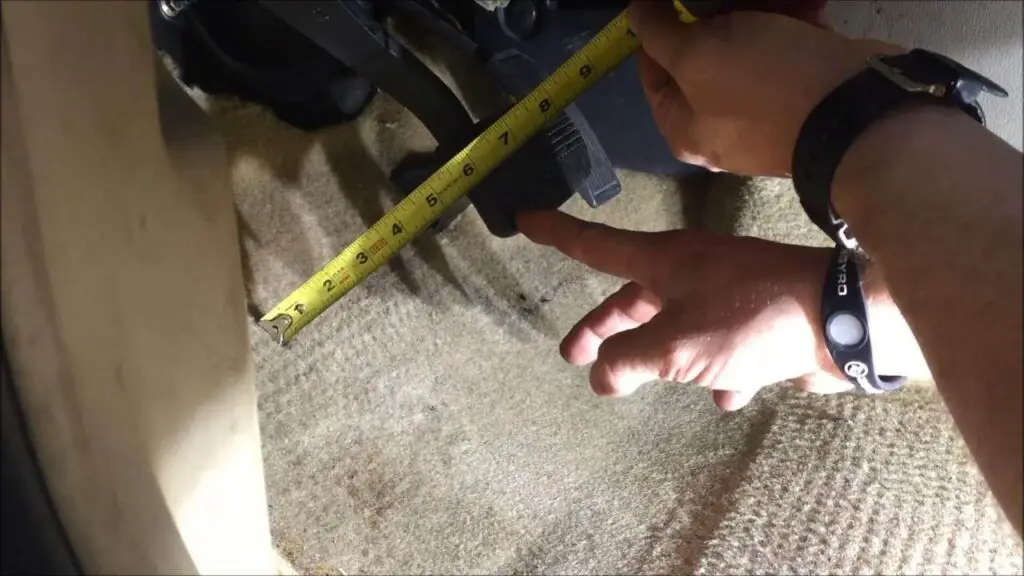
Brake pedal adjustment is necessary for car safety. (Credit: YouTube/William Tenter)

How to adjust the brake pedal height in a car

If you’re unsure about the amount of play there should be in the brake pedal or the maximum height, it’s best to leave this job to a professional. That said, here are the general steps on how to adjust the brake pedal height:

What to look for:

  • The push rod should be parallel to the ground – if it’s not, you’ll need to adjust it accordingly.
  • Make sure there is a bit of play in the brake pedal so you can apply pressure without having to press the brakes.

Conclusion

Adjusting the brake pedal height isn’t as difficult as it seems. But amateurs may still feel overwhelmed. If you’re unsure, consult a professional mechanic before trying it yourself. Good luck!

Rack and Pinion Steering: Everything You Need to Know

Are you curious about what happens when you turn your car’s steering wheel? Normally, there are many types of steering mechanisms, such as recirculating ball or electric power steering, for example. Rack and pinion is also a steering system you may have heard of. A rack and pinion steering system consists of a pinion (circular gear) and a rack (linear gear). The system converts rotational motion into linear motion. Most cars, small trucks, and SUVs have a rack and pinion steering system, as opposed to the recirculating ball steering found in large trucks, SUVs, and other heavy vehicles.

History of Rack and Pinion

Source: Automobileman

Although rack and pinion steering is relatively new in U.S. automotive history, it is not a new concept. The first rack and pinion steering gears were developed by BMW in the 1930s, but they were only sold in the United States with the 1951 MG, and they were not used in American model production until the 1974 Ford Mustang II and Pinto. AMC used rack and pinion in the Pacer starting in 1975, but GM and Chrysler did not use them until the early 1980s for the X-body and K-Cars.

Manufacturers in the United States saw rack and pinion as logical. It had been used for many years by European and Asian automakers, and its design was simpler than recirculating ball steering gears, making it less expensive to manufacture. Rack and pinion steering is also much lighter than a traditional steering gear, meaning better fuel consumption. Idler arms, center links, drag link sleeves, and pitman arms are not needed with the rack and pinion design. This, in addition to the weight loss benefits. Rack and pinion systems are much easier to integrate into a front-wheel-drive system because they can be mounted near the transverse transmission. Steering gear ratios could also be tailored to each wheelbase as well as handling and option packages. Rack and pinion gears also give the driver a firmer feel in the steering wheel.

Rack and pinion systems are used not only for steering cars and small trucks but also for various other purposes. Rack and pinion systems are not only used to help trains climb steep slopes, but they also provide better brake control, especially in snowy and icy conditions. They are standard features in the majority of stairlifts. The rack and pinion mechanism is frequently powered by hydraulic or electric power.

Arthur Ernest Bishop invented the variable ratio rack in the 1970s. His variable ratio rack was used to improve vehicle handling when combined with a standard pinion.

Rack and Pinion Ratios

To go from lock to lock, most cars require three to four full turns of the steering wheel (from full right to full left). The steering ratio indicates how far you need to turn the steering wheel for the wheels to turn a certain distance. A higher ratio means you need to turn the steering wheel more to turn the wheels a certain amount, while a lower ratio means the steering responds more quickly.

Variable ratio steering is used in some vehicles. The center of this rack and pinion steering system has a different number of teeth per cm (tooth pitch) than the ends. As a result, when the steering wheel is turned towards the lock, it is more responsive than when it is near its center position, making the car more maneuverable.

There are two main types of rack and pinion steering systems:

  • End Take-off – The tie rods are attached to the end of the steering rack via the inner tie rods.
  • Center Take-off – Bolts attach the tie rods to the center of the steering rack.

How This System Works

https://youtube.com/watch?v=Z1Y14AejfQU%3Ffeature%3Doembed

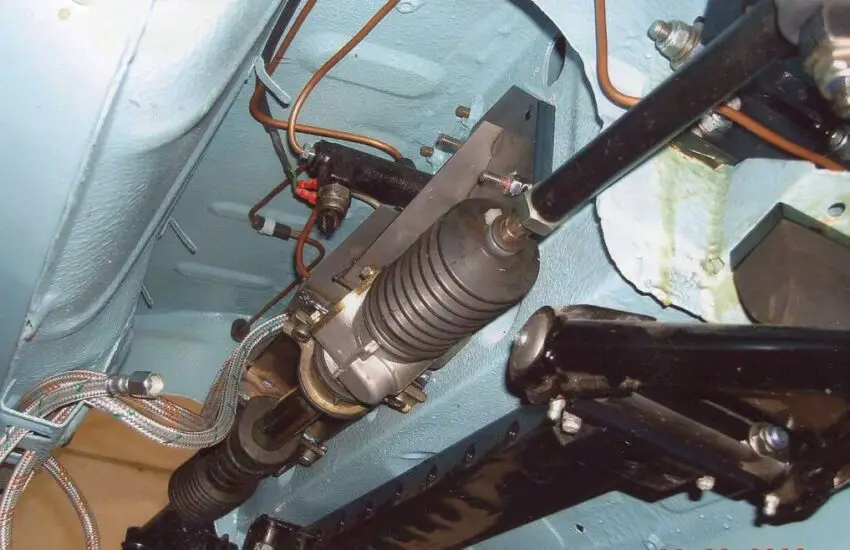
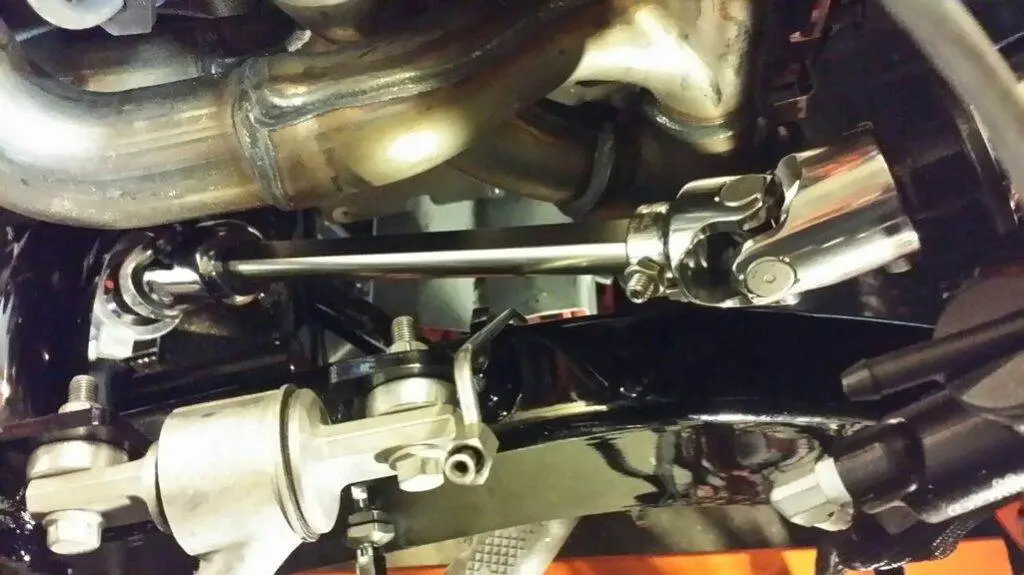
Rack and pinion steering works by converting the circular motion of the steering wheel into the linear motion needed to turn the wheels via a gear system. The gear set is housed in a metal tube. The tube has openings at both ends that allow the rack to be attached to a tie rod. The pinion is connected to the steering shaft so that when the steering wheel is turned, the gear turns and moves the rack. The tie rods are connected to a tie rod end, which is attached to the steering knuckle.

The rack and pinion gear set serves two purposes:

  • Converting the rotational motion of the steering wheel into the linear motion needed for the vehicle’s wheels to turn
  • Providing a gear reduction, making it easier to turn the wheels via the steering wheel

Signs of Problems

Since the rack and pinion are essentially gear mechanisms, they will wear out and fail over time, like almost every other component in your car. Here are the signs that Maintenance Tips think you should pay attention to:

Excessive Play or Loose Steering

Your steering wheel should feel “tight” when you operate it. That is, when you turn the steering wheel, you can feel the front wheels turning. If your rack and pinion are failing, you will notice the steering wheel starting to feel loose or that there is excessive play in the steering wheel. You will often feel that your car is slow to respond when you turn the steering wheel. The car will also feel more difficult to control and may wander at high speed.

At some point, you may also experience a dead spot. This is when you turn the steering wheel, but the front wheels do not turn until you turn it to a certain angle. This happens because the rack and pinion are not meshing tightly, meaning the rack does not actually move when you turn the wheel.

Noise When Turning

Your car may also make a clunking noise when you turn the steering wheel. A worn rack and pinion may not be sufficiently lubricated and can knock and rub against each other, creating noise.

Keep in mind that these noises can come from the tie rods or other suspension components. The difference is that if the noise is from a bad rack and pinion, you will hear the noise almost every time you turn the wheel. Meanwhile, clunking noises from the suspension assembly usually only occur when you go over bumps or make a tight turn.

Power Steering Fluid Leak

If you have hydraulic power steering in your car, you may start to see a power steering fluid leak when the rack and pinion are failing. If you see a puddle of red fluid under your car, it could be a power steering leak or a transmission fluid leak. Check where the leak is coming from to verify if it is power steering fluid or transmission fluid.

Keep in mind that a power steering leak can occur due to a bad power steering pump, a faulty reservoir, or leaking lines. Your rack and pinion might not be the cause in the first place. Furthermore, if your car has electric power steering, you will not see this issue. This is because electric power steering does not require any fluid to operate.

Replacement Costs

Source: Railway News

A rack and pinion replacement will cost between $1,000 and $1,900, including labor, depending on your vehicle’s make and model. The rack and pinion unit itself typically costs between $700 and $1,500, while labor costs can run up to $400. For example, the rack and pinion for a 2015 Toyota Corolla will cost you $717, add a labor cost of $400, and you get a repair bill of $1,117.

Of course, these are just rough estimates, and we are taking the upper end of the spectrum. Replacing the rack and pinion for your car may be cheaper than our estimate. Needless to say, luxury and high-performance cars are likely to cost more. The good news is that rack and pinion systems usually last quite a long time. They will typically last about 100,000 miles, and they can easily last longer than that. My Mitsubishi Pajero Sport, for example, has 120,000 miles on it and has no steering issues.

With such an expensive replacement job, you are probably wondering if it is really worth it? Before giving your mechanic the green light, it would be wise to check your car’s resale value on the used market. If your car’s value is still well above the repair cost, we would say the cost is worth it.

For example, if replacing the rack and pinion will cost you $1,200, but your car can still be sold for around $10,000, then the repair job is really worth it. However, if your car’s resale value is only about $3,000, it is not worth it. That is almost half the value of your car! In that case, you would probably be better off selling your car as-is.

Another option would be to scrap your car. You can either take it to a scrapyard or to a scrapping company that will pay the metal value of your car. Or you can also dismantle your car and sell individual parts and accessories. The latter option is time-consuming, but you will probably get more money out of your car. Ultimately, do not proceed with the repairs if your car’s market value is not significantly higher than the cost of the repair.

Conclusion

So, to summarize, the rack and pinion are at the heart of your car’s steering system. The rack is a linear gear that connects to the tie rods, which are ultimately connected to the front wheels. While the pinion is a round gear that sits on top of the rack and connects to the steering wheel via a steering column. The rack and pinion will last up to about 100,000 miles. But they can wear out, and when they start to fail, you will see noticeable symptoms. Some symptoms include clunking noises when you turn the steering wheel, power steering fluid leaks, and a loose steering wheel with a lot of play. This obviously makes steering and controlling the car more difficult. That is why you should not drive a car with a faulty rack and pinion, as it can lead to a major accident.

silencieux vehicule

Symptoms of a Bad Muffler: How to Recognize and Act

Almost all cars nowadays have a muffler. It’s an essential part of an internal combustion engine where it reduces or eliminates the sound of engine exhaust. Some symptoms of a bad muffler indicate that it needs to be repaired or replaced.

Bad mufflers are a common cause of car problems. If you experience symptoms such as excessive noise, exhaust smoke, or poor fuel consumption, it’s time to take action. Let’s review the symptoms so you can spot them immediately:

What are the typical symptoms of a bad muffler?

The car’s muffler is mounted near the end of the exhaust pipe to soundproof the engine noise. It has a perforated core with metal baffles inside, which breaks down and traps sound waves to limit noise pollution.

How to tell if the muffler is bad? Well, pay attention to these bad muffler symptoms to catch the problem before it turns into something serious:

Excessive exhaust noise

One of the obvious signs of a bad muffler. It is a soundproofing device that suppresses exhaust noise, not increases it. If you notice the car starting to make a loud noise, it could be due to a faulty muffler.

This could be due to a clogged or corroded muffler or a cracked pipe. Check the muffler and exhaust system for any leaks, damage, or obstructions.

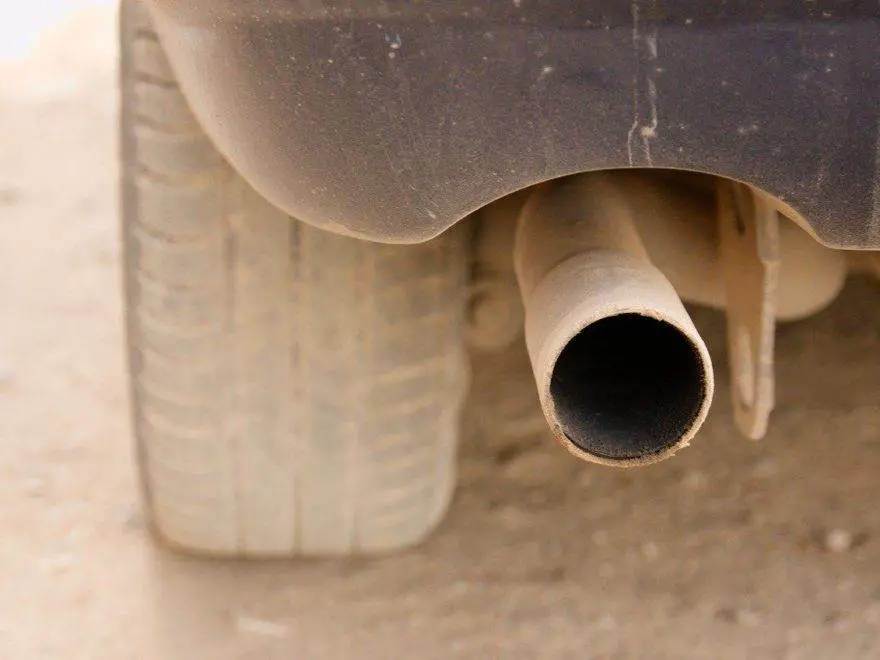
Excessive noise is a sign of a bad muffler. (Credit: kuanish-sar / PixaBay)

Poor fuel economy

If you notice your car isn’t getting the advertised MPG or seems to be burning gas at an increased rate, it could be due to issues with the exhaust system and not just bad driving habits (though they can certainly contribute).

If your car takes longer to reach its top speed and you’re spending more money than usual on gas, it’s time to take action. An engine losing performance is indicative of a bad muffler.

A strong gas smell

A toxic gas smell is one of the symptoms of a bad muffler. An excessive amount of fumes from the engine compartment could signal a leak in the muffler, cracks inside, a damaged catalytic converter, etc. This problem requires immediate attention as harmful gases can spread into the cabin and cause health issues.

Rattling noise under the car

What does a bad muffler sound like? A loud engine noise is quite common, but it could also be a rattling noise under the vehicle. If you hear this, look for a loose exhaust mount or a broken pipe. The rattling noise could also be the result of the exhaust pipe dragging on the ground.

A misfiring engine

A misfiring engine is among the telltale signs of muffler problems. If you notice your car’s RPMs are all over the place, it could be due to clogged catalytic converters or other issues with the exhaust system components. Misfires can occur for many reasons, and problems with the exhaust system are among them.

How long do car starters last

Car starters are an integral part of car operation. They help ensure the vehicle can start easily and smoothly, even under tough conditions. But how long do car starters last?

Starters can malfunction for many reasons. They have a specific lifespan and are bound to fade after that period. Additionally, your driving habits, the vehicle’s age, and a few other factors play a role in their longevity. If you commute daily, it could lead to faster wear on your starter. Moreover, older vehicles may have more wear, resulting in premature failure of their starters.

How long do car starters last?

Starters are a simple yet vital component of the car engine. They are not expensive, but replacement is a bit complicated, which increases labor costs. Will you worry about its failure? Not really. If you know the average lifespan of a car starter, you can stay on schedule with your maintenance plan and avoid complications from a failing starter.

How long does a starter last in a car? Counting mileage is not the most reliable way to time a starter’s lifespan. It’s unlikely that two starters from the same manufacturers will last the same duration. A car starter can last between 200,000 and 30,000 miles. So, you can’t tell if the starter is about to die just by looking at the mileage.

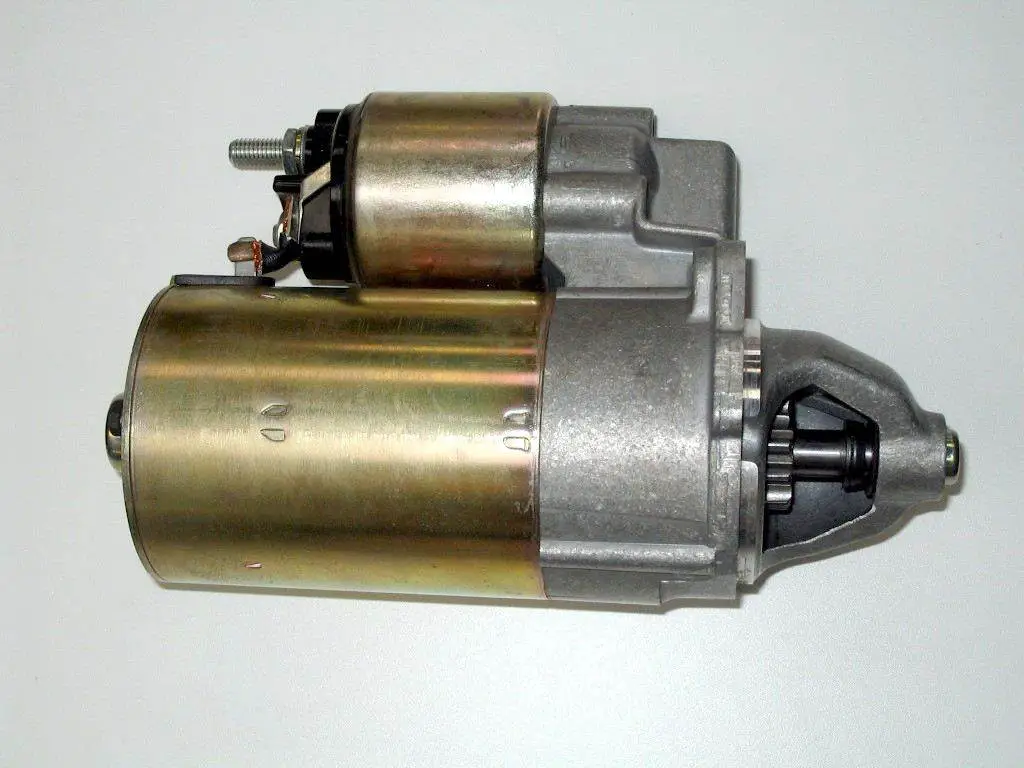
A car starter. (Credit: Willdre / Wikipedia)

However, if you drive an older vehicle or one with higher mileage, the starter may need to be replaced sooner than these numbers suggest.

How many years does a starter last? It’s also hard to predict as there is no standard time period. But it’s likely to last for years. A brand-new starter without defects can last up to 80,000 starts, which is a huge number. Since you only need to start your car twice a day, you’ll only use 730 starts per year. In reality, the number will be lower because you don’t need to drive the car every day.

How often should you change your starter?

How long does a car starter last? Since there’s no specific way to know, you need to pay attention to warning signs. Sometimes it stops working without showing any symptoms. Otherwise, you should watch for these signs:

  • It takes several attempts for the starter to engage.
  • The starter cranks slower than usual. This can happen even if the car has a new or fully charged battery.
  • The starter doesn’t work on a hot engine but functions normally when the engine cools down.
  • Unusual grinding noises from the starter.

Conclusion

So, how long do car starters last? Well, you already know that many factors are involved. How often the engine cranks, the actual age of your vehicle, and how you take care of it are all important factors for how long a starter will function properly.

Can a car still run after being submerged in water?

Many questions come to mind when wondering if a car can be driven after being submerged in water. Will the engine still work? Will the electrical system short-circuit? These are all valid questions, and we will answer them here.

Will a Car’s Engine Work After Being Submerged?

The simple answer is “yes,” but it will depend on so many “ifs” and “buts.” Unless you are in an accident, a car can be submerged only due to a flood. And floodwaters contain dirt and water mixed with caustic and abrasive materials. It will be more damaging if you live in coastal areas because saltwater destroys various car components quite quickly.

After being flooded, some vehicles may start on the first try. But you should not do this. Running the engine without checking all components and doing a cleaning would be a foolish move.

So, to properly operate a car after submerging it in water, you need to follow certain steps.

The engine will be safe if the car is partially submerged. (Credit: U.S. National Archives and DVIDS – GetArchive)

Perform a Thorough Cleaning

The first step is to clean all the mud and dirt. If the water reaches the bottom of the car door, the engine might be safe. In that case, you can settle for cleaning only the floor, upholstery, tires, and exterior. Be patient enough to check all corners and crevices. Floodwater can damage any part if it remains there for a long time.

However, it’s bad news if water enters under the hood. You need to hire an expert to check whether the engine and other related components are still working or not. The expert must examine the engine, power steering, braking system, fuel line, and other parts.

Check the Engine

Modern cars have good sealing at every joint to keep external elements away from the engine. But if the car remains waterlogged for a few days or more, water will enter the engine. And if the seal is deteriorated in any way, you will need to change some parts.

There are many cases where water enters various engine compartments and connectors, such as in the brake booster vacuum lines or components of the vapor recovery unit.

Water in the engine could be extremely damaging. Sometimes, the repair cost exceeds and almost reaches the car’s current expert value.

Inspect the Electrical System and Other Parts

Next, you need to know if the electrical system was short-circuited when the car was underwater. You can probably get away with replacing a few fuses and spark plugs if there is no other damage inside the car. It is always safe to bring an electrician to take a look.

Other parts requiring thorough checking are the tires, battery, exhaust pipe, door and window seals, locks, and other minor components.

Conclusion

Bringing a submerged car back to life is not impossible. But there are many factors to consider, such as whether the engine has been damaged by flooding or not. So, it is better to call an expert for advice before trying anything yourself. It will be better to abandon that car if the repair costs exceed its value.

What does 6-speed automatic mean

Thanks to cutting-edge technology, the automotive industry has introduced to the market many types of automatic transmissions with structures and principles suited to operation and use, which also enhance vehicle performance, such as the 5-speed automatic transmission, the 6-speed automatic transmission, or the 8-speed automatic transmission… In this section, we will provide drivers with more information and knowledge about a type of automatic transmission that is very popular today – the 6-speed automatic transmission. Let’s take an in-depth look and discover What does 6-speed automatic mean? and how to use it.

What does 6-speed automatic mean?

A 6-speed automatic transmission is a car transmission equipped with 6 forward drive gears (although there are many more actual physical “gears” inside the transmission). Unlike manual transmissions, automatic transmissions can shift gears automatically based on the analysis of factors such as load, speed, and throttle position. The function of this type of transmission is to alter the engine speed gear ratio and the wheel torque like other gearboxes. The first 3 gears act as drive gears and multiply your car’s engine torque. The 5th and 6th gears are like overdrive and are mainly used when driving on the highway.

The role of these gears is to reduce the engine speed when the drive shaft rotates. With the corresponding 6 gears, the ECU will have more options to assist in the best balance between engine torque and wheel resistance. Thus, helping drivers easily perform maneuvers such as parking, reversing, and steering. Because it’s an automatic transmission, you don’t need to shift gears, your car will do it for you; all you have to do is drive your car.

How to drive a 6-speed automatic transmission (Photo: pinterest.com)

6-speed automatic transmission: how does it work?

The principle of the 6-speed automatic transmission works efficiently through torque from the engine’s crankshaft to the hydraulic torque converter, and from the torque converter to the transmission’s input shaft. At this point, the signal from the Electronic Control Unit’s sensor will operate, allowing the path to the clutches to open and close. For the torque to be transmitted to the output shaft in the gearbox, the 2 clutches must be closed.

  • When your car moves forward: The speed clutch or the forward drive clutch corresponding to the vehicle’s speed will close.
  • If the vehicle is held in neutral (N): Only the second clutch is closed; the forward drive clutch must be open. This is the reason why torque cannot be transmitted to the gearbox’s output shaft.
  • The car reverses: With a 6-speed automatic transmission composed of 5 forward gears and 1 reverse gear, clutches 2 and 5 close.

Compared to other types of gearboxes in general, the 6-speed automatic transmission has many exceptional advantages such as faster and smoother gear changes, fuel economy, a significantly reduced risk of engine stalling, and easy control of your car even in crowded places.

How to drive a 6-speed automatic transmission?

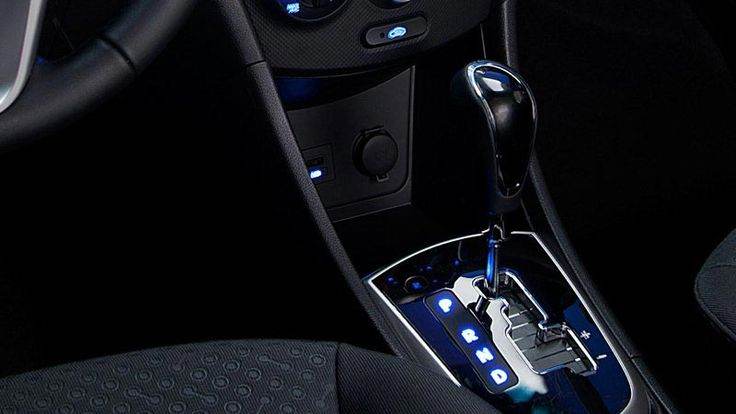
Automatic transmissions are becoming increasingly popular, so it’s essential to learn how to drive a 6-speed automatic transmission before letting the car roll. Like other automatic transmission cars, 6-speed automatic cars also use symbols on the automatic transmissions as follows:

The 6-speed automatic transmission is currently the most commonly used type of transmission in vehicles (Photo: pinterest.com)

Meaning of symbols on a 6-speed automatic gearbox

N (Neutral): The function of this gear is to disconnect your engine from the wheels. You can use it when taking a break in the car or when coasting downhill.

R (Reverse): Used when the driver wants to reverse the car

P (Park): You can use this function when the vehicle is stopped or parked in one place for a long time.

D (Drive): This position sets your transmission to the drive gear. Use it when the driver wants to move forward.

M (Manual): You can shift gears manually, and it helps the driver control the addition and subtraction of gears when overtaking or going uphill and downhill.

S (Sport): The letter “S” on the automatic transmission means Sport mode. When you switch to this mode, you will see the car’s RPM increase faster than usual and provide a more dynamic driving sensation.

L (Low): You shift to this lower gear when your car is climbing or towing another vehicle.

‘+/- : This icon indicates whether you need to shift up or down.

How to use the 6-speed automatic transmission?

Safely start a 6-speed automatic car:

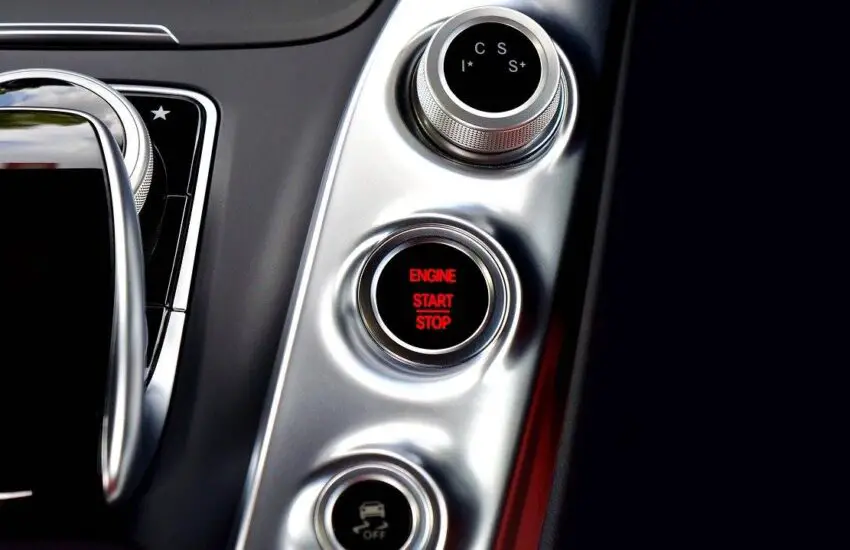
If your car uses a key, turn the key clockwise and press the brake pedal to start the car. For vehicles equipped with a Start/Stop button, it will be simpler; just have the key nearby, and the driver presses the brake pedal and touches the start button. Note, when starting a 6-speed automatic car, the driver must remember to check the gear lever is in the P position, press the brake pedal, and lower the handbrake if it was used previously, before starting the engine.

Some models do not require the driver to press the brake pedal when starting. Furthermore, it is possible to leave the gear lever in the N position when starting, but the driver should regularly use the operation of P gear – press brake – start as a habit to ensure safety.

How to stop and park with a 6-speed automatic car

To stop the vehicle, the driver should move the gear lever to the D position, press the pedal quickly, and then engage the parking brake if necessary. If the vehicle needs to be stopped for a long time, the driver should put the gear lever in the N or P position.

Stopping at a traffic light when driving an automatic car

Driving when stopping at a red light can be flexible between using the N or D position. Consequently, many people have experience driving a 6-speed automatic transmission. When you stop at a red light, the time is usually short; remain in D position, press the brake, and release the brake when moving.

Final thoughts: What does the 6-speed automatic gearbox mean?

With features suited to drivers, the 6-speed automatic transmission is currently the most commonly used type of transmission in vehicles. When using a 6-speed automatic transmission, the driver can easily leave the car in D position. And just move the gear lever when you want to reverse or use it for parking. On the other hand, the gear shifting speed of the 6-speed automatic transmission is also smoother than the 6-speed manual transmission. The gear ratios are more nuanced than the 4 and 5-speed automatic transmissions.

Driving Your Car in 4×4 All the Time: Good or Bad?

Have you heard that it’s bad to drive in 4WD all the time? I bet you have! But is it really true? Well, there are several reasons why it can be bad for your car. 4WD can be invaluable in certain conditions, especially on off-road trails. But if you don’t need it, there are several reasons why running your car in 4WD will cause problems on the road.

Why Running 4WD All the Time Is Bad for Your Car

The negative effects of using 4WD depend on what you mean by “bad.” If you’re asking whether it’s better to use your car’s four-wheel drive (4WD) function only when needed, the answer is no. But if you’re wondering if driving with your vehicle in four-wheel drive mode for a long time will cause damage to the car, then there are a few factors that come into play.

Let’s see what can happen if you forget to switch from 4WD to 2WD on the highway or in normal road conditions:

Burning More Fuel

The first thing to mention is energy efficiency. When you drive in four-wheel drive mode, your car can consume about 25% more fuel than in two-wheel drive mode. And since gas prices are constantly going up and down these days, using more gas isn’t exactly what most drivers want.

Driving in 4WD always consumes more fuel. (Credit: AaronPictures / PixaBay)

When you use four-wheel drive mode, your car’s engine has to work harder than if it were in two-wheel drive mode. That’s because the 4WD system engages additional gears and drive shafts.

This means more fuel and energy are needed to handle all that extra power used by the engine. This will result in higher gas bills at the pump.

Destroying the Transmission

If your car is running in four-wheel drive mode, it means there’s more weight on all the wheels. This can put a lot of stress and pressure on the wheels, leading to faster deterioration or damage.

Driving a part-time four-wheel drive car on dry pavement can damage the differential and front axles. The constant drive torque can seize the front axle and damage or wear out the gears inside your car’s transfer case.

Higher Accident Risks

Driving in four-wheel drive mode for long periods can cause accidents. If you turn at high speed and it’s raining, you’re more likely to lose control of your car. This happens because you can’t brake as quickly since your vehicle has more weight on all the wheels. This puts other drivers around you at risk of being involved in an accident.

Conclusion

It’s not advisable to drive in 4WD mode all the time. Except for certain specific conditions such as hauling cargo or climbing, using this feature for long periods will bring bad news. It can damage and wear out your car’s engine parts, such as axles, transmission, brakes, and suspension systems. If you want safer driving while saving money on gas, drive your car with 4WD mode only when necessary.

Heated, cooled and ventilated seats: are they worth it

We are fortunate to have such a range of luxury features in our cars these days. Aren’t you grateful to have fresh air blown on your face when it’s hot outside, and your heater to keep you warm during the cold months? That said, if you live in extreme weather conditions, your heating and air conditioning might fall far short. This is where heated, cooled, and ventilated seats come into play.

While your HVAC system takes some time to bring the cabin temperature to a comfortable level, these high-tech seats would warm or cool you directly and thus instantly. If you’re still unsure whether they are essential or just nice to have, read on to find out how each of these seats works and if they are worth it.

Are Heated, Cooled, and Ventilated Seats Worth It?

If you are lucky enough to enjoy bearable weather year-round, your car’s heating and air conditioning might be all you need. However, if you live somewhere extremely hot in summer and freezing in winter, heated, cooled, and ventilated seats would not be luxury features, but actually an essential upgrade.

Instant Relief and Safer Driving

First, they provide almost instant comfort, and in extreme weather conditions, this can mean safer driving and not having to wait for your HVAC system to restore your car to a livable temperature before setting off. Imagine heading to work early in the morning when it’s freezing outside and sitting on that icy cushion: you might have to turn up the heat and wait a while until you’re no longer shivering to drive properly. Or perhaps you park your car outside in summer and, when you return, the seat cushion is so hot it could practically fry an egg. You won’t be leaving anytime soon!

So, how do they provide instant relief? Your air conditioning and heater blow cool or warm air through the vent and try to regulate the entire cabin. In contrast, heated seats have an internal component that heats up from electrical energy, while cool or ventilated seats blow cool air directly onto the person sitting on them. This means the seating surfaces your body is in contact with will feel warmer or cooler almost immediately.

In hot weather, your back and seat will be very cool, and your clothes won’t develop those embarrassing sweat stains. And you might be one of those people who prefer having cool, refreshing air blown directly onto their overheated body rather than having it blown on their face through the vents.

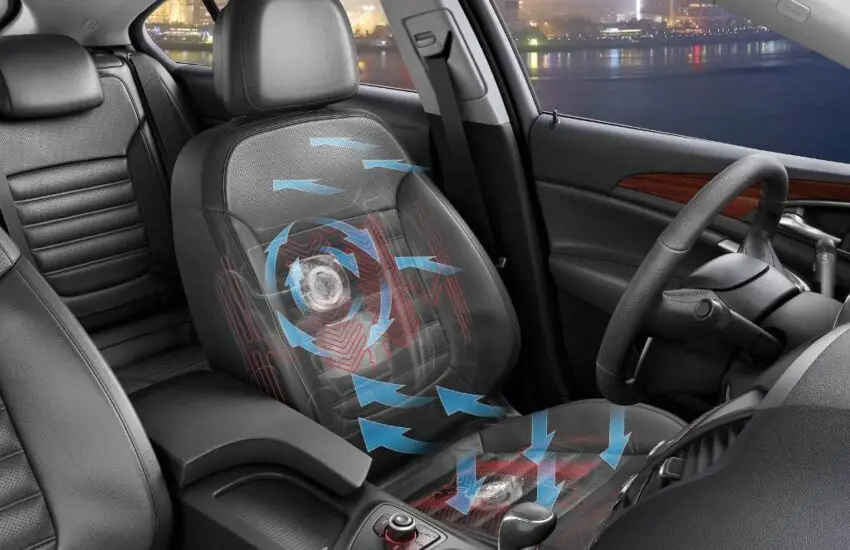
Cooled and ventilated seats blow cool air directly onto your body and draw away heat, thus cooling you down. Photo credit: AutoEvolution

Remote Activation

Some cars offer heated, cooled, and ventilated seats that can be activated remotely. Therefore, you can turn them on before getting into the car, and it will save you from burning your bottom on the scorching upholstery. Many of these seats also allow drivers and passengers to easily adjust their own comfort level.

Less Fuel Consumption and Pollution

This more efficient temperature regulation mechanism also means that heated, cooled, or ventilated seats consume less fuel and are more environmentally friendly than ordinary heating and air conditioning. Of course, these seats still consume fuel, but they minimize fuel consumption and air pollution.

How Heated, Cooled, and Ventilated Seats Work

Heated Seats

Heated seats are more common than cooled or ventilated seats, and on many luxury models, they have become a standard feature. Heated seats work through a heating element placed between the seat cushion and the padding. When the heated seat is activated, an electric current passes through the heating element, heating it up.

Cooled Seats

Cool seats use many different methods, but the most common includes several fans inside the seat. These fans blow air through a layer of material to diffuse the air and then circulate the air through the padding.

These cool seats may or may not refrigerate the air before blowing it onto the occupant. A cooling unit is necessary in the case of refrigerated air. Even when it’s not refrigerated, the circulation of air blown directly onto your overheated body makes a big difference in keeping you cool in your seat.

You might be skeptical, but remember that our body initially ejects heat through pores as sweat. But when your back and buttocks are pressed against the car seat, that moisture cannot escape from the pores; it’s like wearing a jacket in summer.

Meanwhile, a cooled seat with a typically porous covering allows your skin to breathe and eject moisture, enabling your body’s natural cooling system to function even when your back and buttocks are pressed against the padding. The porous material helps air pass through the seat and escape into the environment instead of being trapped under the padding. Such air circulation across your skin helps draw heat away from your body, allowing sweat to work as usual.

In the case of cooled seats that operate through non-refrigerated air circulation and thus without a cooling unit, the cooling process requires much less energy than cooled seats with a cooling unit. In fact, it would consume less energy than a classic light bulb.

In cooled seats with a cooling element that produces refrigerated air, the cooling element may be located in the seat or in the car’s larger air conditioning system. These cooling units operate on a compression, condensation, expansion cycle, like any typical air conditioner.

In a closed loop, a gas (freon, but now more commonly hydrofluorocarbon) is compressed and then condensed to cool into a liquid. Air is blown in front of the cold liquid in the loop and is thus also cooled. The heated liquid is then turned back into gas, and the process repeats.

Ventilated Seats

Cooled and ventilated seats both help you cool down, the only difference being that ventilated seats use only non-refrigerated air. As their name suggests, ventilated seats also have multiple fans and ducts inside the seat cushion and backrest to circulate air. Some systems use these fans to blow air toward the occupant through tiny perforations in the upholstery, while others draw air into the seat.

With ventilated seats, you can often adjust the air strength in addition to turning the function on or off. In some models, like Chevrolet, you can set ventilated seats to automatic, so they turn on when the cabin temperature reaches a level you previously set. In other cases, when it’s hot outside, ventilated seats turn on when remote start is used.

Where You Can Find Them

Heated and cooling seats have been a common feature in automobiles for some time. You can expect to find these features in most models after 2015, either as a standard feature or as a trim level add-on. Note that you might find cooled seats listed as “ventilated seats,” so read further to find out if they use refrigerated air, if that’s what you want.

Meanwhile, ventilated seats are a rarer luxury feature. You are more likely to find this comfort feature in high-end models like the Audi A4, Lexus ES 350, and BMW 540i. Ventilated seats are also offered in some non-luxury models, albeit in higher versions, such as the Toyota Camry XLE, Honda Civic Hatchback, Subaru Outback and Crosstrek, Hyundai Tucson and Sonata, and Ford Mustang Escape.

If you need more than heated, cooled, or ventilated seats to survive driving in extreme heat or cold conditions, there are also models that offer these comfort seats with a heated or ventilated steering wheel as well as other heated interior features.

But note that although these comfort features have become a staple over the years, the technology and execution of this feature differ from one manufacturer to another. Many car buyers have complained about their ineffective heated or cooled seats, and once you’ve already purchased the vehicle, there’s nothing you can do about it. Therefore, do your homework and take the time to go through reviews.

Other Temperature Regulation Options for You

As mentioned above, heated seats are the most common feature in the group. So you can add them if your car isn’t equipped with them, and most installations will cost less than $500 per seat.

Although you cannot install cooling seats in your vehicle, an affordable solution in hot weather is to buy air-conditioned seat cushions that plug into your car’s electrical system. Many car manufacturers offer them for models without cooled or ventilated seats. This method is less permanent, so you can take it from one vehicle to another. These cushions have built-in fans and sometimes cooling units. One advantage is that they don’t consume much energy.