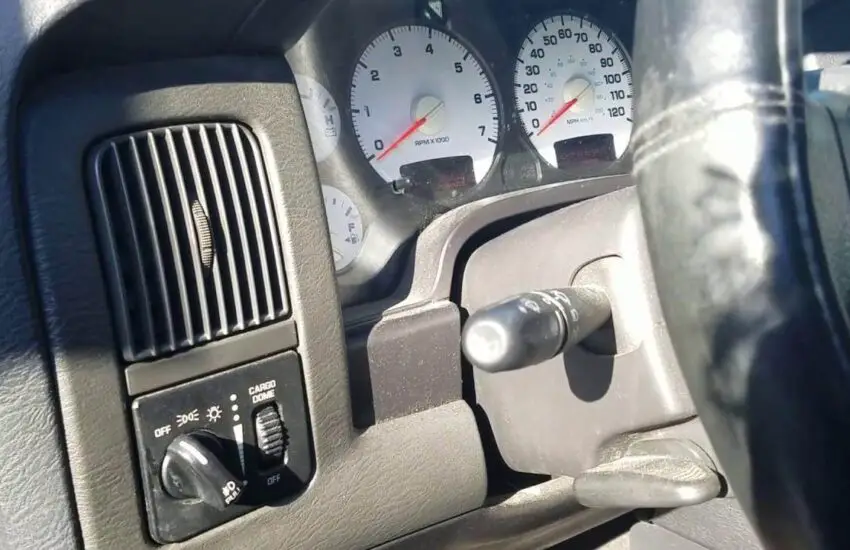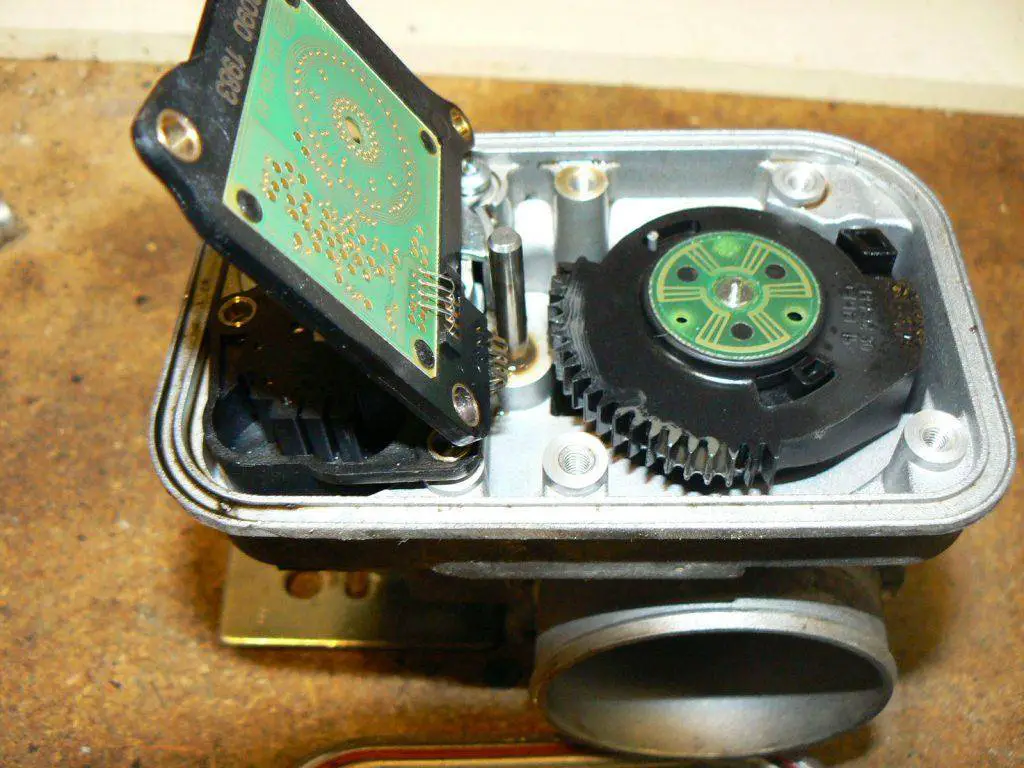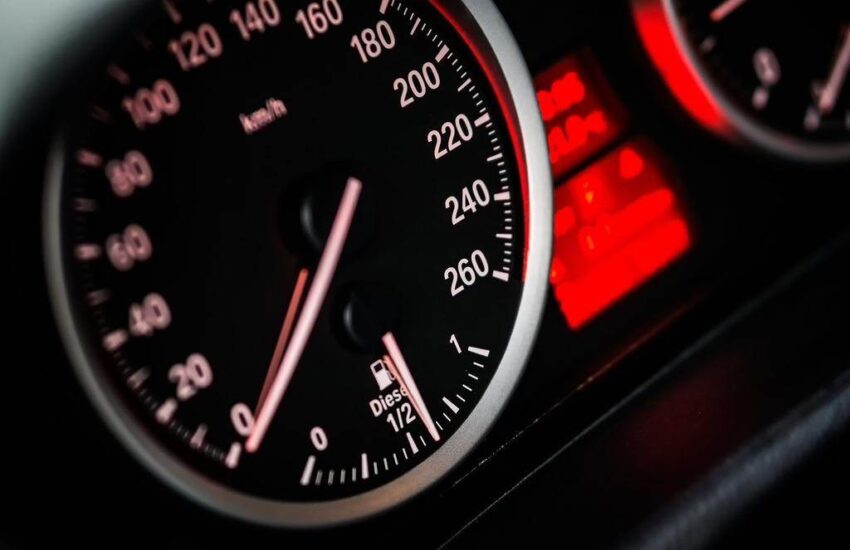
Speedometer not working: symptoms, causes and solutions

The speedometer is the instrument to consult when you want to know the instantaneous speed readings. Road safety depends on many factors, and maintaining a good speed limit is one of them. So, when the speedometer is not working, you don’t know if you’re driving too slowly or too fast.

This could be dangerous on a road where driving at a low speed is essential for safe driving. Additionally, you could be stopped by a police officer for exceeding the maximum speed limit.

Know the symptoms and reasons for a faulty speedometer. Furthermore, some suggestions and tips would be helpful in deciding how to fix it.

Symptoms of a Speedometer That Is Not Working

The speedometer determines the vehicle’s speed by extracting information from the transmission and the driveshaft.

The ECU (Engine Control Unit) converts the rotational speed of the driveshaft into the vehicle’s linear speed, then transmits the information to the speedometer.

When the car’s speedometer is not working, it cannot translate the information from the ECU. A faulty speedometer is a potential safety threat.

The warning signs to look for are:

The speedometer is completely dead! A problem with the speed sensors or the speedometer head is the reason. Worn connecting cables are the culprits in older cars.

Check that the engine light comes on. This happens due to a faulty sensor that cannot process the information received from the ECU. This also causes erratic behavior of the speedometer.
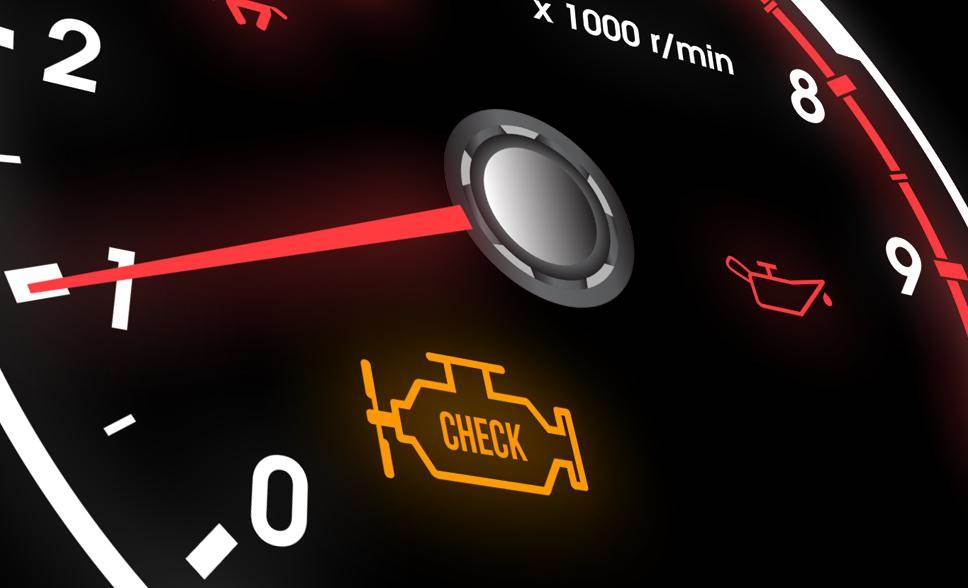
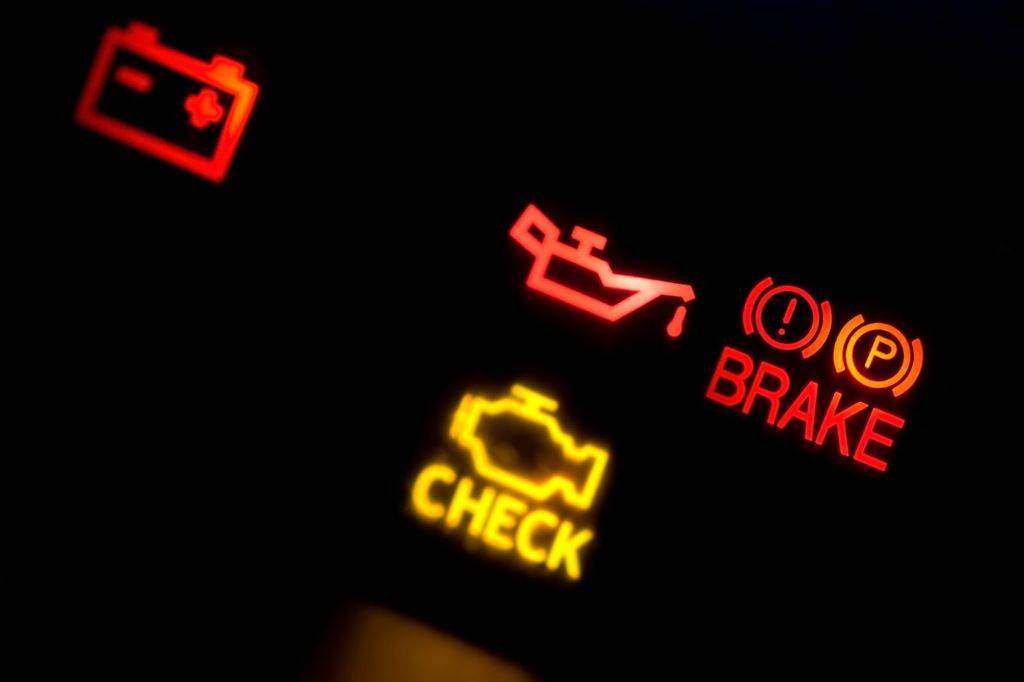
The check engine light may come on as a symptom of a malfunctioning car speedometer. (Photo: Mechanic)

Frequent changes in the readings. The problem also occurs due to bad wiring or faulty sensors. Recalibrating the sensors or repairing the wires will resolve the issue.

Changing to tires larger than the manufacturer’s recommended dimensions can also be a cause in this case.

The speedometer displays incorrect values because it is calibrated according to the dimensions of the factory-installed tires.

What Causes the Speedometer to Stop Working?

Speedometers in modern vehicles use speed sensors to calculate speed, while older models use gears and cables for the same purpose. It stops working when the sensors malfunction, the dials malfunction, or the wiring becomes faulty.

Examine these components when the speedometer is not working.

Faulty Speed Sensor

A speed sensor not only indicates the vehicle’s speed but also contributes to the operation of the cruise control and the regulation of fuel flow and ignition timing.

A speedometer may stop working due to a faulty sensor. Furthermore, the affected cruise control can disrupt the car’s driving functions. Any problem with the sensor will turn on the Check Engine light.
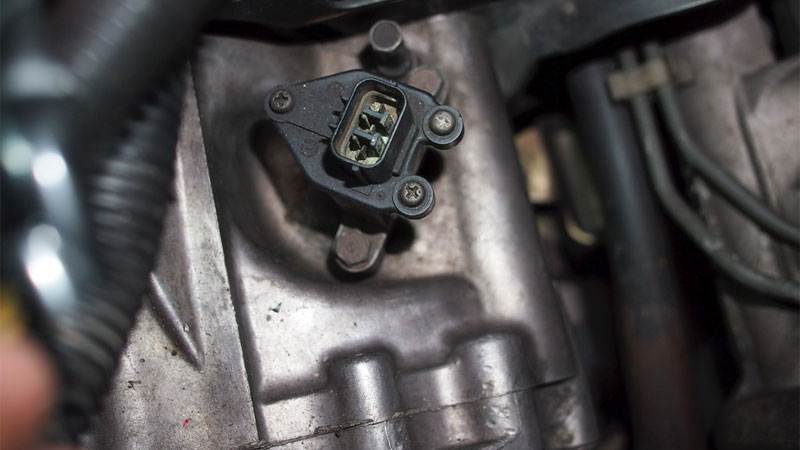
transmission speed sensor

Problems with the ECU

The Engine Control Unit (ECU) is literally the hub of the engine’s activities, acting as the car’s computer brain.

It monitors and controls several engine activities, including speed. It is evident that the speedometer can give incorrect readings in case of certain ECU problems.

Faulty Wiring and/or Fuse

Another reason why the car’s speedometer is not working is a faulty wire. Wires can short circuit for many reasons, causing the fuse to blow and stopping the speedometer from functioning. This mainly happens on older cars.

Check Error Codes

If your check engine light is on, your mechanic can start the diagnosis by using a code reader to see what error codes appear or if other associated warning lights, such as the ABS light, come on.

Checking these codes can allow the mechanic to better understand the components causing the speedometer failure.

Your technician can also use a bidirectional scan tool to look for probable reasons in the instrument cluster (gauge cluster).

My Speedometer Stopped Working: How to Fix It?

Depending on the type, there is only one repair solution for a broken speedometer, by replacing either the speed sensor or the wiring.
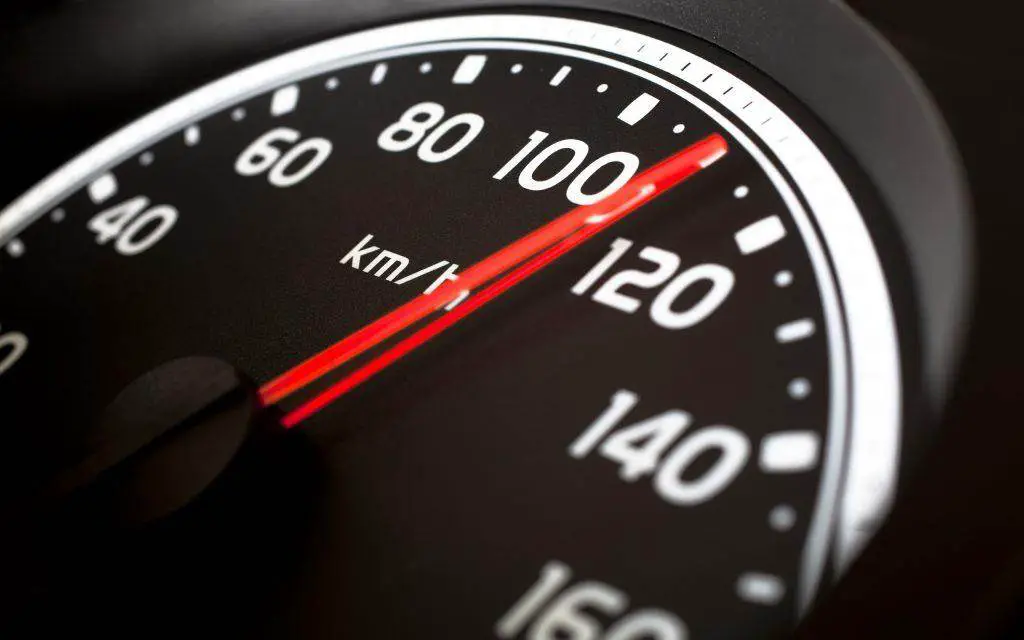
Fixing a car speedometer is really not a complicated task. (Photo: Mechanic)

With good knowledge of a motor vehicle’s mechanism, you can perform the repair work in your garage. Otherwise, calling a professional is the most logical thing to do.

Using a code scanner to examine the error codes is the first step to getting to the root of the problem.

Connecting the scanner to the ECU will help identify the failing components. It is necessary to clear the error code to complete the repair process.

1. When the Sensors are Failing

Find the location of the sensors and check them as well as the wires connecting to them for any visible damage. Replace the old one with the new unit in case you find a fault.

2. When the Wiring is Bad

Wires can short circuit or wear out in an older car and blow the fuse. Examine the wiring and the fuse and replace the faulty ones.

3. If the ECU is the Culprit Here

Then the entire ECU needs to be replaced. You can reset it, but that will only be a temporary solution. Remember to turn the ignition key to the “Auxiliary” position after installing the new unit.

This will help the ECU start the operation and begin adapting to the other engine systems when the car is turned on.

In all cases, remember to test the car to ensure the speedometer is working correctly. These are the repair processes you need to resort to in case your speedometer is not working.

car ecu

Car Speedometer FAQ

  1. How much does it cost to repair a speedometer?

The price of speedometer repair will vary depending on the source of the problem. Replacing a speed sensor will normally cost between $100 and $200.

Replacing a speedometer cable will typically cost between $50 and $100. Furthermore, replacing the speedometer gear will normally cost between $50 and $100.

  1. Why is my odometer working but my speedometer is not?

If your speedometer is not working but your odometer is, look for a faulty speed sensor, broken speedometer gears, damaged cable/wiring, and a faulty engine control unit.

If your speedometer and your odometer are not working, it could be due to a faulty engine control unit, a blown fuse, or a faulty speed sensor.

Analog odometers may not work properly due to a damaged gear or another component.

On the other hand, in the case where the odometer is not working correctly but your speedometer still works, it most likely means the odometer gears are broken and need to be replaced.

  1. Can you drive with a speedometer that is not working?

Yes, technically. However, it is not suggested since you won’t know how fast you are driving with a damaged speedometer, whether mechanical or electronic.

Not only is it risky, but you can be severely penalized for speeding and driving with a broken speedometer.

  1. Can I use my phone as a replacement speedometer?

Since most phones today have GPS capabilities, they can monitor your position and determine your traveling speed. There are also speedometer and odometer apps that can help you track your car’s speed and distance traveled.

However, it may not be as accurate as your functional speedometer, and you could soon be penalized for exceeding the vehicle’s speed limit.

In several countries, using a phone as a speedometer is also prohibited. Check your local rules before driving without a speedometer.

Watch this video from Oz Mechanics for more details on how to fix a speedometer that is not working!

https://youtube.com/watch?v=bQGtt0-HmfQ%3Ffeature%3Doembed

Conclusion

The speedometer is an integral part of the vehicle and is essential for the safety of the driver and passengers.

Therefore, it is essential to inspect and calibrate it from time to time, not until your speedometer is not working, as part of normal maintenance. Particular vigilance can help you avoid traffic jams caused by a broken speedometer.


Practical Guide: Safe Brake Replacement

Safety is one of the main concerns for every driver, and a reliable braking system is essential to ensure this safety. Understanding your vehicle’s mechanisms, especially the braking system, not only allows you to drive with confidence but also to perform routine maintenance such as brake replacement. In this essay, we will explore in detail the components that make up this crucial system, from brake discs to calipers, including brake pads and the hydraulic system. Additionally, we will familiarize ourselves with the tools needed to maintain this system and the concrete steps to replace brakes correctly and safely.

Understanding the Braking System

Understanding the Braking System

Vehicles are equipped with a braking system to ensure driving safety. This system mainly consists of brake discs, brake pads, calipers, and the hydraulic system.

Brake Discs

Brake discs are usually made of steel or cast iron and are directly connected to the wheel. When you press the brake pedal, the brake pads are pressed against the discs to slow down or stop the vehicle. It is important to regularly check the condition of your brake discs because worn or damaged discs could lead to brake system failure.

Brake Pads

Brake pads are the essential element that creates friction with the brake discs to slow down or stop the vehicle. They are typically made of metal or ceramic and are installed directly on the brake calipers. Brake pads need to be replaced regularly because their constant friction against the brake discs can wear them out quickly.

Brake Calipers

Brake calipers are the components that hold the brake pads against the discs. When you press the brake pedal, the brake fluid is forced through the calipers, causing them to clamp and press the brake pads against the discs. Brake calipers must be in good condition for the braking system to function properly.

Hydraulic System

The hydraulic system is the part of your vehicle that transmits the force from your foot on the brake pedal to the brake calipers. It consists of a brake fluid reservoir, a master cylinder, and brake lines. A leak or failure in the hydraulic system can have serious consequences on the vehicle’s braking ability. Therefore, it is crucial to have your hydraulic system regularly checked by a professional.

Understanding these components will help maintain a safe and effective braking system. It is advisable to regularly perform checks for signs of wear and to call a professional for necessary repairs and replacements.

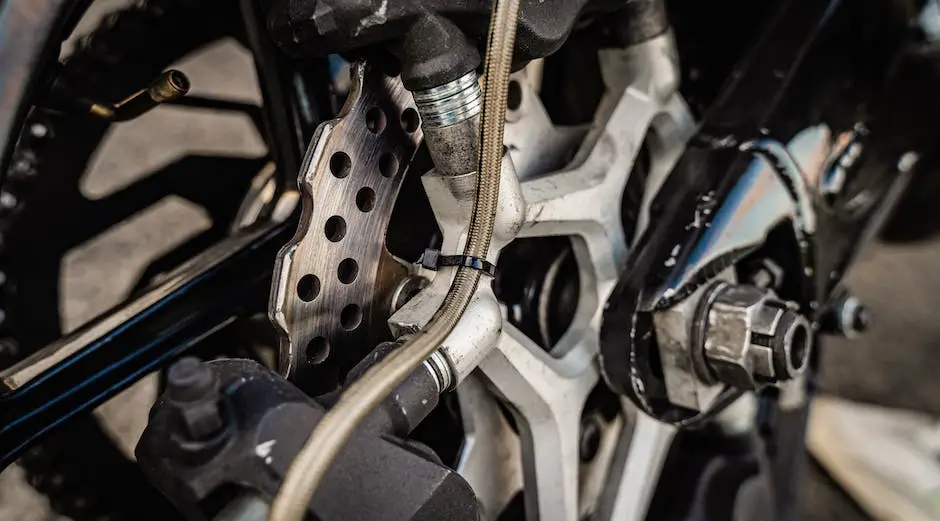
Image illustrating the different components of a vehicle's braking system

Tools for Brake Replacement

Tools for Brake Replacement

Changing brakes is a technically demanding task, but with the right tools and some knowledge, it can be successfully accomplished. Here is a list of the main tools you will need to replace your brakes.

Wrenches

A variety of wrenches will be necessary for your brake replacement. Models that would be useful include an adjustable wrench, combination wrenches, and a ratchet wrench with a set of sockets. These wrenches will help you loosen and tighten the various nuts and bolts involved in the brake replacement process.

Jacks and Jack Stands

To access your brakes, you need to lift your vehicle. Therefore, you will need a jack to lift it off the ground and jack stands to support it while you work. Make sure to have a quality hydraulic jack and jack stands to ensure your safety.

Pliers

Pliers are used to pull parts, hold them firmly, and cut or bend different materials. Long-nose slip-joint pliers and diagonal cutting pliers are two types of pliers commonly used during brake replacement.

Screwdrivers

An assortment of flat-head and Phillips-head screwdrivers is essential. They can be used to disassemble components, adjust fasteners, and scrape off rust or debris.

Other Necessary Tools

Other generally useful tools include a hammer to dislodge stuck components, a vise to firmly hold parts when they need to be handled, and a wire brush to clean rust and debris from metal surfaces.

Remember, working on brakes is a serious task that requires precision and attention. Make sure you have all the necessary tools and follow your vehicle manufacturer’s instructions to ensure a safe and effective brake replacement.

Image of various tools needed for brake replacement

Brake Replacement Procedure

Step 1: Preparing the Car

Before starting, make sure the car is stable. It is best to use a jack to lift the car and support it with jack stands. Once the car is lifted, remove the wheel whose brake needs to be replaced.

Step 2: Removing the Old Brakes

The brake consists of several parts, including the caliper, brake pads, and brake disc. To begin, remove the brake caliper. You may need to use a wrench or a socket wrench for this. Once the caliper is removed, the brake pads will be visible and can be easily taken out.

Step 3: Inspecting the Brake Disc

Inspect the brake disc for signs of wear or damage. If so, it will also need to be replaced. If the disc is in good condition, it can be left in place.

Step 4: Installing the New Brakes

Install the new brake pads into the caliper. You may need to use a special tool called a brake piston for this. Once the pads are in place, reassemble the caliper onto the brake disc.

Step 5: Reinstalling the Wheel

When the caliper is reassembled, put the wheel back on and lower the car from the jack. Make sure to properly tighten the wheel nuts.

Step 6: Post-Installation Safety Test

After installing the new brakes, it is important to test them to ensure they are working correctly. Start by checking the brake fluid level in the reservoir and top it up if necessary. Then, start the car and set it in motion, gradually applying the brakes to ensure they respond properly.

Illustration of a person replacing brakes on a car.

After replacing your brakes and performing a post-installation safety test, you can be confident that your vehicle is in good shape and ready for safe use. Although it may seem complicated, breaking down the procedure into simple steps allows you to approach this task calmly. By knowing both the components of your braking system and the tools needed to do this job, you are better prepared to ensure your vehicle’s safety. Even though many prefer to leave this task to a professional, acquiring this knowledge gives you greater autonomy and understanding of your vehicle’s mechanics.

Common Emission System Problem in Honda Vehicles

Although Honda vehicles are known for their reliability and performance, like any complex machinery, Honda vehicles are not immune to occasional issues, and the Honda emission system problem is one of them. Whether you own a Honda Civic, Accord, CR-V, or any other Honda model, you may have encountered the emission system issue. Let’s delve deep into the world of Honda emission system problems and discover how to effectively resolve them.

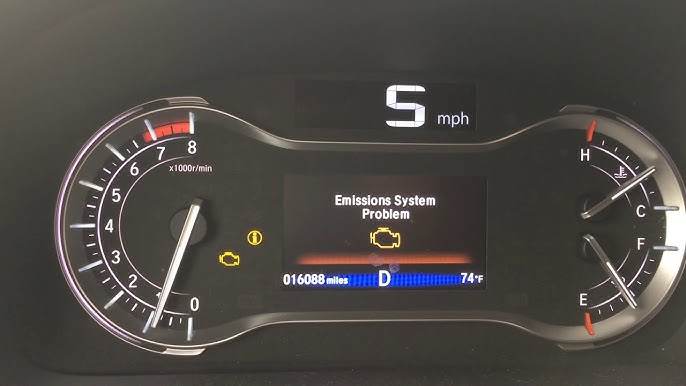
Honda Pilot Emission System Problem (Photo: youtube.com)

What does the emission system problem on Honda mean?

When you encounter an “emission system problem” in a Honda vehicle, it refers to an issue or malfunction within the vehicle’s emission control system. As in any other vehicle model, Honda’s emission system is designed to reduce harmful pollutants released into the atmosphere as a result of the combustion process.

The emission control system of a Honda is structured around various components that work together to minimize the release of pollutants such as nitrogen oxides (NOx), carbon monoxide (CO), and hydrocarbons (HC). These components include oxygen sensors, the catalytic converter, the exhaust gas recirculation (EGR) valve, the evaporative emission control system (EVAP), and more.

When Honda’s onboard diagnostic system detects a problem or deviation from the expected performance of emission control components, it triggers the “emission system problem” warning or the check engine light on the dashboard.

When the “check Honda emission system” light illuminates on the Honda’s dashboard, it implies that the Honda emission system is not functioning properly. Sometimes, it could be a simple issue like a loose gas cap, but you should also perform a quick diagnosis as soon as possible.

Learn more about Honda Civic emission control system problems:

https://youtube.com/watch?v=YleXX6jHSqc%3Ffeature%3Doembed

Honda Emission System Problem: What are the Symptoms?

The symptoms of the Honda emission system can vary depending on the specific issue affecting the emission control system. Here are some common signs to watch for:

Check Engine Light

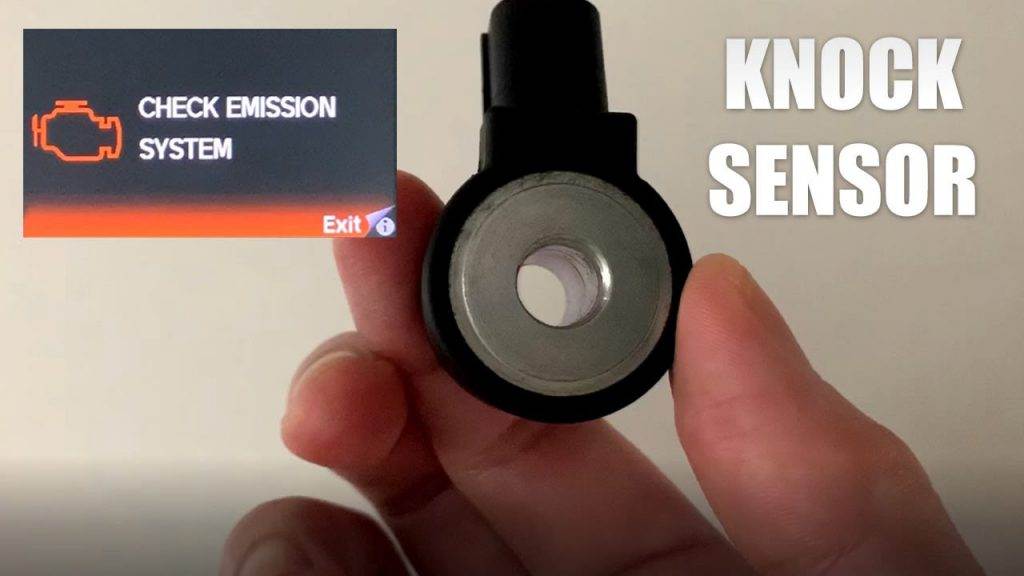
The most obvious symptom of a Honda emission system problem is the illumination of the check engine light on the vehicle’s dashboard with the message “check emission system.” The check engine light serves to warn that a problem has been detected. However, it does not provide specific details about the exact issue, so it’s important to have the vehicle scanned for diagnostic trouble codes (DTCs) to identify the specific problem.

Failed Emission Test

If you live in an area where periodic emission tests are required, an emission system problem can cause your Honda to fail the test. Failing emission tests is often due to increased levels of pollutants emitted by the vehicle, indicating an issue with the emission control system.

Unusual Exhaust Smoke

Pay attention to the color and consistency of the exhaust smoke coming from the tailpipe. In some cases, an emission system problem can make the exhaust smoke thicker, darker, or have an unusual color. If you notice excessive white smoke, black smoke, or a strong smell in the exhaust, it may indicate a problem.

Reduced Fuel Efficiency

Another symptom of a failing Honda emission system can also lead to decreased fuel efficiency. When you notice that your Honda is consuming more fuel than usual or you need to refuel more frequently, it could be a sign of an emission system problem.

How to Fix the Honda Emission System Problem?

Whenever you notice the “check emission system” error message on your Honda dashboard or any other symptom listed above, it’s time to repair or diagnose the emission system. How could you proceed to fix it?

Before delving into the details of the methods, we will discover what causes the Honda emission system problem:

  • Faulty catalytic converter
  • EGR system issues
  • Fuel system problem
  • Evaporative Emission Control System (EVAP) leaks

When you encounter an emission system problem on your Honda, it’s important to address it promptly. Ignoring or neglecting this issue can lead to serious damage, potentially causing the vehicle to fail emission tests or not comply with environmental regulations.

Check Honda Civic Emission System (Photo: completecar.ca)

Retrieve Diagnostic Trouble Codes (DTCs)

When the check engine light comes on, it indicates that the vehicle’s onboard diagnostic system has detected a problem. The first step is to use a diagnostic scanner to retrieve the DTCs associated with the emission system problem. These codes provide specific information about the component or system experiencing the issue.

Check Other Parts of the Emission System

You can inspect the various components of the emission control system to identify any visible signs of damage or malfunction. This may include checking the oxygen sensors, catalytic converter, EGR valve, EVAP system, and other related components.

Clear DTCs and Test

Once repairs or component replacements are done, you can clear the DTCs from the vehicle’s onboard diagnostic system. The vehicle will then be tested to ensure that the emission system problem has been resolved. This may involve a road test or using specialized equipment to verify that the system is functioning correctly and emissions are within acceptable limits.

Final Thoughts

It is important to note that all the information we have shared about emission issues may not be specific to all Honda vehicles; it will depend on each model and year. Proper diagnosis by a qualified technician is crucial to identify the exact cause of the emission problem in a specific Honda vehicle. If you have any concerns, feel free to leave a comment in the box below!

What are the symptoms of a burnt exhaust valve?

A vehicle’s engine has many components that perform different functions. However, none of these parts would function without a drive belt. There are different types of car belts, and their function is to keep the engine running by transferring power to various parts.

To do this, they have constant friction with several pulleys. For this reason, a loose or damaged belt affects the performance of the associated engine component.

Types of Car Belts: How Many Belts Does a Car Have?

How many belts are in a car? Several types, and we will discuss some of the most common ones. Here is a brief discussion of standard belts in a car and how they work.

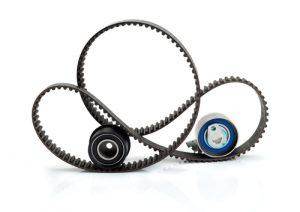
1. Timing Belts

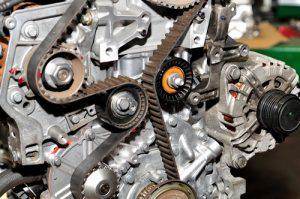
Car engine with timing belt. (Photo source: highlinecarcare)

Your timing belt is probably the most important belt you have. It enables combustion inside the engine and ensures everything is timed accurately.

Also known as a Gilmer belt and camshaft drive belt, the role of a timing belt is to help the crankshaft turn the camshaft. The rubber belt opens and closes the engine valves in sync with the pistons.

In modern vehicles, this belt has replaced the timing chain. Timing belt failure causes less damage to pistons and valves than the chain.

2. Accessory Belts

Accessory belts come next. So, what does the term “accessory” actually mean?

It indicates that the purpose of these belts is to power the auxiliary parts that need to be powered to operate.

Without the belt, the auxiliary units will not work at all, and sooner or later, your engine will lose power. Here are the two types of accessory belts you might want to take a look at!

V-Belts (Drive Belts)

All V-belts wear out almost at the same time. (Photo source: Dreamstime)

Another type of car belts, one of the oldest accessory belts, the V-belt was likely developed on vintage V8 pushrod engines. In order to power various components needed for the engine to function properly, these belts had to be created.

Originating from the crankshaft, they run through various components, including the alternator, power steering pump, air conditioning compressor, and water pump, and provide them with the necessary energy to operate. They are mainly found on older cars.

These belts hardly slip from their path, and the failure of one belt does not affect all engine functions. However, all V-belts wear out almost simultaneously.

So you may need to replace them all at the same time. Fluid contamination and regular wear are the main reasons for the malfunction of these belts.

A serpentine belt. (Photo source: limited life)

Serpentine Belts

A long, snake-like belt runs through all the engine components and powers them. It is the alternative to multiple V-belts in newer cars. The belt is a standard in modern vehicles.

Since a single belt powers almost all the engine accessories, multiple components will be affected if the belt becomes loose or is damaged. However, it is easy to replace, and you only have to spend on a single belt.

A failing serpentine belt creates a squealing or screeching noise. If it fails, the entire engine may stop working.

Fan Belts

To be powered, the cooling system requires a belt. The serpentine belt drives it in some engines. It is driven by the fan belt in other engines. The following components of the cooling system can be powered by it:

  • Water pump
  • Fan
  • Air conditioning

A functioning fan belt performs the following operations by driving the cooling system:

  • Cooling a radiator
  • Pumping coolant throughout the engine

Your engine will no longer be cooled if the fan belt breaks. As a result, the engine will overheat, possibly requiring costly repairs. So it seems wise to check the fan belt during regular inspections.

Drive Belt vs. Serpentine Belt

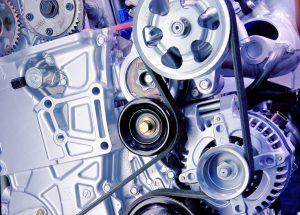
Among all types of car belts, there is no difference between a drive belt and a serpentine belt. Most cars have one or two drive belts. It is also called a serpentine belt when there is only one drive belt in a car.

Whether it’s a drive belt or a serpentine belt, it is part of the accessories that drive a car’s engine. The rubber component lasts a long time, between 40,000 and 70,000 miles.

However, it is not uncommon to see them go over 100,000 miles.

There is no major difference between a drive belt and a serpentine belt. (Photo: Drill and Driver)

FAQ on Types of Car Belts

  1. Can I install a timing belt at home?

Installing the timing belt is not something you can perform immediately. Even experienced technicians do not allow unqualified apprentices to cause damage when changing timing belts.

The engine will not be timed accurately even if the timing is slightly off by a few millimeters during the installation of the timing belt, which would result in engine damage.

Depending on the severity of your mistake, the valves will be broken. Therefore, if you do not have the training and skills to perform this task, do not attempt it at home.

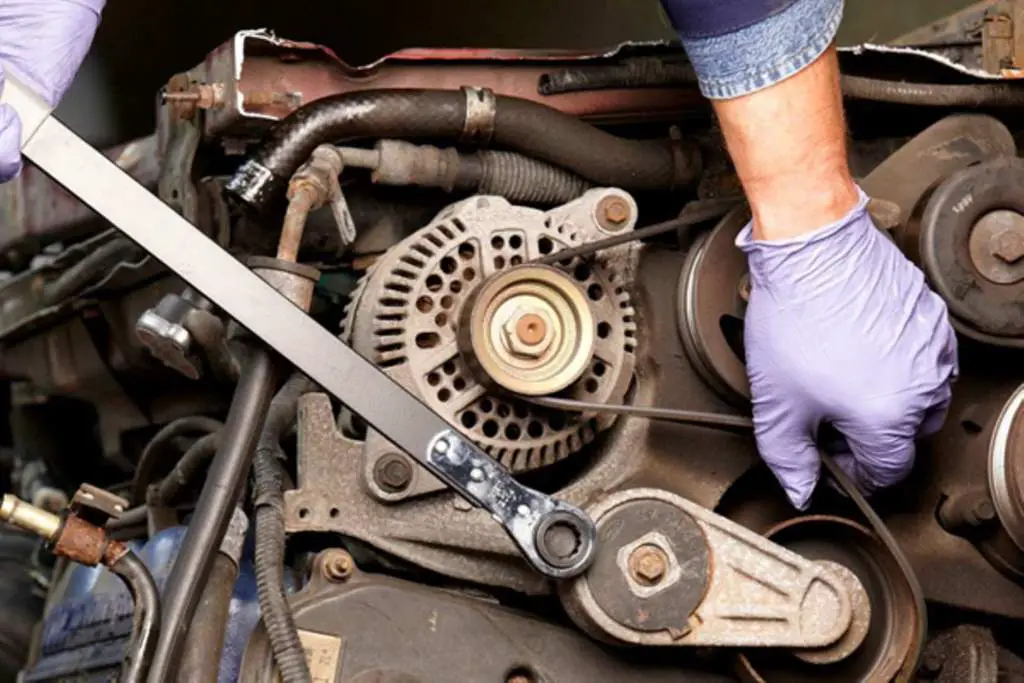
However, changing a serpentine or V-belt is a simple task that anyone can accomplish without risk. Just make sure to remove the old belt and attach the new one in the same way.

  1. When should these types of car belts be changed?

The belts in your automobile need to be updated, like all other components. It makes no difference if you use a timing belt, serpentine belt, or V-belt.

Every belt has a chance of breaking, especially the cheaper options made by some lesser-known companies.

To be more precise, how many miles do they last? Well, it depends a lot on the age of the belt.

As you may already know, the rubber used to make the belts hardens over time. As a result, belts can break even if they are not overly worn.

Rubber, used to make belts, hardens over time. (Photo: Fix Auto USA)

This is also crucial because the teeth keep the timing belt in the correct position. The timing will be disrupted if the belt jumps, which could damage the engine. Therefore, pay close attention to these timing belt components.

Additionally, at 60,000 miles, accessory belts should be changed. Even if the belt breaks, you will not damage the engine, so its replacement is not critical.

However, the vehicle will eventually shut down. In the worst-case scenario, it may potentially overheat. Nevertheless, it is advisable to ensure it is changed as soon as possible.

  1. How much does it cost to change a car belt?

Timing belts will be our first mention. In terms of cost, these belts are the most expensive to replace.

The component itself is reasonably priced and can be obtained for between $50 and $100. However, labor is costly, and the total cost of labor and components for a timing belt repair can range from $400 to $600.

On the other hand, serpentine belts are easier to change and cost less than $300 (labor and components).

  1. What happens if you don’t change these belts on cars?

Let’s take a look at what could happen if you don’t change the different types of car belts in your vehicle. As mentioned earlier, the timing belt controls the engine timing. As a result, if the belt is broken or breaks.

The timing will be disrupted, and your engine will most likely suffer engine damage. Because these timing belt engines are interference engines.

If a belt breaks in a non-interference engine, the potential damage is minimal. What exactly are non-interference engines?

They are the engines that do not use an overhead camshaft mechanism. Specifically, pushrod V8 engines. Because they are chain-driven and non-interference, they are largely damage-proof in such situations.

Watch this video by Scotty Kilmer to learn more about belt squeal, squeaking belt, belt noise, and drive belt replacement!

https://youtube.com/watch?v=Q-iiIcP7ODA%3Ffeature%3Doembed

Final Words

Ultimately, these are common types of car belts you might want to recognize today.

The health and operation of the engine largely depend on the condition of these belts. So don’t forget each of them and their functions to use them in the best way possible.

Overall, timing belts, V-belts, and serpentine belts are all common. The timing belt drives the engine, while serpentine and V-belts power accessories such as the air conditioning system, water pump, alternator, and other vital parts needed for the vehicle to operate. As simple as that!

Top Excellent Plug-in Hybrids If You’re Not Ready for a Full Electric Vehicle

Plug-in hybrid electric vehicles, also called plug-ins or PHEVs, are the right choice for many drivers for much of this decade, until the number of public charging stations increases, the value of batteries improves, and the overall prices of pure battery electric vehicles drop.

Half of our favorite plug-ins travel at least 30 miles, roughly the length of an average round trip commute in the United States, according to the Bureau of Transportation Statistics. The others get you to work and back. None of them will leave you stranded because they have an engine and a gas tank.

One in Five Electrified Vehicles Was a Plug-in Last Year

Sometimes, statistics on “electric cars” can be tricky. Do they include plug-in hybrid electric vehicles (PHEV) or only battery electric vehicles (BEV)? It goes both ways. Last year, 64,300 plug-in hybrid vehicles were sold in the United States, compared to 213,000 battery-only cars, according to Pew Research data. Plug-ins also accounted for one-fifth of all electric vehicle sales last year, according to MotorIntelligence.

PHEV sales have halved since 2018, but Covid-19 played a role and it’s hard to draw definitive conclusions: the entire car market decreased by 23% in 2020. The format has always been a transition to battery electric vehicles, which have gradually increased their range as technology improves. General Motors, for its part, doesn’t even offer a PHEV since it killed the Volt in 2019: it’s betting on pure electric vehicles and its new Ultium modular battery system. The entire electrified segment, including PHEVs, still only represents 2% of new car sales in the United States, but 10 million of them are now on the world’s roads.

Toyota and Lexus, its luxury division, capture a significant share of alternative propulsion vehicle sales: 16 of the 30 vehicles are offered as hybrids or plug-ins, including the Mirai, its only hydrogen fuel cell electric vehicle. These vehicles also accounted for 24% of Toyota’s sales for the first nine months of 2021. Toyota offers two models with both hybrid and plug-in variants: the Prius and the RAV4. Just under half of Prius sales were plug-ins and one-fifth of RAV4s were plug-ins.

Why Plug-ins Make Sense

Many cars available today can be purchased in PHEV versions, which eliminates legitimate concerns about range anxiety and the availability of public charging. A shorter electric range, between 18 and 42 miles, is acceptable when there are still an additional 300 to 600 miles available with the gasoline engine. For people making short trips, the gasoline engine might only be used for longer weekend getaways.

All plug-ins can benefit from at least a portion of the available federal income tax credit, up to $7,500. The credit is based on the battery size and varies considerably among PHEVs. A vehicle with a 16.0 kilowatt-hour battery is eligible for the full $7,500 credit.

The Plug-In’s Electric Motor Acts as a Turbocharger

The electric motor of the BMW X5 xDrive45e plug-in allows it to reach 60 mph in under 4 seconds. Most plug-in vehicles are not only more efficient than their gasoline version but also faster. BMW
An electric motor develops maximum power (torque) at a much lower RPM than its companion gasoline engine. Even when the car switches to gasoline mode, the battery still has enough power for the electric motor to act as a booster, essentially a turbocharger. While the electric motor and lithium-ion battery are meant to improve mpg, they also go from 0 to 60 mph a second or two faster. Toyota’s RAV4 Prime (what it calls the PHEV version) takes 5.7 seconds, 2 seconds less than the gasoline-engine RAV4.
Below are 10 relatively popular PHEV choices, ranging from entry-level to full luxury. They are sorted by battery range. Drivers who want a transition vehicle to a fully electric future should strive to perform most daily driving tasks without waking the gasoline engine. This means battery range should play a significant role in the purchase decision.

Three of our favorites travel at least 500 miles combined, battery engine and gasoline engine. The cars below are 2021 models unless otherwise noted. To learn more about plug-ins, check out the best plug-in hybrids for 2021 in Forbes Wheels reviews.

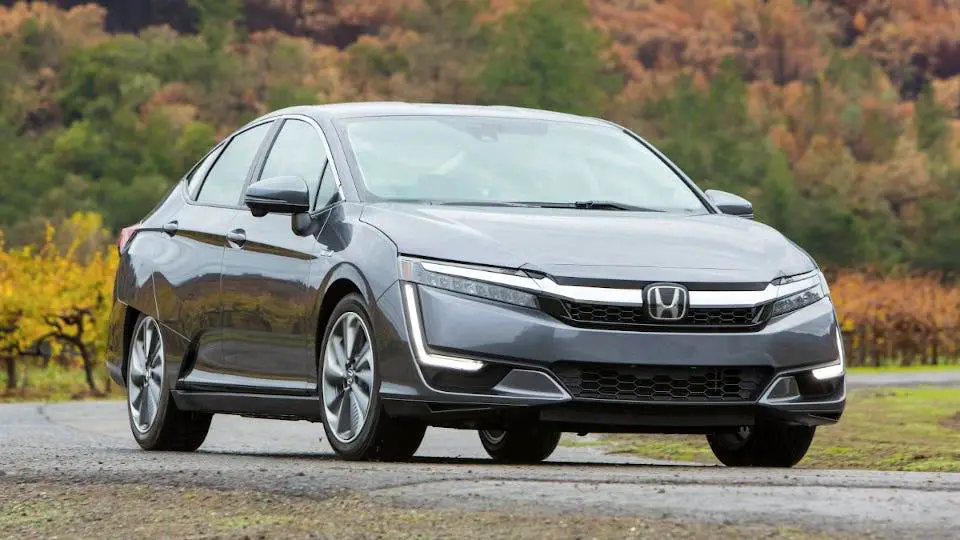
Honda Clarity Plug-In Hybrid, 48 miles EV

Honda Clarity. Honda

The battery-only version of the Clarity (discontinued last year) was a limited-range electric vehicle, but the PHEV has a lot to recommend, including 48 electric miles thanks to its 17 kilowatt-hour battery. The 1.5-liter four-cylinder (which rarely drives the wheels) combines with a robust electric motor to produce a combined 212 horsepower and a decent 8.1-second zero-to-60 time. Owners praise the comfort and ride quality, even if the rear bench could be larger. The $33,400 Clarity benefits from the full $7,500 credit.

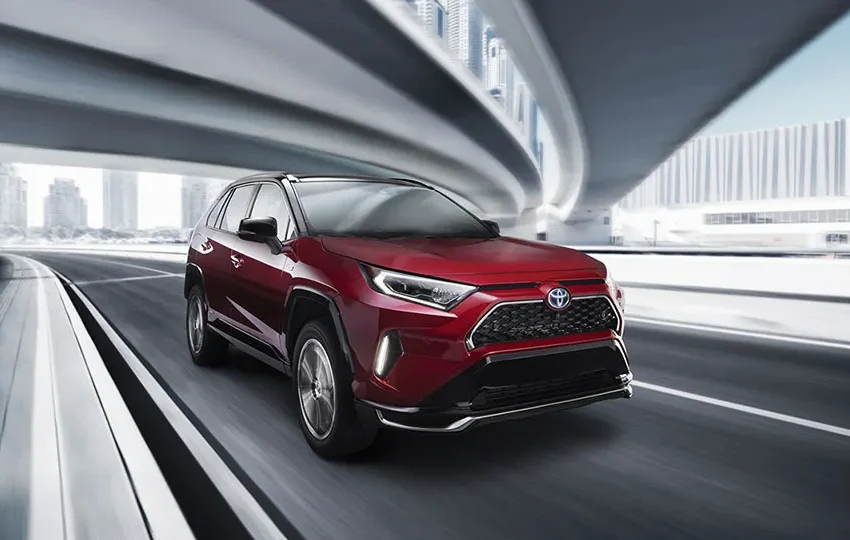
Toyota RAV4 Prime, 42 miles

Toyota RAV4 Prime. Toyota

Here’s what a plug-in should be: the $38,500 PHEV version of the RAV4, with an 18.1 kilowatt-hour battery, 42 miles of EV range, 600 miles total. It’s an impressive ride. Some critics claim the actual range is better than that. There are also 302 combined horsepower in this RAV4, making it the fastest four-door Toyota. Only the Supra has faster acceleration. The RAV4 Prime benefits from the full $7,500 tax credit. The top-tier XSE model ($41,675) offers many useful features, including 19-inch wheels, paddle shifters, and some safety equipment. There have also been a few improvements to the $28,220 Prius Prime sedan, which now has 25 miles of EV range. But it’s a pokier beast, with a 121 horsepower powertrain. The $28,220 Prius Prime is eligible for a $4,502 federal income tax credit. If there’s one plug-in you buy, make it the RAV4 Prime.

Ford Escape Plug-In Hybrid, 37 miles

Ford Escape. Ford

Toyota produced the first hybrids Americans could buy and Ford launched the first American car with the Escape in 2004. They then proved themselves as taxis on New York’s potholed streets. The Escape PHEV ($34,755, with a $6,843 credit) uses a 2.5-liter four-cylinder engine coupled with an electric motor for a total output of 221 horsepower. The electric range is 37 miles (530 total) via a 14.4 kilowatt-hour battery. There is no all-wheel-drive version. It’s worth upgrading to the $38,000 SEL version, which adds heated synthetic leather front seats with power adjustment for the driver, convenience and cold weather packages, parking sensors, and fog lights. The Co-Pilot360 Assist+ package adds adaptive cruise control.

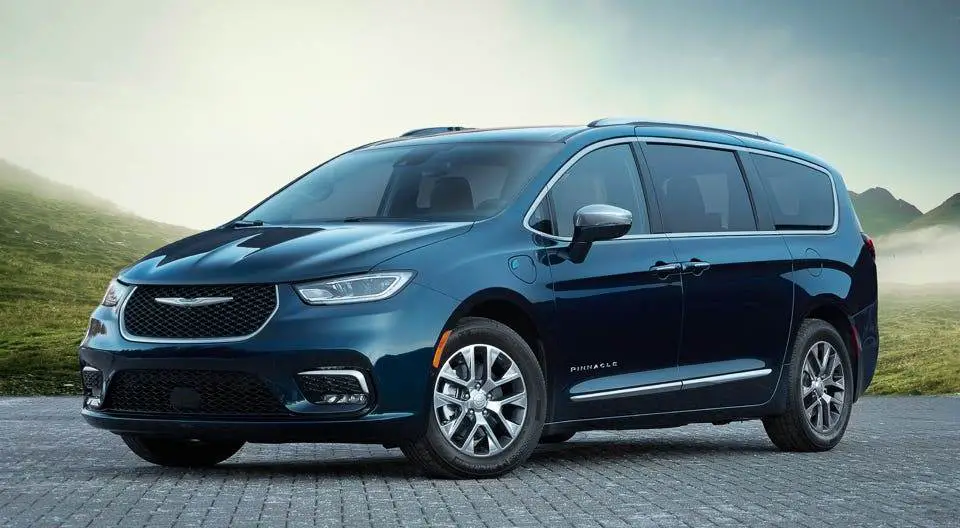
Chrysler Pacifica Plug-In Hybrid Minivan, 32 miles

Chrysler Pacifica Plug-In Hybrid Minivan, Chrysler

The $39,995 Pacifica remains the only American PHEV minivan, although the Toyota Sienna is now only available as a hybrid. The electric range via a 16 kilowatt-hour battery is 32 miles (566 total). A drawback of the PHEV version is that the company’s famous Stow ‘n Go seats are not available in the second row (which is equipped with captain’s chairs). It’s a large vehicle that needs the 260 horsepower it gets from a 3.6-liter V-6 (the same as the standard Pacifica) with two electric motors. For a grocery getter, the 7.4-second zero-to-60 time isn’t bad. The cargo space – critical in a minivan – is 87.5 cubic feet if the third row is down.

Hyundai Santa Fe Plug-In Hybrid, 30 miles

Hyundai Santa Fe. Hyundai

Good news for Santa Fe buyers: the 2022 model has a 13.8 kilowatt-hour battery, giving it a $6,587 tax credit. Apply that, and it means the PHEV is actually cheaper than the hybrid version. The 2022 Santa Fe starts at $40,535, although savvy buyers might want to look at the Limited. The PHEV’s 1.6-liter four-cylinder producing 177 horsepower is linked to a 90-horsepower electric motor for 260 combined horsepower. The electric range is 30 miles, 440 total. The Limited version increases the price to $46,545 but adds useful features such as leather seats, a 360-degree camera, and an eight-inch infotainment screen with a 12.3-inch digital gauge cluster.

Kia Niro Plug-In Hybrid, 26 miles

Kia Niro EV 2021
2021 Niro PHEV. Kia

Starting at $30,765 (with a $4,543 credit), the Niro is one of the most affordable PHEVs. The EV range is 26 miles via an 8.9 kilowatt-hour power, with a very good total of 560 miles. The 1.6-liter four-cylinder electric motor provides a modest 139 horsepower via a six-speed automatic transmission. Kia also makes an Optima PHEV, $37,315 in the only EX version (with a $4,919 credit). With a 10 kilowatt-hour battery, the electric range is slightly higher, 28 miles, and you get a good dose of punch: 202 horsepower. However, you have to opt for a sedan. That’s a problem for some people who like to sit up high. The Niro charges quickly in 2.5 hours; the Optima might take a bit longer.

Audi A7 55 TSFI e Quattro Plug-In Hybrid, 24 miles

Audi A7. Audi

The A7 PHEV allows its buyers to own a large, luxurious top-tier Audi while claiming some green credibility. The Sportback features a two-liter turbo four-cylinder that sandwiches an electric motor between it and a seven-speed S-tronic dual-clutch transmission. It produces a net 362 horsepower, good for 60 mph in 5.7 seconds. But remember it’s a PHEV, so its 14.1 kilowatt-hour battery gives it 24 miles of all-electric range (440 total). The S line exterior package is standard, as are LED headlights with high-beam assist, four-zone automatic climate control, and 20-inch wheels. This is a $74,900 car, with $6,712 in federal money available to soften the impact.

Mitsubishi Outlander Plug-In Hybrid, 24 miles

Mitsubishi Outlander Plug-In Hybrid. Bill Howard

Functions of the Oil Control Valve and Symptoms of Malfunction

The Oil Control Valve is an essential component of every engine equipped with variable valve technology. Responsible for controlling the oil flow in the camshaft, it also helps maintain the operation of the engine’s internal moving parts.

Additionally, the use of oil control valves also offers many other inevitable benefits, such as efficient fuel consumption, reduced vehicle emissions, and improved engine performance.

However, its failure can sometimes cause problems. Therefore, to recognize the symptoms of a faulty oil control valve, it is crucial to first understand its basic operation.

Operating Principle of the Oil Control Valve in the Automotive System

This component has its own importance in the proper functioning of any automotive vehicle. Being regulated by the engine control module, it is also known as the engine oil solenoid valve.

This valve controls the oil flow in the engine’s camshaft. If the oil does not reach an appropriate amount, it can harm the engine’s normal operation.

Therefore, the oil control valve must open and close at the right time to lubricate the camshaft. In fact, it decides when to prevent oil from entering or allow oil to exit.

The PCM/ECM will control the valve and instruct it on the appropriate actions based on the engine’s performance requirements.

What is an oil control valve used for? Watch the video below for more information.

https://youtube.com/watch?v=fPqjJVHZS3I%3Ffeature%3Doembed

Common Symptoms of a Failing Oil Control Valve

Some symptoms require immediate attention to be repaired and ensure the proper functioning of the oil control valve. Some of them include:

1. Poor Fuel Economy

This means the oil control valves are unable to regulate the oil flow in the system. This leads to the engine overperforming and increased oil consumption.

Additionally, the exhaust valves would also open and close at the wrong time, resulting in increased fuel expenses.

Ultimately, this would also damage the other internal engine components and significantly reduce fuel economy.

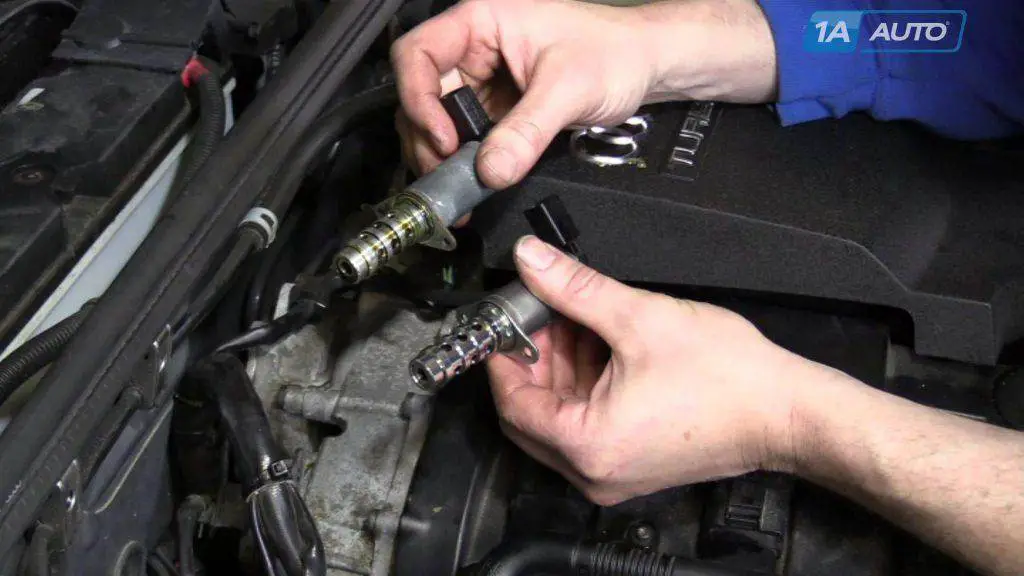
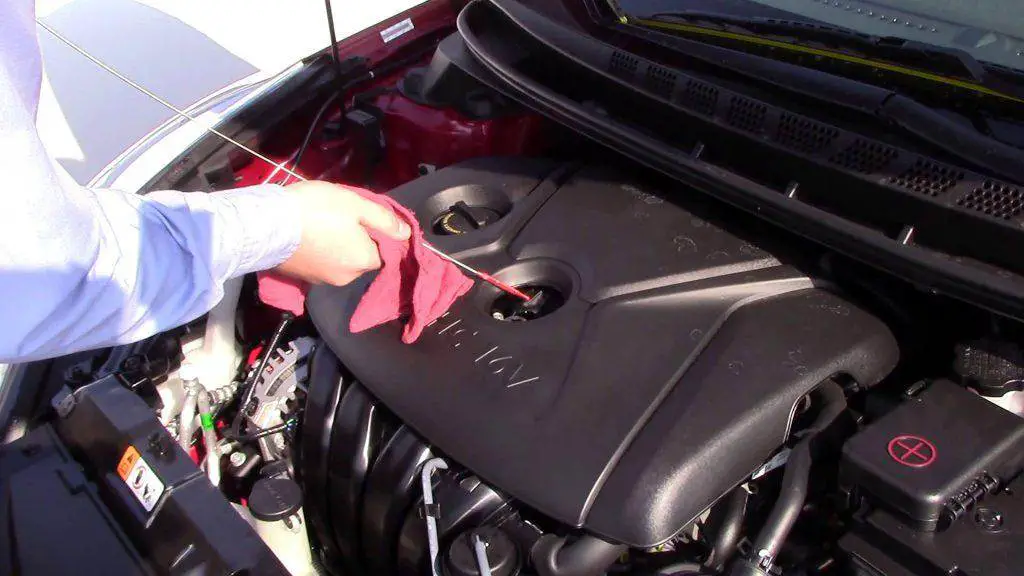
Ensuring the proper functioning of oil control valves. (Photo: 1A Auto)

2. Slow Acceleration

Failure to regulate oil consumption would directly affect the car’s acceleration performance. It can be checked by accelerating the car and noting the time taken to reach the desired speed.

Simply put, if the car fails to reach a speed of 60 km/h in a short time, it is a sign of a disrupted oil control valve.

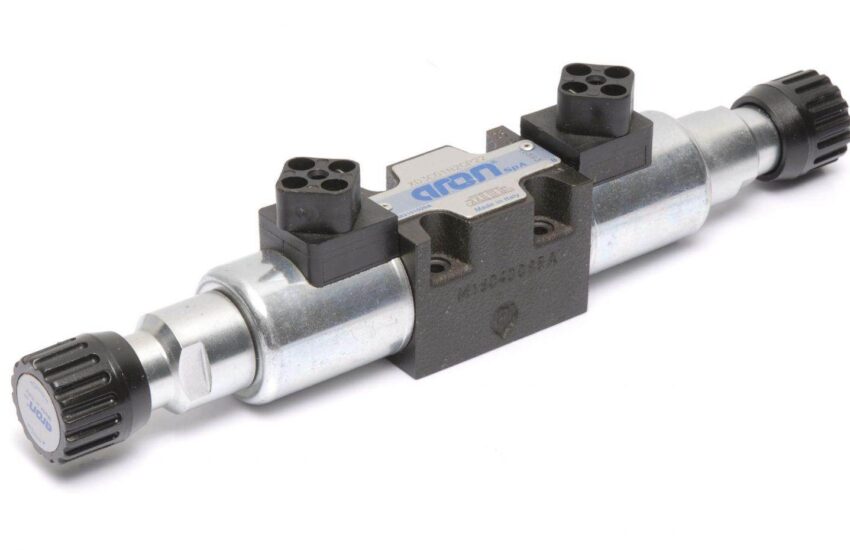
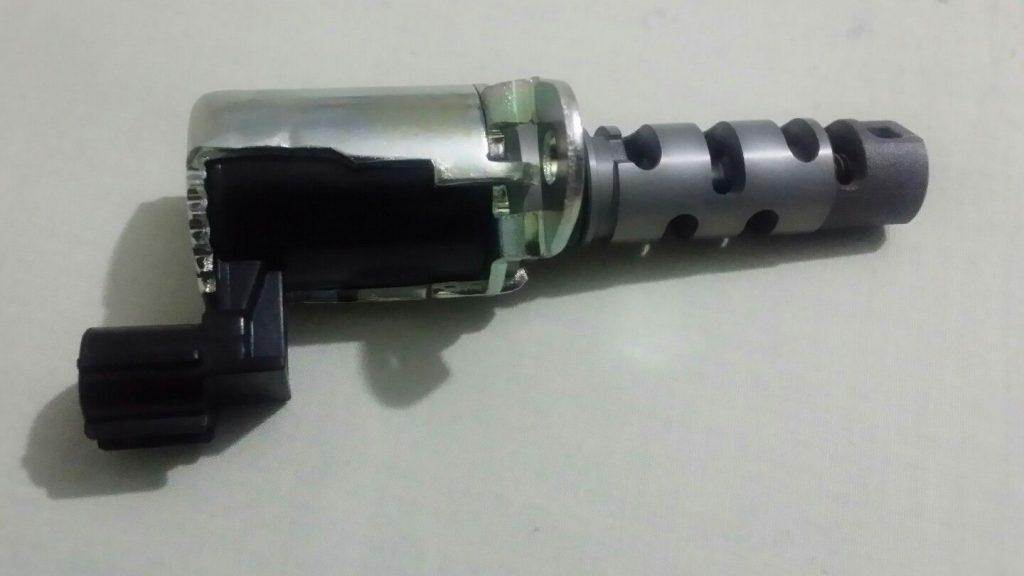
Keep an eye on the engine camshaft control valve. (Photo: Aliexpress)

3. Inefficient Engine

To ensure an impeccable and superior oil control valve, one must consider the car’s variable valve timing system.

It generates the power required by the vehicle, which activates automatically when the RPM is above normal. Even when the load on the car is greater, especially on uphill roads, it stimulates.

In this regard, if the Variable Valve Timing (VVT) solenoid is deteriorated, it can cause RPM fluctuations, thus reducing the vehicle’s power.

Now, the question arises: why does this happen? Well, the main cause of damage to the oil control valve is not replacing the oil on time. This negligence can cause impurities, leading to blockage and subsequently preventing oil from entering the camshaft.

Now, it should be easier to detect vehicle malfunctions and work on its maintenance tips to avoid significant expenses.

4. Engine Overheating

Keep in mind that the oil control valve does more than just regulate pressurized engine oil to adjust the position and angle of the camshafts.

Fresh oil is pumped through the valves, camshafts, solenoids, and many other components of a variable valve timing system when the oil control valves open.

The oil control valve does more than just regulate pressurized engine oil. (Photo: RAC)

By directing the heat from these components to the oil pan, where it can be cooled, it creates an additional type of cooling (besides coolant).

If and when the oil control valves malfunction, it can prevent oil from reaching these parts, thereby increasing the engine temperature and accelerating component wear.

5. Rough Idling

Under typical circumstances, the VVT system operates at higher RPMs or under stress, such as when climbing a hill.

Excess engine oil can be injected into the VVT system by a faulty oil control valve or VVT solenoid, resulting in irregular idling, stalling, or simply poor engine performance in general.

6. Check Engine Light On

The check engine light will invariably come on if there is a problem with the oil control valve. The onboard diagnostic system (OBD2) will generate a code.

This code will tell you if the issues you are experiencing are due to the OCV and its associated VVT solenoid. DTCs P0008, P0014, and P0017 are all VVT-related codes.

As with all cases where the check engine light is on, the car can be driven a limited distance before being towed to a service specialist for repair.

The check engine light will come on if there is a problem with the oil control valve. (Photo: Edmunds)

What Causes a Bad Oil Control Valve?

As indicated by the ECU, the VVT solenoid is electrically powered. The VVT solenoid can stop functioning if there is a problem with this system or its electrical wiring.

Additionally, the solenoid itself may encounter an internal electrical issue and start working only occasionally, or not at all.

The OCV uses engine oil, which must be clean to function properly. Sludge and/or varnish (sticky deposits) can accumulate in this valve if regular oil and filter changes are not performed as indicated in your owner’s manual.

This contamination can delay or prevent its operation. Furthermore, despite the fact that this valve is quite basic, an internal mechanical failure could lead to its malfunction.

An inline oil filter before the valve oil inlet is used in many OCV configurations. Dirt or sludge could partially or completely clog this screen. This obstruction can block the flow to the OCV, thus preventing it from functioning.

Again, clean oil is essential. Regular replacement of engine oil and filter can help prevent this type of failure.

Can You Replace a Faulty Oil Control Valve?

The simple answer is yes, but you must be competent in this area. Changing the oil control valve yourself can reduce the overall cost if you are comfortable with engines and capable of conducting the necessary web research to inform yourself.

To ensure that the engine oil is clean and any sludge has been removed, be prepared to replace the oil and filter at the same time. For the majority of car owners, hiring a qualified technician is preferable.

They are equipped to identify the problem by reading ECM error codes. They can also change the engine oil and filter at the same time as replacing the VVT solenoid if necessary.

Watch the video below to learn how to replace the oil control valve in Toyota cars!

https://youtube.com/watch?v=CkLYUjjjJus%3Ffeature%3Doembed

How Much Does It Cost to Replace a Faulty Oil Control Valve?

What can you do to address a malfunctioning oil control valve now that you know what to look for? Unfortunately, an oil control valve cannot simply be repaired; instead, a complete replacement is advised.

Furthermore, in some vehicles, the oil control valve and the VVT solenoid are combined into a single device. In this situation, replacing the OCV also requires replacing the entire VVT solenoid.

A faulty oil control valve will cost you between $100 and $600 to replace. In case of failure, oil control valves (with a VVT solenoid) cost between $50 and $300.

Labor costs will increase the total cost by an additional $50 to $300. The replacement cost will often range between $200 and $500, but this will greatly depend on your car’s make and model.

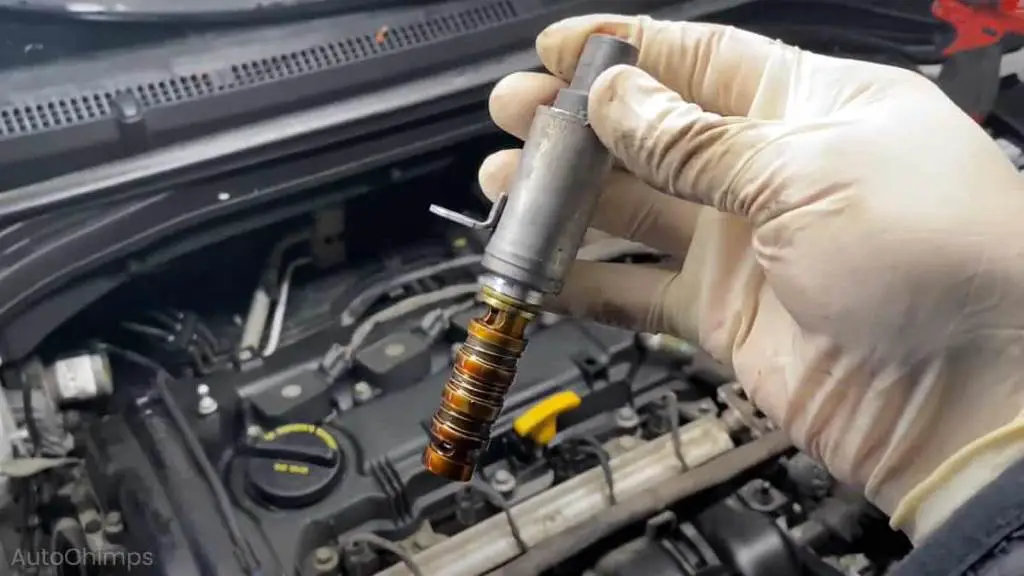
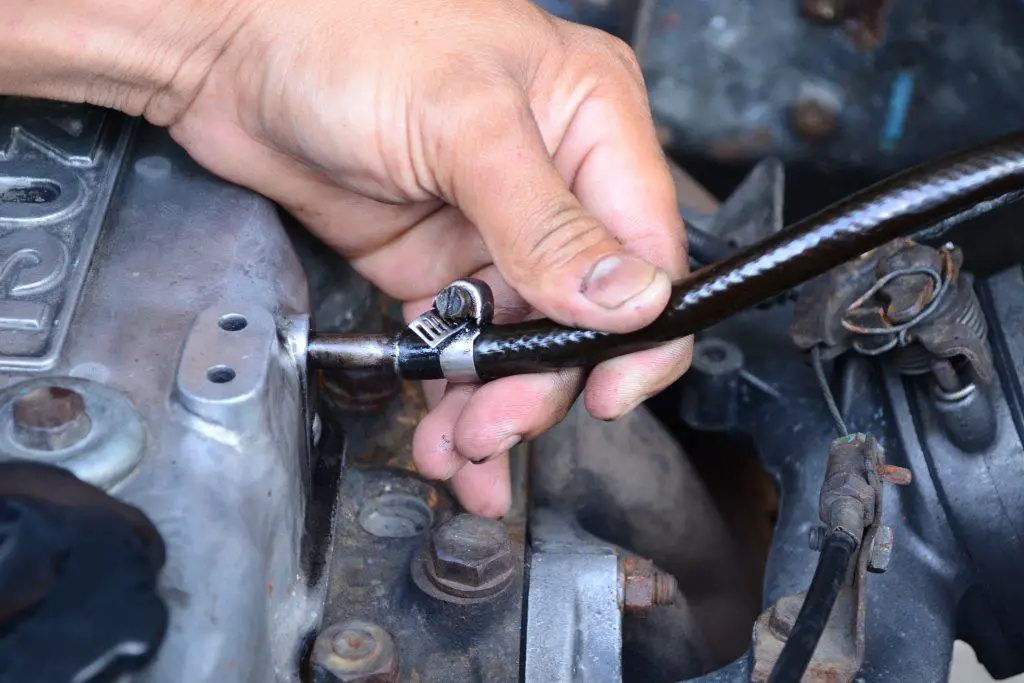
If your car requires the use of high-end or specialized oil control valves, the cost of the necessary parts will increase. (Photo: Auto Chimps)

Additionally, if your oil control valves are difficult to access, the labor cost may be higher. In addition to replacing the OCV and VVT solenoids, the following expenses should be considered:

  • Diagnostics ($50 to $150) – Charged by a mechanic to diagnose and identify the current problem (not always relevant). This often covers the costs associated with retrieving error codes and evaluating the OCV.
  • Oil Change and Filter Replacement ($40 – $150) – If the OCV fails due to burnt, contaminated, or old oil, flush it as well. Then, add new oil to your car and replace the oil filter. This will facilitate the removal of sludge from the oiling system.

Oil Control Valve FAQ

  1. Can you drive a car with a faulty OCV?

Even if your car’s VVT solenoid is broken, you can still drive it, but it won’t be enjoyable. This failure can lead to various operational issues, such as irregular idling or slow acceleration, depending on the circumstances.

Regardless of the symptoms, the engine will not operate optimally, which will significantly increase fuel consumption. Unattended VVT faults can eventually cause further engine damage.

  1. Can engine knocking be caused by bad oil control valves?

Yes. If one or both of the engine’s VVT or OCV solenoids malfunction, the engine may start knocking and pinging.

This will occur if a VVT issue makes the air/fuel mixture so lean that it ignites during combustion. If your car’s engine is knocking, you should not drive it because pre-ignition can be very harmful.

  1. How long do VVT solenoids and oil control valves last?

The level of production and maintenance of the valves affects the lifespan of the oil control valve or VVT solenoid. The oil control valve typically lasts between one and three years.

Adaptive Brakes: The Road Technology Revolution

As technology evolves, it finds new applications that can facilitate our daily lives and enhance our safety. One such application is adaptive braking, a revolutionary braking technology that automatically adjusts braking force based on driving conditions. With various sensors and a microprocessor, this system can detect factors such as wheel rotation speed and applied braking force to optimize braking performance and minimize the risk of skidding.

Definition of Adaptive Braking

Automation has always been the holy grail of technological innovation, with a particular focus on the automotive industry. The digital revolution that has taken over our lives has given rise to technical marvels that would have been impossible to imagine a few decades ago. One such technological gem is adaptive braking. But what exactly is adaptive braking and how does it work?

At its core, adaptive braking is an intelligent or automated braking system that automatically adjusts braking force according to driving conditions. It automatically detects potential obstacles and takes the necessary measures to avoid a collision. If this sounds futuristic, it certainly is.

Adaptive braking works by using a series of strategically placed sensors around the car. These sensors use either radar, laser, or camera technology that are constantly on the lookout for potential dangers all around the vehicle. If an object is detected near the vehicle’s path, the adaptive braking system intervenes and applies the brakes automatically.

This technology goes beyond traditional ABS (Anti-lock Braking System), which prevents wheel lock-up during emergency braking to allow steering control. Adaptive braking, on the other hand, doesn’t just react to emergency situations. It anticipates and acts accordingly, often faster than the driver could.

For example, imagine you’re driving on a highway and the vehicle in front of you brakes suddenly. In a traditional scenario, you would need to react in time to avoid a collision. But with adaptive braking, the car does it for you, automatically applying the brakes to prevent an accident.

Similarly, adaptive braking can also be useful in heavy traffic situations, where frequent and sudden stops are the norm. In such scenarios, adaptive braking can help reduce driver fatigue while improving safety.

Ultimately, adaptive braking is an impressive advancement in automotive engineering that offers enormous potential to improve road safety. It’s a feature to consider when thinking about your next new vehicle purchase. It’s a technological being that transforms the ordinary into the extraordinary, pushing the boundaries of automation towards the future.

Image illustrating adaptive braking technology

Advantages of Adaptive Braking

Beyond that, exploring the advantages of adaptive brakes in the automotive world leads to broader and deeper perspectives. The first point to emphasize is the contribution of adaptive brakes to optimizing energy consumption. Indeed, they enable a significant improvement in the energy efficiency of modern vehicles thanks to their ability to adjust braking force according to driving conditions. This innovative technological factor is essential in the era of electric vehicles, where energy efficiency is paramount.

Similarly, the importance of adaptive brakes in reducing braking distance cannot be ignored. The embedded technology detects the proximity of other cars and applies appropriate brake pressure to minimize braking distance, thus helping to avoid collisions and improve safety.

One of the major advantages of these systems lies in their ability to improve driving comfort. Adaptive brakes reduce the pressure needed to engage the brakes, which leads to less fatigue for the driver during long journeys.

Moreover, adaptation to various weather conditions is another impressive feature of these brakes. The embedded sensor technology allows the brakes to adapt and react optimally in various situations, whether it’s slippery roads due to rain or snow, or normal driving conditions.

Finally, adaptive brakes play a significant role in improving vehicle maintenance. Thanks to data collected by the sensors, the system can predict future wear and indicate when maintenance is needed. This helps prevent unexpected failures and improves vehicle lifespan.

In summary, adaptive brakes constitute a crucial technological innovation in the automotive world. They not only improve energy efficiency, safety, and driving comfort, but they also adapt their operation to various weather conditions and help prevent maintenance issues. As the world increasingly moves towards automation, these systems pave the way for an exciting transformation of future vehicles.

Image depicting the advantages of adaptive brakes in the automotive world, including energy efficiency, safety, comfort, adaptability to various weather conditions, and improved maintenance.

What are the different types of braking systems and how do they work

Challenges and Limitations of Adaptive Brakes

However, the development and optimization of adaptive brakes also present challenges. To begin with, the technological complexity required for the smooth and precise operation of these braking systems poses a serious challenge. The integration of numerous sensors and computer systems requires careful design and precise programming, as well as a series of rigorous tests to ensure their optimal functioning.

Similarly, the cost of advanced components and the technology required for these systems is considerable. This can significantly increase the final cost of a vehicle, which may make cars with adaptive braking less accessible to the majority of consumers.

Moreover, maintaining these advanced systems can also pose a problem. Adaptive braking that is not properly maintained may not function as intended, which can not only reduce the effectiveness of the technology but also endanger the safety of the vehicle occupants.

Furthermore, the challenge of compatibility with other existing vehicle systems cannot be ignored. Adaptive brakes must be able to coexist and function effectively with other electronic and mechanical systems of the vehicle, ranging from lighting to suspension. This requires compatible communication protocols and the elimination of potential interference.

Finally, we cannot fail to mention the legal and regulatory challenges associated with the introduction of such advanced technologies. As technology continues to evolve, regulations must keep pace, which is not always the case. Clearer regulations and international consensus are needed to ensure broader adoption and safer use of adaptive braking.

Despite these challenges, the optimization of adaptive brakes continues at full speed, with the promise of significantly improving road safety and energy efficiency. As with any technological innovation, balancing potential gains with costs and challenges can be tricky, but the potential of this technology to transform how we drive is undeniable. The journey towards the automotive future continues, and adaptive braking is one of the most exciting passengers.

Image of a car with adaptive braking technology

Why does my car pull to one side?

The Future of Adaptive Brakes

As we navigate further into the waters of technological innovation, let’s explore the horizon for adaptive brakes in the automotive industry. Already at the forefront of road safety, this technological masterpiece still has much to offer.

On the technological front, the integration of AI (Artificial Intelligence) into adaptive brakes is on the horizon. Thus, these systems could learn and further improve their performance based on the user’s driving habits. Additionally, the use of technologies such as LiDAR could further enhance the accuracy of obstacle detection.

Regarding financial challenges, even though the high initial cost of components might deter some, it’s important to mention that, as with any new technology, prices are likely to decrease over time and with increased mass production. In fact, work is underway to make this technology more affordable and accessible to the general public.

As for maintenance, manufacturers are striving to make these systems increasingly autonomous and less dependent on regular maintenance. However, as with any technology, periodic checks remain necessary to ensure proper functioning.

The potential for applying adaptive braking technology in many on-road situations offers immense hope for improving road safety. With their ability to react in a fraction of a second to an emergency situation, these systems could significantly reduce the number of collisions and improve the safety of all road users.

Finally, let’s turn our gaze to the future of integrating adaptive brakes into autonomous vehicles. With the rapid progress of autonomous driving technology, the importance of adaptive brakes is only increasing. In fact, they are a key element of the technological infrastructure needed to make autonomous driving a reality.

Thus, adaptive brakes are more than just a technological step; they are a pivotal element of the next automotive revolution. Without a doubt, this technology is redefining how we drive and think about road safety. So hold on tight, because adaptive brakes are taking us on an exciting journey towards a safer and more efficient future on the road.

Adaptive Brakes - Image depicting the advanced technology used in adaptive brakes

Adaptive brakes present challenges, but they are also synonymous with a great number of advantages. Despite the high cost and complexity of installation and maintenance, one cannot ignore the safety benefits they offer. With their ability to adapt to different driving conditions and their potential to reduce braking distances, they undoubtedly constitute a significant innovation in the automotive industry. In the future, with the advent of autonomous driving and the constant evolution of technology, adaptive brakes could become a standard feature in all vehicles and play a determining role in improving road safety.

Problems to solve when there is too much transmission fluid

Transmission fluid is the lifeblood of the transmission. It ensures the engine runs smoothly and keeps the transmission temperature low since the gears generate a lot of heat due to numerous mechanical movements. Some people simply forget to change the fluid, which creates many problems. But will there be issues if there is too much transmission fluid? Let’s find out.

What are the symptoms of excess transmission fluid?

Every driver knows the importance of transmission fluid for the car, so we always feel like adding a bit more when changing the fluid, as most people think more is better than less. However, any excess is not good. Adding too much transmission fluid, exceeding the level specified by car manufacturers, will have unpredictable consequences.

Here are 4 common symptoms you may observe if your transmission is overfilled:

  • First, when you remove the transmission dipstick, you will notice that the fluid appears foamy and bubbles appear on the dipstick.
  • Transmission overheating – caused by the inability to reduce friction. If your car’s transmission overheats, it’s important to address the issue as soon as possible to avoid damaging the transmission components and your vehicle’s drivetrain.
  • Difficult and delayed shifting – due to foamy fluid
  • Appearance of a fluid puddle under the transmission – check for leaks on the transmission seals
  • Gear slipping

What happens if you add too much transmission fluid?

The main function of transmission fluid is to minimize friction between the transmission components. However, it cannot do its job properly when you overfill the fluid reservoir. The result will be a grumpy transmission. Why does this happen?

Because of foam! Too much transmission fluid creates foam inside the transmission. Foam formation occurs when the rotating gears splash in the overfilled reservoir. It triggers excessive temperature and causes a chemical reaction leading to foam creation.

Foam affects the oil’s viscosity. For this reason, the fluid does not flow properly through the gears when you shift. Lack of lubrication will cause the transmission components to overheat, resulting in mechanical damage and transmission failure.

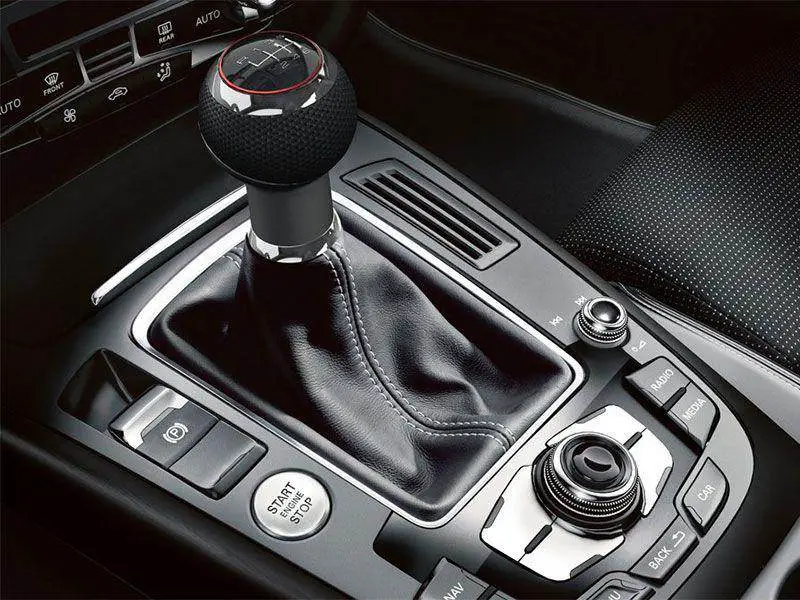
Too much fluid can cause transmission failure. (Photo: Audi)

Although the consequence is the same, automatic and manual transmissions react differently to excess transmission fluid. In an automatic transmission, the gears compress, causing the foam inside to implode. This will affect the hydraulic pressure and cause further damage, as the automatic transmission depends on this pressure to function properly.

On the other hand, an overfilled manual transmission will show clutch problems. The excess oil will leak from the vent, affect the clutch, and lead to shifting issues.

How much fluid should the transmission hold?

You should add half a quart at a time and continue taking readings with a dipstick. When it reads “full,” run the engine and set the gear to “idle” mode. Recheck the oil level when the engine is warm. Stop pouring oil when the dipstick indicates the oil level is at the upper end of the “hot” mark. If the engine is cold, the oil level should be at the upper end of the “cold” mark. When the engine is neither hot nor cold, the fluid level should be between these two marks.

Check the fluid level with a dipstick. (Photo: Riebes)

Most transmissions have a capacity between 9 and 13 quarts. Consult the owner’s manual for the exact amount. However, you should always add it little by little to avoid too much transmission fluid.

If the engine was warmed up and the transmission fluid was still hot, the fluid level should not be more than a quarter inch above the full line, otherwise. At this point, there might be an issue with your transmission, and you may want to consider reducing the amount of transmission fluid in your reservoir.

Some transmissions cannot overflow due to how they are designed. They have a system that will drain or spill the excess oil.

Watch the video below to learn how to check transmission fluid:

https://youtube.com/watch?v=S0kCselv9fo%3Ffeature%3Doembed

What to do if the transmission is overfilled?

If your car shows symptoms of overflow, avoid complications and mechanical damage simply by siphoning or draining the excess fluid. You can do this using a fluid extraction pump or a fill tube that you can buy online. Depending on your car’s design, it will either have a cooling line or a pan drain plug, both of which you can simply remove to drain the fluid.

Here are the steps you can follow:

  1. Check the transmission fluid level: Use the dipstick to check the transmission fluid level. If the fluid level is above the maximum mark, your transmission is overfilled.
  2. Drain the excess fluid: If the transmission fluid is overfilled, you will need to remove the excess fluid. You can do this using a fluid pump or a siphon pump to suck out the excess fluid from the dipstick tube. Make sure to remove only the excess fluid and not drain too much transmission fluid.
  3. Check for leaks: Overfilling transmission fluid can be caused by a leak. So it’s important to check for any signs of leakage, such as wet spots or puddles under the vehicle. If you find a leak, repair it before adding more transmission fluid.
  4. Test drive the vehicle: After removing the excess fluid, take your vehicle for a short test drive to ensure the transmission is working properly. Check for any unusual noises or vibrations during the drive.

Final words

As you can see, an overfilled transmission is not a complicated problem to solve and avoid. But many drivers still have issues with this system because they ignore it until it causes serious damage.

Therefore, all you need to do is always take care of your car and check it thoroughly at least once a week. Keep in mind that not only the engine is important, but also other parts, including the transmission.

Consequences of Driving with the Emissions Warning Light On

Every car warning light has a meaning, and when it lights up, there’s certainly something your car wants to communicate. One of these indicators is the emission light that may illuminate. If you’re faced with the dilemma of whether to stop or continue driving, we’ll help you here to know the truth.

What Does the “ON” Emission Light Indicate?

The lights and signals that appear on the dashboard exist for a specific purpose. Yes, the emission light turned on in a car can mean many things!

Although there isn’t much risk when the light comes on, you shouldn’t ignore what your car’s system is trying to tell you.

Before knowing the safety of driving with the emission light “on,” it’s essential to understand why the light illuminates. Here are a few reasons.

1. Simply a Sensor Error

When the emission light comes on, but there’s no interruption in your car’s operation, there’s a problem with the sensor.

This means there’s no potential risk you need to consider. It’s a common system failure that causes the dashboard lighting to malfunction.

To be safer, it’s always recommended to consult a mechanic. Sometimes, there may be internal issues that can go unnoticed.

In this case, a vehicle expert would be the right person to contact. These professionals can help you unravel the mystery behind the emission lights.

A faulty sensor may be the cause of the emission light turning on. (Photo: baloon111/123RF)

2. Faulty Exhaust Gas Recirculation Valve

The Exhaust Gas Recirculation valve, or properly, the EGR, helps circulate exhaust gases from the engine for re-combustion.

The valve ensures that fuel is fully used and the output of exhaust gases into the environment decreases. In simple terms, the EGR helps regulate the car’s emissions into the atmosphere.

When the EGR system becomes faulty for one reason or another, the emission control light is likely to illuminate.

That’s why it’s essential to consult a mechanic who will inspect the system and replace the EGR valve if necessary. Refer to the maintenance tips for a DIY process to clean EGR valves.

3. Faulty Vacuum Hose

A rubber tube fitting that connects a manifold vacuum to various components of a car is a vacuum hose.

It’s a component that has the ability to power car components, which requires installing a large number of them.

It’s important to know that the vacuum, being a rubber component, can crack or even disconnect.

This can be another reason why the emission control system light comes on. Although there isn’t much risk if the vacuum hose malfunctions, its replacement should never be neglected.

Consider replacing the vacuum hoses when the emission icon lighting is accompanied by engine RPM fluctuations or when you notice a decrease in fuel consumption.

A rubber tube fitting that connects a manifold vacuum to various components of a car is a vacuum hose. (Photo: WikiHow)

Is It Safe to Drive with the Emission Light On?

Most of the time, it’s possible to drive safely when the emission light is on. If the emission light is on, but there’s no problem with the car’s proper functioning, you have nothing to worry about!

On the other hand, if the car experiences issues with mileage, speed, power, and responds slowly to throttle action; have it checked. It’s never a bad idea to send your car for an inspection!

How to Reset the Emission Light?

You need to take your automobile to a garage, where it will be thoroughly inspected, the problem will be fixed, and the light will be turned off for you.

If the light doesn’t turn off automatically, you can try the methods listed below. It’s essential that you solve the problem rather than just resetting your lighting without investigating the potential reasons.

The easiest way to reset the check engine light is to drive your car regularly and let the light turn off spontaneously. If it hasn’t turned off after three days, turn it on and off three times in a row.

If the Check Emission Light (CEL) still doesn’t turn off, disconnect and reconnect the battery. While the engine is off, disconnect the positive power cable with a wrench and leave it for 20 minutes.

Turn the ignition key to the “ON” position. Reconnect the positive battery cable and turn the key in the ignition; the CEL should disappear within a few minutes.

If the CEL still doesn’t turn off, disconnect and reconnect the battery. (Photo: Vehicle Freak)

If none of these solutions work, you need to take your car to a workshop so a specialist can reset your lighting.

They will also perform thorough diagnostics to establish in the first place the real source of the lighting and whether your automobile has any defects.

FAQ on Emission Light On

  1. How Long Can You Drive When the Emission Light Is On?

When you notice the check engine light, you can safely drive 50 to 100 miles with the light on.

This is because if the problem is with the sensors, turning off the check engine light will save time for its reset. If the light remains on, check the computer for relevant error codes.

  1. Is There a Serious Problem with Emission Lights On?

A steady light suggests that you should have your car inspected soon, but a flashing CEL tells you that you need to have your vehicle evaluated by a professional immediately.

  1. What Is the Cost to Repair a Broken Emission Control System Light?

It’s impossible to estimate the cost of repairing the emission control system message without first identifying the problem.

It could be as simple as a broken gas cap, which costs between $10 and $30, or it could be caused by a faulty catalytic converter, which costs $1,500 or more.

  1. Can Faulty Spark Plugs Cause Bad Emissions in Cars?

Yes. Misfires in the combustion process can be caused by faulty spark plugs, leading to unburned fuel exiting the engine through the exhaust. The oxygen sensor will identify this as harmful emissions.

  1. Does an Emission Light Indicate an Oil Change?

The presence of an emission light turned on may indicate that your car needs an oil change. It can trigger if the oil is excessively dirty or if the flow is insufficient throughout the engine.

Ultimately, the car emission light is a useful tool for car owners. It could help you identify possible reasons for your car’s problems. The sooner you identify the emission issue and fix it, the sooner you can get back on the road.

Why is the electronic throttle control light flashing?

Unless you’re driving a car from 1990 or older, it’s likely equipped with an Electronic Throttle Control (ETC). Nowadays, most vehicles come with dozens of computer-controlled electronic systems, and ETC is one of them. Unlike older vehicles, there is no mechanical linkage between the accelerator pedal and the throttle in newer models. Instead, the ETC acts as the connection between these components. The Electronic Throttle Control warning light illuminates if there’s a problem with this system.

When you press the accelerator pedal, the ETC receives an electrical signal and sends control actions to manage the opening and closing of the throttle. When this cycle is disrupted for any reason, the ETC light on the dashboard starts flashing.

What is the Electronic Throttle Control Warning Light?

To begin, we’ll share with you the basic knowledge about your car’s electronic throttle control warning light. You might not know that the main responsibility of the electronic throttle control is to manage the throttle opening in the engine. Thus, the ETC (Electronic Throttle Control) light is an indicator that alerts drivers when the throttle control system has a problem.

When the ETC light comes on the car’s dashboard, it means one of the parts in the throttle control system is malfunctioning, such as a faulty throttle position sensor, a stuck throttle, or an issue with the system’s wiring or connections. This can cause various symptoms, like reduced engine power, poor acceleration, and difficulty maintaining a constant speed. If the ETC light illuminates while you’re driving, it’s important to have your car inspected by a qualified mechanic as soon as possible to diagnose the underlying issue and prevent potential safety risks.

Reasons Why the Electronic Throttle Control Light Comes On

Any malfunction in the ETC system triggers an OBD-II trouble code stored in the Engine Control Module (ECM). A mechanic will use a digital scanner to retrieve the codes and determine the source of the problem. After that, it’s about taking the appropriate repair measures.

Nevertheless, knowing the causes of a flashing electronic throttle control warning light will give you a head start on the repair work to expect.

1. Erratic Throttle Operation

One of the most common electronic throttle control problems is intermittent throttle response.

As you already know, the ETC controls the throttle via an electrical signal. The system cannot function when something disrupts the signal, such as an issue with the control relay, a loose electrical wire, or a damaged sensor.

In any case, the throttle control will lose signals, causing it to work correctly at times and not at others. The problem will affect the car’s acceleration and could lead to a complete loss of accelerator pedal control or the car stalling.

You should stop driving when the vehicle does not accelerate when you press the accelerator pedal. Tow it to a service center and have them diagnose the problem.

2. Accelerator Hesitation or Stumbling

Damage to the throttle control is another instance when the electronic throttle control warning light illuminates. This causes erratic system operation leading to hesitation or a stumbling effect during acceleration when you engage the throttle.

The acceleration issue can lead to major safety risks. The worst-case scenario is a stuck throttle which could result in road accidents. So, take the car to a mechanic when it shows symptoms.

3. A Significant Drop in Fuel Mileage

A flashing electronic throttle control light can be linked to a sudden change in fuel economy. You may need to fill up the tank more often than usual. This happens due to a damaged throttle controller. The system controls the air-fuel mixture entering the engine. Faulty signals can disrupt the system, causing the engine to consume more fuel than necessary.

Speed decreases when ETC fails. (Photo: Shutterstock)

4. Limited Acceleration

A severe ETC system failure will also cause the electronic throttle control warning light to come on. The problem can put the engine into limp mode. When this happens, the car cannot accelerate beyond a fast idle. The ECM limits the speed to protect the engine from further damage.

5. Damaged Accelerator Pedal Position Sensor

The accelerator pedal position sensor is responsible for detecting the position of the accelerator pedal and relaying this information to the engine control module. If this sensor is faulty, it can cause the ETC light to illuminate.

6. Wiring Problem

Wiring issues can occur in any part of the ETC system, including the throttle body, accelerator pedal position sensor, and engine control module. If there is a problem with the wiring, the ETC light may come on.

7. Failing Engine Control Module

The engine control module is responsible for controlling the ETC system. If the engine control module fails, the ETC light may illuminate.

Learn how to fix the problem when the electronic throttle control light is flashing in this video:

Should I Drive When the Electronic Throttle Control Light Is On?

Of course, it is not recommended to drive when warning lights are illuminated on the car’s dashboard, including the electronic throttle control light, especially when this light is flashing. It’s a warning sign indicating there is a problem with the ETC system, and it can directly affect throttle response and engine performance.

Therefore, our advice is this: if the ETC light is on, you should take your vehicle to a qualified mechanic as soon as possible to diagnose and repair the issue. Continuing to drive with a faulty ETC system can lead to further damage to your vehicle and may also pose a safety risk.

In some cases, the ETC system may go into a “safety mode” when a problem occurs, meaning engine power may be reduced to prevent further damage. If this happens, you might still be able to drive your vehicle to a safe location or to a repair shop, but you should do so cautiously and at reduced speed. In any case, it’s best to have your vehicle inspected by a qualified mechanic as soon as possible when the ETC light comes on to ensure your safety and prevent further damage to your vehicle.