
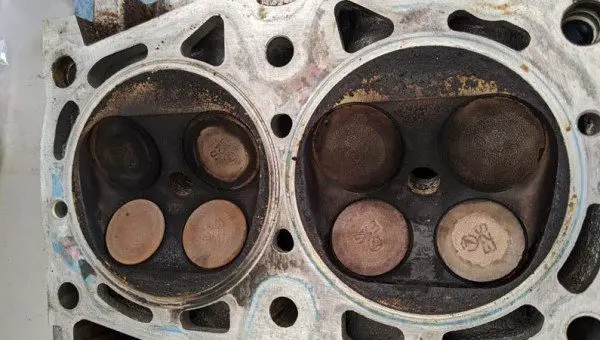
Valves control the movement of a fluid through a system. Inside your car’s engine, this fluid is air.

Valves control the movement of a fluid through a system. Inside your car’s engine, this fluid is air.
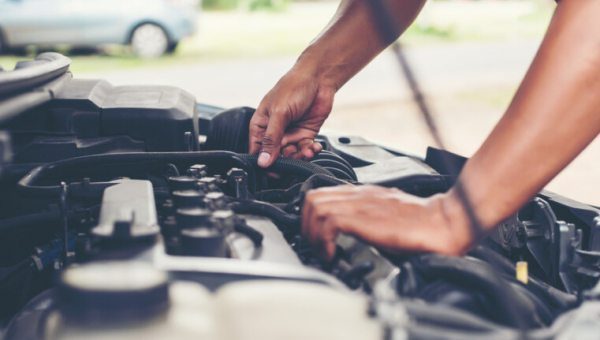
When you start your car, you expect everything to go smoothly. But what do you do when you start your vehicle and it begins to vibrate and shake?
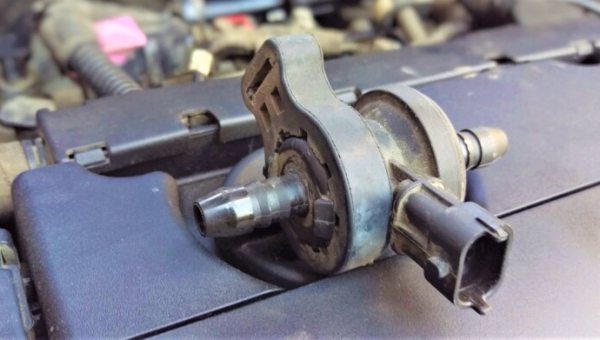

While the average driver has no idea what goes into their vehicle’s emission systems, there are many new components that have completely revised how modern engines operate.


You may have never heard of an oil pressure sensor before. Or, maybe you have but have no idea what it is or how it works.
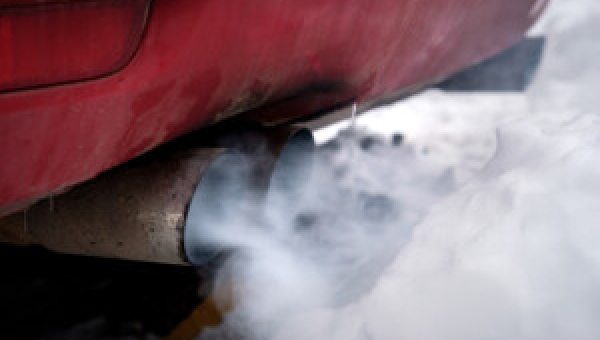

Car exhaust smoke can be of different types and can be due to a variety of reasons and situations.

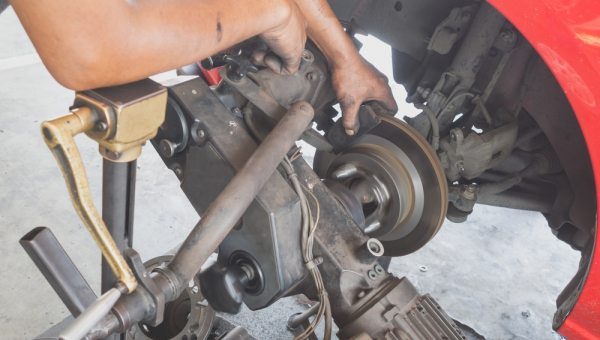

Nothing lasts forever, and brake rotors are no exception.
After all, brake rotors endure a lot of abuse every time you apply the brakes.
The time it takes for them to wear out depends on several factors: how easily the rotors cool down, how you apply the brakes, the quality of the brake pads, and their exposure to contaminants like dust.
Among the above factors, however, brake pads are the most important, as they come into direct contact with the rotors every time the brakes are applied. Therefore, you should avoid buying brake pads that contain a high proportion of metal.
It’s better to choose low-friction materials such as ceramic.


A car’s brake pads are an essential component of a braking system. They play a major role in ensuring your car stops at the right time.
Brake pads are located between the brake calipers and the brake disc. When they come into contact with the metal surface of the brake discs, friction occurs, and your car stops.
However, the constant friction of the brake pads against the brake discs causes them to wear down so much that you might eventually have trouble stopping your car.


Brake seizure is something every car owner will likely experience at least once in their lifetime.
Car brakes may seem simple, but in fact, they are often a fairly complex system that requires a lot of maintenance.
In this article, we will discuss the causes of sticking brake calipers and how you can avoid them.
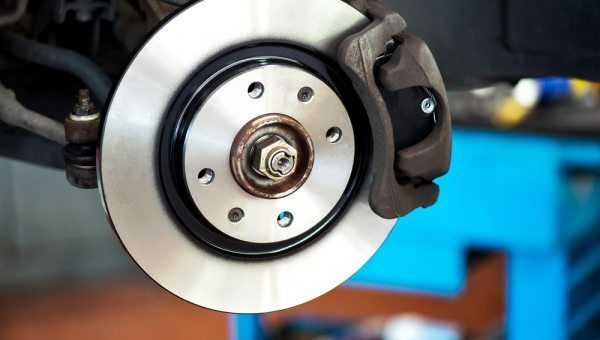

Car owners often face the question of whether to choose between ceramic or organic brake pads when changing brakes.
If you are looking for the ideal brake pads, you need to consider heat resistance due to the friction generated by the car.
Around the 1950s, when cars were equipped with disc brakes, asbestos was the ideal material for brake pads. The material was cheap and heat-resistant but had the disadvantage of being an environmental hazard. Manufacturers were forced to seek alternatives.
Organic brake pads were made from a mixture of different materials such as fiber, glass, Kevlar, and carbon. Resin was added to bind all the components together. This resulted in a cheaper manufacturing process, while the materials were environmentally friendly.
Semi-metallic brake pads were introduced later. These consisted of 65% metal components. Some of the metals used are copper, iron, and steel. The remaining 35% is made up of fillers, modifiers, and a bit of graphite. Due to the metallic nature of the brake pads, they are durable but have the disadvantage of being noisy.
In the 1980s, car manufacturers began producing ceramic brake pads. These pads would be made of ceramic fibers and copper. They were then baked in an oven to make them stable. Ceramic pads are quieter and gentler on the rotors.
