Power Outage Exposes Autonomous Vehicle Vulnerability in San Francisco

San Francisco Blackout Halts Self-Driving Fleet

A major power outage in San Francisco, triggered by a significant electrical fire, brought a stark reality to the city’s futuristic transit landscape. The incident, which left entire neighborhoods without electricity, had an immediate and visible impact: the paralysis of Waymo’s autonomous taxi fleet. This event serves as a critical case study on the interdependence of next-generation technology and legacy urban infrastructure.

When Advanced Tech Meets Basic Infrastructure

The blackout did more than just turn off lights. It disrupted the complex ecosystem that autonomous vehicles (AVs) rely on. While the cars themselves are designed to handle various scenarios, a widespread power failure affects critical support systems. Traffic signals went dark, creating unpredictable and hazardous intersections that fall outside standard operational parameters. Furthermore, potential impacts on cellular network stability or GPS accuracy could degrade the vehicles’ situational awareness, prompting a safety-first shutdown.

A stationary Waymo autonomous vehicle on a San Francisco street at dusk

Broader Implications for Future Mobility

This paralysis highlights a fundamental challenge for the integration of robotaxis. Their operational design depends on a consistent and reliable external environment. This incident raises important questions about the resilience of future mobility networks. Can autonomous fleets develop sufficient offline capabilities, or will they always be vulnerable to city-wide infrastructure failures? The event underscores the need for robust contingency planning that goes beyond the vehicle’s software, encompassing city-wide disaster response protocols that include driverless technology.

The shutdown also had a tangible effect on urban mobility. In areas where Waymo and similar services have become a part of the transportation fabric, residents suddenly found one of their transit options unavailable during a crisis. This dependency suggests that as AV adoption grows, cities must consider them in essential service planning, ensuring alternative transport is available when high-tech solutions falter.

OBD2 Code P1484: Exhaust Gas Recirculation (EGR) Valve Position Sensor Circuit Low Input

Understanding OBD2 Code P1484: A Technical Deep Dive

When your vehicle’s check engine light illuminates and a diagnostic scan reveals code P1484, it indicates a specific electrical fault within the Exhaust Gas Recirculation (EGR) system. Formally defined as “Exhaust Gas Recirculation (EGR) Valve Position Sensor Circuit Low Input,” this trouble code signifies that the Engine Control Module (ECM) or Powertrain Control Module (PCM) is detecting a voltage signal from the EGR valve position sensor that is consistently below the expected normal operating range. This sensor is crucial for precise EGR valve operation, which is essential for reducing nitrogen oxide (NOx) emissions and controlling combustion temperatures. A persistent low signal can lead to failed emissions tests, reduced fuel economy, and potential drivability issues.

Primary Causes of the P1484 Diagnostic Trouble Code

The root cause of a P1484 code is an electrical anomaly in the EGR valve position sensor circuit. This is not typically a mechanical failure of the EGR valve itself being stuck, but rather a problem with the sensor that reports its position. Diagnosing the issue requires a systematic approach, starting with the most common and easily accessible culprits.

Faulty EGR Valve Position Sensor

The sensor itself is the most frequent point of failure. Internal wear, heat damage, or electrical component failure can cause it to send an incorrect, persistently low voltage signal to the PCM. The sensor is often integrated into the EGR valve assembly on modern vehicles.

Damaged Wiring or Poor Connections

The wiring harness connecting the EGR valve position sensor to the PCM is exposed to extreme engine bay heat and vibration. Common issues include:

  • Chafed or Shorted Wires: Insulation wear can cause the signal wire to short to ground, creating a permanent low voltage condition.
  • Open Circuits: A broken wire will interrupt the signal path, often defaulting to a low reading.
  • Corroded Connectors: Moisture and contaminants can corrode the electrical pins at the sensor or PCM connector, increasing resistance and dropping voltage.

Failed or Blown Fuse

While less common, the EGR valve system may be powered through a dedicated fuse. A blown fuse will cut power to the valve and its position sensor, resulting in a no-signal/low-signal state that triggers P1484.

Issues with the EGR Valve Itself

Although P1484 is a circuit code, a severely stuck or seized EGR valve can sometimes prevent the position sensor from moving through its full range, potentially leading to an out-of-range low reading. Carbon buildup is a typical cause of valve sticking.

Rare PCM/ECM Malfunction

In very rare instances, the problem may lie within the engine computer itself. A fault in the internal circuitry responsible for reading the sensor signal could be misinterpreted as a low input from the sensor. This should only be considered after all other components and wiring have been conclusively ruled out.

Symptoms and Effects of Code P1484 on Your Vehicle

The symptoms of a P1484 code can range from unnoticeable to significant, depending on the vehicle’s make, model, and how the PCM manages the fault. The most common manifestations include:

  • Illuminated Check Engine Light (MIL): The primary and most constant symptom.
  • Failed Emissions Test: A faulty EGR system will cause NOx emissions to rise, resulting in an automatic test failure.
  • Reduced Engine Performance: You may experience hesitation, rough idle, or a lack of power during acceleration as the PCM enters a limp mode or uses default values.
  • Poor Fuel Economy: Inefficient combustion due to incorrect EGR flow can lead to a noticeable drop in miles per gallon (MPG).
  • Engine Pinging or Knocking: Without proper EGR flow to lower combustion temperatures, pre-ignition (knock) can occur, especially under load.

Step-by-Step Diagnostic Procedure for P1484

A methodical diagnostic approach is key to correctly identifying the cause of P1484. You will need a quality digital multimeter (DMM) and a reliable scan tool or OBD2 code reader.

Step 1: Preliminary Inspection and Code Verification

Begin with a thorough visual inspection. Check the EGR valve, sensor, and all associated wiring for obvious damage, disconnections, or corrosion. Clear the code with your scan tool and perform a test drive to see if it returns immediately (indicating a hard fault) or only under certain conditions (an intermittent fault).

Step 2: Accessing Live Data with a Scan Tool

Connect your scan tool and navigate to the live data stream (PID). Look for the EGR valve position parameter (often listed as “EGR Position,” “EGR Duty Cycle,” or “EGR Sensor Voltage”). With the engine off (KOEO), the reading should typically be at 0% or a very low voltage. Start the engine and observe the reading; it should change as you gently rev the engine. A reading that is stuck at an abnormally low value (e.g., 0.1V when it should be 0.8V at idle) confirms the low input condition.

Step 3: Electrical Circuit Testing with a Multimeter

Disconnect the electrical connector from the EGR valve/sensor. Consult a vehicle-specific wiring diagram to identify the pins for reference voltage (usually 5V from the PCM), signal return, and ground.

  • Check Power and Ground: With the key on, engine off, measure between the reference voltage pin and ground. You should see a steady 5 volts. Check for a clean ground connection.
  • Check Signal Circuit: Measure the resistance of the signal wire back to the PCM connector for an open or short.
  • Test the Sensor: Measure the resistance across the sensor terminals (consult service manual for specs). Manually move the EGR valve pintle (if possible) and observe if the resistance changes smoothly. An open circuit or no change indicates a bad sensor.

Step 4: Component Verification and Final Diagnosis

Based on your findings, you can pinpoint the faulty component. If power, ground, and wiring are good but the sensor signal is dead or out of spec, the EGR valve position sensor (or entire EGR valve assembly) is faulty. If there is no 5V reference, the issue is in the wiring or the PCM.

Repair Solutions and Prevention for Code P1484

The repair path is determined by your diagnostic results. Always clear the code after repairs and perform a test drive to ensure it does not return.

Repairing Damaged Wiring and Connectors

Any damaged wires should be repaired using solder and heat-shrink tubing, not just electrical tape. Clean corroded connectors with electrical contact cleaner and ensure they are tightly sealed upon reconnection.

Replacing the EGR Valve Assembly

On most modern vehicles, the position sensor is not serviced separately and is part of the EGR valve assembly. Replacement involves:

  • Disconnecting the battery negative terminal.
  • Removing the electrical connector and vacuum lines (if applicable).
  • Unbolting the valve from the intake manifold or cylinder head (be prepared for stuck bolts due to heat).
  • Thoroughly cleaning the mounting surface and intake passage of carbon before installing the new valve and gasket.

Preventive Maintenance Tips

To avoid future EGR-related issues, consider using top-tier fuel to minimize carbon deposits. Periodically inspect the EGR system components and wiring during routine service. In areas with rigorous emissions testing, having the system checked proactively can prevent a last-minute failure.

Successfully diagnosing and repairing a P1484 code restores your engine’s efficiency, reduces harmful emissions, and ensures optimal performance. By following a logical diagnostic sequence, you can accurately identify whether the issue is a simple wiring fault or requires replacement of the EGR valve assembly.


Electric Vehicles Secure Second Place in European Sales

A Historic Shift in European Mobility

The European automotive landscape has reached a pivotal moment. Recent market data confirms that battery electric vehicles (BEVs) have firmly established themselves as the second most popular powertrain choice among new car buyers across Europe. This represents a historic achievement, moving electric mobility from a niche segment to a mainstream preference.

Overtaking Diesel, Chasing Hybrid

This milestone sees electric vehicles now positioned directly behind gasoline hybrids, which retain the top spot, and ahead of traditional diesel engines. The decline of diesel continues a long-term trend, while the rapid ascent of electric power signals a clear change in consumer priorities and manufacturer offerings. This shift is no longer confined to early adopters or specific regions but is reflected in aggregated sales figures across the continent.

Factors Driving the Electric Surge

Several converging factors have accelerated this adoption. An expanding portfolio of electric models from virtually all manufacturers provides consumers with greater choice across vehicle segments and price points. Simultaneously, continued improvements in charging infrastructure, though uneven, are alleviating range anxiety for many drivers. Furthermore, evolving regulatory pressures in major European markets are making electric vehicles an increasingly compelling long-term investment.

The Road Ahead for Electrification

Securing the number two position is a significant psychological and market threshold. It demonstrates that electric propulsion is now a default consideration for a vast number of car buyers. The focus for the industry now shifts to sustaining this growth, addressing infrastructure gaps, and improving affordability to capture the next wave of consumers. This trend suggests that the race for first place, currently held by hybrids, may become the next major battleground in the evolution of European transport.

OMODA & JAECOO France Accelerates Growth with CGI Finance Deal

A Strategic Alliance for the French Automotive Market

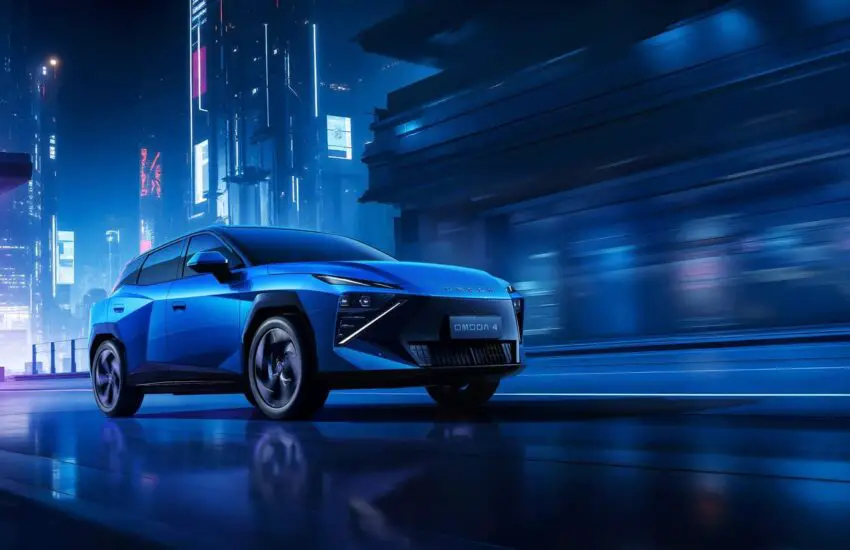
The automotive landscape in France is set for a new dynamic as OMODA & JAECOO France announces a pivotal partnership with CGI FINANCE. This strategic move follows closely on the heels of the establishment of the brand’s French subsidiary, signaling an aggressive and accelerated expansion plan. The collaboration is designed to provide a comprehensive financial framework, essential for capturing significant market share in a competitive environment.

Fueling Market Ambitions with Financial Power

This alliance is far more than a simple agreement; it represents a core component of OMODA & JAECOO’s strategy to penetrate the French market. By integrating CGI FINANCE’s specialized automotive financing solutions, the brand aims to remove a major barrier to purchase for both private consumers and business clients. Access to attractive and flexible financing options is often a decisive factor in the vehicle acquisition process, and this partnership directly addresses that need.

Building a Foundation for Long-Term Success

The timing of this partnership is strategic. Launching a new automotive brand requires not just innovative products, but also a robust and reliable support ecosystem. The tie-up with CGI FINANCE provides OMODA & JAECOO France with the necessary infrastructure to build customer trust and facilitate seamless transactions from the outset. This foundation is critical for establishing brand loyalty and achieving sustainable growth in a mature European market like France.

This development underscores a growing trend of international automotive manufacturers forming deep-rooted local partnerships to ensure their offerings are perfectly aligned with regional market expectations and consumer behaviors. For OMODA & JAECOO, this financial partnership is a key driver that will support its network development, sales targets, and overall brand ambition to become a recognized player in the French automotive sector.

Renault 4 E-Tech Review: Two Owners Share Their Real-World Experience

Two Owners, One Icon: Living With the Renault 4 E-Tech

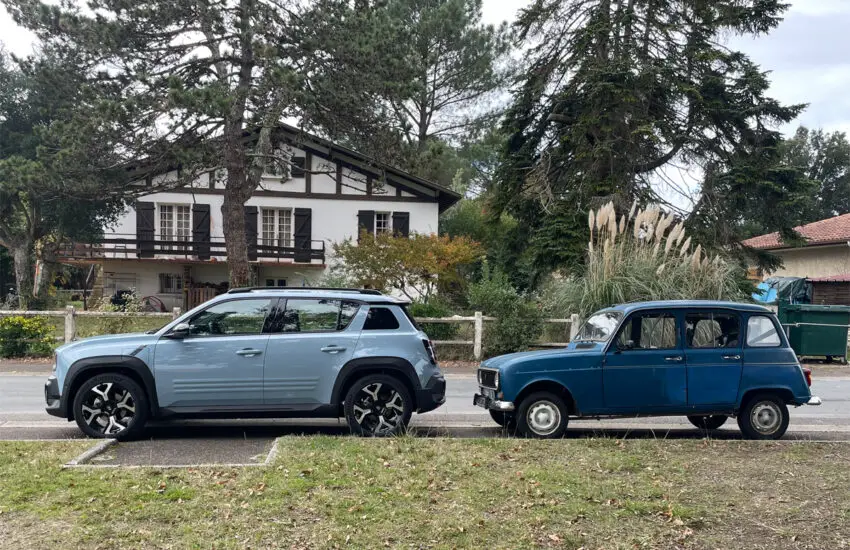
The Renault 4 E-Tech is more than a new electric car; it’s a piece of automotive heritage reimagined for a new era. But how does it perform in daily life? The experiences of two passionate owners, Eric and Vincent, provide a compelling look at this unique blend of nostalgia and modern EV technology.

A Design That Sparks Joy and Conversation

Both owners immediately highlight the car’s emotional impact. Eric describes it as a “moving smile,” noting its playful design and charming details, like the customizable interior patterns, constantly draw positive attention. Vincent, living in a bustling urban area, appreciates the compact yet spacious design, which makes parking effortless while offering surprising interior room. The modern reinterpretation of classic 4L elements, such as the vertical rear lights and the silhouette, successfully bridges generations.

Everyday Usability and Electric Performance

When it comes to driving dynamics, the Renault 4 E-Tech earns praise for its agility. Its electric motor provides peppy acceleration ideal for city driving and country roads. Vincent emphasizes its quiet and smooth ride, a stark contrast to the original model’s character. For daily commutes and local trips, its range is more than sufficient. Both owners confirm that the transition to electric feels seamless, with the car offering modern comforts and connectivity while retaining a simple, joyful driving feel.

The Verdict: A Successful Modern Tribute

The consensus is clear: the Renault 4 E-Tech successfully captures the spirit of the original while being a thoroughly competent modern EV. It isn’t just about nostalgia; it’s a practical, efficient, and uniquely charming vehicle for everyday life. For these owners, it represents a perfect fusion of emotional design and sensible electric mobility, proving that character and modern technology can coexist beautifully on the road.

Renault Filante Shatters EV Range Barrier with 1007km Journey

The Renault Filante’s Record-Breaking Electric Marathon

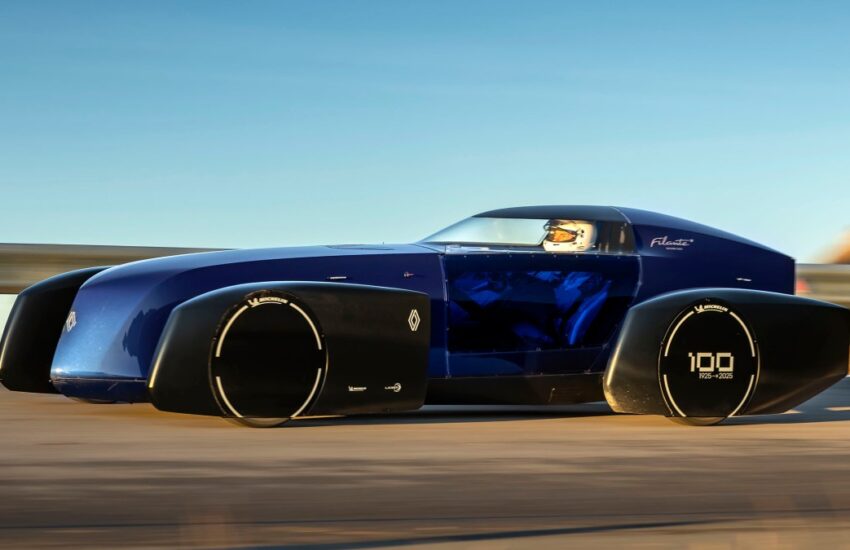
The automotive world is buzzing after the Renault Filante concept car achieved what many thought was still years away for a production-based electric vehicle. This sleek prototype managed to travel an astounding 1007 kilometers on a single charge, effectively shattering the psychological 1000km barrier and setting a new benchmark for EV endurance.

Engineering the Impossible: More Than Just a Big Battery

While the Filante utilizes the same 87 kWh battery pack found in the Renault Scenic E-Tech, its record run was not solely due to battery capacity. The true secret lies in a holistic approach to efficiency. Engineers focused on maximizing every aspect of the vehicle’s performance, from advanced aerodynamics in its sculpted body to optimized thermal management and ultra-efficient powertrain calibration. This allowed the concept to maintain an average speed of 101 km/h throughout its marathon drive, proving that extreme range doesn’t have to come at the cost of practical, real-world driving speeds.

What This Means for the Future of Electric Cars

The significance of the Filante’s achievement extends far beyond a simple publicity stunt. It serves as a powerful proof-of-concept, demonstrating that the technology for overcoming “range anxiety” is already within reach. By showcasing that a familiar battery size can deliver over 1000km of range through intelligent efficiency gains, Renault is signaling the next major evolution in EV development. The focus is shifting from simply adding more battery cells—which increases weight, cost, and charging time—to smarter engineering that extracts maximum performance from existing technology.

This milestone is a clear indicator that the future of electric mobility will be defined by efficiency, aerodynamics, and software optimization. The Renault Filante doesn’t just represent a concept car; it represents a roadmap for making long-distance electric travel accessible and practical for everyone.

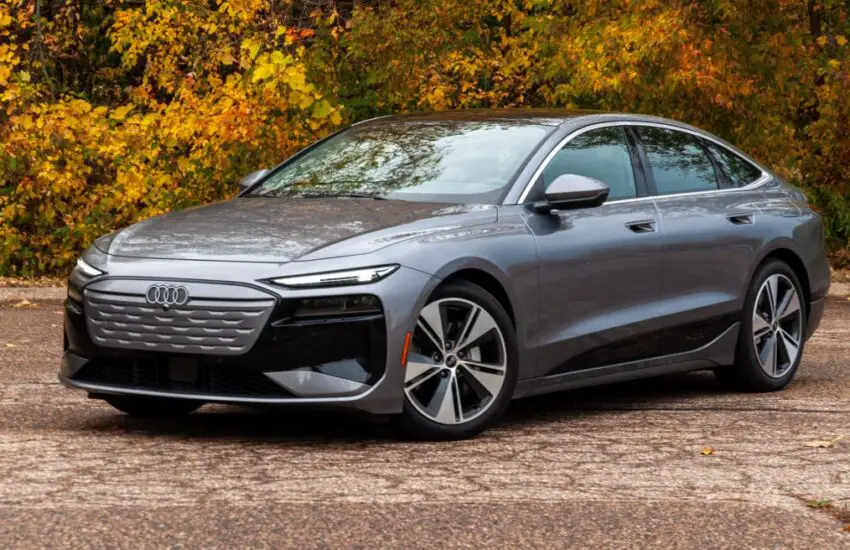
2025 Audi A6 E-Tron Sportback: The Rear-Wheel Drive Revolution

2025 Audi A6 E-Tron Sportback: Redefining Performance

For decades, the Audi brand has been synonymous with the sure-footed traction and dynamic prowess of its legendary Quattro all-wheel-drive systems. The arrival of the 2025 Audi A6 E-Tron Sportback, a premium electric sedan configured with rear-wheel drive, signals a profound and deliberate shift. This is not merely a new model; it is a bold reimagining of Audi’s core driving philosophy for the electric age.

A Departure from Tradition

The choice of a rear-wheel-drive layout for a flagship model like the A6 is a calculated move. It leverages the inherent advantages of electric vehicle architecture, where the weight distribution from the underfloor battery pack is near-perfect. This setup promises a purer, more engaging driving dynamic focused on agility and precision, rather than pure traction. It represents a new kind of sophistication for the brand, trading the traditional Quattro security for a more nuanced and potentially thrilling rear-driven balance.

Technology and Design Synergy

Based on the advanced Premium Platform Electric (PPE) co-developed with Porsche, the A6 E-Tron Sportback is a showcase of next-generation EV technology. Its sleek, fastback silhouette is not just for aesthetics; it contributes to an exceptionally low drag coefficient, maximizing range. The promised specifications are impressive, with rapid charging capabilities that can add significant range in minutes and a powertrain designed for both efficiency and potent acceleration.

The New Electric Benchmark

The 2025 A6 E-Tron Sportback is positioned to challenge conventions in the luxury electric sedan segment. By embracing rear-wheel drive, Audi is making a clear statement about confidence in its EV engineering and a desire to connect with drivers in a new way. It stands as a compelling alternative to established rivals, offering a unique blend of cutting-edge technology, dramatic Sportback design, and a fresh take on dynamic performance that will redefine expectations for the four-ringed brand.

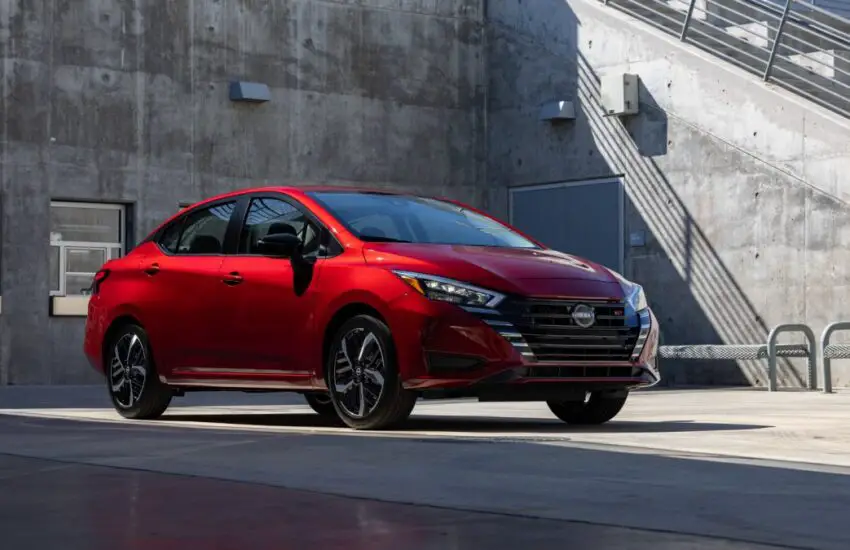
Nissan Versa Discontinued, Marking End of an Era for Budget Cars

The Final Curtain for America’s Affordable Staple

The Nissan Versa, a longtime champion of affordability in the American new car market, has officially reached the end of the road. This discontinuation signals a significant shift in the automotive landscape, removing one of the last bastions of ultra-low starting prices from showrooms. For years, the Versa served as a critical entry point for first-time buyers and a staple of rental fleets, defining budget-conscious mobility for a generation.

Why the Versa is Disappearing

The decision to halt Versa production stems from a confluence of market forces. Consumer preferences have decisively shifted towards SUVs and crossovers, leaving traditional sedans and subcompacts with a shrinking share of the market. Furthermore, achieving stringent modern safety and emissions standards adds cost, making it increasingly difficult for automakers to profitably produce and sell vehicles at the Versa’s famous price point. Nissan’s strategic focus is now aligned with this new reality, prioritizing higher-margin vehicles and electric vehicle development.

The Changing Face of Entry-Level Driving

The Versa’s exit raises the question of what replaces the most affordable new car. The answer points to a transformed market. New car buyers seeking the lowest possible price will find far fewer options, likely pushing some towards the robust used car market. For others, slightly larger compact sedans or the smallest available crossovers will become the new entry point, albeit at a higher cost of entry. This transition fundamentally alters the pathway to new car ownership.

A Legacy of Accessibility

Despite its simple nature, the Nissan Versa leaves behind a substantial legacy. It provided reliable, fuel-efficient transportation to millions of drivers who prioritized function over flair. Its presence consistently reminded the industry that a market for basic, affordable new cars existed. As the final Versas are sold, it closes a chapter defined by accessible pricing, cementing its role as a defining model of its economic era.

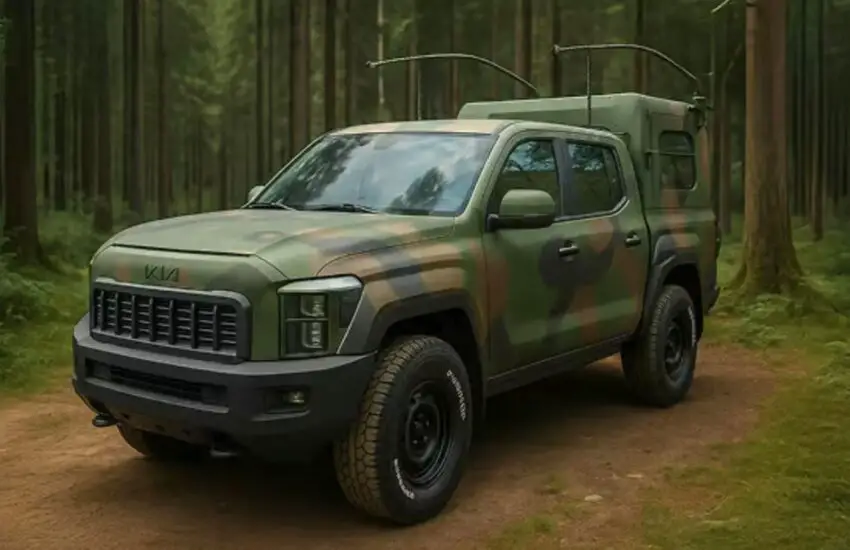
Kia Tasman Pickup: Design Debate and Market Reality

The Kia Tasman’s Polarizing Presence

The Kia Tasman occupies a unique and somewhat contentious space in the automotive world. As a body-on-frame, midsize pickup truck, it was developed primarily for markets like Australia, where utility and durability are paramount. Unlike its corporate cousin Hyundai, which sells the popular Santa Cruz in North America, Kia has yet to enter the competitive U.S. pickup segment. The Tasman’s design philosophy has sparked debate, with critics often pointing to its utilitarian and arguably dated aesthetics as a significant barrier to broader appeal.

Beyond Aesthetics: The Core Competency

To judge the Tasman solely on its looks is to miss its intended purpose. Built on a rugged ladder-frame chassis, it is engineered for workhorse reliability and off-road capability, not for turning heads on city streets. In its target markets, features like payload capacity, towing ability, and mechanical simplicity often outweigh stylistic considerations. The vehicle serves a specific customer base that prioritizes function over form, a segment that remains substantial in many global regions.

The Redesign Rumor Mill

Periodically, speculation emerges about an accelerated redesign for the Kia Tasman, fueled by hopes of a more modern, globally competitive design language. However, these rumors often represent wishful thinking rather than corporate strategy. A major redesign is a capital-intensive undertaking, and Kia’s current focus appears to be on electrification and its successful SUV lineup. Any significant update to the Tasman would likely be tied to a comprehensive platform evolution, which is not on an accelerated timeline.

Market Realities and Future Potential

The subdued sales performance of the Tasman, even in pickup-friendly markets like Australia, underscores the challenge. Today’s consumers, even those seeking utility vehicles, expect a blend of robustness and contemporary design. The Tasman’s future success may depend on Kia’s willingness to invest in a next-generation model that merges its proven ruggedness with the sleek, tech-forward design seen in models like the Telluride or EV9. Until then, it remains a capable but divisive player in the global pickup arena.

The End of an Era: Volvo Stops Selling Wagons in America

Volvo Wagons Exit the American Market

For decades, the Volvo wagon has been an indelible part of the American automotive landscape. Synonymous with safety, practicality, and a certain suburban sophistication, these vehicles carried generations of families, gear, and memories. Now, that chapter is closing. Volvo has confirmed the end of wagon production for the U.S. market, with the final V60 Cross Country models being built to fulfill the last customer orders.

A Legacy Forged on American Roads

Volvo’s rise as a mainstream automaker in America is inextricably linked to its wagons. From the rugged 240 series to the more refined 850 and V70 models, these vehicles built a reputation for durability and sensible design. They became cultural icons, representing a pragmatic yet stylish choice for families. The shift towards SUVs and crossovers, however, has gradually diminished the wagon’s market share, leading to this inevitable business decision.

What the V60 Cross Country Departure Signifies

The V60 Cross Country represented the final evolution of the Volvo wagon in America. As a raised, all-wheel-drive variant, it was a direct concession to the crossover trend, blending traditional wagon aesthetics with off-pavement capability. Its discontinuation marks the definitive end of new Volvo wagon availability for American consumers. Enthusiasts and long-time owners are left to cherish their existing vehicles or turn to the pre-owned market.

The Future is Electric and SUV-Shaped

Volvo’s strategic focus is now clearly aligned with electrification and its popular lineup of SUVs, like the XC40, XC60, and XC90. The company is channeling its engineering and design resources into this expanding segment, which dominates consumer preference. While the practical spirit of the wagon lives on in the spacious interiors of these modern SUVs, the distinct silhouette and driving dynamics of a classic Volvo estate will be absent from new car showrooms.

This move underscores a significant shift in the automotive industry and American buyer habits. The Volvo wagon’s departure is not just the end of a model line, but the closing of a defining era in family transportation.