Opel Grandland EV Hits Market with Major Price Cut

Opel Grandland Electric Debuts with Impressive Discount

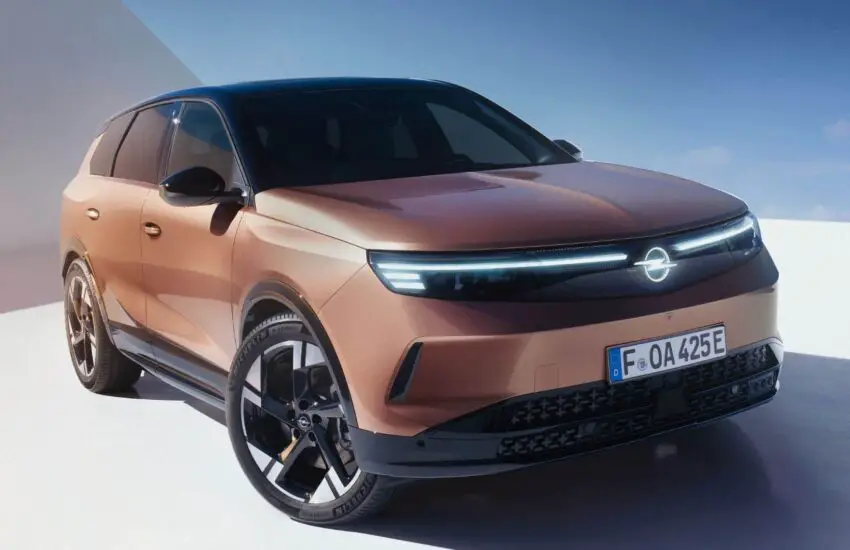
The newly launched Opel Grandland electric SUV is making waves in the automotive sector with an exceptional promotional offer exceeding €4,000. This significant price reduction, combined with the available government eco-bonus, presents a compelling value proposition for eco-conscious drivers seeking a premium electric vehicle without the premium price tag.

Unbeatable Value in the Electric SUV Segment

Positioned as a sophisticated alternative to competitors like the Peugeot 3008, the Grandland electric model delivers both style and substance. The current promotion effectively lowers the entry barrier to electric mobility, making advanced EV technology more accessible to a broader audience. With its sleek design and modern features, this vehicle stands out in the increasingly crowded electric SUV market.

Advanced Electric Performance and Features

Beyond the attractive pricing, the Grandland electric boasts impressive technical specifications that rival more expensive alternatives. Drivers can expect generous range capabilities suitable for both daily commutes and longer journeys. The interior offers spacious comfort coupled with cutting-edge infotainment systems and driver assistance technologies, ensuring a premium driving experience that aligns with contemporary expectations for electric vehicles.

Strategic Market Positioning

This aggressive pricing strategy from Opel signals a strong commitment to electric vehicle adoption in the competitive family SUV segment. By offering substantial savings alongside government incentives, the brand demonstrates understanding of market dynamics and consumer priorities. The combination of financial benefits and environmental advantages creates a powerful incentive for those considering the switch to electric transportation.

The timing of this promotion coincides with growing consumer interest in sustainable mobility solutions, positioning the Grandland electric as a smart choice for practical yet environmentally responsible drivers. With its blend of style, performance, and now enhanced affordability, this model represents a significant step forward in making electric vehicles more mainstream.
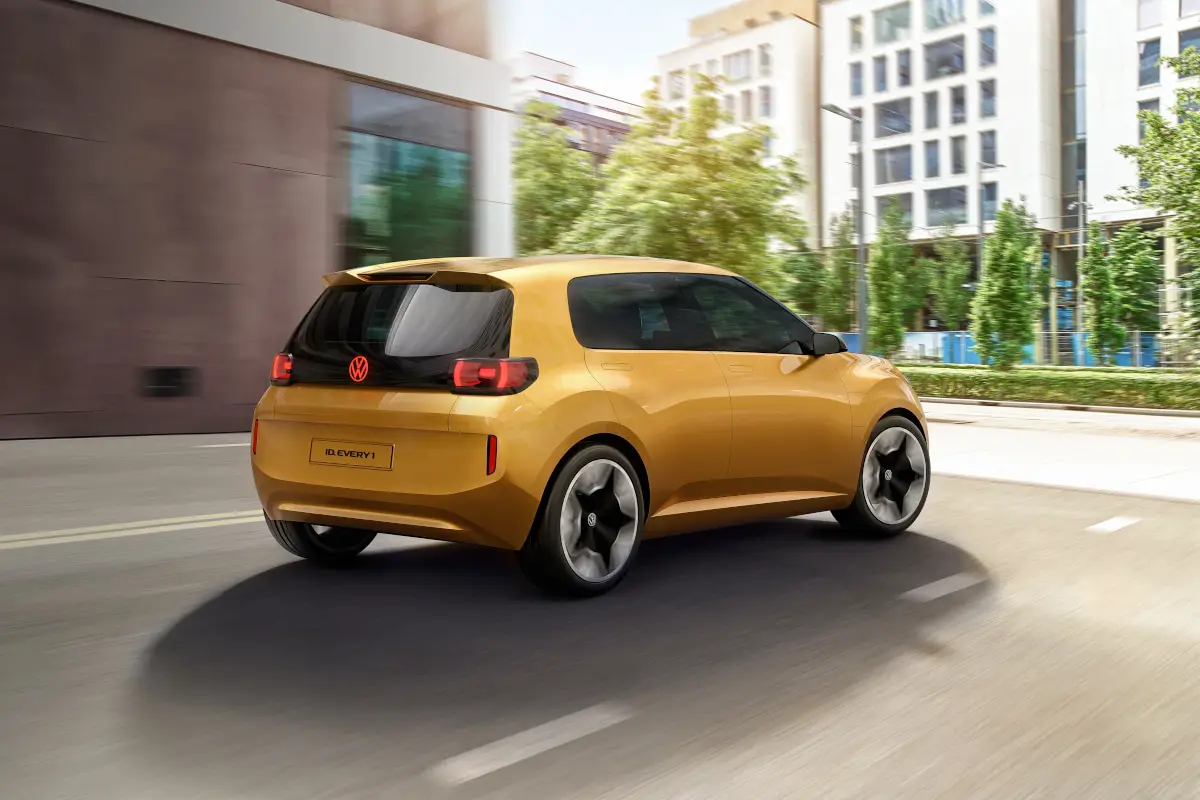
Volkswagen-Rivian Tech Alliance: One Year Later

Strategic Partnership Evolution

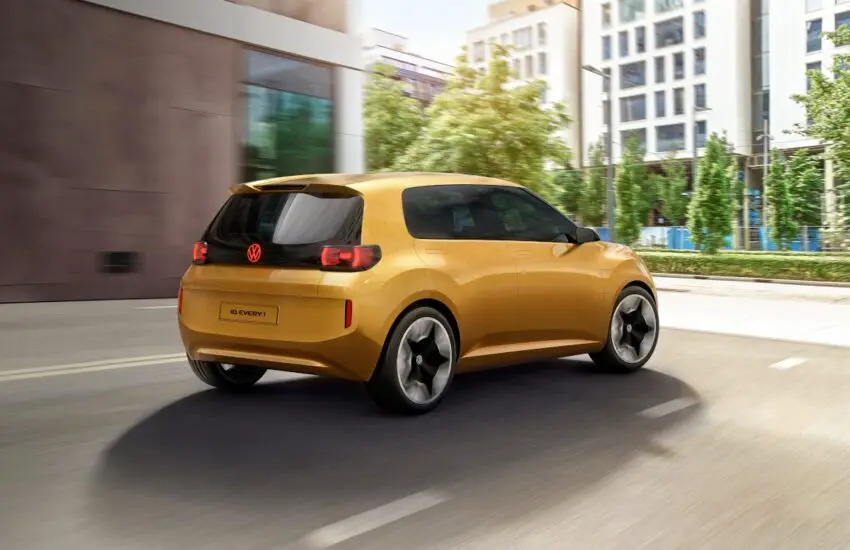
Volkswagen ID concept vehicle developed through Rivian collaboration

Twelve months after announcing their groundbreaking collaboration, Volkswagen and Rivian have demonstrated significant progress in their joint efforts to accelerate electric vehicle innovation. The partnership has evolved beyond initial expectations, creating a unique synergy between German automotive manufacturing expertise and American software innovation.

Technology Integration Milestones

The collaboration has yielded substantial advancements in next-generation E/E architecture development. Rivian’s software-defined vehicle platform has been successfully integrated with Volkswagen’s scalable electric vehicle systems, creating a foundation for future models across both brands. Engineers have established shared development protocols that leverage Rivian’s connectivity solutions while maintaining Volkswagen’s rigorous safety standards.

Manufacturing and Platform Synergies

Joint engineering teams have made remarkable progress in adapting Rivian’s zonal electrical architecture for Volkswagen’s MEB+ platform. This integration enables more efficient power distribution and reduces wiring complexity by approximately 30%. The partnership has also accelerated development of advanced driver assistance systems that combine Rivian’s machine learning capabilities with Volkswagen’s automotive engineering experience.

Future Product Development

Prototype testing has validated the technical feasibility of shared platform components while maintaining brand differentiation. The collaboration has enabled both companies to optimize research and development resources while accelerating time-to-market for new technologies. Current focus areas include thermal management systems and bidirectional charging capabilities that will feature in upcoming vehicle generations.

Tesla Superchargers Now Live on Google Maps

Real-Time Tesla Charging Integration Arrives

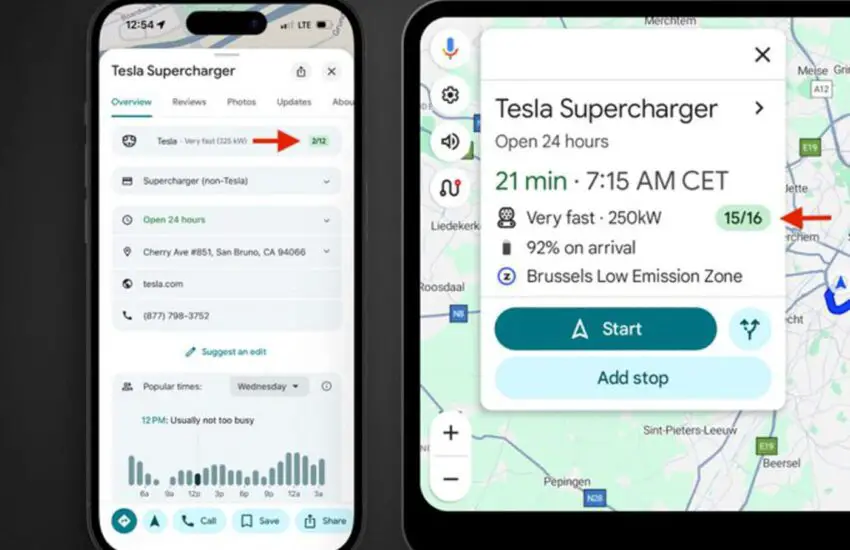
Electric vehicle owners have gained a significant navigation advantage with Tesla Superchargers now displaying real-time availability directly within Google Maps. This integration marks a pivotal moment for EV infrastructure, providing seamless access to charging station status across the world’s most popular navigation platform.

Enhanced Journey Planning for EV Drivers

The collaboration between Tesla and Google brings unprecedented convenience to electric vehicle users. Drivers can now see exactly how many charging stalls remain available at nearby Supercharger locations before even beginning their route. This real-time visibility eliminates the guesswork from trip planning and reduces range anxiety by providing reliable charging point information integrated directly into navigation workflows.

Streamlined Charging Experience

When users search for charging stations within Google Maps, Tesla Superchargers now appear alongside other charging networks with clear indicators showing available connectors. The system displays crucial details including charging speed capabilities, exact location coordinates, and current station occupancy. This comprehensive approach helps drivers make informed decisions about where and when to charge their vehicles during longer journeys.

Infrastructure Visibility Boost

The integration represents a major step forward in normalizing EV infrastructure within mainstream navigation tools. By incorporating Tesla’s extensive Supercharger network into Google Maps, both companies are contributing to broader EV adoption through improved accessibility and transparency. The move also signals growing recognition of electric vehicles as mainstream transportation options rather than niche alternatives.

This development comes as part of ongoing efforts to enhance the electric vehicle ecosystem through technological collaboration. The seamless integration demonstrates how strategic partnerships between automotive and technology companies can significantly improve the practical experience of electric vehicle ownership.

China’s Cautious Solid-State Battery Strategy

Solid-State Battery Progress: China’s Measured Approach

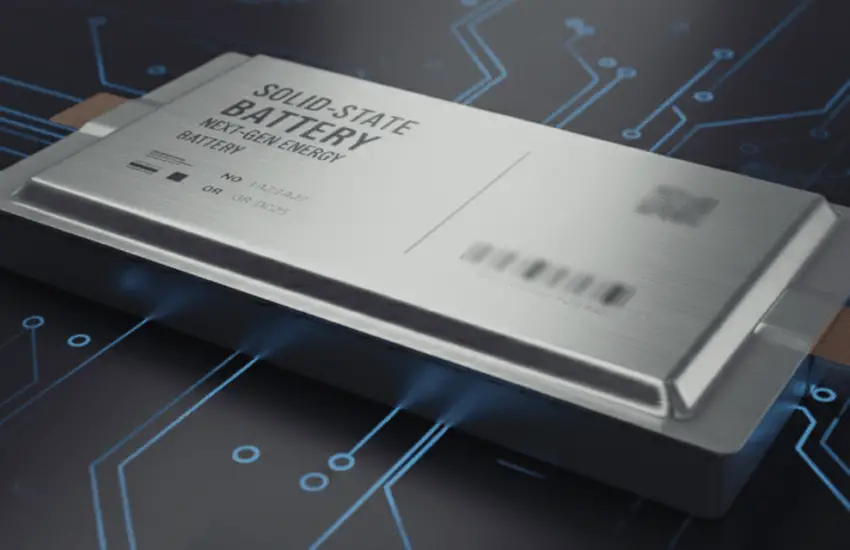
While global media buzzes with excitement about solid-state batteries revolutionizing electric vehicles, Chinese industry leaders are adopting a notably cautious stance. Recent discussions at an international energy conference in Sichuan province revealed China’s preference for gradual, research-driven development over rapid commercialization of this emerging technology.

Technical Hurdles and Manufacturing Challenges

Chinese battery experts identify several significant barriers preventing immediate mass adoption of solid-state batteries. The technology faces fundamental issues with interface stability between solid components, which can lead to reduced performance over time. Manufacturing complexity presents another major obstacle – current production methods for solid-state cells remain prohibitively expensive compared to conventional lithium-ion batteries. Industry analysts note that scaling production to meet automotive industry demands would require completely new manufacturing infrastructure.

Strategic Investment in Multiple Technologies

Rather than focusing exclusively on solid-state development, China is pursuing parallel research across multiple battery technologies. This diversified approach includes improvements to existing lithium-ion systems, semi-solid state solutions, and next-generation lithium metal batteries. Major Chinese battery manufacturers are allocating research funding across these various technologies while maintaining production of current-generation batteries that already meet most consumer needs. This strategy ensures technological progress without sacrificing current market position.

Realistic Timeline for Commercialization

Industry insiders suggest solid-state batteries remain several years away from meaningful automotive application. Current prototypes demonstrate promising energy density but struggle with cycle life and safety under real-world conditions. Most Chinese manufacturers anticipate gradual implementation, beginning with specialized applications before expanding to mainstream electric vehicles. The prevailing view among Chinese technical experts is that hybrid approaches combining solid and liquid electrolytes may bridge the gap during this transitional period.

Global Context and Competitive Landscape

China’s deliberate pace contrasts with more aggressive timelines announced by some international competitors. However, Chinese battery companies maintain that their methodical approach will ultimately yield more reliable and commercially viable products. With China currently dominating conventional battery production, industry leaders believe they can afford to perfect solid-state technology rather than rushing imperfect solutions to market. This calculated strategy reflects China’s long-term vision for electric mobility and sustainable energy storage.

Europe’s Electric Kei Car Revolution

The Rise of Electric Urban Mobility

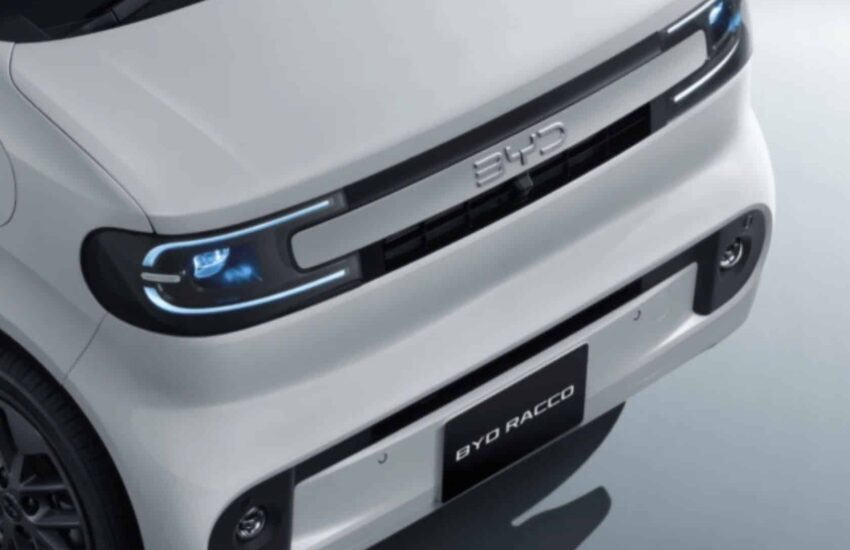
European cities are witnessing a transportation revolution inspired by Japan’s kei car concept. These compact electric vehicles are redefining urban mobility by combining Japanese efficiency with European sustainability standards. Originally designed for Japan’s narrow streets and parking limitations, these mini-EVs now offer European drivers an intelligent solution to congested city centers and emission restrictions.

Design Innovations and Space Efficiency

The European electric kei car represents a masterclass in spatial engineering. Despite their compact dimensions, these vehicles maximize interior space through clever design features like sliding doors, elevated seating positions, and foldable rear compartments. The lightweight construction not only extends battery range but also reduces energy consumption, making them exceptionally efficient for daily commutes and urban errands.

Environmental Impact and Urban Integration

These miniature EVs are making significant contributions to urban sustainability. Their small batteries require fewer raw materials to manufacture, while their energy efficiency translates to lower overall electricity consumption. City planners are increasingly recognizing their potential to reduce traffic congestion and parking demands, with some municipalities considering special privileges for ultra-compact electric vehicles in restricted zones.

Market Adaptation and Consumer Appeal

European manufacturers have successfully adapted the kei car concept to meet local preferences and regulations. While maintaining the compact footprint, they’ve incorporated enhanced safety features, improved battery technology, and connectivity options that appeal to modern urban drivers. The affordability factor combined with lower operating costs makes these vehicles particularly attractive to young professionals, students, and urban families seeking practical transportation solutions.

Future Prospects and Urban Transformation

The integration of electric kei cars into European urban landscapes signals a broader shift toward right-sized mobility. As cities continue to implement stricter emission regulations and congestion charges, these compact EVs offer a practical pathway to sustainable urban transportation. Their growing popularity demonstrates that environmental consciousness and urban practicality can coexist, potentially reshaping how European cities approach personal mobility in the decades ahead.

Leapmotor’s Electric SUV Shakes Up European Market

Leapmotor Transforms Europe’s Electric SUV Landscape

The automotive industry is witnessing a significant shift as Leapmotor introduces its compact electric SUV to European consumers. This strategic expansion arrives at a pivotal moment when demand for affordable, efficient electric vehicles is reaching unprecedented levels across the continent.

Innovative Design Meets Practical Performance

Leapmotor’s newest offering combines sleek, modern aesthetics with impressive functionality. The vehicle features a spacious interior despite its compact dimensions, addressing one of the primary concerns of urban drivers. With an estimated range exceeding 400 kilometers on a single charge, this electric SUV eliminates range anxiety while maintaining competitive pricing that undercuts many established European manufacturers.

Leapmotor electric SUV interior and exterior

Advanced Technology Integration

Beyond its electric powertrain, the vehicle incorporates cutting-edge driver assistance systems and connectivity features. The intuitive infotainment system supports seamless smartphone integration and over-the-air updates, ensuring the vehicle evolves with technological advancements. Safety remains paramount, with multiple airbags, collision avoidance systems, and robust structural integrity meeting stringent European safety standards.

Market Impact and Consumer Response

Early indications suggest Leapmotor’s entry is compelling European drivers to reconsider traditional brand loyalties. The combination of competitive pricing, generous standard equipment, and lower operating costs presents a compelling value proposition. Industry analysts note that this arrival could accelerate the adoption of electric vehicles in the compact SUV segment, particularly among cost-conscious urban families and environmentally aware younger drivers.

As charging infrastructure continues to expand throughout European cities and highways, vehicles like Leapmotor’s electric SUV are poised to become increasingly practical for daily commuting and longer journeys alike. This development represents another step toward making electric mobility accessible to a broader demographic.

Why Modern Car Headlights Are So Painful

The Problem With Modern Headlight Technology

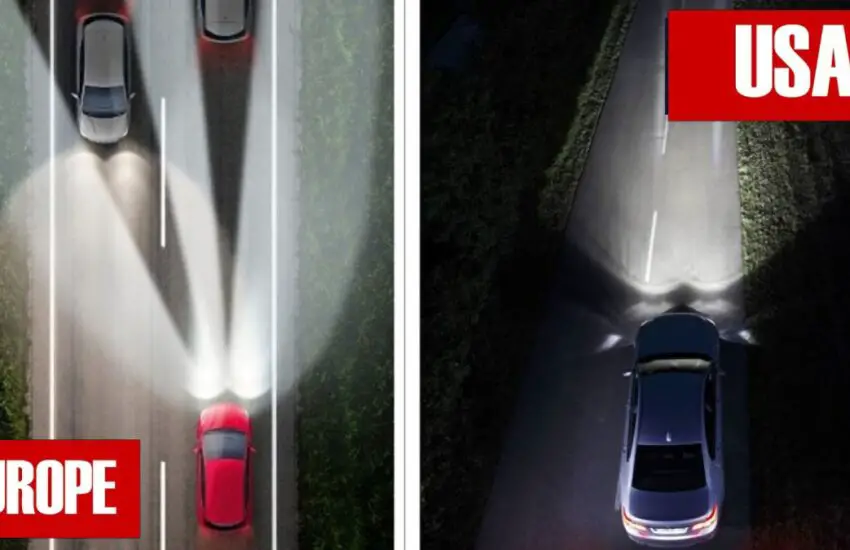
Night driving has become increasingly challenging in recent years. The widespread adoption of LED headlights has fundamentally changed after-dark visibility conditions. While these lights offer superior illumination for the driver using them, they create significant problems for everyone else on the road. The intense, focused beams don’t disperse like traditional halogen lights, creating harsh visual contrast that makes it difficult for approaching drivers to see beyond the glare.

Elevated Vehicles Compound the Problem

The situation worsens when these bright LED systems get installed on taller vehicles. The rising popularity of lifted trucks and SUVs means headlights sit at eye-level for most standard sedan drivers. This positioning creates direct glare that standard headlight alignment regulations don’t adequately address. The combination of intense light sources placed at optimal blinding height creates dangerous driving conditions where drivers must navigate while partially blinded.

Regulatory Lag Behind Technology

Automotive lighting regulations haven’t kept pace with technological advancements. Many aftermarket LED conversions enter the market without proper testing for beam pattern compliance. Unlike original equipment manufacturer systems that undergo rigorous certification, these retrofit kits often scatter light indiscriminately. The regulatory framework that worked well for traditional lighting technology struggles to address the unique challenges posed by modern LED systems and their installation on various vehicle types.

Adaptive Lighting Solutions

Some manufacturers are implementing technological solutions to address these concerns. Matrix LED systems and adaptive driving beams can selectively dim portions of the light pattern when sensors detect approaching vehicles. These systems maintain excellent forward visibility while minimizing glare for other road users. However, regulatory approval and widespread adoption of these intelligent systems has been slow in many markets, leaving most drivers with conventional high-intensity lighting that lacks these sophisticated anti-glare features.

Boreham Ten-K: 325 HP Naturally Aspirated Engine

The Art of High-Revving Power

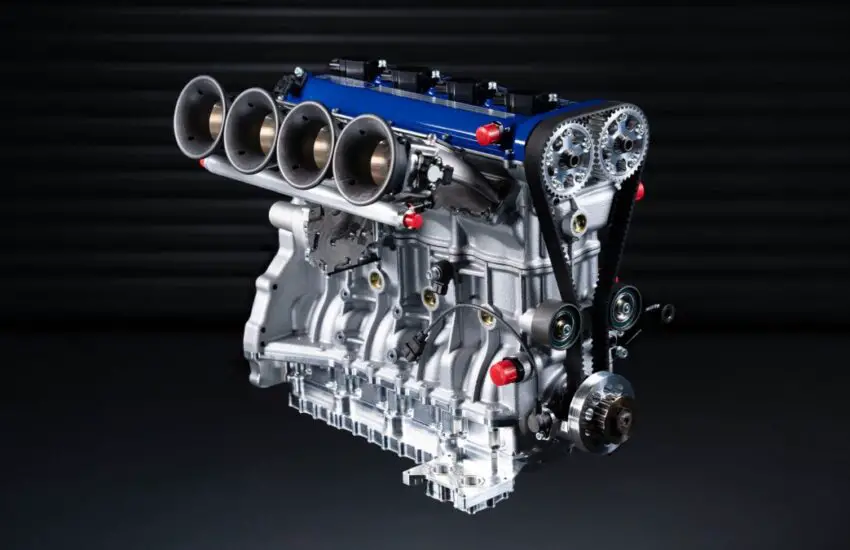
In an era dominated by turbochargers and hybrid systems, the Boreham Ten-K engine stands as a testament to pure, naturally aspirated performance. This 2.1-liter four-cylinder powerhouse defies modern conventions by achieving an impressive 325 horsepower without forced induction, reaching a breathtaking 10,000 RPM. It represents a mechanical masterpiece where engineering precision takes precedence over artificial boost.

Engineering Excellence and Lightweight Design

The Boreham Ten-K incorporates individual throttle bodies, dual overhead camshafts, and billet-machined internal components, all contributing to its remarkable power output and responsiveness. The extensive use of lightweight materials throughout the engine’s construction reduces overall mass, enhancing its ability to rev freely and deliver instantaneous throttle response. This focus on weight reduction is crucial for achieving such high rotational speeds reliably.

A Nod to Motorsport Heritage

Drawing inspiration from legendary rally cars of the past, this engine evokes the golden era of motorsport where high-revving, atmospheric engines ruled the stages. The visceral sound and linear power delivery provide an driving experience that is increasingly rare in today’s automotive landscape. It serves as a reminder that technological advancement doesn’t always require complexity, but can be achieved through refined execution of fundamental principles.

The Boreham Ten-K demonstrates that there’s still room for passionate engineering in a world increasingly focused on efficiency and emissions. This engine represents not just a power unit, but a statement about preserving the soul of performance motoring through traditional means executed with modern precision.

Hyundai Ioniq 5 N Brake Pad Dilemma

The Digital Brake Pad Challenge

Owners of the 2025 Hyundai Ioniq 5 N are encountering an unexpected obstacle when attempting basic maintenance: changing brake pads now requires specialized computer equipment. This situation highlights the evolving relationship between drivers and their vehicles in an increasingly digital automotive landscape.

Why Computer Access Is Necessary

Modern high-performance electric vehicles like the Ioniq 5 N feature sophisticated brake-by-wire systems that integrate regenerative braking with traditional friction brakes. These systems require electronic recalibration after pad replacement to maintain optimal performance and safety standards. The vehicle’s computer must recognize the new pad thickness and reset wear indicators to ensure proper brake force distribution between regenerative and mechanical braking systems.

Impact on Vehicle Ownership

This requirement fundamentally changes the traditional DIY maintenance model that many car enthusiasts value. Previously, brake pad replacement was considered one of the more accessible maintenance procedures for mechanically inclined owners. The shift toward computerized maintenance procedures represents a broader industry trend where manufacturers are integrating more electronic controls into basic vehicle functions.

Technical Requirements Explained

The specialized equipment needed includes proprietary software and interface hardware that can communicate with the vehicle’s braking control module. This system verifies that genuine parts are installed and ensures proper system calibration. Without this electronic handshake, the vehicle may not recognize the new brake components, potentially triggering warning lights or compromising brake performance.

As vehicles become more technologically advanced, traditional maintenance procedures continue to evolve. The Ioniq 5 N’s brake system demonstrates how performance optimization and safety considerations are driving these changes in modern automotive design.

Tesla May Integrate Apple CarPlay to Boost Sales

Tesla’s Strategic Shift Towards Apple CarPlay

In a surprising move, Tesla is reportedly considering integrating Apple CarPlay into its vehicles to revitalize sales momentum. This potential collaboration marks a significant departure from Tesla’s longstanding commitment to its proprietary infotainment ecosystem. Historically, the automaker has resisted third-party integrations, preferring full control over the user experience.

Why This Change Matters

Apple CarPlay’s seamless integration with iPhones offers Tesla access to a familiar interface that millions of users prefer. By adopting this system, Tesla could address one of the most frequent customer requests while potentially attracting new buyers who prioritize smartphone connectivity. This shift acknowledges the growing importance of ecosystem compatibility in consumer purchasing decisions.

Impact on Tesla’s Brand Identity

Tesla’s vertically integrated approach has been fundamental to its brand identity. The potential incorporation of Apple CarPlay represents a pragmatic evolution rather than an abandonment of core principles. This calculated flexibility demonstrates Tesla’s willingness to adapt to market demands while maintaining its leadership in electric vehicle technology.

Market Implications and Competitive Landscape

Should this integration materialize, it could reshape competitive dynamics in the premium EV segment. Other manufacturers who already offer CarPlay integration might lose a key differentiator, while Tesla could gain ground among Apple’s extensive user base. This development highlights how software experiences are becoming increasingly decisive in automotive purchasing decisions.

The automotive industry continues to witness convergence between technology and transportation, with user interface preferences playing an increasingly pivotal role. Tesla’s potential embrace of Apple CarPlay signals a new chapter in how automakers balance proprietary development with consumer expectations.