Slate Truck Electric Pickup Surpasses 150,000 Reservations

Electric Utility Vehicle Hits Major Milestone

The automotive industry’s shift towards electrification has gained a powerful new contender. The Slate Truck, an all-electric pickup, has officially surpassed 150,000 reservations. This landmark figure, achieved shortly after its spring 2025 unveiling, signals robust market demand for a zero-emission utility vehicle and validates the ambitious strategy of its maker.

Amazon Backing Fuels Market Confidence

A significant factor in the Slate Truck’s early success is the notable support from retail and logistics titan Amazon. This partnership provides more than just financial clout; it offers immense credibility and suggests potential integration into future sustainable delivery fleets. Amazon’s endorsement has undoubtedly played a crucial role in attracting early adopters and commercial customers looking to modernize their operations.

Front view of the Slate Truck electric pickup on a road, showcasing its modern, rugged design

Meeting Demand for Sustainable Workhorse Vehicles

The impressive reservation tally highlights a growing and underserved segment: the commercial electric vehicle market. Businesses and individuals are increasingly seeking capable, durable trucks that eliminate fuel costs and reduce environmental impact without sacrificing performance. The Slate Truck’s design promises to fill this gap, offering the utility of a traditional pickup with the benefits of an electric powertrain.

This surge in pre-orders presents both an opportunity and a challenge for Slate. The company must now navigate the complex transition from concept and reservation to mass production and timely delivery. Scaling manufacturing to meet this level of demand will be the next critical test. However, crossing this 150,000-reservation threshold firmly establishes the Slate Truck as a serious player in the evolving electric pickup arena and sets a high bar for its upcoming rivals.

Belgium to Introduce EV Battery Recycling Fee from 2026

A New Charge for Sustainable Mobility

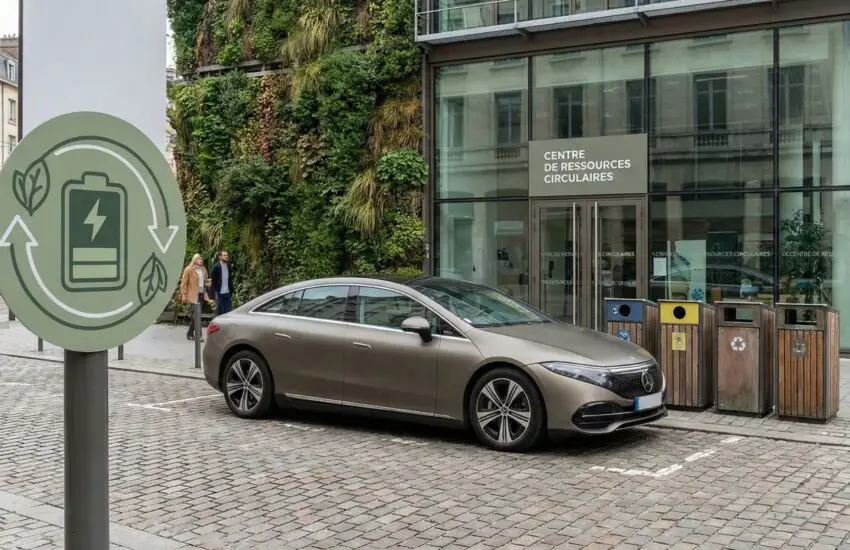
Belgium is set to implement a pioneering environmental policy that will directly impact the cost of new electric vehicles (EVs). Starting in 2026, a mandatory fee will be applied to all new electric cars sold in the country. This initiative marks a significant step in building a dedicated funding stream for managing the lifecycle of EV batteries, addressing a critical challenge in the transition to electric mobility.

Funding the Full Battery Lifecycle

The core purpose of the new charge is to establish a robust system for handling end-of-life lithium-ion batteries. The revenue generated will be specifically allocated to cover the costs associated with the collection, safe treatment, and advanced recycling of these complex battery packs. This proactive measure, integrated directly into the vehicle’s purchase price, ensures that the financial responsibility for future recycling is shared by manufacturers and consumers at the point of sale.

Driving a Circular Economy for EVs

This policy is a foundational move towards a circular economy for electric vehicles. By securing funding upfront, Belgium aims to develop the necessary infrastructure and technological capacity to recover valuable materials like lithium, cobalt, and nickel. This not only reduces environmental impact by preventing hazardous waste but also decreases Europe’s reliance on raw material imports. The fee underscores the principle of “extended producer responsibility,” encouraging manufacturers to design batteries that are easier to disassemble and recycle.

Implications for Consumers and the Market

For consumers, this will mean a slight increase in the upfront cost of a new electric vehicle. However, this investment is positioned as a crucial contribution to the long-term sustainability of EV technology. The move is expected to set a precedent within the European Union, potentially inspiring similar legislation in other member states seeking comprehensive solutions for the growing wave of EV batteries reaching end-of-life in the coming decade.

Decoding OBD2 Code P1486: Mitsubishi EGR System Malfunction Guide

Understanding OBD2 Code P1486 in Mitsubishi Vehicles

When your Mitsubishi’s check engine light illuminates and a scan tool reveals the diagnostic trouble code (DTC) P1486, it indicates a specific issue within the Exhaust Gas Recirculation (EGR) system. Formally defined as “EGR System Malfunction,” this generic powertrain code is common across many Mitsubishi models, including the Lancer, Outlander, Eclipse, and Galant. The EGR system is a critical emissions control component designed to reduce nitrogen oxide (NOx) emissions by recirculating a small, metered amount of exhaust gas back into the engine’s intake manifold. Code P1486 is triggered when the vehicle’s Powertrain Control Module (PCM) detects an operational range or performance problem within this circuit that falls outside its pre-programmed parameters. Unlike codes pointing to a single sensor, P1486 is a system-level code, meaning the fault could lie in several components or their interactions.

Primary Causes and Symptoms of Mitsubishi P1486

Diagnosing P1486 effectively requires a systematic approach, starting with understanding its potential root causes and recognizing the accompanying symptoms. This code is seldom caused by a single, obvious failure but rather by a degradation or blockage within the EGR system.

Common Causes of Code P1486

  • Clogged or Faulty EGR Valve: The most frequent culprit. Carbon buildup from exhaust gases can seize the valve in an open, closed, or partially open position, preventing proper modulation.
  • Blocked or Leaking EGR Passages/Tubes: The pipes and intake manifold passages that carry exhaust gas can become completely clogged with carbon deposits or develop cracks/vacuum leaks.
  • Malfunctioning EGR Cooler (if equipped): On some Mitsubishi engines, an EGR cooler reduces gas temperature. A clogged or leaking cooler can disrupt flow and trigger the code.
  • Faulty EGR Temperature Sensor or Position Sensor: Sensors that report gas temperature or valve pintle position to the PCM provide critical data. A faulty sensor sending incorrect signals can cause a P1486.
  • Electrical Issues: Problems in the wiring harness, such as shorts, opens, corrosion, or poor connections to the EGR valve solenoid or sensors.
  • Vacuum Supply Problems: For vacuum-operated EGR valves, a cracked, disconnected, or collapsed vacuum hose will prevent proper valve actuation.
  • Faulty PCM (Rare): While uncommon, a malfunctioning engine control module itself could be the source, but this should only be considered after all other components are ruled out.

Symptoms Associated with P1486

  • Illuminated Check Engine Light (MIL): The primary and most constant symptom.
  • Poor Engine Performance: Hesitation, lack of power, or stumbling during acceleration.
  • Rough Idle or Stalling: If the EGR valve is stuck open at idle, it can cause a rough, unstable idle or even cause the engine to stall.
  • Increased Fuel Consumption: Incorrect EGR flow can lead to inefficient combustion.
  • Failed Emissions Test: Elevated NOx levels are a direct result of a non-functioning EGR system.
  • Engine Knocking/Pinging: Under certain conditions, improper EGR flow can cause detonation.

Step-by-Step Diagnostic and Repair Procedure

A methodical diagnostic approach is key to fixing P1486 efficiently and avoiding unnecessary part replacement. Always begin with a visual inspection and basic checks before proceeding to component testing.

Step 1: Preliminary Inspection and Data Review

Start with a thorough visual inspection. Check all vacuum lines connected to the EGR valve and transducer for cracks, disconnections, or deterioration. Examine the electrical connector at the EGR valve for corrosion, bent pins, or loose fits. Using your OBD2 scanner, clear the code and perform a test drive to see if it returns immediately (indicating a hard fault) or only under specific conditions. If possible, use a scanner with live data capability to monitor the EGR valve command (duty cycle %) and the corresponding feedback from the EGR temperature or position sensor while the engine is running. Look for commanded changes that do not correlate with sensor feedback.

Step 2: Testing the EGR Valve and Passages

For vacuum-operated valves, use a hand-held vacuum pump. Apply vacuum directly to the valve’s vacuum port with the engine off. You should hear the valve diaphragm actuate. With the engine idling, applying vacuum should cause a noticeable drop in RPMs or even cause the engine to stall as exhaust gas is introduced. For electronic valves, you can often use a scan tool’s bidirectional controls to command the valve open and closed while listening for an audible click. Physically removing the valve to inspect for carbon buildup and checking that the pintle moves freely is a highly recommended step. Also, inspect the intake manifold EGR passage for blockages.

Step 3: Electrical Circuit Diagnosis

Consult the Mitsubishi service manual for your specific model to obtain the wiring diagram for the EGR circuit. With a digital multimeter (DMM), perform these key tests:

  • Power and Ground: Check for battery voltage at the appropriate pin with the ignition ON. Verify a clean ground connection.
  • Circuit Resistance: Check for excessive resistance or shorts to ground/power in the control and sensor wires.
  • Sensor Testing: Test the EGR temperature sensor resistance across its terminals, comparing values to specifications at different temperatures (often found in repair databases).

Step 4: Repair and Verification

Based on your findings, proceed with the repair:

  • Cleaning: A heavily carbon-clogged but otherwise functional EGR valve and passages can often be cleaned using a specialized EGR/carburetor cleaner and careful scraping. Ensure all moving parts operate smoothly afterward.
  • Replacement: Replace the EGR valve, cooler, sensor, or vacuum lines as needed. Always use quality OEM or reputable aftermarket parts.
  • Wiring Repair: Repair any damaged wires or connectors using proper solder and heat-shrink techniques.

After repairs, clear the P1486 code with your scanner. Perform a complete drive cycle, which includes various engine load and speed conditions, to allow the PCM to run its self-tests. Verify that the check engine light remains off and that the code does not return. A final check with live data to confirm proper EGR system operation is the best confirmation of a successful repair.

Technical Insights and Prevention Tips

Understanding the broader context of the EGR system can aid in diagnosis and prevention. In Mitsubishi engines, the PCM uses inputs from the MAF sensor, throttle position sensor, and engine coolant temperature to determine the ideal moment and volume for EGR flow. A problem with these supporting sensors can sometimes indirectly affect EGR operation, though they would typically set their own codes.

Preventing Future P1486 Codes

  • Use Top Tier Fuel: Higher-quality gasoline can reduce carbon deposit formation.
  • Regular Highway Driving: Extended periods of city driving (low engine load) contribute to carbon buildup. Occasional sustained highway speeds can help “clean out” the system.
  • Follow Service Intervals: Adhere to the manufacturer’s recommended maintenance schedule, including air filter changes, to ensure optimal engine airflow and combustion.
  • Address Related Issues Promptly: Fix any engine performance problems (misfires, vacuum leaks) immediately, as they can exacerbate carbon accumulation.

While code P1486 is a serious emission-related fault, it is rarely an indicator of catastrophic engine failure. With a logical diagnostic approach, the correct tools, and this guide, resolving a Mitsubishi P1486 EGR system malfunction is a manageable task for a skilled DIYer or technician, restoring your vehicle’s performance, efficiency, and emissions compliance.


SIXT and Electra Simplify EV Rentals with Unlimited Charging

Unlimited Charging Becomes Standard for EV Rentals

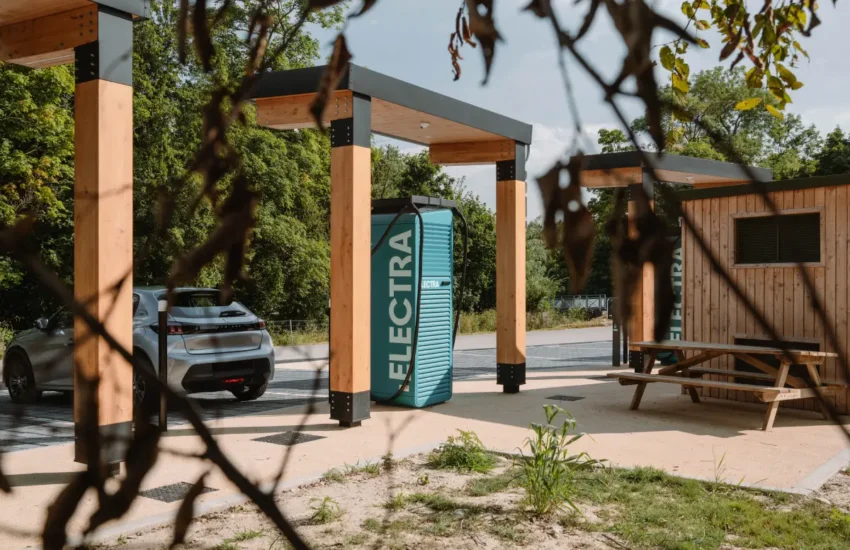
The partnership between rental leader SIXT and fast-charging network Electra is taking a major step forward. The companies have announced the nationwide rollout of their unlimited charging option across all SIXT locations and Electra stations in France. This move directly addresses one of the most significant pain points for customers considering an electric vehicle rental.

Eliminating the Friction of EV Charging

For many drivers, the logistics of charging an electric rental car can be daunting. The process often involves researching different charging networks, understanding variable pricing structures, managing multiple apps or RFID cards, and budgeting extra time for charging stops. This complexity can deter customers from choosing an electric vehicle, even for short trips.

SIXT and Electra’s expanded program seeks to remove these barriers entirely. By integrating unlimited charging into the rental package, the experience becomes as straightforward as refueling a traditional car. Renters can focus on their journey without calculating charging costs or hunting for compatible stations.

A Seamless Driver Experience

The service is designed for maximum convenience. Customers renting an electric vehicle from SIXT can simply use the Electra network without any additional steps or fees. The model mirrors the simplicity of traditional all-inclusive rentals, where key expenses are bundled into a single, predictable rate. This approach not only enhances customer satisfaction but also promotes the adoption of electric mobility by making it more accessible and less intimidating for a broader audience.

This expansion signals a growing trend in the mobility sector, where service providers are working to create a seamless, integrated ecosystem for electric vehicles. By simplifying the charging process, SIXT and Electra are positioning electric rentals as a viable and hassle-free alternative for both business and leisure travelers across France.

Mazda P1486 Code: EGR Cooler Bypass Valve Circuit Malfunction Explained

Understanding the Mazda P1486 Diagnostic Trouble Code

The OBD-II trouble code P1486 is a manufacturer-specific code primarily associated with Mazda vehicles. In technical terms, it is defined as “EGR Cooler Bypass Valve Circuit Malfunction.” This code is directly related to the Exhaust Gas Recirculation (EGR) system, a critical component for reducing nitrogen oxide (NOx) emissions and managing engine temperatures. Unlike generic codes, P1486 is specific to Mazda’s engine control strategy, meaning its exact parameters and diagnostic paths are designed by Mazda engineers. When this code is stored in the Powertrain Control Module (PCM), it indicates the computer has detected an electrical or functional problem within the circuit controlling the EGR cooler bypass valve.

Role of the EGR System and the Cooler Bypass Valve

The EGR system recirculates a measured amount of exhaust gas back into the engine’s intake manifold. This inert gas lowers combustion temperatures, which in turn reduces the formation of harmful NOx emissions. The EGR cooler is a heat exchanger that cools these hot exhaust gases before they re-enter the engine. The EGR cooler bypass valve is a solenoid-operated valve that controls the flow of exhaust gas either through the EGR cooler or around it (bypassing it). The PCM commands this valve to bypass the cooler during engine warm-up to improve efficiency and to route gases through the cooler under normal operating conditions to protect engine components and optimize emissions.

Common Symptoms and Causes of P1486 in Mazda Vehicles

Ignoring a P1486 code can lead to increased emissions, potential engine overheating issues, and reduced fuel economy. Recognizing the symptoms is the first step in addressing the problem.

Primary Symptoms of a P1486 Fault

  • Illuminated Check Engine Light (MIL): The most immediate and common sign.
  • Reduced Engine Performance: You may experience hesitation, lack of power, or rough acceleration.
  • Poor Fuel Economy: An inefficient EGR system can cause the engine to run less optimally, consuming more fuel.
  • Failed Emissions Test: The vehicle will likely not pass a state or local emissions inspection.
  • Potential Overheating Indicators: In rare cases, if the bypass is stuck closed, it could contribute to higher under-hood temperatures.

Root Causes of the P1486 Code

Diagnosing P1486 requires a systematic approach, as the fault can be electrical, mechanical, or a combination of both.

  • Faulty EGR Cooler Bypass Valve/Solenoid: The internal coil can burn out, or the valve mechanism can become stuck open or closed due to carbon buildup.
  • Open or Shorted Wiring: Damaged, corroded, or broken wires in the valve’s control circuit or harness.
  • Poor Electrical Connections: A corroded, loose, or damaged connector at the valve or PCM.
  • Blown Fuse: A fuse supplying power to the EGR system circuit may be blown.
  • Failed Powertrain Control Module (PCM): Although rare, a malfunctioning PCM that cannot properly control the valve circuit can set this code.
  • Severe Carbon Buildup: Excessive carbon can physically jam the valve pintle, preventing movement.

Step-by-Step Diagnostic and Repair Procedure

A proper diagnosis is essential to avoid replacing expensive parts unnecessarily. This procedure requires a digital multimeter (DMM) and a reliable OBD2 scanner, preferably one capable of reading Mazda-specific live data.

Step 1: Preliminary Checks and Visual Inspection

Begin with a thorough visual inspection. Locate the EGR cooler bypass valve (consult your vehicle’s service manual for its exact location, often near the EGR valve or cooler).

  • Check for obvious damage to the wiring harness, connectors, or vacuum lines (if applicable).
  • Inspect the valve body for signs of exhaust leaks or heavy carbon deposits.
  • Verify the relevant engine bay fuses are intact.

Step 2: Electrical Circuit Testing

Disconnect the electrical connector from the EGR cooler bypass valve. With the ignition key in the ON position (engine off), use your DMM to check for power and ground.

  • Power Supply Check: Probe the appropriate pin (refer to a wiring diagram) for battery voltage (typically 12V). No voltage indicates a problem in the supply circuit (fuse, wiring).
  • Ground Circuit Check: Check the ground circuit for continuity to a known good ground.
  • Signal Circuit Check: Using a scanner to command the valve on/off, you can check for a pulsed signal from the PCM on the control wire.

Step 3: Testing the EGR Cooler Bypass Valve Itself

If the electrical circuit is good, the valve itself is likely faulty.

  • Resistance Test: Measure the resistance across the valve’s solenoid terminals with a multimeter. Compare the reading to the manufacturer’s specification (often between 10-30 ohms). An open (infinite resistance) or shorted (very low resistance) reading confirms a bad solenoid.
  • Functional Test (Applied Voltage): Carefully apply 12 volts directly to the valve terminals (if it’s a simple solenoid). You should hear a distinct “click.” No click indicates a mechanically seized or electrically dead solenoid. Warning: Only do this if you are certain of the valve type and for a very brief moment.

Step 4: Clearing the Code and Verification

After completing the repair (e.g., repairing wiring, replacing the valve), clear the P1486 code with your OBD2 scanner. Start the engine and allow it to reach normal operating temperature. Take the vehicle for a test drive that includes various engine loads to allow the PCM to run its self-tests. The goal is to complete a “drive cycle” without the Check Engine Light returning.

Prevention and Long-Term Maintenance Tips

While some failures are electrical and unpredictable, many EGR-related issues are exacerbated by carbon buildup, which can be mitigated.

How to Prevent Future EGR System Issues

  • Use Top-Tier Fuel: Higher-quality gasoline often contains better detergents that can help reduce carbon deposits throughout the fuel and intake system.
  • Regular Highway Driving: Periodically driving at highway speeds helps burn off carbon deposits in the EGR and intake systems.
  • Follow Recommended Service Intervals: Adhere to Mazda’s maintenance schedule, especially for air filters and oil changes, as a clean-running engine produces less carbon.
  • Address Related Codes Promptly: Codes for misfires or fuel trim issues can lead to excessive carbon. Fix them quickly to protect the EGR system.

In conclusion, Mazda code P1486 is a specific but manageable fault. A methodical diagnostic approach focusing on the electrical integrity of the circuit and the mechanical function of the EGR cooler bypass valve will lead to an accurate and cost-effective repair, restoring your Mazda’s performance and emissions compliance.

XPeng SEPA 3.0: The AI-Driven Electric Vehicle Revolution

XPeng SEPA 3.0: Redefining the Electric Vehicle Platform

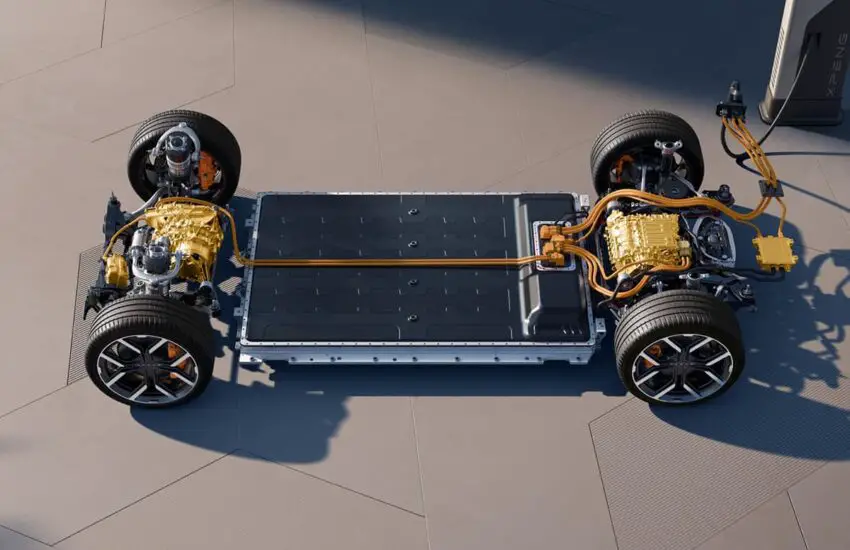
In the competitive landscape of electric vehicles, platform architecture is the unsung hero defining performance, efficiency, and future potential. XPeng has escalated this foundational competition with its next-generation SEPA 3.0 (Smart Electric Platform Architecture). This isn’t a simple iteration; it’s a comprehensive re-engineering designed to integrate artificial intelligence at its core, promising to transform how vehicles are developed, manufactured, and experienced on the road.

The Core of the Next Generation

SEPA 3.0 is built as a holistic, all-in-one system. Its most significant leap forward is the centralized domain control architecture, which consolidates numerous electronic control units into several high-performance domain controllers. This streamlined neural network drastically reduces complexity, enables faster data processing, and allows for unprecedented over-the-air (OTA) update capabilities. The platform is engineered for ultra-fast charging, supporting voltages up to 800V, which can add hundreds of kilometers of range in mere minutes.

AI as the Central Nervous System

What truly differentiates SEPA 3.0 is its deep integration of AI. The platform features a dedicated AI brain—a powerful computing unit that orchestrates everything from advanced driver-assistance systems (XNGP) to intelligent cabin features and predictive vehicle health management. This AI-first approach allows the vehicle to learn and adapt, offering personalized driving and comfort settings while continuously improving safety and autonomous driving functions through fleet learning.

A Foundation for the Future

XPeng’s vision with SEPA 3.0 extends beyond a single model. It is a scalable blueprint that will underpin a wide range of future vehicles, from sedans to SUVs. By standardizing core components and software, XPeng can accelerate development cycles, reduce costs, and ensure that every vehicle on this platform benefits from the latest AI advancements. This strategic move positions XPeng to not just compete on vehicle specs, but on the intelligence and adaptability of its entire product ecosystem.

Xpeng XNGP Tested: A Glimpse into the Future of Driving

Putting Xpeng’s XNGP to the Test

In the rapidly evolving landscape of automotive technology, advanced driver-assistance systems (ADAS) represent a critical frontier. A recent hands-on evaluation of Xpeng’s XNGP system provided a compelling look at how close we are to a new era of semi-autonomous mobility. This technology goes beyond basic highway assist, aiming to manage complex urban and inter-city journeys.

Beyond Highway Assistance

The most striking aspect of XNGP is its operational breadth. Unlike systems confined to motorways, XNGP is designed for point-to-point navigation. During testing, the system confidently handled lane changes, overtaking maneuvers, and highway interchanges with a natural, human-like flow. The transition from major roads to urban environments was notably smooth, showcasing its integrated approach.

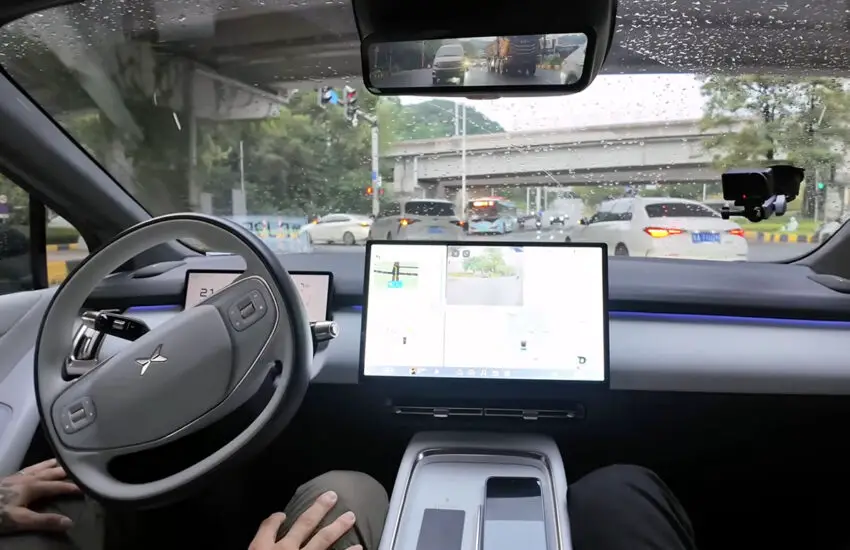
Xpeng vehicle using XNGP system navigating city traffic

Intelligent Navigation in Complex Environments

Urban driving presents the ultimate challenge, and here XNGP demonstrated significant capability. The system accurately recognized traffic lights, responded to dynamic pedestrian crossings, and negotiated unprotected turns. Its perception of complex scenarios, such as merging traffic or sudden obstructions, was processed quickly, with vehicle controls being executed proactively and safely. This contextual awareness is a key differentiator.

A Step Towards Autonomous Mobility

The experience underscores a significant leap in sensor fusion and AI decision-making. The system’s confidence does not equate to complacency; it maintains clear driver monitoring, ensuring engagement is necessary. For the industry, Xpeng’s progress with XNGP highlights the intense innovation race in smart EV technology, setting a high bar for what consumers can expect from next-generation vehicles.

Decoding KIA P1486: A Technical Guide to EGR Cooler Bypass Valve Issues

Understanding the KIA P1486 Diagnostic Trouble Code

The OBD2 diagnostic trouble code (DTC) P1486 is a manufacturer-specific code primarily associated with KIA and Hyundai vehicles. In technical terms, it is defined as “EGR Cooler Bypass Valve Control Circuit Malfunction”. This code is stored in the vehicle’s Powertrain Control Module (PCM) when it detects an irregularity in the electrical circuit controlling the Exhaust Gas Recirculation (EGR) cooler bypass valve. Unlike generic codes, P1486 is specific to the vehicle’s unique EGR system design, indicating a problem with the component that manages exhaust gas flow through or around the EGR cooler for optimal engine temperature and emissions control.

Role of the EGR Cooler Bypass Valve

The EGR system is critical for reducing nitrogen oxide (NOx) emissions. It recirculates a portion of exhaust gas back into the engine’s intake manifold. The EGR cooler lowers the temperature of these gases before re-entry. The EGR cooler bypass valve is an electronically controlled valve that directs exhaust gases either through the cooler or around it. The PCM activates the bypass during specific conditions, such as during engine warm-up, to help the engine reach optimal operating temperature faster or to prevent overcooling of the EGR gases. A fault in its control circuit disrupts this precise thermal management.

How the PCM Triggers Code P1486

The PCM monitors the EGR cooler bypass valve circuit for expected voltage and resistance values. It sends a command signal (pulse-width modulation) to the valve’s actuator. If the feedback signal from the circuit does not match the commanded parameters—such as an open circuit (infinite resistance), a short to ground (very low resistance), or a short to power—the PCM will interpret this as a fault. After failing a self-test over two consecutive drive cycles, it illuminates the Check Engine Light and logs code P1486.

Symptoms and Common Causes of P1486 in KIA Vehicles

While a KIA with a P1486 code may sometimes drive without noticeable issues, the compromised EGR thermal management often leads to observable symptoms and can affect performance and emissions over time.

Primary Symptoms of a P1486 Fault

  • Illuminated Check Engine Light (MIL): The most immediate and common indicator.
  • Reduced Engine Performance: Hesitation, lack of power, or rough acceleration due to improper EGR gas temperature.
  • Poor Fuel Economy: Inefficient combustion caused by incorrect EGR flow temperatures.
  • Failed Emissions Test: Elevated NOx or other emissions due to a non-optimized EGR system.
  • Potential Overheating Indicators: In rare cases, if the valve is stuck and affects coolant flow, but this is less common.

Root Causes of the P1486 Circuit Malfunction

Diagnosing P1486 requires a systematic approach, starting with the most common and simple causes. The fault lies within the control circuit or the valve itself.

  • Faulty EGR Cooler Bypass Valve: The internal solenoid or motor can fail, becoming electrically open or shorted.
  • Damaged Wiring or Connectors: The harness connecting the valve to the PCM can suffer from chafing, corrosion, or rodent damage.

  • Poor Electrical Connections: Loose, corroded, or oxidized pins at the valve or PCM connectors.
  • Blown Fuse: A dedicated fuse in the engine bay fuse box protecting the valve circuit may be blown.
  • Faulty Powertrain Control Module (PCM): This is the least likely cause, but internal driver circuit failure within the PCM is possible.

Step-by-Step Diagnosis and Repair for Code P1486

A proper diagnosis is essential to avoid unnecessary part replacement. This process requires a digital multimeter (DMM) and a quality OBD2 scanner capable of viewing live data and performing actuator tests.

Step 1: Preliminary Inspection and Code Verification

Begin with a visual inspection. Locate the EGR cooler bypass valve (consult a service manual for its specific location, often near the EGR valve or cooler). Check for:

  • Obvious physical damage to the valve or its vacuum lines (if applicable).
  • The condition of the wiring harness. Look for melted insulation, cuts, or chew marks.
  • The electrical connector. Unplug it and inspect for green corrosion, bent pins, or loose terminals.

Use your OBD2 scanner to confirm the presence of P1486, clear the code, and perform a test drive to see if it returns immediately or under specific conditions.

Step 2: Electrical Circuit Testing

With the ignition OFF and the valve connector disconnected, use your multimeter to perform key tests:

  • Check for Power: With ignition ON, probe the power wire (refer to wiring diagram) for battery voltage (~12V).
  • Check Ground Circuit: Test the ground wire for continuity to a known good chassis ground.
  • Check Valve Resistance: Measure resistance across the valve’s terminals. Compare the reading to the manufacturer’s specification (often between 10-30 ohms). An infinite reading indicates an open coil; a near-zero reading indicates a short.

If the wiring and power/ground check out, the fault likely lies with the valve itself.

Step 3: Functional Test and Final Repair

Many advanced scanners can command the EGR cooler bypass valve to open or close (“active test” or “output test” mode). Listen for a distinct click or feel for a vibration from the valve when activated. No audible click suggests a stuck or failed valve. If the valve tests bad and the circuit is confirmed good, replacement is the solution. Always use OEM or high-quality aftermarket parts. After replacement, clear all codes and perform a complete drive cycle to ensure the repair is successful and the code does not reset.

Importance of Addressing P1486 and Professional Considerations

Ignoring a P1486 code is not advisable. While the vehicle may remain drivable, the underlying issue compromises the engineered efficiency and emissions control of your KIA.

Consequences of Ignoring the Fault

  • Increased Emissions: Contributes to environmental pollution and will cause an emissions test failure.
  • Potential for Further Damage: Incorrect EGR gas temperatures can lead to increased carbon deposits in the intake manifold and on valves.
  • Reduced Fuel Efficiency: You will pay more at the pump due to suboptimal engine operation.
  • Possible Limp Mode: On some models, a persistent fault may cause the PCM to limit engine power to prevent damage.

When to Seek a Professional Mechanic

If you lack the tools (scanner, multimeter), technical wiring diagrams, or confidence to perform the electrical diagnostics, seeking a professional is the best course of action. A certified technician will have access to manufacturer-specific diagnostic procedures and can efficiently pinpoint the exact fault in the circuit, whether it’s a broken wire behind the engine or a failed valve. This ensures a correct and lasting repair, restoring your KIA’s performance and emissions integrity.

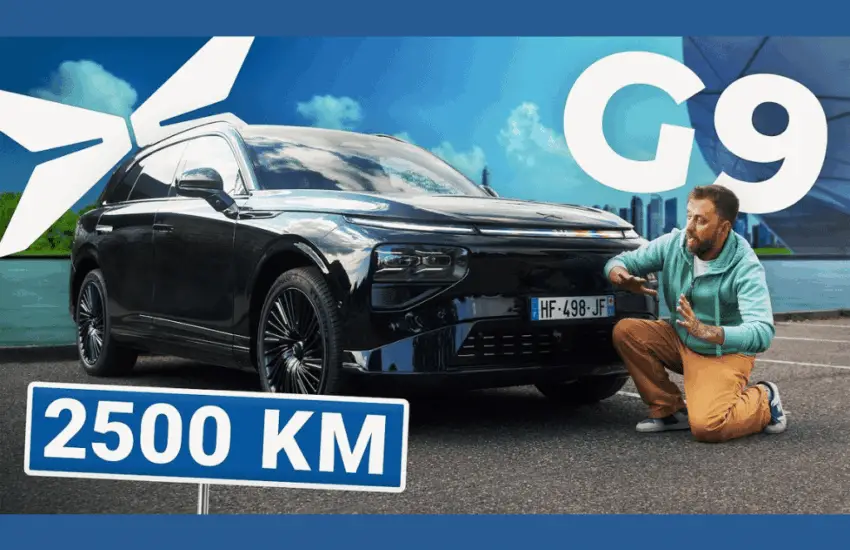
Xpeng G9 Performance Tested: 2500km Verdict

Xpeng G9 Performance: The Long-Distance Review

After an intensive two-week test covering over 2500 kilometers across varied French roads, the Xpeng G9 Performance has proven its mettle. This extended journey from Paris to Strasbourg provided a comprehensive look at this ambitious Chinese electric SUV’s real-world capabilities, from daily commuting to high-speed autoroute cruising.

Real-World Range and Charging Performance

The dual-motor Performance model demonstrated impressive efficiency. In mixed driving conditions, including city traffic and sustained 130 km/h autoroute speeds, the G9 consistently achieved a real-world range of approximately 420 kilometers. Its 800-volt architecture truly shines during charging sessions. At compatible ultra-fast stations, the SUV added over 300 kilometers of range in just 15 minutes, making long journeys remarkably stress-free.

Driving Dynamics and Comfort

On the road, the G9 Performance balances sportiness with luxury. The air suspension adeptly smoothed out imperfections, providing a serene cabin experience. When pushed, the vehicle revealed sharp handling for an SUV of its size, with precise steering and minimal body roll. The instant torque from its 551 horsepower powertrain delivers exhilarating acceleration, seamlessly merging onto fast-moving traffic.

Technology and Daily Usability

The interior is a tech showcase centered around dual high-resolution screens. The infotainment system is responsive, and the voice assistant understood complex commands reliably. Rear passenger space is generous, and the cargo area easily accommodated luggage for a multi-day trip. Driver-assistance systems performed reliably on long, monotonous autoroute stretches, effectively reducing fatigue.

After 2500 kilometers, the Xpeng G9 Performance establishes itself as a compelling, technology-rich alternative in the premium electric SUV segment, particularly for those who prioritize rapid charging and a refined long-distance cruising ability.

200,000 Miles in an Electric Smart Car: An Owner’s Journey

Defying Expectations: One Driver’s High-Mileage Electric Adventure

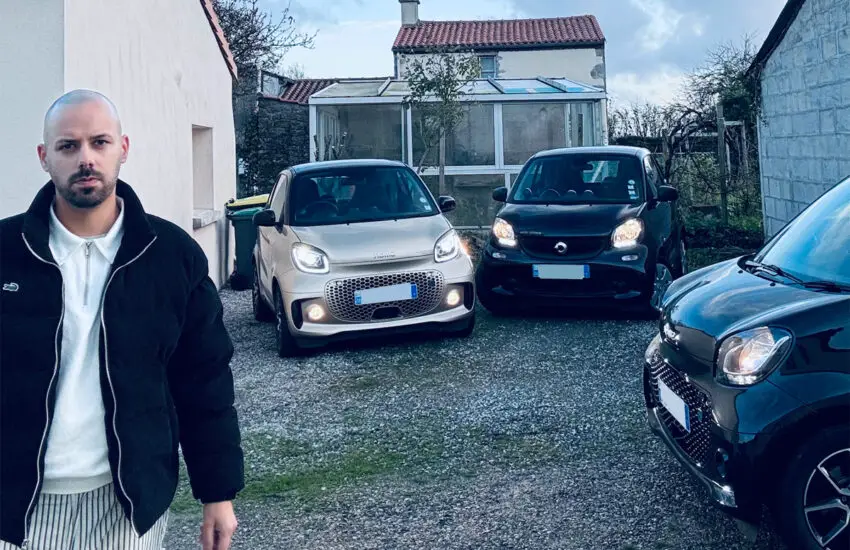
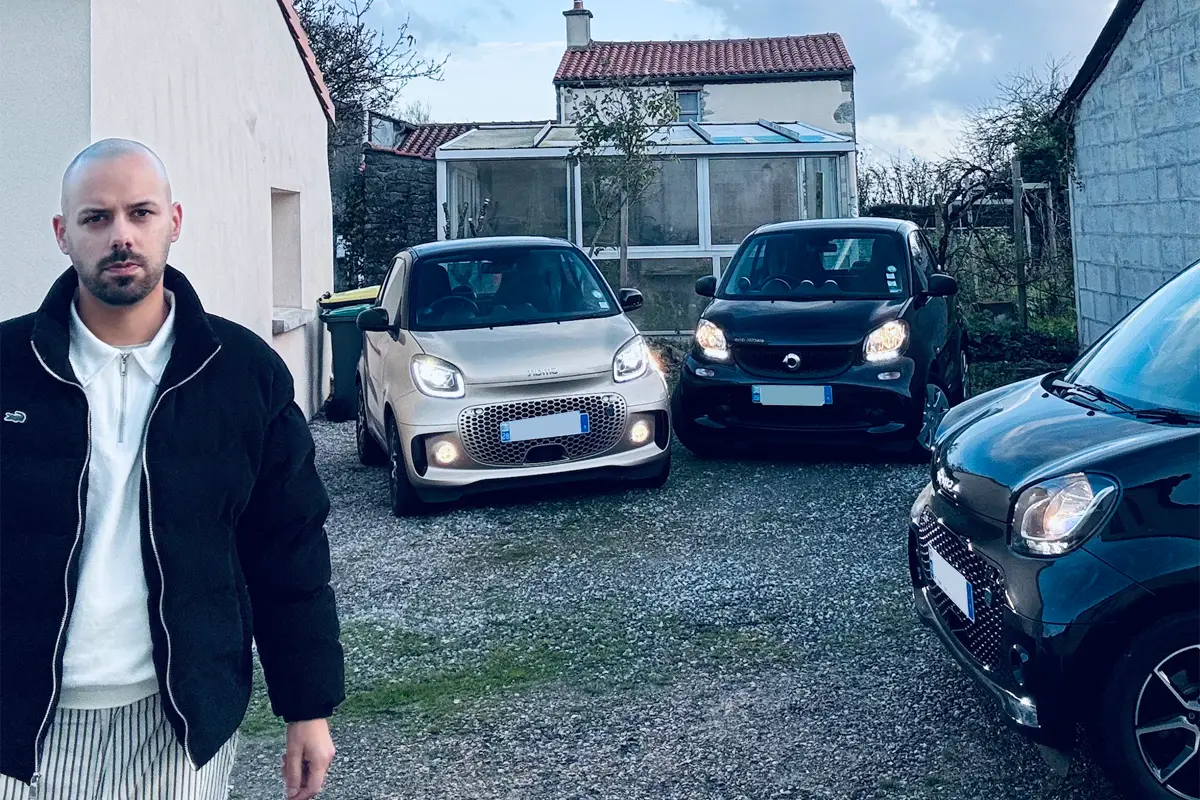
Steven with his three Smart Fortwo electric cars

When discussing electric vehicle longevity, most conversations center on newer, long-range models. However, a dedicated enthusiast named Steven has rewritten the narrative, surpassing an extraordinary 200,000 kilometers (over 124,000 miles) in his Smart Fortwo Electric Drive. His journey challenges common perceptions about the capabilities and durability of early-generation city EVs.

A Passion Turned into a Personal Fleet

Steven’s story is unique. Before the age of thirty, he had already assembled a personal collection focused solely on the electric Smart Fortwo. This wasn’t a casual interest but a deep commitment to the model’s specific charm and urban efficiency. His high-mileage primary vehicle serves as a rolling testament to the powertrain’s reliability, having required minimal major repairs related to its electric motor or battery pack over the years.

Insights from a Quarter-Million Kilometers

Accumulating such distance in a compact EV provides invaluable real-world data. Steven reports that the car’s original battery has experienced predictable degradation but remains perfectly functional for daily urban and suburban use. The low running costs, a hallmark of electric motoring, have been a defining feature of his experience. His testimony highlights that for drivers whose needs align with its range, an EV can be a supremely practical long-term companion, dispelling myths about short operational lifespans.

The Legacy of the Electric City Car

This high-mileage Smart Fortwo stands as a significant case study. It demonstrates that even electric vehicles designed primarily for city commuting are engineered for durability. Steven’s experience underscores a crucial point for the used EV market: with proper care, these cars are built to last, offering sustainable mobility far beyond typical ownership cycles. His passion proves that innovation sometimes comes in small, efficient, and remarkably resilient packages.