DS 8 Electric Range and Charging Analysis

Real-World Electric Performance Evaluation

DS 8 electric vehicle

The DS 8 establishes itself as a benchmark for energy efficiency in the premium electric vehicle segment. Our comprehensive testing reveals impressive performance metrics that challenge conventional expectations about luxury EVs.

Battery Efficiency and Driving Range

During extensive real-world testing, the DS 8 demonstrated exceptional energy management across various driving conditions. The vehicle maintained consistent power delivery while optimizing consumption, resulting in remarkable range figures that exceed many competitors in its class. The intelligent regeneration system captures energy effectively during deceleration, contributing significantly to overall efficiency.

Urban commuting scenarios revealed particularly impressive results, with the DS 8 achieving optimal energy usage in stop-and-go traffic. Highway performance maintained strong efficiency ratings even at sustained higher speeds, addressing a common challenge for electric vehicles.

Charging Performance Analysis

The charging capabilities of the DS 8 were tested using various charging infrastructures. DC fast charging provided substantial range recovery in minimal time, making long-distance travel practical and convenient. The thermal management system effectively maintained battery temperature during rapid charging sessions, ensuring consistent performance.

Standard AC charging proved efficient for overnight replenishment, with the vehicle’s onboard charger optimizing power intake based on available electrical capacity. The charging interface provided clear status information and accurate time-to-completion estimates throughout the process.

Energy Consumption Insights

Comprehensive data collection revealed that the DS 8’s energy consumption remains remarkably stable across different driving styles and environmental conditions. The vehicle’s aerodynamic design and weight distribution contribute to its efficient performance, while the premium comfort features maintain operation without significant impact on range.

The integration of advanced driver assistance systems further enhances efficiency by optimizing acceleration and braking patterns. This sophisticated approach to energy management positions the DS 8 as a leader in sustainable premium mobility.

Plug-in Hybrids Beyond 2035: A Costly Mistake

The Problem with Post-2035 Plug-in Hybrids

Skoda Kodiaq iV PHEV on road test

The potential extension of plug-in hybrid and range-extender vehicle sales beyond 2035 presents significant environmental and economic challenges. Current debates surrounding this proposal fail to address the fundamental inefficiencies of these transitional technologies in a climate-critical decade.

Environmental Performance Falls Short

Real-world emissions data reveals plug-in hybrids consistently underperform laboratory predictions. Many owners rarely charge their vehicles, effectively operating them as conventional gasoline cars with additional battery weight. This weight penalty increases energy consumption regardless of power source, undermining their ecological rationale. When batteries deplete, these vehicles often emit more CO2 than their non-hybrid counterparts due to their increased mass.

Economic Implications for Consumers

Plug-in hybrids represent the most expensive transition technology, combining the high costs of both electric and combustion systems. Consumers face premium purchase prices without realizing promised fuel savings. Maintenance complexity increases with dual powertrains, leading to higher long-term ownership expenses compared to pure electric vehicles.

Infrastructure and Resource Concerns

Continuing hybrid production diverts critical battery resources that could otherwise power more full-electric vehicles. Manufacturing two powertrains simultaneously requires more energy and materials than producing either technology separately. This inefficient resource allocation slows the overall transition to sustainable transportation.

The 2035 deadline should accelerate innovation in pure electric vehicles rather than prolong outdated transitional technologies. Policy makers must resist industry pressure to maintain hybrid offerings, focusing instead on developing affordable, efficient electric transportation solutions.

Subaru Shifts Electric Vehicle Strategy Amid Market Changes

Subaru Adjusts Electric Vehicle Timeline

Subaru has announced a significant revision to its electric vehicle rollout plan, scaling back previous targets for new EV launches. The Japanese automaker, known for its rugged all-wheel-drive vehicles, is taking a more measured approach to electrification as market conditions evolve.

Strategic Realignment

The company’s revised strategy reflects a broader industry trend of automakers reassessing their electric vehicle ambitions. Subaru had previously committed to an aggressive electrification timeline with multiple new electric models scheduled for introduction by 2030. The new approach suggests a more pragmatic evaluation of market readiness and infrastructure development.

Market Considerations

Several factors appear to be influencing Subaru’s strategic shift. Changing consumer demand patterns, evolving regulatory landscapes, and infrastructure challenges have created a more complex environment for electric vehicle adoption. The company appears to be balancing its environmental commitments with market realities and technological readiness.

Production Adjustments

Subaru’s revised plan includes delaying certain electric model launches while maintaining development efforts. The company continues to invest in electric vehicle technology but is adjusting its production schedule to better align with market conditions and consumer adoption rates.

Future Outlook

Despite the scaled-back timeline, Subaru remains committed to electrification as part of its long-term strategy. The company continues to develop its electric vehicle platform and technology partnerships while taking a more gradual approach to market introduction. This measured strategy may help Subaru avoid the pitfalls of over-investment in a rapidly evolving market segment while maintaining its reputation for reliability and performance.

Porsche 911 GT3 Hybrid Axial Motor Innovation

Revolutionary Axial Flux Hybrid System

Porsche is currently developing a groundbreaking hybrid architecture that could redefine the future of the iconic 911. The German manufacturer is betting on an axial flux electric motor, a technology promising significant weight savings and performance enhancements. This strategic move represents Porsche’s commitment to maintaining the 911’s legendary driving dynamics while embracing electrification.

Technical Advantages of Axial Flux Design

Unlike conventional radial flux motors found in most electric vehicles, axial flux motors feature a compact disc-like configuration where magnetic forces operate parallel to the motor’s rotation axis. This innovative design delivers superior power density, allowing Porsche engineers to package substantial electric power within the 911’s constrained rear-engine layout. The system’s reduced weight and minimal spatial requirements preserve the model’s celebrated weight distribution and handling characteristics.

Performance Integration Strategy

The axial flux hybrid system is being developed specifically for high-performance applications. Porsche engineers are focusing on seamless power delivery between the combustion engine and electric motor, creating a harmonious synergy that enhances acceleration without compromising the visceral driving experience. The system is expected to provide both efficiency benefits and additional power on demand, particularly during overtaking maneuvers and track driving scenarios.

Preserving 911 Heritage Through Innovation

This technological development demonstrates Porsche’s careful approach to electrification. Rather than simply adding weight with conventional hybrid components, the axial flux solution represents an engineering-driven evolution that respects the 911’s core identity. The system maintains the rear-engine character while introducing electric torque vectoring capabilities that could further enhance cornering precision and stability.

Future Sports Car Implications

The successful implementation of axial flux technology in the 911 GT3 could establish new benchmarks for hybrid sports cars. This development signals that electrification and extreme performance can coexist without compromise, potentially influencing the entire high-performance automotive sector. Porsche’s axial flux hybrid may well become the template for future sports car propulsion systems.

Stellantis Powers Vans with Recycled Cooking Oil

From Fryer to Fuel Tank

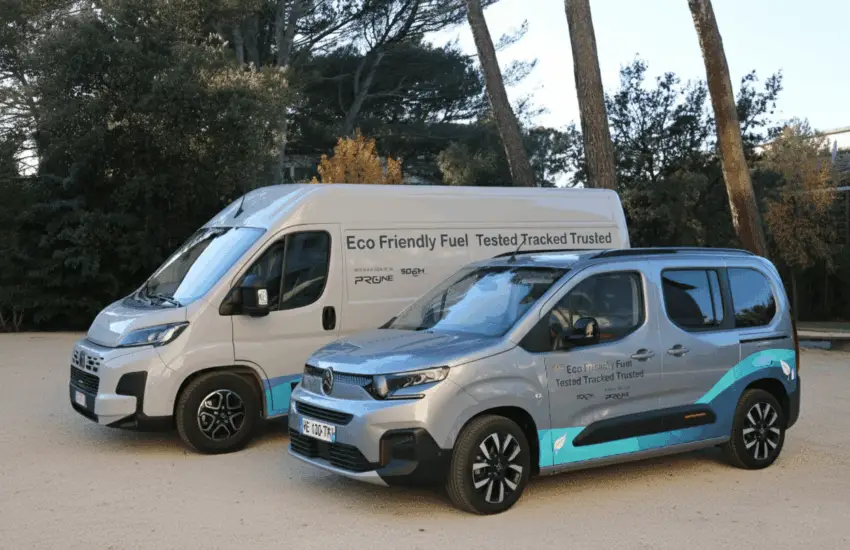
Automotive giant Stellantis is pioneering a groundbreaking approach to eco-friendly transportation by converting used cooking oil into clean fuel for its commercial vans. The innovative HVO Aurora initiative transforms waste vegetable oil into hydrotreated vegetable oil, creating a sustainable diesel alternative that significantly cuts carbon emissions without requiring vehicle modifications.

The Science Behind Sustainable Fuel

Hydrotreated Vegetable Oil represents a major advancement in biofuel technology. Through a sophisticated chemical process called hydrotreatment, used cooking oil undergoes purification and transformation into a high-quality fuel. This renewable diesel alternative boasts several environmental advantages over conventional diesel, including reduced particulate emissions and lower carbon footprint throughout its lifecycle.

Environmental Impact and Fleet Applications

The implementation of HVO fuel in Stellantis commercial vehicles demonstrates substantial ecological benefits. Early testing indicates potential CO2 reductions up to 90% compared to traditional diesel fuels. This makes the technology particularly valuable for urban delivery fleets and logistics companies seeking to meet sustainability targets while maintaining operational efficiency.

Commercial vehicles running on this recycled fuel maintain performance standards while contributing to circular economy principles. The program effectively addresses two environmental challenges simultaneously: reducing waste from the food industry while creating cleaner transportation solutions. This dual benefit represents a significant step forward in sustainable mobility innovation.

Future of Renewable Automotive Fuels

Stellantis’ commitment to HVO technology signals a broader industry shift toward practical, immediately implementable green solutions. Unlike some alternative fuels requiring extensive infrastructure changes, HVO can be integrated into existing fuel distribution systems and vehicle fleets. This accessibility makes it a viable transitional technology while the automotive industry continues developing long-term zero-emission solutions.

Electric Vehicle Surge: Mercedes, Renault, and Market Shifts

Mercedes Accelerates Electric Vehicle Rollout

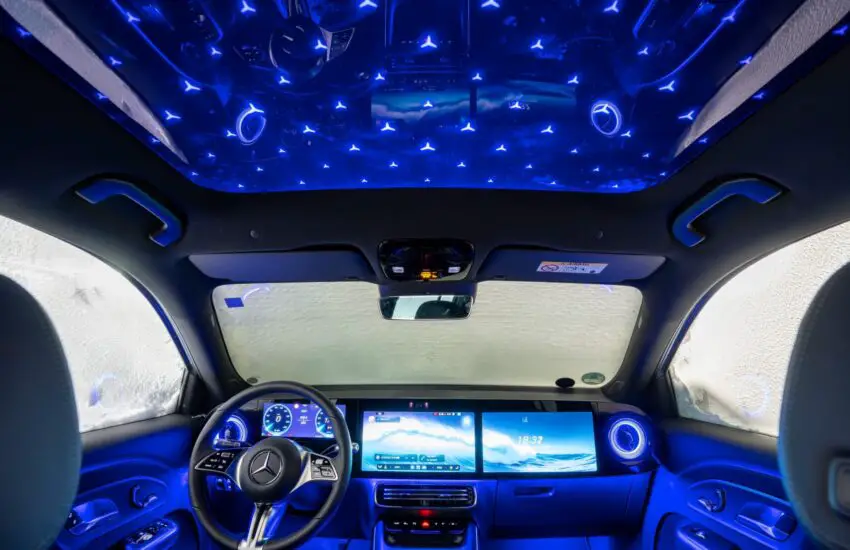
Mercedes-Benz is ramping up its electric vehicle strategy with the introduction of several new models to the market. This product offensive underscores the brand’s commitment to leading the automotive industry’s energy transition. The expansion includes updates to existing lines and the debut of innovative designs aimed at enhancing performance and sustainability.

Renault’s Strategic Moves in the EV Arena

Renault is making significant strides in the electric vehicle sector, focusing on affordability and accessibility. By leveraging new partnerships and technological advancements, the company aims to broaden its electric lineup to cater to diverse consumer needs. These efforts are part of a broader plan to strengthen its position in the competitive global market.

China’s Dominance in Electric Vehicle Production

China continues to solidify its role as a powerhouse in electric vehicle manufacturing, with increasing production capacities and export volumes. Government policies and investments in infrastructure have fueled rapid growth, making it a key player influencing global supply chains and innovation trends in the industry.

England’s Evolving Electric Vehicle Policies

England is adapting its regulatory framework to support the adoption of electric vehicles, including incentives for consumers and infrastructure development. These initiatives are designed to accelerate the transition to cleaner transportation and align with national environmental goals, positioning the country as a proactive market in the European landscape.

Global Trends Shaping the Electric Future

The electric vehicle market is witnessing dynamic changes driven by technological advancements and shifting consumer preferences. As major automakers like Mercedes and Renault expand their offerings, and regions like China and England implement supportive measures, the industry is poised for continued evolution toward sustainable mobility solutions worldwide.

Gran Turismo 2 Beige Edition Revives Forgotten Cars

Rediscovering Gaming’s Hidden Automotive Gems

While modern racing games chase photorealism with ever-increasing polygon counts, a fascinating fan modification takes the opposite approach. Gran Turismo 2 Beige Edition transforms the classic 1999 racing simulator into a celebration of automotive obscurity. This comprehensive overhaul replaces the original roster’s 600 vehicles with deliberately unremarkable models that time forgot.

The Beauty of Ordinary Machines

What makes this modification particularly compelling is its focus on vehicles that never achieved legendary status. Instead of supercars and racing prototypes, players encounter everyday sedans, basic coupes, and utilitarian hatchbacks from the 1990s. These low-poly models represent the cars that actually populated roads during the game’s original release period, creating an unexpectedly authentic period experience.

The modification’s name references both the visual aesthetic and philosophical approach. Many vehicles feature the muted color palette common to mass-market automobiles of the era, while the overall experience embraces the ordinary rather than the exceptional. This creates a racing game where victory comes from mastering subtle handling differences between similarly capable machines rather than exploiting massive performance gaps.

Preserving Gaming History

Interestingly, the developers retained select vehicles from the original Gran Turismo 2 roster. As veteran players will recall, the 1999 release already included numerous unremarkable production cars alongside its exotic offerings. This careful curation maintains the spirit of the original while refocusing the experience toward automotive realism rather than fantasy.

The project represents a growing appreciation for gaming preservation and alternative approaches to classic titles. By highlighting aspects of the original game that often went overlooked, Gran Turismo 2 Beige Edition offers both nostalgia and a fresh perspective on a beloved racing simulator.

Audi’s 2026 F1 Development Halted for Future Focus

Audi’s Surprising 2026 F1 Development Freeze

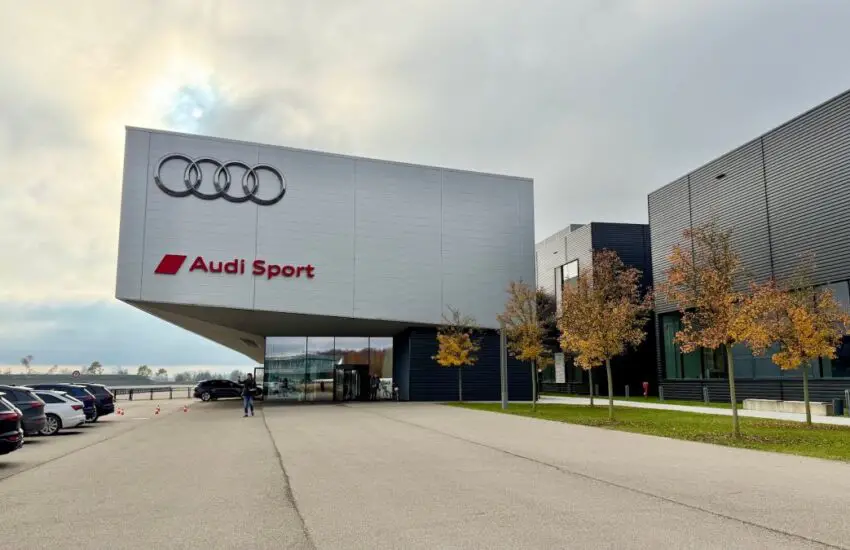
Audi’s Formula 1 project has taken an unexpected turn with the complete cessation of transmission development for their 2026 car. This radical decision comes despite the team not having turned a single testing lap in preparation for their F1 debut. The German manufacturer has effectively frozen all major development work on their inaugural F1 power unit while still in the early construction phase of their racing facility.

Strategic Shift Toward 2027-2028 Campaigns

This development halt represents a calculated long-term strategy rather than a setback. Audi’s technical leadership has made the conscious decision to redirect all engineering resources toward the 2027 and 2028 seasons. The move acknowledges the significant lead time required to develop competitive F1 technology while maximizing the new 2026 power unit regulations.

Technical Resource Reallocation

By freezing 2026 transmission development, Audi gains approximately 18 months of additional research and development time. This allows their engineering teams to focus on fundamental chassis concepts and advanced hybrid energy recovery systems that will define the 2027-2028 regulatory cycle. The strategy prioritizes establishing a strong technical foundation over achieving immediate results in their debut season.

Regulatory Advantage Timeline

The 2026 F1 power unit regulations present both challenges and opportunities for new manufacturers. Audi’s decision to concentrate on later seasons enables them to learn from the initial implementation of these rules by competitors. This observational period, combined with extended development time, could provide significant advantages when the team fully enters championship contention.

Factory Infrastructure and Team Building

While development on the 2026 car has slowed, construction continues at Audi’s state-of-the-art F1 facility. The manufacturer is simultaneously expanding its technical workforce and establishing operational processes. This parallel approach ensures that when development intensifies for the 2027 season, the organization will have both the physical infrastructure and human expertise to support an ambitious technical program.

OBD2 Code P1450 Mercury: Complete Diagnostic & Repair Guide

Understanding the Mercury P1450 Trouble Code

When your Mercury’s check engine light illuminates and you retrieve code P1450, you’re dealing with a specific emissions-related issue that requires immediate attention. This diagnostic trouble code indicates a problem within your vehicle’s Evaporative Emission Control System (EVAP), specifically related to the system’s ability to control fuel vapor emissions effectively.

What Does P1450 Code Mean on Mercury Vehicles?

The OBD2 code P1450 is defined as “Unable to Bleed Up Fuel Tank Vacuum” or “Evaporative Emission Control System Vent Control Circuit.” This code specifically relates to your Mercury’s EVAP system’s inability to properly manage fuel tank pressure and vapor containment. When this code appears, your vehicle’s powertrain control module (PCM) has detected an unexpected condition during the EVAP system self-test, typically during a drive cycle when the system attempts to purge fuel vapors.

How the EVAP System Works in Mercury Vehicles

Modern Mercury vehicles employ sophisticated EVAP systems designed to prevent fuel vapors from escaping into the atmosphere. The system captures fuel vapors from the fuel tank and temporarily stores them in a charcoal canister. When specific driving conditions are met, the PCM activates various valves and solenoids to purge these vapors into the engine for combustion. The P1450 code specifically points to a failure in the venting portion of this system, preventing proper pressure equalization in the fuel tank.

Common Causes of P1450 Code in Mercury Vehicles

Diagnosing a P1450 code requires systematic investigation of several potential failure points within your Mercury’s EVAP system. Understanding these common causes will help you pinpoint the exact issue more efficiently.

EVAP Canister Vent Valve Malfunction

The EVAP canister vent valve, also known as the vent solenoid, is one of the most frequent culprits for P1450 codes in Mercury vehicles. This electrically-operated valve controls the flow of fresh air into the EVAP system and can fail due to:

  • Electrical failure in the valve solenoid coil
  • Mechanical jamming from debris or contamination
  • Internal short circuits or open circuits
  • Corrosion on electrical connectors due to moisture exposure

Fuel Tank Pressure Sensor Issues

Modern Mercury vehicles use a fuel tank pressure sensor to monitor EVAP system integrity. When this sensor provides inaccurate readings to the PCM, it can trigger a P1450 code. Common sensor problems include:

  • Sensor calibration drift over time
  • Electrical connection problems or corrosion
  • Internal sensor component failure
  • Vacuum line blockage or disconnection

EVAP System Blockages and Physical Damage

Physical obstructions in the EVAP system can prevent proper venting and trigger P1450 codes. These issues often result from:

  • Crushed or kinked EVAP vent lines under the vehicle
  • Mud, dirt, or insect nests blocking the vent filter
  • Damaged EVAP canister from impact or corrosion
  • Obstructed vent tube near the fuel filler area

Step-by-Step Diagnostic Procedure for P1450

Proper diagnosis of a P1450 code requires methodical testing and inspection. Follow this professional diagnostic sequence to identify the root cause efficiently.

Initial Visual Inspection and Preliminary Checks

Begin your diagnosis with a thorough visual inspection of the EVAP system components. This preliminary check can often reveal obvious issues without requiring advanced tools:

  • Inspect all EVAP lines for cracks, disconnections, or physical damage
  • Check the EVAP canister for physical damage or contamination
  • Examine electrical connectors for corrosion or loose connections
  • Verify the integrity of the vent filter and surrounding area
  • Check for recent fuel tank or filler neck work that might have disturbed components

Testing the EVAP Canister Vent Valve

The vent valve is a common failure point and should be tested early in your diagnosis. Professional testing involves both electrical and functional checks:

  • Use a digital multimeter to check valve resistance (typically 20-40 ohms)
  • Verify power and ground signals from the PCM using a scan tool
  • Apply battery voltage directly to the valve to test mechanical operation
  • Check for proper airflow through the valve in both energized and de-energized states
  • Inspect the valve filter for blockage and clean or replace as necessary

Advanced Diagnostic Testing with Scan Tool

For comprehensive diagnosis, use a professional-grade scan tool capable of bidirectional controls to test EVAP system components:

  • Monitor live data for fuel tank pressure sensor readings
  • Command the vent valve open and closed while monitoring system response
  • Perform active tests to check for proper vacuum bleed-up capability
  • Check for related codes that might indicate additional system issues
  • Review freeze frame data to understand conditions when the code set

Professional Repair Solutions for P1450 Code

Once you’ve identified the specific cause of the P1450 code, proper repair is essential to restore your Mercury’s EVAP system functionality and ensure emissions compliance.

EVAP Vent Valve Replacement Procedure

Replacing a faulty EVAP canister vent valve is a common repair for P1450 codes. Follow this professional procedure for proper installation:

  • Disconnect the negative battery cable for safety
  • Locate the vent valve (typically near the EVAP canister or fuel tank)
  • Disconnect electrical connector and vent hoses, noting their positions
  • Remove mounting hardware and replace the valve with a quality OEM or equivalent part
  • Reconnect all components and clear diagnostic trouble codes
  • Perform a complete drive cycle to verify repair success

Addressing Electrical and Wiring Issues

When electrical problems cause P1450 codes, proper repair requires careful attention to wiring integrity:

  • Repair damaged wiring using proper solder and heat shrink techniques
  • Replace corroded connectors with OEM-quality components
  • Verify circuit integrity from PCM to component using voltage drop testing
  • Protect repaired areas with appropriate loom and tape
  • Test system operation thoroughly before considering repair complete

Preventive Maintenance and System Longevity

Preventing future P1450 codes requires understanding the factors that contribute to EVAP system failures and implementing proper maintenance practices.

Regular EVAP System Maintenance Tips

Extend the life of your Mercury’s EVAP system with these maintenance practices:

  • Avoid overfilling the fuel tank beyond the automatic shutoff
  • Keep the area around the fuel filler neck clean and free of debris
  • Have the EVAP system inspected during routine maintenance
  • Address any fuel odor issues immediately to prevent system damage
  • Replace the fuel cap with OEM-quality parts when necessary

When to Seek Professional Assistance

While some P1450 diagnoses can be performed by experienced DIYers, certain situations warrant professional service:

  • When multiple EVAP codes are present simultaneously
  • If you lack proper diagnostic equipment or technical expertise
  • When the issue involves complex electrical or PCM-related problems
  • If the vehicle fails emissions testing despite repairs
  • When dealing with fuel tank removal or complex component replacement

Successfully diagnosing and repairing a P1450 code in your Mercury requires patience, proper tools, and systematic troubleshooting. By following this comprehensive guide, you can restore your vehicle’s emissions system functionality, ensure environmental compliance, and maintain optimal performance. Remember that while this code doesn’t typically cause immediate drivability concerns, addressing it promptly prevents potential fuel system issues and ensures your Mercury remains reliable and emissions-compliant.

Mazda P1450 Code: Comprehensive Guide to EVAP System Issues

Understanding the Mazda P1450 Trouble Code

The P1450 code is a manufacturer-specific diagnostic trouble code that primarily affects Mazda vehicles. This code indicates a problem within the Evaporative Emission Control System (EVAP), specifically related to the fuel tank pressure control system. When this code appears, it means your vehicle’s Engine Control Module (ECM) has detected an issue with the EVAP system’s ability to maintain proper pressure or vacuum in the fuel tank system.

What Does P1450 Mean Specifically?

P1450 is defined as “Evaporative Emission Control System Leak Detected (Fuel Tank System)”. This code is triggered when the ECM detects an unexpected pressure change or inability to maintain vacuum in the fuel tank area of the EVAP system. Unlike generic EVAP codes, P1450 is specific to Mazda’s implementation and typically points to issues in the fuel tank pressure control circuit or related components.

How the EVAP System Works in Mazda Vehicles

Mazda’s EVAP system is designed to prevent fuel vapors from escaping into the atmosphere. The system captures fuel vapors from the fuel tank and stores them in the charcoal canister. During specific driving conditions, the ECM opens the purge valve, allowing these stored vapors to be drawn into the engine and burned. The system regularly performs self-tests to ensure there are no leaks that could release harmful hydrocarbons into the environment.

Common Symptoms of P1450 Code in Mazda Vehicles

Recognizing the symptoms associated with P1450 is crucial for timely diagnosis and repair. While some symptoms may be subtle, others can significantly impact your driving experience and vehicle performance.

Check Engine Light Activation

The most immediate and obvious symptom is the illumination of the check engine light on your dashboard. The light may appear solid or flash, depending on the severity of the issue. In most cases, the P1450 code will cause a persistent check engine light that remains illuminated until the underlying problem is resolved.

Fuel Odor and Performance Issues

You might notice a strong fuel smell around your vehicle, particularly near the fuel tank or fuel filler area. Some drivers also report minor performance issues, though the P1450 code typically doesn’t cause significant drivability problems. However, if left unresolved, it can lead to decreased fuel efficiency over time.

Failed Emissions Testing

Since the P1450 code relates to the emission control system, vehicles with this active code will automatically fail emissions tests in regions that require them. This makes prompt repair essential for vehicle compliance and registration renewal.

Diagnostic Procedures for Mazda P1450 Code

Proper diagnosis requires a systematic approach to identify the root cause of the EVAP system leak. Following these steps will help you pinpoint the exact issue efficiently.

Initial Visual Inspection

  • Check the gas cap for proper sealing and tightness
  • Inspect EVAP lines and hoses for cracks, damage, or disconnections
  • Examine the charcoal canister for physical damage
  • Look for damaged or corroded electrical connectors
  • Inspect the fuel tank and filler neck for visible damage

Using Professional Diagnostic Tools

Advanced diagnostic procedures require specialized equipment. A professional-grade OBD2 scanner can monitor live data from the EVAP system, including fuel tank pressure sensor readings. Smoke machines are particularly effective for identifying small leaks by introducing smoke into the EVAP system and observing where it escapes.

Testing Specific Components

  • Perform fuel cap pressure test to verify proper sealing
  • Test the fuel tank pressure sensor operation and calibration
  • Check the purge valve and vent valve functionality
  • Verify the integrity of the EVAP canister and related components
  • Test electrical circuits for proper voltage and ground connections

Common Causes and Repair Solutions

Understanding the potential causes of P1450 helps in developing an effective repair strategy. Here are the most common issues and their solutions.

Loose or Faulty Gas Cap

The gas cap is one of the most common causes of P1450 codes. A loose, damaged, or worn gas cap can’t maintain proper seal, allowing fuel vapors to escape. Replacement with an OEM-quality gas cap often resolves this issue. Always ensure the cap clicks securely when tightened.

Damaged EVAP System Components

  • Charcoal Canister: Replace if contaminated or physically damaged
  • EVAP Lines and Hoses: Repair or replace cracked, brittle, or disconnected lines
  • Purge Valve: Replace if stuck open or closed
  • Vent Valve: Replace if malfunctioning or stuck
  • Fuel Tank Pressure Sensor: Replace if providing inaccurate readings

Electrical and Connector Issues

Corroded connectors, damaged wiring, or poor electrical connections can cause the P1450 code. Carefully inspect all electrical connections related to the EVAP system. Repair damaged wiring and clean corroded connectors to ensure proper electrical communication between components.

Prevention and Maintenance Tips

Regular maintenance can prevent P1450 codes and ensure your Mazda’s EVAP system functions properly for years to come.

Regular System Inspections

Include EVAP system components in your regular maintenance routine. Periodically inspect hoses, lines, and connections for signs of wear or damage. Have your mechanic check the system during routine service appointments, especially if you notice any fuel odors.

Proper Fueling Practices

  • Always tighten the gas cap until it clicks three times
  • Avoid overfilling the fuel tank beyond the automatic shutoff
  • Use only OEM or high-quality replacement gas caps
  • Clean the fuel filler area to prevent debris from affecting the seal

Professional System Testing

Consider having your EVAP system professionally tested annually, especially if you live in areas with strict emissions requirements. Professional testing can identify potential issues before they trigger trouble codes and help maintain optimal system performance.

Addressing a P1450 code promptly not only ensures your Mazda remains environmentally compliant but also maintains optimal fuel efficiency and prevents potential damage to other emission system components. While some causes are simple fixes, complex issues may require professional diagnosis and repair to ensure complete resolution.