Buying a Used Renault Clio Hybrid: Your Complete Guide

Navigating the Used Renault Clio e-Tech Hybrid Market

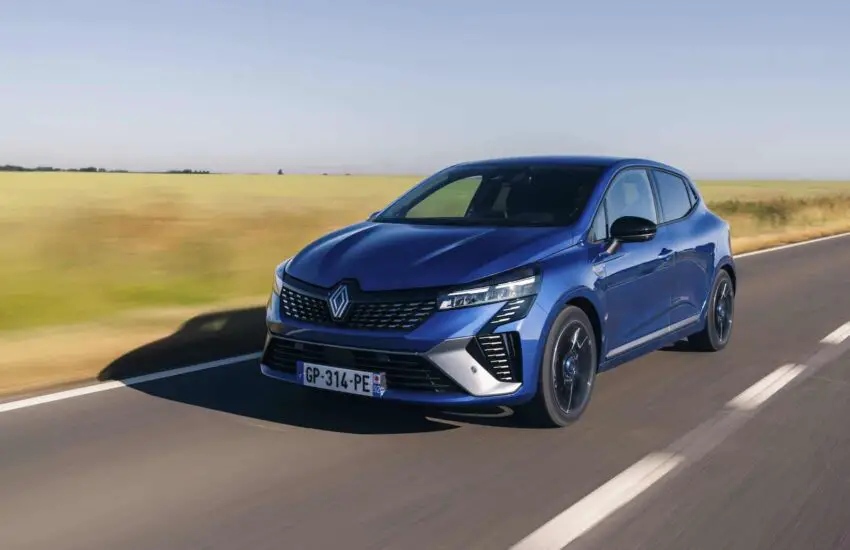
The Renault Clio e-Tech hybrid has quickly become a standout choice in the competitive used hybrid hatchback segment. Its clever blend of efficient technology, practical design, and recognizable Clio style makes it a compelling option for drivers seeking to reduce fuel consumption without venturing into full electric vehicles. Understanding its unique features and what to look for is key to a confident purchase.

Understanding the e-Tech Hybrid Technology

At the heart of this model lies Renault’s innovative E-Tech full hybrid system. Unlike some hybrids, it operates without a conventional clutch or gearbox, using two electric motors and a 1.6-liter petrol engine. This setup is particularly efficient in urban environments, where it can drive on electric power alone for significant periods. For a used buyer, this translates to proven fuel savings and a smooth, automatic driving experience perfect for city commutes.

Key Checks Before You Buy

When evaluating a used Clio Hybrid, prioritize a thorough vehicle history check to confirm its service record. Regular maintenance is crucial for hybrid system longevity. During the test drive, pay attention to the transition between electric and petrol power; it should be seamless. Also, check the condition of the hybrid battery’s state of health, if possible, though these are designed for longevity. Inspect the interior for wear on frequently used controls and ensure all infotainment and driver-assistance features are fully operational.

Choosing the Right Model and Spec

The Clio e-Tech was offered in several trim levels. Entry models are well-equipped, while higher trims add features like larger touchscreens, enhanced safety systems, and premium interior materials. Consider which amenities are most important for your daily use. Later model years may benefit from minor technical refinements and updated software, so comparing different years within your budget is advisable.

Making a Smart and Serene Purchase

Armed with knowledge about its technology and a clear checklist, purchasing a used Renault Clio e-Tech hybrid can be a remarkably smart decision. It offers an accessible entry into hybrid motoring with the low running costs and practicality that make the Clio a perennial favorite. A careful, informed approach ensures you find a model that delivers economical and enjoyable driving for years to come.

Decoding OBD2 Code P1492 on Chrysler Vehicles: A Technical Guide

Understanding the P1492 Chrysler Diagnostic Trouble Code

The illumination of the check engine light is a call to action for any vehicle owner. When a scan tool reveals the generic OBD2 code P1492, specifically on Chrysler, Dodge, Jeep, and Ram vehicles, it points directly to the vehicle’s Evaporative Emission Control (EVAP) system. Technically defined as “Leak Detection Pump Switch or Mechanical Fault,” this code indicates that the vehicle’s Powertrain Control Module (PCM) has detected an abnormal electrical condition within the Leak Detection Pump (LDP) circuit, typically registering as a “circuit low” signal. The EVAP system is crucial for preventing fuel vapors from escaping into the atmosphere, and the LDP is its primary diagnostic component. A P1492 code signifies a failure in this self-check system, which can affect emissions compliance and, in some cases, vehicle performance.

Role of the Leak Detection Pump (LDP) in the EVAP System

The Leak Detection Pump is not a pump in the traditional sense but rather a sophisticated diaphragm-operated switch used to pressurize the EVAP system for leak testing. During a self-test (usually after a cold start under specific driving conditions), the PCM activates the LDP solenoid. This allows engine vacuum to move the pump’s diaphragm, which creates a slight pressure in the fuel tank and vapor lines. An internal switch opens and closes as the diaphragm moves. The PCM monitors this switching signal. A P1492 is set when the expected switching pattern is absent or indicates the diaphragm is stuck or the circuit has a fault, preventing the system from completing its leak check.

Common Symptoms and Causes of a P1492 Code

Unlike some engine codes that cause drivability issues, P1492 is primarily an emissions-related fault. The symptoms are often subtle, but ignoring them can lead to a failed emissions test.

Primary Symptoms of P1492

  • Illuminated Check Engine Light (MIL): The most common and often the only noticeable symptom.
  • Failed Emissions Inspection: The vehicle will not pass a state-mandated emissions test with an active EVAP system code.
  • Other EVAP Codes: P1492 may appear alongside other codes like P0442 (small leak) or P0455 (large leak) if the LDP failure prevents proper system testing.
  • Possible Fuel Odor: In rare cases, if related to a stuck-open purge valve or physical leak, a gasoline smell may be present.

Root Causes of the P1492 Fault

Diagnosing P1492 requires a systematic approach, as the cause can be electrical, mechanical, or even a PCM software issue. The most frequent culprits include:

  • Faulty Leak Detection Pump (LDP): The internal diaphragm can rupture, the solenoid can fail electrically, or the mechanical switch can stick.
  • Damaged Wiring or Connectors: Corrosion, chafing, or rodent damage in the wiring harness to the LDP (circuit between LDP and PCM).
  • Poor Electrical Grounds: A bad ground for the LDP or PCM can cause erratic circuit signals.
  • Blocked or Pinched EVAP Hoses: A severely restricted hose can prevent the LDP diaphragm from moving properly.
  • Faulty Powertrain Control Module (PCM): Although less common, a malfunction within the PCM itself can cause it to misread the LDP signal.

Step-by-Step Diagnostic and Repair Procedure

A proper diagnosis is key to an effective repair. Avoid the common mistake of replacing the LDP immediately. Follow this technical diagnostic sequence.

Step 1: Preliminary Inspection and Code Confirmation

Begin with a visual inspection. Check the LDP, typically located near the EVAP canister or fuel tank. Inspect all associated vacuum hoses for cracks, disconnections, or blockages. Examine the LDP electrical connector for corrosion, bent pins, or moisture. Use your scan tool to confirm the P1492 code, clear it, and perform a drive cycle to see if it returns. This eliminates the possibility of a historic or intermittent code.

Step 2: Electrical Circuit Testing

Consult a vehicle-specific wiring diagram. With the connector disconnected, use a digital multimeter (DMM) to check for power and ground at the LDP harness connector with the ignition ON. Next, perform a resistance check on the LDP solenoid coil itself (across the two pins of the LDP). Compare the reading to manufacturer specifications (often between 20-40 ohms). An open (infinite resistance) or short (near zero resistance) indicates a failed LDP. Also, check for continuity and short-to-ground in the signal wire back to the PCM.

Step 3: Functional Testing of the Leak Detection Pump

If the electrical checks pass, test the pump mechanically. You can often command the LDP solenoid “ON” with a bi-directional scan tool. Listen for a distinct click from the LDP. Alternatively, with a hand-held vacuum pump, apply vacuum to the appropriate port on the LDP. You should feel the diaphragm hold vacuum and hear the internal switch click as it moves. A diaphragm that won’t hold vacuum or is stuck confirms a faulty pump.

Step 4: Addressing Common Chrysler-Specific Issues

Certain Chrysler models are prone to specific failures. A very common point of failure is the LDP itself, especially on older models. Another known issue is wiring harness chafing near the chassis or engine components. Also, always verify there are no Technical Service Bulletins (TSBs) for your specific year, make, and model that address P1492 with a PCM reflash or updated part.

Repair Solutions and Final Verification

Once the root cause is identified, the repair path becomes clear.

Common Repair Actions for P1492

  • Replacing the Leak Detection Pump: This is the most common fix. Ensure you get the correct OEM or high-quality aftermarket part.
  • Repairing Wiring Harness: Solder and seal any damaged wires. Replace damaged connectors entirely if necessary.
  • Cleaning or Securing Ground Points: Locate, clean, and tighten the relevant ground connections.
  • Replacing Damaged EVAP Hoses: Use fuel-rated hose for any replacements.
  • PCM Replacement or Reflash: This is a last resort after all other possibilities are exhausted and often requires professional programming.

Post-Repair Protocol and Clearing the Code

After completing the repair, clear the P1492 code with your scan tool. The vehicle will need to complete a full EVAP monitor drive cycle for the PCM to verify the fix. This cycle involves specific conditions like cold start, fuel level between 15-85%, and a mix of city and highway driving. Once the monitor runs and passes, the check engine light will remain off, confirming a successful repair. A final scan tool check should show “EVAP Monitor: Ready” or “Complete,” indicating the system is fully operational and ready for emissions testing.

Xpeng’s 2026 Lineup: New EVs and Strategic Expansion

What’s Next for Xpeng in 2026?

Following a landmark year in 2025, Chinese electric vehicle innovator Xpeng is gearing up for an even more ambitious 2026. The company is poised to launch a significant expansion of its global portfolio, with at least four new models anticipated. This aggressive product offensive underscores Xpeng’s strategy to solidify its standing in an increasingly competitive international EV market, leveraging its core strengths in smart driving technology and cutting-edge design.

Anticipated Models and Market Strategy

Industry analysts predict Xpeng’s 2026 releases will target key segments to broaden its appeal. A new flagship sedan, potentially succeeding the P7, is expected to showcase the next generation of the company’s advanced driver-assistance system, XNGP. Furthermore, a mid-size electric SUV could be introduced to compete directly in one of the world’s most popular vehicle categories. This expansion is not just about volume; it’s a calculated move to demonstrate technological maturity and manufacturing scalability to a global audience.

Technological Innovations on the Horizon

The true differentiator for Xpeng’s 2026 vehicles will likely be under the hood and in the software. Significant advancements in Xpeng’s proprietary Xmart OS infotainment system and more sophisticated AI-powered features are highly anticipated. The focus will remain on enhancing the user experience through seamless connectivity, over-the-air update capabilities, and refining the autonomous driving experience for varied global road conditions. Battery technology is also a key area, with expectations for improved energy density and faster charging solutions across the new lineup.

This ambitious roadmap for 2026 highlights Xpeng’s transition from a rising challenger to an established global player. By filling strategic gaps in its product matrix and doubling down on its tech-first philosophy, Xpeng aims to capture greater market share and redefine consumer expectations for intelligent electric mobility.

MG Slashes Prices with Major Electric and Hybrid Vehicle Promotions

MG Launches “MeGa Days” with Unprecedented Discounts

The automotive brand MG has initiated a substantial sales event, known as “MeGa Days,” offering significant price reductions across its entire model lineup. This promotional campaign, running until January 31st, places a special emphasis on the brand’s hybrid and fully electric vehicles. This aggressive pricing strategy is designed to bolster MG’s standing in the competitive low-emission vehicle market.

Focus on Electrified Models

While discounts are available on various MG cars, the most compelling offers are reserved for the electrified range. This includes popular models like the MG4, a fully electric hatchback praised for its performance and value, and the MG ZS, available with both electric and hybrid powertrains. By lowering the financial barrier to entry, MG aims to make sustainable mobility more accessible to a broader audience during this limited-time event.

Strategic Market Positioning

The “MeGa Days” campaign is a clear strategic move to capitalize on growing consumer interest in electric and hybrid technology. With governments worldwide incentivizing cleaner transportation and consumers becoming increasingly environmentally conscious, MG is positioning itself as a leader in affordable electrification. This promotion not only helps move inventory but also serves to introduce more drivers to the MG brand and its technology.

Implications for Car Buyers

For potential car buyers, this event represents a notable opportunity to acquire a new hybrid or electric vehicle at a reduced cost. The combination of MG’s already competitive pricing and these additional promotions creates a strong value proposition in a segment often associated with premium price tags. Industry analysts suggest that such promotions can accelerate the adoption of electric vehicles by making them a more financially viable option for many households.

The success of this campaign will be closely watched, as it may influence pricing strategies from other manufacturers in the rapidly evolving electric vehicle sector.

OBD2 Code P1492: EGR Valve Lift Sensor Circuit High Voltage

Understanding OBD2 Code P1492: A Technical Deep Dive

When the check engine light illuminates and a scan tool reveals the diagnostic trouble code (DTC) P1492, your vehicle’s Powertrain Control Module (PCM) has detected an electrical anomaly within the Exhaust Gas Recirculation (EGR) system. Specifically, P1492 is defined as “EGR Valve Lift Sensor Circuit High Voltage.” This code indicates that the signal voltage from the EGR valve position or lift sensor is consistently reading higher than the expected normal operating range, typically close to or at the full system voltage (often 5 volts or battery voltage). Unlike a simple on/off switch, the EGR lift sensor provides a variable voltage signal that tells the PCM the exact position of the EGR valve pintle. A persistently high voltage signal suggests to the PCM that the valve is commanded closed or is stuck, but the sensor is reporting a fault that prevents accurate monitoring, leading to potential drivability and emissions issues.

Primary Causes of the P1492 Diagnostic Trouble Code

Diagnosing P1492 requires a systematic approach, as the root cause can be electrical, mechanical, or a combination of both. The high voltage reading typically points to an open circuit, a short to power, or a failed sensor sending an erroneous signal.

1. Electrical Faults in the Sensor Circuit

These are the most common culprits for a P1492 code. The issue lies in the wiring harness or connectors between the EGR valve assembly and the PCM.

  • Open Circuit: A broken wire in the sensor signal circuit will cause the voltage to “pull up” to its reference voltage, resulting in a constant high reading.
  • Short to Power: The sensor signal wire may be chafed and making contact with another wire carrying battery voltage (12V) or the 5-volt reference line.
  • Poor Electrical Connections: Corrosion, bent pins, or loose terminals at the EGR valve connector or the PCM connector can disrupt the signal.
  • Failed EGR Valve Lift Sensor: The potentiometer or Hall-effect sensor inside the EGR valve assembly has failed internally and is sending a faulty high-voltage signal.

2. Mechanical EGR Valve Failures

While P1492 is primarily an electrical code, underlying mechanical issues can sometimes contribute to or cause the sensor to fail.

  • Carbon-Clogged EGR Valve: Heavy carbon deposits can physically jam the valve pintle. The motor or actuator may struggle against this, putting strain on the internal position sensor.
  • Failed EGR Valve Actuator: In electronic EGR valves, the electric motor or solenoid that moves the pintle can fail. The PCM commands movement, but the sensor doesn’t detect a change, potentially setting a P1492.

3. Issues with the Powertrain Control Module (PCM)

Although rare, a fault within the PCM itself, such as a damaged internal driver circuit for the sensor reference voltage, cannot be entirely ruled out. This is always a diagnosis of last resort after all other possibilities have been eliminated.

Symptoms and Diagnostic Procedure for Code P1492

A vehicle with a stored P1492 code may exhibit noticeable symptoms, or it may run seemingly normally aside from the illuminated check engine light. Proper diagnosis is key to an effective repair.

Common Symptoms Associated with P1492

  • Illuminated Check Engine Light (MIL): The primary indicator.
  • Failed Emissions Test: A faulty EGR system will increase NOx (Nitrogen Oxides) emissions.
  • Engine Performance Issues: You may experience rough idle, engine hesitation (especially under acceleration), or even engine pinging (detonation) due to incorrect EGR flow.
  • Reduced Fuel Economy: The PCM may enter a fail-safe mode, altering the air-fuel mixture and ignition timing.

Step-by-Step Diagnostic Guide

Always begin with a visual inspection and consult the vehicle’s service manual for specific wiring diagrams, connector locations, and test values.

  1. Visual Inspection: Check the EGR valve wiring harness for obvious damage, chafing, or burns. Inspect the connector for corrosion or loose pins.
  2. Scan Tool Data: Use your OBD2 scanner to view live data. Observe the “EGR Valve Position” or “EGR Lift Sensor Voltage” PID (Parameter ID). With the engine off (KOEO), a stuck high signal will be evident. Command the EGR valve open and closed with a capable scanner and watch for sensor response.
  3. Electrical Testing (Multimeter Required):
    • Reference Voltage (Vref): Disconnect the EGR valve connector. With the key on, engine off, check for a stable 5-volt reference from the PCM (typically at the designated pin).
    • Signal Circuit Check: Back-probe the signal wire at the EGR valve connector. The voltage should change smoothly as the valve is manually moved (if possible) or commanded via scan tool.
    • Continuity and Short Tests: Check for continuity in the signal wire back to the PCM. Test for a short to power or ground in the same wire.
  4. EGR Valve Bench Test: If wiring checks out, remove the EGR valve. Using a multimeter, measure the resistance across the sensor terminals while slowly moving the valve pintle. The resistance should change smoothly without any open spots (infinite resistance), which indicates a failed internal sensor.

Repair Solutions and Prevention

Once the root cause is identified, the repair path becomes clear. Addressing a P1492 code promptly is important for engine health and emissions compliance.

Effective Repair Strategies

  • Repair Wiring/Connectors: Solder and seal any broken wires. Repair or replace damaged connectors. Always ensure repairs are protected from heat and moisture.
  • Replace the EGR Valve Assembly: If the internal lift sensor is faulty or the valve is mechanically seized and carbon-clogged, replacement of the entire EGR valve is often the most reliable solution. Ensure you purchase a quality OEM or reputable aftermarket part.
  • Clear Codes and Verify Repair: After the repair, clear the P1492 code with your scan tool. Perform a test drive, preferably including conditions that activate the EGR system (steady highway cruise), to ensure the code does not return and the live data from the EGR sensor looks normal.

Preventing Future EGR System Issues

While not all failures are preventable, maintenance can extend the life of the EGR system.

  • Use Top Tier fuel to minimize carbon deposit formation.
  • Follow the manufacturer’s recommended service intervals.
  • Address any engine performance issues (like misfires) promptly, as they can exacerbate carbon buildup.
  • During routine under-hood inspections, give the EGR valve and its wiring a quick visual check.

In conclusion, OBD2 code P1492 is a specific electrical fault code targeting the feedback circuit of a critical emissions component. A methodical diagnostic approach—focusing first on the wiring and connectors, then the sensor itself—will lead to an accurate and cost-effective repair, restoring proper EGR function, engine performance, and emissions control.

Tesla’s Strategic Shift in Full Self-Driving Deployment

A New Chapter for Tesla’s Autonomous Ambitions

Tesla is initiating a pivotal strategic shift in the deployment and accessibility of its Full Self-Driving (FSD) technology. This move represents more than a simple pricing or subscription adjustment; it signals a fundamental evolution in how Tesla intends to integrate its most advanced driver-assistance system into the broader automotive ecosystem and consumer market.

Redefining Access to Autonomous Technology

The core of this strategic pivot involves altering the fundamental model of FSD access. Historically tied to individual vehicle purchases or monthly subscriptions, Tesla is reportedly exploring new pathways. This could include broader trial availability for existing owners or novel bundling strategies aimed at accelerating real-world data collection and system validation. The objective is clear: achieve wider adoption to refine the neural networks through billions of additional miles of diverse driving data.

A Tesla vehicle using Full Self-Driving technology on a city street

Enhanced real-world data collection is a key driver behind Tesla’s new FSD strategy.

The Data-Driven Imperative

This strategic turn is deeply rooted in the technological necessities of autonomous development. Tesla’s approach has always relied on a vast fleet of vehicles gathering edge-case scenarios. By potentially expanding FSD access, Tesla can exponentially increase the quality and quantity of data, which is the essential fuel for training its vision-based AI. This data advantage is a critical component in the race toward achieving robust and generalized autonomous driving.

Implications for the Automotive Industry

This shift has significant ramifications. It places increased competitive pressure on other automakers and tech companies developing similar systems. Furthermore, it tests consumer readiness and regulatory frameworks for more widely available advanced driving aids. Tesla’s move could accelerate public familiarity with and dependence on these systems, potentially reshaping insurance models and long-term vehicle ownership concepts.

Ultimately, Tesla’s strategic redirection on FSD is a calculated effort to overcome the final hurdles in autonomous driving. By prioritizing widespread deployment and data accumulation, Tesla aims to transition FSD from a premium feature to a core, reliable function of its vehicles, solidifying its technological leadership in an increasingly crowded field.

Volkswagen P1491 Code: Secondary Air Injection System Malfunction Explained

Understanding the Volkswagen P1491 Diagnostic Trouble Code

The OBD2 diagnostic trouble code P1491 is a manufacturer-specific code common to Volkswagen (VW), Audi, and other vehicles within the Volkswagen Group. In plain English, P1491 indicates a malfunction in the Secondary Air Injection (AIR) System, Bank 1. This is not a generic powertrain code but a vital component of the vehicle’s emissions control strategy, specifically during a cold start. When this code is triggered, the vehicle’s Engine Control Module (ECM) has detected that the secondary air system is not performing as expected, potentially leading to increased hydrocarbon emissions and failed emissions tests.

What is the Secondary Air Injection System?

The secondary air injection system is an emissions control device designed to reduce harmful exhaust emissions immediately after a cold engine start. When the engine and catalytic converter are cold, combustion efficiency is low, leading to higher levels of unburned hydrocarbons (HC) and carbon monoxide (CO). The system works by injecting fresh air from an electric air pump into the exhaust manifold or cylinder head exhaust ports. This extra oxygen helps “afterburn” the excess HC and CO, rapidly heating the catalytic converter to its optimal operating temperature (light-off temperature) and significantly reducing cold-start emissions.

Core Components of the VW Secondary Air System

To effectively diagnose P1491, you must understand the key components involved:

  • Secondary Air Injection Pump (AIR Pump): An electric motor-driven pump that draws in fresh air.
  • Secondary Air Injection Valve (Combination Valve): A valve that directs the pumped air into the exhaust ports. It contains a one-way check valve to prevent hot exhaust gases or condensation from flowing back into the pump and hoses.
  • Vacuum Solenoid Valve (N112): Controls vacuum to the diaphragm of the secondary air injection valve, opening and closing it.
  • Relay for Air Pump (J299): Provides high-current power to the electric air pump.
  • Vacuum Hoses and Air Hoses: Network of hoses connecting the pump, valve, and engine.
  • Engine Control Module (ECM): Monitors the system via pre- and post-catalytic converter oxygen sensors to determine system efficiency.

Common Symptoms and Causes of P1491 in Volkswagen

When P1491 is stored, the vehicle may exhibit one or more of the following symptoms. It’s important to note that sometimes the only symptom is the illuminated Check Engine Light (MIL).

Primary Symptoms of P1491

  • Illuminated Check Engine Light (Malfunction Indicator Lamp).
  • Possible slight hesitation or rough idle immediately after a cold start (though often not noticeable).
  • Increased exhaust emissions, which may cause a failed state emissions test.
  • Other related codes may be present, such as P0411 (Secondary Air Injection System Incorrect Flow Detected).
  • Audible whining or screeching noise from a failing air pump (if the pump motor is seizing).

Root Causes of Code P1491

The P1491 code is set when the ECM’s diagnostic logic determines the system is not reducing emissions as intended. The fault can lie in several areas:

  • Failed Secondary Air Pump: The most common cause. The electric motor can fail due to age, wear, internal corrosion from condensation, or seized bearings.
  • Faulty Secondary Air Injection (Combination) Valve: The valve can become stuck closed or open. The internal check valve can fail, allowing backflow. It can also clog with carbon deposits.
  • Electrical Issues: Blown fuse, faulty air pump relay (J299), broken or corroded wiring to the pump or solenoid, or poor electrical connections.
  • Vacuum System Faults: Cracked, disconnected, or collapsed vacuum hoses leading to the N112 solenoid or the air injection valve. A faulty N112 vacuum solenoid itself.
  • Blocked Air Filter or Hoses: The pump’s intake filter (if equipped) or the air supply hose can become clogged.
  • ECM Software Glitch: Less common, but a faulty control module or outdated software can cause false codes.

Step-by-Step Diagnostic and Repair Procedure for P1491

Diagnosing P1491 requires a methodical approach, starting with the simplest checks. You will need a basic set of hand tools and a diagnostic scan tool capable of reading live data and activating components.

Step 1: Preliminary Checks and Visual Inspection

Begin with a thorough visual inspection. With the engine OFF and cold:

  • Locate the secondary air pump (typically near the front of the engine bay) and the combination valve on the cylinder head or exhaust manifold.
  • Inspect all associated air and vacuum hoses for cracks, disconnections, or melting. Feel for brittleness.
  • Check the fuse for the secondary air system (refer to your owner’s manual or repair manual for the fuse location and rating).
  • Listen closely. On the next cold start, listen for the distinct sound of the air pump running for about 60-90 seconds after startup. Its absence is a major clue.

Step 2: Testing the Secondary Air Pump and Electrical Circuit

If the pump doesn’t run, test it directly:

  • Using your scan tool, perform an output test or activation of the secondary air pump. If it runs during activation, the electrical circuit (relay, fuse, wiring) is likely good, pointing to an ECM control or vacuum issue.
  • If it doesn’t activate, check for power and ground at the pump connector during the test. If power and ground are present but the pump doesn’t run, the pump is faulty.
  • If no power is present, check the relay. You can swap it with a known good identical relay (e.g., horn or fan relay) to test. Also, check continuity in the wiring from the relay to the pump.

Step 3: Checking the Vacuum Control and Combination Valve

A functioning pump needs a functioning valve to direct the air.

  • With the engine cold, start it and immediately feel the larger air hose between the pump and the combination valve. You should feel air flow and the hose should become firm for the duration of the pump cycle.
  • Check for vacuum at the small hose on the combination valve when the pump is commanded on. No vacuum suggests a faulty N112 solenoid or a vacuum hose leak.
  • Remove the combination valve and inspect it. Check that the check valve only allows air to flow in one direction (toward the engine). Shake it; you should hear a slight rattle from the internal check valve. If it’s silent or allows backflow, it needs replacement.

Common Repairs and Final Verification

Based on your findings, the repair is typically straightforward:

  • Replace a faulty air pump. Use a quality OEM or reputable aftermarket part.
  • Replace a stuck or leaking combination valve. Always replace the gasket.
  • Replace cracked or brittle vacuum/air hoses.
  • Replace a blown fuse or faulty relay.
  • After repairs, clear the P1491 code with your scan tool. The best test is to perform several cold-start cycles (letting the engine cool completely between starts) and verify the code does not return. Monitoring the pre-cat oxygen sensor voltage during a cold start can also show the system working.

Conclusion: Importance of Addressing P1491

While a Volkswagen with a P1491 code may seem to run fine, ignoring it compromises the vehicle’s emissions system and environmental friendliness. A persistently illuminated Check Engine Light will also mask other potential fault codes. By understanding the system’s function and following a logical diagnostic path, resolving P1491 is a manageable task for a skilled DIYer or technician. Proper repair ensures your VW meets emissions standards, maintains optimal catalytic converter health, and keeps the Check Engine Light off for the right reasons.

Volkswagen’s EV Rebound in Europe Faces China Challenge

Volkswagen’s Electric Vehicle Momentum Shifts to Europe

Volkswagen Group is experiencing a significant resurgence in its electric vehicle (EV) sales across Europe, marking a positive turn after a period of market uncertainty. This rebound is primarily driven by increased consumer demand for models like the ID.4 and ID.5, signaling growing acceptance of the brand’s dedicated EV lineup. Strategic pricing adjustments and improved availability have been key factors in revitalizing interest, helping Volkswagen regain ground in a highly competitive segment.

The Stark Contrast with the Chinese Market

While the European figures provide optimism, they starkly contrast with Volkswagen’s ongoing challenges in China, the world’s largest EV market. The brand faces intense pressure from agile domestic manufacturers who are rapidly innovating with advanced software, battery technology, and features tailored to local preferences. This competitive gap has led to a noticeable softening of Volkswagen’s market share, highlighting a critical strategic hurdle for the automotive giant’s global electrification ambitions.

Strategic Implications and Future Outlook

This divergent performance underscores a pivotal moment for Volkswagen. The European recovery demonstrates the strength of its brand and manufacturing heritage in its home region. However, the situation in China necessitates a more aggressive and localized strategy, potentially involving accelerated partnerships, faster software development cycles, and bespoke vehicle designs. The company’s ability to balance its European success with a decisive response in China will be crucial for its long-term position in the global electric vehicle race, proving that regional strategies are as important as global ones.

Peugeot e-3008: Price, Range & Review of the Electric SUV

Peugeot e-3008: A New Era for the Electric Family SUV

The automotive landscape is shifting, and Peugeot is steering its course with the all-new e-3008. This fully electric SUV represents a significant milestone for the brand, blending a bold, futuristic design with the practical needs of modern families. It stands as a compelling option in the competitive electric SUV segment, promising a blend of style, technology, and zero-emission mobility.

Performance and Battery Options

The Peugeot e-3008 is built on the advanced STLA Medium platform, offering a choice of three electric powertrains. The entry-level model features a 210 horsepower motor paired with a 73 kWh battery, targeting a range of approximately 525 km (WLTP). For those seeking more power, a dual-motor, all-wheel-drive variant delivers 320 horsepower. The most innovative option is the Long Range version, which utilizes a 98 kWh battery to achieve an impressive claimed range of up to 700 km, setting a new benchmark in its class.

Peugeot e-3008 interior with panoramic i-Cockpit

Design and Technology Inside

Stepping inside the e-3008 reveals Peugeot’s latest i-Cockpit, dominated by a panoramic curved screen that seamlessly combines the driver’s display and the central infotainment system. The cabin emphasizes sustainable materials and a sleek, driver-focused layout. With generous space for passengers and cargo, it successfully translates the practicality of the SUV form into the electric age, ensuring comfort for long journeys.

Market Position and Final Thoughts

Positioned as a key model in Peugeot’s electric lineup, the e-3008 faces stiff competition but differentiates itself with its distinctive design, multiple range options, and a high-tech interior. It is a vehicle designed not just as an electric alternative, but as a forward-thinking family SUV that prioritizes efficiency, comfort, and a dynamic driving experience. For families making the switch to electric, the e-3008 presents a sophisticated and capable choice.

Decoding P1491 Subaru: EGR Valve Lift Sensor Circuit Malfunction Explained

Understanding the Subaru P1491 OBD2 Diagnostic Trouble Code

The illumination of the check engine light in your Subaru is a call for technical attention. When a scan tool reveals the diagnostic trouble code (DTC) P1491, it points specifically to a fault within the Exhaust Gas Recirculation (EGR) system. In Subaru’s engine management lexicon, P1491 is defined as “EGR Valve Lift Sensor Circuit Low Input.” This code is critical because it indicates the Engine Control Module (ECM) is receiving a voltage signal from the EGR valve lift sensor that is lower than the expected operational range, suggesting a potential short to ground, an open circuit, or a failing sensor itself. Proper diagnosis is essential, as missteps can lead to unnecessary part replacement and persistent driveability issues.

What is the EGR Valve and Its Lift Sensor?

The EGR system is a cornerstone of modern emission control. It works by recirculating a small, metered amount of inert exhaust gas back into the engine’s intake manifold. This process lowers peak combustion temperatures, which directly reduces the formation of harmful nitrogen oxides (NOx). The EGR valve lift sensor, often integrated into the valve assembly, is a potentiometer that provides real-time feedback to the ECM. It tells the computer the exact position (or “lift”) of the EGR valve pintle. This closed-loop feedback allows the ECM to precisely control the amount of exhaust gas being recirculated.

How the ECM Triggers Code P1491

The ECM monitors the voltage signal from the lift sensor on a dedicated circuit. Under normal conditions, this signal varies within a specified range (e.g., 0.5V to 4.5V) as the valve opens and closes. Code P1491 is set when the ECM detects that this signal voltage is persistently below the minimum threshold for a predetermined number of drive cycles. This “low input” condition prevents the ECM from accurately knowing the valve’s position, compromising the entire EGR control strategy.

Symptoms and Causes of a P1491 Code in Your Subaru

Ignoring a P1491 code can lead to degraded performance and potential long-term engine concerns. Recognizing the symptoms is the first step in troubleshooting.

Common Symptoms of P1491

  • Illuminated Check Engine Light (MIL): The primary and most obvious indicator.
  • Rough Idle or Stalling: Incorrect EGR flow can destabilize the air-fuel mixture at idle.
  • Engine Pinging or Knocking: Without proper EGR, combustion temperatures rise, potentially causing detonation, especially under load.
  • Reduced Fuel Economy: The ECM may enter a rich-fueling “limp mode” to protect the engine, hurting efficiency.
  • Failed Emissions Test: Elevated NOx emissions will cause an immediate test failure.

Root Causes of the P1491 Fault Code

The “low input” specification guides the diagnostic hunt toward problems that drag the sensor signal voltage down to or near ground potential.

  • Faulty EGR Valve Lift Sensor: The internal potentiometer wiper can wear out or fail, providing an incorrect resistance value.
  • Shorted or Damaged Wiring: The sensor signal wire can be pinched, frayed, or corroded, causing a short to ground.
  • Poor Electrical Connections: Corrosion, dirt, or looseness at the EGR valve connector or ECM connector.
  • Defective EGR Valve Assembly: While less common, a mechanically seized valve can sometimes correlate with sensor failure.

  • Faulty Engine Control Module (ECM): A rare but possible cause where the ECM’s internal circuitry for reading the sensor fails.

Step-by-Step Diagnostic and Repair Procedure for P1491

A systematic approach is key to correctly fixing a P1491 code. Avoid the temptation to simply replace the EGR valve first. Follow these technical steps.

Step 1: Preliminary Inspection and Code Verification

Begin with a visual inspection. Check the wiring harness running to the EGR valve for any obvious damage, chafing, or burn marks. Inspect the connector for corrosion or bent pins. Clear the code with your scan tool and perform a test drive to see if it returns immediately (indicating a hard fault) or after several drive cycles (indicating an intermittent issue).

Step 2: Electrical Circuit Testing

This is the core of the diagnosis. With the engine off and the EGR valve connector disconnected, use a digital multimeter (DMM).

  • Check Power (Reference Voltage): Probe the connector’s power wire (typically 5V from the ECM) with the ignition ON. You should read a steady ~5 volts.
  • Check Ground: Measure resistance between the ground wire terminal and the engine block. It should be very low (less than 5 ohms).
  • Check Signal Wire for Short to Ground: With the connector still disconnected, measure resistance between the signal wire terminal and ground. It should be infinite (OL). If you get a low resistance reading, the wire is shorted somewhere in the harness.

Step 3: EGR Valve and Sensor Testing

Consult your Subaru service manual for the specific resistance or voltage values for your model’s EGR valve lift sensor. Typically, you can measure the sensor’s resistance across its terminals while manually operating the valve plunger. The resistance should change smoothly without any open circuits or erratic jumps. A flat or non-existent reading confirms a failed sensor.

Step 4: Addressing the Fault and Final Verification

Based on your findings:

  • Repair any damaged wiring with solder and heat shrink tubing.
  • Clean electrical contacts with electronic cleaner.
  • Replace the EGR valve assembly if the internal sensor is faulty (most sensors are not sold separately).

After repairs, clear the code, perform a test drive, and use your scan tool to monitor the EGR Valve Lift Position PID (Parameter ID). The value should change responsively during acceleration and deceleration, confirming the system is now functioning in a closed-loop manner.

Technical Considerations and Repair Costs

Understanding the broader context helps in making informed repair decisions.

Is It Safe to Drive with a P1491 Code?

While your Subaru will likely remain drivable, it is not advisable to ignore this code for an extended period. The increased combustion temperatures and potential for pinging can contribute to premature engine wear, particularly on piston rings and cylinder heads. Furthermore, you will fail any required emissions inspection.

Estimated Repair Cost for P1491

Costs vary significantly based on the root cause and whether you perform the repair yourself.

  • DIY (Part Only): A new or quality remanufactured Subaru EGR valve assembly typically ranges from $150 to $400, depending on the model (e.g., 2.5L SOHC engines common in Outback/Legacy/Forester).
  • Professional Repair: At a shop, including parts and 1-2 hours of labor, total costs generally fall between $300 and $600. Diagnosis is key—a reputable shop should perform electrical tests before recommending valve replacement.

A proper diagnosis of the P1491 code, focusing on the electrical circuit and sensor feedback, will restore your Subaru’s emissions performance, fuel efficiency, and smooth engine operation. Always prioritize a methodical electrical diagnosis over guesswork part replacement.