Ford’s F1 Retort to Cadillac Sparks Industry Ridicule

Detroit Showdown: Ford’s F1 Comeback Falls Flat

The unveiling of Red Bull Racing’s 2026 Formula 1 livery in Detroit was meant to be a triumphant homecoming for Ford. Executives gathered at the restored Michigan Central Station to celebrate the brand’s return to the pinnacle of motorsport. However, the event was overshadowed by a brewing war of words with rival Cadillac, culminating in a reaction from Ford that industry insiders have labeled “laughable.”

A Rival’s Provocation

The tension began earlier that day when Cadillac F1 team principal Dan Towriss made pointed comments questioning the authenticity of Ford’s commitment. Towriss emphasized Cadillac’s approach as a full-fledged, ground-up constructor project, a clear dig at Ford’s partnership model with Red Bull Powertrains. This public critique struck at the heart of Ford’s marketing narrative, challenging its role as a genuine innovator versus a branding exercise.

Ford’s Misfired Counterpunch

Ford’s response, delivered during the glitzy Detroit event, was widely perceived as a strategic misstep. Rather than focusing on their technical roadmap or the merits of their Red Bull alliance, the rebuttal leaned heavily on nostalgic brand heritage and vague competitive platitudes. Analysts noted that the statement failed to address the core technical and philosophical challenge posed by Cadillac, making it seem defensive and out of touch with the sophisticated F1 landscape.

The “Laughable” Verdict

The reaction from the motorsport community was swift and critical. Many observers found Ford’s counter-argument to be insubstantial and risible, especially when contrasted with the detailed technical vision presented by Cadillac and other new entrants. This episode highlights the intense scrutiny facing manufacturers in the modern F1 era, where marketing spin is easily dismantled without concrete engineering substance. The verbal skirmish has set a compelling backdrop for the 2026 season, where on-track performance will be the ultimate arbiter of this Detroit feud.

Vredestein Sprint+ Tires: Classic Car Performance Tested

The Vredestein Sprint+: A Modern Tire for Classic Cars

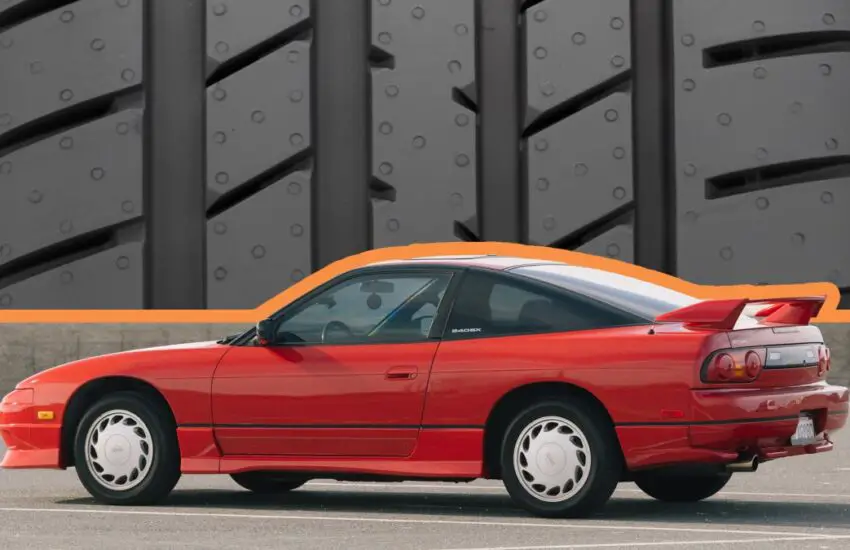
The Vredestein Sprint+ is a summer touring tire distinguished by its clean, elegant tread pattern, specifically crafted to complement the aesthetics of classic and vintage automobiles. It promises a blend of period-correct style and contemporary performance technology.

Design and Aesthetic Appeal

At first glance, the Sprint+ stands out with its understated, straight-groove tread design. This minimalist approach moves away from the aggressive, angular patterns of modern ultra-high-performance tires, offering a look that is far more harmonious with vehicles from the 1960s to the 1990s. The sidewall design is also clean, completing a package that enhances a classic car’s profile without drawing undue attention to the tires themselves.

On-Road Performance and Handling

On the road, the Sprint+ delivers a driving experience that matches its retro-inspired looks. The focus is clearly on comfort and predictable handling rather than outright lateral grip. The tire provides a notably quiet and compliant ride, effectively absorbing minor road imperfections. Steering response is direct and linear, inspiring confidence during relaxed cruising and spirited back-road drives alike. While not designed as a track-day tire, it offers ample grip for enjoyable road use.

Weather Capabilities and Longevity

As a dedicated summer tire, the Sprint+ performs reliably in dry and warm wet conditions. The tread compound and pattern effectively channel water to resist aquaplaning. Drivers should note that like all summer tires, its performance will significantly decrease in near-freezing temperatures. For owners who drive their classics primarily in fair weather, the Sprint+ represents a compelling option that balances classic style with safety and modern rubber compounds for improved wear.

Final Verdict on the Vredestein Sprint+

The Vredestein Sprint+ successfully fills a niche in the market. It is an ideal choice for classic car enthusiasts who prioritize aesthetic cohesion and a refined, comfortable driving character over ultimate performance limits. It brings modern reliability and safety standards to vintage vehicles without compromising their timeless look.

Ford Super Duty Single-Cab: A Modern Show Truck Revival

Ford Super Duty Single-Cab: A Nod to Show Truck Glory

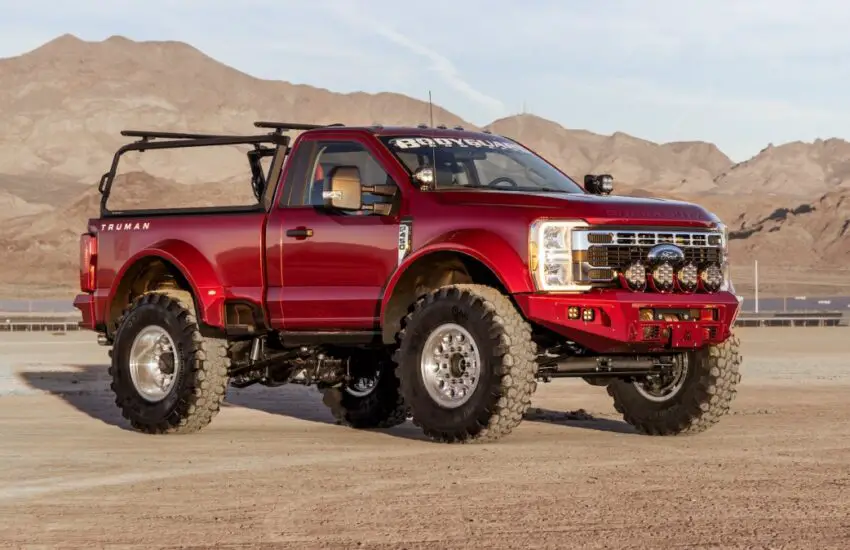
In an era of crew cabs and luxury liners, a radically modified Ford F-450 single-cab emerges as a striking tribute to a bygone automotive culture. This build channels the pure, unadulterated spirit of the classic show trucks that dominated magazines and events decades ago, proving that a minimalist cab and maximum attitude never go out of style.

The Short-Bed Transformation and Godzilla Power

The most dramatic alteration is the conversion to a short-bed configuration. This single change fundamentally reshapes the truck’s proportions, creating a muscular, aggressive stance that is both nostalgic and intensely modern. It provides the perfect visual foundation for the rest of the build. Powering this beast is Ford’s legendary 7.3L “Godzilla” V8 engine. In this application, the pushrod motor’s massive torque and visceral rumble are the ideal heart for a showpiece that celebrates raw, American power over high-tech hybridization.

Aesthetic Choices That Command Attention

Every detail is a deliberate callback to custom truck heritage. The elevated suspension gives it a commanding presence, while the choice of wheels and tires balances classic hot-rod style with contemporary fitment. The paint and finish work avoid fleeting trends, opting instead for a timeless, high-quality look that emphasizes clean lines and dramatic reflections under the lights. The interior continues this theme, likely blending premium materials with a focus on the driver’s connection to the machine.

More Than Just a Custom Truck

This Ford Super Duty build transcends being a simple modification. It represents a full-circle moment for truck customization. It takes the modern capability and engineering of a heavy-duty workhorse and reinterprets it through the lens of 1990s show truck culture. The result is a machine that feels both familiar and fresh, a rolling piece of automotive art that celebrates where truck customization has been, and points to where it could go next by looking to its roots.

2026 Shelby GT350 Convertible: 810 HP of Open-Air Muscle

The 2026 Shelby GT350 Convertible: A New Chapter

The iconic Shelby GT350 nameplate enters a thrilling new era for 2026. No longer a factory Ford offering, the modern GT350 is a comprehensive aftermarket transformation by Shelby American, available through select channels. Building on the supercharged coupe unveiled last year, Shelby now unleashes its ultimate open-air expression: the GT350 Convertible.

Uncompromising Power Meets the Sky

This isn’t merely a coupe with its roof removed. The 2026 GT350 Convertible is engineered to deliver the same brutal performance as its fixed-roof sibling. At its heart lies a supercharged V8 engine, meticulously tuned to produce a staggering 810 horsepower. This ensures that the visceral experience of acceleration and the signature Shelby exhaust note are amplified under the open sky, offering an unfiltered connection to the machine’s immense capability.

Performance-First Engineering

To handle this extraordinary power, the convertible undergoes significant chassis reinforcement. Shelby American’s upgrades typically include enhanced suspension components, high-performance braking systems, and bespoke tuning to maintain structural rigidity and dynamic precision. The result is a convertible that aims to deliver track-ready handling without sacrificing the grand touring comfort expected of an open-top cruiser.

A Distinctive Shelby Identity

Visually, the GT350 Convertible carries the aggressive hallmarks of the Shelby lineage. It features unique aerodynamic bodywork, exclusive badging, and signature styling cues that distinguish it from standard Mustang convertibles. The interior is appointed with Shelby-specific elements, reminding occupants of the vehicle’s special status and performance pedigree with every drive.

The 2026 Shelby GT350 Convertible represents the pinnacle of American open-air performance. It combines legendary heritage with extreme modern power, creating a driver-focused experience where the elements become part of the adrenaline.

2027 Mercedes EQS: Technical Revamp to Challenge Rivals

2027 Mercedes EQS Spied Ahead of Major Update

New spy shots of the heavily camouflaged 2027 Mercedes-Benz EQS have surfaced, revealing a prototype undergoing cold-weather testing. While the thick disguise hints at a refreshed exterior design, the most significant changes for this flagship electric sedan are expected to lie beneath the surface. This comprehensive technical update aims to solidify the EQS’s position in the increasingly competitive luxury EV segment.

Focus on Enhanced Performance and Efficiency

The upcoming model is anticipated to receive substantial upgrades to its electric powertrain and battery technology. Engineers are likely working on improvements to energy density, which could translate into a longer driving range on a single charge. Furthermore, advancements in the electric motor design and power electronics may deliver sharper acceleration and more responsive performance, key factors when appealing to discerning EV buyers.

Refining the Luxury EV Experience

Beyond pure performance metrics, the 2027 EQS will focus on refining the overall ownership experience. This includes potential upgrades to its advanced driver-assistance systems (ADAS), leveraging newer sensor suites and software for enhanced capability and safety. The cabin is also expected to benefit from the latest iterations of Mercedes-Benz’s MBUX infotainment system, offering even more intuitive controls and seamless connectivity.

A Strategic Move in a Competitive Market

This mid-cycle enhancement for the EQS is a strategic move by Mercedes-Benz. By addressing core areas like range, performance, and technology, the brand aims to bolster the appeal of its electric flagship. These updates are crucial for maintaining a competitive edge against newer entrants and established rivals, ensuring the EQS remains a compelling choice for luxury electric mobility.

Imola’s Modern Revival: A Historic Track’s F1 Transformation

Imola Undergoes Major Revamp for Formula 1 Return

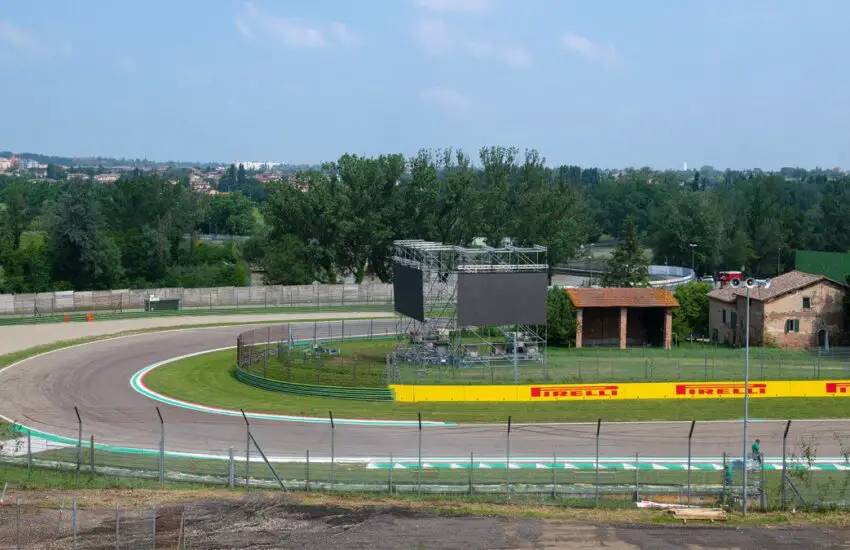
The Autodromo Enzo e Dino Ferrari, the historic circuit known simply as Imola, is embarking on a significant transformation. This ambitious modernization project aims to secure the legendary track’s future and facilitate a potential return to the Formula 1 calendar. To meet contemporary safety and hospitality standards, the circuit’s management has made a pivotal, albeit symbolic, decision: to sacrifice a piece of its own historic fabric for a brighter competitive future.

Modernizing a Legend: The Price of Progress

At the heart of this renovation is the removal of a historic house located inside the circuit’s iconic Variante Bassa complex. This structure, a long-standing feature of the track’s landscape, is being demolished to make way for expanded run-off areas and new, state-of-the-art paddock facilities. This move underscores the delicate balance between preserving motorsport heritage and adapting to the stringent demands of modern top-tier racing. The primary goal is to enhance safety for drivers and improve the overall experience for teams and officials, addressing key criteria set by the FIA for hosting a Grand Prix.

Balancing Heritage with 21st-Century Demands

Imola’s story is one of glorious history and profound tragedy, making its evolution deeply emotional for the racing community. The track last hosted a Formula 1 Grand Prix in 2022, filling in during the pandemic, but lacks a permanent spot on the schedule. These latest upgrades are a clear statement of intent. By creating a more versatile and safer venue, Imola aims to become a more attractive proposition for F1’s commercial rights holders, potentially allowing it to alternate with other classic European circuits. The project is not just about concrete and asphalt; it’s about ensuring this temple of speed can continue to write new chapters in motorsport history while honoring its indelible past.

Japanese Hydrophobic Mirror Film: Clear Vision in Rain

Seeing Clearly in a Downpour

While futuristic concept cars often feature sleek camera-based systems, traditional side mirrors remain a staple on most vehicles today. A significant drawback of these mirrors is their vulnerability to weather. Heavy rain can quickly obscure them, creating dangerous blind spots and increasing driving risk. Fortunately, innovative automotive solutions have emerged to tackle this problem effectively and simply.

How Hydrophobic Film Works

Japanese-engineered hydrophobic film for side mirrors utilizes advanced nanotechnology. The film creates an ultra-smooth, water-repellent surface on the mirror glass. When rainwater hits this treated surface, it cannot form a continuous sheet or cling to the mirror. Instead, the water beads up into tiny droplets that roll away instantly due to gravity and airflow while driving. This action keeps the mirror surface predominantly clear, maintaining visibility without the driver needing to manually wipe the glass. The principle is similar to water beading on a freshly waxed car hood.

Benefits Beyond Water Repellency

The advantages of applying a high-quality hydrophobic film extend beyond just rain. These durable films also offer protection against minor scratches and abrasions that can occur from road debris or cleaning. Furthermore, by preventing water and mineral deposits from settling, they help reduce stubborn stains and water spots that can etch into the mirror’s surface over time. This contributes to the long-term clarity and preservation of the mirror. The result is a consistently reliable view, enhancing driver confidence and safety in various adverse conditions.

Application and Lasting Performance

Applying the film is a straightforward process that involves thoroughly cleaning the mirror, spraying a slip solution, and carefully positioning the adhesive-backed film to eliminate air bubbles. Once properly installed, a premium hydrophobic film can last for years, providing a persistent water-beading effect. It represents a cost-effective and reliable alternative to waiting for next-generation vehicle technology, offering an immediate upgrade to a vehicle’s safety features. This simple addition ensures that a common inconvenience becomes a problem of the past.

Beyond the V8: The Triton V10 Mustang Swap Revolution

When Eight Cylinders Aren’t Enough

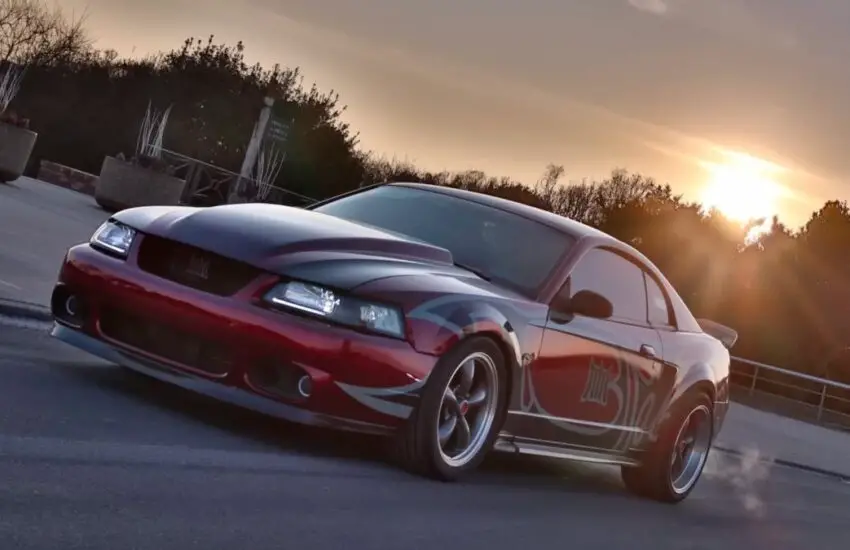
For many, the roar of a Mustang GT’s V8 is the definitive sound of American muscle. The Modular 4.6L V8 powered a generation of these iconic cars, delivering solid performance and a classic feel. However, a growing community of builders is looking beyond tradition, seeking radical ways to unlock unprecedented power. One such path leads to an engine swap that seems almost heretical: replacing the V8 with Ford’s massive 6.8L Triton V10.

The Allure of the Triton V10

Originally designed for Ford’s heavy-duty trucks and commercial vehicles, the Triton V10 is an engineering marvel. Its key appeal lies in immense low-end torque and a displacement advantage that dwarfs even large V8s. While not a high-revving sports car engine by nature, its potential when transplanted into a lighter chassis like the Mustang’s is staggering. The concept isn’t entirely without precedent; Ford itself experimented with a V10-powered Mustang prototype in the early 2000s, proving the idea’s factory-sanctioned potential.

Engineering a Modern Legend

Undertaking a V10 swap is a monumental task that goes far beyond simple bolt-on modifications. Builders must tackle complex challenges including custom engine mounts, a revised exhaust system to accommodate five cylinders per bank, and significant electrical integration. The transmission, driveshaft, and rear end must also be upgraded to handle the tremendous torque output. The result, however, is a uniquely brutal machine—a Mustang with the soul of a super-duty truck, offering a driving experience and a soundtrack completely distinct from any factory model.

Redefining Muscle Car Potential

This swap represents more than just an engine change; it’s a philosophy that prioritizes extreme torque and unique character over conventional upgrades. It challenges the purist’s definition of a Mustang, pushing the platform into uncharted territory. For the builder, it culminates in a one-of-a-kind vehicle that stands as a testament to engineering creativity, proving that sometimes, to move forward, you must be willing to completely reimagine the heart of the machine.

Ultimate Overlanding Upgrade: Jeep Gladiator Tray-Bed Conversion

Transforming the Jeep Gladiator for Adventure

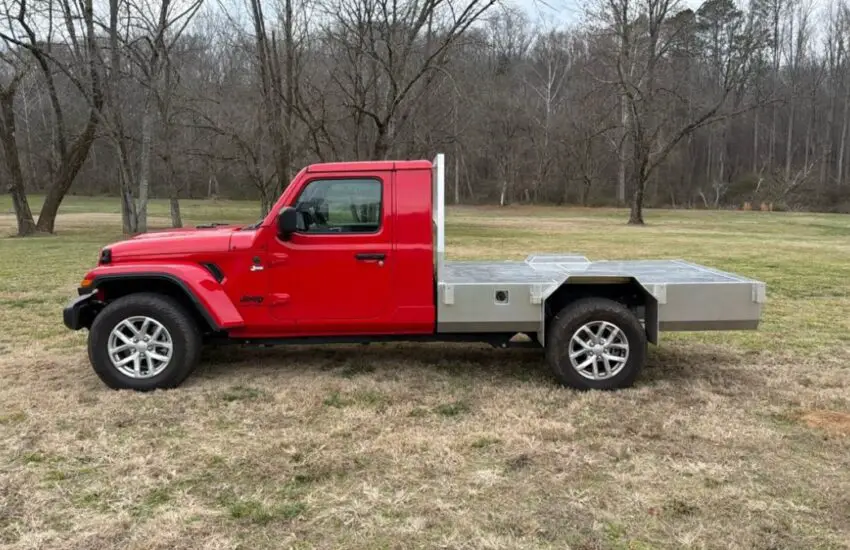
For overlanding enthusiasts seeking maximum utility and a rugged, minimalist aesthetic, the standard Jeep Gladiator pickup bed can sometimes feel limiting. A growing trend addresses this by converting the four-door Gladiator into a two-door vehicle with a versatile, open tray-bed. This modification creates a purpose-built adventure machine, shedding weight and complexity to prioritize cargo space and off-road functionality.

The Core Benefits of a Tray-Bed Conversion

Installing a tray-bed conversion kit fundamentally changes the Gladiator’s capabilities. The primary advantage is the increased and more accessible cargo area. An open tray design allows for easier loading of oversized gear like spare tires, fuel cans, and recovery equipment. It also facilitates the installation of custom storage systems, slide-out drawers, or a rooftop tent setup directly onto the tray’s flat surface. Furthermore, removing the factory bed and rear doors reduces overall vehicle weight, which can marginally improve performance and fuel efficiency on challenging trails.

Key Features of Conversion Kits

Specialized aftermarket companies offer comprehensive kits for this transformation. These kits typically include a new rear cab panel to seamlessly close the area where the rear doors were removed, along with the structural tray-bed itself. High-quality kits are constructed from durable materials like aluminum or steel and are designed to maintain the vehicle’s structural integrity. The tray-bed often features integrated tie-down points, lighting provisions, and a design that complements the Gladiator’s iconic lines. The conversion process is significant, requiring professional installation to ensure all electrical connections and body work are completed to a high standard.

Is This Conversion Right for Your Overlanding Build?

This conversion is a serious commitment aimed at dedicated overlanders. It is ideal for those who prioritize ultimate cargo configuration over passenger space and the convenience of rear doors. Before deciding, consider the permanent nature of the modification and its impact on the vehicle’s resale value. For adventurers building an expedition-focused rig where every inch of space counts, the Jeep Gladiator tray-bed conversion represents the ultimate step in creating a personalized and highly capable overlanding vehicle.

OBD2 Code P1493 Dodge: Leak Detection Pump Circuit Explained

Understanding the P1493 Code in Your Dodge Vehicle

When your Dodge’s check engine light illuminates and a scan tool reveals the OBD2 trouble code P1493, you are dealing with a specific fault within the Evaporative Emission Control (EVAP) system. Formally defined as “Leak Detection Pump Switch or Mechanical Fault,” this code is a manufacturer-specific code common to Chrysler, Dodge, Jeep, and Ram vehicles. The core of the issue lies with the Leak Detection Pump (LDP), a critical component responsible for pressurizing the fuel system to check for vapor leaks that could release harmful hydrocarbons into the atmosphere. A P1493 code indicates that the vehicle’s Powertrain Control Module (PCM) has detected an electrical or functional problem within the LDP circuit, preventing the EVAP system from completing its self-test.

Technical Causes and Symptoms of P1493

Diagnosing a P1493 code requires a systematic approach, starting with understanding its potential root causes. This fault is rarely intermittent and typically points to a tangible hardware or wiring issue.

Primary Causes of the P1493 Diagnostic Trouble Code

  • Failed Leak Detection Pump (LDP): The most common culprit. The internal solenoid can fail electrically (open or short circuit), or the pump mechanism itself can become mechanically stuck or seized.
  • Damaged Wiring or Connectors: Corrosion, chafing, or rodent damage to the wiring harness connecting the LDP to the PCM can disrupt the signal or power supply.
  • Poor Electrical Connections: A loose, corroded, or oxidized connector at the LDP or PCM can cause high resistance or an intermittent open circuit.
  • Faulty Powertrain Control Module (PCM): While less common, a malfunction within the PCM itself that prevents it from properly controlling or monitoring the LDP circuit can trigger this code.
  • Vacuum Line Issues: Cracked, disconnected, or clogged vacuum lines attached to the LDP can prevent it from creating the necessary pressure for the leak test, leading to a mechanical fault detection.

Common Symptoms Associated with P1493

Unlike codes affecting engine performance, P1493 is an emissions-related fault. Symptoms are often subtle but noticeable.

  • Illuminated Check Engine Light (MIL): The primary and most constant symptom.
  • Failed Emissions Test: The vehicle will not pass a state or local emissions inspection due to an active EVAP system fault.
  • Possible Fuel Odor: If the LDP failure is related to a stuck valve, it may prevent the EVAP system from sealing, allowing fuel vapors to escape.
  • No Drivability Issues: Crucially, the engine will typically run normally. You likely will not experience rough idle, stalling, or power loss directly from this code.

Step-by-Step Diagnostic and Repair Procedure

A proper diagnosis is key to an effective and cost-efficient repair. Avoid the temptation to simply replace the LDP without first verifying the circuit’s integrity.

Step 1: Preliminary Inspection and Visual Check

Begin with a thorough visual examination. Locate the Leak Detection Pump (typically found in the engine bay, near the firewall or charcoal canister). Inspect all associated vacuum hoses for cracks, disconnections, or brittleness. Examine the electrical connector on the LDP for signs of corrosion, bent pins, or looseness. Trace the wiring harness back towards the PCM for any obvious damage.

Step 2: Electrical Circuit Testing

Using a digital multimeter (DMM), perform these key tests with the connector disconnected:

  • Check for Power: Probe the appropriate pin in the vehicle-side connector (refer to a vehicle-specific wiring diagram) for battery voltage (typically 12V) with the ignition in the ON position.
  • Check Ground Circuit: Probe the ground wire pin and verify it has continuity to a known good chassis ground.
  • Check LDP Solenoid Resistance: Measure the resistance across the two terminals of the LDP solenoid itself. Compare the reading to manufacturer specifications (often between 10-30 ohms). An infinite reading indicates an open coil, while a very low reading indicates a short.

Step 3: Functional Test of the Leak Detection Pump

If the wiring and solenoid resistance check out, a functional test is needed. With a scan tool that has bidirectional controls, you can often command the LDP to activate. You should hear and feel a distinct clicking from the pump. Alternatively, you can apply battery voltage and ground directly to the LDP terminals (using fused jumper wires) to see if it clicks. No click suggests a mechanically seized pump.

Step 4: Addressing Vacuum and PCM Concerns

Ensure all vacuum lines are properly connected and intact. A smoke machine test of the EVAP system can rule out unrelated leaks that may confuse the diagnosis. Suspecting a PCM fault is a last resort and should only be considered after all other components and wiring have been definitively proven to be functional. This may require professional-level diagnostic equipment.

Step 5: Clearing the Code and Verification

After the repair (e.g., replacing the LDP, repairing a wire, cleaning a connector), clear the P1493 code with your scan tool. The check engine light will turn off. For the repair to be fully verified, the vehicle must complete a full “drive cycle,” which allows the PCM to run the EVAP monitor test. A successful test will mean the code does not return.

Cost Estimation and Professional vs. DIY Repair

The cost to fix a P1493 code varies significantly based on the root cause and whether you perform the work yourself.

  • Part Cost (LDP Replacement): A new Leak Detection Pump for a Dodge vehicle typically ranges from $80 to $200 for the part, depending on the model and source (OEM vs. aftermarket).
  • Professional Labor Cost: A mechanic will usually charge 1-2 hours of labor. Total repair cost at a shop often falls between $200 and $400.
  • DIY Repair: For a competent DIYer with basic tools and a multimeter, replacing the LDP is generally straightforward. The most significant savings come from avoiding labor charges. The key is performing the diagnostic steps to confirm the LDP is truly faulty before purchase.
  • Complexity Warning: If the diagnosis points to a wiring fault deep in the harness or a potential PCM issue, the job complexity increases dramatically and is best left to a professional technician with advanced diagnostic tools.

In summary, OBD2 code P1493 on your Dodge is a clear call to action for your EVAP system’s leak detection function. While it doesn’t hinder driving, it will cause an emissions test failure. A methodical diagnosis focusing on the Leak Detection Pump’s electrical circuit, mechanical function, and associated vacuum lines will lead you to the correct, cost-effective solution and restore your vehicle’s emissions system to proper working order.