Mercedes-Benz P1491 Code: EGR Valve Position Sensor Circuit Explained

Understanding the Mercedes-Benz P1491 Diagnostic Trouble Code

The OBD2 trouble code P1491 is a manufacturer-specific code for Mercedes-Benz vehicles. In technical terms, it is defined as “Exhaust Gas Recirculation (EGR) Valve Position Sensor – Circuit Malfunction.” This code is directly related to the vehicle’s emissions control system and indicates that the Engine Control Unit (ECU) has detected an irregularity in the electrical signal or circuit of the sensor that monitors the EGR valve’s pintle position.

The EGR system is crucial for reducing nitrogen oxide (NOx) emissions by recirculating a portion of exhaust gases back into the engine’s intake manifold. The position sensor, typically a potentiometer, provides real-time feedback to the ECU on the exact opening percentage of the EGR valve. A fault in this circuit prevents the ECU from accurately controlling the EGR flow, leading to potential drivability issues and increased emissions.

Common Symptoms and Causes of P1491 in Mercedes-Benz

When the P1491 code is stored, the ECU will illuminate the Check Engine Light (MIL). Depending on the severity and the vehicle’s model, you may experience one or more of the following symptoms.

Primary Symptoms of Code P1491

  • Illuminated Check Engine Light (MIL): The most common and immediate indicator.
  • Reduced Engine Performance or Power Loss: The ECU may enter a limp-home mode, restricting power to protect the engine.
  • Rough Idle or Stalling: Incorrect EGR flow can destabilize the air-fuel mixture at idle.
  • Poor Fuel Economy: Inefficient combustion due to improper EGR metering.
  • Failed Emissions Test: Elevated NOx levels will cause an automatic failure.

Root Causes of the P1491 Circuit Malfunction

Diagnosing P1491 requires a systematic approach, as the fault lies within an electrical circuit. The causes range from simple wiring issues to component failure.

  • Faulty EGR Valve Position Sensor: The internal potentiometer wears out or fails, providing erratic or no signal.
  • Damaged Wiring or Connectors: The wiring harness to the sensor can suffer from chafing, heat damage, or corrosion. Loose or oxidized connector pins are a frequent culprit.
  • Failed EGR Valve (Mechanical): A seized or carbon-clogged EGR valve can strain or damage the integrated position sensor.
  • Poor Electrical Ground: A bad ground connection for the sensor or ECU can corrupt the signal.
  • Faulty Engine Control Unit (ECU): Although rare, an internal ECU fault processing the sensor signal can trigger this code.

Step-by-Step Diagnostic and Repair Procedure

A proper diagnosis is essential to avoid unnecessary parts replacement. Follow this technical procedure to accurately pinpoint the cause of P1491.

Step 1: Preliminary Inspection and Code Verification

Begin with a visual inspection. Check the wiring harness connected to the EGR valve for any obvious damage, burns, or disconnections. Inspect the connector for corrosion or bent pins. Use a professional OBD2 scanner to confirm the presence of P1491 and check for any related codes (like P0400 series codes) that could point to a broader EGR system issue.

Step 2: Testing the EGR Valve Position Sensor Signal

You will need a digital multimeter (DMM) and possibly a diagnostic scanner with live data capabilities.

  • Live Data Check: With the engine running, monitor the EGR valve position parameter (usually shown as a percentage). Command the EGR valve open and closed using a capable scanner. The reading should change smoothly. An erratic, static, or out-of-range value indicates a sensor or circuit problem.
  • Voltage Reference & Ground Check: Disconnect the sensor connector with the ignition ON. Check for a 5-volt reference signal and a good ground on the appropriate pins according to the vehicle’s wiring diagram.
  • Signal Wire Check: Back-probe the signal wire at the ECU connector (if accessible) and compare the voltage with the value read at the sensor connector to check for resistance in the wire.

Step 3: Testing the EGR Valve and Actuator

If the circuit checks out, the issue may be mechanical. A vacuum-operated EGR valve can be tested with a hand vacuum pump. An electrically-operated valve can often be bench-tested by applying voltage directly (refer to service manual specifications). Listen for the actuator clicking and check if the valve pintle moves freely without carbon binding.

Step 4: Performing the Repair

Based on your findings:

  • Repair Wiring: Solder and seal any broken wires. Replace damaged connectors.
  • Clean the EGR Valve: If slightly carbon-clogged but functional, cleaning the valve and passages may resolve related issues, but a faulty sensor will still require replacement.
  • Replace the EGR Valve Assembly: On most modern Mercedes-Benz models, the position sensor is integrated into the EGR valve and is not sold separately. Replacement of the entire EGR valve assembly is the standard repair.

Step 5: Clearing Codes and Verification

After repair, clear all stored fault codes with your scanner. Perform a test drive under various load conditions to allow the ECU to complete its monitor cycles. Ensure the Check Engine Light does not return and that live data from the new EGR valve position sensor appears normal.

Estimated Repair Cost and Professional Advice

The cost to fix P1491 varies significantly based on the Mercedes model (e.g., C-Class, E-Class, ML350) and whether you use OEM or aftermarket parts.

Repair Cost Breakdown

  • EGR Valve Assembly (Part Only): $200 – $800+. OEM Mercedes parts are at the higher end, while quality aftermarket alternatives offer savings.
  • Professional Labor: 1.5 to 3 hours, depending on the engine bay accessibility. Labor rates range from $100 to $200 per hour.
  • Total Estimated Cost: A professional repair typically falls between $450 and $1,500+.

Critical Recommendations

Do not ignore this code. A malfunctioning EGR system can lead to excessive carbon buildup, pre-ignition (knocking), and long-term engine damage. For complex Mercedes-Benz systems, having access to manufacturer-specific wiring diagrams and live data is crucial for an accurate diagnosis. If you are not comfortable with advanced electrical diagnostics, consulting a certified Mercedes-Benz technician or a reputable specialist is strongly advised to ensure a correct and lasting repair.
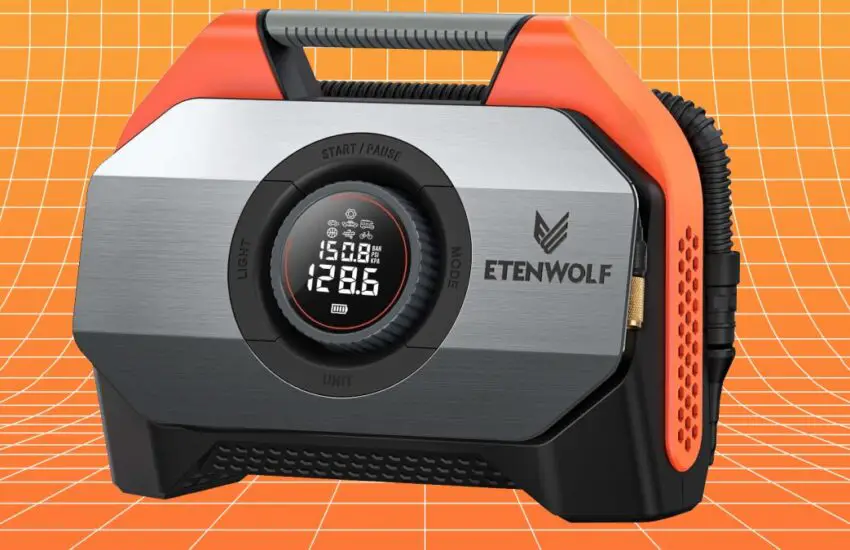
Etenwolf Vortex S6 Tire Inflator: Power & Precision on Sale

Unlock Professional Performance with the Etenwolf Vortex S6

For any serious automotive enthusiast or home mechanic, a reliable, high-performance tire inflator is a cornerstone of a well-equipped workspace. The Etenwolf Vortex S6 represents a significant opportunity to acquire professional-grade capability, currently available with substantial savings. This model stands out in a crowded market by combining robust engineering with intuitive features designed for precision and ease of use.

Engineered for Durability and Speed

The Vortex S6 is built around a powerful motor engineered for consistent performance and a long service life. It delivers rapid inflation, significantly reducing the time needed to fill tires from flat to the recommended PSI. Its construction utilizes high-quality materials designed to withstand the rigors of regular use, making it a dependable tool for both frequent personal use and light professional applications. The unit operates with a notably lower noise level compared to many conventional compressors, a considerate feature for home garages.

User-Centric Features for Perfect Pressure

Where the Etenwolf Vortex S6 truly excels is in its operator-focused design. The integrated digital pressure gauge is highly accurate, allowing users to set a desired pressure level with confidence. The automatic shut-off function is a critical feature; once the pre-set pressure is reached, the inflator stops, eliminating the risk of over-inflation. This ensures optimal tire pressure for safety, fuel efficiency, and even tire wear. The unit comes with a variety of nozzle attachments, making it versatile for inflating car tires, bicycle tires, sports equipment, and other inflatables around the home.

A Smart Investment for Your Garage

This current promotional offer makes the Etenwolf Vortex S6 an exceptionally smart investment. The combination of its powerful performance, durable build, and intelligent features like auto shut-off provides exceptional value. Upgrading to a tool of this caliber transforms a routine maintenance task into a quick, precise, and hassle-free operation. For anyone looking to enhance their automotive toolkit with a reliable and efficient compressor, this model presents a compelling proposition, merging professional functionality with accessible usability.

Jeep P1491 Code: Leak Detection Pump Circuit Low Voltage Explained

Understanding the Jeep P1491 Diagnostic Trouble Code

The OBD2 diagnostic trouble code P1491 is a manufacturer-specific code primarily associated with Chrysler, Jeep, and Dodge vehicles. It is defined as “Leak Detection Pump Switch or Mechanical Fault – Circuit Low”. This code is directly related to the vehicle’s Evaporative Emission Control (EVAP) system, a critical component for reducing hydrocarbon emissions and ensuring fuel efficiency. The Leak Detection Pump (LDP) is a smart device that pressurizes the fuel tank and vapor lines to check for leaks. When the Powertrain Control Module (PCM) detects a voltage signal from the LDP that is consistently lower than expected (a “circuit low” condition), it triggers the P1491 code and illuminates the Check Engine Light.

Primary Causes of the P1491 Code in Jeep Vehicles

A P1491 code indicates an electrical fault in the Leak Detection Pump circuit. The issue is rarely a simple loose gas cap (which typically sets small leak codes like P0442). Instead, it points to specific component or wiring failures. Understanding the root cause is essential for an effective repair.

Faulty Leak Detection Pump (LDP)

The most common culprit. The LDP contains an internal switch that signals the PCM. Over time, this pump can fail mechanically (seals, diaphragm) or electrically (internal short, damaged switch), sending an incorrect low-voltage signal to the PCM.

Damaged Wiring or Poor Connections

The wiring harness connecting the LDP to the PCM can suffer from:

  • Chafed or broken wires: Often near connectors or where the harness passes through the chassis.
  • Corroded connectors: Exposure to road salt and moisture can corrode the LDP or PCM connectors.
  • Poor electrical grounds: A bad ground for the LDP or PCM can cause low voltage readings.

Defective Powertrain Control Module (PCM)

While less frequent, a malfunctioning PCM that cannot properly interpret the signal from a functioning Leak Detection Pump can be the cause. This should be considered only after all other components and wiring have been thoroughly tested.

Symptoms and Impact of Ignoring P1491

Unlike codes affecting ignition or fuel delivery, P1491 may not cause immediate drivability problems. However, ignoring it has consequences.

Common Symptoms

  • Illuminated Check Engine Light (MIL): The primary and often only initial symptom.
  • Failed Emissions Inspection: The vehicle will not pass a state emissions test with an active Check Engine Light and EVAP fault.
  • Possible Fuel Odor: If the LDP is mechanically stuck or the EVAP system is compromised, a faint gasoline smell may be present.
  • Reduced Fuel Efficiency: A compromised EVAP system can slightly impact fuel economy over time.

Long-Term Risks

An inoperative leak detection system means the vehicle cannot self-test for fuel vapor leaks. A small, undetected leak increases harmful emissions and wastes fuel. Furthermore, the underlying electrical fault could potentially affect related circuits.

Step-by-Step Diagnostic and Repair Procedure

Diagnosing P1491 requires a systematic approach, a digital multimeter (DMM), and possibly a scan tool capable of activating the LDP. Always consult a vehicle-specific wiring diagram for accurate pinouts.

Step 1: Preliminary Inspection & Code Verification

Clear the code and perform a visual inspection. Look for obvious damage to the LDP (located near the fuel tank or in the engine bay, depending on model), its wiring harness, and connectors. Check for corrosion, loose connections, or physical impact. Drive the vehicle to see if the code returns immediately (indicating a hard fault) or after several drive cycles.

Step 2: Electrical Circuit Testing

With the ignition OFF, disconnect the LDP electrical connector. Using a wiring diagram, identify the power, ground, and signal wires.

  • Check Power (B+): With ignition ON, probe the power wire. It should have battery voltage (approx. 12V).
  • Check Ground: Test the ground circuit for continuity to a known good ground.
  • Check Signal Circuit: Measure resistance/continuity of the signal wire back to the PCM connector.

Any readings outside specifications indicate a wiring fault that must be repaired.

Step 3: Testing the Leak Detection Pump Itself

If the wiring is good, test the LDP component. You can often perform a bench test:

  • Apply battery voltage and ground directly to the pump’s motor terminals (not the switch terminals). A functioning pump should run audibly.
  • Use the multimeter in ohms mode to test the internal switch continuity. The resistance should change as the pump’s internal diaphragm moves (you may need to apply vacuum manually). Refer to service manual specifications.

A pump that fails either test is defective.

Step 4: Scan Tool Activation and Functional Test

A bi-directional scan tool is invaluable. Use it to command the LDP “ON.” You should hear and feel the pump actuate. The tool may also display real-time data for the LDP switch signal, allowing you to see if the PCM receives the correct voltage change when the pump cycles.

Step 5: Final Repair and Verification

Based on your findings:

  • Replace the LDP: If the pump failed testing.
  • Repair Wiring: Solder and seal any broken wires, clean corroded terminals.
  • PCM Replacement/Reprogramming: This is a last resort, only if all other tests pass and the fault persists. Consider having the PCM professionally tested.

After repair, clear all codes and perform a complete drive cycle to ensure the code does not return and the EVAP monitor runs successfully.

Conclusion and Professional Recommendation

The Jeep P1491 code is a specific electrical fault within a critical emissions system. While a skilled DIYer with electrical diagnostic knowledge can trace and potentially fix this issue, the diagnosis often requires interpreting wiring diagrams and sensor signals. If you are not comfortable with electrical troubleshooting, seeking a professional technician is a wise investment. They have the specialized tools and data to efficiently pinpoint the fault—whether it’s a simple broken wire, a failed $150 Leak Detection Pump, or a more complex PCM communication error—saving you time, ensuring a correct repair, and getting your Jeep’s emissions system back to proper, environmentally-friendly operation.

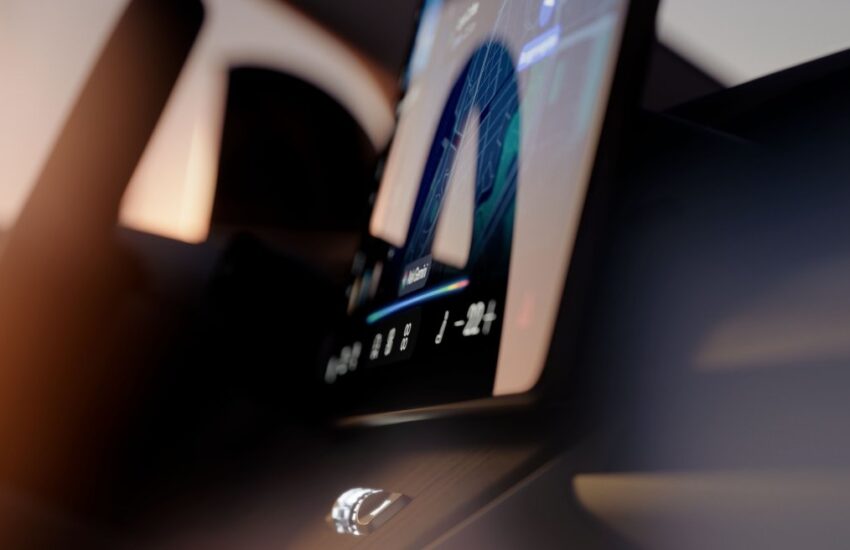
Volvo EX60 to Debut Next-Gen Infotainment with Google AI

Volvo EX60: The Next Digital Leap

Volvo is poised to redefine the in-car experience with its upcoming all-electric SUV, the EX60. While the current generation of infotainment systems has set a high bar, the Swedish automaker is preparing a complete architectural overhaul. The EX60 will be the first model to debut this new digital platform, representing a significant generational shift focused on seamless integration and intelligent assistance.

Google’s Gemini AI as a Co-Pilot

The cornerstone of this new system will be the deep integration of Google’s Gemini artificial intelligence. Moving beyond simple voice commands, Gemini is expected to act as a proactive digital assistant. It could analyze real-time traffic, calendar appointments, and vehicle charge levels to suggest optimal departure times or charging stops without being asked. This contextual awareness aims to make every journey more efficient and less stressful.

Beyond the Traditional Interface

This new architecture promises a more adaptive and personalized user interface. Leveraging AI, the system may learn driver preferences for climate, seating, and frequently used navigation destinations, automatically adjusting settings for different drivers. Furthermore, the potential for over-the-air updates is vast, allowing the vehicle’s intelligence and capabilities to evolve and improve continuously long after it leaves the showroom.

By placing Google’s advanced Gemini AI at the core of the EX60, Volvo is signaling a future where the vehicle is not just a mode of transport but an intelligent partner. This move strengthens Volvo’s commitment to a fully electric lineup while pushing the boundaries of safety, convenience, and user-centric design into the digital realm.

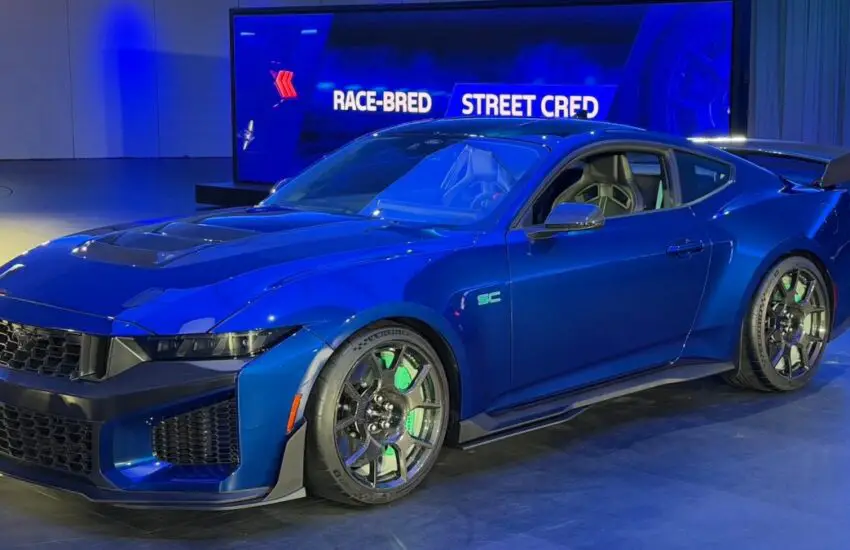
Ford Mustang Dark Horse SC 2026: The Ultimate Track Predator

Ford Mustang Dark Horse SC 2026

For driving purists who demand more power than the standard Dark Horse but find the GTD’s price tag out of reach, the 2026 Ford Mustang Dark Horse SC emerges as the definitive answer. This forced-induction variant is engineered to be the most capable and track-focused Mustang in the lineup, strategically filling a high-performance niche.

Engineered for Uncompromising Performance

The heart of this track predator is a supercharged version of the renowned 5.0-liter Coyote V8. While official figures are pending, expert analysis suggests power output will surge well beyond the standard Dark Horse’s 500 horsepower, targeting the 700+ horsepower range. This immense power is managed by a race-calibrated suspension, aggressive aerodynamic components, and a dedicated track cooling system to ensure consistent performance during extended circuit sessions.

Bridging the Gap to Hyper-Performance

The Dark Horse SC is not merely a power upgrade; it represents a holistic engineering philosophy. It inherits the Dark Horse’s track-ready chassis and driver-focused cockpit but elevates every system to handle its increased capabilities. The development focus is on creating a balanced, accessible track tool that delivers hypercar-level thrills without the associated complexity or cost, serving as a direct bridge between the production Dark Horse and the limited-edition, Le Mans-inspired Mustang GTD.

The Pinnacle of Accessible Track Technology

This model is expected to incorporate advanced materials and technology derived from Ford’s racing programs. Features like carbon-ceramic brakes, lightweight forged alloy wheels with track-spec tires, and an integrated rear-seat delete roll cage are anticipated. The interior will prioritize function, with Recaro racing seats, a digital motorsport instrument cluster, and enhanced data-logging capabilities, making it the ultimate factory-built Mustang for serious track enthusiasts.

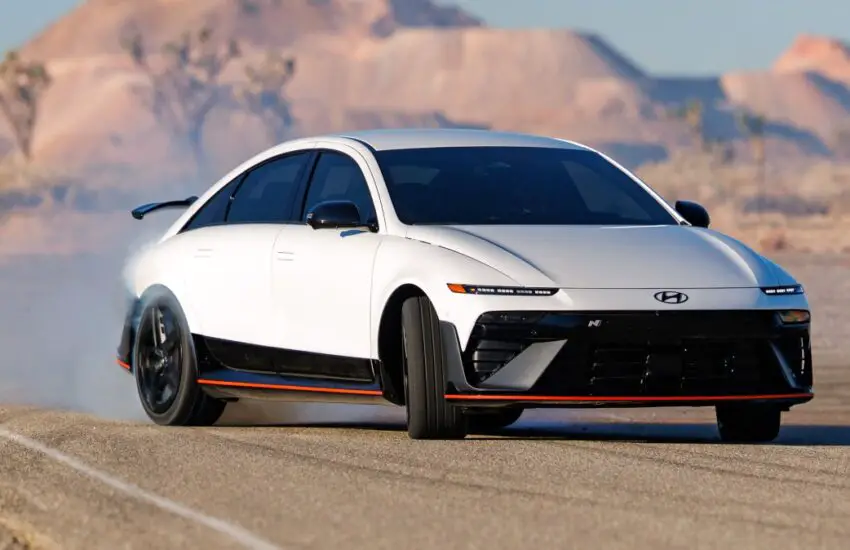
Hyundai’s Journey from Punchline to Powerhouse

The Unlikely Rise of an Automotive Giant

Hyundai’s transformation from a brand synonymous with cheap, unreliable cars to the world’s third-largest automaker is a masterclass in strategic reinvention. For decades, the Korean manufacturer was the butt of industry jokes, known more for its bargain-basement prices than for quality or innovation. The turning point was not a single moment, but a deliberate, multi-decade process of radical improvement and bold ambition.

A Foundation Built on Quality and Warranty

The journey began in earnest at the turn of the century. Hyundai made an unprecedented commitment to quality control, investing billions in robotic manufacturing, stringent testing, and hiring top-tier engineering talent from established rivals. This internal revolution was boldly communicated to the public through America’s Best Warranty program. This 10-year/100,000-mile promise was a huge gamble that screamed confidence, forcing consumers to reconsider their perceptions and giving Hyundai the time to prove its vehicles’ newfound durability.

Design Leadership and Electrification

With quality foundations secured, Hyundai shifted focus to design and technology. The hiring of former Audi designer Peter Schreyer was pivotal, leading to the iconic “Fluidic Sculpture” language and vehicles that finally competed on aesthetics. Hyundai and its sibling brand Kia began producing cars that were not just reliable, but genuinely desirable. This design-forward approach paved the way for its current leadership in electrification. By committing early to a diverse portfolio—including hybrids, plug-ins, and dedicated platforms like the Ioniq 5—Hyundai outmaneuvered slower legacy automakers.

From Follower to Industry Trendsetter

Today, Hyundai stands as a benchmark for value, design, and electric vehicle technology. Its ascent demonstrates that a clear long-term vision, coupled with massive investment in core competencies like quality and R&D, can completely reshape a brand’s destiny. The company successfully moved from imitating trends to setting them, proving that in the global auto industry, relentless innovation is the only path from ridicule to respect.

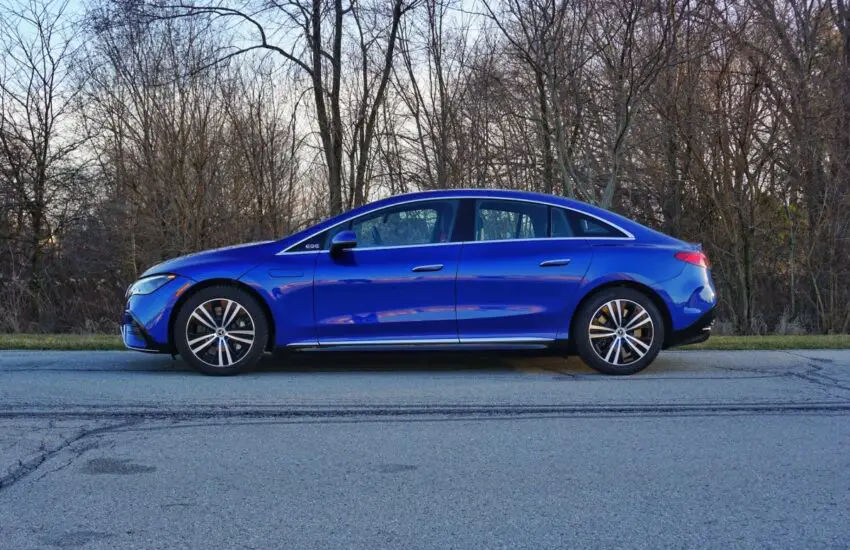
Mercedes-Benz Quietly Revives EQ Electric Line in US Market

The Stealthy Return of Mercedes-Benz EQ Models

Last year’s shifting landscape for electric vehicle incentives in the United States prompted a noticeable pullback from several automakers. Mercedes-Benz appeared to join this retreat, with its EQ lineup seemingly vanishing from configurators and promotional materials. This disappearance, however, was merely a strategic pause. Insider reports now confirm that the three-pointed star’s flagship electric vehicles are being quietly repositioned for a return with the 2026 model year, signaling a renewed but calculated commitment to the American EV sector.

A Strategic Pause, Not a Full Retreat

The temporary step back was less about abandoning electric ambition and more about navigating a complex market transition. As federal incentive qualifications tightened, Mercedes-Benz took the opportunity to recalibrate. This interval likely involved reassessing supply chains, refining battery technology, and planning for more competitive pricing structures. The move suggests a long-term strategy focused on sustainable growth rather than short-term volume, allowing the brand to re-enter the market with enhanced products better aligned with evolving consumer expectations and regulatory frameworks.

What the EQ Reboot Means for the EV Landscape

The discreet revival of models like the EQS sedan and EQE SUV carries significant weight. It demonstrates that established luxury manufacturers are playing a patient, iterative game in the electric arena. Mercedes-Benz’s re-entry will intensify competition in the premium EV segment, challenging both traditional rivals and new entrants. This comeback is expected to feature subtle technological advancements and potentially revised packaging, aiming to solidify the brand’s reputation for luxury in the electric age. The success of this second act will be closely watched as a barometer for legacy automaker resilience in the rapidly electrifying market.

Ultimately, this quiet relaunch underscores a pivotal industry narrative: the transition to electric mobility is not a linear sprint but a strategic marathon. Mercedes-Benz’s maneuver shows that even temporary retreats can be a prelude to a more powerful and prepared advance, setting the stage for the next chapter of luxury electric vehicles in America.

Rolls-Royce Cullinan EV: Spy Shots Reveal Electric Luxury SUV

The Next Chapter in Electric Opulence

Following the successful debut of the Spectre coupe, Rolls-Royce is diligently preparing its second all-electric model. Recent spy shots confirm that the iconic Cullinan SUV is next in line for electrification. While heavily camouflaged, the prototype reveals a vehicle that remains unmistakably a Rolls-Royce, promising to translate the marque’s legendary “waftability” into the silent, instantaneous torque of an electric powertrain.

Evolutionary Design, Revolutionary Powertrain

The test vehicle, spotted undergoing rigorous development, retains the commanding presence and quintessential proportions of the current Cullinan. The signature Pantheon grille and upright front fascia are present, though the grille is expected to be redesigned for aerodynamic efficiency, much like the Spectre’s. The overall silhouette is familiar, suggesting Rolls-Royce’s philosophy of evolutionary design for its core models. Key changes will likely be found in detailed aerodynamic tweaks, revised lighting elements, and of course, the absence of exhaust outlets.

Camouflaged Rolls-Royce Cullinan EV prototype on test track

What to Expect from the Electric Cullinan

While official specifications remain under wraps, the electric Cullinan is anticipated to utilize Rolls-Royce’s exclusive Architecture of Luxury platform, now adapted for electric propulsion. This will likely house a massive battery pack, enabling a range suitable for grand touring. Performance should be effortless, with twin electric motors providing all-wheel drive and the serene, vibration-free experience that defines the brand. The interior will undoubtedly uphold the pinnacle of craftsmanship, offering a sanctuary of silence enhanced by the lack of engine noise.

The arrival of an electric Cullinan is a strategic move, electrifying the model that has become a global best-seller for the brand. It aims to provide existing clients and new patrons with a zero-emissions SUV that loses none of the luxury, capability, or imposing road presence for which the Cullinan is renowned. This vehicle will solidify Rolls-Royce’s commitment to an all-electric future by the end of 2030.

Understanding and Fixing OBD2 Code P1491 on Isuzu Vehicles

What is OBD2 Code P1491 on an Isuzu?

When your Isuzu’s check engine light illuminates and a scan tool reveals the diagnostic trouble code (DTC) P1491, it indicates a specific fault within the Exhaust Gas Recirculation (EGR) system. For Isuzu models, P1491 is defined as “EGR Valve Lift Sensor Circuit High Input”. This is a manufacturer-specific code, meaning its precise definition is tailored to Isuzu’s engine control system, though the principle applies broadly. The EGR valve lift sensor, often a potentiometer, monitors the precise physical position of the EGR valve pintle. It sends a variable voltage signal back to the Powertrain Control Module (PCM). Code P1491 is set when the PCM detects this signal voltage is consistently higher than the expected range for a given operating condition, indicating an electrical fault in the sensor circuit.

Common Causes of the P1491 Code in Isuzu Vehicles

Diagnosing P1491 requires a systematic approach, starting with the most common and easily accessible culprits. The fault lies in the signal circuit being “high,” which often points to an open circuit or excessive resistance.

Faulty EGR Valve Lift Sensor/Potentiometer

The sensor itself is the primary suspect. Internal wear, contamination from carbon, or electrical failure can cause it to send an incorrect or out-of-range signal. On many Isuzu EGR valves, this sensor is integrated into the valve assembly and is not serviceable separately.

Open or Damaged Wiring Harness

The wiring connecting the EGR valve lift sensor to the PCM can suffer from damage. Common issues include:

  • Wires chafed against engine components or brackets.
  • Broken or corroded connectors, especially at the EGR valve or PCM.
  • Pins pushed back in the connector housing.

An open circuit in the signal or ground wire will typically cause a high voltage reading at the PCM.

Poor Electrical Connections or Corrosion

Over time, the electrical connectors at the EGR valve and PCM can accumulate corrosion, dirt, or moisture. This increases resistance in the circuit, potentially leading to a skewed voltage signal that the PCM interprets as a fault.

Failed EGR Valve (Mechanical or Vacuum Type)

While P1491 directly points to the sensor circuit, the problem can originate with the valve itself. A severely carbon-clogged valve may not move, causing the sensor to read an unchanging position. On vacuum-operated valves (common on older Isuzu 4-cylinder and V6 engines), a faulty vacuum control solenoid or leaking vacuum hose can prevent the valve from opening, making the sensor signal irrelevant.

Issues with the Powertrain Control Module (PCM)

This is the least likely cause, but a failure within the PCM’s internal circuitry responsible for monitoring the EGR lift sensor signal cannot be entirely ruled out after all other components and wiring have been verified.

Symptoms of a P1491 Code on Your Isuzu

You may experience one or more of the following symptoms alongside the illuminated check engine light:

  • Illuminated Check Engine Light (MIL): The primary indicator. The light may be steady or, in some cases, flash under severe misfire conditions caused by EGR problems.
  • Reduced Engine Performance and Power: The PCM may enter a limp mode, limiting power to protect the engine from potential damage due to incorrect EGR flow.
  • Rough Idle or Stalling: If the EGR valve is stuck open due to carbon or a related fault, it can allow too much exhaust gas into the intake at idle, causing a rough, unstable idle or even stalling.
  • Poor Fuel Economy: An inoperative EGR system can lead to higher combustion temperatures and increased fuel consumption.
  • Failed Emissions Test: A malfunctioning EGR system will increase NOx (Nitrogen Oxides) emissions, causing your Isuzu to fail a smog check.

Step-by-Step Diagnostic Procedure for P1491

Follow this technical diagnostic sequence to accurately pinpoint the cause of the P1491 code. You will need a digital multimeter (DMM) and a reliable scan tool capable of reading live data.

Step 1: Preliminary Inspection and Live Data Check

Begin with a visual inspection of the EGR valve, vacuum lines (if applicable), and the associated wiring harness for obvious damage. Then, using your scan tool, access the live data stream. Look for the EGR Valve Position or EGR Lift Sensor parameter. With the engine off (KOEO), the reading should typically be at 0% or a very low voltage. Gently operate the valve by hand if possible (some valves have a manual diaphragm) or command the EGR valve using the scan tool’s bidirectional controls. Observe if the sensor reading changes smoothly and proportionally. A stuck or unchanging reading points to a faulty sensor or valve.

Step 2: Electrical Circuit Testing

Consult your Isuzu service manual for the specific wiring diagram and pinouts. Disconnect the electrical connector at the EGR valve.

  • Check Power (Reference Voltage): With the key ON, engine OFF, probe the reference voltage wire (often 5V). You should read approximately 5 volts from the PCM.
  • Check Ground: Measure resistance between the sensor ground wire and a known good engine ground. It should be very low (less than 5 ohms).
  • Check Signal Circuit for Open/Short: Measure the resistance of the signal wire back to the PCM connector (check for opens). Also check for a short to power or ground in this wire.

Step 3: Testing the EGR Valve Lift Sensor

If the wiring is good, test the sensor itself. On the valve connector, measure the resistance between the signal and ground pins (or as per manual specifications). The resistance should change smoothly and without gaps as you manually move the EGR valve stem (if accessible). An infinite reading (open) or erratic jumps indicate a failed sensor.

Step 4: Testing Vacuum Components (If Applicable)

For vacuum-operated EGR valves (common on engines like the 3.2L V6 in the Trooper), you must check the vacuum control system. Use a hand vacuum pump to apply vacuum directly to the EGR valve diaphragm. It should hold vacuum and the valve stem should move. If it doesn’t, the diaphragm is ruptured. Next, test the vacuum control solenoid by checking for power, ground, and its ability to hold vacuum when commanded by the scan tool.

Repair Solutions and Fixing the P1491 Code

Once the faulty component is identified, proceed with the appropriate repair.

Repairing Wiring Harness Issues

Solder and heat-shrink any broken or chafed wires. Clean corroded connector pins with electrical contact cleaner. Ensure all connections are tight and secure. This is often the most cost-effective fix.

Cleaning or Replacing the EGR Valve

If the valve is clogged with carbon but the sensor tests good, careful cleaning with a specialized EGR/carburetor cleaner may restore function. However, on most modern Isuzus, the lift sensor is integral to the valve. If the sensor has failed, the entire EGR valve assembly must be replaced. Use a high-quality OEM or reputable aftermarket part.

Replacing the Vacuum Control Solenoid

If diagnostic steps point to a faulty solenoid, replacement is straightforward. Ensure you use the correct part number for your specific Isuzu model and engine.

Final Steps: Clearing the Code and Verification

After repairs are complete, clear the P1491 code with your scan tool. Take the vehicle for a test drive that includes various engine loads to allow the PCM to run a complete EGR system monitor. Verify that the check engine light does not return and that live data from the EGR lift sensor now operates within the normal, expected range.

Decoding P1491: A Comprehensive Guide to the Infiniti EGR Valve Code

Understanding the P1491 OBD2 Code in Your Infiniti

The OBD2 trouble code P1491 is a manufacturer-specific code primarily associated with Nissan and its luxury division, Infiniti. When your Infiniti’s Engine Control Module (ECM) illuminates the check engine light and stores this code, it is signaling a fault within the Exhaust Gas Recirculation (EGR) valve control circuit, specifically related to the valve’s position sensor. This is not a generic code you’ll find in all vehicles, making it crucial to understand its specific implications for Infiniti models like the G35, QX4, I30, and others from the late 1990s and early 2000s. The system is designed to reduce nitrogen oxide (NOx) emissions by recirculating a metered amount of exhaust gas back into the intake manifold.

What Does P1491 Specifically Mean?

P1491 is defined as “EGR Valve Position Sensor.” The ECM monitors the signal from a potentiometer (position sensor) built into the EGR valve. This sensor reports the exact pintle position of the valve—whether it’s fully closed, fully open, or somewhere in between. The code is triggered when the ECM detects an electrical signal from this sensor that is illogical or out of its expected operating range. This could mean a stuck valve, a broken sensor, or wiring problems.

Common Infiniti Models Affected by P1491

This code is prevalent in Infiniti vehicles that share platforms and engines with Nissan models of the same era. Key models include:

  • Infiniti G35 (Early VQ35DE engines)
  • Infiniti QX4 (VQ35DE engine)
  • Infiniti I30/I35 (VQ30DE/VQ35DE engines)
  • Infiniti Q45 (VK45DE engine – less common)
  • Infiniti FX35 (VQ35DE engine)

Symptoms and Consequences of Ignoring P1491

Driving with an active P1491 code can lead to a cascade of drivability issues and potential long-term damage. The EGR system is integral to both emissions control and, in some cases, optimal combustion temperature management.

Primary Symptoms of a P1491 Fault

You will likely experience one or more of the following symptoms:

  • Illuminated Check Engine Light (MIL): The most immediate and obvious sign.
  • Rough Idle or Stalling: Especially when the engine is cold or at operating temperature during deceleration.
  • Poor Fuel Economy: Incorrect EGR flow disrupts the air-fuel mixture, causing the engine to run less efficiently.
  • Engine Knocking or Pinging (Detonation): A stuck-closed EGR valve raises combustion chamber temperatures, leading to pre-ignition.
  • Failed Emissions Test: Elevated NOx levels will cause an automatic failure in regions with mandatory testing.

What Happens If You Don’t Fix It?

Ignoring a P1491 code is not advisable. A stuck-open EGR valve can cause a significant vacuum leak, leading to a very rough idle and potential stalling. More dangerously, a stuck-closed valve prevents exhaust gas recirculation, causing:

  • Excessively high combustion temperatures.
  • Increased thermal stress on engine components (pistons, valves, head gasket).
  • Persistent engine knocking, which can cause physical damage to pistons and bearings over time.
  • Higher emissions, contributing to environmental pollution.

Step-by-Step Diagnosis of the P1491 Code

Proper diagnosis is key to an effective and cost-efficient repair. Avoid the temptation to just replace the EGR valve immediately. Follow this systematic approach.

Step 1: Preliminary Checks and Visual Inspection

Begin with the basics. Ensure the code is P1491 and not accompanied by other related codes. Then, perform a thorough visual inspection:

  • Locate the EGR valve (typically on or near the intake manifold).
  • Inspect all associated wiring and connectors for damage, corrosion, or loose pins.
  • Check vacuum lines (if applicable) for cracks, leaks, or disconnections.
  • Look for signs of excessive carbon buildup around the valve base, which could indicate a leak.

Step 2: Electrical Testing of the EGR Valve Position Sensor

Using a digital multimeter (DMM), you can test the sensor’s circuitry. Consult a service manual for your specific Infiniti model for pinout diagrams and exact specifications. General steps include:

  • Reference Voltage (5V): Check for a stable 5-volt reference signal from the ECM to the sensor.
  • Ground Circuit: Verify a clean, low-resistance ground path.
  • Signal Voltage: Back-probe the signal wire with the connector attached and the ignition ON (engine off). The voltage should change smoothly as you manually operate the valve (if possible) or command it with a capable scan tool.

Step 3: Functional Testing of the EGR Valve

This test checks if the valve can move. Using a bidirectional scan tool, you can command the EGR valve to open and close while the engine is running at idle. A functioning valve will cause a noticeable rpm drop or even stall when opened due to the introduced exhaust gas. You can also listen for a click from the valve when cycling the ignition. A stuck valve will not move.

Repair Solutions and Procedures for P1491

Once the root cause is identified, you can proceed with the appropriate repair. The most common fixes are outlined below.

Solution 1: Cleaning the EGR Valve and Passages

If the valve is stuck due to carbon deposits but the position sensor is functional, cleaning can be a viable repair. This is a common issue on high-mileage vehicles.

  • Remove the EGR valve from the intake manifold.
  • Use a dedicated EGR/carburetor cleaner and a soft brush to dissolve carbon from the valve pintle and seat. Avoid damaging the sensor or electrical components.
  • Inspect and clean the EGR passage in the intake manifold, as it is often severely clogged.
  • Reinstall with a new gasket to prevent vacuum leaks.

Solution 2: Replacing the EGR Valve Assembly

If the position sensor has failed internally or the valve is mechanically seized beyond cleaning, replacement is necessary. On most Infiniti models, the valve and sensor are a single, non-serviceable unit.

  • Source a high-quality OEM or reputable aftermarket EGR valve.
  • Disconnect the battery, unplug the electrical connector, and remove any vacuum lines.
  • Unbolt the valve from the intake manifold.
  • Install the new valve with a new gasket, reconnect everything, and clear the DTCs.

Solution 3: Repairing Wiring Harness Issues

If testing reveals a broken wire, short to power/ground, or corroded connector, these must be repaired. Use solder and heat shrink tubing for permanent, reliable repairs. Simply using electrical tape is not recommended for engine bay wiring due to heat and moisture.

After completing any repair, it is essential to clear the code with your OBD2 scanner and perform a test drive. Monitor for the code’s return. A successful repair will result in the check engine light staying off, restored engine performance, and smoother operation. Addressing P1491 promptly protects your Infiniti’s engine, ensures it runs efficiently, and keeps it within emissions compliance.