2G Sunset Cripples Key Electric City Cars

The Connectivity Crisis for Urban EVs

The global phase-out of 2G and 3G mobile networks is creating an unexpected roadblock for several popular electric vehicles. This technological sunset is leaving certain models stranded without their essential connected features, fundamentally altering their functionality and owner experience.

Most Vulnerable Models Identified

Among the hardest hit are three closely related city cars: the Volkswagen e-Up!, Skoda Citigo e iV, and Seat Mii Electric. These vehicles share a common platform and were launched during a period when 2G connectivity was a cost-effective solution for their telematics control units. Their reliance on this aging technology now poses a significant challenge for their continued operation in a 5G-dominated landscape.

Critical Functions at Risk

The discontinuation of 2G services directly impacts core features that owners rely on. The most significant loss is the ability to remotely control cabin pre-conditioning, a vital function for maximizing driving range and ensuring passenger comfort in extreme weather. Furthermore, real-time data communication with the manufacturer’s servers is severed, preventing remote battery status checks, charging management, and location services through the official mobile applications.

Technical and Economic Hurdles

Retrofitting these vehicles with modern 4G LTE modules presents a complex and costly challenge. The integrated nature of the telematics system means a simple swap is not feasible, often requiring extensive hardware and software modifications. For automakers, developing, validating, and offering an upgrade path for these specific models may not be economically justifiable given their production volumes and age, potentially leaving owners with permanently diminished vehicle capabilities.

This situation serves as a critical case study on the long-term implications of built-in connectivity, highlighting how dependent modern vehicle functionality has become on external network infrastructure that has a limited lifespan.

Saab P1456 Code: Comprehensive EVAP System Leak Diagnosis Guide

Understanding the P1456 Code in Saab Vehicles

The P1456 diagnostic trouble code is a manufacturer-specific code that indicates a detected leak in the Evaporative Emission Control (EVAP) system of Saab vehicles. This system is designed to prevent fuel vapors from escaping into the atmosphere, making it crucial for both environmental compliance and vehicle performance. When your Saab’s onboard computer detects an unexpected loss of pressure or vacuum in the EVAP system, it triggers the P1456 code and illuminates the check engine light.

What Does P1456 Specifically Mean?

P1456 is defined as “Evaporative Emission Control System Leak Detected” and is specific to Saab models. The code typically indicates a small to medium leak in the system, often between 0.020 and 0.040 inches in diameter. This precise detection is made possible by the vehicle’s sophisticated onboard diagnostic system that monitors the EVAP system during specific driving conditions.

How the EVAP System Works in Saab Models

Saab’s EVAP system operates through a complex network of components working in harmony. The system captures fuel vapors from the fuel tank and stores them in the charcoal canister. During specific engine conditions, the powertrain control module (PCM) opens the purge valve, allowing these stored vapors to be drawn into the engine and burned during normal combustion. This process prevents hydrocarbon emissions while utilizing otherwise wasted fuel.

Common Saab Models Affected by P1456

The P1456 code commonly appears in various Saab models, particularly:

  • Saab 9-3 (1999-2011 models)
  • Saab 9-5 (2000-2009 models)
  • Saab 9-7X (with specific engine configurations)
  • Saab 900 and 9000 series with OBD2 systems

Diagnosing P1456 Code in Your Saab

Proper diagnosis of the P1456 code requires systematic troubleshooting to identify the exact source of the leak. Professional technicians typically follow a specific diagnostic protocol to efficiently locate and repair the issue.

Initial Diagnostic Steps and Safety Precautions

Before beginning diagnosis, ensure proper safety measures are in place. Work in a well-ventilated area, avoid open flames, and disconnect the battery when necessary. Start with a visual inspection of the entire EVAP system, looking for obvious signs of damage, disconnected hoses, or worn components. Use an OBD2 scanner to confirm the code and check for any additional codes that might provide context.

Using Smoke Machine Testing for Leak Detection

The most effective method for locating EVAP leaks involves using a professional smoke machine. This tool introduces smoke into the EVAP system under low pressure, making any leaks visible as smoke escapes. To perform this test:

  • Connect the smoke machine to the EVAP service port
  • Pressurize the system with smoke (typically 1-2 PSI)
  • Carefully inspect all EVAP components for escaping smoke
  • Pay special attention to connection points, valves, and the fuel tank area

Pressure and Vacuum Testing Procedures

If a smoke machine isn’t available, pressure testing can help identify leaks. Using a hand vacuum pump and pressure gauge, technicians can test individual components. Apply vacuum to the system and monitor for pressure drop, which indicates a leak. Test each component separately, including the purge valve, vent valve, and fuel tank pressure sensor.

Common Causes and Repair Solutions for P1456

Understanding the potential causes of P1456 helps streamline the repair process. The issue can range from simple loose gas caps to more complex component failures.

Loose or Faulty Gas Cap Issues

The most common cause of P1456 in Saab vehicles is a loose, damaged, or worn gas cap. The gas cap forms a critical seal in the EVAP system. Even a slightly loose cap can trigger the code. Inspect the cap for cracks, worn seals, or damaged threads. Replacement with an OEM Saab gas cap often resolves the issue.

EVAP Canister and Purge Valve Failures

The charcoal canister and purge valve are frequent failure points. The canister can become saturated with fuel or develop cracks, while the purge valve may stick open or closed. Test these components using a multimeter and vacuum pump. Replacement typically requires accessing components under the vehicle or behind interior panels.

Vent Valve and Line Complications

The EVAP vent valve, located near the charcoal canister, can malfunction due to electrical issues or mechanical failure. Additionally, the network of rubber hoses connecting EVAP components can deteriorate over time, developing cracks or becoming disconnected. Carefully inspect all visible lines for damage and test the vent valve operation.

Professional Repair Procedures and Cost Considerations

Addressing P1456 requires specific repair approaches depending on the identified cause. Understanding the repair process helps vehicle owners make informed decisions about their Saab’s maintenance.

Component Replacement Guidelines

When replacing EVAP components, always use quality parts. Saab-specific components ensure proper fit and function. During replacement:

  • Always disconnect the battery before beginning work
  • Use proper safety equipment when working under the vehicle
  • Replace all gaskets and seals during component replacement
  • Clear codes and perform an EVAP system test after repairs

Cost Estimates for P1456 Repairs

Repair costs vary significantly based on the specific cause. Simple gas cap replacement may cost $25-$75, while more complex repairs involving canister or valve replacement can range from $200 to $600. Labor costs typically account for 1-2 hours of diagnostic time plus repair time. Always obtain multiple quotes for significant repairs.

Preventive Maintenance Strategies

Regular maintenance can prevent P1456 occurrences. Implement these practices:

  • Always tighten the gas cap until it clicks three times
  • Inspect EVAP components during routine maintenance
  • Address check engine lights promptly to prevent additional issues
  • Have the EVAP system inspected annually or during emission testing

Advanced Technical Considerations for P1456

For technicians and advanced DIY enthusiasts, understanding the technical nuances of P1456 diagnosis provides deeper insight into Saab’s emission control systems.

Understanding Saab-Specific EVAP System Architecture

Saab’s EVAP system incorporates unique design elements compared to other manufacturers. The system typically includes a leak detection pump (LDP) or natural vacuum leak detection (NVLD) system, depending on the model year. Understanding these differences is crucial for accurate diagnosis.

Intermittent P1456 Codes and Diagnostic Challenges

Intermittent P1456 codes present particular diagnostic challenges. These may indicate:

  • Temperature-sensitive component failures
  • Partial blockages in EVAP lines
  • Intermittent electrical connections
  • System vulnerabilities during specific driving conditions

Emission Compliance and Legal Considerations

Addressing P1456 is not just about vehicle performance—it’s also an emission compliance issue. In many regions, an active P1456 code will cause emission test failure. Prompt repair ensures legal compliance and environmental responsibility while maintaining optimal vehicle operation.

Successfully diagnosing and repairing P1456 requires methodical troubleshooting and understanding of Saab’s unique EVAP system architecture. While some causes are simple to address, others require professional equipment and expertise. Always prioritize proper diagnosis over parts replacement to ensure lasting repairs and prevent recurring issues with your Saab’s emission control system.

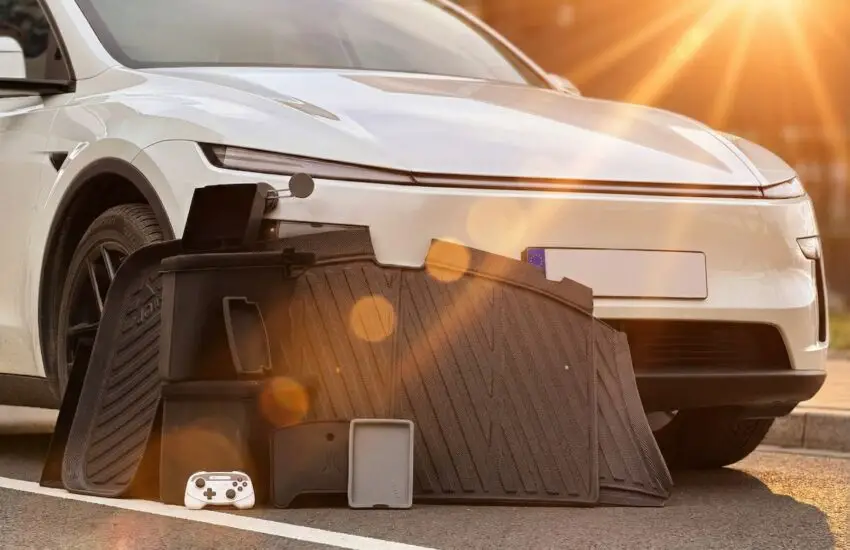
Essential Tesla Model Y Accessories Guide 2025

Must-Have Tesla Model Y Accessories

Enhancing your Tesla Model Y with the right accessories can significantly improve functionality, comfort, and protection. Whether you own a classic 2021–2024 model or anticipate the upgraded Juniper 2025 version, selecting compatible and high-quality add-ons ensures a seamless integration and maximizes your electric SUV’s potential.

Interior Comfort and Organization

Upgrade your cabin with all-weather floor mats, which offer superior protection against dirt, spills, and wear. A center console organizer is invaluable for keeping small items tidy and within reach. For added convenience, consider a wireless charging pad designed specifically for the Model Y’s interior layout, ensuring your devices stay powered without clutter.

Exterior Protection and Style

Shield your vehicle’s exterior with durable paint protection film or ceramic coating to guard against scratches and environmental damage. Roof racks are ideal for transporting sports gear or luggage, while sleek mud flaps prevent debris from damaging the body. For Juniper models, verify that accessories like custom wraps or aerodynamic enhancements are tailored to any design changes.

Performance and Charging Solutions

Boost efficiency with aerodynamic wheel covers that reduce drag and extend range. A portable charging cable and adapter kit provide flexibility for on-the-go power needs, compatible with various outlets. For home charging, a wall mount keeps cables organized and safe, enhancing your daily charging routine.

Technology and Entertainment Upgrades

Enhance your driving experience with a premium dash cam for added security and peace of mind. Upgraded speakers or sound dampening materials can refine audio quality, while sunshades protect the interior from UV rays and heat. Always check that tech accessories support the latest Model Y software updates for optimal performance.

By focusing on practical, well-fitting accessories, you can personalize your Tesla Model Y to suit your lifestyle while preserving its innovative features and value.

Nissan P1456 Code: Comprehensive EVAP System Leak Diagnosis Guide

Understanding the P1456 Code in Nissan Vehicles

The P1456 diagnostic trouble code is a manufacturer-specific code that primarily affects Nissan and Infiniti vehicles. This code indicates a detected leak in the Evaporative Emission Control (EVAP) system, specifically in the vent control system that manages fuel vapor containment. When this code appears, your vehicle’s onboard computer has identified an issue with the system designed to prevent fuel vapors from escaping into the atmosphere.

What Does P1456 Mean Exactly?

P1456 specifically points to a “EVAP Control System Leak Detected (Fuel Tank Sensor System)” in Nissan’s diagnostic coding structure. The code triggers when the Engine Control Module (ECM) detects an unexpected airflow or pressure change in the EVAP system during its self-test cycle. This indicates that fuel vapors are escaping somewhere in the system that should be sealed, compromising both environmental compliance and vehicle performance.

How the EVAP System Works

The EVAP system is a crucial emission control component that captures fuel vapors from the fuel tank and temporarily stores them in the charcoal canister. When engine conditions are appropriate, these vapors are purged into the intake manifold and burned during normal combustion. This sophisticated system includes several key components:

  • Charcoal canister for vapor storage
  • Vent control valve for atmospheric pressure regulation
  • Purge control solenoid for vapor management
  • Fuel tank pressure sensor for system monitoring
  • Various hoses and connectors throughout the system

Common Causes of P1456 Code in Nissan Vehicles

Diagnosing a P1456 code requires systematic investigation of the entire EVAP system. The leak can occur at multiple points, and identifying the exact location is crucial for effective repair. Understanding the common causes helps technicians approach diagnosis more efficiently.

Faulty EVAP Canister Vent Control Valve

The vent control valve is one of the most frequent culprits for P1456 codes. This electrically operated valve opens to allow fresh air into the system and closes during leak detection tests. When this valve fails to seal properly or becomes stuck open, it creates the exact leak condition that triggers the P1456 code. Common failure modes include mechanical jamming, electrical malfunctions, or contamination from debris.

Damaged EVAP System Hoses and Connections

The network of hoses connecting EVAP system components is vulnerable to damage and deterioration. These rubber hoses can become brittle over time, developing cracks that allow vapor escape. Connection points between components can loosen due to vibration or improper installation. Even small leaks at hose connections or along the length of hoses can trigger the P1456 diagnostic code.

Fuel Cap Issues and Tank Seal Problems

While many drivers associate EVAP codes with loose gas caps, P1456 typically indicates a more significant leak than a simple cap issue. However, a severely damaged fuel cap or compromised fuel tank sealing surface can still trigger this code. The fuel tank itself can develop cracks or corrosion holes, particularly in older vehicles or those exposed to road salt and harsh environmental conditions.

Diagnostic Procedure for P1456 Code

Proper diagnosis of P1456 requires a systematic approach using specialized equipment and methodical testing procedures. Rushing the diagnostic process often leads to misdiagnosis and unnecessary parts replacement.

Initial Inspection and Visual Check

Begin with a thorough visual inspection of the entire EVAP system. Look for obvious signs of damage, disconnected hoses, or worn components. Pay special attention to the vent control valve and its associated plumbing. Check the fuel cap for proper sealing and ensure it clicks securely when tightened. Look for signs of physical damage to the charcoal canister, which is often located in vulnerable positions near the fuel tank.

Smoke Machine Testing for Leak Detection

The most effective method for locating EVAP leaks involves using a professional smoke machine. This equipment introduces smoke under low pressure into the EVAP system, making even the smallest leaks visible as smoke escapes. The procedure involves:

  • Connecting the smoke machine to the EVAP service port
  • Pressurizing the system with smoke
  • Systematically inspecting all components and connections for escaping smoke
  • Identifying the exact location and size of the leak

Electrical and Functional Testing

After confirming there are no physical leaks, proceed with electrical testing of the vent control valve and associated components. Use a digital multimeter to check for proper voltage supply and ground connections. Test the valve’s operation by applying power directly to verify it opens and closes properly. Check resistance values against manufacturer specifications to identify electrical failures within the valve assembly.

Repair Solutions and Prevention Strategies

Once the specific cause of the P1456 code is identified, appropriate repairs can restore proper EVAP system function. The repair approach varies depending on the underlying issue and affected components.

Component Replacement Procedures

When faulty components are identified, proper replacement is essential. The vent control valve replacement typically involves disconnecting electrical connectors and hose connections, then installing the new valve. When replacing EVAP system components:

  • Always use OEM or high-quality replacement parts
  • Ensure all connection points are clean before installation
  • Replace any worn clamps or securing devices
  • Clear diagnostic codes and perform system tests after repair

Hose Repair and Replacement Best Practices

Damaged EVAP hoses require careful attention to ensure proper sealing. When replacing hoses:

  • Use only EVAP-rated hose materials that resist fuel vapors
  • Cut hoses to exact length to prevent kinks or stress
  • Ensure proper clamping with manufacturer-specified clamps
  • Route hoses away from heat sources and moving components

Long-Term Maintenance and Prevention

Preventing recurrence of P1456 codes involves regular maintenance and careful driving habits. Key preventive measures include:

  • Regular visual inspection of EVAP system components
  • Prompt attention to any fuel odor around the vehicle
  • Proper fuel cap tightening after refueling
  • Avoiding impact damage to undercarriage components
  • Addressing any emission-related codes immediately

The P1456 code represents a specific challenge in Nissan vehicle diagnostics, but with proper understanding of the EVAP system and methodical diagnostic approach, technicians can efficiently identify and resolve the underlying issues. Remember that while this code doesn’t typically cause immediate drivability concerns, it should be addressed promptly to maintain emission compliance and prevent potential fuel system issues.

Renault Twingo 2026: Electric City Car Revolution

Renault Twingo 2026: Electric City Car Revolution

Renault Twingo 2026 electric city car

The automotive landscape is shifting toward electric mobility, and the Renault Twingo 2026 emerges as a bold contender in the city car segment. Designed to combine efficiency with urban practicality, this all-electric model aims to set new standards for eco-friendly commuting.

Key Strengths of the Renault Twingo 2026

One of the standout features is its compact size, making it ideal for navigating crowded city streets and tight parking spaces. The electric powertrain delivers instant torque, ensuring responsive acceleration that enhances the driving experience in stop-and-go traffic.

Another significant advantage is its affordability. Renault has positioned the Twingo 2026 as an accessible entry point into the electric vehicle market, offering a competitive price without compromising on essential features. This makes it an attractive option for budget-conscious consumers seeking to reduce their carbon footprint.

The vehicle’s energy efficiency is also noteworthy. With a optimized battery system, the Twingo 2026 promises an impressive range for daily urban commutes, reducing the need for frequent charging and providing peace of mind for drivers.

Challenges Facing the Twingo 2026

Despite its strengths, the Twingo 2026 faces stiff competition from established rivals in the electric city car market. Competing models often come with more advanced technology and longer ranges, which could sway potential buyers looking for cutting-edge innovations.

Another drawback is its limited interior space. While its small footprint is an asset in urban environments, it may not suit families or individuals requiring ample cargo capacity for longer trips or larger items.

Lastly, the charging infrastructure remains a concern in some regions. Although the Twingo 2026 supports standard charging options, the availability of fast-charging stations can vary, potentially inconveniencing owners on longer journeys.

In summary, the Renault Twingo 2026 electric city car presents a compelling mix of affordability, efficiency, and urban agility. While it must overcome challenges related to competition and practicality, its potential to dominate the segment is undeniable.

Tesla Model X Sheds 180kg Through Stealth Engineering

The Silent Weight Reduction Revolution

Tesla has quietly engineered one of the most significant weight reduction achievements in the electric vehicle industry, systematically removing 180kg from the Model X over its production lifespan. This substantial weight loss occurred through continuous, unannounced technical refinements rather than dramatic model revisions, demonstrating Tesla’s commitment to evolutionary improvement through material science and structural optimization.

Advanced Aluminum Architecture

The foundation of Tesla’s weight reduction strategy lies in their sophisticated aluminum engineering. Through computer-optimized frame designs and advanced hydroforming techniques, Tesla created a lighter yet stronger safety cell. The strategic implementation of high-strength aluminum alloys allowed for thinner structural components without compromising crash safety ratings or vehicle rigidity. This architectural refinement contributed significantly to the overall mass reduction while maintaining the Model X’s distinctive falcon-wing door functionality.

Battery Pack Innovations

Tesla’s battery technology evolution played a crucial role in the Model X’s weight transformation. The transition to more energy-dense battery cells reduced both the physical size and weight of the power pack while increasing overall range. Improved thermal management systems and more compact power electronics further contributed to weight savings. These battery innovations created a virtuous cycle where reduced vehicle weight enabled smaller battery requirements for the same range, compounding the mass reduction benefits.

Interior Material Revolution

The cabin underwent a quiet transformation through advanced lightweight materials. Tesla introduced thinner but more durable vegan leather alternatives and replaced conventional glass with lighter acoustic laminated variants. Even the seats received attention with magnesium frame structures replacing steel components. These cumulative changes, though individually small, collectively made substantial contributions to the 180kg weight reduction while enhancing passenger comfort and reducing road noise.

Performance and Efficiency Gains

The 180kg weight reduction translated directly into measurable performance improvements. Lighter weight contributed to enhanced acceleration, improved braking distances, and better handling characteristics. Most importantly, the weight savings significantly increased the vehicle’s range efficiency, allowing drivers to travel further on a single charge. This systematic approach to weight optimization demonstrates how continuous engineering refinement can deliver substantial benefits without dramatic external changes.

Isuzu P1456 Code: Comprehensive EVAP System Diagnosis Guide

Understanding the P1456 Code in Isuzu Vehicles

The P1456 diagnostic trouble code is a manufacturer-specific code that primarily affects Isuzu vehicles, indicating a problem within the Evaporative Emission Control System (EVAP). This system is crucial for preventing fuel vapors from escaping into the atmosphere, making the P1456 code both an environmental concern and a potential performance issue.

What Does P1456 Mean Exactly?

P1456 specifically indicates a detected leak in the EVAP system, typically in the vacuum switching valve control circuit or related components. The code triggers when the vehicle’s computer detects an unexpected pressure condition during EVAP system monitoring cycles, suggesting that fuel vapors are escaping rather than being properly contained and processed.

How the EVAP System Works

The Evaporative Emission Control System is designed to capture and store fuel vapors from the fuel tank, preventing them from releasing into the atmosphere. Key components include:

  • Charcoal canister for vapor storage
  • Purge valve for controlled vapor release
  • Vent valve for system ventilation
  • Vacuum switching valves for pressure control
  • Multiple hoses and connections throughout the system

Common Causes of P1456 Code in Isuzu Vehicles

Diagnosing the P1456 code requires understanding the various components that could be malfunctioning. The complexity of the EVAP system means multiple potential failure points exist, each requiring specific diagnostic approaches.

Primary Mechanical Failures

Mechanical issues represent the most common causes of P1456 codes in Isuzu vehicles. These typically involve physical damage or wear to system components:

  • Faulty vacuum switching valve (VSV)
  • Cracked or damaged EVAP canister
  • Loose or deteriorated fuel cap
  • Damaged EVAP system hoses and lines
  • Corroded electrical connectors
  • Failed purge control solenoid valve

Electrical and Control System Issues

Beyond mechanical failures, electrical problems can also trigger the P1456 code. These issues affect the control and monitoring aspects of the EVAP system:

  • Wiring harness damage or corrosion
  • Poor electrical connections at sensors and valves
  • Malfunctioning powertrain control module (PCM)
  • Voltage irregularities in control circuits
  • Ground connection problems

Step-by-Step Diagnostic Procedure for P1456

Proper diagnosis of the P1456 code requires a systematic approach to identify the root cause efficiently. Following these steps can save significant time and prevent unnecessary part replacements.

Initial Inspection and Basic Checks

Begin with simple visual inspections and basic system checks before proceeding to complex diagnostics:

  • Verify the fuel cap is properly tightened and in good condition
  • Conduct visual inspection of all visible EVAP system components
  • Check for obvious damage to hoses, lines, and electrical connections
  • Use a smoke machine to detect vacuum leaks in the system
  • Inspect the charcoal canister for physical damage or contamination

Advanced Electrical Testing

For persistent P1456 codes, advanced electrical testing becomes necessary to identify less obvious issues:

  • Test vacuum switching valve resistance and operation
  • Check voltage supply to all EVAP system components
  • Verify proper ground connections throughout the system
  • Test PCM output signals to control valves
  • Perform continuity tests on all relevant wiring circuits

Repair Solutions and Prevention Strategies

Once the specific cause of the P1456 code is identified, appropriate repairs can restore proper EVAP system function. Understanding both repair procedures and prevention methods ensures long-term reliability.

Common Repair Procedures

Depending on the diagnosed cause, repairs for P1456 codes typically involve:

  • Replacing faulty vacuum switching valves
  • Repairing or replacing damaged EVAP system hoses
  • Installing new charcoal canister if contaminated or damaged
  • Repairing wiring harness issues and connector problems
  • Replacing the fuel cap if sealing capability is compromised

Maintenance Tips to Prevent Recurrence

Preventing future P1456 codes requires regular maintenance and attention to EVAP system components:

  • Always ensure the fuel cap is properly tightened after refueling
  • Regularly inspect EVAP system components during routine maintenance
  • Address any fuel system issues promptly to prevent additional strain
  • Keep the engine compartment clean to prevent debris accumulation
  • Follow manufacturer-recommended service intervals for emission systems

Professional vs DIY Approach to P1456 Resolution

While some P1456 diagnoses and repairs are suitable for experienced DIY enthusiasts, others require professional equipment and expertise. Understanding the limitations of each approach ensures proper resolution.

When to Seek Professional Assistance

Professional diagnosis becomes necessary when:

  • Basic inspections don’t reveal obvious issues
  • Specialized diagnostic equipment is required
  • Multiple system components need testing
  • Warranty coverage applies to the repair
  • Previous repair attempts have been unsuccessful

The P1456 code represents a specific challenge in Isuzu vehicles that requires thorough understanding of EVAP system operation and careful diagnostic procedures. While the code indicates an emission control issue, addressing it promptly ensures optimal vehicle performance and compliance with environmental regulations. Regular maintenance and proper diagnostic approaches can effectively resolve P1456 codes and prevent their recurrence.

Fiat 600e Sport: Dynamic Electric SUV Upgrade

Fiat 600e Sport: Elevating Electric Performance

Fiat introduces the 600e Sport, a new trim that injects athletic flair into the compact electric SUV segment. This model builds on the popular 600e by incorporating design enhancements and performance-oriented features, appealing to drivers seeking a more engaging and stylish urban vehicle.

Aggressive Styling and Exclusive Colors

The Fiat 600e Sport stands out with its bold aesthetic upgrades. It features a redesigned front bumper with larger air intakes, side skirts, and a rear diffuser that emphasize its sporty character. Exclusive color options, including a vibrant Rosso Corallo red and a stealthy Grigio Opaco gray, are available to highlight its dynamic lines. Matte black accents on the mirrors and roof rails further distinguish it from the standard model.

Enhanced Driving Dynamics

Under the hood, the 600e Sport retains the efficient electric powertrain but adds sport-tuned suspension for improved handling and responsiveness. The steering has been recalibrated to offer sharper feedback, making city maneuvers and highway drives more connected. With a 54 kWh battery, it delivers an estimated range of over 250 miles, balancing everyday practicality with spirited performance.

Interior and Technology Upgrades

Inside, the cabin receives sport seats with premium upholstery and contrasting stitching, enhancing comfort and support. A 10.25-inch touchscreen infotainment system comes standard, featuring navigation and voice commands. Ambient lighting and aluminum pedals add a touch of sophistication, creating an immersive driving environment tailored for enthusiasts.

Market Position and Appeal

The Fiat 600e Sport targets urbanites who value efficiency without compromising on style. Its combination of zero-emission driving, eye-catching design, and agile handling positions it as a compelling choice in the competitive electric SUV market. This trim demonstrates Fiat’s commitment to expanding electric mobility with options that cater to diverse driver preferences.

OBD2 Code P1456 Infiniti: Complete Diagnostic & Repair Guide

Understanding the P1456 Code in Your Infiniti

When your Infiniti’s check engine light illuminates and you retrieve the diagnostic trouble code P1456, you’re dealing with a specific emission control system issue. This code indicates a problem within the Evaporative Emission Control (EVAP) system, specifically related to the vehicle’s ability to detect leaks during its self-testing procedure. The P1456 code is manufacturer-specific, meaning it applies primarily to Nissan and Infiniti vehicles, though the underlying principles of EVAP system operation remain consistent across most modern automobiles.

What Does P1456 Mean Exactly?

P1456 is defined as “Evaporative Emission Control System Leak Detection Pump” or more specifically “EVAP Control System Leak Detected (Fuel Tank System)”. This code triggers when the vehicle’s Engine Control Module (ECM) detects an unexpected pressure change or inability to build pressure during the EVAP system self-test. Unlike generic EVAP codes, P1456 is specific to the leak detection methodology used in Nissan/Infiniti vehicles, which often employs a dedicated leak detection pump rather than the more common vacuum-based systems.

How the Infiniti EVAP System Works

The EVAP system in your Infiniti serves a critical environmental function by preventing fuel vapors from escaping into the atmosphere. The system captures fuel vapors from the fuel tank and temporarily stores them in the charcoal canister. When conditions are appropriate, the ECM opens the purge control valve, allowing these stored vapors to be drawn into the engine and burned during normal combustion. The system includes several key components that work in concert:

  • Fuel tank and filler neck assembly
  • Charcoal canister for vapor storage
  • Purge control solenoid valve
  • Vent control valve (often integrated with leak detection pump)
  • Various hoses and connections
  • Gas cap with integrated seal

Common Causes of P1456 in Infiniti Vehicles

Diagnosing P1456 requires a systematic approach, as multiple components can contribute to this fault code. Understanding the common culprits helps technicians and DIY enthusiasts prioritize their diagnostic efforts effectively.

Primary Mechanical Failures

The most frequent causes of P1456 involve physical components that have failed or deteriorated over time. These mechanical issues prevent the EVAP system from maintaining the required pressure for leak detection tests.

  • Faulty Leak Detection Pump: The pump itself may have internal failures, damaged diaphragms, or electrical issues preventing proper operation.
  • Defective Vent Control Valve: This valve, which often integrates with the leak detection pump, can stick open or closed, preventing proper system sealing.
  • Cracked or Damaged EVAP Hoses: Rubber hoses in the EVAP system can become brittle, cracked, or disconnected over time, creating leaks.
  • Faulty Charcoal Canister: Physical damage or saturation can compromise the canister’s integrity, allowing vapor escape.

Electrical and Control System Issues

Beyond mechanical failures, electrical problems can also trigger P1456 by preventing proper component operation or communication with the ECM.

  • Wiring Harness Damage: Corroded, broken, or shorted wires to the leak detection pump or vent control valve.
  • Connector Issues: Loose, corroded, or damaged electrical connectors affecting signal transmission.
  • ECM Communication Problems: Rare instances where the ECM itself cannot properly control or monitor the EVAP system components.

Step-by-Step Diagnostic Procedure for P1456

Proper diagnosis of P1456 requires methodical testing to identify the root cause efficiently. Following a structured approach saves time and prevents unnecessary parts replacement.

Initial Visual Inspection and Preliminary Checks

Begin with simple checks that don’t require specialized equipment. Many P1456 issues can be identified through careful visual examination.

  • Inspect the gas cap for proper sealing, cracks, or damaged threads
  • Check all visible EVAP system hoses for cracks, disconnections, or deterioration
  • Examine the charcoal canister for physical damage or contamination
  • Look for signs of rodent damage to wiring and hoses
  • Verify the leak detection pump/vent control valve assembly is properly mounted and connected

Smoke Machine Testing for Leak Detection

A professional smoke machine is the most effective tool for identifying EVAP system leaks. This test introduces smoke under low pressure into the EVAP system, making even tiny leaks visible.

  • Connect the smoke machine to the EVAP service port (usually located in the engine bay)
  • Introduce smoke while observing the entire EVAP system pathway
  • Look for smoke escaping from hoses, connections, valves, or the fuel tank
  • Pay special attention to the leak detection pump assembly and vent valve area
  • Common leak points include hose connections near the fuel tank and canister assembly

Electrical Component Testing

If no physical leaks are found, proceed to electrical testing of the leak detection pump and associated components.

  • Use a digital multimeter to check for proper power and ground at the leak detection pump connector
  • Test pump resistance and compare to manufacturer specifications
  • Check for proper control signals from the ECM using a scan tool or oscilloscope
  • Inspect wiring continuity between the ECM and leak detection pump

Professional Repair Solutions and Cost Considerations

Once the root cause of P1456 is identified, appropriate repairs can restore your Infiniti’s EVAP system to proper operation.

Component Replacement Procedures

Repair complexity varies significantly depending on which component requires replacement. Some repairs are straightforward, while others demand more extensive disassembly.

  • Leak Detection Pump/Vent Valve Replacement: Typically located under the vehicle near the fuel tank or charcoal canister. Requires lifting the vehicle and sometimes removing underbody panels.
  • EVAP Hose Replacement: Simple cutting and fitting of new hoses with proper EVAP-rated clamps.
  • Charcoal Canister Replacement: Usually mounted under the vehicle, requiring removal of old unit and careful reconnection of multiple hoses.
  • Gas Cap Replacement: The simplest fix—simply screw on a new OEM-quality gas cap.

Repair Cost Estimation

Repair costs for P1456 vary widely based on the faulty component and labor rates in your area. Understanding potential costs helps in making informed repair decisions.

  • Diagnostic time: 0.5-1.0 hours ($75-$150)
  • Leak detection pump/vent valve assembly: $150-$400 plus 1-2 hours labor
  • Charcoal canister: $200-$500 plus 1-1.5 hours labor
  • EVAP hose set: $50-$150 plus 0.5-1 hour labor
  • Gas cap: $20-$50 with minimal labor

Addressing P1456 promptly is crucial not only for emission compliance but also for maintaining optimal fuel system performance and preventing potential drivability issues. While some repairs are DIY-friendly for experienced enthusiasts, complex diagnoses often benefit from professional expertise and specialized equipment like smoke machines. Proper diagnosis ensures you replace only the necessary components, saving time and money while restoring your Infiniti’s emission system to proper operation.

BYD’s European Expansion Accelerates with 2000 Outlets

BYD Shifts into High Gear Across Europe

The Chinese automotive giant BYD is rapidly advancing its European strategy, marked by the upcoming inauguration of its first manufacturing plant on the continent and an ambitious retail network expansion. The company aims to establish 2,000 sales points by the end of 2026, signaling a significant leap in its global growth trajectory and intensifying competition in the electric vehicle market.

Strategic Growth Through Local Production

Establishing a production facility in Europe is a pivotal move for BYD, enabling the brand to streamline supply chains, reduce delivery times, and cater more effectively to regional preferences. This localization effort not only supports cost efficiency but also aligns with European sustainability standards, enhancing BYD’s appeal among environmentally conscious consumers. The plant is expected to bolster the availability of popular models like the BYD Seal and Dolphin, making them more accessible across the region.

Building a Comprehensive Sales Network

With a target of 2,000 outlets, BYD is focusing on a mix of dealerships, showrooms, and service centers to ensure widespread coverage. This expansive network will facilitate test drives, maintenance, and customer support, crucial for building trust and loyalty in a competitive market. By prioritizing customer convenience and after-sales service, BYD aims to position itself as a reliable alternative to established European automakers.

Implications for the European EV Market

BYD’s aggressive expansion is set to disrupt the European electric vehicle landscape, offering advanced technology and competitive pricing. This move pressures local manufacturers to accelerate their own EV innovations and could lead to more affordable options for consumers. As BYD increases its footprint, it contributes to the region’s electrification goals while fostering a dynamic and competitive automotive environment.