Understanding and Fixing Mitsubishi OBD2 Code P1493: EGR System Malfunction

What is Mitsubishi OBD2 Code P1493?

When your Mitsubishi’s check engine light illuminates and a scan tool reveals the diagnostic trouble code (DTC) P1493, it indicates a specific fault within the Exhaust Gas Recirculation (EGR) system. This is a manufacturer-specific code, primarily for Mitsubishi vehicles, that points to a malfunction in the EGR valve’s feedback circuit or its position sensor. The EGR system is a critical emissions control component designed to reduce nitrogen oxide (NOx) emissions by recirculating a small, metered amount of exhaust gas back into the engine’s intake manifold. Code P1493 signals that the Powertrain Control Module (PCM) has detected an electrical or mechanical issue that prevents the EGR valve from operating within its expected parameters, potentially leading to increased emissions, reduced fuel economy, and drivability concerns.

Common Symptoms and Causes of P1493

Recognizing the symptoms associated with code P1493 is the first step in confirming the diagnosis. This code rarely appears in isolation and is often accompanied by noticeable performance issues.

Primary Symptoms of a P1493 Fault

  • Illuminated Check Engine Light (MIL): The most immediate and obvious sign.
  • Rough Idle or Stalling: Incorrect EGR flow can disrupt the air-fuel mixture at low engine speeds.
  • Poor Engine Performance: Hesitation, lack of power, or sluggish acceleration, especially under load.
  • Increased Fuel Consumption: The engine control unit may adjust fueling to compensate for the perceived fault.
  • Failed Emissions Test: A malfunctioning EGR system will typically cause tailpipe emissions to exceed legal limits.

Root Causes of Mitsubishi Code P1493

The code P1493 is set when the PCM sees a discrepancy between the commanded position of the EGR valve and the actual position reported by its integrated sensor. The underlying causes typically fall into these categories:

  • Faulty EGR Valve Position Sensor: The internal potentiometer or Hall-effect sensor within the valve assembly fails, providing an out-of-range, intermittent, or incorrect signal to the PCM.
  • Clogged or Sticky EGR Valve: Carbon deposits from exhaust gas can build up on the valve pintle and seat, causing it to stick open, stick closed, or move sluggishly.
  • Electrical Circuit Problems: This includes damaged, corroded, or shorted wiring harnesses and connectors for the EGR valve’s power, ground, or signal wires.
  • Vacuum Supply Issues (on vacuum-operated valves): For older Mitsubishi models using vacuum-actuated EGR valves, a cracked vacuum hose, faulty vacuum solenoid, or a leak in the vacuum reservoir can prevent proper valve operation.
  • Defective EGR Valve Solenoid: The electronic solenoid that controls vacuum or direct electric actuation of the valve may have failed.
  • Rare PCM Failure: While uncommon, a malfunction within the engine control module itself cannot be entirely ruled out.

Step-by-Step Diagnostic Procedure for P1493

A systematic approach is essential to correctly diagnose and resolve a P1493 code. Avoid the temptation to simply replace the EGR valve without proper testing, as the root cause may be elsewhere in the circuit.

Step 1: Preliminary Inspection and Code Verification

Begin with a visual inspection. Check all wiring harnesses and connectors leading to the EGR valve for obvious damage, corrosion, or disconnection. Listen for vacuum leaks (hissing sounds) near the EGR valve and associated hoses. Use your OBD2 scanner to confirm the presence of P1493, clear the code, and perform a test drive to see if it returns immediately or under specific conditions (e.g., at operating temperature, under light acceleration).

Step 2: Testing the EGR Valve and Position Sensor

Consult your Mitsubishi service manual for the specific test procedure and pinout for your model’s EGR valve. Typically, you will need a digital multimeter (DMM).

  • Resistance Check: Disconnect the valve’s electrical connector. Measure the resistance across the position sensor terminals. Compare the reading to the manufacturer’s specification (often a range, e.g., 1-5 kOhms). Move the valve pintle manually (if possible) and observe if the resistance changes smoothly without open circuits.
  • Voltage Check: With the connector plugged back in and the ignition ON (engine off), back-probe the signal wire. You should see a reference voltage (often 5V) and a signal voltage that changes when the valve is commanded open via a scan tool.

Step 3: Checking the Control Circuit and Actuation

Using a scan tool with bidirectional controls, command the EGR valve to open and close at various percentages. Listen for a distinct clicking or humming sound from the valve, indicating it is receiving the command and attempting to move. If the valve is vacuum-operated, use a vacuum gauge to check for proper vacuum supply at the valve when commanded. A lack of sound or vacuum points to a circuit or solenoid issue.

Step 4: Physical Inspection and Cleaning

If electrical tests are inconclusive, remove the EGR valve from the intake manifold. Inspect the valve pintle and the passage in the intake for heavy carbon buildup. A valve that is physically stuck will confirm the fault. Often, careful cleaning with a specialized EGR/carburetor cleaner and a soft brush can restore proper function, provided the internal sensor is still operational.

Repair Solutions and Prevention

Once the root cause is identified, the repair path becomes clear. Following the correct procedure is vital for a lasting fix.

Common Repair Procedures

  • Cleaning the EGR Valve and Passages: This is a cost-effective first step if carbon buildup is the sole issue. Ensure all carbon is removed and the valve moves freely before reinstalling with a new gasket.
  • Replacing the EGR Valve Assembly: If the internal position sensor is faulty or the valve is severely corroded, replacement of the entire valve assembly is the standard repair. Always use a high-quality OEM or reputable aftermarket part.
  • Repairing Wiring Harnesses: Repair any damaged wires with solder and heat-shrink tubing. Replace corroded connectors. Ensure all connections are secure and waterproof.
  • Replacing Vacuum Components: For vacuum-operated systems, replace any cracked, brittle, or leaking hoses and test/replace the vacuum control solenoid.

Preventing a Recurrence of P1493

To minimize the chance of this code returning, adhere to a regular maintenance schedule. Using high-quality fuel and completing regular highway driving cycles can help keep the EGR system cleaner by burning off deposits. If you frequently drive short distances, occasional longer, higher-speed drives can be beneficial for the entire emissions system. After any repair, always clear all codes with your scan tool and perform a complete drive cycle to ensure the monitor runs and the code does not reset.

Conclusion

Mitsubishi OBD2 code P1493 is a specific and actionable diagnostic trouble code related to the EGR system’s feedback circuit. While it can cause noticeable drivability problems, it is typically repairable with a logical diagnostic approach. Starting with a visual inspection, progressing through electrical tests of the valve and its circuit, and finishing with a physical inspection will lead you to the root cause—whether it’s a simple carbon clog, a failed sensor, or an electrical fault. Addressing a P1493 code promptly not only restores your Mitsubishi’s performance and fuel efficiency but also ensures it remains compliant with emissions regulations.
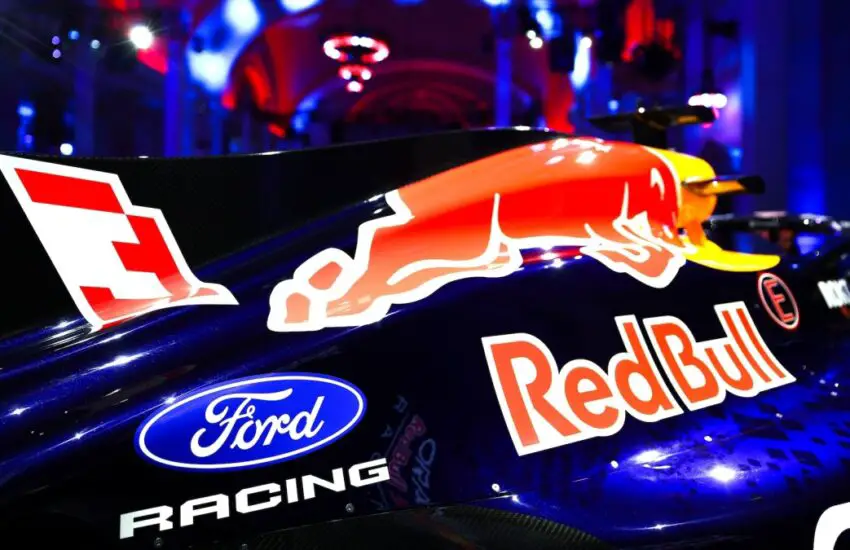

When US Customs Seized a Red Bull F1 Turbo

A Critical Turbo Snagged at the Border

The technical partnership between Ford and the Red Bull Racing Formula 1 team is a deep engineering collaboration, far exceeding a simple sponsorship. This alliance involves a constant transatlantic exchange of personnel and high-tech components between the UK and the United States. However, this vital flow of equipment hit a major, unexpected roadblock when a critical piece of Red Bull’s hybrid power unit was seized by US Customs authorities.

The Logistics Nightmare Unfolds

The seized component was a turbocharger, a core element of the complex F1 power unit. These parts are subject to strict international shipping regulations and export controls, especially concerning advanced aerospace-grade technology. Despite meticulous planning, the customs declaration for this specific shipment raised flags, leading officials to impound the turbo for further inspection. With the Formula 1 calendar waiting for no one, this created an immediate crisis for the team, threatening to disrupt development and track testing schedules.

Ford’s Engineer to the Rescue

With the part held in limbo, time was of the essence. The solution came from within the Ford partnership. A Ford Performance engineer, intimately familiar with the technical specifications and documentation requirements for such high-performance parts, was urgently dispatched. His mission was to navigate the complex bureaucratic procedures, provide the necessary technical certifications, and personally vouch for the component’s legitimacy to secure its release.

Behind-the-Scenes Collaboration Revealed

This incident highlights the tangible, real-world value of modern F1 partnerships. It wasn’t just about financial support or branding; it was about leveraging Ford’s extensive experience in global logistics and regulatory compliance. The engineer’s successful intervention ensured the turbo reached its destination, preventing a significant setback. This episode serves as a stark reminder of the intricate challenges teams face beyond the racetrack, where success can depend on navigating customs forms as adeptly as car setup.

Jeep P1493 Code: Diagnosing and Fixing the EVAP Leak Detection Pump Switch

Understanding the Jeep P1493 OBD2 Trouble Code

The OBD2 diagnostic trouble code P1493 is a manufacturer-specific code primarily associated with Jeep, Chrysler, and Dodge vehicles. In technical terms, it is defined as “Leak Detection Pump Switch or Mechanical Fault.” This code is directly tied to the vehicle’s Evaporative Emission Control (EVAP) system, a critical component for managing fuel vapors and meeting environmental regulations. When the Powertrain Control Module (PCM) detects an illogical signal or an unexpected condition from the Leak Detection Pump (LDP) switch circuit, it will illuminate the Check Engine Light and store code P1493. Unlike generic EVAP codes, P1493 points specifically to the electrical or mechanical operation of the LDP itself, requiring a focused diagnostic approach.

Role of the EVAP System and Leak Detection Pump

The EVAP system’s primary function is to prevent gasoline vapors from the fuel tank from escaping into the atmosphere. It captures these vapors in a charcoal canister and later purges them into the engine to be burned during combustion. The Leak Detection Pump (LDP) is the heart of the system’s self-diagnosis. It doesn’t just move air; it’s a sophisticated diagnostic tool. The PCM commands the LDP to pressurize the entire EVAP system (fuel tank, lines, canister) with a small amount of air. It then monitors the pressure decay using the LDP’s internal switch. A rapid pressure drop indicates a leak, while a sustained pressure indicates a sealed system. Code P1493 triggers when the PCM’s command to the LDP and the resulting switch signal don’t match expected parameters.

Common Jeep Models Affected by P1493

This code is prevalent in many Jeep models from the late 1990s through the 2000s that utilize this specific EVAP system design. Models most commonly experiencing P1493 include:

  • Jeep Cherokee (XJ) 1999-2001
  • Jeep Grand Cherokee (WJ) 1999-2004
  • Jeep Liberty (KJ) 2002-2007
  • Jeep Wrangler (TJ) 1997-2006

Symptoms and Causes of a P1493 Fault

A stored P1493 code may not always present with obvious drivability issues, as it is related to the emission system and not the core engine management. However, ignoring it can lead to a failed emissions test and potentially mask other EVAP problems.

Primary Symptoms of Code P1493

  • Illuminated Check Engine Light (MIL): The most common and often only symptom.
  • Failed State Emissions Test: The vehicle will not pass inspection with an active EVAP fault code.
  • Possible Rough Idle (Less Common): If the EVAP purge system is also compromised, it may affect the air/fuel ratio.
  • No noticeable performance change: The vehicle typically drives normally.

Root Causes of the P1493 Diagnostic Code

Diagnosis should follow a logical progression from simple to complex. The causes of P1493 can be broken down into electrical, mechanical, and control issues.

  • Faulty Leak Detection Pump (LDP): The most common culprit. The internal diaphragm can rupture, the motor can fail, or the internal switch can malfunction.
  • Damaged Wiring or Connectors: Corrosion, chafing, or broken wires in the LDP circuit (power, ground, or signal wires).
  • Poor Electrical Ground: The LDP relies on a good chassis ground. A corroded or loose ground point (often near the battery or body) can cause this code.
  • Vacuum Hose Issues: Cracked, disconnected, or clogged vacuum hoses connected to the LDP or the EVAP system can prevent proper operation.
  • Faulty Powertrain Control Module (PCM): Rare, but a malfunctioning PCM that cannot properly control or monitor the LDP circuit can set this code.

Step-by-Step Diagnostic and Repair Procedure

A systematic approach is key to correctly diagnosing P1493. You will need a quality OBD2 scanner capable of viewing live data and, ideally, performing actuator tests, along with a digital multimeter (DMM).

Step 1: Preliminary Inspection and Visual Check

Before electrical testing, always perform a thorough visual inspection. Locate the Leak Detection Pump (typically found in the left front wheel well, behind the liner, or near the charcoal canister).

  • Inspect all electrical connectors to the LDP for corrosion, bent pins, or looseness. Disconnect, clean, and reconnect.
  • Trace all vacuum hoses connected to the LDP for cracks, dryness, or disconnections. Replace any suspect hoses.
  • Check the LDP’s physical condition for cracks or damage.
  • Verify the integrity of the LDP’s ground connection. Clean and tighten the ground point.

Step 2: Electrical Circuit Testing with a Multimeter

If the visual check reveals no issues, proceed to electrical testing. Consult a vehicle-specific wiring diagram for pinouts.

  • Check Power Supply: With the ignition ON, back-probe the LDP connector’s power wire (often Pink/Black or Orange). You should read battery voltage (~12.6V).
  • Check Ground Circuit: Measure resistance between the LDP ground wire/pin and a known good chassis ground. It should be less than 5 ohms.
  • Check Switch Signal: This requires monitoring the signal wire (often Dark Blue/Yellow) with the scanner in live data or using a multimeter while an actuator test is active. The voltage or state should change when the PCM commands the LDP.

Step 3: Testing the Leak Detection Pump Itself

If power and ground are confirmed, the LDP itself is likely faulty. You can perform functional tests.

  • Actuator Test: Use your scan tool to command the LDP “ON” and “OFF.” You should hear and feel a distinct click from the pump each time it is energized. No click suggests a failed pump.
  • Mechanical Test: With the vacuum hose disconnected, you can sometimes feel or hear air being pumped from the outlet when activated. A failed diaphragm will not move air.
  • Resistance Check: Measure the resistance across the LDP motor terminals. Consult a service manual for specifications, but an open circuit (infinite resistance) or a short (near zero resistance) confirms a bad pump.

Repair Solutions and Final Verification

Once the faulty component is identified, the repair is typically straightforward.

Replacing the Leak Detection Pump

Replacement is the most common fix. Ensure you purchase the correct LDP for your specific Jeep model and year.

  • Disconnect the negative battery terminal as a safety precaution.
  • Disconnect the electrical connector and vacuum hoses, noting their positions.
  • Remove the mounting bolts or bracket holding the LDP.
  • Install the new LDP, reconnect all hoses and the electrical connector securely.
  • Reconnect the battery.

Clearing the Code and Performing a Drive Cycle

After the repair, clear the P1493 code and any related codes from the PCM’s memory using your scan tool. The Check Engine Light will turn off. To ensure the repair is complete and to ready the vehicle for an emissions test, you must perform a complete drive cycle. This allows the PCM to run all its self-tests, including the EVAP leak test. The drive cycle involves a mix of city and highway driving under specific conditions (cold start, steady cruise, deceleration). Once the monitors run, the code should not return, confirming a successful repair.

Addressing a P1493 code promptly not only ensures your Jeep complies with emissions standards but also maintains the integrity of the entire fuel vapor management system. By following this structured diagnostic guide, you can accurately pinpoint the fault—whether a simple vacuum leak, a wiring issue, or a failed pump—and restore your vehicle to optimal operating condition.

Volkswagen ID.4 2027 Facelift Spied in Winter Testing

Volkswagen’s Electric Workhorse Prepares for a Refresh

The Volkswagen ID.4, a cornerstone of the brand’s global electric vehicle strategy, has been spotted undergoing cold-weather testing ahead of a significant mid-cycle update expected for the 2027 model year. These early spy photos reveal a heavily camouflaged prototype, hinting at a comprehensive redesign that Volkswagen is keen to keep under wraps for now.

Subtle Exterior, Major Underlying Changes

At first glance, the prototype appears remarkably similar to the current ID.4. This deliberate disguise suggests the changes are primarily concentrated on the vehicle’s body panels and lighting elements. The camouflage strategically obscures the front and rear fascias, indicating redesigned bumpers, new headlight and taillight signatures, and potentially a revised hood. The silhouette remains familiar, confirming this is an evolution rather than a revolution for the popular electric crossover.

Anticipated Upgrades for the Next Generation

While the exterior changes are subtly hidden, the 2027 update is expected to bring more than just a new look. Industry analysts predict Volkswagen will integrate its latest software and infotainment systems to address one of the current model’s most common critiques. Enhancements to interior materials and a possible increase in standard equipment are also on the table. The core electric powertrains may see refinements for improved efficiency or a slight boost in range, keeping the ID.4 competitive in a rapidly evolving market.

Strategic Timing in a Competitive Segment

The planned update for 2027 arrives as the compact electric SUV segment becomes increasingly crowded. This refresh is crucial for Volkswagen to maintain the ID.4’s strong sales momentum and appeal. By refining its design, technology, and user experience, Volkswagen aims to solidify the ID.4’s position as a leading mainstream EV choice for years to come.

1931 Ford Model A Reborn with Civic Type R Power

A Timeless Hot Rod Meets Modern Turbocharged Fury

The art of the engine swap knows few boundaries, but some combinations still manage to surprise. While Honda’s revered K-series engines have found homes in everything from minivans to supercars, a new build has truly captured the imagination of the automotive world. A classic 1931 Ford Model A has been radically transformed, not with a traditional American V8, but with the turbocharged heart of a modern Honda Civic Type R. This audacious project creates a stunning fusion of pre-war style and cutting-edge performance.

Bridging Decades of Engineering

This remarkable build represents more than just a simple powerplant exchange. It is a meticulous engineering exercise that bridges over 90 years of automotive evolution. The original Model A was famed for its simplicity and reliable four-cylinder engine, producing around 40 horsepower. In stark contrast, the transplanted 2.0-liter turbocharged K20C1 engine from the Civic Type R unleashes over 300 horsepower. The challenge of integrating modern electronics, fuel injection, and a front-wheel-drive powertrain layout into a vintage rear-wheel-drive chassis required immense skill and innovation.

The Ultimate Sleeper Build

The exterior of the Ford retains much of its iconic, weathered hot rod character, making the transformation under the hood all the more dramatic. This is the definition of a sleeper car. To handle the immense power increase, the chassis and suspension have been heavily modified with modern components. A custom rear end and a robust transmission were essential to manage the torque. The result is a vehicle that looks like a classic from the outside but delivers a thoroughly modern, adrenaline-fueled driving experience, complete with the distinctive turbo whistle and exhaust note of a contemporary performance icon.

A New Blueprint for Custom Culture

This project pushes the boundaries of traditional hot rodding and opens new doors for custom car builders. It demonstrates that the future of restomods and custom builds may increasingly look to advanced, efficient powertrains from the modern era. By successfully marrying the raw, mechanical charm of a 1930s automobile with the precision and power of a 21st-century engineering marvel, this unique Model A has created a new template for what is possible, proving that innovation in car culture is always moving forward.

OBD2 Code P1493 Infiniti: EGR Valve Position Sensor Circuit High Voltage

Understanding the Infiniti P1493 Diagnostic Trouble Code

The OBD2 code P1493 is a manufacturer-specific code primarily associated with Nissan and Infiniti vehicles. When your Infiniti’s Powertrain Control Module (PCM) illuminates the check engine light and stores this code, it indicates a critical fault within the Exhaust Gas Recirculation (EGR) system. Specifically, P1493 is defined as “EGR Valve Position Sensor Circuit High Voltage.” This means the PCM has detected a voltage signal from the EGR valve position sensor that is consistently higher than the expected normal operating range. The EGR system is vital for reducing nitrogen oxide (NOx) emissions and controlling combustion temperatures. A failure here can lead to poor drivability, increased emissions, and potential damage to other engine components if left unaddressed.

Common Symptoms of a P1493 Code in Your Infiniti

You may notice one or more of the following symptoms when the P1493 code is active. The severity can range from barely noticeable to severely impacting vehicle operation.

Primary Symptoms Triggering the Check Engine Light

  • Illuminated Check Engine Light (MIL): The most immediate and common sign.
  • Failed Emissions Test: Due to elevated NOx levels from a malfunctioning EGR system.
  • Rough Idle or Stalling: Especially when the engine is cold or at operating temperature during stops.

Performance and Drivability Issues

  • Engine Knocking or Pinging (Detonation): Caused by increased combustion temperatures without the diluting effect of recirculated exhaust gases.
  • Reduced Engine Power and Hesitation: The PCM may enter a limp mode, limiting performance to protect the engine.
  • Poor Fuel Economy: Inefficient combustion can lead to increased fuel consumption.

Root Causes of the P1493 Fault Code

Diagnosing P1493 requires a systematic approach, as the “high voltage” signal can stem from several issues in the circuit or the components themselves.

Electrical and Wiring Faults

These are among the most frequent culprits. The high voltage reading typically indicates a problem in the sensor’s signal circuit.

  • Open Circuit in the Signal Wire: A broken or disconnected wire between the EGR valve position sensor and the PCM.
  • Short to Power in the Signal Circuit: The sensor’s signal wire may be shorted against a live 12V wire, sending a falsely high voltage to the PCM.
  • Poor Electrical Connections or Corrosion: At the sensor connector or the PCM connector, leading to erratic signals.
  • Blown Fuse: Affecting the EGR valve or sensor power supply circuit (though this often causes other codes as well).

Faulty EGR System Components

The issue may lie within the mechanical or electromechanical components of the EGR system.

  • Failed EGR Valve Position Sensor: The sensor itself is internally faulty and providing an incorrect, out-of-range signal.
  • Defective EGR Valve Assembly: On many Infiniti models, the position sensor is integrated into the valve. A stuck valve or internal failure can cause sensor issues.
  • Clogged or Restricted EGR Passages: Severe carbon buildup can physically prevent the valve from moving, which the position sensor then reports as an incorrect, static position.

Less Common but Possible Causes

  • Faulty Powertrain Control Module (PCM): This is rare, but a malfunction within the PCM’s internal circuitry for processing the sensor signal cannot be entirely ruled out after all other possibilities are exhausted.

Step-by-Step Diagnostic and Repair Procedure

Follow this technical guide to accurately diagnose and resolve the P1493 code. Always begin with a visual inspection and consult your Infiniti’s specific service manual for wiring diagrams and specifications.

Step 1: Preliminary Inspection and Code Verification

  • Use an OBD2 scanner to confirm P1493 is present and note any other pending or stored codes.
  • Perform a thorough visual inspection of the EGR valve, all associated wiring harnesses, and connectors. Look for obvious damage, chafing, burns, or disconnected plugs.
  • Check the EGR valve passages (if accessible) for excessive carbon buildup.

Step 2: Electrical Circuit Testing

This step requires a digital multimeter (DMM). Locate the EGR valve connector and the corresponding wiring diagram.

  • Check Power and Ground: With the connector disconnected and ignition ON, verify the reference voltage (typically 5V) and a clean chassis ground at the sensor connector.
  • Check Signal Circuit for Short/Open: Measure resistance between the sensor signal pin at the connector and the corresponding pin at the PCM connector to check for an open circuit. Check for continuity between the signal wire and power/ground to check for a short.

Step 3: Testing the EGR Valve and Position Sensor

  • Sensor Resistance Test: Consult the service manual for the specific resistance values across the sensor terminals. An out-of-spec reading indicates a bad sensor.
  • Live Data Monitoring: With the engine running at operating temperature, use your scanner to monitor the “EGR Valve Position” or “EGR Duty Cycle” live data. Command the EGR valve to open (many advanced scanners have an active test function). The position percentage should change smoothly. A static, abnormally high value (e.g., stuck at 90-100%) confirms the high voltage fault.
  • Mechanical Check: If possible, manually check if the EGR valve stem moves freely or is stuck closed or open due to carbon.

Step 4: Repair and Clear Codes

Based on your findings:

  • Repair or replace any damaged wiring or connectors.
  • Clean severely carbon-clogged EGR passages and the valve itself (if serviceable).
  • Replace the faulty EGR valve position sensor or the entire EGR valve assembly if the sensor is integrated.
  • After repairs, clear the DTCs with your scanner and perform a test drive to ensure the code does not return and that all symptoms are resolved.

Conclusion and Technical Summary

The P1493 code in your Infiniti is a direct communication from the PCM that the EGR valve position sensor’s signal is invalid due to a high voltage condition. While it can cause noticeable drivability concerns, it is a highly diagnosable fault. The repair often involves electrical troubleshooting of the sensor circuit or replacement of the EGR valve assembly. Addressing this code promptly is crucial not only for restoring optimal engine performance and fuel efficiency but also for ensuring your vehicle meets emissions standards and preventing potential long-term engine damage from excessive combustion temperatures. For complex electrical diagnostics, consulting a professional technician with specific Infiniti expertise is always a recommended course of action.

Honda’s New F1 Era Begins with Aston Martin for 2026

A New Chapter in Formula 1 Power

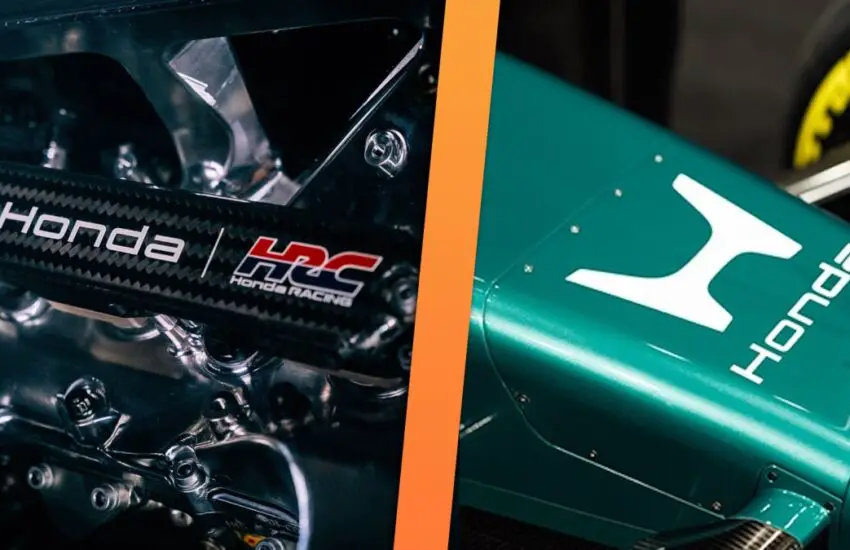
Honda has officially unveiled its next-generation Formula 1 power unit, marking the start of a significant new partnership. The Japanese manufacturer’s advanced hybrid technology will power the Aston Martin Aramco Formula One Team starting in the 2026 season, concluding its successful tenure with Red Bull Racing. This strategic shift was highlighted with the new engine’s logo prominently featured on the 2026 Aston Martin F1 car model.

Technical Ambitions for a New Era

The 2026 season introduces major technical regulations, with a greater emphasis on electrical energy and 100% sustainable fuels. Honda’s development focuses on maximizing the performance of its Energy Recovery System (ERS) and internal combustion engine within these new constraints. The partnership with Aston Martin provides a works team environment, allowing for deeper integration between chassis and power unit design from the outset, a key factor for competitive advantage.

Strengthening a Strategic Alliance

This move formalizes and expands the existing relationship between Honda and Aston Martin. The British manufacturer already utilizes Honda technology in its road-going hypercars, such as the Aston Martin Valkyrie. The F1 collaboration represents the pinnacle of this technical exchange, aiming to transfer cutting-edge track innovation to future road cars. For Aston Martin, securing a full works power unit supplier is a decisive step in its ambition to consistently fight for championships.

The driver lineup of Fernando Alonso and Lance Stroll is expected to benefit from this new integrated package. Alonso’s vast experience will be crucial in developing the new car-engine combination, while the team invests heavily in its new Silverstone campus to support this long-term project. The 2026 grid will see this renewed Honda-Aston Martin alliance challenging established power unit manufacturers, promising an intriguing new dynamic in the sport’s competitive order.

Nissan Sentra 2026 Sport: The Dealer-Built Performance Sedan

A Bold Dealer Creates the Nissan Sentra 2026 Sport

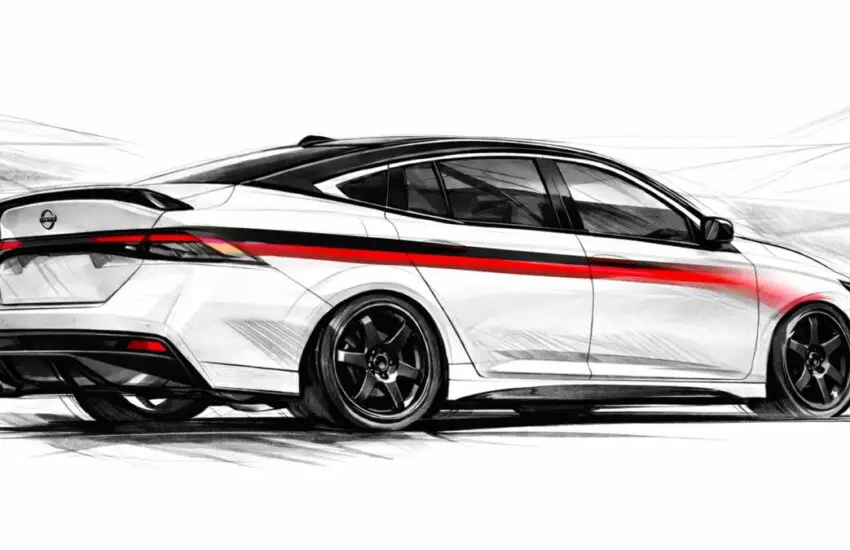
In an era where factory hot hatches and sport compacts dominate headlines, a Nissan dealership has taken matters into its own hands. With no official performance variant of the Sentra on the horizon, this ambitious team has engineered a bespoke 2026 Sentra Sport, aiming to recapture the spirit of legendary models like the revered SE-R Spec V.

Filling a Void in the Lineup

Nissan’s decision to discontinue the high-performance Sentra over a decade ago left a noticeable gap in the affordable sports sedan segment. While competitors continued to refine their offerings, the Sentra settled firmly into its role as a reliable and efficient commuter vehicle. This dealer-led project directly challenges that status quo, proposing what a modern, enthusiast-focused Sentra could be, built with available parts and tuning expertise.

Engineering a Modern Performance Machine

The transformation from standard commuter to sport-tuned machine is comprehensive. The project focuses on three core upgrades: handling, power, and aesthetics. A performance suspension kit lowers the ride height and sharpens the chassis dynamics for improved cornering and stability. Engine software tuning extracts additional horsepower and torque from the standard powertrain, while a sport exhaust system enhances the auditory experience. Visually, the car receives aggressive alloy wheels, sport brakes with distinctive calipers, and subtle but purposeful aerodynamic body enhancements.

A Niche Reborn

This initiative highlights a growing niche where dealerships and specialty shops cater directly to enthusiast customers seeking unique vehicles. It demonstrates that the passion for driver-focused, accessible performance cars remains strong. While not an official Nissan product, this customized Sentra Sport serves as a rolling prototype and a statement of what is possible, generating significant discussion within the automotive community about the potential for a factory-produced model.

Audi R26: The German Giant’s First True F1 Contender Revealed

Audi R26: The Design Philosophy Takes Shape

Last November, the Formula 1 world caught a preliminary glimpse of Audi’s ambitious project through a bare design model. That sponsor-free mockup hinted at the underlying philosophy, aggressive shapes, and distinctive color palette of the future car. Today, the waiting is over. Audi has fully unveiled the Audi R26, marking the brand’s official entry as a full-fledged Formula 1 constructor with its first true race-ready chassis.

From Concept to Concrete Contender

The transition from a show car to the R26 is a monumental step. This reveal signifies more than just a new livery; it represents the culmination of years of technical development and a deep commitment to the pinnacle of motorsport. The R26 is the physical embodiment of Audi’s engineering prowess, now channeled into the complex world of F1 aerodynamics, hybrid power units, and chassis dynamics. Every curve and component has been refined for one purpose: performance on the world’s most demanding circuits.

Powering the Future: A Groundbreaking Powertrain

At the heart of the Audi R26 lies its most critical and innovative component: the all-new hybrid power unit. Developed in-house at Audi’s Formula 1 facility in Neuburg, this complex assembly combines a high-revving turbocharged internal combustion engine with a sophisticated Energy Recovery System (ERS). This unit is not merely an engine; it is a strategic masterpiece, designed to maximize efficiency and power delivery within the strictest F1 regulations, representing a clean-sheet approach to hybrid racing technology.

The Challenge of a New Era

The unveiling of the R26 propels Audi into one of the most competitive eras in Formula 1 history. The team now faces the immense challenge of translating this promising design into consistent points and podium finishes. The development race is relentless, and the R26’s true potential will only be measured under the intense pressure of Grand Prix weekends. For Audi, this is just the starting line in a long and strategic journey to establish itself at the forefront of Formula 1.

Why France’s Retrofit Regulations Are Stalling Innovation

The Regulatory Roadblock Facing Car Retrofit

A classic car undergoing an electric conversion in a workshop, symbolizing the retrofit process

The ambition to convert classic and modern combustion-engine cars to electric power, known as retrofit, is hitting a significant wall in France. While promoted as a sustainable solution to preserve automotive heritage and reduce emissions, the practice is stifled by legislation that has failed to keep pace with technological progress.

Outdated Rules Stifling Progress

French retrofit regulations, established before the technology matured, are now a primary obstacle. The homologation process for a converted vehicle is notoriously complex, lengthy, and costly. It requires meeting a rigid set of criteria that were designed for new vehicles, not conversions. This framework makes it economically unviable for small workshops and discourages individual owners, effectively creating a market monopoly for a handful of approved entities.

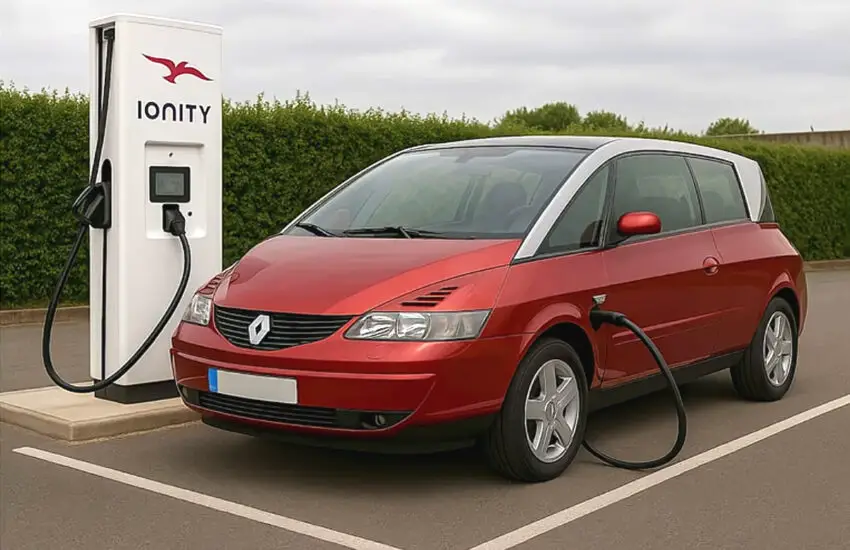
The case of an enthusiast attempting to convert a Renault Avantime is emblematic. Such projects, which blend sustainability with passion, often become bureaucratic nightmares. The regulations do not adequately differentiate between a full prototype and a standardized conversion kit, adding layers of unnecessary red tape.

The Environmental and Economic Cost

This legislative stagnation has direct consequences. Environmentally, it slows the adoption of a circular economy model for vehicles, forcing older, polluting cars off the road entirely instead of granting them a clean second life. Economically, it hampers the growth of a promising green industry, preventing job creation in specialized technical sectors and limiting consumer choice.

Other European nations are adopting more agile frameworks, recognizing retrofit as a key component of their mobility transition. Until French law undergoes a significant modernization to simplify approvals and encourage innovation, the country’s retrofit potential will remain largely untapped, blocking a pragmatic path to cleaner roads.