GAC’s Electric Drift Record Hits 213 km/h

GAC Shatters Electric Drift Speed Record

In a bold demonstration of electric vehicle capabilities, GAC has set a new world record for the highest speed drift in an electric car, reaching an astonishing 213 km/h. The feat, accomplished with the Hyptec SSR model, pushes the boundaries of EV performance and showcases advanced engineering in vehicle dynamics and powertrain control.

Engineering Behind the High-Speed Drift

Executing a controlled drift at such high speeds requires precise torque vectoring, sophisticated traction control systems, and instant electric motor response. GAC’s achievement highlights how electric powertrains can deliver unparalleled performance in extreme driving conditions. The record demonstrates that electric vehicles can compete with, and even surpass, traditional combustion-engine cars in specialized performance metrics.

Significance for Electric Vehicle Development

While some may question the practical applications of such records, they serve as important testing grounds for technology that eventually trickles down to consumer vehicles. The systems perfected for this record—including battery thermal management during sustained high loads and advanced stability control—contribute to safer, more capable production EVs. This milestone reinforces that electric mobility isn’t just about efficiency but can also deliver thrilling driving experiences.

The Future of Electric Performance

GAC’s record adds to a growing list of electric vehicle achievements that redefine automotive possibilities. As manufacturers continue to explore the limits of EV technology, consumers benefit from rapid advancements in performance, reliability, and driving dynamics. This high-speed drift represents another step toward fully realizing the potential of electric propulsion in all automotive segments.

BYD Racco: Europe’s Budget Electric Car

BYD Racco: The Electric Vehicle Set to Transform European Roads

The automotive world is buzzing with anticipation as BYD’s Racco model eyes a European debut. Originally engineered for the Japanese market, this compact electric vehicle is poised to make waves internationally with its groundbreaking price point. Industry insiders suggest it could retail for under €15,000, positioning it as one of the most accessible EVs on the continent.

Affordability Meets Innovation

BYD’s strategy with the Racco focuses on delivering core electric mobility without the premium price tag. Its compact design doesn’t compromise on the essentials of modern EV technology, offering a practical solution for urban commuters and first-time electric car buyers. The potential pricing disrupts the current market, where electric vehicles often come with a significant cost barrier.

Designed for Urban Efficiency

With dimensions tailored for city driving, the Racco promises easy parking and nimble navigation through crowded streets. Its electric powertrain ensures zero local emissions, contributing to cleaner urban air. The interior, while compact, is expected to include essential connectivity and safety features, making it a smart choice for daily use.

Impact on the European EV Landscape

The arrival of the BYD Racco could accelerate the adoption of electric vehicles across Europe by appealing to budget-conscious consumers. Its competitive pricing may pressure other manufacturers to introduce more affordable models, fostering a healthier, more diverse EV market. This move aligns with broader European goals to reduce carbon emissions through accessible sustainable transport. As European drivers seek economical and eco-friendly alternatives, the BYD Racco represents a significant step toward democratizing electric mobility. Keep an eye on this space for further developments as BYD potentially reshapes what it means to own an electric car.

GAC Partners with Magna for European EV Production

Strategic European Expansion for Chinese EV Maker

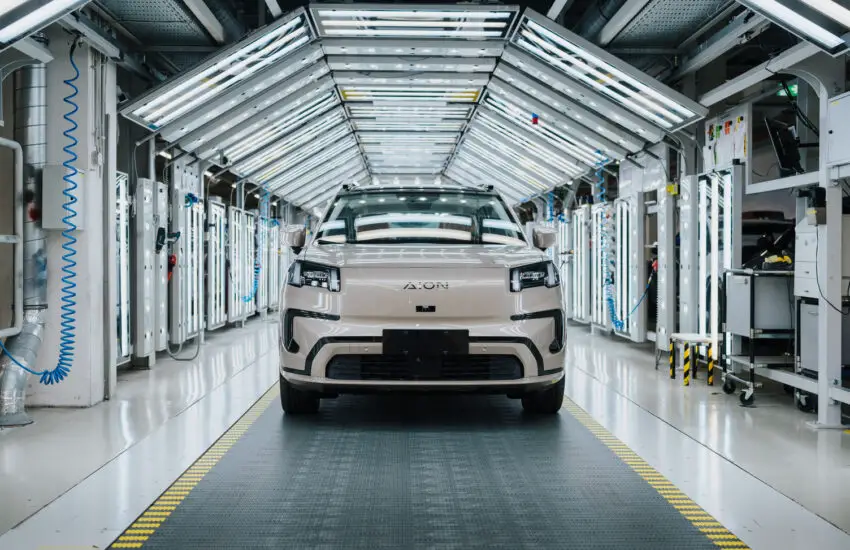
Chinese automotive manufacturer GAC Group is accelerating its global ambitions through a landmark partnership with Austrian automotive specialist Magna Steyr. This collaboration will see GAC’s electric vehicles assembled in Europe for the first time, leveraging Magna’s state-of-the-art production facility in Graz, Austria. This move represents a significant strategic shift for Chinese automakers seeking to establish a credible and localized presence in the competitive European electric vehicle market.

Leveraging European Manufacturing Expertise

By partnering with Magna, GAC gains immediate access to high-quality European manufacturing standards and a sophisticated supply chain. Magna’s Graz plant is renowned for its contract manufacturing for several premium automotive brands, ensuring that GAC’s EVs will be built to meet stringent European quality and safety regulations. This partnership effectively bypasses many of the logistical and tariff-related challenges associated with importing vehicles from China, potentially making GAC’s offerings more price-competitive.

A Competitive Edge in the EV Landscape

The European electric vehicle market is witnessing intensifying competition, with local legacy automakers and new entrants vying for market share. GAC’s strategy to produce locally through an established partner like Magna provides a crucial advantage. It allows the company to build consumer trust by associating its brand with European engineering and production quality. This local assembly is expected to feature models from GAC’s Aion brand, which has gained recognition for its advanced battery technology and innovative designs in its home market.

The Future of Sino-European Auto Collaboration

This venture is more than just a manufacturing agreement; it signals a new phase of deeper industrial cooperation between Chinese and European automotive sectors. It demonstrates a model where Chinese companies bring electrification technology and capital, while European partners provide manufacturing prowess and market access. As GAC prepares to roll out its European-assembled EVs, the industry will be watching closely to see if this collaborative approach becomes a blueprint for other Chinese automakers aiming to succeed overseas.

Daily Carpooling in France: Growth Meets Resistance

Daily Carpooling’s Slow Adoption in France

A car on a scenic road representing shared journeys

Over the years, carpooling in France has shown consistent growth, with more people opting to share rides for long-distance trips and occasional commutes. However, this upward trend belies a significant challenge: daily carpooling has yet to capture the widespread enthusiasm of French commuters. Despite environmental benefits and cost savings, the practice struggles to become a habitual choice for everyday travel.

Barriers to Daily Use

Several factors contribute to the reluctance. First, flexibility remains a primary concern. Many individuals value the freedom to leave work or home on their own schedule, which rigid carpool arrangements can compromise. Additionally, the lack of reliable partners for daily routes makes consistency difficult. People often find it easier to drive alone than to coordinate schedules with others regularly.

Infrastructure and Incentives

While France has invested in carpooling lanes and parking spots, these are not yet ubiquitous enough to convince a majority. Urban areas see better adoption, but suburban and rural regions face connectivity issues. Financial incentives, such as toll reductions or employer subsidies, have spurred some interest, yet awareness and accessibility of these benefits vary widely.

Cultural Shifts and Future Prospects

Changing deep-seated habits takes time. The French have a strong car culture, and transitioning to shared daily commutes requires a shift in mindset. Education on the collective impact—reduced traffic and lower emissions—could accelerate acceptance. As technology improves matching algorithms and real-time coordination, daily carpooling may gradually overcome these hurdles, paving the way for a more sustainable commute culture.

Luxury SUVs Embrace Electric Revolution

Porsche Cayenne’s Technological Transformation

German engineering reaches new heights as Porsche unveils a comprehensive redesign of its iconic Cayenne SUV. This groundbreaking evolution introduces cutting-edge technological integrations that redefine the luxury driving experience. The latest generation showcases significant advancements in energy efficiency while maintaining the performance standards expected from the prestigious marque.

BMW’s Record-Breaking Electric Range

BMW sets a new industry benchmark with an electric vehicle achieving unprecedented driving distances on a single charge. This technological marvel combines innovative battery technology with aerodynamic design to deliver exceptional range capabilities. The achievement represents a major milestone in eliminating range anxiety and making electric vehicles practical for long-distance travel.

Jeep Electrifies an American Icon

The legendary off-road manufacturer takes a bold step into electrification by transforming one of its most recognizable models. This strategic move preserves the rugged capabilities that made the vehicle famous while integrating zero-emission powertrain technology. The electrified version maintains exceptional off-road performance while offering reduced environmental impact and lower operating costs.

The Future of Premium SUVs

These simultaneous announcements from three automotive giants signal a fundamental shift in the luxury SUV segment. Manufacturers are increasingly focusing on sustainable mobility solutions without compromising performance or luxury features. The industry-wide transition toward electrification demonstrates how traditional automotive excellence is adapting to meet evolving consumer demands and environmental regulations.

Performance Meets Sustainability

The latest developments prove that eco-friendly vehicles can deliver thrilling driving dynamics. Advanced engineering allows these electric and hybrid SUVs to achieve acceleration and handling characteristics that rival their conventional counterparts. This perfect marriage of performance and sustainability represents the new standard for premium automotive manufacturers worldwide.

Subaru Outback 2026: The SUV Alternative Estate

Subaru Outback 2026: The Understated Estate Car

As the automotive world leans heavily into SUV dominance, the Subaru Outback 2026 emerges with a bold proposition: the practicality and comfort of an estate car, enhanced with rugged capability. This model continues to champion a unique segment, blending car-like driving dynamics with off-road readiness, appealing to those who seek versatility without the bulk of a traditional SUV.

Design and Dimensions: Maximizing Space Intelligently

Subaru has listened intently to current Outback owners, who expressed a clear desire for more interior room without increasing the vehicle’s external footprint. The 2026 iteration addresses this through clever packaging and ergonomic innovations. By optimizing cabin layout and utilizing high-strength, lightweight materials, Subaru delivers enhanced legroom and cargo capacity. The result is a vehicle that feels spacious and airy for passengers and their gear, all while maintaining its manageable size for urban driving and parking.

Interior Comfort and Technology

Step inside the Subaru Outback 2026, and you’re greeted by a refined interior focused on comfort and connectivity. The cabin features premium, durable materials designed to withstand the elements, whether it’s a muddy adventure or a daily commute. Advanced infotainment systems with intuitive interfaces keep drivers informed and entertained, while ample storage solutions and flexible seating configurations ensure that every journey is as practical as it is pleasant.

Performance and Capability

Underpinning the Outback 2026 is Subaru’s renowned Symmetrical All-Wheel Drive system, providing confident traction in diverse conditions. Paired with an efficient boxer engine, this estate offers a smooth, balanced ride on highways and the resilience to tackle rough terrain. It’s engineered for those who value adventure and everyday usability, proving that you don’t need a bulky SUV to explore the road less traveled.

Lamborghini Sterrato’s Off-Road Evolution

The Sterrato Legacy and Future Vision

Lamborghini’s groundbreaking Sterrato concept, which redefined supercar capabilities by blending high performance with off-road prowess, is far from finished. Despite the Huracan’s discontinuation, the Sterrato philosophy is poised for a dynamic evolution. Paolo Racchetti, Lamborghini’s Product Line Director, has confirmed there is significant room to enhance this bold concept, signaling an exciting future for adventurous supercars.

Next-Generation Off-Road Supercars

The innovative Sterrato DNA is expected to be integrated into Lamborghini’s upcoming models, including the successor to the Huracán, potentially named the Temerario, and possibly even the flagship V12-powered Revuelto. This expansion would solidify a new category of ultra-high-performance vehicles capable of conquering diverse terrains without compromising on speed or luxury. Engineers are exploring advanced all-wheel-drive systems, reinforced chassis components, and specialized suspension to handle rugged environments while maintaining track-level agility.

Technological Advancements and Design

Future Sterrato iterations may incorporate cutting-edge materials like carbon fiber composites to reduce weight and increase durability. Aerodynamic enhancements tailored for off-road stability, coupled with robust underbody protection, will be key focus areas. The integration of hybrid powertrains could provide instant torque for challenging surfaces, aligning with Lamborghini’s electrification strategy. These developments aim to deliver an uncompromised driving experience, whether on winding mountain roads or unpaved trails.

Lamborghini’s commitment to pushing boundaries ensures that the Sterrato’s legacy will continue to inspire, offering unparalleled versatility and excitement for driving enthusiasts worldwide.

OBD2 Code P1457: Comprehensive Guide to EVAP System Leak Detection

Understanding OBD2 Code P1457: The Technical Breakdown

When your vehicle’s check engine light illuminates and you retrieve code P1457, you’re dealing with a specific emissions-related issue that requires immediate attention. This diagnostic trouble code indicates a problem within your vehicle’s Evaporative Emission Control System (EVAP), specifically related to the system’s ability to maintain proper vacuum pressure.

What Does P1457 Code Mean?

OBD2 code P1457 is defined as “Evaporative Emission Control System Leak Detected (Fuel Tank System).” This code is set when your vehicle’s powertrain control module (PCM) detects a vacuum leak in the fuel tank area that exceeds predetermined parameters. The EVAP system is designed to capture and store fuel vapors from the fuel tank, preventing them from escaping into the atmosphere.

How the EVAP System Works

The Evaporative Emission Control System is a closed system that consists of several key components working together to control fuel vapor emissions. When functioning properly, this system:

  • Captures fuel vapors from the fuel tank
  • Stores these vapors in the charcoal canister
  • Purges stored vapors into the engine for combustion during normal operation
  • Monitors system integrity through pressure and vacuum tests
  • Prevents harmful hydrocarbon emissions from reaching the atmosphere

Common Causes of P1457 Code

Several factors can trigger the P1457 diagnostic trouble code. Understanding these potential causes is crucial for effective diagnosis and repair.

Primary Mechanical Failures

The most common mechanical issues that cause P1457 include:

  • Damaged or loose fuel cap – the most frequent cause
  • Cracked or leaking EVAP canister
  • Faulty purge control valve or solenoid
  • Damaged fuel tank or filler neck
  • Cracked or disconnected EVAP hoses and lines
  • Faulty vent valve or control valve
  • Corroded or damaged EVAP system components

Electrical and Sensor Issues

Electrical problems can also trigger P1457 code, including:

  • Faulty fuel tank pressure sensor
  • Wiring harness damage or corrosion
  • Poor electrical connections at sensors
  • Malfunctioning PCM or control module
  • Failed EVAP system solenoids or valves

Diagnostic Procedures for P1457 Code

Proper diagnosis requires a systematic approach to identify the exact cause of the EVAP system leak.

Initial Inspection Steps

Begin with these basic checks before proceeding to more advanced diagnostics:

  • Verify the fuel cap is properly tightened and in good condition
  • Perform visual inspection of all EVAP system components
  • Check for obvious damage to hoses, lines, and connections
  • Inspect the charcoal canister for physical damage
  • Look for signs of fuel leaks around the fuel tank area

Advanced Diagnostic Testing

For persistent P1457 codes, more sophisticated testing is required:

  • Perform smoke test to identify leak locations
  • Use EVAP system pressure tester to verify system integrity
  • Test purge and vent valves for proper operation
  • Check fuel tank pressure sensor readings with scan tool
  • Monitor EVAP system parameters during operation

Professional Diagnostic Tools and Techniques

Automotive technicians use specialized equipment for accurate diagnosis:

  • Professional-grade OBD2 scanners with bidirectional controls
  • Smoke machines designed for EVAP system testing
  • Digital multimeters for electrical component testing
  • Vacuum pumps and gauges for system pressure verification
  • Manufacturer-specific diagnostic software and procedures

Repair Solutions and Prevention

Once the cause of P1457 is identified, appropriate repairs can restore proper EVAP system function.

Common Repair Procedures

Typical repairs for P1457 code include:

  • Replacing damaged or missing fuel cap
  • Repairing or replacing cracked EVAP hoses
  • Installing new charcoal canister if damaged
  • Replacing faulty purge or vent valves
  • Repairing damaged fuel tank or filler neck
  • Fixing electrical connections or replacing sensors

Cost Considerations and Time Estimates

Repair costs for P1457 vary significantly depending on the root cause:

  • Fuel cap replacement: $15-$50 (15 minutes labor)
  • EVAP hose replacement: $75-$200 (30-60 minutes labor)
  • Charcoal canister replacement: $200-$500 (1-2 hours labor)
  • Purge valve replacement: $100-$300 (30-60 minutes labor)
  • Fuel tank repair or replacement: $500-$1500 (2-4 hours labor)

Preventive Maintenance Tips

Prevent future P1457 codes with these maintenance practices:

  • Always tighten fuel cap until it clicks three times
  • Replace fuel cap according to manufacturer recommendations
  • Regularly inspect EVAP system components during routine maintenance
  • Avoid overfilling the fuel tank beyond the automatic shutoff
  • Address any fuel odors immediately to prevent larger issues
  • Follow manufacturer-recommended service intervals for emissions systems

Technical Specifications and System Requirements

Understanding the technical aspects of the EVAP system helps in proper diagnosis and repair.

EVAP System Pressure Standards

Proper EVAP system operation requires specific pressure parameters:

  • Normal operating pressure: -0.5 to -1.5 inches of H2O
  • Leak detection threshold: Typically 0.020 to 0.040 inches
  • System hold time: Varies by manufacturer (usually 30 seconds to 2 minutes)
  • Purge flow rates: Manufacturer-specific values apply
  • Vacuum requirements: System dependent on vehicle design

Component Specifications and Compatibility

When replacing EVAP system components, ensure proper specifications:

  • Use only manufacturer-approved fuel caps
  • Verify replacement parts meet OEM specifications
  • Check electrical connector compatibility
  • Ensure proper hose diameter and material specifications
  • Verify pressure ratings for all replacement components

Successfully diagnosing and repairing P1457 requires understanding the complex interplay between mechanical, electrical, and computerized systems in modern vehicles. By following systematic diagnostic procedures and using appropriate tools, technicians can accurately identify the root cause and implement effective repairs, restoring proper emissions control system function and ensuring vehicle compliance with environmental regulations.

Volkswagen P1456 Code: EVAP System Leak Detection Pump Explained

Understanding the Volkswagen P1456 Fault Code

The P1456 diagnostic trouble code is a manufacturer-specific code that primarily affects Volkswagen and Audi vehicles. This code indicates a malfunction within the Evaporative Emission Control (EVAP) system, specifically related to the Leak Detection Pump (LDP) circuit. The EVAP system is crucial for preventing fuel vapors from escaping into the atmosphere, and the leak detection pump serves as the system’s primary diagnostic component for identifying vapor leaks.

What Does P1456 Mean on Volkswagen Vehicles?

P1456 specifically points to a “Leak Detection Pump Switch Over Circuit Malfunction” in Volkswagen’s diagnostic system. The leak detection pump is responsible for creating vacuum within the EVAP system during self-test cycles. The switch-over circuit monitors the pump’s operation and performance. When the Engine Control Module (ECM) detects an irregularity in this circuit’s electrical signals or operational parameters, it triggers the P1456 code and illuminates the check engine light.

How the EVAP System and Leak Detection Pump Work

The EVAP system captures fuel vapors from the fuel tank and stores them in the charcoal canister. During specific driving conditions, the ECM opens the purge valve, allowing these vapors to be drawn into the engine and burned. The leak detection pump creates vacuum to test the system’s integrity. It monitors pressure changes to detect leaks as small as 0.020 inches (0.5mm) in diameter, ensuring the system meets emissions standards.

Common Symptoms of P1456 Code in Volkswagen Cars

Recognizing the symptoms associated with P1456 is essential for timely diagnosis and repair. While some vehicles may show multiple symptoms, others might only display the check engine light without noticeable driving issues.

Primary Warning Signs and Indicators

  • Illuminated check engine light on dashboard
  • Failed emissions test or inspection
  • Possible fuel odor around the vehicle
  • Decreased fuel economy in some cases
  • No noticeable driving performance issues in most instances

Secondary Symptoms and Performance Issues

While P1456 typically doesn’t affect engine performance directly, prolonged neglect can lead to secondary issues. The most significant concern is failing mandatory emissions tests. In rare cases where the EVAP system is severely compromised, you might notice slight fuel economy reduction or occasional rough idling, though these are not primary indicators of this specific code.

Diagnosing and Troubleshooting P1456 Volkswagen Code

Proper diagnosis requires systematic testing using appropriate tools and following manufacturer-specific procedures. Volkswagen’s EVAP system operates differently from many other manufacturers, requiring specialized knowledge for accurate diagnosis.

Required Tools and Equipment for Diagnosis

  • OBD2 scanner capable of reading manufacturer-specific codes
  • Digital multimeter for electrical testing
  • Smoke machine for EVAP system leak testing
  • Vacuum gauge and hand vacuum pump
  • Volkswagen-specific repair manual or diagnostic information

Step-by-Step Diagnostic Procedure

Begin by verifying the code with your OBD2 scanner and checking for any additional codes. Inspect the leak detection pump and associated wiring for visible damage or corrosion. Test the LDP’s electrical circuits using a multimeter to check for proper voltage, ground, and signal continuity. Perform component testing of the leak detection pump itself, checking its ability to create and hold vacuum. Finally, conduct a smoke test to rule out physical leaks in the EVAP system that might be causing secondary issues.

Common Diagnostic Mistakes to Avoid

Avoid replacing the leak detection pump without proper electrical testing. Don’t ignore wiring harness issues that can cause circuit malfunctions. Ensure you’re following Volkswagen-specific diagnostic procedures rather than generic EVAP system testing methods. Always clear codes after repairs and perform a complete drive cycle to verify the repair was successful.

Repair Solutions for Volkswagen P1456 Code

Once diagnosis is complete, several repair options may address the P1456 code depending on the root cause identified during testing.

Most Common Repair Procedures

  • Replacing faulty leak detection pump assembly
  • Repairing or replacing damaged wiring harnesses
  • Fixing corroded electrical connectors
  • Addressing poor ground connections
  • Replacing blown fuses affecting the LDP circuit

Component Replacement Guidelines

When replacing the leak detection pump, always use OEM or high-quality aftermarket parts specifically designed for your Volkswagen model. The LDP is typically located near the charcoal canister, often underneath the vehicle or in the wheel well area. After replacement, ensure all connections are secure and perform the necessary ECM adaptations using a professional scan tool to reset the system’s learned values.

Technical Specifications and System Operation

Understanding the technical aspects of Volkswagen’s EVAP system helps in proper diagnosis and prevents misdiagnosis of the P1456 code.

Volkswagen EVAP System Technical Details

Volkswagen’s leak detection pump operates differently from traditional systems. Instead of using engine vacuum, it contains an electric motor that drives a small pump to create vacuum specifically for testing purposes. The system performs self-tests during specific driving conditions, typically when fuel level is between 15-85% and ambient temperatures are within a specific range. The ECM monitors the pump’s current draw and operation time to determine system integrity.

Electrical Specifications and Testing Parameters

  • LDP typically operates on 12-volt power supply
  • Expected resistance values vary by model and year
  • Current draw patterns indicate pump performance
  • Signal voltage ranges help identify circuit issues
  • Specific pin-out configurations require wiring diagram reference

Prevention and Maintenance Tips

Regular maintenance and proper care can help prevent P1456 and other EVAP system issues in your Volkswagen.

Proactive Maintenance Strategies

Always ensure the gas cap is properly tightened after refueling. Address any check engine lights promptly rather than ignoring them. During routine service, have your technician inspect EVAP system components for visible damage or wear. Keep the area around the leak detection pump clean from debris and corrosion. Use quality fuel and avoid running the vehicle extremely low on fuel regularly.

Long-term System Preservation

Follow Volkswagen’s recommended maintenance schedule for emissions system components. Protect electrical connectors from moisture and corrosion with appropriate dielectric grease. When performing other repairs in the area of the EVAP system, take care not to damage wiring or components. Consider having the EVAP system professionally inspected as part of your regular maintenance routine, especially as the vehicle ages.

Successfully addressing a P1456 code requires understanding Volkswagen’s specific EVAP system design and following methodical diagnostic procedures. While this code doesn’t typically affect drivability, it’s essential for emissions compliance and environmental protection. Proper diagnosis and repair ensure your Volkswagen continues to operate efficiently while meeting emissions standards.

Renault Trucks Unveils Game-Changing Long-Range Electric Truck

Revolutionizing Road Transport with Electric Innovation

Renault Trucks electric vehicle

Renault Trucks has solidified its position as a European leader in the energy transition of road transport with the introduction of a groundbreaking electric truck featuring exceptional range capabilities. This innovative vehicle represents a significant milestone in sustainable transportation solutions.

Unprecedented Range and Performance

The new electric truck delivers an impressive operational range that addresses one of the key concerns in electric freight transport. Through advanced battery technology and energy management systems, the vehicle can cover substantial distances on a single charge, making it suitable for regional and intercity logistics operations. The engineering team has focused on optimizing energy consumption without compromising payload capacity or performance standards.

Sustainable Transport Solutions

This electric truck contributes significantly to reducing the environmental impact of freight transportation. With zero tailpipe emissions and substantially lower noise pollution, the vehicle supports urban clean air initiatives while providing operational benefits for fleet operators. The design incorporates recycled materials and follows circular economy principles throughout the manufacturing process.

Advanced Technological Features

The vehicle incorporates state-of-the-art technology including regenerative braking systems, smart charging capabilities, and integrated telematics for optimal route planning. The cabin design prioritizes driver comfort and safety with enhanced visibility, reduced vibration, and intuitive control interfaces. These features combine to create a superior driving experience while maximizing operational efficiency.

This launch represents a crucial step forward in the decarbonization of heavy goods transportation. The development demonstrates Renault Trucks’ commitment to providing practical, sustainable solutions that meet the evolving needs of the transport industry while supporting environmental objectives.