Toyota Corolla 2025: First Images and Rumors on the New Generation

Toyota Corolla: A First Look at the Next Generation

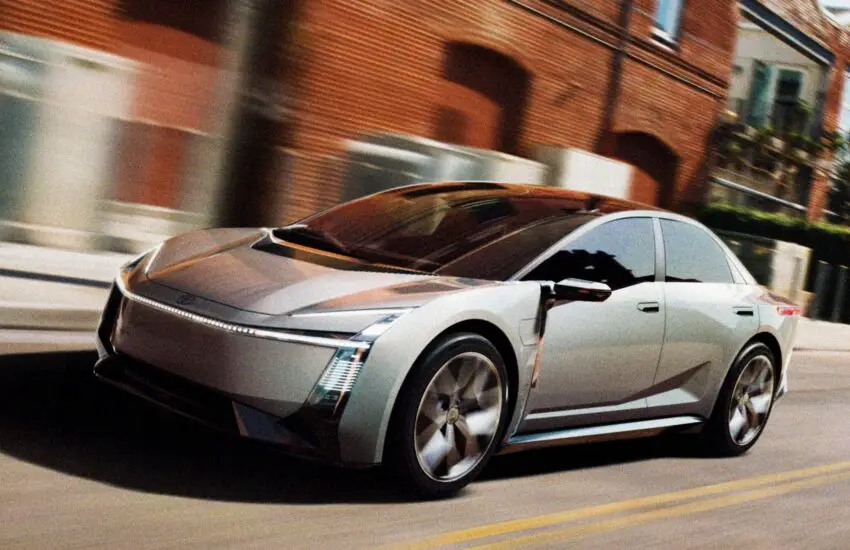
The Toyota Corolla, the world’s best-selling vehicle, is about to undergo a revolution. Toyota has officially announced the upcoming unveiling of a Corolla Concept at the Tokyo Motor Show in late October, offering a glimpse of what the next generation of this automotive staple might look like.
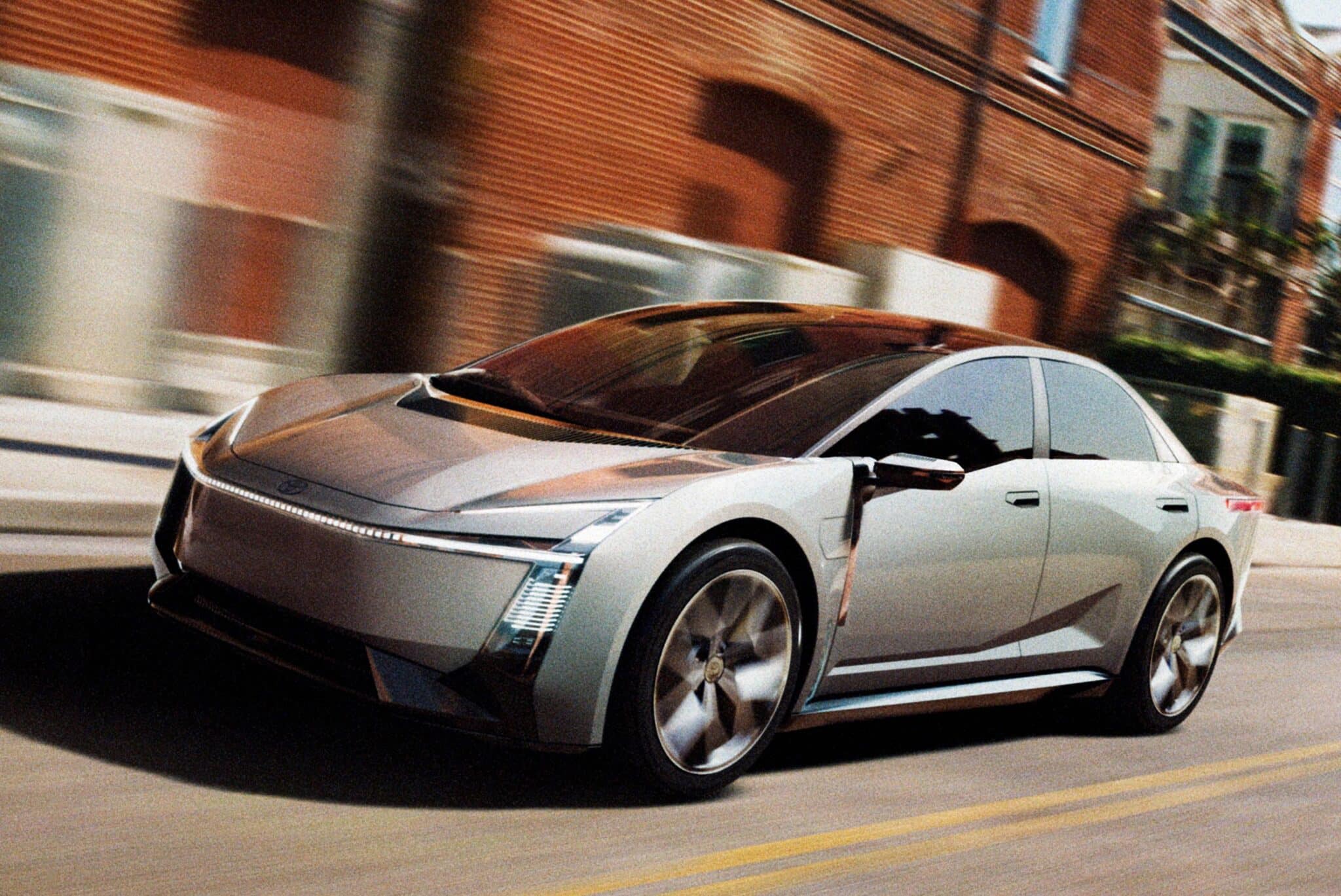
Toyota Corolla Concept

A Concept That Heralds the Future Corolla

The Corolla Concept presented in Tokyo is much more than a simple styling exercise. Observers agree that it provides a very concrete preview of the future generation of the compact sedan. Toyota is keeping the technical details under wraps, but the importance given to this concept leaves little doubt about its preview nature.

The Crucial Question of Electrification

The big question concerns the powertrain of this new Corolla. As the global automotive market accelerates its transition to electric power, Toyota could use this new generation to offer a 100% electric version of its best-seller. The Japanese manufacturer, a pioneer in hybrids with the Prius, has so far adopted a cautious approach regarding all-electric vehicles.

Several scenarios are plausible: a multi-energy platform allowing for internal combustion, hybrid, and electric versions, or a more pronounced specialization towards electric power. Toyota’s strategy for the electrification of the Corolla will be decisive for its future in European and North American markets, where regulations are becoming increasingly strict.

Expected Design and Innovations

The concept suggests a significant stylistic evolution compared to the current generation. The lines appear more assertive, the grille more refined, and the overall proportions could gain in modernity while retaining the recognizable identity of the Corolla.

Expectations also concern the technological equipment. The future Corolla should benefit from Toyota’s latest innovations in driver assistance, connectivity, and human-machine interface. The focus will likely be on active safety and driving comfort, two areas where Toyota traditionally excels.

Positioning in the Compact Market

The new generation Corolla will arrive in a particularly competitive segment, facing rivals like the Volkswagen Golf, Honda Civic, or Peugeot 308. Its success will depend on its ability to combine legendary reliability, technological modernity, and an accessible price.

The compact car segment remains crucial for manufacturers, representing a significant sales volume globally. Toyota will therefore need to find the right balance between innovation and accessibility to keep the Corolla at the top of the sales charts.

Legacy and Evolution

Since its launch in 1966, the Corolla has evolved with the times while maintaining the values that made it successful: reliability, operating economy, and versatility. This new generation will continue this legacy while having to meet contemporary challenges such as the energy transition and the digitalization of the automobile.

The unveiling of the concept in Tokyo will mark an important milestone in the history of this iconic model. Automotive enthusiasts and industry experts are eagerly waiting to see if Toyota will once again manage to reinvent its compact car without betraying its DNA.
Volkswagen European leader in electric car sales in 2024

Electric Car Sales: Volkswagen Confirms Its Dominance in Europe

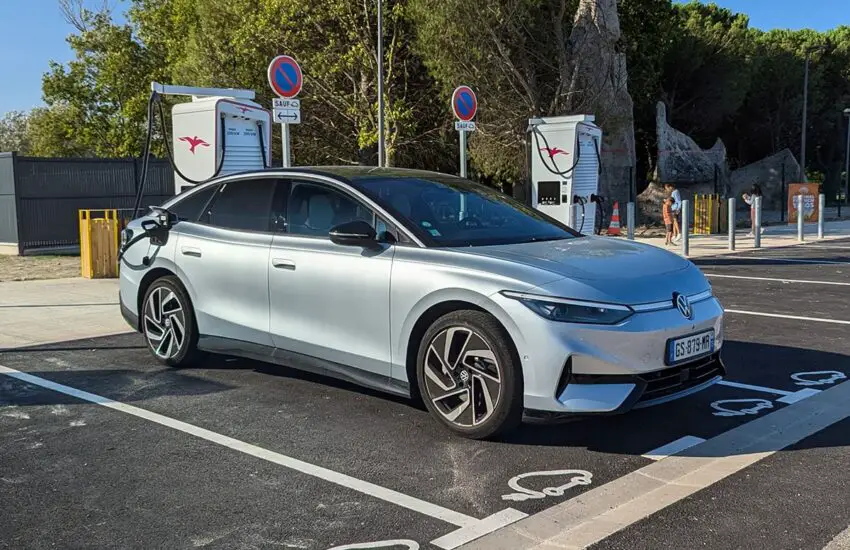
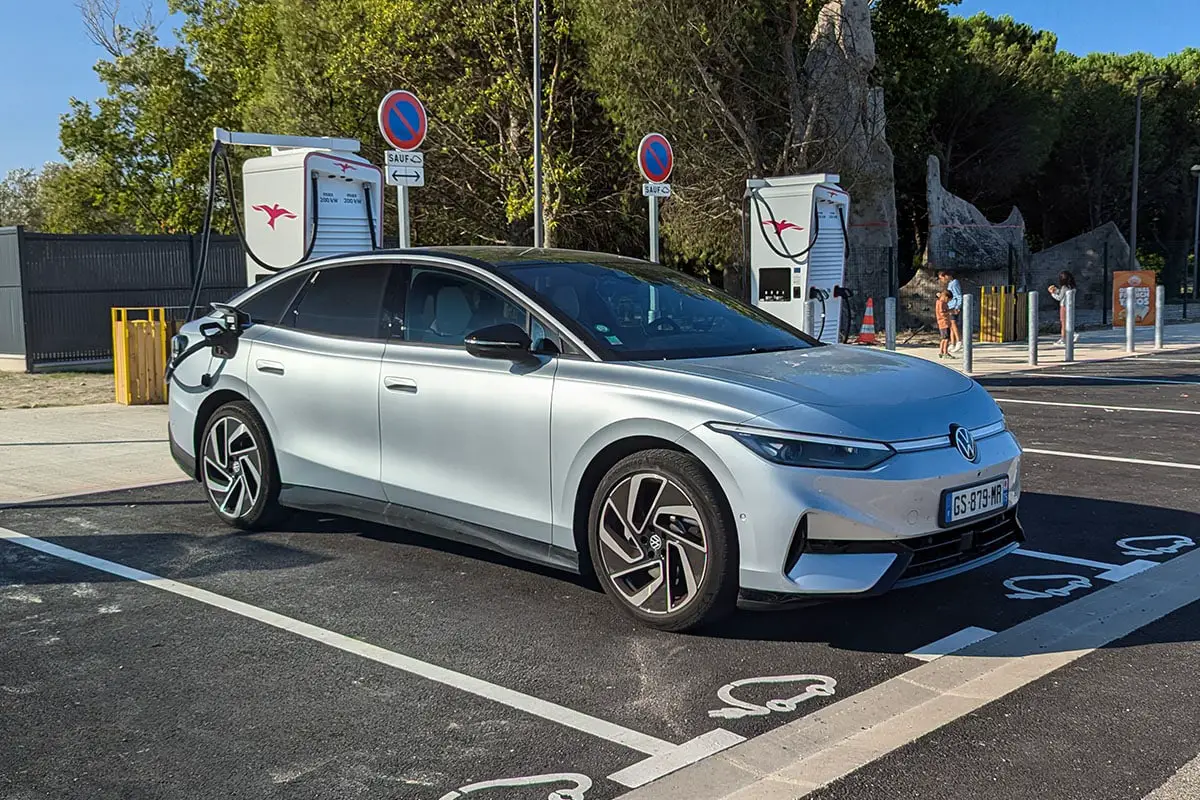
Volkswagen ID7 during a

Volkswagen is strengthening its position as the European leader in electric vehicles. The German automaker is recording remarkable growth in sales in this strategic segment, confirming the success of its energy transition.

Volkswagen’s Electric Strategy Bears Fruit

After several years of massive investments and technological development, the Volkswagen Group’s electric strategy is beginning to demonstrate its effectiveness. Recent sales figures indicate a growing adoption of the brand’s electric models in the European market.

This performance is part of a context of profound transformation in the automotive industry, where the transition to electric is accelerating. Volkswagen successfully anticipated this shift by developing a comprehensive range of electric vehicles tailored to different consumer needs.

Sustained Sales Growth

Statistics from the first half of 2024 reveal a significant increase in registrations of Volkswagen electric vehicles in Europe. This progress exceeds analysts’ expectations and places the manufacturer at the top of the European market.

Several factors explain this exceptional performance: the expansion of the available model range, improved battery range, the development of charging infrastructure, and increased consumer confidence in electric technology.

The Flagship Models of Volkswagen’s Electric Range

Volkswagen’s success is based on a smart diversification of its electric offering. The brand now offers several models covering different market segments, from compact vehicles to family sedans.

The ID.3 remains the historic best-seller, particularly appreciated for its value for money and its range suited for urban and suburban use. The ID.4 and ID.5 appeal to families looking for a spacious and versatile SUV. More recently, the ID.7 has established itself as the benchmark in the premium electric sedan segment.

Technological Innovation and Continuous Improvement

Volkswagen has invested significantly in the research and development of new technologies for its electric vehicles. The latest generations of batteries offer increased range and reduced charging times, addressing the main concerns of consumers.

The MEB platform, specifically designed for electric vehicles, allows for optimization of interior space and an improved driving experience. This modular architecture also facilitates the development of new models and reduces production costs.

Outlook and Challenges for Volkswagen

Despite its dominant position, Volkswagen faces several challenges to maintain its leadership. Competition is intensifying with the arrival of new players and the strengthening of electric offerings from traditional manufacturers.

The group must also accelerate the deployment of its own charging infrastructure and continue optimizing its battery supply chain. Controlling production costs remains a crucial issue to offer affordable vehicles while maintaining satisfactory margins.

Impact on the European Automotive Market

Volkswagen’s success significantly influences the dynamics of the European automotive market. Other manufacturers must adapt their strategies to remain competitive in the face of the growing dominance of the German group.

This situation accelerates the energy transition of the automotive sector in Europe and contributes to achieving the CO2 emission reduction targets set by the European Union. The market share of electric vehicles continues to grow, driven by major players like Volkswagen.

The consolidation of Volkswagen’s position as the European leader in electric car sales marks an important step in the group’s transformation. This success validates the strategic choices made in recent years and paves the way for continued expansion in the zero-emission vehicle market.

Good deal on the Peugeot e-2008 electric: discounted price and advantageous eco-bonus

Great Deal on the Peugeot e-2008 Electric

The Peugeot e-2008 electric is currently benefiting from an exceptional offer with a substantial discount and an increased ecological bonus. This compact SUV now represents an attractive opportunity in the segment of affordable electric cars.

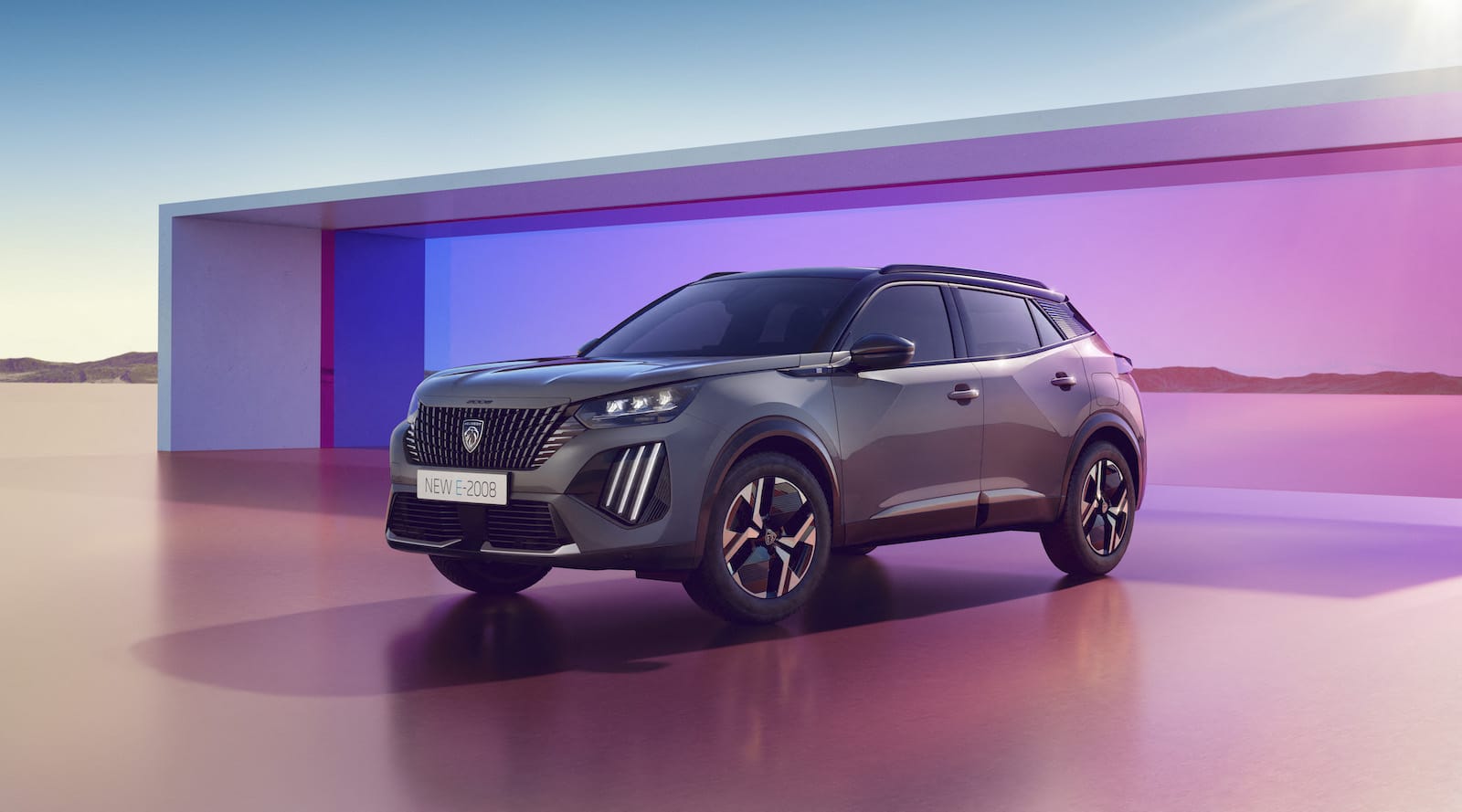
Peugeot e-2008 2023

A Particularly Attractive Price

With a starting price of only €28,400 after applying various government incentives, the Peugeot e-2008 electric positions itself as one of the most competitive offers on the market. This significant reduction comes at a time when car manufacturers are adjusting their commercial strategies to promote the adoption of zero-emission vehicles.

Technical Features of the e-2008

The Peugeot e-2008 features a high-performance electric motor with 136 horsepower, allowing it to achieve a WLTP range of up to 406 kilometers depending on the version. The 50 kWh battery charges quickly, with the ability to recover 80% of the range in just 30 minutes using a fast-charging station.

Design and Equipment

This compact SUV retains the distinctive stylistic identity of the Peugeot brand with its specific electric model grille, signature LED lights, and dynamic silhouette. The interior features the brand’s exclusive i-Cockpit 3D technology, combined with a 10-inch central touchscreen and numerous standard features that enhance the driving experience.

Context of the Ecological Bonus

The French ecological bonus, recently increased as part of the government’s policy to support clean mobility, significantly contributes to making this model even more accessible. This acquisition aid scheme is part of a national strategy aimed at accelerating the energy transition of the French car fleet.

Advantages of the Electric Powertrain

Beyond the economic aspects related to acquisition, the Peugeot e-2008 electric offers notable advantages in terms of daily use. Maintenance costs are reduced compared to a combustion engine vehicle, energy consumption is optimized, and the user benefits from numerous perks such as access to environmental restriction zones or free parking in some municipalities.

Market Positioning

In the competitive landscape of compact electric SUVs, the Peugeot e-2008 stands out for its particularly attractive price-quality ratio as part of this time-limited commercial offer. It directly competes with models like the Renault ZOE, Nissan Leaf, or Opel Mokka-e, while offering a distinctive stylistic and technological proposition.

Electric Market Outlook

This initiative by Peugeot is part of a broader trend of adjusting electric vehicle prices, made possible by the optimization of production processes and the increasing maturity of battery technologies. French manufacturers show a marked willingness to democratize access to electric mobility, thus anticipating future European emissions regulations.

Conclusion

The Peugeot e-2008 electric, with its advantageous price and balanced performance, is a serious option for drivers looking to transition to electric without compromising on style, space, and comfort. This temporary offer represents a window of opportunity to acquire a complete electric vehicle at a particularly competitive price.

Tesla faces new issues with its autonomous driving systems

Tesla and the Persistent Challenges of Autonomous Driving

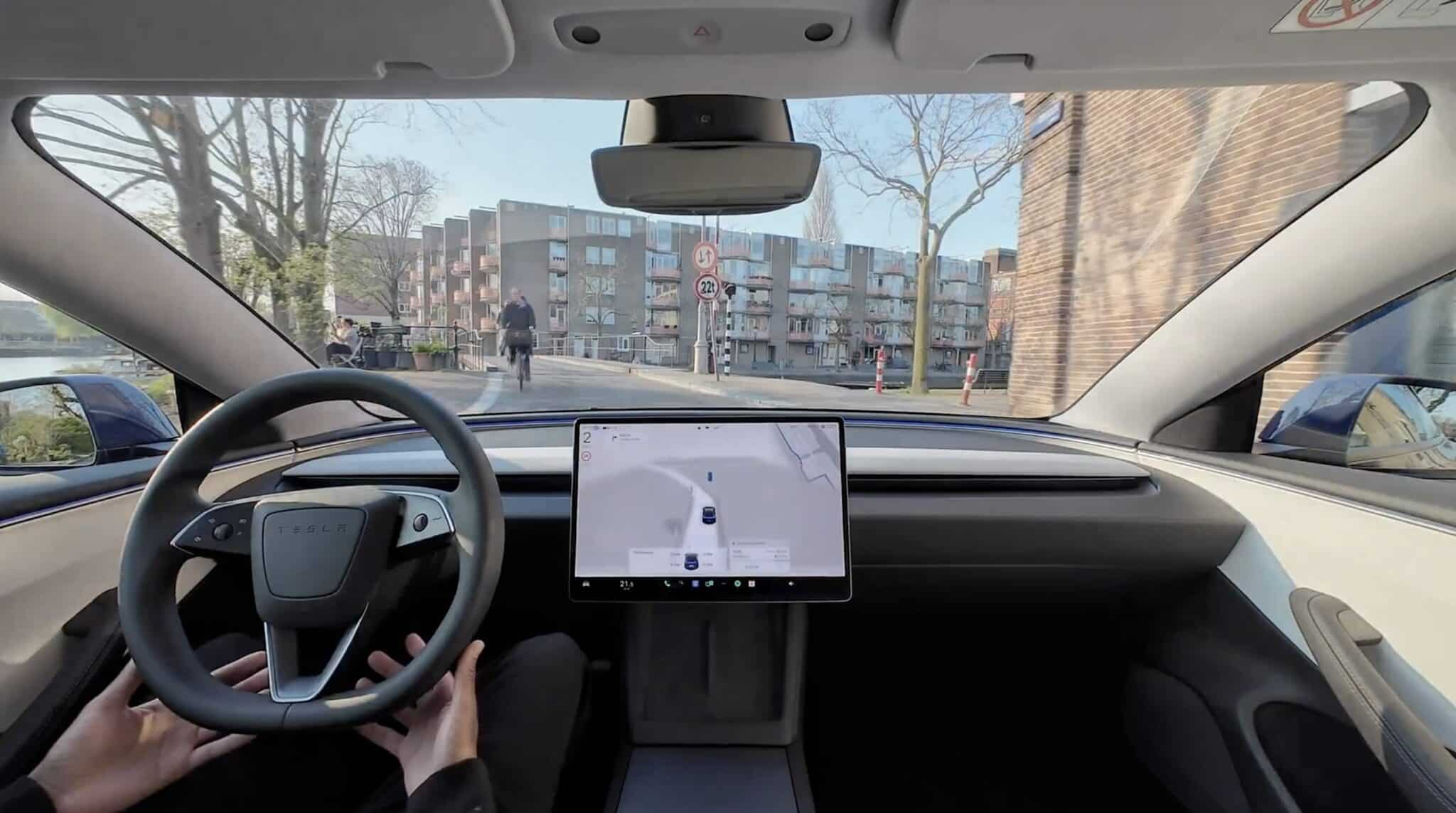
Tesla FSD undergoing testing in Amsterdam

Tesla continues to face issues with its autonomous driving features, confirming ongoing concerns about this innovative technology. Tesla’s autonomous driving systems, particularly the Full Self-Driving (FSD) option, are currently under thorough investigation in the United States following reports of 44 concerning incidents.

A Comprehensive Regulatory Investigation

U.S. authorities have launched a major investigation to assess the potential risks associated with Tesla’s FSD technology. This inquiry comes at a time when the electric car manufacturer’s autonomous features continue to spark intense debates within the automotive industry and among regulatory bodies.

History of Safety Concerns

Since its introduction, Tesla’s autonomous driving system has regularly faced criticism and detailed analysis. Despite successive improvements made by Tesla, the reported incidents raise fundamental questions about the maturity of this technology and its ability to handle all complex driving situations.

The Complexity of Validating Autonomous Systems

The development and validation of autonomous driving systems represent a significant technological challenge. Tesla must constantly balance innovation and safety, while regulators seek to establish appropriate frameworks for these emerging technologies. The 44 documented incidents highlight the persistent difficulties in fully mastering autonomous driving.

Impact on the Automotive Industry

The problems encountered by Tesla with its FSD technology have repercussions across the entire autonomous vehicle sector. Other automobile manufacturers are closely monitoring these developments, which could influence future regulations and consumer expectations regarding autonomous driving.

Technological Evolution Prospects

Despite current challenges, the industry continues to invest heavily in the development of autonomous technologies. Lessons learned from Tesla’s incidents contribute to the overall improvement of systems and the establishment of stricter safety standards for the entire sector.

Custom license plate on Nissan: creativity but offense

The Artist Behind This Homemade Nissan License Plate

Motorists sometimes devise very creative methods to circumvent the law, but some particularly original approaches involve handmade artistic creations. This was the case for a California driver behind the wheel of a Nissan Sentra, recently pulled over after a California Highway Patrol officer noticed something unusual about the vehicle’s rear license plate.

An Imitation That Doesn’t Go Unnoticed

It must be acknowledged that the work wasn’t completely botched. The reproduction was convincing enough to fool ordinary passersby or perhaps even a police officer at a first quick and distant glance. However, upon closer inspection, the deception became obvious. To create a fake license plate, a more effective method would have been to print a template from the internet and use it as a stencil, thus ensuring perfectly matching font and layout. Still, reproducing the characteristic metallic effect of official plates represents a significant technical challenge.

Apprehension and Mitigating Circumstances

The California Highway Patrol did not disclose many details about this apprehension, merely mentioning in its report that it gave the driver points for creativity. It seems that the vehicle owner did not attempt to deceive law enforcement for criminal motives, but rather because his original plate had gone missing and he believed this homemade solution was the best way to replace it.

A Problem with a Misplaced Spare Tire

Furthermore, how can one not point out that the spare tire was secured in place, but in a completely inappropriate location, with a rather improvised fastening system. This situation raises additional questions regarding the vehicle’s overall maintenance and adherence to basic road safety standards.

The Legal Risks of Homemade License Plates

Making one’s own license plate is a serious offense, regardless of the reason given. Even in cases of loss or theft of the official document, legal procedures exist and must be strictly followed. Authorities have sophisticated verification systems that make it nearly impossible for this type of forgery to slip through the cracks.

Legal Alternatives in Case of Loss

If a license plate goes missing, the correct procedure is to go immediately to the registration office to file a loss report and order official duplicates. Although this process involves administrative fees and a waiting period, it remains the only legal option for driving with peace of mind.

Conclusion on This Risky Initiative

While the ingenuity displayed by this California driver may bring a smile, it primarily serves as a reminder of the importance of scrupulously respecting the highway code and regulations concerning vehicle identification. Creativity, as impressive as it may be, cannot replace legal compliance when it comes to driving on public roads.

Heavy D of the Diesel Brothers Released from Prison: The Full Story of His Incarceration

Heavy D of Diesel Brothers Regains Freedom

David Sparks, better known by his alias Heavy D, one of the iconic figures of the Diesel Brothers made famous on YouTube and Discovery Channel, had an eventful week. The automotive influencer was incarcerated last week for non-payment of legal fees amounting to approximately $850,000, related to a case involving violation of the Clean Air Act.

Three Days in Detention Before an Unexpected Release

After spending three days in prison, David Sparks finally appeared before a judge who ordered his immediate release. This surprising judicial decision comes after the case was initially presented as a simple refusal to pay criminal fines.

Heavy D’s Version on Social Media

In a video, he promised to provide more comprehensive details in an upcoming video on his YouTube channel. According to his explanations, corroborated by other media sources and court documents, it would not be a matter of ignoring direct government fines but rather contesting legal fees related to a civil lawsuit filed by a private organization.

The Role of the Utah Physicians for a Healthy Environment Association

The case originated from a complaint filed by the organization Utah Physicians for a Healthy Environment (UPHE), which initiated civil proceedings against the Diesel Brothers for modifications made to truck emission systems. This distinction between government prosecutions and private civil action is at the heart of the legal dispute.

A Release Described as a “Victory”

David Sparks describes his release as a form of “vindication,” although this interpretation may be subject to debate. Regardless, this prison experience marks a turning point in the automotive influencer’s career, whose case continues to generate significant attention in the diesel enthusiast community.

Future Prospects for the Diesel Brothers

While Heavy D is apparently preparing a more detailed response for his audience, the automotive industry is closely following the developments of this case, which raises important questions regarding vehicle modifications and compliance with environmental standards.

Mercedes Vision Iconic: a concept car inspired by 1990s Batman cartoons

Mercedes Vision Iconic: A Surprising Tribute to Batman

The recent years haven’t been particularly glorious for Mercedes-Benz in the field of design, with many models resembling indistinct shapes on wheels. The situation is changing today, at least in part, with the unveiling of the Vision Iconic concept car. For a 38-year-old person like me, this vehicle seems straight out of the 90s Batman animated series.

A Striking Resemblance to the Batmobile

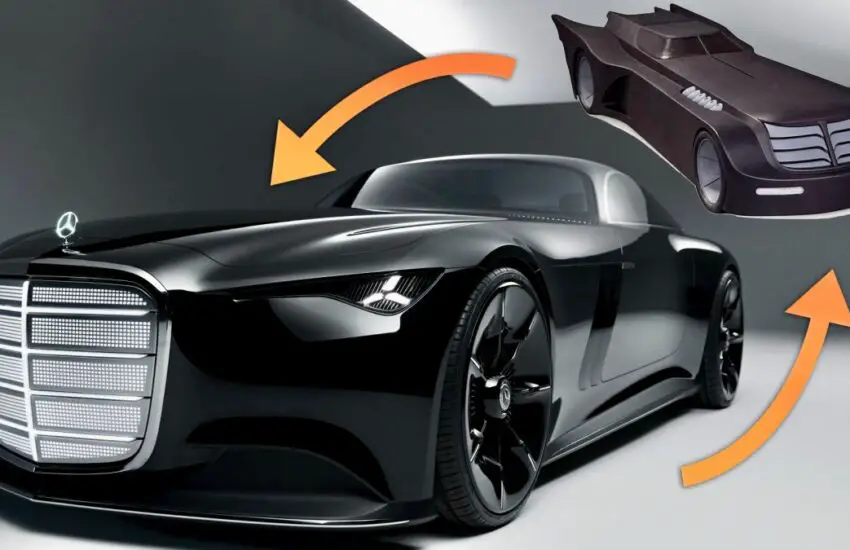
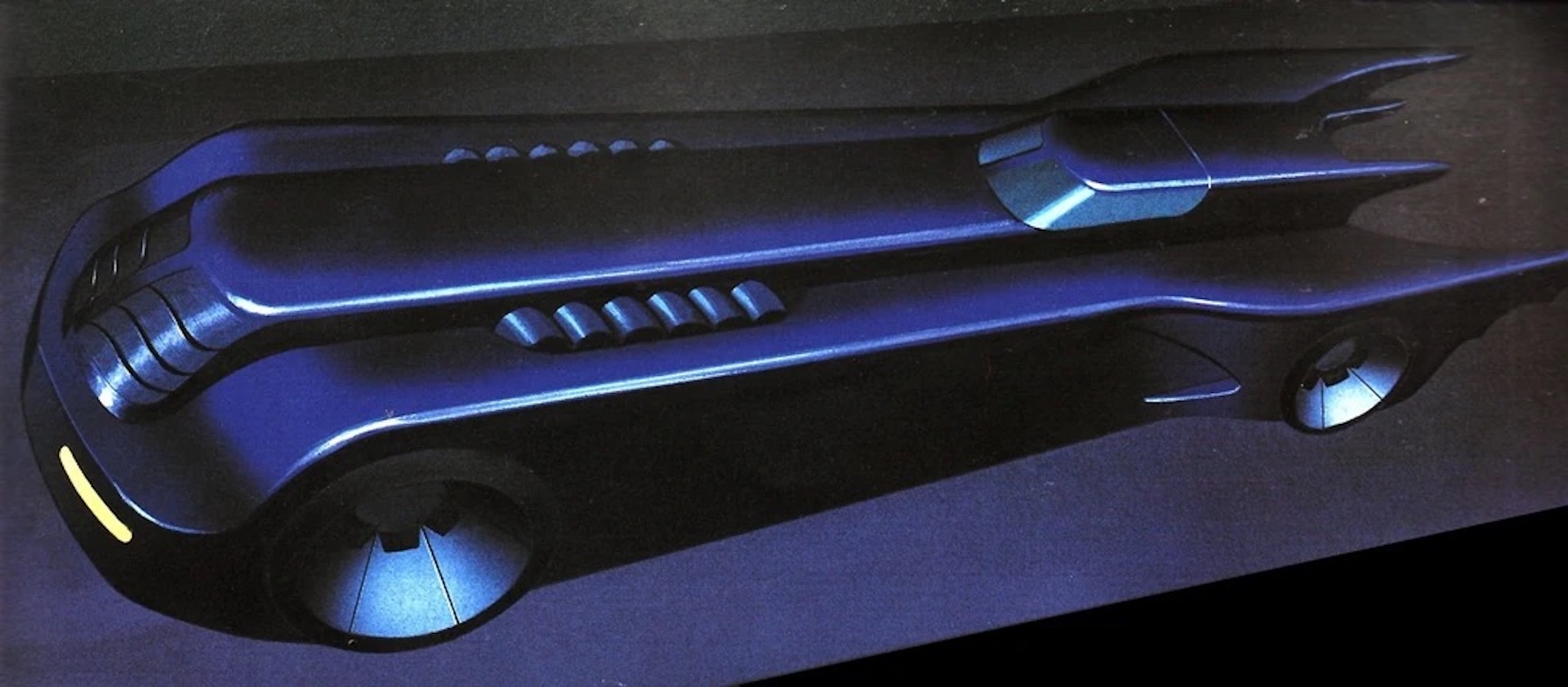
As you can see below, the resemblance is uncanny. One can bet that at least one person on the design team noticed this similarity during the creative process but refrained from commenting. The extremely long hood, the passenger compartment pushed towards the rear, the way the canopy rises before the rear wheels and flows towards a tapered and pointed end at the back. But perhaps the most revealing clue is the grille. It’s almost identical to that of the Batmobile, although Mercedes claims it draws inspiration from the designs of the W108, W111, and the Mercedes-Benz 600 Pullman.

Beyond the Batman Reference

Enough about Batman. The Vision Iconic represents much more than just a tribute to pop culture. This concept car embodies a new stylistic direction for the German brand, blending retro-futuristic elements with a decidedly modern aesthetic. The clean lines and high-gloss deep black finish create a silhouette that is both elegant and aggressive.

Comparison between the 90s Batmobile and the Mercedes Vision Iconic
WB

Exterior Design: Between Tradition and Innovation

The sculptural body of the Vision Iconic features unusual proportions that defy current automotive conventions. The avant-garde approach is particularly evident in the treatment of surfaces and the play of light. The high-gloss deep black paint accentuates the curves while creating reflections that change with the viewing angle.

Mercedes Heritage Reinterpreted

Although the references to Batman are undeniable, Mercedes insists on the heritage of its historical models. The W108 and W111, produced in the 60s, were renowned for their timeless elegance and clean lines. The Mercedes-Benz 600 Pullman, on the other hand, embodied the pinnacle of automotive luxury of its time. The Vision Iconic draws from this DNA while projecting it into the future.

A Vision for the Future of Automotive Design

This concept car doesn’t just pay homage to the past. It explores new possibilities in terms of aerodynamics, lighting, and ergonomics. Technical details remain confidential, but one can guess a decidedly forward-looking approach towards electrification and connected technologies. The rearward position of the passenger compartment suggests a new technical architecture, likely adapted for zero-emission powertrains.

Conclusion: Between Nostalgia and Innovation

The Mercedes Vision Iconic successfully makes the bold bet of blending nostalgic references and a futuristic vision. While it inevitably evokes the 90s Batmobile for those who grew up with that series, it primarily represents a new step in the evolution of Mercedes design. It remains to be seen which elements of this concept car will influence future production models.

Average price of new cars exceeds $50,000: automotive market analysis

Average New Car Price Surpasses $50,000 Mark

For the first time in history, and certainly not the last, the average transaction price for a new vehicle exceeded the $50,000 threshold last month, according to new data from Cox Automotive via Kelley Blue Book.

Price Evolution and Market Trends

The average transaction price in September was $50,080, representing a 2.1% increase from August and a 3.6% rise year-over-year. This latter increase marks the largest annual gain since spring 2023. Cox reported that average dealer incentive spending also rose, likely to offset some of this pressure, reaching 7.4% of the average transaction price, or about $3,700. In August, this figure was 7.2%.

Disappearance of Affordable Vehicles and Upscaling Trend

“The $20,000 vehicle is now almost extinct, and many budget-conscious buyers are being sidelined or navigating the used vehicle market,” said executive analyst Erin Keating in a Cox statement. Keating added that while tariffs have introduced “new cost pressures,” it’s primarily the mix of electric vehicles and premium models that has truly driven up these selling prices.

The Growing Share of Electric Vehicles

Regarding electric vehicles, Cox estimates their share of the automotive market at 11.6% currently, another record, driven by a rush to purchase EVs before the federal tax credit expired in early October. This trend partly explains the overall increase in average prices observed in the market.

Historical Evolution of Car Prices

It was only a matter of time before we reached this level, and looking back, it was a slow climb until early 2021. Going back to January 2016, the average new car cost $33,618 according to Edmunds. This steady progression demonstrates persistent inflation in the automotive sector and the profound market transformation toward more sophisticated and technologically advanced vehicles.

Impact on Consumer Behavior

This significant increase in average prices has direct consequences on consumer purchasing behavior. More and more buyers are turning to the used car market, while others are postponing their purchase decisions or opting for longer financing solutions to mitigate the monthly impact of these high prices.

Outlook for the Automotive Market

Experts predict that this upward price trend is likely to continue in the coming months, fueled by rising raw material costs, technological innovations integrated into new models, and the gradual transition toward vehicle electrification.

Jeep Grand Wagoneer 2026: Electric V6 with Range Extender for 800 km

Jeep Grand Wagoneer 2026: Range Extender V6 Option

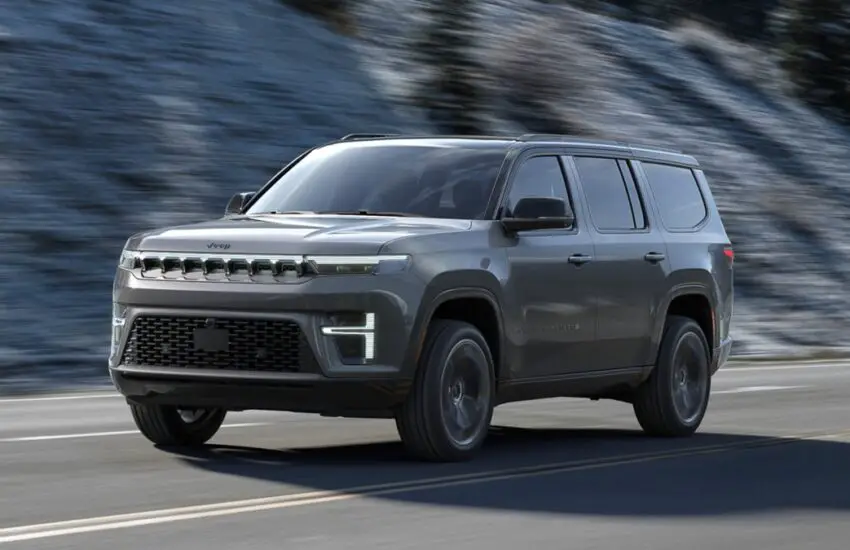
The 2026 Jeep Grand Wagoneer is the result of thorough consideration. It now features a Jeep badge on the hood, eliminating any confusion about its brand identity. Its starting price is $64,740, approximately $20,000 less than before due to the removal of the non-Grand version. It also benefits from an electric powertrain option with a range extender, a first for SUVs in the United States. The question remains: will these changes be enough to convince buyers?

Redesigned Styling and Electric Influences

Let’s start with the style. The front end is significantly reworked for 2026 and draws inspiration from the all-electric Wagoneer S. The seven-slot grille is taller and tighter than before, complemented by an updated LED signature visible through the headlights and fog lights. Additionally, the lower grille is larger, which should improve cooling. A trained eye is needed to spot the differences at the rear; the most significant change concerns the full-width taillight.

Technical Innovation and Performance

The major novelty lies in its propulsion system. The 2026 Grand Wagoneer offers an electric powertrain with a range extender, combining a main electric motor and a gasoline V6 engine acting as a generator. This configuration allows for an extended electric range exceeding 800 kilometers, addressing concerns about electric vehicle range.

Features and Onboard Technologies

Inside, the Grand Wagoneer maintains its premium approach with high-quality materials and the latest entertainment technologies. The user interface has been optimized for a more intuitive experience, while the driver assistance systems have been updated for enhanced safety. The cargo space remains generous, preserving the practical utility expected from a large SUV.

Positioning in the Electric SUV Market

With this new electric range extender option, Jeep positions the Grand Wagoneer as a serious alternative to traditional electric SUVs. This electric hybrid technology offers the possibility of driving in zero-emission mode for daily commutes, while enabling long trips without recharging constraints. This flexibility could appeal to buyers hesitant to switch to pure electric vehicles.

Future Developments and Outlook

The 2026 Grand Wagoneer represents a significant step in Jeep’s electric transition. As the brand continues to develop its range of electric vehicles, this range extender version serves as a technological bridge towards a fully electric future. Customer feedback on this new option will likely determine the future direction of Jeep’s developments in the premium SUV segment.

Ferrari plans 20 new models in 5 years: 2026-2030 strategy

Ferrari Accelerates Its Development with 20 New Models

Ferrari has unveiled an ambitious industrial strategy for the next five years. The Italian luxury car manufacturer plans to launch no fewer than 20 new models between 2026 and 2030, averaging four introductions per year.

Technological Breakdown of Future Models

The prancing horse brand specified that its future production would follow a well-defined distribution among different technologies. The plan anticipates that 40% of vehicles will be equipped with traditional internal combustion engines, 40% will operate with hybrid powertrains, while fully electric models will represent 20% of the portfolio.

🐎

This announcement comes as part of the presentation of the Ferrari 2030 strategic plan, which marks a gradual transition towards electrification while preserving the legacy of the internal combustion engines that made the brand famous.

Exceptional Demand for Future Ferraris

Ferrari’s commercial success remains undeniable, as evidenced by the fact that all production until 2026 is already sold out. This strong demand demonstrates the brand’s persistent appeal despite evolving environmental regulations and the energy transition in the automotive sector.

Current Automotive Context

The global automotive landscape is currently undergoing significant transformations. While Ferrari announces its ambitious development plan, other manufacturers are facing different challenges.

🚘

Vehicle tests follow one another among automotive journalists, with sometimes radical transitions between models. The shift from a 2026 Ram 1500 pickup equipped with the V8 Hemi to an updated 2026 Subaru Solterra EV perfectly illustrates the diversity of technologies currently available on the market.

Variable Performance Among Electric Models

The electric vehicle market shows contrasting dynamics. While some models are experiencing growing success, others are facing commercial difficulties.

📉

Some iconic electric vehicles are seeing their sales decrease significantly, with declines reaching 63% in the third quarter of 2025 compared to the same period in 2024. This situation sometimes affects all companies related to their founders.

Outlook for Ferrari

The strategy announced by Ferrari represents a strong commitment to innovation while maintaining the performance and exclusivity standards that characterize the brand. The balanced distribution between combustion, hybrid, and electric demonstrates a pragmatic approach to the energy transition.

This ambitious product roadmap positions Ferrari as a key player in the luxury automotive landscape of the coming years, capable of reconciling tradition and innovation in a rapidly changing sector.