Charging electric trucks in Europe: strategies to avoid blockages

How to Prevent Bottlenecks at Electric Truck Charging Stations in Europe
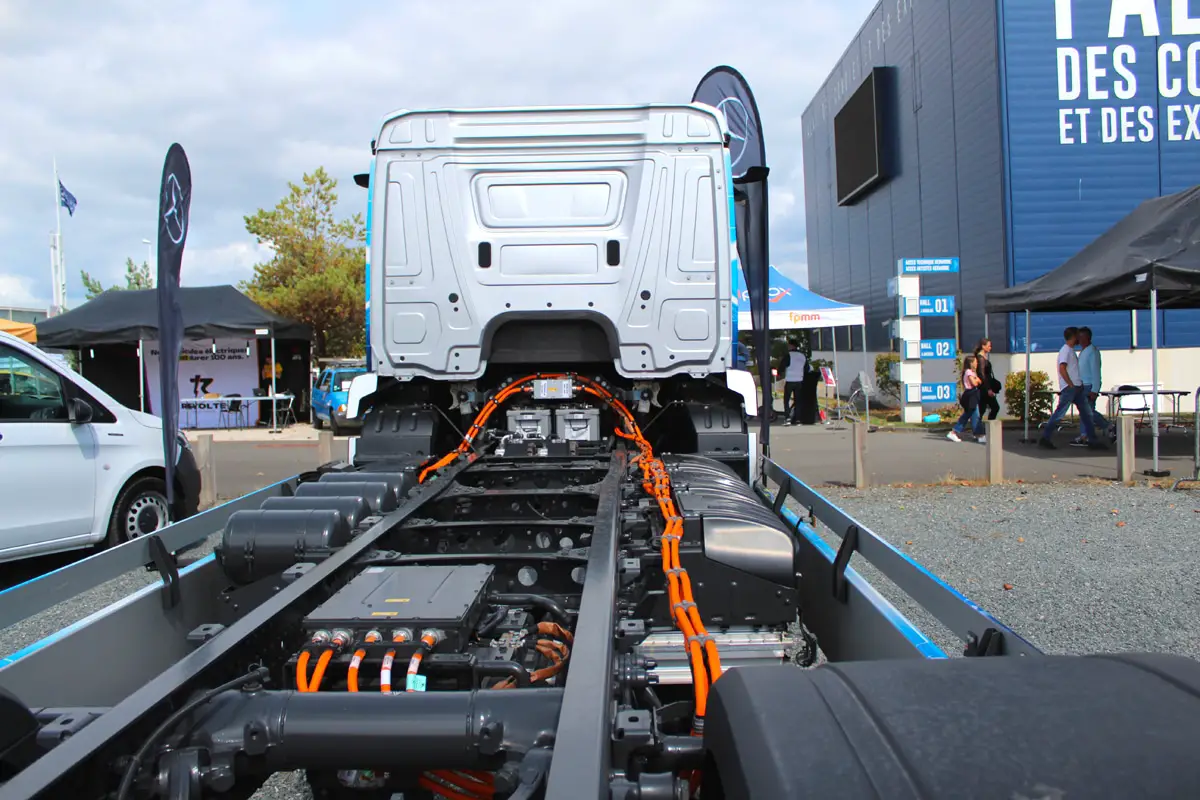
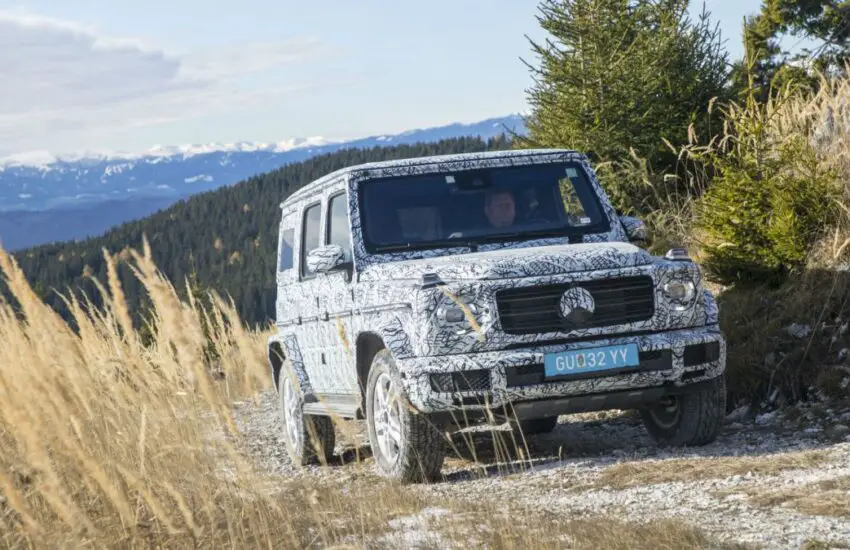
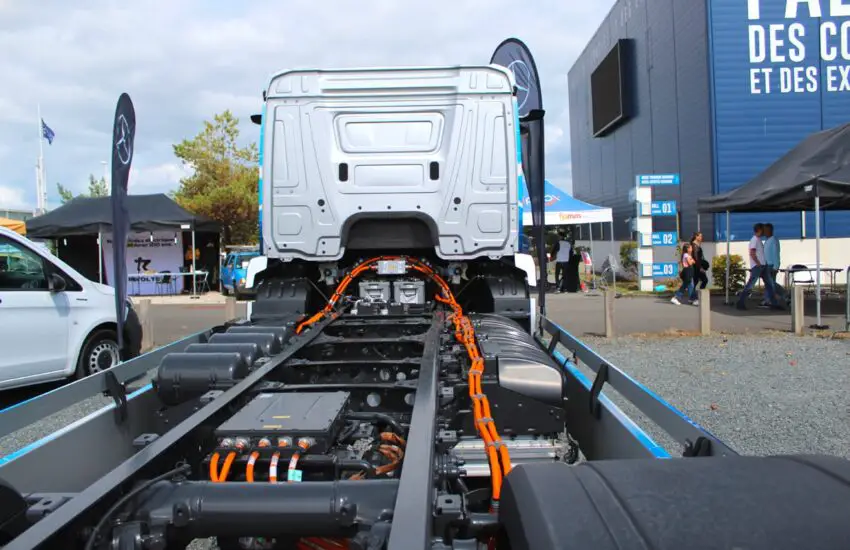
Mercedes e-Actros

The transition to electric mobility for heavy-duty vehicles in Europe represents a major infrastructure challenge. The International Council on Clean Transportation (ICCT), an independent research organization, has conducted an in-depth analysis to assess the alignment between European charging infrastructure deployment targets and the actual needs of road freight transport.

The Gap Between Ambitions and On-the-Ground Reality

Current European regulations call for an accelerated deployment of electric truck charging stations along major road routes. However, the ICCT study reveals significant disparities between theoretical projections and the operational constraints of long-distance transport. Planning must account for the technical specificities of heavy commercial vehicles, their charging times, and their real-world range.

The Technical Challenges of High-Power Charging

Charging electric trucks requires much more powerful infrastructure than that for light vehicles. Stations dedicated to heavy-duty vehicles must provide power that can reach several megawatts simultaneously for multiple vehicles. This technical requirement implies substantial investments in electrical grids, which are often insufficient near highways and logistics areas.

Optimizing Station Placement

Spatial analysis shows that the strategic location of charging stations is key to their optimal use. Major logistics hubs, frequently used rest areas, and industrial zones are preferred locations. A balanced distribution across European freight corridors would help reduce the risk of congestion during peak activity periods.

Adapting to Carrier Operational Constraints

Electric truck fleets operate on tight schedules where charging time is a crucial economic factor. Solutions must incorporate advance booking of charging points, smart management of available power, and compatibility with unified payment systems. Standardizing connectors and communication protocols appears essential to facilitate the user experience.

Prospects for the Evolution of the European Network

The harmonious development of electric truck charging infrastructure in Europe requires transnational coordination. Public and private investments must align around a common vision, anticipating the increase in freight traffic and the technological evolution of batteries. Sharing infrastructure among different types of heavy vehicles could optimize costs and equipment utilization.

Towards a Successful Transition in Road Transport

The success of freight transport electrification will depend on stakeholders’ ability to create a coherent and resilient ecosystem. Forward-looking analysis includes the impact of renewable energies, the development of stationary storage, and the integration of smart grids. These combined elements will help prevent blockages and ensure smooth charging operations across the entire European territory.

Tesla Model Y 2025 Powertrain: Comprehensive Analysis of Real-World Consumption and Range

Tesla Model Y Propulsion 2025: Detailed Energy Performance

Tesla Model Y Propulsion

The Tesla Model Y Propulsion 2025 represents the entry-level version of the best-selling electric SUV in Europe. This rear-wheel drive model undergoes a comprehensive supertest aimed at measuring its energy performance under real-world usage conditions.

Rigorous Testing Methodology

Our testing protocol was designed to evaluate the Model Y Propulsion’s electrical consumption and actual range across different types of routes. Tests were conducted with a 100% charged battery and under various weather conditions to obtain representative data.

The vehicle was tested in urban environments, on national roads, and on highways, with outside temperatures ranging between 10°C and 25°C. Air conditioning was used as needed, replicating typical usage patterns.

Measured Consumption in Real Conditions

The results demonstrate remarkable energy efficiency for this electric SUV. In city driving, the Model Y Propulsion shows particularly low consumption, fully benefiting from energy recovery during braking phases.

On highways, consumption logically increases but remains competitive compared to other electric vehicles in the same category. The Model Y’s refined aerodynamics help limit the impact of high speeds on range.

Real Range vs Theoretical Range

The gap between the manufacturer’s announced range and the range measured during our tests follows the general trend in the electric vehicle market. Several factors explain these differences, including driving style, route profile, and equipment usage.

Our measurements indicate that the Model Y Propulsion 2025 offers a practical range that’s entirely sufficient for most daily uses and long-distance trips, with optimized charging times thanks to the Tesla Supercharger network.

Performance and Road Behavior

Beyond mere consumption figures, the Model Y Propulsion impresses with its driving pleasure. The rear-wheel drive transmission provides interesting dynamics, while weight distribution benefits from the battery’s low position.

The absence of a front motor frees up space and contributes to a compact turning radius, appreciated during urban maneuvers. The precise steering and well-calibrated suspension complete a coherent and mature package.

Equipment and Onboard Technologies

The Propulsion 2025 version incorporates all of Tesla’s latest technical developments. The multimedia interface, driving assistance features, and connectivity functions are identical to more powerful versions, ensuring a complete user experience.

The intelligent battery management system continuously optimizes energy performance, while over-the-air software updates ensure the vehicle’s ongoing evolution.

Conclusion on Energy Efficiency

The Tesla Model Y Propulsion 2025 confirms its position as a benchmark in the compact electric SUV segment. Its measured consumption and real-world range make it a vehicle suitable for most needs, combining energy efficiency with usage versatility.

Progress made in battery thermal management and aerodynamic optimization translates into tangible performance that justifies this model’s commercial success with an increasingly large customer base.

High-Performance Suspension on Daily Vehicle: The Assessment After One Year of Experience

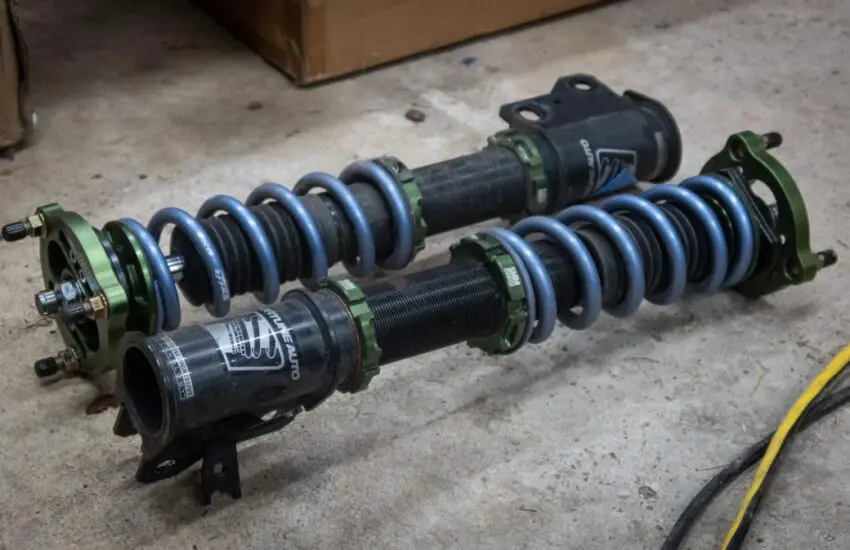
“I need new shock absorbers. What do you recommend?” This question comes up daily on automotive forums and groups. Inevitably, someone suggests: “Get coilovers.” This is bad advice. Coilovers can be excellent, and the Fortune Auto 500s I installed on my Honda Civic Si were remarkable. But even the best coilovers represent a significant commitment, drastically altering the personality of the vehicle they are mounted on. After testing three distinct types of suspension on my Civic, I have valuable insight for anyone looking to change their shocks, mounts, and springs.

Fortune Auto – Rebuildable High-End Coilovers, Made in America

I met a Fortune Auto representative at a SEMA show a few years ago, which led the company to entrust me with a set of their Series 500 coilovers equipped with Swift springs for testing and presentation. We already covered the fundamental differences between coilovers and standard shock/spring suspensions last year, and we also looked into setting alignment parameters.

Now that I’ve driven several thousand miles on the road and used them in various competitions, I can finally provide a detailed report. Here’s the short version: At their best, they are fantastic. At their worst, they are still tolerable. Ultimately, I recommend them, but only to drivers ready to significantly shift their car’s “performance/comfort” balance towards increased stiffness.

Audi unveils its new Digital Matrix Micro LED headlights: a lighting revolution but banned in the United States

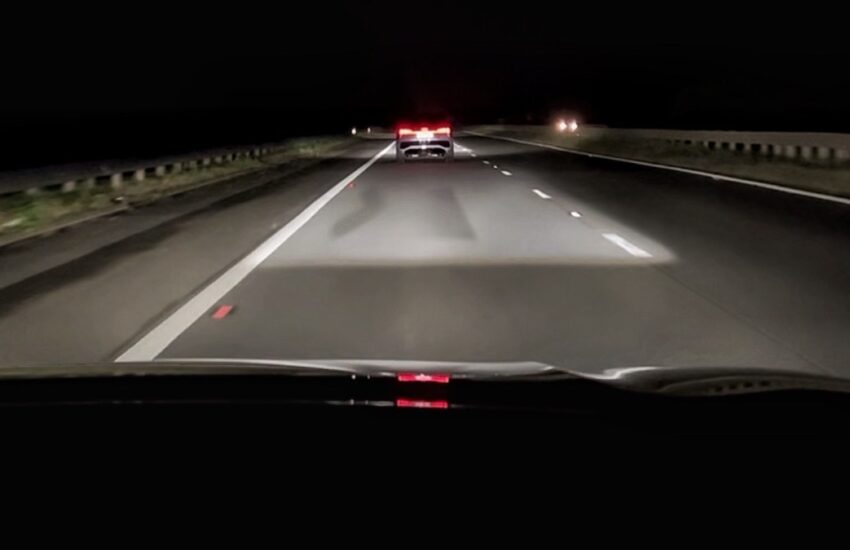
Audi’s Digital Matrix Micro LED Headlights in Action

I recently tested the new 2026 Audi Q3 and was impressed by its refined finish, especially for an entry-level crossover from a luxury German manufacturer. One of the most notable features involved the new Digital Matrix LED headlights. Usually, press tests take place during the day, so I wouldn’t have been able to experience this technology. But this time, Audi organized a night drive to demonstrate how they work – and I can confirm they are truly exceptional.

A Revolutionary Lighting Technology

Like previous versions, this new system illuminates the road ahead, distributes light where it’s most needed, and avoids dazzling oncoming or preceding vehicles. The novelty lies in the Light Guidance technology, using micro LEDs to project various images or graphics onto the road to enhance your safety.

25,000 Micro LEDs Per Projector

Each headlight has two projectors, one for high beams and one for low beams. Each contains 25,000 micro LEDs – and to give you an idea of their size, Stephan Berlitz, head of exterior lighting development at Audi, specified that each micro LED is half the thickness of a human hair.

Advanced Safety Features

These headlights not only provide completely glare-free high beams, but they also play an active role when driving in the dark or in wet weather. One of their new tricks is to guide you on country roads that might be unfamiliar to you. When approaching a curve, the camera-based system reads the road markings well in advance.

2025 Chevrolet Blazer EV SS Test: Fast but not Sporty, and That’s Just Fine

Fast But Not Sporty

That’s the best summary to describe the 2025 Chevrolet Blazer EV SS. Its SS badge, a true icon in the brand’s history, stands for Super Sport. Traditionally, it evoked a big engine, big brakes, and exceptional performance.

Of course, it also represented one of the best sedans in history with the Chevrolet SS, but that belongs to the past. The SS badge returns in the electric era with the Blazer EV SS. Far from being a pure athlete, it nonetheless continues the tradition of increased power, oversized brakes, and remarkable performance. However, those hoping for a direct competitor to the Hyundai Ioniq 5 N from Chevrolet will need to adjust their expectations.

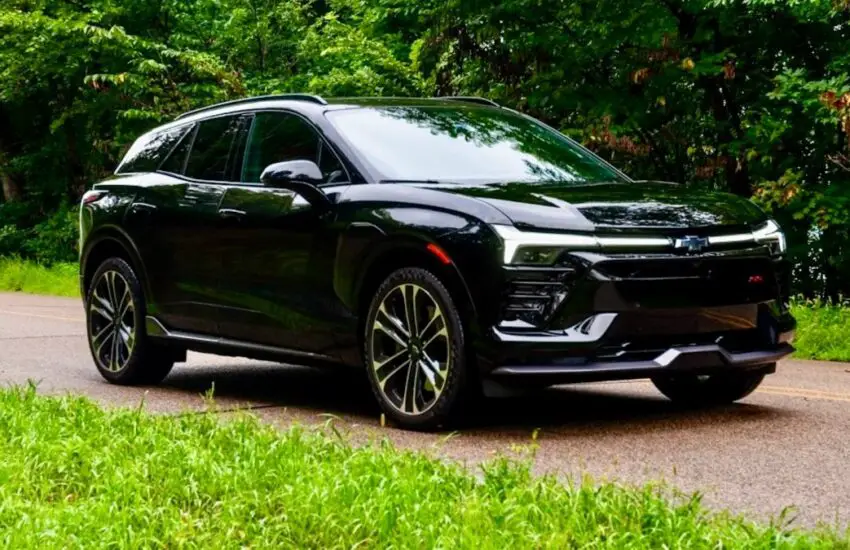
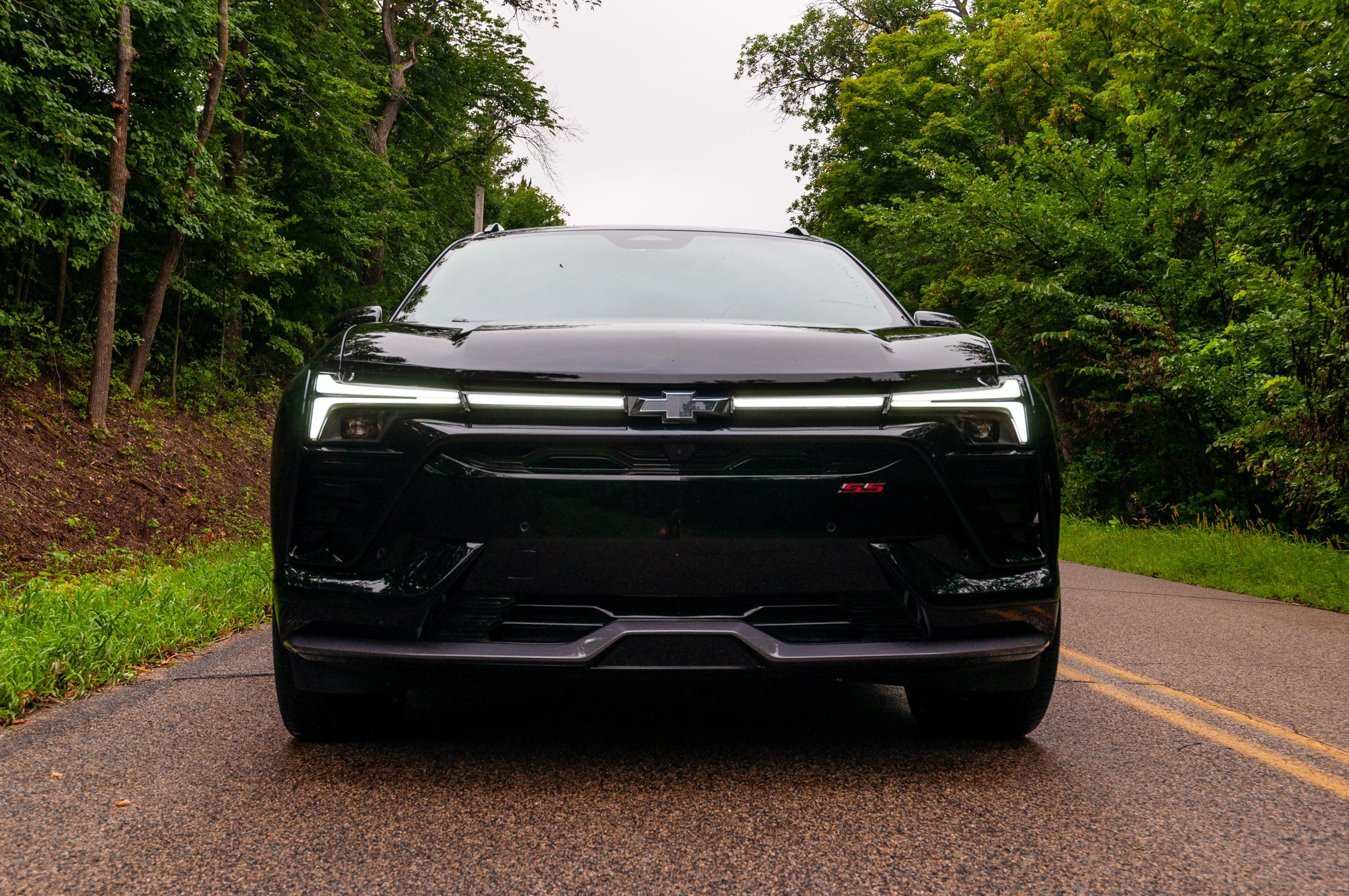
2025 Chevrolet Blazer EV SS
Joel Feder

Core Features

The Blazer EV SS arrives this year as the flagship model of the range. It offers more power, revised steering and suspension, improved brakes, slight aesthetic tweaks, and better transmission control. But it is by no means an electric sports car.

The aesthetic modifications specific to the SS version are subtle and refined. The specific wheels, distinctive badges, and exclusive finishes give it an enhanced road presence without being excessive. The approach remains elegant and mature, faithful to the brand’s heritage.

Performance and Driving

Under the hood, the Blazer EV SS delivers impressive electric power. Acceleration is sharp and immediate, typical of high-performance electric vehicles. The torque available from low revs ensures dynamic pick-up in any situation.

The regenerative braking system offers several levels of energy recovery, allowing for a more or less engaged driving experience depending on the driver’s preference. The mechanical brakes, larger than those on standard versions, provide substantial braking power to control this moving mass.

Technology and Equipment

The Blazer EV SS’s cabin benefits from Chevrolet’s latest technological innovations. The large central screen serves as the control hub for all vehicle functions. The user interface is intuitive and responsive, with modern graphics and extensive customization.

The driver assistance systems include the latest developments in active safety and driving comfort. Traffic sign recognition, adaptive cruise control, and lane keeping assist work with precision and smoothness.

Range and Charging

The announced range places the Blazer EV SS in the upper average of electric SUVs in its category. The high-capacity battery allows for stress-free long-distance journeys, while compatibility with DC fast charging significantly reduces downtime.

The sophisticated thermal management system optimizes battery performance in all conditions, preserving both range and cell longevity. Route planning via the integrated navigation system takes into account available charging stations along the way.

Interior Design and Comfort

The SS interior trim is distinguished by superior quality materials and exclusive equipment. The sport front seats offer excellent lateral support without compromising comfort on long journeys. The careful sound insulation ensures a peaceful cabin atmosphere, even at high speed.

The cargo space remains generous despite the presence of the battery, retaining the versatility expected of an SUV. The clever storage and practical amenities meet the needs of both daily use and occasional trips.

Conclusion

The 2025 Chevrolet Blazer EV SS fully embraces its positioning: extremely fast in acceleration but without excessive sporting pretensions. It represents a modern interpretation of the SS heritage, adapted to the new realities of electric mobility.

Its balanced approach between raw performance and practical daily use makes it a convincing vehicle for those seeking the thrills of electrification without the usual compromises of purely sports vehicles. A coherent and mature proposition in the landscape of high-performance electric SUVs.

Audi is preparing a rival to the Mercedes G-Class: the future premium SUV

Audi vs Mercedes G-Class: The Battle of Legendary SUVs

The automotive industry is set to witness a historic clash between two German giants. According to recent statements from the brand’s design director, Audi, the brand with the rings, is reportedly planning the development of a vehicle aimed at directly competing with the iconic Mercedes G-Class.

🚨

A Long-Awaited Announcement

Audi’s design chief sparked excitement among car enthusiasts by stating cryptically: “Stay tuned,” before adding: “Don’t give up on this dream.” These remarks specifically concern a limited-production, high-end model that would bolster the brand’s offerings in the premium SUV segment.

The Scout Platform as a Foundation

The future Audi SUV would likely be based on the body-on-frame architecture developed for the Scout brand. This robust platform, designed to tackle the most demanding terrains, would provide the ideal foundation for a vehicle intended to compete with the Mercedes G-Class and the Land Rover Defender.

🚘

A Strategic Positioning

This project is part of a broader Audi strategy aimed at strengthening its presence in the high-end SUV segment. The German manufacturer is thus seeking to fill a gap in its lineup against direct competitors who already offer iconic models in this category.

Technical Challenges

Developing a rival to the Mercedes G-Class represents a significant technical challenge. The vehicle will need to combine exceptional off-road capabilities with the refinement and comfort characteristic of the Audi brand. The use of a body-on-frame platform suggests a clear focus on off-road performance.

🚙

An Evolving Market

The segment of luxury SUVs capable of handling extreme conditions is experiencing significant growth. Consumers are increasingly looking for versatile vehicles that combine the prestige of a premium brand with genuine off-road capabilities.

The Legacy of the Mercedes G-Class

For decades, the Mercedes G-Class has established itself as the absolute benchmark in this category. Its timeless design, unparalleled performance, and iconic status make it a formidable opponent for any new contender.

🛞

Audi’s Approach

Audi would approach this project with its characteristic philosophy, emphasizing technological innovation, avant-garde design, and performance. The brand could integrate its latest advancements in electrified powertrains and driver assistance systems.

Outlook and Timeline

Although no official timeline has been communicated, the design director’s statements suggest that the project is well underway. The phrasing “Stay tuned” indicates that announcements could be made in the relatively near future.

Market Impact

The arrival of such a vehicle in Audi’s lineup could reshuffle the cards in the very exclusive high-end luxury SUV segment. Enthusiasts are eagerly waiting to see how the brand will interpret this concept and what innovations it will bring to this well-established category.

Electrification of corporate fleets: France lags behind Europe

Electrification of Corporate Fleets

Corporate fleets account for 60% of vehicle registrations in Europe. The transition to electric vehicles therefore inevitably involves professional vehicles. However, France is significantly lagging behind its European neighbors in this strategic area.

Professional electric vehicle

Assessment of France’s Lag

While Nordic countries and Germany are accelerating their energy transition, France is struggling to keep pace. French companies appear reluctant to make the switch to electric, despite government incentives and long-term economic benefits.

Structural Causes of the Delay

Several factors explain this situation. Insufficient charging infrastructure, particularly in rural and suburban areas, constitutes a major obstacle. Companies also express concerns about vehicle range and initial acquisition costs.

Impact on Ecological Transition

This delay has direct consequences for France’s environmental objectives. Corporate fleets, given their volume, could significantly accelerate the reduction of CO2 emissions from the national vehicle fleet.

Solutions to Catch Up

Several levers could enable France to bridge this gap. Accelerated development of charging stations, particularly at workplaces, appears to be a priority. Acquisition subsidies for professionals could also be strengthened.

Example from Leading Countries

Scandinavian countries demonstrate that a proactive policy yields results. In Norway, over 80% of new company vehicle registrations are now electric. Germany is following a similar growth curve thanks to a dense network of infrastructure.

Evolution Prospects

Despite the current delay, encouraging signs are emerging. Automobile manufacturers now offer ranges of electric vehicles suited to professional needs. European regulatory evolution should furthermore accelerate the transition.

Benefits for Companies

Beyond environmental aspects, fleet electrification offers tangible economic advantages. Reduced fuel costs, lighter maintenance, and positive brand image are all assets for companies making the switch.

The transformation of the professional vehicle fleet toward electric represents a major challenge for transport decarbonization. France has the assets to catch up but will need to implement a coordinated strategy involving public authorities, businesses, and infrastructure managers.

DS 4 E-Tense Test: The Premium Electric Compact Evaluated

DS Number 4 E-Tense Test Drive

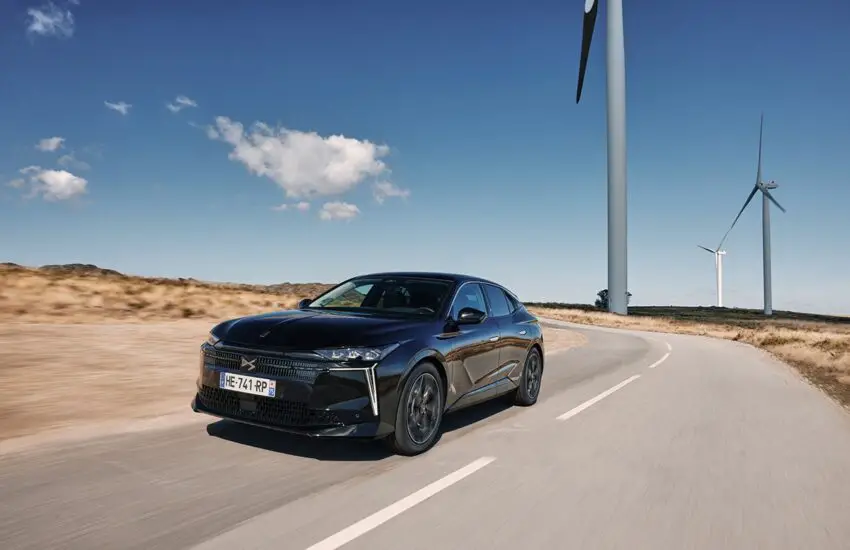
DS is refreshing its lineup. It’s now the turn of the DS Number 4, formerly the DS 4, to undergo a profound redesign and transition to electric with the E-Tense version. This model embodies the brand’s premium strategy while adopting a 100% electric powertrain.

Design and Aesthetics

The DS Number 4 E-Tense features a refined design that blends elegance and modernity. The front grille has been redesigned to accentuate its premium character, while the sleek lines optimize aerodynamics. The signature DS rear lights add a distinctive touch, reinforcing the brand’s visual identity. The attention to detail, such as the specific wheels and high-end finishes, positions this model in the premium segment of electric compacts.

Performance and Range

Under the hood, the DS Number 4 E-Tense boasts a high-performance electric powertrain. The delivered power enables brisk acceleration and dynamic response, typical of electric vehicles. The battery offers substantial range suitable for daily use and long-distance trips. Fast charging is available, allowing for an 80% recharge in a short time. Sophisticated electronic management optimizes energy consumption without compromising performance.

Interior and Technology

The cabin of the DS Number 4 E-Tense reflects the brand’s premium positioning. The selected materials are of high quality, with meticulous finishes and obvious attention to detail. The ergonomic seats provide excellent comfort, even on long journeys. The dashboard integrates a large touchscreen for the multimedia system, compatible with the latest connected technologies. The sound insulation is remarkable, contributing to the characteristic quietness of electric vehicles.

Driving and Road Behavior

Behind the wheel, the DS Number 4 E-Tense demonstrates its dynamic qualities. The carefully calibrated suspension effectively absorbs road imperfections while maintaining precise handling. The electric power steering offers good feedback without being too artificial. The regenerative braking is well-balanced, allowing for energy recovery while providing progressive and natural deceleration. The driving position ensures good visibility and a sense of control.

Space and Practicality

Despite its compact status, the DS Number 4 E-Tense offers a spacious cabin where five adults can travel comfortably. The trunk volume remains competitive in its category, with sufficient capacity for family luggage. The cleverly distributed storage spaces throughout the cabin enhance everyday practicality. Rear passengers enjoy good legroom and headroom, even for taller individuals.

Conclusion

The DS Number 4 E-Tense represents a successful evolution towards electric while preserving the brand’s premium values. This model combines distinctive design, satisfying electric performance, and meticulous finishes. It stands as a credible alternative in the premium electric compact segment, offering a balance between elegance, technology, and energy efficiency.

Mitsubishi Outlander PHEV: exceptional discounts up to €11,000 on this plug-in hybrid SUV

Mitsubishi Outlander PHEV: Up to €11,000 in Discounts

The Mitsubishi Outlander PHEV is currently experiencing an exceptional promotion with discounts of up to €11,000. This plug-in hybrid SUV, recently relaunched in the market, benefits from a significant price slash, making it a particularly attractive purchase opportunity for drivers looking to switch to electric without giving up the versatility of a family vehicle.

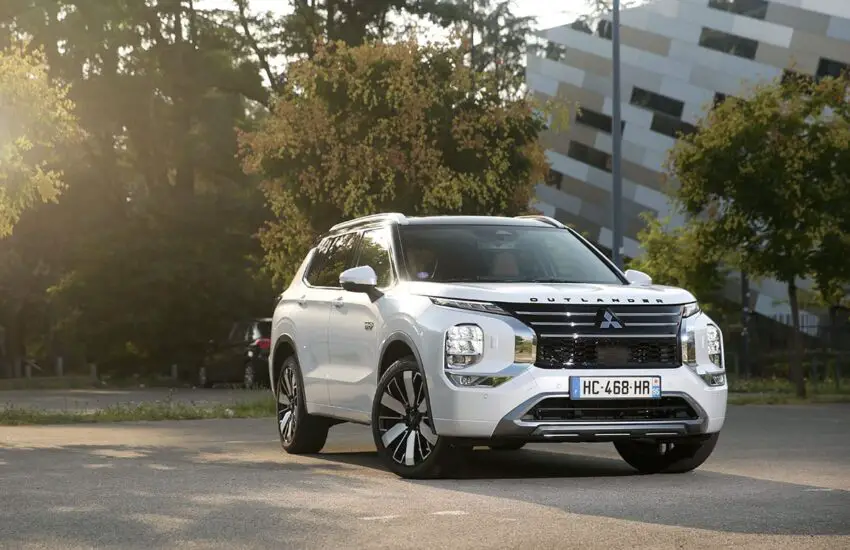
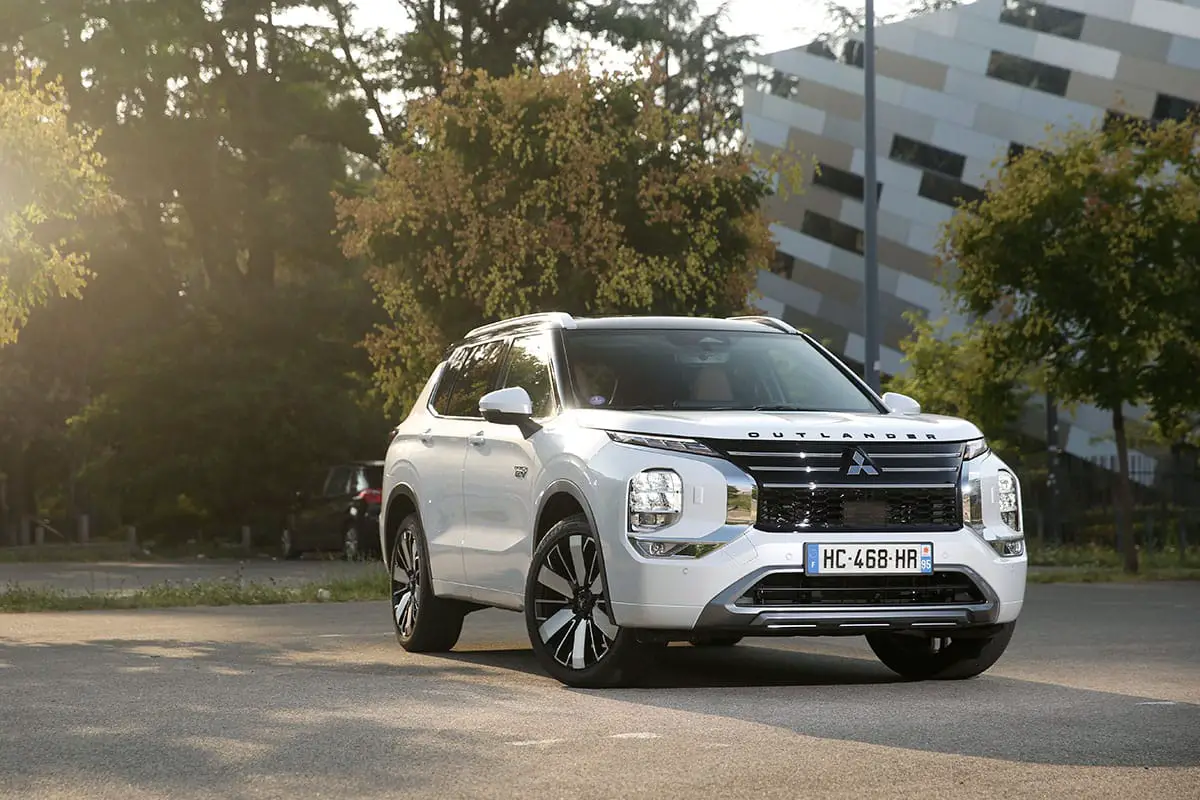
Mitsubishi Outlander PHEV demonstration Relaunched here at the beginning of the year, the Outlander PHEV is already being heavily discounted. Mitsubishi is announcing up to €11,000 in rebates!

A Family SUV with Hybrid Performance

The Mitsubishi Outlander PHEV combines the generous space of a family SUV with the benefits of a plug-in hybrid powertrain. Its intelligent propulsion system allows for 100% electric driving for daily commutes, while the combustion engine takes over for long journeys, eliminating any range anxiety.

The Technological Strengths of the Outlander PHEV

This plug-in hybrid vehicle incorporates the latest technological innovations from Mitsubishi. Its brake energy recovery system, dual-clutch transmission, and various driving modes help optimize energy consumption based on road conditions and driver preferences.

Ecological and Economic Advantages

The Outlander PHEV represents a particularly advantageous sustainable mobility solution. In addition to substantial fuel savings, this plug-in hybrid SUV significantly reduces CO2 emissions. Owners also benefit from tax incentives in many regions, further enhancing the economic appeal of this vehicle.

Comfort and Equipment

The spacious interior of the Outlander PHEV offers remarkable comfort for all passengers. High-quality materials, careful soundproofing, and the latest connected equipment contribute to a pleasant and modern driving experience. The generous loading capacity and seat modularity make it a vehicle suited for both family and professional needs.

An Opportunity Not to Be Missed

The current €11,000 discount on the Mitsubishi Outlander PHEV represents a unique opportunity to acquire a high-end vehicle at a very competitive price. This exceptional promotion makes this plug-in hybrid SUV even more accessible for drivers wanting to transition to more responsible mobility without compromising on comfort and practicality.

Dieselgate: Renault and Stellantis among five car manufacturers sued in British court

Dieselgate: Five Manufacturers in Court in the UK

Dieselgate Mercedes Case

Ten years after the initial revelations, the Dieselgate scandal continues to send ripples through the automotive industry. A major new legal proceeding has just been launched in the UK, targeting five major automotive groups accused of equipping their vehicles with illegal devices that artificially reduced pollutant emissions during official tests.

The Automakers Involved

Among the companies targeted by this collective action are the French groups Renault and Stellantis, the latter notably encompassing the brands Peugeot, Citroën, Fiat, and Opel. Three other renowned automakers complete the list of defendants, although their names have not been officially disclosed in the preliminary documents.

This case is a continuation of the global scandal that erupted in 2015 when Volkswagen admitted to rigging emissions test results for eleven million diesel vehicles worldwide. The new British trial represents one of the largest collective actions ever brought in the country concerning unfair commercial practices.

The Allegations Against the Manufacturers

The plaintiffs claim that the manufacturers deliberately designed their diesel engines to detect when they were undergoing laboratory tests and then alter their behavior to comply with emission standards. Under real-world driving conditions, these vehicles allegedly emitted nitrogen oxide (NOx) levels up to forty times higher than the legal limits.

Lawyers representing the hundreds of thousands of affected owners argue that motorists were misled about the vehicles they purchased, both in terms of environmental impact and fuel consumption. They are seeking compensation for the damages suffered, contending that customers would not have bought these vehicles, or would have paid a lower price, had they been properly informed.

The Environmental and Health Impact

NOx emissions from diesel vehicles represent a major public health issue. These pollutants contribute to the formation of urban smog and are associated with various respiratory problems, including asthma and chronic bronchitis. Epidemiological studies have established a link between exposure to nitrogen oxides and an increased risk of cardiovascular diseases.

In the UK, where many cities struggle to meet European air quality standards, public and environmental group anger continues to grow. The revelations about the real emissions of diesel vehicles have accelerated the implementation of low-emission zones and increased consumer distrust of this technology.

Consequences for the Automotive Industry

This new trial comes at a pivotal time for the automotive sector, which is already facing the transition to electric vehicles and new environmental regulations. Manufacturers will not only have to face potential substantial financial penalties but also a further deterioration of their public image.

The case could also set an important legal precedent regarding corporate responsibility for misleading advertising and compliance with environmental standards. The rulings in this trial will likely influence other legal actions being prepared in various European countries.

Outlook and Regulatory Developments

Since Dieselgate, emissions testing procedures have been significantly strengthened with the introduction of Real Driving Emissions (RDE) measurements. New regulations now require vehicles to comply with emission limits not only in the laboratory but also on the road, with a limited margin of error.

Simultaneously, regulatory authorities worldwide have increased their vigilance and investigative capabilities, showing greater severity towards questionable practices. This British case demonstrates that, even a decade after the initial revelations, the legal consequences of the scandal continue to pursue the involved manufacturers.

The trial is expected to begin in the coming months and could last several years, given the technical complexity of the allegations and the large number of parties involved. Its outcome will have lasting repercussions on the commercial practices of the automotive industry and on consumer protection regarding environmental claims.