Toyota GR Corolla 2026: The End of the Affordable Sports Car Era?
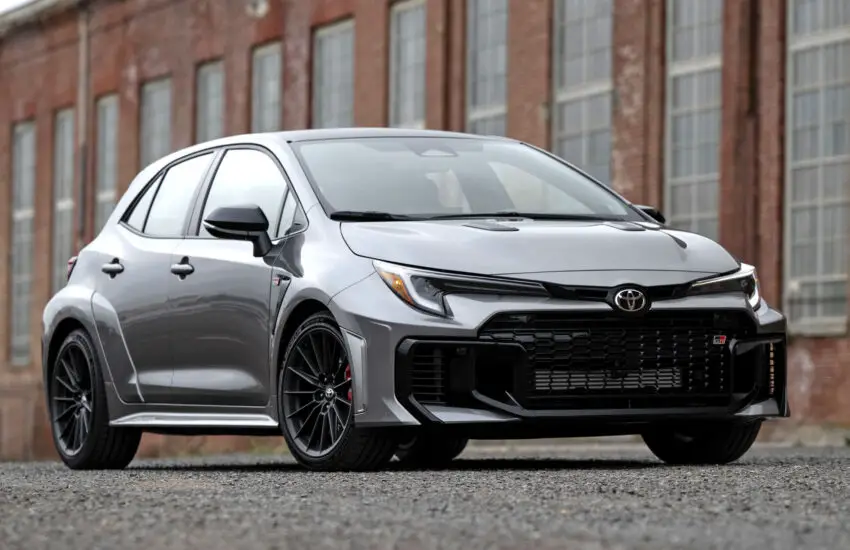
Credit where credit is due to Toyota. While many manufacturers would have launched a niche car like the GR Corolla only to forget it after two or three years, Toyota has continuously improved its sport compact every year since its launch in 2023. In 2024, it received aerodynamic improvements, and in 2025, its torque increased by 22 lb-ft, its suspension was optimized, and an automatic option arrived. The pace isn’t slowing for 2026, but unfortunately, all these refinements have had an inverse relationship with the model’s price.
A Significant Price Surge
Before detailing the 2026 model’s improvements, it’s important to highlight how much more expensive this car has become since its debut in late 2022. At launch, the base version, then called “Core,” was available for under $37,000, including delivery fees. The fully-equipped Circuit edition, with a forged carbon fiber roof, started at under $44,000. Today, the cheapest GR Corolla costs $41,115, and its Circuit equivalent, now named Premium Plus, starts at $47,160.
2026 GR Corolla Price
2023 GR Corolla Price
Base/Core MT
$41,115
$36,995
Base/Core AT
$43,115
N/A
Premium Plus/Circuit MT
$47,160
$43,995
Premium Plus/Circuit AT
$49,160
N/A
You’ll need to step up to the Premium Plus level to get luxuries like faux-suede seats. At the same time, it would be negligent not to point out that today’s GR Corolla offers more than the 2023 model. Beyond the torque increase and chassis improvements, front and rear limited-slip differentials were not standard on all models back then, unlike today.
Nevertheless, we’re talking about a $4,120 increase for the entry-level model and a $3,165 increase for a fully-loaded version. Add the automatic transmission, and you’re nearing $50,000 for a Corolla, which truly reflects the current times.
A Questioned Competitive Positioning
Another point to consider: the GR Corolla previously offered access to a high-end sport compact in the $35,000 to $40,000 range. This made a difference compared to the Honda Civic Type R and the Volkswagen Golf R, but that gap has narrowed, and the Hyundai Elantra N has arguably taken its place. For 2025, the Civic Type R cost $47,090 and the Golf R started at $48,325. Both these models offer active dampers, which the GR still lacks. At an equal price, is Toyota’s offering better? This question was less crucial when saving a few thousand dollars, but now, customers must think about it.
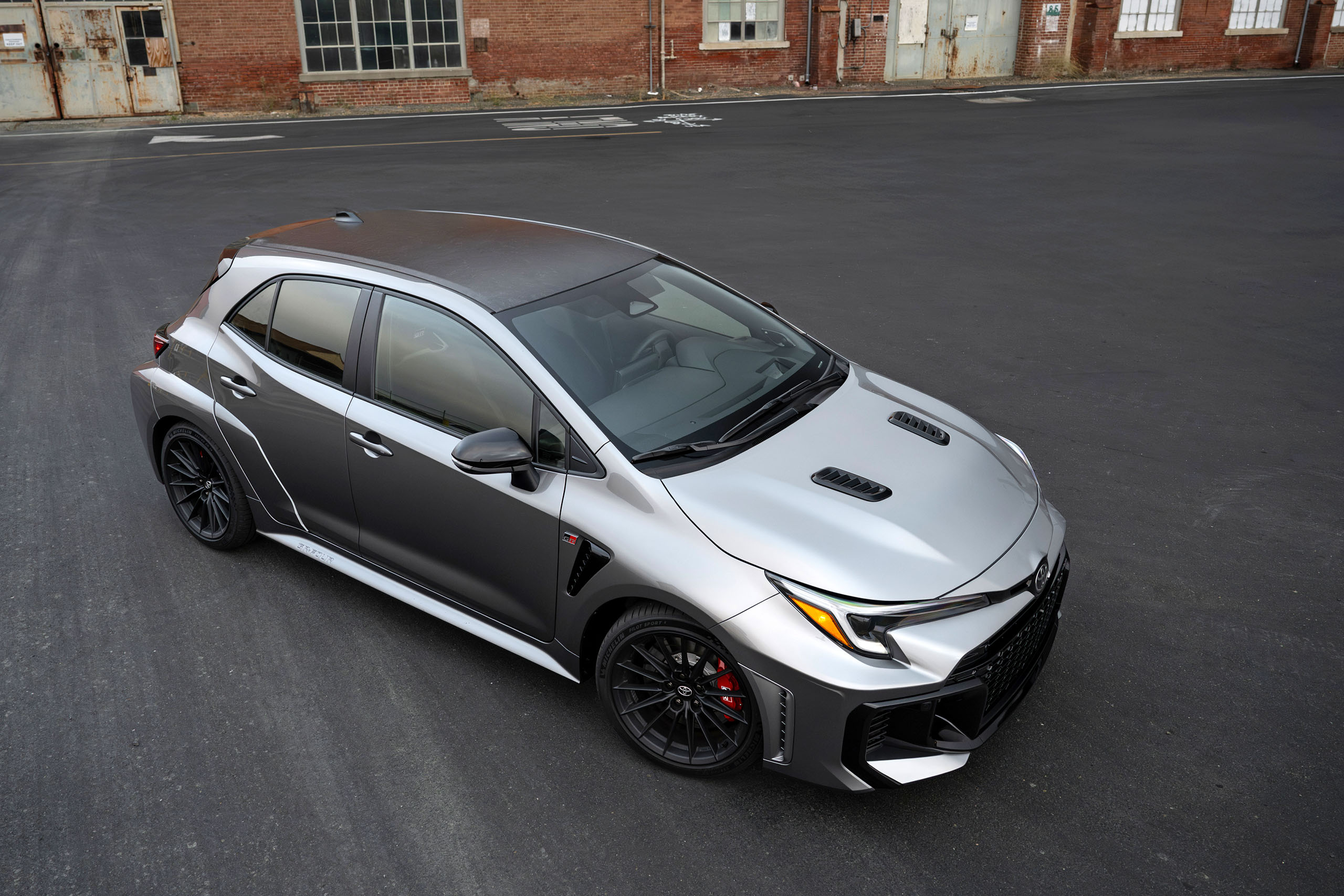
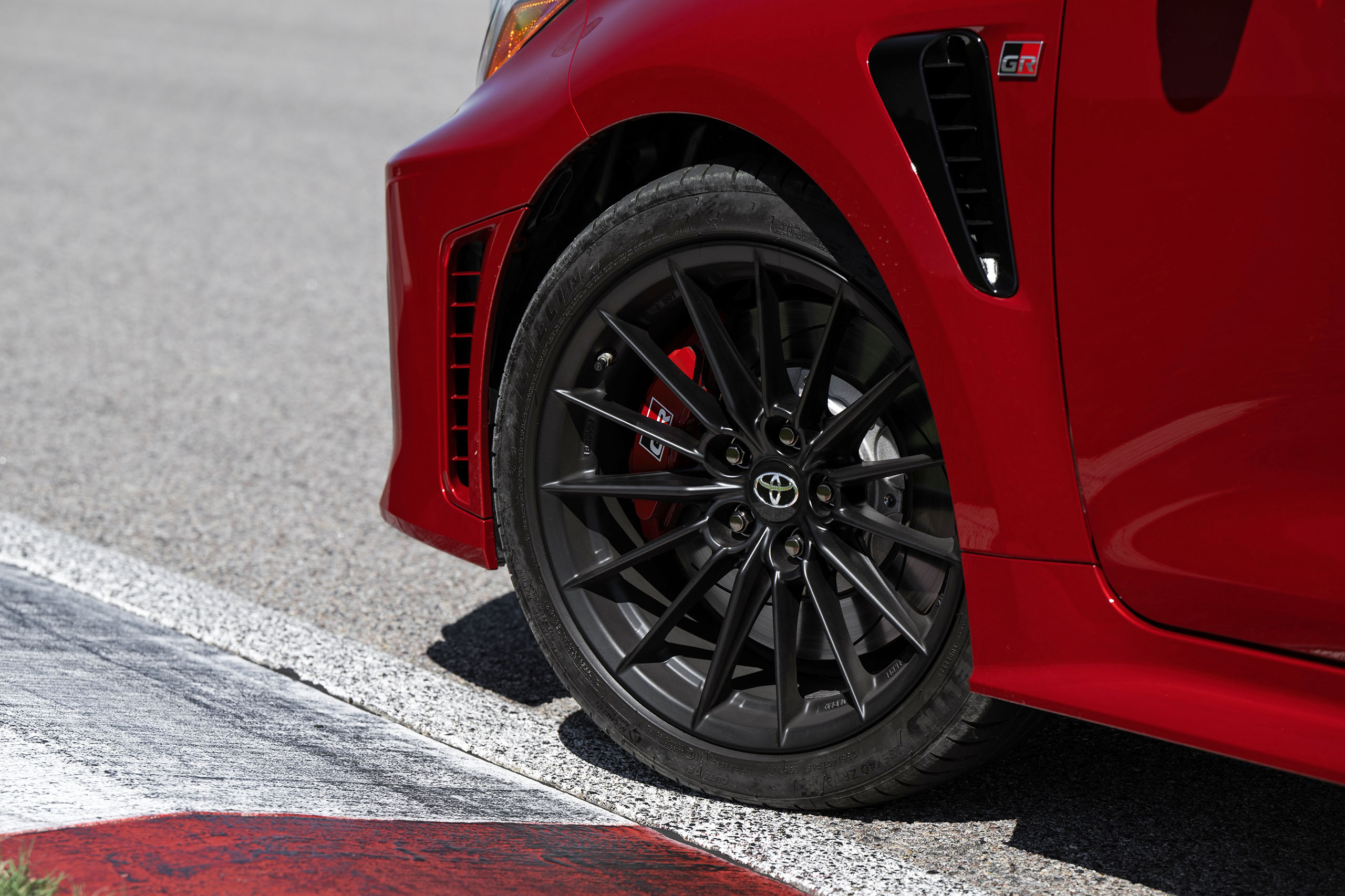
For 2026, the GR Corolla features standard matte black wheels. Previous model years benefited from an innovative dynamic treatment where the wheels became 20% less shiny every time you pressed the brake pedal. Toyota
Technical New Features of the 2026 Model
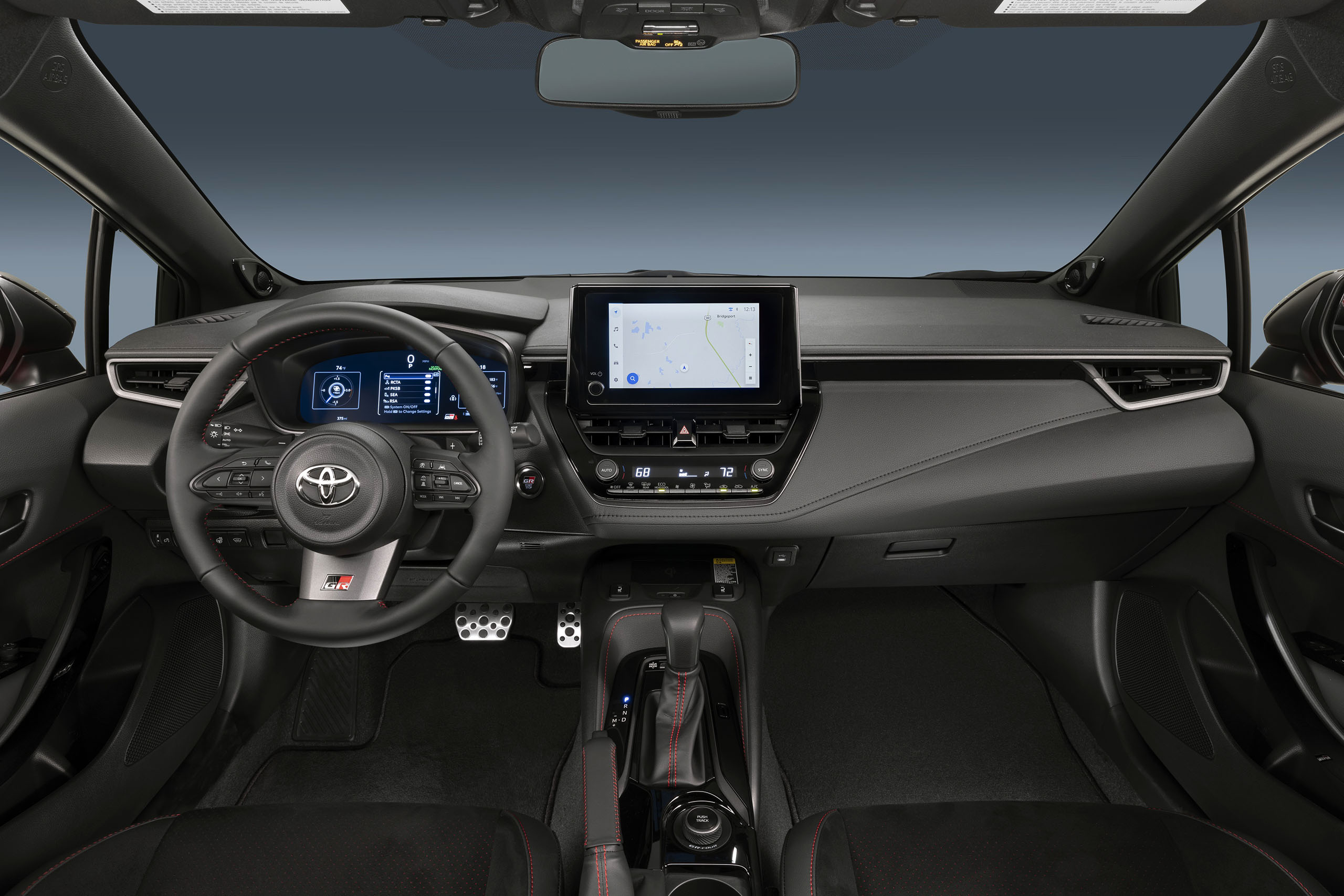
What does the 2026 model year bring to the GR Corolla? It now features “45.6 feet of additional structural adhesive” around the body, supposedly to improve rigidity. There is also a new secondary air intake duct, aimed at keeping engine temperatures low during sporty driving – an area where the owner community found the car somewhat ill-equipped. Inside, the Premium Plus trim receives a more powerful JBL audio system including a subwoofer. The infotainment screen is still only 8 inches with large bezels, whereas regular Corollas have more modern equipment. These aren’t the main reasons to buy this car, but for daily use, these details matter.
And What About the Radical GRMN Version?
So that’s the 2026 GR Corolla lineup, but it’s not the *complete* lineup. Toyota promised months ago a model with “track-focused enhancements,” supposed to bear the GRMN badge. And guess what, images of the GRMN-badged vehicle taken at a recent dealer event have already been removed from social media. The suspense, much like Toyota’s profit margins on this model, is intensifying.
Got a tip? Email us at tips@thedrive.com
Cars will become heavier due to customs tariffs and deregulation
Incentives for electric cars and emissions regulations may not be the only casualties of the current administration in the United States. With the dismantling of EPA fines for emissions violations and the additional costs from customs tariffs, automakers are under pressure to remove expensive lightweight materials from their designs to control price inflation. In other words, the curb weight of your next car could increase as much as its starting price.
A Significant Cost Increase for Manufacturers
According to Automotive News, the Center for Automotive Research estimates that manufacturers will have to absorb an average of $4,600 in additional costs per vehicle produced by 2027. Faced with negative reactions regarding price increases after COVID, automakers are looking for ways to avoid a price shock, and this will likely involve using cheaper components made from heavier and less expensive materials. Expect an increase in the use of lower-grade steels and a reduced proliferation of aluminum alloys and advanced composites, at least for cars whose main market is the United States.
The End of a Major Incentive for Lightweighting
Even though we like to believe that lightweight sports cars lead the way in automotive development, efficiency was the main driver behind the increased use of high-tech materials. Both internal combustion engine vehicles and electric vehicles have greatly benefited from lightweighting, with the latter being encouraged to increase range. Now that vehicles intended for the American market will no longer be subject to fuel consumption fines and government tax incentives for EVs are soon to disappear, the pressure to spend more on lightweight components has evaporated.
The Dream of an Affordable Sports Car Fades
So, where has the mythical basic, very cheap sports car with a manual transmission and a V8 that was promised to us once government regulations were lifted gone? We shouldn’t get our hopes up too much. As we have already seen with Dodge and Ram, simply reducing the power of the EPA will not be enough, and the administration will need time to tackle CARB and the 16 other states (plus Washington D.C.) that have modeled their regulatory framework on it again.
Development Cycles Too Long for Rapid Changes
Furthermore, since automakers work with development cycles that typically span three to five years at a minimum, an administration can come and go during the time it takes to bring a single model from concept to production. The possibility of another major political shift will limit the ability of an already timid industry to make bold leaps to reach an audience that represents barely more than 2% of car buyers. Even if a manufacturer had a design ready on the shelf, the potential cost of failure remains very high.
Got a tip? Contact us at tips@thedrive.com.
This article is an adaptation of “Cars Will Get Heavier Thanks to Higher Tariffs, Deregulation: Analysts” originally published on The Drive.
Ford Targets Low-Credit Customers to Boost F-150 Sales | TDS
Hello and welcome to The Downshift, or TDS for short.
Concise, light, and relevant, TDS gathers the latest automotive news from around the world and centralizes it in one place. Articles are summarized into a single (sometimes long) sentence accompanied by a link for those who wish to delve deeper into the topic.
It’s early, and the first two cups of coffee are already finished here in Leipzig, Germany, so let’s get started.
What I’m driving: Nothing today, but I will be riding in a (presumably) camouflaged prototype with engineers and will report back next week.
Ford is enticing buyers with the lowest acceptable, or even weaker, credit scores with reduced interest rates in a race to sell more F-150s before the end of the quarter. Although this unusual end-of-quarter sales promotion addresses the issue of financial accessibility for buyers with weak credit, it could also place them in a risky situation if the job market turns.
Other Automotive News
Koenigsegg’s founder and CEO is considering adding an affordable sports car to the supercar manufacturer’s lineup.
McLaren’s CEO confirmed that the automaker is working on a vehicle with more than two seats.
Audi announced that the 2026 combustion-engine A6 will cost $65,395, including a $1,295 destination fee.
A Toyota executive said, “Is it desirable? I think over time, it will be,” regarding hybrid sports cars, giving the clearest confirmation to date that GR-badged hybrid sports cars are on the way.
Subaru has added special edition BRZ and WRX Series.Yellow to the 2026 lineup, with only 350 units of each model to be produced.
The National Corvette Museum just celebrated its 20,000th Corvette VIP Delivery Experience, which costs $1,495.
Have feedback on TDS’s format? Send us a message: tips@thedrive.com
Forza Horizon 6 in Japan: Why the Game Is Finally Ready for This Challenge
After years of rumors and persistent fan requests, it’s finally official: the Horizon Festival is heading to the Land of the Rising Sun. Forza Horizon 6 arrives next year, as Xbox announced at the Tokyo Games Show, and it will be set in Japan. Players have been requesting this destination for a very long time, and it’s hard to imagine another location generating as much excitement. Japanese car culture is unique. However, according to some developers at Playground Games, there are reasons why Horizon has waited until now to go there.
Ambition Made Possible by Technology
Last week, I had the privilege of speaking with Don Arceta, art director of Forza Horizon 6, and Kyoko Yamashita, cultural consultant. Our conversation, although very pleasant, was unfortunately quite limited; at this stage, Playground is only communicating about the location of the action. I tried to get more information about the types of environments, the map size, and its impact on traditional gameplay. The answers were quite evasive, but one thing became clear: the diversity of this world, an area where FH6 seems to want to surpass all its predecessors.
“To be honest, whenever we chose our locations, Japan was always on the list,” said Arceta when asked why Playground decided now was the right time. “Through each game, there has been a lot of learning from the first Horizon games up to 5 and now 6. I think that with all this learning, technically, we are capable of building this game and doing it justice, but it’s also related to the evolution of the game since [Forza Horizon] 1.”
Tokyo, the Most Ambitious City in the Series
Naturally, the city of Tokyo will be represented in Horizon 6, and Arceta described this part of the map as “the largest and most complex area we have ever created in a Horizon game. It has incredible depth, with elevated roads and varied road sizes.” The technology that enabled this density comes from a somewhat unexpected source.
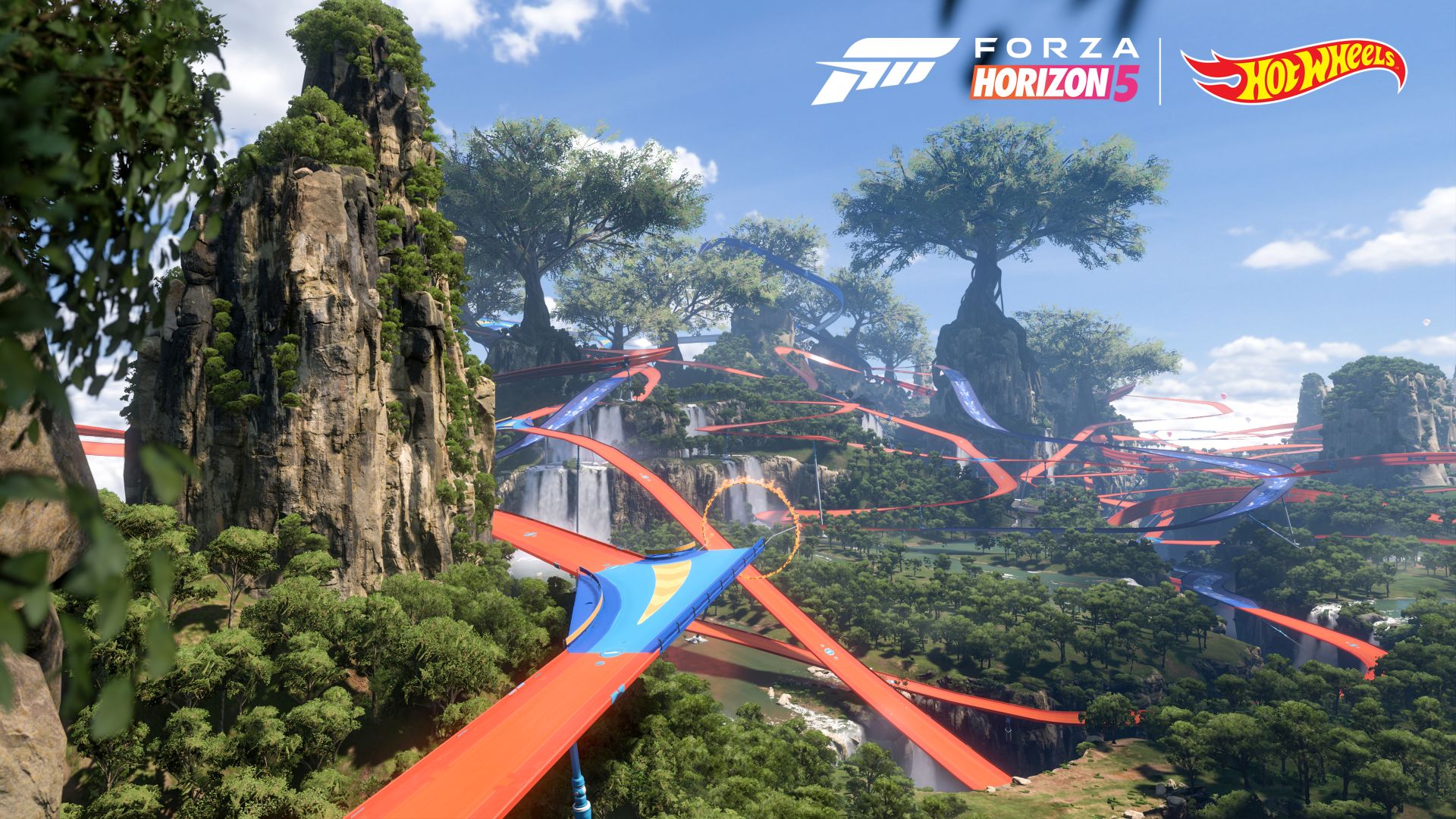
“A lot of our technology, in terms of tools for building our open worlds, has really progressed since FH1,” explained Arceta. “One example would be Hot Wheels. In the Hot Wheels expansion for Forza Horizon 5, we developed technology to create our orange tracks in a different way than in Forza Horizon 3. It was a new way to iterate quickly, achieve higher quality, and get a really fun result. And we adapted that technology, for example, for our Tokyo city. It’s not covered in Hot Wheels tracks, but we used it to develop our elevated roads, of which there are many levels in Tokyo.”
Playground Games’ work on the verticality in the Forza Horizon 5 Hot Wheels expansion enabled the creation of a dense urban environment in Tokyo with “elevated roads, tunnels, and narrow streets,” according to Art Director Don Arceta. Xbox Game Studios
Urban environments have always seemed somewhat neglected in previous Horizon games, but density is essential to convey the feel of an authentic Tokyo. Arceta claimed that not only is Tokyo the largest city in Horizon to date, but overall, FH6 has “our largest map to date” and “probably the richest map as well – there is an enormous amount to do there.”
Authenticity and Adaptation to Gameplay
As fans would expect, the regions on the map will not be exact digital replicas of their real-world counterparts. When I mentioned Japan’s notoriously narrow streets, Arceta clarified that “we don’t do copy-paste, which we never do in Horizon games. We try to capture the authenticity, the feeling, and the spirit of the place, as in past projects, but also because we want to match the gameplay for which the franchise is known.” Beyond the city limits, the Japan of FH6 will include coastal regions, mountain roads (Mount Fuji is glimpsed in the trailer), and open countryside.
Seasons, a Key Dimension
This world will also be transformed by seasons, like the UK and Mexico versions in Horizon. The addition of seasons in FH4 profoundly enriched the sense of place. As Yamashita explained to me, the way seasons affect specific areas of the country influenced the choice of locations representing the “best-of” Japan in FH6.
“You don’t need to be Japanese, but if you were born and raised, or have spent a lot of time in Japan, your body begins to adapt to the seasons, literally and figuratively,” said Yamashita. “Technically, we even have a word in Japan that says there are something like 72 micro-seasons in a year. People are used to saying we have four seasons, but it shows how many transitions there are.” Yamashita highlighted the diversity of Japan’s climates, over an area roughly equivalent to the length of California and part of Oregon combined.
“When you think about this area having such a distinct and unique character across the four seasons, which touches every level of daily, weekly, monthly life – from the food to the colors you wear, to the colors you see while commuting – it’s so natural for Japanese people, but also, I think, so elegant and unique for a foreigner or visitor,” she added. “With Don and his team, we talked about so many different personalities that we want to try to extract and bring to life in Horizon.”
Exploring Japanese Car Culture
One of those images is certainly that of cherry blossoms in spring, which is seen in the teaser trailer. Exploration has always been at the heart of Horizon. Just think of the potential of a Forza Horizon in Japan to imagine meeting up with friends in a recreation of the Daikoku Parking Area. How will these iconic meeting places manifest in FH6?
Discussing the legendary Japanese car culture, Arceta mentioned all the places “where you can imagine people meeting up, forming convoys, taking photos, and hanging out together. I think by being authentic to the locations we’ve chosen, these areas appear naturally on the map. So, yes – without revealing too much – we are offering that opportunity to players.”
Images from the teaser trailer show where Horizon has been, and where it’s going. Xbox Game Studios
A Gradual Reveal
For every question answered in this interview, I had twenty more. However, it’s clear that the reveal of FH6 will happen at a different pace than its predecessors. In the last two games, we immediately got rich two-minute trailers. This time, Playground couldn’t even tell me on which platforms the game will release, nor the specific date next year. Undoubtedly, they are letting this game breathe because they know how important this moment is for everyone following this franchise.
“I feel like Japan has been discovered,” said Yamashita, “because of how I’ve seen Japan evolve, especially in the video game space, but also in entertainment broadly, the artistic community in general, and everything we love – electronics, from the 80s to today’s Japan. But I think if you had asked this question 20 or 30 years ago, when I started in this industry, it wasn’t as accessible and approachable for a foreigner. Now that there is more awareness, I think the average understanding of the culture will make this installment of Horizon more welcoming and approachable.”
“For me, it’s as if Horizon has finally landed in Japan, and it deserves to have this moment in Japan,” Yamashita summarized. Something tells me the fans will agree.
Got a tip? Contact us.
Chinese Battery Ejection: A Controversial Innovation for Electric Vehicle Safety
A rather surprising product demonstration, filmed at a Chinese automotive safety exhibition, went viral this week, causing widespread hilarity. The video shows an angular SUV violently ejecting its massive electric vehicle battery located under the chassis with such force that it resembles a gadget straight out of a James Bond movie. From a safety perspective, this solution seems at the very least risky.
A Safety Concept That Divides
The underlying idea would be to expel the battery if it were to catch fire. However, as many internet users were quick to point out in comments on social media, turning a huge flaming battery block into a projectile is probably not the safest solution for the immediate surroundings of the vehicle.
The very operation of such a system in an emergency situation raises questions. Faulty batteries often tend to swell, which could prevent them from being cleanly ejected through a designated hatch. Moreover, in the event of a fire, the ejection mechanism itself would likely be one of the first components to be damaged, rendering it inoperable.
It must be admitted that the spectacle is nonetheless spectacular to watch.
Vague Origins and Official Denial
The demonstration vehicle closely resembles, without being identical to, a BAIC Jishi 01. Initial articles in the specialized Chinese press reported that this battery ejection system was the result of a collaboration between the China Automobile Technology and Research Center (CATRC) and a company named Joyson Electronics. This information was quickly denied by one of the parties involved.
CATRC is a very real organization that has indeed just organized a major public event on road safety. Banners visible in the background of the video confirm the date of September 19, 2025. But the staging and the quality of the recording remain strange. China possesses advanced automotive technology, which makes the presentation of such a rudimentary concept as a battery missile all the more surprising. Similarly, the poor video quality, as if filmed with an old phone, contrasts with the usual resources.
Many online comments criticize this concept. Yicai 第一财经/Facebook, edited by the author
An Enigmatic Demonstration
One might want to give the organizers the benefit of the doubt. Perhaps they were trying to illustrate the violence with which a battery could be accidentally ejected during a collision. However, the banners clearly mentioning a “battery launch technology” suggest that it would indeed be an intentional function. No fully convincing explanation has emerged so far, but one thing is certain: if you haven’t seen this video yet, it will undoubtedly surprise you, as it has for thousands of internet users.
Do you have information or an idea to explain what is happening here? Contact us.
Farewell to My Old iPhone’s Bluetooth List: 4 Years of Test Cars
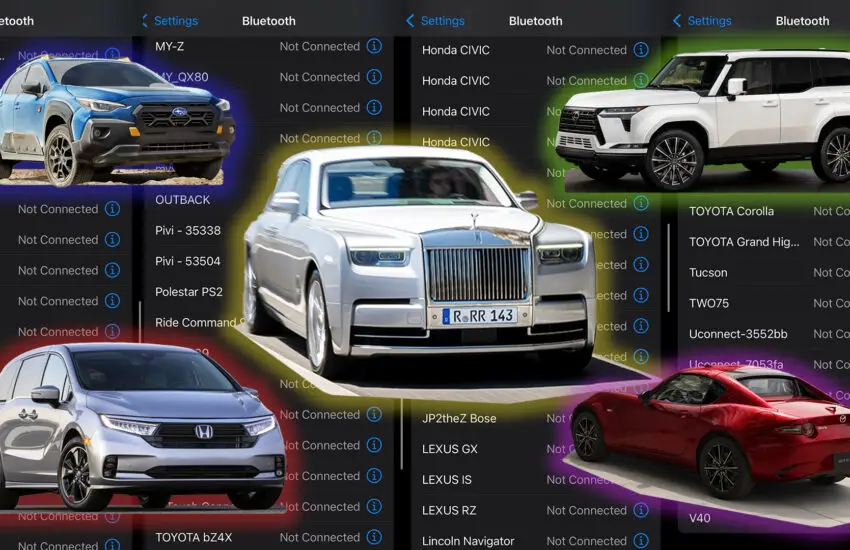
Switching phones is often a chore, mainly because you have to transfer your entire life from one device to another. Even though cloud backups make things much easier today, you still have to go through that annoying transition phase. I recently bought the new iPhone, and although the transfer went well, I wasn’t prepared to say goodbye to the list of all the cars I’ve connected to via Bluetooth over the past four years.
Just like serial killers keep macabre trophies of their victims, automotive journalists have a particular attachment to the little mementos of the cars they’ve driven. I’m not the only one, am I?
I’ve heard that some people carefully keep the energy labels of test cars, others take a photo of each model in the same place, with the same background. Others used to collect USB keys from press kits when that was trendy, and I’ve even known people who kept the original first aid kits from the trunk. Most of these people no longer work in the field, but it was a common practice at one time.
Jerry Perez
My Memento: The Bluetooth List
I’m much more basic. I like browsing through my list of Bluetooth devices, just like my Chick-fil-A app, where I always have to specify which car (and what color) I’m driving so they can spot me at the drive-thru. I started using my previous iPhone in November 2021, so after a little less than four years, I had accumulated about 60 cars on the old device. This number doesn’t reflect all the cars I’ve driven since then, given that I probably don’t connect to half the models I test each year – especially those I drive near home – so I estimate the total number is closer to 150.
Cars and Memories
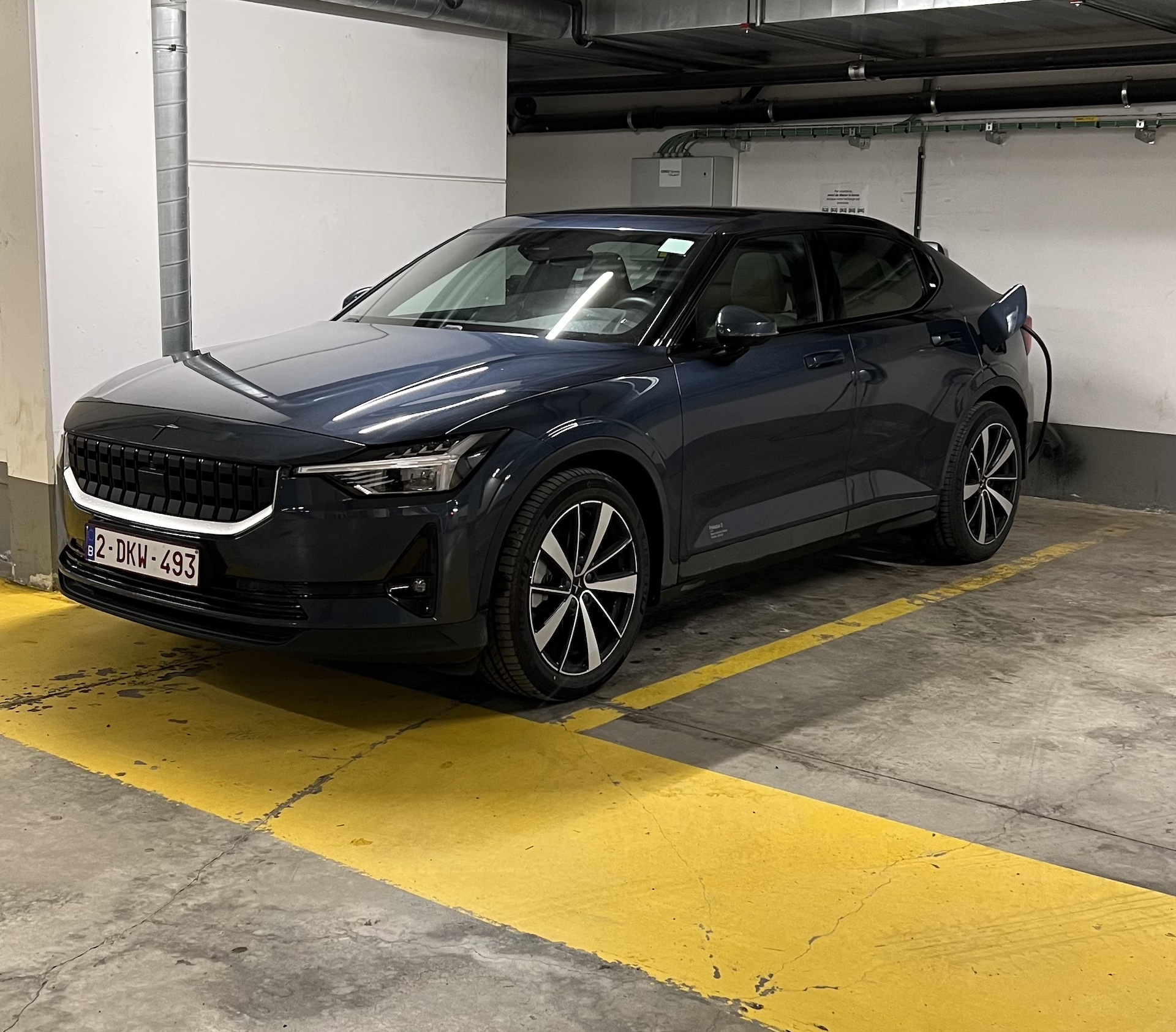
Anyway, there are some really nice cars on this list that bring back wonderful memories. Like that Polestar 2, which was my first solo driving experience with an electric vehicle abroad. I picked it up at Brussels Airport and had to get to the Spa-Francorchamps circuit for a WEC race. I was apprehensive about driving an EV in a place where I didn’t know the infrastructure and didn’t speak the language. Everything went perfectly and it turned out to be a great experience!
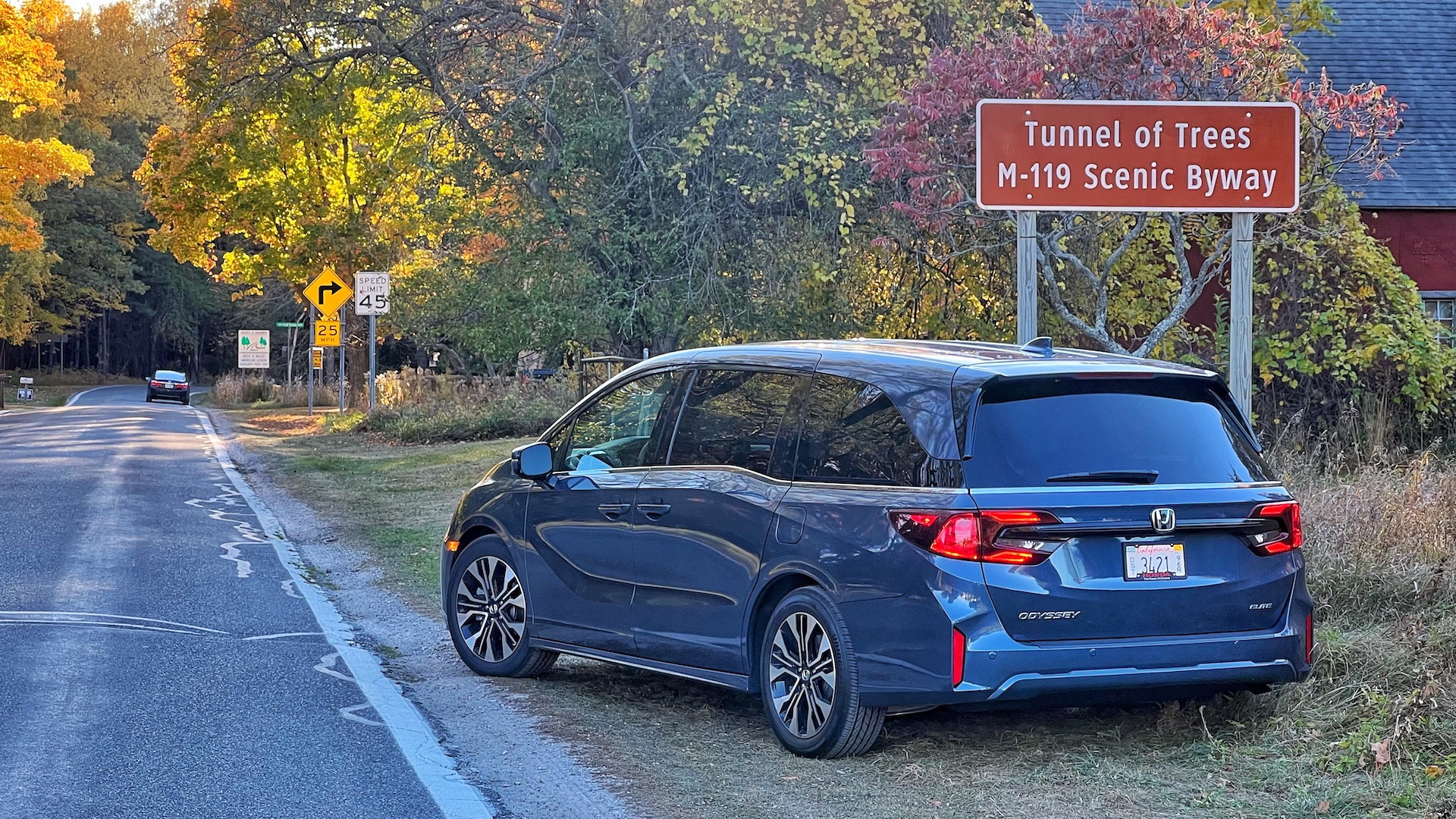
Although there are a dozen Hondas on the list, the one that stands out is the Odyssey, which transported my family and me to Michigan’s Upper Peninsula for a birthday weekend. Just great memories from that time with my loved ones, especially now that the kids are growing up and planning their own weekends.
Jerry Perez
The Exceptional Models
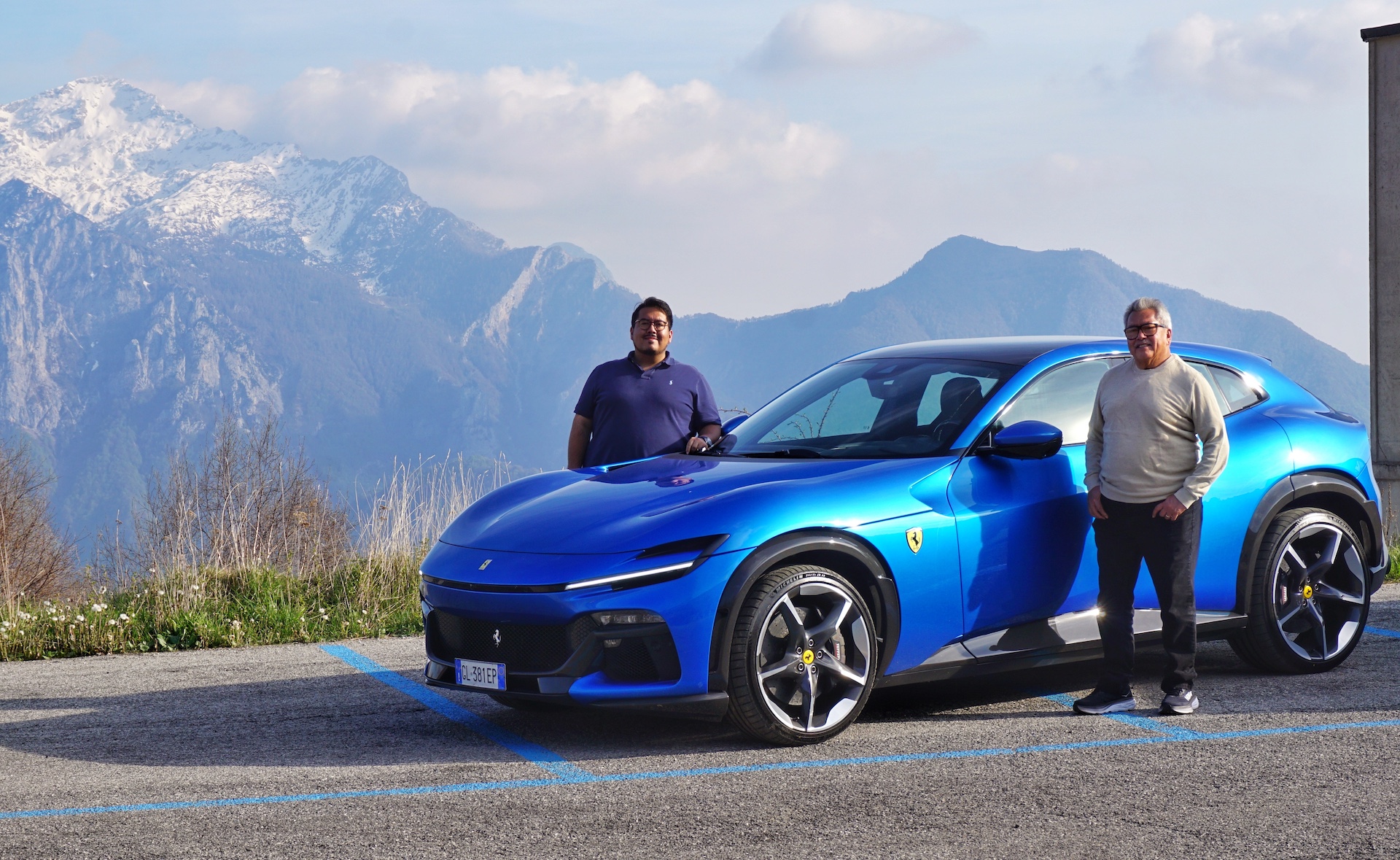
There are also two special Ferraris on this list, a 296 GTB and the powerful Purosangue. The red 296 GTB served my wife and me well on a trip to Northern California, which included a drive along the coast through the beautiful Monterey and Big Sur area. Similarly, a blue Purosangue provided the coolest wheels for a multi-day trip in Northern Italy with my father. Just two guys cruising the mountains around Lake Como in a then-not-yet-on-sale $550,000 Ferrari, loaded with suitcases and other bits and bobs.
A Digital Memory Album
From Hyundais to Toyotas, to Rolls-Royces, Mercedes, BMWs, and everything in between, this list is a nice little reminder of the fantastic things my job gives me the opportunity to do. And even though not everything is rosy in this still-volatile industry, it’s the cars and the memories I create with them that I will cherish forever. Time to start a new list on the new iPhone, I suppose.
Author’s email: jerry@thedrive.com
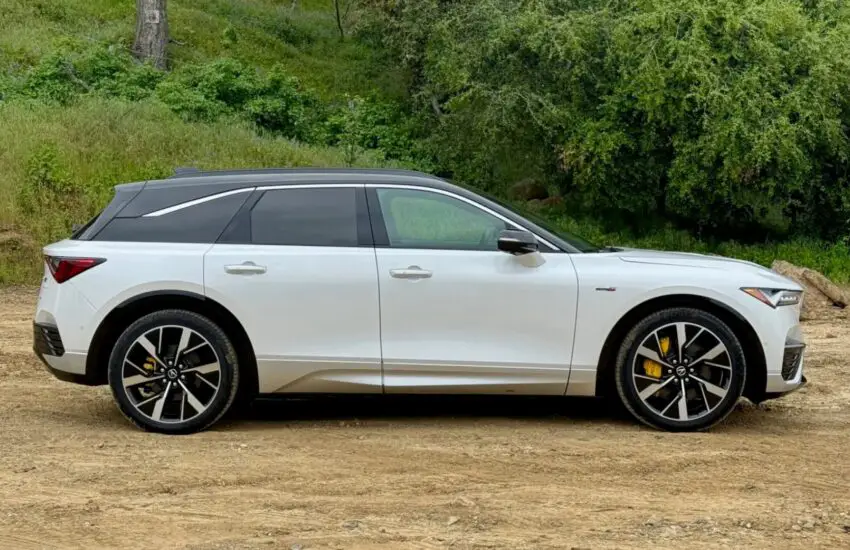
Acura ZDX EV: Honda discontinues its electric SUV after less than 18 months on the market
The revival, so to speak, of the Acura ZDX is already over. After less than 18 months on the market, the Acura version of the Prologue – itself very similar to the Chevrolet Blazer EV – has been paused indefinitely, and this just a few days before the expiration of federal incentives for electric vehicles.
A coincidence? Probably not
Honda confirmed that ZDX production has been halted, effective immediately. A spokesperson cited “market conditions,” referring to the end of the tax credit, as one of the main drivers of this decision. After a brief review of sales figures, it appears that this is the primary reason for the ZDX’s disappearance.
Plummeting sales
The Prologue, a less expensive Honda vehicle built on the same platform, remains in production. Honda sold over 33,000 of these mid-size electric SUVs in 2024; ZDX sales, on the other hand, stood at just under 7,400 units.
ZDX sales had been promising until June of this year, by which time Acura had already sold more than 10,000, putting the brand on track to triple the previous year’s volume. However, sales dropped sharply in July and August.
A first political casualty?
It is unlikely that the ZDX will be the last casualty of the 2024 presidential election. With the tax credit about to expire, other models may well disappear from dealerships before the end of the year.
Nik Romano: The Journey of a Pro Driver to Build a Career in the Automotive Industry
Nik Romano possesses a unique talent. He knows how to drive at high speed, he knows how to explain how to drive at high speed, and most importantly, he can do both at the same time. He is joining us to host several videos on The Drive’s YouTube channel this fall, dedicated to high-performance driving techniques. Here’s a look at his background. His consuming passion for cars and driving led him from a simple mechanical enthusiast to running his own high-level driving school.
If you haven’t seen his first video with us, which demystifies the idea of sudden oversteer, watch it on YouTube. His next video will be live on our channel on September 30th.
Romano and I spoke for about half an hour via video call, from which I will paraphrase and quote a few excerpts. To break the ice, I asked him to tell me about his personal car collection. Currently, he owns nine vehicles.
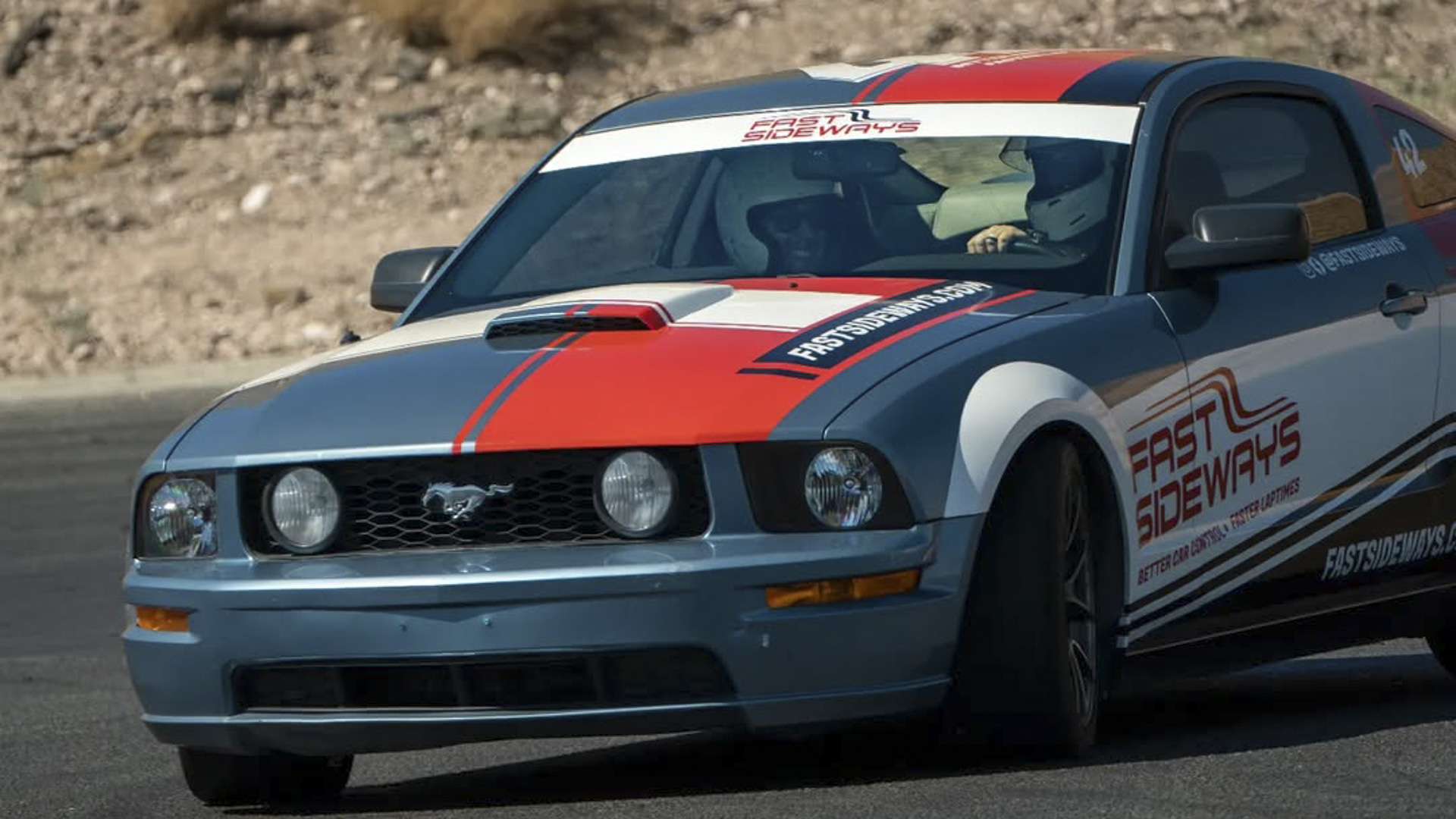
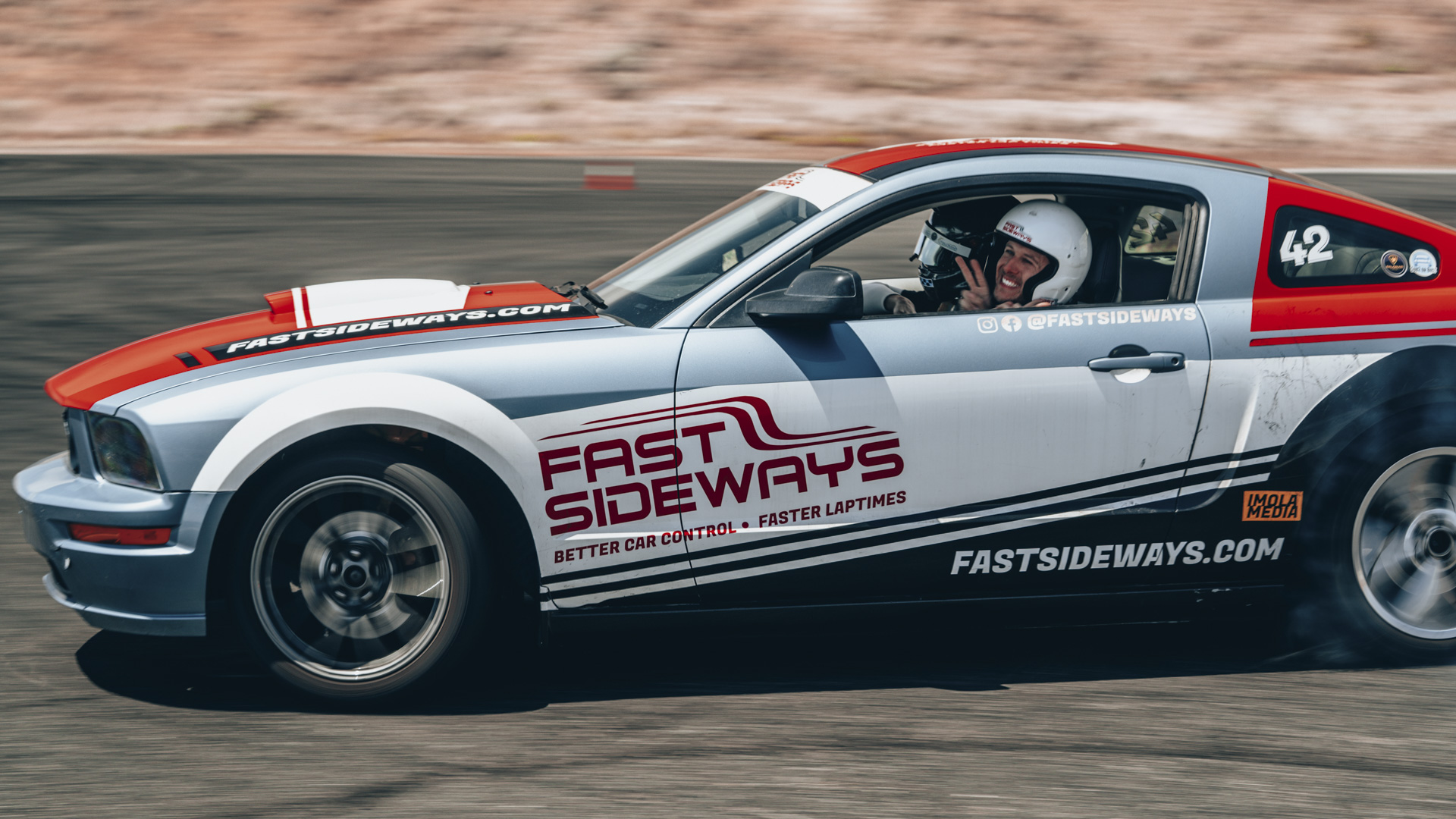
“Everything is always a work in progress,” he admits. “…generally, there’s at least one vehicle that’s drivable. Often more than one, but yeah, everything is a bit of a project. A 2007 Mustang is the newest thing I own. And it’s currently up on jack stands in my driveway. That tells you.” Naturally, I felt deeply understood. He also cited a 2004 Suburban and a 2003 M5 as his most used “newer” cars.
I also asked him which drivetrain layouts he prefers.
“Just classic rear-wheel drive, front-engine. But I really appreciate all the different ones… I just love cars. I like everything. Each one has something to offer. Even if it’s just a modest, economical front-wheel-drive city car. As long as it has three pedals, I can almost always find something to appreciate. … A car I’ve never owned and is on my list is a golden-era Honda. The Civic EG is my favorite.”
An Eclectic Motorsport Résumé
Romano’s motorsport résumé includes driving Dirt Sprint cars, Pavement Midgets, Modifieds, Late Models, Formula Ford, sports cars, endurance, Time Attack, karts, rallycross, and drift. He quickly cited sports cars as his favorite category to date.
“Sports cars have always been what interested me the most, even when I was racing on ovals. There’s maybe a tangent in the grassroots style, or at the grassroots level, of road racing if you follow the circuit path. It’s a tough path because there’s no money. It’s much harder to find any sponsorship. Nobody’s watching, and that’s part of the problem. The people at the track are the ones driving, their friends, the team, etc. But that’s not the case with grassroots oval racing. You can go to almost any local small track, a quarter-mile, 3/8 mile, and the stands are full. There are plenty of people who aren’t part of a team. They’re there because they just want to watch the race. It’s a really different experience.”
“That’s what I grew up in. But even doing that, the cars weren’t as interesting to me as sports cars, even though the racing was objectively better at the level I was at. I’ve always had a love for sports cars and their competition. And so, eventually, I migrated in that direction. GT cars, endurance cars, all that. And… as much as I love the driving aspect, I really love the tinkering and building aspect. So anything that lets you do a bit of building and tuning yourself, have your own ideas. Being able to be creative in how you build the car, reading between the lines of the rulebook, not cheating, but using the gray areas, all of that is super interesting to me.”
Romano (passenger seat) with a student. Fast Sideways
The Origins of a Passion
Now that you know what Romano drives and what interests him today, let’s rewind a bit on his history. He credits (or blames) his parents and family for steering him towards cars. As a child, he was drawn to Speed Racer VHS tapes from Blockbuster, and watching his father shift gears in his manual BMW 5 Series. By age nine, he was kart racing with his parents’ encouragement. “You could take two paths,” he told me. “Either it was just ‘a fun activity we do’, or it was ‘no, this is my entire existence’. And for me, it was the latter.”
From there, Romano “tried to only work jobs that were in some way related to cars or racing. Performance or racing, I should say, not just cars in general.”
“It’s pretty tough because, especially in motorsport and racing, it’s really hard to make a good living. So I struggled a lot for a very long time,” he added. Romano joked that he was stubborn and “too dumb to do anything else,” but it seemed clear to me that he was simply singularly focused. Focused, but with a broad enough vision to gain an exceptionally deep perspective on the motorsport scene. The wide variety of car experiences he ended up having is, I think, the real key to his ultimate success.
“I worked for a while at a suspension tuning company. So I got to learn about shocks, the subtleties of tuning them and the impact on the car. I worked at a race car rental shop where I did more mechanical work and learned the business of motorsport, and how to satisfy the customers who actually bring the money into racing. I also did coaching and got to learn more about Porsches. It was specific to Porsches. It was really cool. It was at that job that I first drove a cup car. I also worked at an independent Porsche specialty shop. So I got deeper into the mechanics, the basics, that kind of thing.”
Romano demonstrates a fun way to wear out tires. Fast Sideways
The Birth of Fast Sideways
Later, Romano got an instructor position at the Skip Barber Racing School, where he realized he was particularly good at teaching car control. “…for whatever reason, I found a way to get through to the most difficult students, specifically on the skid pad. And so that became my specialty.”
He recalls telling students: “‘Hey, you should go to a skid pad. It would be a great next step to learn better car control and thus become faster.’ Because I can’t keep pushing you to go faster if you don’t have that fundamental ability to manage tire slip. And usually, they’d say: ‘Great, let’s go. How do I do that?’ And I didn’t have an answer because there wasn’t a place specialized in that. So, eventually, I thought: ‘Alright, well, fine. I guess I’ll have to figure out how to do it myself.'” This was the genesis of Fast Sideways, Romano’s driving school that focuses on vehicle mastery rather than pure racing strategy.
“You can come and toss a car around, slide it, do donuts and drifts. It’s just fun. Any person even remotely interested in cars can understand that. And on the other end of the spectrum, we’ve had an LMP2 race winner come because he saw the value in broadening his driving repertoire and adding new skills to his game.”
A Passion for Video Production
Finally, the last piece of the puzzle explaining how Nik Romano came to us is content creation. He talked about watching Chris Harris and his team on The Drive in the early days of YouTube and always wanting to make that kind of video himself. “My two lifelong passions have always been racing and race cars, and video production, film production. I’m a huge geek for that kind of stuff. I love Corridor Crew. I watch all their videos. Even before I had any idea of getting involved with The Drive, during COVID, that’s what I did. I dove into YouTube and making videos, even going a bit further into visual effects. There’s one video in particular where, just for a five-second gag, I had a shot where my hands—it’s a first-person shot—my hands are in front of the keyboard, in front of the computer, and I made them disappear like in *Avengers Endgame* for a joke about some comments on a previous video… but it took me 15 hours of research, trial and error, filming, and making myself a green screen by taping green construction paper to my knees.”
Romano scientifically analyzes the results of a shredded tire. Fast Sideways
Our producer, Joey Rassool, knew Romano from track days and racing. And when our editor-in-chief Kyle Cheromcha wanted an experienced driver for serious driving videos, Romano’s combination of driving experience, teaching ability, and appreciation for video production made him the perfect person to join the adventure.
You’ll see Nik Romano in a few more videos on The Drive’s YouTube channel this year. And if you watch them, we can keep him around even longer!
Got a tip? Email us at tips@thedrive.com.
The article A Pro Driver’s Blueprint for a Career in Fast Cars appeared first on The Drive.
Lexus LFR: The Delayed Supercar, Its 2026 Race Compromised
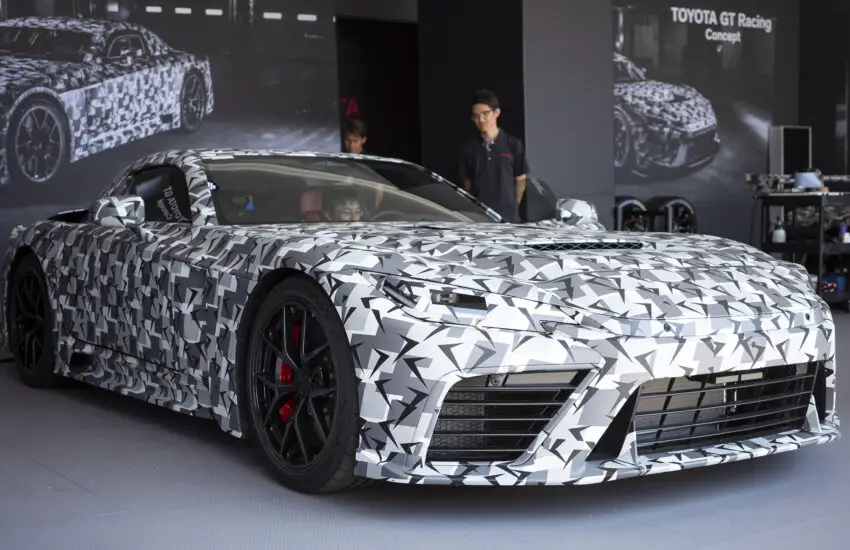
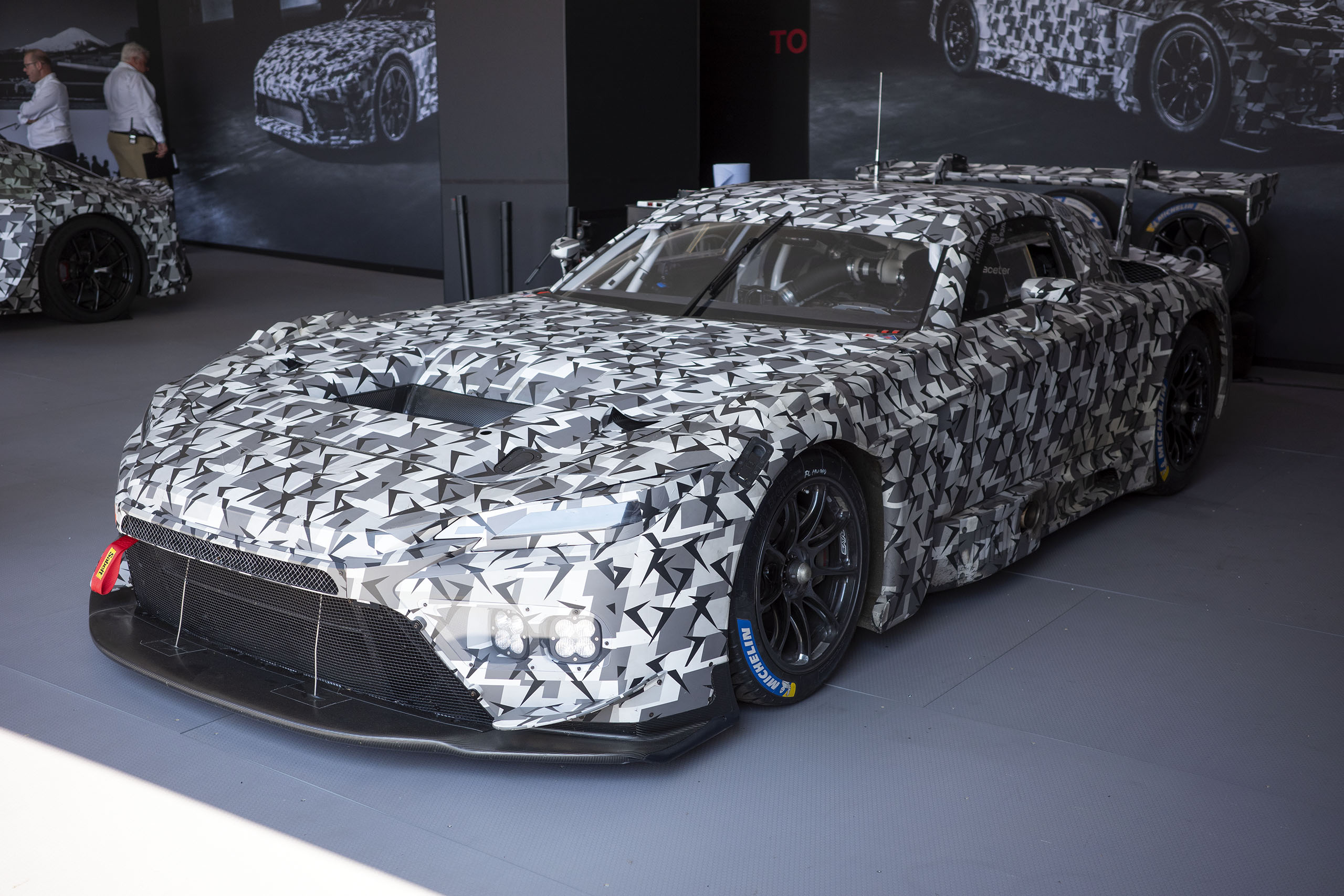
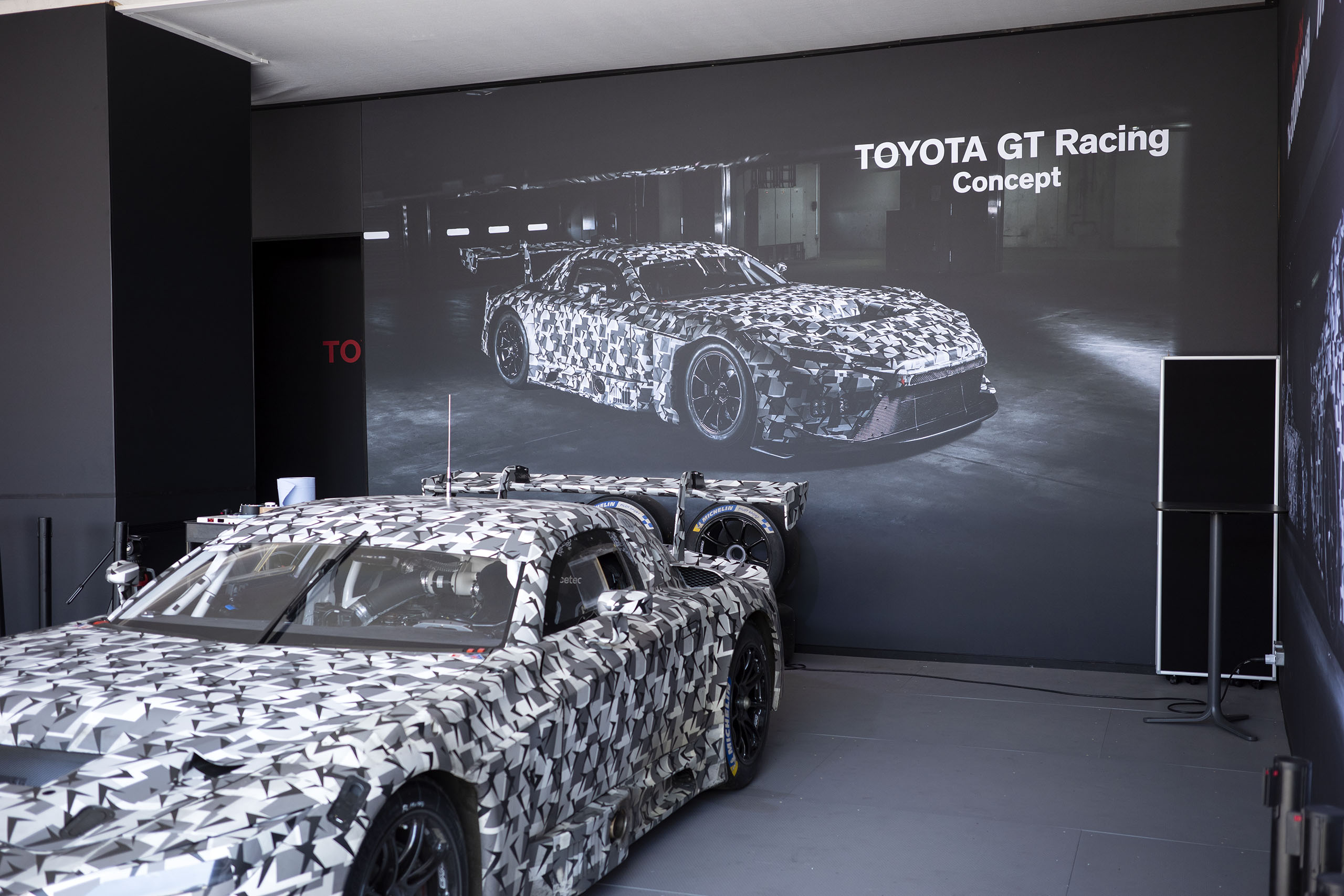
It appears the Lexus LFR may not be ready to race in 2026. Toyota, Lexus, and Gazoo Racing are working on a new flagship car, a supercar that everyone calls the LFR. This model is intended to both succeed the legendary LFA and compete in GT-type competitions worldwide. The project has never really been a secret, following the presentation of several concepts, the release of spy photos, and a running demonstration of camouflaged race and road versions at the Goodwood Festival of Speed this summer. Development is taking time, but a potential delay on the motorsport side raises questions about its competition debut date, and thus the timeline for the road version.
An Uncertain Motorsport Schedule for 2026
According to a report from Sportscar365, Toyota’s GT3 car is “unlikely to race” in the World Endurance Championship (WEC) in 2026. This absence could also affect other major championships, such as the IMSA SportsCar Championship. The main concern is that if the LFR were to compete in events like the 24 Hours of Daytona in January, it should have been publicly unveiled by now. A Toyota spokesperson reportedly “declined to comment” on the situation.
A Possible Appearance Elsewhere Before a Full Campaign
Even if this officially unnamed GT3 car does not compete at Le Mans or Sebring next year, it could make its debut elsewhere. Toyota has a history of testing its experimental sports cars in the Japanese Super Taikyu championship, where homologation rules differ from those of WEC and IMSA. A full campaign could then begin in 2027, representing a significant delay from initial announcements. Already in 2023, Motorsport.com reported that “delays in the planned launch of the GR GT3 road car” had pushed the schedule from 2025 to 2026. Today, even that deadline seems compromised.
The Toyota GT Racing Concept displayed at the 2025 Goodwood Festival of Speed. Adam Ismail
Is LFA History Repeating Itself?
In a way, history seems to be repeating itself. While the LFA did not have a true homologated GT counterpart, Lexus took a considerable amount of time to develop it. The first concept car heralding the LFA was unveiled in 2005, although the project had already been underway for five years. Engineers switched from an aluminum structure to a carbon fiber monocoque mid-development, delaying the presentation of functional prototypes until 2008, during VLN endurance races at the Nürburgring. The production LFA finally debuted in October 2009.
Technical Specifications and Regulatory Challenges
For now, we will likely have to make do with new spy photos and rumors. The LFR is expected to be powered by a twin-turbocharged V8 engine assisted by hybrid technology. A report from Japanese media in August suggested that accumulated delays have worsened the timeline, as the car is now subject to new anti-pollution regulations that it might have avoided if released earlier. We can only hope that the LFR makes it to the track and the road soon, whatever the difficulties.
Lil Zoomers: The $10,000 Adult Power Wheels to Fulfill Your Childhood Dreams
Confession: I had quite a few toy cars, but I spent a large part of my childhood dreaming of a Power Wheels. I begged my parents repeatedly, and even sent prayers to a higher power. I remember a response from Santa one year, explaining that Power Wheels weren’t practical gifts in a world where children are starving. Needless to say, I never found one under the Christmas tree.
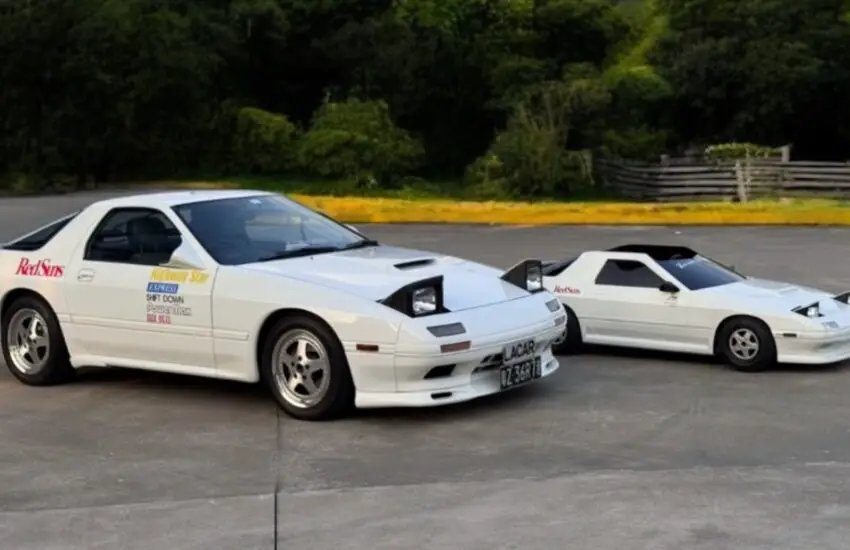
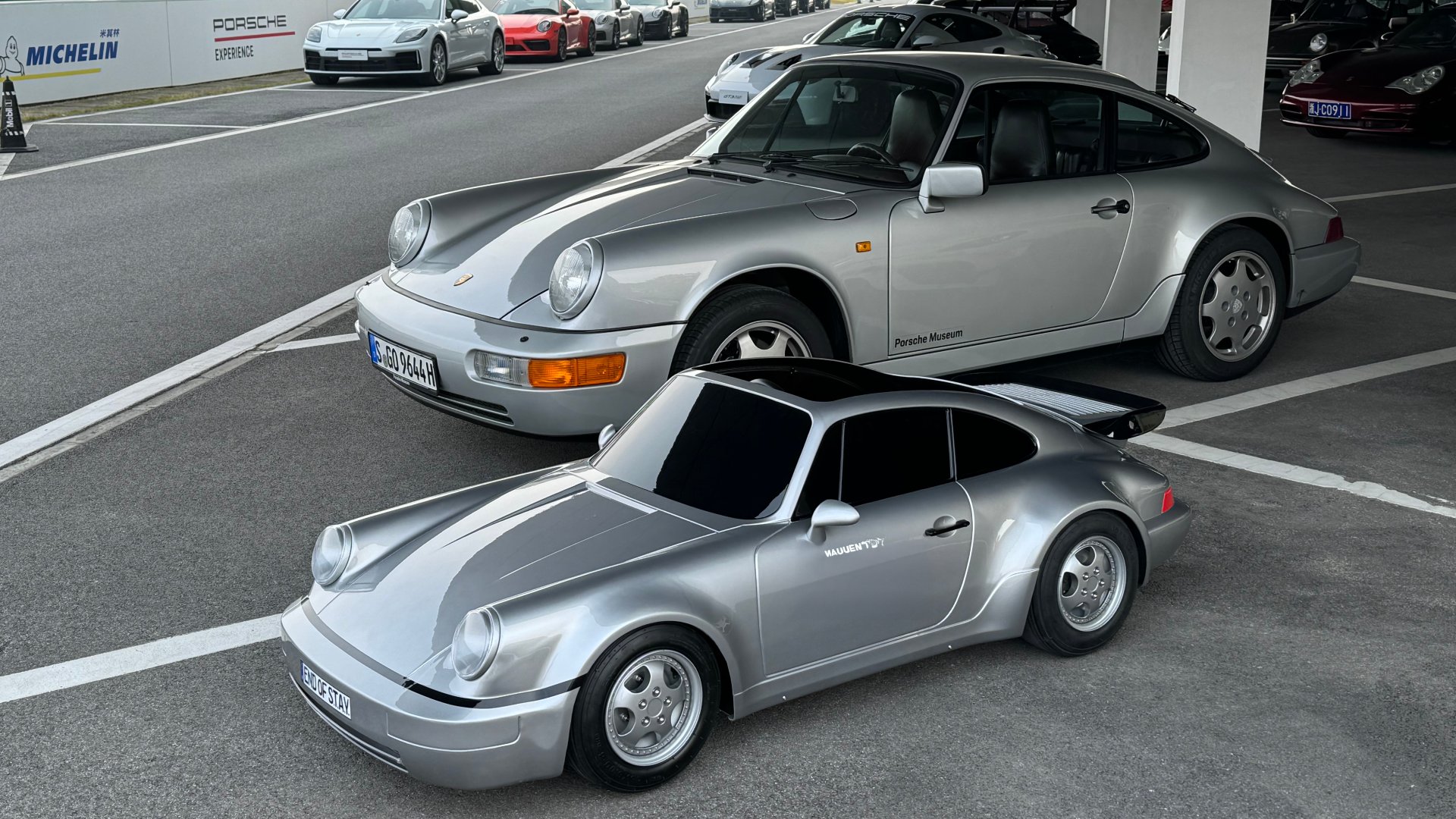
But as an adult with my own money, my hobbies are no longer controlled by that rosy-cheeked fellow. And in 2025, there’s an even cooler (and significantly more expensive) way to live out this miniature car fantasy. They’re called Lil Zoomers, and they’re essentially electric go-karts dressed up as miniature versions of real cars. In fact, they might be too realistic, but we’ll leave the legal questions to the lawyers for now, while we enjoy the absurdity of these $10,000 toys.
They’re not all that expensive, but none are cheap. The most affordable model—a Corolla-inspired version named “AE8SIX” and an FC RX7 model called, *ahem*, “FCRX7″—starts at $8,000; add a thousand dollars more if you want a custom paint job. The Nine64 Turbo (yes, exactly what you’re thinking of) starts at $9,000 with a standard color and $11,000 with a custom livery.
Performance and Technical Specifications
The kart weighs under 300 pounds and comes standard with a 3,000-watt motor and an unspecified battery capacity, although the company suggests a range between 30 and 50 miles and a top speed of 50 mph. They’re go-karts, after all; they’re designed to be recharged between relatively short races. Even 30 miles is plenty for that, and 50 mph seems quite fast on a tight go-kart track. But if that’s not enough, you can upgrade to the “Performance” version, which offers a more powerful motor (4,000 watts) allowing for a top speed of 75 mph. Both variants of the Nine64 have a lower top speed than the AE8SIX and FCRX7. So much for the aerodynamic superiority of Por(*cough*)sche.
Lil Zoomers
Availability and Ordering
Lil Zoomers claims to ship its karts worldwide, but the company’s homepage indicates a backlog of over a month for new orders. If you want one in time for the holidays, you might want to reach out as soon as possible.
Got a tip? Contact us at tips@thedrive.com.
The post Parents Never Bought You that Power Wheels? Here’s a Cooler One for $10,000 appeared first on The Drive.



 What I’m driving: Nothing today, but I will be riding in a (presumably) camouflaged prototype with engineers and will report back next week.
 Ford is enticing buyers with the lowest acceptable, or even weaker, credit scores with reduced interest rates in a race to sell more F-150s before the end of the quarter. Although this unusual end-of-quarter sales promotion addresses the issue of financial accessibility for buyers with weak credit, it could also place them in a risky situation if the job market turns.
 Koenigsegg’s founder and CEO is considering adding an affordable sports car to the supercar manufacturer’s lineup.
 McLaren’s CEO confirmed that the automaker is working on a vehicle with more than two seats.
 Audi announced that the 2026 combustion-engine A6 will cost $65,395, including a $1,295 destination fee.
 A Toyota executive said, “Is it desirable? I think over time, it will be,” regarding hybrid sports cars, giving the clearest confirmation to date that GR-badged hybrid sports cars are on the way.
 Subaru has added special edition BRZ and WRX Series.Yellow to the 2026 lineup, with only 350 units of each model to be produced.
 The National Corvette Museum just celebrated its 20,000th Corvette VIP Delivery Experience, which costs $1,495.