Mercedes C-Class Electric 2026: Everything to Know About the BMW i3 Neue Klasse Rival

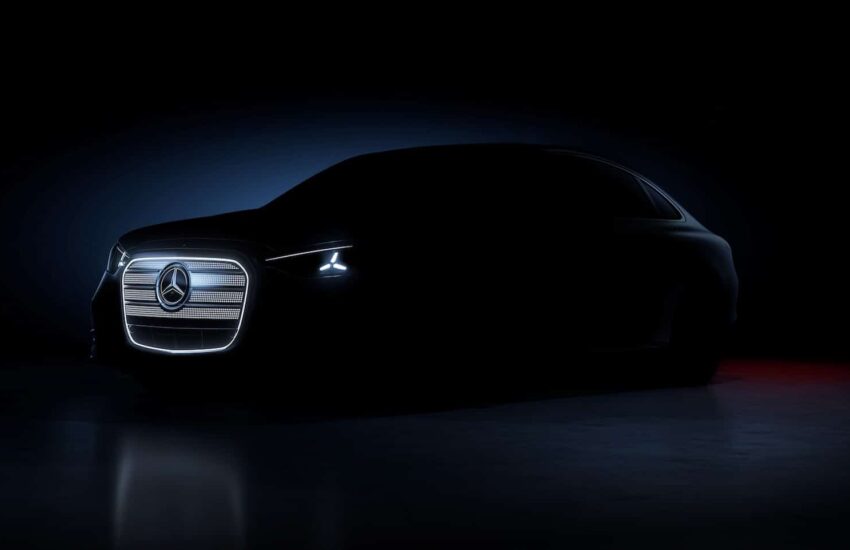
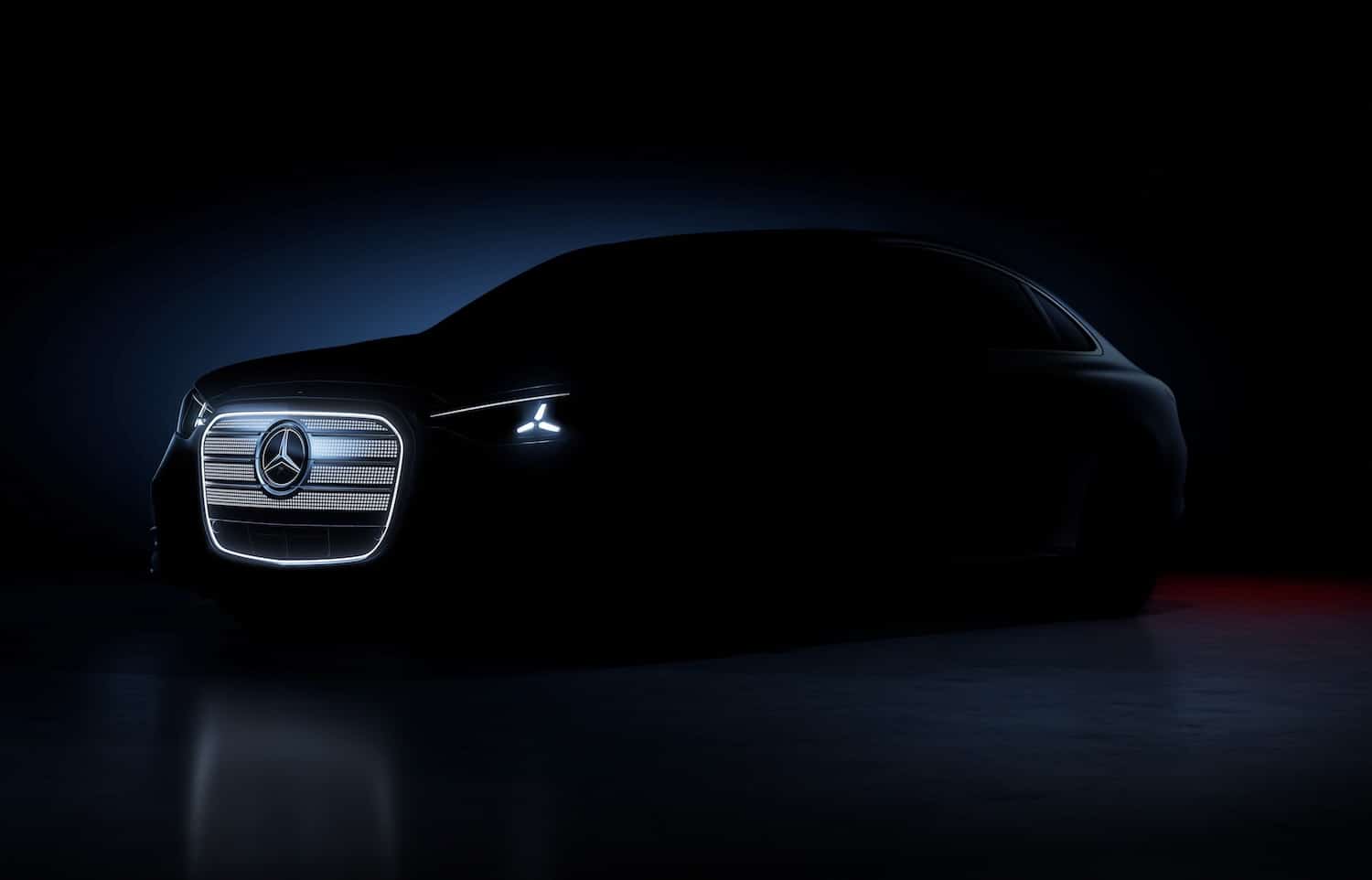
Mercedes C-Class Electric - Front view of the vehicle

Scheduled for 2026, the Mercedes C-Class Electric will mark a turning point for the German manufacturer. It will not be a simple battery version of the combustion model, but rather a vehicle designed on a platform dedicated to electric power. Its launch is highly anticipated, as it will directly position Mercedes as a rival to the future BMW i3 Neue Klasse.

A dedicated platform for an optimized experience

Unlike some adaptations, the C-Class Electric will benefit from a native architecture designed to accommodate batteries and electric motors. This approach optimizes interior space, driving dynamics, and the vehicle’s aerodynamics. We can expect sleek lines and a decidedly modern design that will stand out from the combustion engine version.

Competitive performance and range

Although the final technical specifications are not yet official, rumors point to very competitive figures. The targeted range should easily exceed 600 kilometers on a mixed cycle, thanks to next-generation batteries and efficient energy management. In terms of performance, the electric sedan promises brisk acceleration and instant torque, characteristics of zero-emission powertrains.

An interior focused on innovation

The interior of the C-Class Electric is expected to follow the hyperscreen philosophy introduced on the EQS and EQE models, or at least offer an adapted version. The focus will be on connectivity, state-of-the-art driving aids, and the use of sustainable materials, aligning the vehicle with the values of electric and modern luxury.

The clash of titans in the premium segment

The arrival of this Mercedes C-Class Electric in 2026 will intensify competition in the premium sedan segment. It will directly compete with the BMW i3 Neue Klasse, which is also promised on a specific platform. This technical and marketing rivalry will benefit consumers, who will enjoy a broader offering and constantly improving technologies.

The launch of this model is a key step in Mercedes-Benz’s electric strategy, which aims for a complete transition to zero emissions in the coming years.
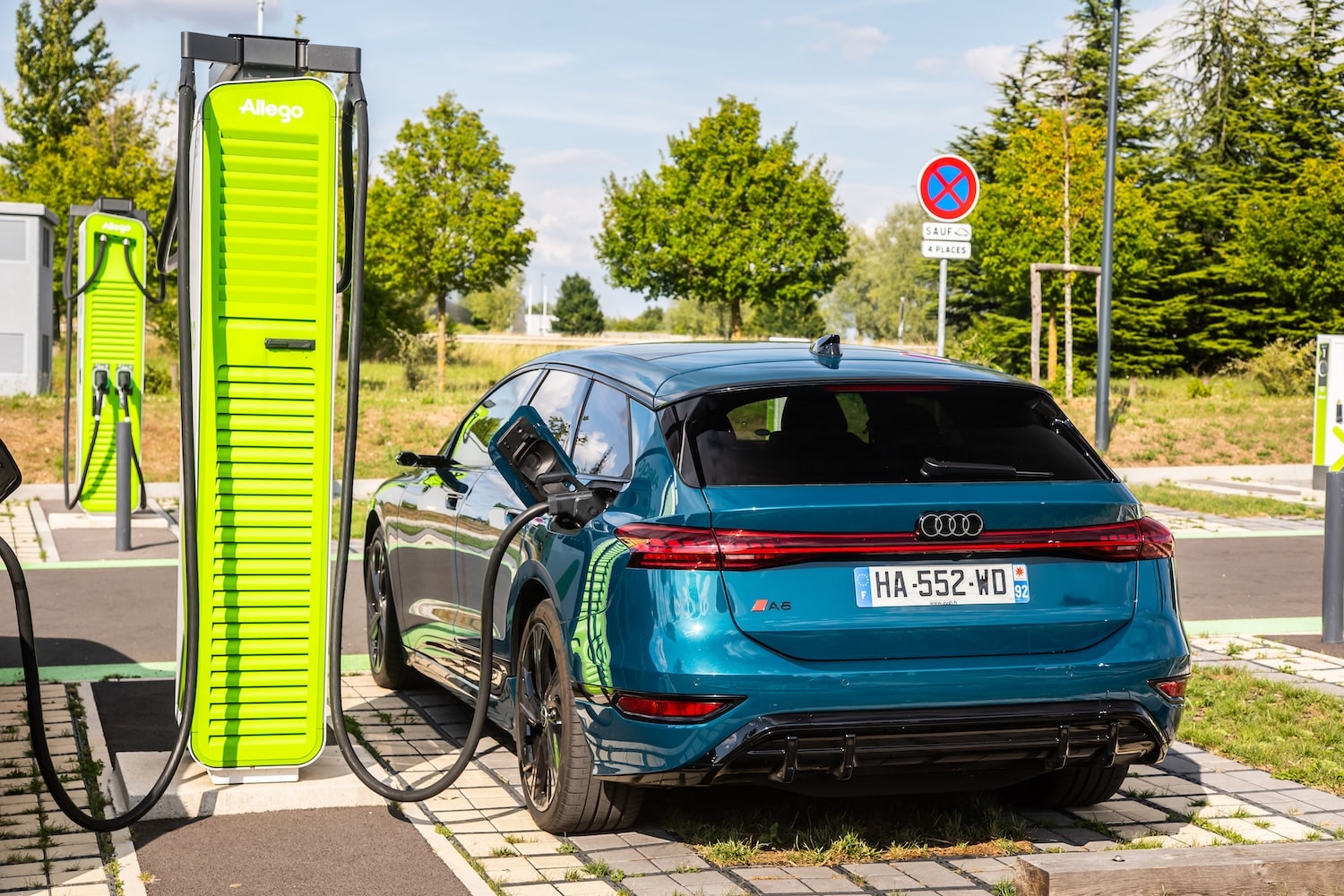
Fast charging stations for electric cars: are they truly efficient?

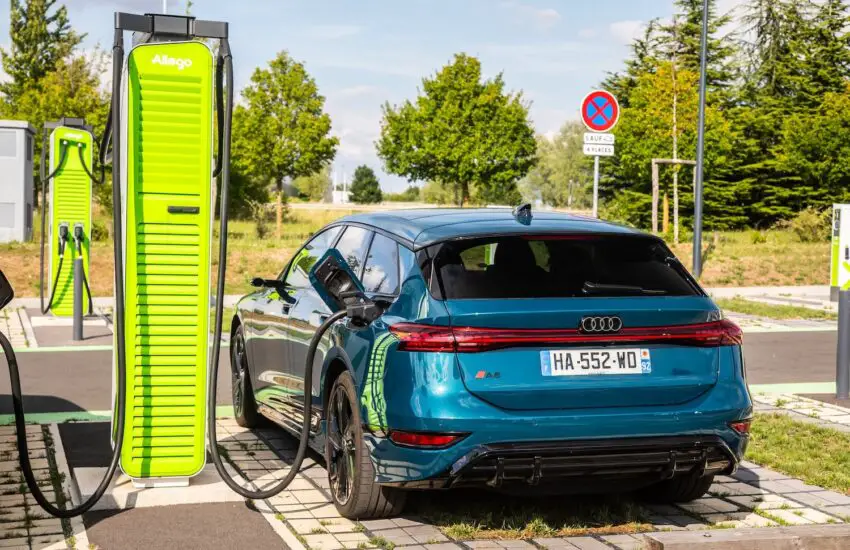
Fast charging station systems are a fundamental pillar of the user experience for electric vehicle owners. The promise of ultra-fast charging is often a decisive factor in purchasing, but the reality on the ground can sometimes be different.

Theory vs. Practice of Charging

Manufacturers advertise impressive charging times, often under 30 minutes to recover 80% of the battery capacity. These figures are obtained under optimal test conditions, with perfect battery temperature and a charging station in perfect working order.

The Challenges of Fast Charging

Several factors can negatively impact charging performance. The outside temperature, whether too cold or too hot, directly affects the battery chemistry and its ability to accept a fast charge. The initial state of charge of the vehicle also plays a crucial role, with chargers being more efficient when the battery is between 10% and 80% of its capacity.

Compatibility Between Vehicles and Charging Stations

Another challenge lies in the interoperability between different electric car models and various charging infrastructures. Although standards exist, occasional incompatibilities or communication issues between the vehicle and the charging station can occur, significantly slowing down the process.

The User Experience at Stake

The reliability of fast charging systems is essential to strengthen user confidence in electric mobility. Charging sessions that drag on or encounter frequent technical errors can discourage drivers and call into question their decision to switch to electric.

The smooth operation of fast charging at stations is an integral part of the user experience for electric car owners. As the network continues to expand and technologies advance, the question of the actual performance of these systems remains a central concern.

Renault Scenic E-Tech: Testimony of Exemplary Energy Efficiency

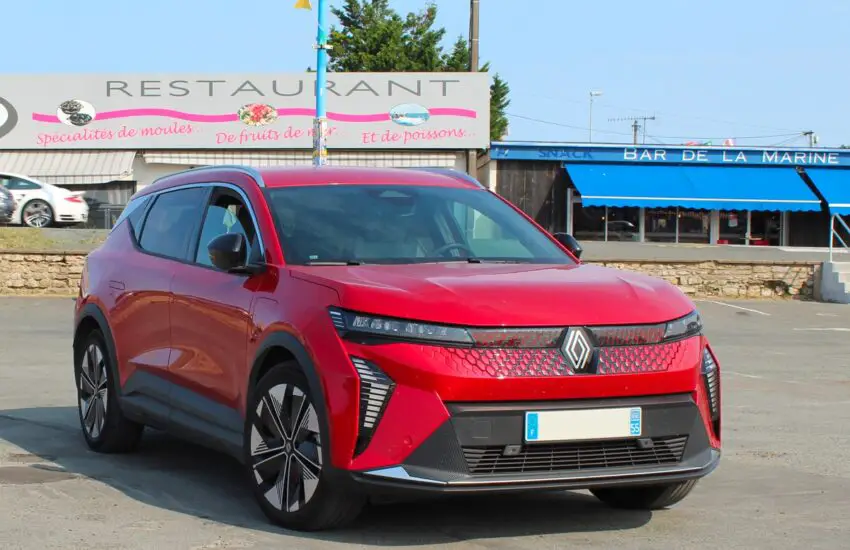
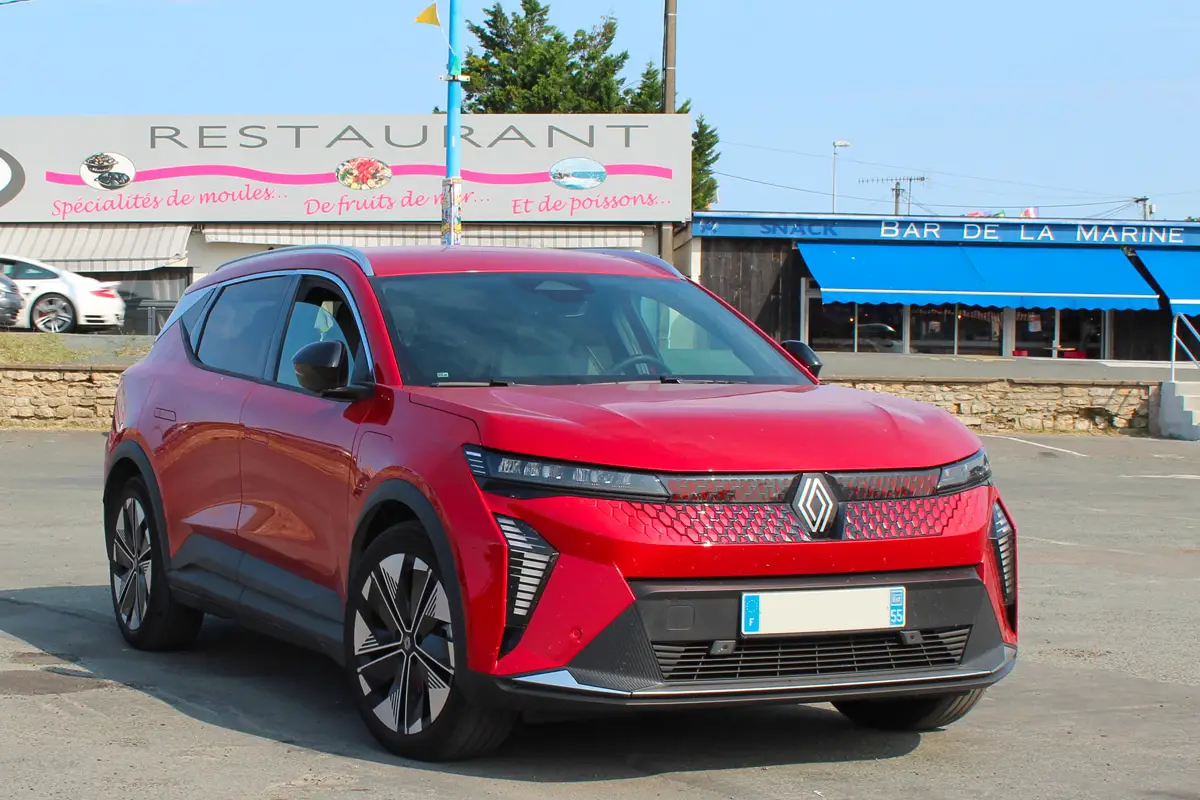
Véro and Jean-Marie's Renault Scenic E-Tech

Yes, the Renault Scenic E-Tech can also be efficient. Véronique and Jean-Marie, electric vehicle owners since 2012, demonstrate this brilliantly with their model received in December 2024.

Rewarding Mastery of Electric Driving

Their Scenic E-Tech, acquired in the Techno trim, displays remarkably low energy consumption. This performance is not by chance but the result of expertise gained after more than ten years of electric mobility practice.

The Secrets to Optimized Range

Their secret lies in anticipatory and smooth driving. They favor gradual acceleration and intelligently use regenerative braking to recover maximum energy. These techniques, simple to apply, transform the driving experience and maximize the vehicle’s range.

The Scenic E-Tech, An Efficient Vehicle by Design

Beyond the driver’s skill, the Renault Scenic E-Tech is designed for efficiency. Its refined aerodynamics, efficient electric motor, and electronic energy management naturally contribute to this efficiency. It proves that a spacious and comfortable family car can combine performance and low consumption.

Towards More Responsible Driving

This testimony inspires and demonstrates that the range announced by manufacturers can be exceeded. It paves the way for a more responsible and economical use of the electric vehicle, where every watt-hour counts.

Hyundai electrifies its future: 60% green vehicles by 2030

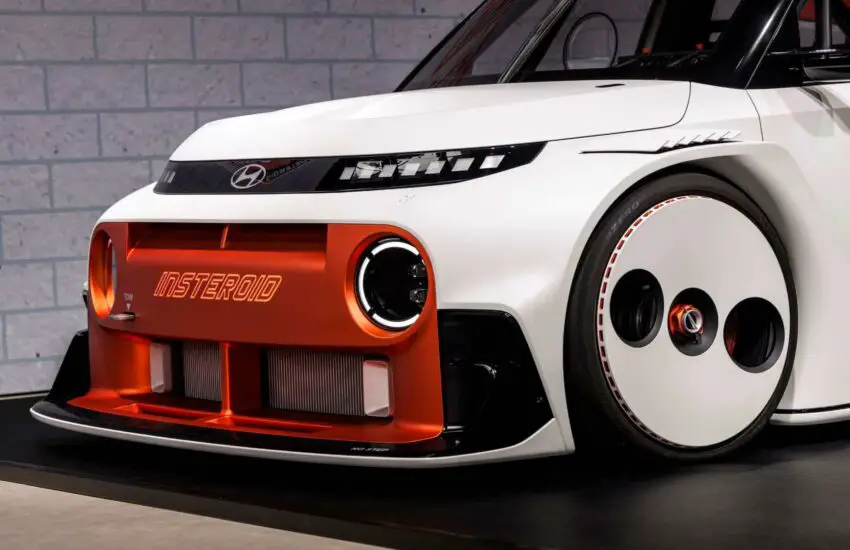
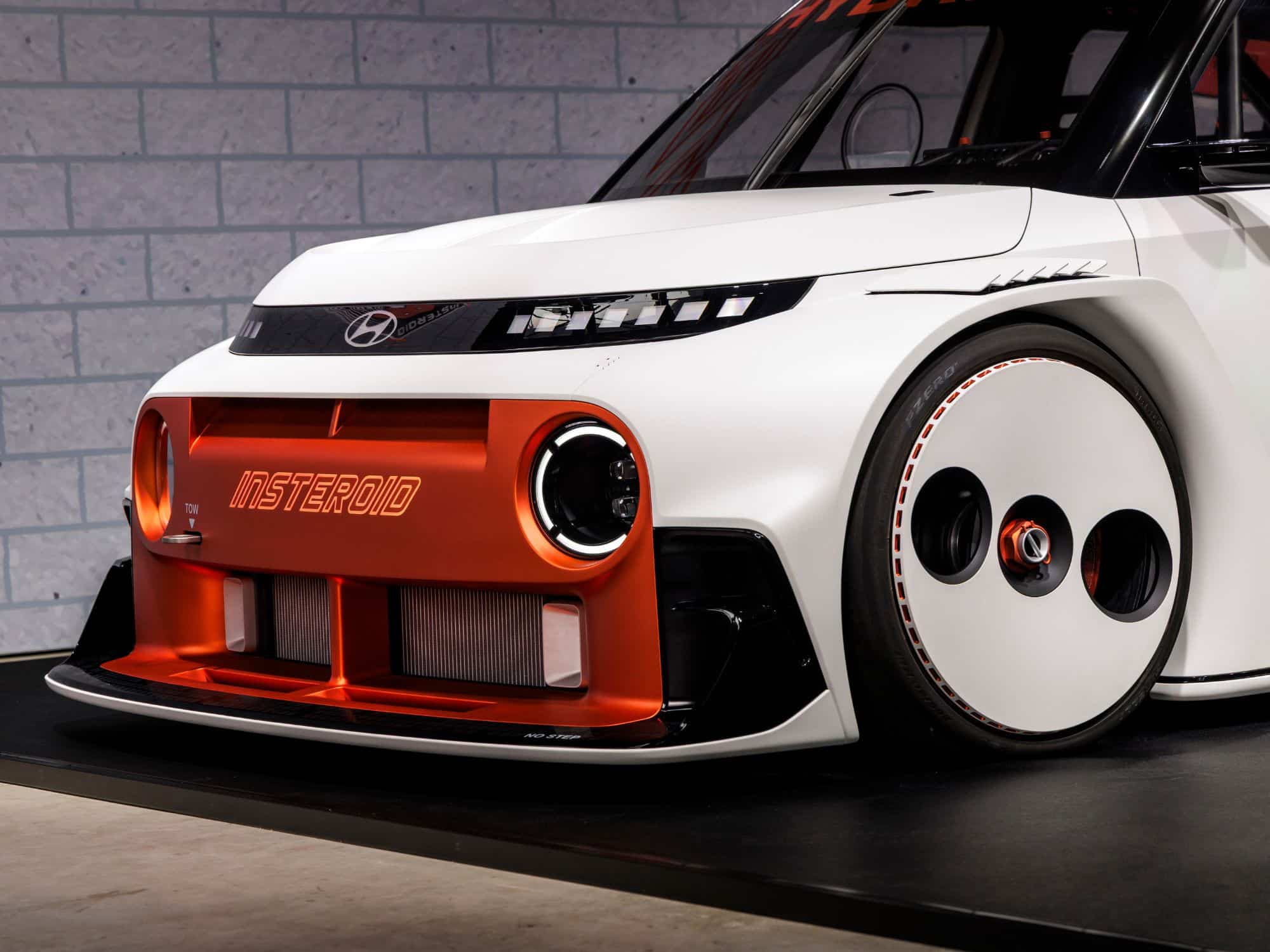
Hyundai Insteroid electric vehicle The end of the decade is rapidly approaching, and most automakers are trying to project themselves onto this crucial deadline for the energy transition.

An ambitious industrial strategy

Hyundai has officially announced a clear ambition for 2030: more than half of its global sales must consist of electrified models. This 60% milestone represents a massive commitment by the Korean manufacturer to decarbonized mobility.

An expanding range of electrified vehicles

To achieve this goal, the Hyundai Motor Group, which also includes the Kia brand, is banking on an accelerated deployment of its technologies. The combined offering of 100% electric vehicles (BEV), hybrids (HEV), and plug-in hybrids (PHEV) will be significantly expanded in the coming years.
Investments and technological innovations

This commitment is accompanied by substantial investments in research and development, particularly in dedicated electric vehicle platforms, battery range, and charging networks. Hyundai positions this transition as a central pillar of its long-term strategy to reduce its environmental footprint and meet market demands.

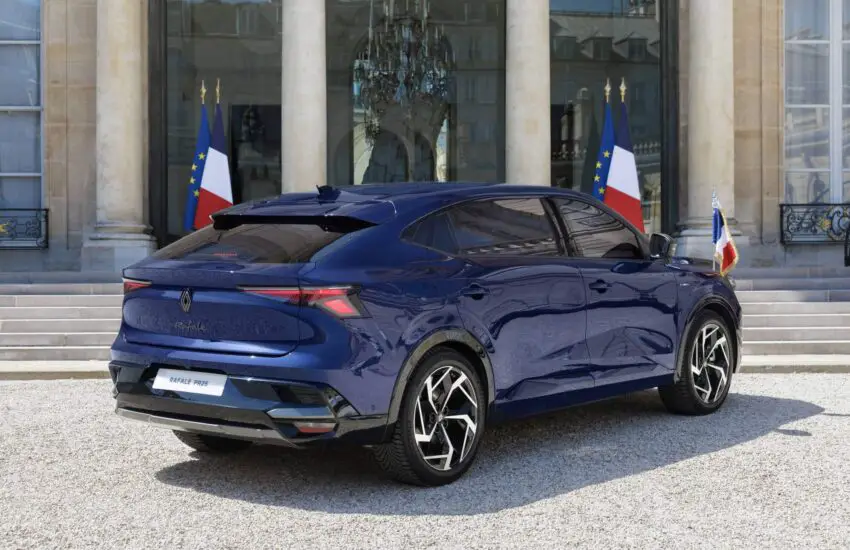
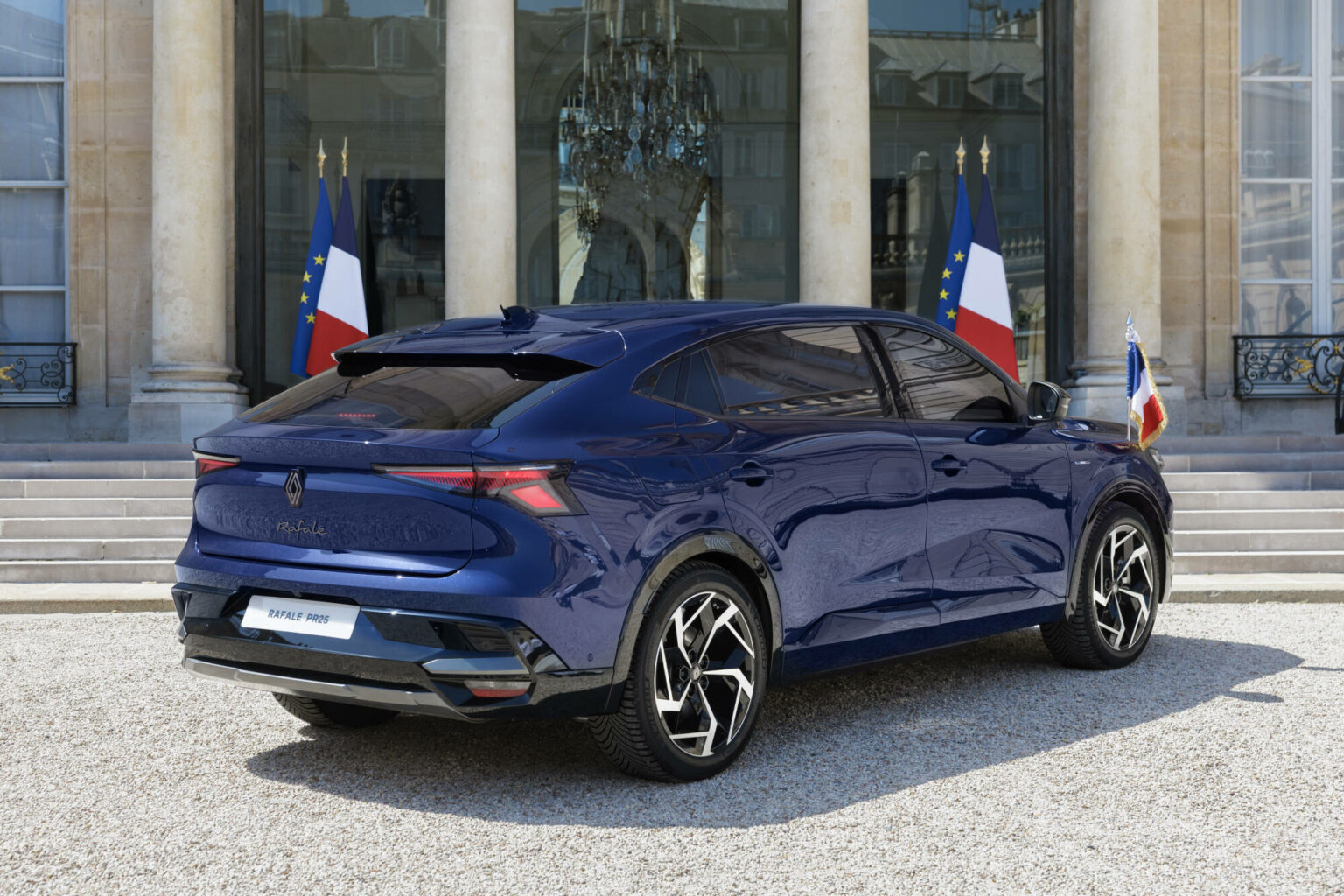
Renault Rafale Presidential: Emmanuel Macron’s official car displayed at Heritage Days

Emmanuel Macron’s official car will be one of the main attractions at the upcoming Heritage Days. A unique vehicle, the Presidential Renault Rafale, will indeed be unveiled to the public in the main courtyard of the Élysée Palace throughout the weekend.

An exceptional vehicle to discover

Specially designed for the President of the Republic, this customized Renault Rafale embodies both the prestige of the office and French industrial ambitions. Visitors will thus have the rare opportunity to admire up close this official equipment usually reserved for protocol movements.

Renault Rafale Présidentiel - Emmanuel Macron's official car A unique vehicle will be unveiled in the courtyard of the Élysée Palace this weekend: the Presidential Renault Rafale. Specifically designed for the needs of the presidency, this automobile represents French automotive expertise.

Heritage Days, a unique opportunity

This exhibition fits perfectly with the spirit of the European Heritage Days, which aim to open to the public places that are usually inaccessible. The presentation of this presidential vehicle thus offers a privileged look behind the scenes of power and the symbols of the Republic.

This initiative also helps to showcase French automotive excellence, as the Renault Rafale is produced in France and representative of current technologies in the national automotive industry.

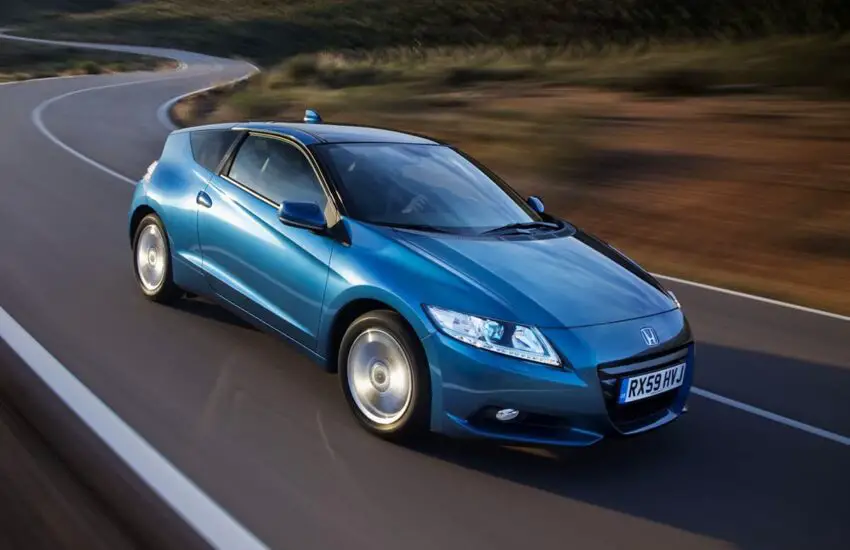
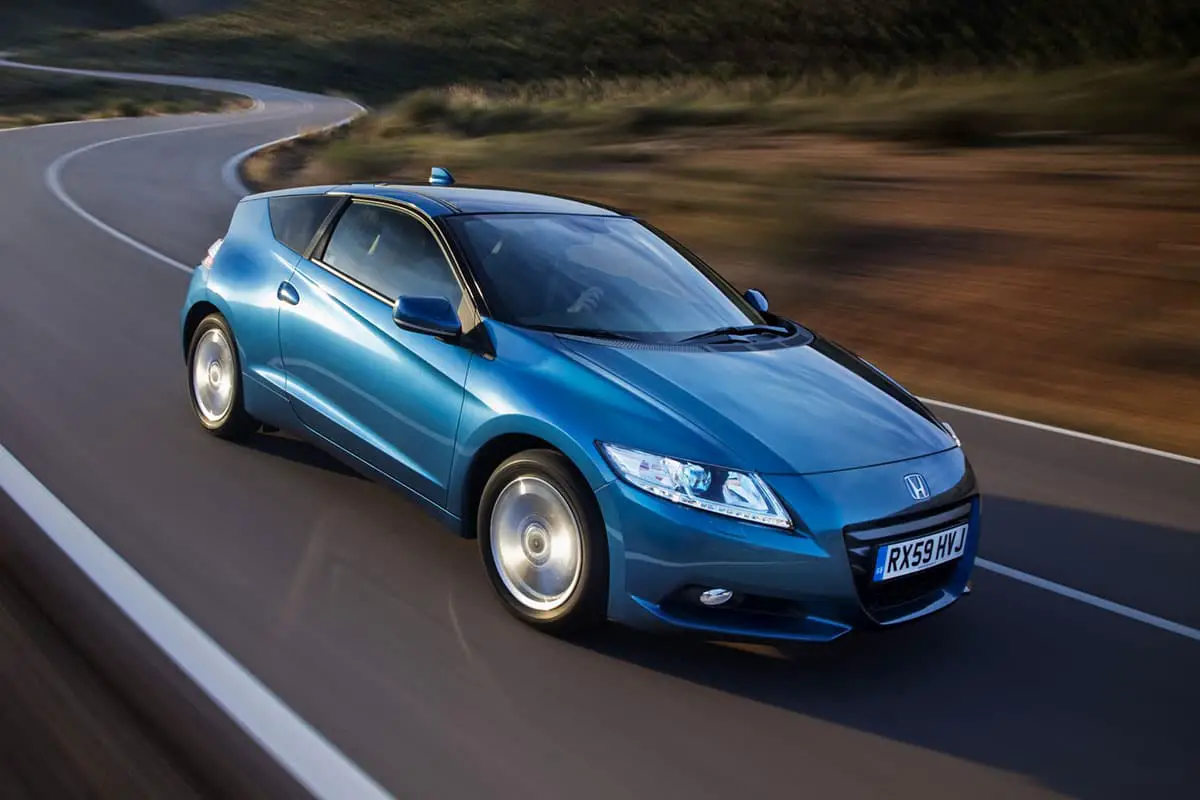
Honda CR-Z Used: The Forgotten Hybrid Car to Discover

Used Honda CR-Z sport hybrid Honda didn’t only offer coupes with naturally aspirated engines: the Honda CR-Z received a hybrid powertrain.

An Underrated Sport Hybrid

The Honda CR-Z holds a unique place in the used car market. This hybrid coupe, often overlooked during its commercial life, now represents an interesting opportunity for enthusiasts of eco-friendly and dynamic cars. Its distinctive design and technical philosophy make it a model apart.

Hybrid Technology and Performance

Under its hood, the CR-Z combines a gasoline engine with an electric motor. This synergy offers driving that is both fuel-efficient and responsive. Honda’s Integrated Motor Assist (IMA) system delivers immediate torque, particularly appreciated in urban environments. The sporty character is enhanced by a six-speed manual transmission, a rarity in the hybrid world.

The CR-Z in the Used Car Market

Today, the Honda CR-Z is an accessible gem. Its price on the used market is often very competitive compared to its capabilities. Its low depreciation rate makes it a wise investment for those looking for an original, technological, and frugal car without sacrificing driving pleasure.

Tokyo Xtreme Racer announced for PS5: the cult series finally arrives on console

Tokyo Xtreme Racer has finally been officially announced for PlayStation 5. The last 24 hours have been very exciting for racing games. A major update for Gran Turismo 7 was announced yesterday afternoon, but the news most anticipated by fans is the return of Genki’s cult series.

Good News for Console Players

The news about Gran Turismo 7 is already well covered, which is why we’re focusing on Tokyo Xtreme Racer. The new installment in Genki’s cult series had been available in early access on Steam since the beginning of the year and was very well received. The main criticism was the need to own a powerful enough PC to play it. Genki is finally addressing this limitation with the announcement of a port to PlayStation 5.

Version 1.0 Release and Enhanced Content

This announcement is excellent news, especially for players who prefer consoles. Tokyo Xtreme Racer has left its early access status on Steam. The game now costs $50 instead of $30, but it comes with much more content and many quality-of-life improvements that were missing at launch. Even better, for those who purchased the game in early access, version 1.0 is a free update. Genki remains as generous as ever.

The image at the end of the Lexus LFA showcase video announcing the game’s release on PS5. They definitely know how to grab your attention. Genki via YouTube

A Surprise Announcement

The PS5 announcement came as a surprise at the end of one of Tokyo Xtreme Racer’s usual car showcase videos, this time for the Lexus LFA. Genki has not yet specified when the game will be released on Sony’s console, but hopefully the wait won’t be too long.

A Substantial Update for PC Players

Meanwhile, players who already own the game on PC will appreciate today’s update. It includes many new cars, including Honda and Lexus models, new rivals, aerodynamic parts, and rims. There is also an optional alternate skill tree that makes progression easier and reduces repetitiveness for buying and upgrading vehicles, engine swaps, and support for 30 frames per second for less powerful hardware, like the Steam Deck. This is just the tip of the iceberg, and this update promises to be passionately explored in the coming days.

Got a tip? Send it to tips@thedrive.com

Only One Gasoline Engine in the 2024 Top 10 Wards: The Corvette ZR1’s V8

We have reached a point where electrification is truly ubiquitous in the automotive industry. It has long been discussed, emphasizing that our everyday cars as well as our performance vehicles would be battery-assisted, or even fully electric, and it must be acknowledged that these predictions were correct. At least, for the most part, since nine out of the ten powertrains on Wards Auto’s Best Engines and Propulsion Systems list are electrified in one way or another. The Chevrolet Corvette ZR1’s LT7 V8 is the only pure combustion engine to have made it onto this list, and, let’s face it, that makes sense.

Wards has been publishing this list for 31 years now, and there’s no need to recall how much the automotive industry has changed during that period. Until 2020, Wards simply called it the “10 Best Engines” list, but it adapted its title at the turn of the decade to better reflect the nature of the powertrains being honored.

The Complete 2024 Winners List

Before continuing, here is the full list of winners, presented in alphabetical order:

  • BMW M5 – 4.4L Twin-Turbo V8 PHEV
  • Chevrolet Corvette ZR1 – 5.5L Twin-Turbo V8
  • Dodge Charger Daytona – Electric Propulsion System
  • Ford F-150 – 3.5L Twin-Turbo V6 HYBRID (2024 Repeat Winner)
  • Honda Civic Hybrid – 2.0L Inline-4 HYBRID (2024 Repeat Winner)
  • Hyundai Ioniq 9 – Electric Propulsion System
  • Lexus LX 700h – 3.4L Twin-Turbo V6 HYBRID
  • Lucid Gravity – Electric Propulsion System
  • Mercedes-AMG E53 – 3.0L Inline-6 Turbo PHEV
  • Nissan Leaf – Electric Propulsion System

Thus, this list clearly includes hybrids where a robust internal combustion engine does the bulk of the work. Two of them are reigning champions: the Honda Civic Hybrid and the Ford F-150 Powerboost.

The Corvette ZR1’s LT7 V8, a Remarkable Exception

It is important to note that Wards does not rank its winners. The vehicles above are simply listed in alphabetical order. That said, no one expects the Nissan Leaf to outperform the ZR1.

The Corvette’s 5.5-liter V8 is a true beast in every sense of the word. It is a flat-plane crank engine equipped with the largest turbochargers ever fitted to a production car (76 millimeters each, for the curious). Without the aid of a lithium-ion battery, it produces an impressive 1,064 horsepower and 828 lb-ft of torque.

As explained by the LT7’s Assistant Chief Engineer, Dustin Gardner, the entire history of the Corvette led to the creation of this engine.

“These engines [LT6 and LT7] – the Gemini twins, as we call them – I’ve been working on them for over seven years. This was always the plan. The C8 architecture was there to enable this. The LT6, simply by its height, could never have been placed in the front, and the LT7, by its width… and with that much power and torque, you need a chassis like this to be able to use it. You put 1,000 horsepower in a front-engine car and you won’t be able to enjoy it.”

All this work is paying off, resulting in awards like this one as well as lap times on the Nürburgring under seven minutes. It’s quite crazy to think that no other purely internal combustion engine found its place on this list, but rather than lamenting it, we can rejoice that manufacturers continue to invest in overpowered internal combustion engines for as long as they can.

An entire street disappears in a huge sinkhole in Bangkok

A busy street in Bangkok, Thailand, collapsed on Wednesday, wiping out an entire section of the roadway along with other infrastructure elements. Dramatic footage shows everything that was swallowed by the massive sinkhole. And, in a scene almost straight out of Top Gear, a lucky Toyota Hilux remained balanced on a precarious piece of asphalt that survived the initial collapse.

The videos below capture the exact moment it all happened, showing how the ground literally disintegrated beneath this part of the city. Electrical poles can be seen being forcefully sucked into the sinkhole, causing sparks and cutting off power to the surrounding areas. The foundations of nearby buildings are now completely exposed to the elements, a concerning situation given the country’s rainy season.

No casualties but significant damage

Fortunately, despite the scale of the material damage, there were no casualties. The damage caused by the sinkhole appears to be limited to vehicles and infrastructure. According to authorities, the collapse is believed to have been triggered by nearby construction work related to an underground subway station.

A second collapse

It appears that a second collapse occurred overnight on Thursday. Current photos show that the piece of asphalt on which the Hilux was perched has now also given way.

2026 Honda Passport TrailSport Long-Term Test: Detailed Feature Review

I’ve spent enough time with our long-term 2026 Honda Passport TrailSport – nearly 6,500 kilometers, to be precise – to have tested most of its features. Most are quite straightforward, like media, climate, and comfort management, while others, more remote like the Honda Link app, require a bit more time and effort to explore.

Most importantly, I’ve had the opportunity to use them dozens and dozens of times, which helps me understand their real utility or their gimmicky side, their reliability, and in some cases, whether they are worth their price or not. It was also a pleasure to receive feedback from many readers, asking me questions about the Passport, its strengths and weaknesses. Some even shared their own experiences with their Passport.

I’ll get straight to the point and classify them into three categories: I Like, I Don’t Like, and Mixed. Each point will include a brief explanation of its classification, as well as relevant details or various thoughts.

Jerry Perez

What I Don’t Like

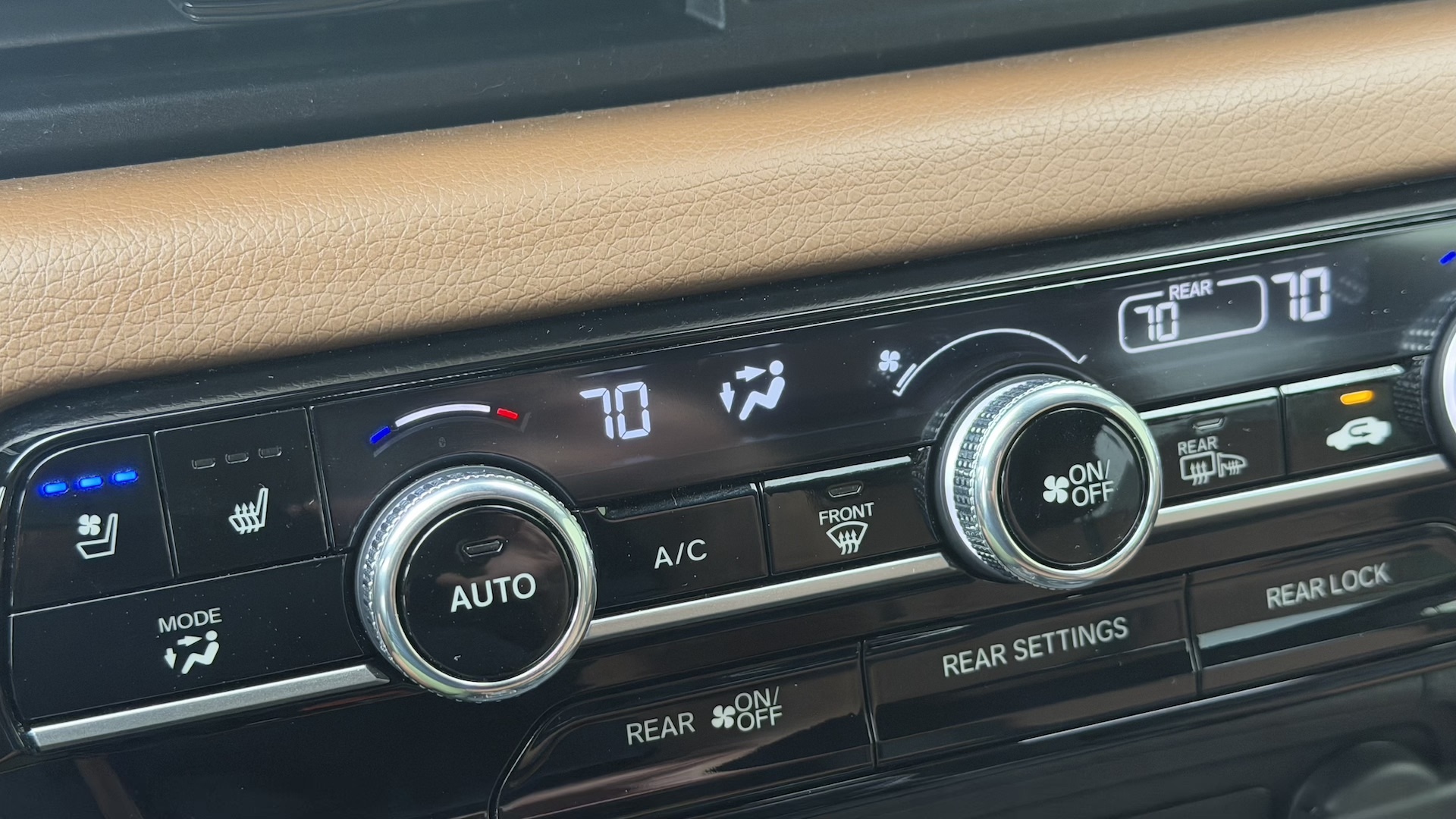
  • Fan Speed: When I mentioned this point on a quick list of particular things noticed on the Passport, I received several emails from owners expressing the same frustration. Fan speed 1 is too strong to be comfortable, more akin to levels 2 or 3 in most other cars. An update for the 2027 model, Honda?
  • Adaptive Cruise Control: Although I understand that most ADAS systems prioritize caution, the Passport’s adaptive cruise control tends to brake abruptly at any sign of traffic – even when that traffic is, uh, invisible. I was driving on the highway at 120 km/h when the system braked for no apparent reason, dropping me to 115 km/h. No car in front, no swerving to the side, nothing. This happens whether lane keeping assist is activated or not. This isn’t a problem exclusive to the Passport, I’ve also experienced it in other Honda models.
  • Lane Keeping Assist: Just like adaptive cruise control, the lane keeping assist is disappointing, constantly making the Passport weave back and forth between the lane markings. And although I understand it’s an *assist* and not an autonomous driving level, the steering assistance is weak and often insufficient to negotiate a long curve on the highway.
  • Shutdown Sequence: The problem is that when you turn off the engine, *everything* turns off. If you’re listening to music, it stops immediately. If you’re on a phone call via the car’s Bluetooth or Apple CarPlay, that stops too. If you’re parking on a busy street, your blind spot monitors won’t alert you if a car or cyclist is approaching, to avoid opening the door. Why? Because all power is cut. Most cars allow auxiliary power to remain active for 60 seconds after pressing the start button, or to customize this setting via the multimedia screen. Not the Passport. If I ranked the items on the “I Don’t Like” list from most annoying to least annoying, this would solidly be in second place behind the fan speed.
  • Garage Door Opener: I could write a thousand words about the frustration of knowing that my 2009 Honda Odyssey had physical buttons to operate up to three garage doors *for free*, while a top-of-the-line 2026 Passport does not. Worse, you have to pay $129 for 3 years of the MyQ service to use the garage door function via the central touch screen (no physical button), on top of the $110 per year required for the HondaLink Remote subscription.

What I Like

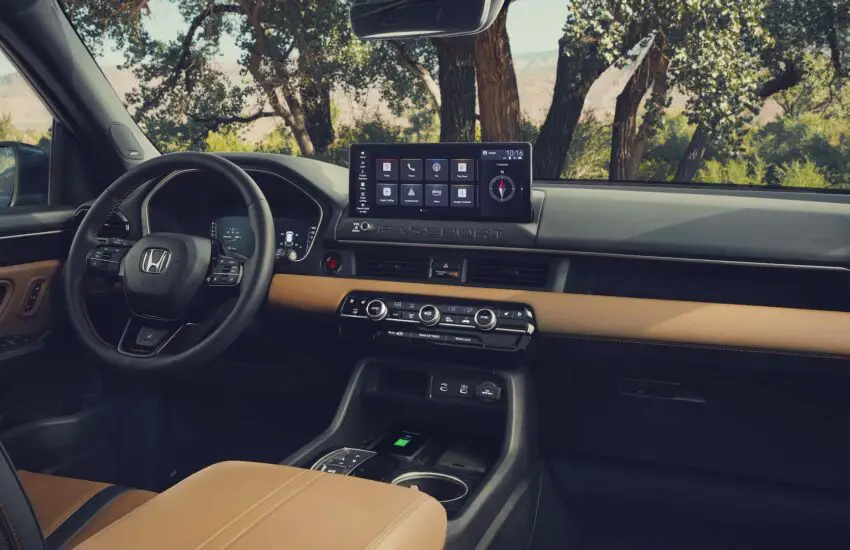
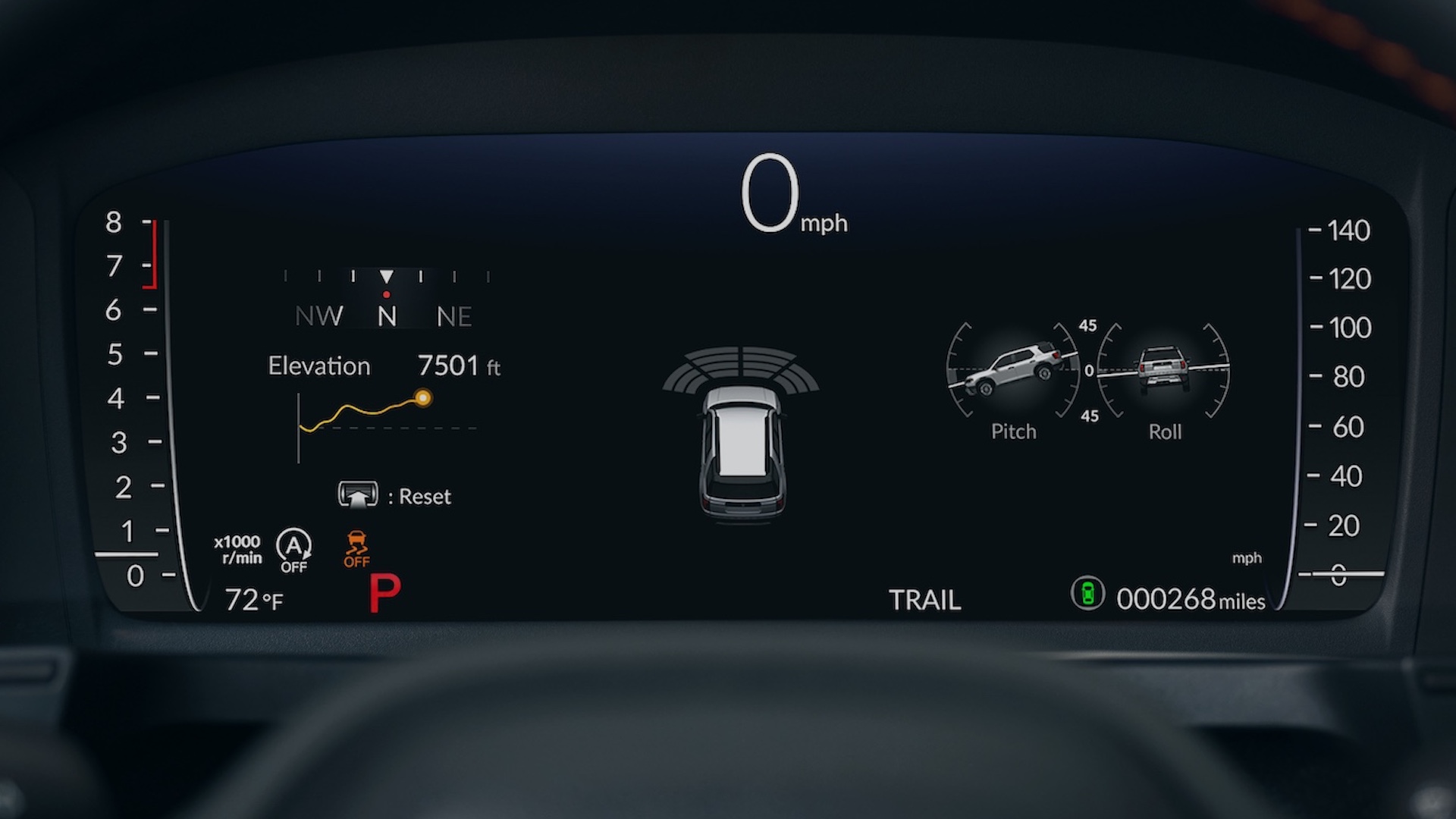
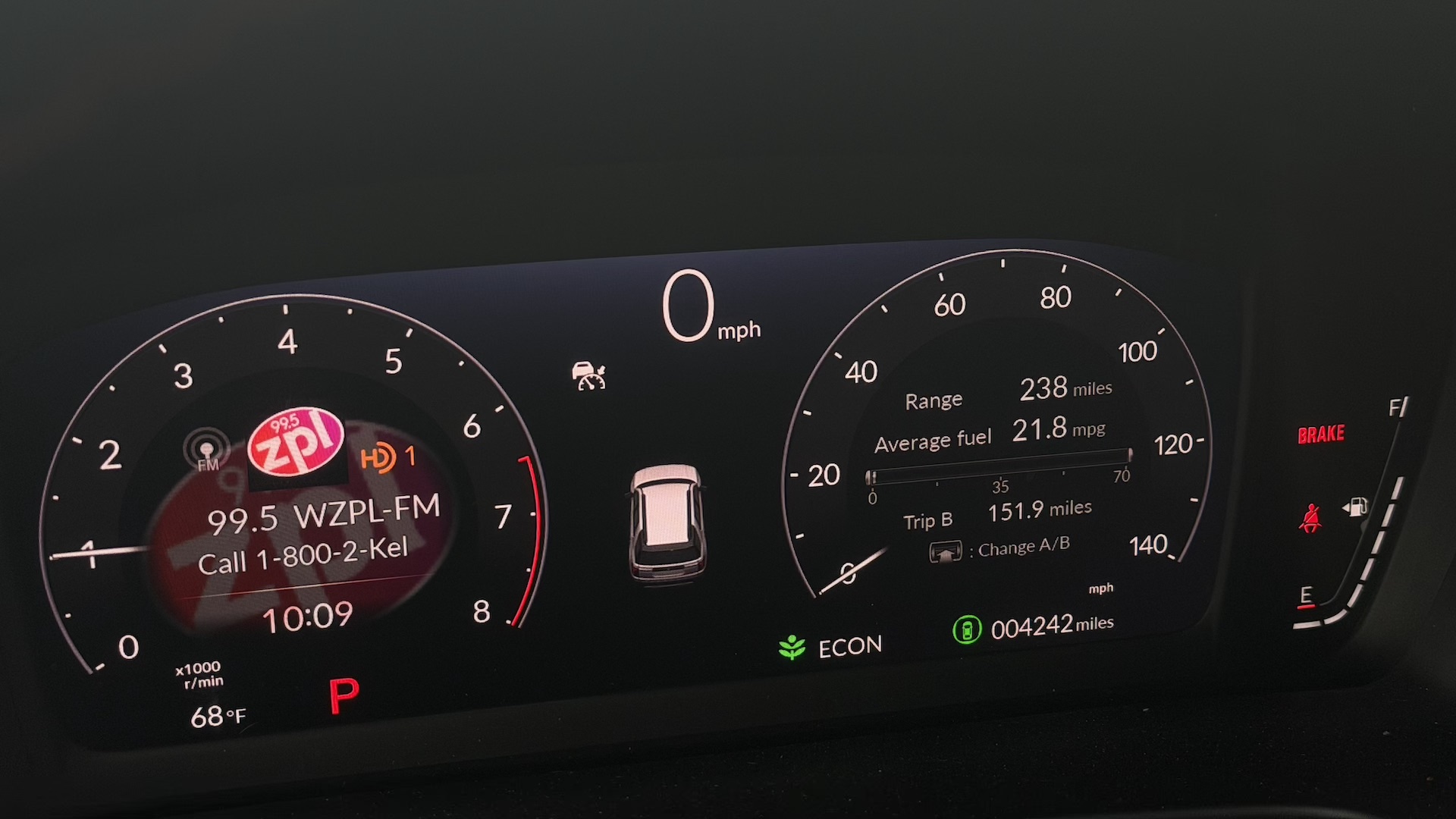
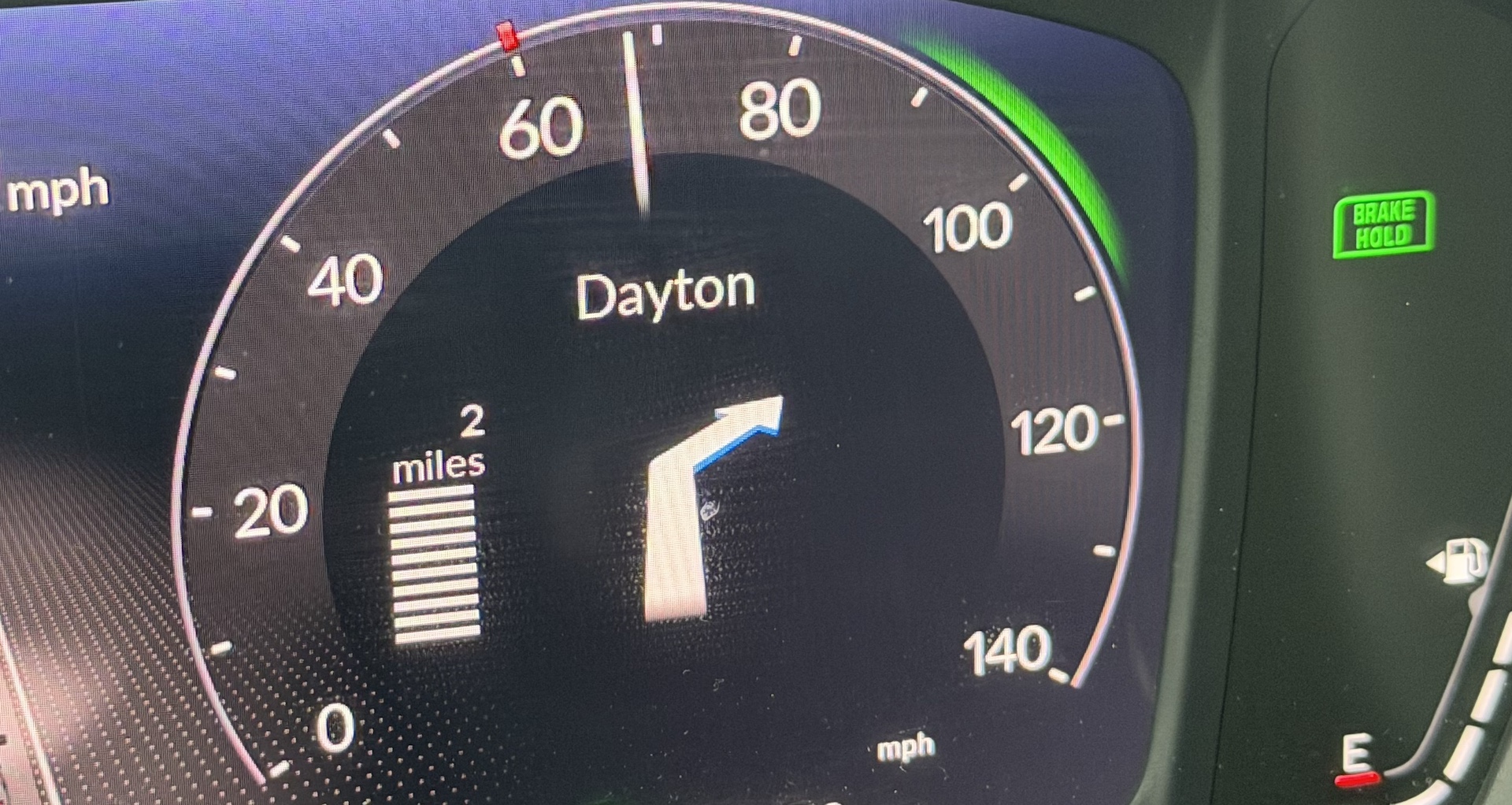
  • Customizable Gauges: Although being able to change styles, themes, and functions on a digital screen isn’t new, the level of customization offered by the Passport is typically found in high-end vehicles. You can customize the display in three parts: left, center, and right. You can swap your tachometer for a dozen other visuals, like media settings, or a classic speedometer for your trip computer, or a map view with GPS guidance, while keeping two other customizable views. If you prefer a full map view, that’s possible, or keeping a sober and traditional display.
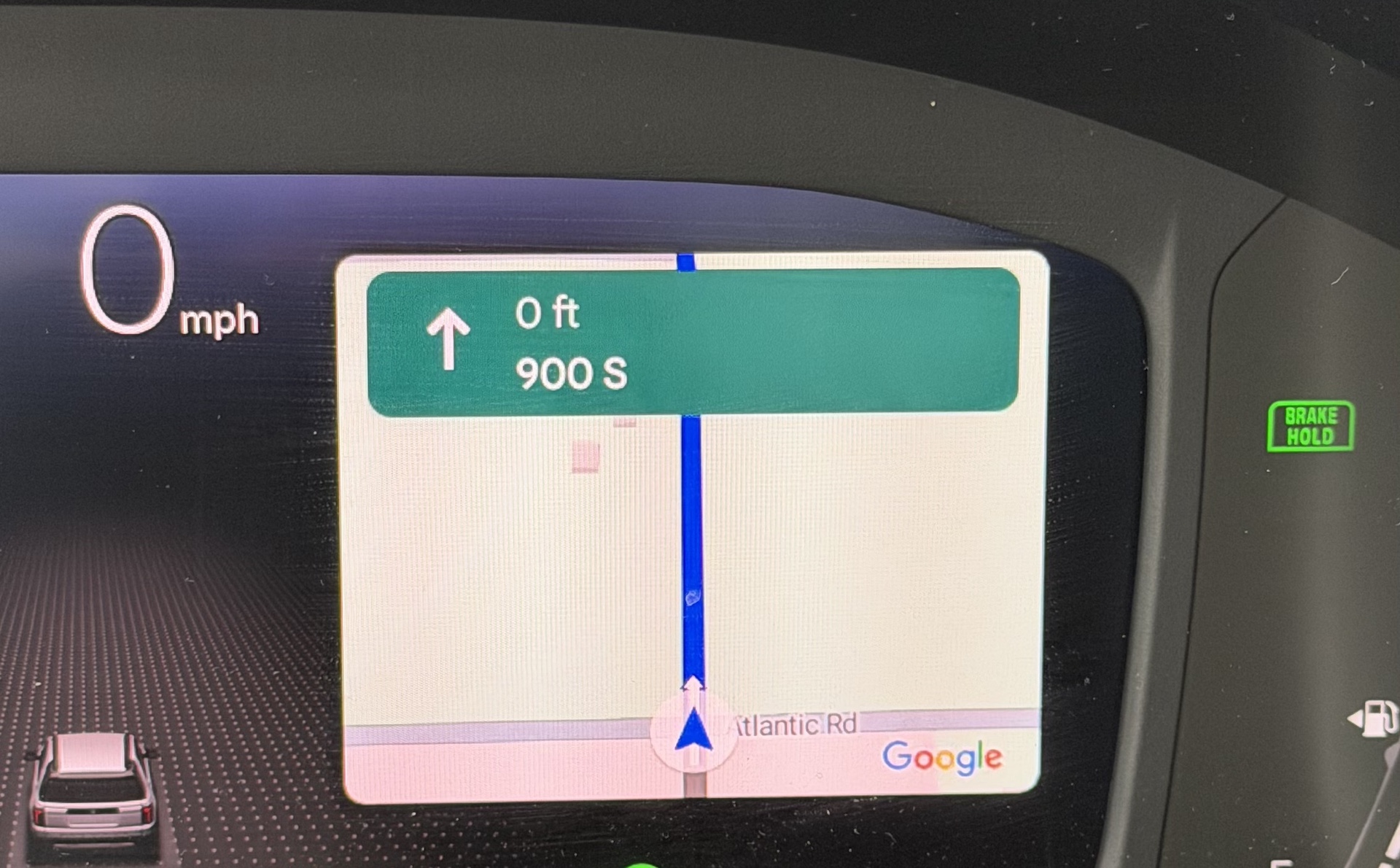
  • GPS Popup: This is by far one of my favorite features. I have my cluster divided into three sections: music on the left, speedometer and ADAS in the center, trip computer on the right. When I use GPS, the system automatically displays my route on the right side of the cluster. And what I like even more is that it doesn’t display it all the time. It only appears when approaching a turn or a point requiring my attention. Once the turn is taken, it disappears!
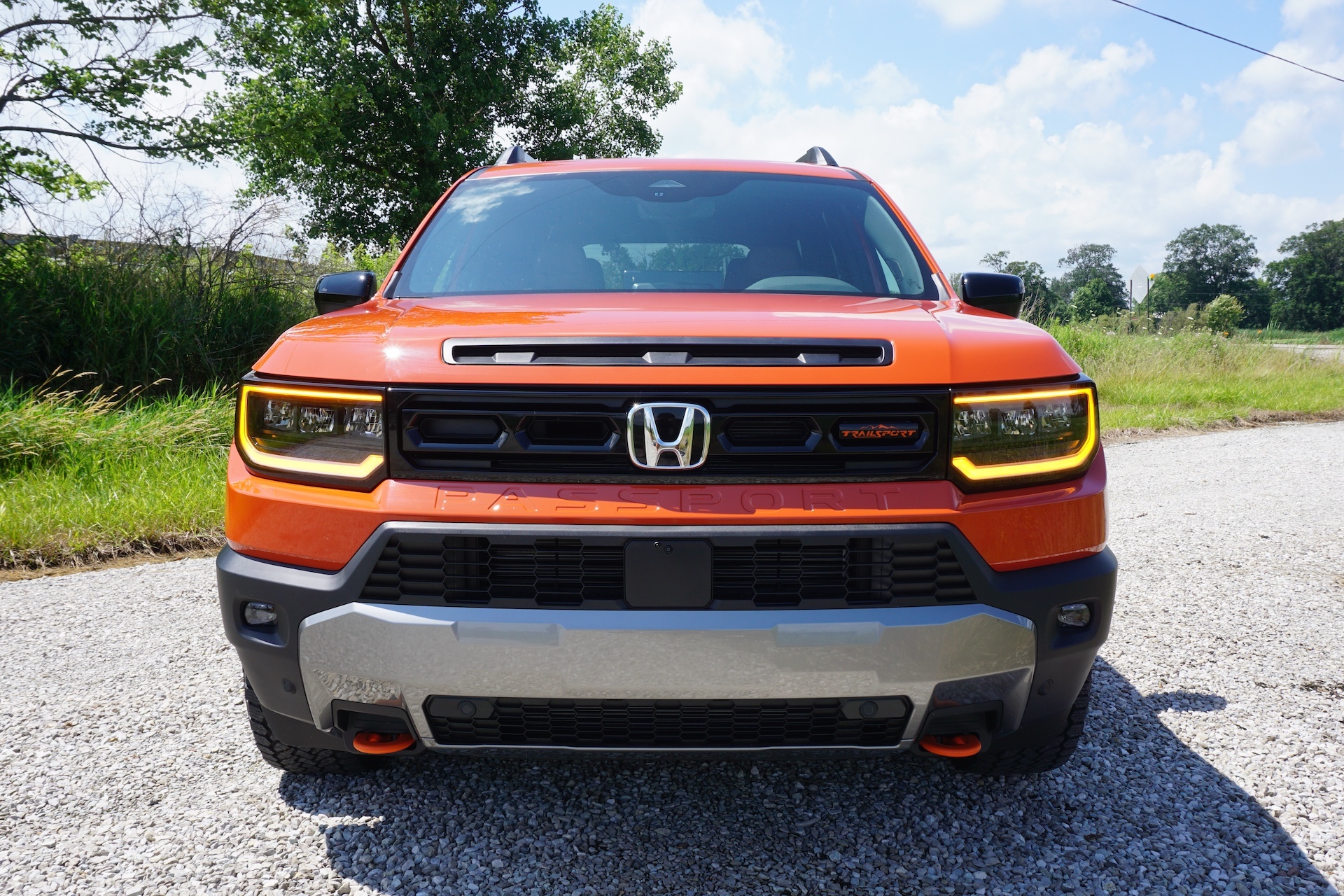
  • Headlights: These reflector LED headlights are probably the best in the entire Honda lineup, and are comparable to Acura units in terms of performance. They are bright, offer great range, and do an excellent job overall.
  • Power: 285 horsepower and 262 lb-ft of torque isn’t huge in the world of EVs, but it’s plenty sufficient. I’m always pleasantly surprised when I need to accelerate for a quick pass, because the Passport has what it takes to move forward confidently.
  • Pedal Calibration: The accelerator and brake pedals are simply perfect. Soft but responsive, a real success from the engineers.
  • Seats: Same as above. Five stars.
  • Storage Solutions: Families will rejoice! The Passport has learned from the best in storage, an area that the Honda Pilot has mastered for years. You will never run out of places to store your belongings or your water bottles. I particularly love the hidden storage under the trunk floor. Super convenient.
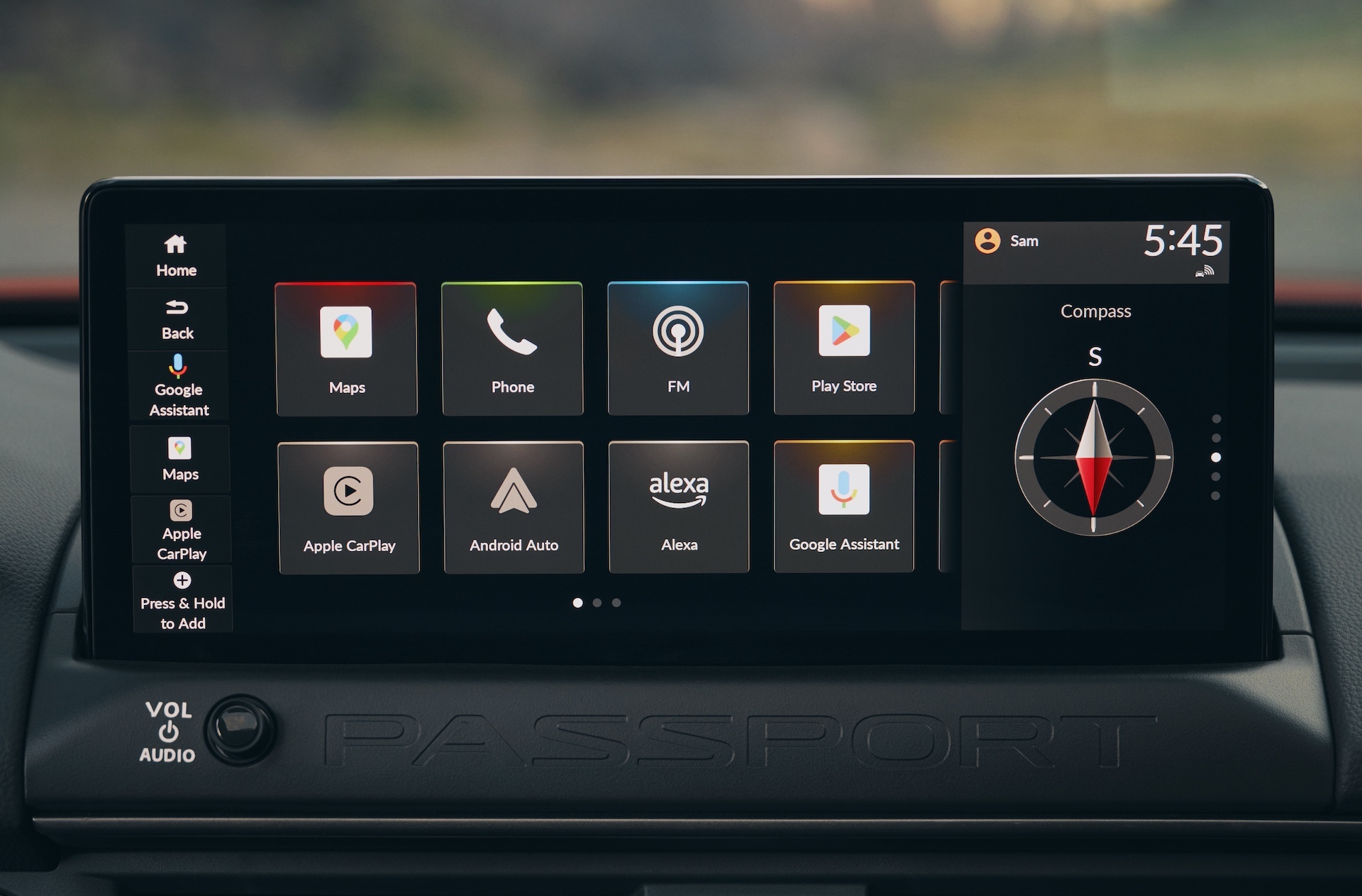
  • Google Infotainment: I’ve learned to love the new Google-based system. Once connected to my Google account, it knows everything about me. I press the Google Assistant button and ask it to guide me, call someone, or give me information. All without taking my eyes off the road.

Mixed Feelings

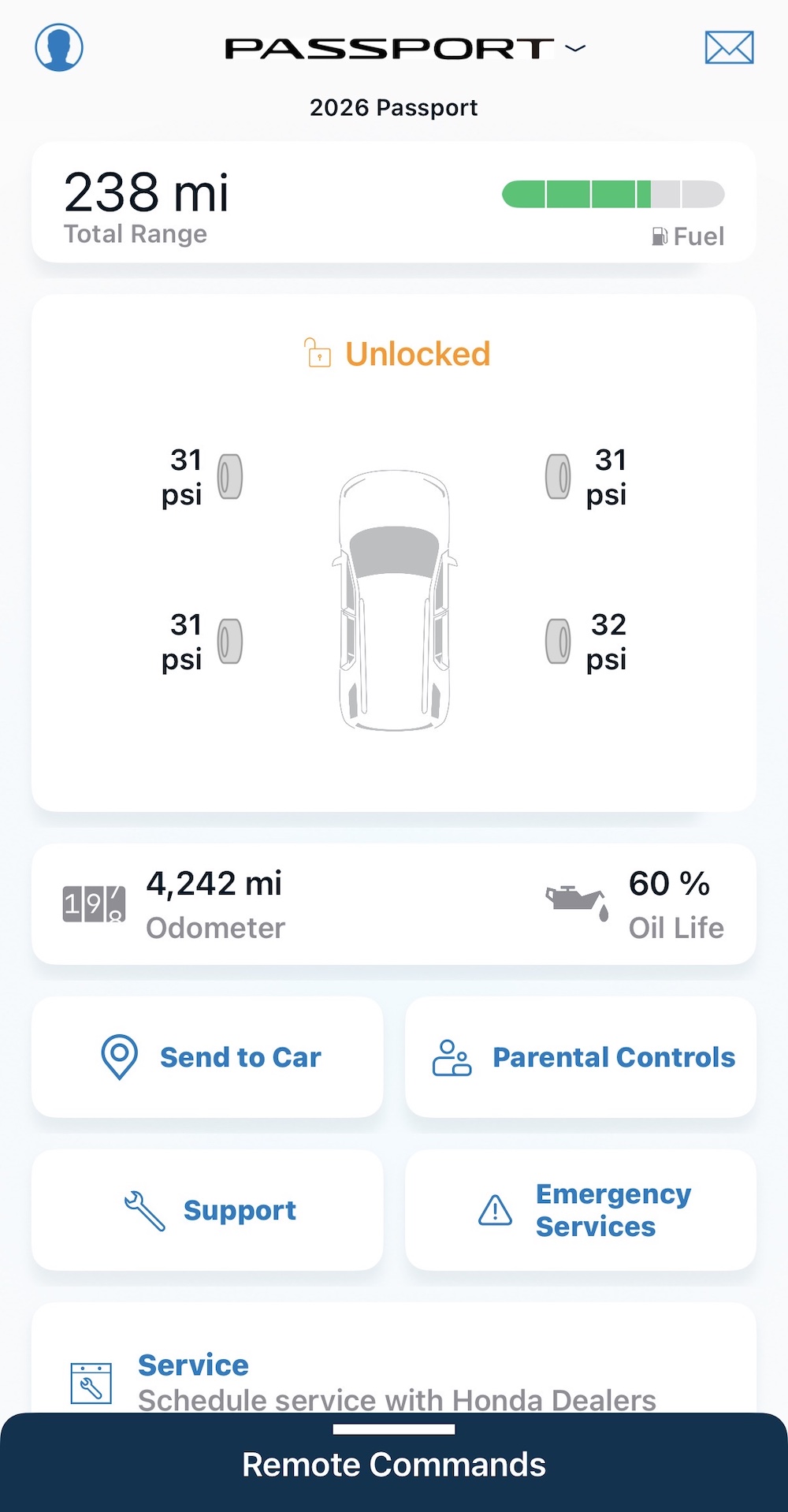
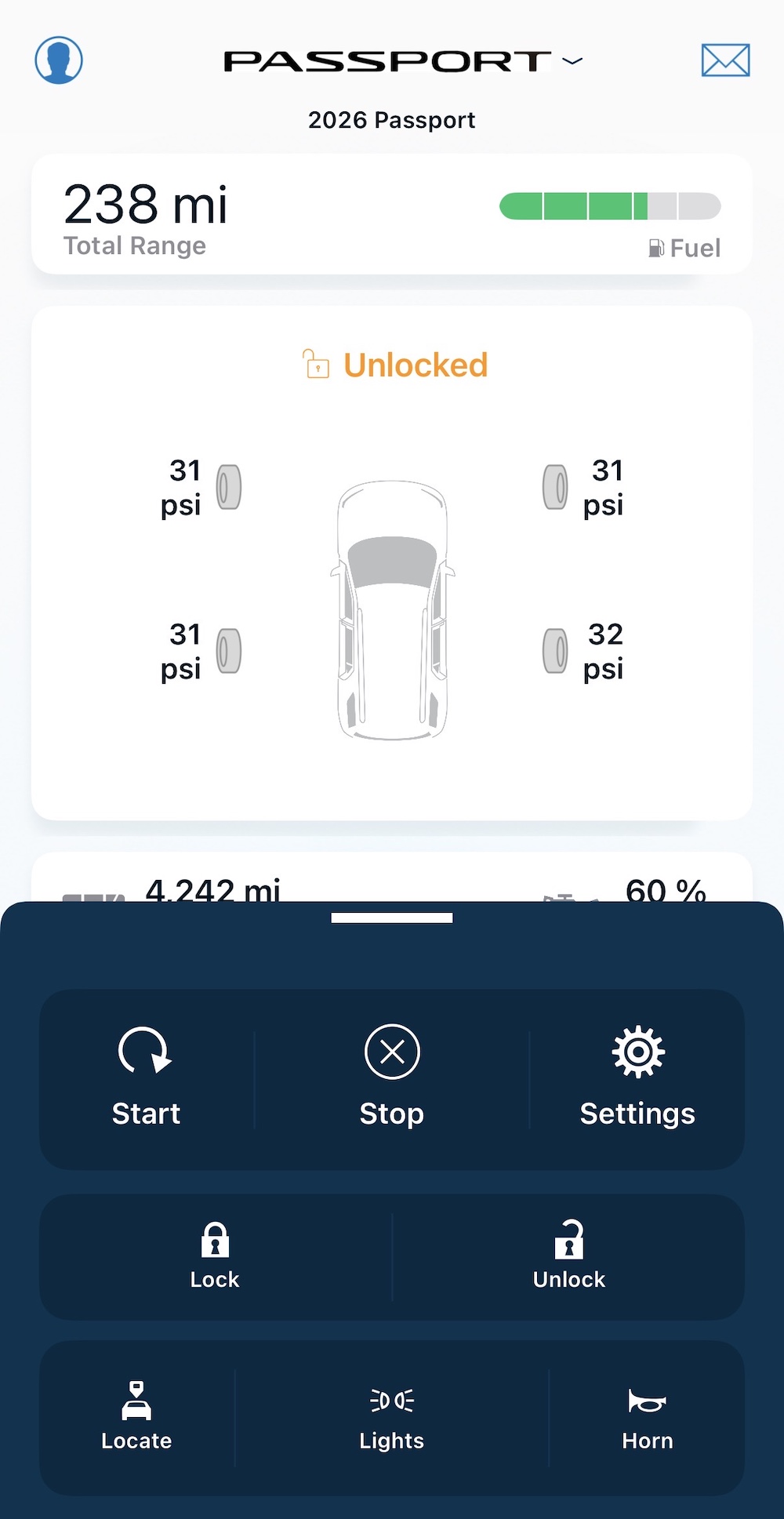
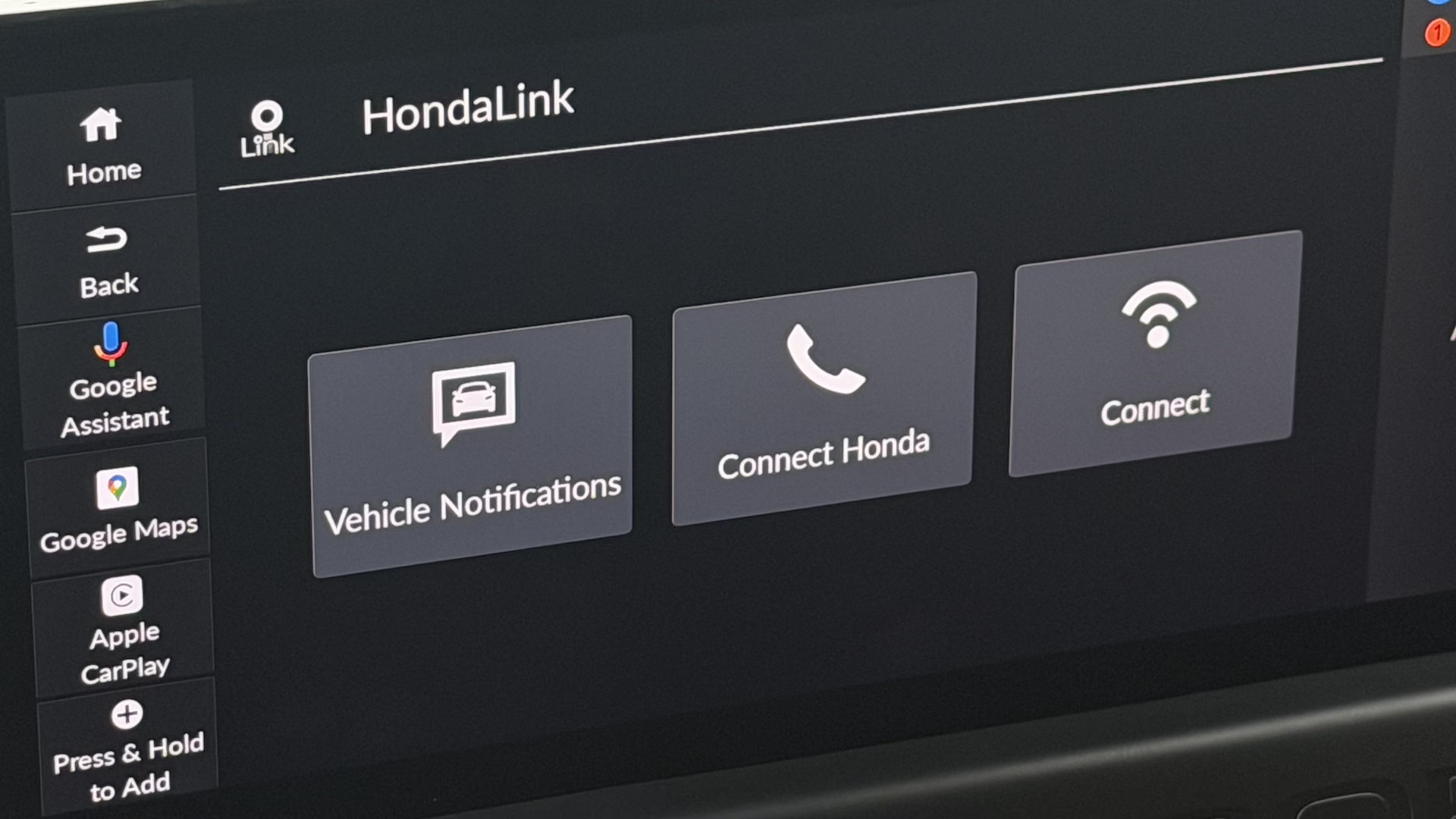
  • HondaLink: At $110 per year, this subscription for an app that allows you to locate your car, start it remotely, control the climate, seems a bit expensive, even if it includes safety functions. Some will get more benefits from it than others. Take it or leave it.
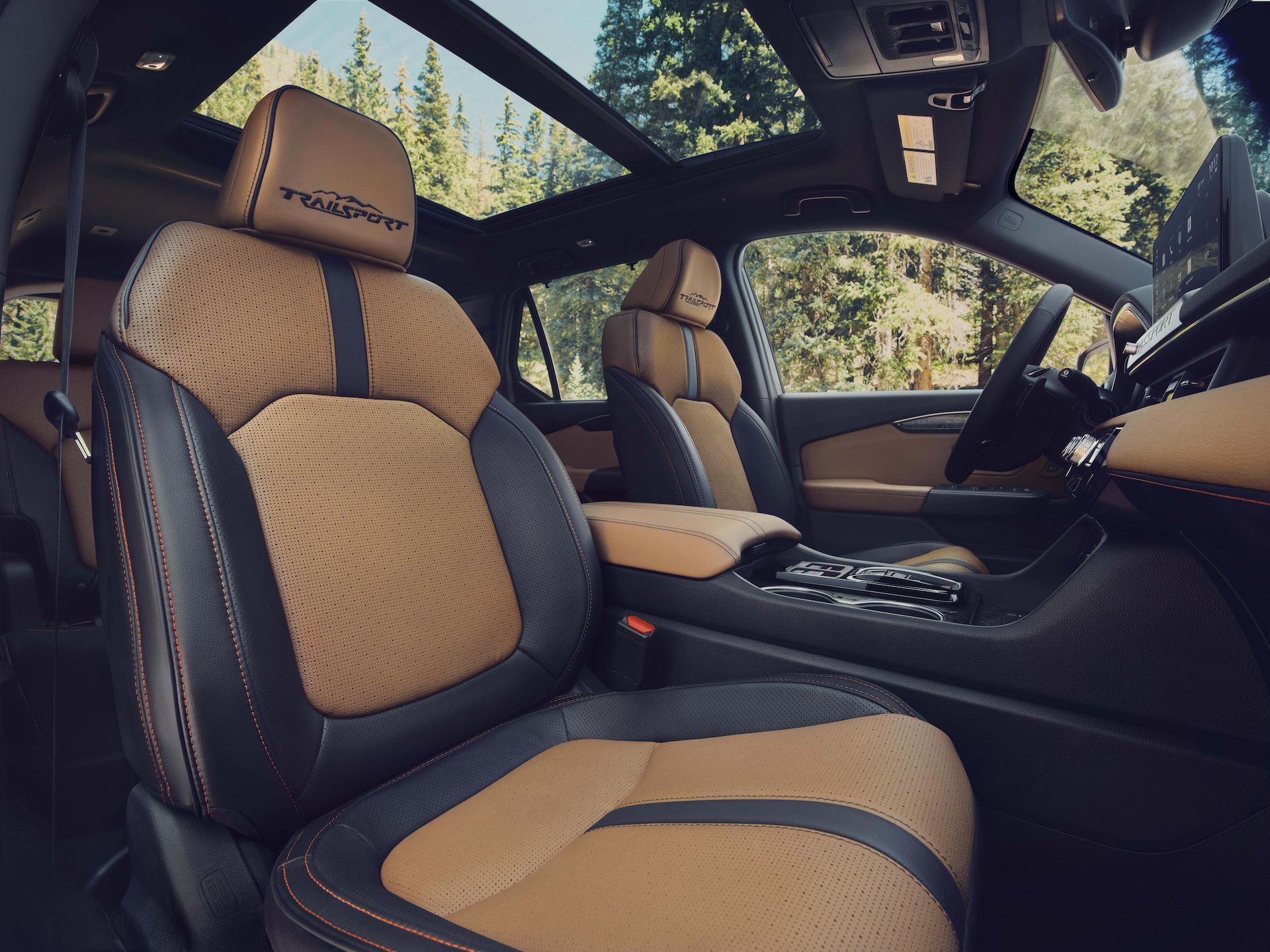
  • Color Combination: The Sunset Orange shade is superb and suits the rugged side of the SUV. However, combined with the brown leather interior of my test model, it seems a bit excessive. If I were buying, I would choose an all-black interior, or ideally a Sonic Gray Pearl body with a Gray interior. It would look more sober.
  • Bluetooth Microphone: I personally haven’t encountered any major problems with the microphone. People on the other end of the line say there is a bit of noise and they can tell I’m using a hands-free system. However, several readers contacted me to complain about poor call quality, with too much background noise. I’m classifying it here because I haven’t experienced it, but the feedback is too numerous to ignore.

I’ve just passed 6,500 km with the Passport, so you can expect a full test for the next installment of our long-term trial in the coming weeks.

Author’s email: jerry@thedrive.com