Total Cost of Ownership of a Truck: Analysis and Key Factors

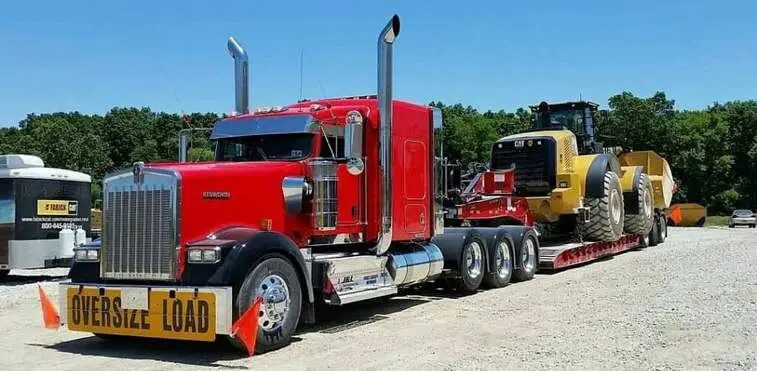
The Total Cost of Ownership of a Truck. Acquiring a truck is a long-term commitment and involves many expenses. It is essential to understand the financial implications to assess the true price of the chosen vehicle. These costs are crucial, whether you are an independent owner-operator or managing a large fleet. They include purchase, repairs, fuel, maintenance, driver salaries, insurance, and taxes, forming a significant part of overall expenses. A precise understanding of these elements is fundamental for rigorous financial planning and effective management in a highly competitive market.

The Average Annual Cost of Ownership

The average annual cost of owning a truck generally ranges between €150,000 and €180,000. This estimate includes both fixed and variable costs: acquisition, fuel, repairs, insurance, salaries, taxes, and tolls. Fuel and driver payroll are the largest expense items, with fuel accounting for up to 40% of operating costs. Newer models often result in lower maintenance costs, but their purchase or lease price is higher. Using tools like Total Cost of Ownership (TCO) is essential for accurate business planning and profitability control.

Factors Influencing the Total Cost

Vehicle Acquisition Costs

Purchasing the truck is the most significant initial investment. The price of a new one ranges between €130,000 and €200,000. A used vehicle is cheaper to buy but may lead to higher maintenance costs. Leasing offers an alternative with reduced initial costs but higher monthly payments. Customizations (GPS systems, refrigeration units) also impact the final price.

Fuel Costs

A major expense item, fuel can represent 30 to 40% of the total budget. Its consumption depends on the type of truck, distances traveled, location, and traffic conditions. Long trips at constant speed are more economical than urban driving. To reduce these costs, adopt efficient driving practices, use optimized navigation, and consider newer or electric models.

Maintenance and Repairs

Regular maintenance (oil changes, tire replacements, inspections) is crucial to avoid unexpected and costly repairs. Mechanical failures (engine, transmission) heavily impact the budget, especially as the truck ages. Strictly adhering to maintenance schedules and performing pre-trip inspections are effective ways to control these expenses.

Driver Salaries

Driver compensation is one of the largest expense items. Wages, bonuses, and benefits vary based on experience and labor shortages in certain regions. Retaining drivers through good working conditions helps reduce turnover-related costs. For an owner-operator, their own salary is included in operating costs.

Taxes, Tolls, and Insurance

Registration fees, taxes (such as IFTA for fuel), and tolls are unavoidable. Their amounts depend on the vehicle’s weight, routes taken, and regions traversed. Insurance is also a significant fixed cost. Digitalization (electronic toll collection) facilitates payments, but rigorous accounting of these fees is necessary.

Conclusion

Mastering the total cost of ownership of a truck is imperative for the sustainability of any transport business. A detailed analysis of each expense item – acquisition, fuel, maintenance, salaries, and taxes – allows for optimizing profitability and ensuring sound financial management in a demanding sector.

McLaren and Britishness: The DNA of a British Sports Car Brand in the Era of Change

McLaren, the British supercar manufacturer, is navigating an era of profound change and increasing internationalization. While the question of a car manufacturer’s nationality is crucial for purists, McLaren is considering how to preserve its unique essence, its “Britishness,” while expanding its appeal abroad. Its CEO, Nick Collins, has shared his vision for the future.

The Maverick Spirit at the Heart of McLaren’s Identity

For Nick Collins, McLaren’s “Britishness” does not lie in clichés but in a characteristic spirit of rebellion and boldness. He describes it as a unique combination of respect for established rules and their tactical transgression. “There is a certain maverick spirit, a stance that emerges from British culture,” he explains, citing as examples Victorian architecture mixed with modern structures or fashion designer Vivienne Westwood.

A Legacy of Technical Revolution and Innovation

This non-conformist spirit is found in the brand’s technical DNA. Collins recalls the bold innovations that have marked its history, such as the pioneering adoption of the carbon fiber monocoque in the F1, the P1, and racing cars. “This boldness in engineering and technology, this bravery to do something radical, this sense of fun… That is the McLaren spirit,” he states, also emphasizing the importance of the positive team atmosphere fostered by Zak Brown in Formula 1.

British Design: Between Conformity and Transgression

From a design perspective, Britishness translates into the confidence to do the unexpected. Collins evokes Coco Chanel’s maxim, “Before you leave the house, take one accessory off,” to illustrate the philosophy of reduction to the essentials. However, he specifies that the goal is not to reduce to nothing but to find the right balance: “It’s enough of something, but with a touch of the unexpected.”

Balancing Tradition and Modernity for Sustainable Longevity

The challenge for McLaren is to find the perfect balance. A too abrupt break from the codes would only create a fleeting fashion product. Conversely, too strict an adherence to the rules leads to boredom. The recipe for success and longevity, according to Collins, lies in this “underlying beauty with a twist” that marries tradition with a hint of rebellion. It is this balance that defined the golden age of British design in the 60s.

The Future of McLaren’s DNA: Evolving Without Denying Its Roots

While McLaren acknowledges the need to evolve its design language and better differentiate its models in the future, the brand intends to celebrate and preserve the elements that define its DNA. “You should never be constrained by your past. You should celebrate it and move forward,” concludes Collins. Thus, McLaren’s Britishness is not a straitjacket but a spirit: a blend of technical boldness, unpredictable design, and a resolutely maverick character that continues to guide the brand toward new horizons.

The 7 Secrets to Keeping Your Car Like New: Maintenance Guide

There’s nothing quite like the feeling of freedom and pride you get behind the wheel of your first brand-new car, with its pristine surfaces and that distinctive new-car smell. Naturally, you want to preserve that feeling for as long as possible. However, people often tend to focus on the appearance while neglecting mechanical maintenance, which is just as crucial, especially in the UK where city driving and unpredictable weather take a toll on your vehicle. Regular maintenance is the key to driving with peace of mind, avoiding breakdowns and costly repairs. Here are 7 essential secrets to keeping your car performing and as reliable as the day you bought it, while ensuring proper car maintenance.

1. Regular Brake Checks

Brakes are one of the most important safety components of your vehicle. A grinding noise, a soft pedal, or a vibrating sensation should alert you. In the UK, faulty brakes are one of the leading causes of MOT test failure. Regular checks ensure the system’s effectiveness and optimal braking distances.

2. Oil Changes and Fluid Checks

Don’t neglect oil changes! Most manufacturers recommend an oil change every 5,000 to 7,500 miles (approximately 8,000 to 12,000 km), an interval that should be reduced for city drivers. Use this opportunity to check the levels of coolant, brake fluid, power steering fluid, and windshield washer fluid. Correct levels prevent serious mechanical failures.

3. Tire Maintenance

As the only points of contact with the road, tires are crucial for safety. UK law requires a minimum tread depth of 1.6 mm, but it is advisable to change them at 3 mm. Check the pressure (PSI) monthly and have them rotated every 10,000 km for even wear. An under-inflated tire impairs handling and increases fuel consumption.

4. Never Ignore Warning Lights

A warning light that illuminates on your dashboard is not a suggestion but a serious alert. Signals concerning the brakes, engine, or battery require immediate inspection by a professional to avoid a breakdown or a more costly repair.

5. Properly Prepare for Your MOT Test

The MOT test checks the vehicle’s essential systems. Preparing in advance, including the previous points, is crucial to avoid failure and expensive last-minute repairs.

6. Adhere to the Service Schedule

An annual service or one every 20,000 km is recommended. It typically includes a comprehensive brake check, an oil change, filter replacements, wheel balancing, and a battery check-up. It’s an investment that helps detect minor problems before they become major ones.

7. Prepare Your Car for Winter

Winter requires special attention. Check the condition of the battery, which struggles more in cold weather, and the antifreeze level. Fitting winter tires significantly improves grip on ice and snow for safer driving.

Conclusion: The Key to Longevity

Maintaining your car regularly is an investment in its safety, reliability, and resale value. Simple, preventative actions, like a brake check or an oil change, make all the difference. By following these 7 secrets, you will enjoy a high-performing and economical car, no matter the road you take. Remember that car maintenance is essential for all these reasons.

Choosing the Right Flatbed Trailer for Your Transport: Complete Guide

In the logistics and transportation sector, efficiency and reliability begin with choosing the right equipment. For heavy loads, oversized freight, or irregularly shaped cargo, few options offer as much flexibility as a flatbed trailer, particularly the standard 53-foot flatbed trailer, a cornerstone of road freight transport in North America. Whether you operate a fleet or are simply looking to increase your transport capacity, understanding flatbed trailer options is essential for optimizing performance, safety, and return on investment.

What is a Flatbed Trailer?

A flatbed trailer is a long, open platform without sides or a roof, making it ideal for transporting goods that do not easily fit into enclosed trailers. Designed for maximum accessibility, they allow for loading and unloading from all angles, perfect for large equipment, metal structures, and bulky cargo. The 53-foot flatbed trailer is the industry standard for commercial loads in the United States, offering an ideal balance between cargo volume and compatibility with freight infrastructure.

The Different Types of Flatbed Trailers

Not all flatbed trailers are created equal. Depending on your cargo, you might consider:

Standard Flatbed

Measures 48 to 53 feet long. Ideal for palletized freight and general cargo.

Step Deck (or Drop Deck)

Features a lower floor for taller cargo that exceeds standard height limits.

Double Drop Deck

Offers an even lower central section (“well”) for transporting extremely tall items like construction machinery.

Extendable Flatbed Trailer

Ideal for long loads like beams or steel pipes, these trailers can be adjusted in length.

Steel vs. Aluminum: Which Material to Choose?

The material is crucial when choosing a trailer:

Steel Trailers: Known for their durability and affordable price. Better suited for very heavy loads but add significant weight, which can impact fuel consumption.

Aluminum Trailers: Lighter and corrosion-resistant. Higher initial cost but can reduce long-term expenses in maintenance and fuel.

Hybrid Trailers: A mix of a steel chassis and an aluminum floor, combining robustness and reduced weight. If fuel economy and weight limits are concerns, aluminum or hybrid options may offer better long-term value.

Safety and Compliance

Safety must always be a top priority when using or loading a flatbed trailer. Ensuring proper securement methods, good weight distribution, and securing oversized loads is essential for driver safety and regulatory compliance. For the latest rules, consult the FMCSA’s Official Cargo Securement Regulations.

Finding the Right Trailer for You

Choosing the right flatbed trailer goes beyond just size. It’s about matching your trailer to your cargo types, transport frequency, and geographic coverage. Flatbed trailers remain a vital part of the commercial transport industry. Their open-deck design, high load capacity, and versatility make them the preferred choice for a wide range of shipments.

New Toyota Camry: 10 Unmissable Advantages

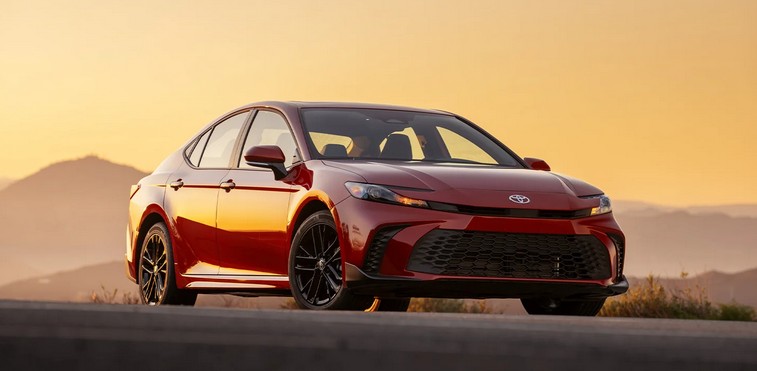
New Toyota Camry: 10 Unbeatable Advantages When it comes to reliable, elegant, and versatile sedans, the Toyota Camry consistently ranks among the best in its class. Renowned for its long-term reliability, impressive fuel efficiency, advanced safety features, and refined driving experience, the Camry is a top choice for drivers in San Antonio, Texas.

1. Toyota Camry: A Proven Performer

The Toyota Camry has been an automotive pillar for decades, known for its exceptional build quality, low maintenance costs, long lifespan, and high resale value. Its balance of efficiency, power, and comfort makes it the ideal car for daily commutes and weekend getaways.

2. Fuel Efficiency Suited for Texas

The Camry offers one of the best fuel economies in its class: up to 39 MPG on the highway with the 4-cylinder engine and up to 52 MPG combined with the Hybrid version. Perfect for driving on Loop 410 or heading to Austin.

3. Advanced Safety Technologies

Every new Camry comes equipped with the Toyota Safety Sense 2.5+ suite, including a pre-collision system, lane departure alert, and adaptive cruise control. Essential features for a peaceful drive on busy roads like I-10.

4. Comfort and Elegant Design

With its bold design, spacious interior, and features like dual-zone climate control and ventilated seats, the Camry ensures optimal comfort, even during the hot San Antonio summers.

5. Performance Options for Everyone

Whether you prefer the efficiency of the 4-cylinder, the sporty power of the V6, or the economy of the Hybrid, there is a Camry to suit your driving preferences.

6. Ideal for Families and Professionals

With its spacious trunk and generous interior space, the Camry is perfect for errands, business trips, or family outings, all with a favorable cost of ownership.

7. Excellent Resale Value

Investing in a Camry is a smart financial choice. Toyotas retain their value much better than most competitors, ensuring a better return on investment.

8. Advantageous Local Offers

San Antonio has many Toyota dealerships, such as North Park Toyota or Red McCombs Toyota, offering a wide selection, attractive discounts, and tailored financing services.

9. The Certified Pre-Owned (CPO) Option

For excellent value, Certified Pre-Owned (CPO) Camrys offer the benefits of a new car at a reduced price, with an extended warranty and a rigorous inspection.

10. Simplified Financing

Local dealerships offer flexible financing options and online pre-approval tools to help all types of buyers find the solution that suits them.

Choosing a new Toyota Camry in San Antonio is a decision that combines economic intelligence and everyday practicality. With unmatched reliability, cutting-edge safety, and the support of local dealerships, the Camry remains the number one choice for drivers in the region.

Fire Watcher Training: The Essentials for Auto Garage Safety

In modern automotive repair shops, fire hazards are ever-present. Welding, grinding, cutting, or handling highly flammable fluids: mechanics constantly work amidst potential ignition sources. The presence of oil-soaked rags, brake cleaners, vapors, and fuel lines significantly increases this danger.

At the Heart of the Fire Watcher Training Program

The Fire Watcher training prepares individuals to monitor high-risk tasks. Participants learn to inspect the work area before any operation, identify combustible materials, check the availability of firefighting equipment, and confirm the validity of necessary permits. More than just an observer, the Fire Watcher knows how to trigger an emergency response, activate alarms, use fire extinguishers correctly, and assist with evacuations. The training, often offered by organizations like FMTC, is based on realistic scenarios for practical application in the workshop.

Compliance and Responsibility in the Workplace

Auto repair shops are subject to national safety codes and occupational health directives that often require the presence of a trained Fire Watcher during hot work. The implications of non-compliance include legal liability, fines, and complications with insurance. For employees, the risks are even higher: burns, exposure to toxic fumes, and catastrophic damage. Having dedicated personnel for monitoring reduces confusion in very busy workshops and enhances collective awareness of risks.

A Role That Goes Beyond Simple Surveillance

Even outside of welding stations, tools that produce heat or accidental sparks can ignite vapors or greasy rags. A Fire Watcher is trained to assess the entire area and spot hazards that others might overlook.

Investing in Prevention and Professional Development

Beyond safety, this training enhances professional credibility. Certified technicians demonstrate a sense of responsibility and vigilance that is highly valued. For shop owners, it helps reduce insurance risks and establish a proactive safety culture. Trained Fire Watchers can also assist during evacuation drills, conduct routine inspections, and support other safety programs. Short, targeted training sessions fit well into busy schedules without disrupting workflow.

Conclusion

The risk of fire will always be present in garages, but its impact can be controlled through awareness, preparation, and training. Fire Watcher training equips mechanics with the necessary skills to prevent accidents. By investing in this area, workshops ensure compliance and protect their teams, equipment, and reputation.

The Hurricane Engine, the 2JZ of Mopar? A 1987 Ram Turbo I6 Proves It with 802 Horsepower

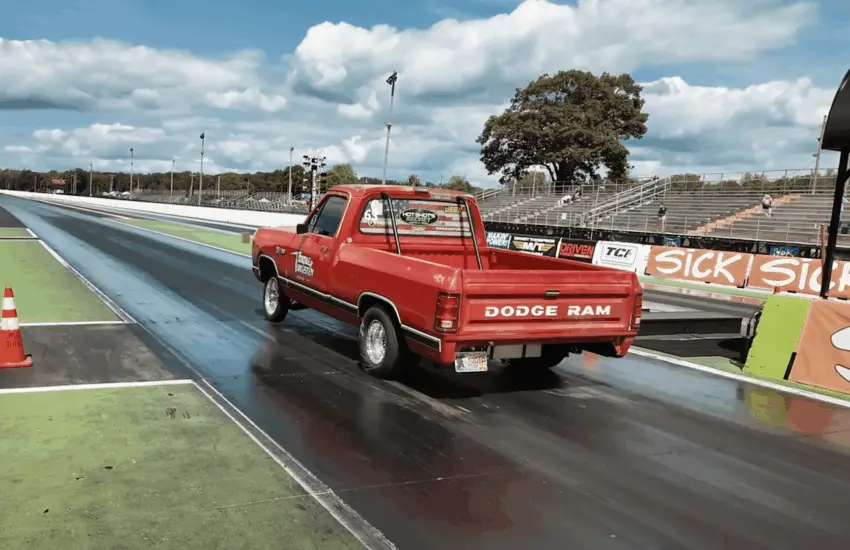
The supercharged Hurricane I6 engine establishes itself as the true heartbreaker, demonstrating phenomenal tuning potential that is only just beginning to be explored. The shining proof? A 1987 Dodge Ram D150 pickup, transformed by the expertise of Morgan Evans and Jason Kastner, which develops a staggering 802 horsepower and 740 lb-ft of torque.

A Vintage Chassis, Modern Mechanics, and a Record

The project, featured on the Torque n’ Tungsten YouTube channel, has already made its mark by winning the “Grudge Match” at the famous Roadkill Nights event, holding its own against otherwise very impressive builds. The two partners didn’t stop there, recently completing a 1,200-mile journey across Michigan, punctuated by drag strip passes.

The recipe for this power monster is based on a stock 3.0-liter long block, but radically transformed. Gone is the factory twin-turbo setup, replaced by a single massive turbocharger, a Precision Next Gen 6870, capable of supporting up to 1,200 horsepower. Evans and Kastner, master fabricators, custom-built all the necessary piping and new manifolds to optimize airflow. The result is a roaring six-cylinder that shattered a world record for a Hurricane engine by covering the quarter-mile in just 9.39 seconds, with a trap speed of 140 miles per hour.

A Reinforced Transmission to Tame the Fury

All this power is sent to the wheels via an eight-speed ZF automatic transmission, similar to the one equipping the new Ram Hurricanes, but with a crucial upgrade: a Circle D torque converter with a higher stall speed, specially chosen for the dragster’s lightning-fast acceleration. At the rear, a Moser 8.75-inch rear end was installed. After several tests, the team determined that the truck performed much better with drag radial tires than with slicks.

A Constantly Evolving Project

The D150 remains a constantly evolving project, where every detail is refined in the pursuit of perfection. After their latest series of runs at the Sick Michigan Miles event, Evans and Kastner identified a new area to optimize: the rev limiter, which was hit during the best pass. They therefore plan to raise it to unleash even more power. The Viking front coilovers, on the other hand, seem perfectly tuned, having allowed the truck to remain perfectly stable even when its front wheels lifted several inches off the ground.

Unanimous Reception in the Community

While the turbo I6 engine in the new Rams can sometimes divide purists, the feedback on the YouTube videos of this swap project is extremely positive. The choice of a modern, ultra-high-performance powertrain, rather than simply dropping in a Viper V10, seems to have won over the community. This bold build confirms what is obvious to many: the Hurricane engine is indeed Mopar’s 2JZ, a robust and extraordinarily improvable mechanical foundation promised a bright future in the world of performance.

Polaris Ranger XD 1500 NorthStar 2025 Test: The Best All-Purpose UTV on the Market

The 2025 Polaris Ranger XD 1500 NorthStar establishes itself as the absolute benchmark in the world of work UTVs. Combining raw power with surprising luxury, this side-by-side pushes the boundaries of what is expected from a utility vehicle. With a price around $52,000 for the tested model, it firmly positions itself in the high-end segment, justifying its status with unparalleled performance and equipment.

Overview and Technical Specifications

At the top of the Polaris Ranger lineup, the XD 1500 model stands out with its angular bodywork and generous dimensions. In its six-seat version, it measures 4.16 meters long with a wheelbase of 3.22 meters. Its three-cylinder, dual overhead cam engine delivers 110 horsepower and 105 lb-ft of torque, a power transmitted via a fully metallic Steeldrive CVT transmission, designed for exceptional durability. Selectable all-wheel drive and a lockable rear differential are standard.

Driving Experience and Performance

Intensive use of the Ranger XD 1500 during demanding tests demonstrated its versatility. Whether hauling gravel loads up to its 680 kg capacity, towing a 1,300 kg trailer, or moving tree logs, the vehicle showed remarkable robustness. Towing stability is excellent, thanks to its long wheelbase and 1,507 kg curb weight.

Comfort and Features

The NorthStar differentiates itself with its incredibly effective air-conditioned cabin, even in the peak of summer heat. The interior is equipped with an infotainment system with a touchscreen, JBL speakers, heated seats, and numerous controls for accessories. The driving comfort is notable, with light steering and a well-tuned suspension.

Strengths and Weaknesses

The Ranger XD 1500 NorthStar has many assets: unmatched comfort, sufficient power for most tasks, high-end equipment, and exceptional versatility. Its main weakness is the lack of a true reduction gear transfer case. In extreme situations, such as climbing a short, steep slope with a massive load, the electronic protection system tends to cut power to protect the clutch, displaying a “CLUTCH OVER TEMP” message.

Competition and Value for Money

The only direct competitor in this engine displacement category is the Mahindra Roxor, equipped with a 2.7-liter turbodiesel. Although less powerful (55 hp), it offers higher torque (144 lb-ft) and a much more accessible price, around $32,000. The Polaris Ranger XD 1500 NorthStar is an exceptional machine, but its price of over $50,000 reserves it for a very specific clientele, unconcerned with frugality, seeking the best in terms of comfort and versatility.

Mercedes GLC Electric: 13 Stars on the Outside and a High-Tech Interior

The Mercedes-Benz GLC, the brand’s historic best-seller, is going electric. The German manufacturer is introducing a 100% electric version of its family SUV, which will complement the existing lineup of combustion and plug-in hybrid versions. To attract customers, it is banking on cutting-edge technology, embodied by the optional 39.1-inch MBUX Hyperscreen, and very assertive branding with no fewer than 13 Mercedes logos visible on the bodywork. Will you be able to spot them all?

A Strong Mercedes Identity

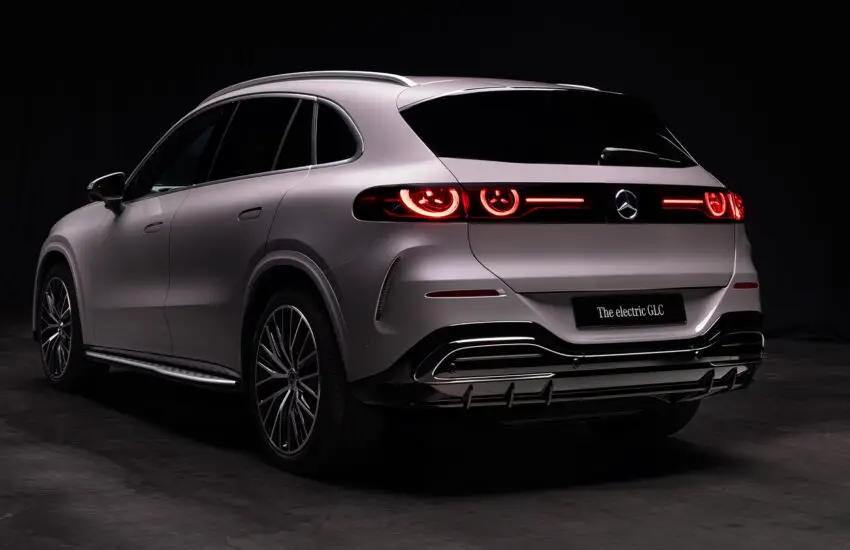
The first logo is the most obvious, adorning the wide grille. A second one sits on the hood, just above it. By examining the headlights, you’ll discover another one in each of them. The silhouette remains faithful to that of the combustion models, but one detail stands out: each wheel proudly displays the three-pointed emblem, adding four more logos.

The rear is where the electric design stands out the most. The light bar that spans the tailgate incorporates four (4) additional Mercedes-Benz logos. Add to that the classic silver emblem in the center, and the count is complete: 13 stars in total to affirm its belonging to the brand.

Spectacular Lighting Technology

The star at the front is even illuminated. Mercedes claims that the grille alone features 942 light points. As an option, this grille can be customized with special animations for a unique and personalized style.

Performance and Comfort Worthy of a Benz

The top-of-the-line model, the GLC400 4Matic with EQ Technology, develops a power of 483 horsepower. It is equipped with state-of-the-art features like rear-axle steering (4.5 degrees) for optimal maneuverability. The suspension comfort, a Mercedes signature, is ensured by an optional intelligent air suspension, inherited from the S-Class. The towing capacity reaches up to 2,400 kg.

The Interior, a True High-Tech Lounge

The interior is the stage for the most spectacular innovations. The MBUX Hyperscreen, although optional, is expected to be fitted in the majority of vehicles. It is the widest continuous screen ever installed in a Mercedes-Benz (39.1 inches). Eleven background patterns are available, simultaneously modifying the display and ambient lighting to create a unique atmosphere.

Entertainment and Artificial Intelligence

The screen allows for running several video streaming applications, including Disney+. Passengers can thus enjoy their favorite movies or series during long journeys. The audio experience is enhanced by the optional Burmester 3D surround sound system, or even the 4D system that adds tactile bass vibrations in the seats.

Mercedes boasts of offering the world’s first infotainment system to use artificial intelligence from Microsoft and Google. The MBUX virtual assistant draws from both sources to perform each task optimally, even able to switch between them during the same conversation. Presented as a “living” avatar in the shape of a Mercedes logo, it is described as “intelligent, easy to talk to, and empathetic.”

Panoramic Roof and Driving Assistance

The Sky Control panoramic roof, alternating between opacity and transparency on command, remains available. It features nine individually controllable segments, including via voice assistant. To ensure safety, the electric GLC is equipped with an advanced driving assistance system relying on ten external cameras, five radar sensors, and twelve ultrasonic sensors.

Price and Market Positioning

Mercedes has not disclosed the price of the electric GLC, but it will likely be positioned above the plug-in hybrid model GLC 350e 4Matic, priced starting at $60,300 USD. The additional cost for the electric version remains to be confirmed. With this level of technology, Mercedes hopes to offer much more than just an electric powertrain to convince buyers. The success of this strategy will be measured by sales in the coming year.

Porsche Cayenne EV Turbo GT 2026: Aerodynamics and Extreme Performance

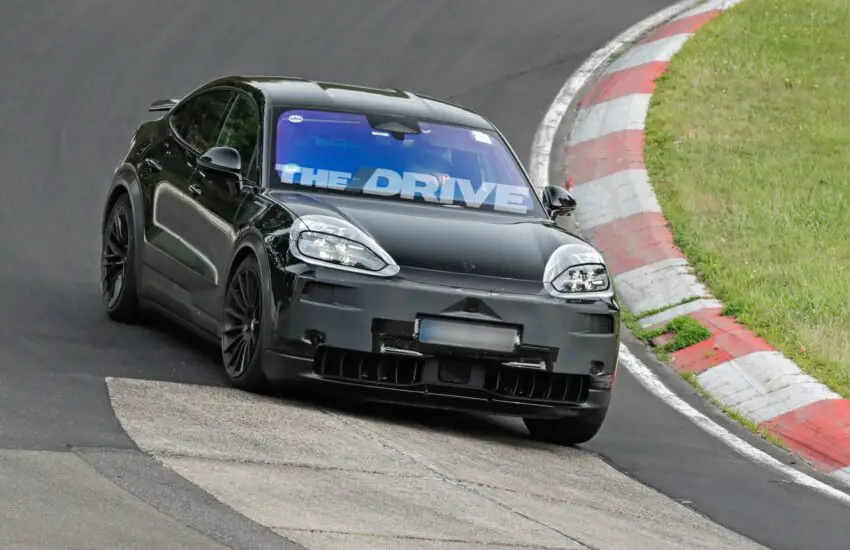
A new prototype of the 2026 Porsche Cayenne Coupe EV has been spotted on the Nürburgring track. This time, it’s a new mystery variant, and the key to its identity may lie in another electric Porsche we already know very well: the Taycan.

The Taycan’s Legacy in Nomenclature

So far, Porsche hasn’t strayed too far from its roots when naming the trims of its electric vehicles, even going so far as to reuse (somewhat controversially) the “Turbo” designation despite the obvious absence of any turbocharger. We’ve seen this on the Taycan, which is relevant because the electric sedan lineup gives us a very good idea of what we have here: a Turbo GT.

Performance That Promises to Be Blistering

We’ve already seen how incredibly fast the Cayenne EV prototypes are. Therefore, we have no doubt that this version will rival the lower and more aerodynamic Taycan GT and will likely only be narrowly outperformed by it. The prototype that Porsche showcased at the Goodwood Festival of Speed earlier this year completed the circuit in 31.28 seconds, shattering the previous SUV record by over four seconds.

Aerodynamic and Distinctive Design

To Porsche’s credit, the rear wing and redesigned bumper draw attention away from the Coupe’s body lines, which are reminiscent of Tesla’s. It retains the high beltline that distinguishes the Coupe from the standard Cayenne (even on the combustion versions). The design of this truncated crossover has always been controversial. It seems this one will be no exception.

You can browse all the photos using the widget below.