Xiaomi’s Electric Vehicle Ambitions Strain Workforce

Xiaomi’s Automotive Ascent

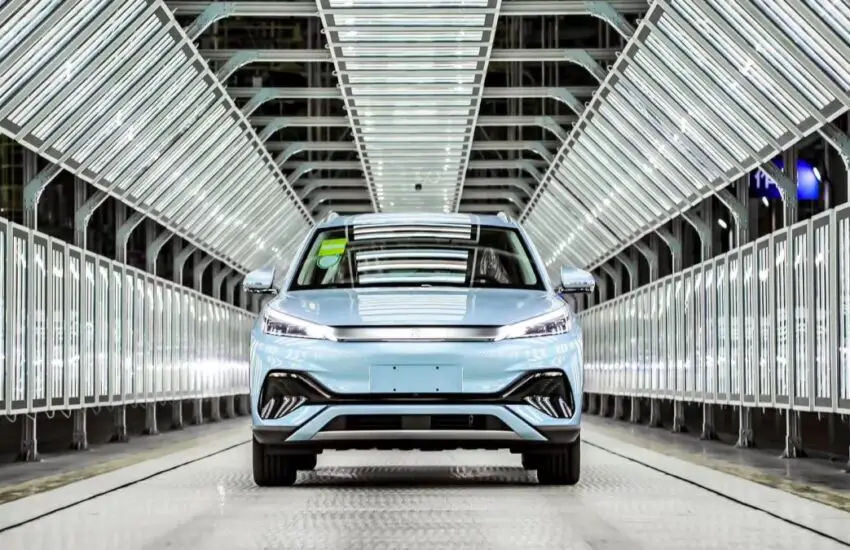
Xiaomi’s determined entry into the electric vehicle market represents one of the most significant industry shifts in recent years. The Chinese technology giant has publicly committed to challenging established leaders Tesla and BYD, pouring substantial resources into developing competitive EV technology. This aggressive market positioning, while ambitious, has created an intense operational environment that merits examination.

Workplace Culture Under Pressure

As Xiaomi accelerates its automotive initiatives, employees report increasingly demanding work schedules and performance expectations. The company’s famous “996” culture—referring to working from 9 am to 9 pm, six days a week—appears to have intensified within automotive development teams. This approach, while potentially accelerating product development, raises important questions about sustainable work practices in China’s competitive technology sector.

Balancing Innovation and Employee Welfare

The pressure to rapidly develop competitive electric vehicles has created a challenging environment for Xiaomi’s engineering and design teams. Multiple projects are advancing simultaneously, with tight deadlines that reflect the company’s urgency to capture market share. While this drive has yielded impressive technological demonstrations, including the SU7 electric sedan, the human cost of such rapid development cycles deserves consideration alongside technological achievements.

Industry Implications

Xiaomi’s approach reflects broader trends in China’s rapidly evolving electric vehicle sector, where time-to-market pressures often dictate operational tempo. As more technology companies transition into automotive manufacturing, the balance between competitive ambition and reasonable workplace standards will become increasingly important for industry sustainability and talent retention.
Electric Van Transition Faces Industry Warnings

Manufacturers Raise Concerns Over Electric Van Adoption

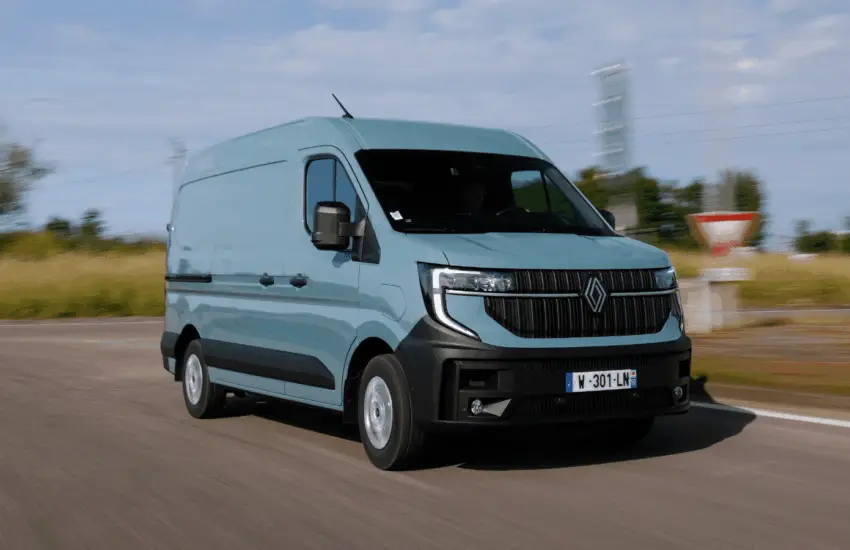
The automotive industry is highlighting significant challenges in transitioning commercial fleets to electric power. With European Union regulations mandating that 50% of light commercial vehicles sold must be zero-emission by 2030, manufacturers express concerns about infrastructure readiness and economic feasibility. This target forms part of the broader European Green Deal aiming for climate neutrality by 2050.

Infrastructure Gaps and Economic Pressures

Industry leaders identify charging infrastructure as the primary obstacle to widespread electric van adoption. Unlike passenger vehicles that typically charge at home or work, commercial vans often require high-power public charging during operational hours. The current network of fast-charging stations remains insufficient to support large-scale commercial EV operations, particularly in suburban and rural areas where many businesses operate.

Battery Technology and Payload Considerations

Current battery technology presents unique challenges for commercial applications. The substantial weight of batteries reduces payload capacity – a critical factor for businesses relying on maximum cargo efficiency. While battery energy density continues to improve, manufacturers note that the pace of advancement may not align with regulatory timelines. Additionally, the higher upfront cost of electric vans compared to conventional models creates financial barriers for small businesses and independent operators.

Supply Chain and Production Challenges

Automakers face complex supply chain restructuring to meet electric van production targets. The shift requires substantial investment in retooling factories and securing battery raw materials. Many manufacturers are implementing phased transition plans, but warn that meeting the 2030 targets will require coordinated effort between industry, government, and utility providers to address these multifaceted challenges.

Ghosn Warns Western EV Makers Lag Behind China

Carlos Ghosn Criticizes Electric Vehicle Industry Leadership

Carlos Ghosn, former automotive executive, has voiced strong concerns about the management capabilities within Western electric vehicle manufacturers. He suggests that many leaders lack the strategic depth required to compete effectively with Chinese automakers. According to Ghosn, this gap in expertise could hinder innovation and market share in the rapidly evolving EV sector.

Management Deficiencies in Western EV Companies

Ghosn points out that Chinese firms benefit from cohesive long-term planning and government support, enabling aggressive expansion and cost efficiencies. In contrast, he believes some Western companies are led by individuals without sufficient industry experience or vision, leading to fragmented strategies. This mismatch, he argues, results in slower adaptation to consumer demands and technological advancements, putting traditional automakers at a disadvantage in the global race for electric mobility.

Impact on Global EV Competition

The critique highlights how Chinese manufacturers have capitalized on economies of scale and vertical integration to offer affordable, high-quality EVs. Ghosn emphasizes that without a unified and knowledgeable leadership, Western brands may struggle to keep pace. He calls for a reassessment of executive recruitment and training to foster leaders who can navigate complex supply chains and innovate under pressure, ensuring sustainable growth and competitiveness in the international market.

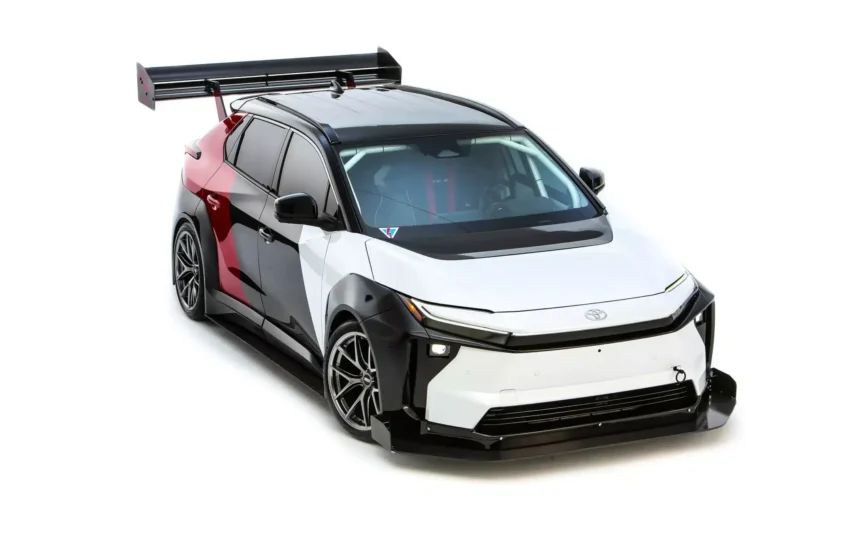
Toyota bZ Time Attack: 400 HP Electric Track Concept

Toyota bZ Time Attack: Redefining Electric Performance

Toyota has unveiled a groundbreaking electric concept vehicle designed specifically for high-speed track performance. The bZ Time Attack concept showcases a 400 horsepower all-electric powertrain, marking a significant step in Toyota’s expansion into the electric sports segment. This model demonstrates how the brand is adapting its renowned engineering expertise to the demands of electric mobility while maintaining its commitment to driving excitement.

Engineering for the Racetrack

The bZ Time Attack features a specially tuned chassis and aerodynamic enhancements that optimize it for circuit racing. Its lightweight construction, combined with the instant torque delivery characteristic of electric motors, provides exceptional acceleration out of corners. The vehicle’s battery placement has been strategically designed to lower the center of gravity, improving handling and stability during high-speed maneuvers. Advanced cooling systems ensure consistent performance even under the demanding conditions of time attack competitions.

Design and Aerodynamic Innovations

Visually, the concept presents an aggressive stance with widened fenders and a prominent rear wing that generates significant downforce. The bodywork incorporates numerous vents and channels to manage airflow and cool critical components. Inside, the cabin is stripped of non-essential elements to reduce weight, featuring racing seats and a driver-focused interface that provides real-time performance data.

Future Implications for Electric Motorsports

This concept represents Toyota’s vision for the future of electric performance vehicles. By developing a track-focused EV, Toyota is exploring how electrification can enhance rather than compromise driving dynamics. The technologies and insights gained from this project may influence future production models, potentially leading to more engaging electric vehicles for enthusiasts. The bZ Time Attack serves as a proof of concept that electric powertrains can deliver the thrilling performance required for competitive motorsports.

Automotive Industry 2026: Future Roadmap

Redefining Mobility’s Next Chapter

The automotive landscape is accelerating toward a transformative 2026 horizon, where traditional boundaries between transportation, technology, and sustainability blur into new paradigms. Industry leaders and innovators are navigating this shift with strategies that prioritize connectivity, automation, and ecological responsibility. This evolution marks a departure from conventional vehicle manufacturing, steering toward integrated mobility ecosystems.

Electrification and Autonomous Advancements

By 2026, electric vehicles (EVs) will dominate new model launches, supported by breakthroughs in solid-state batteries that extend range and reduce charging times. Autonomous driving capabilities will advance from Level 2+ to conditional Level 4 automation in specific regions, enhancing safety and redefining driver roles. These technologies converge to create smarter, more efficient transport networks.

Sustainable Manufacturing and Circular Economy

Automakers are embracing circular economy principles, utilizing recycled materials and renewable energy in production. By 2026, over 50% of new vehicles will incorporate bio-based or upcycled components, minimizing environmental footprints. This commitment extends to end-of-life vehicle recycling, ensuring resources are perpetually reintegrated into the value chain.

Connectivity and User Experience

Vehicles will evolve into connected hubs, offering personalized in-car experiences through AI-driven interfaces. Predictive maintenance, over-the-air updates, and seamless integration with smart city infrastructures will become standard, elevating convenience and safety for users worldwide.

Market Dynamics and Global Shifts

Emerging markets in Asia and Latin America will see increased localization of production, reducing costs and tailoring vehicles to regional preferences. Meanwhile, partnerships between tech firms and automakers will accelerate innovation, fostering competition and expanding consumer choices.

As 2026 approaches, the automotive industry’s roadmap highlights a future where innovation drives progress, sustainability guides decisions, and mobility becomes more accessible and intelligent for all.

Ford CEO Warns of Chinese Auto Industry Threat

Chinese Automakers Pose Unprecedented Challenge

Ford CEO Jim Farley has issued a stark warning about the growing threat from Chinese automotive manufacturers, drawing comparisons to historical industry shifts while emphasizing the current situation’s unique dangers. During a recent industry discussion, Farley highlighted how China’s massive production capacity represents a fundamentally different challenge than previous competitive threats.

Production Capacity Beyond Previous Competitors

Farley specifically contrasted the Chinese automotive industry with Japanese automakers who entered the North American market in the 1980s. “They have enough production capacity in China with existing factories to supply the entire North American market and bankrupt us all,” Farley stated. “Japan never had that, so this is a completely different level of risk for our industry.” This assessment underscores the scale advantage Chinese manufacturers have developed through decades of domestic market growth and government support.

Strategic Implications for North American Market

The warning comes as Chinese automakers begin expanding globally with competitively priced electric vehicles and traditional combustion engine models. Industry analysts note that Chinese manufacturers benefit from significant cost advantages, streamlined supply chains, and advanced manufacturing capabilities developed through serving the world’s largest automotive market. This combination of factors creates what Farley describes as an “existential threat” to established North American and European automakers who must now compete while managing higher production costs and transitioning their own fleets to electric vehicles.

Automotive executives across North America are reportedly reassessing their competitive strategies in response to these developments. The industry faces the dual challenge of accelerating their electric vehicle transitions while developing countermeasures to the impending wave of Chinese imports. Market observers suggest that trade policies and manufacturing localization requirements may become increasingly important factors in maintaining competitive balance within the global automotive industry.

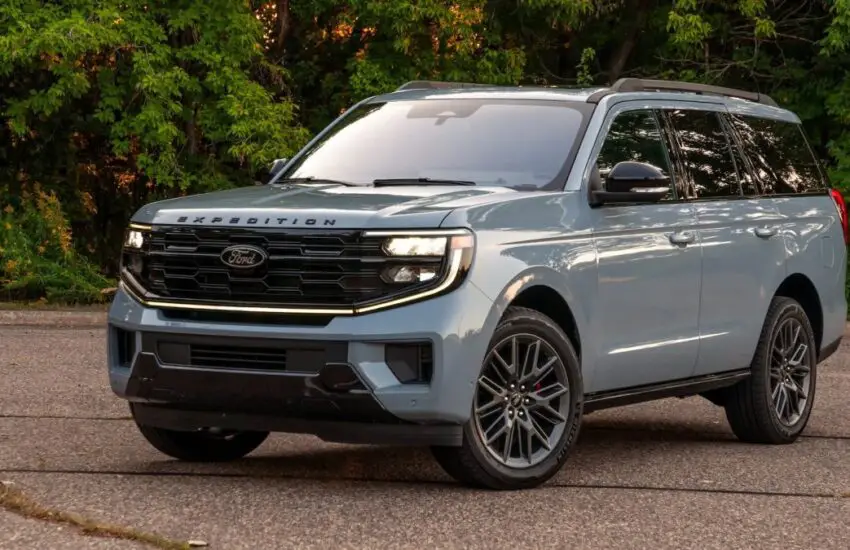
2025 Ford Expedition: Family SUV Redefined

Redefining Family Travel

The automotive landscape for family vehicles is evolving, and Ford’s 2025 Expedition stands at the forefront of this transformation. This full-size SUV has been meticulously engineered to meet the dynamic needs of modern families, offering a compelling blend of space, technology, and capability that challenges established rivals in the segment.

Design Focused on Family Needs

Every aspect of the 2025 Expedition’s redesign prioritizes passenger comfort and convenience. The interior boasts a more spacious cabin with enhanced legroom in all three rows, making long journeys comfortable for every family member. New, more durable and easy-to-clean upholstery materials are standard, addressing the practical realities of family life. The reconfigurable cargo system provides versatile storage solutions, effortlessly adapting to everything from weekly grocery runs to luggage for a family vacation.

Advanced Technology for Safety and Connectivity

Ford has integrated its latest suite of driver-assistance technologies to ensure peace of mind on the road. The 2025 model features an upgraded infotainment system with a larger touchscreen, offering intuitive controls and seamless smartphone integration for navigation and entertainment. Rear-seat entertainment options have been enhanced to keep passengers engaged, while a more powerful onboard Wi-Fi hotspot keeps everyone connected.

Power and Performance

Under the hood, the Expedition continues with a refined powertrain focused on delivering robust towing capacity and confident highway performance. Engine improvements aim for a smoother and quieter ride, reducing cabin noise for a more serene driving experience. The suspension system has been tuned to better absorb road imperfections, ensuring that comfort is not compromised, whether navigating city streets or exploring less-traveled roads.

A New Benchmark for Family SUVs

The 2025 Ford Expedition emerges as a thoughtfully designed vehicle that successfully balances everyday practicality with refined comfort. It represents a significant step forward in creating a vehicle that is not just a mode of transport, but a central part of the family experience.

F1’s Two-Stop Revolution: Game Changer?

Mandatory Two-Pit Stops: Shaking Up F1 Strategy

The Fédération Internationale de l’Automobile is considering a groundbreaking regulation requiring all Formula 1 drivers to make two mandatory pit stops during every Grand Prix. This strategic overhaul, inspired by this year’s Monaco Grand Prix format, would fundamentally alter race dynamics and team approaches to competition.

Strategic Implications for Teams and Drivers

Implementing compulsory two-stop strategies would force teams to completely rethink their race weekend preparations. Current single-stop approaches that dominate many circuits would become obsolete, requiring new tire management techniques and revised car setups. The regulation would likely increase overtaking opportunities as drivers on different tire strategies interact more frequently throughout the race.

Engineering departments would need to develop more sophisticated predictive models accounting for multiple pit windows. This could benefit teams with stronger strategic planning capabilities while challenging those with less developed analytical resources. The increased complexity would test both driver adaptability and team communication during high-pressure race situations.

Potential Impact on Championship Battles

Mandatory two-stop races could dramatically influence championship outcomes by introducing additional variables into each Grand Prix. Consistency across multiple pit stops would become as crucial as outright pace, potentially rewarding drivers who excel at tire conservation and strategic execution. The regulation might narrow performance gaps between teams, creating more unpredictable race results.

Fans could witness more varied grid positions translating into race victories, as strategic options multiply. The proposed change represents one of the most significant alterations to F1 racing format in recent years, potentially creating more dynamic and engaging competitions throughout each Grand Prix weekend.

Ram STR Revives High-Performance Pickup Truck Line

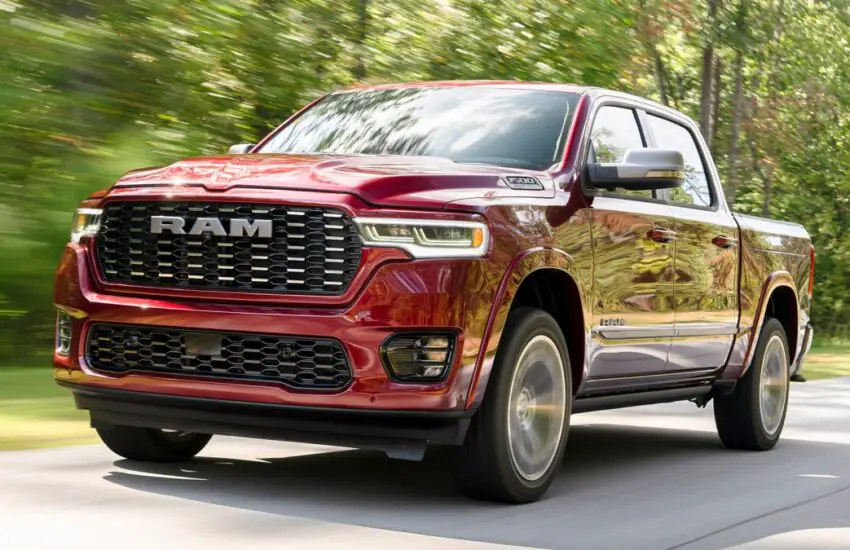
Ram SRT Performance Trucks Make a Comeback

Ram is set to electrify the automotive world with the revival of its SRT performance division, announcing two new high-performance pickup models in the coming months. This strategic move, confirmed by Stellantis CEO Antonio Filosa, signals a bold return to the street truck segment that enthusiasts have eagerly awaited. The announcement coincides with plans for Ram’s first dedicated SUV, scheduled for a 2028 debut, demonstrating the brand’s comprehensive approach to expanding its performance offerings across multiple vehicle categories.

The TRX Resurrection and Beyond

Industry insiders confirm one of the upcoming models will be a resurrected TRX, building upon the legendary reputation of its predecessor. The original TRX established itself as a dominant force in the performance truck segment with its supercharged V8 power and aggressive off-road capabilities. While specific details remain closely guarded, the new iteration is expected to incorporate advanced engineering and cutting-edge technology to surpass previous performance benchmarks.

Mystery Second Model Sparks Speculation

The second SRT model announcement has generated intense speculation among automotive experts and enthusiasts alike. Many are drawing parallels to the legendary SRT-10, which featured a Viper-derived V10 engine that redefined performance truck capabilities. This mysterious addition to the lineup suggests Ram may be developing a spiritual successor that captures the raw power and distinctive character of that iconic vehicle while meeting modern performance and emissions standards.

Strategic Market Positioning

This dual-model approach allows Ram to target different segments within the performance truck market. The TRX revival likely focuses on combining desert-running capability with street performance, while the mystery model could represent a pure street-oriented performance machine. This strategic expansion comes at a time when competitors are scaling back high-performance internal combustion vehicles, positioning Ram to capture market share from enthusiasts seeking powerful, capable trucks.

Engineering and Performance Expectations

While official specifications remain undisclosed, automotive analysts anticipate both models will feature significant powertrain innovations. The continued evolution of hybrid technology and advanced forced induction systems could provide the foundation for these performance machines. The development team faces the challenge of balancing extreme performance with increasingly stringent regulatory requirements, suggesting potential integration of electrified powertrain components to supplement traditional combustion engines.

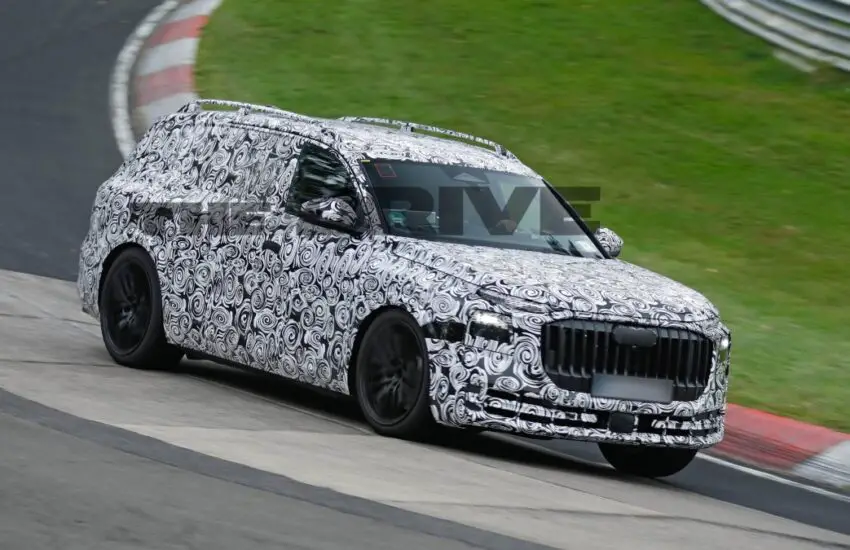
Audi Q9 Horch: Luxury SUV Rivaling Maybach

Audi Q9 Horch: The Pinnacle of Automotive Luxury

Audi is poised to redefine the luxury SUV segment with its upcoming Q9 Horch model, marking the first SUV to carry the prestigious Horch badge. This strategic move positions Audi to compete directly with established ultra-luxury brands like Mercedes-Maybach in the high-end automotive market.

Reviving a Legendary Nameplate

The Horch designation carries significant historical weight in German automotive history. Originally founded by August Horch in 1904, Horch automobiles were renowned for their exceptional engineering and luxury features. By reviving this iconic nameplate, Audi connects its modern luxury vehicles with a rich heritage of German craftsmanship and automotive excellence.

Uncompromising Luxury and Comfort

The Audi Q9 Horch promises to deliver an unparalleled luxury experience through its meticulously crafted interior. Expect premium materials including supple leather upholstery, exotic wood trim, and advanced sound insulation creating a serene cabin environment. The vehicle will likely feature enhanced rear-seat accommodations with executive-style seating, individual entertainment systems, and comprehensive comfort controls.

Advanced Technological Integration

Beyond traditional luxury elements, the Q9 Horch will incorporate Audi’s latest technological innovations. The vehicle is expected to feature the most advanced version of Audi’s virtual cockpit, comprehensive driver assistance systems, and cutting-edge connectivity solutions. These technological enhancements will work seamlessly to provide both driver engagement and passenger comfort.

Competitive Positioning

The introduction of the Q9 Horch represents Audi’s strategic move to capture a larger share of the ultra-luxury SUV market. By leveraging the historical prestige of the Horch name alongside modern Audi engineering, the brand aims to create a compelling alternative to established luxury competitors. This approach mirrors Mercedes’ successful implementation of the Maybach sub-brand while maintaining distinct Audi design and engineering characteristics.

As the luxury SUV market continues to evolve, the Audi Q9 Horch stands ready to offer discerning customers a new standard of automotive excellence that combines historical prestige with contemporary innovation.