BYD Atto 3 Evo: Enhanced Range and Tech for the Compact EV

The BYD Atto 3 Evolves

The popular BYD Atto 3 compact electric SUV has received a substantial upgrade, now branded as the “Evo” version. This significant refresh focuses on core improvements in driving range and technological integration, ensuring the model remains a formidable contender in the competitive family EV segment without a corresponding price hike.

Key Upgrades and Performance

The most notable enhancement in the Atto 3 Evo is its increased driving range. Engineers have optimized the vehicle’s efficiency and battery management system, allowing it to travel further on a single charge. This addresses a primary concern for many potential EV buyers and makes the Atto 3 an even more practical choice for daily commutes and longer journeys. Alongside this, subtle refinements to the powertrain are expected to deliver a smoother and more responsive driving experience.

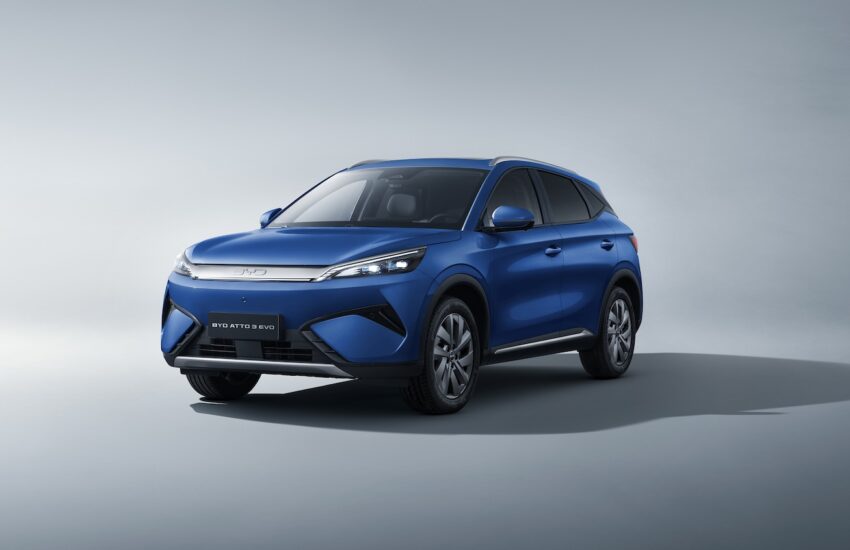
BYD Atto 3 Evo compact electric SUV side profile

Technology and Market Position

Beyond range, the Evo update brings advancements to the in-car technology suite. The central infotainment system receives software improvements for faster response times and potentially new connected features. The driver-assistance systems and safety packages are also likely to be enhanced, aligning the vehicle with the latest standards. By delivering these meaningful upgrades while maintaining its accessible price point, BYD strategically strengthens the Atto 3’s value proposition. It positions the Evo as a smart, feature-rich alternative in a crowded market that includes rivals from European, Korean, and other Chinese manufacturers.

This evolution signifies BYD’s commitment to continuous improvement and customer-centric innovation. The Atto 3 Evo is not a complete redesign but a calculated and impactful update that refines an already successful formula, making one of the world’s best-selling electric vehicles even more compelling.

OBD2 Code P14AC: Turbocharger Boost Control Position Sensor Circuit Explained

Understanding OBD2 Code P14AC: A Technical Deep Dive

When your vehicle’s check engine light illuminates and a scan tool reveals the diagnostic trouble code (DTC) P14AC, you are dealing with a specific fault in the forced induction system. Formally defined as “Turbocharger/Supercharger Boost Control Position Sensor ‘A’ Circuit,” this code indicates that the Engine Control Module (ECM) or Powertrain Control Module (PCM) has detected an irregular voltage signal, short to ground, or an open circuit in the sensor responsible for monitoring the position of the turbocharger’s boost control actuator. This sensor is critical for modern turbocharger systems, especially Variable Geometry Turbos (VGT) or those with electronically controlled wastegates, to deliver precise boost pressure and optimal engine performance.

What is the Turbocharger Boost Control Position Sensor?

This sensor, often integrated into the turbocharger’s electronic actuator assembly, is a type of position sensor—typically a potentiometer or Hall-effect sensor. Its primary function is to provide real-time feedback to the ECM on the exact physical position of the actuator’s arm or vane ring. This position directly dictates the level of boost pressure generated. The ECM compares this actual position reading against a commanded position based on driver demand, engine load, and other parameters. A discrepancy or an implausible signal from this sensor triggers the P14AC code.

How the Boost Control System Works

The system operates in a closed loop. The ECM sends a pulse-width modulated (PWM) signal to the boost control actuator (an electric motor) to move it to a desired position. Simultaneously, the position sensor reports back the achieved position. This allows for precise control of turbo geometry or wastegate position, maximizing efficiency, reducing turbo lag, and meeting emissions targets. A failure in the sensor circuit disrupts this loop, forcing the ECM to default to a conservative boost strategy or limp mode to protect the engine.

Symptoms and Causes of a P14AC Code

Ignoring a P14AC code can lead to reduced performance, poor fuel economy, and potential long-term stress on the turbocharger assembly. Recognizing the symptoms is the first step in diagnosis.

Common Symptoms of P14AC

  • Illuminated Check Engine Light (MIL): The primary indicator, often accompanied by reduced power mode.
  • Significant Loss of Power (Limp Mode): The engine may feel sluggish and unresponsive, especially under acceleration.
  • Reduced Turbo Boost: A noticeable lack of the expected turbocharged “push” or acceleration.
  • Poor Fuel Economy: Inefficient boost control leads to suboptimal combustion.
  • Black Smoke (Diesel Engines): Incomplete combustion due to incorrect air-fuel ratio.

Root Causes of the P14AC Fault

  • Faulty Boost Control Position Sensor: The internal potentiometer or electronics can fail.
  • Damaged Wiring or Connectors: Chafed, broken, or corroded wires in the sensor circuit (power, ground, or signal).
  • Poor Electrical Connections: Corrosion or looseness at the sensor or ECM connectors.
  • Failed Turbocharger Actuator: A seized or mechanically stuck actuator can prevent the sensor from moving through its full range.
  • Problem with the ECM/PCM: Rare, but a software glitch or internal fault can cause erroneous code setting.

Step-by-Step Diagnostic and Repair Guide for P14AC

A methodical approach is essential to correctly diagnose a P14AC code. Avoid replacing the turbocharger or sensor immediately without proper verification. You will need a quality OBD2 scanner with live data capabilities and a digital multimeter (DMM).

Step 1: Preliminary Inspection and Live Data Check

Begin with a thorough visual inspection of the turbocharger actuator, position sensor, and all associated wiring harnesses. Look for obvious damage, oil saturation, or corrosion. Next, using your scan tool, access the live data stream. Look for the turbo boost control position sensor parameter (may be listed as “VGT Position,” “Actuator Position,” or similar). Observe the reading with the key on, engine off, and then at idle. The value should be stable and change smoothly when the engine is revved. An erratic, static, or out-of-range value (e.g., 0% or 100% at all times) points to a circuit or sensor issue.

Step 2: Electrical Circuit Testing

Consult the vehicle’s service manual for the specific wiring diagram and connector pinouts for the position sensor. Typically, you will find three wires: a 5-volt reference from the ECM, a sensor ground, and a signal return wire back to the ECM.

  • Reference Voltage: With the connector disconnected and ignition ON, check for ~5 volts between the reference and ground pins at the harness side.
  • Ground Circuit: Check for continuity between the sensor ground pin and a known good engine ground.
  • Signal Circuit: Check the signal wire for continuity to the ECM and check for a short to power or ground.

Step 3: Sensor and Actuator Mechanical Testing

If the wiring checks out, the fault likely lies with the sensor or actuator. Manually check if the actuator arm moves freely through its entire range without binding. Resistance may indicate a seized actuator. You can also test the sensor itself. For a 3-wire potentiometer-style sensor, measure the resistance between the reference and ground pins (should be a fixed value), and then between the signal and ground pins. This resistance should change smoothly and continuously as you manually move the actuator arm. Any jumps, open circuits, or infinite resistance confirm a failed sensor.

Step 4: Repair and Clearance

Based on your findings:

  • Repair Wiring: Solder and seal any damaged wires, and clean corroded connectors.
  • Replace Sensor/Actuator Assembly: Often, the position sensor is sold as part of the electronic actuator assembly. Replace as a unit following manufacturer procedures.
  • ECM Reflash/Replacement: This is a last resort if all other components and circuits test perfectly.

After repair, clear the DTCs with your scan tool and perform a test drive. Monitor live data to ensure the position sensor reading responds correctly to engine load. The code should not return.

Prevention and Professional Considerations

While some causes are unavoidable, regular maintenance can mitigate risks. Ensure engine oil changes are performed on schedule with the correct specification oil, as the turbo actuator is often exposed to high heat and can be affected by sludge. Be attentive to any early signs of turbo lag or unusual noises.

When to Seek Professional Help

Diagnosing P14AC requires technical skill and proper tools. If you are not comfortable with electrical diagnostics or if the repair involves removing the turbocharger, seeking a qualified technician is strongly advised. Misdiagnosis can lead to costly unnecessary parts replacement. A professional will have access to manufacturer-specific technical service bulletins (TSBs) that may address known issues with the boost control system for your specific vehicle model.

Kia EV6 Hits 530,000 km on Original Battery: A Durability Milestone

An Extraordinary Test of Electric Vehicle Endurance

Reaching half a million kilometers is a significant milestone for any vehicle. Achieving it in an electric car on its original battery pack is exceptional. The real-world experience of a long-distance driver, covering over 530,000 kilometers in a Kia EV6, provides compelling evidence for the durability of modern EV technology under extreme use.

Pushing the Limits of Daily Use

The driver, a professional chauffeur, subjected the EV6 to an intense regimen of daily long-distance travel. This consistent, high-mileage usage represents the ultimate stress test for an electric vehicle’s powertrain and battery management systems. The fact that the car continues to perform reliably after such a distance challenges common concerns about battery degradation and long-term EV ownership costs.

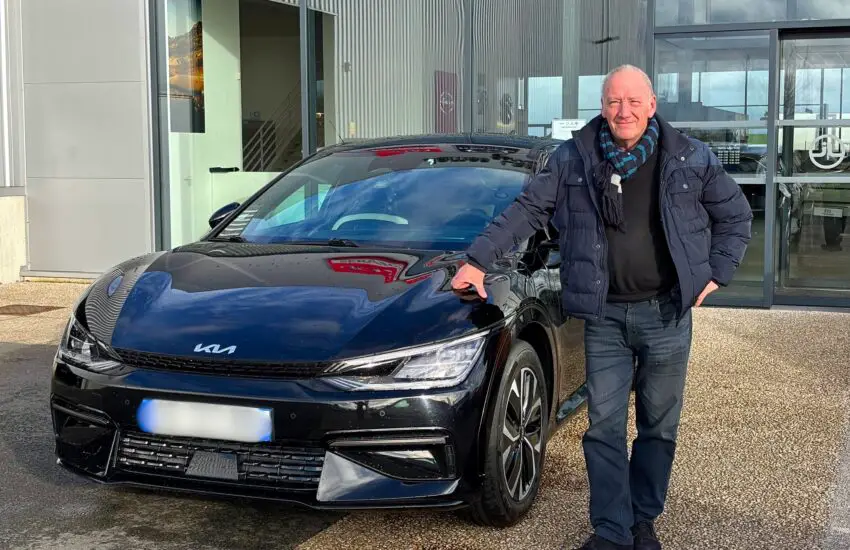
High mileage Kia EV6 on the road

Insights into Battery Longevity and Performance

This case study offers invaluable data on real-world battery health. While specific capacity retention figures are proprietary, the ability to complete demanding daily routes without issue after 530,000 km speaks volumes. It highlights the effectiveness of advanced thermal management systems and robust battery chemistry in preserving the integrity of the lithium-ion pack over time. This experience suggests that for many users, the battery may well outlast the rest of the vehicle’s components.

What This Means for Future EV Adoption

Such testimonials are crucial for shifting public perception. Demonstrating that an EV can withstand the equivalent of circling the globe over 13 times on its original battery provides tangible proof of engineering resilience. It addresses core questions about sustainability and total cost of ownership, showing that electric vehicles are built not just for innovation, but for longevity. This real-world evidence supports the argument that EVs are a viable and robust choice for even the most demanding drivers.

Stellantis Battery Plant: A Strategic Pivot Under Scrutiny

Stellantis Recalculates Its Electric Vehicle Strategy

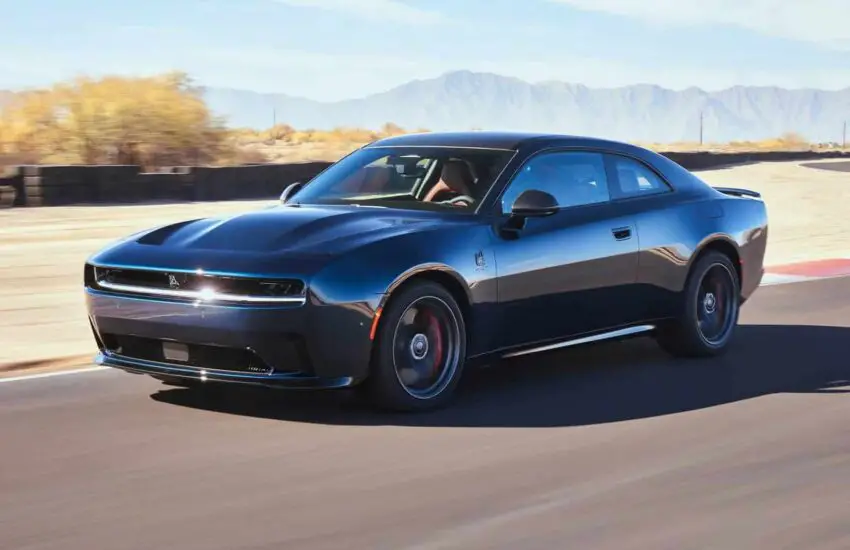
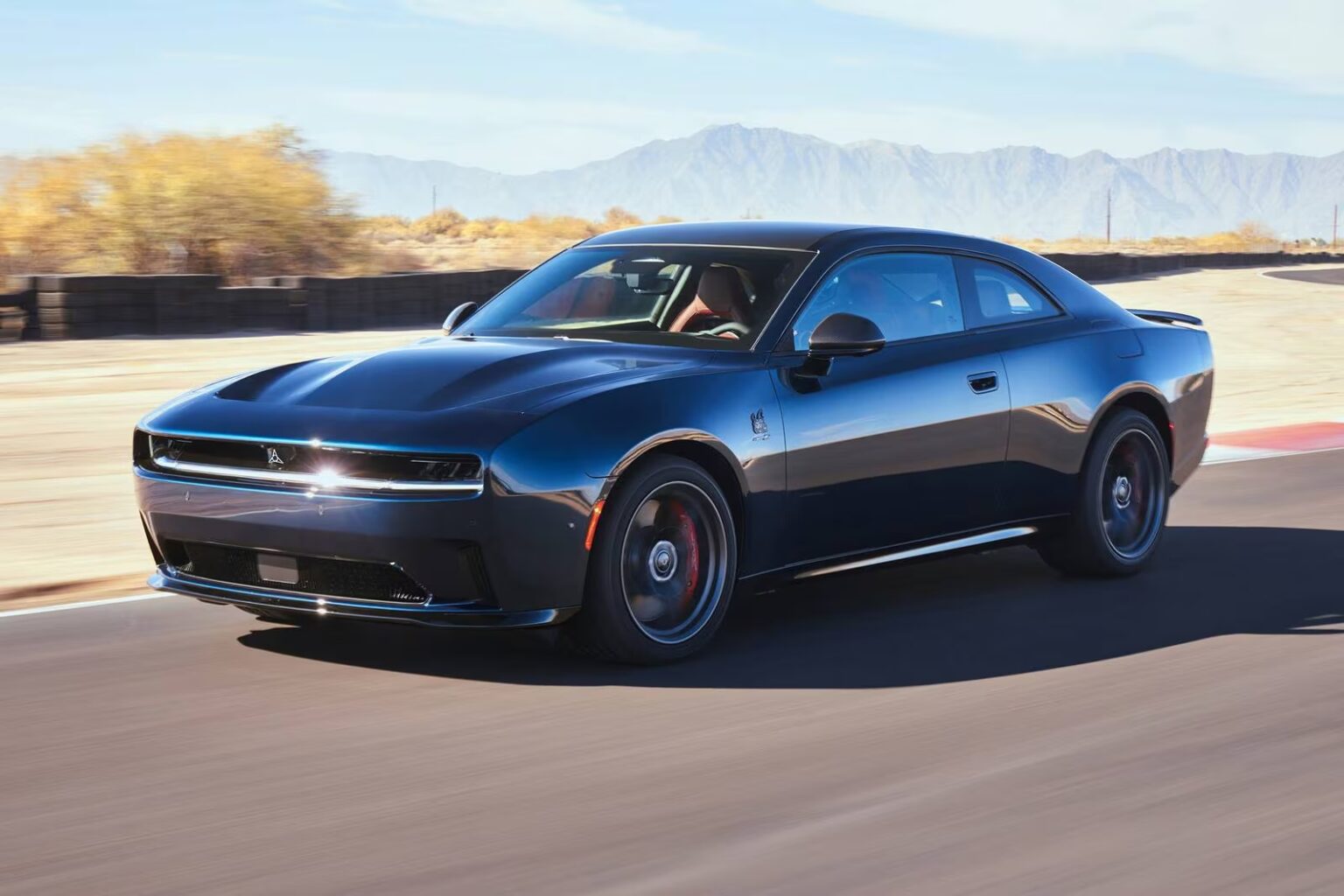
2025 Dodge Charger Daytona electric muscle car

The automotive giant Stellantis is executing a significant strategic pivot in its approach to electric mobility. This shift involves a notable slowdown in its previously aggressive electrification timeline, raising serious questions about the future of its dedicated battery manufacturing investments. The company’s recent decisions suggest a recalibration in response to market demand, supply chain realities, and intense global competition.

Is the Battery Factory Investment Still Viable?

Central to this reassessment is the multi-billion dollar investment in battery gigafactories across North America and Europe. These facilities were conceived as the backbone of Stellantis’s electric future, designed to secure supply and reduce costs for millions of EVs. However, with the company now extending the lifecycle of internal combustion engine (ICE) platforms and promoting a “freedom of mobility” philosophy that includes hybrids and plug-in hybrids, the projected volume for pure electric vehicles may no longer justify the original scale of battery cell production.

This strategic hesitation creates a ripple effect. Scaling back EV ambitions could lead to underutilized battery plant capacity, challenging the financial logic of these capital-intensive projects. The situation underscores the delicate balance automakers must strike between preparing for an electric future and managing present-day consumer preferences and profitability.

The Broader Implications for the Auto Industry

Stellantis’s cautious move is not occurring in a vacuum. It reflects a broader industry-wide tension as the transition to electric vehicles encounters speed bumps. Factors such as high upfront costs, charging infrastructure gaps, and raw material sourcing have tempered the once-breakneck pace of change. The company’s strategy now appears to favor flexibility, investing in multiple powertrain technologies rather than placing all bets on a single, rapid shift to pure battery-electric vehicles.

The coming years will be critical in determining whether this adjusted path proves prescient or if it leaves Stellantis playing catch-up in the EV sector. The viability of its battery plant investments remains a key indicator of its long-term commitment to electrification.

The Fall of an Icon: America’s Best Manual Gearbox Fades Away

The End of a Mechanical Legend

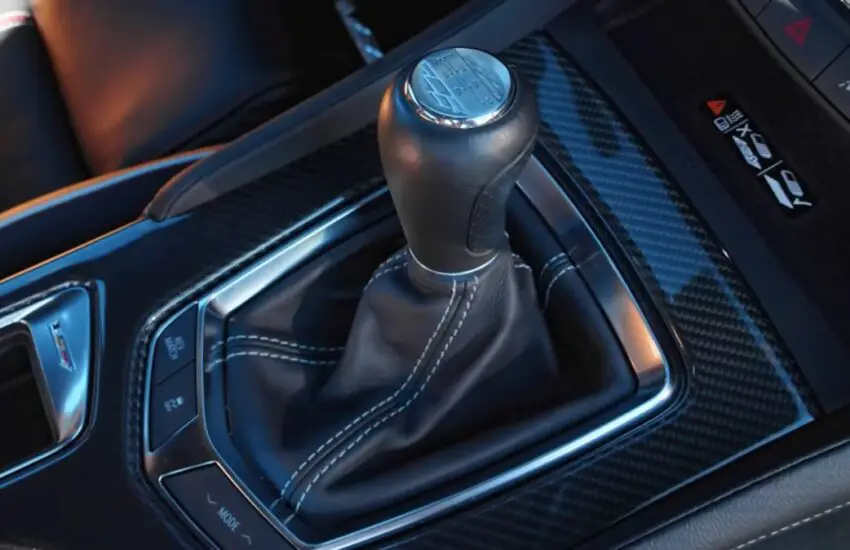
For decades, the heart of American performance was defined by a simple, visceral formula: a large displacement V8 engine paired with a precise, mechanical manual transmission. This combination created an unrivaled driving dialogue, a direct connection between man and machine celebrated in muscle cars and sports coupes. The six-speed manual, in particular, became the gold standard, offering the perfect blend of aggressive acceleration and relaxed highway cruising. It was more than a gearbox; it was a symbol of pure, unadulterated driving passion.

Shifting Tastes and Technological Tides

The decline of the manual transmission is a story of converging factors. The relentless march of automotive technology has made modern automatic and dual-clutch transmissions astonishingly fast and efficient, often outperforming even the most skilled human driver in acceleration metrics. Furthermore, consumer preferences have shifted dramatically. The demand for convenience, fuel efficiency, and advanced driver-assistance features has marginalized the traditional three-pedal setup. For automakers, developing a low-volume manual option for a shrinking audience is increasingly difficult to justify from an engineering and cost perspective.

A Silent Showroom and a Cultural Loss

The consequence is a showroom that grows quieter each year. Models that once proudly offered a manual gearbox, especially the revered six-speed units known for their robust construction and crisp shifts, are dropping the option. This represents a significant cultural loss for automotive enthusiasts. The skill and engagement required to master a manual gearbox fostered a deeper understanding of vehicle dynamics. Its absence severs a tangible link to a driving heritage built on involvement, creating a generation of vehicles that are faster yet arguably less communicative and rewarding to drive.

The Legacy of the Third Pedal

While the future is undoubtedly automatic, the legacy of America’s great manual transmissions is secure among collectors and purists. These gearboxes represent an analog era of motoring, a time when driving was a fully immersive experience. Their gradual disappearance marks the end of a major chapter in automotive history, reminding us that progress sometimes comes at the cost of raw, mechanical emotion.

Honda Profits Plunge 61% Amid Strategic Pivot to Fleet Sales

Honda’s Quarterly Profits Tumble Amid Market Challenges

Japanese automotive giant Honda has reported a severe 61% decline in operating profit for its latest fiscal quarter. This dramatic drop underscores the significant pressures facing the company as it navigates a costly transition to electric vehicles (EVs) and a challenging global sales environment. The financial results highlight a critical moment for Honda, prompting a major strategic realignment.

Root Causes of the Financial Decline

The profit collapse is attributed to two primary factors. First, Honda is bearing substantial costs from research and development for its next-generation electric vehicle platform. These upfront investments are essential for future competitiveness but weigh heavily on current earnings. Second, the company experienced a 15% decrease in global vehicle sales compared to the same period last year. This decline was notably sharp in key markets like the United States, where supply chain issues and shifting consumer demand impacted performance.

A Strategic Shift Towards Fleet Business

In response to these financial headwinds, Honda is initiating a significant strategic pivot. A central component of this new direction is a heightened focus on expanding sales to corporate and rental fleets. Fleet sales typically provide automakers with large, bulk orders that ensure stable production volume and inventory management. This move is seen as a strategy to secure a more predictable revenue stream and utilize manufacturing capacity efficiently while the consumer market remains volatile.

Navigating the Electric Future

Honda’s current financial pain is partly an investment in its electric future. The company has committed to an ambitious electrification strategy, aiming for battery-electric and fuel cell electric vehicles to constitute 100% of its global sales by 2040. The steep R&D costs reflected in the quarterly results are a direct investment in this long-term vision. The success of this pivot, balancing immediate fleet sales with long-term EV development, will be crucial for Honda’s recovery and future market position.

Jeep Grand Cherokee Recall Over Suspension Spring Hazard

Major Safety Recall for Jeep Grand Cherokee Models

A significant safety recall has been issued for a popular SUV model. The action involves approximately 80,620 Jeep Grand Cherokee and Grand Cherokee L vehicles from recent model years. The recall centers on a critical suspension component that could fail unexpectedly.

The Core of the Defect

The National Highway Traffic Safety Administration (NHTSA) filing identifies a serious issue with the front suspension coil springs. In affected vehicles, these springs may not have been manufactured to specification. This flaw can lead to a fracture in the spring. A fractured spring can detach from the vehicle while it is in motion, creating an immediate and severe hazard.

Risks and Recommended Actions

A detached suspension spring poses multiple dangers. It can cause a sudden loss of vehicle control, increasing the risk of a crash. Furthermore, a loose spring could become a projectile hazard for other road users. Owners of the involved vehicles are strongly advised to heed the official recall notice. The remedy involves a full inspection by an authorized dealer. Technicians will examine the front suspension coil springs and, if necessary, replace them with components that meet the correct specifications at no cost to the owner.

Checking Your Vehicle

Vehicle owners should be proactive about their safety. The official recall number for this campaign is 24V-413. Owners can verify if their specific vehicle is included by visiting the NHTSA recalls website and entering their 17-character Vehicle Identification Number (VIN). This quick check provides definitive confirmation and the next steps for scheduling the necessary repair.

Audi A6 2026 Review: The Return of German Balance

Audi A6 2026: Redefining the Balanced Executive Sedan

The executive sedan segment has long been a battleground of extremes, from uncompromising sportiness to detached luxury. The 2026 Audi A6 enters this fray with a different, almost forgotten philosophy: perfect equilibrium. This model represents a deliberate recalibration, a masterclass in delivering a cohesive and satisfying driving experience without leaning too heavily into any single attribute.

A Symphony of Refined Performance

Under the hood, the A6 2026 offers a range of potent yet efficient powertrains, including sophisticated plug-in hybrid options. The focus is not on brutal acceleration, but on seamless, linear power delivery. The quattro all-wheel-drive system provides legendary grip, while the revised suspension expertly isolates occupants from road imperfections without sacrificing communicative feedback. The result is a car that feels supremely confident and composed in all conditions, making long journeys effortless and winding roads engaging.

A Cabin of Digital Serenity

Step inside, and the A6’s commitment to balance continues. The dashboard is a lesson in minimalist digital integration. High-resolution screens and the latest MMI touch response system are present, but they are implemented with intuitive logic and exquisite haptic feedback. Premium materials—soft leather, authentic aluminum, and open-pore wood—create a tactile, warm environment that counterpoints the cool technology. It is a cabin designed to reduce stress, not overwhelm the senses.

The Verdict on Versatility

Ultimately, the 2026 Audi A6 makes a compelling case for holistic engineering. It offers ample space and practicality for family or business needs, cutting-edge technology that feels useful rather than gimmicky, and a driving character that is both relaxing and rewarding. It doesn’t shout about its capabilities; it demonstrates them through quiet competence. For those seeking a sophisticated, all-purpose sedan that masters the art of compromise, the A6 stands as a remarkably balanced choice.

2027 Mercedes-AMG GLC 53 SUV Gains Radical Drift Mode

2027 Mercedes-AMG GLC 53: Power Meets Playfulness

The performance SUV landscape is set for a shake-up with the anticipated arrival of the 2027 Mercedes-AMG GLC 53. Slated to replace the current GLC 43 by late 2026, this new model represents a significant technological and philosophical shift for AMG’s mid-sized performance SUV. It moves beyond pure straight-line speed to introduce an element of controlled agility previously reserved for sports cars.

Hybrid Heart and Unprecedented Feature

At the core of the new GLC 53 is a sophisticated 3.0-liter inline-six biturbo engine paired with a mild-hybrid system. This combination is reported to produce a robust 443 horsepower, channeled through a standard 4Matic all-wheel-drive system. The powertrain promises immediate response and enhanced efficiency. However, the headline-grabbing innovation is the inclusion of a dedicated Drift Mode. This feature marks a bold departure for the segment, allowing the SUV to temporarily bias power predominantly to the rear wheels, enabling controlled oversteer maneuvers.

Redefining the Performance SUV Experience

The introduction of a Drift Mode in a vehicle of this type is more than a gimmick; it signals a new direction in performance tuning. It suggests that Mercedes-AMG engineers are focusing on delivering engaging driver dynamics alongside traditional luxury and utility. This system will likely be integrated with the vehicle’s dynamic select functions, allowing drivers to switch from secure all-weather traction to a more playful rear-biased setup on closed courses or suitable environments.

This development positions the 2027 GLC 53 as a unique contender, blending everyday practicality with a level of driver engagement that challenges the conventional boundaries of the sport utility vehicle. It promises to be a compelling option for enthusiasts seeking versatility without sacrificing a thrilling connection to the road.

Subaru Slashes 2026 Forester Hybrid Price by Over $2,000

Subaru Makes Hybrid Power More Accessible

In a bold move for the 2026 model year, Subaru has announced a significant price reduction for its Forester Hybrid. The automaker is cutting the MSRP by over $2,000, making its popular compact SUV’s electrified option more competitive in a crowded market. This strategic pricing shift follows the hybrid variant’s successful introduction for the 2025 model year, signaling Subaru’s commitment to expanding its eco-friendly offerings.

A Strategic Price Adjustment

This price cut represents more than a simple promotion; it is a calculated effort to increase the hybrid’s market penetration. By lowering the entry point, Subaru directly addresses a common barrier for buyers considering a hybrid: the initial cost premium over traditional gasoline models. The adjustment is part of a broader realignment of the Forester lineup, aimed at enhancing the value proposition of the entire range while pushing electrification to the forefront.

Competitive Implications in the SUV Segment

The newly priced 2026 Forester Hybrid now poses a stronger challenge to rivals like the Toyota RAV4 Hybrid, Honda CR-V Hybrid, and Ford Escape Hybrid. Subaru’s signature Symmetrical All-Wheel Drive comes standard on the hybrid, a key differentiator that combines all-weather capability with improved fuel efficiency. This combination of utility, brand loyalty, and a more attractive price could sway buyers in one of the automotive industry’s most competitive segments.

What This Means for Buyers

Prospective SUV shoppers gain a more compelling reason to consider the Forester Hybrid. The reduced price narrows the financial gap between choosing a hybrid and settling for the standard gasoline engine, potentially offering a quicker return on investment through fuel savings. This move also indicates Subaru’s confidence in the hybrid system’s performance and reliability, as it seeks to normalize electrified technology within its core lineup. The 2026 Forester Hybrid is poised to transition from a niche option to a mainstream choice for Subaru enthusiasts and new customers alike.