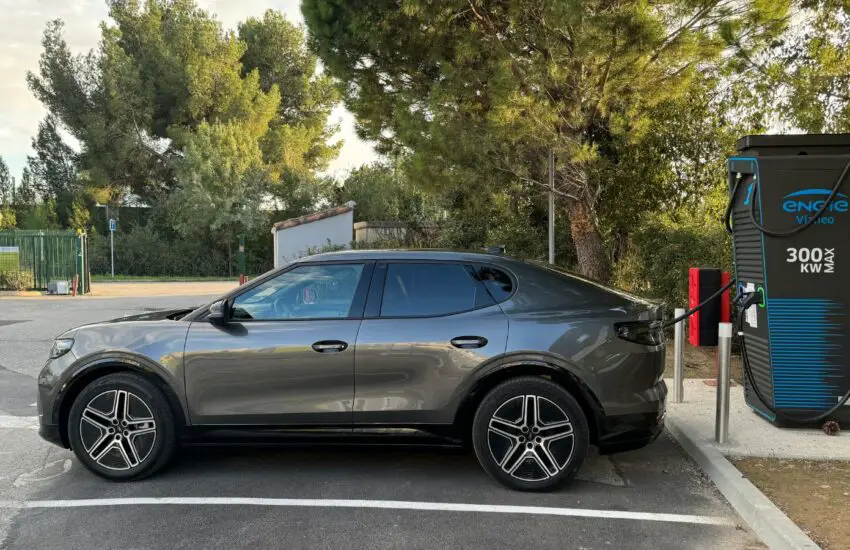
Chinese EV Giants Reshape European Auto Market

China’s Electric Vehicle Power Play in Europe

The European automotive landscape is undergoing a seismic shift as Chinese electric vehicle manufacturers accelerate their expansion strategies. Unlike initial market entries through exports, companies are now establishing substantial local operations to compete directly with established European brands.

Strategic Manufacturing Footprints

Great Wall Motor exemplifies this new approach through its search for European production facilities. After experiencing slower than expected market penetration compared to some Chinese competitors, the manufacturer is pivoting toward local assembly operations. This strategy mirrors broader industry movements toward establishing manufacturing bases within Europe to circumvent trade barriers and respond more effectively to regional market demands.

Competitive Pricing and Technology

Chinese EV manufacturers bring sophisticated battery technology and competitive pricing structures that challenge traditional automotive pricing in European markets. The combination of advanced features at accessible price points represents a significant value proposition for European consumers. This approach has forced incumbent manufacturers to accelerate their own electrification timelines and reconsider pricing strategies across multiple vehicle segments.

Market Adaptation Challenges

Despite technological advantages, Chinese automakers face the complex task of adapting to diverse European consumer preferences and regulatory requirements. Success requires understanding nuanced market differences across European regions, from charging infrastructure compatibility to design aesthetics and driving patterns. Manufacturers investing in localized research and development demonstrate more sophisticated market entry strategies than those relying solely on price competition.

Future Market Implications

The deepening presence of Chinese EV manufacturers signals a fundamental restructuring of Europe’s automotive industry. As production facilities become established and supply chains mature, these companies will likely capture increasing market share. This transition represents both a competitive challenge for European automakers and an acceleration of the continent’s broader electrification goals, potentially driving down costs and increasing technology adoption rates across the market.

Jay Leno Drives His Legendary Car Collection Daily

Why Jay Leno Actually Drives His Prized Cars

In a world where wealthy collectors often treat classic automobiles as static investments, Jay Leno stands apart. He believes cars are meant to be driven, not just displayed. His expansive garage isn’t a museum; it’s a rotating fleet of operational vehicles, all registered, insured, and ready for the open road at a moment’s notice.

From Errands to Epic Drives

For Leno, a trip to the grocery store could be an excuse to take his Ford Festiva Shogun for a spin. A casual afternoon might see him behind the wheel of his majestic Pierce Arrow. This philosophy of regular use keeps the mechanical souls of these machines alive. He experiences them as their original designers intended—in motion, on the street, interacting with the world.

Preservation Through Operation

Many collectors fear that driving a classic car diminishes its value through wear and tear. Leno challenges this notion, advocating that proper maintenance and regular operation are key to long-term preservation. Fluids need to circulate, seals need to remain supple, and engines need to run to stay in peak condition. His approach is a masterclass in active stewardship, proving that enjoyment and preservation can go hand in hand.

This commitment transforms his collection from a portfolio of assets into a living, breathing automotive history. Each journey, whether short or long, adds to the car’s story and ensures these rolling pieces of art continue to fulfill their fundamental purpose.

Black Friday OBD2 Scanner Deals 2024

Essential Black Friday OBD2 Scanner Deals

Black Friday presents the perfect opportunity to invest in an OBD2 scanner, a vital tool for modern vehicle maintenance. These devices offer significant savings compared to professional diagnostic services, putting control back in your hands. For vehicles manufactured from 1996 onward, owning a scanner means immediate access to critical engine data when warning lights activate.

Why Every Driver Needs an OBD2 Scanner

Modern vehicles rely on complex computer systems that monitor performance and emissions. When issues arise, the system generates trouble codes that trigger your check engine light. An OBD2 scanner interfaces with your vehicle’s computer to read these codes, providing specific information about potential problems. This allows for informed decisions about repairs, whether you choose DIY fixes or professional service. Clearing codes after addressing issues can also reset warning lights, confirming that problems have been resolved.

What to Look for in Budget Scanners

Entry-level OBD2 scanners provide core functionality at accessible price points during Black Friday sales. Key features to consider include compatibility with your vehicle’s make and model, the ability to read and clear standard trouble codes, and a clear display for easy code interpretation. Many basic models now include additional capabilities like live data streaming, allowing you to monitor real-time engine parameters while driving. These tools typically connect directly to your vehicle’s OBD2 port, located beneath the dashboard near the steering column.

Maximizing Your Black Friday Savings

Timing your purchase during the Black Friday shopping period ensures the best value on automotive diagnostic tools. Retailers frequently offer substantial discounts on electronic devices, with scanners sometimes discounted by over 80% compared to regular prices. Beyond initial cost savings, owning a scanner can prevent unnecessary mechanic visits for simple issues like loose gas caps that trigger false warnings. The investment pays for itself quickly through avoided diagnostic fees and increased understanding of your vehicle’s health.

Getting Started With Your New Scanner

Using an OBD2 scanner requires no specialized knowledge – simply plug the device into your vehicle’s diagnostic port with the engine off. Turn the ignition to the “on” position without starting the engine, then follow the scanner’s prompts to retrieve codes. Most devices include code definitions or can be cross-referenced with online databases. Regular scanning helps identify minor issues before they develop into major repairs, making it an invaluable preventative maintenance tool for any car owner.

Walmart Black Friday Tire Deals & Savings

Maximize Your Vehicle’s Performance with Walmart Black Friday Tire Offers

Your vehicle’s tires are its critical connection to the road, directly influencing safety, handling, and fuel efficiency. Investing in quality tires ensures optimal performance in various driving conditions. This Black Friday, Walmart presents exceptional deals on premium tire brands, allowing you to enhance your driving experience without exceeding your budget.

Top Tire Brands Available at Discounted Prices

Walmart’s Black Friday event features renowned brands like Goodyear and Cooper, known for their durability and innovative technology. These tires are designed to provide superior traction, longer tread life, and a smoother ride. Whether you drive a sedan, SUV, or truck, you’ll find options tailored to your vehicle’s needs and your local climate, from all-season to winter-specific models.

Key Benefits of Upgrading Your Tires

New tires can significantly improve your car’s braking distance, especially in wet or icy conditions, reducing the risk of accidents. They also contribute to better fuel economy by minimizing rolling resistance. With Walmart’s Black Friday pricing, you can achieve these safety and efficiency gains while saving substantially compared to regular retail costs.

How to Choose the Right Tires for Your Needs

Consider factors like your typical driving environment, weather patterns, and vehicle type when selecting tires. All-season tires offer versatility for moderate climates, while performance or winter tires cater to specific demands. Reviewing tread wear ratings and speed symbols can help you match the tires to your driving habits, ensuring a worthwhile investment.

Plan Ahead for Black Friday Savings

To make the most of these limited-time offers, check Walmart’s online and in-store promotions early. Compare sizes and models compatible with your vehicle to streamline your purchase. By acting promptly, you can secure high-quality tires that support safer journeys throughout the year.

2025 Lexus NX 350 F Sport: Surprising SUV Dynamics

Unexpected Thrills in a Luxury SUV

The 2025 Lexus NX 350 F Sport challenges conventional expectations of a mainstream luxury SUV with its unexpectedly engaging character. While its acceleration may not set records, the driving experience reveals a vehicle that feels more alive and responsive than many competitors. The steering provides satisfying feedback, and the chassis maintains impressive composure through winding roads, making it a surprisingly capable partner for enthusiastic driving.

Performance and Handling Nuances

Where the NX 350 F Sport truly distinguishes itself is in its handling dynamics. The adaptive suspension system, while excellent at controlling body roll during aggressive cornering, does transmit more road imperfections than some buyers might expect from a luxury vehicle. This firmer setup contributes to the vehicle’s athletic feel but can become noticeable on rough pavement or during long highway journeys. The trade-off between sporty responsiveness and comfort will likely divide opinion among potential owners.

Interior Excellence with Minor Compromises

Inside the cabin, Lexus maintains its reputation for exceptional build quality and material selection. The F Sport-specific interior treatments enhance the sporting atmosphere without sacrificing the brand’s renowned comfort. However, the infotainment system, while improved over previous generations, still presents a learning curve compared to more intuitive systems offered by German rivals. The seating positions offer excellent support during dynamic driving, though some may find them slightly firm for daily commuting.

Balancing Sport and Practicality

As a practical family vehicle, the NX 350 F Sport delivers adequate cargo space and versatile seating arrangements. The powertrain provides sufficient real-world performance for merging and passing maneuvers, though it lacks the immediate response of some turbocharged competitors. Fuel efficiency remains competitive within the segment, making it a reasonable choice for those seeking sporty aesthetics without completely sacrificing everyday usability.

Ultimately, the 2025 Lexus NX 350 F Sport presents a compelling alternative for buyers seeking personality in the luxury compact SUV segment. Its distinctive character comes with specific compromises that may not suit every driver, but for those valuing engaging dynamics over outright comfort, it represents one of the more interesting choices in its class.

Walmart Black Friday Racing Game Deals

Massive Savings on Racing Games This Black Friday

Walmart’s Black Friday event is delivering incredible discounts for racing game enthusiasts. From hyper-realistic simulators to arcade-style adventures, this year’s promotions cover a wide spectrum of driving experiences. Gamers can enhance their virtual garage with unprecedented savings on top titles and compatible hardware.

Premium Racing Titles at Unbeatable Prices

Gran Turismo 7 leads the charge with substantial price reductions, offering players the definitive racing simulation experience at a fraction of the cost. The game’s meticulous attention to automotive detail and physics-based driving mechanics makes it a standout choice for serious racing fans. Alongside this flagship title, numerous other racing games are receiving similar dramatic markdowns.

Complete Racing Setup Opportunities

Beyond software discounts, Walmart’s Black Friday sale includes compatible racing wheels, pedals, and specialized controllers. These peripherals transform standard gaming into immersive driving experiences, allowing players to feel every curve and surface change. The synchronized discounts on both games and equipment create perfect opportunities for building comprehensive racing setups.

Diverse Racing Experiences Available

Shoppers will find options spanning various racing disciplines, from professional track simulations to open-world driving adventures. Whether seeking realistic circuit racing or casual cruising games, the current promotions accommodate all preferences. The breadth of discounted titles ensures every type of racing enthusiast can find something matching their interests.

Strategic Shopping Recommendations

With limited inventory during high-demand periods, early browsing is advised. The most popular racing titles tend to sell quickly, so prompt decision-making is beneficial. Comparing current prices with regular retail values helps identify the most significant savings opportunities across different racing game categories.

The Honda Passport Wave Phenomenon Explained

Unveiling the Honda Passport Wave

During seasonal holidays, traditions of gratitude often emerge, and the automotive world is no exception. A unique trend has captured the attention of enthusiasts and daily drivers alike, known as the Honda Passport Wave. This phenomenon reflects a sense of community among Passport owners, creating a shared experience on the road.

What Is the Honda Passport Wave?

The Honda Passport Wave is a simple yet meaningful gesture where drivers of Honda Passport vehicles acknowledge each other with a wave when passing by. It symbolizes camaraderie and mutual appreciation for the vehicle’s design, performance, and reliability. Originating from owner forums and social driving groups, it has grown into a widespread practice, especially among those who value the rugged versatility of the Passport model.

Experiencing the Wave Firsthand

In a recent long-term driving test, I spent months behind the wheel of a Honda Passport TrailSport, exploring highways and off-road trails. The consistent exchange of waves with fellow Passport drivers highlighted a unique bond, turning routine commutes into engaging interactions. This ritual not only enhances the driving experience but also reinforces the vehicle’s reputation for fostering connections.

Why It Matters for Drivers

Beyond the novelty, the Honda Passport Wave underscores the importance of community in automotive culture. It transforms driving from a solitary activity into a shared journey, where owners feel part of an exclusive club. This trend also draws attention to the Passport’s capabilities, from its robust engine to its advanced safety features, making it a standout in the midsize SUV segment.

Embracing the Trend

As more drivers adopt this practice, the Honda Passport Wave continues to evolve, spreading positivity on the roads. Whether you’re a new owner or a seasoned enthusiast, joining in can add a layer of enjoyment to your travels, celebrating the spirit of adventure that defines the Honda Passport.

Bosch Black Friday Power Tool Deal

Unlock Free Tools with Bosch Battery Kits

This Black Friday, an exceptional promotion allows you to enhance your toolkit significantly. When purchasing a Bosch 18V starter kit, which includes two 4.0Ah batteries and a charger, you receive a complimentary power tool. This offer provides an excellent opportunity to experience the reliability and performance of Bosch equipment without additional investment.

Diverse Tool Selection for Every Project

Shoppers can choose from twelve different tool options to match their specific needs. Popular choices like impact wrenches and sabre saws stand out for their versatility and power. Whether you’re tackling construction tasks or DIY home improvements, there’s a tool designed to deliver professional results.

Maximizing Value with Bundled Deals

Combining batteries with free tools not only saves money but also ensures you have a complete power system ready for action. The 18V platform offers compatibility across numerous devices, making it a smart long-term investment for any enthusiast or professional.

Why This Black Friday Offer Stands Out

Limited-time deals like this provide substantial savings on high-quality products. By securing a Bosch starter kit during this period, you gain access to durable tools that are built to last, enhancing productivity and efficiency in various applications.

Lincoln P1460 Code: A/C Clutch Circuit Malfunction Diagnosis

Understanding the Lincoln P1460 Diagnostic Trouble Code

When your Lincoln’s Powertrain Control Module (PCM) stores a P1460 diagnostic trouble code, it indicates a malfunction within the vehicle’s air conditioning clutch circuit. This OBD2 code is specific to Ford Motor Company vehicles, including Lincoln models, and represents a critical fault that can affect both your comfort and engine performance. The PCM continuously monitors the A/C clutch circuit for electrical irregularities, and when it detects an out-of-range voltage or current condition, it illuminates the check engine light and stores the P1460 code.

What Does the P1460 Code Mean?

The P1460 code specifically indicates that the PCM has detected an unexpected voltage condition in the A/C clutch control circuit. This circuit is responsible for engaging and disengaging the A/C compressor clutch, which is essential for the operation of your vehicle’s air conditioning system. The PCM monitors this circuit to ensure proper electrical operation and will set this code when the actual voltage reading doesn’t match the expected parameters.

How the A/C Clutch Circuit Operates

The A/C clutch circuit is an electronically controlled system that allows the PCM to engage the A/C compressor when cooling is requested. When you turn on the A/C, the PCM sends a signal to the A/C clutch relay, which then provides power to the electromagnetic clutch on the compressor. This engagement allows the compressor to circulate refrigerant through the system. The PCM monitors this circuit through feedback signals to ensure proper operation and prevent damage to the system components.

Common Symptoms of P1460 Code in Lincoln Vehicles

Recognizing the symptoms associated with a P1460 code is crucial for timely diagnosis and repair. Lincoln owners typically experience several noticeable issues when this code is present, ranging from comfort concerns to potential engine performance problems.

Primary Symptoms and Driver Notices

  • Illuminated check engine light on the dashboard
  • Complete failure of the air conditioning system
  • Intermittent A/C operation or cycling on and off unexpectedly
  • Reduced engine performance, especially during acceleration
  • Unusual noises from the A/C compressor area
  • Overheating issues due to compromised cooling fan operation

Secondary Effects on Vehicle Operation

Beyond the immediate A/C failure, the P1460 code can trigger secondary issues that affect overall vehicle operation. The PCM may implement fail-safe strategies that alter engine timing and fuel delivery to compensate for the electrical fault. This can result in decreased fuel efficiency, rough idling, and in some cases, the PCM may disable the A/C system entirely to prevent potential damage to other components.

Diagnosing the Root Causes of P1460 Code

Accurate diagnosis is essential for effective repair of the P1460 code. This electrical circuit malfunction can stem from various issues, ranging from simple electrical connections to more complex component failures.

Electrical and Connection Issues

  • Faulty A/C clutch relay or compromised relay socket
  • Damaged wiring harnesses, particularly near the compressor
  • Corroded electrical connectors in the A/C circuit
  • Blown fuses in the A/C control circuit
  • Poor ground connections affecting circuit integrity

Component Failures and Mechanical Problems

  • Failed A/C compressor clutch assembly
  • Malfunctioning A/C pressure cycling switch
  • Defective PCM or programming issues
  • Worn A/C compressor bearing causing electrical drag
  • Failed clutch coil or worn clutch plate

Step-by-Step Diagnostic Procedure for P1460

Proper diagnosis requires a systematic approach using appropriate tools and following logical testing procedures. This comprehensive diagnostic process will help identify the exact cause of the P1460 code.

Initial Inspection and Preliminary Checks

Begin with a thorough visual inspection of the A/C system components. Check the A/C compressor clutch for physical damage, inspect all wiring harnesses for chafing or burning, and examine electrical connectors for corrosion or loose connections. Verify that the A/C system has adequate refrigerant pressure, as low refrigerant can prevent clutch engagement and potentially trigger related codes.

Electrical Testing with Multimeter

Using a digital multimeter, perform systematic electrical tests to identify the fault. Test the A/C clutch relay for proper operation, check for battery voltage at the clutch connector when the A/C is commanded on, and verify ground circuit integrity. Measure resistance across the clutch coil – typical specifications range from 2 to 5 ohms. Values outside this range indicate a faulty clutch coil.

Advanced Diagnostic Techniques

For persistent P1460 codes, advanced diagnostic methods may be necessary. Use a scan tool to monitor PCM data parameters related to the A/C clutch circuit. Perform voltage drop tests across critical circuit sections to identify high-resistance connections. In some cases, using an oscilloscope to analyze the waveform of the clutch control signal can reveal intermittent issues not detectable with standard multimeter testing.

Repair Procedures and Solutions for P1460

Once the root cause is identified, implementing the correct repair procedure is essential for lasting resolution. The complexity of repairs varies from simple electrical fixes to more involved component replacements.

Common Repair Scenarios and Methods

  • Replacing the A/C clutch relay and inspecting the relay socket
  • Repairing damaged wiring and cleaning electrical connectors
  • Replacing the A/C compressor clutch assembly
  • Installing a new A/C compressor complete with clutch
  • Addressing PCM programming issues or module replacement

Post-Repair Verification and System Testing

After completing repairs, thorough verification is crucial. Clear the diagnostic trouble codes with your scan tool, operate the A/C system through all modes, and verify proper clutch engagement. Monitor live data to ensure the PCM is correctly controlling the clutch circuit. Conduct a road test to confirm that the code doesn’t return and that all systems operate normally under various driving conditions.

Preventive Maintenance and Long-Term Reliability

Preventing recurrence of the P1460 code involves regular maintenance and awareness of potential warning signs. Proper care of your Lincoln’s A/C system can extend component life and prevent electrical issues.

Maintenance Best Practices

  • Regular A/C system inspections during routine service
  • Keeping electrical connections clean and protected from moisture
  • Addressing minor A/C issues promptly before they escalate
  • Using genuine or high-quality replacement parts for repairs
  • Ensuring proper refrigerant charge levels at all times

Recognizing Early Warning Signs

Being attentive to early symptoms can prevent complete system failure. Listen for unusual noises when the A/C engages, notice if the A/C begins to cycle more frequently than normal, and pay attention to any intermittent cooling performance. These early warnings often precede more serious electrical faults that trigger the P1460 code.

Successfully diagnosing and repairing a P1460 code requires methodical troubleshooting and understanding of the A/C clutch control circuit. While some repairs are straightforward electrical fixes, others may require professional expertise, particularly when dealing with PCM issues or compressor replacement. Always prioritize safety and consult factory service information for your specific Lincoln model to ensure proper repair procedures and specifications.

OBD2 Code P1460 Honda: Diagnosis and Fix Guide

Understanding OBD2 Code P1460 in Honda Vehicles

OBD2 code P1460 is a manufacturer-specific diagnostic trouble code that appears exclusively in Honda and Acura vehicles. This code indicates a malfunction within the Air Conditioning (A/C) Pressure Sensor Circuit, specifically a detected voltage that is lower than the expected operational range. The Powertrain Control Module (PCM) monitors this sensor to ensure the A/C system operates safely and efficiently. When the PCM receives a signal from the A/C pressure sensor that falls outside its predetermined low-voltage threshold, it triggers the P1460 code and illuminates the Check Engine Light.

What is the A/C Pressure Sensor’s Role?

The A/C pressure sensor is a critical component of your Honda’s climate control system. It is typically located on the high-pressure line of the A/C system, near the condenser or the firewall. This sensor’s primary function is to monitor the refrigerant pressure and send a corresponding voltage signal back to the PCM. The PCM uses this data to perform several key functions:

  • Engage or disengage the A/C compressor clutch to protect the system from damage due to excessively high or low pressure.
  • Modulate cooling fan operation to improve A/C condenser efficiency.
  • Adjust engine idle speed to compensate for the load imposed by the A/C compressor.

Technical Parameters of Code P1460

The P1460 code is set when the PCM perceives a fault condition in the sensor’s signal. Technically, this occurs when the voltage signal from the A/C pressure sensor is persistently below a specific calibration threshold, often around 0.2 to 0.3 volts for an extended period, typically 2 seconds or more. This low voltage signal is interpreted by the PCM as an indication of implausibly low refrigerant pressure or a fault in the sensor circuit itself.

Symptoms and Common Causes of P1460

Recognizing the symptoms associated with code P1460 is the first step in the diagnostic process. Since this code relates directly to the A/C system, the symptoms are predominantly climate-control related.

Primary Symptoms of a P1460 Fault

When code P1460 is stored in your Honda’s PCM, you will likely experience one or more of the following symptoms:

  • Illuminated Check Engine Light (MIL) on the instrument cluster.
  • Complete failure of the air conditioning system; no cold air is produced.
  • The A/C compressor clutch fails to engage when the A/C is activated.
  • In some vehicle models, the cooling fans may run continuously at high speed as a default fail-safe measure.
  • Potential for reduced engine performance or irregular idle, as the PCM disables the A/C to protect the engine from additional load.

Root Causes of the P1460 Diagnostic Code

A P1460 code is triggered by issues that cause a low voltage signal in the A/C pressure sensor circuit. The most common root causes include:

  • Low Refrigerant Charge: The most frequent cause. If the A/C system is low on refrigerant, the pressure will be low, resulting in a low voltage signal from the sensor.
  • Faulty A/C Pressure Sensor: The sensor itself can fail internally, providing an incorrect low-voltage signal regardless of the actual system pressure.
  • Open or Shorted Wiring: Damaged wiring in the sensor’s circuit, such as a break in the signal wire (open) or a short to ground, can cause a low voltage reading.
  • Poor Electrical Connections: Corrosion, bent pins, or a loose connector at the A/C pressure sensor or the PCM can disrupt the signal.
  • Faulty PCM: In rare instances, the Powertrain Control Module itself may be malfunctioning, though this is the least likely cause.

Step-by-Step Diagnostic and Repair Procedure

Diagnosing a P1460 code requires a systematic approach, starting with the simplest and most probable causes. You will need a quality OBD2 scanner, a digital multimeter (DMM), and possibly an A/C manifold gauge set.

Step 1: Preliminary Checks and Safety

Begin with a visual inspection. Ensure the vehicle is off and the ignition key is removed. Safely inspect the A/C pressure sensor and its wiring harness. Look for obvious signs of damage, such as chafed wires, cracked connectors, or corrosion. Check that the electrical connector is securely seated on the sensor.

Step 2: Scan for Codes and Check Live Data

Connect your OBD2 scanner to the vehicle’s DLC. Confirm that P1460 is the present code. Clear the code and perform a test drive with the A/C on to see if it returns. If it does, navigate to the live data stream on your scanner. Look for the A/C pressure sensor PID (Parameter ID). With the engine and A/C off, the pressure reading should be relatively low, but the corresponding voltage should typically be around 0.5V to 1.0V. An abnormally low voltage (e.g., 0.1V) with normal ambient pressure suggests a circuit or sensor fault.

Step 3: Electrical Circuit Testing with a Multimeter

This is a critical step. Disconnect the electrical connector from the A/C pressure sensor. With the ignition turned to the “ON” position (engine off), carefully back-probe the vehicle-side harness connector using your DMM.

  • Reference Voltage (VRef) Wire: Check for approximately 5 volts on the VRef terminal.
  • Ground Wire: Check for a good ground on the ground terminal (should show less than 0.1 ohms of resistance to a known good ground).
  • Signal Wire: Check the signal wire for any voltage. It should be close to 0 volts with the sensor disconnected. If you find battery voltage (12V) or 5V on the signal wire with the sensor disconnected, this indicates a short in the wiring.

Step 4: A/C System Pressure and Sensor Testing

If the wiring checks out, the next step is to verify the actual A/C system pressure. Connect an A/C manifold gauge set to the high and low-pressure service ports. With the engine running and A/C switched to max cool, observe the pressures. If the pressure is normal but the sensor signal voltage is still low, the sensor is likely faulty. If the system pressure is genuinely low, you have a refrigerant leak that must be found and repaired before recharging the system.

Step 5: Final Verification and Clearing the Code

After completing the repair—whether it was recharging the A/C system, replacing a faulty sensor, or repairing a wire—the final step is verification. Clear the P1460 code with your scanner. Start the engine, turn on the A/C system, and allow it to run for several minutes. Use your scanner to confirm that the code does not return and that the live data from the A/C pressure sensor shows a normal, dynamic voltage that changes with compressor engagement.

Conclusion and Professional Recommendation

Diagnosing and repairing an OBD2 code P1460 on a Honda is a manageable task for a proficient DIYer with the right tools. The process hinges on a logical progression from simple visual checks to precise electrical measurements. While a simple refrigerant recharge might solve the issue, it is crucial to remember that low refrigerant is typically a symptom of a leak. Simply adding refrigerant without finding and fixing the leak will result in the problem recurring. For those who are not comfortable working with A/C systems or automotive electrical systems, seeking assistance from a certified Honda technician is strongly recommended. They have the specialized equipment and knowledge to diagnose the issue accurately and perform a safe, lasting repair.