Alpine A390 GT: The Electric SUV Redefining Performance

Alpine A390 GT: A New Benchmark for Electric SUVs

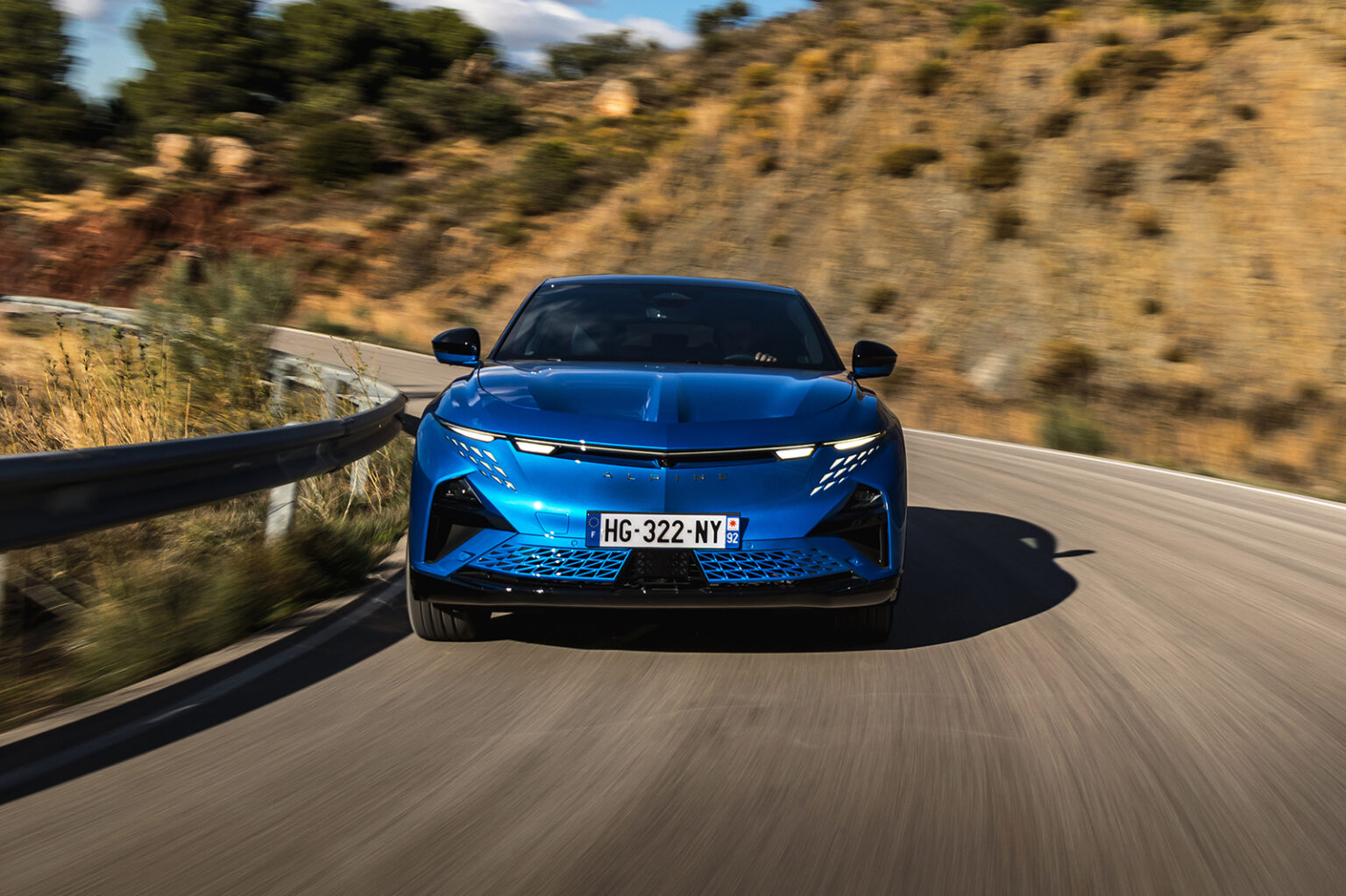
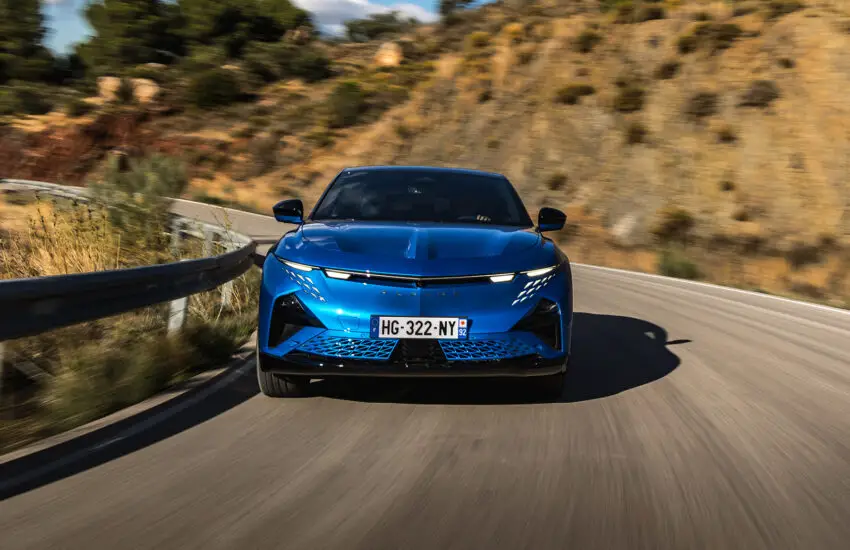
Alpine A390 GT driving on a mountain road

The Alpine A390 GT emerges as a definitive statement in the high-performance electric vehicle sector. This model represents a fusion of cutting-edge electric propulsion with a dedicated focus on dynamic driving pleasure, challenging preconceptions about the agility of electric SUVs.

Engineering for Exhilaration

At the core of the A390 GT’s performance is a sophisticated dual-motor all-wheel-drive system engineered for instantaneous response. The powertrain delivers staggering acceleration, propelling the SUV from 0 to 60 mph in a time that rivals pure sports cars. This is achieved through meticulous power management and a bespoke thermal regulation system that ensures consistent performance, even during demanding driving sessions.

Chassis Dynamics and Handling

Beyond straight-line speed, the A390 GT distinguishes itself with its chassis tuning. Alpine’s engineers have implemented a multi-link suspension system with adaptive dampers, allowing the driver to toggle between a compliant ride for daily use and a taut, responsive setup for spirited driving. The low center of gravity, inherent to its battery pack placement, minimizes body roll and inspires confidence through corners, creating a uniquely engaging connection between driver and machine.

Technology and Driver Focus

The interior is designed around the driver, featuring advanced digital interfaces that provide real-time performance data. The regenerative braking system is highly configurable, offering one-pedal driving capability while also integrating seamlessly with the high-performance friction brakes for track-ready stopping power. The A390 GT proves that electric vehicles can deliver not just efficiency, but an uncompromising and thrilling driving experience that honors Alpine’s sporting legacy.

Dongfeng’s Bold Norway Move: A Strategic Gamble in Europe

Dongfeng’s Surprising European Factory Choice

While Chinese electric vehicle giants like BYD and Chery target traditional manufacturing hubs in Hungary or Spain for their European factories, Dongfeng Motor has made a strikingly different move. The state-backed automaker has selected Norway as the site for its first major European production facility. This decision bypasses regions with lower costs and established supply chains, positioning Dongfeng directly in one of the world’s most advanced EV markets.

Strategic Advantages Beyond Cost

Norway’s appeal lies not in cheap labor, but in its unparalleled EV ecosystem. With the highest electric car adoption rate globally, it offers a mature market of environmentally conscious consumers. Establishing a local factory allows Dongfeng to mitigate logistical costs for a market where its vehicles are already popular, potentially qualifying for local incentives and strengthening its “green” brand credentials directly within Europe’s EV pioneer.

Geopolitical Tensions and NATO Concerns

This industrial decision is not without controversy. Norway, a founding member of NATO, has seen increased scrutiny over Chinese investments in critical sectors. Security analysts within the alliance have expressed concerns about economic dependencies and potential vulnerabilities, viewing such projects through the lens of strategic competition. Dongfeng’s ties to the Chinese state further amplify these apprehensions, making the factory approval process a delicate matter of balancing economic opportunity with collective security interests.

The Road Ahead for Dongfeng in Europe

Dongfeng’s Norwegian gamble is a high-stakes strategy. Success could provide a powerful blueprint for accessing premium European markets by aligning with sustainability leaders. However, it must navigate complex geopolitical headwinds, high operational expenses, and the challenge of convincing a savvy local market of its long-term commitment and value. The outcome will signal whether deep integration into a niche, advanced market can trump the conventional wisdom of choosing low-cost manufacturing bases in Europe.

OBD2 Code P14C3 MINI: Comprehensive Guide to Exhaust Camshaft Position Actuator Control

Understanding OBD2 Code P14C3 in Your MINI

When your MINI’s check engine light illuminates and a scan tool reveals trouble code P14C3, it indicates a specific fault within the sophisticated variable valve timing system, known as VANOS in BMW/MINI terminology. This code is formally defined as “Exhaust Camshaft Position Actuator Control Circuit”. It is a manufacturer-specific code, primarily affecting MINI vehicles equipped with the turbocharged BMW N13, N14, N18, and related engine families common in Cooper S and JCW models from the late 2000s onward. Unlike generic OBD2 codes, P14C3 points directly to an electrical issue in the control circuit for the exhaust camshaft’s adjustment mechanism, which is crucial for optimal engine performance, fuel efficiency, and emissions control.

Core Function of the Exhaust Camshaft Actuator

The exhaust camshaft position actuator is an electro-hydraulic solenoid valve. It is commanded by the Engine Control Module (DME) to direct engine oil pressure to the VANOS unit on the exhaust camshaft. This action physically rotates the camshaft relative to its sprocket, advancing or retarding valve timing. This real-time adjustment optimizes valve overlap, enhancing low-end torque, high-RPM power, and reducing nitrogen oxide (NOx) emissions. Code P14C3 specifically flags a problem in the electrical pathway controlling this solenoid, meaning the DME has detected an irregular voltage, resistance, or signal in the actuator’s circuit.

Common Symptoms and Causes of P14C3

Ignoring a P14C3 code can lead to degraded performance and potential long-term engine damage. The symptoms are often noticeable and directly related to the loss of precise valve timing control on the exhaust side.

Primary Symptoms of a P14C3 Fault

  • Illuminated Check Engine Light (MIL): The primary indicator, often accompanied by a “Engine Malfunction” or “Reduced Power” message on the instrument cluster.
  • Reduced Engine Performance and Power: The DME may default to a conservative “limp-home” mode, severely limiting turbo boost and RPM.
  • Poor Idle Quality: Rough, unstable, or fluctuating idle speed as the engine struggles to manage valve timing.
  • Decreased Fuel Economy: Loss of timing optimization leads to inefficient combustion.
  • Potential Hesitation or Misfires: Incorrect valve timing can disrupt the exhaust scavenging process, affecting cylinder filling.

Root Causes of the P14C3 Diagnostic Trouble Code

  • Faulty Exhaust Camshaft Position Actuator (Solenoid): The most common cause. Internal electrical failure, clogging from debris or sludge, or mechanical seizure.
  • Open or Shorted Wiring/Connectors: Damaged wiring harnesses, corroded pins, or loose connections at the solenoid or DME.
  • Low or Contaminated Engine Oil: The VANOS system relies on clean oil at correct pressure. Old, dirty, or low oil level can prevent proper actuator operation, triggering an electrical fault code.
  • Failed Engine Control Module (DME): Rare, but a malfunction within the DME’s driver circuit for the actuator can set this code.
  • Mechanical VANOS Unit Failure: While P14C3 is electrical, a mechanically seized VANOS unit can place excessive load on the actuator, leading to a circuit code.

Step-by-Step Professional Diagnostic Procedure

A systematic approach is essential to correctly diagnose P14C3 and avoid unnecessary parts replacement. This procedure requires a professional-grade OBD2 scanner with BMW/MINI specific software capabilities (like ISTA, INPA, or a capable bi-directional scanner) and a digital multimeter.

Step 1: Initial Scan and Data Review

Begin by confirming the presence of P14C3 and checking for any accompanying codes (e.g., P0015, other VANOS codes, or camshaft correlation codes). Use the scanner to view live data parameters. Key data points include:

  • Exhaust VANOS Solenoid Duty Cycle/Command: Is the DME sending a signal?
  • Exhaust Camshaft Adaptation Values: Look for adaptation limits being reached (e.g., values over +/- 4.0°).
  • Actual vs. Desired Camshaft Position: A significant deviation confirms a mechanical or hydraulic issue.

Step 2: Visual and Electrical Inspection

With the engine off and cool, locate the exhaust VANOS solenoid (typically on the front of the valve cover, near the exhaust camshaft). Perform a thorough visual inspection:

  • Check the wiring harness for chafing, burns, or damage.
  • Inspect the electrical connector for corrosion, bent pins, or looseness.
  • Disconnect the solenoid and measure its resistance across the two terminals. A typical specification is between 8-12 ohms at room temperature. A reading of infinity (open) or near zero (short) confirms a bad solenoid.

Step 3: Circuit and Activation Testing

If the solenoid tests okay, the circuit must be checked. Back-probe the connector with the engine harness connected. With the ignition on, check for reference voltage (typically 12V) on one pin. Using a scanner’s bi-directional controls, command the exhaust VANOS solenoid to activate while monitoring voltage change with the multimeter. No change indicates a wiring fault or DME issue. A wiring diagram is crucial to check for continuity to the DME and for shorts to power or ground.

Repair Solutions and Prevention Tips

Once the root cause is identified, the repair path becomes clear. Due to the location, some procedures may require removing the intake manifold or other components for access.

Repair Procedures for Identified Faults

  • Replacing the Exhaust VANOS Solenoid: Use an OEM or high-quality aftermarket part. Clean the mating surface and install a new sealing ring. Before installing the new solenoid, briefly activate it with a 12V source to ensure the internal plunger moves freely.
  • Repairing Wiring Harness: Solder and seal any repaired wires. Use conduit to protect the harness from heat and abrasion.
  • Addressing Oil-Related Issues: Perform a complete engine oil and filter change using the exact specification required by MINI (e.g., BMW LL-01 or LL-04). In severe sludge cases, an engine flush may be considered, but consult a professional.

Post-Repair Protocol and Long-Term Prevention

After repairs, clear all fault codes. Perform a test drive with the scanner monitoring live data to ensure adaptation values return to normal and the code does not reappear. A successful repair will restore full power and smooth operation. To prevent recurrence:

  • Adhere to strict, shortened oil change intervals (every 5,000-7,500 miles) with certified full-synthetic oil.
  • Use only high-quality oil filters.
  • Address any minor oil leaks promptly to maintain proper system pressure.
  • Fix any other engine codes immediately, as they can affect overall system operation.

While a competent DIYer with proper tools can tackle a solenoid replacement, diagnosis involving wiring or the DME often requires the expertise of a specialist familiar with BMW/MINI systems to ensure a correct and lasting repair.

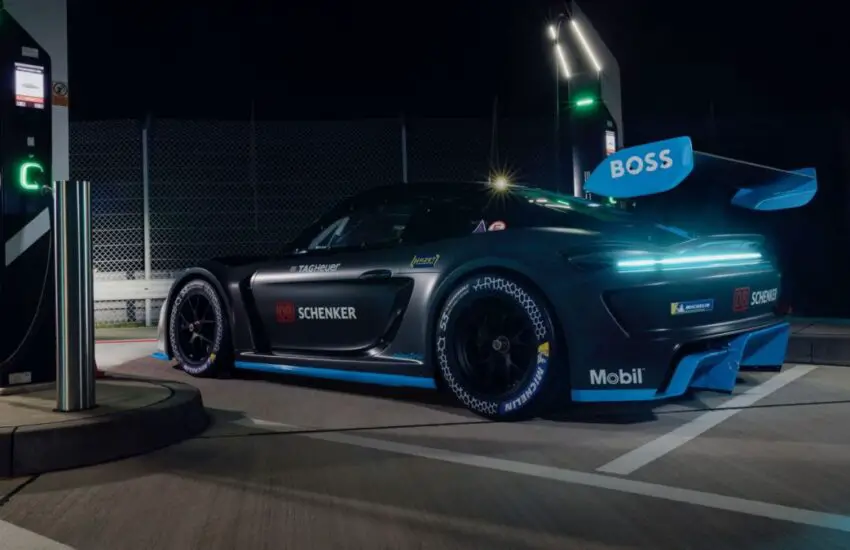
Porsche’s Electric 718 Decision: Boxster and Cayman Future Hangs in Balance

A Critical Juncture for Porsche’s Electric Sports Cars

The automotive world is watching closely as Porsche executives reportedly convene for a decisive meeting in Europe. The agenda is singular and critical: to determine the final fate of the all-electric Porsche 718 Boxster and Cayman models. This high-stakes discussion follows a period of intense speculation and rumors suggesting significant development challenges that have placed the entire project in jeopardy.

Behind the Rumors of Development Hurdles

Insider reports indicate that the transition to a fully electric platform for the iconic mid-engine sports cars has not been smooth. While Porsche has successfully launched the Taycan and Macan EV, applying that formula to the smaller, purist-focused 718 series appears to present unique obstacles. Engineers are believed to be grappling with the fundamental challenge of integrating heavy battery packs without compromising the legendary handling and agile character that defines the Boxster and Cayman driving experience. Achieving the perfect weight distribution and dynamic performance expected of these models with current EV architecture is a formidable task.

What’s at Stake for Porsche’s Electric Lineup

The decision carries immense weight for Porsche’s electrification strategy. The 718 models represent the gateway to the Porsche sports car universe and are revered for their accessible, driver-oriented ethos. A successful electric transition would solidify Porsche’s commitment to an electric future across its entire range. Conversely, shelving the project would create a significant gap in its future EV portfolio and could be interpreted as a setback for performance-focused electrification. The outcome of this meeting will signal whether Porsche believes current technology can faithfully replicate the soul of its entry-level sports cars in an electric form.

The automotive industry awaits the verdict, which will not only chart the course for two beloved models but also offer a telling glimpse into the practical realities of electrifying traditional sports car segments. The decision is about more than just two cars; it’s about defining the next chapter of driving pleasure.

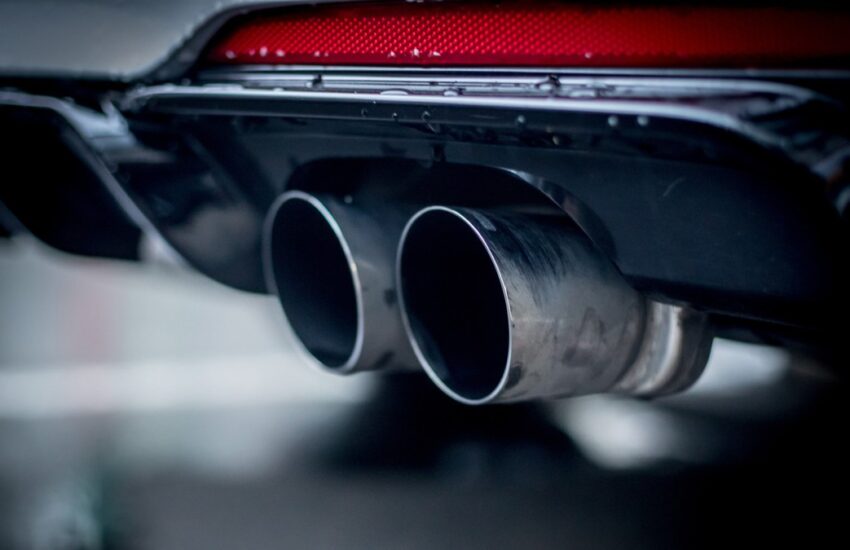
US Auto Emission Standards Rolled Back by Trump Administration

Major Shift in US Auto Emission Regulations

The Trump Administration has formally revoked a key regulatory framework for automobile emissions, marking a significant departure from the environmental policies of the previous decade. This action centers on the repeal of the 2016 “Endangerment Finding” by the Environmental Protection Agency (EPA), which had scientifically concluded that greenhouse gases threaten public health and welfare.

Reversing the “Endangerment Finding”

The 2016 finding was the foundational legal pillar for the stringent national vehicle emission standards implemented under the Obama administration. By withdrawing this scientific determination, the current administration removes the core justification for those regulations. This move effectively dismantles the federal mandate for automakers to produce increasingly fuel-efficient and lower-emission vehicles, granting manufacturers greater regulatory flexibility.

Implications for Industry and Environment

Proponents of the rollback argue that it alleviates costly compliance burdens on the automotive industry, potentially lowering vehicle manufacturing costs. They contend this could stimulate economic growth and consumer choice. However, environmental groups and many public health experts warn that the decision represents a major setback for climate change mitigation and air quality. Critics assert that relaxing these standards will lead to increased atmospheric pollution and greater public health risks over the long term.

This regulatory shift is expected to face immediate legal challenges from several states and environmental organizations. The outcome of these proceedings will determine the long-term impact on both the automotive sector and national greenhouse gas emission targets. The policy change underscores the deep political divisions surrounding climate policy and federal regulatory authority in the United States.

BMW P14C3 Code: Exhaust Camshaft Position Sensor Circuit Range/Performance

Understanding the BMW P14C3 Fault Code

The OBD2 diagnostic trouble code (DTC) P14C3 is a manufacturer-specific code for BMW vehicles. In technical terms, it is defined as “Exhaust Camshaft Position Sensor, Signal: Range/Performance”. This code indicates that the Engine Control Module (DME) has detected an implausible, erratic, or out-of-range signal from the exhaust side camshaft position sensor. Unlike a simple circuit “open” or “short” code, P14C3 specifically points to a performance issue where the signal is present but not within the expected parameters for correct engine operation. This sensor is critical for the precise operation of BMW’s VANOS variable valve timing system, directly impacting engine performance, fuel efficiency, and emissions.

Role of the Exhaust Camshaft Position Sensor

The exhaust camshaft position sensor is a Hall-effect sensor that monitors the rotational speed and position of the exhaust camshaft. It sends a real-time digital signal to the DME. This data is essential for:

  • Calculating precise fuel injection timing.
  • Controlling the exhaust VANOS solenoid to adjust camshaft timing for optimal power and efficiency.
  • Synchronizing the camshaft with the crankshaft position.
  • Enabling cylinder-specific misfire detection.

Symptoms of a P14C3 Code in Your BMW

When code P14C3 is stored, the DME will typically illuminate the check engine light (MIL). Depending on the severity of the signal fault, you may experience one or more of the following driveability symptoms:

Primary Performance Issues

  • Check Engine Light (MIL): The most common and immediate symptom.
  • Reduced Engine Power / Limp Mode: The DME may enter a fail-safe mode to protect the engine, severely limiting RPM and power output.
  • Rough Idle or Engine Misfires: Incorrect timing data can lead to poor combustion.
  • Poor Fuel Economy: Inefficient valve timing reduces engine efficiency.

Secondary and Intermittent Symptoms

  • Hard Starting or Extended Cranking: The DME may have difficulty determining camshaft position for startup synchronization.
  • Lack of Power or Hesitation During Acceleration: The VANOS system cannot optimize timing for power demands.
  • Intermittent Fault: The code may come and go if the issue is related to a wiring problem or a sensor beginning to fail.

Common Causes of the P14C3 Fault Code

Diagnosing P14C3 requires a systematic approach, as the root cause can be electrical, mechanical, or sensor-related. Here are the most frequent culprits, listed in order of commonality.

1. Faulty Exhaust Camshaft Position Sensor

The sensor itself is often the primary suspect. Internal failures, damage from heat or oil contamination, or a weakening magnetic element can cause it to send an erratic or out-of-spec signal.

2. Wiring and Connector Issues

Given the harsh environment in the engine bay, wiring problems are very common. Look for:

  • Damaged, chafed, or burnt wiring to the sensor.
  • Corroded, loose, or oil-filled electrical connectors.
  • Poor pin fitment in the sensor or DME connector.

3. Mechanical Timing and VANOS System Problems

A mechanical issue can cause a real camshaft position deviation, making the sensor’s accurate signal appear “out of range” to the DME.

  • Worn or stuck exhaust VANOS solenoid valve.
  • Sludge in the VANOS actuator unit, restricting oil flow.
  • Excessive wear in the timing chain, guides, or tensioner (more common on higher-mileage N20, N55 engines).
  • Incorrect camshaft timing due to prior repair error.

4. Other Potential Causes

  • Faulty DME (Engine Computer): Rare, but a malfunctioning control module can misinterpret a good signal.
  • Low Engine Oil Pressure or Wrong Oil Viscosity: The VANOS system relies on engine oil pressure to function. Low pressure can prevent proper camshaft adjustment.
  • Oil Contamination: Severe sludge can clog oil passages to the VANOS actuator.

Step-by-Step Diagnostic and Repair Guide

Warning: Always begin with a verified BMW-specific diagnostic scanner to confirm code P14C3 and check for related codes (e.g., VANOS solenoid codes, other cam/crank correlation codes).

Step 1: Visual Inspection and Basic Checks

Start with the simplest possibilities. Inspect the sensor wiring harness and connector for obvious damage. Check the engine oil level and condition. Using your scanner, view the exhaust camshaft position sensor live data and compare it to the intake camshaft and crankshaft sensor data at idle. Look for erratic values or a significant deviation from specified angles.

Step 2: Testing the Sensor and Circuit

  • Resistance Check: Disconnect the sensor and measure its internal resistance according to BMW specifications (typically a few hundred ohms). An open or shorted coil indicates a bad sensor.
  • Signal Check: Back-probe the signal wire with an oscilloscope while cranking the engine. A clean, consistent square wave signal should be present. A distorted, noisy, or missing waveform confirms a sensor or wiring fault.
  • Power and Ground Check: Verify the sensor is receiving proper reference voltage (usually 5V) and has a clean ground.

Step 3: Investigating Mechanical and VANOS Issues

If the sensor and wiring test good, the problem is likely mechanical. Perform these checks:

  • VANOS Solenoid Test: Swap the exhaust and intake VANOS solenoids (if identical). If the code moves to the intake side (e.g., P14C1), the solenoid is faulty.
  • Oil Pressure Test: Check engine oil pressure, especially at the VANOS feed line.
  • Timing Inspection: On engines with known timing chain guide issues (e.g., N20), inspect the timing chain for excessive slack or check for related fault codes. A thorough timing check with locking tools may be necessary.

Step 4: Repair and Clearance

After identifying the root cause:

  • Replace the faulty exhaust camshaft position sensor with a high-quality OEM or OEM-equivalent part.
  • Repair any damaged wiring using proper solder and heat-shrink tubing.
  • Clean or replace oil-fouled connectors.
  • If a VANOS solenoid or timing component is faulty, follow BMW repair procedures for replacement.
  • After repair, clear the fault codes and perform a test drive to ensure the code does not return and all symptoms are resolved.

Conclusion: Code P14C3 is a serious fault that should not be ignored, as it can lead to reduced performance, increased wear, and potential engine damage if it stems from a timing issue. A methodical diagnostic approach—starting with the sensor and wiring, then moving to the VANOS system and mechanical timing—is the key to an efficient and correct repair. For complex timing-related diagnoses, consulting a BMW specialist is highly recommended.

Rivian’s R2 Sparks 53% Growth Forecast for 2026

Rivian’s Bold Projection for 2026

Electric vehicle manufacturer Rivian has set an ambitious target, forecasting a significant 53% surge in vehicle deliveries for the year 2026. This optimistic projection is directly tied to the upcoming launch of its highly anticipated R2 platform, a more compact and affordable SUV designed to dramatically expand its market reach. The announcement, made alongside its fourth-quarter earnings, has generated considerable excitement among industry analysts and investors alike.

The R2: A Strategic Game-Changer

The R2 represents a pivotal strategic shift for Rivian. While its acclaimed R1T truck and R1S SUV have established the brand in the premium adventure segment, the R2 is engineered for higher volume. Positioned in a more accessible price bracket, it is expected to compete directly with mainstream electric SUVs. This move is seen as essential for Rivian to achieve the economies of scale necessary for long-term profitability and to capitalize on the growing consumer demand for mid-priced EVs.

Market Reaction and Future Trajectory

The market’s response to Rivian’s 2026 forecast was immediately positive, with the company’s stock experiencing a notable rally. This investor confidence stems from the belief that the R2 can successfully unlock a new, larger customer base. The company’s roadmap suggests that the R2 will begin production at its new Georgia facility, with deliveries expected to commence in the first half of 2026. This timeline is critical to achieving the projected delivery growth and marks the next major phase in Rivian’s evolution from a niche manufacturer to a mainstream automotive contender.

Rivian’s announcement underscores the intense competition within the electric vehicle sector, where new model launches are key drivers of growth and market valuation. The success of the R2 will be a major test of Rivian’s operational execution and its ability to translate innovative design into commercial success on a mass scale.

OBD2 Code P14C3: Comprehensive Guide to Cylinder 1 Fuel Injector Circuit Low

Understanding OBD2 Code P14C3: A Deep Dive

When your vehicle’s check engine light illuminates and a scan tool reveals the diagnostic trouble code (DTC) P14C3, it indicates a specific electrical fault within the engine management system. This code is defined as “Cylinder 1 Fuel Injector Circuit Low”. It is a generic powertrain code, meaning it applies to most OBD2-equipped vehicles from 1996 onward, regardless of manufacturer. The core issue is that the Powertrain Control Module (PCM) has detected an abnormally low voltage or electrical resistance in the control circuit for the fuel injector on cylinder number one. This prevents the injector from operating correctly, leading to drivability issues and potential engine damage if left unresolved.

How the Fuel Injector Circuit Works

The PCM controls each fuel injector by completing a ground circuit. When it’s time for the injector to spray fuel, the PCM sends a signal to an internal or external driver transistor, which then grounds the injector’s control wire. This allows battery voltage (typically 12V) to flow through the injector coil, creating a magnetic field that pulls the injector pintle open. A “Circuit Low” code like P14C3 suggests the PCM is seeing a voltage level lower than expected when the circuit is commanded OFF, or it detects a short to ground that exists all the time.

Common Symptoms and Causes of P14C3

Ignoring a P14C3 code will almost certainly lead to noticeable performance problems. The symptoms are directly related to cylinder 1 not receiving the proper amount of fuel.

Primary Symptoms of a P14C3 Fault

  • Check Engine Light (MIL): The most immediate indicator, often accompanied by a flashing light if a severe misfire is detected.
  • Engine Misfire: A pronounced stumble, shake, or lack of power, especially at idle or under load. You may also feel vibration.
  • Rough Idle: The engine may idle erratically or roughly due to the imbalance caused by one cylinder not firing properly.
  • Reduced Fuel Economy: The PCM may compensate by altering fuel trims for the other cylinders, leading to inefficient operation.
  • Increased Emissions: Unburned fuel from cylinder 1 can overheat and damage the catalytic converter.
  • Hard Start or No-Start Condition: In severe cases, if the injector circuit is completely shorted, it may prevent the engine from starting.

Root Causes of the P14C3 Code

The fault can originate in several areas, from simple wiring issues to complex module failures. A systematic diagnosis is key.

  • Damaged or Shorted Wiring/Harness: The most common cause. Wires to the injector can be chafed, burned, or corroded, causing a short to ground.
  • Faulty Fuel Injector: An internal short within the injector solenoid coil can create a permanent path to ground.
  • Poor Electrical Connection: A corroded, bent, or loose pin in the injector connector or PCM connector.
  • Blown Fuse: A dedicated fuse for the fuel injector circuit may be blown, often due to a downstream short.
  • Faulty PCM or Injector Driver Circuit: While less common, the internal transistor that controls the injector inside the PCM can fail, creating a permanent short.

Step-by-Step Diagnostic and Repair Procedure

Diagnosing P14C3 requires a digital multimeter (DMM), a reliable wiring diagram for your specific vehicle, and methodical approach. Always disconnect the battery before working on electrical circuits.

Step 1: Preliminary Checks and Visual Inspection

Begin with the simplest possibilities. Locate the fuel injector for cylinder #1 (refer to your vehicle’s service manual for cylinder numbering, which is not universal).

  • Visually inspect the wiring harness from the PCM to the injector. Look for obvious damage, melting, or chafing, especially near sharp edges or hot components like the exhaust manifold.
  • Check the injector electrical connector for corrosion, moisture, or bent pins. Ensure it is fully seated.
  • Consult the fuse box diagram and verify the fuel injector fuse is intact.

Step 2: Electrical Testing of the Injector and Circuit

This step isolates whether the problem is the injector itself or the wiring/PCM.

  • Test Injector Resistance: Disconnect the injector harness. Set your multimeter to Ohms (Ω). Measure the resistance across the two terminals of the injector. Compare to specifications (typically between 10-16 Ω for most high-impedance injectors). A reading of 0 Ω indicates a short; infinite resistance indicates an open coil. Both mean a bad injector.
  • Check for a Short to Ground: With the injector still disconnected, set the multimeter to continuity or Ohms. Touch one probe to the injector control wire (use a wiring diagram) in the harness connector and the other to a known good engine ground. You should have NO continuity (OL or infinite resistance). If you have continuity, the wiring harness is shorted to ground.
  • Check for Power: Reconnect the injector connector. Use a back-probe pin or a careful probe to check for constant battery voltage (approx. 12V) on the injector’s power wire (again, consult the diagram) with the key in the ON position.

Step 3: Advanced Diagnostics and Final Resolution

If the wiring and injector test good, the issue may be deeper.

  • Swap Test (If Applicable): A classic test is to swap the suspect injector with one from another cylinder (e.g., cylinder 2). Clear the codes, run the engine, and see if the code follows the injector (now P14C4 for cylinder 2) or stays at P14C3. If it follows, the injector is faulty. If it stays, the wiring or PCM is the issue.
  • PCM Driver Test: This requires an oscilloscope or a noid light. With the engine cranking, a noid light plugged into the cylinder 1 injector harness should flash. No flash indicates a problem with the PCM signal. Caution: A permanently shorted injector or circuit can damage the PCM driver. Further testing of the PCM’s internal resistance to ground may be needed.
  • Repair or Replace: Based on your findings:
    • Repair Wiring: Solder and heat-shrink any damaged wires. Always use automotive-grade wire and connectors.
    • Replace Fuel Injector: Use a high-quality OEM or equivalent replacement. Replace seals (O-rings) and consider servicing all injectors if mileage is high.
    • PCM Replacement/Reprogramming: This is a last resort and often requires professional programming (flash) to match your vehicle’s VIN and immobilizer system.

Professional Insights and Prevention Tips

Successfully repairing a P14C3 code restores engine balance and efficiency. Here are key takeaways for a lasting fix.

Why Prompt Diagnosis is Critical

A persistent misfire from a faulty injector circuit dumps raw fuel into the exhaust. This unburned fuel can literally melt the precious metals inside the catalytic converter, leading to a very expensive replacement. Addressing the P14C3 code quickly protects this vital emissions component.

Best Practices for Prevention

  • During any engine work, be meticulous with wiring harness routing. Secure it away from heat and moving parts.
  • Use electrical contact cleaner on injector connectors if they are exposed during service.
  • Address any engine oil leaks promptly, as oil can degrade wiring insulation over time.
  • Always clear the DTCs with your scan tool after repairs and perform a test drive to ensure the code does not return and all monitors run complete.

Jeep Wrangler 392 V8 Price Drops as New Model Nears

A Significant Price Adjustment for the V8 Wrangler

The iconic Jeep Wrangler 392, famed for its roaring 6.4-liter Hemi V8 engine, has undergone a remarkable market shift. Recent reports indicate that certain versions, like the Willys trim, are now available at prices significantly lower than just one year ago. This move aligns with broader statements from Jeep’s leadership about making powerful engines more accessible, rather than reserving them for the most expensive configurations.

Strategic Pricing Ahead of New Releases

This notable price adjustment is not occurring in a vacuum. It comes as anticipation builds for the next chapter in Jeep’s V8 story. The brand has confirmed the development of a new 6.4-liter model, the Moab 392, expected to arrive in the 2026 model year. Adjusting the pricing of the current V8 Wrangler lineup can be seen as a strategic effort to manage inventory and maintain consumer interest during this transitional period. It effectively refreshes the value proposition of the current powerhouse model.

What This Means for Off-Road Enthusiasts

For enthusiasts, this creates a unique opportunity. The Wrangler 392 delivers an unmatched combination of brutal, 470-horsepower acceleration and legendary Rubicon-trail capability. A more accessible price point lowers the barrier to entry for one of the most potent factory-built off-road vehicles ever made. It allows a broader range of buyers to experience the unique thrill of a V8-powered Wrangler without waiting for the future model, which may command a premium at launch.

The evolving strategy suggests Jeep is committed to keeping performance visceral and exciting in its lineup. By adjusting prices and planning new V8 variants, the brand is navigating a changing automotive landscape while still catering to the core audience that values power and sound as essential components of the adventure.

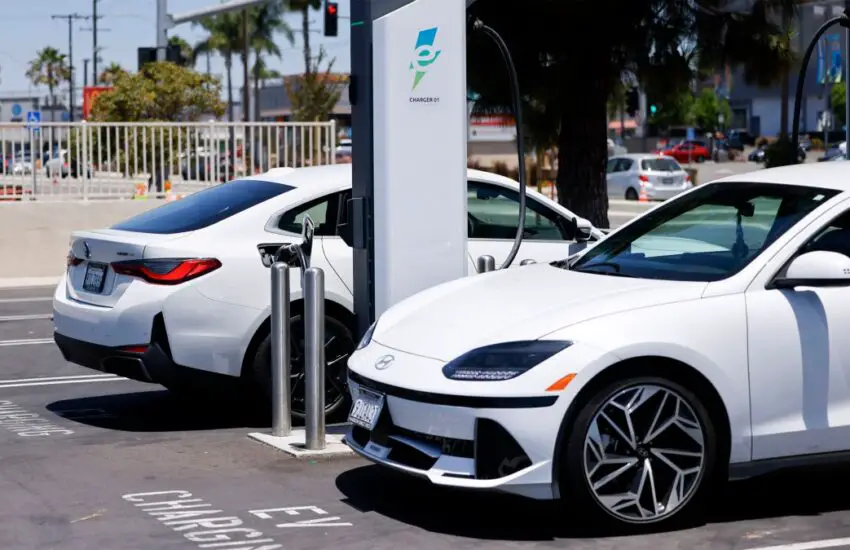
US Electric Vehicle Sales Dip in 2025, Breaking Decade-Long Streak

A Decade of Growth Hits a Speed Bump

For the first time in ten years, the United States electric vehicle market has experienced a decline in new registrations. According to recent data from S&P Global Mobility, 2025 marks a significant turning point, with a modest 0.4% drop interrupting an unbroken streak of growth since the research firm began tracking these figures. This shift signals a new, more complex phase for the EV industry, moving beyond its initial rapid adoption curve.

Understanding the Market Shift

Analysts point to a confluence of factors driving this unexpected downturn. While EV technology continues to advance, consumer hesitation appears to be growing. Key concerns include the persistent challenge of public charging infrastructure reliability, higher upfront costs compared to traditional vehicles, and evolving government incentive structures. Furthermore, the market is becoming increasingly saturated with models, leading to heightened competition that may be temporarily suppressing overall volume as consumers weigh more options.

Beyond the Headline Numbers

It is crucial to contextualize this slight decline. The 0.4% drop follows an unprecedented decade of expansion where annual growth rates often soared into double digits. The market is now maturing, moving from early adopters to the more pragmatic mainstream majority. This cohort is more sensitive to economic factors like interest rates and total cost of ownership. The dip may represent a market correction or a period of consolidation rather than a long-term reversal of electrification.

The Road Ahead for Electrification

This sales plateau does not spell the end for electric mobility. Instead, it underscores the need for the industry to address practical consumer barriers more aggressively. Automakers are likely to focus on introducing more affordable models and improving battery technology for longer range. Simultaneously, continued public and private investment in fast, reliable charging networks will be critical to restoring purchase confidence. The journey to widespread EV adoption is proving to be a marathon with occasional hurdles, not a simple sprint.