BMW P14C3 Code: Exhaust Camshaft Position Sensor Circuit Range/Performance

Understanding the BMW P14C3 Fault Code

The OBD2 diagnostic trouble code (DTC) P14C3 is a manufacturer-specific code for BMW vehicles. In technical terms, it is defined as “Exhaust Camshaft Position Sensor, Signal: Range/Performance”. This code indicates that the Engine Control Module (DME) has detected an implausible, erratic, or out-of-range signal from the exhaust side camshaft position sensor. Unlike a simple circuit “open” or “short” code, P14C3 specifically points to a performance issue where the signal is present but not within the expected parameters for correct engine operation. This sensor is critical for the precise operation of BMW’s VANOS variable valve timing system, directly impacting engine performance, fuel efficiency, and emissions.

Role of the Exhaust Camshaft Position Sensor

The exhaust camshaft position sensor is a Hall-effect sensor that monitors the rotational speed and position of the exhaust camshaft. It sends a real-time digital signal to the DME. This data is essential for:

  • Calculating precise fuel injection timing.
  • Controlling the exhaust VANOS solenoid to adjust camshaft timing for optimal power and efficiency.
  • Synchronizing the camshaft with the crankshaft position.
  • Enabling cylinder-specific misfire detection.

Symptoms of a P14C3 Code in Your BMW

When code P14C3 is stored, the DME will typically illuminate the check engine light (MIL). Depending on the severity of the signal fault, you may experience one or more of the following driveability symptoms:

Primary Performance Issues

  • Check Engine Light (MIL): The most common and immediate symptom.
  • Reduced Engine Power / Limp Mode: The DME may enter a fail-safe mode to protect the engine, severely limiting RPM and power output.
  • Rough Idle or Engine Misfires: Incorrect timing data can lead to poor combustion.
  • Poor Fuel Economy: Inefficient valve timing reduces engine efficiency.

Secondary and Intermittent Symptoms

  • Hard Starting or Extended Cranking: The DME may have difficulty determining camshaft position for startup synchronization.
  • Lack of Power or Hesitation During Acceleration: The VANOS system cannot optimize timing for power demands.
  • Intermittent Fault: The code may come and go if the issue is related to a wiring problem or a sensor beginning to fail.

Common Causes of the P14C3 Fault Code

Diagnosing P14C3 requires a systematic approach, as the root cause can be electrical, mechanical, or sensor-related. Here are the most frequent culprits, listed in order of commonality.

1. Faulty Exhaust Camshaft Position Sensor

The sensor itself is often the primary suspect. Internal failures, damage from heat or oil contamination, or a weakening magnetic element can cause it to send an erratic or out-of-spec signal.

2. Wiring and Connector Issues

Given the harsh environment in the engine bay, wiring problems are very common. Look for:

  • Damaged, chafed, or burnt wiring to the sensor.
  • Corroded, loose, or oil-filled electrical connectors.
  • Poor pin fitment in the sensor or DME connector.

3. Mechanical Timing and VANOS System Problems

A mechanical issue can cause a real camshaft position deviation, making the sensor’s accurate signal appear “out of range” to the DME.

  • Worn or stuck exhaust VANOS solenoid valve.
  • Sludge in the VANOS actuator unit, restricting oil flow.
  • Excessive wear in the timing chain, guides, or tensioner (more common on higher-mileage N20, N55 engines).
  • Incorrect camshaft timing due to prior repair error.

4. Other Potential Causes

  • Faulty DME (Engine Computer): Rare, but a malfunctioning control module can misinterpret a good signal.
  • Low Engine Oil Pressure or Wrong Oil Viscosity: The VANOS system relies on engine oil pressure to function. Low pressure can prevent proper camshaft adjustment.
  • Oil Contamination: Severe sludge can clog oil passages to the VANOS actuator.

Step-by-Step Diagnostic and Repair Guide

Warning: Always begin with a verified BMW-specific diagnostic scanner to confirm code P14C3 and check for related codes (e.g., VANOS solenoid codes, other cam/crank correlation codes).

Step 1: Visual Inspection and Basic Checks

Start with the simplest possibilities. Inspect the sensor wiring harness and connector for obvious damage. Check the engine oil level and condition. Using your scanner, view the exhaust camshaft position sensor live data and compare it to the intake camshaft and crankshaft sensor data at idle. Look for erratic values or a significant deviation from specified angles.

Step 2: Testing the Sensor and Circuit

  • Resistance Check: Disconnect the sensor and measure its internal resistance according to BMW specifications (typically a few hundred ohms). An open or shorted coil indicates a bad sensor.
  • Signal Check: Back-probe the signal wire with an oscilloscope while cranking the engine. A clean, consistent square wave signal should be present. A distorted, noisy, or missing waveform confirms a sensor or wiring fault.
  • Power and Ground Check: Verify the sensor is receiving proper reference voltage (usually 5V) and has a clean ground.

Step 3: Investigating Mechanical and VANOS Issues

If the sensor and wiring test good, the problem is likely mechanical. Perform these checks:

  • VANOS Solenoid Test: Swap the exhaust and intake VANOS solenoids (if identical). If the code moves to the intake side (e.g., P14C1), the solenoid is faulty.
  • Oil Pressure Test: Check engine oil pressure, especially at the VANOS feed line.
  • Timing Inspection: On engines with known timing chain guide issues (e.g., N20), inspect the timing chain for excessive slack or check for related fault codes. A thorough timing check with locking tools may be necessary.

Step 4: Repair and Clearance

After identifying the root cause:

  • Replace the faulty exhaust camshaft position sensor with a high-quality OEM or OEM-equivalent part.
  • Repair any damaged wiring using proper solder and heat-shrink tubing.
  • Clean or replace oil-fouled connectors.
  • If a VANOS solenoid or timing component is faulty, follow BMW repair procedures for replacement.
  • After repair, clear the fault codes and perform a test drive to ensure the code does not return and all symptoms are resolved.

Conclusion: Code P14C3 is a serious fault that should not be ignored, as it can lead to reduced performance, increased wear, and potential engine damage if it stems from a timing issue. A methodical diagnostic approach—starting with the sensor and wiring, then moving to the VANOS system and mechanical timing—is the key to an efficient and correct repair. For complex timing-related diagnoses, consulting a BMW specialist is highly recommended.


Rivian’s R2 Sparks 53% Growth Forecast for 2026

Rivian’s Bold Projection for 2026

Electric vehicle manufacturer Rivian has set an ambitious target, forecasting a significant 53% surge in vehicle deliveries for the year 2026. This optimistic projection is directly tied to the upcoming launch of its highly anticipated R2 platform, a more compact and affordable SUV designed to dramatically expand its market reach. The announcement, made alongside its fourth-quarter earnings, has generated considerable excitement among industry analysts and investors alike.

The R2: A Strategic Game-Changer

The R2 represents a pivotal strategic shift for Rivian. While its acclaimed R1T truck and R1S SUV have established the brand in the premium adventure segment, the R2 is engineered for higher volume. Positioned in a more accessible price bracket, it is expected to compete directly with mainstream electric SUVs. This move is seen as essential for Rivian to achieve the economies of scale necessary for long-term profitability and to capitalize on the growing consumer demand for mid-priced EVs.

Market Reaction and Future Trajectory

The market’s response to Rivian’s 2026 forecast was immediately positive, with the company’s stock experiencing a notable rally. This investor confidence stems from the belief that the R2 can successfully unlock a new, larger customer base. The company’s roadmap suggests that the R2 will begin production at its new Georgia facility, with deliveries expected to commence in the first half of 2026. This timeline is critical to achieving the projected delivery growth and marks the next major phase in Rivian’s evolution from a niche manufacturer to a mainstream automotive contender.

Rivian’s announcement underscores the intense competition within the electric vehicle sector, where new model launches are key drivers of growth and market valuation. The success of the R2 will be a major test of Rivian’s operational execution and its ability to translate innovative design into commercial success on a mass scale.

OBD2 Code P14C3: Comprehensive Guide to Cylinder 1 Fuel Injector Circuit Low

Understanding OBD2 Code P14C3: A Deep Dive

When your vehicle’s check engine light illuminates and a scan tool reveals the diagnostic trouble code (DTC) P14C3, it indicates a specific electrical fault within the engine management system. This code is defined as “Cylinder 1 Fuel Injector Circuit Low”. It is a generic powertrain code, meaning it applies to most OBD2-equipped vehicles from 1996 onward, regardless of manufacturer. The core issue is that the Powertrain Control Module (PCM) has detected an abnormally low voltage or electrical resistance in the control circuit for the fuel injector on cylinder number one. This prevents the injector from operating correctly, leading to drivability issues and potential engine damage if left unresolved.

How the Fuel Injector Circuit Works

The PCM controls each fuel injector by completing a ground circuit. When it’s time for the injector to spray fuel, the PCM sends a signal to an internal or external driver transistor, which then grounds the injector’s control wire. This allows battery voltage (typically 12V) to flow through the injector coil, creating a magnetic field that pulls the injector pintle open. A “Circuit Low” code like P14C3 suggests the PCM is seeing a voltage level lower than expected when the circuit is commanded OFF, or it detects a short to ground that exists all the time.

Common Symptoms and Causes of P14C3

Ignoring a P14C3 code will almost certainly lead to noticeable performance problems. The symptoms are directly related to cylinder 1 not receiving the proper amount of fuel.

Primary Symptoms of a P14C3 Fault

  • Check Engine Light (MIL): The most immediate indicator, often accompanied by a flashing light if a severe misfire is detected.
  • Engine Misfire: A pronounced stumble, shake, or lack of power, especially at idle or under load. You may also feel vibration.
  • Rough Idle: The engine may idle erratically or roughly due to the imbalance caused by one cylinder not firing properly.
  • Reduced Fuel Economy: The PCM may compensate by altering fuel trims for the other cylinders, leading to inefficient operation.
  • Increased Emissions: Unburned fuel from cylinder 1 can overheat and damage the catalytic converter.
  • Hard Start or No-Start Condition: In severe cases, if the injector circuit is completely shorted, it may prevent the engine from starting.

Root Causes of the P14C3 Code

The fault can originate in several areas, from simple wiring issues to complex module failures. A systematic diagnosis is key.

  • Damaged or Shorted Wiring/Harness: The most common cause. Wires to the injector can be chafed, burned, or corroded, causing a short to ground.
  • Faulty Fuel Injector: An internal short within the injector solenoid coil can create a permanent path to ground.
  • Poor Electrical Connection: A corroded, bent, or loose pin in the injector connector or PCM connector.
  • Blown Fuse: A dedicated fuse for the fuel injector circuit may be blown, often due to a downstream short.
  • Faulty PCM or Injector Driver Circuit: While less common, the internal transistor that controls the injector inside the PCM can fail, creating a permanent short.

Step-by-Step Diagnostic and Repair Procedure

Diagnosing P14C3 requires a digital multimeter (DMM), a reliable wiring diagram for your specific vehicle, and methodical approach. Always disconnect the battery before working on electrical circuits.

Step 1: Preliminary Checks and Visual Inspection

Begin with the simplest possibilities. Locate the fuel injector for cylinder #1 (refer to your vehicle’s service manual for cylinder numbering, which is not universal).

  • Visually inspect the wiring harness from the PCM to the injector. Look for obvious damage, melting, or chafing, especially near sharp edges or hot components like the exhaust manifold.
  • Check the injector electrical connector for corrosion, moisture, or bent pins. Ensure it is fully seated.
  • Consult the fuse box diagram and verify the fuel injector fuse is intact.

Step 2: Electrical Testing of the Injector and Circuit

This step isolates whether the problem is the injector itself or the wiring/PCM.

  • Test Injector Resistance: Disconnect the injector harness. Set your multimeter to Ohms (Ω). Measure the resistance across the two terminals of the injector. Compare to specifications (typically between 10-16 Ω for most high-impedance injectors). A reading of 0 Ω indicates a short; infinite resistance indicates an open coil. Both mean a bad injector.
  • Check for a Short to Ground: With the injector still disconnected, set the multimeter to continuity or Ohms. Touch one probe to the injector control wire (use a wiring diagram) in the harness connector and the other to a known good engine ground. You should have NO continuity (OL or infinite resistance). If you have continuity, the wiring harness is shorted to ground.
  • Check for Power: Reconnect the injector connector. Use a back-probe pin or a careful probe to check for constant battery voltage (approx. 12V) on the injector’s power wire (again, consult the diagram) with the key in the ON position.

Step 3: Advanced Diagnostics and Final Resolution

If the wiring and injector test good, the issue may be deeper.

  • Swap Test (If Applicable): A classic test is to swap the suspect injector with one from another cylinder (e.g., cylinder 2). Clear the codes, run the engine, and see if the code follows the injector (now P14C4 for cylinder 2) or stays at P14C3. If it follows, the injector is faulty. If it stays, the wiring or PCM is the issue.
  • PCM Driver Test: This requires an oscilloscope or a noid light. With the engine cranking, a noid light plugged into the cylinder 1 injector harness should flash. No flash indicates a problem with the PCM signal. Caution: A permanently shorted injector or circuit can damage the PCM driver. Further testing of the PCM’s internal resistance to ground may be needed.
  • Repair or Replace: Based on your findings:
    • Repair Wiring: Solder and heat-shrink any damaged wires. Always use automotive-grade wire and connectors.
    • Replace Fuel Injector: Use a high-quality OEM or equivalent replacement. Replace seals (O-rings) and consider servicing all injectors if mileage is high.
    • PCM Replacement/Reprogramming: This is a last resort and often requires professional programming (flash) to match your vehicle’s VIN and immobilizer system.

Professional Insights and Prevention Tips

Successfully repairing a P14C3 code restores engine balance and efficiency. Here are key takeaways for a lasting fix.

Why Prompt Diagnosis is Critical

A persistent misfire from a faulty injector circuit dumps raw fuel into the exhaust. This unburned fuel can literally melt the precious metals inside the catalytic converter, leading to a very expensive replacement. Addressing the P14C3 code quickly protects this vital emissions component.

Best Practices for Prevention

  • During any engine work, be meticulous with wiring harness routing. Secure it away from heat and moving parts.
  • Use electrical contact cleaner on injector connectors if they are exposed during service.
  • Address any engine oil leaks promptly, as oil can degrade wiring insulation over time.
  • Always clear the DTCs with your scan tool after repairs and perform a test drive to ensure the code does not return and all monitors run complete.

Jeep Wrangler 392 V8 Price Drops as New Model Nears

A Significant Price Adjustment for the V8 Wrangler

The iconic Jeep Wrangler 392, famed for its roaring 6.4-liter Hemi V8 engine, has undergone a remarkable market shift. Recent reports indicate that certain versions, like the Willys trim, are now available at prices significantly lower than just one year ago. This move aligns with broader statements from Jeep’s leadership about making powerful engines more accessible, rather than reserving them for the most expensive configurations.

Strategic Pricing Ahead of New Releases

This notable price adjustment is not occurring in a vacuum. It comes as anticipation builds for the next chapter in Jeep’s V8 story. The brand has confirmed the development of a new 6.4-liter model, the Moab 392, expected to arrive in the 2026 model year. Adjusting the pricing of the current V8 Wrangler lineup can be seen as a strategic effort to manage inventory and maintain consumer interest during this transitional period. It effectively refreshes the value proposition of the current powerhouse model.

What This Means for Off-Road Enthusiasts

For enthusiasts, this creates a unique opportunity. The Wrangler 392 delivers an unmatched combination of brutal, 470-horsepower acceleration and legendary Rubicon-trail capability. A more accessible price point lowers the barrier to entry for one of the most potent factory-built off-road vehicles ever made. It allows a broader range of buyers to experience the unique thrill of a V8-powered Wrangler without waiting for the future model, which may command a premium at launch.

The evolving strategy suggests Jeep is committed to keeping performance visceral and exciting in its lineup. By adjusting prices and planning new V8 variants, the brand is navigating a changing automotive landscape while still catering to the core audience that values power and sound as essential components of the adventure.

US Electric Vehicle Sales Dip in 2025, Breaking Decade-Long Streak

A Decade of Growth Hits a Speed Bump

For the first time in ten years, the United States electric vehicle market has experienced a decline in new registrations. According to recent data from S&P Global Mobility, 2025 marks a significant turning point, with a modest 0.4% drop interrupting an unbroken streak of growth since the research firm began tracking these figures. This shift signals a new, more complex phase for the EV industry, moving beyond its initial rapid adoption curve.

Understanding the Market Shift

Analysts point to a confluence of factors driving this unexpected downturn. While EV technology continues to advance, consumer hesitation appears to be growing. Key concerns include the persistent challenge of public charging infrastructure reliability, higher upfront costs compared to traditional vehicles, and evolving government incentive structures. Furthermore, the market is becoming increasingly saturated with models, leading to heightened competition that may be temporarily suppressing overall volume as consumers weigh more options.

Beyond the Headline Numbers

It is crucial to contextualize this slight decline. The 0.4% drop follows an unprecedented decade of expansion where annual growth rates often soared into double digits. The market is now maturing, moving from early adopters to the more pragmatic mainstream majority. This cohort is more sensitive to economic factors like interest rates and total cost of ownership. The dip may represent a market correction or a period of consolidation rather than a long-term reversal of electrification.

The Road Ahead for Electrification

This sales plateau does not spell the end for electric mobility. Instead, it underscores the need for the industry to address practical consumer barriers more aggressively. Automakers are likely to focus on introducing more affordable models and improving battery technology for longer range. Simultaneously, continued public and private investment in fast, reliable charging networks will be critical to restoring purchase confidence. The journey to widespread EV adoption is proving to be a marathon with occasional hurdles, not a simple sprint.

OBD2 Code P14C2 MINI: A Comprehensive Technical Guide

Understanding OBD2 Code P14C2 in MINI Vehicles

The OBD2 diagnostic trouble code (DTC) P14C2 is a manufacturer-specific code primarily associated with BMW and MINI vehicles. In technical terms, it is defined as “Fuel Tank Pressure Sensor, Plausibility”. This code indicates that the vehicle’s Engine Control Module (ECM) or DME (Digital Motor Electronics) has detected an implausible or irrational signal from the fuel tank pressure sensor (FTPS). This sensor is a critical component of the Evaporative Emission Control (EVAP) system, which is designed to prevent fuel vapors from escaping into the atmosphere. When P14C2 is stored, it signifies a failure in the monitoring circuit of this sensor, disrupting the ECM’s ability to accurately assess pressure conditions within the sealed fuel system during leak tests and normal operation.

The Role of the Fuel Tank Pressure Sensor (FTPS)

The Fuel Tank Pressure Sensor is typically located on or near the fuel tank. Its primary function is to monitor the pressure and vacuum levels inside the fuel tank and the entire EVAP system. This data is essential for:

  • Leak Detection: The ECM uses the sensor’s readings during a “leak test” (often performed after the engine is off) to determine if the system is properly sealed. A pressure change that doesn’t match expected parameters indicates a leak.
  • Vapor Management: It helps control the purge valve, which allows stored fuel vapors from the charcoal canister to be drawn into the engine and burned.
  • System Integrity Monitoring: It ensures the EVAP system maintains the correct pressure/vacuum for operational efficiency and emission compliance.

A “plausibility” fault means the signal from the sensor is outside the expected range or does not logically correlate with other engine data, such as intake manifold pressure or purge valve activity.

Symptoms and Causes of MINI Code P14C2

Unlike some fault codes that cause immediate driveability issues, P14C2 often presents with subtle or no noticeable symptoms related to engine performance. However, it is a critical fault for emissions compliance.

Common Symptoms

  • Illuminated Check Engine Light (MIL): This is the most universal symptom. The light may be steady, indicating the need for service.
  • Failed Emissions Test: Since the EVAP system is directly related to emissions control, this code will cause an automatic failure in most regions.
  • Other EVAP-Related Codes: P14C2 may appear alongside other codes like P0440, P0441, or P0455, indicating a larger EVAP system fault.
  • Possible Fuel Odor: In rare cases where the plausibility fault is linked to a physical leak, you might smell fuel vapor near the vehicle.
  • No Obvious Symptoms: The vehicle may drive perfectly normally, with no loss of power or fuel economy.

Primary Causes

The “plausibility” aspect points towards an electrical or data integrity issue rather than always a mechanical leak. Common root causes include:

  • Faulty Fuel Tank Pressure Sensor: The sensor itself has failed internally and is sending incorrect voltage signals to the ECM.
  • Wiring and Connector Issues: Damaged, corroded, or shorted wires in the sensor’s circuit (power, ground, or signal wire).
  • Poor Electrical Connections: A loose or oxidized connector at the sensor or the ECM.
  • Failed or Stuck EVAP Purge Valve: If the purge valve is stuck open or closed, it can create pressure conditions the FTPS does not expect, leading to a plausibility fault.
  • Blocked or Pinched EVAP Lines: A restriction in the vapor lines can cause abnormal pressure readings.
  • Faulty Fuel Cap: While often triggering a gross leak code, a severely faulty cap can contribute to implausible pressure data.
  • Software Glitch: In some instances, a temporary error in the DME/ECM software may set this code.

Step-by-Step Diagnosis and Repair for P14C2

Diagnosing P14C2 requires a methodical approach, starting with the simplest checks and progressing to more complex tests. A professional-grade OBD2 scanner with live data capability is highly recommended.

Initial Verification and Visual Inspection

Begin with basic checks that require minimal tools:

  • Clear the Code and Test Drive: Use your scanner to clear the DTC. Perform a drive cycle to see if the code returns immediately. If it does, a hard fault is present. If it takes several drive cycles, the fault is intermittent.
  • Inspect the Fuel Cap: Ensure the cap is the correct one for the vehicle, is tightened until it clicks, and that its seal is not cracked or damaged.
  • Visual Inspection of Wiring and Hoses: Trace the wiring harness from the FTPS and look for chafing, cuts, or burn marks. Inspect all visible EVAP hoses for cracks, disconnections, or kinks.
  • Check Connectors: Disconnect the electrical connector at the FTPS and the relevant DME connectors. Look for bent pins, corrosion, or moisture.

Advanced Electrical and Functional Testing

If visual inspection reveals nothing, proceed with electrical diagnostics.

  • Live Data Analysis: With the engine off and key on, use your scanner to monitor the Fuel Tank Pressure PID (Parameter ID). It should read around 0 psi (atmospheric pressure). Gently press on the fuel filler neck seal; you should see a small positive pressure change on the scanner. This tests the sensor’s basic responsiveness.
  • Reference Voltage and Ground Check: Using a digital multimeter (DMM), check for 5-volt reference power and a good ground at the FTPS connector with the key on.
  • Signal Wire Test: Back-probe the signal wire at the sensor connector. The voltage should typically be around 1.3-1.7 volts at atmospheric pressure. Consult a MINI-specific repair manual for the exact expected voltage range.
  • Component Testing: Apply a known, small amount of pressure/vacuum (using a hand-held vacuum pump) to the sensor’s reference port (if accessible) while monitoring the signal voltage. It should change smoothly and linearly. A flat line or erratic reading indicates a bad sensor.
  • Check Related Components: Test the EVAP purge valve and vent valve for proper operation using a DMM and a vacuum pump. A stuck valve can cause plausibility faults.

Repair Procedures and Final Steps

Once the faulty component is identified, proceed with the repair.

  • Replacing the FTPS: Depressurize the fuel system as per service manual instructions. The sensor is usually held by retaining clips or bolts. Disconnect the electrical connector, remove the old sensor, and install the new OEM or high-quality equivalent. Clear all codes.
  • Repairing Wiring: Solder and heat-shrink any repaired wires. Never use twist-on connectors in automotive environments due to vibration.
  • Replacing EVAP Components: If the purge valve, vent valve, or a hose is faulty, replace it with the correct part.
  • Post-Repair Verification: After repair, clear the codes. Perform a complete drive cycle to allow the ECM to run all its monitors, especially the EVAP leak test. Verify that the check engine light remains off and that the code does not return. Confirm that the live data from the new FTPS looks normal and plausible.

Addressing the P14C2 code promptly is crucial not only for passing emissions inspections but also for ensuring your MINI’s evaporative system is functioning as designed, preventing fuel vapor loss and maintaining optimal environmental and operational standards.

Subaru Baja Revival: A Maverick Challenger on the Horizon?

Could Subaru Revive the Baja to Challenge Ford’s Maverick?

The modern automotive landscape is witnessing a powerful trend: the resurgence of iconic nameplates. This nostalgia, coupled with a booming market for compact, lifestyle-oriented trucks, has sparked serious speculation about the return of a cult classic. Recent comments from a Subaru Australia executive have ignited hope that the beloved Subaru Baja could make a comeback to rival the popular Ford Maverick.

The Perfect Storm for a Comeback

The original Subaru Baja, sold from 2003 to 2006, was a unique hybrid—a passenger car with an open-bed utility section. While it was ahead of its time, today’s market is primed for such a vehicle. The runaway success of the unibody Ford Maverick has proven there is massive demand for fuel-efficient, affordable, and versatile small trucks. Subaru’s symmetrical all-wheel-drive system and rugged brand image would provide a distinct and compelling alternative in this newly revitalized segment.

Modernizing a Classic Formula

A new-generation Baja would not be a simple retro rehash. It would likely be based on Subaru’s global platform, shared with the Outback and Forester. This foundation promises modern safety features, improved efficiency from hybrid or turbocharged Boxer engines, and the latest in-car technology. The signature design element—the versatile “Switchback” pass-through from cabin to bed—would undoubtedly be refined for greater utility and modern aesthetics, creating a truly unique offering that blends SUV comfort with pickup practicality.

Filling a Gap in the Lineup

For Subaru, a new Baja represents a strategic opportunity. It would slot perfectly between the adventurous Outback and the three-row Ascent, appealing to outdoor enthusiasts, urban dwellers needing occasional hauling capability, and fans of the brand seeking something different. It would directly compete not only with the Maverick but also with the Hyundai Santa Cruz, creating a compelling three-way battle in the compact lifestyle truck arena. While Subaru has made no official announcement, the market conditions and brand alignment suggest the stars may finally be aligning for the Baja’s return.

The 150 MPH Wiper Test: A Lesson in Automotive Integrity

Where True Build Quality Reveals Itself

There is a singular, unforgiving proving ground for an automobile’s integrity: the unrestricted German Autobahn. It is at speeds that would be considered felonious in most nations—above 150 miles per hour—where a vehicle’s fundamental construction is stress-tested by reality. This is where engineering pedigree separates itself from marketing claims, and where a legendary anecdote from Genesis designer Luc Donckerwolke perfectly illustrates the point.

The High-Speed Anecdote

The story centers on a critical high-speed test of a Genesis prototype. As the vehicle surged past 240 km/h (approximately 150 mph), Donckerwolke and his team encountered an unexpected issue: the windshield wipers began to lift off the glass, rendered useless by the tremendous aerodynamic forces. For many, this might be dismissed as a minor flaw at an extreme speed. For Donckerwolke, it was an unacceptable compromise of the driver’s safety and confidence.

An Philosophy of Uncompromising Standards

This incident was not merely about fixing wipers. It embodied a core philosophy: every component, regardless of its perceived simplicity, must perform flawlessly at the vehicle’s maximum capability. The team returned to the drawing board, redesigning the wiper system to maintain perfect contact with the windshield even under extreme conditions. This relentless pursuit of holistic quality ensures that a vehicle feels solid, secure, and trustworthy, creating an unshakeable bond between driver and machine.

The Benchmark of Authentic Engineering

This commitment transforms a car from a collection of parts into a cohesive, reliable entity. It answers a critical question for discerning buyers: has this vehicle been engineered to its advertised potential, or merely assembled to a price point? The “wiper test” serves as a powerful metaphor for a deeper standard—one where no detail is too small to escape scrutiny at the highest level of performance. It is this ingrained culture of over-engineering for real-world extremes that ultimately defines automotive excellence.

BMW P14C2 Code: Comprehensive Guide to Cylinder 2 Ignition Coil Control Circuit

Understanding the BMW P14C2 Diagnostic Trouble Code

The OBD2 diagnostic trouble code (DTC) P14C2 is a manufacturer-specific code for BMW vehicles. In standardized terms, it translates to “Cylinder 2 Ignition Coil Control Circuit/Open.” This code is stored in the vehicle’s Engine Control Module (ECM), known as the Digital Motor Electronics (DME) in BMW terminology. Unlike generic misfire codes (e.g., P0302), P14C2 specifically points to an electrical fault within the control circuit for the ignition coil on cylinder 2, not necessarily a failed coil itself. The DME monitors the circuit for expected voltage levels and signal integrity; when it detects an irregularity—such as an open circuit, short to ground, or short to power—it logs P14C2 and will typically illuminate the check engine light (CEL).

Technical Definition and System Operation

The ignition coil is an electromagnetic inductor that transforms the vehicle’s low-voltage (12V) current into the high-voltage spark (up to 45,000 volts) required to ignite the air-fuel mixture in the combustion chamber. Each coil is controlled by the DME via a dedicated control circuit. This circuit consists of a power supply (usually switched via a relay), a ground path, and a specific control signal wire from the DME. Code P14C2 indicates that the DME’s expected parameters for the electrical path to the #2 coil are not met, preventing proper coil operation and leading to a misfire on that cylinder.

Symptoms and Common Causes of P14C2

When P14C2 is active, the symptoms are directly related to the misfire on cylinder 2. The severity can range from barely noticeable to severe, depending on whether the fault is intermittent or permanent.

Primary Symptoms

  • Check Engine Light (MIL): The most common indicator. The light may be solid or flashing; a flashing CEL indicates a severe, active misfire that can damage the catalytic converter.
  • Engine Misfire and Rough Idle: The engine will run unevenly, with noticeable shaking or vibration, especially at idle or under load.
  • Reduced Engine Power and Performance: The vehicle may feel sluggish, hesitate during acceleration, or enter a “limp-home” mode to protect the engine.
  • Increased Fuel Consumption and Emissions: Unburned fuel from the misfiring cylinder washes into the oil and is expelled through the exhaust.
  • Possible Difficulty Starting: If the circuit fault is significant, starting the engine may be harder.

Root Causes of the Fault

  • Faulty Ignition Coil on Cylinder 2: An internally open or shorted coil is the most frequent culprit.
  • Damaged Wiring or Connectors: Chafed, broken, or corroded wires in the coil’s harness, or a loose/oxidized electrical connector.
  • Blown Fuse: A dedicated fuse for the ignition coil power supply circuit may be blown.
  • Faulty DME (Engine Control Module): While less common, a failed driver circuit within the DME itself can cause this code.
  • Poor Electrical Ground: A corroded or loose ground connection for the ignition system or DME.

Step-by-Step Diagnostic Procedure for P14C2

A systematic approach is crucial to correctly diagnose P14C2 and avoid unnecessary parts replacement. Always begin with a visual inspection and proceed with electrical testing.

Step 1: Preliminary Inspection and Data Review

Start by using a professional-grade OBD2 scanner to confirm the code and check for any accompanying codes (like P0302). Clear the code and perform a test drive to see if it returns. Perform a thorough visual inspection of the ignition coil, its connector, and the surrounding wiring on cylinder 2. Look for obvious damage, corrosion, or melting. Check the relevant fuse (consult your BMW’s wiring diagram).

Step 2: Component Swapping Test

This is a highly effective first test. Swap the ignition coil from cylinder 2 with the coil from cylinder 1 or 3. Clear the DTCs and run the engine. If the fault code moves to the new cylinder (e.g., P14C1), the ignition coil itself is defective. If the code stays as P14C2, the problem lies in the wiring, connector, or DME circuit for cylinder 2.

Step 3: Electrical Circuit Testing

If the code remained on cylinder 2 after the swap, electrical diagnosis is required. You will need a digital multimeter (DMM).

  • Power Supply Test: With the ignition ON (engine off), back-probe the power pin at the coil connector. It should show battery voltage (~12V).
  • Ground Circuit Test: Test the ground circuit for continuity and low resistance.
  • Control Signal Test: This requires an oscilloscope for accuracy, but a DMM can check for an open or short. Measure resistance between the DME connector pin for cylinder 2 control and the coil connector pin. It should show low resistance (a few ohms). Check for a short to ground or power on this wire.

Repair Procedures and Professional Recommendations

Once the faulty component is identified, the repair can be executed. Always disconnect the battery before performing electrical repairs.

Replacing a Faulty Ignition Coil

If the coil is confirmed bad, replacement is straightforward. Purchase a high-quality OEM or OEM-equivalent coil. Remove the engine cover, disconnect the electrical connector, unscrew or unclip the old coil, and pull it out. Insert the new coil, secure it, and reconnect the connector. It is often recommended to replace all coils preventatively if one fails, especially on higher-mileage vehicles, as they wear at similar rates.

Repairing Wiring Harness Issues

For damaged wires, the proper repair is to splice in a new section of wire using solder and heat-shrink tubing—never use twist-on connectors in automotive applications. If the connector is damaged, replace the terminal or the entire connector pigtail. Ensure all repairs are sealed from moisture.

When to Seek Professional Help

If diagnostics point to a potential DME fault, professional programming or replacement is required. The DME is coded to the vehicle’s VIN and other modules (CAS, EWS). A new or used DME must be professionally programmed and aligned, a task that requires advanced diagnostic software like ISTA (BMW’s factory tool) or capable aftermarket systems. Attempting this without proper tools will render the vehicle inoperable.

Preventative Maintenance and Final Thoughts

Code P14C2 is a precise indicator of an electrical fault in a specific ignition coil circuit. While often resolved by replacing the ignition coil, a proper diagnosis saves time and money. For BMW owners, using quality parts and addressing cooling system issues proactively (as heat degrades coils and wiring) can prevent recurrence. Ignoring an active P14C2 code can lead to damaged catalytic converters, fouled spark plugs, and further engine issues, making timely diagnosis and repair essential for maintaining your BMW’s performance and longevity.

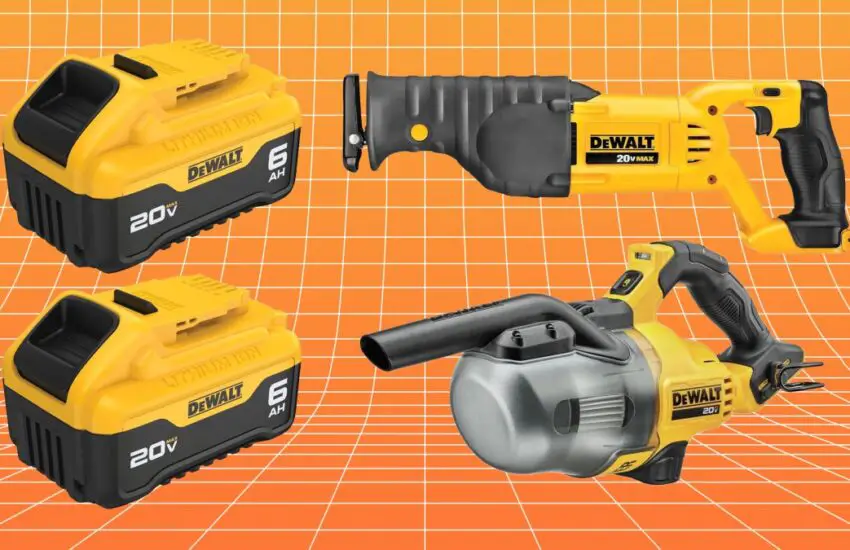
DeWalt Presidents Day Battery Sale: Save Big on Power

Maximize Your Tool Power This Presidents Day

For professionals and serious DIYers, a reliable battery is the lifeblood of any cordless tool system. This Presidents Day presents a prime opportunity to enhance your workshop’s capabilities without straining your budget. Significant savings are available on top-tier power solutions, allowing you to work longer and tackle more demanding projects with confidence.

Invest in Extended Runtime and Performance

The core of this seasonal promotion focuses on high-capacity battery packs. Specifically, popular 20V MAX lithium-ion models are seeing substantial price reductions. These batteries are engineered for extended use, powering through intensive applications like drilling, sawing, and landscaping with consistent output. Upgrading to a higher ampere-hour (Ah) rating means less frequent charging and more productivity on the job site or at home.

This is an ideal moment to replace aging batteries or expand your collection to ensure you always have a charged pack ready. For those invested in a particular tool ecosystem, consolidating with official batteries guarantees optimal compatibility, safety, and performance, protecting your valuable tools from potential voltage issues.

Strategic Upgrades for Your Toolkit

Beyond individual batteries, evaluating your current power needs can lead to smarter purchases. Consider pairing a new high-capacity battery with a compatible tool that lacks one, or create a dedicated charging station to keep all your equipment operational. Seasonal sales like these are perfect for acquiring the robust, enduring components that form the foundation of an efficient workspace.

Ultimately, leveraging these limited-time offers translates to long-term value. Enhancing your battery arsenal directly increases your readiness for any task, reduces downtime, and improves the return on your initial tool investment. Secure the power you need to advance your projects this season.