Jeep Grand Cherokee V8: Hemi Engine Revival Confirmed

Jeep Grand Cherokee V8: Hemi Engine Revival Confirmed

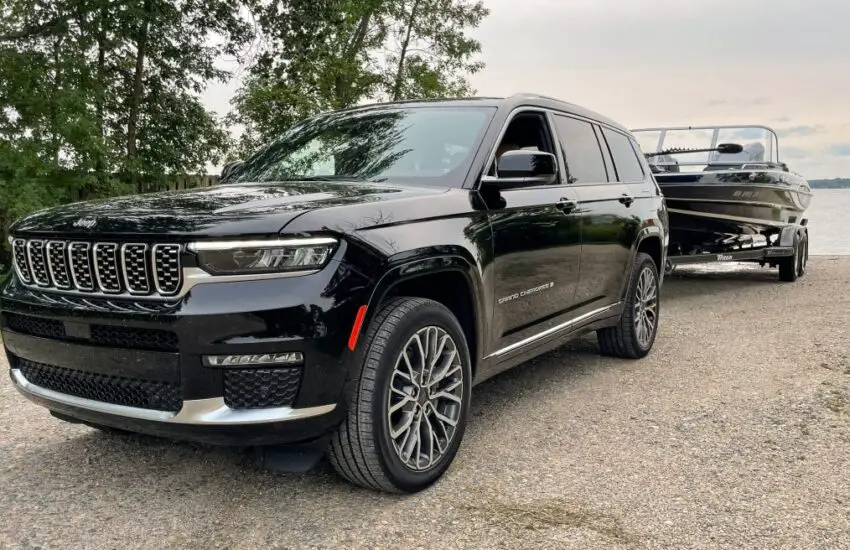
In an automotive era dominated by downsizing and electrification, Stellantis is sending a powerful signal to performance enthusiasts. Recent developments strongly indicate the imminent return of a legendary V8 powertrain to the Jeep Grand Cherokee lineup, defying current industry trends.

Official Tease Fuels Speculation

The speculation turned concrete following remarks from a key Jeep engineer. At a public event, a leading figure within the company directly addressed the enthusiast community with a simple yet telling directive: “Stay tuned.” This deliberate comment has been widely interpreted as a confirmation that development is actively underway, moving the V8’s return from mere rumor to a likely reality.

Power and Performance Expectations

While official specifications remain under wraps, industry analysts anticipate the returning powerplant to be a refined version of the renowned 5.7-liter or 6.4-liter Hemi V8. These engines are celebrated for their robust torque, distinctive exhaust note, and effortless towing capability—attributes perfectly aligned with the Grand Cherokee’s adventure-ready ethos. The integration would likely focus on pairing this classic power with modern emissions and efficiency technologies.

A Strategic Niche in an Electric Age

This move is seen as a strategic play to capture a dedicated market segment. As the industry pivots toward electric vehicles, a significant cohort of buyers still values traditional, high-displacement engine characteristics. By offering a potent V8 option, Jeep can cater to purists and those requiring serious towing power, ensuring the Grand Cherokee remains a flagship model for all types of adventure.

What This Means for the SUV Landscape

The reintroduction of a V8 engine in the Grand Cherokee would solidify its position as a halo model for Jeep. It promises to deliver a driving experience distinct from its turbocharged six-cylinder and plug-in hybrid counterparts, appealing to a driver seeking raw power and auditory feedback. This decision underscores a commitment to offering diverse powertrains, ensuring there is a Grand Cherokee for every type of enthusiast.

Polestar’s Electric Surge: Four New Models by 2029

Polestar Charts Ambitious Course with New Electric Lineup

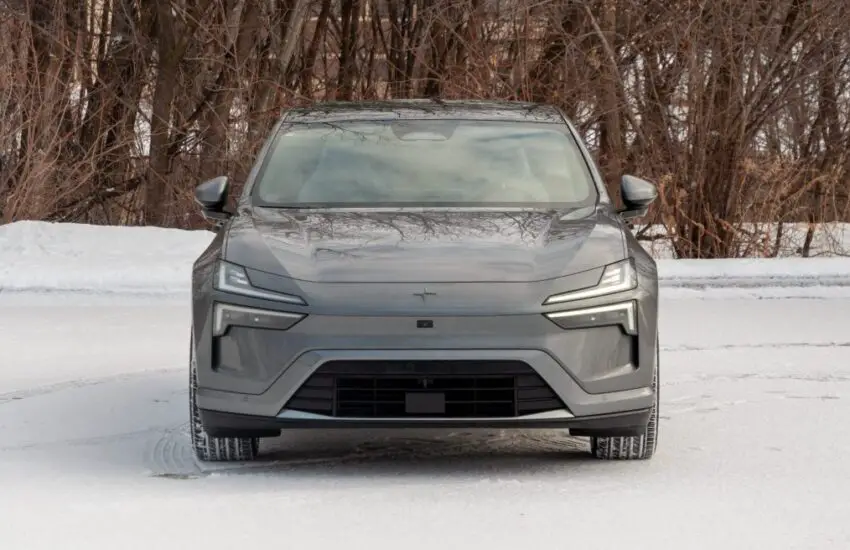
The electric vehicle landscape is set for a significant shift as Polestar announces a bold product offensive. The Swedish performance brand has confirmed plans to launch four entirely new electric models before the end of 2029, marking a rapid expansion of its portfolio and intensifying competition in the premium EV segment.

A Strategic Expansion for a Competitive Market

This accelerated rollout represents a strategic pivot for Polestar, aiming to solidify its market presence and cater to a broader range of consumer preferences. The upcoming models are expected to span different segments, potentially including vehicles that complement the existing Polestar 2 fastback and the Polestar 3 and 4 SUVs. This diversification is crucial for the brand’s growth and financial sustainability, allowing it to optimize shared technological resources and manufacturing efficiencies within the Geely ecosystem.

Innovation and Performance at the Core

While specific details on the new vehicles remain under wraps, Polestar’s heritage suggests a continued focus on driver-centric design, cutting-edge technology, and sustainable materials. Each new model will likely embody the brand’s principle of “pure, progressive performance,” pushing the boundaries of electric powertrain efficiency and dynamic handling. This expansion is not merely about increasing volume but about delivering distinct, desirable electric cars that challenge conventional automotive benchmarks.

The announcement underscores the fierce pace of innovation in the automotive industry’s transition to electrification. For consumers, this planned surge from Polestar promises more choice and advanced technology, further accelerating the adoption of electric mobility. The success of this ambitious plan will be a key determinant in shaping Polestar’s identity and market share in the latter half of this decade.

Toyota C-HR EV 2026 Review: Surprising Entry-Level Electric Crossover

The Return of an Icon, Electrified

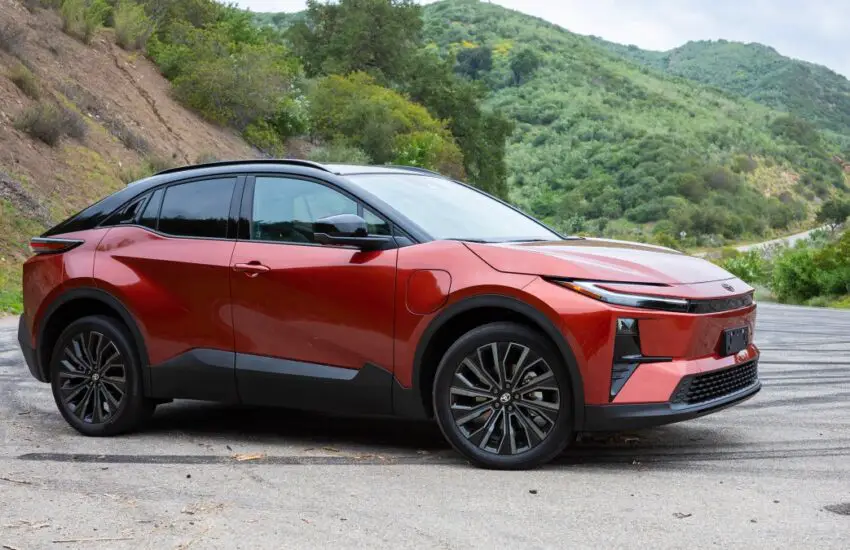
After a four-year hiatus from the North American market, the Toyota C-HR makes a dramatic comeback, this time as a fully electric vehicle. This new generation retains the distinctive, raised coupé-crossover silhouette that defined its predecessor but is now powered by a sophisticated all-electric drivetrain. Priced competitively, the 2026 C-HR EV aims to challenge perceptions of what an entry-level electric crossover can deliver.

Performance That Defies Expectations

The most startling aspect of the new C-HR EV is its standard powertrain configuration. Toyota has equipped this model with standard all-wheel drive, courtesy of a dual-motor setup. This system generates a combined 338 horsepower and 323 lb-ft of torque. This represents a monumental 130% increase in power over the previous combustion-engine model, transforming the driving experience entirely.

Behind the wheel, the surge of instant electric torque provides brisk acceleration, while the standard AWD instills confidence in various road conditions. The vehicle’s handling is surprisingly agile for a crossover, with a well-tuned suspension that manages to balance comfort and composure.

Design and Practicality

Visually, the 2026 iteration evolves the C-HR’s bold styling with sharper lines and modern EV-specific cues, such as a sealed-off front grille area and aerodynamic enhancements. The cabin focuses on a driver-centric layout with upgraded materials and the latest iteration of Toyota’s multimedia system. While the sloping roofline impacts rear headroom, the crossover offers practical cargo space for its segment.

This electric reboot positions the Toyota C-HR as a compelling option for drivers seeking an engaging, stylish, and well-equipped electric vehicle without venturing into the luxury price bracket. Its combination of standard high performance and distinctive design makes it a noteworthy contender in the growing compact EV market.

Tesla’s Coast-to-Coast Drive Highlights Human Reliability Gap

The Long-Awaited Autonomous Cross-Country Journey

For nearly a decade, a fully autonomous coast-to-coast drive by a Tesla has been a pivotal promise in the evolution of self-driving technology. Recent reports confirm that a Tesla Model S has successfully completed a staggering 4,958-kilometer journey from Los Angeles to New York. This milestone represents a significant technical achievement, pushing the boundaries of what is possible with current driver-assistance systems and inching closer to a future of hands-free long-distance travel.

When the Machine Outperforms the Operator

The most compelling insight from this journey is not just the vehicle’s endurance, but its consistent performance compared to human intervention. Data analysis from the trip suggests that the Tesla’s Autopilot system handled the vast majority of highway driving with precision. However, the few disengagements recorded were primarily attributed to human driver error or unnecessary overrides, rather than system failures. This pattern underscores a growing reality: as automation becomes more reliable, human inconsistency can emerge as the primary source of error in complex systems.

The Evolving Role of the Human Driver

This event forces a critical examination of the driver’s role. The technology is advancing from a simple assistive feature to a primary operational system, with the human transitioning to a supervisory role. This shift requires a different set of skills—maintaining situational awareness and understanding system limitations without active control. The successful cross-country trip demonstrates that the hardware and software are maturing, but the broader challenge lies in adapting human behavior and regulatory frameworks to this new paradigm of shared control.

The completion of this journey marks a notable point on the roadmap to full autonomy. It validates years of software development and real-world data collection. While regulatory approval for completely unsupervised travel remains on the horizon, this achievement proves that the technical capability for extended autonomous operation is increasingly within reach, changing the conversation from “if” to “when.”

Mazda’s Infotainment Misstep: A Few Tweaks Away

The Infotainment Interface That Divided Drivers

Mazda’s recent acknowledgment of its infotainment system’s shortcomings validated a long-standing debate among owners. The brand’s steadfast commitment to a rotary controller, eschewing touchscreens for most functions, created a clear divide. While some drivers praised the system’s safety and learned to navigate it efficiently, others found the learning curve frustrating, with some even reporting they rejected rental cars upon discovering the lack of touch capability.

Where the System Stumbled

The core issue wasn’t the rotary dial itself, but its execution and the software it controlled. Menus were often deep and convoluted, making simple tasks like entering a navigation address or switching audio sources a multi-step process. The system’s reliance on the commander knob for nearly all inputs, combined with a screen positioned further from the driver for safety, meant eyes were off the road longer than necessary—ironically counter to Mazda’s safety-first rationale.

The Simple Fixes That Could Have Saved It

Mazda was remarkably close to a successful system. A few key adjustments could have transformed user experience. First, reintroducing touchscreen functionality for passenger use and specific tasks like map pinching would have offered the best of both worlds. Second, a major software overhaul to flatten menu structures and allow more customization of home-screen shortcuts would have reduced distraction. Finally, integrating more intuitive voice commands from the start, rather than as a later update, could have provided a seamless, hands-free alternative.

Ultimately, Mazda’s infotainment story is a lesson in user-centric design. A principled approach to driver focus is commendable, but it must be balanced with intuitive usability. The system’s potential was gated not by hardware limitations, but by software design choices that prioritized philosophy over fluidity. As the industry moves forward, the lesson is clear: even the most well-intentioned systems must pass the ultimate test of daily, frustration-free use.

Texas I-35 Bridge Gap Sparks Safety Concerns

Visible Gap on Austin I-35 Bridge Draws Public Alarm

A significant gap between sections of a bridge on Interstate 35 in Austin, Texas, has captured public attention and raised safety questions. Images and videos showing the noticeable separation on the northbound upper deck near Highway 290 East have circulated widely, prompting concern among daily commuters and local residents. The visual is striking, resembling a scene from a dramatic film rather than a routine infrastructure feature.

Official Assurance of Structural Safety

In response to the growing concern, the Texas Department of Transportation (TxDOT) has issued statements declaring the bridge structurally sound. Engineers explained that the visible gap is located at an expansion joint, a deliberate design feature that allows concrete and steel to expand and contract with temperature changes without causing damage. Officials emphasized that regular inspections are conducted and that this specific joint is functioning as intended.

Public Skepticism Amid Infrastructure Debates

Despite official assurances, the dramatic appearance of the gap has fueled skepticism. For many drivers, the visual evidence contradicts technical explanations, leading to unease about traveling on the heavily used interstate. This incident has inadvertently become a focal point in broader discussions about the state of aging infrastructure across the United States, where maintenance backlogs and funding shortfalls are common concerns.

Ongoing Monitoring and Future Plans

TxDOT has acknowledged the public’s vigilance and reiterated its commitment to monitoring the structure. The department highlighted that the I-35 corridor through Austin is the subject of a major, multi-year capital improvement project aimed at modernization and increased safety. While the current gap is not considered an immediate hazard, it underscores the public’s reliance on and scrutiny of critical transportation networks.

Scout Motors EV Launch Faces Potential US Delay

Scout Motors Navigates Launch Speculation

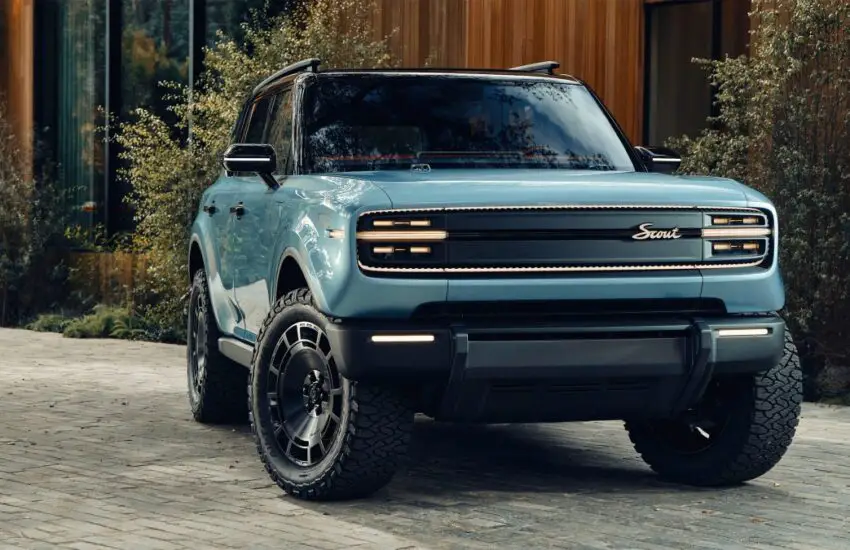
The anticipated arrival of Scout Motors, Volkswagen’s dedicated electric vehicle brand for the American market, is shrouded in uncertainty. Conflicting reports have emerged regarding the timeline for its debut, putting the project under intense scrutiny. While the company maintains its official stance, industry observers are questioning if the launch of its rugged electric SUV will proceed as originally planned.

Conflicting Timelines and Official Statements

Recent media reports, notably from German publication Der Spiegel, suggest significant hurdles. These reports indicate potential production delays, pushing the start date to 2028 at the earliest, and cite unspecified technological challenges within the Volkswagen Group. Such a delay would represent a substantial setback for the brand’s ambitious revival, initially targeting a market entry in the coming years.

In response to these rumors, Scout Motors has issued statements reaffirming its commitment to the project’s original vision and goals. The company emphasizes that development is ongoing at its new production facility in South Carolina. This official line aims to project confidence and stability, asserting that plans remain on track despite the swirling speculation.

Market Implications and Competitive Landscape

A potential delay carries significant weight in the rapidly evolving electric vehicle sector. The Scout brand aims to tap into the growing consumer demand for capable, all-electric utility vehicles, a segment seeing increased competition. A postponed launch could cede valuable ground to established and emerging rivals who are accelerating their own electric truck and SUV programs.

The situation highlights the complex challenges of launching a new automotive brand, even with the backing of an industrial giant like Volkswagen. Balancing technological innovation, supply chain logistics, and factory construction on an aggressive schedule is a formidable task. The industry will be watching closely for concrete updates, as the timeline for Scout’s electric off-road vehicles becomes a key indicator of execution capability in the high-stakes EV market.

Polestar’s Pivot: From Design Dogma to Market Reality

The Limits of a Pure Vision

Polestar launched not just as a car company, but as a manifesto. It was defined by a series of bold “nevers”: no internal combustion engines after the Polestar 1, a stark palette of pre-selected colors, a rejection of traditional model cycles, and even the removal of a rear window on one model. This purist approach carved out a distinct identity in the crowded electric vehicle (EV) space, championing Scandinavian minimalism and sustainable performance. However, this rigid dogma ultimately collided with the hard realities of the automotive market and consumer expectations.

Confronting Commercial Realities

The pursuit of a singular vision came at a cost. Limiting customer choice on fundamentals like color alienated a segment of buyers who desired personalization. The unconventional design cues, while avant-garde, sometimes compromised practicality. Most critically, the capital-intensive nature of car manufacturing, combined with fierce price competition in the EV sector, made profitability elusive. The original business model proved unsustainable, forcing a fundamental reassessment of what it means to be a successful electric brand in today’s economy.

A Strategic Re-invention for Growth

Polestar is now navigating a necessary pivot. The brand is strategically expanding its model lineup to include more accessible vehicles like the Polestar 2 and the upcoming Polestar 3 SUV, which cater to higher-volume segments. This shift acknowledges the need for broader appeal while aiming to retain core design principles. The company is also reevaluating its technological roadmap and manufacturing partnerships to improve efficiency and cost structure. This phase is less about abandoning its identity and more about adapting its principles to achieve scale and financial sustainability.

The New Road Ahead

Polestar’s journey illustrates a classic industry tension between artistic vision and commercial imperative. Its reinvention is a pragmatic response to a challenging market, moving from a niche purist to a contender for mainstream EV adoption. The success of this pivot will depend on balancing its heritage of distinctive design with the practical demands of profitability and customer desires, writing a new chapter defined not by what it won’t do, but by what it can achieve.

OBD2 Code P14CD Explained: Causes, Symptoms, and Fixes

Understanding the P14CD Diagnostic Trouble Code

The OBD2 code P14CD is a manufacturer-specific diagnostic trouble code (DTC) that indicates a problem within the Exhaust Gas Recirculation (EGR) system. Specifically, it points to a “Range/Performance” issue with “Sensor B” in the circuit. This code is not generic; its exact definition can vary slightly between different automakers (like Ford, GM, Toyota, etc.), but it universally signals that the Engine Control Module (ECM) or Powertrain Control Module (PCM) has detected an electrical signal from the designated EGR sensor that is outside its expected normal operating range for too long. Unlike a simple “circuit low” or “circuit high” code, P14CD suggests the sensor is working but providing implausible or erratic data, making diagnosis more nuanced.

What is the EGR System and “Sensor B”?

The Exhaust Gas Recirculation system is a critical emissions control device. It recirculates a small, metered amount of inert exhaust gas back into the engine’s intake manifold. This lowers combustion temperatures, reducing the formation of harmful nitrogen oxides (NOx). Modern EGR systems are precisely controlled. “Sensor B” typically refers to one of several sensors monitoring the system, which could be:

  • EGR Valve Position Sensor: Reports the exact pintle or valve opening percentage to the PCM.
  • EGR Temperature Sensor: Monitors the temperature of the recirculated exhaust gas.
  • EGR Pressure Sensor/DPFE Sensor: Measures the pressure differential across the EGR valve to calculate flow rate.

The PCM compares the signal from Sensor B with data from other sensors (like MAP, MAF, and engine speed) to determine if the EGR flow is performing as commanded. A P14CD code is set when this correlation fails.

Symptoms and Common Causes of Code P14CD

Ignoring a P14CD code can lead to drivability issues and increased emissions. Recognizing the symptoms is the first step in addressing the problem.

Primary Symptoms of a P14CD Fault

  • Illuminated Check Engine Light (MIL): The most immediate and common sign.
  • Poor Engine Performance: Hesitation, lack of power, or stumbling during acceleration.
  • Rough Idle or Stalling: Unstable engine idle speed or the engine may stall, especially when cold.
  • Increased Fuel Consumption: The engine computer may enrich the fuel mixture to compensate for perceived incorrect EGR flow.
  • Failed Emissions Test: Elevated NOx emissions are a direct result of a malfunctioning EGR system.

Root Causes of the P14CD Code

The “Range/Performance” nature of P14CD points to several potential failure areas, from simple electrical faults to mechanical blockages.

  • Faulty EGR Sensor (“Sensor B”): The sensor itself may be degraded, providing slow, inaccurate, or drifting signals.
  • Wiring and Connector Issues: Damaged, corroded, or loose wiring in the sensor circuit can cause erratic voltage signals.
  • Clogged or Malfunctioning EGR Valve: A valve stuck open, closed, or partially clogged with carbon deposits will not flow as commanded, making sensor readings implausible.
  • Clogged EGR Passages/Tubes: Carbon buildup in the intake manifold or EGR transfer tubes restricts flow.
  • Vacuum Leaks (on vacuum-operated EGR systems): A leak in the vacuum supply line or control solenoid prevents proper valve actuation.
  • Faulty EGR Control Solenoid/Actuator: The component that controls the valve (electric or vacuum) may be defective.
  • PCM/ECM Software Glitch or Rare Hardware Failure: In rare cases, the control module itself may be at fault.

Step-by-Step Diagnosis and Repair Procedures

A systematic approach is essential to correctly diagnose and fix a P14CD code. Avoid the common mistake of replacing the EGR valve immediately without proper testing.

Initial Inspection and Preliminary Checks

Begin with a visual and basic functional assessment before diving into electrical diagnostics.

  • Scan for Additional Codes: Use an OBD2 scanner to retrieve all stored and pending codes. Codes like P0401 (Insufficient EGR Flow) often accompany P14CD.
  • Visual Inspection: Check all wiring harnesses and connectors related to the EGR valve and Sensor B for damage, chafing, or corrosion. Inspect vacuum lines for cracks or disconnections.
  • Monitor Live Data: With the engine running and at operating temperature, use your scanner to view the live data parameter for “EGR Valve Position,” “EGR Command,” or “EGR Sensor Voltage.” Command the EGR valve to open (via scanner bidirectional controls if supported) and observe if the sensor reading changes smoothly and appropriately.

Advanced Electrical and Mechanical Testing

If the initial checks don’t reveal an obvious fault, proceed with more detailed testing.

  • Test Sensor Wiring: With the key off and the sensor connector disconnected, use a digital multimeter (DMM) to check for continuity in the sensor circuit wires. Check for shorts to power or ground. Reference a vehicle-specific wiring diagram for pinouts.
  • Test the Sensor Itself: Measure the sensor’s resistance or output voltage (compare to manufacturer specifications) while manually moving the EGR valve (if possible) or applying vacuum. An erratic or out-of-spec reading confirms a bad sensor.
  • Inspect and Clean the EGR System: Remove the EGR valve and inspect it for heavy carbon deposits. Clean the valve and the intake manifold passage thoroughly using a dedicated EGR/carburetor cleaner. Ensure the valve moves freely.
  • Check EGR Flow and Vacuum: On vacuum-operated systems, use a hand vacuum pump to apply vacuum to the EGR valve diaphragm. The engine idle should become rough or stall if the valve opens and flow is present.

Common Repair Solutions for P14CD

Based on your diagnostic findings, the repair will typically fall into one of these categories:

  • Cleaning the EGR Valve and Passages: Often a cost-effective fix if carbon buildup is the sole issue.
  • Replacing the EGR Sensor: If electrical tests confirm the sensor is faulty.
  • Replacing the EGR Valve Assembly: Necessary if the valve is mechanically seized, damaged, or contains an integrated faulty sensor.
  • Repairing Wiring or Connectors: Splicing in new wires or replacing damaged connectors.
  • Replacing a Vacuum Solenoid or Leaking Lines: For vacuum system failures.
  • PCM Reflash or Replacement: A last-resort step, only after all other components and wiring have been verified, and a technical service bulletin (TSB) suggests a software update.

Prevention and Final Considerations

While not always preventable, certain maintenance habits can reduce the risk of EGR-related codes like P14CD.

Maintenance Tips to Avoid EGR Issues

  • Use Top Tier quality fuel and perform regular engine oil changes to minimize carbon formation.
  • Occasionally drive the vehicle at highway speeds to help “blow out” mild carbon deposits from the EGR and intake system.
  • Address any engine performance issues (misfires, rich/lean conditions) promptly, as they can accelerate carbon buildup.
  • During major service intervals, consider having the intake and EGR system inspected for carbon.

Important Note: After completing any repair for P14CD, clear the diagnostic trouble codes with your OBD2 scanner. Perform a test drive, monitoring for the Check Engine Light to return. This drive cycle allows the PCM to run its self-tests and confirm the repair was successful. A persistent P14CD indicates an unresolved issue, requiring you to revisit the diagnostic steps.

OBD2 Code P14C6 MINI: Expert Guide to the Engine Coolant Pump Control Circuit

Understanding OBD2 Code P14C6 in Your MINI

When your MINI’s check engine light illuminates and a scan tool reveals the diagnostic trouble code (DTC) P14C6, you’re dealing with a specific fault in the engine’s advanced thermal management system. This code is prevalent in modern MINI models, particularly those equipped with the BMW N13, B38, B48, and similar turbocharged engines that utilize an electrically controlled coolant pump. Unlike generic OBD2 codes, P14C6 is a manufacturer-specific code for BMW/MINI, indicating a malfunction within the control circuit of the electric engine coolant pump. This system is critical for precise temperature regulation, impacting performance, emissions, and engine longevity.

Technical Definition of DTC P14C6

OBD2 Code P14C6 is formally defined as: “Engine Coolant Pump Control – Circuit/Performance.” It signals that the vehicle’s Engine Control Module (DME – Digital Motor Electronics) has detected an irregularity in the electrical signal, current draw, or operational performance of the electric auxiliary coolant pump. The DME monitors the pump’s activation, speed, and feedback. A deviation from the expected parameters triggers this fault code.

The Role of the Electric Coolant Pump in Modern MINIs

This isn’t your traditional belt-driven mechanical pump. The electric coolant pump, often called an auxiliary pump, serves several key functions:

  • Post-Shutdown Cooling: Circulates coolant after engine shut-off to prevent turbocharger heat soak.
  • Precise Thermal Management: Works in tandem with the map-controlled thermostat to quickly bring the engine to optimal operating temperature and manage heat for the turbo and cabin heater.
  • Enhanced Efficiency: Reduces parasitic loss on the engine by operating independently, only when needed.

Common Symptoms of a P14C6 Fault

Ignoring a P14C6 code can lead to more severe issues. Drivers typically report one or more of the following symptoms, which may be intermittent at first.

Primary Warning Signs

  • Illuminated Check Engine Light (MIL): The most immediate and common indicator.
  • Overheating or High-Temperature Warnings: Especially after a hot drive or during idle after shutdown.
  • Reduced Heater Performance: Lack of hot air from the cabin vents due to improper coolant circulation.

Secondary Performance Issues

  • Reduced Engine Power (Limp Mode): The DME may limit engine performance to prevent damage from overheating.
  • Poor Fuel Economy: An engine running outside its optimal temperature range is less efficient.
  • Unusual Sounds: A failing electric pump may whine, buzz, or grind. In some cases, it may be completely silent when it should be running.

Step-by-Step Diagnosis for Code P14C6

Accurate diagnosis is crucial to avoid unnecessary part replacement. Follow this systematic approach. Warning: Always allow the engine to cool completely before working on the cooling system.

Step 1: Initial Scan and Data Review

Use a professional-grade OBD2 scanner capable of reading BMW/MINI-specific codes and live data. Clear the code and perform a test drive to see if it returns immediately. Check live data parameters related to coolant temperature, thermostat status, and if available, the commanded state and actual speed of the electric coolant pump.

Step 2: Visual and Electrical Inspection

Locate the electric coolant pump (often near the firewall or on the side of the engine bay). Conduct a thorough visual inspection:

  • Check for coolant leaks at the pump housing or connections.
  • Inspect the electrical connector for corrosion, bent pins, or moisture.
  • Examine the wiring harness from the pump to the DME for chafing, cuts, or burn damage.

With the ignition on (engine off), check for power and ground at the pump connector using a digital multimeter (DMM). Refer to a wiring diagram for pinouts.

Step 3: Component and Circuit Testing

If power and ground are present, the pump itself may be faulty. A bench test can be performed by applying direct power (using fused jumper wires) to the pump terminals. A functional pump should run smoothly. If it doesn’t run or draws excessive current, the pump is defective. If no power is present at the connector, the fault lies in the wiring or the DME control circuit, requiring further tracing.

Repair Solutions and Common Fixes for P14C6

Based on the diagnostic findings, here are the most common repairs associated with resolving a persistent P14C6 code.

Fix 1: Replacing the Electric Coolant Pump

This is the most frequent repair. The pump is a wear item. When replacing it:

  • Use a high-quality OEM or OEM-equivalent part.
  • Properly bleed the cooling system after installation to remove air pockets, which can cause overheating and new faults.
  • Program/code the new pump to the vehicle if required by your specific MINI model (often necessary for integrated pumps).

Fix 2: Addressing Wiring and Connector Issues

Repair any damaged wires with solder and heat shrink tubing. Replace a corroded connector. Ensure all connections are clean, tight, and sealed from moisture.

Fix 3: Investigating Related Components

Sometimes, a faulty map-controlled thermostat or a failing coolant temperature sensor can cause irregular operation that sets a P14C6. Diagnose these components if the pump and wiring test as good. Also, ensure the main mechanical coolant pump (driven by the timing chain) is functioning, as overall flow issues can affect the auxiliary pump’s performance.

Preventative Maintenance and Final Thoughts

The P14C6 code highlights the complexity of modern engine cooling systems. To minimize the risk of failure:

  • Use the correct manufacturer-specified coolant and maintain the proper mix ratio.
  • Change coolant at the recommended intervals to prevent corrosion and scaling that can damage the electric pump.
  • Address any minor cooling system leaks promptly to prevent pump dry-running or air ingress.

While a skilled DIYer with the right tools can diagnose P14C6, the repair often involves system bleeding and potentially coding, which may necessitate professional service. Ignoring this code risks severe engine damage from overheating, making timely diagnosis and repair a critical investment in your MINI’s health and performance.