Polestar’s Electric Vehicle Roadmap: New Models Through 2028

Polestar’s Strategic Electrification Plan

The Swedish performance electric vehicle brand Polestar has laid out a comprehensive product roadmap, charting its course through 2028. This ambitious plan signifies a rapid acceleration towards a fully electric lineup, aiming to solidify its position in the competitive premium EV segment. As a standalone brand born from the alliance of Volvo and Geely, Polestar is leveraging its unique design and technological heritage to challenge established automotive players.

Expanding the Electric Portfolio

Central to Polestar’s strategy is a significant expansion of its model range. The brand intends to move beyond its current offerings of fastback and SUV body styles to cater to a broader audience seeking sustainable performance. This expansion is expected to include vehicles in new segments, potentially addressing different market preferences and driving needs. Each new model will be built upon Polestar’s core principles of avant-garde design, leading-edge technology, and a driver-focused experience, all within a fully electric framework.

Technology and Platform Evolution

The upcoming vehicles will benefit from continuous advancements in electric powertrain and battery technology. Polestar is expected to utilize and evolve the sophisticated modular platforms developed within the Geely ecosystem, which promise improvements in range, charging speed, and overall efficiency. Furthermore, the integration of advanced driver-assistance systems and next-generation connected car features will be a key focus, aiming to set new benchmarks for the digital user experience in the premium EV space.

A Vision for Sustainable Performance

By 2028, Polestar’s goal is to present a cohesive and compelling family of electric vehicles. This roadmap is not merely about launching new cars; it’s a statement of intent to be a defining brand in the era of electric mobility. The planned cadence of reveals and launches is designed to maintain momentum, attract new customers, and build a strong, distinctive identity centered around innovation and sustainability without compromising on the performance pedigree the brand is known for.
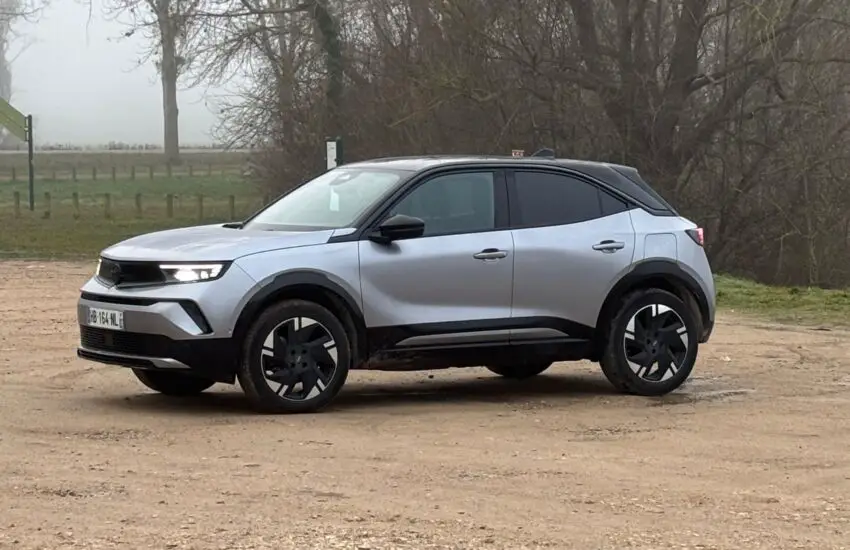
Opel Mokka-e Review: 2000km With The Compact Electric SUV

Living With The Opel Mokka Electric

After covering over 2000 kilometers in the Opel Mokka-e, the compact electric SUV reveals itself as a compelling package for modern urban life. It successfully blends a distinctive, bold design with the quiet and instant responsiveness expected from an EV, making daily commutes and longer weekend trips a relaxed affair.

Performance and Everyday Usability

The 136 horsepower electric motor provides more than adequate power for city driving and highway merging. The real highlight is the driving experience: smooth, silent, and direct. The low center of gravity from the underfloor battery pack gives the Mokka-e surprisingly agile handling for a crossover, making it feel nimble in tight city streets.

With a WLTP range of up to 406 km, range anxiety fades for typical use. In real-world mixed conditions during our test, achieving 320-350 km was consistent, ample for a week of average commuting. Using a 100 kW public charger, a 10-80% charge can be completed in about 30 minutes, facilitating longer journeys.

Design, Comfort, and Practicality

Opel’s Vizor front end gives the Mokka-e a unique, futuristic identity. Inside, the cabin focuses on the driver with its Pure Panel dual-screen setup, which neatly integrates the digital instrument cluster and infotainment system. While space in the rear seats and trunk is typical for the compact SUV segment, it is sufficient for small families or couples. The build quality and materials feel solid, contributing to a refined atmosphere.

Final Verdict After Extended Testing

The Opel Mokka-e proves itself as a stylish and competent electric vehicle. It excels as a comfortable and efficient urban runabout, with enough range and charging speed to confidently handle occasional longer trips. Its standout design, user-friendly technology, and composed driving dynamics make it a strong contender in the competitive compact electric SUV market.

Electric Fleet Optimization: The Key to Efficient Last-Mile Delivery

Mastering the Electric Last Mile

The rapid shift to electric delivery vehicles is transforming urban logistics. While essential for sustainability, this transition introduces new complexities for fleet managers. Range anxiety, charging logistics, and varying vehicle capacities must now be integrated into daily route planning. Successfully navigating this change is not just an operational upgrade—it’s a critical competitive advantage in the fast-paced world of last-mile delivery.

Beyond Simple Route Planning

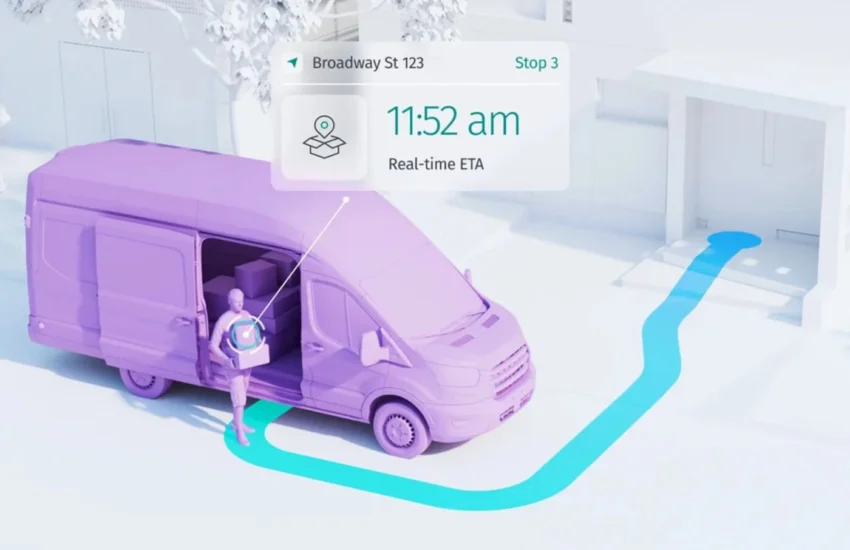
Optimizing for an electric fleet requires a more sophisticated approach than traditional route planning. It involves a dynamic balance between delivery windows, real-time traffic data, and the specific energy consumption profiles of each vehicle. Factors like cargo weight, topography, and even weather conditions can significantly impact battery drain. Advanced optimization algorithms can process these variables to create the most efficient sequence of stops, ensuring drivers complete their routes without risking a depleted battery.

Integrating the Charging Infrastructure

A truly optimized system doesn’t end with the route. It seamlessly incorporates charging station locations and availability into the planning matrix. The smartest strategies may involve scheduling mid-route top-ups during mandated driver breaks or leveraging depot charging during off-peak hours for lower energy costs. This holistic view of vehicles, routes, and energy logistics is where major efficiency gains of 20% or more are realized, reducing both operational costs and environmental impact.

The Path to Sustainable Profitability

The ultimate goal of electric delivery optimization is to achieve sustainable profitability. By minimizing unnecessary mileage, reducing energy consumption, and maximizing the number of successful deliveries per charge, companies can see a rapid return on their electric vehicle investment. This efficient model not only meets growing consumer demand for green logistics but also future-proofs operations against increasing urban access restrictions for combustion-engine vehicles.

Detroit’s Sedan Revival: A Strategic U-Turn

The American Sedan Makes a Comeback

In a dramatic shift, Detroit’s automakers are reversing course. After a decade of aggressively phasing out passenger cars to focus exclusively on trucks and SUVs, a new strategy is emerging. This pivot back to sedans and smaller vehicles is not driven by nostalgia, but by a clear-eyed assessment of evolving market demands, regulatory pressures, and competitive gaps.

Responding to Market Realities

The initial move away from sedans was a profitable one, as SUVs commanded higher prices and margins. However, this created a significant void in the market. A substantial segment of buyers still seeks affordable, fuel-efficient, and maneuverable vehicles for daily commuting and urban life. By abandoning this segment entirely, Detroit ceded ground to import brands. The revival of models like the next-generation Chevrolet Malibu and similar projects signals an intent to recapture value-conscious customers and offer a complete brand portfolio.

Electrification as a Catalyst

The electric vehicle revolution is a primary engine for this change. Automakers are discovering that sleek, aerodynamic sedans are often the ideal platform for maximizing EV range and efficiency. Investing in new electric sedans allows companies to leverage advanced EV architectures while entering a growing segment. This strategy serves a dual purpose: meeting stringent emissions regulations and attracting tech-savvy early adopters who may not desire a traditional SUV form factor.

A Calculated Gamble for the Future

This strategic U-turn represents a calculated risk. It requires significant investment in new vehicle architectures during a time of immense technological change. The success of this sedan revival hinges on Detroit’s ability to deliver compelling products that blend attractive design, modern technology, and competitive pricing. The goal is no longer to dominate the sedan market, but to offer strategic, profitable entries that round out the lineup, meet regulatory benchmarks, and provide a gateway for new customers into their brands.

Ford’s EV Gear Selector Patent Reimagines Manual Driving

Ford’s Novel Approach to Electric Vehicle Interaction

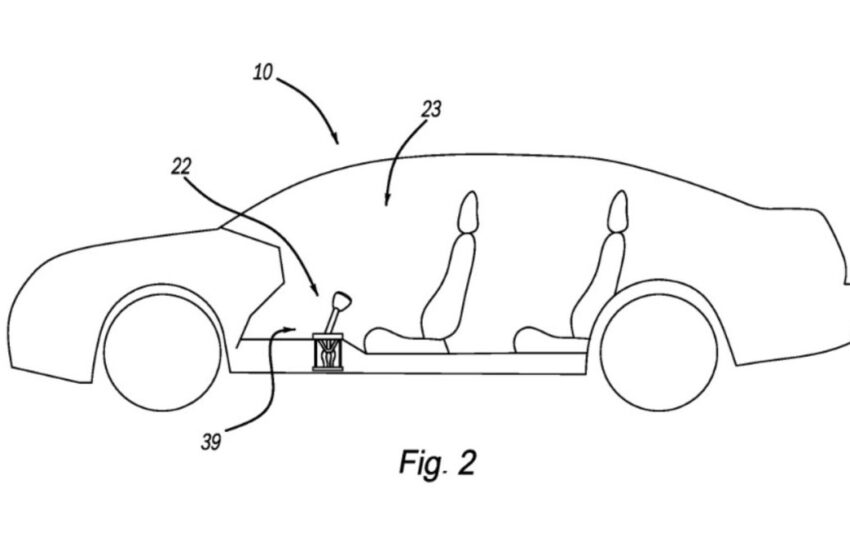
In a move blending nostalgia with forward-thinking technology, Ford has filed a patent for a multifunctional gear selector designed for electric vehicles. This device, at first glance, evokes the classic manual transmission, complete with a familiar gear knob and even simulated feedback. However, its purpose extends far beyond simple gear changes, representing a strategic effort to enhance the driver experience in the EV era.

Beyond a Simple Shifter

The patented system is not a mechanical gearbox, as electric vehicles do not require one. Instead, it functions as a sophisticated multi-mode controller. According to the patent documents, the selector can manage various vehicle functions depending on its mode. In one setting, it could adjust regenerative braking levels, allowing drivers to modulate deceleration and energy recapture intuitively. In another, it might control drive modes, shifting between settings like “Eco,” “Sport,” or “Normal” with the tactile engagement of moving a gear stick.

Enhancing Driver Engagement and Control

This innovation addresses a common critique of electric vehicles: a perceived lack of driver engagement compared to traditional cars. By providing a physical, interactive interface, Ford aims to bridge that gap. The familiar “H-pattern” or sequential gate offers a tactile connection, while the simulated sounds and feel could appeal to driving enthusiasts. It transforms a simple selection process into an immersive experience, giving the driver more direct and satisfying control over vehicle dynamics.

A Strategic Vision for Affordable EVs

This patent aligns with Ford’s broader strategy of developing its next generation of affordable electric vehicles. By focusing on innovative features that improve usability and enjoyment, Ford seeks to differentiate its models in a competitive market. The multifunction selector exemplifies how the company is rethinking interior design and human-machine interfaces, moving away from ubiquitous touchscreens to offer unique, engaging controls that could become a signature feature for its future EV lineup.

Jeep Grand Cherokee V8: Hemi Engine Revival Confirmed

Jeep Grand Cherokee V8: Hemi Engine Revival Confirmed

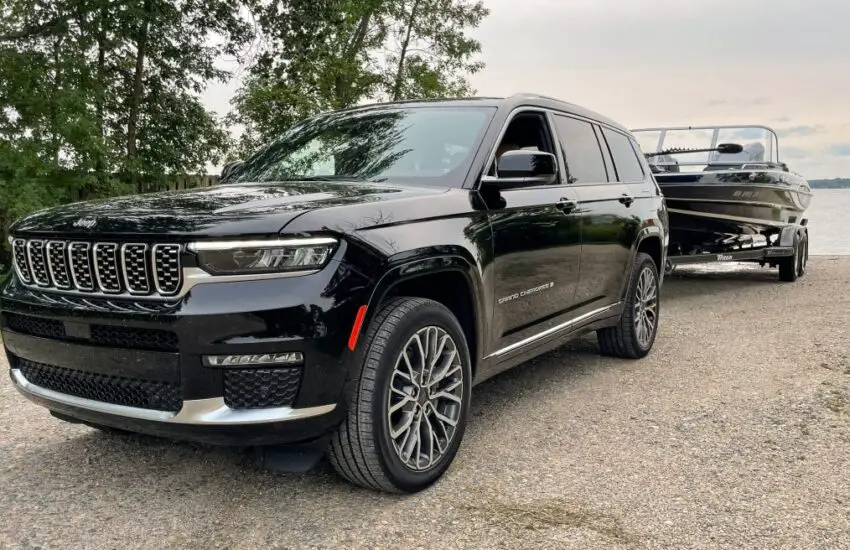
In an automotive era dominated by downsizing and electrification, Stellantis is sending a powerful signal to performance enthusiasts. Recent developments strongly indicate the imminent return of a legendary V8 powertrain to the Jeep Grand Cherokee lineup, defying current industry trends.

Official Tease Fuels Speculation

The speculation turned concrete following remarks from a key Jeep engineer. At a public event, a leading figure within the company directly addressed the enthusiast community with a simple yet telling directive: “Stay tuned.” This deliberate comment has been widely interpreted as a confirmation that development is actively underway, moving the V8’s return from mere rumor to a likely reality.

Power and Performance Expectations

While official specifications remain under wraps, industry analysts anticipate the returning powerplant to be a refined version of the renowned 5.7-liter or 6.4-liter Hemi V8. These engines are celebrated for their robust torque, distinctive exhaust note, and effortless towing capability—attributes perfectly aligned with the Grand Cherokee’s adventure-ready ethos. The integration would likely focus on pairing this classic power with modern emissions and efficiency technologies.

A Strategic Niche in an Electric Age

This move is seen as a strategic play to capture a dedicated market segment. As the industry pivots toward electric vehicles, a significant cohort of buyers still values traditional, high-displacement engine characteristics. By offering a potent V8 option, Jeep can cater to purists and those requiring serious towing power, ensuring the Grand Cherokee remains a flagship model for all types of adventure.

What This Means for the SUV Landscape

The reintroduction of a V8 engine in the Grand Cherokee would solidify its position as a halo model for Jeep. It promises to deliver a driving experience distinct from its turbocharged six-cylinder and plug-in hybrid counterparts, appealing to a driver seeking raw power and auditory feedback. This decision underscores a commitment to offering diverse powertrains, ensuring there is a Grand Cherokee for every type of enthusiast.

Polestar’s Electric Surge: Four New Models by 2029

Polestar Charts Ambitious Course with New Electric Lineup

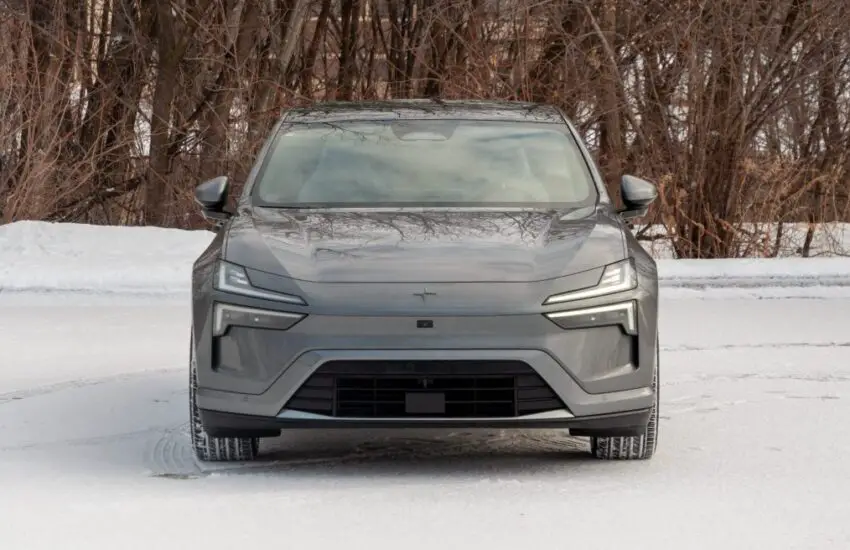
The electric vehicle landscape is set for a significant shift as Polestar announces a bold product offensive. The Swedish performance brand has confirmed plans to launch four entirely new electric models before the end of 2029, marking a rapid expansion of its portfolio and intensifying competition in the premium EV segment.

A Strategic Expansion for a Competitive Market

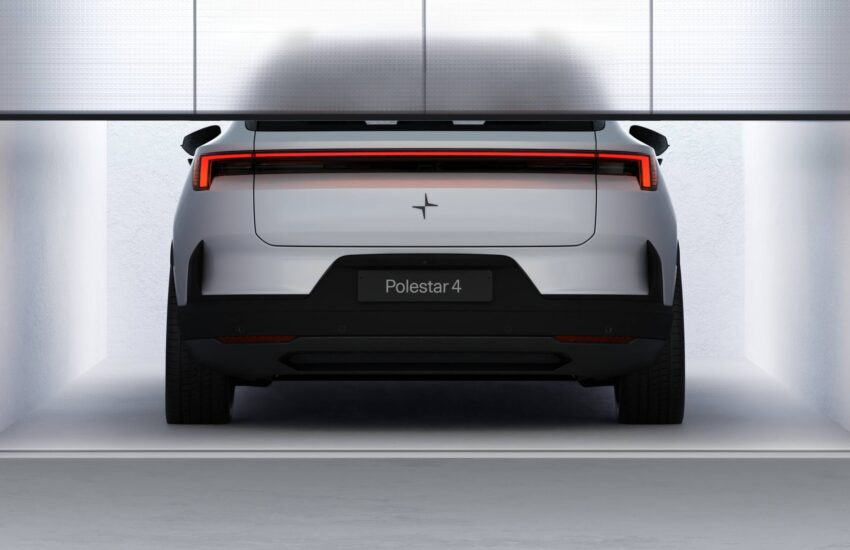
This accelerated rollout represents a strategic pivot for Polestar, aiming to solidify its market presence and cater to a broader range of consumer preferences. The upcoming models are expected to span different segments, potentially including vehicles that complement the existing Polestar 2 fastback and the Polestar 3 and 4 SUVs. This diversification is crucial for the brand’s growth and financial sustainability, allowing it to optimize shared technological resources and manufacturing efficiencies within the Geely ecosystem.

Innovation and Performance at the Core

While specific details on the new vehicles remain under wraps, Polestar’s heritage suggests a continued focus on driver-centric design, cutting-edge technology, and sustainable materials. Each new model will likely embody the brand’s principle of “pure, progressive performance,” pushing the boundaries of electric powertrain efficiency and dynamic handling. This expansion is not merely about increasing volume but about delivering distinct, desirable electric cars that challenge conventional automotive benchmarks.

The announcement underscores the fierce pace of innovation in the automotive industry’s transition to electrification. For consumers, this planned surge from Polestar promises more choice and advanced technology, further accelerating the adoption of electric mobility. The success of this ambitious plan will be a key determinant in shaping Polestar’s identity and market share in the latter half of this decade.

Toyota C-HR EV 2026 Review: Surprising Entry-Level Electric Crossover

The Return of an Icon, Electrified

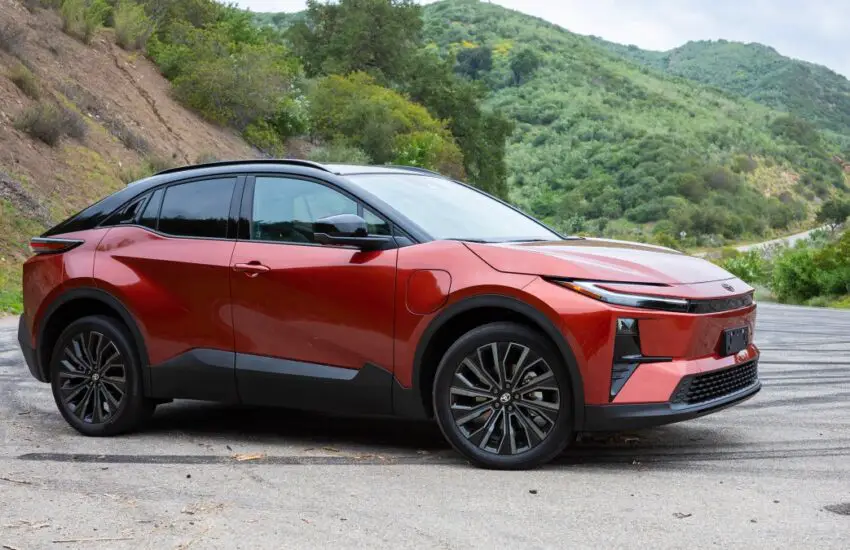
After a four-year hiatus from the North American market, the Toyota C-HR makes a dramatic comeback, this time as a fully electric vehicle. This new generation retains the distinctive, raised coupé-crossover silhouette that defined its predecessor but is now powered by a sophisticated all-electric drivetrain. Priced competitively, the 2026 C-HR EV aims to challenge perceptions of what an entry-level electric crossover can deliver.

Performance That Defies Expectations

The most startling aspect of the new C-HR EV is its standard powertrain configuration. Toyota has equipped this model with standard all-wheel drive, courtesy of a dual-motor setup. This system generates a combined 338 horsepower and 323 lb-ft of torque. This represents a monumental 130% increase in power over the previous combustion-engine model, transforming the driving experience entirely.

Behind the wheel, the surge of instant electric torque provides brisk acceleration, while the standard AWD instills confidence in various road conditions. The vehicle’s handling is surprisingly agile for a crossover, with a well-tuned suspension that manages to balance comfort and composure.

Design and Practicality

Visually, the 2026 iteration evolves the C-HR’s bold styling with sharper lines and modern EV-specific cues, such as a sealed-off front grille area and aerodynamic enhancements. The cabin focuses on a driver-centric layout with upgraded materials and the latest iteration of Toyota’s multimedia system. While the sloping roofline impacts rear headroom, the crossover offers practical cargo space for its segment.

This electric reboot positions the Toyota C-HR as a compelling option for drivers seeking an engaging, stylish, and well-equipped electric vehicle without venturing into the luxury price bracket. Its combination of standard high performance and distinctive design makes it a noteworthy contender in the growing compact EV market.

Tesla’s Coast-to-Coast Drive Highlights Human Reliability Gap

The Long-Awaited Autonomous Cross-Country Journey

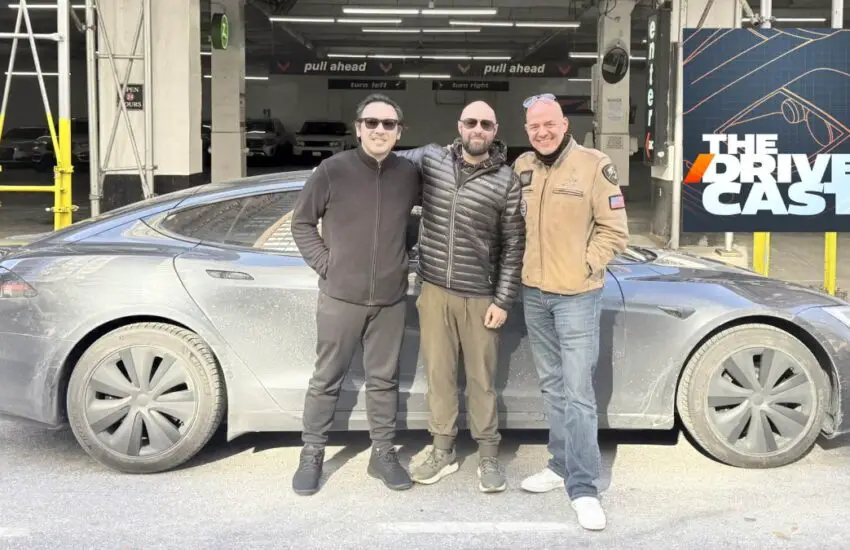
For nearly a decade, a fully autonomous coast-to-coast drive by a Tesla has been a pivotal promise in the evolution of self-driving technology. Recent reports confirm that a Tesla Model S has successfully completed a staggering 4,958-kilometer journey from Los Angeles to New York. This milestone represents a significant technical achievement, pushing the boundaries of what is possible with current driver-assistance systems and inching closer to a future of hands-free long-distance travel.

When the Machine Outperforms the Operator

The most compelling insight from this journey is not just the vehicle’s endurance, but its consistent performance compared to human intervention. Data analysis from the trip suggests that the Tesla’s Autopilot system handled the vast majority of highway driving with precision. However, the few disengagements recorded were primarily attributed to human driver error or unnecessary overrides, rather than system failures. This pattern underscores a growing reality: as automation becomes more reliable, human inconsistency can emerge as the primary source of error in complex systems.

The Evolving Role of the Human Driver

This event forces a critical examination of the driver’s role. The technology is advancing from a simple assistive feature to a primary operational system, with the human transitioning to a supervisory role. This shift requires a different set of skills—maintaining situational awareness and understanding system limitations without active control. The successful cross-country trip demonstrates that the hardware and software are maturing, but the broader challenge lies in adapting human behavior and regulatory frameworks to this new paradigm of shared control.

The completion of this journey marks a notable point on the roadmap to full autonomy. It validates years of software development and real-world data collection. While regulatory approval for completely unsupervised travel remains on the horizon, this achievement proves that the technical capability for extended autonomous operation is increasingly within reach, changing the conversation from “if” to “when.”

Mazda’s Infotainment Misstep: A Few Tweaks Away

The Infotainment Interface That Divided Drivers

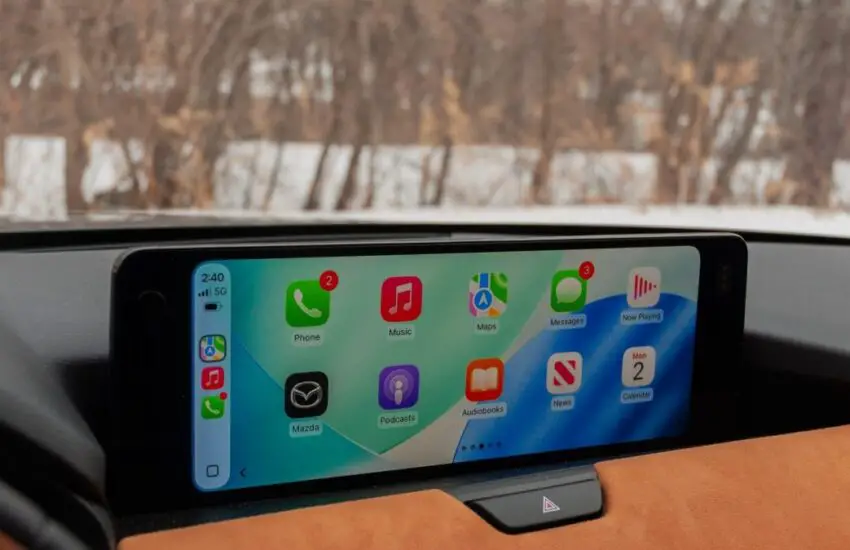
Mazda’s recent acknowledgment of its infotainment system’s shortcomings validated a long-standing debate among owners. The brand’s steadfast commitment to a rotary controller, eschewing touchscreens for most functions, created a clear divide. While some drivers praised the system’s safety and learned to navigate it efficiently, others found the learning curve frustrating, with some even reporting they rejected rental cars upon discovering the lack of touch capability.

Where the System Stumbled

The core issue wasn’t the rotary dial itself, but its execution and the software it controlled. Menus were often deep and convoluted, making simple tasks like entering a navigation address or switching audio sources a multi-step process. The system’s reliance on the commander knob for nearly all inputs, combined with a screen positioned further from the driver for safety, meant eyes were off the road longer than necessary—ironically counter to Mazda’s safety-first rationale.

The Simple Fixes That Could Have Saved It

Mazda was remarkably close to a successful system. A few key adjustments could have transformed user experience. First, reintroducing touchscreen functionality for passenger use and specific tasks like map pinching would have offered the best of both worlds. Second, a major software overhaul to flatten menu structures and allow more customization of home-screen shortcuts would have reduced distraction. Finally, integrating more intuitive voice commands from the start, rather than as a later update, could have provided a seamless, hands-free alternative.

Ultimately, Mazda’s infotainment story is a lesson in user-centric design. A principled approach to driver focus is commendable, but it must be balanced with intuitive usability. The system’s potential was gated not by hardware limitations, but by software design choices that prioritized philosophy over fluidity. As the industry moves forward, the lesson is clear: even the most well-intentioned systems must pass the ultimate test of daily, frustration-free use.