Europe’s Battery Ambitions Face a Critical Reality Check

A Strategic Warning for Europe’s Electric Future

The European electric vehicle battery sector, once a beacon of industrial ambition, is confronting profound strategic challenges. At the center of this pivotal moment is ACC, a joint venture backed by automotive giants Stellantis and Mercedes-Benz alongside energy leader TotalEnergies. Its CEO, Yann Vincent, has issued a stark warning about the severe risks threatening the continent’s energy sovereignty and technological independence.

The Core Challenges: Cost and Competition

The primary hurdle is immense cost pressure. European manufacturers are struggling to compete with the influx of lower-cost batteries from Asian producers, particularly China. This price disparity is not merely a commercial issue; it represents a direct threat to the viability of local gigafactories and the entire strategic supply chain Europe has sought to build. High energy costs, complex regulations, and significant investment requirements further exacerbate the situation, putting European production at a distinct disadvantage.

Beyond Manufacturing: A Question of Sovereignty

This industrial challenge transcends economics. The European Union’s goal of securing a resilient, domestic battery value chain—from raw material processing to cell production—is now in jeopardy. Dependence on foreign battery technology and imports undermines the strategic autonomy of the European automotive industry, a cornerstone of its economy. Vincent’s alert underscores that without decisive intervention, Europe risks losing control over a critical component of the clean energy transition.

The Path Forward for European Industry

Addressing this crisis requires a coordinated, multi-faceted response. Analysts point to the urgent need for accelerated innovation in next-generation battery technologies, such as solid-state, where Europe can potentially regain a competitive edge. Furthermore, streamlining regulatory frameworks and fostering stronger collaboration between member states could reduce overhead and accelerate project deployment. The coming months will be critical in determining whether Europe can adjust its strategy to protect this vital industrial sector.
Kia EV4 Launch Promo: Major Savings on New Electric Sedan

Kia EV4 Hits the Market with Aggressive Pricing Strategy

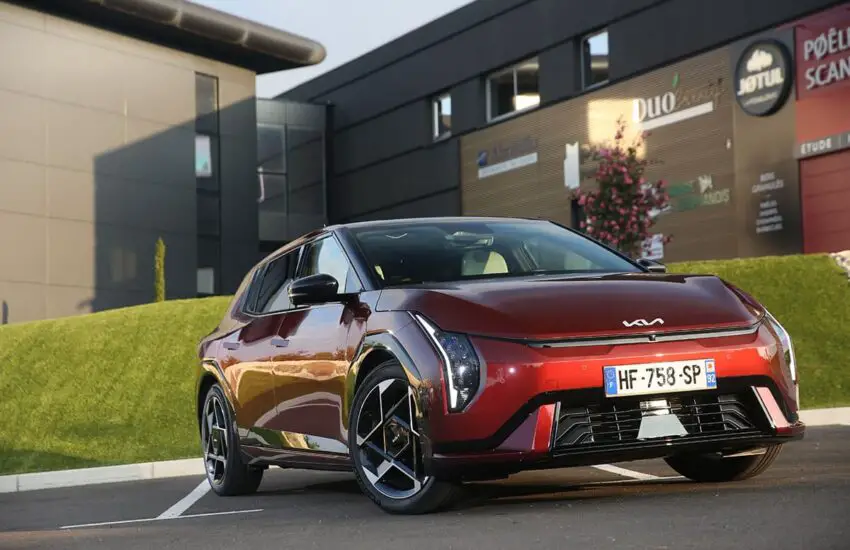
The newly launched Kia EV4 is making an immediate impact in the competitive electric vehicle sector with a compelling financial offer. This compact electric sedan arrives with a significant package of incentives designed to lower the cost of entry for buyers. Kia’s bold move aims to establish the EV4 as a top contender in the growing market for affordable, stylish electric transportation.

Unpacking the EV4’s Financial Advantages

The promotional offer for the Kia EV4 combines various national and manufacturer incentives. Eligible buyers can benefit from substantial savings, making this new model an economically attractive option. This strategic pricing is crucial for standing out in a segment crowded with both established and emerging electric vehicles.

Design and Performance Highlights

Beyond its attractive price point, the Kia EV4 boasts a modern, aerodynamic design that aligns with current EV trends. It is expected to offer a competitive electric range suitable for daily commutes and longer journeys. The interior likely features the latest connectivity and driver-assistance technology, providing a balanced package of efficiency, comfort, and innovation for its class.

Strategic Impact on the EV Market

Kia’s decision to launch the EV4 with such a strong commercial offer signals a strategic push to capture market share early. By lowering the initial financial barrier, Kia not only attracts individual consumers but also positions the model favorably for corporate and fleet purchases. This launch strategy highlights the increasing importance of value propositions in the electric vehicle industry, where total cost of ownership is a key decision factor for buyers.

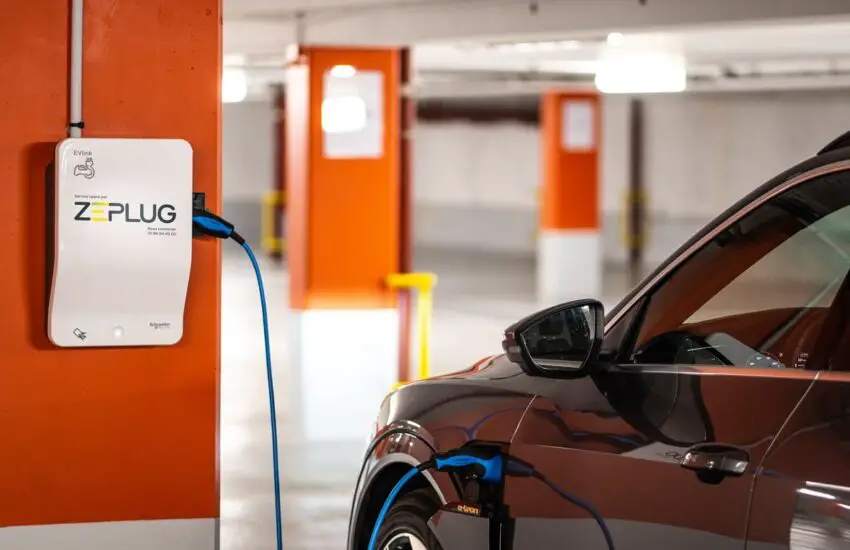
Unlocking EV Charging for Condo and Apartment Dwellers

The Condominium Charging Conundrum

For residents of apartments and condominiums, the promise of electric vehicle ownership often hits a significant roadblock: the lack of accessible home charging. While single-family homeowners can easily install a charger in their garage, multi-unit residential buildings present a complex puzzle involving shared infrastructure, collective decision-making, and cost allocation. Solving this challenge is critical for accelerating widespread electric mobility in urban and suburban areas.

Navigating Collective Decision-Making

The first major hurdle is governance. Installing shared charging infrastructure requires a vote from the condominium association or building owners. Proposals must address concerns about grid capacity, equitable access, and long-term maintenance. Clear communication about the benefits, including potential property value increases and meeting future resident demand, is essential for securing approval. Presenting a phased rollout plan can often make the project more palatable to all stakeholders.

Innovative Solutions and Smart Technology

Modern solutions are simplifying this transition. Smart charging stations can manage power distribution efficiently, preventing grid overload without costly electrical panel upgrades. These systems often feature user authentication and billing software, allowing costs to be directly assigned to the EV owner rather than the collective. Furthermore, new regulations in many regions are streamlining the approval process for residents requesting installation, empowering individual owners to move forward.

Overcoming Infrastructure and Cost Barriers

The initial investment for wiring and hardware can be a concern. However, a growing number of government grants, utility company incentives, and innovative financing models are available to offset these costs. A strategic approach involves starting with a few charging points in optimal locations, then expanding as adoption grows. This scalable method demonstrates feasibility and builds consensus for further investment in the building’s electrical future.

Citroën’s Electric Trio for Business Mobility

Citroën’s Electric Fleet for Professionals

Business mobility is undergoing a significant transformation, and Citroën is positioning itself as a key player with a dedicated electric vehicle strategy. The brand has curated a trio of 100% electric models designed to meet the diverse and demanding needs of professionals. This focused lineup aims to provide practical, comfortable, and cost-effective solutions for companies transitioning to sustainable transport.

A Model for Every Professional Need

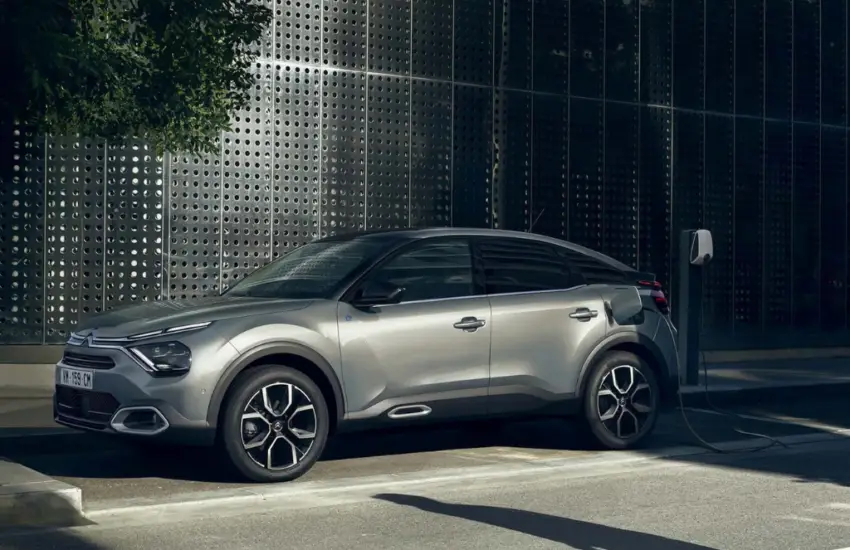
The core of this strategy is three distinct vehicles. The Citroën ë-C3 serves as the accessible urban specialist, ideal for navigating city streets and managing daily commutes with efficiency. For professionals requiring a more dynamic presence or longer range, the Citroën ë-C4 offers a versatile hatchback option. Completing the trio, the ë-C5 Aircross SUV provides spacious comfort and practicality, perfect for teams or those needing to transport equipment without compromising on a zero-emission footprint.

Advantages for Business Operations

Adopting this electric fleet offers tangible benefits for businesses. The primary advantage is the reduction in running costs, with lower energy expenses per mile compared to traditional fuels and simplified maintenance. Furthermore, electric vehicles contribute to a company’s sustainability goals, enhancing its corporate social responsibility profile. For drivers, the quiet and smooth operation of EVs, combined with Citroën’s focus on comfort, can improve the daily professional experience.

This targeted approach demonstrates how automakers are developing specialized offerings for the commercial sector. By providing a clear path to electrification with varied models, Citroën enables businesses of different sizes and sectors to find a suitable electric vehicle that aligns with both their operational duties and environmental objectives.

Renault’s Horse Powertrain Unveils Record-Efficiency H12 Hybrid Engine

A New Benchmark in Hybrid Efficiency

In a significant move for the future of hybrid vehicles, Horse Powertrain, a subsidiary of the Renault Group, has officially unveiled its new HORSE H12 engine. Developed in collaboration with energy specialist Repsol, this internal combustion engine is specifically engineered for hybrid architectures and promises record-breaking fuel efficiency. The announcement signals a major step in optimizing traditional powertrains for an electrified era.

Engineering for a Hybrid World

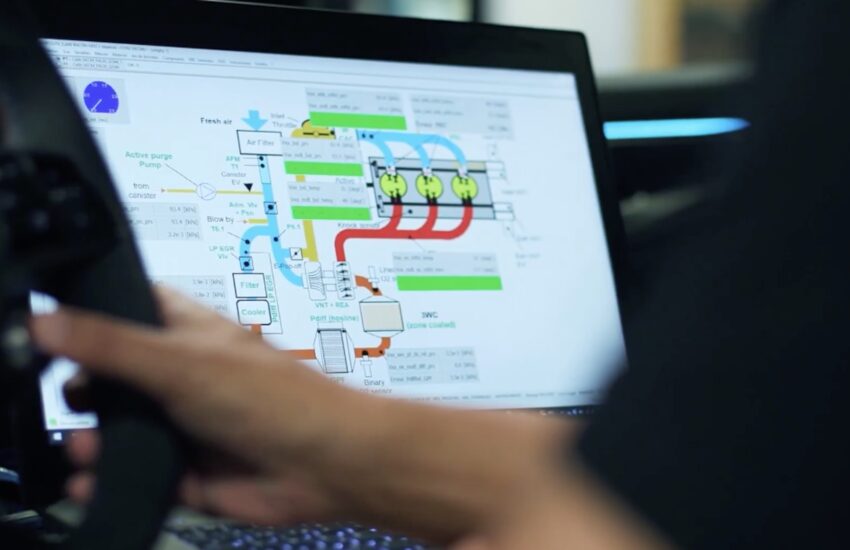
The HORSE H12 is not a conventional engine adapted for hybridization; it was conceived from the ground up to operate within a hybrid system. This dedicated design allows for optimization in areas where traditional engines are less efficient. The engine can operate in its ideal load and RPM ranges more consistently, with the electric motor handling other driving scenarios. This synergy is key to achieving its remarkable targeted fuel consumption of just 3.3 liters per 100 kilometers, a figure that sets a new benchmark for hybrid powertrains.

Collaboration and Sustainable Innovation

The partnership with Repsol was crucial in developing advanced lubricants and fuels tailored to the H12’s specific operation. This collaboration focuses on reducing friction and maximizing thermal efficiency, ensuring every drop of fuel is used effectively. The project underscores a pragmatic approach to decarbonization, enhancing existing technology to deliver immediate reductions in emissions and fuel consumption while the automotive industry continues its broader transition.

This engine is expected to be a cornerstone for future models across various brands, offering a practical and efficient solution for the global market. It represents a critical bridge technology, proving that innovation in internal combustion still has a vital role to play in the journey toward sustainable mobility.

Polestar’s Electric Vehicle Roadmap: New Models Through 2028

Polestar’s Strategic Electrification Plan

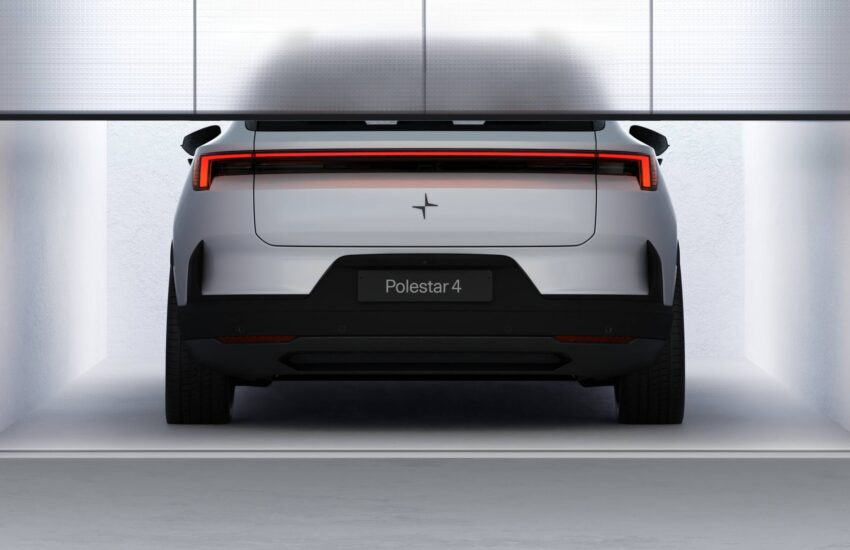
The Swedish performance electric vehicle brand Polestar has laid out a comprehensive product roadmap, charting its course through 2028. This ambitious plan signifies a rapid acceleration towards a fully electric lineup, aiming to solidify its position in the competitive premium EV segment. As a standalone brand born from the alliance of Volvo and Geely, Polestar is leveraging its unique design and technological heritage to challenge established automotive players.

Expanding the Electric Portfolio

Central to Polestar’s strategy is a significant expansion of its model range. The brand intends to move beyond its current offerings of fastback and SUV body styles to cater to a broader audience seeking sustainable performance. This expansion is expected to include vehicles in new segments, potentially addressing different market preferences and driving needs. Each new model will be built upon Polestar’s core principles of avant-garde design, leading-edge technology, and a driver-focused experience, all within a fully electric framework.

Technology and Platform Evolution

The upcoming vehicles will benefit from continuous advancements in electric powertrain and battery technology. Polestar is expected to utilize and evolve the sophisticated modular platforms developed within the Geely ecosystem, which promise improvements in range, charging speed, and overall efficiency. Furthermore, the integration of advanced driver-assistance systems and next-generation connected car features will be a key focus, aiming to set new benchmarks for the digital user experience in the premium EV space.

A Vision for Sustainable Performance

By 2028, Polestar’s goal is to present a cohesive and compelling family of electric vehicles. This roadmap is not merely about launching new cars; it’s a statement of intent to be a defining brand in the era of electric mobility. The planned cadence of reveals and launches is designed to maintain momentum, attract new customers, and build a strong, distinctive identity centered around innovation and sustainability without compromising on the performance pedigree the brand is known for.

Opel Mokka-e Review: 2000km With The Compact Electric SUV

Living With The Opel Mokka Electric

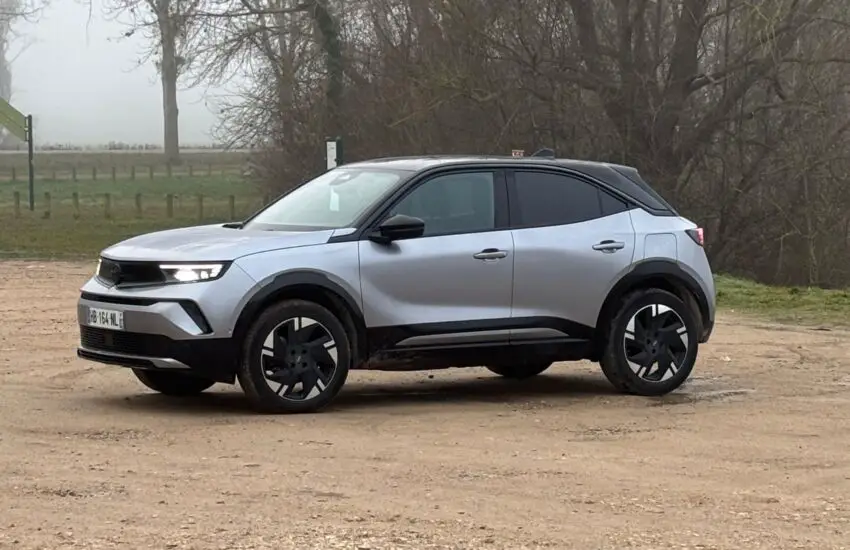
After covering over 2000 kilometers in the Opel Mokka-e, the compact electric SUV reveals itself as a compelling package for modern urban life. It successfully blends a distinctive, bold design with the quiet and instant responsiveness expected from an EV, making daily commutes and longer weekend trips a relaxed affair.

Performance and Everyday Usability

The 136 horsepower electric motor provides more than adequate power for city driving and highway merging. The real highlight is the driving experience: smooth, silent, and direct. The low center of gravity from the underfloor battery pack gives the Mokka-e surprisingly agile handling for a crossover, making it feel nimble in tight city streets.

With a WLTP range of up to 406 km, range anxiety fades for typical use. In real-world mixed conditions during our test, achieving 320-350 km was consistent, ample for a week of average commuting. Using a 100 kW public charger, a 10-80% charge can be completed in about 30 minutes, facilitating longer journeys.

Design, Comfort, and Practicality

Opel’s Vizor front end gives the Mokka-e a unique, futuristic identity. Inside, the cabin focuses on the driver with its Pure Panel dual-screen setup, which neatly integrates the digital instrument cluster and infotainment system. While space in the rear seats and trunk is typical for the compact SUV segment, it is sufficient for small families or couples. The build quality and materials feel solid, contributing to a refined atmosphere.

Final Verdict After Extended Testing

The Opel Mokka-e proves itself as a stylish and competent electric vehicle. It excels as a comfortable and efficient urban runabout, with enough range and charging speed to confidently handle occasional longer trips. Its standout design, user-friendly technology, and composed driving dynamics make it a strong contender in the competitive compact electric SUV market.

Electric Fleet Optimization: The Key to Efficient Last-Mile Delivery

Mastering the Electric Last Mile

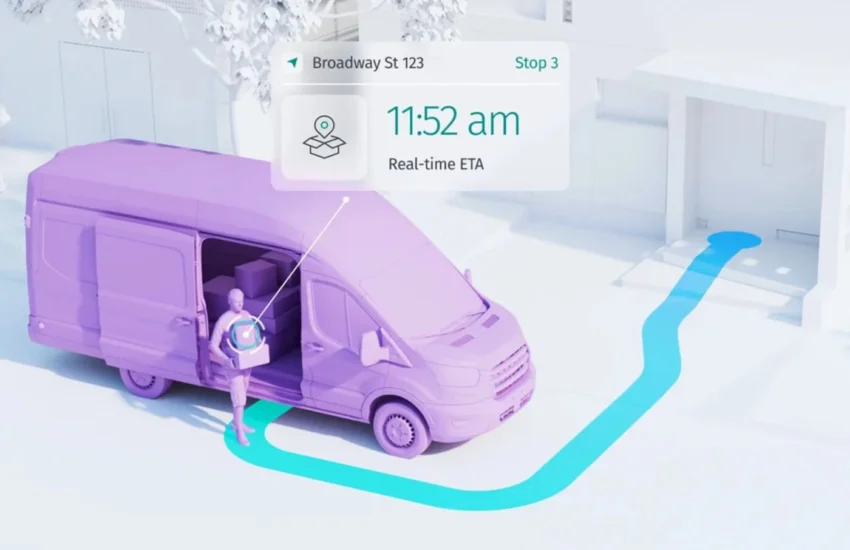
The rapid shift to electric delivery vehicles is transforming urban logistics. While essential for sustainability, this transition introduces new complexities for fleet managers. Range anxiety, charging logistics, and varying vehicle capacities must now be integrated into daily route planning. Successfully navigating this change is not just an operational upgrade—it’s a critical competitive advantage in the fast-paced world of last-mile delivery.

Beyond Simple Route Planning

Optimizing for an electric fleet requires a more sophisticated approach than traditional route planning. It involves a dynamic balance between delivery windows, real-time traffic data, and the specific energy consumption profiles of each vehicle. Factors like cargo weight, topography, and even weather conditions can significantly impact battery drain. Advanced optimization algorithms can process these variables to create the most efficient sequence of stops, ensuring drivers complete their routes without risking a depleted battery.

Integrating the Charging Infrastructure

A truly optimized system doesn’t end with the route. It seamlessly incorporates charging station locations and availability into the planning matrix. The smartest strategies may involve scheduling mid-route top-ups during mandated driver breaks or leveraging depot charging during off-peak hours for lower energy costs. This holistic view of vehicles, routes, and energy logistics is where major efficiency gains of 20% or more are realized, reducing both operational costs and environmental impact.

The Path to Sustainable Profitability

The ultimate goal of electric delivery optimization is to achieve sustainable profitability. By minimizing unnecessary mileage, reducing energy consumption, and maximizing the number of successful deliveries per charge, companies can see a rapid return on their electric vehicle investment. This efficient model not only meets growing consumer demand for green logistics but also future-proofs operations against increasing urban access restrictions for combustion-engine vehicles.

Detroit’s Sedan Revival: A Strategic U-Turn

The American Sedan Makes a Comeback

In a dramatic shift, Detroit’s automakers are reversing course. After a decade of aggressively phasing out passenger cars to focus exclusively on trucks and SUVs, a new strategy is emerging. This pivot back to sedans and smaller vehicles is not driven by nostalgia, but by a clear-eyed assessment of evolving market demands, regulatory pressures, and competitive gaps.

Responding to Market Realities

The initial move away from sedans was a profitable one, as SUVs commanded higher prices and margins. However, this created a significant void in the market. A substantial segment of buyers still seeks affordable, fuel-efficient, and maneuverable vehicles for daily commuting and urban life. By abandoning this segment entirely, Detroit ceded ground to import brands. The revival of models like the next-generation Chevrolet Malibu and similar projects signals an intent to recapture value-conscious customers and offer a complete brand portfolio.

Electrification as a Catalyst

The electric vehicle revolution is a primary engine for this change. Automakers are discovering that sleek, aerodynamic sedans are often the ideal platform for maximizing EV range and efficiency. Investing in new electric sedans allows companies to leverage advanced EV architectures while entering a growing segment. This strategy serves a dual purpose: meeting stringent emissions regulations and attracting tech-savvy early adopters who may not desire a traditional SUV form factor.

A Calculated Gamble for the Future

This strategic U-turn represents a calculated risk. It requires significant investment in new vehicle architectures during a time of immense technological change. The success of this sedan revival hinges on Detroit’s ability to deliver compelling products that blend attractive design, modern technology, and competitive pricing. The goal is no longer to dominate the sedan market, but to offer strategic, profitable entries that round out the lineup, meet regulatory benchmarks, and provide a gateway for new customers into their brands.

Ford’s EV Gear Selector Patent Reimagines Manual Driving

Ford’s Novel Approach to Electric Vehicle Interaction

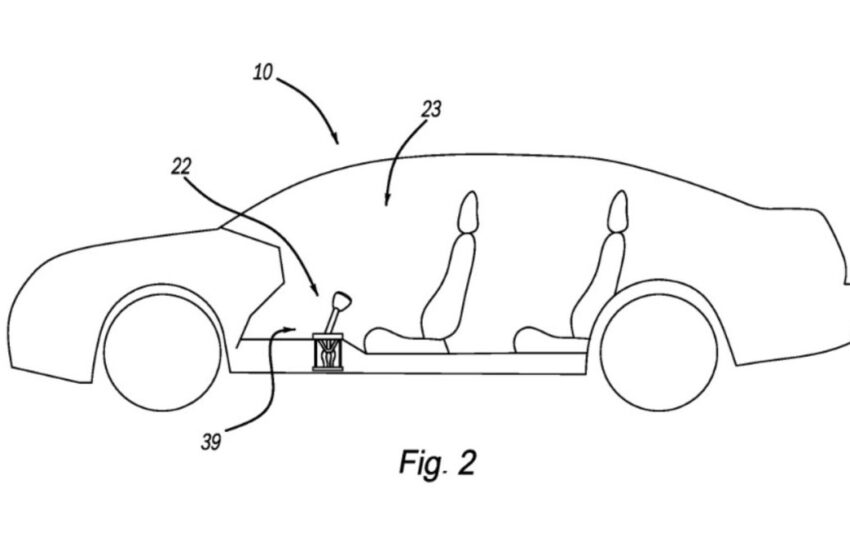
In a move blending nostalgia with forward-thinking technology, Ford has filed a patent for a multifunctional gear selector designed for electric vehicles. This device, at first glance, evokes the classic manual transmission, complete with a familiar gear knob and even simulated feedback. However, its purpose extends far beyond simple gear changes, representing a strategic effort to enhance the driver experience in the EV era.

Beyond a Simple Shifter

The patented system is not a mechanical gearbox, as electric vehicles do not require one. Instead, it functions as a sophisticated multi-mode controller. According to the patent documents, the selector can manage various vehicle functions depending on its mode. In one setting, it could adjust regenerative braking levels, allowing drivers to modulate deceleration and energy recapture intuitively. In another, it might control drive modes, shifting between settings like “Eco,” “Sport,” or “Normal” with the tactile engagement of moving a gear stick.

Enhancing Driver Engagement and Control

This innovation addresses a common critique of electric vehicles: a perceived lack of driver engagement compared to traditional cars. By providing a physical, interactive interface, Ford aims to bridge that gap. The familiar “H-pattern” or sequential gate offers a tactile connection, while the simulated sounds and feel could appeal to driving enthusiasts. It transforms a simple selection process into an immersive experience, giving the driver more direct and satisfying control over vehicle dynamics.

A Strategic Vision for Affordable EVs

This patent aligns with Ford’s broader strategy of developing its next generation of affordable electric vehicles. By focusing on innovative features that improve usability and enjoyment, Ford seeks to differentiate its models in a competitive market. The multifunction selector exemplifies how the company is rethinking interior design and human-machine interfaces, moving away from ubiquitous touchscreens to offer unique, engaging controls that could become a signature feature for its future EV lineup.