Rare Nissan Z Heritage Edition Destroyed Before Delivery

A Collector’s Dream Shattered at Port

A highly exclusive 2026 Nissan Z Heritage Edition has been destroyed in an accident before it could even reach a dealership. This limited-run model, one of only 500 units destined for the United States, was damaged at the import port, potentially reducing the total number to 499 before any customer could take delivery. The incident represents a significant loss for collectors and enthusiasts, as each Heritage Edition is a numbered piece celebrating the Z’s lineage.

Exclusive Features Lost in the Incident

The destroyed vehicle was finished in the signature Midnight Purple paint, a color exclusive to this special edition. Along with this unique exterior, the Heritage Edition features distinctive bronze-colored 19-inch RAYS wheels, special interior badges denoting its limited production number, and heritage-inspired graphics. The loss of this specific combination of features is what makes the incident particularly poignant for the automotive community, as these cars were built to be preserved as modern icons.

Photographic Evidence Surfaces Online

Images of the damaged vehicle were shared by an anonymous source, showing the sports car with significant damage to its front end. The photos confirm the severity of the incident, which appears to have impacted the hood, front bumper, and likely underlying components. The context of how the accident occurred at the port facility remains unclear, but the visual evidence has sparked widespread discussion among fans regarding the fragility of such rare automobiles during the logistics chain.

Impact on Rarity and Value

While tragic for the specific vehicle, this incident inadvertently increases the rarity of the remaining Nissan Z Heritage Editions. With one fewer in existence, the collectibility of the surviving 499 cars is instantly heightened. This event underscores the unpredictable factors that can influence the future value and status of limited-production vehicles, transforming them from new inventory into sought-after collector items before they even hit the showroom floor.

Volkswagen P1503 Code: Idle Air Control System Malfunction Explained

Understanding the Volkswagen P1503 OBD2 Trouble Code

The OBD2 diagnostic trouble code P1503 is a manufacturer-specific code primarily associated with Volkswagen (VW), Audi, Seat, and Skoda vehicles—collectively known as the Volkswagen Group. This code indicates a malfunction within the Idle Air Control (IAC) System. In simpler terms, the vehicle’s Engine Control Module (ECM) has detected that the system responsible for managing and stabilizing engine idle speed is not operating within its expected parameters. A stable idle is crucial for smooth operation, fuel efficiency, and reduced emissions when the vehicle is stationary. When P1503 appears, it signals that the ECM’s attempts to adjust idle speed via the IAC valve or related components are being ignored or are ineffective.

What Does “Idle Air Control System Malfunction” Mean?

The Idle Air Control system is a critical component of the engine management system. Its primary function is to bypass a controlled amount of air around the closed throttle plate to maintain a consistent and smooth idle speed under varying loads (like when the A/C compressor kicks on or power steering is engaged). When the ECM commands a change in idle speed by adjusting the IAC valve, it expects to see a corresponding change in engine RPM. Code P1503 is set when the ECM does not observe the expected change, indicating a failure in the control circuit, the valve itself, or a mechanical issue preventing its operation.

Common Symptoms and Causes of P1503 in Volkswagen Cars

Ignoring a P1503 code can lead to drivability issues and potential damage. Recognizing the symptoms early is key to a simpler diagnosis.

Primary Symptoms of a P1503 Fault

  • Erratic or Unstable Idle: The engine RPM may surge up and down (hunting) or fluctuate wildly at a stop.
  • Stalling: The engine may stall when coming to a stop, when the clutch is depressed (manual), or when shifting into gear (automatic).
  • High or Low Idle Speed: The engine may idle consistently too high (e.g., 1200 RPM) or too low (e.g., 500 RPM), causing vibration.
  • Illuminated Check Engine Light (CEL): The CEL is always on with a stored P1503 code. In some cases, the EPC (Electronic Power Control) light may also illuminate.
  • Hard Starting: Difficulty starting, especially when the engine is warm, can be a related symptom.

Root Causes of the P1503 Volkswagen Code

  • Faulty Idle Air Control (IAC) Valve: The most common cause. The valve’s internal motor can fail, or it can become clogged with carbon deposits, preventing movement.
  • Carbon Buildup in Throttle Body: Heavy carbon deposits around the throttle plate and IAC air passages can restrict airflow, making precise control impossible.
  • Electrical Issues: This includes damaged wiring, poor electrical connections at the IAC valve connector, corroded pins, or a blown fuse in the IAC circuit.
  • Vacuum Leaks: Unmetered air entering the intake manifold after the Mass Air Flow (MAF) sensor can confuse the ECM, making idle control erratic and triggering this code.
  • Failed Engine Control Module (ECM): While rare, a faulty ECM that cannot properly power or control the IAC valve can be the source.
  • Throttle Body Assembly Failure: On newer VW models with electronic throttle bodies (Drive-by-Wire), the idle control is integrated. A failure here can set P1503.

Step-by-Step Diagnostic and Repair Procedures

A systematic approach is essential to correctly diagnose P1503. Always start with the simplest and most cost-effective checks.

Initial Inspection and Data Verification

Begin by using a professional OBD2 scanner, preferably one with VW-specific software like VCDS (VAG-COM), to confirm the code and check live data. Monitor the Idle Air Control Valve duty cycle or position and the engine RPM while the engine is running. Command the IAC valve to open and close using the scanner’s output test function. If the valve does not audibly click or the engine RPM does not change, it points to a valve or circuit problem. Also, check for any other stored codes (like vacuum leak codes P0171/P0174) that could be related.

Mechanical and Electrical Testing

1. Visual and Physical Inspection: Locate the IAC valve (typically attached to the throttle body or intake manifold). Inspect the wiring harness and connector for damage, corrosion, or loose pins. Check all associated vacuum hoses for cracks or disconnections.

2. Cleaning the Throttle Body and IAC Passages: Often, a thorough cleaning is the fix. Remove the air intake hose to access the throttle body. Using a specialized throttle body cleaner (not carburetor cleaner), clean the throttle plate, bore, and the IAC valve air passages. For removable IAC valves, clean them separately according to manufacturer instructions. Note: After cleaning, an idle relearn procedure via a scan tool may be required.

3. Testing the IAC Valve: With the connector disconnected, measure the valve’s resistance across its terminals with a multimeter. Refer to a service manual for your specific VW model for the correct resistance range (typically between 7-15 ohms). An open circuit (infinite resistance) or a short (zero resistance) indicates a faulty valve.

Advanced Diagnostics and Final Solutions

If basic tests are inconclusive, proceed deeper. Use a multimeter to check for power and ground at the IAC valve connector with the ignition on. If power and ground are present but the valve tests bad, replacement is needed. If power is absent, trace the circuit back to the fuse and ECM. A smoke test of the intake system is highly recommended to rule out elusive vacuum leaks, which are a frequent culprit on VW engines.

Repair Costs, Prevention, and Professional Advice

The cost to fix a P1503 code varies significantly based on the root cause and your choice between DIY and professional repair.

Estimated Repair Costs and Parts

  • DIY Cleaning (Throttle Body/IAC Valve): $20 – $50 for cleaner and basic tools. This solves many cases.
  • Replacement IAC Valve: Part cost ranges from $100 to $300 for a quality OEM or OEM-equivalent part.
  • Professional Repair at a Shop: Total cost, including diagnosis, parts, and labor, typically ranges from $200 to $600+, depending on the required parts and shop rates.

Preventive Maintenance Tips

To prevent a recurrence of P1503 or similar idle control issues, adhere to a regular maintenance schedule. Use high-quality fuel and consider periodic fuel system cleaner treatments to reduce carbon buildup. During routine air filter changes, visually inspect the throttle body opening for early signs of carbon accumulation. Ensuring your vehicle’s PCV (Positive Crankcase Ventilation) system is functioning correctly also helps minimize oil vapors entering the intake.

When to Seek Professional Help

If you are not comfortable with electrical diagnostics, or if the problem persists after cleaning and basic testing, it is time to consult a professional mechanic, preferably one specializing in European vehicles. They have the advanced diagnostic tools, wiring diagrams, and experience to efficiently pinpoint the issue, whether it’s a complex vacuum leak, a wiring fault, or an ECM problem, saving you time and potentially costly misdiagnoses.


OBD2 Code P1503 MINI: Idle Air Control System Failure Diagnosis

Understanding OBD2 Code P1503 in Your MINI

When your MINI’s check engine light illuminates and a scan tool reveals Diagnostic Trouble Code (DTC) P1503, it indicates a specific fault within the engine’s idle speed control system. Formally defined as “Idle Air Control Actuator, Lower Stop Not Reached,” this code is common across many BMW and MINI models from the early 2000s to the late 2010s, including the MINI Cooper (R50/R53), Cooper S (R53), and later generations. The code is set when the Engine Control Module (ECM or DME) detects that the idle air control actuator (often a motorized valve) cannot move to its fully closed or “lower stop” position. This failure disrupts the precise management of engine idle speed, leading to noticeable drivability issues.

Technical Definition and System Operation

Code P1503 is a manufacturer-specific code within the P1xxx range, meaning its precise definition is controlled by the vehicle manufacturer (BMW/MINI). The idle air control (IAC) system is responsible for maintaining a stable and consistent engine idle speed regardless of load from accessories like the A/C compressor or power steering. It does this by bypassing a controlled amount of air around the closed throttle plate. The actuator is typically a stepper motor or DC motor that moves a pintle or flap to regulate this air passage. The ECM monitors the actuator’s position and expects it to reach a calibrated “home” or closed position. P1503 triggers when this expected position is not achieved.

Common Symptoms and Causes of P1503

Ignoring a P1503 code can lead to worsening performance and potential stalling in traffic, which is a safety concern. Recognizing the symptoms is the first step in diagnosis.

Primary Symptoms of a Faulty Idle Control System

  • Erratic or High Idle Speed: The engine may idle inconsistently, surging up and down, or settle at an abnormally high RPM (e.g., 1200-1500 RPM) when warm.
  • Low Idle and Stalling: Conversely, the idle may be too low, causing the engine to shake violently and stall, especially when coming to a stop or when engaging accessories.
  • Illuminated Check Engine Light (CEL): The CEL is always on with a stored P1503. In some cases, the vehicle may also go into a “limp-home” mode.
  • Hard Starting: Difficulty starting, particularly when the engine is warm, can occur as the ECM cannot set the correct air flow for startup.

Root Causes of DTC P1503

  • Failed Idle Air Control Valve/Actuator: The most common cause. The motor can burn out, the gears can strip, or the mechanism can become jammed with carbon.
  • Carbon Buildup in Throttle Body: Heavy carbon deposits around the throttle plate and IAC air passages can physically block the actuator’s movement.
  • Electrical Issues: This includes damaged wiring to the IAC valve, poor electrical connections at the valve or ECM, or a blown fuse powering the actuator circuit.
  • Vacuum Leaks: Unmetered air entering the intake manifold post-Mass Air Flow (MAF) sensor can confuse the ECM, making it impossible to achieve correct idle control, sometimes setting secondary codes.
  • Faulty Throttle Body Assembly: On some models, the IAC motor is integrated into the throttle body. A failure of the entire unit will trigger this code.
  • Software/ECM Glitch: Rarely, a corrupted software map in the Engine Control Module can cause false actuation commands.

Step-by-Step Diagnostic and Repair Guide

A systematic approach is key to correctly fixing P1503. Always start with the simplest and least expensive checks before replacing major components.

Step 1: Preliminary Checks and Code Verification

Begin by using a professional-grade OBD2 scanner to confirm the presence of P1503. Clear the code and perform a test drive. If it returns immediately, the fault is active. Check for any additional codes (like P0505, P0506, or vacuum leak codes) that may point to a related issue. Perform a thorough visual inspection of the engine bay, looking for disconnected or cracked vacuum hoses, especially around the intake manifold and crankcase ventilation system (a common failure point on MINIs).

Step 2: Inspect and Clean the Throttle Body and IAC Passages

Locate the throttle body (mounted on the intake manifold). On many MINIs, the IAC valve is attached to it. Remove the air intake duct to access the throttle body.

  • With the engine off and key removed, inspect the throttle plate and bore for heavy carbon buildup.
  • Use a dedicated throttle body cleaner and a soft cloth or brush to carefully clean the bore, plate edge, and the small IAC air bypass passages. Do not force the throttle plate open.
  • If the IAC valve is separate, remove it according to service manual instructions and clean its pintle and seat.

After cleaning, reconnect everything, clear the code, and perform an ECM idle adaptation reset using a scanner or the specific ignition key cycle procedure for your model. Test drive.

Step 3: Electrical Circuit Testing

If cleaning doesn’t resolve the issue, electrical diagnosis is next. You will need a digital multimeter (DMM).

  • Consult a wiring diagram for your specific MINI to identify the IAC valve connector pinout (typically 2-4 wires).
  • With the connector disconnected, check for power (usually 12V) and ground at the harness connector with the ignition on.
  • Measure the resistance of the IAC valve motor windings across the specified terminals. Compare to manufacturer specifications (often between 5-20 ohms). An open (infinite resistance) or short (near zero resistance) reading indicates a faulty valve.
  • Check the wiring harness for continuity back to the ECM and for any shorts to power or ground.

Step 4: Component Replacement and Final Steps

If electrical tests confirm a faulty valve or motor, replacement is necessary.

  • Purchase a high-quality OEM or reputable aftermarket IAC valve or throttle body assembly.
  • Replace the component, ensuring all gaskets and seals are renewed.
  • Reconnect the battery and use a scan tool to clear all fault codes.
  • It is CRITICAL to perform a throttle body adaptation and idle learn procedure after replacement. This calibrates the ECM to the new component’s range of motion. This is done via a professional scanner with BMW/MINI software capabilities.
  • Test drive the vehicle, monitoring live data for desired vs. actual idle RPM to confirm the repair.

Prevention and Professional Considerations

While some causes are inevitable, maintenance can reduce the risk of P1503.

Preventive Maintenance Tips

  • Regularly replace the engine air filter to prevent excessive dirt from entering the intake.
  • Use top-tier fuel and consider periodic fuel system cleaning to minimize carbon deposits.
  • Address any minor drivability concerns promptly before they trigger fault codes.
  • Ensure the crankcase ventilation system (CCV) is in good health, as failure can pressurize the crankcase and blow oil vapors into the intake.

When to Seek a Professional Mechanic

While a savvy DIYer can tackle cleaning and basic testing, seek a professional BMW/MINI specialist if:

  • You lack advanced diagnostic tools for adaptation procedures.
  • Electrical diagnosis is beyond your comfort level.
  • You suspect an underlying issue like a significant vacuum leak or a failing ECM.
  • The repair involves integrated throttle body modules, which require precise calibration.

A professional technician will have the factory-level diagnostic software (e.g., ISTA) to accurately perform adaptations and pinpoint the fault, ensuring a lasting repair for your MINI’s idle control system.

Understanding and Fixing the KIA P1503 OBD2 Code: Idle Air Control System Failure

What is the P1503 Code on a KIA Vehicle?

The OBD2 diagnostic trouble code (DTC) P1503 is a manufacturer-specific code for KIA, Hyundai, and some other Asian vehicles. It is defined as “Idle Air Control System – Malfunction (Low RPM)”. This code indicates that the vehicle’s Engine Control Unit (ECU) has detected an irregularity or failure within the idle air control (IAC) system, specifically when the engine is operating at low revolutions per minute (RPM). The IAC system is crucial for maintaining a stable and correct idle speed under varying engine loads from accessories like the air conditioning, power steering, and alternator.

When this code sets, the ECU has likely seen a significant discrepancy between the commanded idle speed and the actual idle speed reported by the crankshaft position sensor. The system is designed to compensate for load changes, and when it cannot achieve the target RPM, it logs the P1503 fault.

Symptoms and Causes of the P1503 Fault Code

Ignoring a P1503 code can lead to drivability issues and potential stalling, which is a safety concern. Recognizing the symptoms is the first step in diagnosis.

Common Symptoms of P1503

  • Erratic or Rough Idle: The engine RPM may surge up and down unpredictably while stopped.
  • Stalling: The engine may frequently stall when coming to a stop, when the A/C compressor kicks on, or when shifting into gear.
  • Low or High Idle Speed: The idle may be consistently too low (causing vibration) or too high (wasting fuel).
  • Illuminated Check Engine Light (CEL): The CEL is always on with a stored code. In some cases, the vehicle may also enter a limp mode.
  • Hard Starting: Difficulty starting, especially when the engine is warm, can be a related symptom.

Primary Causes of P1503 in KIA Models

  • Faulty Idle Air Control (IAC) Valve: The most common culprit. The valve’s internal motor can fail, or the valve pintle can become stuck due to carbon buildup.
  • Carbon Buildup in Throttle Body: Heavy carbon deposits around the throttle plate and IAC valve passage can restrict air flow, preventing proper operation.
  • Vacuum Leaks: Unmetered air entering the intake manifold after the Mass Air Flow (MAF) sensor can confuse the ECU and disrupt idle control.
  • Electrical Issues: Problems with the IAC valve wiring harness, such as broken wires, poor connections, or corroded terminals.
  • Failed IAC Valve Driver Circuit in the ECU: A less common, but serious, issue where the transistor inside the ECU that controls the IAC valve has failed.

Step-by-Step Diagnostic and Repair Procedure

A systematic approach is key to correctly diagnosing and fixing a P1503 code. Always start with the simplest and most common causes before moving to complex components like the ECU.

Step 1: Preliminary Checks and Code Verification

Begin by using an OBD2 scanner to confirm the presence of P1503. Clear the code and perform a test drive to see if it returns immediately or under specific conditions (e.g., with A/C on). Check for any other related codes, such as those for vacuum leaks or the MAF sensor, as they can contribute to the problem. Perform a thorough visual inspection of the engine bay for obvious vacuum hose cracks or disconnections.

Step 2: Inspect and Clean the Throttle Body and IAC Valve

This is the most frequent fix. Remove the air intake hose to access the throttle body.

  • Inspect the bore and throttle plate for heavy carbon deposits.
  • Locate the IAC valve (typically attached to or near the throttle body).
  • Use a dedicated throttle body and intake cleaner (not carburetor cleaner, which can damage sensors).
  • Spray cleaner on a lint-free cloth and wipe the throttle bore and plate. Avoid forcing the throttle plate open.
  • For the IAC valve, follow manufacturer guidelines; some can be cleaned in place, while others require removal. Clean the valve pintle and its passageway thoroughly.

After cleaning, clear the code and perform an Idle Relearn Procedure. This often requires a specific sequence (e.g., idling with all accessories off for 5-10 minutes, then with A/C on for another 5) or a scan tool with bidirectional controls.

Step 3: Test the IAC Valve Electrically

If cleaning doesn’t resolve the issue, test the valve. With the connector disconnected, measure the resistance across the IAC valve terminals with a multimeter. Consult a service manual for your specific KIA model (e.g., Sorento, Sportage, Optima), but typical resistance values range from 7 to 15 ohms. A reading of infinite resistance (open circuit) or zero (short circuit) indicates a faulty valve. You can also apply 12 volts to the valve (briefly) to see if the pintle extends and retracts; be sure to know the correct polarity.

Step 4: Check Wiring and Connectors

Inspect the wiring harness from the IAC valve connector back to the ECU. Look for chafing, burns, or broken wires. Check for voltage and ground at the connector with the ignition key in the “ON” position. Wiggle the harness while the engine is idling to see if the idle changes, indicating an intermittent fault.

Step 5: Advanced Testing and ECU Consideration

If all wiring and the IAC valve itself test good, the issue may be a failing driver circuit within the Engine Control Unit. This diagnosis is best left to a professional technician with advanced diagnostic equipment. They can use an oscilloscope to check the command signal from the ECU or perform a component actuation test with a professional scan tool.

Prevention and Professional Advice

Preventing a recurrence of P1503 involves regular maintenance and using quality parts.

Maintenance Tips to Avoid IAC Issues

  • Follow the manufacturer’s recommended service intervals for air filter replacement. A dirty air filter can lead to increased contamination.
  • Use Top Tier detergent gasoline to help minimize carbon deposit formation.
  • Consider a professional fuel system and intake cleaning service every 30,000 to 60,000 miles as preventative maintenance.

When to Seek Professional Help

While cleaning the throttle body is a common DIY fix, seek a professional mechanic if:

  • The P1503 code returns immediately after cleaning and relearn.
  • You are not comfortable with electrical diagnostics.
  • You suspect a vacuum leak that is difficult to locate.
  • The diagnosis points to a potential internal ECU failure, which requires specialized equipment to confirm and repair.

A skilled technician with access to factory service information and advanced tools can provide a definitive diagnosis, saving you time and money on unnecessary parts replacements.

In summary, the KIA P1503 code is a manageable fault centered on the idle air control system. A methodical approach—starting with inspection and cleaning, then moving to electrical tests—will successfully resolve the issue in the vast majority of cases, restoring smooth and reliable engine idle to your KIA vehicle.

Understanding and Fixing OBD-II Code P1503 in Hyundai Vehicles

What is Hyundai OBD-II Code P1503?

When your Hyundai’s check engine light illuminates and a scan tool reveals the diagnostic trouble code (DTC) P1503, it indicates a specific issue within the engine management system. Formally defined as “Idle Air Control System Malfunction,” this code is a generic powertrain code, meaning it is standardized across all OBD-II compliant vehicles, including Hyundai models like the Elantra, Sonata, Santa Fe, Tucson, and Accent. The code is set when the vehicle’s Engine Control Module (ECM) detects an electrical or functional problem with the circuit controlling the Idle Air Control (IAC) valve or its associated components. The IAC system is critical for maintaining a stable and correct engine idle speed under varying loads and temperatures.

Symptoms and Common Causes of P1503 in Hyundais

Ignoring a P1503 code can lead to drivability issues and potential stalling. Recognizing the symptoms is the first step in diagnosis.

Primary Symptoms of a P1503 Fault

  • Erratic or Unstable Idle: The engine RPM may surge up and down (hunting) or fluctuate wildly when stopped.
  • Stalling: The engine may stall when coming to a stop, when the A/C compressor engages, or when shifting into gear.
  • Incorrect Idle Speed: Idling consistently too high (fast idle) or too low (rough, lumpy idle).
  • Illuminated Check Engine Light (CEL): The CEL is always on with a stored P1503 code.
  • Hard Starting: Difficulty starting, especially when the engine is warm.

Root Causes of the P1503 Code

The P1503 code points to the idle air control *system*, not just the valve itself. A systematic approach is required to pinpoint the exact fault.

  • Faulty Idle Air Control (IAC) Valve: The most common cause. The valve’s internal motor can fail, or the valve can become stuck open or closed due to carbon buildup.
  • Carbon Buildup in Throttle Body: Heavy carbon deposits around the throttle plate and IAC valve passage can restrict air flow and prevent the valve from operating correctly.
  • Electrical Issues: This includes damaged wiring, poor electrical connections at the IAC valve connector, corroded pins, or a blown fuse in the IAC circuit.
  • Vacuum Leaks: Unmetered air entering the intake manifold after the Mass Air Flow (MAF) sensor can confuse the ECM, making it impossible to control idle properly.
  • Faulty Throttle Position Sensor (TPS): The ECM uses TPS input to determine idle state. A faulty signal can lead to incorrect IAC commands.
  • Failed Engine Control Module (ECM): Rare, but a malfunctioning ECM could send incorrect signals to the IAC valve.

Step-by-Step Diagnostic Procedure for P1503

Follow this technical diagnostic sequence to accurately identify the cause of the P1503 code. You will need a quality OBD2 scanner, a digital multimeter (DMM), and basic hand tools.

Step 1: Preliminary Checks and Visual Inspection

Begin with the simplest possibilities. Inspect the engine bay for obvious issues:

  • Check for any cracked, disconnected, or brittle vacuum hoses.
  • Locate the IAC valve (typically attached to the throttle body) and inspect its electrical connector for corrosion, bent pins, or loose fit.
  • Examine the wiring harness leading to the IAC valve for chafing, burns, or damage.
  • Consult your vehicle’s fuse diagram and check the relevant fuses for the ECM and IAC circuit.

Step 2: Using an OBD2 Scanner for Live Data

Clear the code and perform a test drive. If P1503 returns immediately, it’s likely a hard electrical fault. Use your scanner’s live data function:

  • Monitor the engine RPM and IAC valve command/duty cycle.
  • With the engine warm and at idle, turn on electrical loads (A/C, headlights, rear defroster). The ECM should command the IAC valve to open to compensate; you should see the duty cycle change and RPM remain stable. If not, the valve may be stuck.
  • Check the Throttle Position Sensor (TPS) reading. It should be at 0% or a very low voltage at idle throttle and increase smoothly as the pedal is pressed.

Step 3: Electrical Testing of the IAC Valve

Disconnect the electrical connector from the IAC valve. Using a digital multimeter, measure the resistance across the valve’s terminals (refer to a service manual for specific specs, but typical range is 7-15 ohms). An open circuit (infinite resistance) or a short (0 ohms) indicates a failed valve. Also, check for power and ground at the harness connector with the ignition key in the “ON” position.

Step 4: Mechanical Inspection and Cleaning

Remove the IAC valve from the throttle body (usually 2-4 bolts). Inspect the valve pintle and the seat in the throttle body for heavy carbon deposits. Clean both the valve and the throttle body passages thoroughly using a dedicated throttle body cleaner and a soft brush. Never force the IAC valve pintle in or out manually. After cleaning, reinstall and clear codes to see if the issue is resolved.

Repair Solutions and Prevention

Once the root cause is identified, the repair path becomes clear.

Repair Procedures for Identified Faults

  • Replacing the IAC Valve: If electrical or functional tests confirm failure, replacement is necessary. Use a high-quality OEM or reputable aftermarket part. Always reset the ECM after installation by disconnecting the battery for 10-15 minutes to allow it to relearn idle trim.
  • Fixing Vacuum Leaks: Use carburetor cleaner or a smoke machine to locate leaks. Repair or replace any leaking hoses, gaskets (like the intake manifold gasket), or components.
  • Repairing Wiring: Solder and heat-shrink any damaged wires. Replace damaged connectors.
  • Cleaning the Throttle Body: A regular maintenance item. Cleaning every 30,000-60,000 miles can prevent P1503 and other idle-related codes.

Preventing a Recurring P1503 Code

Preventative maintenance is key to avoiding idle control issues. Use high-quality fuel, ensure regular oil changes with the correct viscosity, and periodically clean the throttle body and IAC valve as part of your service routine. Addressing minor drivability issues promptly can prevent more serious faults from developing.

Conclusion

OBD2 code P1503 in your Hyundai, while potentially causing significant drivability problems, is a highly diagnosable and repairable issue. By understanding the role of the Idle Air Control system and following a logical diagnostic sequence—from visual inspection and live data analysis to electrical testing and mechanical cleaning—you can effectively pinpoint the cause, whether it’s a dirty valve, a vacuum leak, or an electrical fault. Addressing a P1503 code promptly will restore smooth engine operation, prevent stalling, and ensure your Hyundai runs as intended.

GMC P1503 Code: Idle Air Control System Malfunction Explained

Understanding the GMC P1503 Diagnostic Trouble Code

The OBD2 trouble code P1503 is a manufacturer-specific code primarily associated with General Motors (GM) vehicles, including GMC trucks and SUVs. In simple terms, this code indicates a malfunction within the Idle Air Control (IAC) system circuit. The vehicle’s Powertrain Control Module (PCM) monitors the IAC valve’s performance and electrical circuit. When the PCM detects an electrical value (voltage, resistance, or signal) that falls outside its pre-programmed expected range, it will illuminate the Check Engine Light and store code P1503. This is not an emissions-related code but a critical driveability code that directly affects engine idle quality and stability.

What is the Idle Air Control (IAC) System?

The Idle Air Control system is a crucial component for modern fuel-injected engines. Its primary function is to manage and stabilize the engine’s idle speed under varying conditions, regardless of engine load. When you turn on the A/C, power steering, or other accessories, the IAC valve opens to allow more air into the engine, preventing it from stalling. Conversely, it closes to lower idle speed when these loads are removed. It performs this by bypassing air around the closed throttle plate via a controlled passage.

How the PCM Detects a P1503 Fault

The PCM sends a command signal to the IAC valve, which is a small electric motor or solenoid. The valve responds by extending or retracting a pintle, which opens or closes the air bypass passage. The PCM constantly monitors the circuit’s feedback. A P1503 is set when the PCM sees:

  • An open circuit (infinite resistance) in the IAC valve windings.
  • A short circuit (very low resistance) in the IAC valve or its wiring.
  • A signal that does not match the commanded position, indicating a mechanical bind or failure.
  • Voltage readings at the PCM connector that are illogical for the given command.

Symptoms of a P1503 Code in Your GMC

Drivers will often notice symptoms related to poor idle control before the Check Engine Light comes on. Ignoring these signs can lead to more severe driveability issues and potential stalling in dangerous situations.

Primary Driveability Symptoms

  • Erratic or High Idle Speed: The most common symptom. The engine may idle at 1200, 1500 RPM, or even higher when warmed up, as the IAC valve is stuck open.
  • Low Idle or Stalling: If the IAC valve is stuck closed or cannot open, the engine may idle very low (400-500 RPM) and shake, or stall completely when coming to a stop or when accessories engage.
  • Intermittent Idle Surge: The idle speed may hunt or surge up and down repeatedly as the PCM struggles to gain control.

Secondary and Starting Symptoms

  • Hard Starting (Hot or Cold): An incorrect IAC position can affect the air/fuel mixture during cranking.
  • Illuminated Check Engine Light: The light will be steady, indicating a non-critical but persistent fault.
  • Poor Performance with Accessories: The engine may stumble or nearly stall when the A/C compressor or headlights are turned on.

Diagnosing and Fixing the P1503 Code on GMC Vehicles

Proper diagnosis is key. While the IAC valve is a common failure point, the code points to the *circuit*, meaning the problem could be in the wiring or the PCM itself. A systematic approach saves time and money.

Step 1: Preliminary Checks and Visual Inspection

Begin with the basics. Check for any obvious vacuum leaks around the throttle body and intake manifold, as they can cause similar symptoms. Then, locate the IAC valve (mounted on the throttle body) and its electrical connector.

  • Inspect the connector for corrosion, bent pins, or damage.
  • Check the wiring harness from the connector back for chafing, burns, or breaks.
  • Look for excessive carbon buildup around the IAC valve port on the throttle body.

Step 2: Testing the IAC Valve and Circuit

You will need a digital multimeter (DMM) for this step. Disconnect the electrical connector from the IAC valve.

  • Resistance Test: Measure the resistance across the two terminals of the IAC valve. Consult your GMC service manual for exact specifications, but typical values range from 40 to 80 ohms. A reading of 0 ohms indicates a short, and infinite resistance (OL) indicates an open circuit—both mean a bad valve.
  • Circuit Voltage Test: With the key in the ON position (engine off), back-probe the harness connector. You should measure approximately 10-12 volts on one wire (reference voltage from PCM). If there is no voltage, the issue is in the wiring or PCM power supply.

Step 3: Cleaning vs. Replacing the IAC Valve

If the valve tests within resistance specs but is dirty, cleaning is a viable first repair attempt.

  • Remove the IAC valve from the throttle body (usually two bolts).
  • Use a throttle body cleaner and a soft brush to clean the valve pintle and the seat in the throttle body. Never soak the electrical part of the valve.
  • Reinstall and clear the code. If the code returns, replacement is necessary.

Replacement Tip: When installing a new IAC valve, many professionals recommend performing an Idle Learn Procedure or PCM reset (disconnecting the battery) to allow the PCM to recalibrate the new valve’s range of motion.

Common GMC Models and Related Considerations

The P1503 code is frequently seen on popular GMC platforms like the Sierra, Yukon, and Canyon from the late 1990s through the mid-2000s. These vehicles often use a specific style of IAC valve mounted directly to the throttle body.

Could It Be the PCM?

While less common, a faulty PCM can be the root cause. This is typically considered only after all other components and wiring have been verified as functional. If the IAC valve receives proper voltage and ground from the PCM harness but does not operate, and a known-good valve was tested, PCM failure is a possibility. Consulting a professional with advanced diagnostic capabilities is advised at this stage.

Importance of Professional Diagnostics

For persistent P1503 codes or if you lack diagnostic tools, seeking a professional mechanic is wise. They have scan tools that can command the IAC valve through its range, observing the actual pintle movement and live data parameters, providing a conclusive diagnosis that goes beyond basic resistance checks.

Addressing a P1503 code promptly restores your GMC’s smooth idle, prevents unsafe stalling, and ensures the engine management system operates as designed. By following a logical diagnostic path, you can effectively solve this common GMC driveability issue.

Uber’s Autonomous Shift: A New Strategy Emerges

Uber’s Pivot in the Self-Driving Race

While many believed Uber had exited the autonomous vehicle competition after selling its self-driving unit, the ride-hailing giant is executing a strategic pivot. Rather than bearing the immense cost and risk of developing the technology alone, Uber is now forging key partnerships to integrate autonomous driving into its ecosystem. This collaborative approach could prove to be a more pragmatic path to market.

The Partnership-Driven Model

Uber’s current strategy hinges on integrating third-party autonomous vehicle services directly into its app. A prominent example is its partnership with Motional, an Aptiv-Hyundai joint venture. This allows Uber to offer driverless rides in specific markets without owning the underlying technology. This model transforms capital expenditure into a variable operating cost, letting Uber leverage its vast network and user base while specialized companies handle the complex R&D.

Data: The Unseen Advantage

Uber’s most significant asset in this new phase is data. Every trip booked through its platform generates invaluable information on traffic patterns, rider behavior, and optimal routes. By providing this aggregated, anonymized data to its autonomous vehicle partners, Uber can help train and refine their AI systems more efficiently. This data-sharing creates a symbiotic relationship, accelerating development for the technology providers while securing Uber’s role in the future mobility landscape.

A Focus on the Network

This shift indicates a fundamental rethinking of Uber’s core competency. The company is focusing on being the dominant network and marketplace for mobility, whether the vehicle has a driver or not. By integrating autonomous options, Uber aims to offer a more diverse and potentially cost-effective range of services. This ensures the platform remains relevant and competitive as technology evolves, securing its position as a gateway for millions of daily trips.

DIY Dent Repair Kits: A Step-by-Step Guide for Car Owners

Mastering Minor Dent Repair at Home

Small dents and dings are an unavoidable part of car ownership. From tight parking spaces to stray shopping carts, these minor imperfections can be frustrating. While a professional body shop is the go-to for major damage, many smaller blemishes can be successfully treated at home. DIY dent repair kits offer a cost-effective alternative, empowering car owners to restore their vehicle’s appearance with patience and the right technique.

Understanding DIY Dent Repair Kits

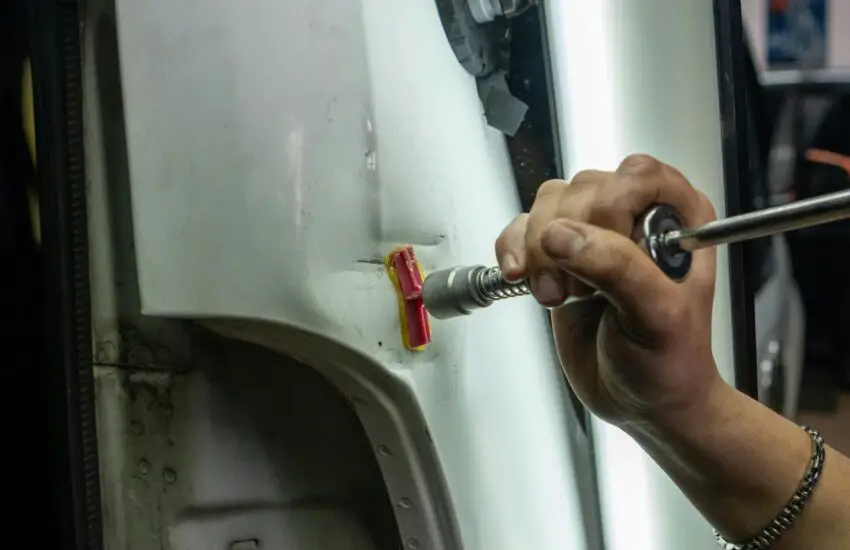
These kits are designed primarily for small to medium-sized dents where the paint is still intact. They typically utilize a glue-pull method or specialized tools to massage the metal back into place from behind. The process involves cleaning the area, applying adhesive to a pulling tab, and using a bridge or slide hammer to gradually reverse the dent. It’s a skill that requires a steady hand and an understanding of your vehicle’s panel construction.

Key Steps for a Successful Repair

Success starts with preparation. Thoroughly clean and degrease the dented area to ensure proper adhesion. Applying heat with a hairdryer can make the metal more pliable, especially in cooler weather. The pulling process must be gradual; applying too much force at once can worsen the damage. Work slowly from the edges of the dent inward, using multiple light pulls rather than one aggressive attempt. After the metal is mostly leveled, fine-tuning with a rubber mallet and block may be necessary.

When to Choose a DIY Approach

DIY kits are ideal for shallow, crease-free dents on accessible body panels like doors or hoods. They are less effective on sharp dents, damage on body lines, or areas with double-layered metal. The condition of the paint is critical—if it’s cracked or chipped, a touch-up will be needed afterward to prevent rust. For complex damage or dents on critical structural areas, consulting a professional remains the safest and most reliable option to preserve your car’s value and safety.

EV Weekly: Tesla’s AI Push, BMW’s Neue Klasse, Audi’s Q6 e-tron

The Pulse of Electric Mobility

The electric vehicle sector moves at a relentless pace, with each week bringing pivotal announcements from automakers, breakthroughs in battery technology, and shifts in global market dynamics. This condensed overview highlights the key developments shaping the future of transportation.

Strategic Shifts and Model Launches

This week’s headlines were dominated by major product reveals and strategic announcements. Audi officially unveiled the production version of its crucial Q6 e-tron SUV, the first model built on the new Premium Platform Electric (PPE) developed with Porsche. It promises significant gains in charging speed and range, marking a new chapter for the brand’s electric lineup.

Meanwhile, BMW provided deeper insights into its “Neue Klasse” vision, a holistic approach encompassing not just new vehicles like the upcoming electric 3-series equivalent, but also next-generation battery technology and a revamped digital user experience aimed at reclaiming its edge in the premium EV segment.

Technology and Infrastructure Advances

Beyond new cars, the focus extended to the underlying technology. Tesla’s shareholder meeting heavily emphasized the company’s pivot towards artificial intelligence and robotics, framing its future less as a pure car company and more as an AI leader. This strategic narrative aims to secure investor confidence amidst competitive pressures.

In parallel, news from the charging infrastructure front indicated accelerated deployment of ultra-fast charging networks across Europe and North America, a critical enabler for widespread EV adoption. The industry is steadily addressing one of the most significant consumer concerns: charging convenience and speed.

Market Dynamics and Future Outlook

The competitive landscape continues to intensify. With established automakers like BMW and Audi rolling out dedicated EV platforms, and Tesla diversifying its focus, the market is entering a phase where software, energy efficiency, and user experience will become the primary battlegrounds, surpassing the initial race for range alone.

From Busy to Profitable: The Owner-Operator’s Maintenance Mindset

The High Cost of “Busy”

For owner-operators, the road is your office and your truck is your livelihood. A common misconception equates being busy with being profitable. However, the harsh reality is that revenue stops the moment your wheels do. Every unscheduled roadside breakdown, every missed delivery window, and every out-of-service violation directly attacks your bottom line. True profitability isn’t measured in miles driven, but in reliable, uninterrupted operation.

Maintenance as a Business Strategy

Shifting your perspective is critical. Proactive vehicle maintenance is not merely a mechanical necessity or a “shop’s problem”—it is your core business strategy. Industry cost analyses consistently show that the expense of preventative maintenance is a fraction of the cost of catastrophic repairs and the associated downtime. Treating your rig’s service schedule as your most important appointment transforms maintenance from a cost center into a profit-protection plan.

Building a System for Success

Moving from reactive to proactive requires a system. This starts with meticulous record-keeping and adhering to a strict preventative maintenance schedule tailored to your specific operation. Utilize technology like electronic logging devices and maintenance reminders to stay ahead of service intervals. Furthermore, building a relationship with a trusted, reliable shop ensures consistent quality work and can prevent minor issues from becoming major roadblocks.

Ultimately, the most successful owner-operators understand that their truck is a business asset, not just a vehicle. By investing strategically in its health through disciplined maintenance, you secure the one thing every business needs: operational reliability. This mindset shift is what separates those who are merely busy from those who are consistently and sustainably profitable.