GMC P1503 Code: Idle Air Control System Malfunction Explained

Understanding the GMC P1503 Diagnostic Trouble Code

The OBD2 trouble code P1503 is a manufacturer-specific code primarily associated with General Motors (GM) vehicles, including GMC trucks and SUVs. In simple terms, this code indicates a malfunction within the Idle Air Control (IAC) system circuit. The vehicle’s Powertrain Control Module (PCM) monitors the IAC valve’s performance and electrical circuit. When the PCM detects an electrical value (voltage, resistance, or signal) that falls outside its pre-programmed expected range, it will illuminate the Check Engine Light and store code P1503. This is not an emissions-related code but a critical driveability code that directly affects engine idle quality and stability.

What is the Idle Air Control (IAC) System?

The Idle Air Control system is a crucial component for modern fuel-injected engines. Its primary function is to manage and stabilize the engine’s idle speed under varying conditions, regardless of engine load. When you turn on the A/C, power steering, or other accessories, the IAC valve opens to allow more air into the engine, preventing it from stalling. Conversely, it closes to lower idle speed when these loads are removed. It performs this by bypassing air around the closed throttle plate via a controlled passage.

How the PCM Detects a P1503 Fault

The PCM sends a command signal to the IAC valve, which is a small electric motor or solenoid. The valve responds by extending or retracting a pintle, which opens or closes the air bypass passage. The PCM constantly monitors the circuit’s feedback. A P1503 is set when the PCM sees:

  • An open circuit (infinite resistance) in the IAC valve windings.
  • A short circuit (very low resistance) in the IAC valve or its wiring.
  • A signal that does not match the commanded position, indicating a mechanical bind or failure.
  • Voltage readings at the PCM connector that are illogical for the given command.

Symptoms of a P1503 Code in Your GMC

Drivers will often notice symptoms related to poor idle control before the Check Engine Light comes on. Ignoring these signs can lead to more severe driveability issues and potential stalling in dangerous situations.

Primary Driveability Symptoms

  • Erratic or High Idle Speed: The most common symptom. The engine may idle at 1200, 1500 RPM, or even higher when warmed up, as the IAC valve is stuck open.
  • Low Idle or Stalling: If the IAC valve is stuck closed or cannot open, the engine may idle very low (400-500 RPM) and shake, or stall completely when coming to a stop or when accessories engage.
  • Intermittent Idle Surge: The idle speed may hunt or surge up and down repeatedly as the PCM struggles to gain control.

Secondary and Starting Symptoms

  • Hard Starting (Hot or Cold): An incorrect IAC position can affect the air/fuel mixture during cranking.
  • Illuminated Check Engine Light: The light will be steady, indicating a non-critical but persistent fault.
  • Poor Performance with Accessories: The engine may stumble or nearly stall when the A/C compressor or headlights are turned on.

Diagnosing and Fixing the P1503 Code on GMC Vehicles

Proper diagnosis is key. While the IAC valve is a common failure point, the code points to the *circuit*, meaning the problem could be in the wiring or the PCM itself. A systematic approach saves time and money.

Step 1: Preliminary Checks and Visual Inspection

Begin with the basics. Check for any obvious vacuum leaks around the throttle body and intake manifold, as they can cause similar symptoms. Then, locate the IAC valve (mounted on the throttle body) and its electrical connector.

  • Inspect the connector for corrosion, bent pins, or damage.
  • Check the wiring harness from the connector back for chafing, burns, or breaks.
  • Look for excessive carbon buildup around the IAC valve port on the throttle body.

Step 2: Testing the IAC Valve and Circuit

You will need a digital multimeter (DMM) for this step. Disconnect the electrical connector from the IAC valve.

  • Resistance Test: Measure the resistance across the two terminals of the IAC valve. Consult your GMC service manual for exact specifications, but typical values range from 40 to 80 ohms. A reading of 0 ohms indicates a short, and infinite resistance (OL) indicates an open circuit—both mean a bad valve.
  • Circuit Voltage Test: With the key in the ON position (engine off), back-probe the harness connector. You should measure approximately 10-12 volts on one wire (reference voltage from PCM). If there is no voltage, the issue is in the wiring or PCM power supply.

Step 3: Cleaning vs. Replacing the IAC Valve

If the valve tests within resistance specs but is dirty, cleaning is a viable first repair attempt.

  • Remove the IAC valve from the throttle body (usually two bolts).
  • Use a throttle body cleaner and a soft brush to clean the valve pintle and the seat in the throttle body. Never soak the electrical part of the valve.
  • Reinstall and clear the code. If the code returns, replacement is necessary.

Replacement Tip: When installing a new IAC valve, many professionals recommend performing an Idle Learn Procedure or PCM reset (disconnecting the battery) to allow the PCM to recalibrate the new valve’s range of motion.

Common GMC Models and Related Considerations

The P1503 code is frequently seen on popular GMC platforms like the Sierra, Yukon, and Canyon from the late 1990s through the mid-2000s. These vehicles often use a specific style of IAC valve mounted directly to the throttle body.

Could It Be the PCM?

While less common, a faulty PCM can be the root cause. This is typically considered only after all other components and wiring have been verified as functional. If the IAC valve receives proper voltage and ground from the PCM harness but does not operate, and a known-good valve was tested, PCM failure is a possibility. Consulting a professional with advanced diagnostic capabilities is advised at this stage.

Importance of Professional Diagnostics

For persistent P1503 codes or if you lack diagnostic tools, seeking a professional mechanic is wise. They have scan tools that can command the IAC valve through its range, observing the actual pintle movement and live data parameters, providing a conclusive diagnosis that goes beyond basic resistance checks.

Addressing a P1503 code promptly restores your GMC’s smooth idle, prevents unsafe stalling, and ensures the engine management system operates as designed. By following a logical diagnostic path, you can effectively solve this common GMC driveability issue.

Uber’s Autonomous Shift: A New Strategy Emerges

Uber’s Pivot in the Self-Driving Race

While many believed Uber had exited the autonomous vehicle competition after selling its self-driving unit, the ride-hailing giant is executing a strategic pivot. Rather than bearing the immense cost and risk of developing the technology alone, Uber is now forging key partnerships to integrate autonomous driving into its ecosystem. This collaborative approach could prove to be a more pragmatic path to market.

The Partnership-Driven Model

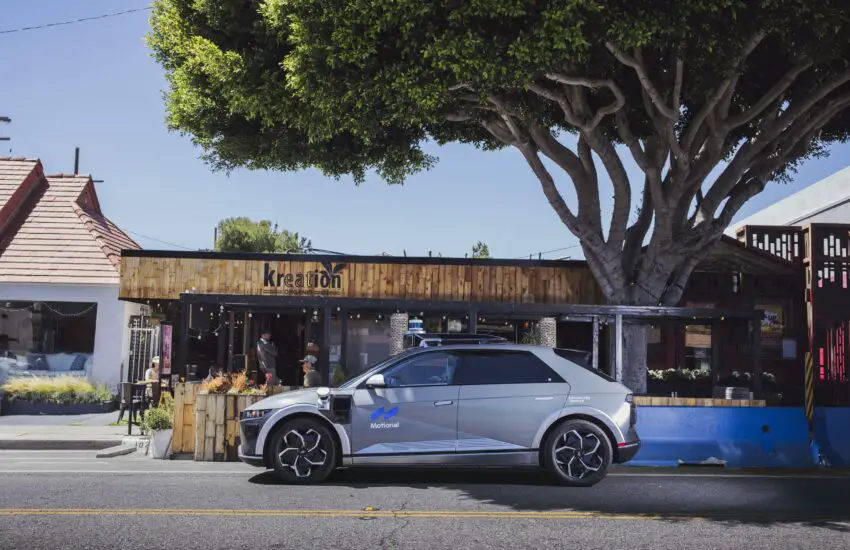
Uber’s current strategy hinges on integrating third-party autonomous vehicle services directly into its app. A prominent example is its partnership with Motional, an Aptiv-Hyundai joint venture. This allows Uber to offer driverless rides in specific markets without owning the underlying technology. This model transforms capital expenditure into a variable operating cost, letting Uber leverage its vast network and user base while specialized companies handle the complex R&D.

Data: The Unseen Advantage

Uber’s most significant asset in this new phase is data. Every trip booked through its platform generates invaluable information on traffic patterns, rider behavior, and optimal routes. By providing this aggregated, anonymized data to its autonomous vehicle partners, Uber can help train and refine their AI systems more efficiently. This data-sharing creates a symbiotic relationship, accelerating development for the technology providers while securing Uber’s role in the future mobility landscape.

A Focus on the Network

This shift indicates a fundamental rethinking of Uber’s core competency. The company is focusing on being the dominant network and marketplace for mobility, whether the vehicle has a driver or not. By integrating autonomous options, Uber aims to offer a more diverse and potentially cost-effective range of services. This ensures the platform remains relevant and competitive as technology evolves, securing its position as a gateway for millions of daily trips.

DIY Dent Repair Kits: A Step-by-Step Guide for Car Owners

Mastering Minor Dent Repair at Home

Small dents and dings are an unavoidable part of car ownership. From tight parking spaces to stray shopping carts, these minor imperfections can be frustrating. While a professional body shop is the go-to for major damage, many smaller blemishes can be successfully treated at home. DIY dent repair kits offer a cost-effective alternative, empowering car owners to restore their vehicle’s appearance with patience and the right technique.

Understanding DIY Dent Repair Kits

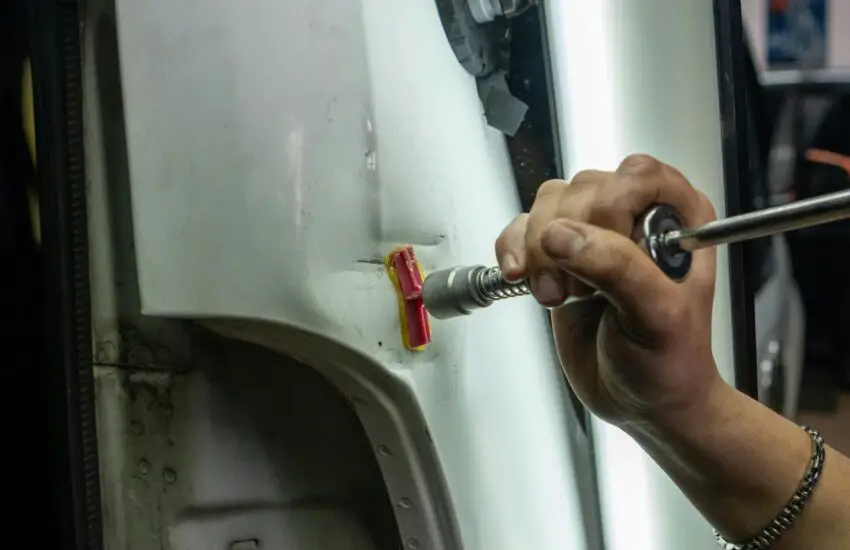
These kits are designed primarily for small to medium-sized dents where the paint is still intact. They typically utilize a glue-pull method or specialized tools to massage the metal back into place from behind. The process involves cleaning the area, applying adhesive to a pulling tab, and using a bridge or slide hammer to gradually reverse the dent. It’s a skill that requires a steady hand and an understanding of your vehicle’s panel construction.

Key Steps for a Successful Repair

Success starts with preparation. Thoroughly clean and degrease the dented area to ensure proper adhesion. Applying heat with a hairdryer can make the metal more pliable, especially in cooler weather. The pulling process must be gradual; applying too much force at once can worsen the damage. Work slowly from the edges of the dent inward, using multiple light pulls rather than one aggressive attempt. After the metal is mostly leveled, fine-tuning with a rubber mallet and block may be necessary.

When to Choose a DIY Approach

DIY kits are ideal for shallow, crease-free dents on accessible body panels like doors or hoods. They are less effective on sharp dents, damage on body lines, or areas with double-layered metal. The condition of the paint is critical—if it’s cracked or chipped, a touch-up will be needed afterward to prevent rust. For complex damage or dents on critical structural areas, consulting a professional remains the safest and most reliable option to preserve your car’s value and safety.

EV Weekly: Tesla’s AI Push, BMW’s Neue Klasse, Audi’s Q6 e-tron

The Pulse of Electric Mobility

The electric vehicle sector moves at a relentless pace, with each week bringing pivotal announcements from automakers, breakthroughs in battery technology, and shifts in global market dynamics. This condensed overview highlights the key developments shaping the future of transportation.

Strategic Shifts and Model Launches

This week’s headlines were dominated by major product reveals and strategic announcements. Audi officially unveiled the production version of its crucial Q6 e-tron SUV, the first model built on the new Premium Platform Electric (PPE) developed with Porsche. It promises significant gains in charging speed and range, marking a new chapter for the brand’s electric lineup.

Meanwhile, BMW provided deeper insights into its “Neue Klasse” vision, a holistic approach encompassing not just new vehicles like the upcoming electric 3-series equivalent, but also next-generation battery technology and a revamped digital user experience aimed at reclaiming its edge in the premium EV segment.

Technology and Infrastructure Advances

Beyond new cars, the focus extended to the underlying technology. Tesla’s shareholder meeting heavily emphasized the company’s pivot towards artificial intelligence and robotics, framing its future less as a pure car company and more as an AI leader. This strategic narrative aims to secure investor confidence amidst competitive pressures.

In parallel, news from the charging infrastructure front indicated accelerated deployment of ultra-fast charging networks across Europe and North America, a critical enabler for widespread EV adoption. The industry is steadily addressing one of the most significant consumer concerns: charging convenience and speed.

Market Dynamics and Future Outlook

The competitive landscape continues to intensify. With established automakers like BMW and Audi rolling out dedicated EV platforms, and Tesla diversifying its focus, the market is entering a phase where software, energy efficiency, and user experience will become the primary battlegrounds, surpassing the initial race for range alone.

From Busy to Profitable: The Owner-Operator’s Maintenance Mindset

The High Cost of “Busy”

For owner-operators, the road is your office and your truck is your livelihood. A common misconception equates being busy with being profitable. However, the harsh reality is that revenue stops the moment your wheels do. Every unscheduled roadside breakdown, every missed delivery window, and every out-of-service violation directly attacks your bottom line. True profitability isn’t measured in miles driven, but in reliable, uninterrupted operation.

Maintenance as a Business Strategy

Shifting your perspective is critical. Proactive vehicle maintenance is not merely a mechanical necessity or a “shop’s problem”—it is your core business strategy. Industry cost analyses consistently show that the expense of preventative maintenance is a fraction of the cost of catastrophic repairs and the associated downtime. Treating your rig’s service schedule as your most important appointment transforms maintenance from a cost center into a profit-protection plan.

Building a System for Success

Moving from reactive to proactive requires a system. This starts with meticulous record-keeping and adhering to a strict preventative maintenance schedule tailored to your specific operation. Utilize technology like electronic logging devices and maintenance reminders to stay ahead of service intervals. Furthermore, building a relationship with a trusted, reliable shop ensures consistent quality work and can prevent minor issues from becoming major roadblocks.

Ultimately, the most successful owner-operators understand that their truck is a business asset, not just a vehicle. By investing strategically in its health through disciplined maintenance, you secure the one thing every business needs: operational reliability. This mindset shift is what separates those who are merely busy from those who are consistently and sustainably profitable.

Porsche’s Electric Revolution: The First All-EV Owners Club

A New Chapter for Porsche Enthusiasts

The automotive world is witnessing a historic shift as Porsche, a brand synonymous with high-performance engineering, officially launches its first owners’ club dedicated solely to electric vehicles. This groundbreaking move signals a definitive pivot within the iconic marque’s community, embracing a future where exhilaration and sustainability drive forward together.

A convoy of Porsche Taycan models driving through a scenic mountain pass

More Than Just a Car Club

This exclusive club is designed to be a hub for the growing number of Porsche Taycan and future electric model owners. It goes beyond traditional car meets, fostering a specialized community focused on the unique aspects of EV ownership. Members can expect curated driving tours optimized for charging infrastructure, technical forums on battery performance and software updates, and events that highlight the distinct driving dynamics of electric Porsches.

Celebrating Performance in Silence

The club’s formation acknowledges that the passion for Porsche is evolving. It celebrates the instantaneous torque, refined handling, and innovative technology of models like the Taycan, proving that thrilling performance is no longer tied to the sound of a combustion engine. This initiative provides a dedicated space for owners to share experiences, from maximizing range on spirited drives to integrating their vehicles with smart home technology.

By creating this focused community, Porsche is not just following a trend but actively shaping the culture of electric performance. It ensures that the legacy of camaraderie and shared passion among Porsche drivers continues to thrive powerfully into the electric age.

Buc-ee’s Expands Its Empire: Seven New States Get the Beaver

Buc-ee’s: More Than a Gas Station, It’s a Destination

Forget everything you know about roadside stops. Buc-ee’s, the Texas-born phenomenon, is not merely expanding; it’s on a mission to redefine the American road trip experience across the nation. Known for its spotless facilities, overwhelming size, and iconic beaver mascot, the chain is bringing its unique brand of travel convenience and quirky retail to drivers in seven new states, signaling a major shift in the landscape of interstate travel.

The Unmatched Buc-ee’s Experience

What sets Buc-ee’s apart is its obsessive commitment to scale and selection. Each new location functions as a sprawling destination featuring an unprecedented number of fuel pumps to eliminate wait times. Inside, travelers discover a world far beyond standard snacks. The centers are famous for their extensive food offerings, including freshly smoked barbecue, homemade fudge, and a legendary selection of beef jerky. The retail space is a treasure trove of everything from practical travel gear to whimsical home decor, all branded with that smiling beaver.

A Cultural Phenomenon on the Move

The expansion into seven new states is a strategic move that capitalizes on Buc-ee’s cult-like status. For many, a trip is incomplete without a photo next to the giant beaver statue or a stop for their signature Beaver Nuggets. This growth transforms the chain from a regional powerhouse into a nationally recognized brand, promising to bring jobs, increased tourism traffic, and a new must-visit landmark to interstate corridors that previously lacked such a destination.

This strategic rollout promises to introduce the Buc-ee’s ethos—cleanliness, variety, and a sense of fun—to millions of new travelers. It represents more than business growth; it’s the export of a unique piece of roadside culture, ensuring that the journey itself becomes as memorable as the destination for drivers across an even wider America.

Social Leasing for Unwanted EVs: A Sustainable Solution

Breathing New Life into Unwanted Electric Cars

A modern electric car parked in a residential area

The vision of an affordable electric vehicle for 100 euros per month, once a political promise, could be revitalized through an innovative approach. One promising avenue involves integrating used electric vehicles into social leasing programs, specifically those models that manufacturers are reluctant to buy back.

The Challenge of Electric Vehicle Residual Values

A significant barrier in the electric vehicle (EV) market is the uncertainty surrounding the long-term value of batteries. This anxiety leads many manufacturers to offer limited or unattractive buy-back guarantees for their first-generation EVs. Consequently, these cars often face steep depreciation, creating a stock of functional, eco-friendly vehicles with uncertain resale futures. This situation presents both an environmental dilemma and a missed opportunity for affordable mobility.

Social Leasing as a Strategic Pathway

State-subsidized social leasing programs, designed to make clean transportation accessible to low-income households, could provide the perfect outlet for these vehicles. By purchasing these “unwanted” used EVs at a fair market price, leasing operators could secure inventory at a lower cost. This model would stabilize the secondary EV market by creating guaranteed demand, while directly furthering social and environmental goals. It transforms a liability for manufacturers into a valuable asset for public policy.

Benefits for Consumers and the Circular Economy

For eligible families, this model could dramatically reduce the monthly cost of electric mobility, potentially making the symbolic 100-euro-per-month lease a reality. It offers access to reliable, zero-emission transportation without the high upfront cost of a new EV. On a broader scale, this strategy promotes a circular economy, maximizing the usable lifespan of electric vehicles and their components. It ensures these cars deliver their full environmental benefit before eventual recycling, making electric mobility more sustainable and inclusive from production to end-of-life.

The Universal Digital Risk in Modern Cars Since 2008

A Shared Digital Vulnerability for All Vehicles

Since 2008, nearly every car rolling off the assembly line has carried a hidden, shared vulnerability. The digital systems that enhance performance, safety, and comfort have also created a uniform cybersecurity risk landscape. This risk is not confined to luxury models with advanced infotainment; it is fundamentally baked into the standardized electronic architecture mandated for safety and efficiency.

The Tire Pressure Sensor Gateway

Research, such as notable studies from the IMDEA Networks Institute, highlights how seemingly simple components can become gateways. The Tire Pressure Monitoring System (TPMS), required in many regions since 2008, is a prime example. These wireless sensors constantly transmit data to the car’s internal network. While designed for safety, they represent a potential entry point that is common across all vehicle makes and models equipped with them, demonstrating that the attack surface is often universal.

Beyond Luxury: A Standardized Threat

This creates a paradigm shift in automotive security. The threat is not about which car has the most screens or connectivity features. It stems from the foundational Controller Area Network (CAN bus) system—the car’s internal nervous system—which connects critical components like brakes, engine, and steering. Once access is gained through any connected module, like a TPMS receiver or a diagnostic port, an attacker can potentially broadcast malicious instructions on this common network, affecting vehicles from different brands in similar ways.

The Path to More Secure Mobility

Addressing this universal risk requires a systemic approach. Manufacturers are moving towards implementing stronger electronic gateways, segmenting networks to isolate critical functions, and developing robust over-the-air security update protocols. For drivers, awareness is key: understanding that digital security is as crucial as mechanical maintenance, being cautious with aftermarket connectivity devices, and ensuring vehicle software is kept up to date are essential steps in a digitally driven era.

MG Cyberster Set for Lighter, Sharper Performance Variant

MG Cyberster Gears Up for Enhanced Performance

The electric roadster segment is heating up, and MG is not resting on its laurels. Following the successful launch of the Cyberster, the SAIC-owned brand is reportedly developing a more focused, performance-oriented version of its flagship convertible. This move signals MG’s commitment to evolving its electric sports car through continuous development and targeted special editions.

Focus on Weight Reduction and Dynamics

The core philosophy behind this new variant is expected to be “less is more.” Engineers are likely focusing on significant weight reduction strategies. This could involve the increased use of carbon fiber or other composite materials for body panels, interior components, and aerodynamic elements. A lighter chassis directly translates to sharper handling, improved acceleration, and greater efficiency, addressing common critiques of electric vehicle weight.

Targeting Driving Purists

While the standard Cyberster offers ample power and striking scissor doors, this sportier iteration aims to heighten driver engagement. Suspension revisions for tighter body control, upgraded braking systems, and stickier tire compounds are anticipated. The powertrain may also receive software tweaks for more immediate throttle response and possibly even a slight power bump from its dual-motor setup.

Solidifying Market Position

This strategic development comes as competition in the niche electric roadster space begins to intensify. By preparing a more dynamic Cyberster, MG aims to solidify its first-mover advantage and appeal to driving enthusiasts who prioritize agility and precision. This model would sit above the current lineup as a halo performance edition, enhancing the brand’s sporting credentials inherited from its British history.

The evolution of the Cyberster into a lighter, sportier machine demonstrates MG’s ambitious vision for its electric future. It transforms the roadster from a stylish cruiser into a more serious driver’s car, promising a purer and more engaging electric open-top experience.