Porsche’s Electric Revolution: The First All-EV Owners Club

A New Chapter for Porsche Enthusiasts

The automotive world is witnessing a historic shift as Porsche, a brand synonymous with high-performance engineering, officially launches its first owners’ club dedicated solely to electric vehicles. This groundbreaking move signals a definitive pivot within the iconic marque’s community, embracing a future where exhilaration and sustainability drive forward together.

A convoy of Porsche Taycan models driving through a scenic mountain pass

More Than Just a Car Club

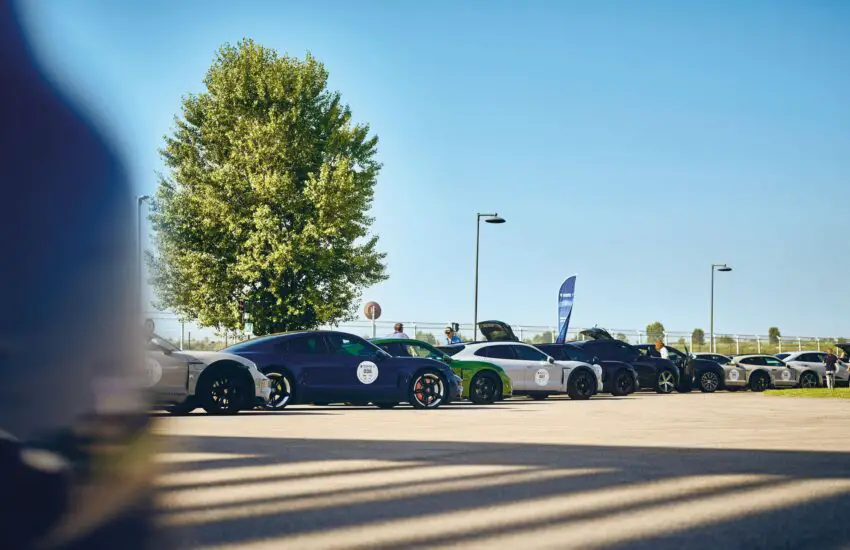
This exclusive club is designed to be a hub for the growing number of Porsche Taycan and future electric model owners. It goes beyond traditional car meets, fostering a specialized community focused on the unique aspects of EV ownership. Members can expect curated driving tours optimized for charging infrastructure, technical forums on battery performance and software updates, and events that highlight the distinct driving dynamics of electric Porsches.

Celebrating Performance in Silence

The club’s formation acknowledges that the passion for Porsche is evolving. It celebrates the instantaneous torque, refined handling, and innovative technology of models like the Taycan, proving that thrilling performance is no longer tied to the sound of a combustion engine. This initiative provides a dedicated space for owners to share experiences, from maximizing range on spirited drives to integrating their vehicles with smart home technology.

By creating this focused community, Porsche is not just following a trend but actively shaping the culture of electric performance. It ensures that the legacy of camaraderie and shared passion among Porsche drivers continues to thrive powerfully into the electric age.

Buc-ee’s Expands Its Empire: Seven New States Get the Beaver

Buc-ee’s: More Than a Gas Station, It’s a Destination

Forget everything you know about roadside stops. Buc-ee’s, the Texas-born phenomenon, is not merely expanding; it’s on a mission to redefine the American road trip experience across the nation. Known for its spotless facilities, overwhelming size, and iconic beaver mascot, the chain is bringing its unique brand of travel convenience and quirky retail to drivers in seven new states, signaling a major shift in the landscape of interstate travel.

The Unmatched Buc-ee’s Experience

What sets Buc-ee’s apart is its obsessive commitment to scale and selection. Each new location functions as a sprawling destination featuring an unprecedented number of fuel pumps to eliminate wait times. Inside, travelers discover a world far beyond standard snacks. The centers are famous for their extensive food offerings, including freshly smoked barbecue, homemade fudge, and a legendary selection of beef jerky. The retail space is a treasure trove of everything from practical travel gear to whimsical home decor, all branded with that smiling beaver.

A Cultural Phenomenon on the Move

The expansion into seven new states is a strategic move that capitalizes on Buc-ee’s cult-like status. For many, a trip is incomplete without a photo next to the giant beaver statue or a stop for their signature Beaver Nuggets. This growth transforms the chain from a regional powerhouse into a nationally recognized brand, promising to bring jobs, increased tourism traffic, and a new must-visit landmark to interstate corridors that previously lacked such a destination.

This strategic rollout promises to introduce the Buc-ee’s ethos—cleanliness, variety, and a sense of fun—to millions of new travelers. It represents more than business growth; it’s the export of a unique piece of roadside culture, ensuring that the journey itself becomes as memorable as the destination for drivers across an even wider America.

Social Leasing for Unwanted EVs: A Sustainable Solution

Breathing New Life into Unwanted Electric Cars

A modern electric car parked in a residential area

The vision of an affordable electric vehicle for 100 euros per month, once a political promise, could be revitalized through an innovative approach. One promising avenue involves integrating used electric vehicles into social leasing programs, specifically those models that manufacturers are reluctant to buy back.

The Challenge of Electric Vehicle Residual Values

A significant barrier in the electric vehicle (EV) market is the uncertainty surrounding the long-term value of batteries. This anxiety leads many manufacturers to offer limited or unattractive buy-back guarantees for their first-generation EVs. Consequently, these cars often face steep depreciation, creating a stock of functional, eco-friendly vehicles with uncertain resale futures. This situation presents both an environmental dilemma and a missed opportunity for affordable mobility.

Social Leasing as a Strategic Pathway

State-subsidized social leasing programs, designed to make clean transportation accessible to low-income households, could provide the perfect outlet for these vehicles. By purchasing these “unwanted” used EVs at a fair market price, leasing operators could secure inventory at a lower cost. This model would stabilize the secondary EV market by creating guaranteed demand, while directly furthering social and environmental goals. It transforms a liability for manufacturers into a valuable asset for public policy.

Benefits for Consumers and the Circular Economy

For eligible families, this model could dramatically reduce the monthly cost of electric mobility, potentially making the symbolic 100-euro-per-month lease a reality. It offers access to reliable, zero-emission transportation without the high upfront cost of a new EV. On a broader scale, this strategy promotes a circular economy, maximizing the usable lifespan of electric vehicles and their components. It ensures these cars deliver their full environmental benefit before eventual recycling, making electric mobility more sustainable and inclusive from production to end-of-life.

The Universal Digital Risk in Modern Cars Since 2008

A Shared Digital Vulnerability for All Vehicles

Since 2008, nearly every car rolling off the assembly line has carried a hidden, shared vulnerability. The digital systems that enhance performance, safety, and comfort have also created a uniform cybersecurity risk landscape. This risk is not confined to luxury models with advanced infotainment; it is fundamentally baked into the standardized electronic architecture mandated for safety and efficiency.

The Tire Pressure Sensor Gateway

Research, such as notable studies from the IMDEA Networks Institute, highlights how seemingly simple components can become gateways. The Tire Pressure Monitoring System (TPMS), required in many regions since 2008, is a prime example. These wireless sensors constantly transmit data to the car’s internal network. While designed for safety, they represent a potential entry point that is common across all vehicle makes and models equipped with them, demonstrating that the attack surface is often universal.

Beyond Luxury: A Standardized Threat

This creates a paradigm shift in automotive security. The threat is not about which car has the most screens or connectivity features. It stems from the foundational Controller Area Network (CAN bus) system—the car’s internal nervous system—which connects critical components like brakes, engine, and steering. Once access is gained through any connected module, like a TPMS receiver or a diagnostic port, an attacker can potentially broadcast malicious instructions on this common network, affecting vehicles from different brands in similar ways.

The Path to More Secure Mobility

Addressing this universal risk requires a systemic approach. Manufacturers are moving towards implementing stronger electronic gateways, segmenting networks to isolate critical functions, and developing robust over-the-air security update protocols. For drivers, awareness is key: understanding that digital security is as crucial as mechanical maintenance, being cautious with aftermarket connectivity devices, and ensuring vehicle software is kept up to date are essential steps in a digitally driven era.

MG Cyberster Set for Lighter, Sharper Performance Variant

MG Cyberster Gears Up for Enhanced Performance

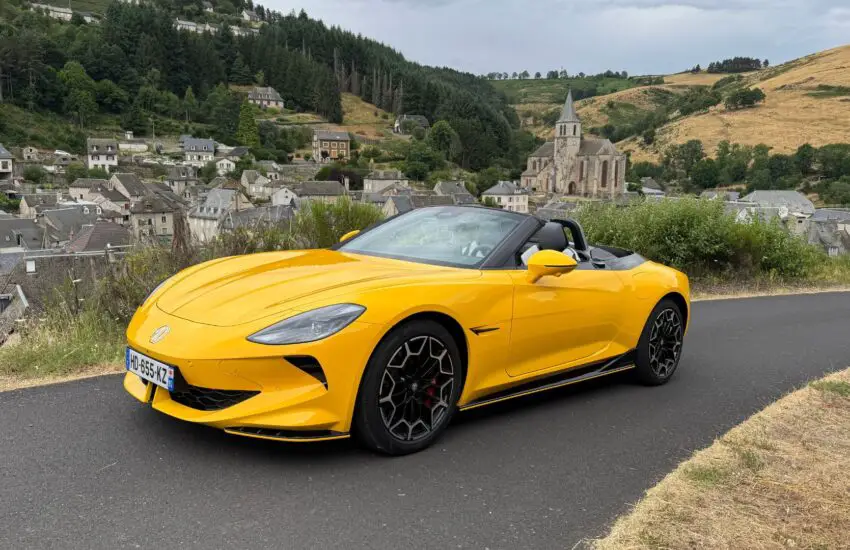
The electric roadster segment is heating up, and MG is not resting on its laurels. Following the successful launch of the Cyberster, the SAIC-owned brand is reportedly developing a more focused, performance-oriented version of its flagship convertible. This move signals MG’s commitment to evolving its electric sports car through continuous development and targeted special editions.

Focus on Weight Reduction and Dynamics

The core philosophy behind this new variant is expected to be “less is more.” Engineers are likely focusing on significant weight reduction strategies. This could involve the increased use of carbon fiber or other composite materials for body panels, interior components, and aerodynamic elements. A lighter chassis directly translates to sharper handling, improved acceleration, and greater efficiency, addressing common critiques of electric vehicle weight.

Targeting Driving Purists

While the standard Cyberster offers ample power and striking scissor doors, this sportier iteration aims to heighten driver engagement. Suspension revisions for tighter body control, upgraded braking systems, and stickier tire compounds are anticipated. The powertrain may also receive software tweaks for more immediate throttle response and possibly even a slight power bump from its dual-motor setup.

Solidifying Market Position

This strategic development comes as competition in the niche electric roadster space begins to intensify. By preparing a more dynamic Cyberster, MG aims to solidify its first-mover advantage and appeal to driving enthusiasts who prioritize agility and precision. This model would sit above the current lineup as a halo performance edition, enhancing the brand’s sporting credentials inherited from its British history.

The evolution of the Cyberster into a lighter, sportier machine demonstrates MG’s ambitious vision for its electric future. It transforms the roadster from a stylish cruiser into a more serious driver’s car, promising a purer and more engaging electric open-top experience.

Renault 4 e-Tech Real-World Range and Efficiency Tested

Putting the Renault 4 e-Tech to the Test

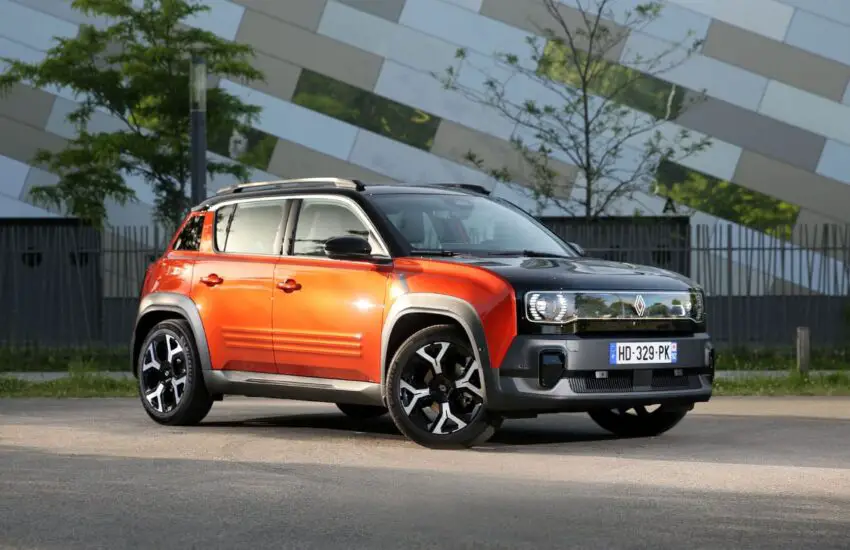
The new Renault 4 e-Tech arrives as a rugged, elevated sibling to the Renault 5, promising versatile electric mobility. Beyond its retro-inspired charm lies a sophisticated technical package designed to maximize efficiency and real-world range. We put it through a comprehensive evaluation to measure its true energy consumption across various driving scenarios.

Efficiency Across Different Terrains

The vehicle’s performance was meticulously recorded on a mix of urban streets, country roads, and motorways. In city driving, the Renault 4 e-Tech excels, with regenerative braking and its relatively modest power output contributing to impressive efficiency figures. Transitioning to open roads reveals how its aerodynamic profile and thermal management system work to conserve battery power, even at sustained higher speeds.

Renault 4 e-Tech driving on a winding country road during a test

Analyzing Real-World Range Results

The key finding from our extended test is the gap between the official WLTP range estimate and achievable mileage in daily use. Factors such as climate control usage, driving style, and ambient temperature play significant roles. While the official figure provides a standardized benchmark, our data offers a more practical perspective for potential owners planning their typical journeys, from daily commutes to weekend adventures.

Technical Strategy for Optimization

Renault’s approach with this model involves a multi-motor setup and an innovative gearbox designed to optimize power delivery for efficiency. This engineering focus aims to provide a balanced drive that doesn’t overly sacrifice range for performance. The results indicate a vehicle tuned for accessible, everyday electric driving, making it a compelling option in the growing small EV segment.

Evoluto’s F355 Restomod: A Legendary V8 Roars to Life

Evoluto Automobili Unleashes the Definitive F355 Restomod

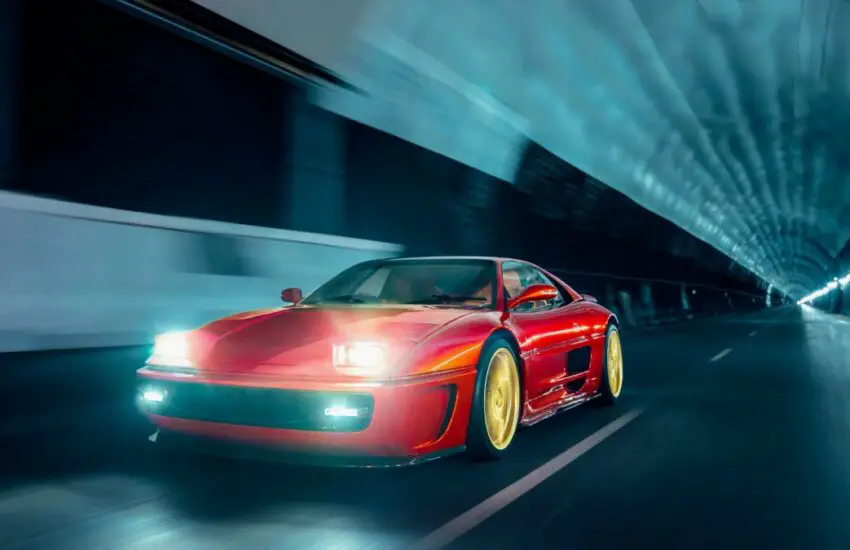
The iconic Ferrari F355 has been reborn. Following an exhaustive development and testing program, Evoluto Automobili has officially confirmed its highly anticipated F355 restomod is ready for production. This modern reinterpretation moves beyond mere aesthetics, delivering a comprehensive mechanical and technological overhaul designed to elevate the classic 1990s supercar to contemporary performance standards while preserving its soul.

Engineering a Modern Symphony

A central pillar of the restomod project was the acoustic character of the legendary 3.5-liter V8. Evoluto’s engineers focused intensely on refining the engine’s exhaust note, ensuring it delivers an authentic and emotionally charged soundtrack. The goal was to enhance the visceral driving experience without compromising modern refinement or performance gains. Recent validation runs, including dynamic testing in a renowned tunnel, have confirmed the successful result: a sharper, more resonant roar that pays full tribute to the original’s mechanical symphony.

Performance Reimagined

The transformation extends far beneath the surface. While the classic Pininfarina lines are respectfully preserved, the restomod receives significant upgrades. The chassis and suspension have been completely re-engineered for improved rigidity and handling precision. The cabin integrates modern instrumentation and materials, blending classic style with current technology. The powertrain itself benefits from detailed enhancements, boosting both output and reliability to meet the expectations of today’s discerning enthusiasts.

A New Chapter for an Icon

This project represents a meticulous balance between preservation and progression. Evoluto Automobili has not simply restored the Ferrari F355; they have redefined its potential. By addressing the classic model’s inherent characteristics with modern engineering solutions, they have created a vehicle that captures the raw emotion of the 1990s while offering the driving confidence and performance of a new-era supercar. The completion of testing marks the beginning of a new chapter for one of Maranello’s most beloved V8 models.

Ceiling Robots Revolutionize EV Charging in Chinese Parking

The Future of Parking: Robotic Arms from Above

Urban electric vehicle adoption faces a critical hurdle: installing accessible chargers in cramped, existing parking structures. Running power to every single spot is often a logistical and financial nightmare. A pioneering solution, emerging from China, elegantly sidesteps this issue by looking up. The innovation involves deploying autonomous charging robots that operate on a grid of rails installed on the parking garage ceiling.

How the Aerial Charging System Operates

This system functions with remarkable efficiency. When an EV driver parks in a designated bay and initiates a request via a mobile app, the overhead robot springs into action. The unit travels along the ceiling track to position itself directly above the vehicle. It then lowers a charging cable with a connector on a retractable arm, plugs itself into the car’s charging port, and begins the power transfer. Once the session is complete or the driver is ready to leave, the robot automatically retracts the cable and moves away, clearing all space above and around the vehicle.

Automatic robotic arm descending from a parking garage ceiling to charge an electric car below

Key Advantages of Overhead Charging Robots

This approach offers significant benefits over traditional infrastructure. The most prominent is space optimization; by utilizing the often-wasted ceiling area, it eliminates the need for bulky standalone charging stations between parking spots, potentially increasing parking capacity. It also represents a highly scalable solution. A single robot can service multiple parking bays within its rail network, dramatically reducing the upfront cost and construction work compared to wiring every individual spot. Furthermore, it enhances convenience for drivers, who no longer need to search for a specific charger-equipped space.

Implications for Urban EV Infrastructure

The deployment of ceiling-mounted charging robots signals a shift towards more dynamic and flexible EV infrastructure. It is particularly promising for retrofitting older parking facilities in dense city centers where space is at a premium. This technology could accelerate electrification by making charging access viable in locations previously considered unsuitable. As this innovation develops, it may set a new global standard for smart, space-conscious urban planning aimed at supporting sustainable transportation.

Why Max Verstappen Will Never Race in Rally

The Calculated Risk Averse Champion

While Max Verstappen has been vocal about his criticisms of modern Formula 1 regulations and hints at a career beyond the pinnacle of motorsport, one discipline remains firmly off the table: rallying. For a driver known for his aggressive yet precise style, the world of rally presents a risk profile he is categorically unwilling to accept. His decision is rooted in a deep understanding of the discipline’s unique dangers and a stark personal history.

A Family History Steeped in Rally Danger

The Verstappen name is no stranger to rally. Max’s father, Jos Verstappen, participated in the Rallye du Condroz-Huy in Belgium in 2012. The event ended in catastrophe when Jos collided with another competitor, resulting in the tragic death of the co-driver. This incident left an indelible mark on the Verstappen family and provided Max with a firsthand, harrowing perspective on the inherent perils of stage rallying, where unpredictable conditions and close proximity to spectators and obstacles create a fundamentally different risk environment compared to a controlled circuit.

The Unacceptable Variables of the Stages

Verstappen’s refusal stems from a core professional philosophy. In Formula 1, he operates within a meticulously managed ecosystem—paved circuits, extensive runoff areas, and immediate emergency response. Rallying, by contrast, introduces what he perceives as uncontrollable variables: loose surfaces, blind crests, trees, ditches, and changing weather. For a driver whose success is built on extracting milliseconds through absolute precision and control, the randomness of rally is anathema. It represents a gamble where driver skill can be overridden by sheer misfortune in a way circuit racing rarely allows.

Future Horizons Beyond F1

This stance does not mean Verstappen envisions a permanent life in F1. He has openly discussed other racing interests, with endurance events like the 24 Hours of Le Mans or GT racing being far more likely destinations. These disciplines offer new technical challenges and competition while operating within the relative safety parameters of circuit racing. His career trajectory will be guided by a pursuit of competition and engineering excellence, but always within a framework where risk is calculated and minimized, a principle that permanently excludes the world of rally from his future.

Polestar Smart Charging Launches in France for Energy Savings

Polestar’s Smart Charging Feature Arrives for French EV Owners

Polestar has officially launched its innovative smart charging functionality for customers in France. Developed in partnership with energy specialist Octopus, this system represents a significant step forward in how electric vehicles manage home charging. The core promise is substantial: to help drivers significantly reduce their electricity costs while supporting the broader stability of the national grid.

How Intelligent Charging Delivers Financial Benefits

The technology operates by intelligently scheduling a vehicle’s charging sessions during periods of lower energy demand and, consequently, lower cost. Instead of charging immediately upon plugging in, the system calculates the optimal time to start, ensuring the battery is fully replenished by the driver’s set departure time. This approach leverages off-peak electricity tariffs, which can be considerably cheaper than standard rates. For French Polestar owners, this translates to direct savings on their monthly energy bills without any compromise on convenience or vehicle readiness.

Contributing to a More Stable Energy Grid

Beyond personal savings, Polestar’s smart charging provides a crucial benefit to the energy ecosystem. By shifting electricity demand away from peak evening hours, the system helps to balance the load on France’s power grid. This reduced strain during high-demand periods enhances overall grid resilience and can facilitate the integration of more renewable energy sources. It turns each Polestar vehicle into a participant in a more sustainable and intelligent energy network.

A Seamless Integration for Modern Drivers

The feature is designed for effortless use. Drivers simply plug in their vehicle and set their desired departure time via the Polestar app. The software then handles the rest, optimizing the charging schedule automatically. This hands-off approach ensures that owners always have a charged vehicle when needed, while consistently capitalizing on the most economical energy rates available. This launch underscores Polestar’s commitment to providing not just premium electric vehicles, but a holistic and cost-effective ownership experience.