OBD2 Code P1491 Saab: EGR Valve Position Sensor Circuit Low Voltage

Understanding the P1491 Code in Your Saab

The OBD2 diagnostic trouble code P1491 is a manufacturer-specific code for Saab vehicles, indicating a fault within the Exhaust Gas Recirculation (EGR) system. Specifically, it translates to “EGR Valve Position Sensor Circuit Low Voltage”. This means the Engine Control Module (ECM) has detected that the voltage signal from the EGR valve’s integrated position sensor is consistently lower than the expected minimum threshold. The ECM uses this sensor to precisely monitor and control the EGR valve’s pintle position, ensuring the correct amount of exhaust gas is recirculated for optimal emissions and performance. A P1491 code triggers the check engine light and can lead to drivability issues.

Role of the EGR Valve and Position Sensor

The EGR system is a critical emissions control component. It recirculates a metered amount of inert exhaust gas back into the engine’s intake manifold. This lowers combustion temperatures, which in turn reduces the formation of harmful nitrogen oxides (NOx). The EGR valve on modern Saabs (like those with T7 or T8 engine management) is typically an electronically controlled, vacuum-operated or direct electric valve. The integrated position sensor is a potentiometer that provides real-time feedback to the ECM, confirming the valve’s actual position matches the commanded position.

Technical Implications of a “Low Voltage” Signal

A “circuit low voltage” condition suggests the signal wire to the ECM is seeing a voltage near ground (0-0.5V) when it should be within a specific range (e.g., 0.5V to 4.5V). This can be caused by a short to ground in the wiring, a faulty sensor, a problem with the valve’s internal mechanics, or, less commonly, an ECM issue. The ECM interprets this persistent low signal as an inability to verify EGR operation, setting the P1491 code.

Symptoms and Common Causes of P1491

When the P1491 code is stored, you may experience one or more of the following symptoms. The severity often depends on whether the EGR valve is stuck closed, open, or is intermittently functioning.

Primary Symptoms

  • Illuminated Check Engine Light (MIL): The most immediate and common indicator.
  • Rough Idle or Stalling: If the valve is stuck open, excess exhaust gas can disrupt the air-fuel mixture at low RPMs.
  • Engine Knocking or Pinging (Detonation): If the valve is stuck closed, combustion temperatures rise, potentially causing audible knock under load.
  • Poor Fuel Economy: Inefficient combustion due to incorrect EGR flow can reduce miles per gallon.
  • Lack of Power or Hesitation: Especially noticeable during acceleration.
  • Failed Emissions Test: Elevated NOx levels are a likely result.

Root Causes of P1491 in Saab Models

  • Faulty EGR Valve Assembly: The internal position sensor potentiometer can wear out or fail.
  • Shorted or Damaged Wiring: The wiring harness to the EGR valve, especially the signal wire (often a grey wire), can be chafed, pinched, or corroded, causing a short to ground.
  • Poor Electrical Connections: Corrosion or looseness at the EGR valve connector or ECM connector.
  • Carbon Buildup Jamming the Valve: Heavy carbon deposits can physically prevent the valve pintle from moving. The motor or solenoid may strain, affecting the sensor signal.
  • Failed EGR Vacuum Solenoid or Vacuum Leak (on vacuum-operated valves): A lack of vacuum can prevent valve movement.
  • Faulty Engine Control Module (ECM): Rare, but a malfunction within the ECM’s sensor reference voltage or signal processing circuit can cause this code.

Step-by-Step Diagnostic Procedure for P1491

A systematic approach is key to correctly diagnosing P1491. You will need a quality OBD2 scanner capable of reading live data and a digital multimeter (DMM).

Step 1: Preliminary Checks and Live Data Observation

Begin by clearing the code and performing a test drive to see if it returns immediately or under specific conditions. Use your scanner to monitor live data parameters. Look for the EGR valve position PID (often listed as “EGR Pos,” “EGR Duty Cycle,” or “Desired EGR Position”). With the engine at operating temperature and idling, the commanded position is usually low (near 0%). Gently rev the engine; the commanded percentage should increase. The key is to see if the actual EGR position sensor reading follows the command. A frozen “Actual” reading (often at 0% or 100%) confirms a sensor or valve issue.

Step 2: Visual and Electrical Inspection

With the engine off, locate the EGR valve (typically on or near the intake manifold).

  • Inspect the wiring harness and connector for damage, corrosion, or burnt pins.
  • Check for vacuum hose integrity if applicable.
  • Disconnect the electrical connector. Using the DMM, check for reference voltage (typically 5V) and a solid ground at the harness connector (consult a Saab-specific wiring diagram for pinouts).

Step 3: Testing the EGR Valve and Sensor

If power and ground are present at the harness, the issue is likely with the valve itself. Measure the resistance of the position sensor across its terminals (valve disconnected). The resistance should change smoothly and continuously as you manually move the valve pintle (if possible). Any opens, shorts, or erratic readings indicate a failed sensor. You can also back-probe the signal wire at the harness with the valve connected and engine running to see if the voltage varies.

Repair Solutions and Prevention

Once the root cause is identified, you can proceed with the appropriate repair.

Common Repairs for P1491

  • Cleaning the EGR Valve: If carbon buildup is the culprit, carefully removing and cleaning the valve and passages with a dedicated EGR/carburetor cleaner can sometimes resolve the issue. Ensure the pintle moves freely after cleaning.
  • Replacing the EGR Valve Assembly: This is the most common fix for a confirmed faulty valve/sensor. Use a quality OEM or reputable aftermarket part. Important: After replacement, you must often perform an EGR adaptation reset or learn procedure using a professional scan tool to calibrate the new valve’s range for the ECM.
  • Repairing Wiring: Solder and heat-shrink any repaired wires. Always address the root cause of the wire damage (e.g., secure a loose harness).

Preventing Future EGR Issues

EGR problems are often related to carbon. You can minimize this by:

  • Using Top Tier detergent gasoline.
  • Ensuring the engine maintains proper operating temperature (fix thermostat issues promptly).
  • Driving the vehicle regularly at highway speeds to help “clean out” the system.
  • Following the manufacturer’s recommended service intervals.

Diagnosing and repairing a P1491 code requires a methodical approach, but it is a manageable task for a knowledgeable DIYer with the right tools. Addressing it promptly restores performance, fuel economy, and ensures your Saab meets emissions standards.

From Crash to Charge: An Unexpected Shift to Plug-In Hybrid

A Life-Changing Decision Behind the Wheel

For many car enthusiasts, the idea of switching from a classic gasoline engine to a plug-in hybrid feels like a compromise. Yet for Matthieu, a dedicated fan of vintage and youngtimer cars, this transition was not born from a desire for eco-friendliness, but from a dramatic and personal event. His story is a powerful testament to how unforeseen circumstances can fundamentally alter our perspective on mobility and safety.

The Turning Point: A Roadside Revelation

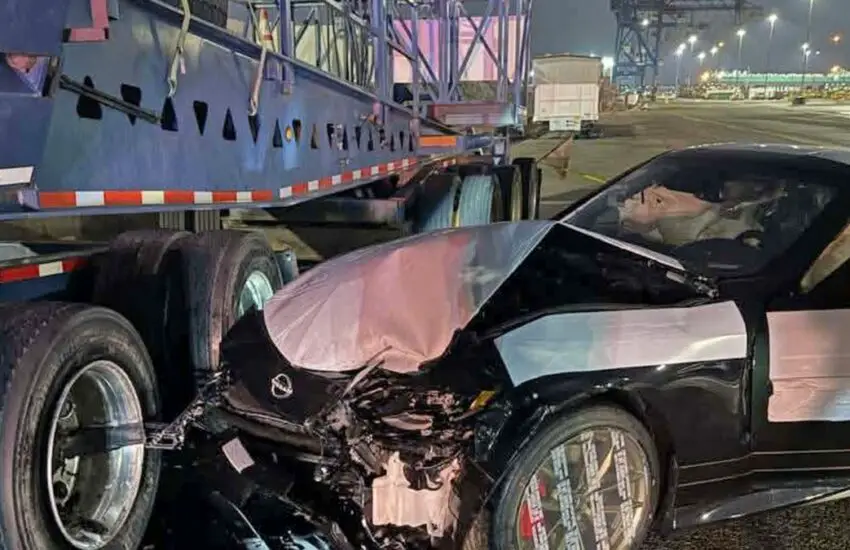
Matthieu’s journey began with a serious road accident. The crash, involving his previous vehicle, served as a stark and immediate wake-up call. It forced him to re-evaluate not just what he drove, but why. While passionate about the mechanics and history of traditional automobiles, he found himself prioritizing advanced safety features, modern construction, and a renewed sense of security for his daily drives. This search naturally led him to explore the latest generation of vehicles.

Embracing the Renault Megane E-Tech Plug-In Hybrid

His research culminated in the choice of a Renault Megane E-Tech plug-in hybrid. This vehicle represented a bridge between his past passions and his new priorities. It offered the cutting-edge driver assistance systems and robust safety cell he now valued, combined with the efficient, flexible powertrain of a plug-in hybrid. Matthieu discovered the practical benefits of electric-only driving for daily commutes, significantly reducing fuel costs and local emissions, while retaining the hybrid engine’s flexibility for longer journeys without range anxiety.

A New Chapter in Automotive Passion

Adopting this new technology was more than a simple car purchase; it marked a philosophical shift. Matthieu’s experience demonstrates that the path to more responsible mobility is not always a straight line. Sometimes, it is a personal event that opens the door to innovation. He now enjoys a vehicle that aligns with a modern, conscious lifestyle, proving that performance, safety, and sustainability can successfully coexist on the road ahead.

Understanding and Fixing OBD2 Code P1491 in RAM Trucks

What is OBD2 Code P1491 in a RAM Truck?

When your RAM truck’s check engine light illuminates and a scan tool reveals Diagnostic Trouble Code (DTC) P1491, it indicates a specific fault within the Evaporative Emission Control (EVAP) system. Formally defined as “Leak Detection Pump Switch or Mechanical Fault,” P1491 is a manufacturer-specific code common to Chrysler, Dodge, and RAM vehicles. This code signals that the vehicle’s Powertrain Control Module (PCM) has detected an irregularity in the operation or electrical circuit of the Leak Detection Pump (LDP), a critical component responsible for monitoring the fuel vapor system for leaks that could release harmful hydrocarbons into the atmosphere.

The EVAP system is designed to capture fuel vapors from the fuel tank and direct them to the engine to be burned during combustion. The Leak Detection Pump is its self-diagnostic heart. It pressurizes the system and monitors pressure decay to identify leaks as small as 0.020 inches. A P1491 code means this self-test has failed, and the PCM cannot verify the integrity of the EVAP system.

Symptoms and Causes of a P1491 Fault Code

Unlike some drivability codes, P1491 often does not cause obvious performance issues. However, ignoring it can lead to a failed emissions test and potentially mask other problems.

Common Symptoms of P1491

  • Illuminated Check Engine Light (MIL): The primary and most common symptom.
  • Failed Emissions Inspection: The vehicle will not pass a state emissions test with an active EVAP fault.
  • Possible Fuel Odor: In rare cases where the fault is related to a physical leak, you may smell gasoline near the vehicle.
  • No Drivability Issues: The engine typically runs normally; power, fuel economy, and starting are unaffected.

Primary Causes of P1491 in RAM Trucks

Diagnosing P1491 requires a systematic approach, as the fault can be electrical, mechanical, or related to the vehicle’s computer.

  • Faulty Leak Detection Pump (LDP): The most frequent culprit. The pump’s internal diaphragm can rupture, the motor can fail, or the internal switch can malfunction.
  • Damaged Wiring or Connectors: Corrosion, chafing, or rodent damage to the wiring harness connecting the LDP to the PCM.
  • Poor Electrical Connections: A loose, corroded, or oxidized connector at the LDP or PCM.
  • Faulty Powertrain Control Module (PCM): Rare, but a malfunctioning PCM that cannot properly monitor the LDP circuit can set this code.
  • Vacuum Hose Issues: Cracked, disconnected, or clogged vacuum lines connected to the LDP can prevent proper operation.

Step-by-Step Diagnostic and Repair Guide

Proper diagnosis is key to an effective repair. Always start with a visual inspection before replacing parts.

Step 1: Preliminary Visual Inspection

Begin with the basics. Locate the Leak Detection Pump (typically found in the left front wheel well, behind the liner, or near the charcoal canister). Inspect all associated vacuum hoses for cracks, disconnections, or brittleness. Examine the electrical connector for corrosion, bent pins, or signs of moisture. Check the wiring harness for any obvious damage.

Step 2: Electrical Circuit Testing

Using a digital multimeter (DMM), test the LDP circuit. With the connector disconnected and the ignition key ON (engine off), check for approximately 12 volts at the supply wire. Check for continuity on the ground circuit. Use the DMM to test the resistance of the LDP motor windings; compare your reading to manufacturer specifications (often between 10-30 ohms). An open (infinite resistance) or short (near zero resistance) indicates a failed pump.

Step 3: Functional Test of the Leak Detection Pump

With a bi-directional OBD2 scan tool, you can command the LDP to activate. Listen for a distinct clicking or humming sound from the pump. If it does not activate, and you have confirmed power and ground, the pump is likely faulty. You can also perform a mechanical test by applying vacuum to the appropriate port on the pump; it should hold vacuum. A leak indicates a ruptured internal diaphragm.

Step 4: Addressing Common Failures and Replacement

If testing confirms a faulty LDP, replacement is the solution. The process generally involves:

  • Disconnecting the negative battery cable.
  • Removing the wheel well liner (if necessary) for access.
  • Disconnecting the electrical connector and vacuum hoses (note their positions).
  • Unbolting the pump from its bracket.
  • Installing the new pump, reconnecting all hoses and the electrical connector.
  • Reconnecting the battery and using the scan tool to clear the code.

After repair, the PCM will need to complete a full drive cycle to run the EVAP monitor and confirm the fix.

Cost, Prevention, and Professional Help

Understanding the potential cost and when to seek help can save time and money.

Estimated Repair Cost for P1491

Costs vary based on the vehicle model and labor rates. A new Leak Detection Pump typically ranges from $80 to $200 for the part. Professional labor can add $100 to $200, leading to a total repair cost between $180 and $400. DIY replacement significantly reduces cost to the price of the part only.

When to Seek a Professional Mechanic

  • If you lack diagnostic tools (multimeter, scan tool) or mechanical confidence.
  • If the code returns after replacing the LDP, indicating a more complex wiring or PCM issue.
  • If you cannot locate the source of the fault after basic inspection and testing.

Preventive Maintenance Tips

While LDP failure is often age-related, you can minimize risks:

  • Avoid impacting the component when driving off-road or over debris.
  • During undercarriage washes or in snowy regions, be mindful of salt and corrosion near the LDP location.
  • Address other check engine lights promptly, as system strain can affect related components.

In conclusion, while OBD2 code P1491 in your RAM truck is not an emergency, it is a critical emissions fault that requires attention. By following a logical diagnostic process—starting with a visual inspection and progressing to electrical and functional tests—you can accurately identify whether the issue lies with the Leak Detection Pump itself, its wiring, or its vacuum lines, leading to a correct and cost-effective repair.

Zeekr 001: The Game-Changing Electric Shooting Brake

The Zeekr 001 Arrives in Europe

The European electric vehicle landscape is about to welcome a formidable new contender. The Zeekr 001, a premium electric shooting brake, has made its European debut at the Brussels Motor Show, signaling the Chinese automaker’s serious ambitions for the market. This model combines striking design with cutting-edge charging technology, aiming to carve out a significant niche in the competitive high-end EV segment.

Ultra-Fast Charging as a Standard

What truly sets the Zeekr 001 apart is its revolutionary charging capability. The vehicle is built on Geely’s Sustainable Experience Architecture (SEA) platform, which supports 800-volt technology. This allows the 001 to add up to 500 kilometers of range in just 15 minutes when connected to a compatible ultra-fast charger. This performance effectively addresses one of the most common concerns among potential EV buyers: charging time and long-distance practicality.

Design and Performance Specifications

The Zeekr 001 defies conventional categorization with its unique shooting brake body style, blending the sleek lines of a coupe with the practicality of an estate. Its design is bold and muscular, featuring a wide stance and distinctive lighting signatures. Underneath its sculpted hood, the dual-motor all-wheel-drive variant delivers impressive power, enabling acceleration from 0 to 100 km/h in under 4 seconds. The interior is equally focused on technology and luxury, featuring a minimalist dashboard dominated by a large touchscreen and high-quality materials throughout the cabin.

A New Challenger in the Premium Segment

The introduction of the Zeekr 001 in France and across Europe represents a strategic move to capture the attention of discerning customers looking for an alternative to established German brands. By offering a compelling mix of extreme fast-charging, distinctive design, and high performance, Zeekr is not just launching a car; it is challenging the very benchmarks of the premium electric vehicle market. Its success will depend on the rollout of supporting ultra-fast charging infrastructure and the brand’s ability to build trust and a strong service network for European clients.

Dakar Drama: How a Strap Saved a Land Cruiser’s Race

A Critical Failure in the Desert

The 2026 Dakar Rally is already living up to its reputation as the world’s toughest motorsport event. During the second stage, the diesel-powered Land Cruiser fielded by the LJS Racing team faced a potentially race-ending catastrophe. A critical suspension component, a vital link arm, sheared completely. The damaged part dangled precariously, dragging through the soft sand like an anchor and bringing the 4×4 to a grinding halt amidst the vast, unforgiving dunes.

Ingenuity Under Pressure

With their dream of reaching the finish line in shambles and miles from any support crew, the drivers had to rely on pure ingenuity. Standard repair was impossible without proper parts or tools. Instead, they turned to the contents of their survival kit. Their solution was both simple and brilliant: using heavy-duty ratchet straps, typically employed for securing cargo, they performed emergency field surgery on the wounded vehicle.

By strategically lashing and cinching the straps, the team managed to secure the broken suspension link. This makeshift repair effectively immobilized the damaged joint, taking the stress off the remaining components. The goal was not to restore full performance, but to create a stable, drivable configuration that could withstand the brutal punishment of the remaining desert stage and allow them to reach a designated bivouac for proper repairs.

An Epic Moment Captured

The sheer scale and drama of this desert fix were captured for the world to see. An official rally helicopter, patrolling the stage, circled overhead and filmed the entire operation from above. The aerial footage provides a stunning perspective, highlighting the isolation of the team and the stark contrast between the high-tech rally raid machine and the rudimentary, yet effective, repair method. This act of mechanical tenacity embodies the core spirit of the Dakar Rally, where resilience and quick thinking are as important as raw speed.

This incident serves as a powerful reminder of the unpredictable challenges in cross-country rallying. It underscores why vehicles like the Toyota Land Cruiser are revered for their robustness, and why a crew’s ability to adapt is their greatest asset. The story of the strap that saved a race is destined to become part of Dakar folklore.

Decoding Nissan P1491: EGR Valve Position Sensor Circuit Explained

Understanding the Nissan P1491 Diagnostic Trouble Code

The illumination of the check engine light in your Nissan is a call for technical investigation. When a scan tool retrieves the generic OBD-II trouble code P1491, it points specifically to a fault within the Exhaust Gas Recirculation (EGR) system. More precisely, P1491 is defined as “EGR Valve Position Sensor Circuit.” This code indicates that the Engine Control Module (ECM) has detected an electrical irregularity—such as a voltage reading outside the expected range—in the circuit of the sensor that monitors the EGR valve’s pintle position. Unlike codes for blocked valves, P1491 is primarily an electrical circuit diagnostic, making systematic troubleshooting essential for an accurate repair.

Core Function of the EGR Valve and Its Position Sensor

The EGR system is a critical emissions control component designed to reduce nitrogen oxide (NOx) emissions. It works by recirculating a metered amount of inert exhaust gas back into the engine’s intake manifold. This lowers peak combustion temperatures. The EGR valve, often vacuum or electronically controlled, opens and closes to regulate this flow. The EGR Valve Position Sensor, typically a potentiometer, is attached to the valve shaft. It provides real-time feedback to the ECM on the valve’s exact pintle position, allowing for precise control. A fault in this sensor or its wiring disrupts this communication, triggering P1491.

Common Symptoms and Causes of P1491 in Nissan Vehicles

Drivers may notice several performance issues when code P1491 is stored. The symptoms are often related to improper EGR valve operation, which can affect idle quality and combustion efficiency.

Primary Symptoms of a P1491 Fault

  • Illuminated Check Engine Light (MIL): The primary and most common indicator.
  • Rough Idle or Stalling: If the valve is stuck open due to faulty positional control, excess exhaust gas can dilute the air-fuel mixture at idle.
  • Poor Engine Performance: Hesitation, lack of power, or stumbling during acceleration.
  • Increased Emissions: Likely failure of an emissions test due to elevated NOx levels.
  • Engine Knocking/Pinging: Under certain conditions, incorrect EGR flow can lead to abnormal combustion.

Root Causes of the P1491 Code

  • Faulty EGR Valve Position Sensor: The internal potentiometer fails, providing erratic or no signal.
  • Damaged Wiring or Connectors: Opens, shorts, corrosion, or chafed wires in the sensor’s circuit (reference voltage, signal, or ground).
  • Poor Electrical Connections: Loose, corroded, or bent pins at the sensor or ECM connectors.
  • Failed EGR Valve Assembly: In many Nissan models, the position sensor is integrated into the valve and is not serviced separately. A mechanical valve failure can damage the sensor.
  • Issues with the EGR Valve Control Solenoid (if applicable): A faulty control solenoid can prevent the valve from moving, making the position sensor reading static and implausible.
  • Rarely, a Faulty Engine Control Module (ECM): This is the least likely cause and should only be considered after all other possibilities are eliminated.

Step-by-Step Diagnostic Procedure for P1491

A methodical diagnostic approach is key to correctly fixing P1491. Avoid the common mistake of replacing the EGR valve immediately without verifying the circuit integrity. You will need a quality digital multimeter (DMM) and a scan tool capable of reading live data.

Step 1: Preliminary Inspection and Live Data Review

Begin with a thorough visual inspection. Check the EGR valve, position sensor, and all associated wiring for obvious damage, corrosion, or disconnections. Next, use your scan tool to monitor the EGR Valve Position sensor live data. With the key on, engine off, the reading should be at a specific closed value (e.g., 0.2V or 10%). Command the EGR valve open using the scan tool’s bi-directional controls if available. Observe if the sensor value changes smoothly. A frozen, erratic, or out-of-range reading confirms a circuit or sensor issue.

Step 2: Electrical Circuit Testing

Disconnect the electrical connector from the EGR valve/position sensor. Refer to a vehicle-specific wiring diagram. With the key on, engine off, check for approximately 5 volts reference voltage at the appropriate pin. Check for a good ground (continuity to chassis ground). If power and ground are present, measure the resistance of the sensor itself across the signal and ground pins while manually moving the valve pintle (if possible). The resistance should change smoothly without open circuits. Any deviations point to a faulty sensor or valve assembly.

Step 3: Wiring Integrity and Continuity Check

If the sensor tests bad or power/ground is missing, you must check the wiring harness. Perform a continuity test on each wire from the EGR connector back to the ECM connector, checking for opens or shorts to power/ground. Wiggle the harness during testing to reveal intermittent faults. Repair any damaged wiring as found.

Repair Solutions and Prevention Tips

Once the root cause is identified, the repair path becomes clear. For most DIYers and technicians, the fix involves component replacement and ensuring a solid electrical connection.

Common Repair Procedures

  • Replace the EGR Valve Assembly: On most modern Nissans (Altima, Maxima, Sentra, Rogue with QR/MR/VQ engines), the position sensor is part of the valve. Replacing the entire EGR valve assembly is the standard repair.
  • Repair Wiring Harness: Solder and seal any broken wires. Use conduit to protect the repaired section from heat and abrasion.
  • Clean Connectors: Use electrical contact cleaner and a brush to remove corrosion from all connector pins.
  • Clear the Code and Test Drive: After repair, clear the P1491 code with your scan tool. Perform a test drive under various conditions to ensure the code does not return and that live data from the new sensor is correct.

How to Prevent Future EGR and Sensor Issues

Preventative maintenance can extend the life of the EGR system. Using top-tier gasoline helps minimize carbon deposits. Adhering to the manufacturer’s recommended oil change intervals with the correct oil specification prevents sludge from entering the EGR passages. In areas with severe carbon buildup, an induction service or intake valve cleaning performed periodically by a professional can keep the entire intake and EGR system functioning properly and reduce strain on the valve and sensor.

Conclusion

Code P1491 on your Nissan is a specific diagnostic flag for the EGR valve position sensor circuit. While it can cause driveability concerns, it is highly repairable with a logical diagnostic sequence. Starting with a live data check and proceeding to electrical tests will prevent unnecessary parts replacement. In the vast majority of cases, the solution involves replacing the integrated EGR valve and position sensor assembly, followed by a thorough system check. Addressing this code promptly restores engine performance, ensures your vehicle passes emissions inspections, and maintains the long-term health of your Nissan’s engine.

Ramcharger SUV Confirmed: Ram’s Electric Future Arrives in 2028

Ramcharger SUV Confirmed: Ram’s Electric Future Arrives in 2028

Ram is officially entering the full-size SUV arena with a groundbreaking new model. The Ramcharger, a name steeped in brand heritage, has been confirmed by CEO Tim Kuniskis for a 2028 launch. This marks a pivotal shift for the brand, moving beyond its truck-dominated lineup to compete directly in the lucrative family SUV market with a focus on electrification.

Reviving an Iconic Name for a New Era

The choice of the Ramcharger name is a strategic nod to the past while firmly looking forward. It leverages instant brand recognition and evokes a sense of rugged capability, which Ram intends to translate into the modern electric vehicle landscape. This new SUV will not be a simple revival but a complete reimagining, designed from the ground up to meet today’s demands for space, technology, and sustainable performance.

Built on a Cutting-Edge Electric Platform

The Ramcharger will utilize the STLA Frame architecture, a dedicated body-on-frame platform developed by Stellantis for full-size electric vehicles. This foundation is key to delivering the core attributes Ram customers expect: formidable towing capacity, exceptional payload, and extended driving range. The platform is engineered to support large battery packs and powerful electric motors, ensuring the Ramcharger will be a capable powerhouse without compromising on zero-emission driving.

Powertrain and Competitive Positioning

While specific power figures remain under wraps, the Ramcharger is expected to feature a dual-motor all-wheel-drive system delivering substantial horsepower and torque. Its primary competitors will include established giants like the Ford Expedition and Chevrolet Tahoe, but it will aim to surpass them with advanced electric powertrain advantages such as instant torque and a lower center of gravity for improved handling. The 2028 launch timeline positions Ram to solidify its electric portfolio, following the introduction of the Ram 1500 REV pickup.

A Strategic Move for Market Expansion

The confirmation of the Ramcharger underscores a major strategic expansion. By entering the full-size SUV segment, Ram taps into a consistently high-demand market, offering current truck owners a three-row family vehicle without leaving the brand. This move is crucial for Ram’s growth and its transition into the electric future, promising a unique blend of utility, comfort, and zero-tailpipe emission capability.

Lucid Motors’ Software Shake-Up: A Critical Reboot

Lucid’s Software Struggle: A Barrier to Brilliance

Lucid Motors has consistently dazzled the automotive world with its groundbreaking hardware. From industry-leading range to breathtaking performance, its electric vehicles are engineering marvels. However, a persistent shadow has loomed over this brilliance: software. For many owners, the driving experience is a tale of two realities. When everything works, it’s phenomenal. But frequent software glitches, buggy infotainment systems, and unpredictable behaviors have tarnished the ownership experience, leaving many to wonder about the unfulfilled potential of these advanced machines.

A Drastic Move for Brand Salvation

In a decisive and radical response, Lucid Motors has initiated a complete overhaul of its software leadership team. This isn’t merely a routine management change; it’s a clear acknowledgment that software has become an existential threat to the brand’s premium image. The company is bringing in fresh talent and new perspectives to tackle the deep-rooted issues that hardware excellence alone cannot compensate for. The goal is to achieve the seamless, intuitive digital experience that modern luxury car buyers demand.

The Gravity of the Situation

The urgency of this reboot is underscored by the launch of the new Lucid Gravity SUV. Early reviews praise its spacious interior, impressive efficiency, and driving dynamics. Yet, even this highly anticipated model has been reportedly marred by software inconsistencies. These issues at such a critical launch phase highlight why the company felt compelled to take drastic action. The Gravity represents Lucid’s bid for a broader market, making software reliability not just a quality concern, but a vital commercial imperative.

The Road to Redemption

This software team renewal is a high-stakes gamble. A successful integration could finally unlock Lucid’s full potential, creating vehicles where the digital experience matches the mechanical masterpiece. It would solidify its position as a true Tesla rival and luxury contender. Conversely, continued software struggles could permanently damage consumer trust. The coming months will be a critical test of whether this reboot can deliver the stable, over-the-air updates and flawless user interface needed to save Lucid’s prestigious image and secure its future.

Mercedes-Benz P1491 Code: EGR Valve Position Sensor Circuit Explained

Understanding the Mercedes-Benz P1491 Diagnostic Trouble Code

The OBD2 trouble code P1491 is a manufacturer-specific code for Mercedes-Benz vehicles. In technical terms, it is defined as “Exhaust Gas Recirculation (EGR) Valve Position Sensor – Circuit Malfunction.” This code is directly related to the vehicle’s emissions control system and indicates that the Engine Control Unit (ECU) has detected an irregularity in the electrical signal or circuit of the sensor that monitors the EGR valve’s pintle position.

The EGR system is crucial for reducing nitrogen oxide (NOx) emissions by recirculating a portion of exhaust gases back into the engine’s intake manifold. The position sensor, typically a potentiometer, provides real-time feedback to the ECU on the exact opening percentage of the EGR valve. A fault in this circuit prevents the ECU from accurately controlling the EGR flow, leading to potential drivability issues and increased emissions.

Common Symptoms and Causes of P1491 in Mercedes-Benz

When the P1491 code is stored, the ECU will illuminate the Check Engine Light (MIL). Depending on the severity and the vehicle’s model, you may experience one or more of the following symptoms.

Primary Symptoms of Code P1491

  • Illuminated Check Engine Light (MIL): The most common and immediate indicator.
  • Reduced Engine Performance or Power Loss: The ECU may enter a limp-home mode, restricting power to protect the engine.
  • Rough Idle or Stalling: Incorrect EGR flow can destabilize the air-fuel mixture at idle.
  • Poor Fuel Economy: Inefficient combustion due to improper EGR metering.
  • Failed Emissions Test: Elevated NOx levels will cause an automatic failure.

Root Causes of the P1491 Circuit Malfunction

Diagnosing P1491 requires a systematic approach, as the fault lies within an electrical circuit. The causes range from simple wiring issues to component failure.

  • Faulty EGR Valve Position Sensor: The internal potentiometer wears out or fails, providing erratic or no signal.
  • Damaged Wiring or Connectors: The wiring harness to the sensor can suffer from chafing, heat damage, or corrosion. Loose or oxidized connector pins are a frequent culprit.
  • Failed EGR Valve (Mechanical): A seized or carbon-clogged EGR valve can strain or damage the integrated position sensor.
  • Poor Electrical Ground: A bad ground connection for the sensor or ECU can corrupt the signal.
  • Faulty Engine Control Unit (ECU): Although rare, an internal ECU fault processing the sensor signal can trigger this code.

Step-by-Step Diagnostic and Repair Procedure

A proper diagnosis is essential to avoid unnecessary parts replacement. Follow this technical procedure to accurately pinpoint the cause of P1491.

Step 1: Preliminary Inspection and Code Verification

Begin with a visual inspection. Check the wiring harness connected to the EGR valve for any obvious damage, burns, or disconnections. Inspect the connector for corrosion or bent pins. Use a professional OBD2 scanner to confirm the presence of P1491 and check for any related codes (like P0400 series codes) that could point to a broader EGR system issue.

Step 2: Testing the EGR Valve Position Sensor Signal

You will need a digital multimeter (DMM) and possibly a diagnostic scanner with live data capabilities.

  • Live Data Check: With the engine running, monitor the EGR valve position parameter (usually shown as a percentage). Command the EGR valve open and closed using a capable scanner. The reading should change smoothly. An erratic, static, or out-of-range value indicates a sensor or circuit problem.
  • Voltage Reference & Ground Check: Disconnect the sensor connector with the ignition ON. Check for a 5-volt reference signal and a good ground on the appropriate pins according to the vehicle’s wiring diagram.
  • Signal Wire Check: Back-probe the signal wire at the ECU connector (if accessible) and compare the voltage with the value read at the sensor connector to check for resistance in the wire.

Step 3: Testing the EGR Valve and Actuator

If the circuit checks out, the issue may be mechanical. A vacuum-operated EGR valve can be tested with a hand vacuum pump. An electrically-operated valve can often be bench-tested by applying voltage directly (refer to service manual specifications). Listen for the actuator clicking and check if the valve pintle moves freely without carbon binding.

Step 4: Performing the Repair

Based on your findings:

  • Repair Wiring: Solder and seal any broken wires. Replace damaged connectors.
  • Clean the EGR Valve: If slightly carbon-clogged but functional, cleaning the valve and passages may resolve related issues, but a faulty sensor will still require replacement.
  • Replace the EGR Valve Assembly: On most modern Mercedes-Benz models, the position sensor is integrated into the EGR valve and is not sold separately. Replacement of the entire EGR valve assembly is the standard repair.

Step 5: Clearing Codes and Verification

After repair, clear all stored fault codes with your scanner. Perform a test drive under various load conditions to allow the ECU to complete its monitor cycles. Ensure the Check Engine Light does not return and that live data from the new EGR valve position sensor appears normal.

Estimated Repair Cost and Professional Advice

The cost to fix P1491 varies significantly based on the Mercedes model (e.g., C-Class, E-Class, ML350) and whether you use OEM or aftermarket parts.

Repair Cost Breakdown

  • EGR Valve Assembly (Part Only): $200 – $800+. OEM Mercedes parts are at the higher end, while quality aftermarket alternatives offer savings.
  • Professional Labor: 1.5 to 3 hours, depending on the engine bay accessibility. Labor rates range from $100 to $200 per hour.
  • Total Estimated Cost: A professional repair typically falls between $450 and $1,500+.

Critical Recommendations

Do not ignore this code. A malfunctioning EGR system can lead to excessive carbon buildup, pre-ignition (knocking), and long-term engine damage. For complex Mercedes-Benz systems, having access to manufacturer-specific wiring diagrams and live data is crucial for an accurate diagnosis. If you are not comfortable with advanced electrical diagnostics, consulting a certified Mercedes-Benz technician or a reputable specialist is strongly advised to ensure a correct and lasting repair.

Etenwolf Vortex S6 Tire Inflator: Power & Precision on Sale

Unlock Professional Performance with the Etenwolf Vortex S6

For any serious automotive enthusiast or home mechanic, a reliable, high-performance tire inflator is a cornerstone of a well-equipped workspace. The Etenwolf Vortex S6 represents a significant opportunity to acquire professional-grade capability, currently available with substantial savings. This model stands out in a crowded market by combining robust engineering with intuitive features designed for precision and ease of use.

Engineered for Durability and Speed

The Vortex S6 is built around a powerful motor engineered for consistent performance and a long service life. It delivers rapid inflation, significantly reducing the time needed to fill tires from flat to the recommended PSI. Its construction utilizes high-quality materials designed to withstand the rigors of regular use, making it a dependable tool for both frequent personal use and light professional applications. The unit operates with a notably lower noise level compared to many conventional compressors, a considerate feature for home garages.

User-Centric Features for Perfect Pressure

Where the Etenwolf Vortex S6 truly excels is in its operator-focused design. The integrated digital pressure gauge is highly accurate, allowing users to set a desired pressure level with confidence. The automatic shut-off function is a critical feature; once the pre-set pressure is reached, the inflator stops, eliminating the risk of over-inflation. This ensures optimal tire pressure for safety, fuel efficiency, and even tire wear. The unit comes with a variety of nozzle attachments, making it versatile for inflating car tires, bicycle tires, sports equipment, and other inflatables around the home.

A Smart Investment for Your Garage

This current promotional offer makes the Etenwolf Vortex S6 an exceptionally smart investment. The combination of its powerful performance, durable build, and intelligent features like auto shut-off provides exceptional value. Upgrading to a tool of this caliber transforms a routine maintenance task into a quick, precise, and hassle-free operation. For anyone looking to enhance their automotive toolkit with a reliable and efficient compressor, this model presents a compelling proposition, merging professional functionality with accessible usability.