Decoding OBD2 Code P146E: GMC Evaporative Emission System Leak Detection Pump Control Circuit High

Understanding the GMC P146E Diagnostic Trouble Code

The OBD2 code P146E is a manufacturer-specific diagnostic trouble code (DTC) for General Motors (GM) vehicles, including GMC trucks and SUVs. It is defined as **”Evaporative Emission System Leak Detection Pump Control Circuit High.”** This code indicates a fault within the electrical control circuit for the Leak Detection Pump (LDP), a critical component of the vehicle’s Evaporative Emission Control (EVAP) system. The Powertrain Control Module (PCM) has detected a voltage signal on the LDP control circuit that is higher than expected when the pump is commanded off, signaling a potential short to power or an internal pump failure. A persistent P146E will illuminate the Check Engine Light and can prevent the vehicle from completing crucial EVAP system self-tests.

The Role of the EVAP System and Leak Detection Pump

The EVAP system is designed to prevent fuel vapors from the gas tank from escaping into the atmosphere. It captures these vapors in a charcoal canister and later purges them into the engine to be burned. The Leak Detection Pump is the system’s “lungs.” It pressurizes the sealed fuel system with air to check for leaks. The PCM controls the LDP by sending a Pulse Width Modulated (PWM) signal on a specific control wire. A “circuit high” fault means the PCM sees voltage on this control line when it should be at or near zero volts, indicating an electrical problem.

Common Symptoms and Causes of P146E in GMC Vehicles

While the EVAP system is primarily an emissions control system, a P146E code can sometimes have subtle or noticeable effects. The most common symptom is an illuminated Malfunction Indicator Lamp (MIL), or Check Engine Light. In some cases, you may notice a slight fuel odor, but often there are no direct drivability issues like stalling or poor performance. However, because the PCM cannot run EVAP monitor tests, the vehicle may fail an emissions inspection.

Primary Causes of a P146E Code

  • Shorted Leak Detection Pump Control Circuit: The most frequent cause. The wire controlling the LDP may be shorted to a 12-volt power source (e.g., chafing against a sharp edge or a damaged harness).
  • Failed Leak Detection Pump (Internal Short): The LDP itself can fail internally, causing a short circuit that sends voltage back to the PCM.
  • Faulty Powertrain Control Module (PCM): Although less common, a malfunction within the PCM’s driver circuit for the LDP can trigger this code. This should be diagnosed only after all wiring and component checks.
  • Damaged or Corroded Wiring/Connectors: Corrosion at the LDP connector, PCM connector, or anywhere along the control circuit can create a high-resistance short or faulty signal.

Vehicles Commonly Affected by P146E

This code is prevalent in many GM platforms. Common GMC models include:

  • GMC Sierra (1500, 2500, 3500)
  • GMC Yukon / Yukon XL
  • GMC Canyon
  • GMC Acadia
  • GMC Terrain

The diagnostic approach is similar across these models, though the physical location of the LDP may vary (often found near the fuel tank or in the engine bay).

Step-by-Step Diagnostic and Repair Procedure for P146E

Diagnosing a P146E requires a systematic approach, starting with the simplest checks and moving toward more complex ones. You will need a quality digital multimeter (DMM) and a reliable OBD2 scanner capable of reading live data and performing actuator tests.

Step 1: Preliminary Inspection and Code Verification

Begin by recording all stored and pending codes. Clear the code and perform a test drive to see if it returns immediately (indicating a hard fault) or after a few drive cycles. Visually inspect the Leak Detection Pump, its electrical connector, and the associated wiring harness for obvious damage, corrosion, or disconnection. Look for signs of rodent damage or wires rubbing against the chassis.

Step 2: Electrical Circuit Testing

This is the core of the diagnosis. With the vehicle’s ignition OFF, disconnect the electrical connector from the Leak Detection Pump.

  • Check for Short to Power: Set your multimeter to DC Volts. Probe the LDP control circuit pin in the vehicle harness connector (refer to a service manual for the exact pin). With the ignition ON (engine OFF), there should be less than 1 volt. If you read full battery voltage (approx. 12V), the control circuit is shorted to power somewhere between the PCM and the connector.
  • Check Circuit Integrity: Use the multimeter’s resistance (ohms) function to check for continuity between the LDP control circuit pin at the harness and the corresponding pin at the PCM connector. Also, check for a short to ground on the same control wire.

Step 3: Component Testing (Leak Detection Pump)

If the wiring checks out, the pump itself is likely faulty. You can perform a bench test:

  • Using the multimeter in ohms mode, measure the resistance between the two terminals of the LDP motor. You should typically get a low resistance reading (a few ohms). An open circuit (infinite resistance) or a direct short (0 ohms) indicates a failed pump.
  • Some advanced scanners can command the LDP ON and OFF. Listen for a clicking or humming sound from the pump. No sound, combined with a confirmed good signal from the PCM, points to a dead pump.

Replacing the LDP is often the solution if the wiring is intact and voltage is present at the connector when it shouldn’t be.

Step 4: Final Verification and Clearance

After repairing the fault—whether it’s repairing a damaged wire, cleaning a corroded connector, or replacing the LDP—clear the P146E code with your scanner. Perform a complete drive cycle to allow the PCM to run all its monitors, including the EVAP leak test. Verify that the Check Engine Light remains off and that the code does not return as a pending or confirmed fault.

Professional Tips and Important Considerations

Diagnosing electrical codes like P146E can be challenging. Always consult the specific vehicle’s wiring diagram for pinouts and wire colors. Intermittent faults may require wiggling the harness while monitoring live data or using a graphing multimeter to catch a fleeting voltage spike. Remember, never replace the PCM without absolute confirmation from thorough electrical testing, as it is the most expensive and least likely component to fail in this scenario.

Preventative Maintenance and Related Codes

To avoid EVAP system issues, ensure your gas cap is tightened securely after refueling. Codes related to P146E that may appear simultaneously or separately include:

  • P0496: Evaporative Emission System High Purge Flow – Often related to purge valve issues.
  • P0442 / P0455: Small/Large EVAP System Leak – The LDP’s primary job is to find these leaks.
  • P146D: Leak Detection Pump Sense Circuit – A different electrical fault in the LDP’s feedback circuit.

Addressing a P146E promptly ensures your GMC remains emissions-compliant and prevents minor electrical issues from escalating into more significant problems.


Chevrolet P146E Code: Comprehensive Guide to the Fuel Pump Control Module Circuit

Understanding the Chevrolet P146E Diagnostic Trouble Code

The OBD-II diagnostic trouble code P146E is a manufacturer-specific code primarily associated with General Motors (GM) vehicles, including Chevrolet, GMC, Buick, and Cadillac. In simple terms, P146E stands for “Fuel Pump Control Module Circuit Low.” This code indicates that the vehicle’s Powertrain Control Module (PCM) or Engine Control Module (ECM) has detected an abnormally low voltage signal or a short to ground in the control circuit for the Fuel Pump Control Module (FPCM). The FPCM is a critical component in modern fuel delivery systems, responsible for precisely regulating the voltage and speed of the electric fuel pump to maintain optimal fuel pressure. When this circuit malfunctions, it can lead to significant drivability issues, ranging from poor performance to a complete failure to start.

Common Symptoms and Causes of the P146E Code

When the P146E code is stored in your Chevrolet’s computer, it is almost always accompanied by noticeable symptoms that alert the driver to a problem. Ignoring these signs can lead to being stranded or causing further damage to the fuel system.

Primary Symptoms of a P146E Fault

  • Check Engine Light: The most immediate indicator is the illumination of the Malfunction Indicator Lamp (MIL).
  • Engine Cranks But Won’t Start: A faulty FPCM circuit can prevent the fuel pump from receiving power, resulting in no fuel delivery to the engine.
  • Engine Stalling or Hesitation: Intermittent circuit issues may cause the fuel pump to cut out unexpectedly while driving.
  • Loss of Power Under Load: The engine may struggle to accelerate or maintain speed, especially when climbing hills or towing.
  • Poor Fuel Economy: Incorrect fuel pressure regulation can lead to an inefficient air/fuel mixture.

Root Causes of the P146E Code

Diagnosing P146E requires a systematic approach, as the fault can lie in several areas of the circuit. The code specifically points to a “circuit low” condition, which typically means a short to ground or excessive resistance.

  • Faulty Fuel Pump Control Module (FPCM): The module itself can fail internally, causing a short circuit.
  • Damaged Wiring or Connectors: Chafed, corroded, or broken wires in the harness between the PCM and the FPCM are a common culprit.
  • Poor Electrical Connections: Corrosion or looseness at the FPCM connector or PCM connector can create high resistance.
  • Failed Fuel Pump Relay: While often related, a dedicated relay failure may set other codes, but it can affect the FPCM circuit.
  • Defective Powertrain Control Module (PCM): In rare cases, the PCM itself may have an internal fault, though this should be the last component considered.

Step-by-Step Diagnostic and Repair Procedure

Proper diagnosis is key to an effective and cost-efficient repair. This procedure requires a digital multimeter (DMM), a reliable wiring diagram for your specific Chevrolet model, and basic automotive repair skills.

Step 1: Preliminary Checks and Safety

Begin by verifying the code with an OBD2 scanner. Check for any related codes, such as P0230 (Fuel Pump Primary Circuit). Perform a visual inspection of the FPCM (often located in the trunk, under the rear seat, or near the fuel tank) and its wiring harness for obvious damage, corrosion, or loose connections. Always disconnect the battery before working on electrical systems.

Step 2: Testing the FPCM Power and Ground Circuits

Using the wiring diagram, identify the power (B+), ground, and signal wires at the FPCM connector. With the ignition ON (engine off), check for battery voltage at the power pin. Next, check the integrity of the ground circuit by measuring resistance between the ground pin and a known good chassis ground; it should be very low (less than 5 ohms). A lack of power or a poor ground will prevent the module from operating.

Step 3: Checking the FPCM Control Signal from the PCM

This is the circuit referenced by the P146E code. The PCM sends a pulse-width modulated (PWM) signal to command the FPCM. With the connector back on and using a back-probe pin, you can check this signal with the DMM set to DC volts or duty cycle. A consistently low or zero reading (when the ignition is on) indicates a problem in this wire, such as a short to ground.

Step 4: Performing Continuity and Resistance Checks

Disconnect the battery and the connectors at both the PCM and FPCM. Check the continuity of the control wire between the two ends. It should have very low resistance. Also, check for a short to ground on this wire by measuring resistance between the wire and chassis ground; it should be infinite (OL on the meter). If you find a short or an open circuit, you must repair or replace the affected section of the wiring harness.

Step 5: Component Replacement and Final Verification

If all wiring checks are good, the most likely cause is a failed Fuel Pump Control Module. Replacement involves removing the old module and installing a new, high-quality OEM or equivalent part. After repair, clear the codes with your scanner, start the vehicle, and perform a test drive to ensure the Check Engine Light does not return and that all symptoms are resolved.

Technical Insights and Prevention Tips

The P146E code highlights the evolution of fuel systems from simple mechanical pumps to sophisticated computer-controlled networks. Understanding this system helps in both diagnosis and prevention.

Why Modern Cars Use a Fuel Pump Control Module

Older vehicles ran the fuel pump at a constant speed. The FPCM allows the PCM to vary the pump speed based on engine demand (RPM, load, temperature). This reduces electrical load, minimizes noise, and improves fuel pump longevity and overall system efficiency. The P146E code specifically faults the communication line that makes this smart control possible.

How to Prevent Future P146E Issues

  • Maintain Fuel System Health: Keep your fuel tank above a quarter full to prevent the fuel pump from overheating and stressing the electrical system.
  • Address Electrical Issues Promptly: If you notice other electrical gremlins, have them checked to prevent collateral damage to sensitive modules like the FPCM.
  • Use Quality Parts: When replacement is necessary, opt for OEM or reputable aftermarket components. Cheap, non-compliant modules are a common source of premature failure.
  • Protect Wiring Harnesses: When performing work near the fuel tank or under the vehicle, ensure wiring is properly routed and secured to avoid chafing.

In conclusion, while the P146E code can be intimidating due to its potential to leave you stranded, it is a diagnosable and repairable fault. By following a logical diagnostic sequence—inspecting wiring, testing circuits, and verifying component operation—you can accurately identify whether the issue is a simple wiring repair or a module replacement. For most DIY enthusiasts, the visual and basic electrical checks are manageable, but the final signal diagnosis may require professional equipment and expertise. Addressing a P146E code promptly restores your Chevrolet’s reliability and ensures the fuel system operates at peak efficiency.

Cadillac P146E Code: A/C Refrigerant Pressure Sensor Circuit High Voltage Explained

Understanding the Cadillac P146E Diagnostic Trouble Code

The OBD2 trouble code P146E is a manufacturer-specific code for General Motors (GM) vehicles, including various Cadillac models. In precise technical terms, P146E is defined as “A/C Refrigerant Pressure Sensor ‘A’ Circuit High Voltage.” This code indicates that the vehicle’s Powertrain Control Module (PCM) or Engine Control Module (ECM) has detected a voltage signal from the A/C refrigerant pressure sensor that is consistently above the expected normal operating range, typically close to or at the 5-volt reference supply level. This high voltage reading is interpreted by the PCM as a fault within the sensor’s circuit, leading to the illumination of the Check Engine Light and potential disruption of the air conditioning and climate control systems.

Role of the A/C Refrigerant Pressure Sensor

The A/C refrigerant pressure sensor, often located on the high-pressure line of the A/C system, is a critical safety and control component. Its primary functions are:

  • System Protection: Monitors refrigerant pressure to prevent the A/C compressor from engaging if pressure is too low (indicating a leak or undercharge) or dangerously high (risk of component damage).
  • Compressor Control: Provides data to the PCM to modulate the A/C compressor clutch engagement for optimal cooling and fuel efficiency.
  • Fan Control: Signals the PCM to activate or increase the speed of the cooling fan(s) when high A/C system pressure is detected, aiding in heat dissipation at the condenser.

How the Sensor Circuit Works

The sensor is a three-wire device typically consisting of:

  • 5V Reference: A steady 5-volt supply from the PCM.
  • Signal Return (Ground): A dedicated low-reference circuit back to the PCM.
  • Signal Wire: Carries a variable voltage signal back to the PCM that correlates with pressure. Low pressure yields a low voltage (~0.5V), while high pressure yields a higher voltage (~4.5V). A constant high voltage (e.g., 4.8-5V) triggers code P146E.

Common Symptoms and Causes of P146E in Cadillacs

When code P146E is stored, you will likely experience one or more of the following symptoms. The severity often depends on how the vehicle’s PCM is programmed to react to this fault.

Primary Symptoms of Code P146E

  • Illuminated Check Engine Light (MIL): The primary indicator of a stored fault code.
  • Inoperative Air Conditioning: The most common symptom. The PCM will typically disable the A/C compressor clutch to protect the system, resulting in no cold air from the vents.
  • Reduced Engine Cooling Fan Operation: The high-speed function of the electric cooling fans may be disabled, potentially leading to higher engine temperatures, especially at idle or in traffic with the A/C requested.
  • Possible Secondary Codes: Codes related to cooling fan performance or A/C clutch circuits (e.g., P0532, P0533) may also appear.

Root Causes of the P146E Fault Code

The “Circuit High Voltage” designation points directly to an electrical problem. The common culprits are, in order of likelihood:

  • Open or Damaged Wiring: A break or high resistance in the sensor’s signal return (ground) circuit. This is the most frequent cause, as an open ground forces the signal voltage to “pull up” to the reference voltage.
  • Failed A/C Pressure Sensor: An internal failure within the sensor itself, causing it to output an incorrect, stuck-high signal.
  • Short to Voltage in the Signal Circuit: The wire carrying the sensor signal may be shorted to another 5V or 12V wire in the harness, causing a falsely high reading.
  • Poor Electrical Connection: Corrosion, bent pins, or looseness at the sensor connector or the PCM connector.
  • Faulty PCM: Rare, but a malfunction within the control module’s internal circuitry for processing this signal cannot be entirely ruled out after all other causes are eliminated.

Step-by-Step Diagnostic and Repair Procedure

A systematic approach is key to efficiently diagnosing and fixing a P146E code. Always begin with a visual inspection and proceed with electrical testing using a digital multimeter (DMM) or a quality scan tool with live data capabilities.

Step 1: Preliminary Inspection & Live Data Check

Before any disassembly, perform these crucial checks:

  • Visual Inspection: Check the A/C pressure sensor, its wiring harness, and connectors for obvious damage, chafing, corrosion, or disconnection. Look near sharp edges and hot components like the exhaust manifold.
  • Scan Tool Live Data: Connect your scan tool and navigate to the A/C pressure sensor PID (Parameter ID). With the engine running and A/C turned OFF, observe the reading. A P146E code with a live data reading of ~0.5V or ~4.5V suggests an intermittent issue. A persistent reading at or near 5.0V (or 0 psi/kPa) confirms the high voltage fault is current.

Step 2: Electrical Circuit Testing

If the live data confirms a high signal, proceed with electrical testing at the sensor connector (disconnected).

  • Test for 5V Reference: With the ignition ON, engine OFF, probe the appropriate terminal (consult a wiring diagram for your specific Cadillac model). You should measure a steady 5.0 volts.
  • Test for Ground: Probe the ground terminal. Set your multimeter to resistance (ohms) and check for continuity to a known good engine ground. Resistance should be very low (less than 5 ohms).
  • Test Signal Circuit for Short to Voltage: With the connector still disconnected and ignition ON, probe the signal wire terminal. It should read 0 volts. If it reads 5V or 12V, the signal wire is shorted to power somewhere in the harness.

Step 3: Sensor Testing and Final Verification

  • Test the Sensor: Using a manual A/C pressure gauge set on the high-side service port and your multimeter, you can check the sensor’s response. With the sensor connected and back-probed, observe the voltage signal while the A/C system is properly charged and running. The voltage should increase smoothly with rising pressure. A sensor that is stuck at a fixed high voltage is faulty.
  • Repair the Fault: Based on your findings: repair broken wires, clean corroded connectors, or replace the faulty A/C pressure sensor. Use proper solder and heat shrink for wire repairs.
  • Clear Codes and Perform Functional Test: Clear the P146E code with your scan tool. Start the engine, activate the A/C, and verify that cold air is produced, the compressor clutch engages, and the cooling fans operate. Use your scan tool to confirm the A/C pressure sensor PID now shows a normal, varying voltage signal that correlates with system pressure.

Professional Tips and Important Considerations

Successfully resolving a P146E code requires attention to detail. Here are key insights from professional technicians.

Why the Ground Circuit is the Usual Suspect

In a typical 3-wire sensor circuit, the PCM provides a “pull-down” resistor internally on the signal line. If the sensor’s dedicated ground path is broken (open), there is no complete circuit for the signal to follow back to the PCM. This causes the signal voltage to float up to the level of the reference voltage (5V), which the PCM interprets as a “Circuit High” fault. Always check the ground circuit thoroughly.

Refrigerant Charge Level is Critical

While P146E is primarily an electrical fault, always verify the A/C system has an adequate refrigerant charge before condemning the sensor. A severely undercharged system will result in very low pressure, which a functioning sensor will report as a low voltage. If the system is empty, the compressor will not engage due to the low-pressure switch (or sensor), but it should not set a P146E code. Diagnose the electrical fault first.

Model-Specific Variations

While the core diagnosis is the same, the location of the sensor and wiring routing can vary between Cadillac models (CTS, SRX, Escalade, XTS, etc.). Always consult a reliable service manual or wiring diagram for your specific model year to identify the correct wire colors and connector pinouts. This ensures accurate testing and prevents misdiagnosis.

Understanding and Fixing OBD2 Code P146E in Buick Vehicles

What is OBD2 Code P146E in a Buick?

OBD2 diagnostic trouble code P146E is a manufacturer-specific code for General Motors (GM) vehicles, including Buick models. In simple terms, it indicates a fault within the vehicle’s evaporative emission (EVAP) control system, specifically related to the fuel tank pressure sensor. The official definition is “Fuel Tank Pressure Sensor Circuit Low Voltage.” This means the Powertrain Control Module (PCM) has detected that the voltage signal from the fuel tank pressure sensor is lower than the expected operating range for an extended period. The EVAP system is designed to capture and recycle fuel vapors from the tank, preventing them from escaping into the atmosphere. A malfunction here can affect vehicle performance, fuel economy, and will cause the check engine light to illuminate.

Common Symptoms of Buick P146E Code

Unlike some engine codes that cause immediate drivability issues, P146E often presents with subtle or no noticeable performance problems. However, ignoring it can lead to failed emissions tests and potential long-term issues. Being aware of the symptoms is the first step in diagnosis.

Primary Indicator: Illuminated Check Engine Light (MIL)

The most common and often the only symptom is the illumination of the malfunction indicator lamp (MIL), commonly known as the check engine light. The PCM stores the P146E code in its memory and turns on the light to alert the driver.

Potential Fuel System Odors

Since the code relates to the EVAP system’s ability to monitor tank pressure, a faulty sensor or circuit may coincide with a small leak. You might occasionally smell fuel vapors, especially near the fuel filler area or after refueling.

Failed Emissions Inspection

In regions requiring periodic emissions testing, a vehicle with an active P146E code will automatically fail the OBD2 system check, as it indicates a fault in a critical emissions control system.

Possible Rough Idle or Hard Start (Less Common)

In rare cases, if the EVAP purge valve is also malfunctioning or there’s a significant leak, it can introduce an incorrect air/fuel mixture, potentially leading to a slightly rough idle or a longer cranking time before starting.

Causes and Diagnostic Procedure for P146E

Diagnosing P146E requires a systematic approach, starting with the simplest and most common causes. You will need a professional-grade OBD2 scanner capable of reading live data.

Step 1: Preliminary Checks and Code Verification

Begin by using your scan tool to confirm the code is present and active. Clear the code and perform a test drive. If P146E returns immediately, the fault is current. Also, check for any other related codes (like P0455 for a large leak) that could point to a broader EVAP issue. Visually inspect the fuel tank pressure sensor wiring harness for obvious damage, chafing, or corrosion.

Step 2: Live Data Analysis of the Fuel Tank Pressure Sensor

This is the most critical diagnostic step. With the engine off and the key in the “ON” position, use your scanner to monitor the live data parameter for the Fuel Tank Pressure (FTP) sensor. It is usually measured in “in. H2O” (inches of water column). A normal reading with the fuel cap on should be near atmospheric pressure, often displayed around 0 ± 0.2 in. H2O. A reading that is stuck at an abnormally low value (e.g., -5.0 or lower) or shows 0.00 volts confirms a circuit fault.

Step 3: Electrical Circuit Testing

If live data confirms a low signal, proceed with a multimeter test at the sensor connector (with the connector disconnected).

  • Reference Voltage (5V): Check for approximately 5 volts between the sensor’s reference voltage wire and ground.
  • Ground Circuit: Check for continuity between the sensor ground wire and a known good chassis ground.
  • Signal Wire: Check the wiring from the sensor signal pin back to the PCM for shorts to ground or open circuits.

A lack of 5V or a bad ground points to a wiring or PCM issue. If power and ground are good, the sensor itself is likely faulty.

Common Root Causes of P146E:

  • Faulty Fuel Tank Pressure Sensor: The most common culprit. The internal circuitry fails, sending a constant low-voltage signal.
  • Damaged Wiring or Connector: Corrosion, rodent damage, or physical trauma to the wiring harness or connector pins.
  • Poor Electrical Ground: A corroded or loose ground connection for the sensor circuit.
  • Open or Short in the Circuit: A wire broken (open) or pinched against the chassis (short to ground).
  • Faulty PCM (Rare): An internal failure of the Powertrain Control Module is possible but uncommon; always rule out wiring and the sensor first.

Repair Solutions and Cost Estimation

Once the faulty component is identified, the repair is typically straightforward. The fuel tank pressure sensor is usually located on top of the fuel tank or integrated into the fuel pump module, requiring varying levels of disassembly.

Replacing the Fuel Tank Pressure Sensor

This is the most frequent repair. On some Buick models (like earlier Enclaves), the sensor may be accessible by removing the rear seat or trunk liner. On others, it requires lowering the fuel tank. Safety First: Always depressurize the fuel system and disconnect the battery before starting. After replacement, clear the codes and perform an EVAP monitor drive cycle to ensure the repair was successful.

Repairing Wiring Harness Damage

If the issue is a broken wire or damaged connector, repair it using proper solder and heat shrink tubing or by replacing the connector pigtail. Ensure all connections are sealed from moisture.

Estimated Repair Costs

Costs can vary widely based on the model and labor rates:

  • Part (Sensor Only): $40 – $150 for a quality OEM or OEM-equivalent part.
  • Professional Labor: 1.0 to 3.0 hours of labor. If the tank must be dropped, labor time and cost increase significantly.
  • Total Cost Range: A typical repair at a shop can range from $200 to $500+. DIY repair costs are limited to the part price if the sensor is easily accessible.

Post-Repair Verification

After the repair, clear the DTC with your scanner. The check engine light should remain off. Use the scanner to check the status of the EVAP monitor; it should change from “Incomplete” to “Ready” or “Complete” after a successful drive cycle, confirming the system is functioning correctly.

Conclusion

OBD2 code P146E in your Buick is a specific alert targeting the fuel tank pressure sensor circuit. While it may not cause your car to stall, it is a critical emissions-related fault that requires attention. By following a logical diagnostic process—verifying the code, analyzing live data, and testing the electrical circuit—you can accurately pinpoint the cause, which is most often a failed sensor or wiring issue. Addressing P146E promptly will restore your EVAP system’s integrity, ensure you pass emissions tests, and keep your Buick running as designed.

OBD2 Code P146E: Comprehensive Guide to the Fuel Pump Control Module “B” Circuit

Understanding OBD2 Code P146E: A Technical Deep Dive

When your vehicle’s check engine light illuminates and a scan tool reveals the diagnostic trouble code (DTC) P146E, you are dealing with a specific and critical fault in the fuel delivery system. Technically defined as “Fuel Pump Control Module ‘B’ Circuit Range/Performance,” this code indicates that your car’s Powertrain Control Module (PCM) has detected an electrical signal from the Fuel Pump Control Module (FPCM) that is outside its expected, or “normal,” operating parameters. Unlike a simple open or short circuit code, P146E specifically points to a performance or range issue—meaning the signal is present but incorrect, often due to voltage irregularities. This fault can directly impact fuel pressure, leading to noticeable drivability problems and potential engine damage if left unresolved.

The Role of the Fuel Pump Control Module (FPCM)

Modern vehicles, especially those with direct injection or sophisticated fuel management systems, often utilize a dedicated Fuel Pump Control Module. This electronic component acts as an intermediary between the PCM and the in-tank fuel pump. Instead of the PCM sending full battery voltage directly to the pump, it sends a low-current command signal to the FPCM. The FPCM then uses pulse-width modulation (PWM) to precisely control the speed and output of the fuel pump, allowing for optimal fuel pressure under all engine loads and conditions. The “B” circuit referenced in the code typically pertains to a specific communication or feedback circuit between the PCM and the FPCM.

Common Symptoms of a P146E Code

Recognizing the symptoms associated with code P146E is the first step in diagnosis. These symptoms are directly related to inconsistent or incorrect fuel delivery, and their severity can vary.

Primary and Immediate Symptoms

  • Illuminated Check Engine Light (MIL): The primary indicator. The light may be steady or, in cases of intermittent faults, it may flash under heavy load.
  • Hard Starting or Extended Crank Time: The engine struggles to start because the fuel system may not be building adequate pressure during key-on.
  • Engine Stalling or Hesitation: Sudden loss of power or stalling, particularly during acceleration or under load, as fuel pressure drops unpredictably.

Secondary and Performance-Related Symptoms

  • Lack of Power and Poor Acceleration: The engine feels sluggish and unresponsive because it is not receiving the correct volume of fuel.
  • Reduced Fuel Economy: Inefficient fuel delivery and engine compensation can lead to a noticeable drop in miles per gallon.
  • Rough Idle or Surging: Unstable fuel pressure causes the engine RPM to fluctuate at a standstill.

Diagnosing the Root Causes of P146E

Diagnosing P146E requires a systematic approach, moving from the simplest and most common causes to more complex components. The issue lies within the control circuit’s performance, not necessarily a complete failure.

Electrical and Wiring Issues (Most Common)

Corrosion, damaged insulation, loose connections, and pinched wires are frequent culprits. These can cause voltage drops or spikes that the PCM interprets as a range/performance fault.

  • Inspect the wiring harness between the PCM and the FPCM for any physical damage, chafing, or corrosion at connectors.
  • Check for loose ground connections related to both the PCM and the FPCM. A poor ground can distort signal voltages.
  • Perform a voltage drop test on the power and ground circuits to the FPCM under load.

Component Failures

Individual electronic components can fail internally, leading to out-of-spec signals.

  • Faulty Fuel Pump Control Module (FPCM): The module itself may have internal faults, failing to regulate voltage correctly or sending an erroneous feedback signal.
  • Failing Fuel Pump Relay: A relay with burnt or pitted contacts can cause intermittent power delivery to the FPCM.
  • Defective Powertrain Control Module (PCM): While less common, a software glitch or internal hardware fault in the PCM can cause it to misread a valid signal. This is typically a last-resort diagnosis.

Fuel System and Other Related Causes

  • Aging or Failing Fuel Pump: A fuel pump drawing excessive amperage (due to wear or impending failure) can overload the FPCM circuit, causing voltage irregularities.
  • Poor Battery Health or Charging System Issues: System voltage that is consistently too high or too low can affect all control module operations, including the FPCM circuit.

Step-by-Step Diagnostic and Repair Procedure

Follow this technical procedure to accurately diagnose and resolve a P146E code. Always consult your vehicle’s specific service manual for wiring diagrams, connector locations, and precise specifications.

Step 1: Preliminary Checks and Data Review

Begin with a visual inspection and data gathering. Clear the code and perform a test drive to see if it returns immediately or under specific conditions. Use a professional scan tool to monitor live data parameters, specifically focusing on:

  • Fuel Pump Command Duty Cycle: Observe if the PCM’s command to the FPCM is logical.
  • Fuel Rail Pressure (if available): Compare actual pressure to the specified pressure.
  • System Voltage: Ensure battery and charging system voltage is stable and within range (typically 13.5-14.5V with engine running).

Step 2: Circuit Testing and Verification

With the ignition OFF, disconnect the connectors at the PCM and FPCM. Using a digital multimeter (DMM):

  • Check for continuity in the suspected “B” circuit wire between the two modules.
  • Check for shorts to power or ground in the same wire.
  • Measure the resistance of the wire; it should be very low (less than 1 Ohm).
  • Reconnect and, with the ignition ON (engine off), back-probe the FPCM circuit to check for reference voltage and signal integrity using an oscilloscope if possible, as it can reveal PWM signal abnormalities a DMM cannot.

Step 3: Component Testing and Final Resolution

If the wiring checks out, test the individual components. This may involve:

  • Testing the FPCM: This often requires swapping in a known-good module (if applicable and programmable) or following manufacturer-specific resistance and voltage tests.
  • Testing the Fuel Pump: Measure the pump’s current draw (amperage) at various fuel pressures. An amperage reading significantly higher than specification indicates a failing pump placing undue stress on the FPCM.
  • Replacing Faulty Parts: Once the faulty component is identified (e.g., wiring repair, FPCM replacement, fuel pump replacement), clear all codes and perform a thorough road test to ensure the P146E does not return and that all drivability symptoms are resolved.

Conclusion: Ensuring Reliable Fuel System Operation

Code P146E is a sophisticated diagnostic trouble code that demands a methodical, electrical-focused diagnosis. It serves as an early warning that the precision control of your vehicle’s fuel pump is compromised. Ignoring it can lead to more severe problems, including complete fuel pump failure, catalytic converter damage from running lean, or being stranded due to a no-start condition. By understanding the system’s operation, methodically testing the circuits, and accurately identifying the faulty component—whether it’s a corroded connector, a failing FPCM, or a worn fuel pump—you can restore optimal fuel system performance, engine reliability, and driving safety.

GMC P146D Code: Comprehensive Guide to the Fuel Pump Control Module Circuit

Understanding the GMC P146D Diagnostic Trouble Code

The OBD2 diagnostic trouble code P146D is a manufacturer-specific code primarily associated with General Motors vehicles, including GMC trucks and SUVs like the Sierra, Canyon, Yukon, and Acadia. In technical terms, P146D is defined as “Fuel Pump Control Module Circuit”. This code indicates a malfunction within the communication or control circuit between the vehicle’s Powertrain Control Module (PCM) and the Fuel Pump Control Module (FPCM). Unlike simpler codes that point directly to a failed component, P146D signals an issue with the *pathway* of command, which requires systematic electrical diagnosis.

The FPCM is a critical intermediary device. The PCM does not power the fuel pump directly. Instead, it sends a low-current signal (often a Pulse Width Modulated signal) to the FPCM. The FPCM then interprets this signal and provides the high-current power needed to run the electric fuel pump at the required speed, regulating fuel pressure. A fault in this circuit can lead to erratic fuel delivery, poor performance, or a complete no-start condition.

Common Symptoms and Immediate Implications of P146D

When the PCM detects an irregularity in the signal to or from the Fuel Pump Control Module, it will illuminate the Check Engine Light and store code P146D. The symptoms can range from subtle to severe, depending on the nature of the circuit fault.

Primary Symptoms of a P146D Code

  • Check Engine Light: The most immediate and consistent indicator.
  • Engine Crank, No-Start: A complete failure of the FPCM to activate the fuel pump will prevent the engine from starting.
  • Extended Crank Time: The engine may crank for several seconds before starting, indicating intermittent or weak signal/power.
  • Engine Stalling or Hesitation: Especially under load or acceleration, as the fuel pump may be receiving inconsistent commands.
  • Reduced Engine Power or Limp Mode: The PCM may enter a fail-safe mode to protect the engine.

What Happens When You Drive with P146D?

Driving with an active P146D code is not recommended. The fault is directly related to the fuel delivery system, which is essential for engine operation, performance, and emissions control. An intermittent failure could cause sudden stalling while driving, creating a significant safety hazard. Furthermore, incorrect fuel pressure can lead to lean or rich fuel conditions, potentially damaging the catalytic converter or other engine components over time. Addressing this code promptly is crucial for vehicle reliability and safety.

Diagnosing the Root Cause of P146D in Your GMC

Effective diagnosis of P146D requires a methodical approach, focusing on the electrical integrity of the FPCM circuit. Jumping straight to replacing the FPCM or fuel pump is often an expensive mistake. A proper diagnosis follows a logical sequence: power, ground, signal, and finally, the modules themselves.

Step 1: Preliminary Checks and Visual Inspection

Begin with a thorough visual inspection. Locate the Fuel Pump Control Module (often found under the vehicle near the fuel tank, in the rear wheel well, or in the trunk/cargo area). Look for:

  • Obvious physical damage, corrosion, or water intrusion on the module or its connector.
  • Damaged, chafed, or burnt wiring in the harness leading to the FPCM.
  • Check related fuses (often in the underhood fuse block) and the fuel pump relay.

Step 2: Electrical Testing of the FPCM Circuit

Using a digital multimeter (DMM) and a wiring diagram for your specific GMC model is essential. Key tests include:

  • Power Supply: Verify that the FPCM receives constant battery voltage (B+) and switched ignition power at its connector with the key ON.
  • Ground Circuit: Check the integrity of the FPCM’s ground connection. A poor ground is a very common cause of circuit DTCs.
  • Signal from PCM: Using the DMM or a diagnostic scan tool with bidirectional controls, check for the presence and quality of the control signal from the PCM to the FPCM.
  • Output to Fuel Pump: Test the FPCM’s output circuit to the fuel pump for power and continuity.

Step 3: Advanced Diagnostics and Module Testing

If power, ground, and wiring are confirmed good, the fault likely lies with one of the modules. A scan tool can be used to command the fuel pump via the FPCM. If the tool can command the pump and it runs, the issue may be intermittent or related to the signal circuit. If the pump does not run on command but has power and ground, the FPCM is likely faulty. In rare cases, a faulty PCM (unable to send the correct signal) can also set this code, but the FPCM and its wiring are more common failure points.

Repair Solutions and Procedures for Code P146D

Once the root cause is identified, the repair path becomes clear. Always disconnect the vehicle’s battery before performing any electrical repairs.

Repair 1: Fixing Wiring and Connector Issues

If the diagnosis reveals damaged wiring or a corroded connector, repair is required. Use proper solder and heat-shrink tubing for wire repairs—never use twist-on connectors in automotive environments. Clean electrical contacts with contact cleaner and ensure connectors are fully seated and locked. Repairing a harness is often more reliable than replacing an entire module.

Repair 2: Replacing the Fuel Pump Control Module

If the FPCM is confirmed faulty, replacement is necessary. The module is typically bolted to the body. The procedure generally involves:

  • Disconnecting the negative battery cable.
  • Unplugging the electrical connector(s) from the FPCM.
  • Removing the mounting bolts.
  • Installing the new module, reconnecting the harness, and securing it.
  • Reconnecting the battery and performing a functional test.

Note: Some FPCMs may require programming or “learning” with a professional-grade scan tool after installation. Consult service information for your specific model.

Clearing the Code and Final Verification

After completing the repair, clear the P146D code and any related codes from the PCM’s memory using your scan tool. The Check Engine Light should turn off. The most important step is the verification drive. Operate the vehicle through multiple drive cycles, including various engine loads and speeds, to ensure the code does not return. Monitor live data for stable commanded and actual fuel pressure parameters to confirm the system is functioning correctly.

Smart Car Buying in San Diego: Why Used is the Way to Go

Navigating San Diego’s Roads with a Used Car

Purchasing a vehicle in San Diego is a significant decision, influenced by the city’s unique coastal lifestyle, sprawling freeways, and diverse terrain. For many residents, from students to growing families, choosing a pre-owned vehicle presents a smarter, more practical path to ownership. The used car market here offers an ideal balance of affordability, proven reliability, and extensive choice, allowing you to enjoy Southern California’s drives without the steep financial burden of a new model.

Maximizing Value in a High-Cost Market

San Diego’s cost of living is no secret, making budget-conscious decisions crucial. A used car’s most significant advantage is avoiding the rapid depreciation that hits new vehicles the moment they leave the lot. This immediate value retention means you get more car for your money, potentially allowing you to afford a higher trim level or a more reputable brand within your budget. The savings extend beyond the purchase price to often lower registration fees and insurance premiums.

Proven Reliability for Every Journey

Whether you’re commuting on the I-5, heading to a hike in East County, or cruising along the 101, you need a dependable vehicle. Modern used cars, particularly those with detailed service histories, offer tremendous reliability. A thorough vehicle history report and a pre-purchase inspection from a trusted mechanic can reveal a car’s true condition, providing peace of mind for San Diego’s varied driving demands, from city traffic to longer coastal trips.

Freedom of Choice Without Compromise

The diversity of San Diego’s used market is unparalleled. You are not limited to the current year’s models or dealership inventory. This opens up possibilities to find a specific feature set, a discontinued model you love, or a vehicle perfectly suited for your needs, be it a fuel-efficient sedan for daily commutes or an SUV for weekend adventures. This flexibility ensures you find a car that complements your lifestyle, not just fits a budget.

Making an Informed Purchase

Success in the used car market hinges on research and diligence. Always obtain a vehicle history report, invest in an independent mechanical inspection, and test drive the car on different road types common in San Diego. Understanding the fair market value for your desired model empowers you to negotiate confidently and secure the best possible deal for your next set of wheels.

MG S5 EV Long-Term Test: Real-World Charging and Range Analysis

MG S5 EV: Putting Range and Charging to the Test

The compact electric SUV segment is fiercely competitive, with efficiency and practicality being key battlegrounds. The MG S5 EV enters this arena promising a compelling blend of value and capability. A critical part of that promise lies in its real-world driving range and, just as importantly, how quickly its battery can be replenished. This long-term analysis focuses squarely on these pivotal aspects for daily commuting and longer journeys.

Real-World Efficiency and Driving Range

Official range figures provide a baseline, but real-world conditions tell the full story. During extended testing in varied scenarios—including city traffic, highway cruising, and mixed rural roads—the MG S5 EV demonstrated consistent energy consumption. Factors like climate control use, driving style, and ambient temperature naturally influence the results. The vehicle’s regenerative braking system proved effective in urban environments, helping to maximize range by recovering energy. The available driving modes allow drivers to tailor performance and efficiency to their needs, directly impacting the distance achievable on a single charge.

Charging Performance and Practicality

For any EV, charging speed is a crucial metric that defines usability. The MG S5 EV’s compatibility with DC fast-charging networks is a significant advantage. Testing at high-power charging stations revealed how the battery management system handles rapid energy intake, particularly between 20% and 80% state of charge. The time required to add substantial range during a road trip break is a key finding. Furthermore, the experience of using a standard AC home charger for overnight replenishment highlights the car’s suitability for routine, convenient charging. The integration of the charging port and the clarity of the onboard charge status information contribute to the overall ownership experience.

Verdict on Long-Distance Travel

Combining the observed range with the documented charging speeds provides a clear picture of the MG S5 EV’s potential for longer voyages. The effective travel rhythm—driving time versus charging time—becomes apparent. This analysis considers how the vehicle’s capabilities align with typical European driving patterns and charging infrastructure. The balance it strikes between a usable real-world range and pragmatic charging stops ultimately defines its position as a viable choice for drivers seeking an electric SUV for all purposes, not just city confines.

Mercedes Reinvents Electric Braking with Wheel-Hub Motors

Beyond the Brake Pedal: Mercedes’s Electrifying Vision

The familiar hydraulic brake system, a cornerstone of automotive engineering for over a century, may be nearing its end in the electric age. Mercedes-Benz is pioneering a radical shift by developing a braking system that could eliminate traditional mechanical components entirely. This move is not merely an incremental upgrade but a fundamental rethinking of how vehicles slow down and stop, enabled by the unique capabilities of electric drivetrains.

The Power of the Wheel-Hub Motor

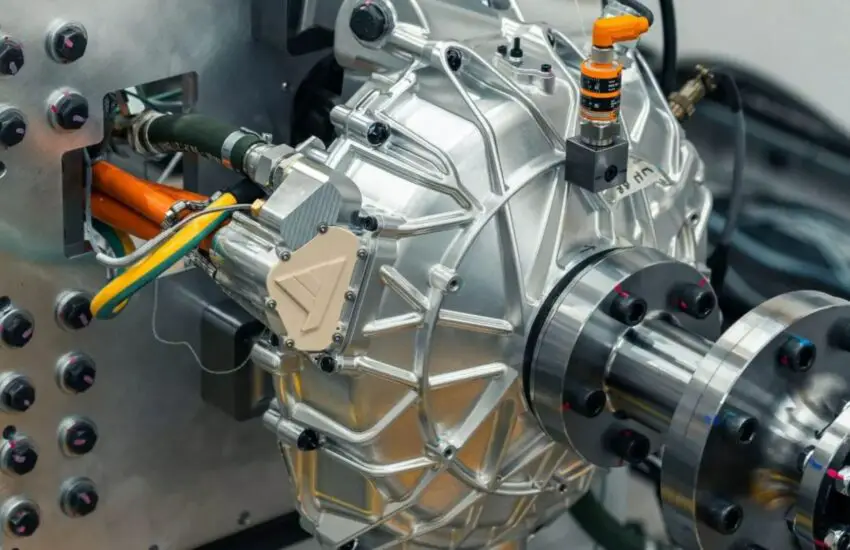
At the heart of this revolution is technology from YASA, the British axial-flux motor specialist acquired by Mercedes-Benz. YASA’s ultra-lightweight, high-torque wheel-hub motors are integrated directly into the wheels. This design provides unprecedented individual control over each wheel. By reversing their function, these powerful motors can act as ultra-responsive generators, converting the vehicle’s kinetic energy back into electricity with exceptional efficiency. This process, known as regenerative braking, becomes the primary method for deceleration.

Close-up of an advanced wheel-hub motor on a Mercedes concept chassis

Benefits of a Brakeless Future

The potential advantages of this system are substantial. Removing conventional brake calipers, discs, and hydraulic lines reduces unsprung weight significantly, which can improve handling, ride comfort, and energy consumption. It also frees up valuable space within the wheel design for enhanced aerodynamics or larger batteries. Furthermore, braking purely through regeneration maximizes energy recapture, potentially extending driving range. The system’s digital precision allows for incredibly fast and finely tuned braking responses, enhancing safety and enabling new advanced driver-assistance features.

Challenges on the Road Ahead

Despite the promise, the path to eliminating mechanical brakes entirely is complex. Engineers must develop flawless redundancy to ensure fail-safe stopping power in all scenarios, including a full electrical system failure or extreme braking demands. Regenerative braking effectiveness can also vary with battery charge level and temperature. Mercedes’s solution will likely involve retaining a minimal, backup mechanical system for emergencies, but the goal is to make its use an exceptionally rare event, marking a true paradigm shift in vehicle design.

Ford’s Compact PHEV Bronco Targets European Market

A New Direction for Ford’s European Strategy

Ford is charting a new course for its European lineup with the development of a compact, plug-in hybrid Bronco. This move signals a strategic pivot, tailoring one of its most iconic nameplates to meet the specific demands of European consumers. While the rugged, full-size Bronco models continue their success story in North America, this upcoming variant is designed with a focus on urban practicality and reduced environmental impact.

Designed for European Roads and Regulations

The European-bound Bronco is expected to be a significantly smaller SUV, aligning with the continent’s preference for compact, agile vehicles suited to narrower city streets and tighter parking spaces. The core innovation lies under the hood: a plug-in hybrid electric (PHEV) powertrain. This technology offers the best of both worlds, providing substantial all-electric range for daily commutes while retaining a combustion engine for longer journeys and adventure-ready capability.

Blending Heritage with Electrified Efficiency

Despite its downsized dimensions and electrified heart, the model will likely retain key Bronco design cues that communicate its off-road heritage. Expect a bold front grille, boxy silhouette, and removable roof options. The PHEV system aims to deliver lower tailpipe emissions, appealing to environmentally conscious drivers and helping Ford comply with stringent EU emissions standards. This model represents a crucial step in Ford’s plan to electrify its European offerings.

Positioning in a Competitive Segment

This compact Bronco PHEV will enter a fiercely competitive segment, challenging established compact SUVs and crossover models. Its unique selling proposition will be its combination of Bronco-branded adventurous styling, versatile capability, and the fuel efficiency of a plug-in hybrid. If executed successfully, it could carve out a distinctive niche, attracting buyers seeking a vehicle that stands out from conventional compact SUVs while offering modern, efficient propulsion.