
P0122 Low Input from Throttle Position Sensor/Switch Circuit A

What does the P0122 code mean?

The P0122 trouble code is a generic powertrain code applicable to most vehicles equipped with the OBD-II standard (from 1996 onwards). It indicates that the Powertrain Control Module (PCM) has detected an abnormally low voltage in the Throttle Position Sensor (TPS) “A” circuit. This voltage is typically below the expected minimum threshold, often between 0.17 and 0.20 volts (V).

Role of the Throttle Position Sensor (TPS)

The Throttle Position Sensor (TPS) monitors the opening angle of the throttle valve. It sends an electrical signal to the PCM, which uses this information to regulate the air-fuel mixture and ignition timing. A faulty signal can therefore disrupt engine operation.
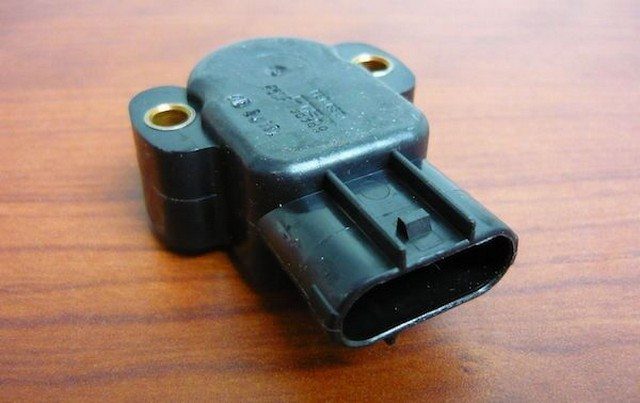
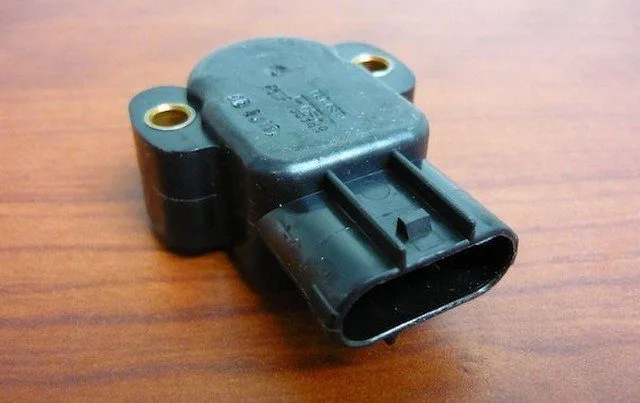
Throttle Position Sensor (TPS) on an engine
Example of a Throttle Position Sensor (TPS)

Symptoms of the P0122 code

When this code is stored, you may observe one or more of the following symptoms:

  • Irregular idle, too low or abnormally high
  • Engine hesitation and stumbling
  • Surging (RPM fluctuations)
  • Weak or no acceleration
  • Risk of limp mode

Possible causes of the P0122 code

Several malfunctions can cause the P0122 code to appear:

  • Faulty or improperly installed Throttle Position Sensor (TPS)
  • Short circuit in the TPS signal circuit (to ground or another wire)
  • Wiring problem: open circuit, corroded or loose connector
  • Loss of the 5-volt reference voltage
  • PCM failure (less common)

Solutions and diagnostic steps

Before replacing parts, perform a methodical check:

  1. Visual Inspection: Examine the sensor, its connector, and the wiring for damage, corrosion, or exposed wires.
  2. Electrical Check: Using a multimeter, measure the voltage at the TPS (refer to your vehicle’s repair manual for specific values). A voltage below ~0.17 V confirms the problem.
  3. Installation Check: If the TPS was recently replaced, ensure it is properly installed and adjusted. On some models (e.g., GM 3.8L engine), the sensor must be rotated to lock into position.
  4. Intermittent Test: If the code returns after clearing, look for an intermittent problem (chafing wire, bad ground).

💡 Expert Tip: Improper installation is a common cause. On some engines, the TPS must be inserted and rotated so that its internal tab aligns correctly with the throttle body pins.

Related TPS codes

Other codes related to the Throttle Position Sensor circuit may appear: P0120, P0121, P0123, P0124.

🚗 Need help?

Electrical diagnosis often requires specialized equipment. If you are not equipped or unsure, consult a professional mechanic for an accurate diagnosis and reliable repair.
P0123 High Input in Throttle Position Sensor/Switch A Circuit

What is the P0123 fault code?

The P0123 fault code is a generic powertrain (OBD-II) code that indicates a problem with the Throttle Position Sensor (TPS) circuit. It signals that the Powertrain Control Module (PCM) has detected an abnormally high voltage from the sensor, exceeding the manufacturer’s specified limits.

Operation of the Throttle Position Sensor (TPS)

The TPS is a potentiometer mounted on the throttle body. Its role is to measure the opening angle of the throttle valve and send a proportional electrical signal to the PCM, the vehicle’s main computer. It typically consists of three wires:

  • A 5-volt reference supply from the PCM.
  • A ground (earth return).
  • A signal wire that returns the variable voltage to the PCM.

When the throttle is at idle (closed), the signal voltage is typically around 0.45 to 0.55 volts. At wide open throttle (WOT), this voltage should approach 5 volts. Code P0123 is triggered when the PCM detects a voltage consistently higher than the expected normal range.

Symptoms of Code P0123

A P0123 fault can manifest through several noticeable symptoms:

  • Irregular or unstable idle
  • Abnormally high idle speed
  • Hesitation or power fluctuations during acceleration (surging)
  • Stalling or difficulty starting
  • Entry into limp mode
  • Increased fuel consumption

Possible Causes of the P0123 Fault

Several issues can cause a P0123 code:

  • Wiring problem: Short circuit to the battery in the TPS signal circuit, damaged, chafed, or corroded wires.
  • Faulty TPS sensor: The internal potentiometer is worn or defective.
  • Poor mounting: The sensor is loose or improperly installed on the throttle body.
  • Faulty PCM: In rare cases, the computer itself may be the cause.

How to Diagnose and Resolve a P0123 Code?

1. Preliminary Check

Start by consulting your manufacturer’s Technical Service Bulletins (TSBs). It might be a known issue with a specific correction procedure.

2. Visual Inspection

Carefully inspect the TPS connector and wiring. Look for any signs of damage, corrosion, burning, or looseness. Ensure the sensor is securely fastened.

3. Electrical Measurements

Using a multimeter, measure the voltage on the TPS signal wire (engine off, ignition on).

  • A voltage consistently above ~4.65 volts confirms the problem.
  • Refer to your vehicle’s repair manual for precise expected values.

4. Corrective Actions

  • If the wiring is damaged, repair or replace the affected wires.
  • If electrical measurements are out of specification and the wiring is intact, replace the Throttle Position Sensor (TPS).
  • After any repair, clear the fault codes with an OBD2 scanner and perform a road test to ensure the fault does not return.

Related Fault Codes

P0120, P0121, P0122, P0124

Conclusion

The P0123 code is often related to a simple electrical issue with the TPS sensor or its wiring. A thorough inspection and basic electrical tests usually allow for quick identification and resolution of the fault. For an accurate diagnosis, using an OBD2 scanner and the specific manual for your model is highly recommended.

Need help diagnosing your vehicle? Consult a certified professional or invest in a reliable diagnostic tool to precisely identify the source of the problem.

P0124 Throttle/Pedal Position Sensor/Switch A Circuit Intermittent

What is the P0124 code?

The P0124 trouble code is a generic powertrain code. It indicates that the Powertrain Control Module (PCM) has detected intermittent or erratic operation in the Throttle Position Sensor (TPS) “A” circuit. This code applies to most vehicles built after 1996 (Dodge, Chrysler, Hyundai, Jeep, Mazda, etc.), although specific diagnostic procedures may vary by make and model.

Role of the Throttle Position Sensor (TPS)

The TPS is a potentiometer mounted on the throttle body. It is connected to a 5-volt reference circuit and is mechanically actuated by the throttle shaft. When you press the accelerator, the sensor’s resistance changes, which alters the voltage signal sent to the PCM.

The PCM uses this information to:

  • Calculate fuel delivery and ignition timing.
  • Monitor intake airflow and Exhaust Gas Recirculation (EGR).
  • Determine engine load.

If the PCM receives inconsistent signals over a given period, it will store the P0124 code and may illuminate the Malfunction Indicator Lamp (MIL).

Symptoms of the P0124 Code

A problem with the TPS can seriously affect engine performance. Common symptoms include:

  • Hesitation or stumbling during acceleration
  • Black smoke from the exhaust (especially on startup)
  • Hard starting, particularly when cold
  • Reduced power and fuel efficiency
  • Appearance of other emission-related codes

Possible Causes of the P0124 Code

  • Faulty or misadjusted TPS sensor
  • Damaged, corroded, or loose wires/connectors in the “A” circuit
  • Sticking or damaged throttle body
  • PCM programming issue or failure (less common)

How to Diagnose and Repair the P0124 Code?

1. Check Technical Service Bulletins (TSBs)
Consult your manufacturer’s TSBs. It might be a known issue with a specific correction procedure, which can save you time.

2. Visual Inspection
Carefully inspect the wiring, connectors, and throttle body. Look for signs of wear, corrosion, damage, or carbon buildup that could impede movement.

3. Use an OBD2 Scanner
Connect a scanner to retrieve all codes and freeze frame data. Clear the codes and perform a road test to see if P0124 returns. Monitor the TPS live data stream for erratic values.

4. Electrical Test with a Multimeter (DVOM)
With the ignition on, measure the voltage between the TPS signal and ground. The voltage should increase smoothly and progressively from ~0.5V (throttle closed) to ~4.5V (wide open throttle). A voltage drop or spike indicates a faulty sensor.

5. Replacement and Adjustment
If the TPS is faulty, replace it. On some vehicles, a precise adjustment is required after installation. Refer to the manufacturer’s specifications.

Conclusion

The P0124 code indicates an intermittent problem often related to the TPS sensor or its circuit. Although diagnosis can be complex due to the intermittent nature of the fault, a methodical approach based on inspection, scanning, and electrical testing can identify and resolve the root cause.

Call to Action: Not comfortable with these procedures? Entrust the diagnosis to a qualified mechanic to avoid causing further damage to your vehicle.

P0125 OBD-II Trouble Code

OBD-II Code P0125: Insufficient Coolant Temperature for Closed Loop Control

Fault code P0125 is a generic OBD-II (Open-Band Diagnostics II) code from the powertrain group. It indicates that the coolant temperature sensor (ECT) has not recorded a sufficient temperature increase for the engine control module (ECU) to switch to closed loop fuel control mode within a specified time after startup.

Symptoms of Code P0125

This error code often goes unnoticed while driving, but some symptoms may occur:

  • No noticeable symptoms (most common)
  • Slight performance drop or hesitation
  • Abnormally high fuel consumption
  • Check engine light is on

Possible Causes of P0125 Fault

Several malfunctions can cause this code:

  • A faulty thermostat (stuck in open position)
  • Coolant level too low
  • A failing or out-of-spec temperature sensor (ECT)
  • A faulty ECT sensor signal circuit (wiring, connectors)
  • Insufficient warm-up time in very cold weather

Diagnosis and Solutions to Fix Code P0125

The first step is to reset the code using an OBD2 scanner to check if it returns. If it persists, proceed as follows:

  1. Check and top up the coolant level if necessary.
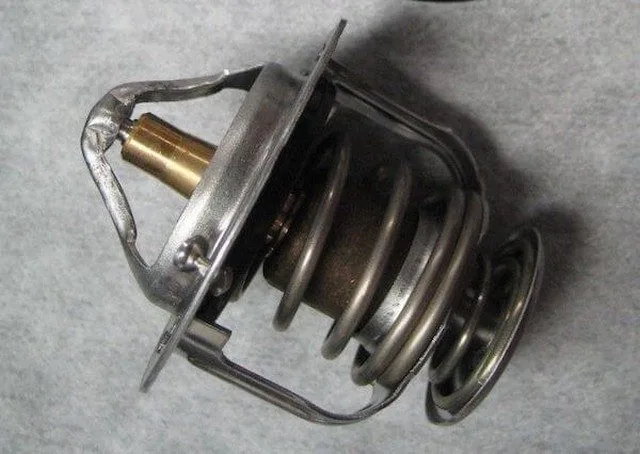
  2. Inspect the thermostat: an engine that takes too long to warm up is a classic symptom of a stuck-open thermostat. Test it or replace it if in doubt.
  3. Test the ECT sensor: using a multimeter, measure its resistance and compare it to the reference values provided by the manufacturer. An out-of-spec sensor should be replaced.
  4. Inspect the wiring: look for damaged, loose, or corroded wires between the sensor and the ECU.

Related DTC Codes

Other temperature circuit-related codes may appear: P0115, P0116, P0117, P0118, P0119, P0128.

Conclusion

Although often without immediate consequences for driving, a P0125 code should not be ignored. An engine running too long in open loop increases fuel consumption and prematurely wears certain components. For accurate diagnosis, using a professional OBD2 scanner is recommended.

Need help diagnosing your vehicle? Consult our complete guide to choose the best OBD2 scanner or contact a certified mechanic for professional service.

P0126 Insufficient Coolant Temperature for Stable Operation

What is the P0126 Code?

The P0126 diagnostic trouble code is a generic powertrain code applicable to most vehicles built from 1996 onward. It indicates that the coolant temperature is insufficient to reach and maintain a stable operating range within the timeframe expected by the Powertrain Control Module (PCM).

The PCM uses data from the Engine Coolant Temperature (ECT) sensor, combined with other sensors, to optimize the air-fuel mixture and emissions. An engine that does not heat up properly can lead to increased fuel consumption and premature wear.

This code is frequently encountered on certain Mazda models but can appear on any vehicle. It is crucial to consult the manufacturer’s Technical Service Bulletins (TSBs) before any intervention, as a simple PCM reprogramming can sometimes resolve the issue.

Symptoms of the P0126 Code

  • Illumination of the Malfunction Indicator Lamp (MIL) on the dashboard.
  • Potential increase in fuel consumption.
  • Poor idle quality or degraded engine performance.
  • Inefficient cabin heating.

Possible Causes of the P0126 Fault

Several factors can cause this code:

  • Low coolant level: due to a leak or evaporation.
  • Faulty thermostat: stuck open, preventing the engine from reaching its optimal temperature.
  • Defective ECT sensor: sending an incorrect signal to the PCM.
  • Electrical issue: cut wiring, corroded connector, or poor contact.
  • Radiator fan running continuously.

Diagnosis and Solutions for Resolving P0126

Follow these steps to diagnose and resolve the issue methodically.

1. Preliminary Checks

  • Consult your manufacturer’s Technical Service Bulletins (TSBs). For Mazda, a PCM software reprogramming is often the recommended solution.
  • Visually check the coolant level. If it is low, top it up, clear the code, and perform a road test.
  • Inspect the cooling fan. If it never stops, it may prevent the engine from heating up.

2. Advanced Technical Checks

  • Using an OBD2 scanner, read the live data from the ECT sensor. Compare the displayed value with the actual engine temperature, measured with an infrared thermometer on the engine block or radiator.
  • If the values differ, test or replace the ECT sensor.
  • Inspect the thermostat. An engine that takes too long to heat up is a classic symptom of a thermostat stuck in the open position.
  • Check the condition of the ECT sensor’s wiring and connectors for corrosion, loose wires, or damage.

Call to Action

Diagnosing the P0126 code can be complex. If basic checks have not resolved the problem, consult an automotive repair professional. A qualified mechanic will have the diagnostic tools and expertise needed to identify and correct the root cause effectively, saving you from costly and unnecessary repairs.

P0127 Intake Air Temperature Too High

Code P0127: Intake Air Temperature Too High

The generic fault code P0127 indicates that the engine computer (PCM) has detected an abnormal signal from the Intake Air Temperature (IAT) sensor, reporting a temperature or voltage that is too high in the circuit. This code applies to the majority of vehicles built after 1996.

Role of the IAT Sensor and Symptoms

The IAT sensor measures the temperature of the air entering the engine. This data, combined with that from the Mass Air Flow (MAF) sensor, is essential for the PCM to calculate the optimal air-fuel mixture (14.7:1) and ignition timing. A fault disrupts these settings and can cause:

  • Engine misfires, hesitation during acceleration, or rough idling
  • A noticeable decrease in engine performance
  • Increased fuel consumption
  • Illumination of the check engine light and storage of other fault codes

Consider this fault serious and requiring intervention.

Possible Causes of Code P0127

  • Electrical Problem: IAT sensor connector disconnected, loose, or corroded
  • Faulty Wiring: Cut wires, short circuit, or poor insulation
  • Faulty IAT Sensor: Internal thermistor provides an out-of-specification value
  • Air Intake Problem: Clogged air filter, punctured or poorly secured air duct
  • Faulty MAF Sensor incorporating the IAT (if both sensors are combined)

Diagnosis and Repair Procedures

⚠️ Tip: Always start by consulting the manufacturer’s Technical Service Bulletins (TSBs) to see if the problem is subject to a recall or a specific procedure.

Required Tools: An OBD2 scanner, a digital multimeter (DVOM), and if possible, an infrared thermometer.

  1. Visual Inspection: Check the condition of the air filter, the intake duct, and especially the electrical connector of the IAT sensor. It is often located near the battery and susceptible to corrosion.
  2. Data Reading: With the scanner, read the live IAT temperature. Compare it with the actual ambient temperature using the thermometer. If the values are inconsistent, the sensor is suspect.
  3. Electrical Test: Using the multimeter, test the resistance of the (disconnected) IAT sensor relative to temperature. Compare the measured values with your vehicle’s specification chart. Also test the supply voltage (5V) and ground at the connector.
  4. Circuit Check: If the sensor seems good, check for breaks or short circuits in the wires connecting the sensor to the PCM.

Pro Tip: If air filter maintenance was done recently, it is very common for the technician to have forgotten to reconnect the IAT sensor connector. Check for this simple error first!

Conclusion and Call to Action

A P0127 code is often resolved by cleaning a connector, replacing an air filter, or replacing a faulty IAT sensor. If the diagnostic steps seem complex to you, do not hesitate to consult a professional for an accurate diagnosis and reliable repair.

Related Codes to Monitor: P0110, P0111, P0112, P0113, P0095 to P0099.

P0128 Thermostat Malfunction Code OBD-II

Code P0128: Definition and Meaning

The P0128 error code is a generic OBD-II code related to the powertrain. It indicates that the Powertrain Control Module (PCM) has detected that the engine temperature has not reached its normal operating range within a specified time after startup. This code is common on many brands such as Toyota, Ford, Volkswagen, Chevrolet, Honda, Nissan, etc.

The most common cause is a faulty thermostat, often stuck in the open position, which prevents the engine from reaching its optimal temperature.

Symptoms of Code P0128

The main symptom is the illumination of the Malfunction Indicator Lamp (MIL) on your dashboard. Other signs may include:

  • Poor fuel consumption.
  • Less effective cabin ventilation or heating.
  • The engine takes too long to warm up.
  • Engine temperature drops abnormally during highway driving.

Possible Causes of Code P0128

Several factors can trigger a P0128 code:

  • Faulty thermostat (stuck open): The most likely cause.
  • Low coolant level: Check for leaks.
  • Faulty ECT (Engine Coolant Temperature) sensor: Sends an incorrect signal to the PCM.
  • Faulty radiator fan: Runs continuously and overcools the engine.
  • Faulty IAT (Intake Air Temperature) sensor: Skews the PCM’s temperature calculation.

Diagnosis and Solutions for Fixing Code P0128

⚠️ Warning: Always work on a cold engine. The cooling system is under pressure and hot, which poses a risk of serious burns.

Here is the recommended diagnostic procedure:

  1. Check the coolant level and condition. Refill or replace it if necessary.
  2. Inspect the cooling fan. Ensure it is not running continuously.
  3. Test the ECT sensor using a multimeter. Compare its resistance values with those specified by the manufacturer.
  4. Check the IAT sensor to ensure it is functioning properly.
  5. Replace the thermostat. This is the most common solution for resolving a P0128 code. Choose a quality OEM thermostat.

Pro Tip: Always consult your vehicle manufacturer’s Technical Service Bulletins (TSBs). For some models (notably Nissan), an ECU reprogramming may be necessary to permanently clear the code.

Conclusion and Call to Action

Code P0128 is often simple to fix by replacing the thermostat. However, an accurate diagnosis helps avoid replacing parts unnecessarily.

Not comfortable with these procedures? Entrust the diagnosis and repair of your vehicle to a professional mechanic. Use our online tool to find a qualified professional near you and get a personalized quote.

Related codes: P0115, P0116, P0117, P0118, P0119, P0125

P0129 Barometric Pressure Too Low

Code P0129: Barometric Pressure Too Low – Diagnosis and Solutions

Meaning of Fault Code P0129

The generic code P0129 belongs to the powertrain group and applies to OBD-II equipped vehicles (from 1996 onwards). It indicates that the Powertrain Control Module (PCM) has detected an abnormally low reading from the Barometric Pressure Sensor (BPS) or the Manifold Absolute Pressure (MAP) sensor.

Role of the Barometric Pressure Sensor (BPS)

The BPS measures changes in atmospheric pressure, which vary with altitude. The PCM uses this data to calculate fuel mixture and ignition timing, thus optimizing engine performance and efficiency.

The sensor receives a reference voltage and returns a variable signal based on pressure. Pressure changes alter the sensor’s resistance, causing a variation in the voltage sent to the PCM.

Sensor Configurations

Two configurations exist:

  • Dedicated Sensor: A BPS separate from the MAP sensor, often mounted remotely from the engine with a vacuum hose.
  • Integrated Sensor: The BPS is combined with the MAP sensor. In this case, scanner data displays manifold absolute pressure.

Consult your vehicle’s technical documentation (such as AllDataDIY) to identify the specific configuration.

Symptoms of Code P0129

  • Overly rich air-fuel mixture
  • Decreased engine performance
  • Hesitation during acceleration
  • Black smoke from the exhaust
  • Increased fuel consumption

Possible Causes

  • Corroded or oxidized MAF/BPS sensor connector
  • Insufficient engine vacuum (wear, misfire, clogged catalytic converter)
  • Faulty BPS or MAP sensor
  • Cut wiring or short circuit
  • Grounding issue
  • PCM failure or programming error

Diagnosis and Repair Procedures

1. Preliminary Check
First, consult the manufacturer’s Technical Service Bulletins (TSB) to identify any known issues.

2. Required Tools
OBD2 scanner, digital multimeter (DVOM), vacuum gauge, and vehicle information sources (AllDataDIY, repair manuals).

3. Visual Inspection
Carefully inspect the wiring and connectors associated with the BPS/MAP. Look for any signs of corrosion, damage, or disconnection.

4. Scanner Tests
Read and record all fault codes and freeze frame data. Clear the codes and perform a road test to see if P0129 reappears.

5. Engine Vacuum Test
Using a gauge, measure the engine’s vacuum pressure at idle. Compare it to the manufacturer’s specifications. Insufficient vacuum may indicate an underlying engine problem (misfires, leaks, catalytic converter) that should be addressed first.

6. Sensor and Circuit Check
For systems integrated with the Mass Air Flow (MAF) sensor, clean the connector, which is often prone to corrosion, and check the air filter’s condition.
Using a multimeter, test the resistance and voltage of the BPS/MAP sensor (with the sensor disconnected). Compare the measured values with those specified in the technical documentation. A discrepancy means the sensor is faulty and needs replacement.

7. PCM Check
If the sensor and wiring are in perfect condition, a PCM failure or programming error is possible, although less common.

Conclusion and Call to Action

Diagnosing code P0129 requires a methodical approach. If the procedures described above are beyond your skills, consult a professional mechanic equipped with advanced diagnostic tools for a reliable repair.

P012A Turbocharger/Supercharger Inlet Pressure Sensor Circuit

📘 Code P012A: Definition and Meaning

The P012A error code is a generic powertrain (OBD-II) code that indicates a problem in the Turbocharger/Compressor Inlet Pressure (TCIP) sensor circuit. This code is common on many brands such as Ford, Dodge, Nissan, Subaru, Honda, etc.

Although generic, diagnostic and repair procedures may vary depending on the vehicle’s make, model, and engine.


⚙️ Role of the TCIP Sensor

The turbocharger (driven by exhaust gases) or the compressor (mechanically driven) increases the engine’s volumetric efficiency by compressing the intake air. The inlet pressure sensor (located downstream of the throttle body) measures this pressure and sends the data to the ECM (Engine Control Module) or the PCM (Powertrain Control Module) to optimize performance.


🔄 Codes Associated with P012A

  • P012B: Turbocharger/Compressor Inlet Pressure Sensor Circuit B
  • P012C: Turbocharger/Compressor Inlet Pressure Sensor A – Range/Performance
  • P012D: Turbocharger/Compressor Inlet Pressure Sensor B – Range/Performance
  • P012E: Turbocharger/Compressor Inlet Pressure Sensor A – Intermittent/Erratic Signal

🚨 Symptoms of Code P012A

  • Transition to limp mode (fail-safe/limp mode)
  • Noticeable loss of engine power
  • Abnormal noises (whistling, hissing)
  • Unstable idle or misfires
  • Increased fuel consumption
  • Illumination of the Malfunction Indicator Lamp (MIL)

🔍 Possible Causes

  • Faulty or dirty TCIP sensor
  • Damaged wiring harness (cut, frayed wires)
  • Oxidized, corroded, or loose connectors
  • Power supply or ground issue
  • Clogged or damaged air filter
  • Rare ECM/PCM fault
  • Air leaks in the intake system

🛠️ Diagnosis and Troubleshooting

Step 1: Visual Inspection

  • Locate the TCIP sensor (usually on the intake duct, after the throttle body).
  • Inspect the wiring: look for signs of wear, burning, or corrosion.
  • Check the condition of the connectors (bent pins, green or white oxidation).
  • Verify ground connections for cleanliness and tightness.

💡 Tip: Use contact cleaner to remove corrosion.

Step 2: Fuse Check

  • Consult the manual to locate fuse boxes (interior and engine compartment).
  • Test or replace any blown fuses related to the boost system.

Step 3: Air Filter Check

  • Inspect the air filter. If it is clogged, replace it.
  • A dirty filter can disrupt airflow and skew pressure readings.

Step 4: Electrical Tests (Multimeter)

  • Refer to the service manual for specific voltage and resistance values.
  • Check the sensor’s power supply (≈ 5V) and ground.
  • Test the sensor signal (varies with pressure).
  • Check for continuity and absence of short circuits in the wires.

🔧 If the sensor or circuit is faulty, replace the affected component.

Step 5: Clearing the Code

  • Use an OBD2 scanner to clear the code after repair.
  • Perform a road test to ensure the code does not reappear.

🧰 Recommended Tools

  • Professional OBD2 scanner
  • Digital multimeter
  • Wrench and socket set
  • Electrical contact cleaner
  • Vehicle-specific repair manual

⚠️ Safety Precautions

  • Work on a cold engine to avoid burns.
  • Always disconnect the battery before handling the electrical circuit.
  • Use wheel chocks to immobilize the vehicle.
  • Wear safety glasses and gloves.

❓ Need Help?

Diagnosing a P012A code can be complex. If the steps above do not resolve the issue, consult a qualified mechanic. A professional will have advanced diagnostic tools and the necessary expertise to identify and repair the fault effectively.

P012B Turbo / Compressor Inlet Pressure Sensor Range

Code P012B: Definition and Symptoms

The generic diagnostic trouble code P012B indicates a problem with the range or performance in the turbocharger or compressor inlet pressure sensor (TCIP) circuit. This sensor, crucial for forced induction, helps the ECU/PCM regulate intake pressure and optimize the engine’s volumetric efficiency. This code applies to various brands (Ford, Dodge, Nissan, Subaru, Honda, etc.), but diagnostic procedures may vary.

Symptoms of Code P012B

  • Activation of limp mode (“soft mode” or “limp mode”)
  • Reduced engine performance and sluggish acceleration
  • Misfires or stumbling
  • Increased fuel consumption
  • Abnormal turbocharger/compressor noises
  • Illuminated check engine light

Possible Causes of Code P012B

  • Faulty inlet pressure sensor
  • Damaged, cut, or corroded wires or connectors
  • Electrical problem (short circuits, poor grounds)
  • Clogged or damaged air filter
  • ECU/PCM failure
  • Blown fuse

How to Diagnose Code P012B?

📋 Check Technical Service Bulletins (TSB)

Before any intervention, consult the technical service bulletins specific to your model. For example, Ford TSB 14-0082 concerns 2013 F-150 EcoBoost vehicles and recommends replacing the sensor and connector.

🛠️ Necessary Tools

  • OBD2 diagnostic scanner
  • Multimeter
  • Wrench and socket set
  • Electrical contact cleaner
  • Repair manual

🔧 Diagnostic Steps

1. Visual Inspection

Locate the TCIP sensor (downstream of the throttle body). Check the wiring, connectors, and pins: corrosion, overheating, or exposed wires are clues. Check the condition of the air filter.

2. Fuse and Ground Check

Locate and test the fuse associated with the sensor circuit. Inspect the ground connections.

3. Sensor Electrical Test

Using a multimeter, measure the circuit voltage and continuity. Compare the values with those recommended by the manufacturer.

4. Replacement if Necessary

If the sensor or its wiring is faulty, replace them with original or equivalent quality parts.

✅ Conclusion and Call to Action

Code P012B is often related to an electrical problem or a faulty sensor. A methodical inspection usually allows you to identify the cause. If you are not comfortable with these procedures, consult a qualified mechanic for an accurate diagnosis.

Need help or replacement parts? Use our online tool to find the right sensor for your vehicle or schedule a diagnostic at one of our partner workshops.