
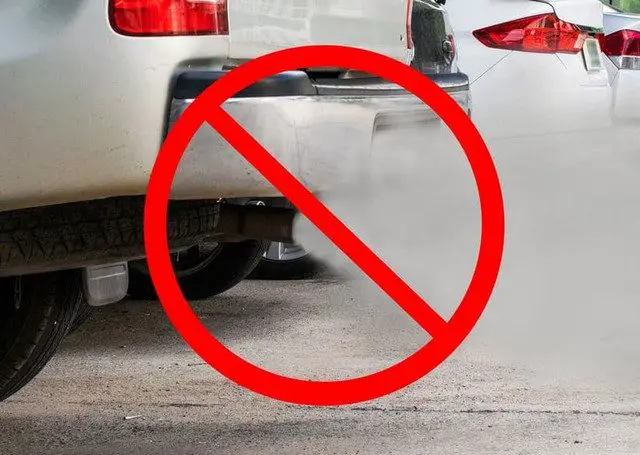
If you see your exhaust pipe blowing white smoke, you need to know the root causes to prevent any engine damage. One of two conditions is responsible for white smoke coming from your exhaust.

If you see your exhaust pipe blowing white smoke, you need to know the root causes to prevent any engine damage. One of two conditions is responsible for white smoke coming from your exhaust.
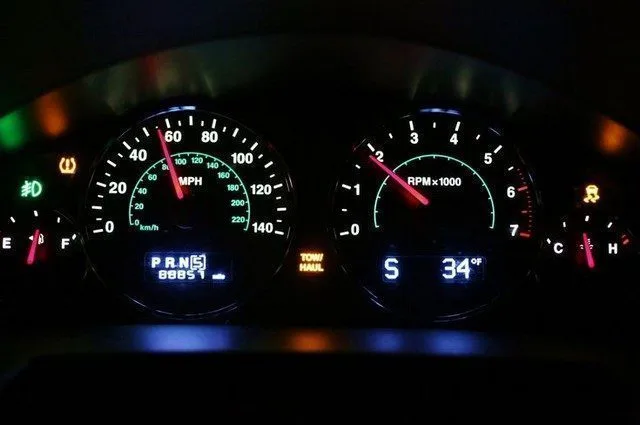
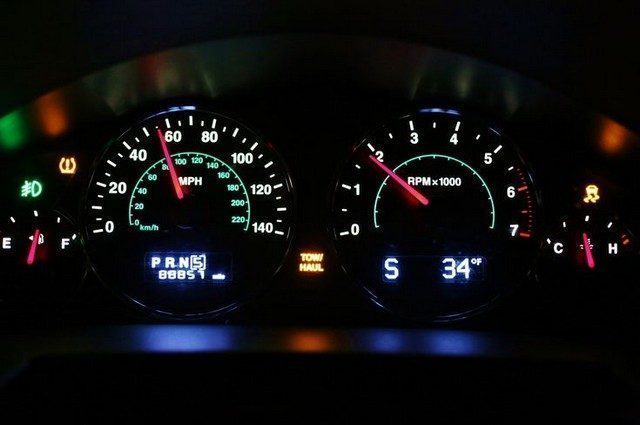
Have you ever been in a situation where you’re driving your vehicle and when you accelerate, you start losing power instead of gaining power? Sometimes, this can be attributed to your car not having enough fuel.
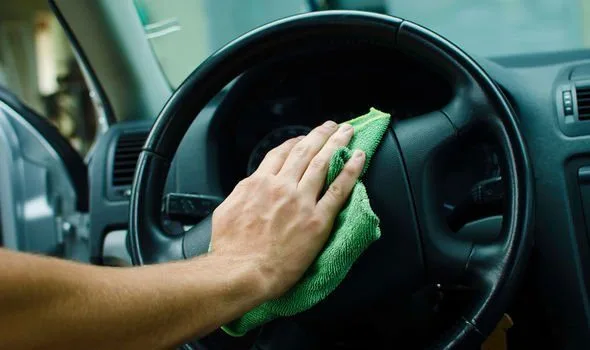
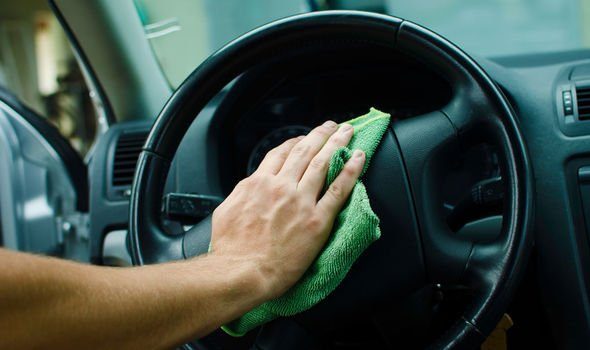
If your routine involves a lot of time behind the wheel or in the back seat of unfamiliar cars, you might be wondering how best to protect yourself from the coronavirus pandemic. You want to protect yourself and your clients from accidental transmissions.
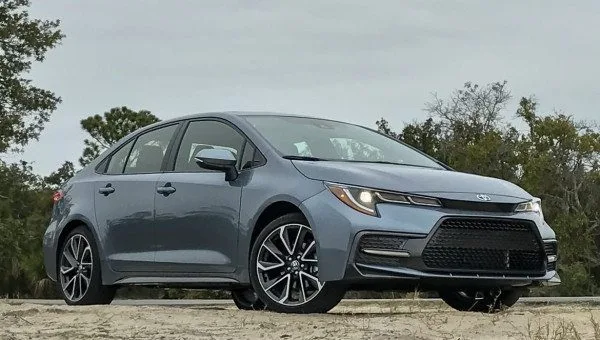
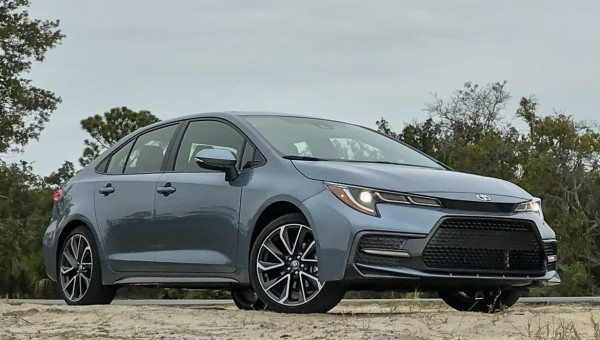
Toyota is implementing two safety features to prevent your vehicle from rolling away or filling the garage with fumes if you exit while it’s running. It indicates that the features will be added to Toyota and Lexus models starting with the 2020 model year.
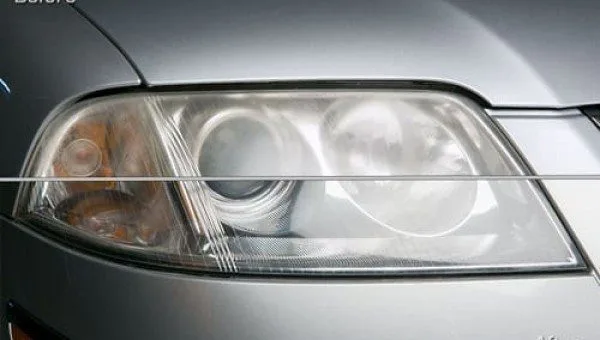

Haze, fog, clouding – no matter what you call it – there are easy ways to get rid of that plastic oxidation that clouds your vehicle’s headlights after years and miles of driving.
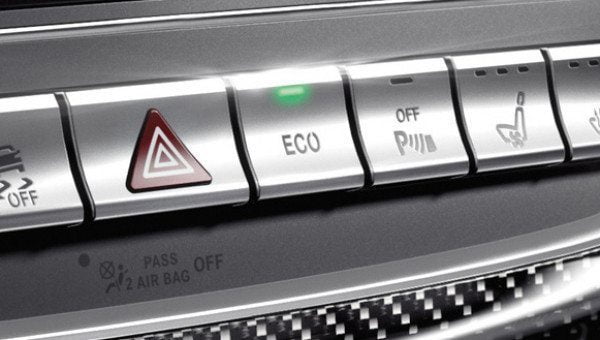

The ECO Start/Stop system works to cut off the engine whenever your car is stopped for any duration.
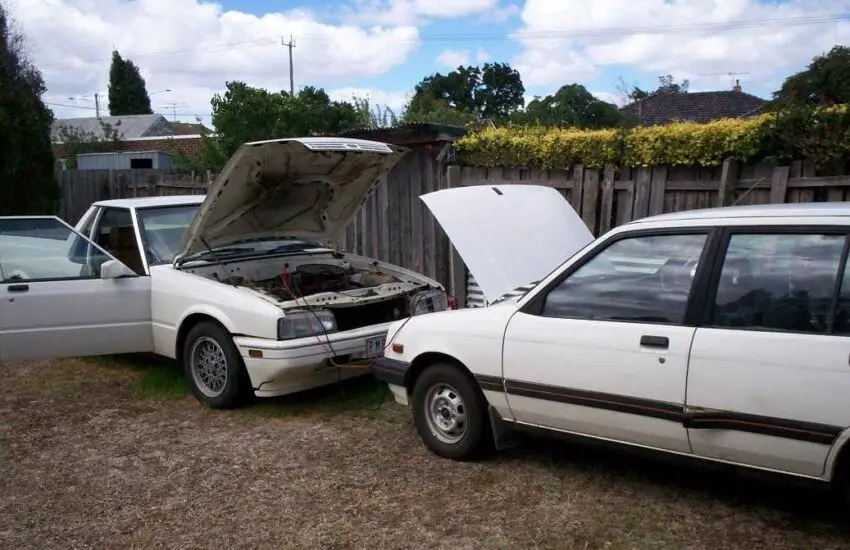
Jump starting is a common way to revive a dead car battery. It involves connecting the battery from another car to yours to boost the unresponsive battery. It’s a quick and easy fix, but could it damage the car battery?
Modern car batteries are much more sensitive than older ones, and there are risks associated with jump starting them. Any mistake can damage the car’s onboard electronics or the good battery. Let’s discuss the possible risks and how you can avoid them.
Jump starting a dead car battery is a common practice everywhere. But without the right tools and a skilled hand. Let’s see what can happen if things go wrong:
Modern cars rely on Engine Control Units (ECUs) to monitor the engine and other components. There isn’t just one, but multiple ECUs can be found in a car. For example, there was a Mercedes-Benz S-Class model that had 64 ECUs.
These control units are so complex that it’s sometimes cheaper to scrap the car instead of repairing them. Incorrect jump starting can zap these electrical systems beyond repair.
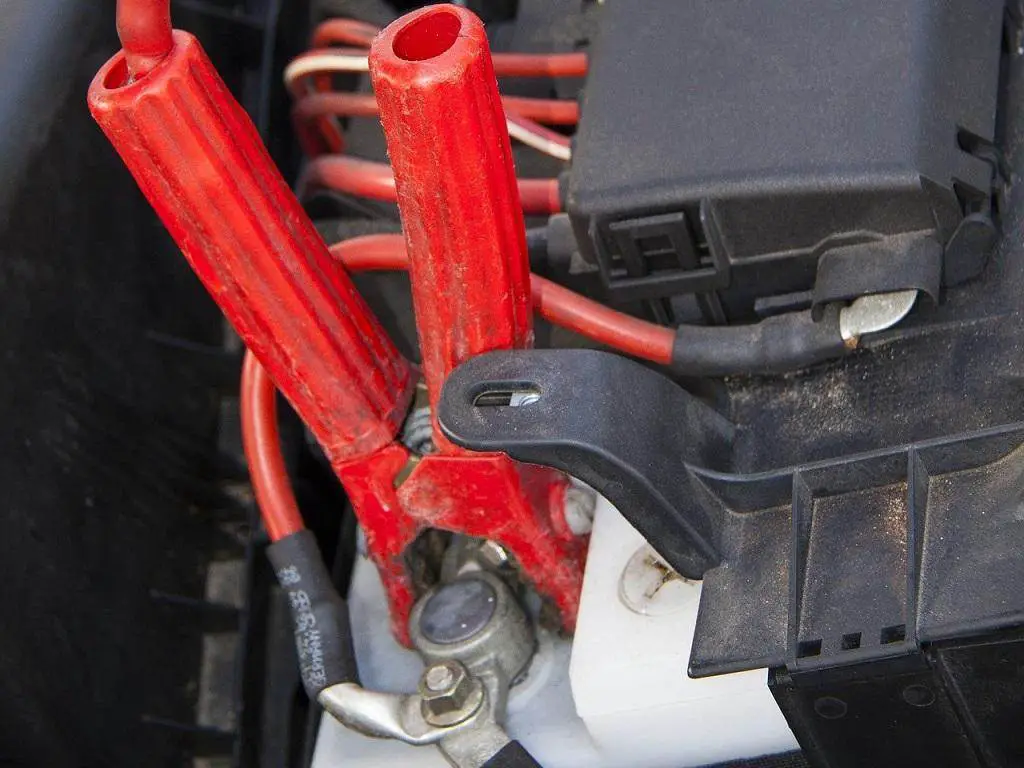
A common risk of jump starting a car is damaging the battery. This happens due to incorrect connections of the jumper cable. One end should go to the dead vehicle and the other end to the car providing the power boost. There will be electrical damage to the car’s components if one end of the cable touches something else.
Connect the jumpers in the correct order. Otherwise, there’s a possibility of sparking in the jumper cables. Any spark can lead to the battery exploding, which can be very dangerous.
Always check the owner’s manual to ensure the correct placement and sequence of the cables. For example, you should never connect the negative jumper cable to the negative terminal of the battery.
After giving some juice to the dead battery, you must disconnect the wiring before starting the car. Starting it will create a heavy load on the good battery when the vehicles are wired together. As a result, there could be electrical problems.
If you’re in a situation where you need to jump start your vehicle, you should take certain steps to ensure nothing goes wrong.
You should not jump start a faulty battery. It could damage the car with the good battery.
If you’re careful and take these precautions, jump starting your car will be a safe and easy way to get back on the road.
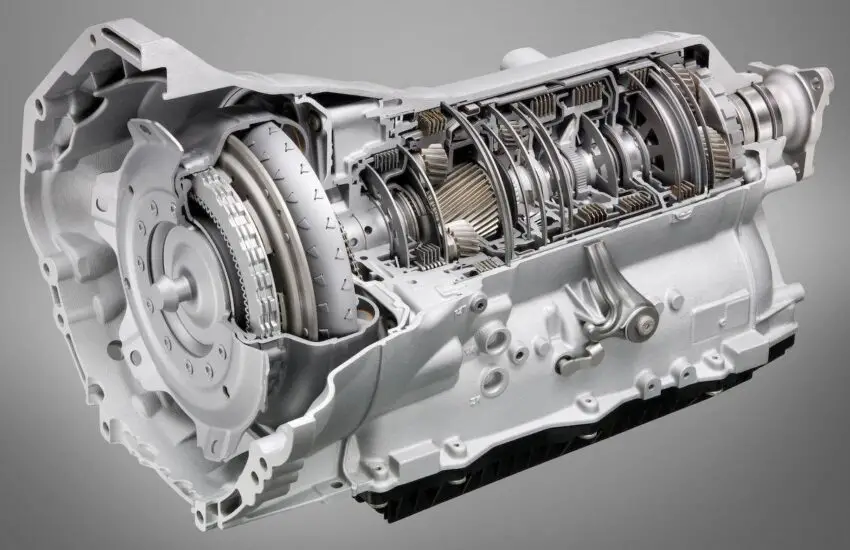
The 6 Common Automatic Transmission Problems, There are two types of transmissions with which vehicles can be built. These are either an automatic transmission or a manual transmission. If you are planning a long car trip out of town to a remote area and suddenly realize that your vehicle’s automatic transmission is not working.
Now, what is your solution for automatic transmission troubleshooting? This kind of situation doesn’t happen suddenly. However, your vehicle starts giving enough warning signals well in advance to detect such failures. For this reason, here is the list of automatic transmission problems.
If there is a mechanical problem with your vehicle, it will start making distinct sounds and show a lack of response from your vehicle. Not only that, it will release the unusual smell of burning fuel. In case of an electrical problem, the vehicle’s dashboard might even start indicating!
If you notice anything out of place in your vehicle, you must consider it a sign of a problem.
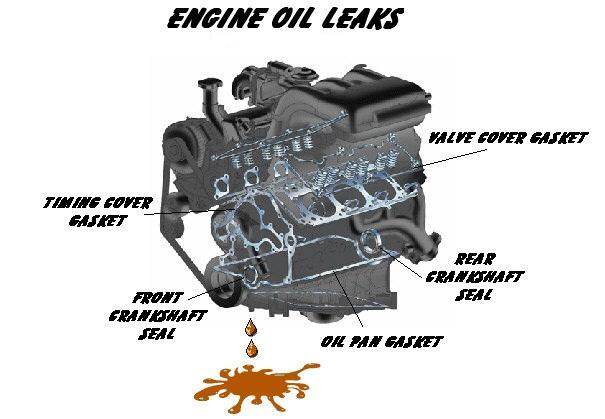
The most common problem is checking for or a leak in the transmission fluid level. If you see red or black fluid in the garage under your vehicle, it could be transmission fluid. Don’t panic and have your vehicle checked immediately. Automatic transmission problems can usually be avoided by timely changing the filter and fluid according to the manufacturer’s specifications.
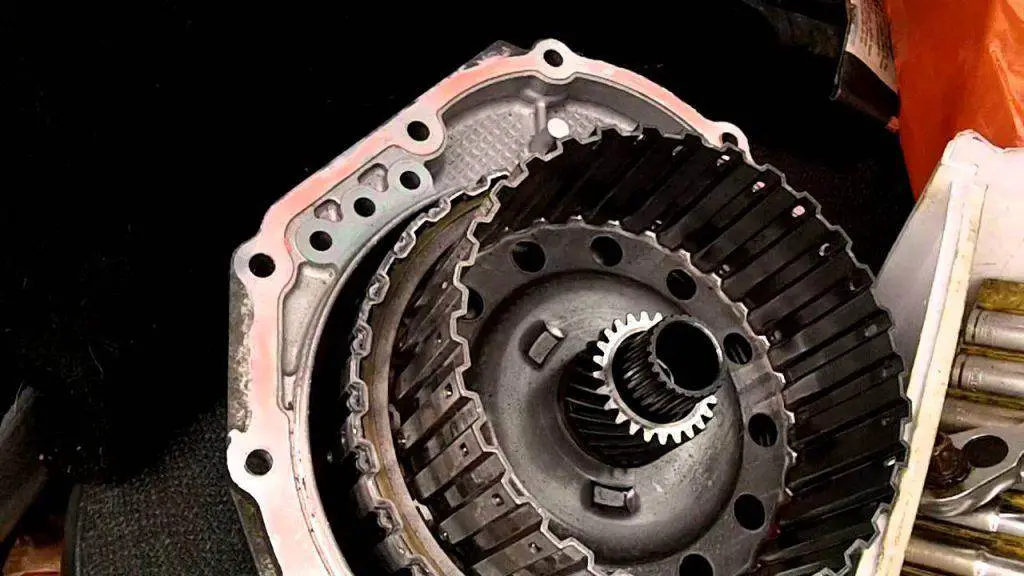
If you are driving in a certain gear and suddenly, the gear automatically shifts to another. An unusual sound from underneath the vehicle also appears. In some cases, your vehicle suddenly starts lacking power.
This could be a sign of wear on your transmission line. As terrifying as it may sound, you must have your vehicle checked immediately.

Imagine that while driving home, you detect damage in the vehicle’s speed sensor or in a fuse. You feel bad, right? Yet, it can get even worse as it could be an electrical component failure.
Of all the automatic transmission problems, this may prevent the electronic circuits from controlling the transmission. You will have a vehicle that cannot function properly. Unfortunately, your vehicle must resolve this issue as soon as possible.
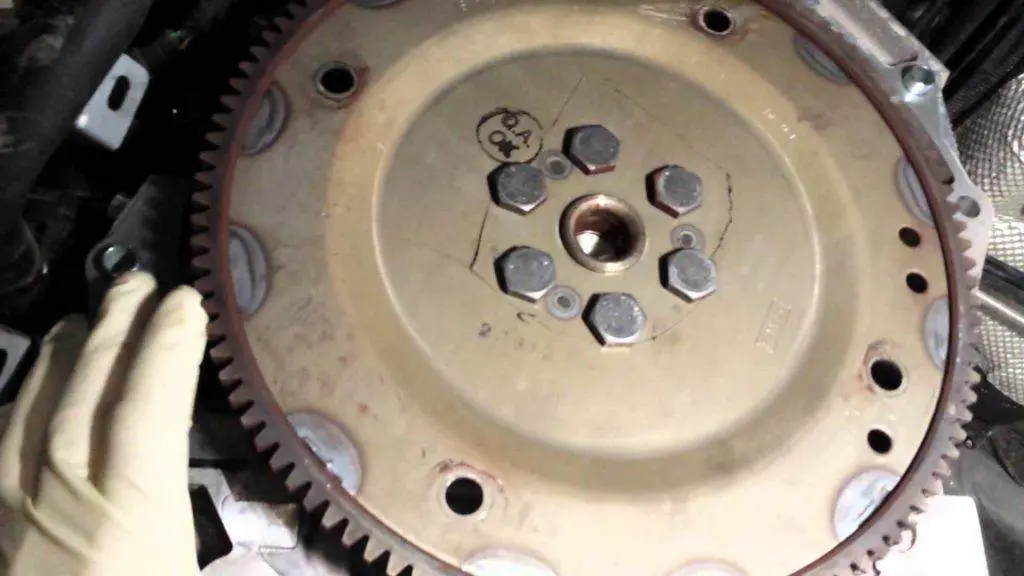
In the list of automatic transmission problems, a broken flexplate is the easiest to spot. You can check the condition of the flexplate just by looking.
A broken or damaged flexplate (also called a flywheel) will not transfer all the engine power to the transmission.
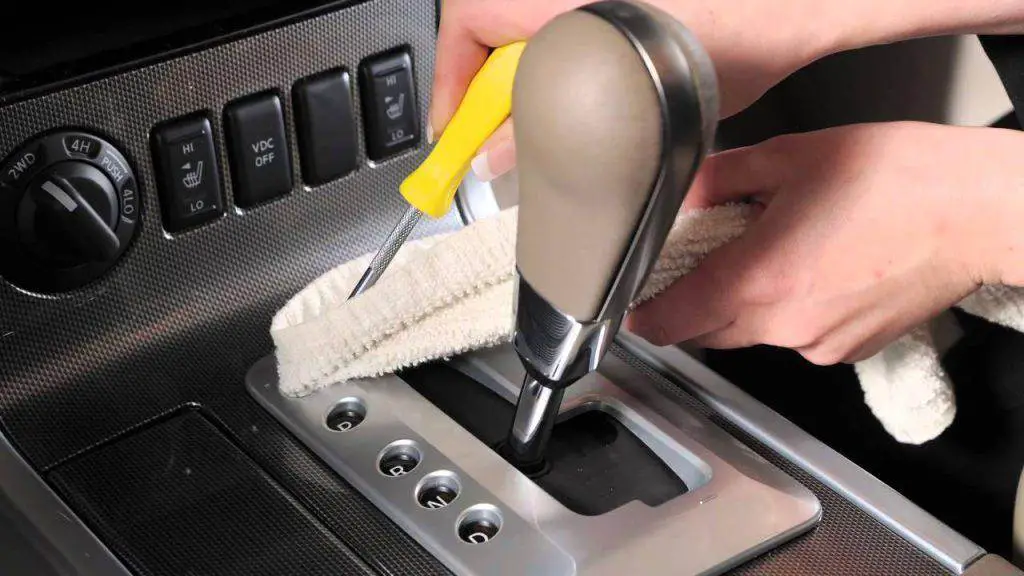
Imagine you can only drive down the street in first gear. Horrible, right? In the list of automatic transmission problems, the gear shift lock is by far the most dangerous. The vehicle shifts into first gear but refuses to shift to another gear. This could be caused by the transmission shift solenoid. It pushes transmission fluid throughout the system and if it’s broken or stuck, it might not transmit enough power while you’re driving. When automatic transmission problems occur, the gear shift lever unlock mechanism might be the best solution. Make sure you know how it works.
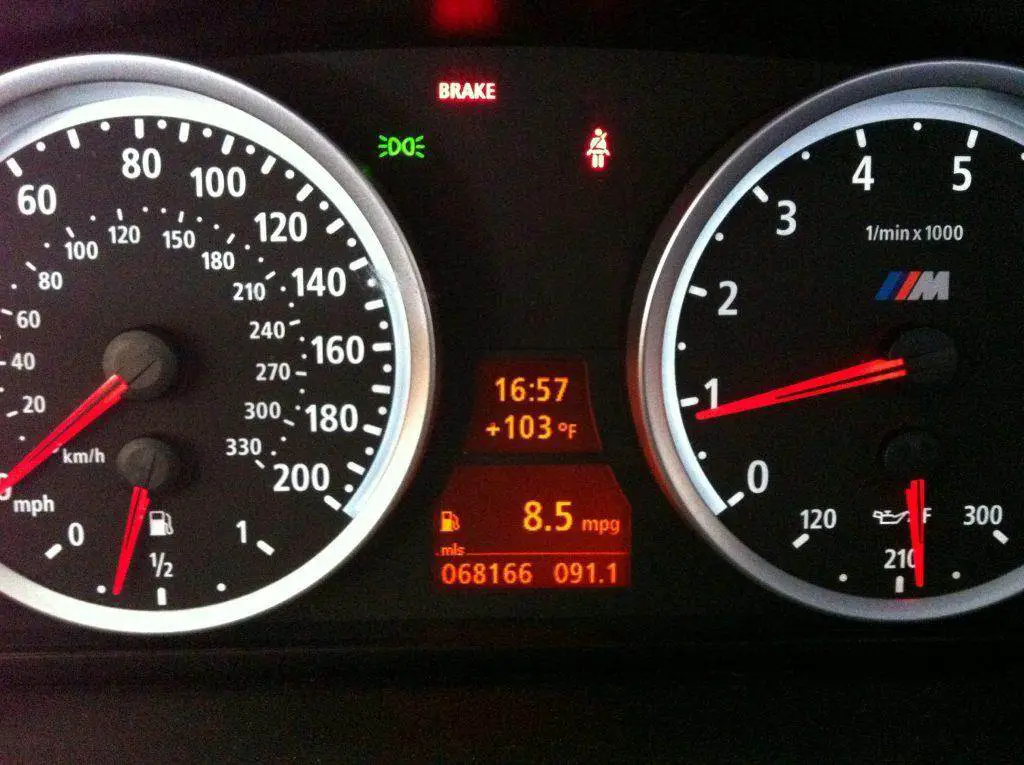
One of the automatic transmission problems that requires a lot of attention is the transmission overheating. Especially, if you own a Toyota car, it is a common issue among Toyota automatic transmission problems,
This usually happens due to burnt, dirty, or non-existent fluids. The driver must replace this fluid immediately to avoid further damage to the vehicle. Whenever you experience such problems with the transmission, you must take your vehicle to professional car mechanics.
Note: A few small notes when driving with an automatic transmission: use only your right foot for the accelerator and brake pedal; Always apply the brake when shifting manually and absolutely do not shift to N while driving.
Furthermore, some models using a limited-slip differential may have a manufacturing defect that causes a rattling noise when steering, and a loss of control in turns. Annoying idle sounds once again indicate that the transmission fluid needs to be changed or could be a sign of more serious mechanical damage. However, most noise is generated because the transmission bearings or gears are worn and need to be replaced.
An automatic transmission car is a type of car developed later, with many new improvements to bring the most comprehensive experience to the user. However, besides the remarkable advantages of an automatic transmission, this transmission still has some drawbacks or problems. I hope you find useful knowledge in our article. Feel free to comment any questions in the comment box below!
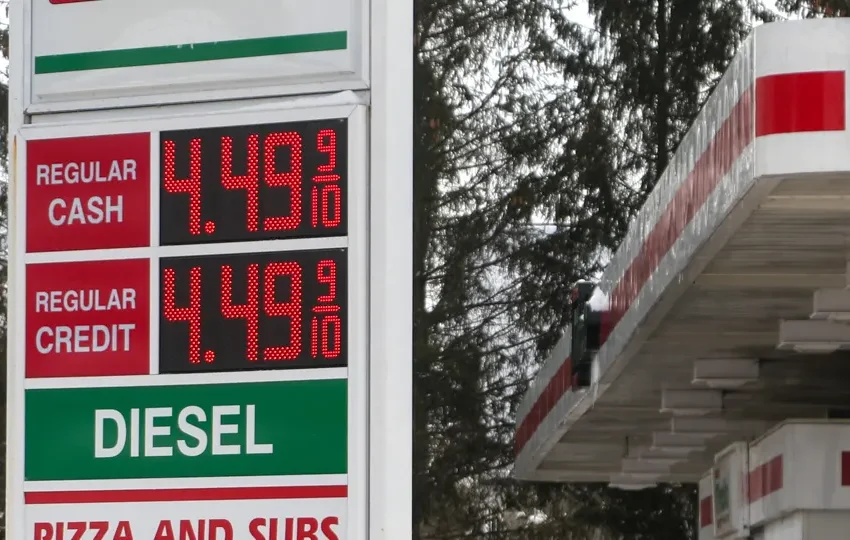
A steady and dizzying trend is emerging: when gasoline prices exceed $4 per gallon, Americans become devout about fuel economy. The value of large SUVs drops, and Honda Civics get a second look. With $5 per gallon gasoline in some states, the process is well underway.
By the end of March, the price of regular gasoline had increased by 47% over the past year, reaching an average of $4.24. Premium gas is up 41%. Diesel saw the largest increase over the past year, at 62%. Diesel is similar to home heating oil and jet fuel.
The trend is that when the pain at the pump eases, even a little, consumers return directly to their large SUVs. Today, with credible electric and hybrid vehicles on the market, things could change permanently.
| Gas Prices: Steady 47% Increase in One Year | ||||||
|---|---|---|---|---|---|---|
| Regular | Mid-Grade | Premium | Diesel | E85 | California Regular | |
| Now | $4.24 | $4.63 | $4.91 | $5.04 | $3.70 | $5.88 |
| Year Ago | $2.88 | $3.21 | $3.47 | $3.11 | $2.47 | $3.88 |
| Now Vs. Year Ago | +47% | +44% | +41% | +62% | +50% | +51% |
| Table compares a nationwide average of gasoline prices for the week of March 21, 2022 versus a year ago for common grades of gasoline and for diesel, as well as regular gas in California. E85 gas is 51%-83% ethanol, the rest gasoline. California, Nevada and Hawaii have the most expensive gasoline. Kansas, Missouri and Oklahoma have the cheapest. Source: AAA |
||||||
For drivers looking for a more fuel-efficient vehicle, check out the best fuel-efficient trucks, SUVs, and high-mileage hybrids. Plug-in hybrids combine electric motors that travel 20 to 50 miles on battery before the gasoline engine starts.
The future for many lies in the fully electric vehicle. Cox Automotive reports that in early March, interest in electric vehicles surged by 69% and in hybrid vehicles by 32%. These are Forbes Wheels‘ best electric vehicles for range, best electric SUVs, and best electric cars.
In an effort to save as much gas as possible with your existing car, here are 20 tips for fuel misers:
There is no need to use premium gasoline unless your car manufacturer specifically requires it with labels like “premium only” or “premium required” (not just “preferred”) on the fuel gauge or fuel filler door. Typically, the car will run normally without damaging the engine. Using regular in a high-end car might cost half a second in acceleration to 60 mph. The premium costs 67 cents more per gallon (16%) at late March prices. Automakers claim that gasoline of any quality labeled Top Tier contains all the necessary detergent additives to keep their engines clean.
In the morning, you realize you need butter, so you get in the Bulgemobile and go get it (three miles there, three back), then you go out again in the afternoon when the milk runs out. How about waiting until the shopping list reaches a critical mass: five items or more? As fueleconomy.gov tells us, “Several short trips made from a cold start can consume twice as much fuel as one longer, multi-purpose trip covering the same distance.”
Inertia – or the idea that they look cool – is the reason for leaving roof boxes on top long after the ski trip is over. Both increase the car’s weight and reduce aerodynamics. Consumer Reports installed racks and carriers on a Nissan Altima and a Toyota RAV4 driving at 65 mph. The Altima’s 48 mpg with a sunroof dropped by 11% with a cargo box and by 19% (to 39 mpg) with a cargo box and a carrier. Drive 1,000 non-vacation highway miles and you pay $20 more. Permanent factory-installed roof rails, which run front to back, have only a minor impact on drag.
Adding 100 pounds reduces fuel economy by 2%. The junk in the trunk – last summer’s golf clubs, overdue library books, goodwill donations that never make it to the bin – adds up.
Stopping to pay tolls can waste fuel, especially on heavily traveled roads. With the toll tag on the windshield, most of the time drivers barely need to slow down. A study by the New Jersey Turnpike Authority found a fuel savings of 1.2 million gallons during the first year of EZ Pass, used in states from Maine to Illinois and Virginia.
Fueleconomy.gov reports: “Speed increases fuel consumption and decreases fuel economy due to tire rolling resistance and air resistance. While vehicles reach optimal fuel economy at different speeds, gasoline consumption ‘generally decreases rapidly at speeds above 50 miles per hour.’ Reducing speed by 5 to 10 mph improves mileage by 7 to 14%.”
Robert Putnam’s Bowling Alone argues that Americans are much more likely to travel alone these days. Planetizen claims the decline in carpooling is “the most significant change in travel behavior in recent decades.” In 1980, 20% of Americans carpooled; by 2013, that figure had dropped to 9%. But carpooling and ride-sharing can cut your fuel costs in half. Interestingly, unfortunately, carpooling makes the car heavier today than a generation ago; the average American weighs 15 pounds more than in the late 1980s.
Avoid jackrabbit starts and frantic stops. AAA informs us that the combination reduces fuel economy by 15 to 30% at highway speed and by 10 to 40% in stop-and-go traffic.
Some people try to extract the most forward motion from a gallon of gasoline through hypermiling. It helps if you own a mileage champion, like a Toyota Prius hybrid. The rules are simple: time traffic lights (drive at the posted speed) to catch as many greens as possible, coast or glide if you can, keep idling to a minimum, and don’t use remote starters to warm up the car. The car doesn’t need it, it’s a pollution issue, and one only suffers briefly in a cold car. Clear the junk from the garage so your car can go in on winter nights; no need to run the defroster for 5 to 10 minutes to clear ice and snow. Hypermiling websites include Ecomodder.com, Hypermiler.com, CleanMPG.com.
It’s more complex than it seems at first glance. For better city economy, keep the windows down and the air conditioning off. On the highway, the aerodynamic drag from open windows cancels out the gain from ambient air. One study found that driving on the highway with the windows down would cost you nine cents per gallon, or $70 per year out of the $5,000 to $7,500 it costs to drive a car 15,000 miles per year (payments, insurance, repairs, gas).
These tips also save fuel:
Please follow the instructions below.
How to use Benz Star Diagnostic Platinum Edition to reset SBC?
When you select the SBC system, it will have an option, SBC RESET. After entering this option, you will see a special function. Enter it, and it will ask for the password. For this password, simply fill in whatever you want, then click the next step, then click OK, and then follow the prompt to proceed.
Proper steps here:
Connect the MB SD C4 multiplexer to the W211 and the laptop.
Start the Star Diagnostic software.
Select the chassis: SBC – Sensotronic Brake Control

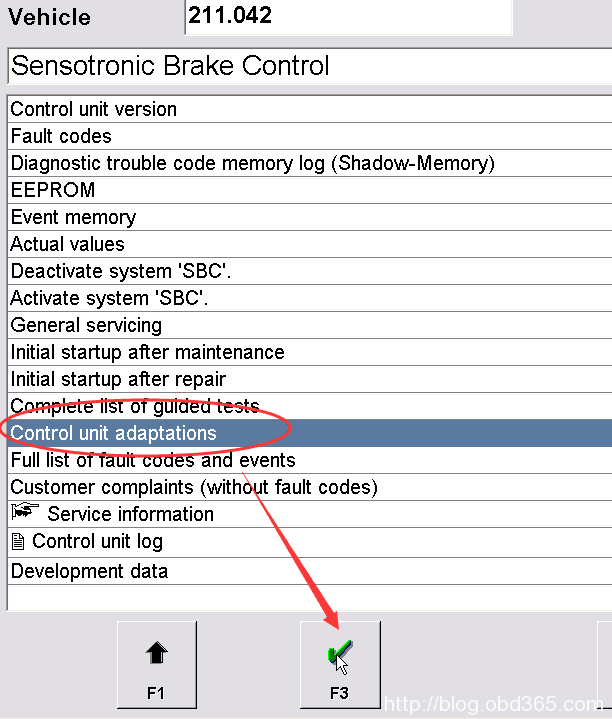
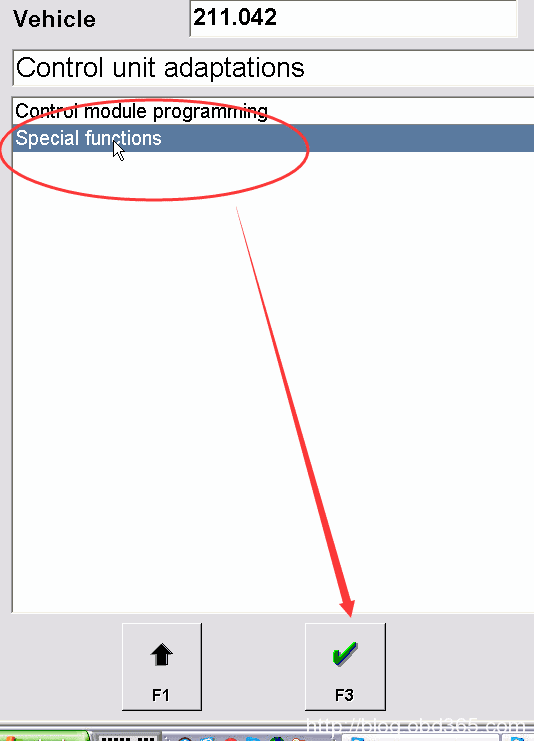
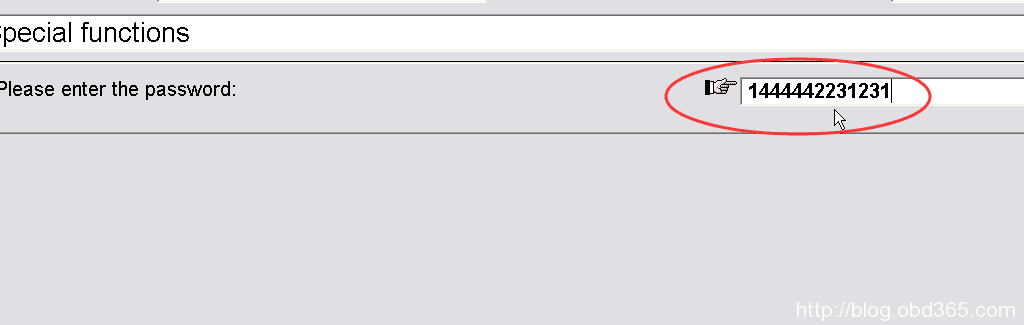
Follow the on-screen instructions to reset the SBC brake.
Note
If you have Star Diagnostic software in German, follow the instructions here
SBC TOOLS RESET
This started like most of them …….
Like a request!!
So, it was a combination of a faulty SBC, common sense, A LOT of time, and GUTS to figure this out
Make sure the engine is running!!!
In developer mode, you need to access Entwickelingsdaten -> ansteueringen -> Gesamstliste aller Ansteuerungen
to see how many times the brake has been pressed, there is a line that says: Bremsenzahler (DJ_GetBrLive) or DJ_GetBrLiveTime
then 1 line down, you see Bremsenzahler aktualisieren und Lebensdauerzahler F neu berechenen -> click on it!
Parameter uINBR = 0
then click F3
1 line further Bremsenzahler auf beliebigen Wert setzen (DJ_SetNBr) -> click on it
Parameter uINBR = 0
then click F3
then scroll until you see the line:
Lebensdauerzahler F neu berechenen (DJ_CalcLiveTime)
Parameter uINBR = 0
then click F3
Lebensdauerzahler F neu berechenen und schreiben (DJ_BuildAndWriteF)
Parameter uINBR = 0
then click F3
Log out of SBC!!
disconnect from the vehicle!!
let the engine run for at least 10 minutes or drive for at least 10 minutes
If no coil is damaged, the SBC error code is not current anymore
Note:
(Dj_setNBr) Here you set the new value of the brake counter to 0
(Dj_setNBr) uINBR = 0
Resetting the cut-off counter to zero is, in my opinion, not to bother with…..
every time SBC turns on, it checks itself each time
If there is a problem in the SBC unit with a valve, brushes, or anything else, it will cause an error anyway. that you will NOT be able to clear in Dev mode
If you turn on the ignition of a brand new MB with SBC and press the brake 300,000 times, it will enter this so-called “error,” do you mean SBC is broken then? without driving a millimeter?
No, it’s an indication to have the SBC unit checked by the MB workshop $$
Yes, it is true that MB must replace faulty SBC units for free
since the factory will pay for all the labor and parts there
But most dealers try to charge the customer for this procedure by claiming that the customer’s car does not have a dealer.