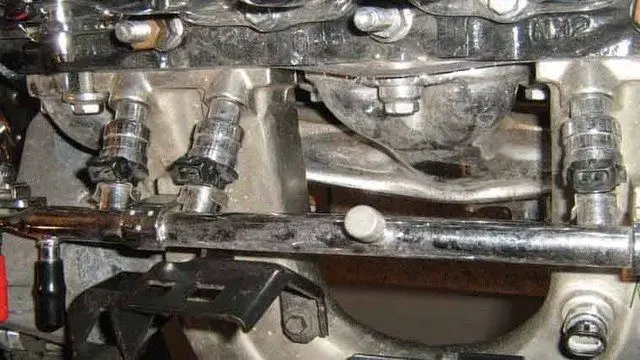
When the engine is running but the vehicle isn’t moving, it means the engine is idling. During this time, the revolutions per minute (RPM) inside the engine will change.
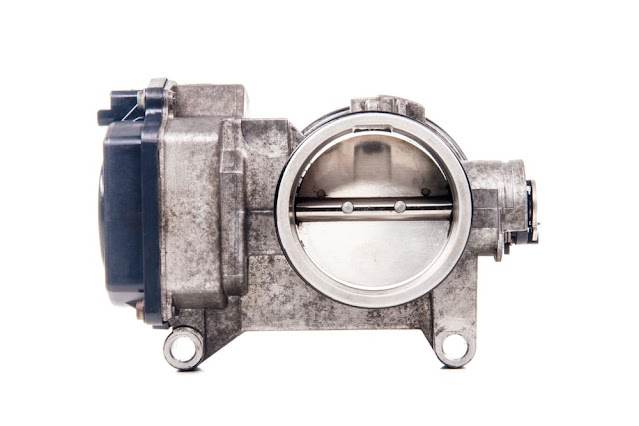
When the engine is running but the vehicle isn’t moving, it means the engine is idling. During this time, the revolutions per minute (RPM) inside the engine will change.
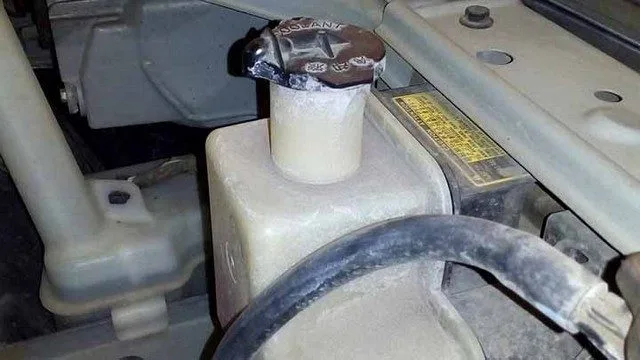
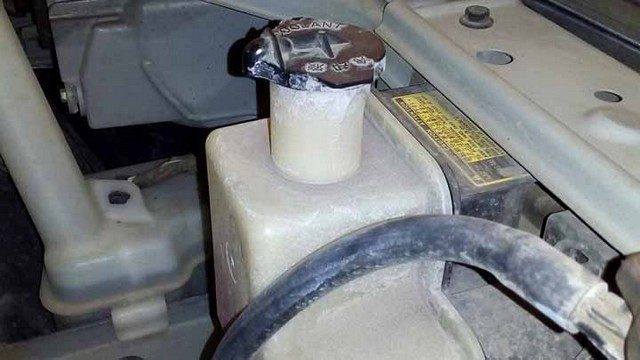
The radiator coolant overflow tank is designed to store excess coolant that is released by the radiator due to pressure buildup from heat. It functions similarly to an expansion tank on a water heater.
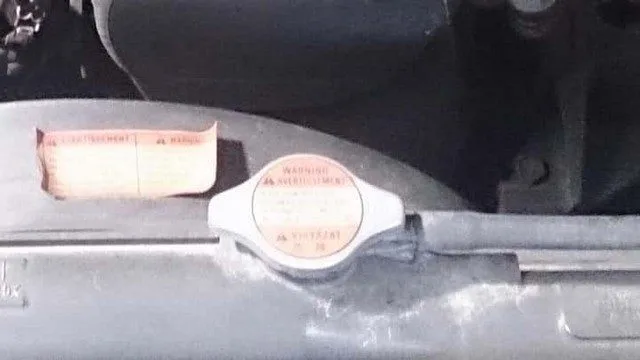
The part of a vehicle known as the “radiator pressure cap” contains 2 valves and its purpose is to store coolant and ensure that the radiator system remains under pressure. The inside of the radiator contains 16 pounds of pressure per square inch.
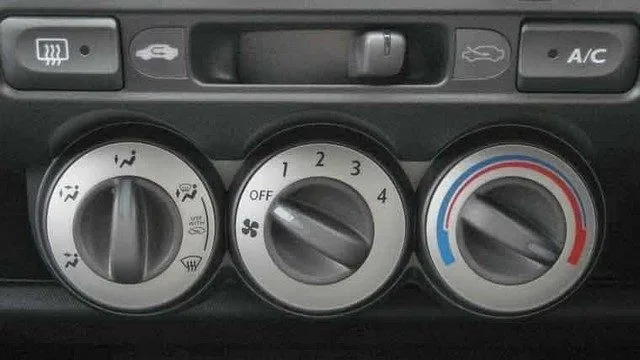
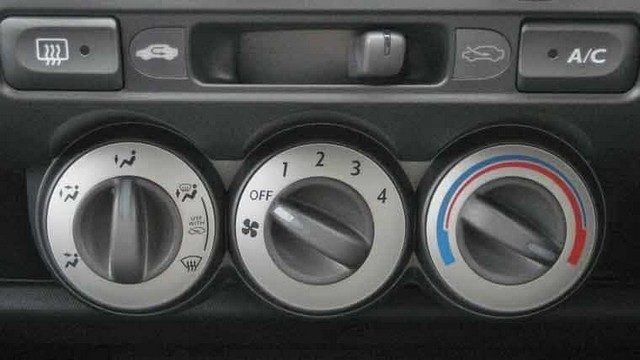
We all rely on our car’s air conditioner to keep us cool on hot summer days. There’s no worse feeling than not having cool air coming from your vents when it’s so hot inside the car.
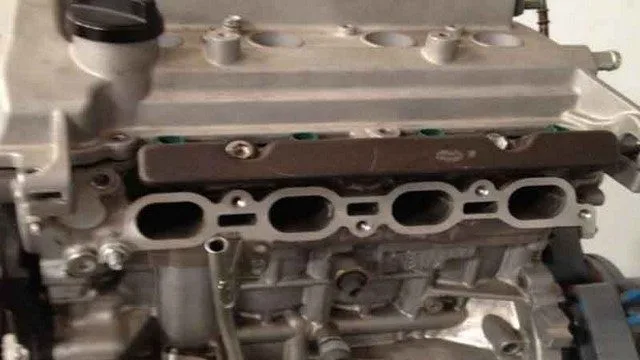
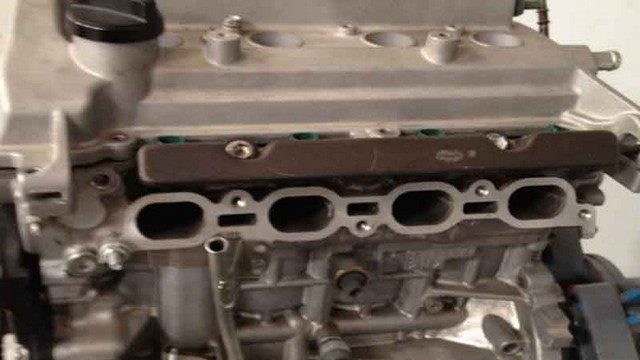
Cars have cooling systems that prevent them from overheating. This is particularly useful in summer when the engine
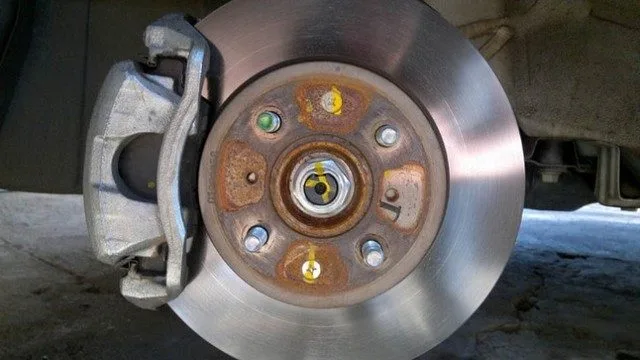
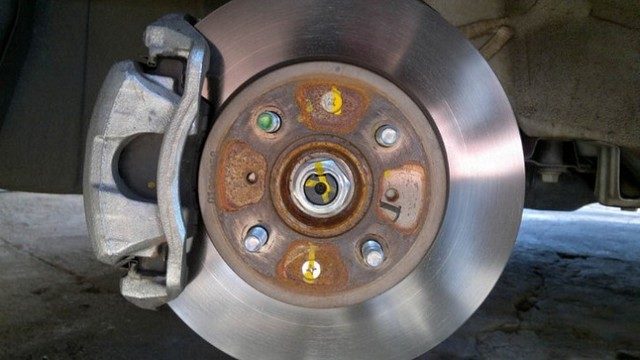
The caliper is an important component of your vehicle’s braking system. It is actually the part responsible for allowing your vehicle to slow down and stop when you press the brake pedal.
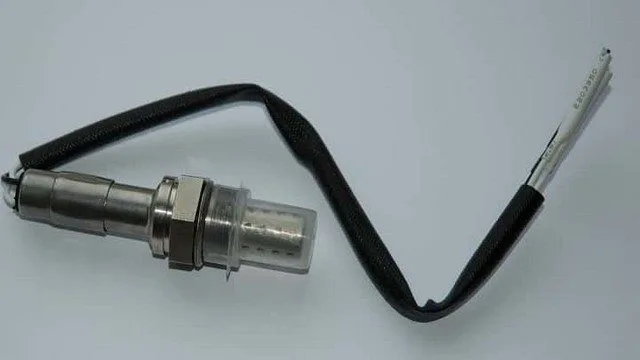
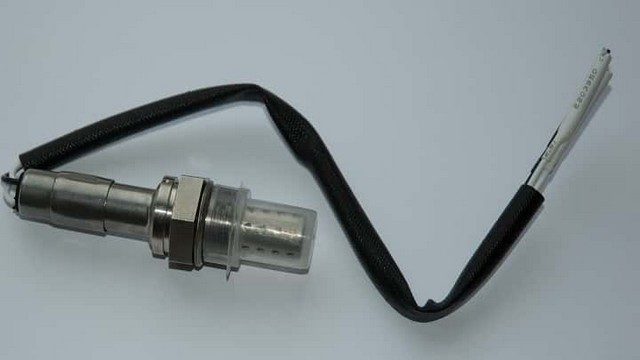
The oxygen sensor is located inside the exhaust manifold of a vehicle. Its purpose is to keep track of the level of oxygen that remains unburned in the exhaust system as the exhaust leaves the engine.
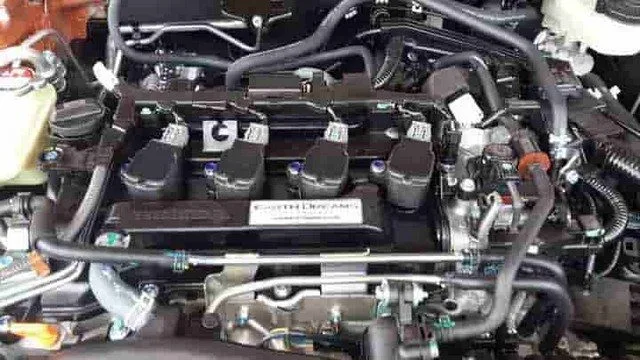
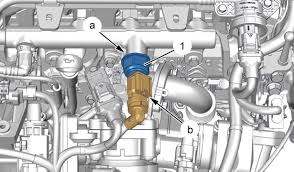
The fuel rail pressure sensor is responsible for analyzing the fuel pressure inside the fuel pump assembly’s rail.
This sensor is an electronic device that calculates the fuel pressure and then sends this information to the PCM (Powertrain Control Module).
The PCM is the main computer of a vehicle. It is responsible for managing the engine’s operation and providing it with what it needs to maintain its running, such as its fuel requirements.
With the information the PCM receives from the fuel pressure sensor, it will know the exact amount of fuel to give the engine. This way, the engine does not receive too much or too little fuel.
Instead, it receives just enough fuel to operate properly while reducing evaporative emissions.
If there is something wrong with your fuel pressure sensor, there are easily recognizable symptoms that will appear to you. Below are the top 5 symptoms to watch for in case your vehicle’s fuel pressure sensor deteriorates.
If you see the engine warning light illuminate on your dashboard, it could be a sign that your fuel pressure sensor is bad.
Sometimes, the engine control unit detects a problem with the fuel rail sensor signal. It will then activate the check engine light to let you know there is some kind of engine-related issue.
Of course, there are a plethora of other reasons why the engine light would come on besides having a bad fuel pressure sensor.
If you press the accelerator pedal and notice a decrease in your acceleration power, it might be due to the fuel pressure sensor.
If the sensor is bad, it will interfere with the air/fuel ratio. This will result in a loss of power from your car while you are driving.
If you try to start your vehicle’s engine and it regularly gives you trouble, your fuel pressure sensor is likely not sending a good signal to the engine computer.
At first, the engine will eventually start after a few tries. But then, it will reach a point where it won’t start at all.
Sometimes, you might be surprised and have your vehicle stall while you are driving it. If you’ve already had difficulty starting your car but then got the engine started, you might stall while driving later.
But even if it’s the first time you’re stalling, it could still be due to a bad fuel pressure sensor.
With a bad fuel pressure sensor, the engine will not receive the correct amount of fuel for its internal combustion process. For this reason, the engine does not release the proper amount of energy for the other car components to function correctly.
To make matters worse, you might end up burning too much fuel and then paying more for fuel at the gas station.
The cost of replacing a fuel rail pressure sensor depends on the make and model of your vehicle. However, on average, you can expect to pay between $130 and $210 for a replacement job like this.
The part itself will only cost you about $50 to $90, but the labor will cost you $80 to $120 (typical hourly rate for a professional mechanic).
Depending on the vehicle, replacing the sensor might only take a few minutes, but there is usually a one-hour minimum. If you have some mechanical experience, replacing the fuel rail pressure sensor is a good DIY candidate.
Note: Do not confuse the fuel rail pressure sensor with the fuel tank pressure sensor. The latter is located inside or next to the fuel tank and requires much more time to replace.
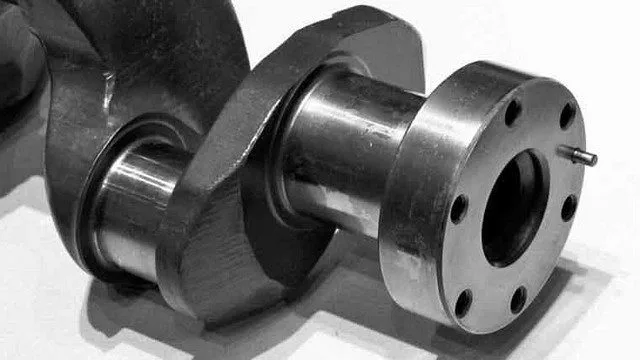
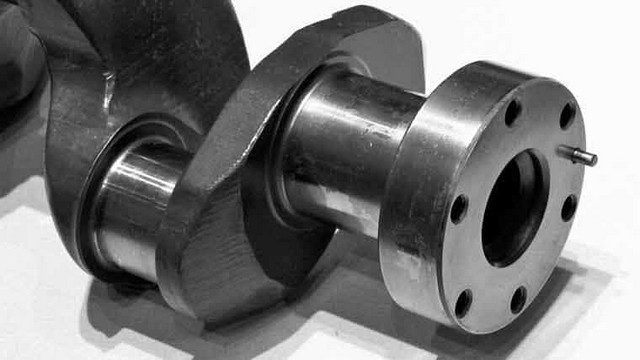
A vehicle’s internal combustion engine contains a crankshaft and a piston. These two components allow the engine to start and produce the necessary power to move the vehicle.