Pharmat Partners with Beev for Employee Home EV Charging

Strategic Alliance Powers Sustainable Commuting

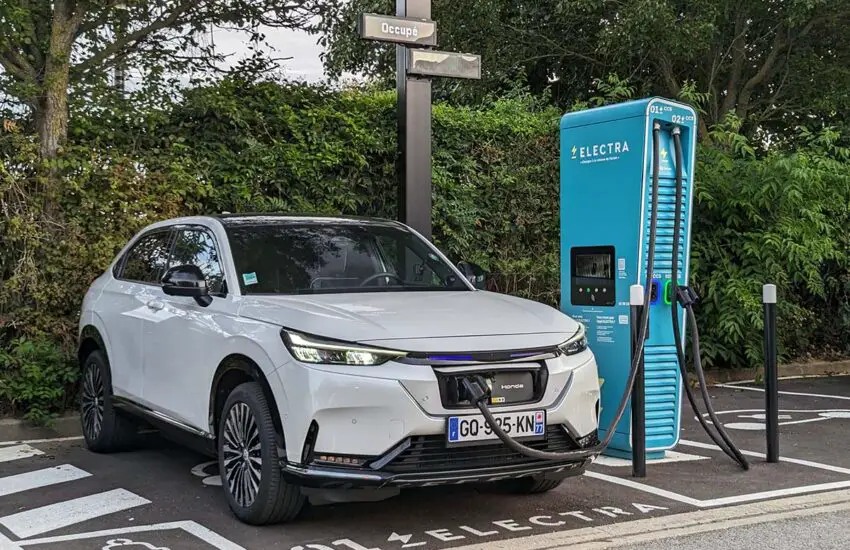
In a significant move to promote green mobility, the Pharmat Group has entered a strategic partnership with electric vehicle (EV) specialist Beev. This collaboration is designed to streamline and subsidize the installation of home EV charging stations for Pharmat employees. The initiative represents a core component of the company’s broader corporate social responsibility (CSR) strategy, directly addressing growing employee demand for sustainable commuting solutions and aligning with wider environmental goals.

Driving the Transition to Electric Mobility

The partnership tackles one of the primary practical barriers to EV adoption: accessible and convenient charging. By facilitating home installations, Pharmat ensures its workforce can reliably charge their vehicles overnight. This benefit not only supports employees who already drive electric but also incentivizes others to consider making the switch. Beev’s role encompasses providing a curated selection of charging hardware, managing the installation process through certified professionals, and offering tailored financing options to make the transition cost-effective for staff.

A Comprehensive ESG Initiative

This program extends beyond a simple employee perk. It is a calculated investment in Pharmat’s environmental, social, and governance (ESG) footprint. Reducing dependency on fossil fuels for daily commutes directly lowers the company’s indirect carbon emissions. Furthermore, by investing in employee well-being and sustainable infrastructure, Pharmat enhances its employer brand, positioning itself as a forward-thinking leader committed to tangible ecological action. The move is expected to improve talent attraction and retention in an increasingly eco-conscious job market.

The Pharmat and Beev model highlights a growing trend where corporations actively participate in the green energy ecosystem. By bridging the gap between work and home life, such partnerships accelerate the societal shift towards electric transportation, demonstrating that corporate responsibility can yield direct, practical benefits for both people and the planet.
200 European Firms Urge EU to Uphold 2035 Combustion Engine Ban

Industry Coalition Rallies Behind EU’s 2035 Zero-Emission Deadline

As political pressure mounts to reconsider the landmark 2035 ban on new internal combustion engine cars, a powerful coalition is emerging in its defense. Nearly 200 European companies and organizations have issued a direct appeal to the European Commission, urging it to maintain the regulatory course. This broad alliance, primarily from the electric mobility and renewable energy sectors, argues that regulatory certainty is paramount for continued investment and innovation.

A United Front for Electrification

The signatories, which include major players in charging infrastructure, clean energy, and parts of the automotive industry, present a counter-narrative to calls for flexibility from some traditional carmakers. They emphasize that the 2035 target is a critical driver for Europe’s industrial strategy, fostering technological leadership and creating future-proof jobs. The coalition warns that diluting the regulation would undermine investor confidence, stall the development of a comprehensive charging network, and ultimately harm European competitiveness in the global race for clean transport.

Certainty as a Catalyst for Investment

At the heart of their argument is the need for a stable and predictable regulatory framework. Large-scale investments in battery gigafactories, grid upgrades, and public charging points require long-term visibility. The group contends that the 2035 deadline provides this essential clarity, enabling the entire value chain to plan and execute the transition efficiently. They stress that backtracking or introducing loopholes for synthetic fuels would create market fragmentation and slow down the decarbonization of road transport.

The strong show of support from industry highlights a significant divide within the European economic landscape. While some seek to delay the inevitable shift, a growing and diverse industrial base is betting its future on electrification and is now publicly championing the policy that makes their investments viable. This intervention adds considerable weight to the political debate, framing the 2035 ban not just as an environmental imperative, but as a foundational pillar for Europe’s next industrial chapter.

Bugatti’s Electric Future: Solid-State Batteries from Rimac

The Next Chapter for Bugatti: An Electric Revolution

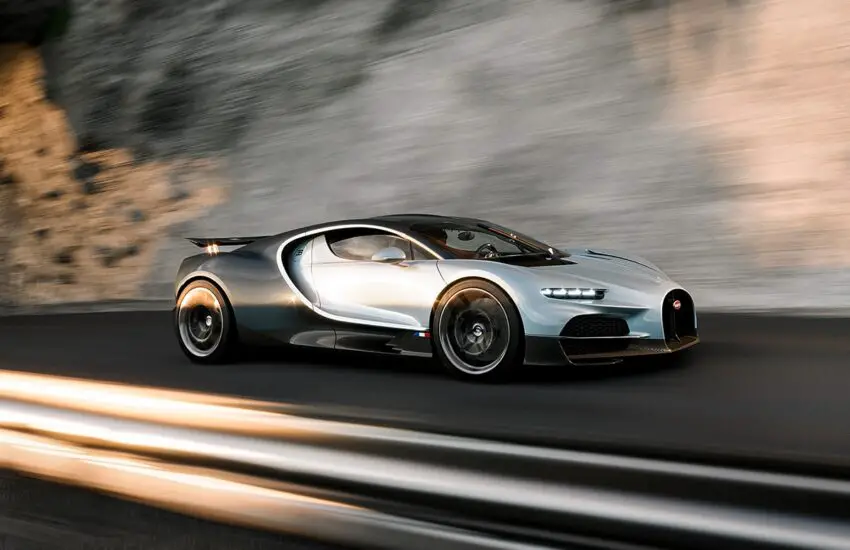
The automotive world is on the cusp of a seismic shift, and one of its most revered names is poised to lead the charge. Under the technological stewardship of the Rimac Group, Bugatti is engineering its electric future. This partnership, solidified when Rimac assumed control of Bugatti in 2021, merges unparalleled heritage with cutting-edge innovation. The most ambitious project emerging from this alliance is the development of a fully electric Bugatti hypercar, destined to redefine performance benchmarks.

Solid-State: The Game-Changing Technology

At the heart of this future model lies a revolutionary power source: solid-state battery technology. This advancement represents a fundamental leap from the conventional lithium-ion batteries used in today’s electric vehicles. By replacing the liquid electrolyte with a solid compound, these batteries promise transformative benefits. The most significant is a dramatic increase in energy density, which could translate to vastly extended range without the penalty of excessive weight—a critical factor for a hypercar.

Performance and Safety Redefined

For a brand synonymous with extreme performance, the advantages of solid-state batteries extend beyond range. They offer the potential for significantly faster charging times, reducing downtime and enhancing usability. Furthermore, the solid electrolyte is inherently more stable and less flammable than its liquid counterpart, promising enhanced safety—a paramount concern when managing the immense power outputs expected from an electric Bugatti. This technology could unlock new realms of power delivery and thermal management, essential for sustaining the blistering performance Bugatti enthusiasts demand.

The journey of integrating this complex technology into a production-ready hypercar is a formidable challenge, but Rimac’s proven expertise in high-performance EV systems makes it the ideal pioneer. The upcoming electric Bugatti is not merely a new model; it is a statement of intent, signaling that the future of hyper-luxury and extreme performance will be silent, instantaneous, and powered by the next generation of battery science.

Fiat’s Tiny Topolino EV Takes on American Truck Culture

A Bold Italian Gambit in the Land of Giants

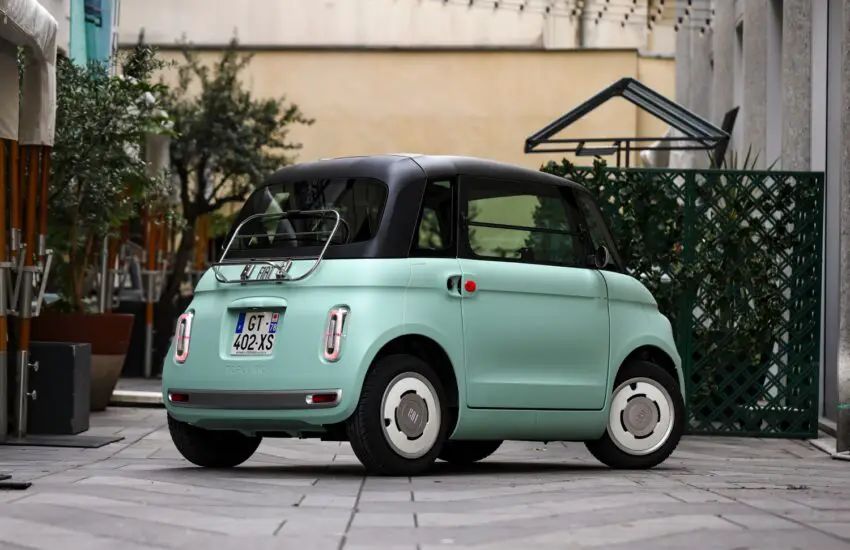
In a market synonymous with oversized pickup trucks and powerful SUVs, Fiat is preparing a daring counterpoint. The Italian automaker plans to introduce its smallest vehicle, the all-electric Topolino, to American shores. This move represents a strategic gamble that pits European minimalism against a deeply ingrained culture of automotive grandeur.

Fiat Topolino electric microcar parked on a city street

More Than a Car, A Statement

The Fiat Topolino is not merely a vehicle; it is a mobile manifesto for urban efficiency. With its diminutive dimensions, the microcar is designed to excel in dense city environments where parking is scarce and traffic is dense. Its 100% electric powertrain offers a silent, zero-emission drive, presenting a stark contrast to the rumbling V8 engines common on American roads. This launch challenges the traditional notion that bigger is always better, proposing a future where agility and sustainability take precedence.

Navigating a New Market Landscape

Fiat’s strategy extends beyond simple product export. It is an attempt to cultivate a new niche and tap into evolving consumer trends. With rising fuel costs and growing environmental awareness, a segment of American drivers is increasingly seeking practical and economical urban transportation solutions. The Topolino’s low operating cost and minimal footprint could appeal to city dwellers, students, and as a secondary household vehicle for errands. Its success hinges on shifting perceptions and demonstrating that a small electric vehicle can be a viable, stylish, and rational choice even in a land of wide-open spaces.

The arrival of the Topolino will test the adaptability of the American market. Its performance will be closely watched by industry analysts as a bellwether for the acceptance of ultra-compact, purpose-built EVs. Whether it becomes a curious novelty or a trailblazer for a new segment, Fiat’s tiny electric pioneer is poised to make a disproportionately large impact on the conversation about personal mobility.

2026 Car Rules: New Eco-Bonus, Stricter Fines & Technical Checks

Major Changes for Drivers in 2026

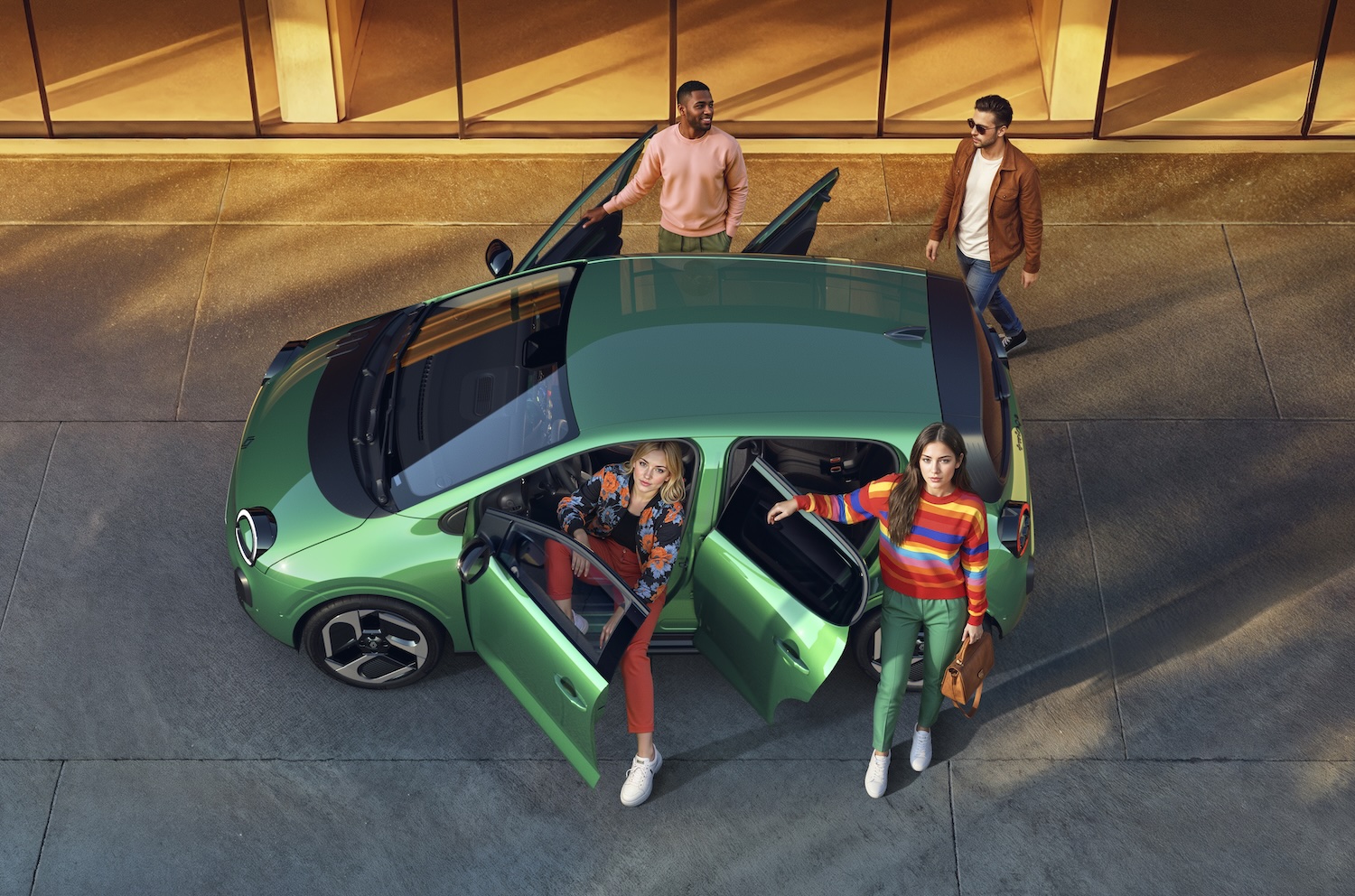
The start of 2026 will bring a significant shift in automotive regulations, introducing new financial incentives, stricter penalties, and updated vehicle testing protocols. These changes are designed to accelerate the transition to cleaner transportation but will also increase costs for owners of more polluting vehicles.

A modern electric car parked on a city street

Revised Eco-Bonus: Focus on Affordability and Local Production

The ecological bonus system for new electric vehicles is set for an overhaul. The key change involves stricter eligibility criteria based on a vehicle’s environmental footprint, including its manufacturing emissions and the origin of its components. This adjustment aims to favor more affordable models and those with a lower overall carbon footprint, potentially reshaping the market for new EV purchases.

Strengthened Malus Penalty for High Polluters

Parallel to the bonus revision, the malus penalty on new car registrations will become more severe. The tax scale will be extended to target a broader range of high-emission vehicles, including many powerful hybrids and SUVs. The maximum penalty threshold is expected to lower, meaning more vehicles will be subject to higher one-time taxes, significantly increasing the upfront cost of purchasing a polluting model.

New Technical Control Criteria

The mandatory vehicle roadworthiness test will also see important updates. New inspection points are likely to be introduced, with a greater focus on emissions system checks for all engine types, including more rigorous testing of particulate filters on diesel vehicles. This evolution aims to ensure older vehicles in circulation comply with stricter environmental and safety standards.

These combined measures represent a concerted push to modernize the national fleet. While promoting cleaner technologies, they will inevitably impact household budgets, making the total cost of ownership a more critical factor than ever for prospective car buyers.

Nissan NX8: China-Exclusive Electric SUV Emerges for 2026

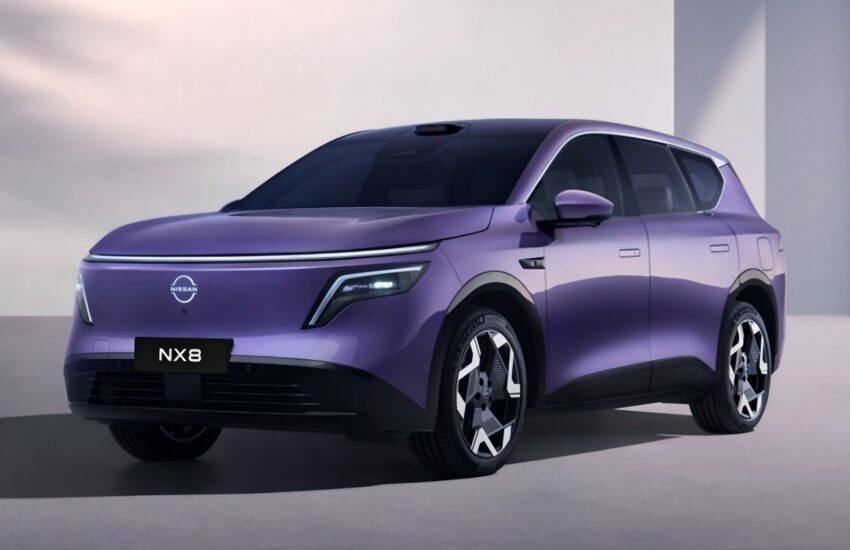
Nissan NX8 Electric SUV Targets Chinese Market

Nissan has taken a decisive step towards launching its new flagship electric vehicle by filing homologation papers in China for the NX8 SUV. Developed through the brand’s longstanding partnership with Dongfeng, this large electric SUV represents a pivotal move in Nissan’s electrification strategy for one of the world’s most competitive automotive markets. The vehicle is slated for a commercial launch in the first half of 2026, signaling a significant expansion of Nissan’s electric portfolio in Asia.

A Strategic Move for a Key Market

The decision to debut the NX8 exclusively in China underscores the market’s critical importance in the global shift to electric mobility. Chinese consumers have rapidly adopted EVs, and the market demands a constant stream of new, technologically advanced models. By introducing a large SUV, Nissan is targeting a popular and profitable segment, aiming to compete with both domestic Chinese brands and other international manufacturers who are accelerating their own EV plans in the region.

Anticipated Features and Competitive Landscape

While full technical specifications remain under wraps, the Nissan NX8 is expected to leverage the latest advancements from the Alliance’s EV platforms, potentially offering a substantial driving range and advanced connectivity features. Its size and positioning suggest it will be a crucial model for showcasing Nissan’s design and technology philosophy for the electric era. Upon its release, the NX8 will enter a fiercely contested arena, competing against a wide range of electric SUVs from brands like BYD, Tesla, and Nio.

What the NX8 Means for Nissan’s Global Strategy

The development of the China-specific NX8 highlights a regional-focused approach to electrification. This model is a cornerstone of Nissan’s broader business plan to strengthen its presence and profitability in key global markets. Success in China could provide valuable insights and technological feedback that may influence future electric vehicles for other regions, although there is currently no indication of plans to sell the NX8 in Europe or North America.

Baja Designs Reflex Actuator: Adjust Auxiliary Lights On-The-Fly

Revolutionizing Off-Road Lighting Control

Precision lighting is paramount for safe off-road navigation, yet adjusting auxiliary light pods or light bars traditionally requires stopping and manually realigning each fixture. Baja Designs, a leader in high-performance lighting, has eliminated this hassle with the introduction of the Reflex Actuator. This innovative device brings dynamic light adjustment directly to the driver’s seat, offering unprecedented control and convenience during any adventure.

How the Reflex Actuator Works

The Reflex Actuator is a compact, powerful 12-volt motor unit that mounts directly onto a compatible light pod or light bar. Once installed and wired into the vehicle’s electrical system, it connects to a simple dash-mounted switch inside the cabin. With a press of this switch, the actuator engages, silently pivoting the light fixture to a pre-set secondary position. This allows drivers to instantly switch between a focused long-distance beam for high-speed trails and a wider, downward-tilted pattern for technical crawling or camp setup, all without leaving the vehicle.

Key Benefits for the Off-Road Enthusiast

The primary advantage of this system is enhanced safety and situational adaptability. Drivers can optimize their field of view for changing terrain instantly, reducing eye strain and reaction time. Furthermore, it protects the lighting equipment and mounting hardware from the wear and tear of frequent manual adjustment. The Reflex Actuator is engineered for durability, featuring a robust design to withstand harsh off-road vibrations, dust, and moisture, ensuring reliable performance in the most demanding environments.

This tool represents a significant leap forward in functional off-road innovation. By integrating dynamic adjustability, Baja Designs empowers drivers to extract maximum utility from their lighting systems, making every journey safer and more adaptable to the unpredictable nature of the trail.

Grand Pro Circuit: The Retro F1 Simulator You’ve Been Waiting For

Grand Pro Circuit: A Retro Racer Like No Other

In the crowded landscape of independent racing games, standing out is a monumental challenge. Yet, Grand Pro Circuit – a title that could perhaps use a dash more punch – manages to do just that. With its recent trailer landing on Steam, the game’s unique atmosphere has already secured its spot on countless wishlists, promising a distinct flavor of nostalgia.

A Pure Homage to Racing’s Golden Age

This project is not merely inspired by classic F1 simulators; it aims to authentically recreate their very essence. Forget modern ultra-realism and hyper-detailed car models. Grand Pro Circuit channels the spirit of early simulation pioneers, focusing on raw driving feel, challenging vehicle dynamics, and a minimalist visual style that prioritizes function over graphical fireworks. It’s a deliberate throwback to an era where the thrill came from mastering the machine, not admiring photorealistic scenery.

Gameplay That Demands Skill

Early impressions suggest a driving model that is both demanding and rewarding. Players can expect to wrestle with period-accurate handling, where proper braking points, smooth steering inputs, and managing momentum are paramount. The game appears to strip away driving aids, offering a purist experience that will appeal to those who believe victory must be earned through skill and practice.

A Distinct Audiovisual Identity

The aesthetic is a key part of Grand Pro Circuit’s charm. It utilizes a low-poly, retro-futuristic art style that feels both nostalgic and fresh. Coupled with a synth-heavy soundtrack, the game builds an immersive atmosphere that transports players back to the imagined future of racing games past. This cohesive style sets it apart from both modern sims and other retro-inspired titles.

Why This Simulator Stands Out

While other games may borrow retro elements, Grand Pro Circuit commits fully to the bit. It doesn’t just look old; it seeks to play and feel like a lost gem from the archives of simulation history. For players weary of overly assisted racing or those with fond memories of motorsport gaming’s foundational years, this title represents a compelling and focused experience. It is a specialized love letter to a specific era, and that singular vision is its greatest strength.

Oscar Mayer Seeks 2026 Hotdoggers for Iconic Wienermobile

A Unique Driving Opportunity on the Horizon

The search is on for the next class of ambassadors to hit the road in one of America’s most recognizable vehicles. Oscar Mayer has officially opened applications for its 2026 Hotdogger class, seeking twelve recent university graduates to pilot its fleet of iconic Wienermobiles. This one-year, full-time position is far more than a driving job; it’s a coveted role in brand ambassadorship and experiential marketing.

More Than Just a Driver

Selected Hotdoggers become the face of the iconic brand, tasked with steering the 27-foot-long hot dog-shaped vehicles across the country. The role involves creating memorable experiences at public events, managing local media appearances, and engaging with communities. Candidates are evaluated not just on driving skill, but on creativity, public speaking ability, and a spirit of adventure. The position is known for its competitive selection process, which typically receives thousands of applications for the dozen available spots.

A Legacy of Rolling Americana

The Oscar Mayer Wienermobile first debuted in 1936, creating a rolling symbol of American pop culture. The current fleet of six vehicles are equipped with modern amenities but retain the classic whimsical design that turns heads on every highway. For decades, the Hotdogger program has served as a unique postgraduate launchpad, offering hands-on experience in marketing, public relations, and logistics. Alumni often cite the year as a transformative professional and personal journey.

Prospective applicants for the 2026 team should prepare for a dynamic role that combines travel, performance, and a deep dive into brand storytelling. The search for individuals who can embody the brand’s playful spirit while professionally managing a national tour is now underway.

Why the New Honda Prelude’s Engine Can’t Rev in Park

The Silent Standstill of the Honda Prelude

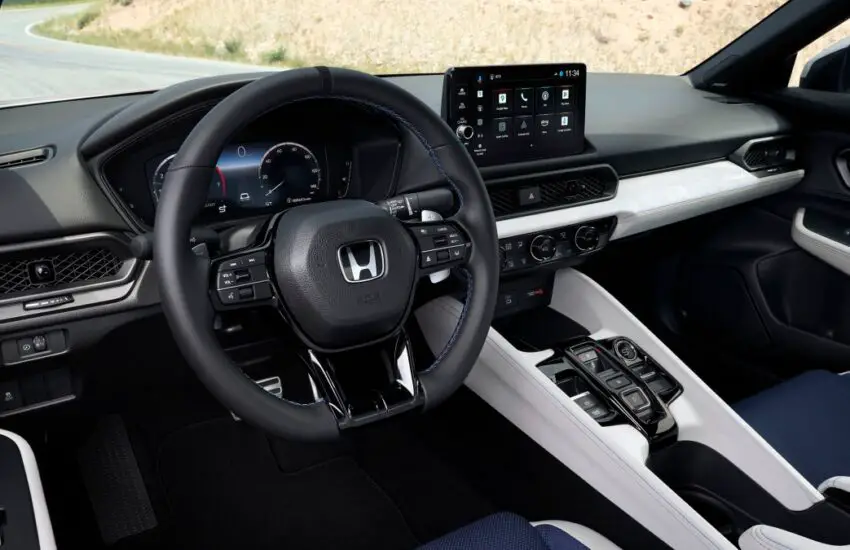
Automotive enthusiasts eagerly awaiting the return of the Honda Prelude have discovered a surprising quirk: when the new hybrid sports coupe is stationary, its engine cannot be revved. This behavior is a direct result of its innovative hybrid powertrain, which represents a significant departure from traditional sports car engineering.

A Drivetrain Without a Conventional Transmission

The core reason lies in the Prelude’s unique two-motor hybrid system. Unlike traditional gasoline-powered cars, this setup does not include a standard mechanical transmission linking the engine directly to the wheels. Instead, the system primarily uses electric motors for propulsion. The 2.0-liter four-cylinder Atkinson-cycle engine primarily acts as a generator, charging the battery pack and providing supplemental power to the electric drive motors when needed.

Engine Operation Dictated by Software

In this configuration, the internal combustion engine’s operation is entirely managed by the vehicle’s power control unit. When the car is in “Park,” there is no operational need for the engine to run. The system sees no demand for propulsion or battery charging, so it simply keeps the engine off. Since there is no mechanical link from the accelerator pedal to the engine throttle body for this function, pressing the pedal while stationary only sends an electronic signal that the vehicle’s computer ignores.

Focus on Efficiency and Driving Experience

This design philosophy prioritizes efficiency and seamless power delivery over traditional mechanical engagement. It prevents unnecessary fuel consumption and emissions while parked. For the driver, the experience shifts from auditory engine feedback at a standstill to a focus on the immediate, electric-motor-driven torque response once the vehicle is in gear and moving. The new Prelude’s character is defined by its sophisticated integration of power sources, making its silent standstill a hallmark of its advanced, efficiency-focused engineering.