The Ultimate Track Day Toolbox: Sonic Tools & Kies Motorsports MTK

Mobile Track Kit: Your Essential Pit Lane Arsenal

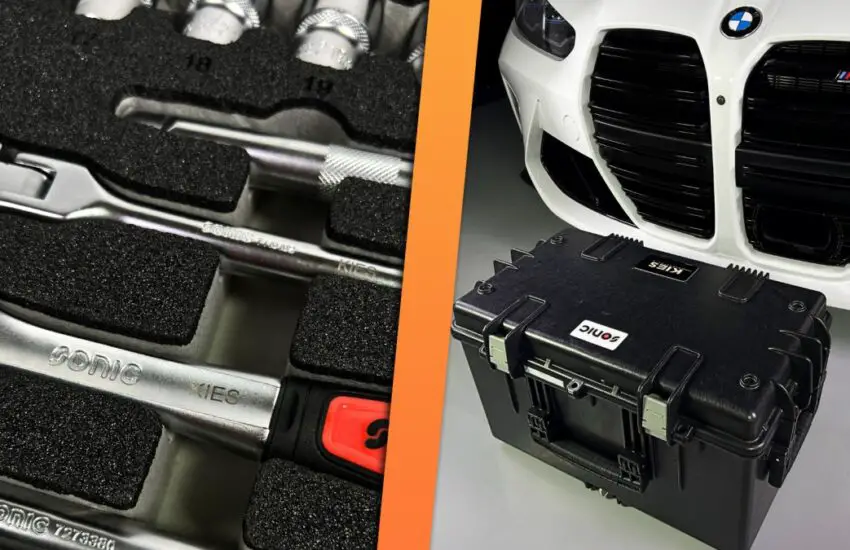
For drivers who push their cars to the limit on track days, being prepared is non-negotiable. The Mobile Track Kit (MTK) emerges as the definitive solution, born from a strategic alliance between Sonic Tools, known for its premium, ergonomic tool sets, and Kies Motorsports, a renowned BMW tuning specialist. This collaboration has produced a comprehensive, high-end toolbox designed specifically for the unique demands of circuit driving and performance automotive work.

Engineering for Performance and Precision

This kit transcends the typical toolbox. Every component is selected for its relevance to track-side adjustments and repairs. From precision torque wrenches for critical fastener work to robust sockets and drivers for swift wheel changes, the MTK is a curated collection of professional-grade tools. The design prioritizes both durability and organization, ensuring that every tool has a dedicated, secure place for quick access in the high-pressure environment of a pit lane.

Beyond Basic Mechanics: A Complete On-Site Workshop

The MTK’s value lies in its comprehensiveness. It is engineered to handle a wide array of tasks, from basic maintenance to urgent repairs that could otherwise end a track day prematurely. Enthusiasts can manage everything from brake pad swaps and suspension tweaks to fluid checks and minor component adjustments. This self-sufficiency empowers drivers to maximize their time on the asphalt, turning potential downtime into productive tuning sessions.

The Investment for Serious Enthusiasts

Positioned in the premium segment, the Mobile Track Kit represents a significant investment. Its justification comes from the unparalleled convenience, time savings, and security it provides. For the dedicated track-day participant or amateur racer, it consolidates a professional workshop into a single, portable case. It is more than a set of tools; it is an integral part of a performance-oriented mindset, ensuring that mechanical preparedness never limits driving potential.

Rivian Rejects CarPlay with Native Messaging Solution

Rivian Charts Its Own Course for In-Car Tech

The electric vehicle maker Rivian is taking a definitive stand against the industry’s reliance on Apple CarPlay and Android Auto. Company leadership believes the future of in-vehicle infotainment lies not in smartphone mirroring, but in deeply integrated, native systems designed from the ground up for their specific vehicles. This philosophy has led to the development of the Rivian Assistant, an in-house platform aiming to deliver core connectivity features without ceding control to external tech giants.

The Rivian Assistant Takes Center Stage

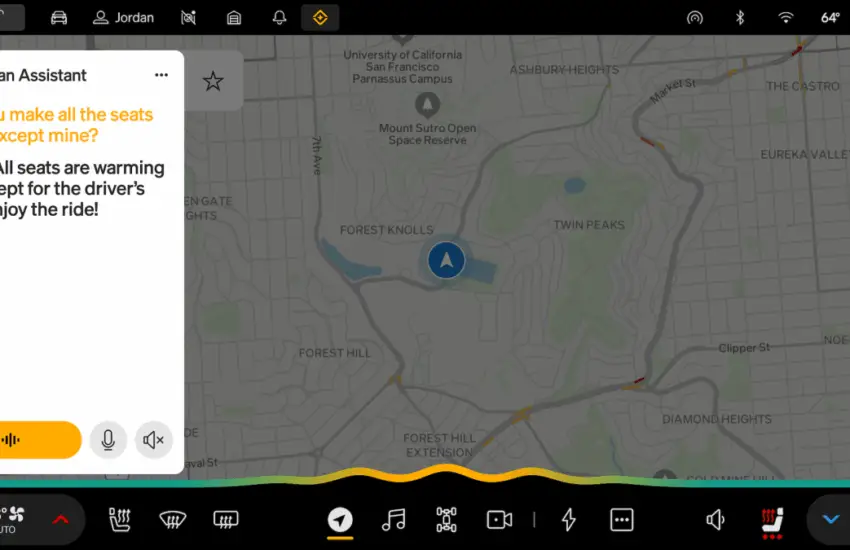
Rivian’s alternative centers on a proprietary, voice-activated assistant designed to handle key functions like messaging and navigation seamlessly. The system allows drivers to send and receive texts using simple voice commands, with the assistant reading messages aloud and transcribing replies. This integrated approach ensures the functionality is woven directly into the vehicle’s digital cockpit, offering a unified experience that leverages the car’s own displays, microphones, and speakers for optimal performance and safety.

Philosophy Behind the Proprietary Push

Rivian’s strategy is rooted in a desire for holistic design and data ownership. By building its own system, Rivian maintains complete control over the user experience, ensuring it aligns with the brand’s aesthetic and functional principles. It also allows for deeper vehicle integration, where features like messaging can be context-aware—potentially pausing notifications during intense driving scenarios. Furthermore, this path enables Rivian to collect valuable usage data directly, which can inform future software updates and vehicle development, a key advantage in the competitive EV landscape.

A Gamble on Ecosystem Independence

This move is not without risk. Apple CarPlay and Android Auto are overwhelmingly popular due to their familiar, personalized interfaces that work consistently across different cars. Rivian is betting that its native system’s superior integration, combined with unique vehicle features and regular over-the-air updates, will be compelling enough for owners to forego the smartphone ecosystems they use everywhere else. The success of the Rivian Assistant could signal a broader shift among automakers seeking to reclaim their digital dashboards.

Rivian’s Hands-Free Driving Leap: A 2,492% Road Network Expansion

Rivian Redefines Hands-Free Driving Accessibility

The electric vehicle innovator Rivian has announced a monumental upgrade to its driver-assistance technology. During its recent Autonomy and AI Day event, the company unveiled its new Universal Hands-Free (UHF) system, promising a staggering 2,492% increase in operational road coverage. This leap forward is set to transform the experience for Rivian R1T and R1S owners across North America.

Massive Geographic Coverage Unveiled

Rivian’s Universal Hands-Free system is engineered to function on an unprecedented scale. The technology will be activated on a network exceeding 5.6 million kilometers of highways and roads throughout the United States and Canada. This vast coverage aims to provide a seamless and consistent hands-free driving experience, moving far beyond the limited, geofenced areas typical of earlier systems.

A Seamless Software-Driven Update

This transformative capability will not require a hardware retrofit for existing vehicles. Rivian has confirmed that the Universal Hands-Free system will be delivered via an over-the-air software update, scheduled for release in the coming months. This approach ensures that current owners can immediately benefit from the new technology without a service visit.

The Technology Behind the Expansion

The dramatic increase in coverage is powered by significant advancements in Rivian’s in-house developed AI and neural networks. The system utilizes a sophisticated sensor suite, including cameras, radar, and ultrasonic sensors, processed by a high-performance computing platform. This allows for more nuanced perception and decision-making in diverse driving environments, enabling safe hands-free operation on a continental scale.

Setting a New Industry Benchmark

Rivian’s announcement places it at the forefront of the advanced driver-assistance systems (ADAS) race. By focusing on universal accessibility rather than isolated corridors, Rivian is addressing a key limitation of current offerings. This strategic move not only enhances the value of its vehicles but also raises expectations for what consumers should demand from next-generation automotive software.

Rivian Chooses LiDAR, Challenges Tesla’s Camera-Only Vision

Rivian’s Strategic Bet on LiDAR Technology

In a significant industry move, Rivian has announced plans to integrate LiDAR sensors into its next-generation vehicle platform, slated for 2026. This decision positions the electric vehicle maker in direct philosophical opposition to Tesla’s long-standing “vision-only” approach to autonomous driving. Rivian’s leadership has subtly critiqued the reliance on cameras alone, suggesting a multi-sensor strategy is essential for achieving higher levels of safety and reliability.

Building a Proprietary Tech Foundation

The LiDAR integration is part of a broader technological overhaul revealed at Rivian’s recent AI and Autonomy event. Central to this roadmap is the development of an in-house, proprietary system-on-a-chip (SoC). This custom silicon is designed to process the immense data flow from LiDAR, cameras, and radar sensors simultaneously. By controlling both the hardware sensors and the processing brain, Rivian aims to create a deeply integrated and optimized autonomous driving stack, potentially offering performance and efficiency advantages over off-the-shelf solutions.

The Great Sensor Debate in Autonomy

This announcement reignites the core debate within the self-driving industry: sensor fusion versus pure computer vision. Tesla advocates that with sufficiently advanced artificial intelligence and neural networks, cameras can provide all necessary data for full autonomy, mimicking human vision. Rivian, along with many other automakers and tech companies, argues that LiDAR provides critical, redundant data—especially precise depth perception and 3D mapping in low-light or adverse weather conditions where cameras may struggle. Rivian’s 2026 commitment is a clear bet that this layered approach will be the safer and more robust path to consumer-ready automated driving.

The move signals Rivian’s confidence in its long-term vehicle architecture. Incorporating LiDAR from the ground up in a new platform allows for seamless design integration, potentially leading to more aesthetically pleasing implementations than retrofitted systems. As the 2026 timeline approaches, the industry will watch closely to see how this technological divergence plays out in real-world performance and consumer acceptance.

Why Rental Fleets Favor Jeep and Chrysler Models

The Rental Lot Dominance of American Brands

While waiting at a rental counter recently, a glance at the available vehicle brochure revealed a telling pattern. Among the standard categories of compact, midsize, and full-size sedans, two specific brand categories stood out: Jeep and Chrysler. This prevalence is not a coincidence but the result of specific strategic advantages that make these vehicles particularly suited for the rental industry.

Fleet-Friendly Economics and Availability

A primary driver is the established fleet and commercial sales strategy of Stellantis, the parent company of both Jeep and Chrysler. The company offers attractive pricing and streamlined purchasing programs specifically for large-scale fleet buyers like rental agencies. This makes acquiring a consistent batch of vehicles efficient and cost-effective. Furthermore, models like the Jeep Compass, Cherokee, and Chrysler Pacifica are produced in high volumes, ensuring ready availability to meet the massive, cyclical demands of the rental market.

Meeting Diverse Customer Expectations

Rental companies cater to a wide array of client needs. Jeep vehicles fulfill the desire for adventure and capability, appealing to tourists heading to national parks or customers needing a vehicle for active lifestyles. Conversely, Chrysler minivans, notably the Pacifica, are the default choice for family travel, offering space and practicality. By offering these distinct brands, rental agencies can cover multiple customer segments—from the rugged outdoors to the family vacation—with internally consistent model lineups, simplifying maintenance and driver familiarization.

Brand Perception and Practical Durability

These vehicles also align with the practical realities of rental use. They are generally perceived as robust and capable of handling varied road conditions, which is a selling point for customers. For the agencies, the straightforward mechanical designs and common parts across models can help control maintenance costs over the vehicle’s service life. The strong visual identity and instant recognition of a Jeep Wrangler or a Chrysler minivan also serve as mobile advertisements for both the rental brand and the automaker.

Toyota GR GT’s Hybrid V8 Roar Defies Electric Silence

The Symphony of a New Era: Toyota’s Hybrid V8

In a motoring landscape increasingly dominated by silent electric powertrains, the Toyota Gazoo Racing GR GT concept emerges as a thrilling counterpoint. Debuted near Japan’s Fuji Speedway, this performance coupe is propelled by a heart-stopping new powertrain: a bespoke, in-house developed twin-turbocharged hybrid V8. This engineering statement promises not just speed, but soul.

More Than Just Noise: A Calculated Roar

The sound of the GR GT’s V8 is not an accident of combustion; it is a deliberate feature. Toyota’s engineers have crafted an auditory experience that balances raw, mechanical fury with the sophisticated whir of electric assistance. The deep, guttural rumble at low revs builds into a metallic, high-RPM scream, a complex soundtrack that pure EVs simply cannot replicate. This acoustic signature is integral to the driver’s emotional connection, providing audible feedback that is as informative as it is exhilarating.

A Strategic Power Play for Enthusiasts

The GR GT’s hybrid V8 is a strategic masterstroke. It addresses the core critique of electrification—the loss of sensory engagement—while leveraging hybrid technology for performance gains. The electric components can fill in torque gaps, potentially enabling sharper throttle response and acceleration out of corners. This positions the GR GT not as a relic, but as a bridge to high-performance futures, proving that sustainability and spine-tingling excitement can coexist under one carbon-fiber hood.

By choosing this path, Toyota Gazoo Racing sends a clear message to driving purists: the internal combustion engine, especially in a highly advanced hybridized form, still has a profound role to play in the zenith of sports car culture. The GR GT’s V8 roar is the sound of that philosophy coming to life.

Volkswagen P1475 Code: Secondary Air Injection System Malfunction

Understanding the Volkswagen P1475 Diagnostic Trouble Code

The OBD2 trouble code P1475 is a manufacturer-specific code for Volkswagen, Audi, and other VAG group vehicles. In simple terms, it indicates a malfunction within the Secondary Air Injection System (SAIS). This system is a critical part of your Volkswagen’s emission control strategy, specifically during a cold start. Its sole purpose is to reduce harmful exhaust emissions (hydrocarbons and carbon monoxide) in the first few minutes after you start the engine. When the ECU (Engine Control Unit) detects that the system is not performing as expected, it logs code P1475 and illuminates the check engine light.

What is the Secondary Air Injection System (SAIS)?

The SAIS is an emissions “afterburner” for cold engines. When the engine and catalytic converter are cold, combustion is less efficient, creating more raw pollutants. The system works by injecting fresh air from an electric air pump into the exhaust manifold or directly ahead of the catalytic converter. This extra oxygen helps “burn off” the unburned fuel, significantly reducing the initial spike in emissions and helping the catalytic converter reach its optimal operating temperature faster.

How the System Works and Triggers P1475

The system is only active for a short period (typically 30 to 90 seconds) after a cold start. The ECU monitors the system’s operation indirectly, often by using the pre-catalytic converter oxygen sensor(s). When the air pump injects fresh air, the oxygen sensor should detect a lean condition (high oxygen content). If the ECU does not see this expected signal change, it determines the SAIS is not functioning and stores the P1475 code.

Common Symptoms and Causes of P1475 in Volkswagen

While a P1475 code may not always cause dramatic drivability issues, ignoring it can lead to failed emissions tests and potential long-term damage to the catalytic converter.

Symptoms of a P1475 Code

  • Illuminated Check Engine Light (MIL): The most common and often the only symptom.
  • Abnormal Noise from Engine Bay: A loud whirring, buzzing, or rattling noise, especially on cold starts, can indicate a failing air pump.
  • Failed Emissions Test: The vehicle may produce higher-than-allowed levels of HC and CO during testing.
  • Rough Idle (Less Common): In some cases, a significant vacuum leak from a failed valve can cause a slightly rough idle.

Primary Causes of P1475 Volkswagen Code

  • Faulty Secondary Air Pump: The electric motor in the pump can fail due to age, moisture, or wear. It may not spin at all, spin too slowly, or draw excessive current.
  • Failed Air Injection Valve/Combination Valve: This valve directs the airflow into the exhaust. It can become stuck closed (blocking air) or stuck open (causing a vacuum leak and potentially allowing exhaust/water back into the pump).
  • Clogged or Cracked Hoses/Lines: The rubber hoses connecting the pump, valve, and exhaust can crack, dry rot, or become internally clogged with carbon debris.
  • Electrical Issues: Problems with the SAIS relay, blown fuse, corroded wiring, or bad connectors to the pump or valve solenoid.
  • Vacuum Leak: A leak in the vacuum line that controls the air injection valve can prevent it from opening.
  • Faulty Check Valve: An integrated or inline check valve that prevents backflow can fail, allowing hot exhaust gases or condensation to damage the air pump.

Diagnostic and Repair Procedures for P1475

Diagnosing P1475 requires a methodical approach. Always start with a visual inspection before replacing expensive components like the air pump.

Step 1: Preliminary Visual and Auditory Inspection

With the engine cold, start the vehicle and immediately go to the engine bay. Listen carefully near the secondary air pump (usually mounted on the engine block or firewall). You should hear a distinct whirring or buzzing sound for about a minute. If there is no sound, the pump may not be receiving power or is seized. Also, inspect all associated hoses and vacuum lines for cracks, disconnections, or obvious damage.

Step 2: Electrical and Component Testing

Use a scan tool with bidirectional controls to activate the secondary air pump. If you cannot command it on, proceed with electrical checks:

  • Check the Fuse and Relay: Locate the SAIS fuse and relay (consult your vehicle’s manual). Swap the relay with an identical one (e.g., horn or fan relay) to test.
  • Test for Power and Ground: Using a multimeter, check for battery voltage at the pump connector when the system is commanded on. Verify a good ground connection.
  • Check the Air Injection Valve: Apply vacuum (with a hand vacuum pump) to the valve’s vacuum port. It should hold vacuum and you should be able to blow through the air ports when vacuum is applied.

Step 3: Testing the Secondary Air Pump Itself

If power and ground are confirmed but the pump doesn’t run, the pump is likely faulty. You can perform a bench test by applying 12 volts directly to its terminals. Be cautious, as it may spin violently. Also, check the pump’s inlet filter (if equipped) for blockage.

Step 4: Checking for Blockages and System Integrity

Disconnect the hose from the air injection valve to the exhaust manifold. With the system activated (on a cold engine), you should feel a strong, consistent flow of air from the hose. If airflow is weak or nonexistent, work backwards towards the pump to find the blockage, which could be in the hose, combination valve, or pump outlet.

Cost Estimation and Professional Repair Advice

Repair costs for P1475 vary widely based on the root cause and your vehicle model.

  • DIY Repair (Low Cost): Replacing a fuse, relay, or a simple vacuum hose may cost under $50.
  • Replacing the Air Injection Valve/Combination Valve: Parts can range from $80 to $250. Labor adds 1-2 hours.
  • Replacing the Secondary Air Pump: This is often the most expensive part. A new OEM pump can cost between $200 and $600+. Aftermarket options are cheaper but may vary in quality. Labor is typically 1-2 hours.
  • Professional Shop Total Cost: Expect a total bill between $300 and $900+ depending on the part replaced and shop labor rates.

Professional Tip: On some higher-mileage vehicles, if the repair cost is prohibitive and the vehicle is not required to pass an emissions test, some owners opt for a secondary air system delete. This involves physically removing components and using specialized software to permanently disable the system and the P1475 code in the ECU. This is an advanced modification and is illegal in areas with strict emissions compliance. The proper repair is always to fix or replace the faulty components.

OBD2 Code P1475 MINI: Comprehensive Guide to the EVAP Leak Detection Pump

Understanding OBD2 Code P1475 in Your MINI

When your MINI’s check engine light illuminates and a scan tool reveals trouble code P1475, you’re dealing with a specific fault within the vehicle’s Evaporative Emission Control (EVAP) system. Formally defined as “Leak Detection Pump Circuit High,” this code is particularly common in first-generation MINI Cooper models (R50, R52, R53) which share technology with BMW. The EVAP system is designed to prevent fuel vapors from escaping into the atmosphere by capturing and storing them in a charcoal canister before being purged and burned in the engine. The Leak Detection Pump (LDP), also known as the Diagnostic Module for Tank Leakage (DMTL pump), is the heart of this self-diagnostic process. Code P1475 indicates the vehicle’s Powertrain Control Module (PCM) has detected an electrical fault—specifically a signal voltage that is higher than expected—in the circuit controlling this pump.

Primary Causes and Symptoms of P1475

A P1475 code is triggered when the PCM sees an implausibly high voltage or an open circuit in the LDP control circuit. This is an electrical diagnosis fault, not necessarily a physical leak, though the two can be related. Ignoring this code can lead to a failed emissions test and, in some cases, may affect driveability if related components fail.

Common Causes of P1475 in MINI Vehicles

  • Failed Leak Detection Pump (LDP/DMTL Pump): The most frequent culprit. The internal motor or electronics of the pump itself can fail.
  • Open or Shorted Wiring: Damaged, corroded, or broken wires in the harness connecting the LDP to the PCM.
  • Poor Electrical Connections: A corroded or loose connector at the LDP or at the PCM.
  • Faulty PCM: Although rare, a malfunctioning control module can send incorrect signals.
  • Blown Fuse: A dedicated fuse for the EVAP system or LDP circuit may be blown.
  • Physical Damage to the LDP: The pump, often located near the fuel tank or in the rear wheel well, can be damaged by road debris.

Recognizable Symptoms of a P1475 Fault

  • Illuminated Check Engine Light (MIL): The primary and often only symptom initially.
  • Failed Emissions Inspection: The vehicle will not pass a smog check with an active EVAP code.
  • Possible Fuel Odor: If the EVAP system is compromised due to related issues.
  • Other EVAP Codes: Codes like P0440, P0442, or P0455 may appear concurrently.
  • No noticeable driveability issues: The engine typically runs normally, as this is an emissions-related fault.

Step-by-Step Diagnostic Procedure for P1475

Proper diagnosis is key to an effective repair. Jumping straight to replacing the LDP can be costly if the issue is simply a broken wire. Follow this logical sequence, using a quality digital multimeter (DMM) and a professional-grade OBD2 scanner capable of activating components.

Step 1: Preliminary Checks and Code Verification

Begin by recording all fault codes and freezing frame data. Clear the code and perform a short drive cycle to see if it returns immediately (indicating a hard fault) or after several days (indicating an intermittent issue). Visually inspect the LDP (common locations: under the vehicle near the fuel tank, or in the right rear wheel well behind a liner). Check for obvious physical damage, disconnected hoses, or corroded connectors. Locate and check the relevant fuse (consult your MINI’s wiring diagram).

Step 2: Electrical Circuit Testing

With the vehicle’s battery disconnected, access the electrical connector at the Leak Detection Pump. Using a wiring diagram for your specific MINI model year is crucial. Typically, you’ll find three wires: power (12V+), ground, and a signal/control wire from the PCM.

  • Power Circuit: Reconnect the battery. With the connector back-probed or connected, check for battery voltage at the power pin (often with ignition ON).
  • Ground Circuit: Check for continuity between the ground pin and a known good chassis ground. Resistance should be near zero ohms.
  • Control Circuit: This is the critical test for P1475. Check for continuity on the signal wire between the LDP connector and the corresponding pin at the PCM. An open circuit (infinite resistance) confirms a broken wire.

Step 3: Testing the Leak Detection Pump Itself

If the wiring and fuses check out, the pump itself is likely faulty. You can perform a bench test. Disconnect the electrical connector and the hoses from the LDP. Using jumper wires, apply direct 12V and ground to the pump’s terminals (observe polarity). A functioning pump will make a distinct clicking or humming sound and you should feel air pulsing from its ports. No sound indicates a dead pump motor. Warning: Do not apply voltage for more than a few seconds at a time.

Step 4: Using a Scanner for Active Tests

A advanced scanner can command the LDP to activate. If the scanner can command the pump but the code persists, it suggests an electrical feedback issue. If the pump does not activate with the scanner command but has power and ground, the pump is confirmed bad.

Repair Solutions and Professional Recommendations

Once the root cause is identified, the repair path becomes clear. Given the location of components, some repairs may require lifting the vehicle.

Repair 1: Fixing Wiring Harness Issues

For damaged wires, solder and heat-shrink the repair is superior to butt connectors, especially in areas exposed to moisture. Ensure the harness is securely re-loomed and routed away from heat or moving parts. Always disconnect the battery before performing any electrical repairs.

Repair 2: Replacing the Leak Detection Pump

Replacement is straightforward once accessed. Key steps include:

  • Depressurize the EVAP system by opening the fuel filler cap.
  • Disconnect the electrical connector and carefully label then disconnect the small vacuum/purge hoses. A photo before disassembly is helpful.
  • Remove the mounting bolts or the retaining clip.
  • Install the new pump, reconnect all hoses and the electrical connector securely.
  • Clear all codes and perform a complete drive cycle to run the EVAP monitor.

Use OEM or high-quality aftermarket parts to ensure longevity and proper system operation.

When to Seek Professional Help

If you lack the tools, wiring diagrams, or confidence to perform the electrical diagnostics, consulting a professional mechanic or a specialist familiar with MINI/BMW vehicles is a wise investment. They have access to manufacturer-specific diagnostic software (like ISTA) that can streamline the process. Furthermore, if your diagnosis points to a faulty PCM (Engine Control Unit), programming and coding will be required, which is strictly a professional task.

Conclusion: Ensuring a Lasting Fix

Code P1475, while not an engine-performance threat, is a critical emissions fault that requires methodical diagnosis. The issue typically resides in a failed Leak Detection Pump or its wiring. By following a structured diagnostic approach—verifying the code, inspecting visually, testing the electrical circuits, and finally testing the component—you can accurately identify the cause without replacing parts unnecessarily. After a successful repair, ensure the check engine light is extinguished and that the EVAP monitor runs and completes its self-test, which is essential for passing your next emissions inspection and keeping your MINI running cleanly and efficiently.

Mazda P1475 Code: Comprehensive Guide to EGR Boost Sensor Circuit

Understanding the Mazda P1475 Diagnostic Trouble Code

The OBD-II diagnostic trouble code (DTC) P1475 is a manufacturer-specific code primarily associated with Mazda vehicles. In simple terms, this code indicates a malfunction within the Exhaust Gas Recirculation (EGR) Boost Sensor Circuit. The EGR system is a critical emissions control component designed to reduce nitrogen oxide (NOx) emissions by recirculating a portion of the engine’s exhaust gas back into the intake manifold. The “Boost Sensor” in this context is essentially a pressure sensor or transducer that monitors the vacuum or pressure signal used to control the EGR valve’s operation. When the vehicle’s Powertrain Control Module (PCM) detects a voltage signal from this sensor that is outside its expected operational range—either too high, too low, or irrational—it will log code P1475 and typically illuminate the Check Engine Light (CEL).

Role of the EGR Boost Sensor in Mazda’s Engine Management

The EGR Boost Sensor is a key input for the PCM’s precise control of the EGR valve. It does not measure boost from a turbocharger; instead, it monitors the vacuum signal in the line that actuates the EGR valve. This sensor converts the vacuum/pressure into an electrical signal (usually a variable voltage). The PCM uses this real-time feedback to verify that the EGR valve is responding correctly to its commands. If the commanded vacuum and the sensor’s reported vacuum do not match, the PCM knows there is a fault in the control circuit, triggering P1475 to protect the engine from potential drivability issues caused by incorrect EGR flow.

Common Symptoms and Causes of Mazda P1475

Ignoring a P1475 code can lead to increased emissions, reduced fuel efficiency, and potential long-term engine issues like carbon buildup. Recognizing the symptoms is the first step in diagnosis.

Primary Symptoms of a P1475 Fault

  • Illuminated Check Engine Light (MIL): The most common and immediate symptom.
  • Reduced Engine Performance: You may experience hesitation, lack of power, or rough acceleration.
  • Poor Fuel Economy: Incorrect EGR operation disrupts the ideal air-fuel mixture.
  • Rough Idle or Stalling: Especially when the engine is cold or under load.
  • Failed Emissions Test: The vehicle will not pass a state or local smog inspection.

Root Causes of the P1475 Code

The P1475 code points to an electrical fault in the sensor circuit. The problem can lie anywhere between the sensor, the wiring, and the PCM itself.

  • Faulty EGR Boost Sensor: The sensor itself has failed internally and is providing an incorrect signal.
  • Damaged or Corroded Wiring/Connectors: Look for chafed wires, broken insulation, or corrosion in the connector at the sensor or PCM.
  • Poor Electrical Connections: Loose terminals or pins in the sensor or PCM connector.
  • Vacuum Leaks in the EGR Control Line: A cracked, disconnected, or collapsed hose between the EGR valve, solenoid, and sensor will provide a false reading.
  • Faulty EGR Valve or Control Solenoid: While less common, a stuck valve or failed solenoid can create a circuit condition that triggers the code.
  • Defective Powertrain Control Module (PCM): A rare but possible cause is an internal fault within the PCM itself.

Step-by-Step Diagnostic and Repair Procedure

A systematic approach is crucial for efficiently diagnosing and fixing a P1475 code. Always begin with a visual inspection before moving to electrical tests.

Step 1: Preliminary Visual Inspection

With the engine off, locate the EGR Boost Sensor (consult your vehicle’s service manual for its exact location, often near the EGR valve on the intake manifold). Inspect all associated vacuum hoses for:

  • Cracks, brittleness, or disconnections.
  • Proper routing and secure connections at the sensor, EGR valve, and control solenoid.

Next, examine the sensor’s electrical connector. Look for signs of corrosion, bent pins, or a loose fit. Check the wiring harness for any obvious damage from heat or abrasion.

Step 2: Testing the EGR Boost Sensor Circuit

You will need a digital multimeter (DMM) for this step. Consult a wiring diagram for your specific Mazda model.

  • Reference Voltage (Vref): With the key ON, engine OFF, back-probe the sensor connector’s Vref wire (typically 5 volts from the PCM). A reading significantly lower than 5V indicates a short or high resistance in the circuit.
  • Signal Voltage: Back-probe the signal wire. With the engine off, note the base voltage. Start the engine and observe changes as vacuum is applied (you may need a hand vacuum pump for a static test). The voltage should change smoothly in response to vacuum changes.
  • Ground Circuit: Check the ground wire for continuity to a good chassis ground. Resistance should be very low (less than 5 ohms).

If the sensor does not respond correctly to applied vacuum, it is likely faulty.

Step 3: Checking for Vacuum and Mechanical Issues

Use a hand vacuum pump to apply vacuum directly to the EGR valve (with the engine running). The engine idle should become rough or stall, indicating the valve is opening and allowing exhaust gas in. If there is no change, the EGR valve may be stuck closed or the passages clogged with carbon. Also, test the vacuum control solenoid by applying power and ground to it; you should hear it click and be able to pass vacuum.

Step 4: Repair and Clear Codes

Based on your findings:

  • Replace any cracked or leaking vacuum hoses.
  • Repair any damaged wiring or clean corroded connectors.
  • If the sensor tests bad, replace the EGR Boost Sensor. Use OEM or high-quality aftermarket parts.
  • In rare cases, replace the EGR valve, control solenoid, or (as a last resort) the PCM.

After repairs, clear the P1475 code with your OBD2 scanner. Take the vehicle for a test drive to ensure the code does not return and that all symptoms are resolved.

Technical Insights and Prevention Tips

A P1475 code is fundamentally an electrical circuit code. Understanding its context within the EGR system helps prevent misdiagnosis.

Why Accurate Diagnosis Matters

Misdiagnosing a simple vacuum leak or wiring issue as a failed sensor or PCM can lead to unnecessary expense. The step-by-step electrical tests are designed to isolate the fault to a specific component. Always verify the sensor’s operation dynamically with a vacuum source rather than just checking static resistances.

Preventive Maintenance for the EGR System

  • Follow the manufacturer’s recommended service intervals. Some vehicles benefit from periodic EGR valve or passage cleaning.
  • Use high-quality fuel to minimize carbon deposit formation.
  • During routine under-hood inspections, quickly check the condition of vacuum lines, especially those made of rubber that degrades over time.
  • Address any other engine performance codes immediately, as they can affect EGR system operation and lead to secondary faults.

By understanding the Mazda P1475 code—its meaning, causes, and repair process—you can effectively restore your vehicle’s performance, emissions compliance, and fuel efficiency. A methodical diagnostic approach saves time and money, ensuring the root cause is correctly identified and fixed.

GMC P1475 Code: Diagnosing and Fixing the Auxiliary Emission Controls Issue

Understanding the GMC P1475 Diagnostic Trouble Code

When your GMC Sierra, Yukon, or other model’s check engine light illuminates and a scan tool reveals code P1475, it indicates a specific fault within the vehicle’s auxiliary emission control systems. This OBD2 code is defined as “Auxiliary Emission Controls.” Unlike generic codes that point to a single component, P1475 is a manufacturer-specific code for General Motors vehicles, signaling that the Powertrain Control Module (PCM) has detected an electrical or functional problem in a circuit designed to reduce tailpipe emissions beyond the primary systems. This often involves components related to the Evaporative Emission Control (EVAP) system, which prevents fuel vapors from escaping into the atmosphere.

What Does “Auxiliary Emission Controls” Mean?

The term refers to secondary systems that support the main emission control framework. In the context of GMC trucks and SUVs, this P1475 code frequently pertains to circuits controlling devices like the EVAP canister purge solenoid, vacuum solenoids for secondary air injection (if equipped), or other dedicated vacuum-controlled valves. The PCM monitors the electrical current or voltage in these circuits. If the signal falls outside a predetermined range—indicating an open, short, or a component failure—it stores the P1475 code.

Symptoms of a P1475 Code in Your GMC

You may not experience dramatic drivability issues, but several signs can accompany this code:

  • Illuminated Check Engine Light (MIL): The primary and most common symptom.
  • Failed Emissions Test: The vehicle will likely fail a state or local smog inspection.
  • Possible Rough Idle or Stalling: If the fault affects vacuum supply or purge flow, it can disrupt the air/fuel ratio.
  • Reduced Fuel Efficiency: A malfunctioning EVAP purge system can impact fuel economy.
  • No Obvious Symptoms: Often, the code is present with no noticeable change in vehicle performance.

Common Causes of the P1475 Code in GMC Vehicles

Diagnosing P1475 requires a systematic approach, focusing on the auxiliary emission control circuit. The fault can be electrical, mechanical, or a combination of both. Here are the most prevalent culprits.

1. Faulty EVAP Canister Purge Solenoid Valve

This is the most frequent cause. The purge valve, controlled by the PCM, opens to allow fuel vapors stored in the charcoal canister to be drawn into the engine and burned. A valve that is stuck open, stuck closed, or has an internal electrical failure will trigger P1475. A stuck-open valve can create a large vacuum leak and cause driveability problems.

2. Damaged or Disconnected Vacuum Hoses

The auxiliary emission controls rely on a network of vacuum hoses. A cracked, brittle, melted, or completely disconnected hose—especially the one connecting the purge solenoid to the intake manifold or canister—will break the circuit’s function and set the code. Always inspect hoses for physical damage and secure connections.

3. Electrical Issues in the Control Circuit

Problems in the wiring harness can mimic a failed component. Look for:

  • Open or Shorted Wires: Frayed, broken, or pinched wires leading to the solenoid.
  • Poor Electrical Connections: Corrosion or looseness at the solenoid connector or PCM terminals.
  • Blown Fuse: Check the vehicle’s fuse box for a fuse dedicated to the EVAP or emission controls system.

4. Defective Vacuum Reservoir or Switch

Some GMC models use a vacuum reservoir (a small plastic tank) and switching valves to manage vacuum supply to various emission components. A leak in this reservoir or a failed switch can disrupt the entire auxiliary vacuum circuit.

5. Faulty Powertrain Control Module (PCM)

This is rare but possible. A PCM with an internal driver circuit failure cannot properly control the solenoid. This should only be considered after all other components and wiring have been thoroughly tested and ruled out.

Step-by-Step Diagnostic and Repair Guide for P1475

Proper diagnosis saves time and money. Follow this technical procedure to pinpoint the cause of P1475 on your GMC. You will need a basic multimeter and a scan tool capable of performing actuator tests.

Step 1: Preliminary Inspection and Visual Check

Begin with a thorough visual inspection. Locate the EVAP canister purge solenoid (typically near the engine bay’s firewall or on the intake manifold). Trace all associated vacuum hoses from the solenoid to the intake and to the charcoal canister. Look for obvious cracks, disconnections, or signs of melting. Inspect the electrical connector for corrosion or bent pins.

Step 2: Check the Purge Solenoid Valve Operation

  • Mechanical Test: Remove the purge valve. Apply 12 volts directly to its terminals; you should hear a distinct click as it opens. Blow through the ports; air should flow when powered and be blocked when not.
  • Electrical Test: With a multimeter, check the solenoid’s resistance. Refer to your vehicle’s service manual for specifications, but typical values range from 20 to 50 ohms. An infinite reading (open) or a reading of zero (short) indicates a bad solenoid.

Step 3: Test the Wiring and Power Supply

With the vehicle’s ignition ON (engine OFF), back-probe the solenoid connector. One wire should have battery voltage (12V). If not, check the related fuse. The other wire is the control wire from the PCM. Using a scan tool’s bidirectional controls to activate the purge solenoid should change the voltage on this control wire. A lack of signal points to a wiring issue or PCM problem.

Step 4: Perform a Vacuum System Integrity Check

Using a hand-held vacuum pump, apply vacuum to the system’s hoses and components. Vacuum should hold steady. A rapid drop indicates a leak. Pay special attention to the vacuum reservoir, check valves, and all plastic T-connectors in the lines.

Step 5: Clear the Code and Verify Repair

After replacing the faulty component (e.g., purge valve, hose) or repairing the wiring, clear the P1475 code with your scan tool. Drive the vehicle through a complete drive cycle to allow the PCM to run its self-tests. If the repair was successful, the check engine light will remain off, and the code will not return.

Conclusion: Addressing P1475 for Reliable Performance

While code P1475 on your GMC may not cause immediate breakdown, it signifies a fault in the vehicle’s critical emission control system. Ignoring it can lead to increased pollution, potential fuel economy loss, and a guaranteed failure during emissions testing. By understanding that this code points to the auxiliary circuits—often centered on the EVAP purge system—you can methodically diagnose the root cause, whether it’s a simple vacuum hose or a faulty solenoid valve. Addressing a P1475 code promptly restores your vehicle’s emission integrity and ensures it continues to run as designed. For complex electrical diagnostics, consulting a professional technician with advanced scan tools is always a recommended step.